Art04 mins. read
Studio Ghibli comes to the ArtScience Museum in Singapore
by Manu SharmaSep 29, 2024




by Lee DaehyungPublished on : Oct 29, 2025
The future does not arrive as a date. It comes as a decision about where to stand. Change the vantage, and the map redraws its borders; move the body, and history rearranges its furniture. Another World Is Possible, the ArtScience Museum’s exhibition co-curated with Liam Young, begins from this premise and never lets it go. It is not a parade of chrome fantasies but an atlas of positions—cultural, political, climatic—from which tomorrow becomes legible. You do not stroll through a showroom of predictions. You learn how to look, and how looking becomes a civic act.

The show’s thesis is stated, quietly and without apology, in its synthetic forest. The air carries the soft suggestion of earth. Leaves shimmer with the right kind of wrongness. Everything is tactile and engineered; nothing pretends to be ‘nature’. This frankness is not a trick but a lesson. Futures it proposes are fabricated rather than foretold. We do not time-travel into a readymade elsewhere; we enter a workshop. Tools are out; drafts lie on the table; constraints are pinned to the wall. A forest that admits its artifice is more honest than a prophecy that conceals its authors. If ethics live anywhere, they live in process—where claims can be argued, costs counted, decisions shared.

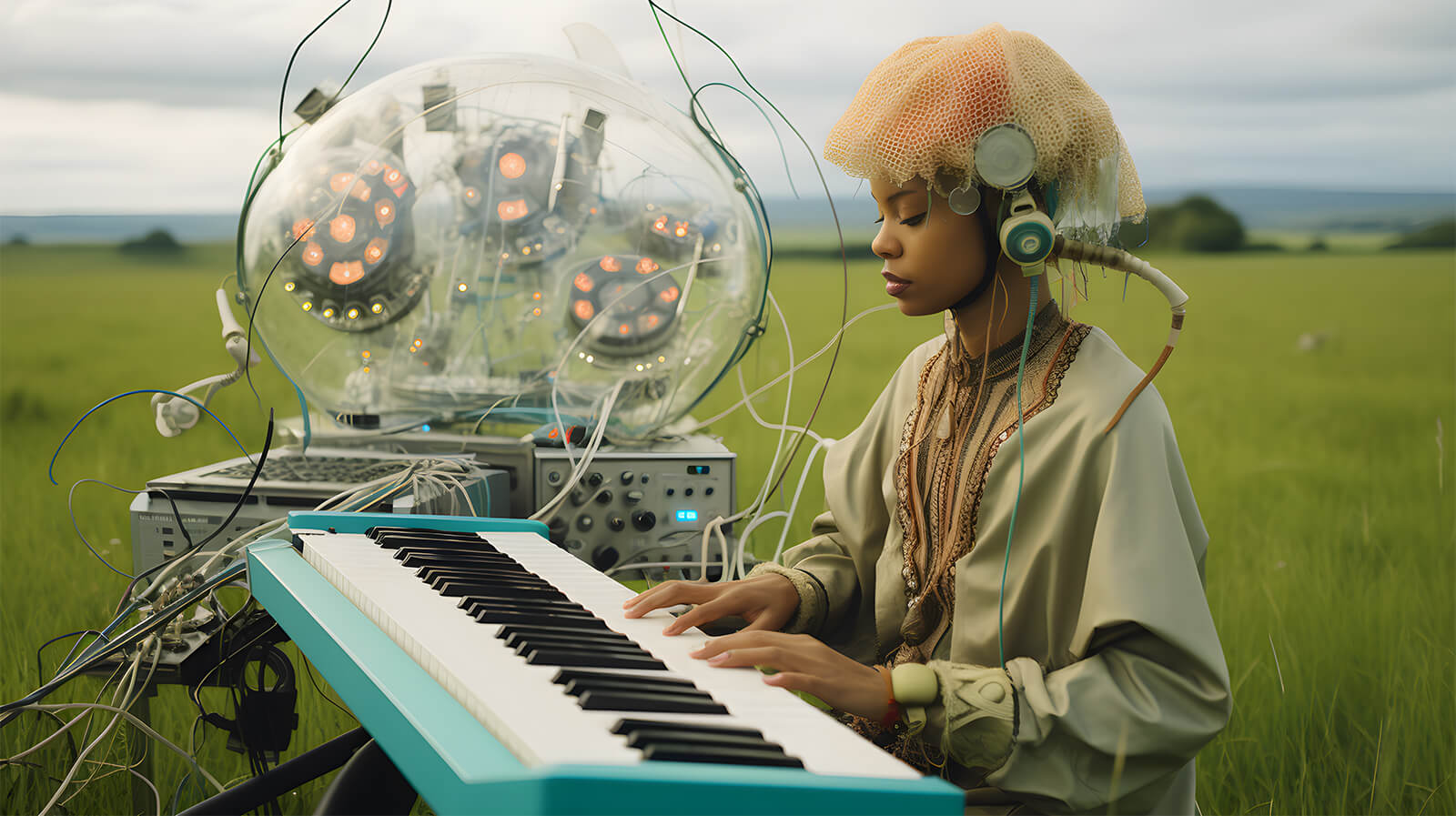
Against the drumbeat of catastrophe—AI dread, social unspooling, climate attrition—the exhibition refuses inevitability. It rejects the polite fatalism that confuses consequence with destiny. Spectacle is replaced with responsibility, and responsibility is treated not as a sermon but as a design brief. Afrofuturist works here do not decorate the future with diversity; they rebuild the premise of futurity itself. Osborne Macharia’s portraits do not include Blackness in science fiction as a new texture; they invert the default that assigns tomorrow to the West and whiteness. His subjects carry time differently—diasporic time with its ruptures and returns, spiritual time with its elastic simultaneities. That temporal literacy is not mood; it is method.
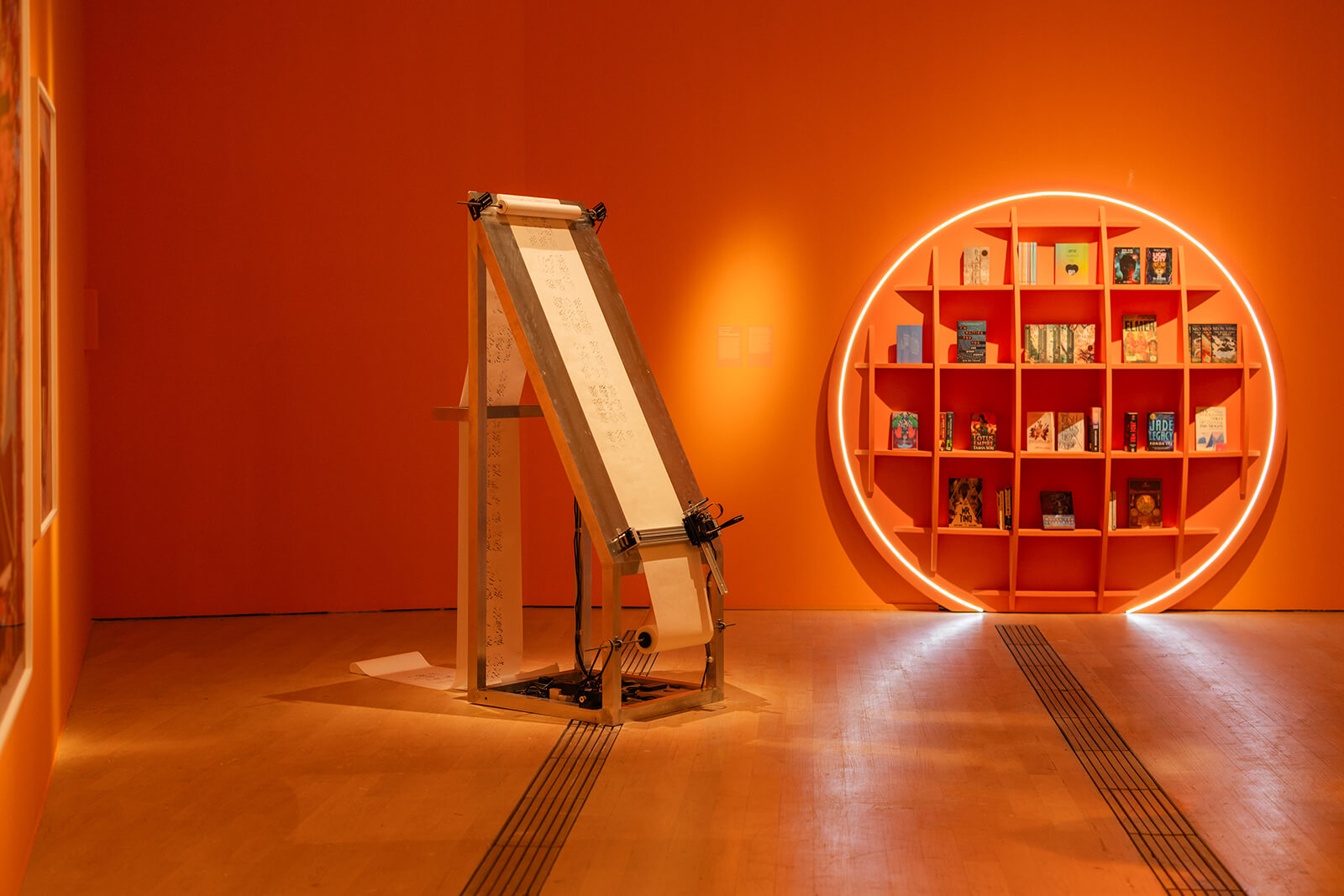
A parallel reconfiguration flows through Asian futurisms, which the exhibition treats as engines rather than ornaments. Silkpunk, Spicepunk, Islandpunk—labels that can sound whimsical—become in these galleries working laboratories of technique. They treat ritual, craft and story as engineering archives, repositories of failure-tested knowledge. Leeroy New’s sculptural mutations of found plastic are coastal manuals disguised as exuberance: buoyant, modular, reef-minded, as if the ocean were both collaborator and regulator. Ong Kian Peng’s generative talismans insist that computation has ancestors—that code, before it was code, was prayer, braid, knot, chant. The point is not that Asia imports optimism while the West imports doom. It is that archipelagic, monsoon, and multilingual conditions yield design assumptions about fragility, abundance, redundancy and care that industrial modernity tried to overwrite and now urgently needs to relearn.
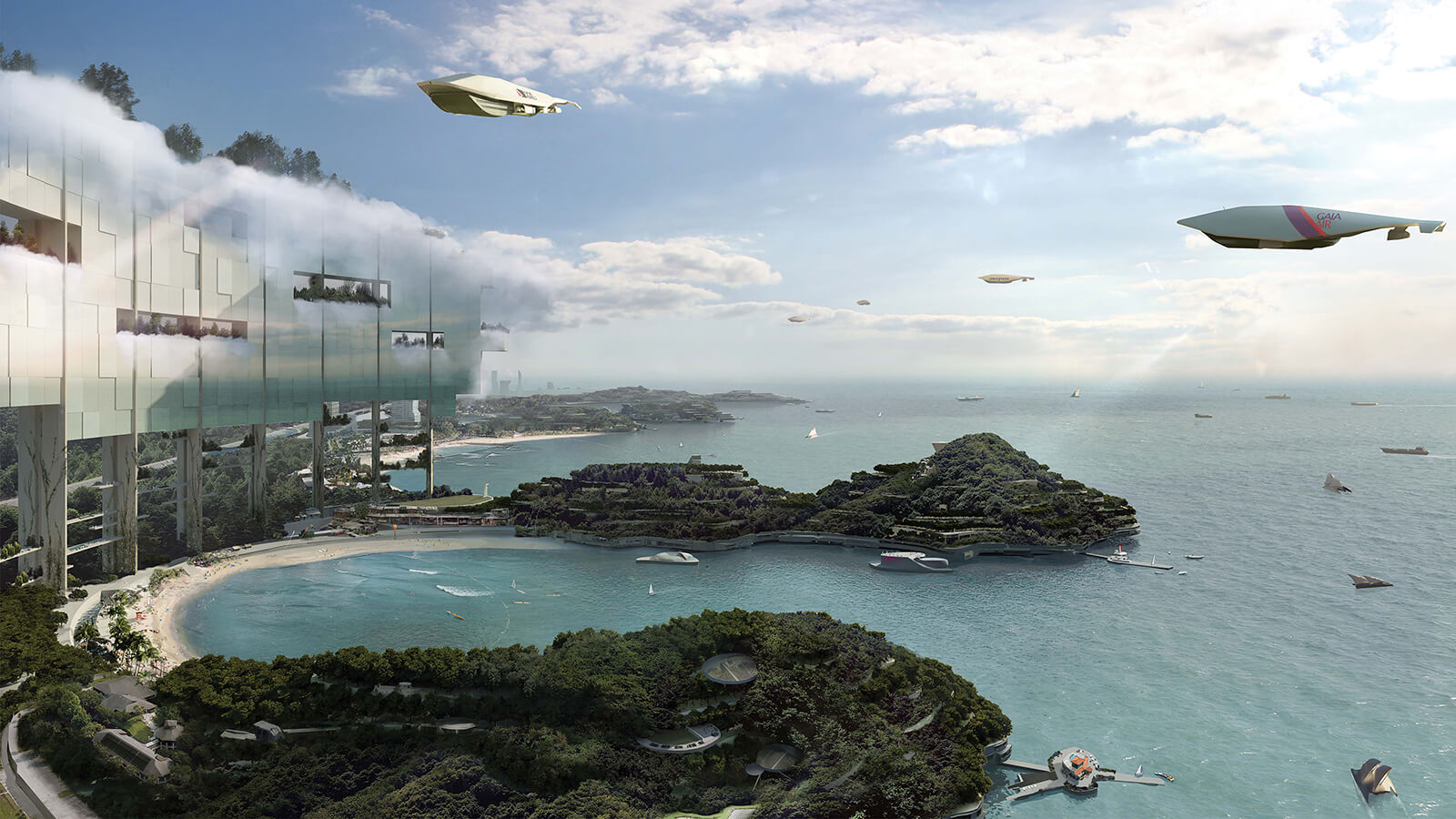

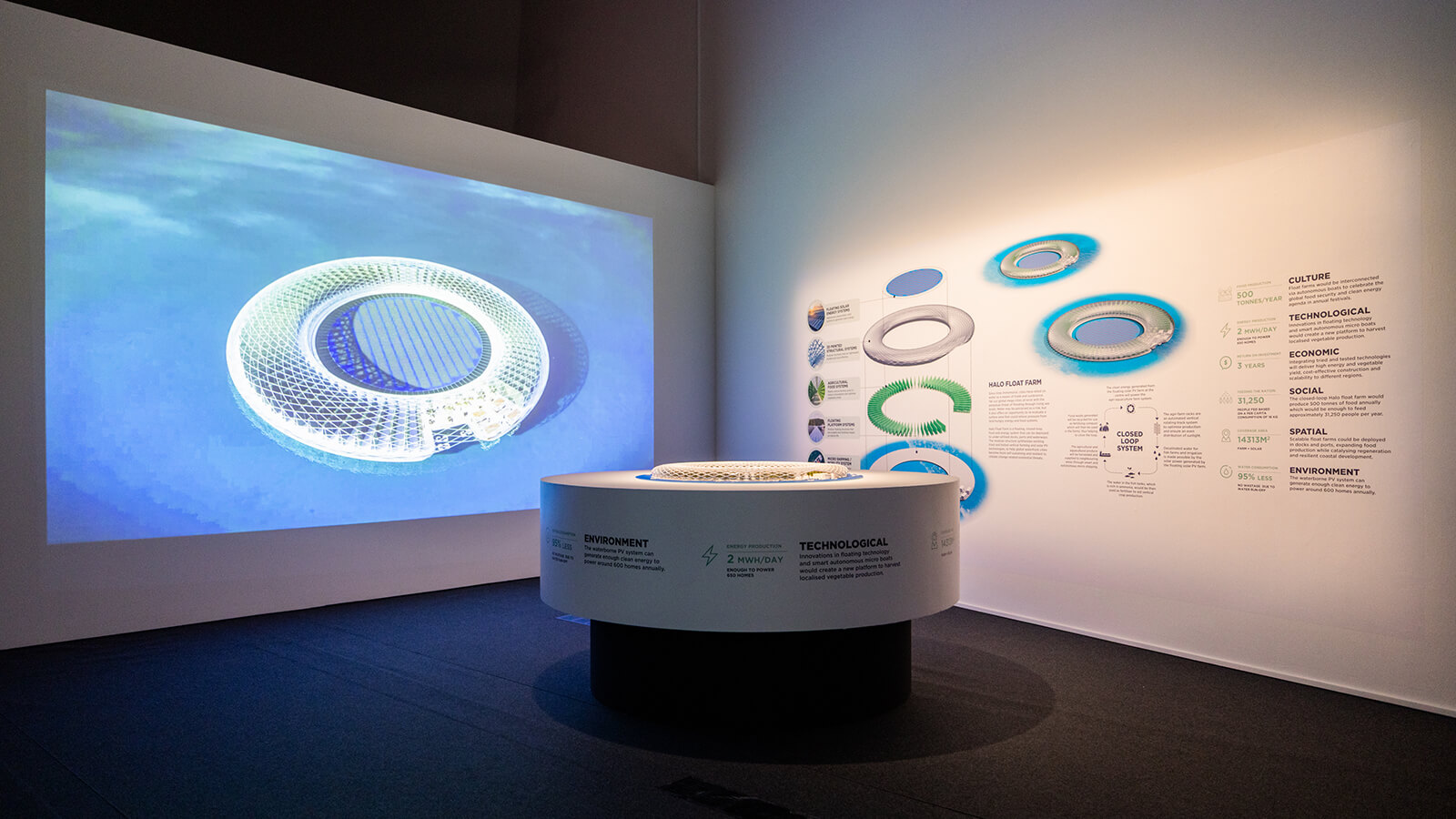
From cultural logics, the show moves, with brisk clarity, to policy. Singapore is often caricatured as a spreadsheet in the tropics—disciplined order, manicured greenery, logistics as national temperament. The curators nudge that cliché toward a more precise reading. Long-termism here is not only bureaucracy; it is civic rhythm, a choreography of attention across decades. This civic rhythm keeps time: a Long-Term Plan scored for 40–50 years and re-read each decade, dovetailing with a five-year Master Plan that retunes densities, new towns and MRT corridors to the present tense. WOHA’s masterplans, RAD+ar’s vertical habitats and Jason Pomeroy’s floating farms are not utopian renders awaiting a messiah investor. They are exercises in moral architecture, composed under the pressure of real constraints—land scarcity, water management, heat, entropy. In this register, planning becomes an art of boundaries rather than a fantasy of boundlessness, and boundary-thinking is reimagined as a public virtue.

The exhibition meets a generational shift head-on by giving games pride of place. The controller, more than the camera, has become the instrument of world-feeling. To move through a speculative map with your own inputs is to practice agency at scale; it is also to learn the politics of interface. BARC’s conversion of warehouse tools into play mechanics is not a gimmick. It reveals how scanners, barcodes, receipts—those dull artifacts of logistics—govern our choreography from checkout to checkpoint. If the city runs on enterprise software and urban sensors, then the ethics of UI/UX are not a boutique concern; they are urban policy by other means. The question is not whether we are being ‘gamified’, but who authors the rules and who audits their effects.
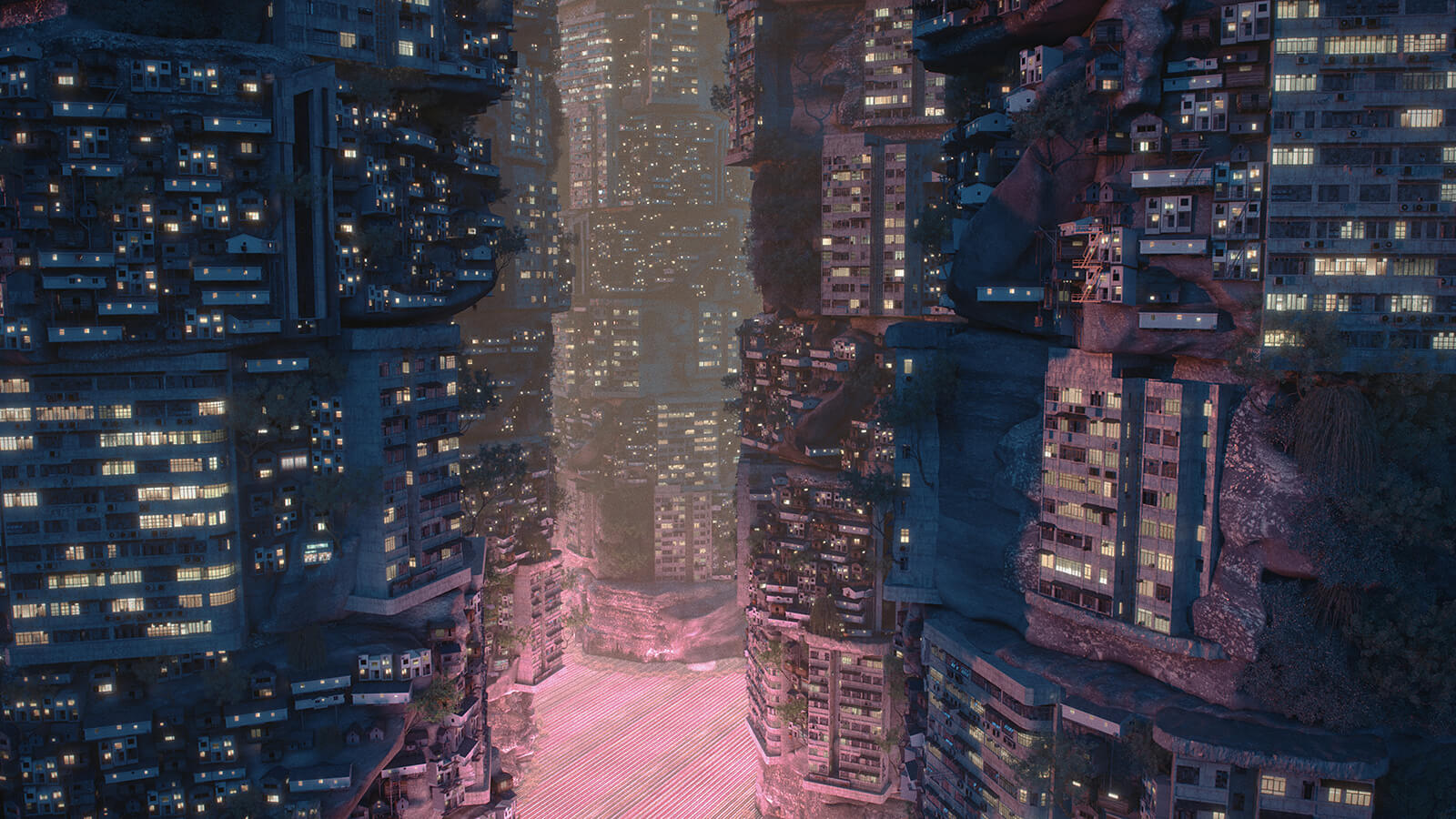
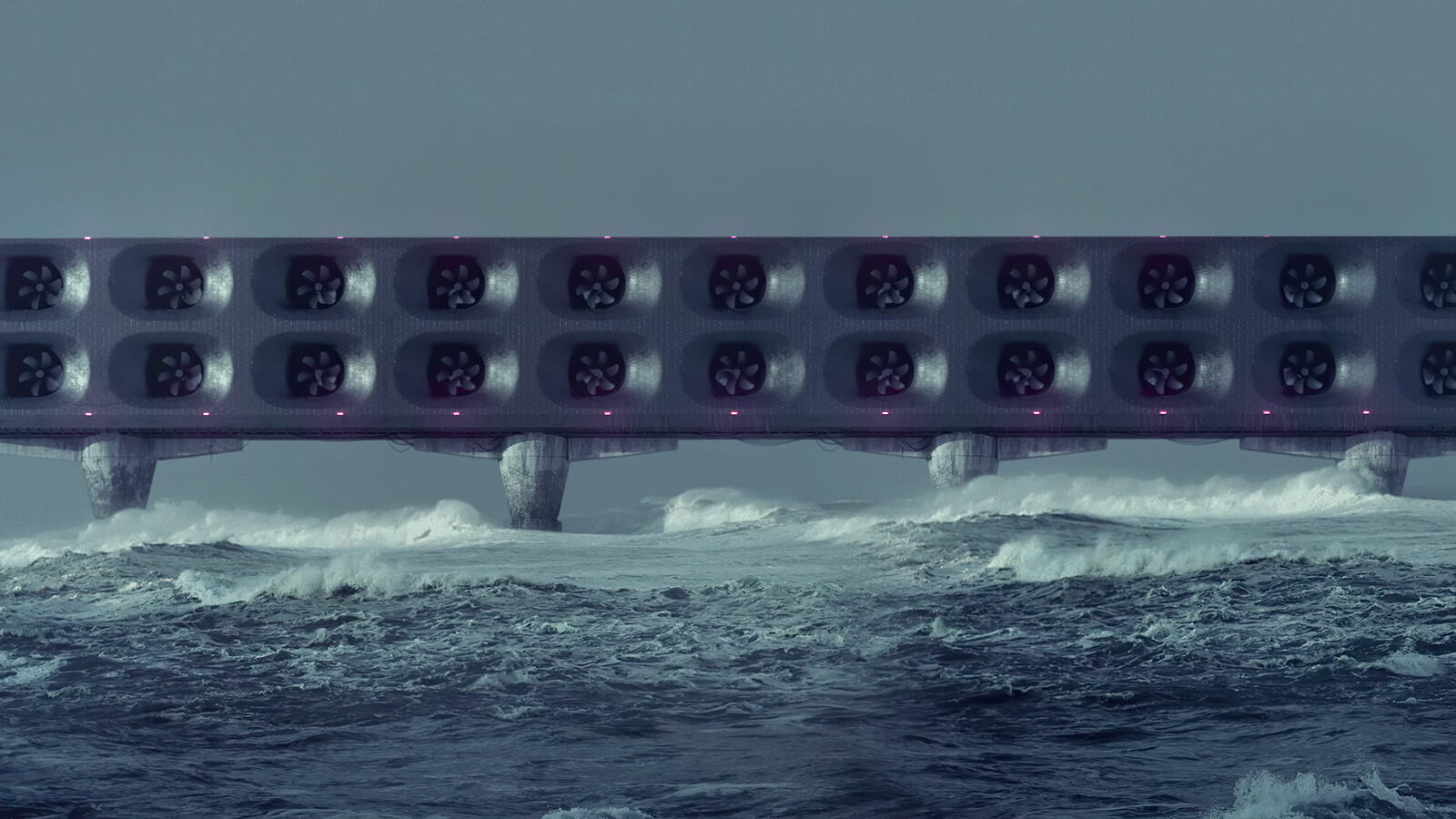
Young’s monumental works act as the counterweight—speculative urbanism scaled up to geology. Planet City and The Great Endeavor aren’t big to dazzle; they’re big to make the math unavoidable. How would supply chains be rerouted? Which minerals would be mined, and where? What labour systems would be required? Which landscapes would be asked—again—to absorb the sacrifice? These pieces aren’t blueprints. They’re moral calculators. They insist that feasibility includes what feasibility studies often skip: time, matter, human capacity and political will.

If the collaboration with ACMI is the root system, the show is clear about which way sap should flow. The Futures & Other Fictions at ACMI mapped the screen-born imagination that primed culture for worldbuilding; Singapore’s edition is editorial rather than archival. It plants, tests and prunes. It speaks in a Southeast Asian cadence that neither self-exoticises nor genuflects to the global North. This tone is a demand for a lexicon that belongs to the conditions it names—sea levels, humidity, languages stacked in the mouth, supply routes braided through straits. The regional voice signifies not where the show was made, but how it thinks.
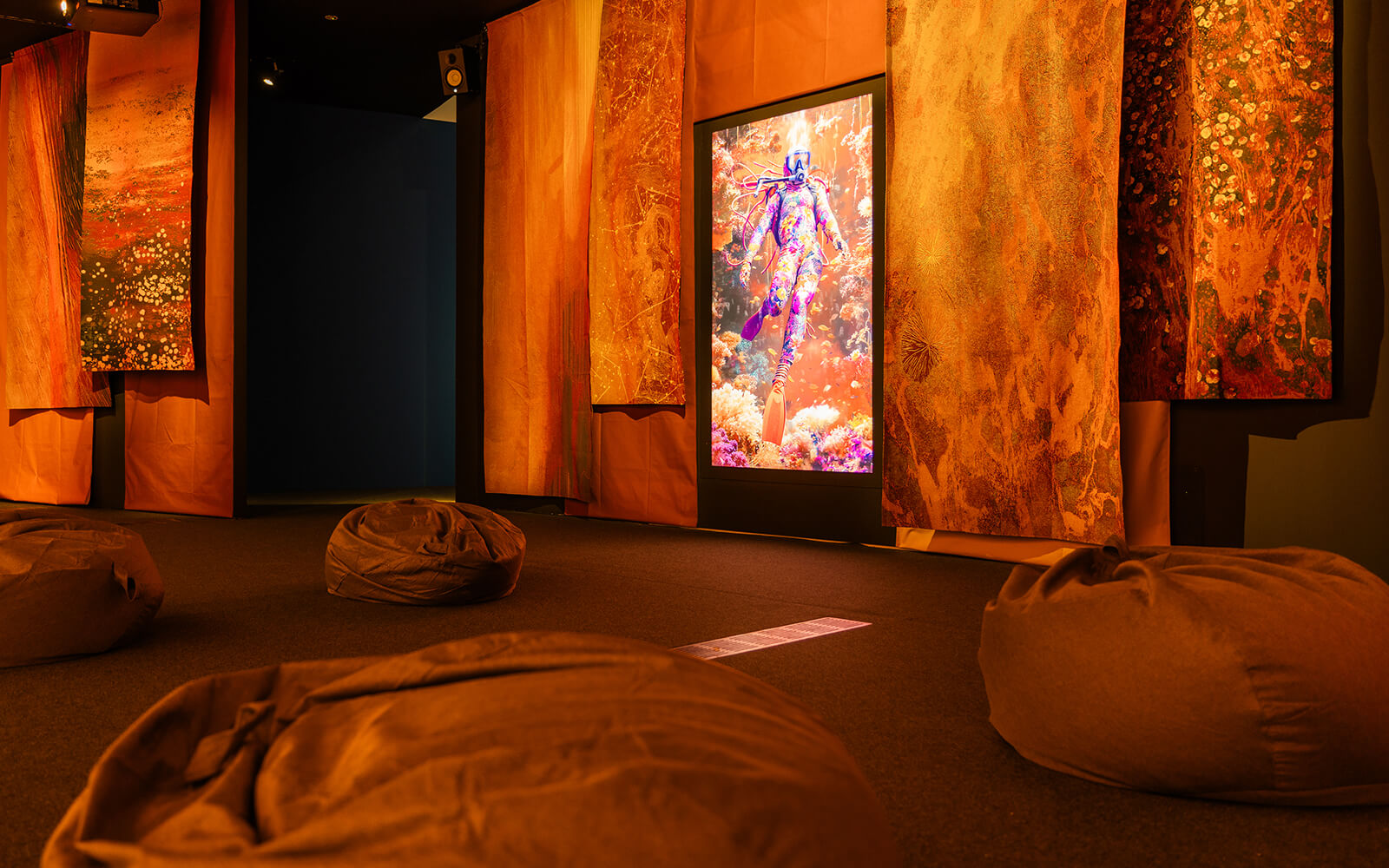
Across galleries, one understanding gathers momentum: imagination is not illustrative; it is infrastructural. A film about a reefed oil rig alters how an engineer reads a decommissioning report. A game about a town remembered reshapes how a planner parses a public consultation. A couture piece that claims a marginalised lineage changes the optics of a museum acquisition. We underestimate imagination because we treat it as an image. The curators insist it is scaffolding: an arrangement of concepts, expectations and shared fictions. Another world, in this light, is not an escape hatch but a set of construction drawings—incremental, negotiable, susceptible to revision and already overdue.
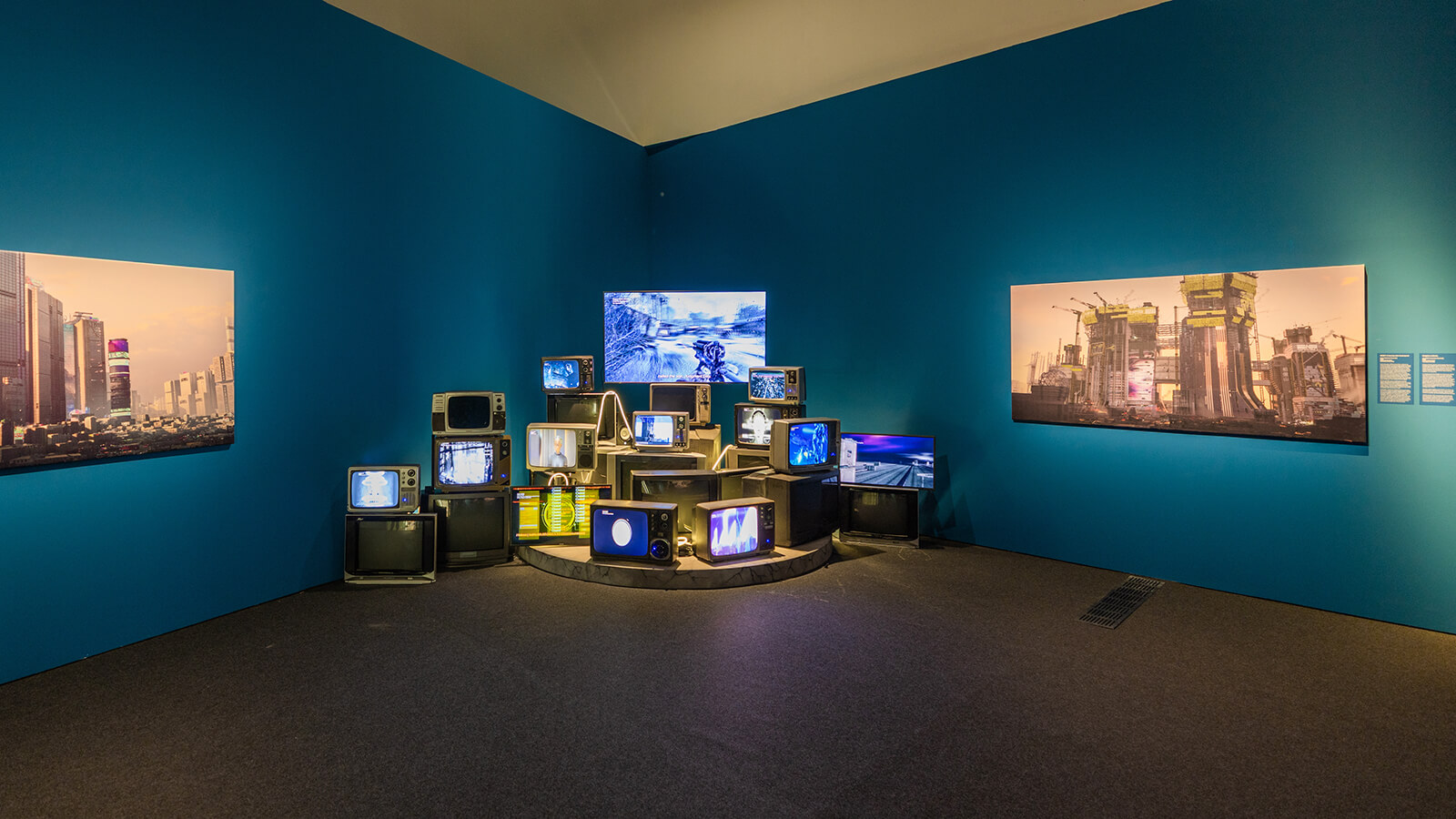
The curation’s quiet triumph is how it handles scale. It moves from micro to planetary without the whiplash that usually attends such leaps. A hand-stitched object sits beside a satellite proposition, and neither cancels the other. Instead, they form a loop: the planetary names a horizon of constraint and possibility; the intimate names a horizon of care. We need both. A city must be counted in gigatons and in balconies. A reef must be measured in biodiversity and in lullabies.
Leaving, I keep returning to that synthetic forest—the installation that told the truth about itself. That candour feels like a compact with the city beyond the museum doors. No future is natural. Every path is paved by decisions, and each decision discloses who we imagine we are to one another. The work ahead is to keep that knowledge in view without sentimentality and without despair, to replace the narcotic of prediction with the discipline of rehearsal. What we have, at best, is a practice: not a destination, not a timetable, but a way of standing together, testing together and repairing together. If the future arrives as a viewpoint, then the task is to build the vantage—platforms sturdy enough for many feet, open enough for disagreement and honest enough to show the scaffolds holding us up. From such platforms, another world is not simply imaginable. It is, piece by provisional piece, already under construction.
‘Another World Is Possible’ is on view from September 13, 2025 – February 22, 2026, at the ArtScience Museum.
The views and opinions expressed here are those of the author(s) and do not necessarily reflect the official position of STIR or its editors.
by Srishti Ojha Oct 27, 2026
The 13th edition of the Gyeonggi Ceramics Biennale in South Korea, Earth Makes, explores ceramics from around the world, spanning ancient traditions and contemporary experimentation.
by Srishti Ojha Oct 26, 2026
The Taiwan-based artist shares his opinion on exhibition rituals, protests and his search for ‘fragmented beauty’.
by Srishti Ojha Oct 21, 2026
Increasingly, artists, filmmakers and activists are turning to VR to create more personal, tangible accounts of the climate emergency and its impact on vulnerable communities.
by Mirra Lynn Oct 20, 2026
The Indian artist paints the old wadas of central Pune, capturing the traces of everyday life that cling to these structures, battered by time but unbowed.

make your fridays matter with a well-read weekend
Enter your details to sign in
Don’t have an account?
Sign upOr you can sign in with
a single account for all
STIR platforms
All your bookmarks will be available across all your devices.
Stay STIRred
Already have an account?
Sign inOr you can sign up with
Verification link sent to check your inbox or spam folder to complete sign up process
Tap on things that interests you.
Select the Conversation Category you would like to watch
Please enter your details and click submit.
Enter the 6-digit code sent at


Another World is Possible: Perspectives from the future
by Lee Daehyung | Published on : Oct 29, 2025


 Sign in with Google
 Sign in with email
What do you think?