Art09 mins. read
Wedding photos, 'boterismo' and Korean film stars: Your guide to Art Basel Hong Kong
by STIRworldMar 24, 2025




by Erik Augustin PalmPublished on : Nov 14, 2025
In the Tokyo National Art Center’s survey Prism of the Real, co-curated with Hong Kong’s M+ Museum, the years 1989 – 2010 are treated not as rigid markers but as a malleable span of social change. The exhibition explicitly spans 170 works by some 50 artists (about one-third of them non-Japanese), organised not chronologically but into three thematically charged sections. In broad strokes, the show steps from The Past Is a Phantom (war and memory) through Self and Others (identity and hierarchy) to A Promise of Community (social engagement).
This structure rejects a single narrative: Japan is presented as a porous creative platform where local history and global currents collide—late Cold War endings, globalisation and a burst of Heisei-era creativity (the period between 1989 – 2019, named for Emperor Akihito’s reign and marked by rapid technological and cultural change). By treating contemporary art as a lens—or prism—on society, the exhibition posits that ‘the real’ itself lies in multiple overlapping spectra.
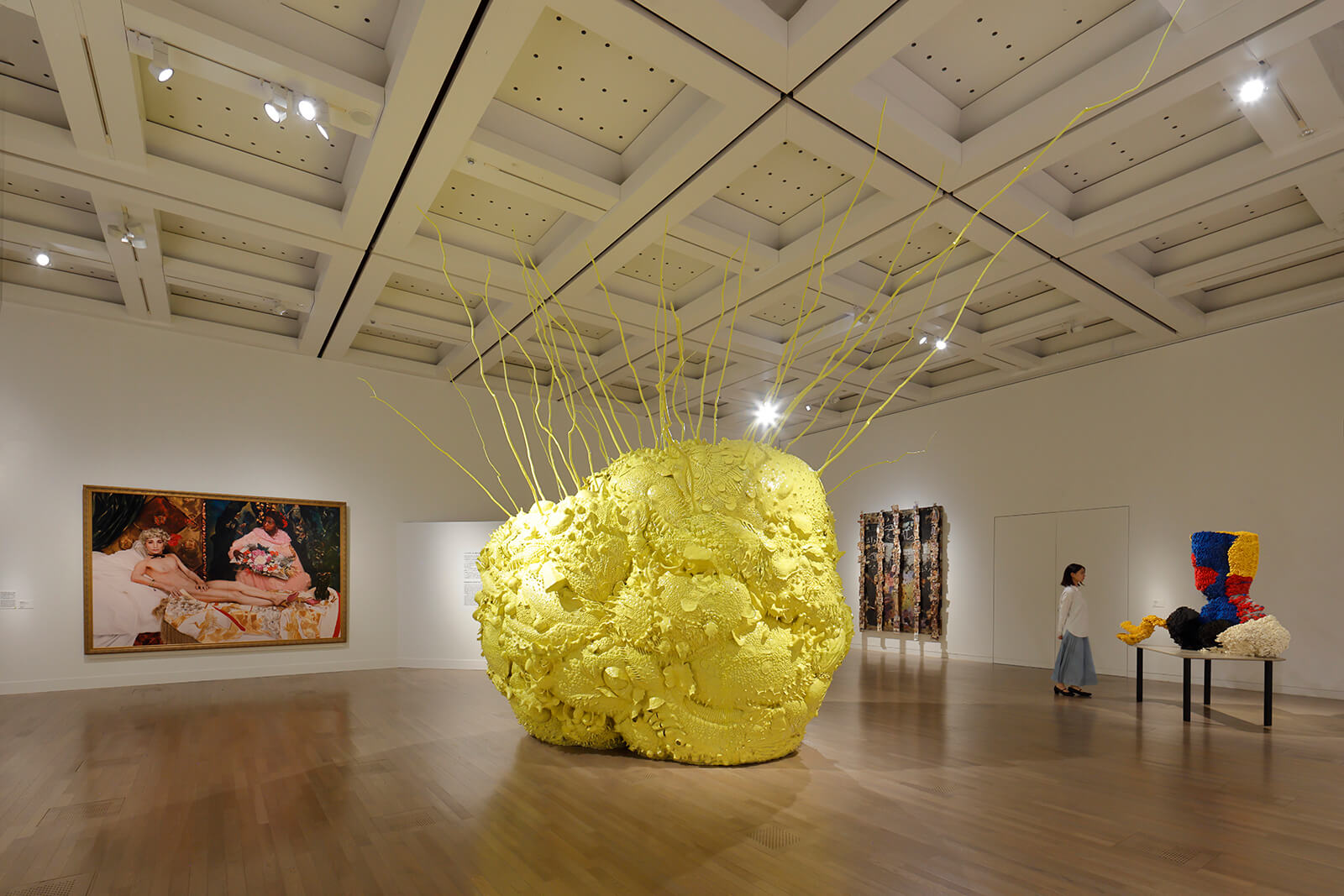
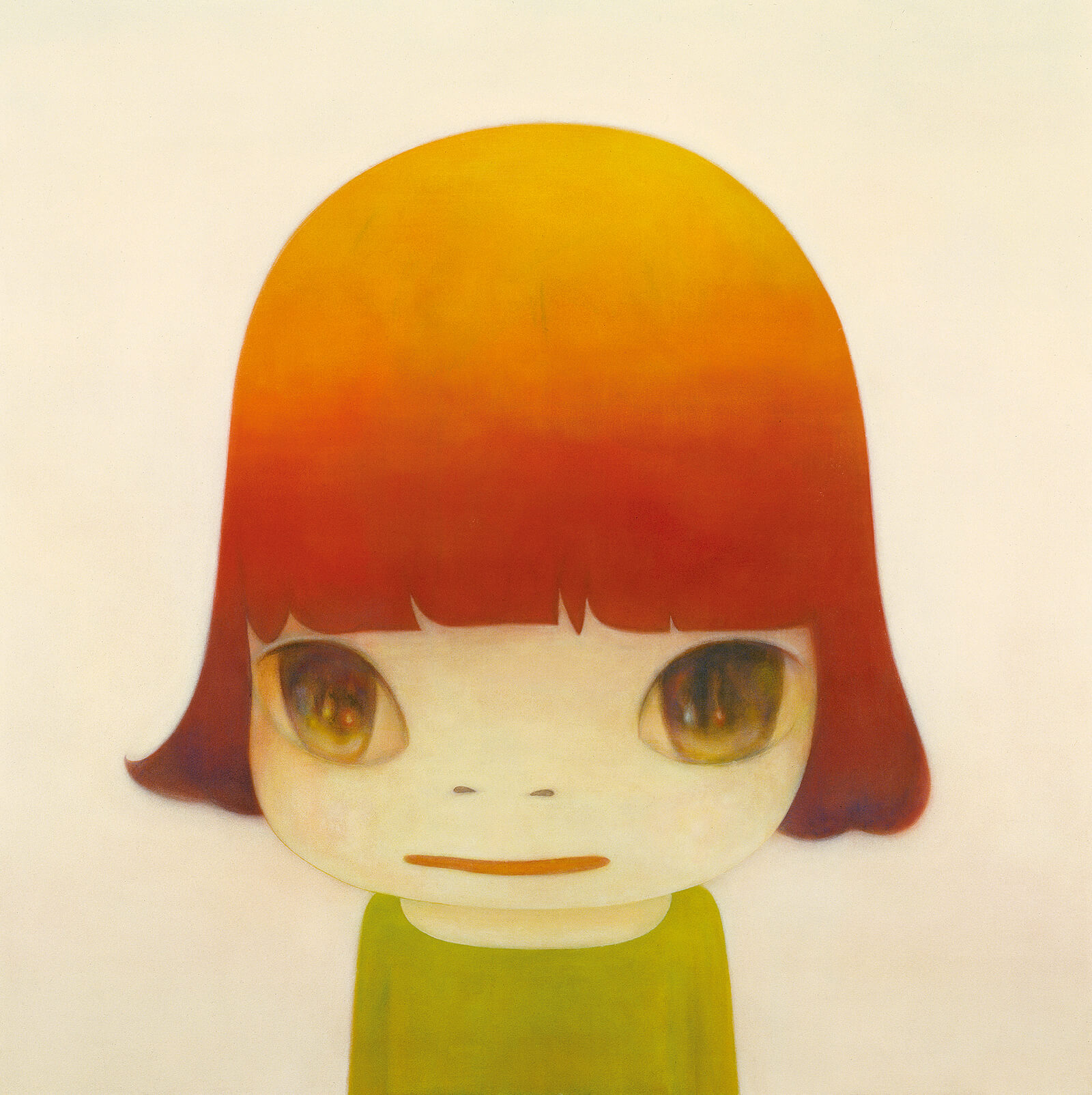
Against this backdrop, the first gallery, The Past Is a Phantom, foregrounds history’s ghosts. Here, artists confront the afterimage of war and colonial legacies. Noboru Tsubaki’s Esthetic Pollution (1990)—a bulging yellow sculpture of polyurethane and wood that merges hive and machine—evokes both human defiance toward nature and the ecological strain of Japan’s late-1980s boom, while Yasumasa Morimura’s Portrait (Futago) (1988 – 89) restages Édouard Manet’s Olympia (1863), transforming a Western icon into a self-portrait that questions identity and cultural gaze. Among the most biting contributions are Yoshitomo Nara’s cartoonishly sinister children from Agent Orange (2006): bright orange helmets over innocent faces that evoke the USA's defoliant and Vietnam War horrors.
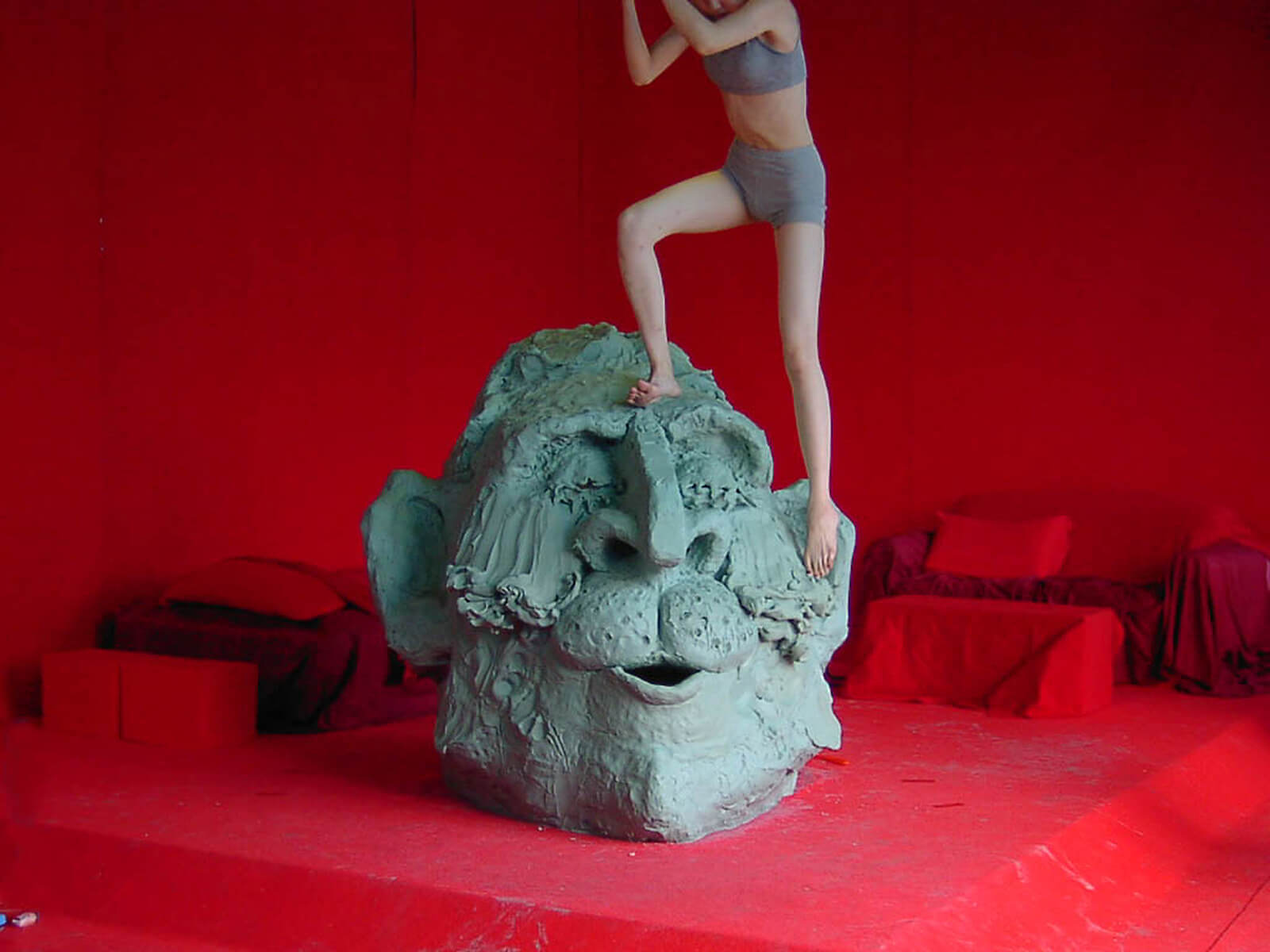
Nara’s petulant, anime-like children become unwitting avatars of militarism—a war hidden in plain sight of cuteness. Meanwhile, Takamine Tadasu’s video God Bless America (2002) critiques Japan’s post-9/11 inertia (two actors trim clay heads chanting ‘God Bless America’ in a meaningless gesture). In all of this, The Past Is a Phantom uses art to make the spectre of history present. There is an acute sense of history repeating: some works link wartime memories (A-bomb and battle sites) to later conflicts (Taiwan’s abandoned torii gates, Okinawa’s bases and even US-led wars in Asia)—reminding us that past violence still reverberates into Japan’s social psyche.
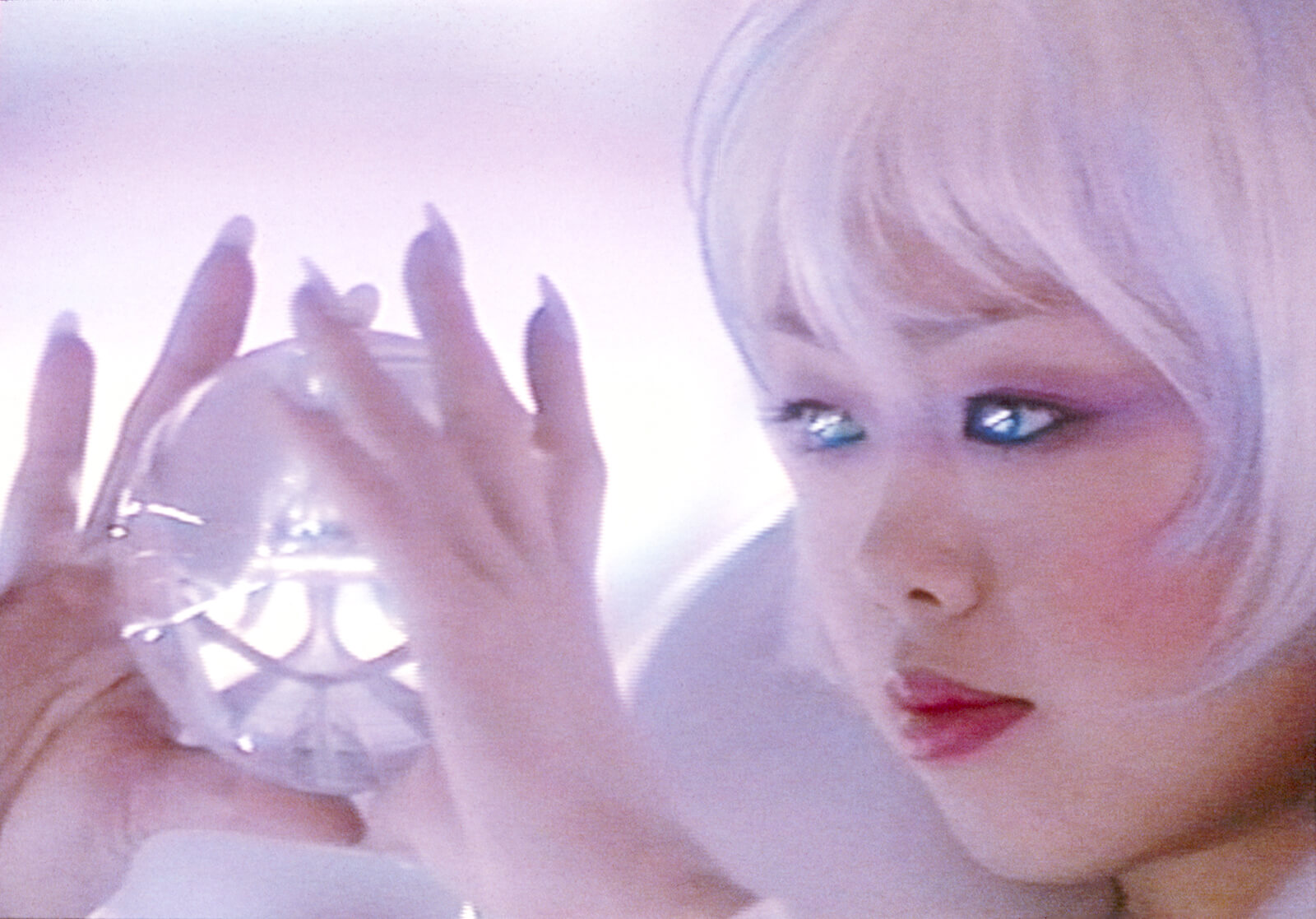
The second section, Self and Others, shifts to personal and cultural identity. Here, Mariko Mori’s video Miko no Inori (1996) illustrates a blend of tradition and futurism. A white-clad, mask‑wreathed ‘shrine maiden’ holds a glowing orb—a trope of ritual reimagined through digital-age surrealism. In this section, the works shift their focus to questions of identity—how gender, nationality and cultural inheritance are performed, reimagined and exchanged. Artists navigate between self and other, probing what it means to see and be seen in a society shaped by both deep-rooted traditions and accelerating globalisation.
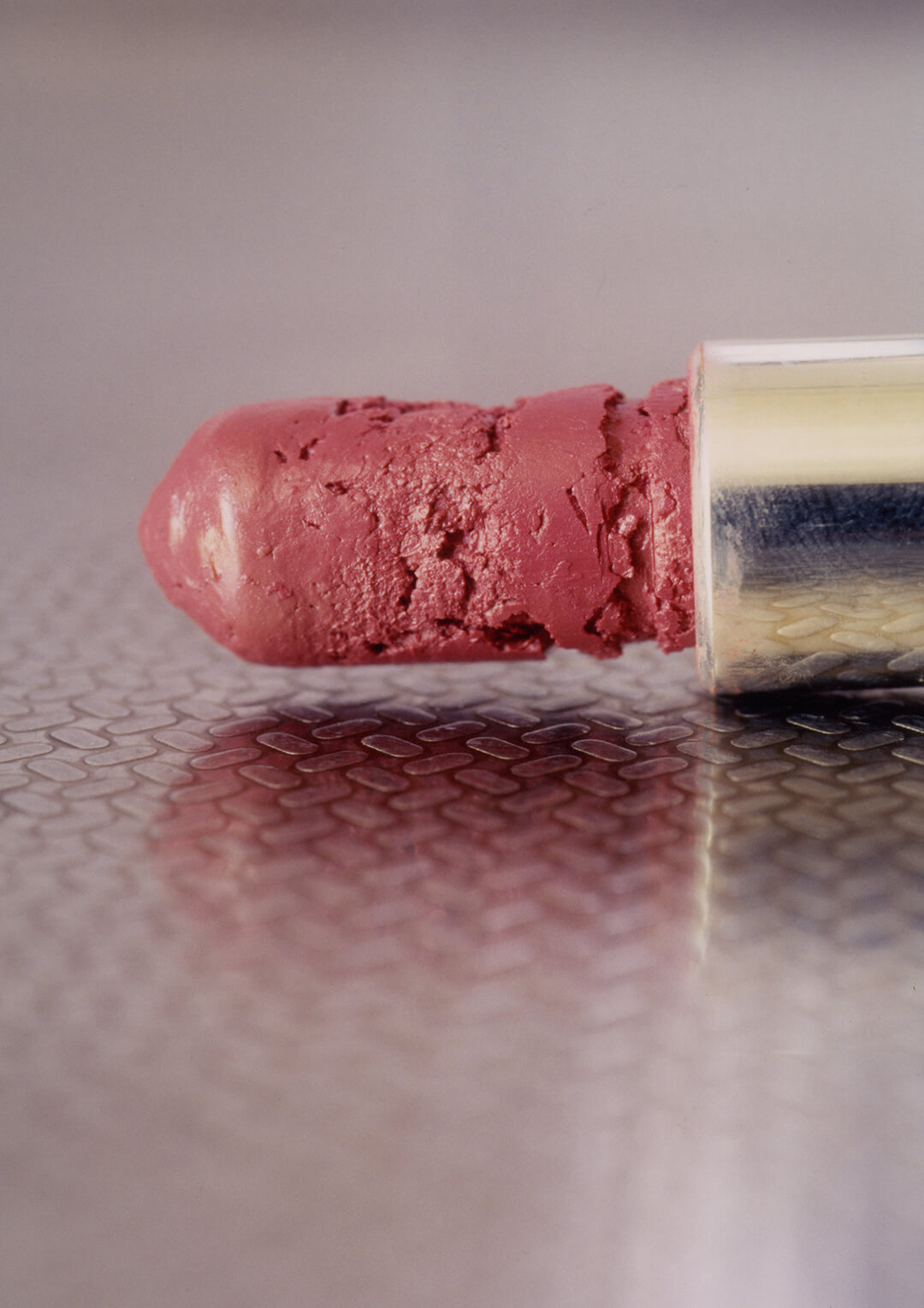
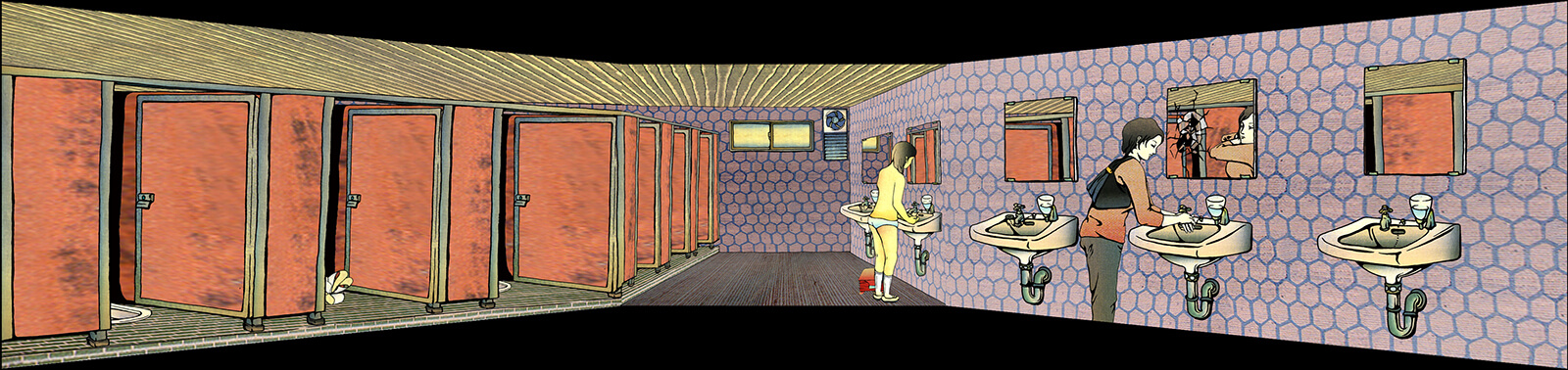
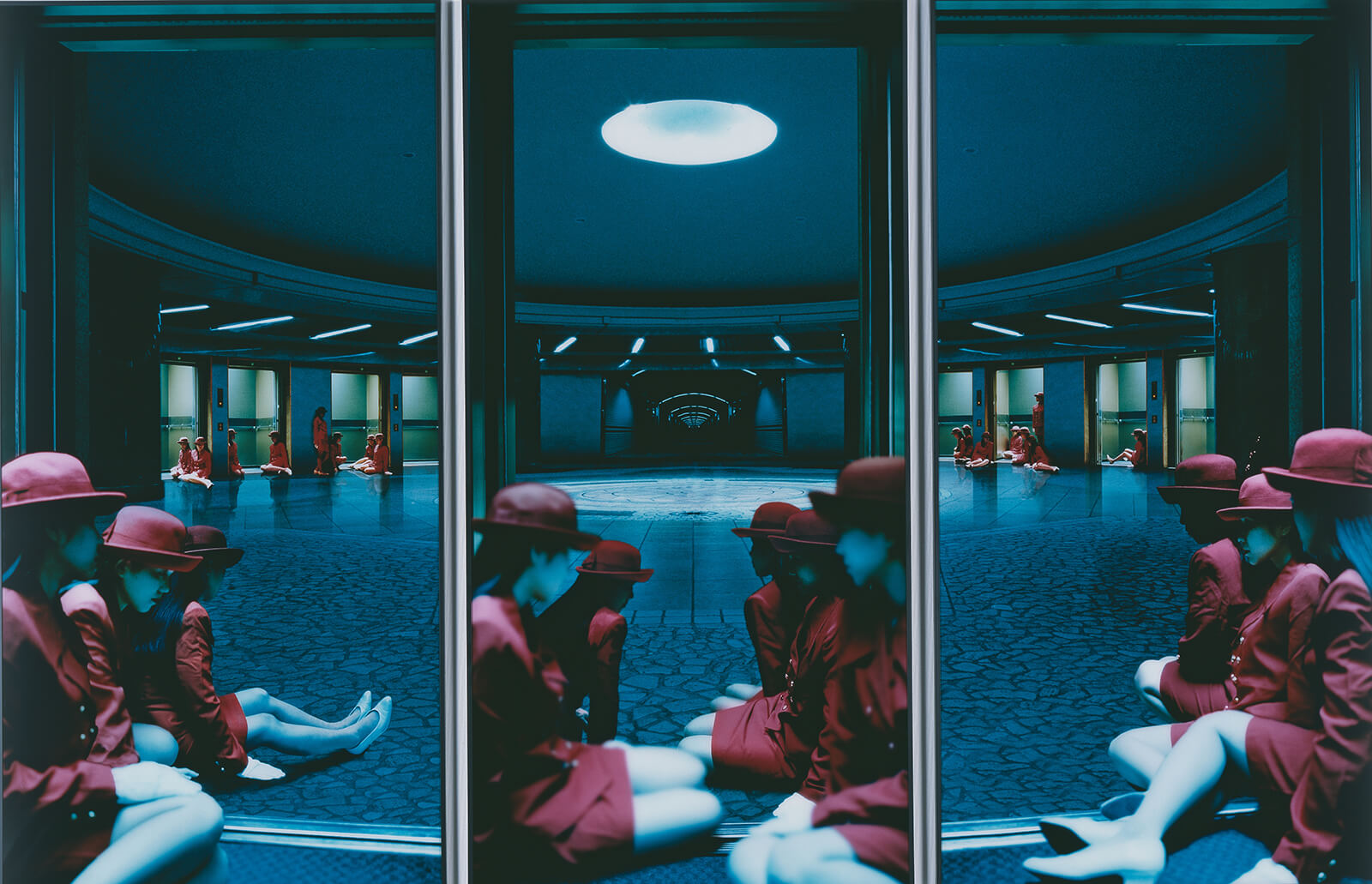
Indeed, the ‘Self’ of Japan is shown as multiple: Miyako Ishiuchi’s intimate photos of everyday female bodies, Tabaimo’s incredible, layered animation, Public conVENience (2006), of a public restroom and Miwa Yanagi’s dreamlike portrait Aquajenne in Paradise II (1995) all probe the fractured sense of self under media and patriarchy.
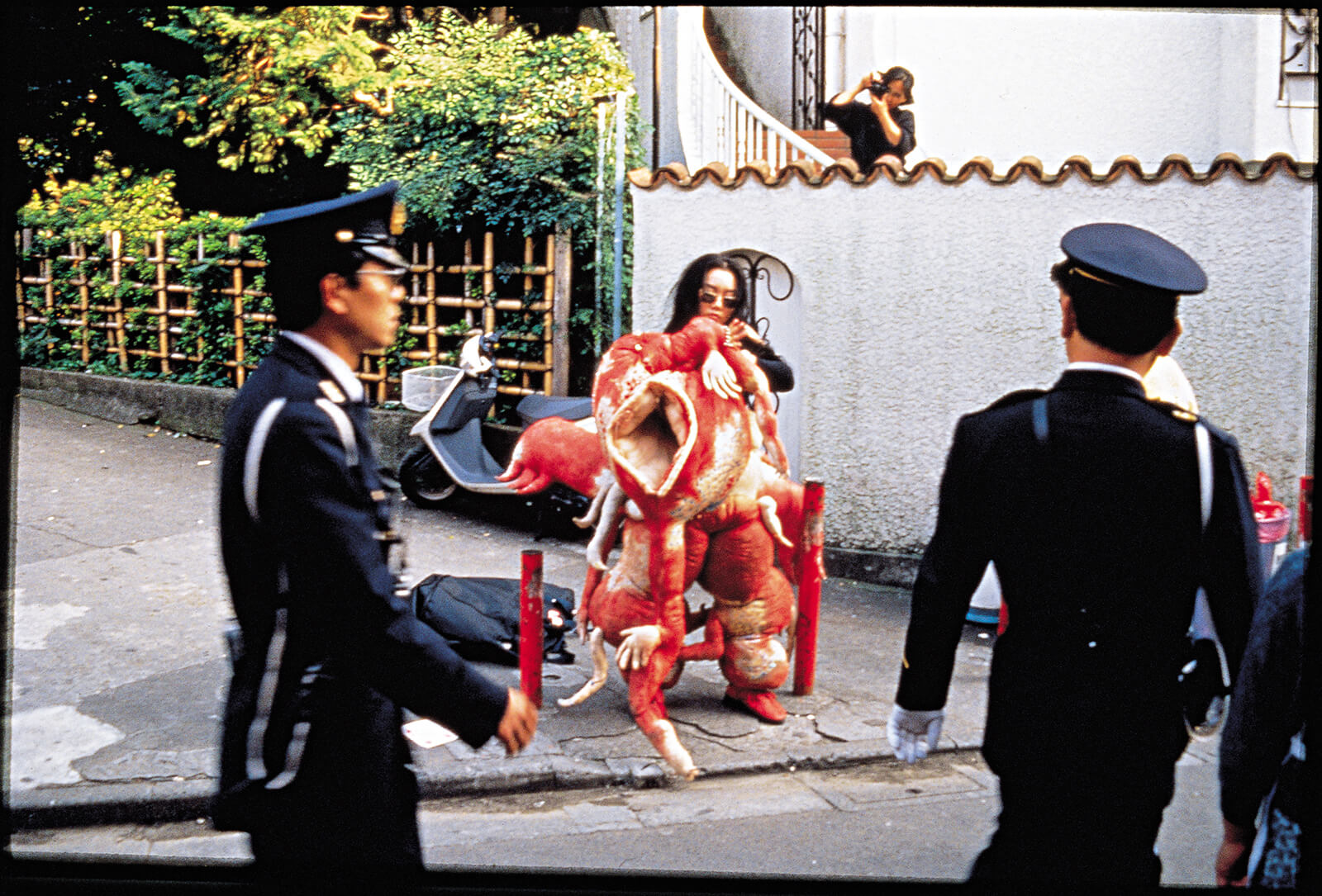
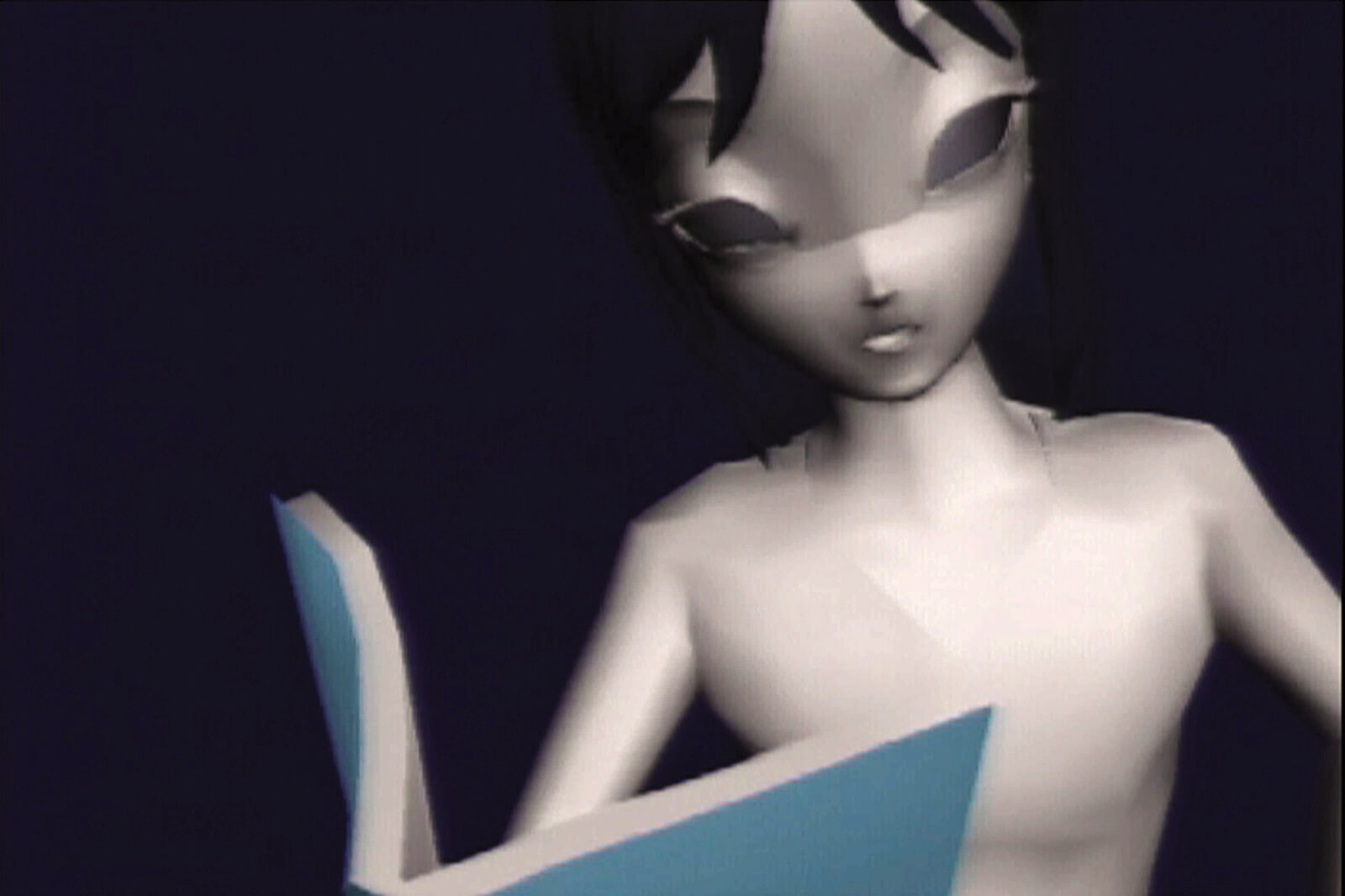
Many foreign-born artists appear in the section: Korean artist Lee Bul’s performance video, Sorry for Suffering – You Think I’m a Puppy on a Picnic? (1990), shot in Tokyo, turns her own body—encased in a grotesque ‘soft sculpture’ costume—into a pageant of post–Cold War unease and South Korea’s turbulent shift from dictatorship to democracy. Nearby, Matthew Barney’s Drawing Restraint 9: Mirror Position (2005) translates Japan’s rituals of transformation into a meditation on endurance and metamorphosis. Argentine–Thai Rirkrit Tiravanija’s Ghost Reader C.H. (2002) nods to cross-cultural exchange.
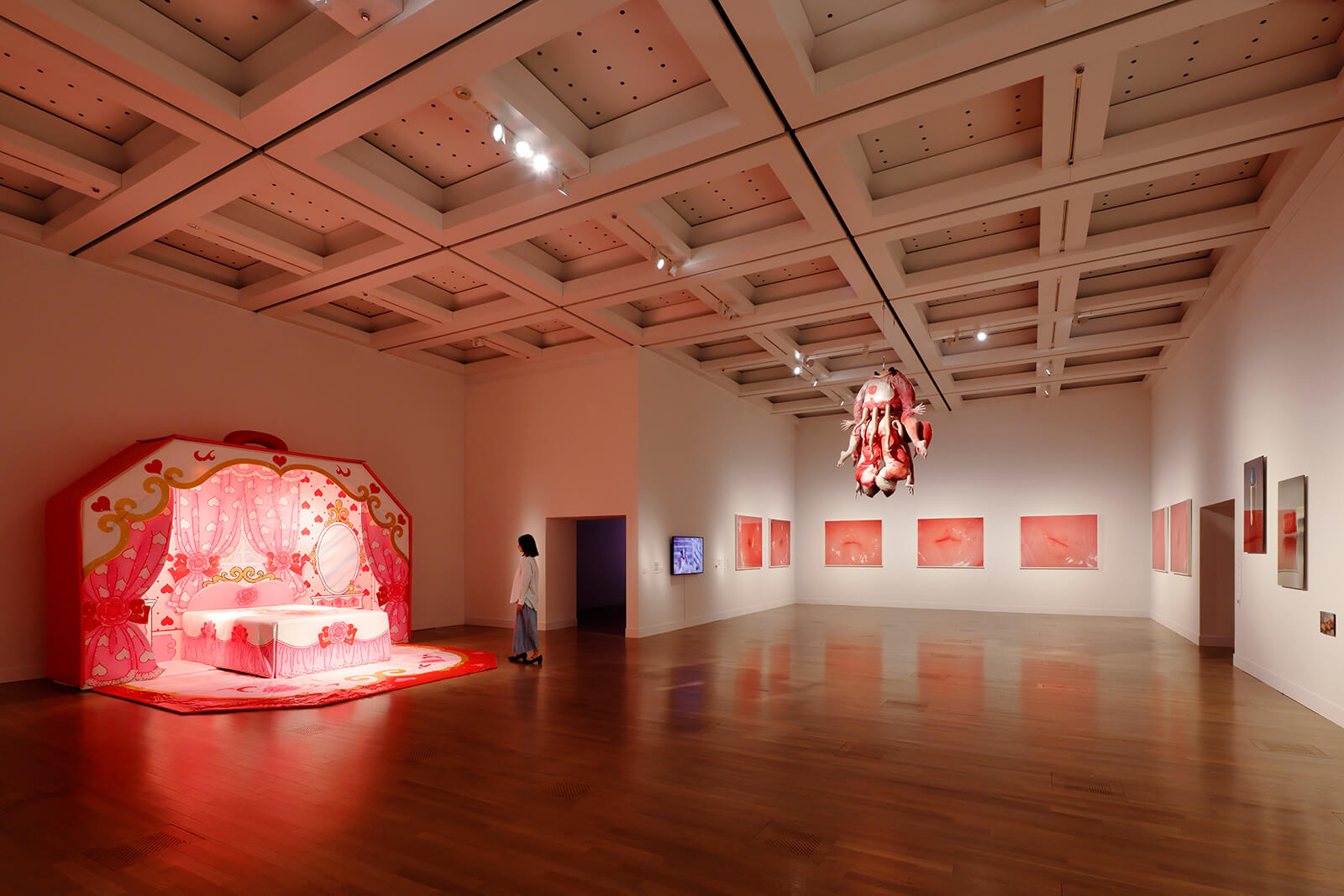
The chapter bluntly addresses gender and nationhood. In one corner, a huge installation by Minako Nishiyama, the inflatable feminist collective icon The PINKÚ House, conjures a women’s refuge with cartoon violence printed on its walls. In another, Oscar Oiwa’s Ancient Museum (1995) reminds us that the personal is always intertwined with culture. The overall effect is a kaleidoscopic self-portrait, made of many eyes looking at one another.
The curatorial framework makes clear that ‘Japanese culture’ here is not treated as a closed category but as a living field of exchange. Artists from both Japan and abroad engage with its symbols and histories, dissolving the line between insider and outsider to reveal a more fluid, interdependent view of cultural identity.
In A Promise of Community, the exhibition turns outward, to collective life. This final section turns toward the social dimension of art, presenting projects rooted in collaboration and everyday life—works that reach into communities, respond to existing social frameworks and imagine new ways of relating to one another.
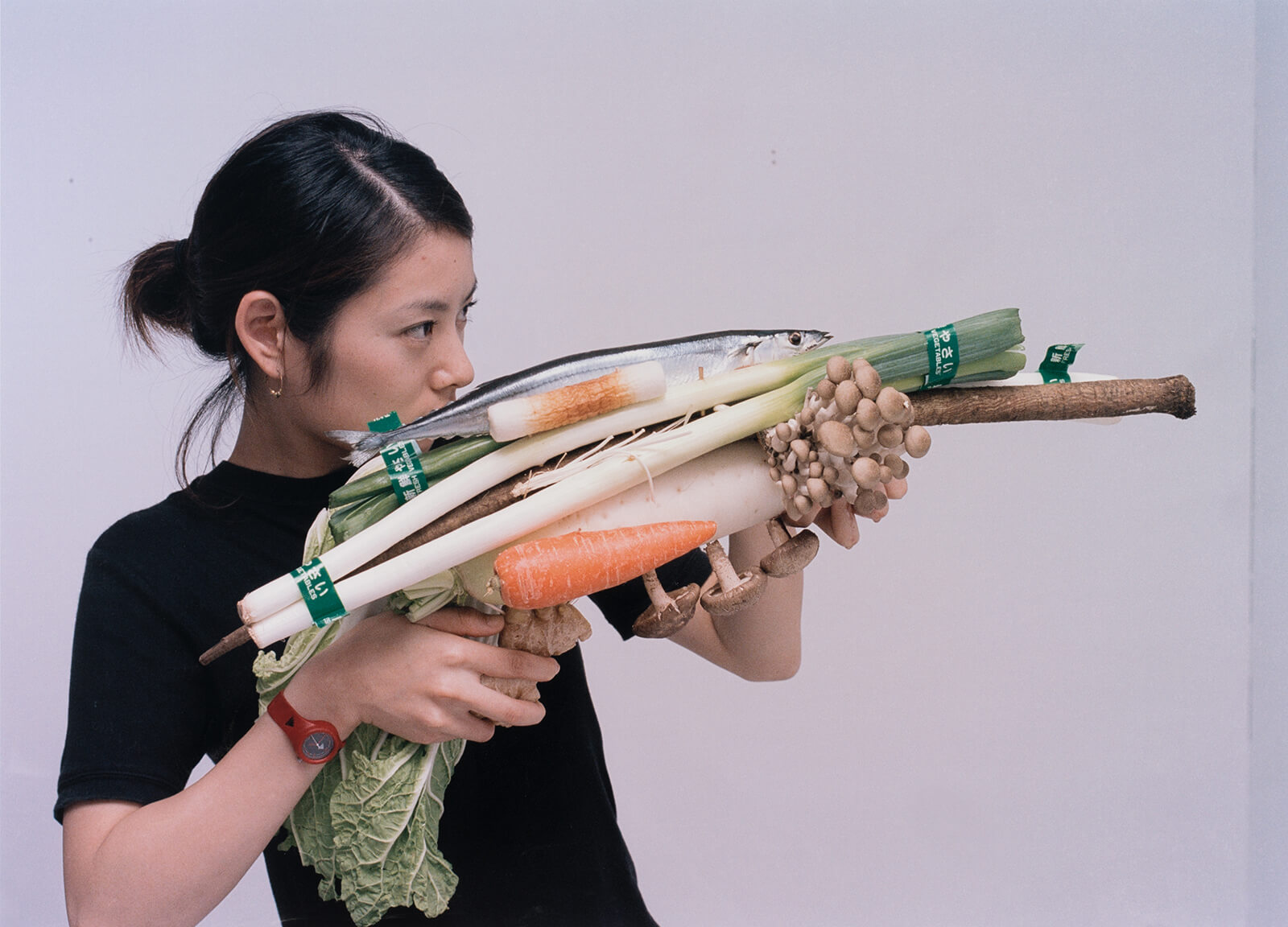
Works here are collaborative or public-minded. For instance, Tsuyoshi Ozawa’s photograph, Vegetable Weapon: Saury Fishball Hot Pot / Tokyo (2001), features a cheerful Tokyo housewife cradling a rifle assembled from carrots, radishes and fish balls. It’s a tongue-in-cheek icon of domestic solidarity—a fake weapon symbolising communal survival.
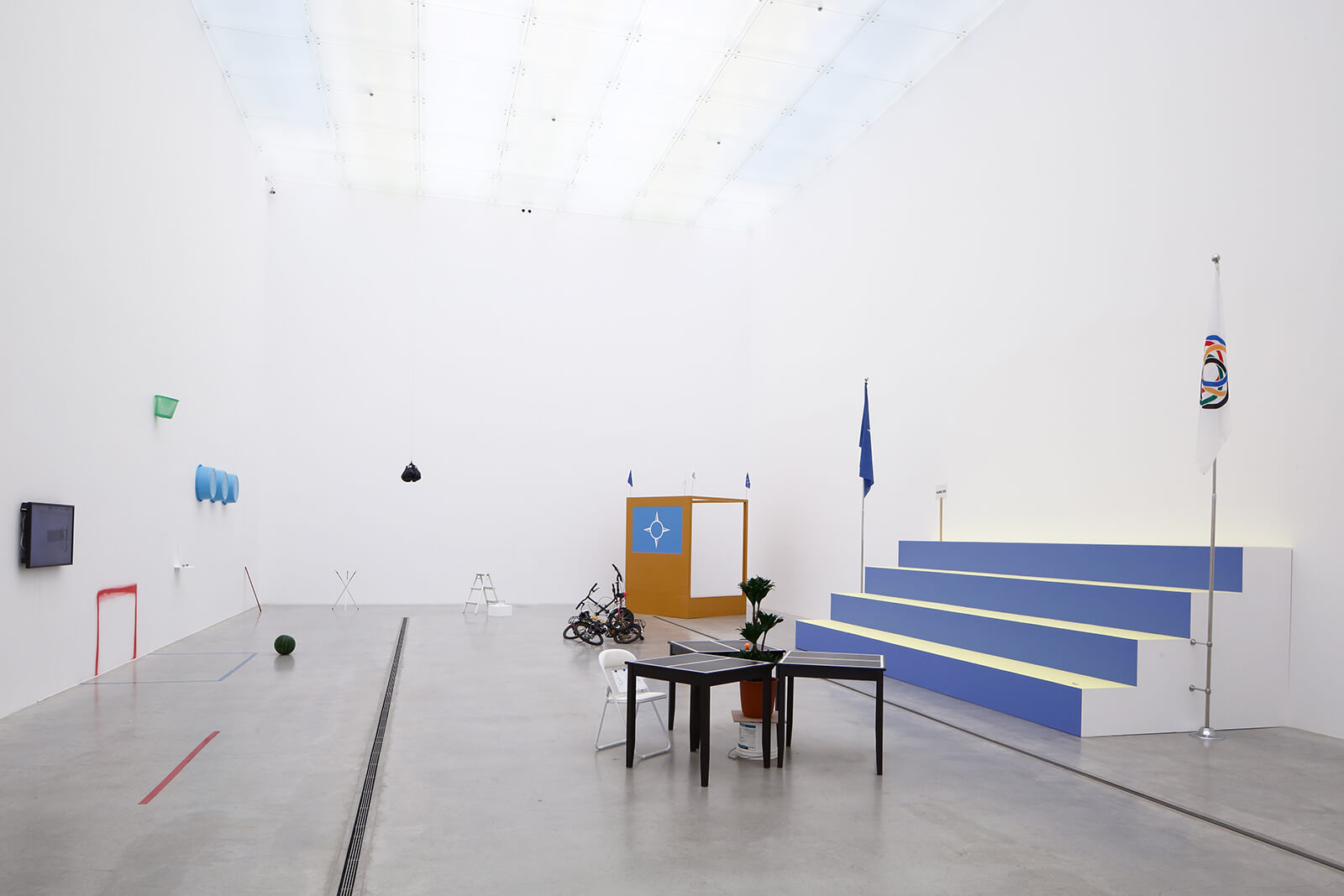
Elsewhere, Japanese duo Xijing Men’s absurd 2008 Xijing Olympics installation invited Chinese villages to invent their own games, while Shimabuku’s video of the Swansea Jack Memorial Dog Swimming Competition (2003) made an overnight sports festival out of pet dogs in Wales. Back in Japan, Navin Rawanchaikul’s drive-in movie experiments in Fukuoka and sculptor Yutaka Sone’s local installations, like Her 19th Foot (1993), similarly collapse barriers between art and audience.
Overall, A Promise of Community implies that, in these decades, ‘new possible forms of connecting’ were being tested, seeking ways to break down hierarchies through simple human rituals. If the first section laid bare isolation in history and the second dissected the isolated self, this third part sketches a hopeful vision: community as art in the making.
Together, the three sections truly live up to the exhibition title’s claim. They show Japanese art as a spectrum of realities—refracted through trauma, through identity, through togetherness. The curatorial team, led by Doryun Chong of M+ and Kamiya Yukie of the National Art Center, Tokyo, make it clear they are not aiming to erect a national myth; the show displays international artists (Joan Jonas, David Hammons, Cai Guo‑Qiang, etc.) alongside Japanese ones.
In practice, works flow across borders: minutes after Bul’s Korean ping-pong performance, you might encounter Fiona Tan (Indonesia/Netherlands) or the French artist Dominique Gonzales-Foerster delving into Roppongi’s roots. This is the exhibition’s great strength—it treats late-20th-century Japan as inherently global and multifaceted.
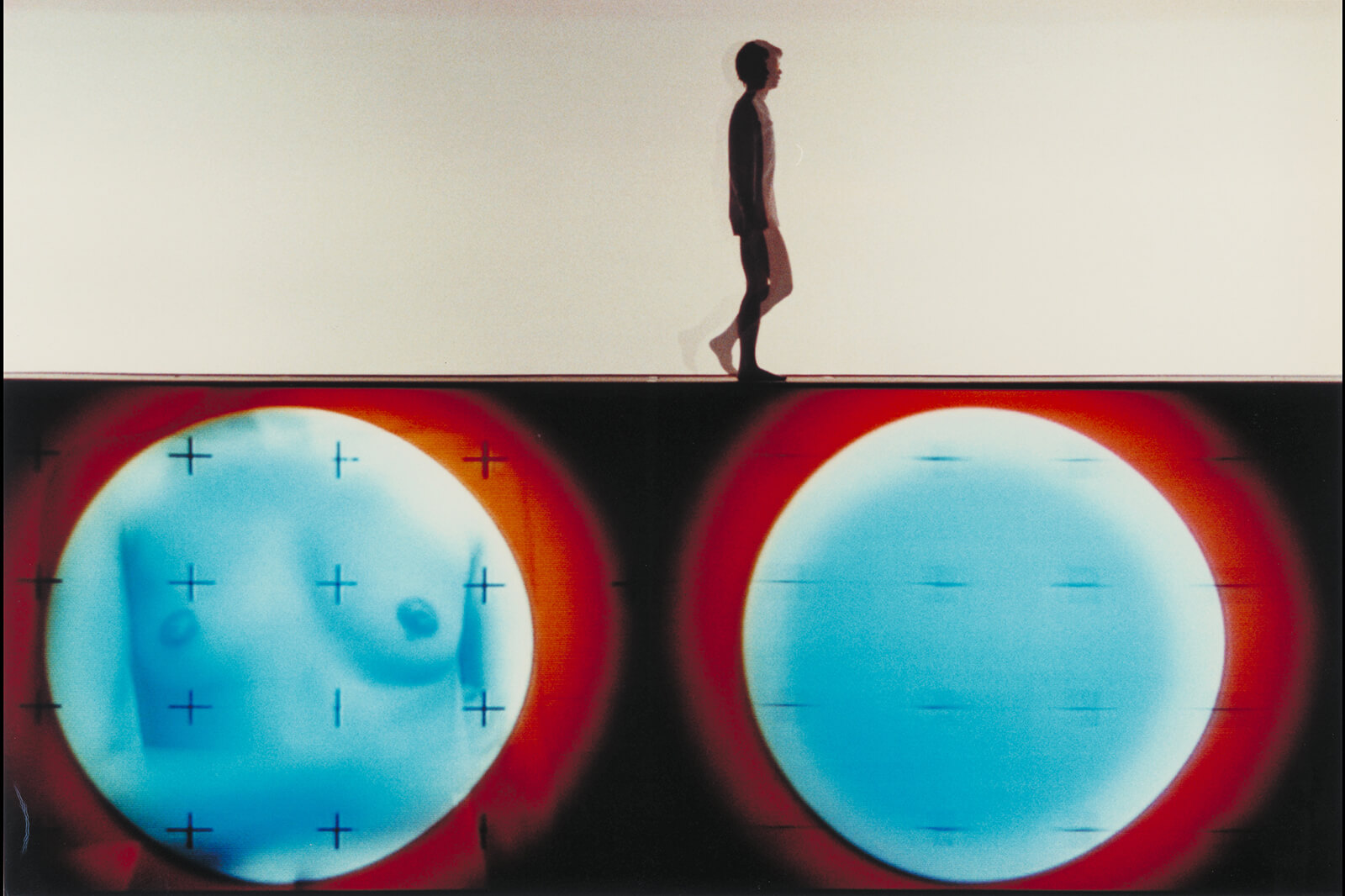
Many of the big names are here: Nara’s problematic kids, the forensic photographs of Ishiuchi, the pop spectacle of Takashi Murakami, indeed, even Kusama make a cameo appearance in a photo of her. But equally prominent are underdogs and collectives: Dumb Type’s techno-performance video and Hiroshi Sugimoto’s photos of visiting artists. The art openly references worldwide currents: gender-fluid cosplay, internet subculture, East Asian geopolitics.
This reflects a broader recognition that the years between 1989 and 2010 marked an era of sustained artistic dialogue and exchange, when Japanese and international artists increasingly moved between shared spaces of production and exhibition. It also makes Prism of the Real feel timely—a reminder, in today’s age of nationalism, of a fertile period when Japanese art was surprisingly porous and dialogic.
Of course, Prism of the Real does not capture everything. Its ambition is also its limitation: with so many works, some narratives feel only outlined. One might note that Japan’s economic turmoil of the 1990s remains largely unaddressed. The collapse of the bubble economy and its aftermath linger at the edges of the show—felt as atmosphere rather than subject—where the tension between crisis and creativity remains suggestive but unexplored.
The show emphasises creative continuity over collapse. In a similar vein, the social critiques are strong on symbols—war, gender, community meals—but lighter on the everyday mechanics of politics or class. Its geopolitical reach is broad, spanning Okinawa’s U.S. bases and post-9/11 anxieties, yet domestic dissent and inequality remain more implied than examined. By avoiding a strict chronology, the narrative can feel diffuse at times. And the decision to end in 2010—just before the 2011 earthquake—frames globalisation as an open horizon rather than a rupture, revealing as much about curatorial optimism as about history itself.
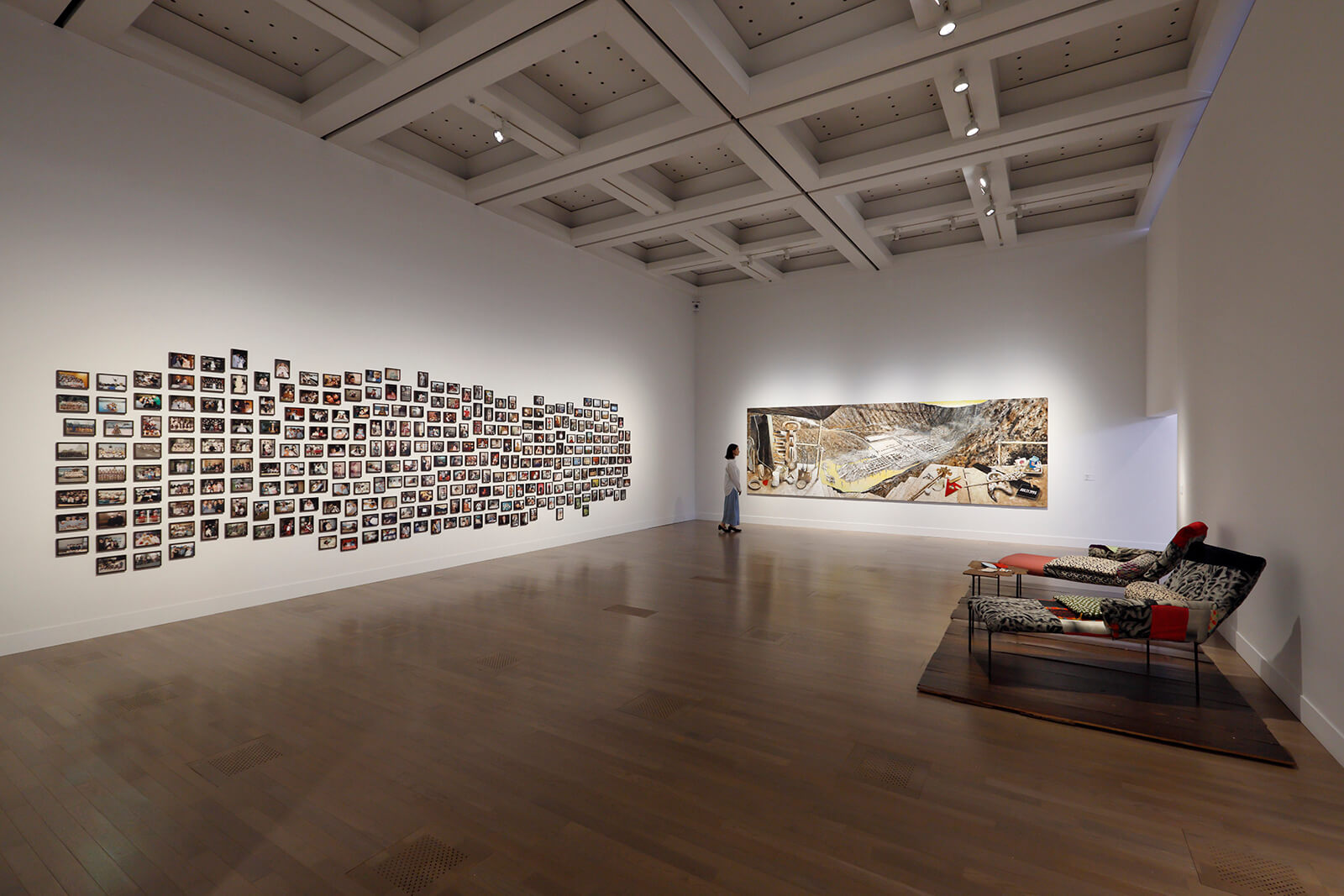
Walking through Prism of the Real feels less like a chronological survey and more like moving through a shifting constellation of realities. The effect is kaleidoscopic: each visitor finds different connections. Through war and memory, the play of individual identities, and gatherings of community, the show proves that Japan’s contemporary art can never be reduced to one narrative. Prism of the Real, thus, fulfils its promise, even if the picture it assembles is partial.
‘Prism of the Real: Making Art in Japan 1989 – 2010’ is on view from September 3 – December 8, 2025, at The National Art Center, Tokyo.
The views and opinions expressed here are those of the author and do not necessarily reflect the official position of STIR or its editors.
by Srishti Ojha Oct 21, 2026
Increasingly, artists, filmmakers and activists are turning to VR to create more personal, tangible accounts of the climate emergency and its impact on vulnerable communities.
by Mirra Lynn Oct 20, 2026
The Indian artist paints the old wadas of central Pune, capturing the traces of everyday life that cling to these structures, battered by time but unbowed.
by Anmol Ahuja Oct 15, 2026
How do heaps of souvenirs and relics with racist Aboriginal motifs and features become art? MCA Sydney’s winter showcase—the artist’s largest to date—beckons a possibility.
by Vandana Kalra Oct 14, 2026
With his latest exhibition as a point of departure, the modernist discusses his decades-long practice, the spontaneity of drawing and the social responsibility of artists.

make your fridays matter with a well-read weekend
Enter your details to sign in
Don’t have an account?
Sign upOr you can sign in with
a single account for all
STIR platforms
All your bookmarks will be available across all your devices.
Stay STIRred
Already have an account?
Sign inOr you can sign up with
Verification link sent to check your inbox or spam folder to complete sign up process
Tap on things that interests you.
Select the Conversation Category you would like to watch
Please enter your details and click submit.
Enter the 6-digit code sent at


Fractured visions: Multiplying Japan’s realities at Tokyo's National Art Center
by Erik Augustin Palm | Published on : Nov 14, 2025


 Sign in with Google
 Sign in with email
What do you think?