Design10 mins. read
NGV’s Plant Life traces the past, present and possible futures of plant-based design
by Pranjal MaheshwariOct 13, 2026



by Pranjal Maheshwari, Zohra KhanPublished on : Sep 04, 2026
The rustling of leaves. The growling of a tiger in the forest. The honking of cars at an intersection. The shrill cry of the morning alarm. The melodies of a Taylor Swift song.
Sound plays an integral role in shaping the human experience, especially in a world heavily influenced by human intervention and artificially designed environments, and as one of the five main bodily senses, hearing forms a means to receive information—acoustic signals, sirens, alarms—that may otherwise remain inaccessible through sight, smell, touch or taste. And yet, we have somehow arrived at a hierarchy of senses where vision, or the visual dimension, dominates. We only truly believe what we see with our own eyes, often dismissing what we only hear as rumours or hearsay.
But sound is not merely an invisible layer that accompanies our spaces; it can make a space feel intimate or alienating, tranquil or oppressive, and even determine how long we wish to remain in a place or if we ever wish to return. Increasingly, artists, designers and architects have, through recent works, treated sounds—this intangible quality—as a material in its own right. Indian artist Kulpreet Singh, for instance, constructs evocative soundscapes emerging from the Indian farmlands, using the noise of weapons, heavy machinery and speeding traffic, allowing these sounds to accumulate and collide until they reach a fever pitch. In the liminal horror of The Backrooms, set and sound design work in tandem to turn an otherwise banal architectural environment into a site of unease. French artist Franck Vigroux’s experimental practice collapses sound, image and performance, while Carl Emil Carlsen’s sculptures approach sound almost as a living, breathing organism—something with its own physical and musical form. Across these disparate practices, sound becomes more than a medium for communication or entertainment: it becomes a tool for constructing worlds and shaping how we experience them.
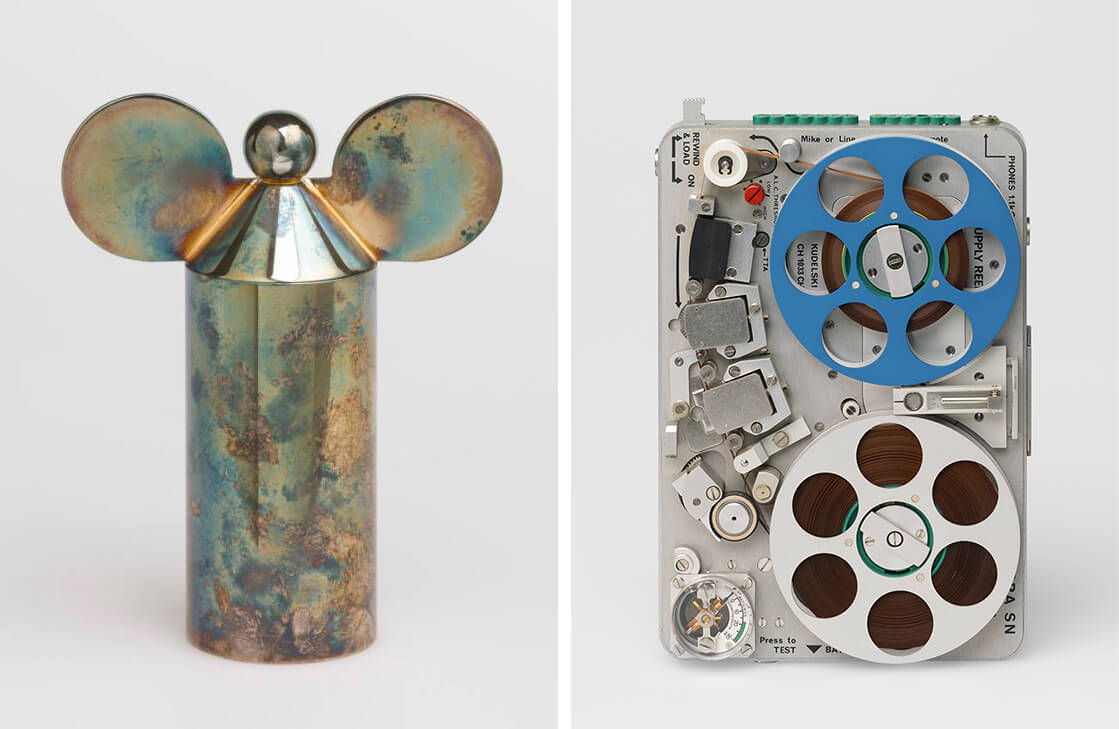
This relationship between sound and design, however, is reciprocal. Design does not simply determine the acoustics of the world around us; it also shapes the ways in which we encounter, understand and remember sound. Two recent exhibitions offer complementary perspectives on this relationship. One asks how design has transformed our experience of sound, tracing the objects, technologies and visual cultures through which music has been recorded, distributed and consumed. The other turns the question around: How can sound itself become a design material, capable of altering our perception of architecture, products and the environments we inhabit?
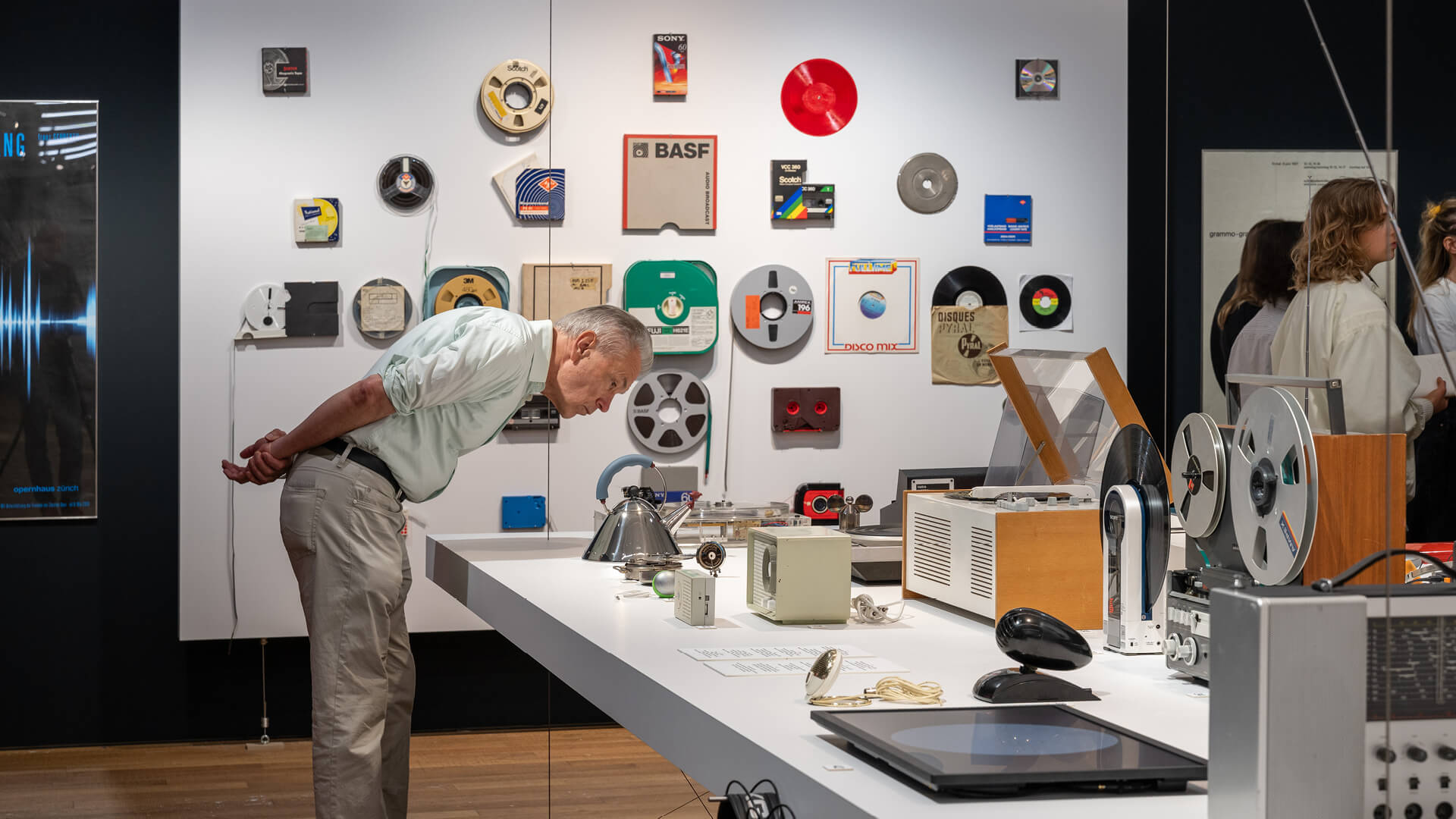
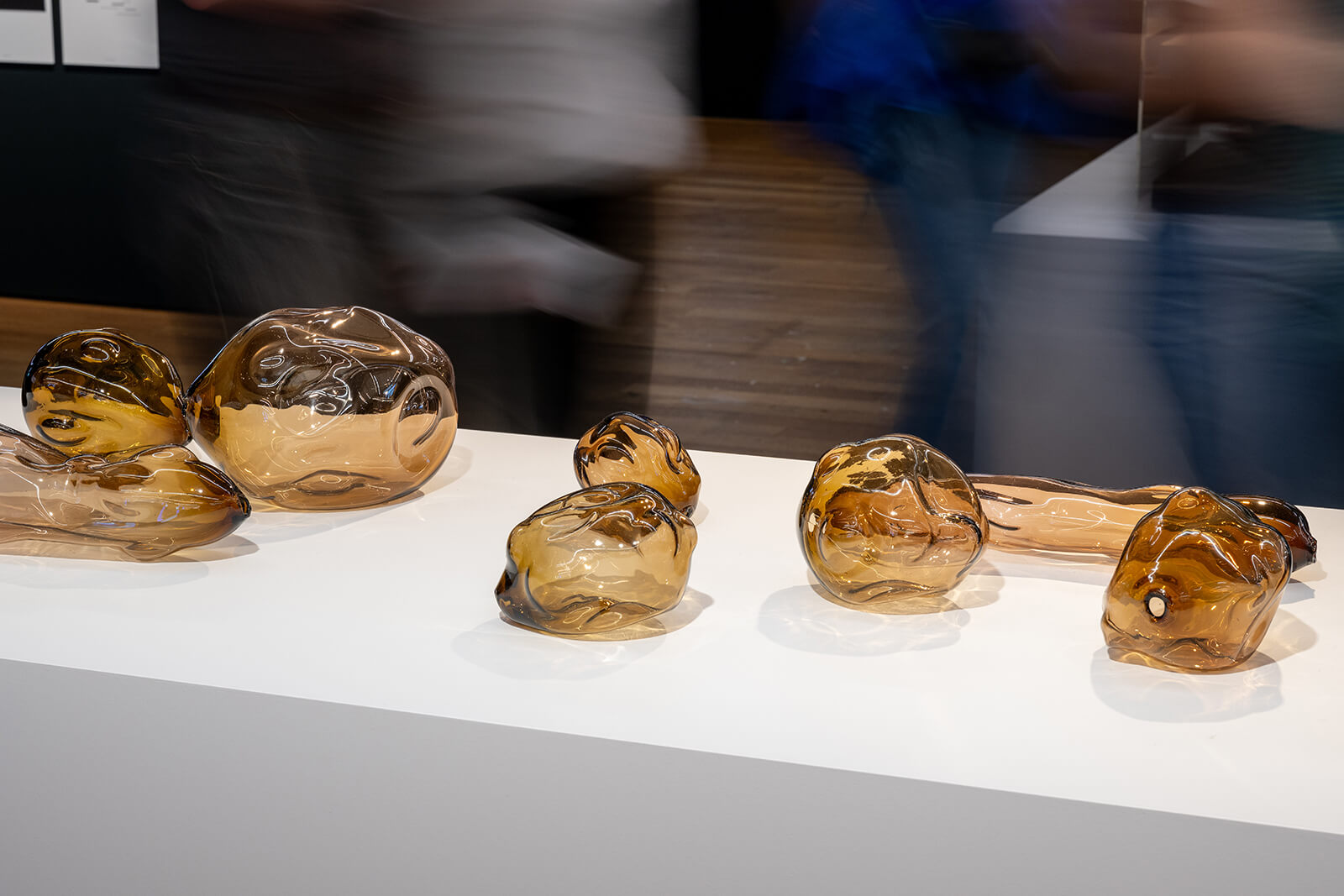
“At a time when digital interfaces shape our daily life, products communicate in increasingly automated ways and cities become denser and denser, design must tackle the challenge of sound,” says Meret Ernst, curator of Pling! Sound and Design exhibition at the Museum für Gestaltung Zürich, on view from May 5 – September 20, 2026. “As design is taught and understood as a visual discipline, it has a much more undisputed connection to seeing. The first step is to acknowledge the influence of our hearing on design,” the design historian and educator tells STIR.
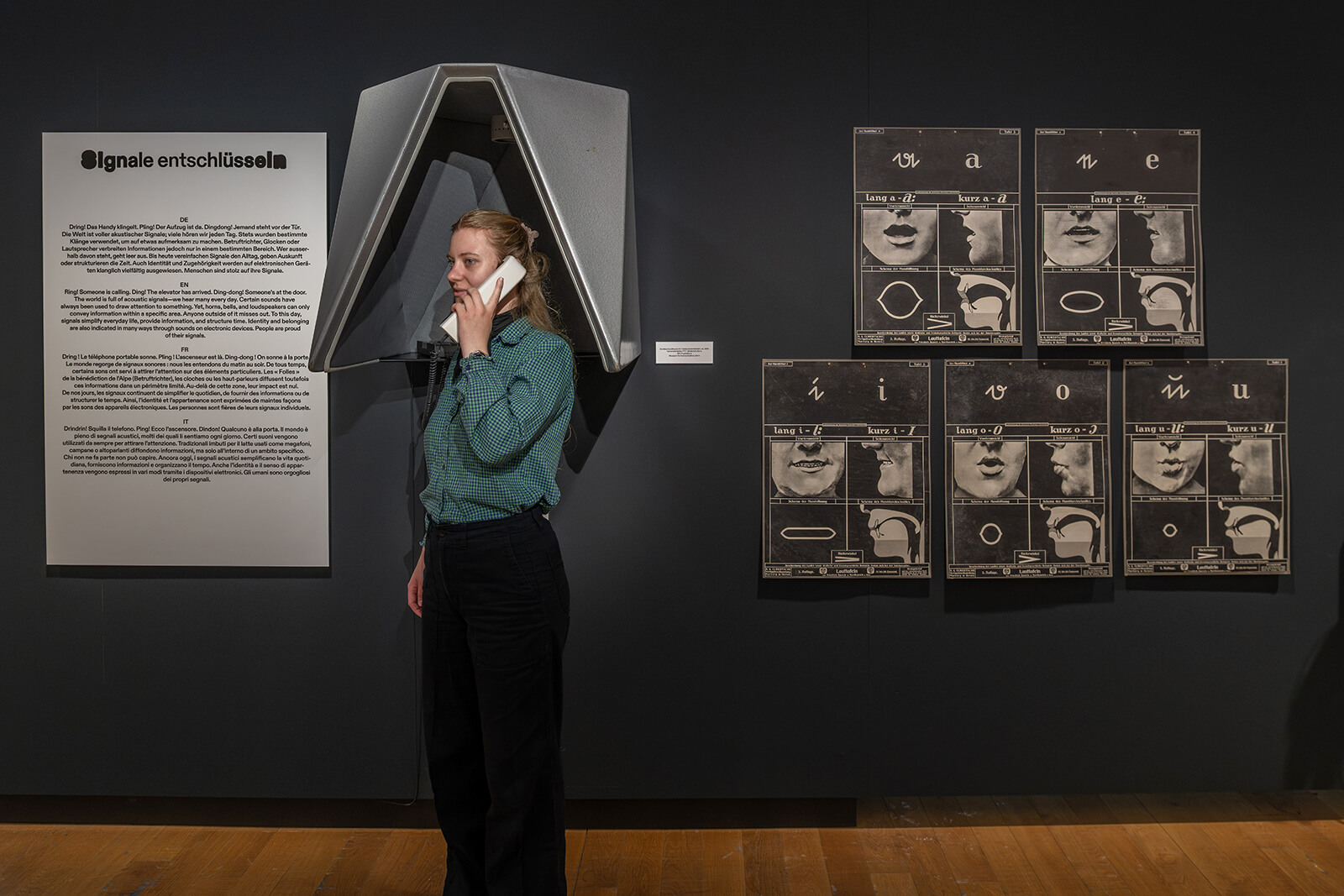
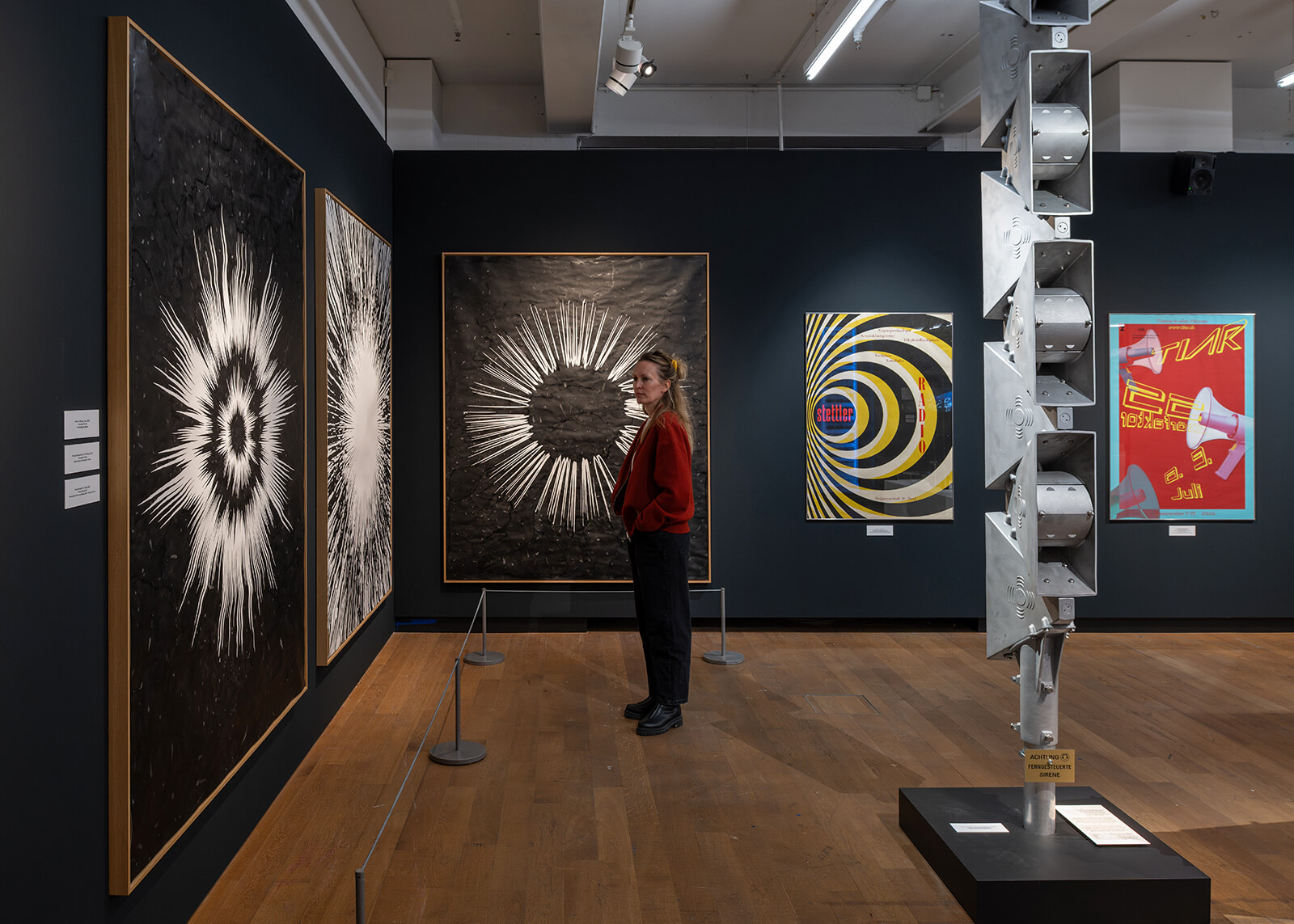
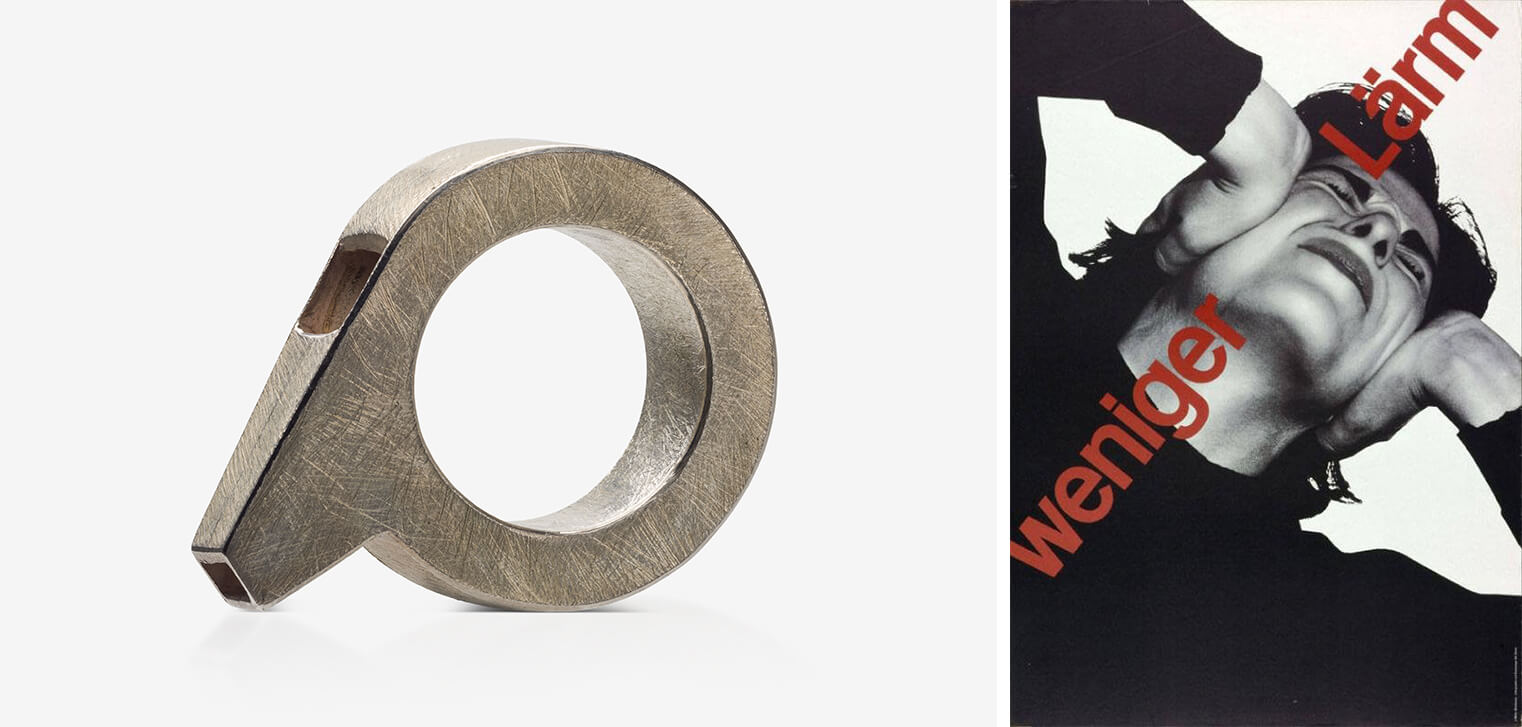
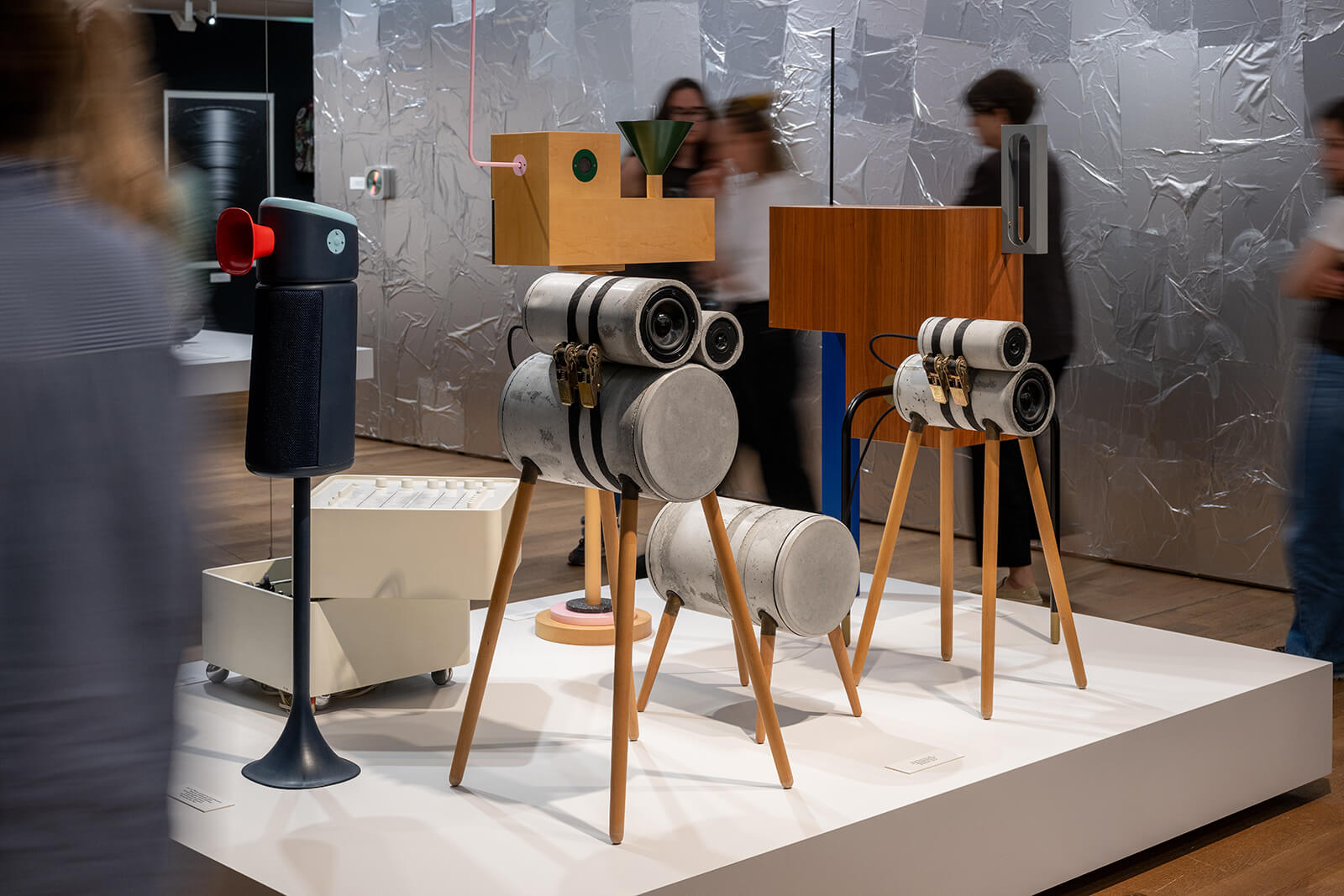
While the visual appeal of design can, by definition, remain largely superficial, the influence of acoustics is embedded more fundamentally in our experience of the world. “We want to make visitors aware of the twofold experience: hearing is not only a way to experience the world; it is also a method to design the world,” Ernst adds. This prominence of sound prompted the organisers, with exhibition design by Switzerland-based Burri Mahlknecht, to trace our evolving understanding of sound—from its role in human habitation to its varied impacts in how we navigate and perceive our surroundings. Ranging from the history of audio devices and the semantics of hearing to research-driven design, architecture and art initiatives, the exhibition’s seven sections explore subjects including noise control, acoustic phenomena and harmony. The showcase also probes the emergence of design with sound at the forefront of function: bringing products and systems for the visually impaired.
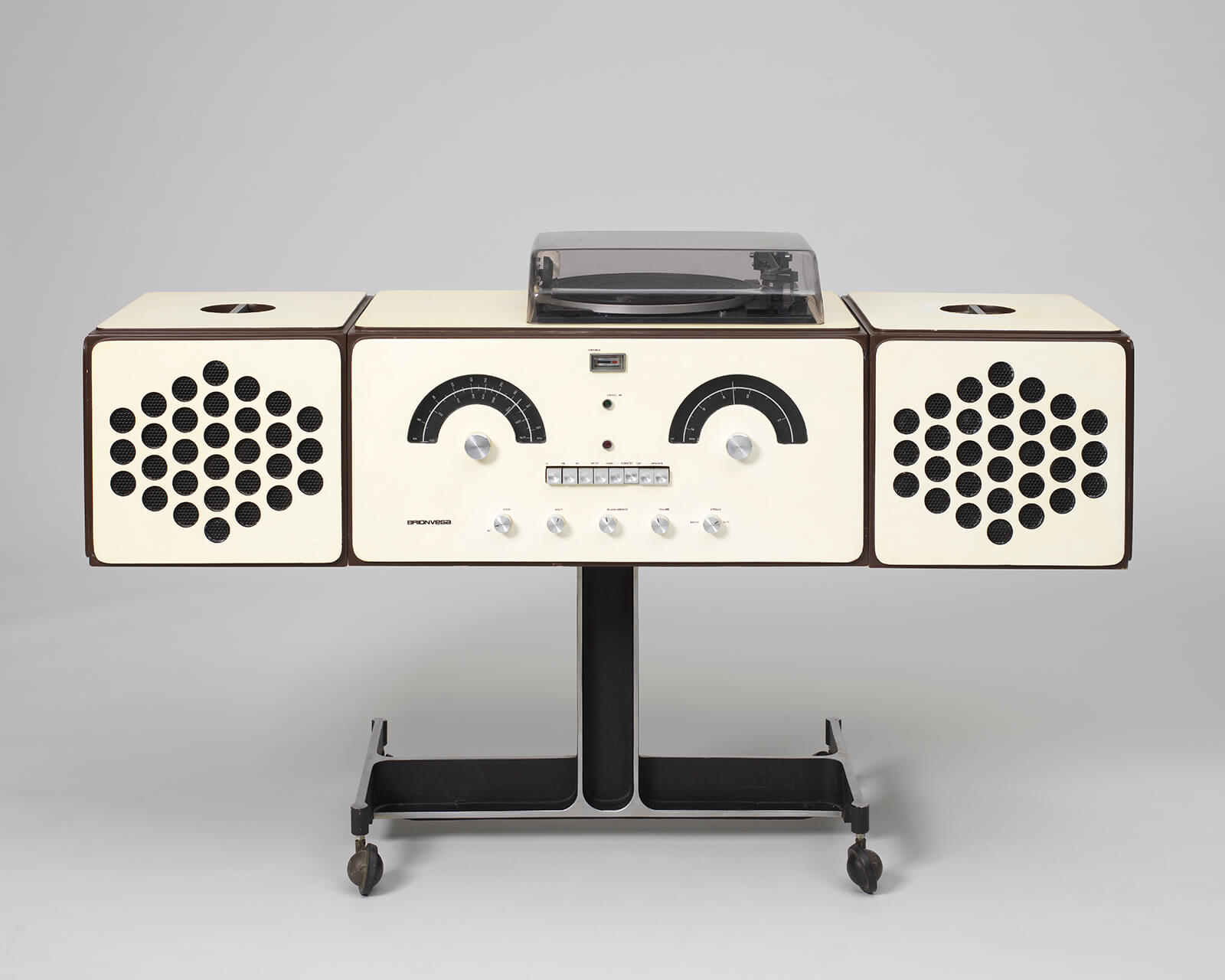
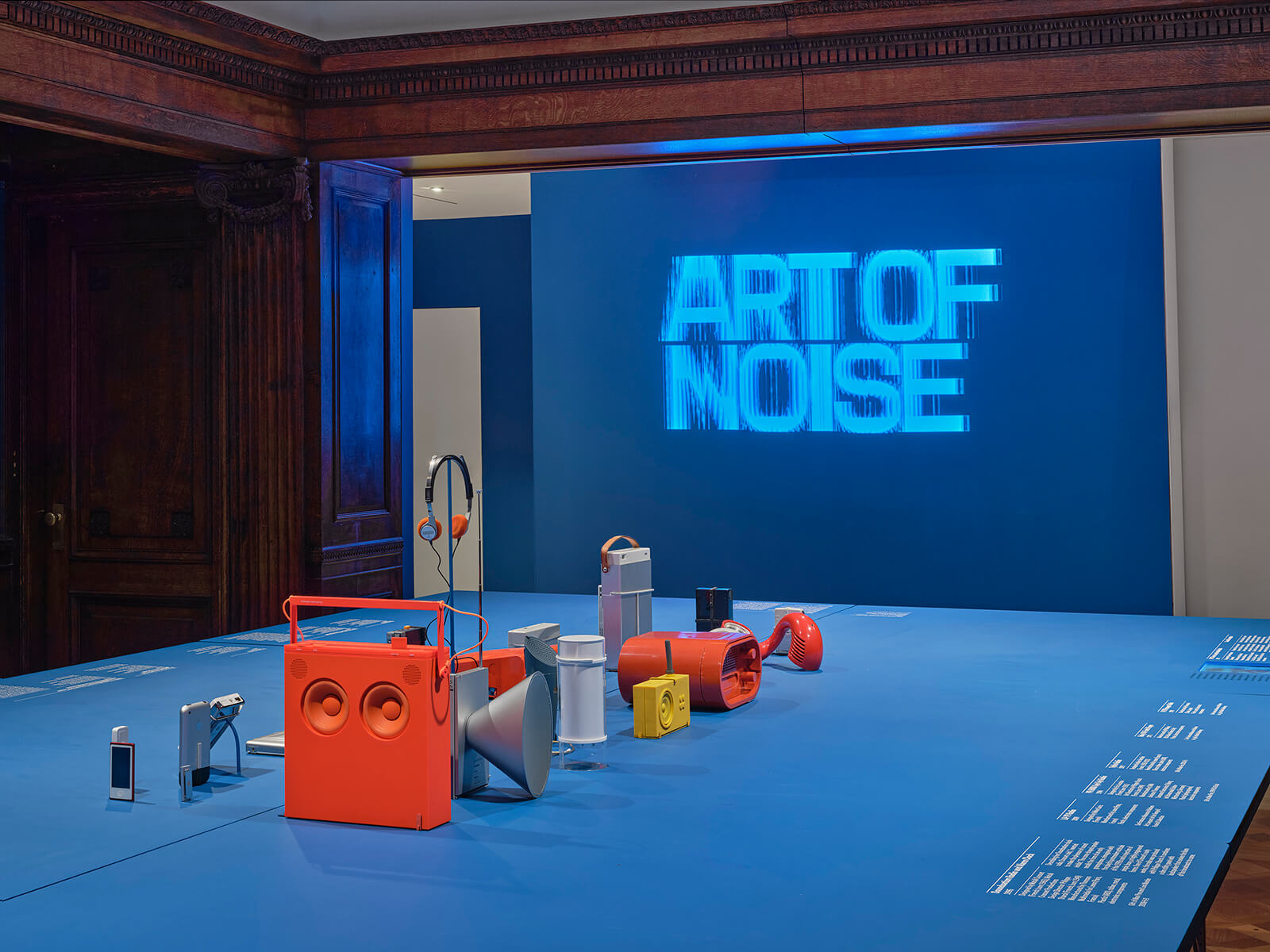
While the influence of sound on design is prominent, the inverse is also quite pronounced—especially in the case of music. Halfway across the world, a showcase at the Cooper Hewitt, Smithsonian Design Museum in New York, illustrated the influence of design on the perception and distribution of music over the last century across the city. Organised by San Francisco Museum of Modern Art (SFMOMA) and designed by Stockholm-based consumer electronics and industrial design company Teenage Engineering, the exhibition Art of Noise covered more than 300 products and installations curated by the museum’s curator of architecture and design, Joseph Becker.
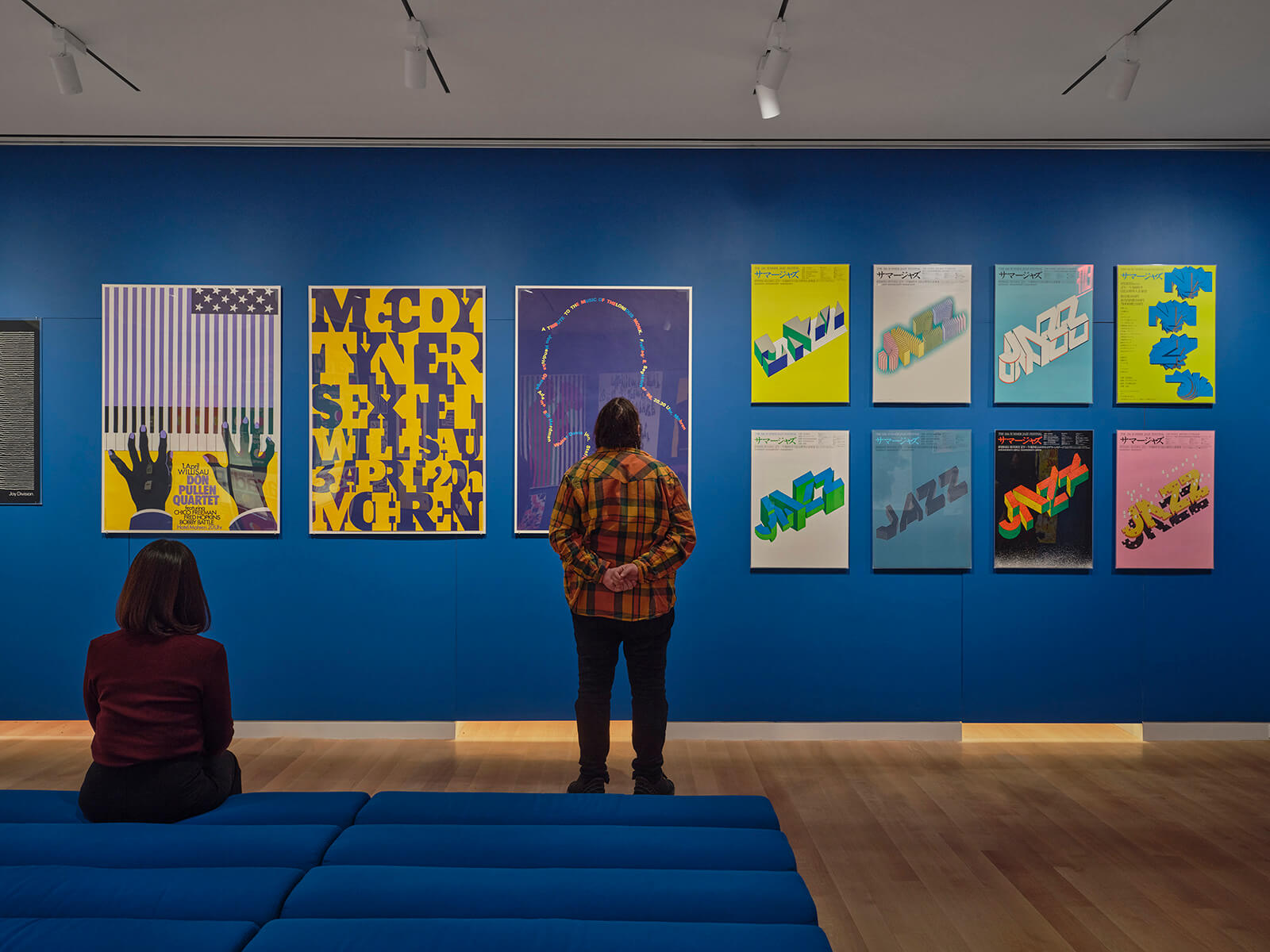
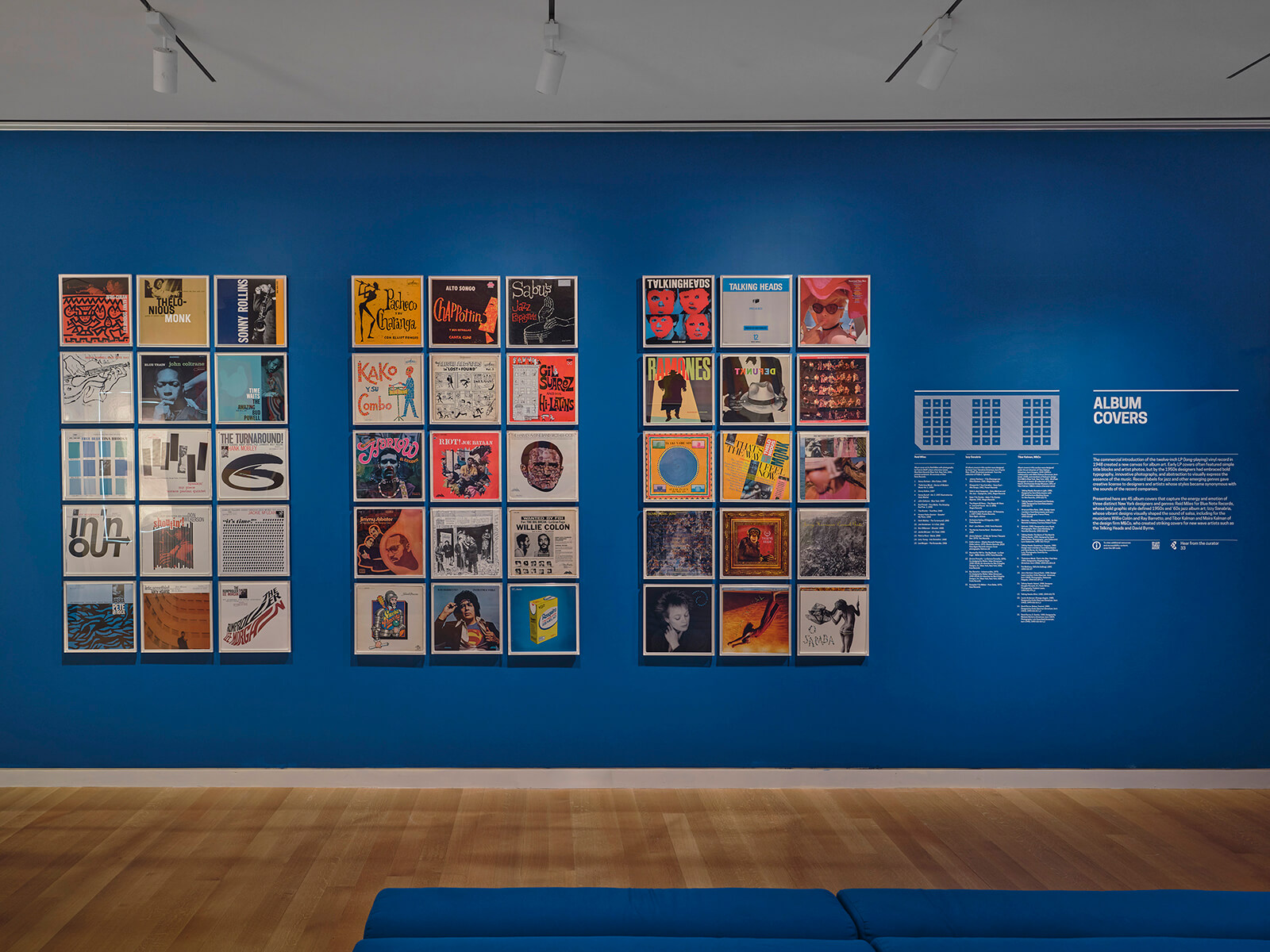
The curation brought together iconic graphic designs that supplemented, and at times even defined, the appeal of the music they accompanied. Concert posters and fliers by eminent designers like Milton Glaser, Victor Moscoso, Bonnie Maclean and Takenobu Igarashi, in the mid-century modern style of the 1950s, psychedelic rock from the 60s or the postmodern style of the ‘80s. Iconic album covers from New York-based designers such as Reid Miles for jazz albums of Blue Note Records; Izzy Sanabria, known for her vibrant covers for Willie Colón and Raw Barretto; and Tibor Kalman and Maira Kalman of M&Co., who defined the visual aesthetics of Talking Heads and David Byrne.
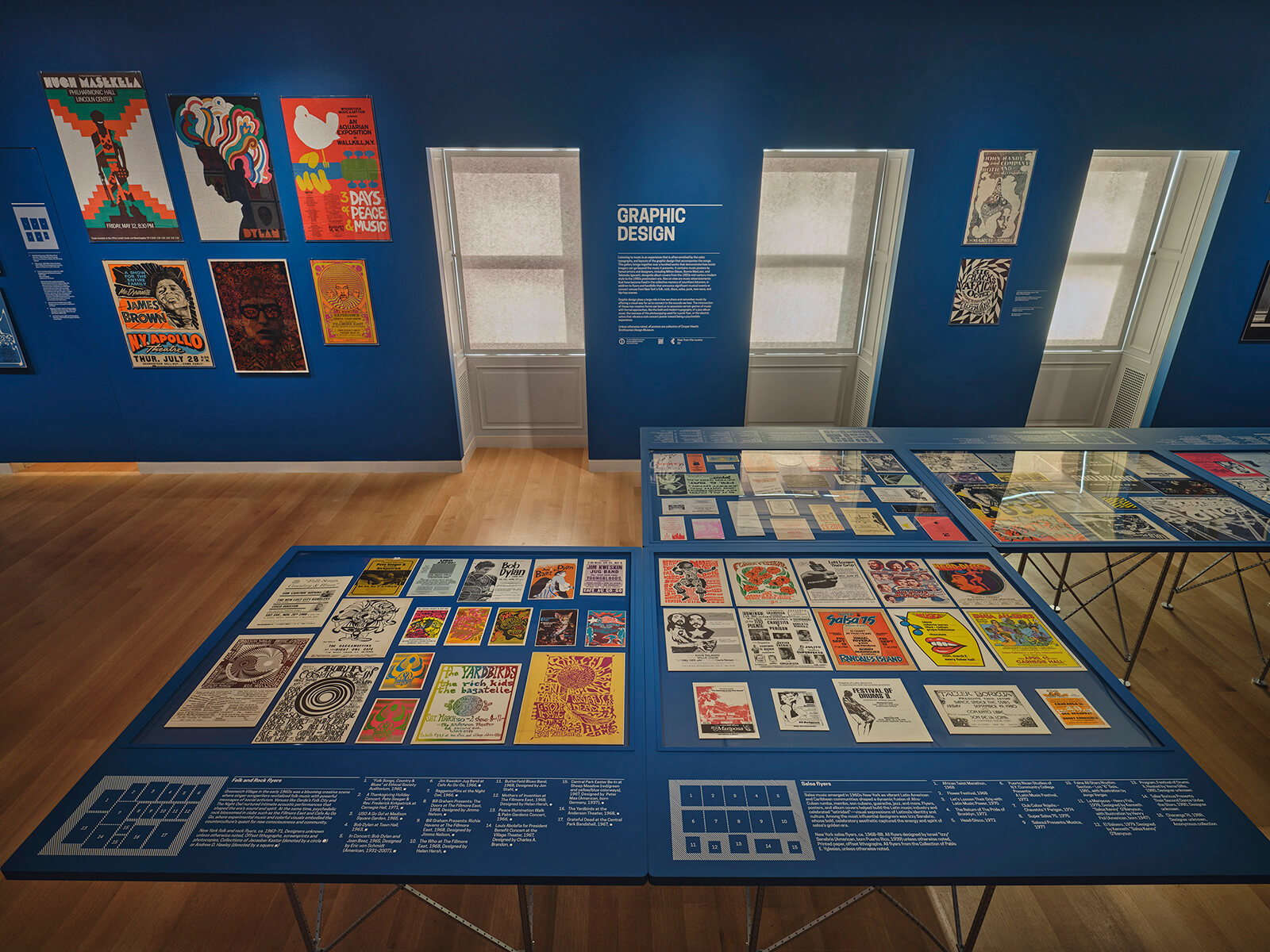
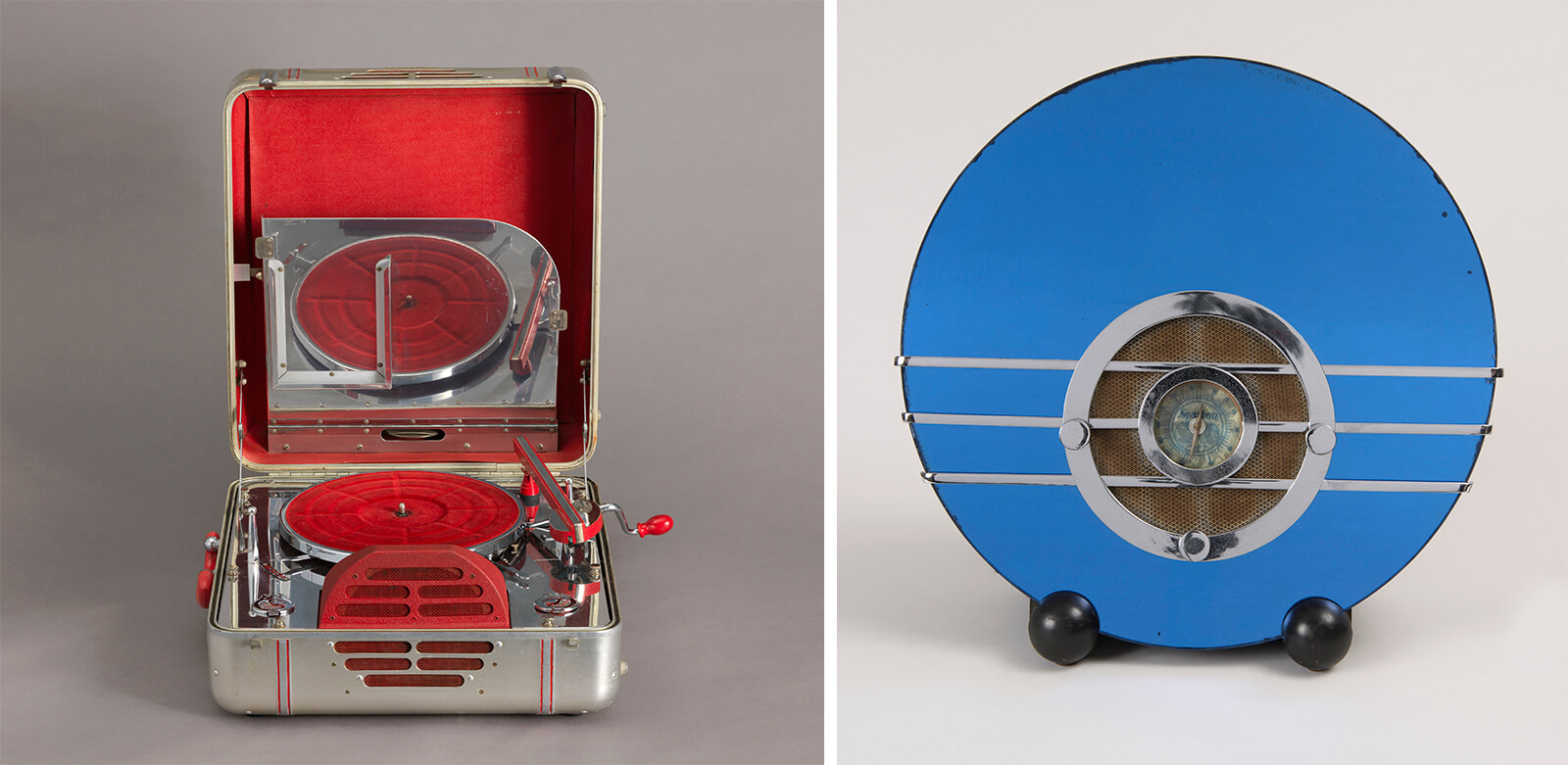
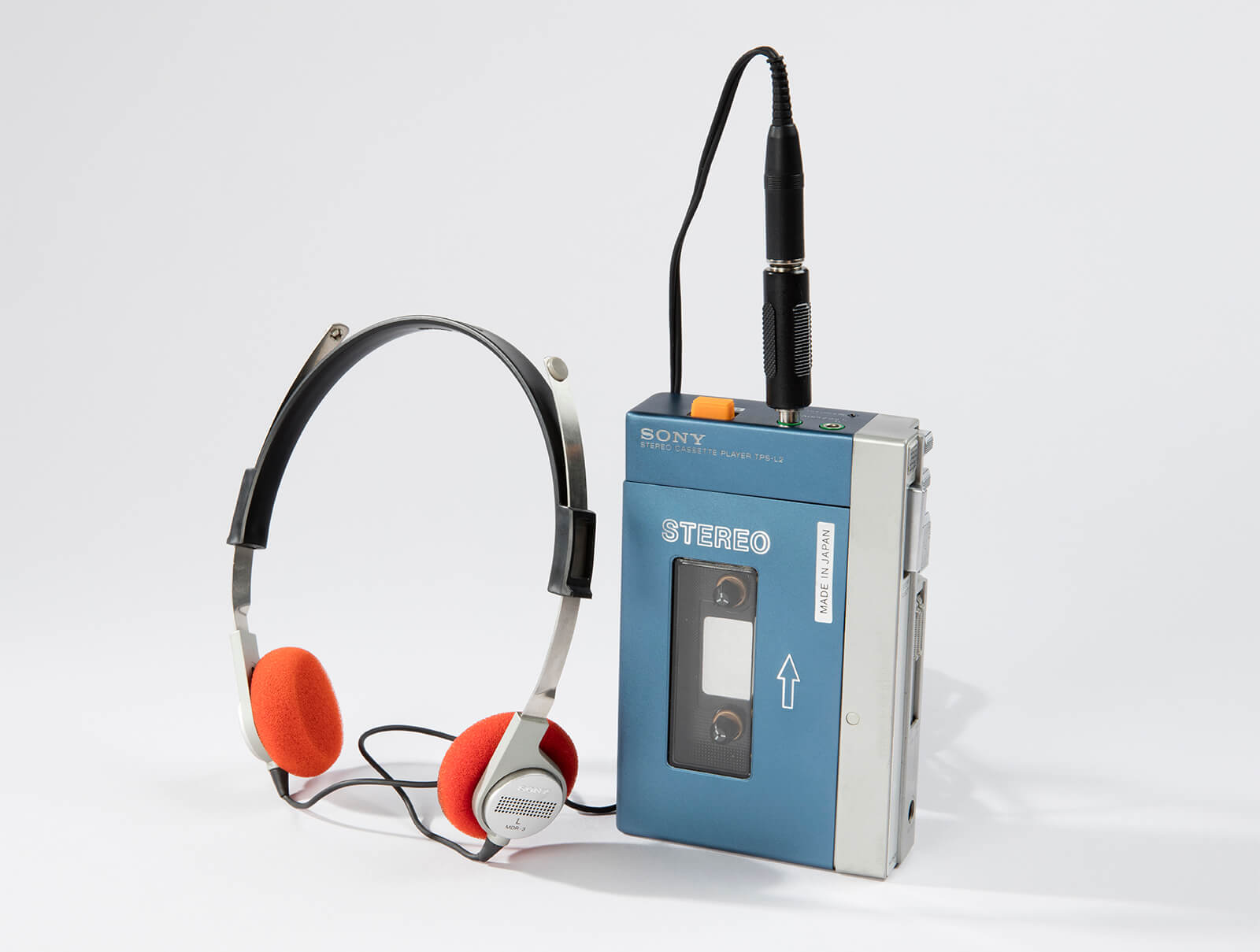
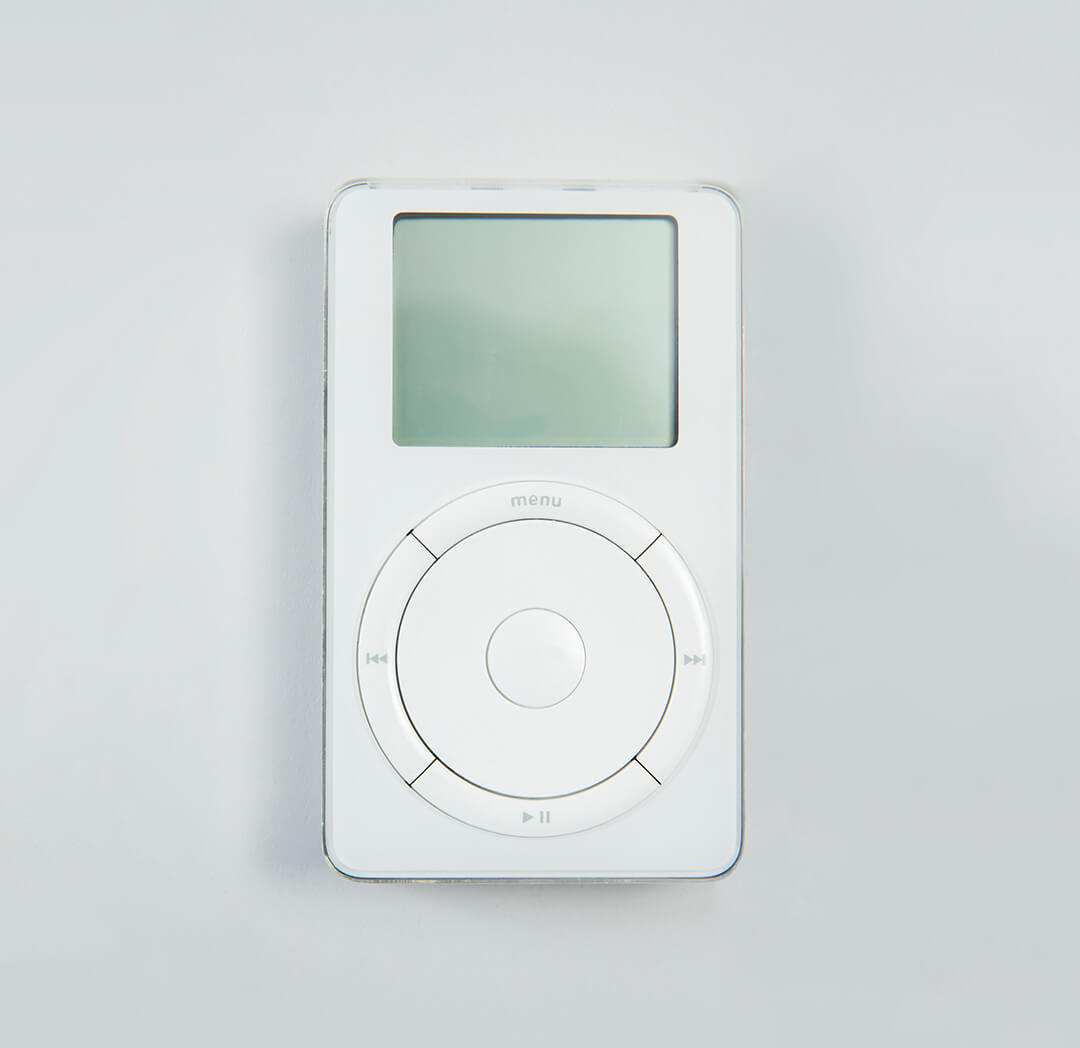
The exhibit also included product designs from the 20th and early 21st century that have played an instrumental role in deepening people’s relationship with music. “We form memories of music through the objects and environments that surround it: a record sleeve, an Art Deco radio, a turntable referenced in the canon of popular culture,” Becker says. The curation includes early phonographs, transistor radios and hi-fi stereos crafted by designers like Dieter Rams and Achille Castiglioni, and also technological milestones like the Sony Walkman and Apple iPod. “Technology has given people increasing independence and choice in how and where they listen to music,” Becker tells STIR. “A century ago, experiencing recorded music was an activity of the privileged few. Design and technology have transformed it from a rare communal experience into something deeply personal, portable and available almost everywhere.”
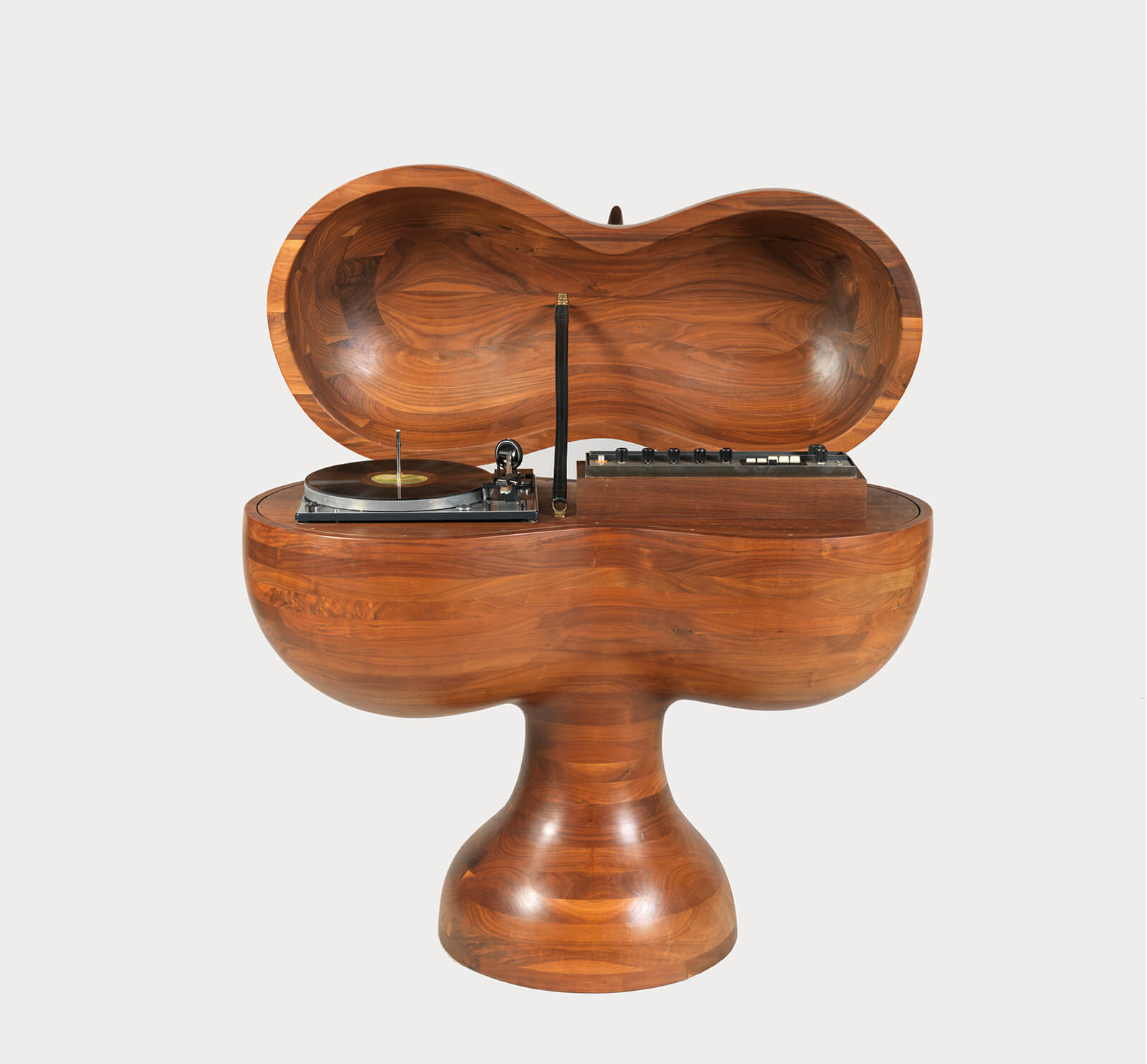
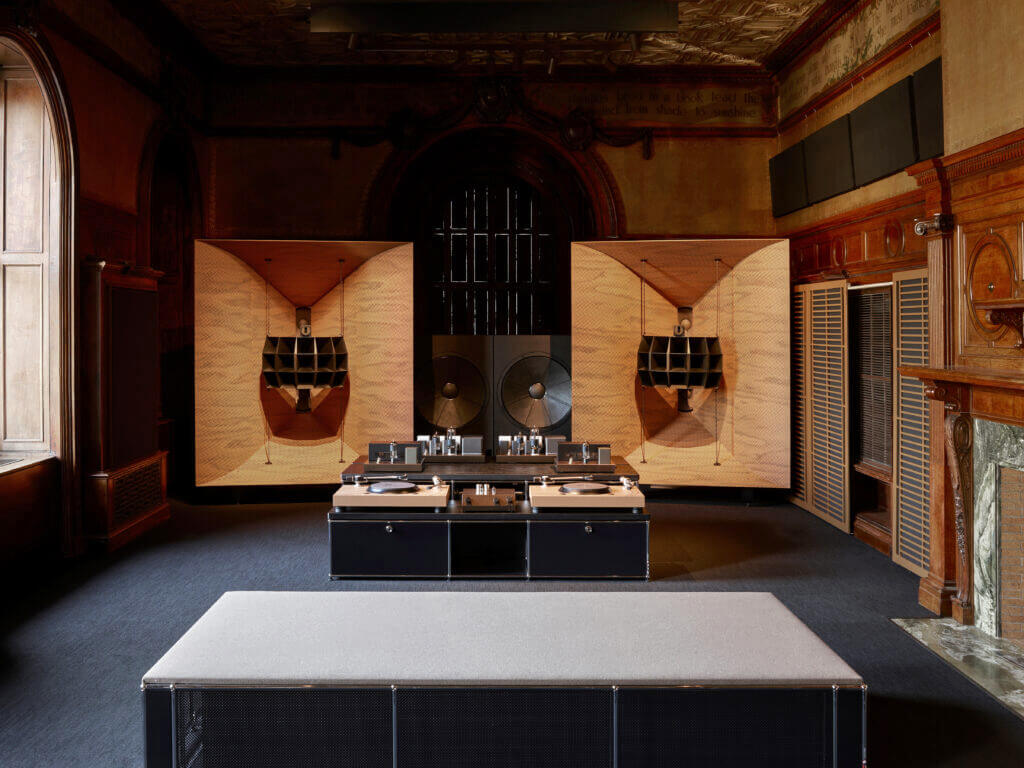
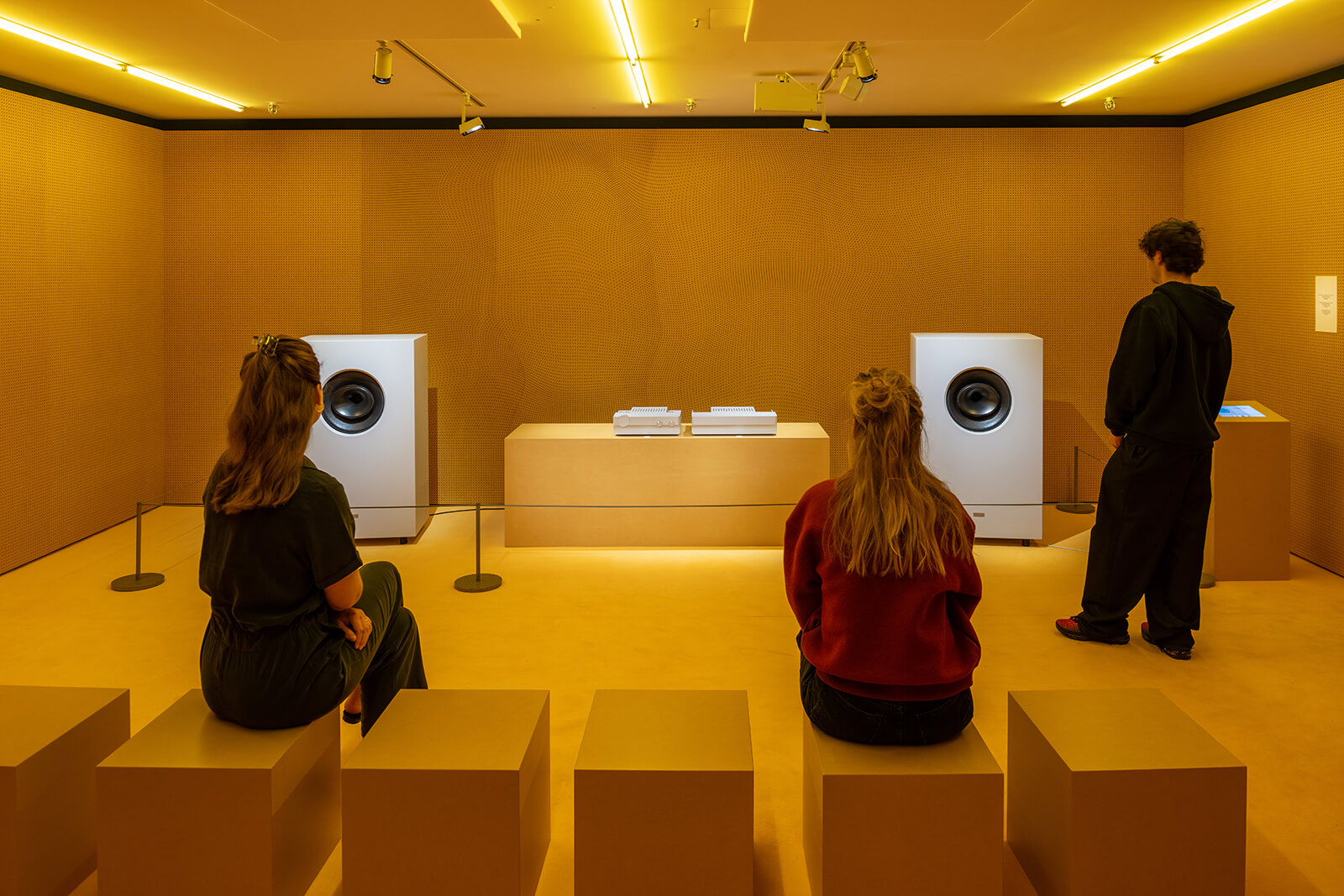
Despite the apparent inversions between the themes of both exhibitions, the experience concludes in a ‘listening room’, a space created with the specific intention to impart an immersive experience to the visitors. At Pling! Sound and Design: the room is conceived by the multidisciplinary Swiss studio Fond Design and incorporates a bespoke audio design system by Ralf Zeiler. At Art of Noise, the room housed a large-scale handmade audio system by Brooklyn-based artist and audio engineer Devon Turnbull’s HiFi Pursuit Listening Room Dream 3, featuring collections from noted archivists, audiophiles and musicians of New York.
While sharing the programmatic implication of the room—as the coda to the exhibition—the curators’ regard for the space is distinct. While Becker describes it as an environment that was created specifically for ‘extraordinarily’ high-fidelity sound, to prompt visitors to ‘slow down and surrender to the act of listening’ as a reinforcement for the main exhibit, Ernst strives to create a conclusive experience through the space by contrasting it with the rest of the black-and-white showcase, directing all attention to what is being emitted by Zeiler’s high-end audio system.
As we move into a world overstimulated by digital environments and access to virtually unlimited music, the understanding of sound, its influence on design and its place in our lives becomes imperative knowledge. “We curated the exhibition with a very broad understanding of design as an inherently transdisciplinary field. We are acutely aware that hearing is embedded in cultural dynamics,” says Ernst, emphasising how often humans have started compromising their experience due to lack of awareness. “Does the disproportionate effort involved in developing a high-end radio system make any sense at all? Can we hear the difference from our everyday AirPods?” she probes. Becker, on the other hand, marvels at how thoughtful design turns these simple, everyday experiences into characteristic ones. “As technology advances, devices provide us with access to new ways of listening”, he says, adding that “with virtually unlimited music now available at the touch of a screen, the object we choose to use can give listening a sense of occasion, identity and memory.”
Perhaps, then, the question is no longer simply what we hear, but how deliberately we choose to listen. In a world where sound can be summoned, amplified, filtered and carried almost anywhere, its abundance risks making it invisible in another sense: something we encounter constantly, yet rarely notice. These exhibitions invite us to reconsider that condition—to recognise sound as a material that shapes spaces and builds memories. And perhaps, as design becomes increasingly immersive and our environments increasingly engineered, it is time to listen with the same attention with which we look.
The views and opinions expressed here are those of the author(s) and do not necessarily reflect the official position of STIR or its editors.


by Pranjal Maheshwari Oct 13, 2026
Through furniture, art and films, the showcase at the Ian Potter Centre in Melbourne advocates for biophilic material cultures as an antidote to planetary degradation.
by Pranjal Maheshwari Oct 12, 2026
The exhibition reimagines the 20th-century Scottsville residence of the American sculptor and his partner, ceramicist Nancy Jurs, curated by their daughter Alison Castle.
by Chahna Tank Oct 08, 2026
Javier Guzman Cervantes and Ulises Morin Arzola tell STIR about their ‘open code’ approach to design, working through a process of stockpiling and the idea of ‘queering’ materials.
by Mrinmayee Bhoot Oct 08, 2026
The game designer discusses their work and its manipulation of scale, scientific data and non-human perspectives to create speculative futures in conversation with STIR.

make your fridays matter with a well-read weekend
Enter your details to sign in
Don’t have an account?
Sign upOr you can sign in with
a single account for all
STIR platforms
All your bookmarks will be available across all your devices.
Stay STIRred
Already have an account?
Sign inOr you can sign up with
Verification link sent to check your inbox or spam folder to complete sign up process
Tap on things that interests you.
Select the Conversation Category you would like to watch
Please enter your details and click submit.
Enter the 6-digit code sent at


When sound becomes design
by Pranjal Maheshwari, Zohra Khan | Published on : Sep 04, 2026


 Sign in with Google
 Sign in with email
What do you think?