Art10 mins. read
'Indelible Black Marks' by Kulpreet Singh seeks to be a mirror to the society at large
by Rahul KumarOct 18, 2021



by Srishti OjhaPublished on : Aug 28, 2026
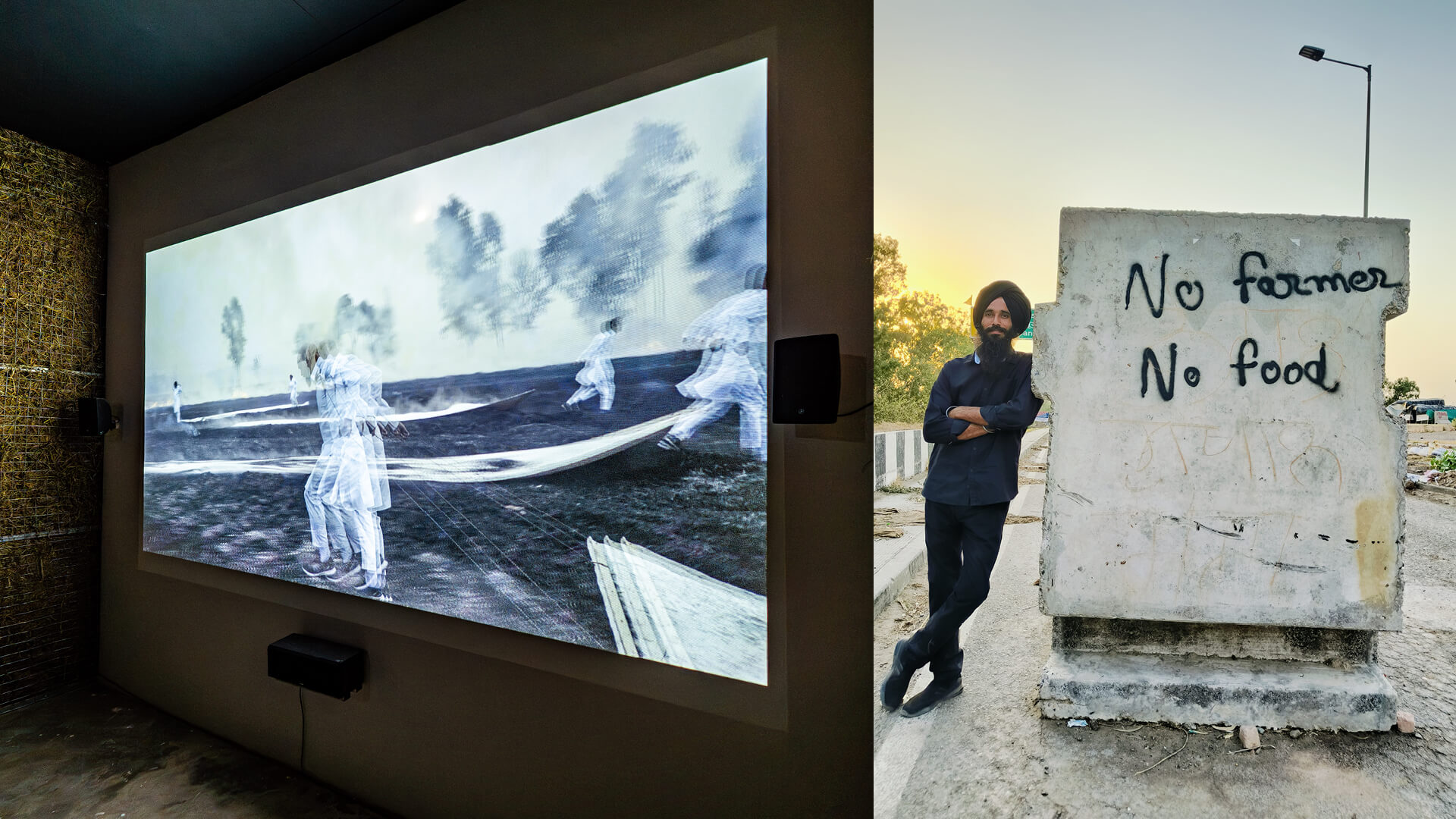
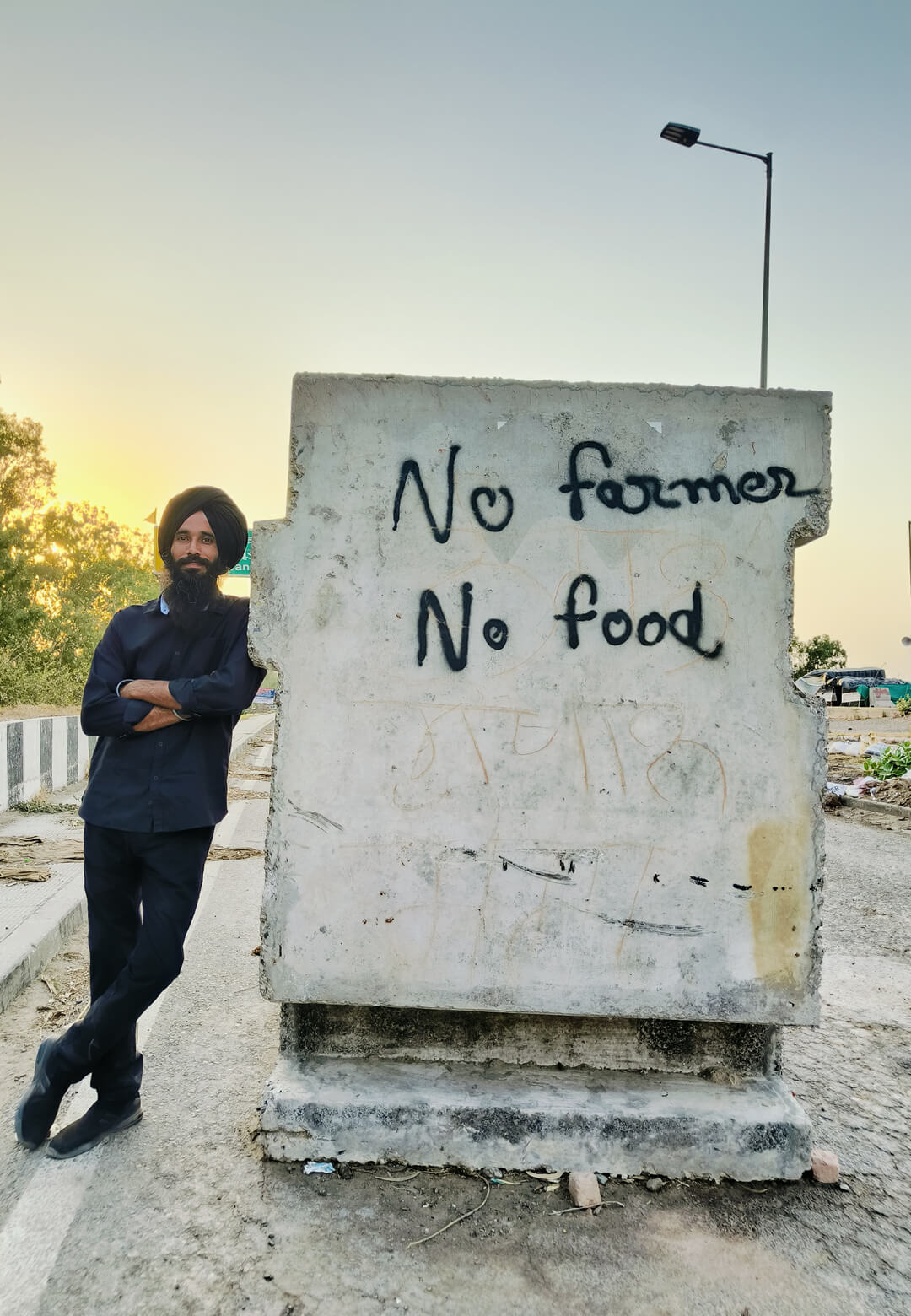
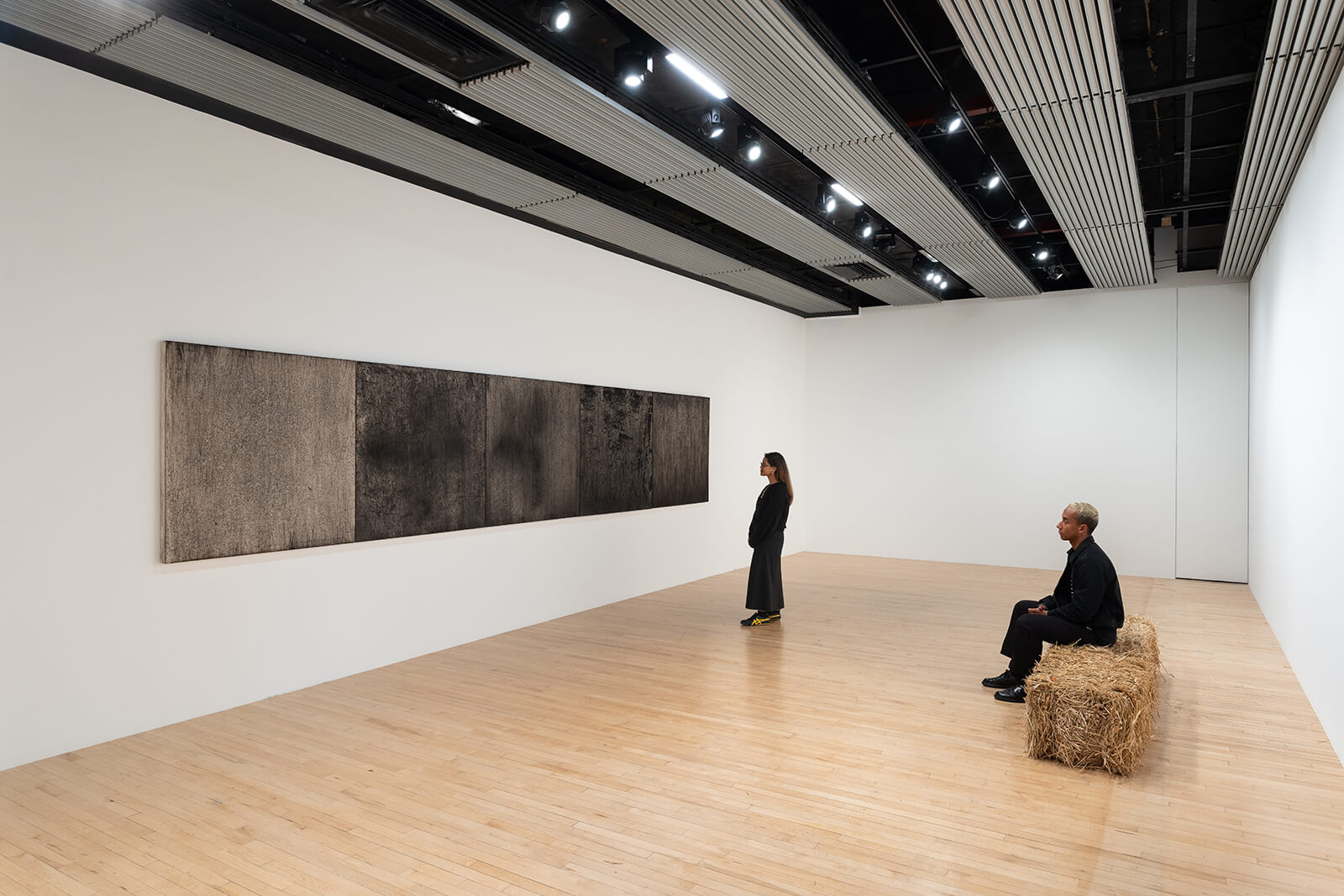
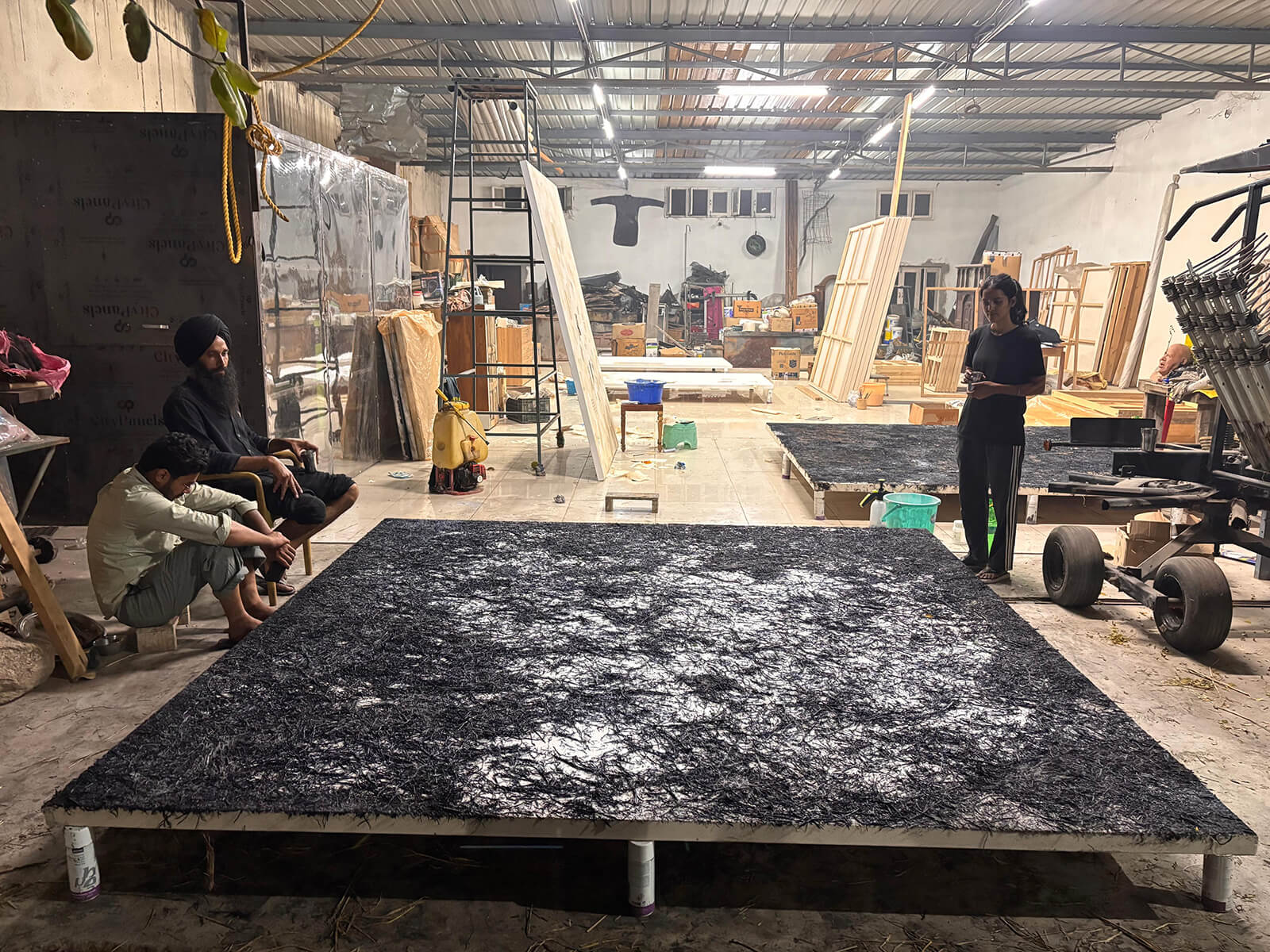
Kulpreet Singh’s practice as an artist is inseparable from his practice as a farmer, and vice versa. The Indian artist, who is based in Patiala, Punjab, builds a language of resistance that emerges from the farmland and fields that feed a nation. His practice spans paintings, sculptures, performances and films, although in some of his most significant works, particularly Indelible Black Marks (2022 – 24), these are impossible to delineate. This series earned Singh the Hayward Gallery/Kochi-Muziris Biennale (HG-KMB) Award, leading to the launch of his first solo exhibition in the United Kingdom, which recently concluded at the Hayward Gallery in London. Singh and his collaborators—many of them farmers and locals he grew up around—drag giant canvases across burning fields and mark others with painted rocks and lathis in commanding artworks that transcend classification.
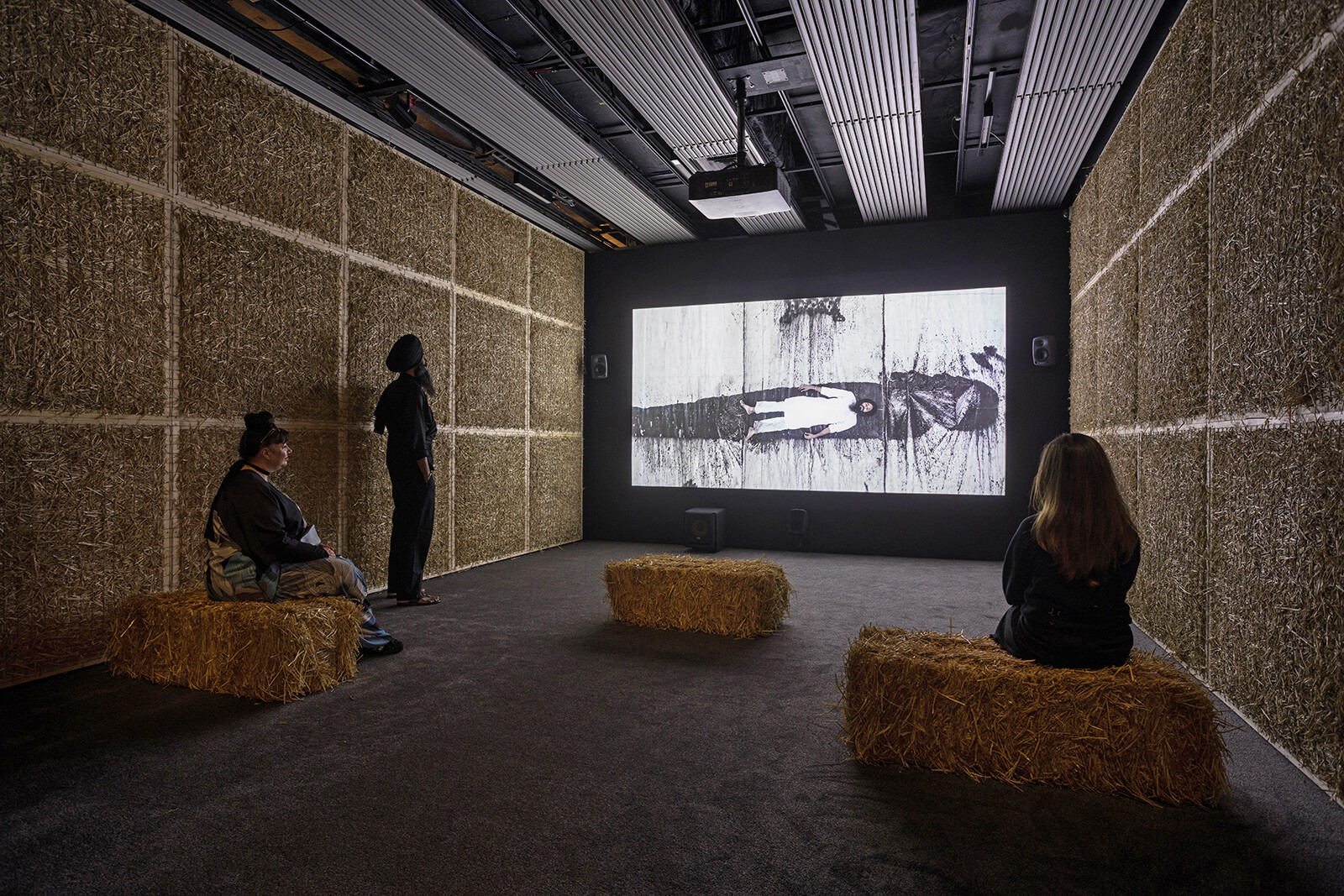
The film, Indelible Black Marks, is a record of this ambitious multimedia series and the farmers’ protests that gripped India in 2020, 2021 and 2024, as farmers mobilised against new laws that threatened to leave them vulnerable to price-setting by large corporations. The film drew acclaim for its evocative soundscape in which the noise of weapons, heavy machinery and speeding traffic builds and collides until it reaches a fever pitch. This commitment to protest and activism undergirds each of Singh’s works. He finds solidarity not only in movements close to home, but global movements that seek to resist destruction, genocide and structural inequality, such as those that advocate for the people of Palestine and for farmers worldwide.
My works are process-based in the same way that farming is process-based. You cannot predict the result. – Kulpreet Singh
In a video conversation with STIR, Singh talks about his childhood growing up in Punjab, his subsequent exposure to different forms of art at Punjab University and Jamia Millia Islamia in New Delhi, and finding his own language that intertwines art, Sikh philosophy, protest and farming. He says, “Guru Nanak Dev Ji also farmed. When I make art, it feels like farming. When I drag the canvases across the fields it feels just like tilling the land.” To Singh, both farming and art are process-based and require the same approach—effort with no guarantee or expectation of a specific outcome.

The purpose of an artist and a farmer are deeply intertwined with the teachings of Guru Nanak and the Sikh philosophy of seva, or service. Singh explains how the fruits of a harvest, like the works of an artist, are not created with the knowledge of who will benefit from them. Just like a fallen grain of rice may nourish an ant or a weevil, a harvested fruit may be eaten by a person of any faith or class; the impact of an artwork and the audience who will connect with it cannot be predetermined.
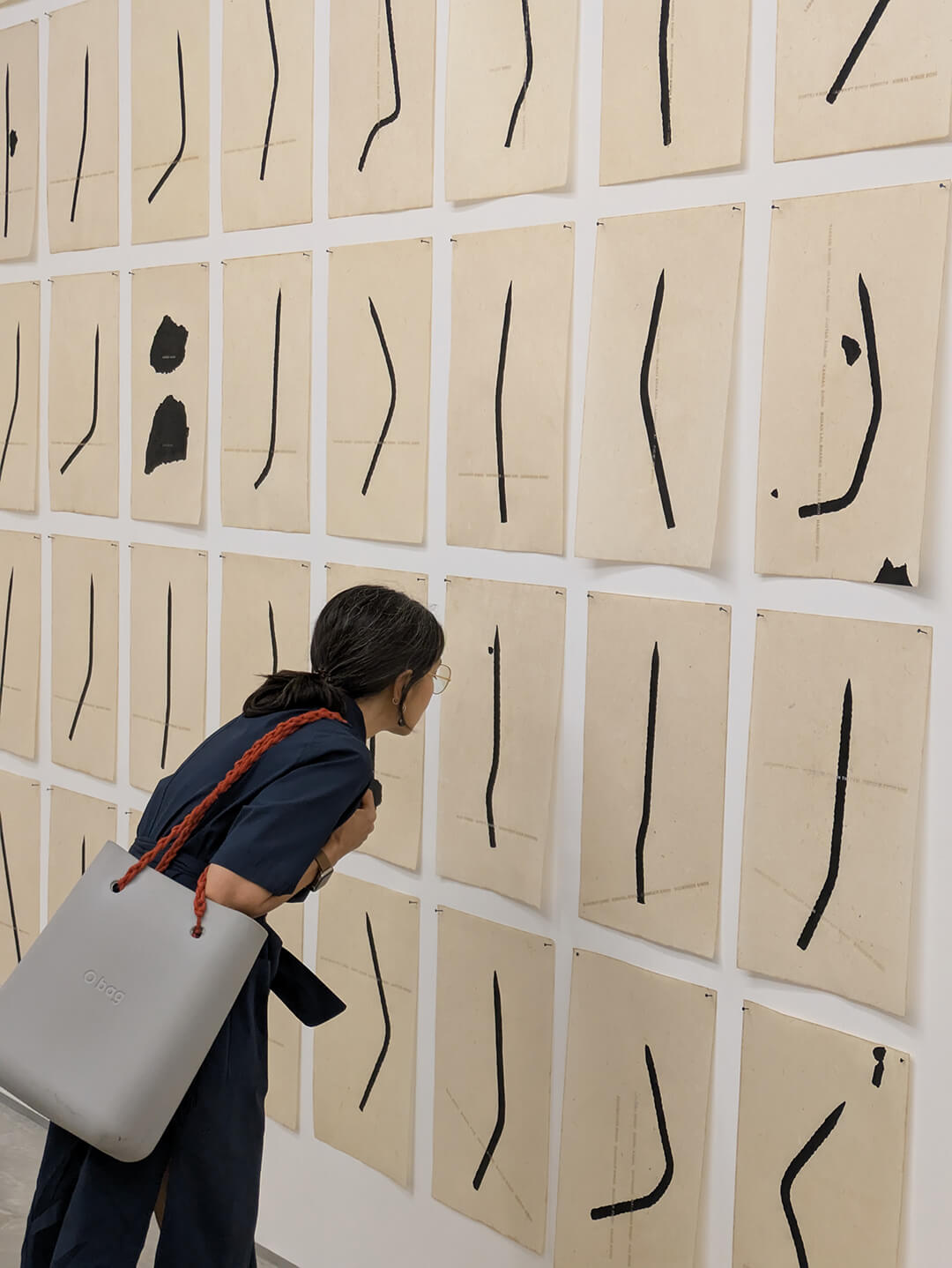
Discussing the experience of seeing his works in newer, bigger, more unfamiliar settings, he tells STIR about his hopes for the spectators’ experience. He recalls a conversation with a girl who, after seeing Indelible Black Marks, told him, “I used to blame farmers [for air pollution that people claim stubble burning contributes to]. After watching this film, I at least know that I will not blame them again.”
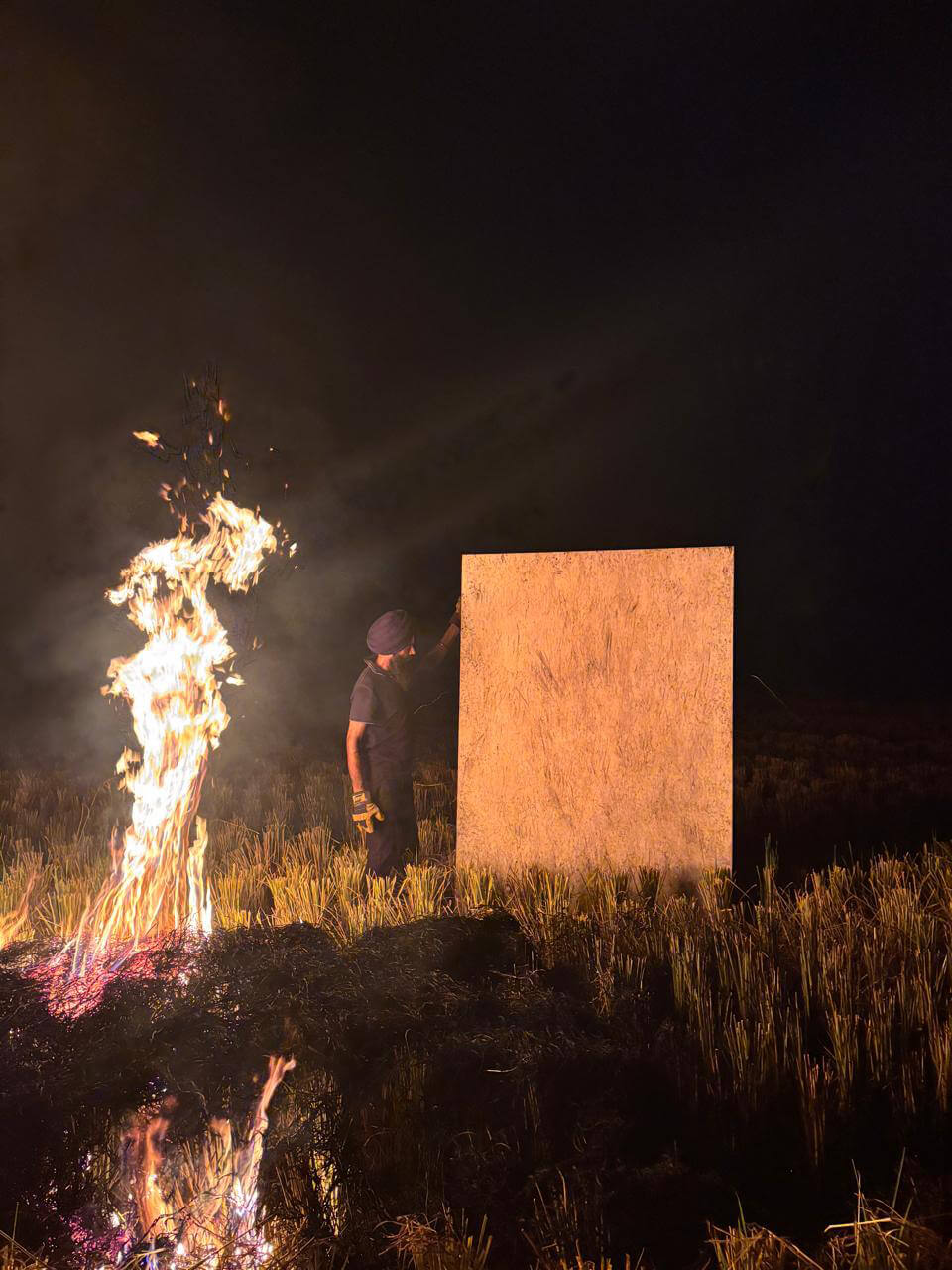
Singh is deeply empathetic to the struggles of farmers, who, he notes, are rooted in their profession through ties of blood, ancestry and land in a way that those in other professions usually are not. He describes the effect of untimely rains on the harvests of his farm and his neighbours’ and the earth-shattering experience of having a tear gas cylinder fired at his feet while at the Farmers’ Protest. Throughout, he keeps others and how he can be of service at the forefront of the conversation.
I always think about what I can do for others, what good I can do and how I can benefit someone else. It doesn’t stop with making my painting. [...] Without service, the universe is a rough place. – Kulpreet Singh
In his all-black, all-year outfit and single-minded focus on the political issues facing farmers (and therefore global democracy at large), Singh cuts a serious figure. However, during our interview, he laughs often and heartily, smiling with some melancholy as he says, “I don’t want to work on this topic. If the circumstances changed, it would be amazing. If it wasn’t necessary to keep working on these issues and wearing these black clothes, it would be such a beautiful thing. I want to wear colourful clothes.”
He hopes, with a tone of both challenge and invitation, for a peaceful world where this mantle would no longer be his, or anyone else’s to carry. Until that is achieved, however, one is sure to find Kulpreet Singh in a gallery, a protest, an art festival or a patch of farmland, drawing attention to those who struggle to serve and to survive.
Click on the top banner to watch the edited interview.
The conversation with Kulpreet Singh was conducted in Hindi, the language in which the artist was most comfortable expressing himself. The quotes featured in this article are English translations of his original responses.

by Srishti Ojha Oct 27, 2026
The 13th edition of the Gyeonggi Ceramics Biennale in South Korea, Earth Makes, explores ceramics from around the world, spanning ancient traditions and contemporary experimentation.
by Srishti Ojha Oct 26, 2026
The Taiwan-based artist shares his opinion on exhibition rituals, protests and his search for ‘fragmented beauty’.
by Srishti Ojha Oct 21, 2026
Increasingly, artists, filmmakers and activists are turning to VR to create more personal, tangible accounts of the climate emergency and its impact on vulnerable communities.
by Mirra Lynn Oct 20, 2026
The Indian artist paints the old wadas of central Pune, capturing the traces of everyday life that cling to these structures, battered by time but unbowed.

make your fridays matter with a well-read weekend
Enter your details to sign in
Don’t have an account?
Sign upOr you can sign in with
a single account for all
STIR platforms
All your bookmarks will be available across all your devices.
Stay STIRred
Already have an account?
Sign inOr you can sign up with
Verification link sent to check your inbox or spam folder to complete sign up process
Tap on things that interests you.
Select the Conversation Category you would like to watch
Please enter your details and click submit.
Enter the 6-digit code sent at


Kulpreet Singh on how art, activism and farming intertwine in his practice
by Srishti Ojha | Published on : Aug 28, 2026


 Sign in with Google
 Sign in with email
What do you think?