Design16 mins. read
The Severance Compliance Handbook on perpetuity in workspace design
by Mrinmayee BhootFeb 28, 2025



by Mrinmayee BhootPublished on : Jun 25, 2026
To someone who grew up online, whose first friendships were fostered by shared fandoms and whose community was built in chatrooms, the success of the 2026 film Backrooms feels gratifying. Even a little vindictive. It’s an affirmation, in some way, that the internet we had thought we were signing up for was the version that should exist today. The version that's inventive and resourceful, that’s joyful and feral, and above all, is egalitarian and decentralised. This is not an account of growing up with the internet, though in many ways it is. The backrooms, after all, are emblematic of a very particular type of existence in the digital world. By now, you’ve either extensively read, briefly encountered or in passing heard the lore behind what has become a sensation in the zeitgeist, a film with a small budget directed by the 20-year-old Kane Parsons and produced by A24. To those lucky uninitiated, and as a means to ground our reading of the cultural impact of the film and the subject it portrays, we will recount it here.
An image was posted on April 21, 2018, on a 4chan thread for cursed images, showing an empty room distinguished by wonky partition walls, those horrible, too-bright overhead lights and a sickly yellow pallor. Somewhere down the line, someone added cautionary and vaguely unsettling text to the image, thus spawning a seemingly infinite ‘creepypasta’, and inspiring video games such as Exit 8 (also the subject of a 2025 Korean film) and The Complex (Found Footage). Parsons first became popular by making videos on YouTube about the uncanny lore of this placeless place—with scenes created on Blender—fleshing it out for enthusiastic fans and fellow seekers of conspiracy.
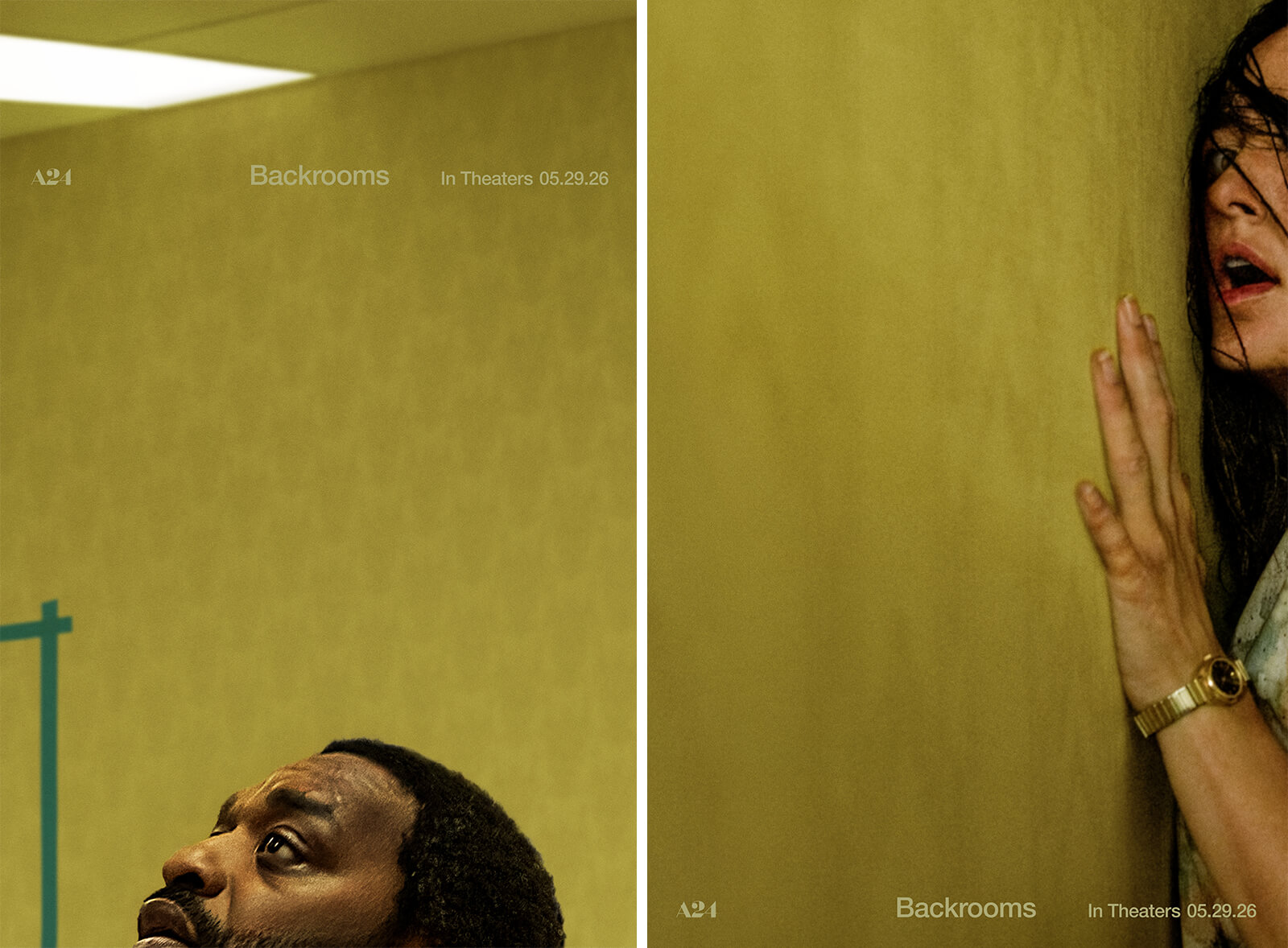
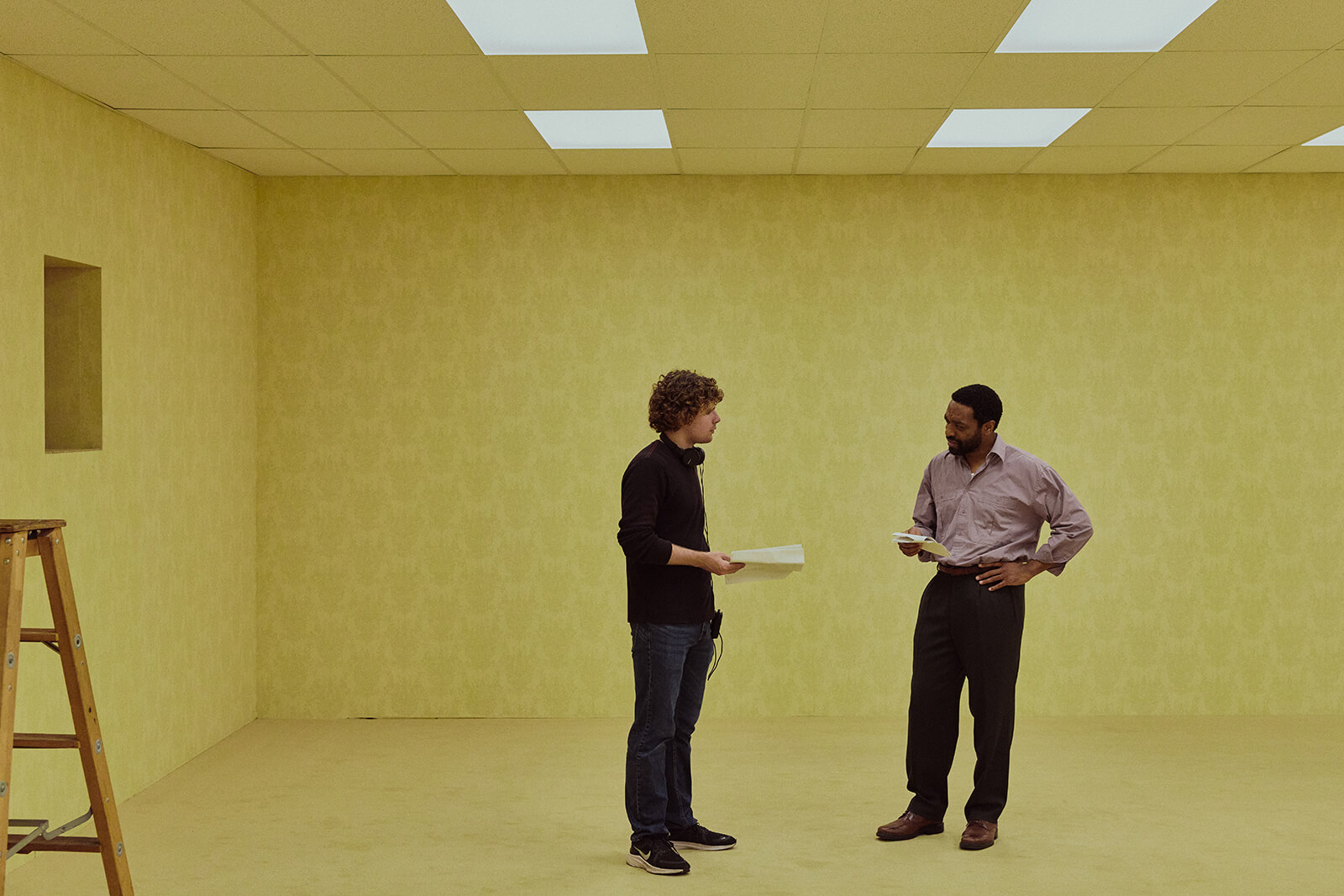
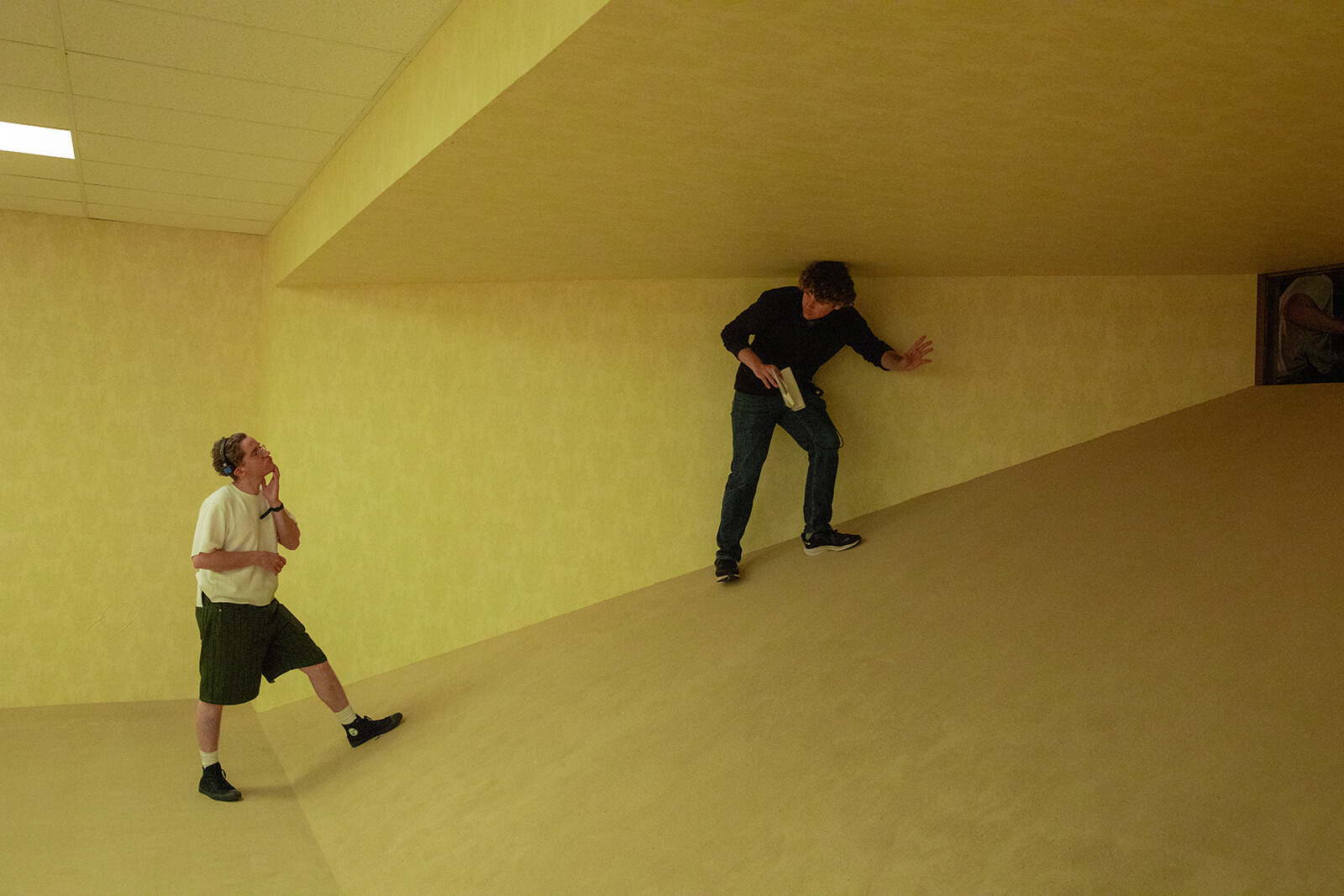
This mythology demands that we probe not only niche internet culture, but the social experience of growing up during an era of unprecedented change. Not only have the backrooms—or to be more general, liminal spaces—proliferated in digital spaces inhabited by the generation who grew up online; they have stood in as uncanny reflections of the technologically-augmented, avant-garde spaces symbolising the limitless possibilities offered by neoliberal globalisation. These include the grandiose malls marking several metro cities, the unending corridors of swanky hotel chains, the lobbies in skyscrapers dedicated to the offices of multinational corporations or grotesquely bloated airports.
In his essay on the banal architecture produced in the wake of a millennium-defining phenomenon, Dutch architect Rem Koolhaas calls these liminal spaces ‘junkspace’. Quite presciently, Koolhaas describes these monotonous built environments as “the residue mankind leaves on the planet”, eschewing the functional in favour of the expansive. For Koolhaas, Junkspace does not respond to any architectural context. Instead, it is meant only to support the endless appetite of capitalism with an architecture of speculation. “It is always interior, so extensive that you rarely perceive limits; it promotes disorientation by any means (mirror, polish, echo),” he writes, almost as if talking about the backrooms themselves.
Junkspace is what remains after modernization has run its course, or, more precisely, what coagulates while modernization is in progress, its fallout. – Rem Koolhaas, Junkspace, 2001
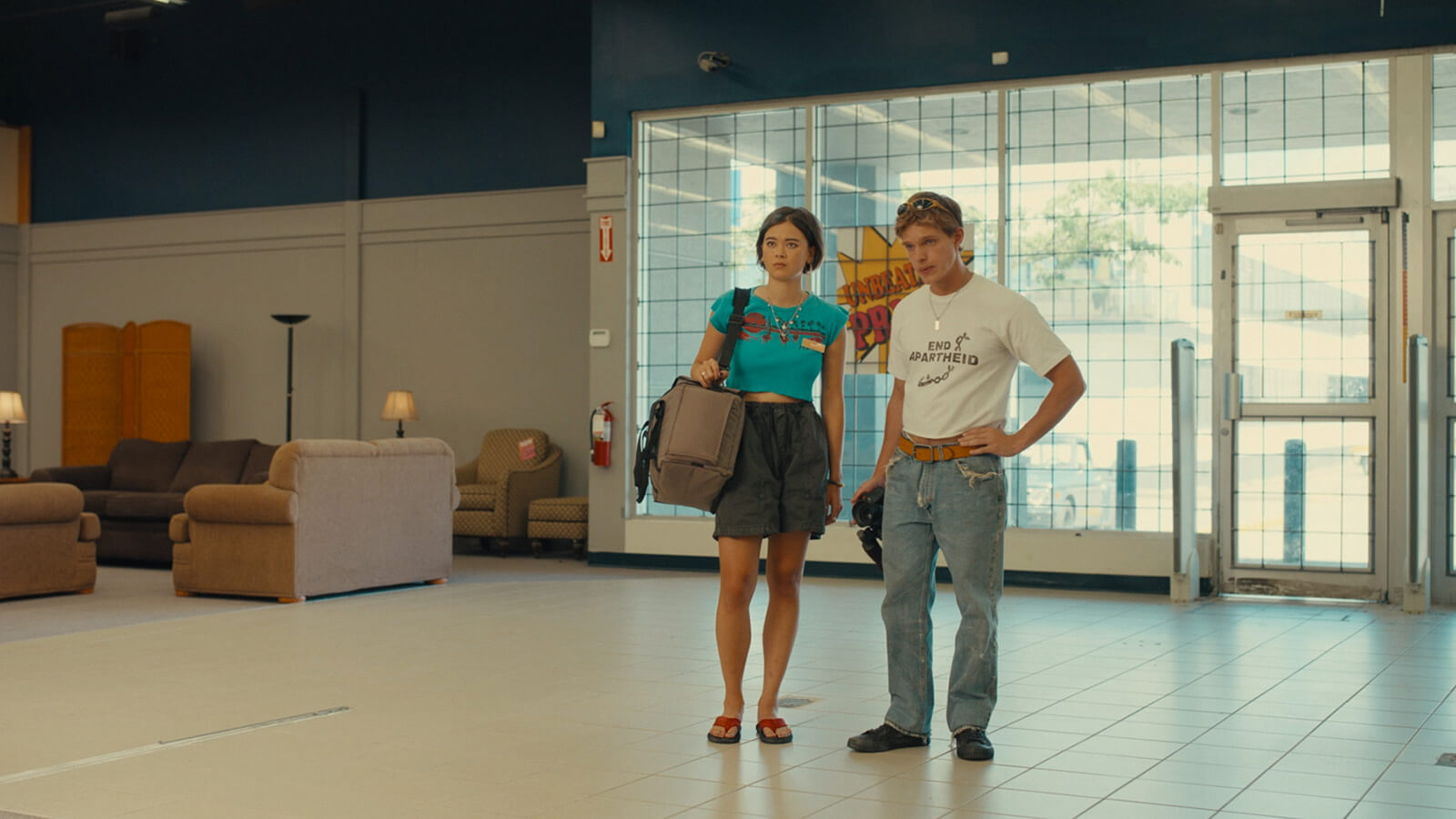
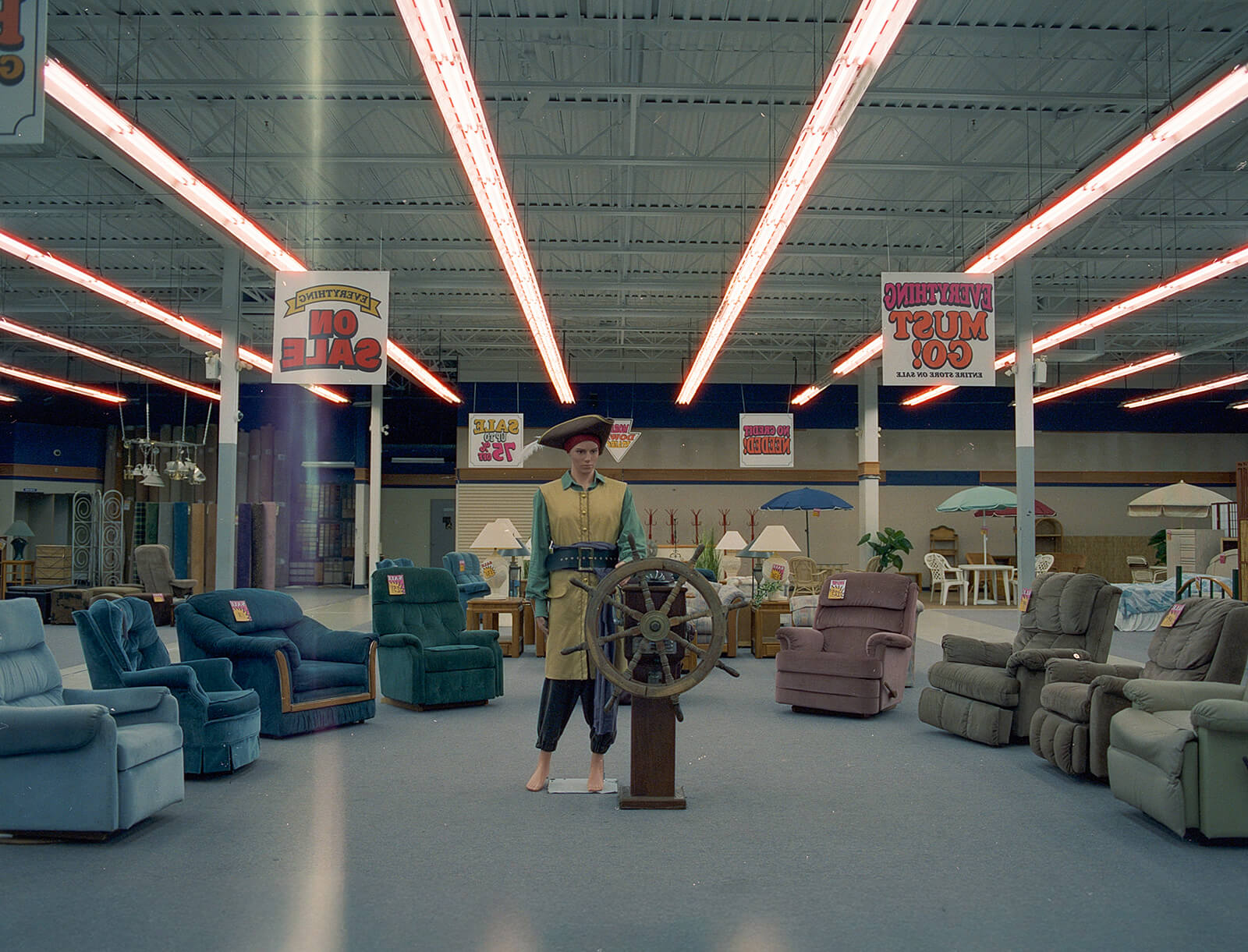
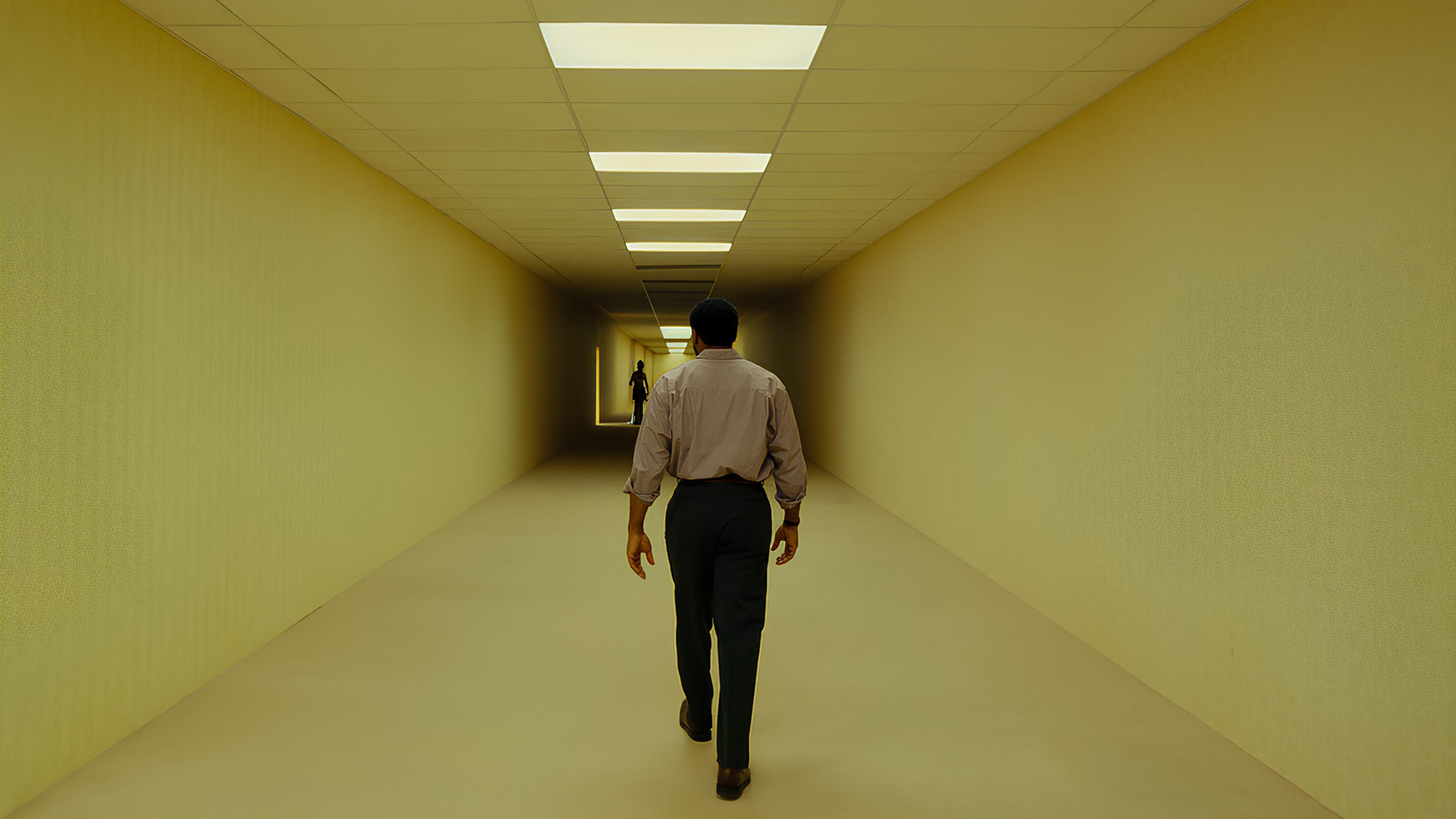
In the 2026 film, Chiwetel Ejiofor’s character, Clark—a failed architect and now a furniture store owner—discovers an entrance to the ‘backrooms’ on a night of bizarre events. The space seems to go on forever, arranged like Tetris blocks: one door in a room of abandoned chairs leading to an empty hall with only a window for access, leading to an abyss with an escape hatch on the ceiling, only accessible by a lone staircase (with no railings). Disoriented by their seeming infinity, the constant hum of the LED lights and that disembodied voice coming from an unknown source, as any architect would, Clark is determined to create a map of this parallel universe that seems to be made up of an endless array of storage spaces (evidenced by the detritus lying around).
Underscored by the name, backrooms, the idea that these are utilitarian spaces is also indicated by Robin Evans’ observations in his 1978 essay, Figures, Doors and Passages. In it, he notes the arrangement of various spatialities, specifically the reproduction of utilitarian spaces in 19th-century English residences as a means to segregate different classes. Observing its ricocheting effect today, he writes, “The cumulative effect of architecture during the last two centuries has been like that of a general lobotomy performed on society at large, obliterating vast areas of social experience.” The emptiness of the spaces, which prevents encounters and prioritises efficiency, fosters a sense of isolation, a sense of unhomeliness in what is meant to provide structure. Architectural historian Anthony Vidler illuminates this sense of unhomeliness as a condition of modernity, and more specifically as an eerie experience of contemporary existence.
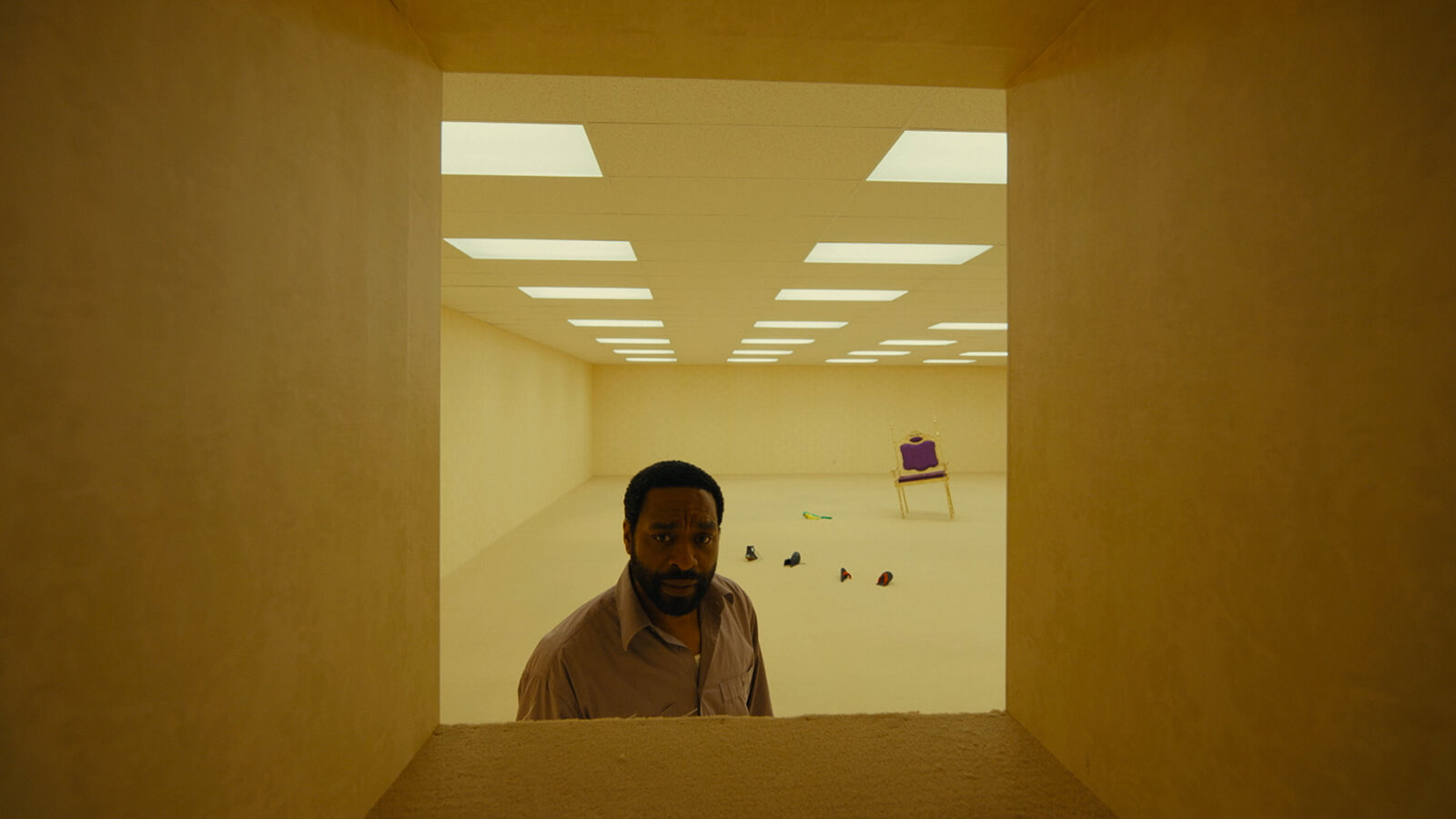
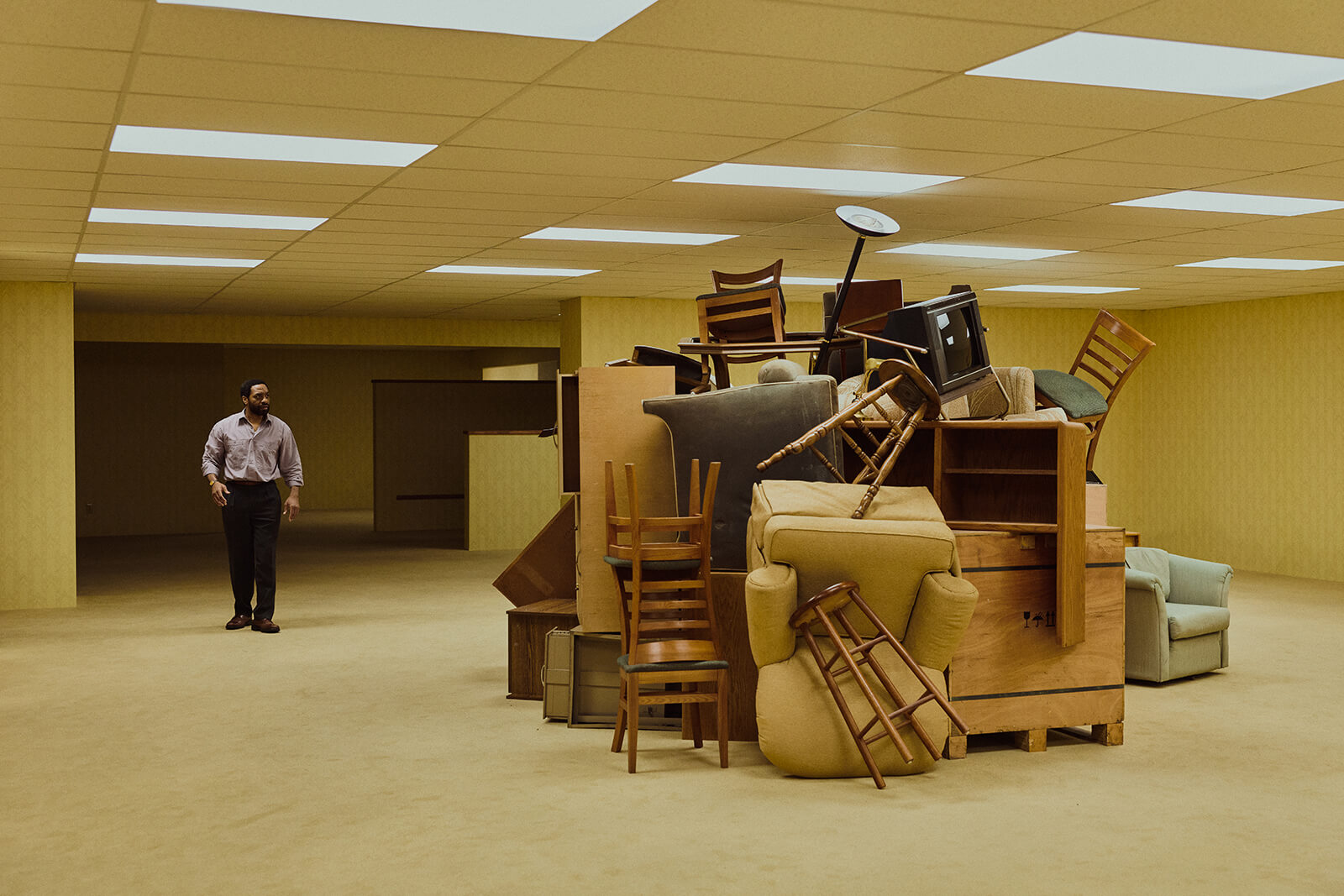
Vidler probes modernity’s relationship with nostalgia through the lens of the uncanny, with this hauntological condition (to borrow critical theorist Mark Fisher’s term) being the sensation of something being promised by the past but is absent from the present. The malls and the office spaces are symbolic of that promise of a consumerist utopia. One that has never come to be. The film itself has an interesting take on the nostalgic, with Parson effectively manipulating both the set design and sound design, in particular, to allow audiences to feel a sense of discomfort but in a space meant to feel commonplace. Using nostalgic traces of the 90s, obsolete technology like camcorders (found footage being a particularly popular trope for horror films), furniture design and even the existence of expansive furniture outlets fronted by even more expansive parking lots; that familiarity is then upended by the surreal nature of the backrooms.
The liminal horror of Backrooms is similarly underscored by the sparseness of its sets—structures designed to maximise efficiency in our daily lives, now devoid of people. Emptied, the places depicted seem to exist outside time, ruins to our hubris to stringently order life.
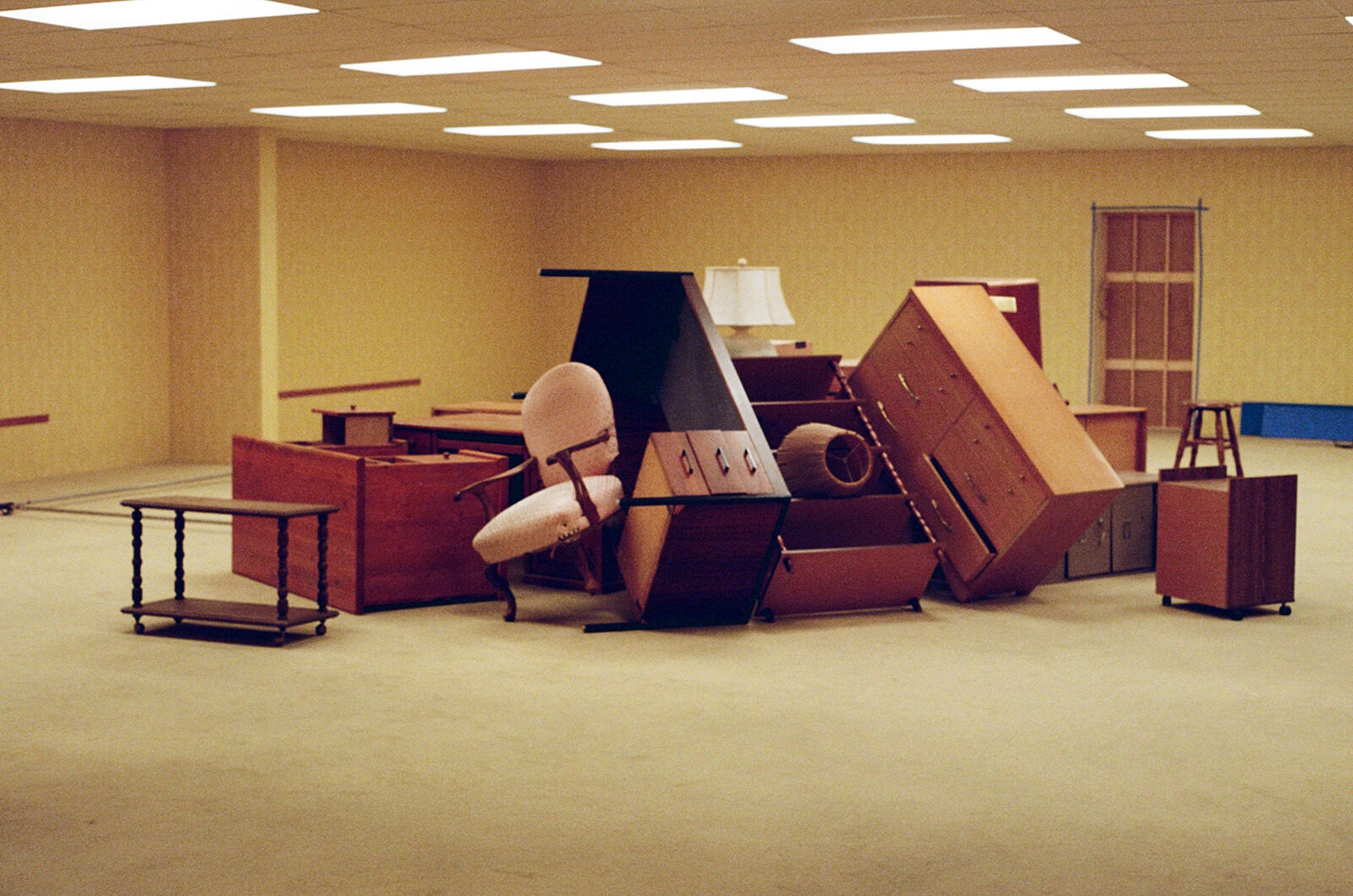
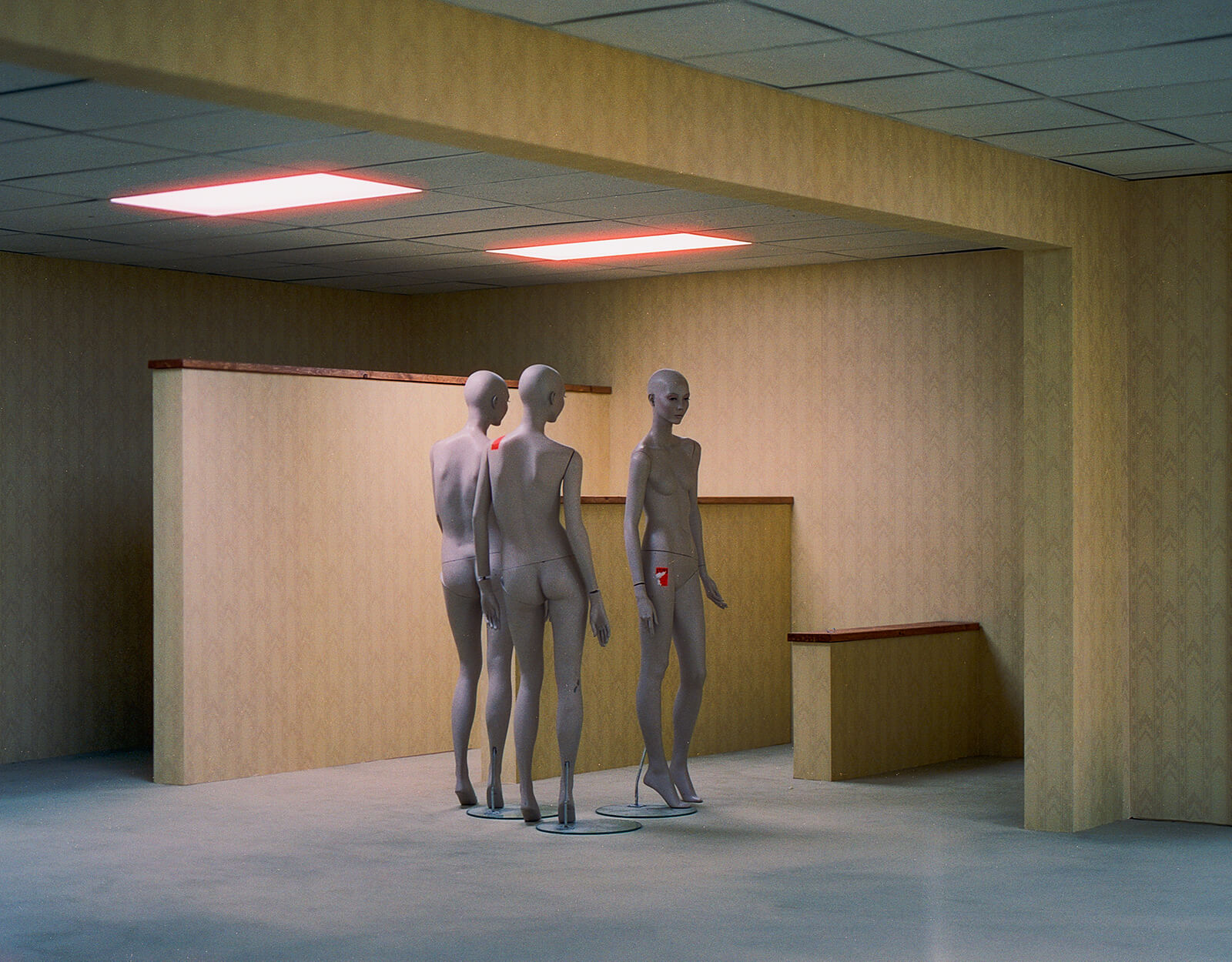
Why is there something here when there should be nothing? Why is there nothing here when there should be something? – Mark Fisher, The Weird and the Eerie
The richly detailed yet spartanly articulated sets in the film, with each room in the overall 30,000 sq ft of sets conceived by production designer Danny Vermette meant to feel familiar and at the same time unsettling, play up this feeling of anxiety exceptionally well. It’s not only the exasperating thought that we have been here before, but details that make it seem not quite right. An abundance of partition walls in an empty room, an arch that is cut off abruptly by a beam, a window that looks into an interior pool; the architecture is deliberately off. The choice of the queasy yellow for much of the production design only heightens this sensation, in an unwitting nod to Charlotte Perkins Gilman’s The Yellow Wallpaper (1982). Bright and at the same time anaemic, the yellow used here—a colour usually associated with joy—is meant to unsettle occupants.
The protagonist in Gilman’s story is driven mad by the wallpaper meant to soothe her; Clark, in his quest to gain a semblance of control over what is essentially rabid, loses his mind. Both suggest that the spaces the characters occupy are reflections of their diseased minds, a foundational trope in Gothic horror. The genre traditionally relies on architectural affect as a storytelling device: ruined castles as menacing reminders of the defeated past; long, winding hallways as a means of emphasising a character's helplessness; secret passages and attics as symbols of the repressed regions of the human mind. In Backrooms, the characters step across the threshold of society’s ordered, rational structures into a mirror world where none of these rules applies; where the rituals of everyday life are not determined by the architecture we inhabit. It serves as a constant suspension in the ‘neither here nor there’ state of liminality, where the world as they know it is being transformed. In such a state, we are constantly floundering for a semblance of control, like Clark in his quest to map the endless labyrinth beyond his furniture store. The spaces themselves are oriented in ways which contradict this resolve.
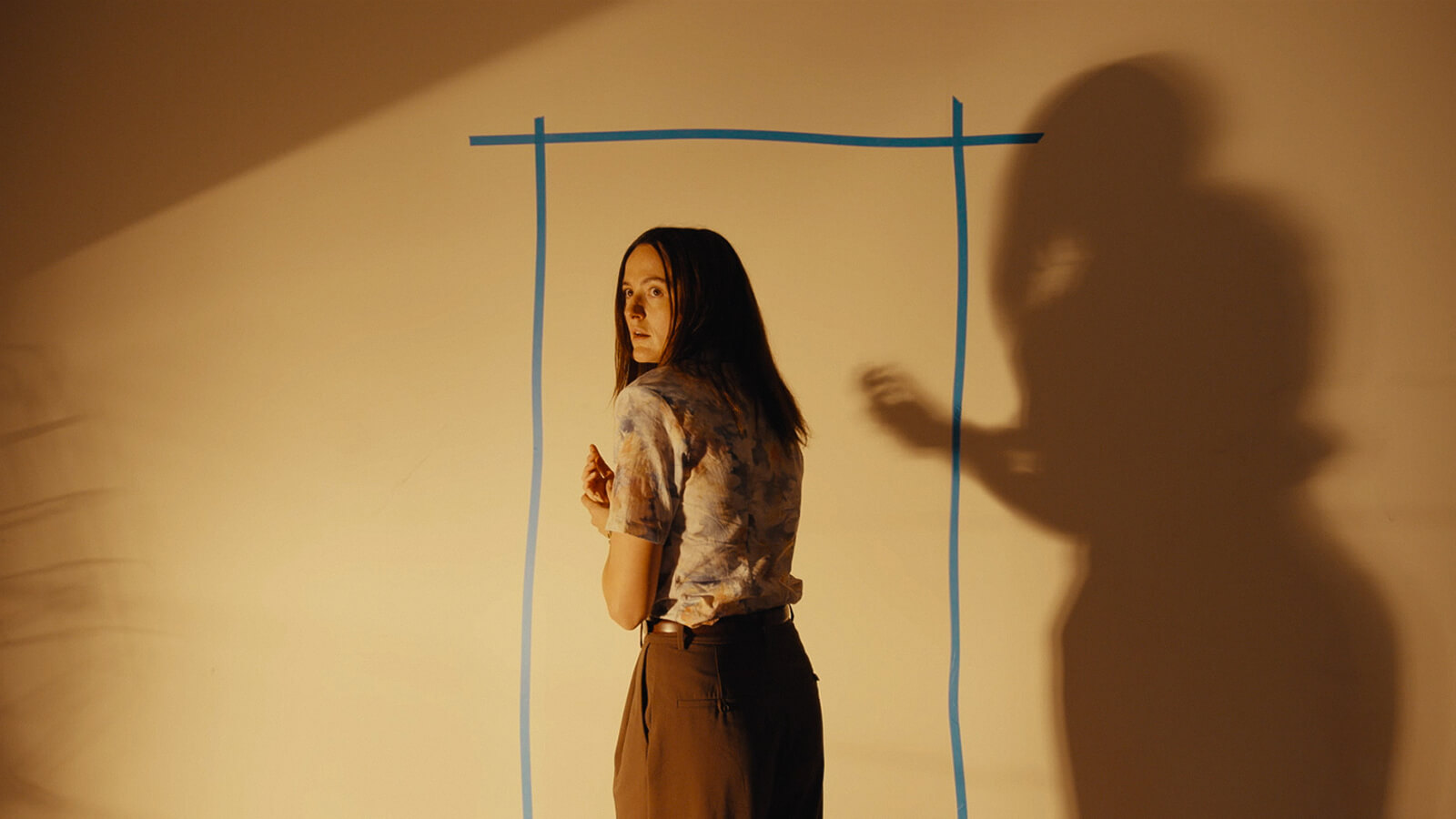
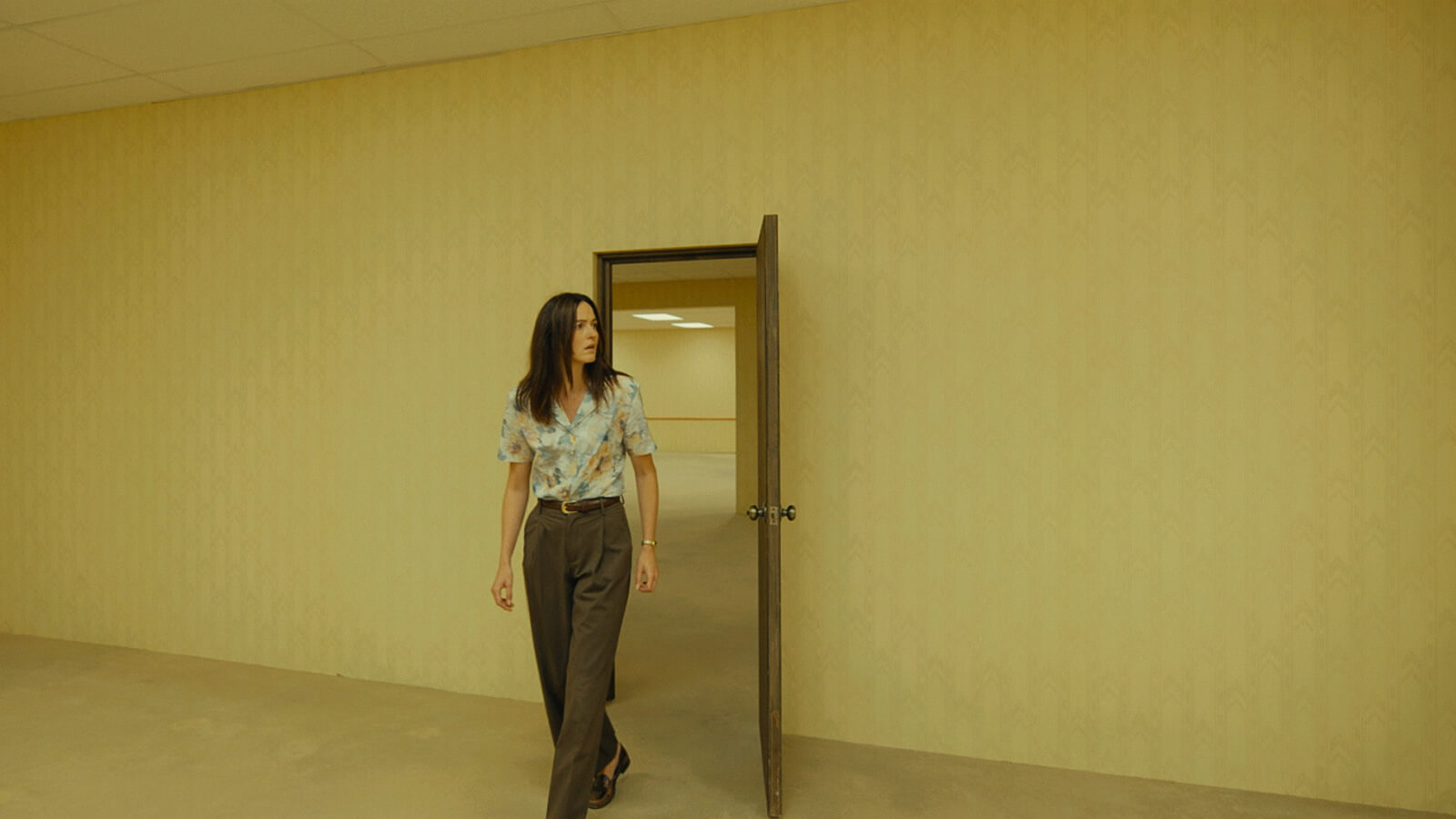
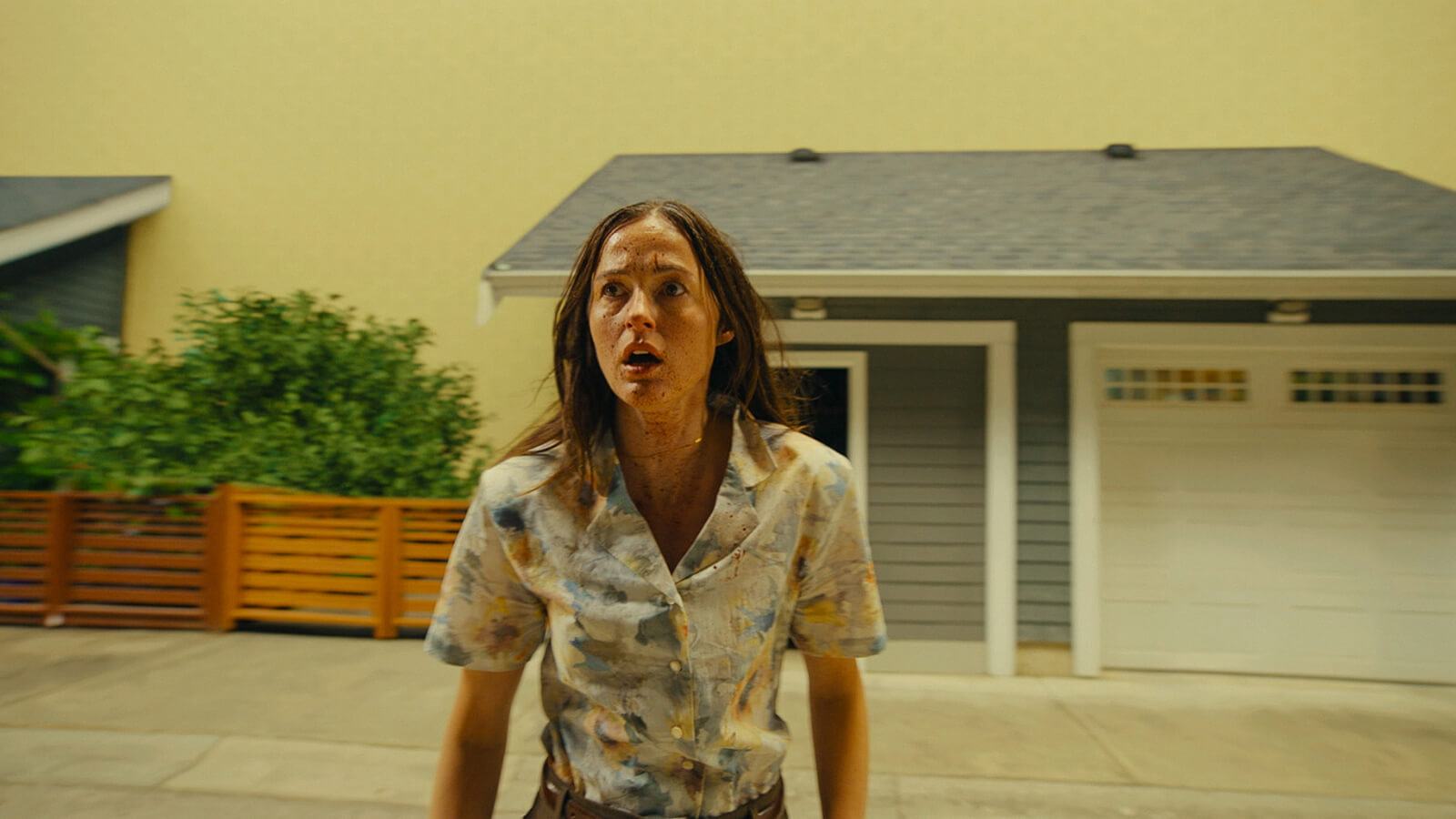
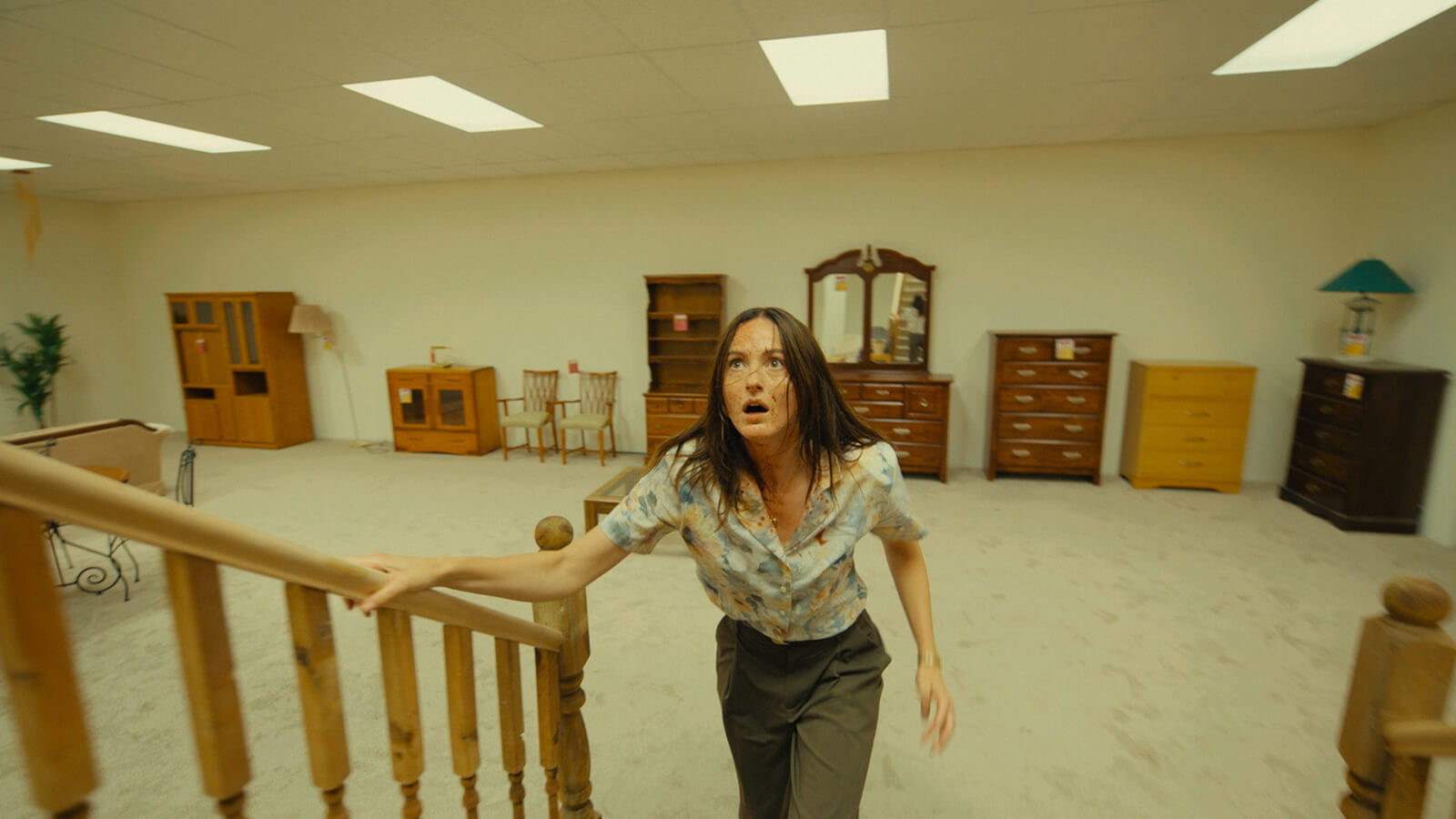
We could think of Clark’s encounter with the backrooms (of his mind) as symbolic of the transitional phase of his life: middle-aged, divorced, barely making ends meet. A liminal state that he cannot seem to find his way out of. This is illustrated by the backrooms being littered with the detritus of his, and later, his therapist’s hopes from life. These reminders charge the empty spaces with a sense of eeriness. True horror is growing older in a world that keeps the promises of the past alive, but cannot fulfil them.
The resurgence of an interest in these spaces can perhaps be attributed most closely in the present moment to the anxiety engendered by the pandemic and the consequent, unending collapse of society as we know it. No show better than AppleTV+’s Severance captures this allure. While Severance gives a visual language to understand the particular ennui of sanitised, homogenous corporate office spaces (arguing that the true horror has always been our incessant work culture), HBO show The Chair Company (2025) exaggerates the absurdity of it all for its audience. The haplessness of lead character Ron in the face of forces he can’t see or understand is depicted as ludicrous, but ultimately inescapable.
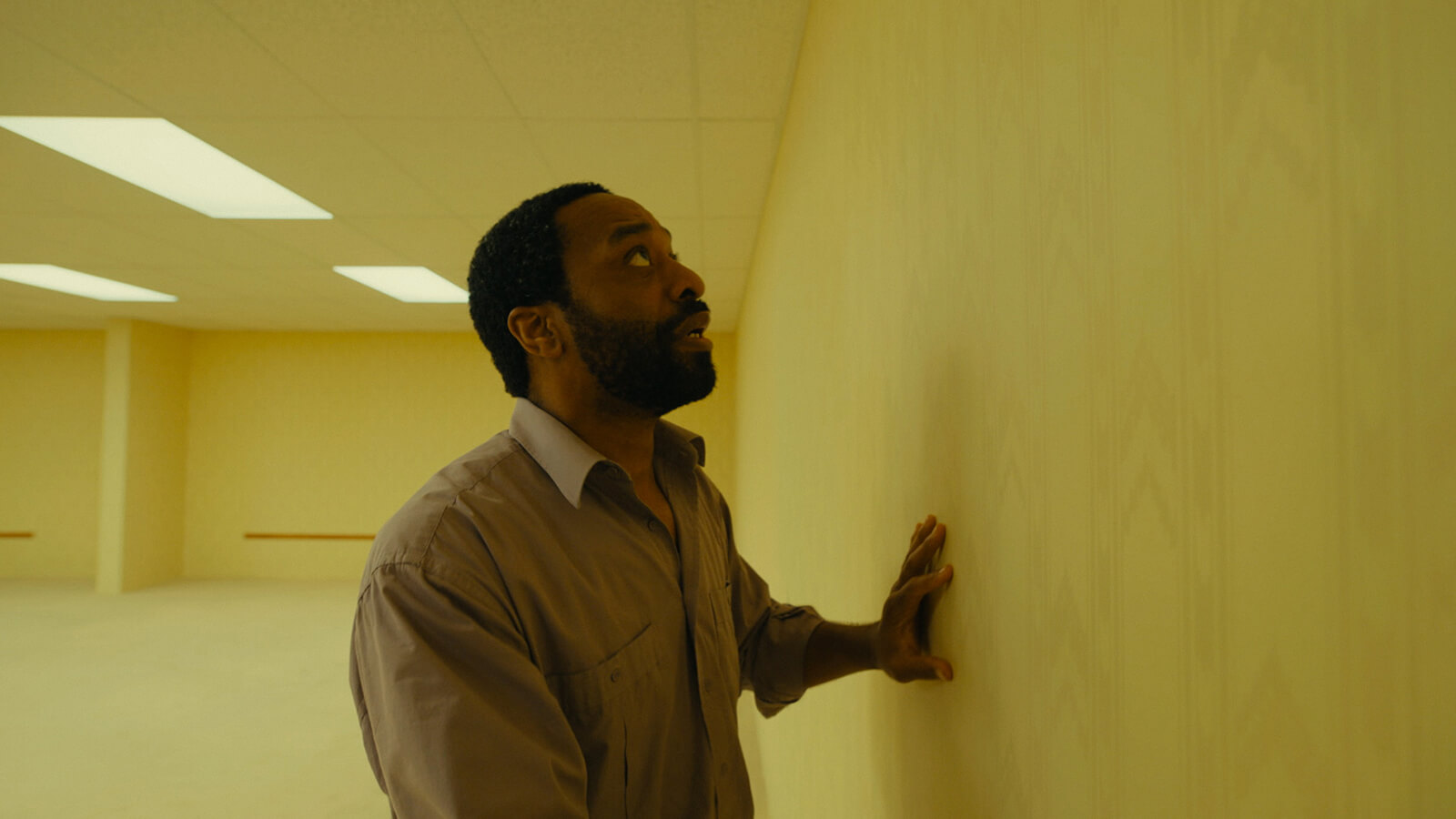
In a world where we are living through the most tyrannical chaos, the placeless banality of the backrooms, coupled with the sheer irrationality of their spatial arrangement, feels like the only horror that is still shocking. We could, in focusing on the surreal nature of the architecture itself, think of backrooms lore as a form of Dada art. Rejecting logic and traditional aesthetics, the very mythology of them has sprung up ‘as found’. The readymade object of the internet age. An object onto which we can map our fears. If only they were actually tangible. If only, like the film urges us, we could find our way out of the systems that hold us captive. If only the spaces we remember existing so vividly still held the same vitality. In their own way, they still are.

by Pranjal Maheshwari Oct 24, 2026
A consortium of Copenhagen’s 3XN, Toronto’s B+H Architects and Shenzhen’s Zhubo Design has designed the museum to mimic the surrounding riverscape, topped with a public park.
by Pranjal Maheshwari Oct 19, 2026
The Mumbai-based architects integrate courtyards, mesh screens and north light trusses to create a dining space that doubles up as a community hub at SR University, Warangal.
by Mrinmayee Bhoot Oct 17, 2026
The Rotterdam-based institute centres the Indian Ocean as a network for exploring material histories and transnational links shaping coastal cultures, positing them as future models.
by Pranjal Maheshwari Oct 16, 2026
At the 2026 Stirling Prize ceremony, Mary Duggan with RUFF Architects, MAKER Architecten and Nakshabid Architects were felicitated for proffering quality housing and social equity.

make your fridays matter with a well-read weekend
Enter your details to sign in
Don’t have an account?
Sign upOr you can sign in with
a single account for all
STIR platforms
All your bookmarks will be available across all your devices.
Stay STIRred
Already have an account?
Sign inOr you can sign up with
Verification link sent to check your inbox or spam folder to complete sign up process
Tap on things that interests you.
Select the Conversation Category you would like to watch
Please enter your details and click submit.
Enter the 6-digit code sent at


Backrooms: Tales of hauntings and disembodiments in junkspace
by Mrinmayee Bhoot | Published on : Jun 25, 2026


 Sign in with Google
 Sign in with email
What do you think?