Art05 mins. read
Joya Mukerjee Logue harnesses identity and belonging at Vadehra Art Gallery
by Ranjana DaveSep 03, 2024




by Samta Nadeem, Srishti OjhaPublished on : Feb 16, 2026
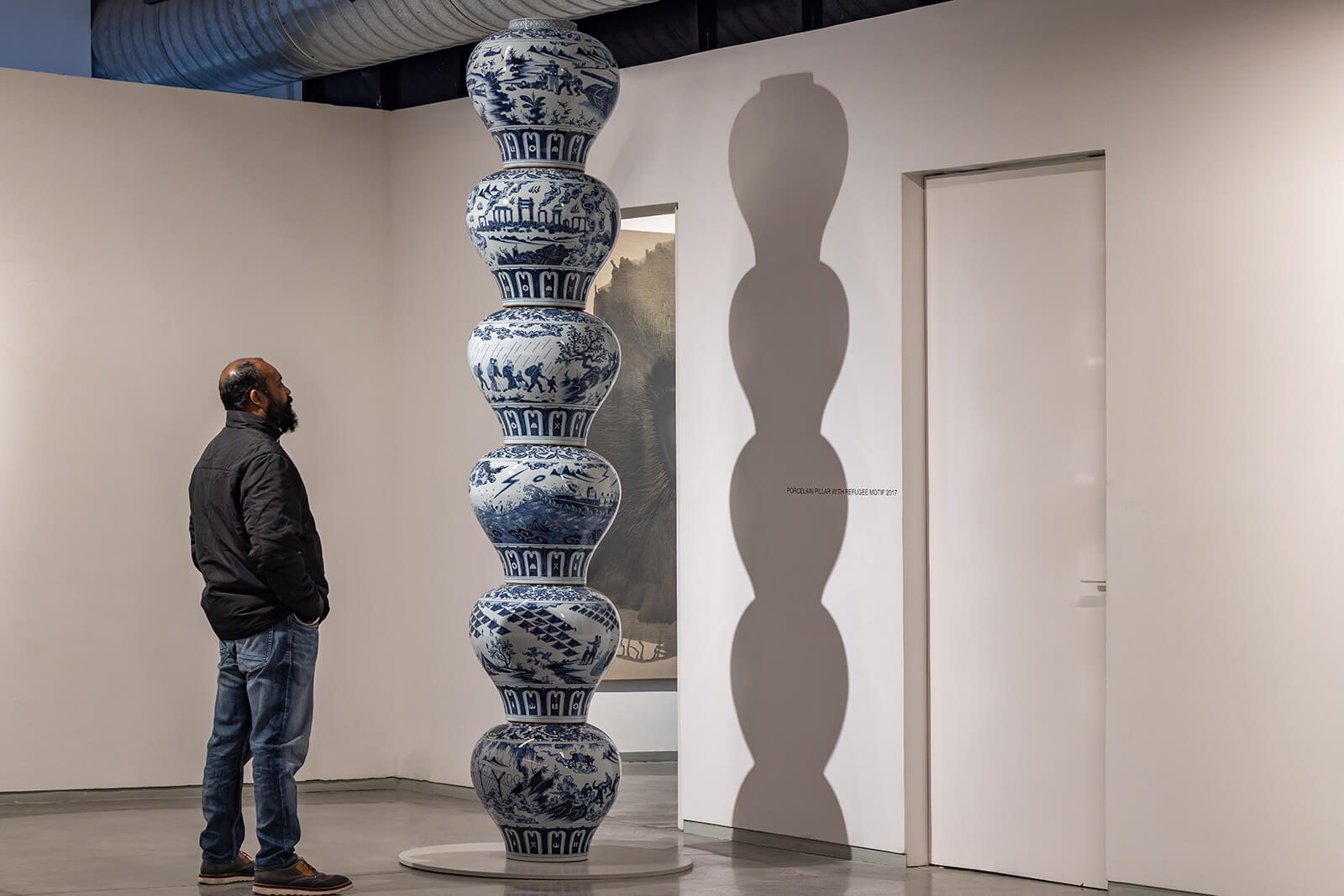
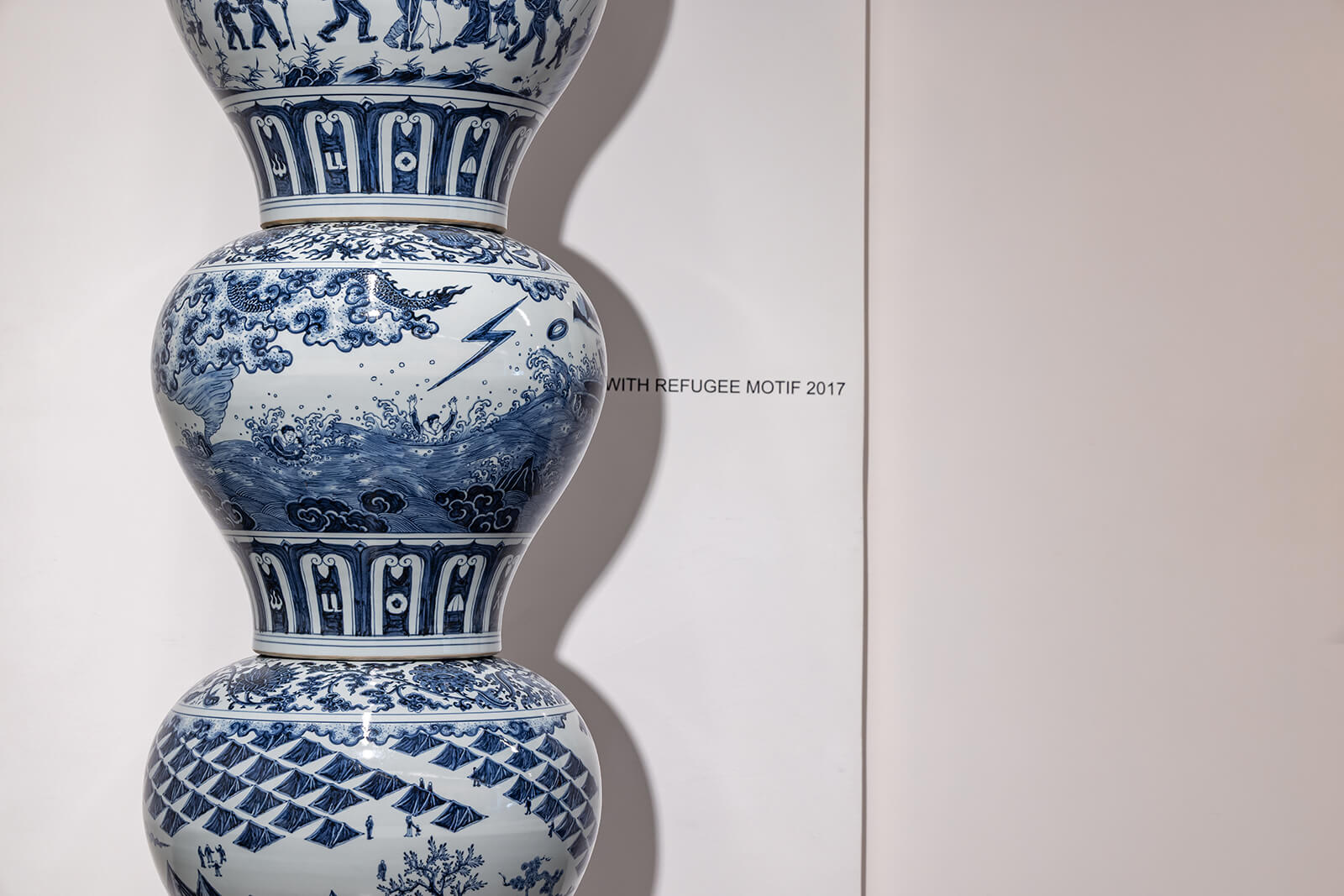
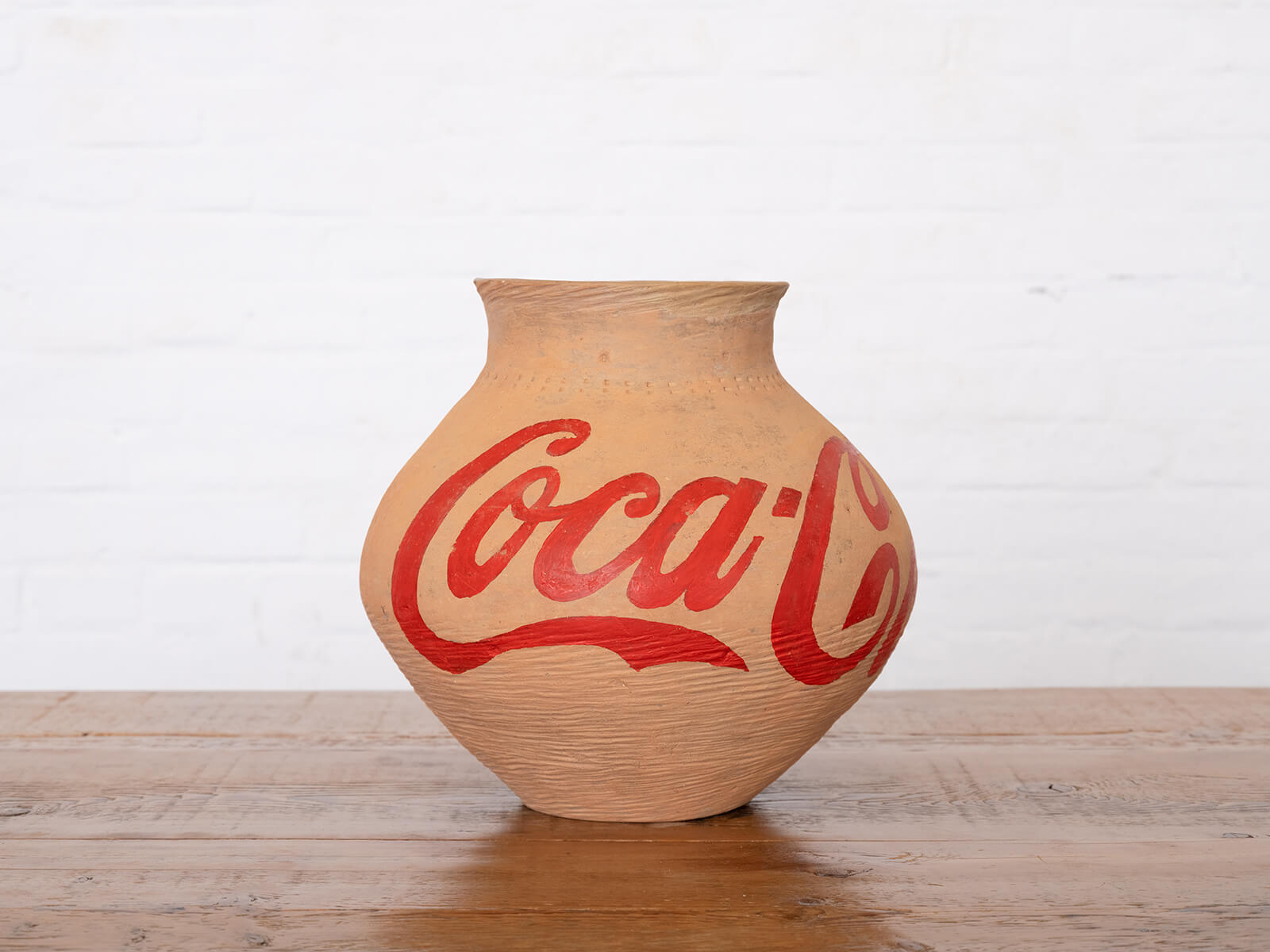
With provocative works like the self-explanatory photo triptych Dropping a Han Dynasty Urn (1995), and those that address live political and ethical debates head on, like Soleil Levant (2017) (which consisted of wrapping Berlin’s Konzerthaus hall in 14,000 neon orange refugee life jackets), Ai Weiwei has cemented himself as one of the most renowned contemporary artists working today, and definitely one of the most controversial.
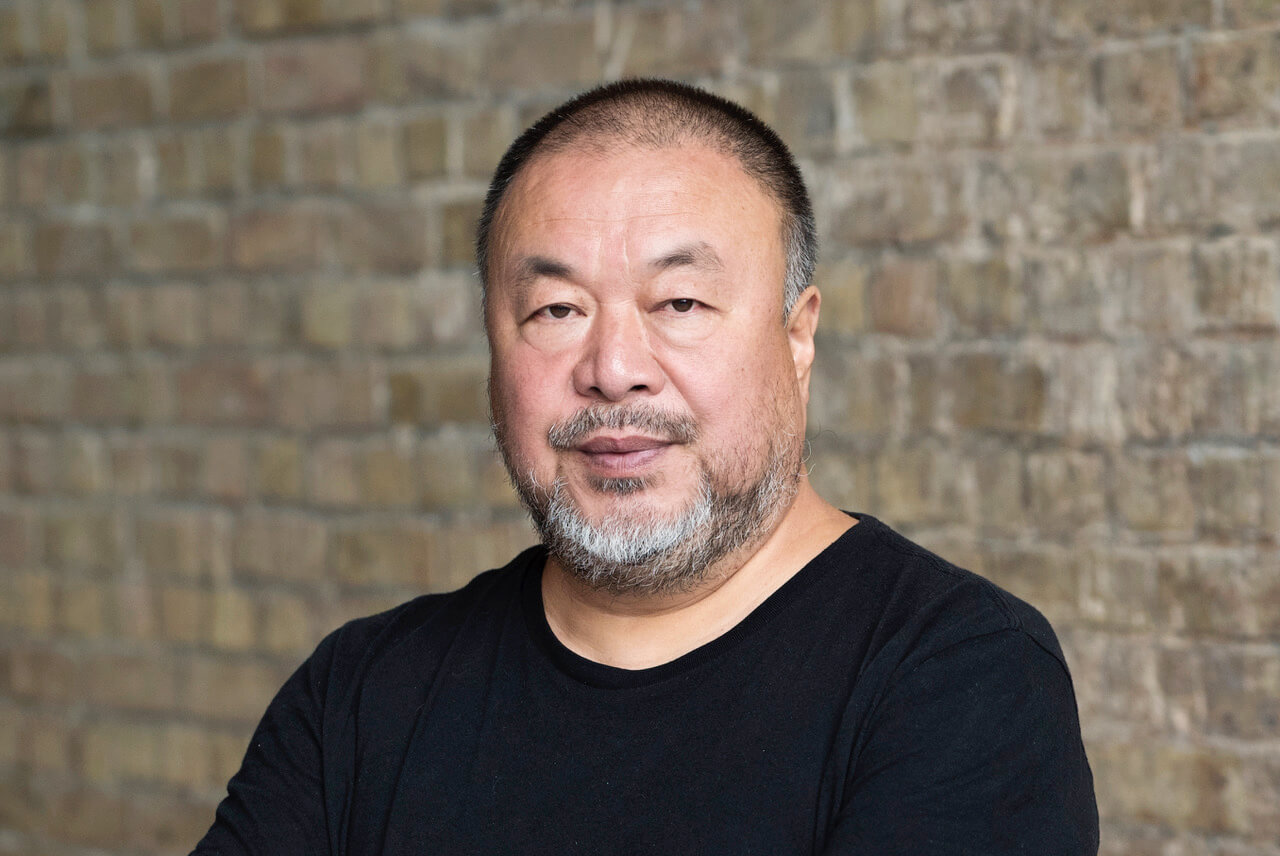
In their 2026 programming, New Delhi gallery Nature Morte opened with a solo exhibition of Ai Weiwei’s works, staged in India for the first time. Ai Weiwei (2026) comes at a time when the parallels between India and China are starkly visible—from their economic strengths and domination of global production to rising censorship and states with diminishing tolerance for artists, journalists and activists who refuse to toe the party lines.
Aparajita Jain, the co-director of Nature Morte, said in a press release, “Bringing Ai’s work to India isn’t about creating a spectacle—for us, it is about urgency. His work speaks to the present moment with total clarity: history, power, borders, memory. India is a place where these questions are lived, not abstract, and this exhibition invites that conversation without flinching.”
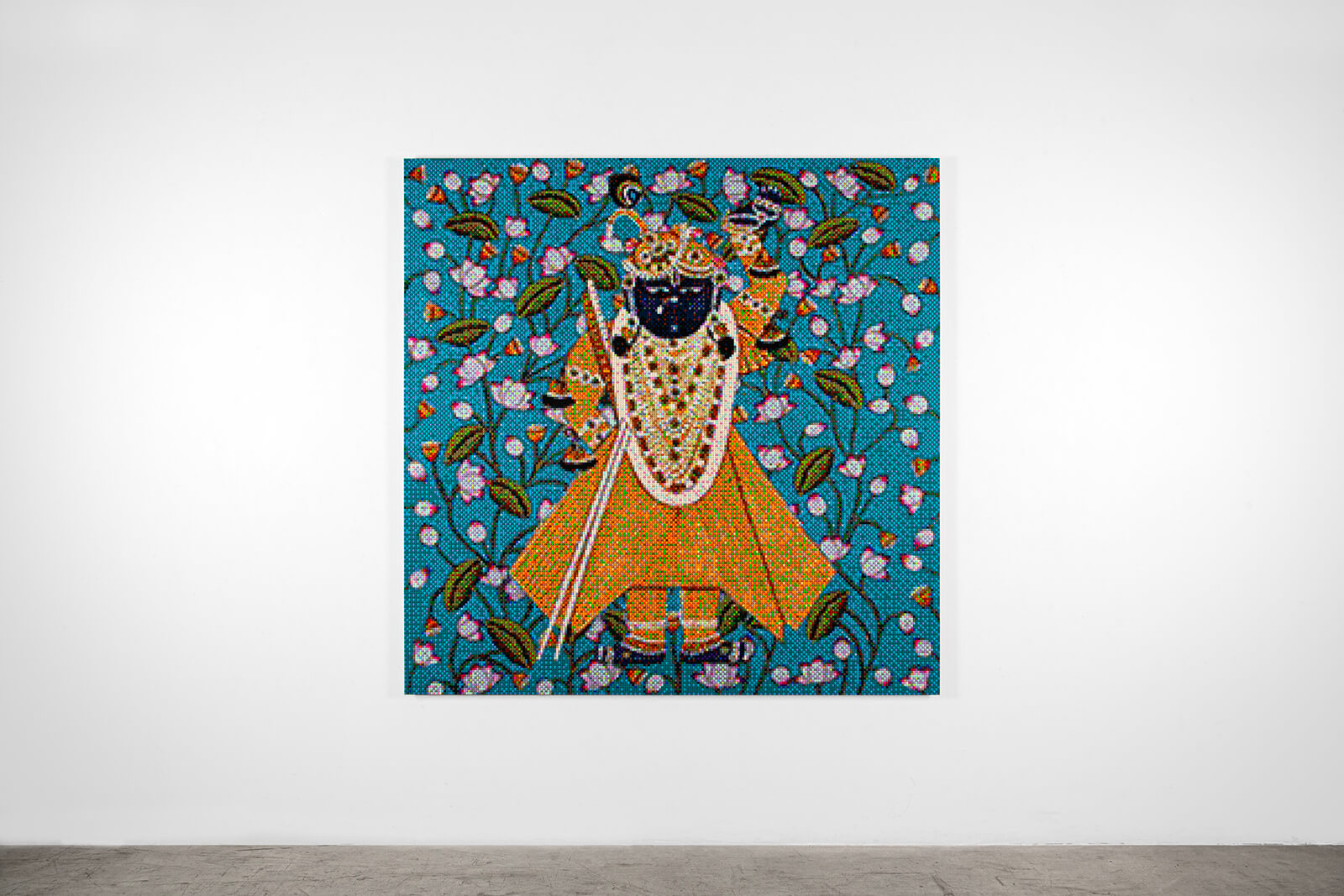
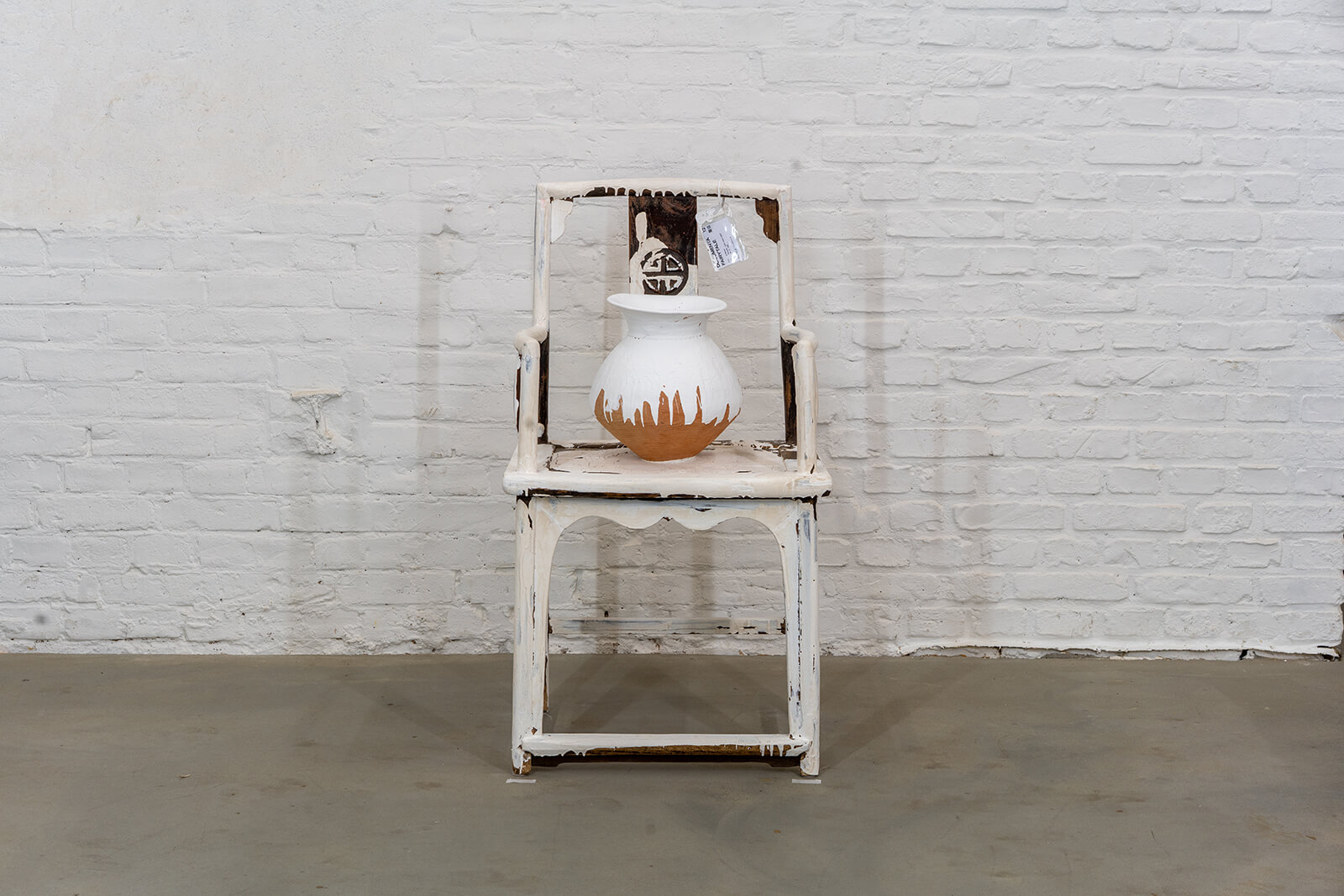
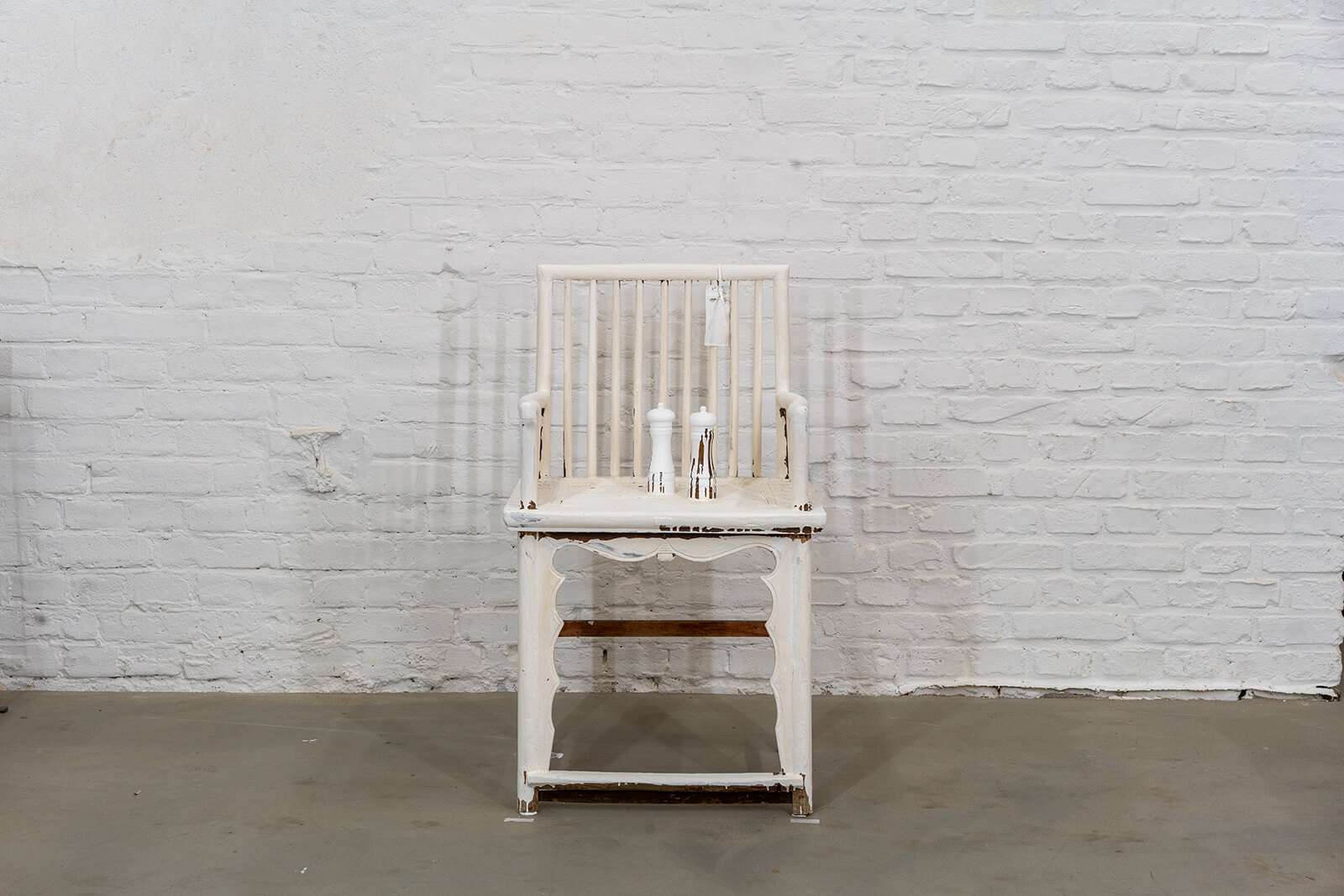
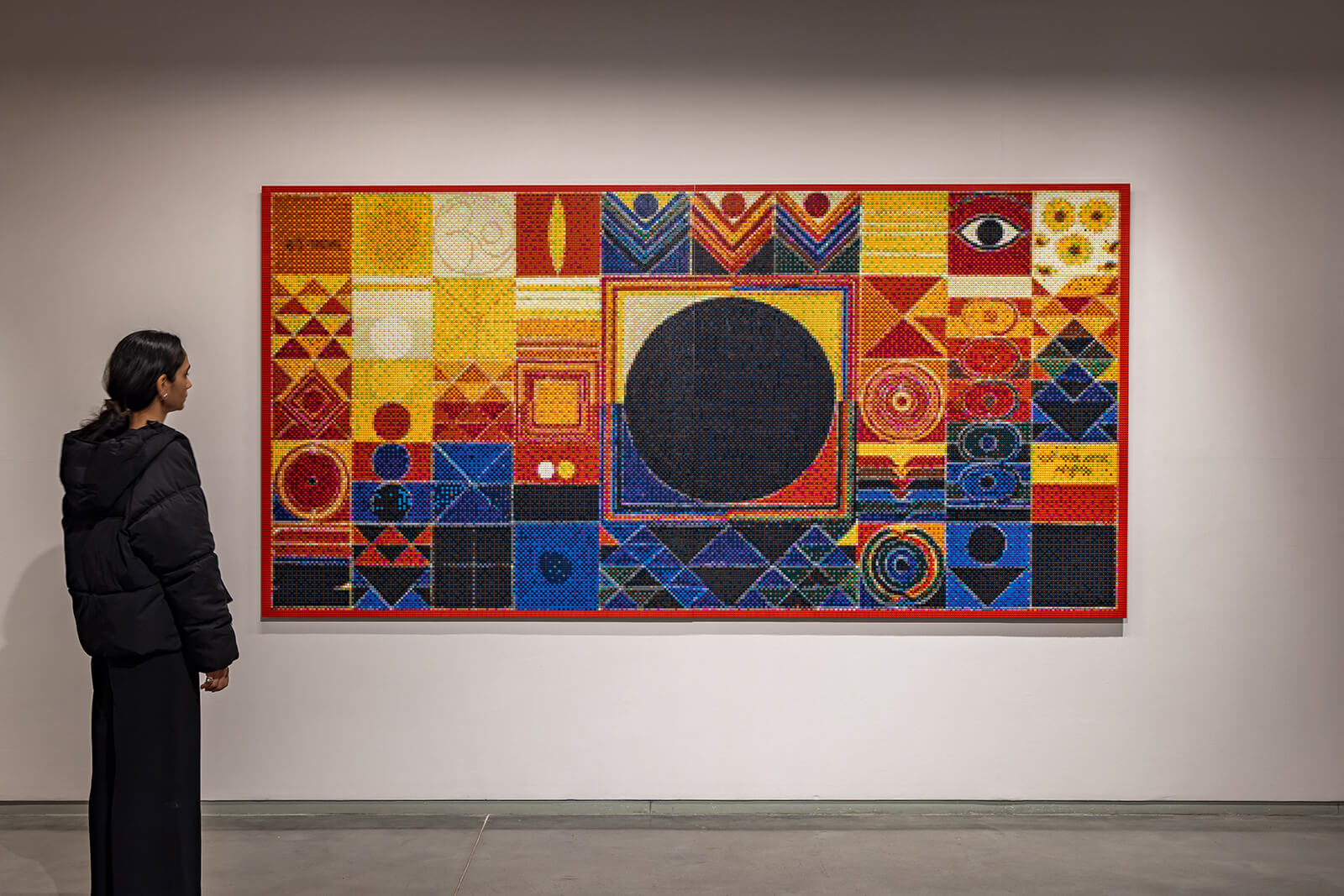
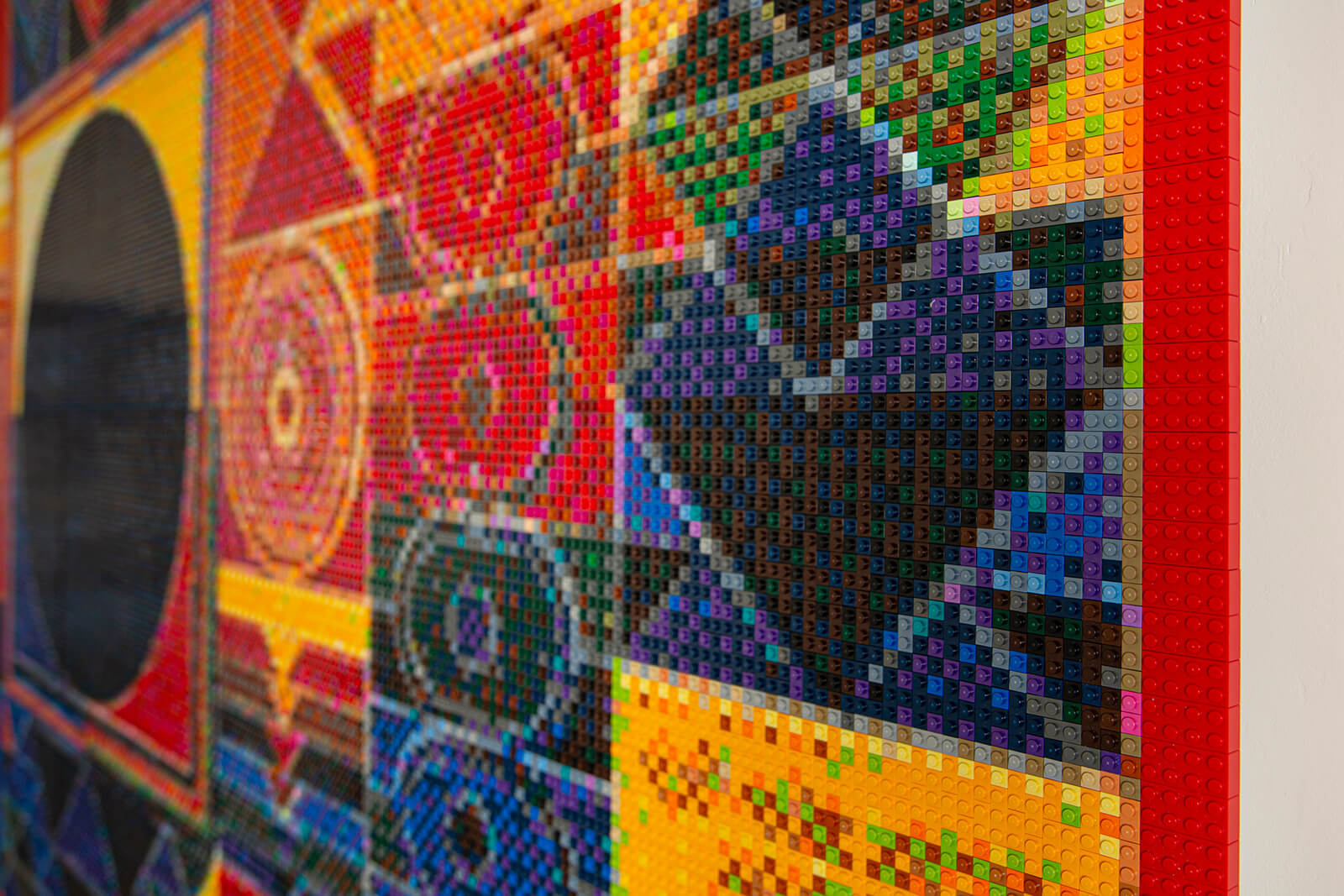
The gallery showcases a careful selection of works spanning important eras of the Chinese artist’s practice and his engagement with several mediums, including three new works from his series of famous paintings reproduced in toy bricks, each one inspired by a historic Indian painting. The sculptural work, Whitewashed Remnants of History of the State of Emerging Future Works (2025), will be shown to the public for the first time.
For Ai, creating an exhibition that spoke to the specific cultural context of India as well as the present political moment was crucial. He sought to develop a new language that would feel familiar to viewers while remaining in line with his own history and the motifs of his work. This is seen in the new toy brick works created for this exhibition—recreations of images and textures of Indian culture and history in the irreverent new medium. He pays tribute to one of India’s most well-known cultural exports—yoga—as well as one of the country’s most renowned painters through a toy brick installation that recreates elements of S.H Raza’s Surya Namaskar (2024). His references and inspirations from modern Indian culture also include the abstract painter V.S. Gaitonde, whose landscapes he recreates in another work. Rounding out these recreations is Pichwai (2025) a playful take on the Rajasthani textile painting tradition rendered in pixel-like bricks.
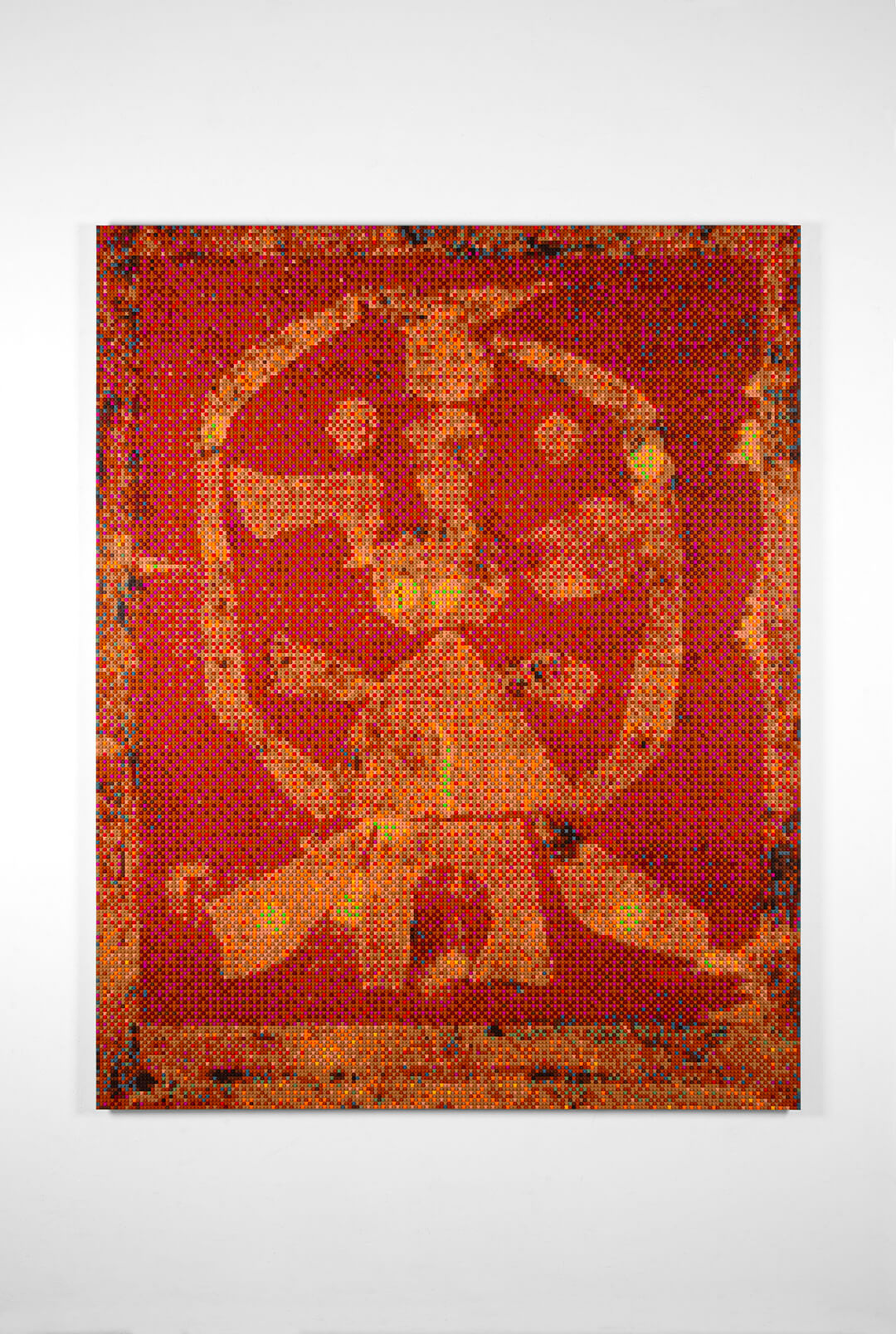
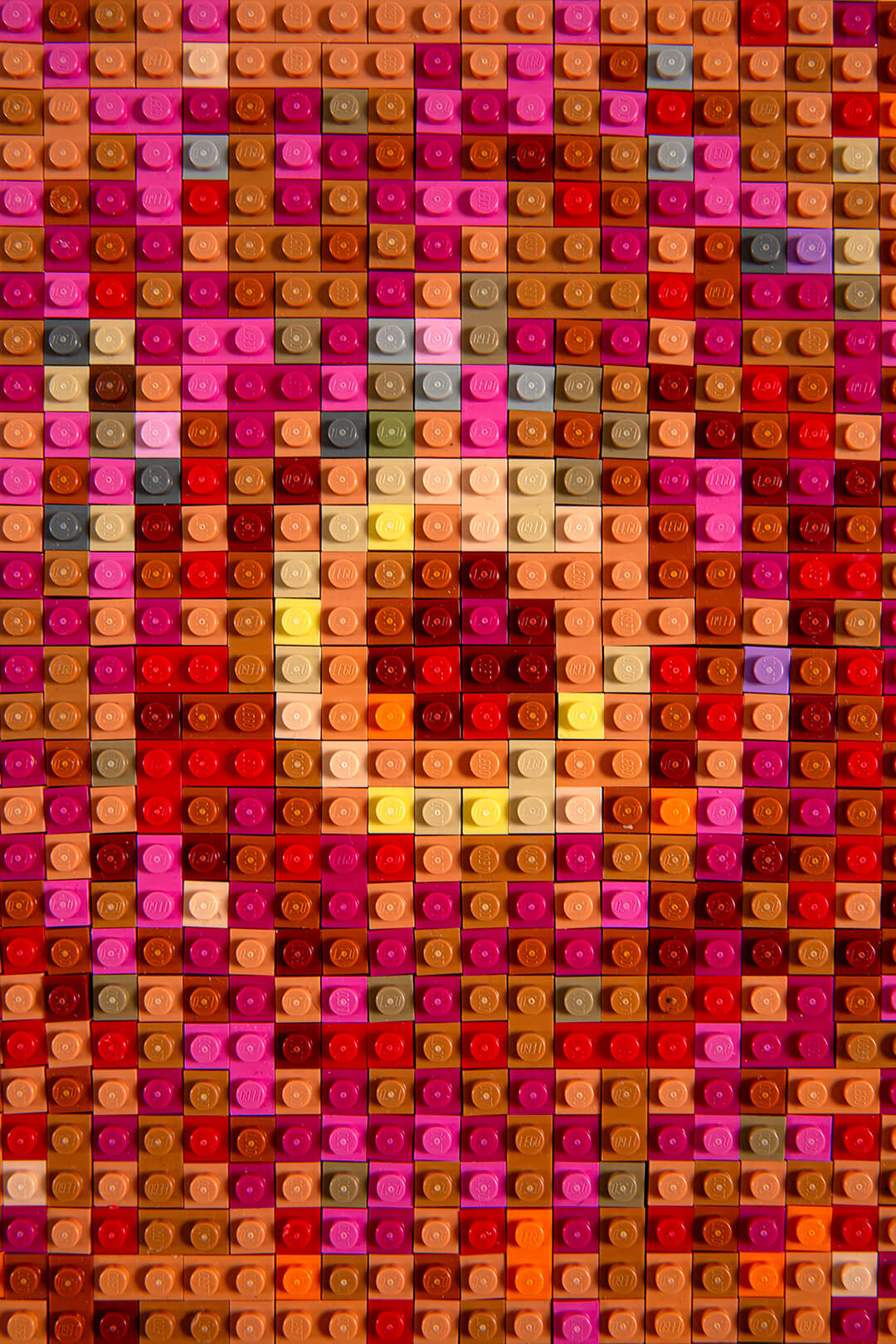
Coming to India was not a sudden decision—the artist has been fascinated by the art, sculpture, poetry and classics of India for years now. Ai noted the many historical and contemporary similarities between India and China as states and cultures—both countries’ have histories stretching back for millennia uninterrupted, further than most living cultures, and are often framed as ‘ancient civilisations’, both countries follow similar upward trajectories today, with rising political and economic positions.
The idea of a surviving ‘ancient civilisation’ has always troubled Ai, who sees this framing as a dangerous ossification of a rich history that gradually erodes meaning in favour of iconography. He brings his deconstructive approach to the objects, traditions and fixed narratives of India just as he has done for many years with China, examining how objects survive, change and speak from under the weight of history and power.
Ai’s critical eye does not stop at the borders of these nations; locating India and China in contemporary culture and politics necessitates a broader analysis of the global state of human rights and freedoms and the conversations surrounding them. He is quick to note that the framing of certain states as ‘authoritarian’ masks the abuses and violations of rights and freedoms that continue in the West, despite their self-image as liberal and democratic states. He recalls his encounters with the refugee crisis, the Israel–Gaza crisis, the Russia–Ukraine crisis after moving to Europe and his experience with censorship in Western universities, art, writing and media. He points to the USA in particular as a perpetrator of this hypocrisy, of authoritarianism wearing a democratic mask.
Despite the many threats facing democracy, an ideal that has never been fully realised yet in the world according to Ai, he is not pessimistic. As control and surveillance rise and the value of human lives and freedoms falls, he believes it is the responsibility of artists to question the system and those in power. He is direct with his commitment to this cause in a way that few people dare, saying, “I always speak out of truth, stand on the side of the vulnerable and question authority.”
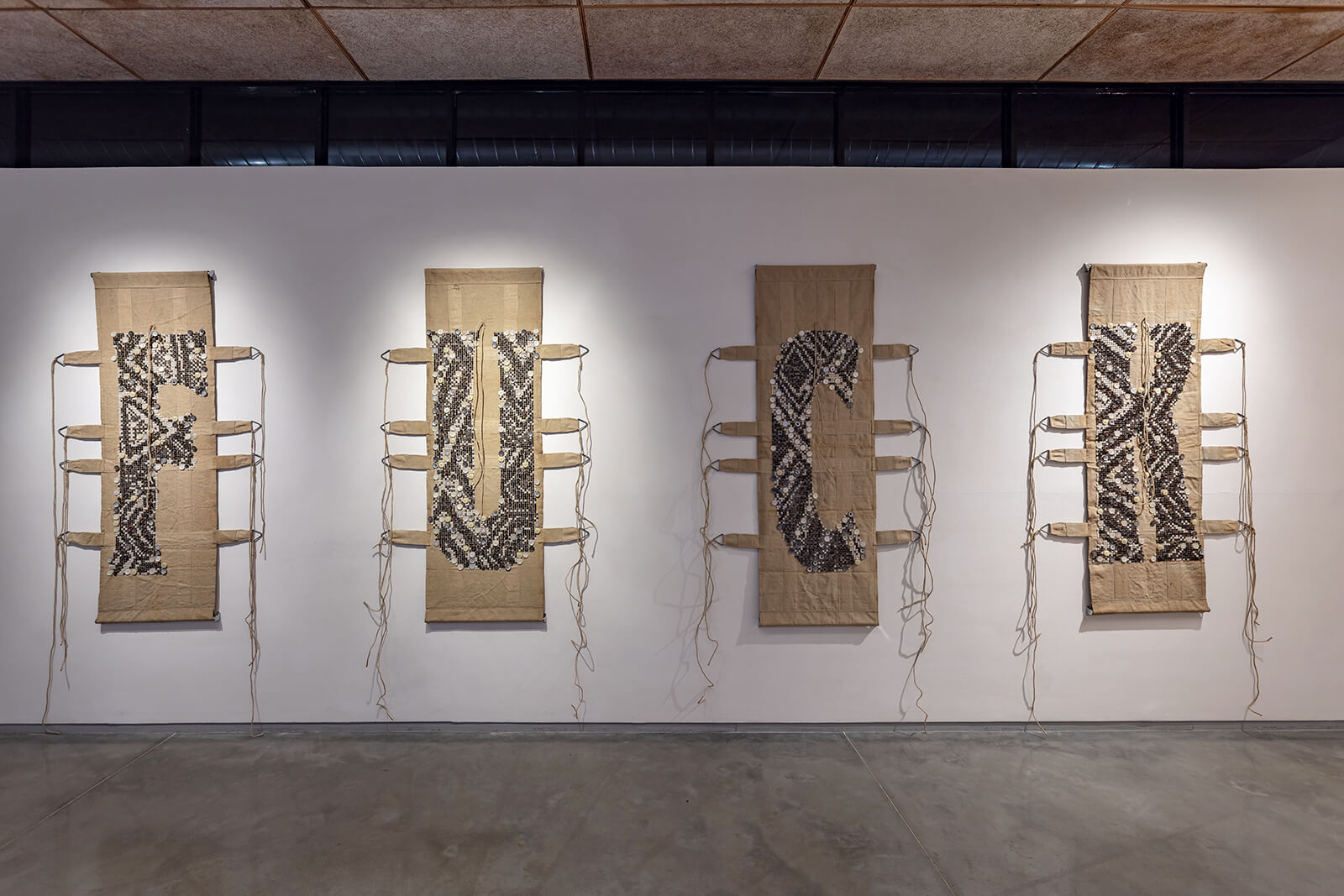
STIR's curatorial director Samta Nadeem briefly spoke with Ai about the responsibilities of art and artists, India and China—and his ongoing thinking on censorship and freedom. Excerpts from their conversation:
Samta Nadeem: If truth today is shaped more by virality than evidence, what responsibility does the artist have toward clarity, ambiguity or even misinformation?
Ai Weiwei: It's too big a question for artists—in society, we have media, we have journalists, we have lawyers, we have all these people who care about reality, and that we have to defend those very essential ways of understanding our living condition, and who am I? I don't think that the artist compares to that, because it's just one type of progression there.
Samta: If art no longer promises freedom, what do you think it still owes the world?
Weiwei: I think art generates an understanding that [people] are seeking freedom, but very often, I think artists avoid the struggle. What is freedom? Freedom is about facing crises and questioning given conditions, but not really to think you have some kind of superior position. Freedom is ideology; you only have to overcome the obstacles and get to really fight, to defend your own position.
Samta: Because most of the art that you have been doing is very confrontational in that sense. You take things head-on.
Weiwei: I think, if you look at my work, probably, I love freedom. I think the very sense of being a human being is to defend those values. So that's why I'm eager to defend those values.
Samta: Looking at India now, with its contradictions of scale, belief, violence and creativity, what questions do you leave with that you did not arrive with?
Weiwei: Actually, I [have been] here for less than 24 hours; I cannot give you the sophisticated [answer] you are asking for. But certainly, I may come up with more ideas about it because it has left quite a strong impression on me, and made me really think about China and India in today's world order.
Both nations are really taking off, I think, and becoming stronger players in international politics. I think the only conclusion is that both nations have a very long history culturally, they love art, they have a strong devotion to humanity.
‘Ai Weiwei’ will be on view from January 15 – February 22, 2026, at Nature Morte, New Delhi.

by Srishti Ojha Oct 21, 2026
Increasingly, artists, filmmakers and activists are turning to VR to create more personal, tangible accounts of the climate emergency and its impact on vulnerable communities.
by Mirra Lynn Oct 20, 2026
The Indian artist paints the old wadas of central Pune, capturing the traces of everyday life that cling to these structures, battered by time but unbowed.
by Anmol Ahuja Oct 15, 2026
How do heaps of souvenirs and relics with racist Aboriginal motifs and features become art? MCA Sydney’s winter showcase—the artist’s largest to date—beckons a possibility.
by Vandana Kalra Oct 14, 2026
With his latest exhibition as a point of departure, the modernist discusses his decades-long practice, the spontaneity of drawing and the social responsibility of artists.

make your fridays matter with a well-read weekend
Enter your details to sign in
Don’t have an account?
Sign upOr you can sign in with
a single account for all
STIR platforms
All your bookmarks will be available across all your devices.
Stay STIRred
Already have an account?
Sign inOr you can sign up with
Verification link sent to check your inbox or spam folder to complete sign up process
Tap on things that interests you.
Select the Conversation Category you would like to watch
Please enter your details and click submit.
Enter the 6-digit code sent at


Ai Weiwei on censorship and hypocrisy, and his first visit to India
by Samta Nadeem, Srishti Ojha | Published on : Feb 16, 2026


 Sign in with Google
 Sign in with email
What do you think?