Architecture09 mins. read
The 2025 Aga Khan Award for Architecture winners redefine community and resilience
by Anushka SharmaSep 02, 2025



by Mrinmayee BhootPublished on : Oct 28, 2025
“Architecture is something that lives,” asserts Farrokh Derakhshani in a candid conversation with STIR initiated on the occasion of the 2025 cycle winners announcement of the Aga Khan Awards for Architecture (AKAA). The interview with Derakhshani—an Iranian architect who has held the position of director of the architecture awards for 40 years now—was both reflective and prognostic of the state of architecture (particularly in the part of the world where the global majority lives) today, with him holding nothing back from his unreserved, droll observations. Derakhshani first came to the Aga Khan Trust for Culture after having worked in the field on projects in Iran, as well as France and Switzerland. His work—representing and organising the trust’s goals within the architectural fraternity—is centred on how the discipline can respond to the needs of local communities by organising exhibitions, architectural seminars and panel discussions, in addition to representing the award at global forums.
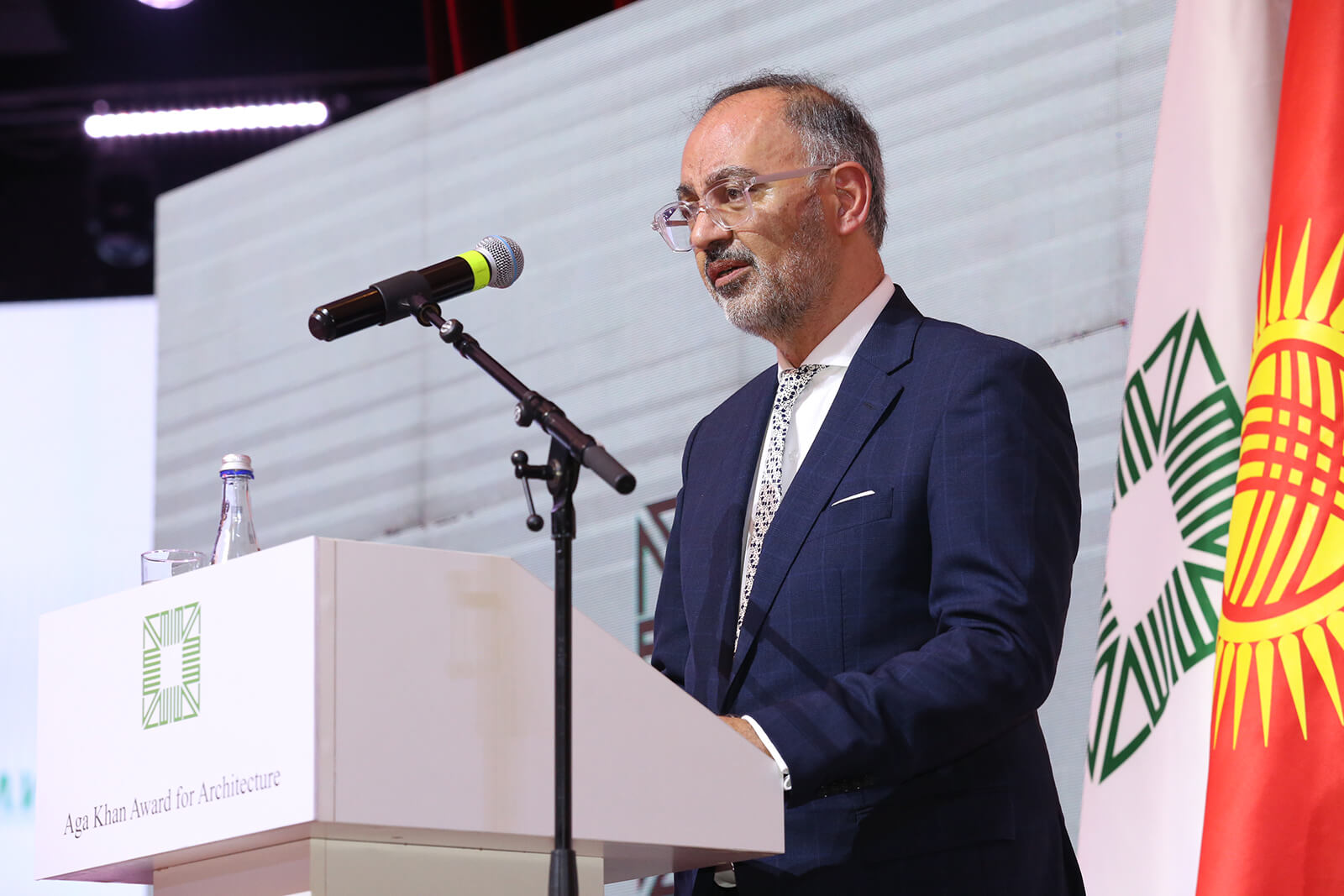
For most in the architectural fraternity, the awards, first initiated 48 years ago and commemorated triennially, continue to be one of the top recognitions of design prowess globally. The stated goals for the awards are, to this end, both straightforward and lofty. On the official website, the awards’ mission is listed as ‘[seeking] to identify and encourage building concepts that successfully address the needs and aspirations of societies across the world’ with a view to recognising 'projects that set new standards of excellence in architecture, planning practices, historic preservation and landscape architecture’. However, the question becomes: what, if definable at all, does this pursuit of excellence mean in a world that is marked by rapid change and a state of ceaseless collapse?
For Derakhshani, the question of the present is moot. He notes wryly in conversation that he sees architectural practice as straddling both the past and the future, with the act of building becoming an attempt to bridge the dialogue between what has been and what could be. In this vein, understanding design as material praxis of an evolving present and uncertain future, the awards selection and judging criteria are justifiably stringent, with one of the biggest stipulations being the fact that the project must be occupied for at least a year before being considered. As Derakhshani explains, each project is vetted not only by a steering committee that sets the goals for a particular awards cycle, but is then thoroughly studied to understand the impact it has —whether through sustainable design, community-oriented programming, cost-effective planning, or material innovation.
In a world that is increasingly experienced through image, the notion that architecture can only be judged through lived experience is vital. Considering the illustrious list of awardees over the years, it’s easy to see the reflection of how the awards have shaped what 'good architecture' is and can be. While the tides have been turning for the last decade (and even further), architectural media and discourse continue to worship the image of star architects and their expensive buildings, all in the name of facile promises of sustainability, a lexicon that everyone has adopted rather easily. For AKAA, it’s the approach, the conception and application that matter to the awards, not the name, not surface-level treatment.
Architects should not think that they can change the world, they cannot. They have to understand their limits as well. – Farrokh Derakhshani
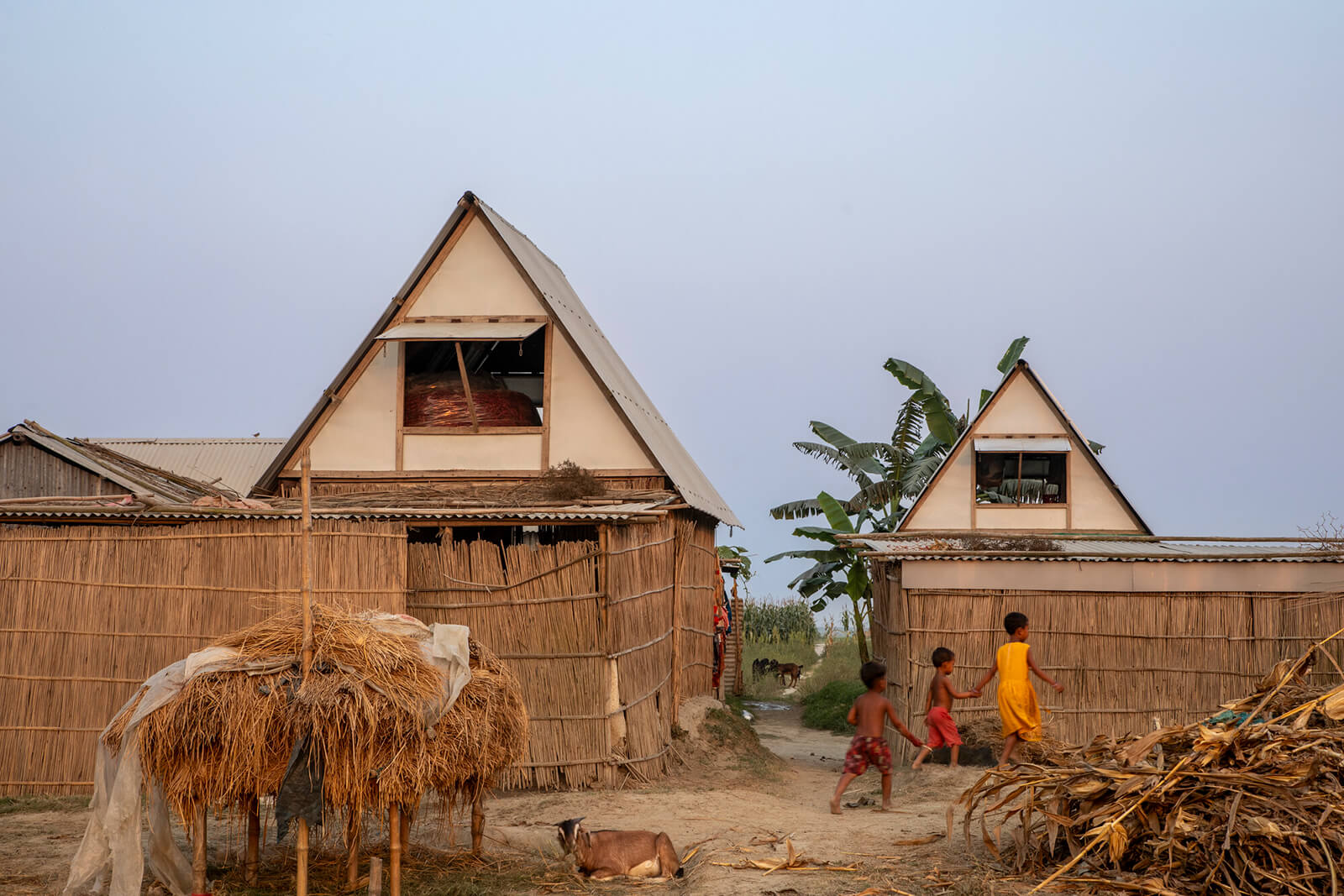
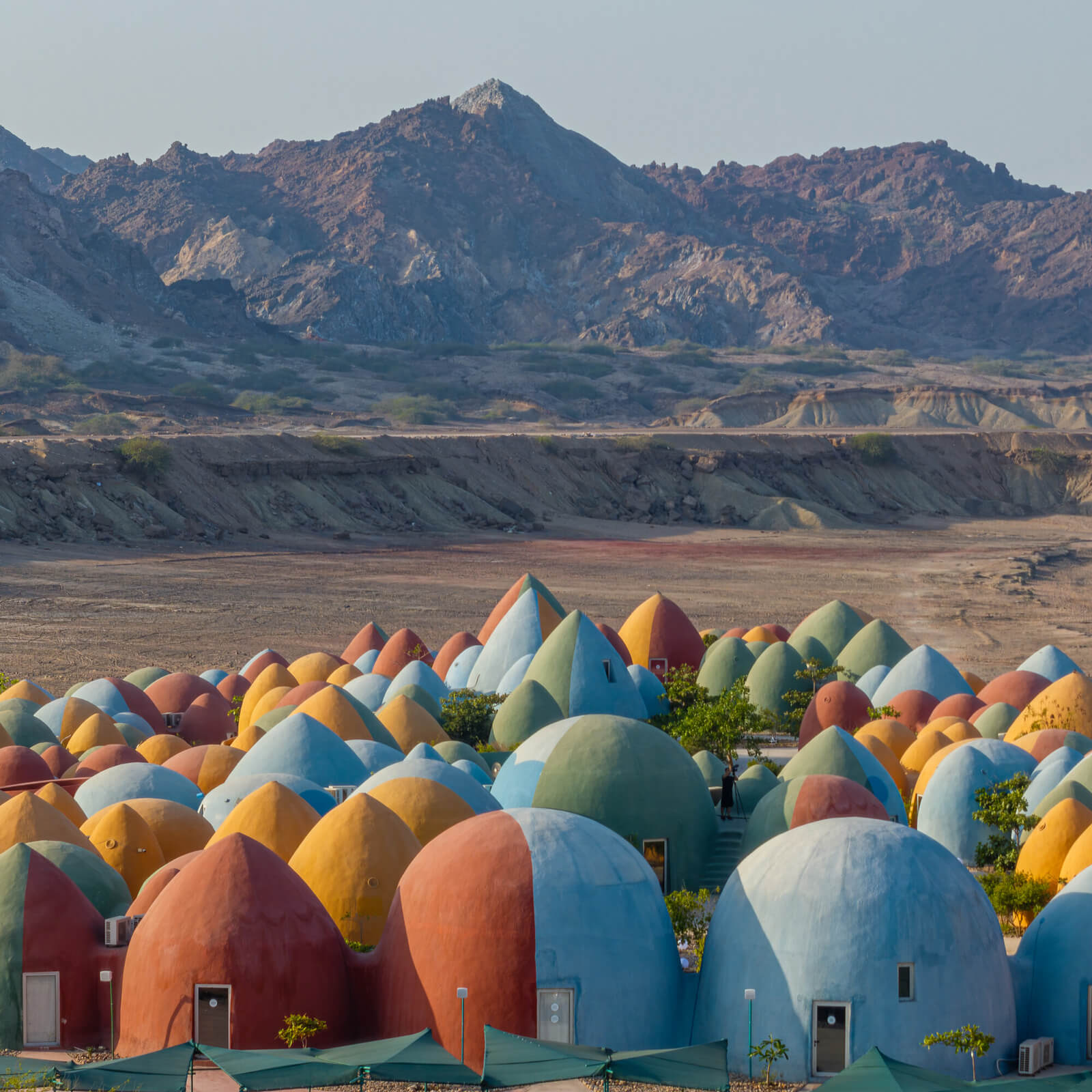
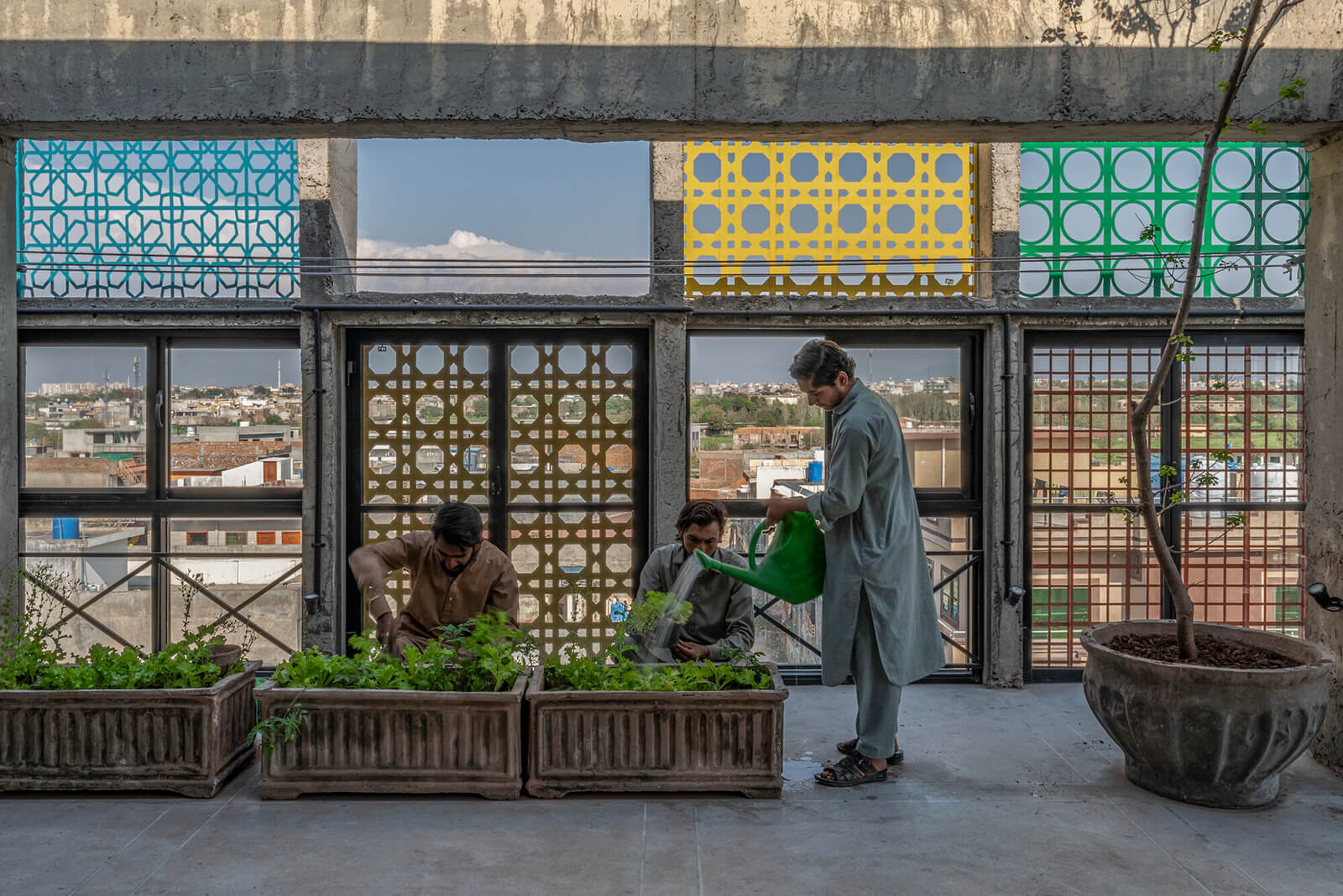
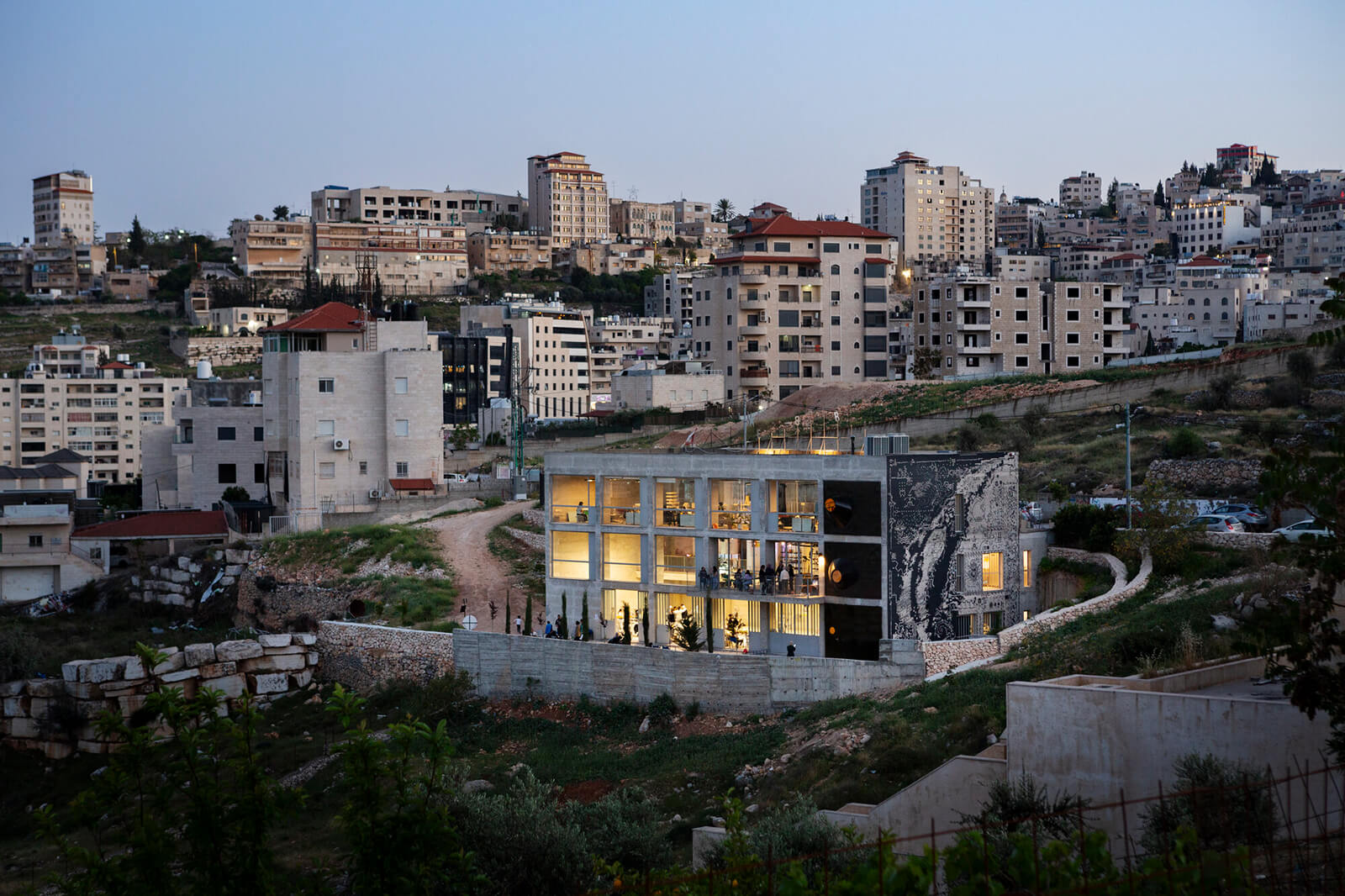
Opposing this, the AKAA’s insistence on looking at every facet of the project, of not reducing a building to a facade—whether it is a hotel, hospital, residence or a museum—continues to be a relevant lens through which we must consider how to build. In his 2017 address at the Architectural League of New York—honouring His Highness the Aga Khan with the President’s Medal—cultural theorist Homi K. Bhabha observed, “[P]luralistic inquiry is the living link between the good society and public space, and architecture, I believe, is the arc of this ancient and intimate connection.” It's this endeavour to look beyond the facade to honour the lives that architecture holds that continues to ensure that the Aga Khan Award for Architecture will remain relevant today and in the future. After all, as Derakhshani observes, architecture is based on ‘old ideas’ responding to nebulous futures.

by Pranjal Maheshwari Oct 19, 2026
The Mumbai-based architects integrate courtyards, mesh screens and north light trusses to create a dining space that doubles up as a community hub at SR University, Warangal.
by Mrinmayee Bhoot Oct 17, 2026
The Rotterdam-based institute centres the Indian Ocean as a network for exploring material histories and transnational links shaping coastal cultures, positing them as future models.
by Pranjal Maheshwari Oct 16, 2026
At the 2026 Stirling Prize ceremony, Mary Duggan with RUFF Architects, MAKER Architecten and Nakshabid Architects were felicitated for proffering quality housing and social equity.
by Mrinmayee Bhoot Oct 12, 2026
The new Centre for Contemporary Arts, fostering public engagement with art in Uzbekistan, is housed in a tram depot refurbished by the French studio, emulating local craftsmanship.

make your fridays matter with a well-read weekend
Enter your details to sign in
Don’t have an account?
Sign upOr you can sign in with
a single account for all
STIR platforms
All your bookmarks will be available across all your devices.
Stay STIRred
Already have an account?
Sign inOr you can sign up with
Verification link sent to check your inbox or spam folder to complete sign up process
Tap on things that interests you.
Select the Conversation Category you would like to watch
Please enter your details and click submit.
Enter the 6-digit code sent at


Farrokh Derakhshani on architecture awards and expanding notions of design
by Mrinmayee Bhoot | Published on : Oct 28, 2025


 Sign in with Google
 Sign in with email
What do you think?