Architecture10 mins. read
Gabriela Carrillo on the intuitiveness and vitality of brick in a precarious world
by Mrinmayee BhootJun 01, 2026



by Mrinmayee BhootPublished on : Apr 08, 2026
Why do we continue to build with brick? More appropriately, what value does architectural design see in a material that is brittle and inert by itself? Even though it is one of the oldest materials, the brick is unassuming. Given the choices we are saturated with in an age of ‘abundance’, the fact that it continues to be used in contemporary architecture as both structure and cladding seems idiosyncratic. And yet, this is a question architects have tackled since at least as far back as the Industrial Revolution. While Frank Lloyd Wright boasted that in the right hands (presumably his own), the ordinary brick became “worth its weight in gold”, most modernist architecture still veered towards the materials of the ‘future’: glass, concrete, steel.
With the insurgence of modernism in the early 20th century, architects who aligned themselves with its blunt ideologies eschewed the brick. For them, the material was symbolic of pre-industrial construction and ways of being far removed from the radicalism they wished to champion. It was with Louis Kahn’s proposal for IIM Ahmedabad—not to miss his designs for the Phillips Exeter Academy Library around the same time—that the brick was seen as capable of ushering in a new world, a paragon of the dreams of a newly independent country. It was here that the brick, reminiscent of 19th-century factory buildings, warehouses, granaries and other utilitarian structures in the Global North, paved the way for its adoption as a formal, dignified material worthy of institutional and commercial architecture at scale in the Global South. This shift could conversely be seen replicated later in projects by James Stirling, Alvar Aalto and even Mies’ design for the Illinois Institute of Technology (IIT), completed at the end of the Second World War.
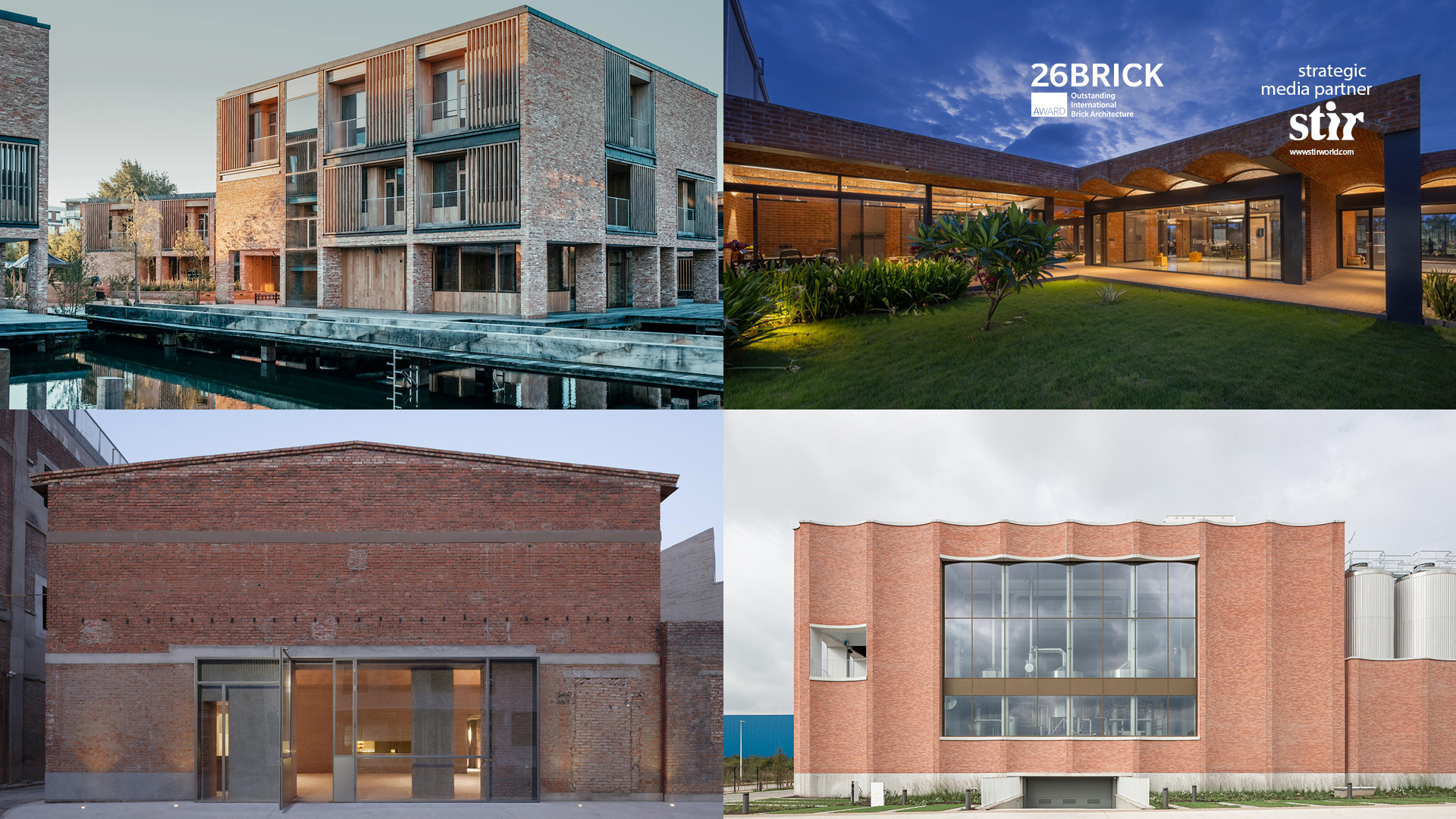
This tension between a more ubiquitous adoption of the material and its facsimile deployment to suggest a certain formality continues to influence how brick is used today. It is especially emblematic while considering the projects shortlisted in the Working together category for the BRICK AWARD 26. Looking at commercial and industrial buildings, the category includes a broad range of sub-typologies that allow us to scrutinise how we understand tradition within an industrial setting, how brick can enliven and refine otherwise quotidian structures and focus on its evolution in an institutional setting.
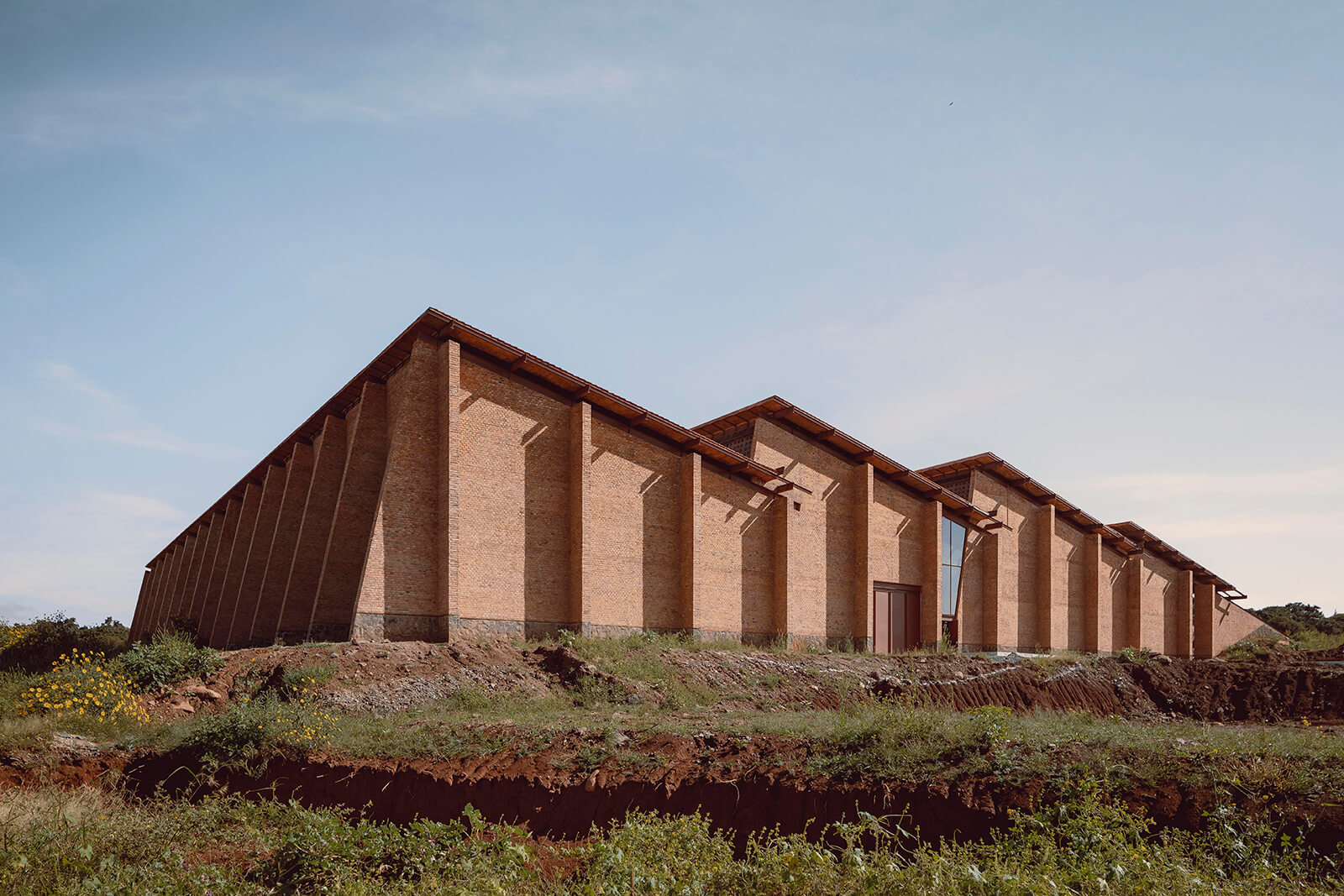
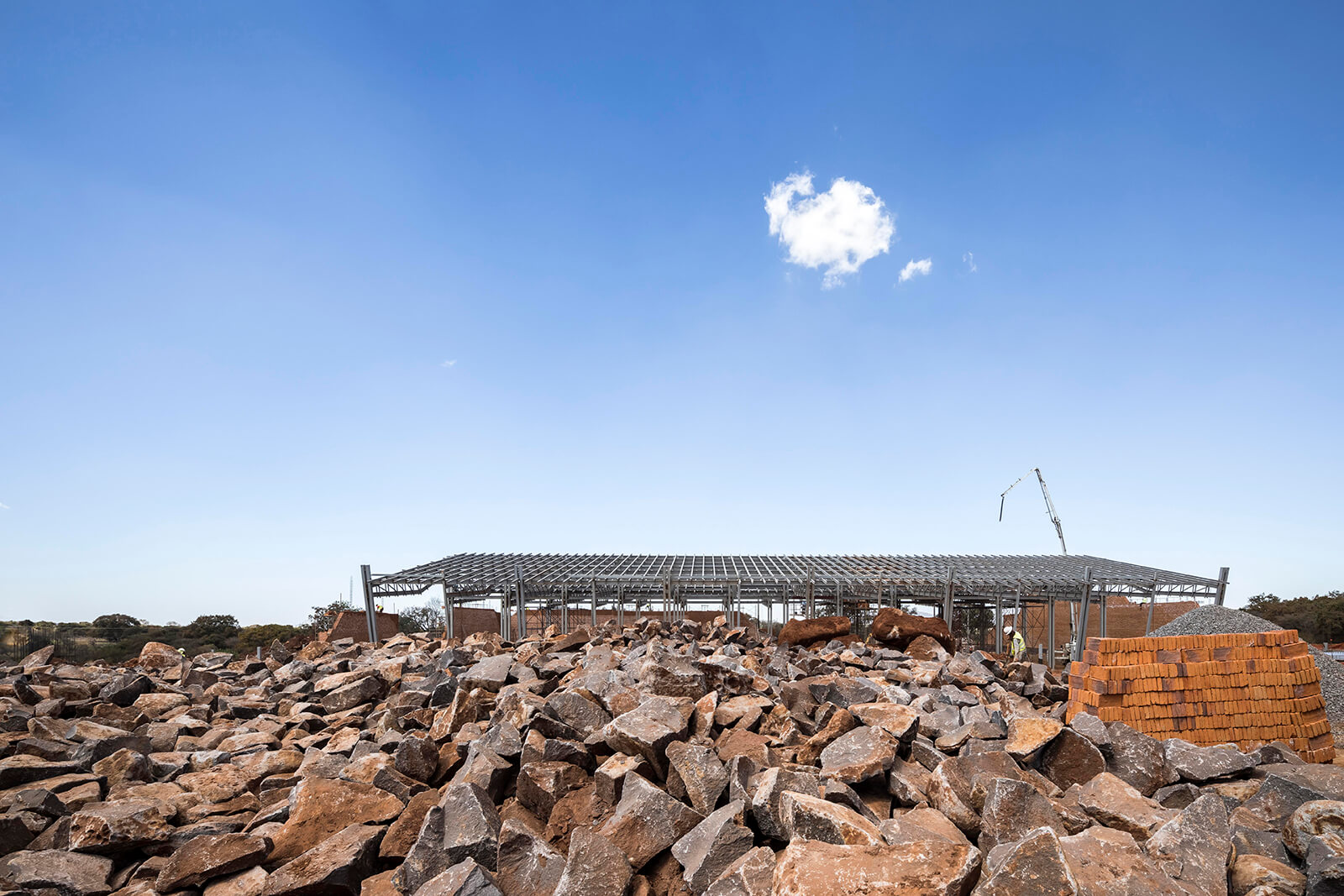
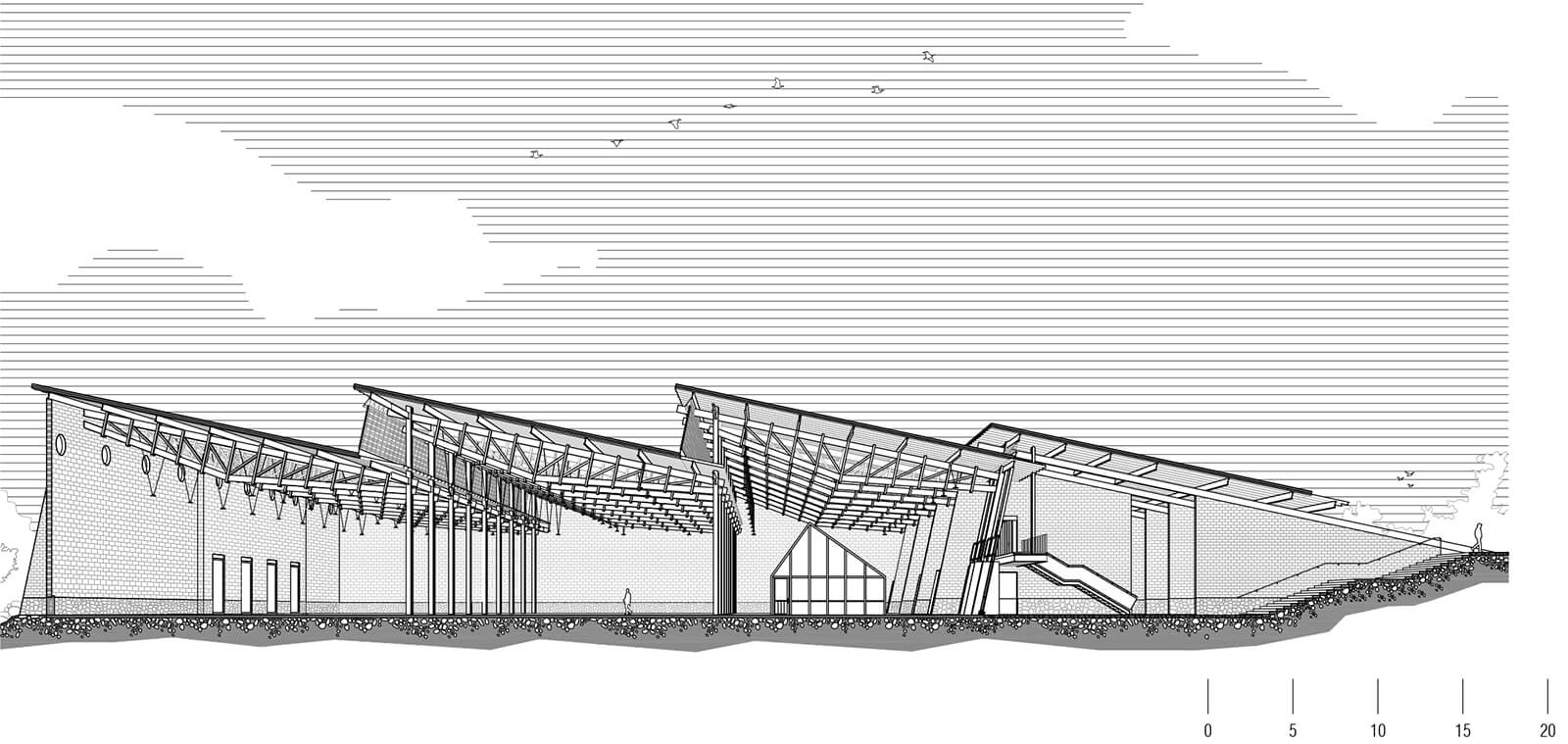
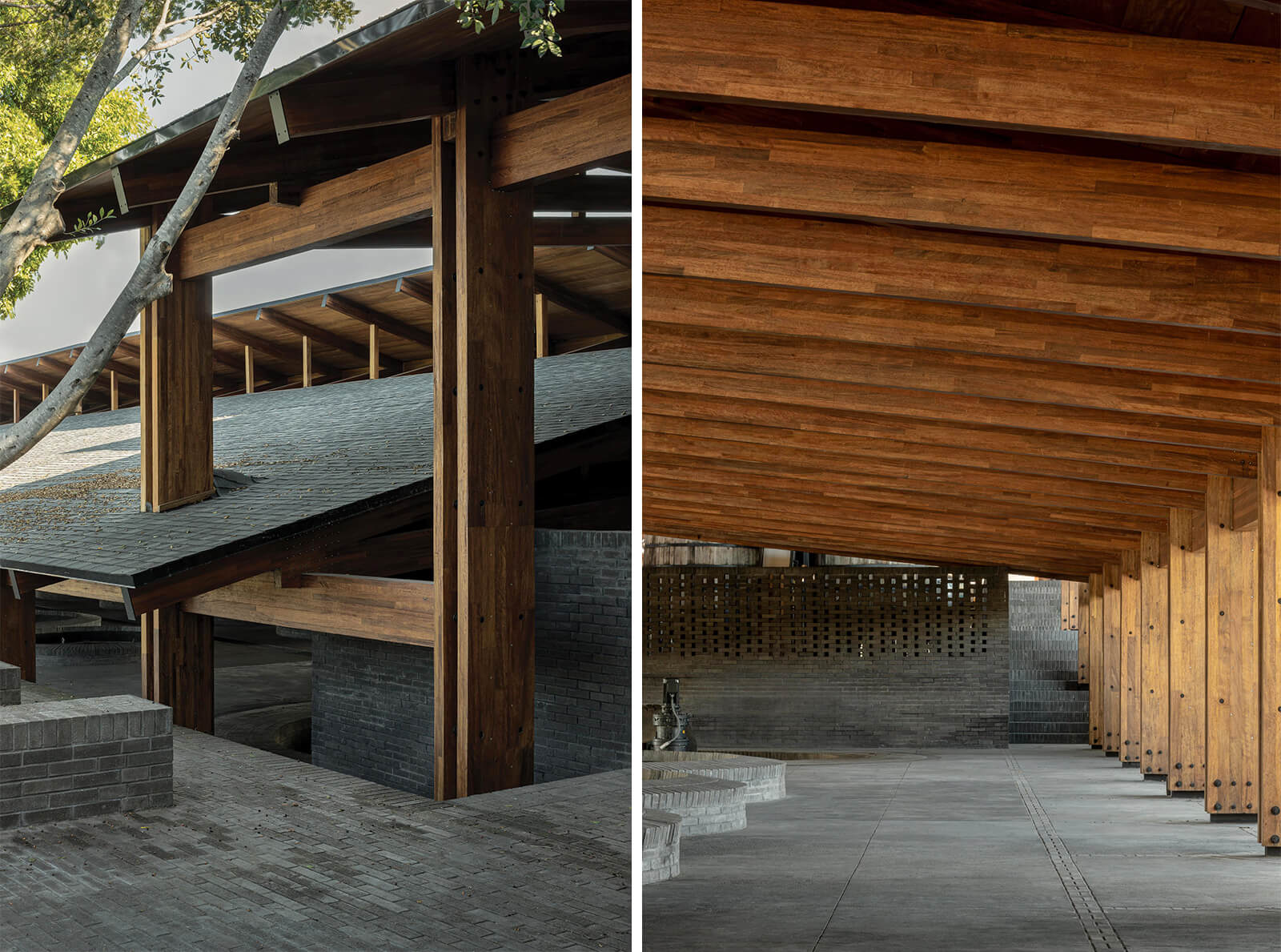
Among the shortlist, the design of a warehouse and offices in Mexico by ATELIER ARS uses brick as a means to situate it within a 'landscape of fire', referring to the volcanic terrain of the site; the terracotta hues blending into each other. The distinctive sawtooth roof profile immediately allows the design to be discernible for its function as an industrial undertaking, especially when juxtaposed against an otherwise hefty footprint. The thread of contextuality with respect to cultural as well as natural landscapes is similarly echoed in the other project from Mexico, the Mezcal Production Palenque, conceived by Estudio ALA. Emphasising participatory principles along with the continuity of local building traditions, the Mexican architects note their use of brick as meant to foster a “grounded, human-centred industrial space”.
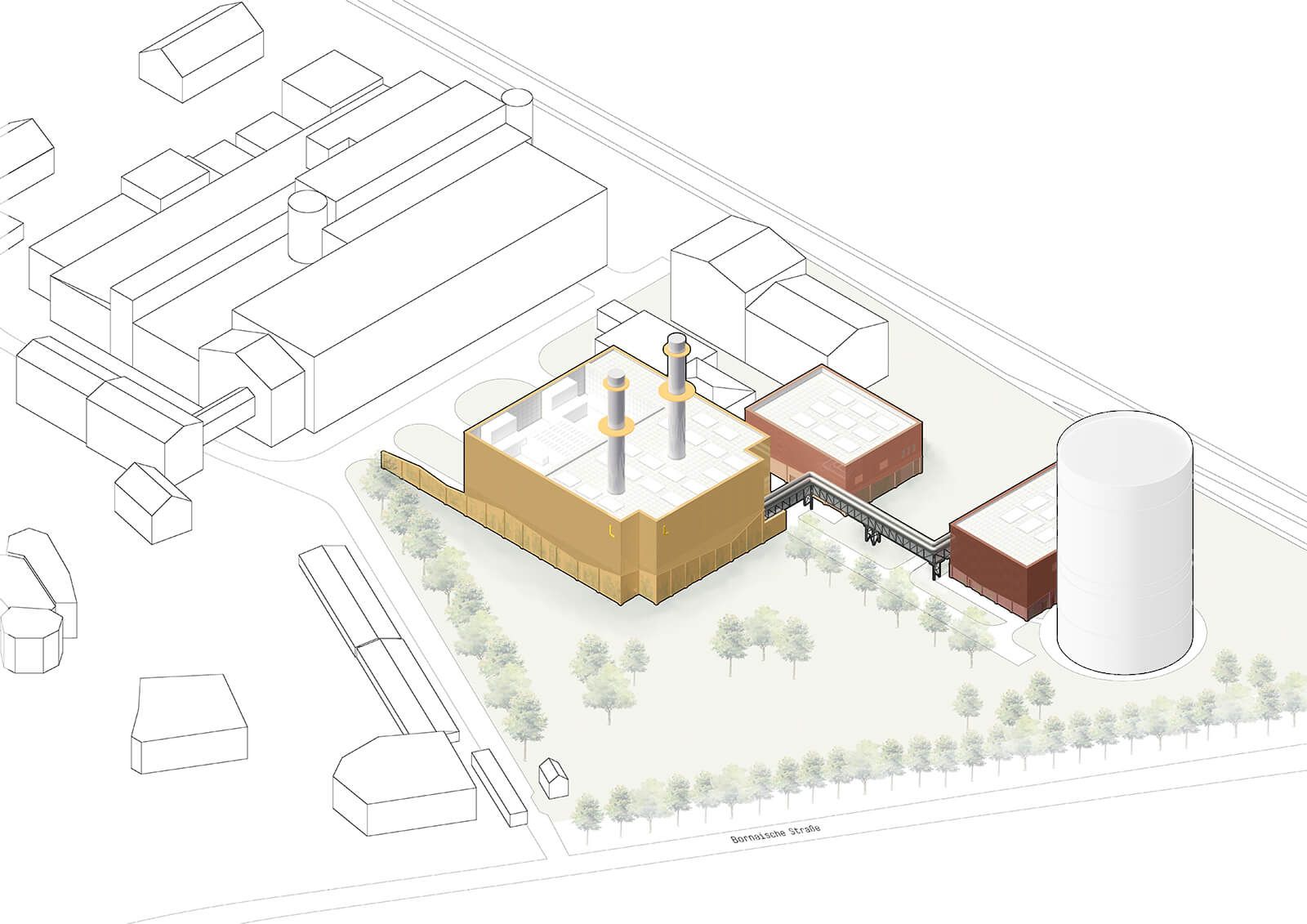
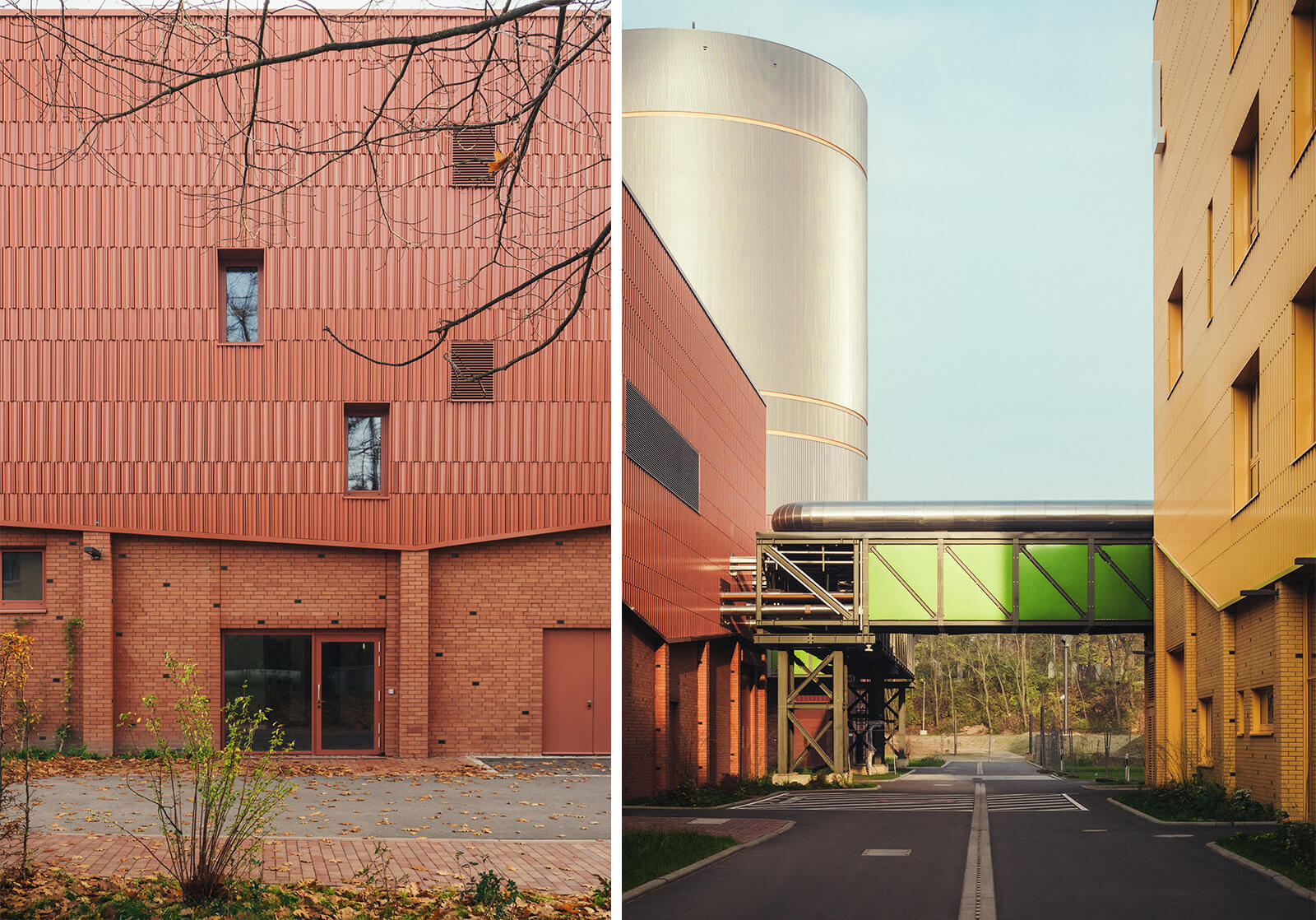
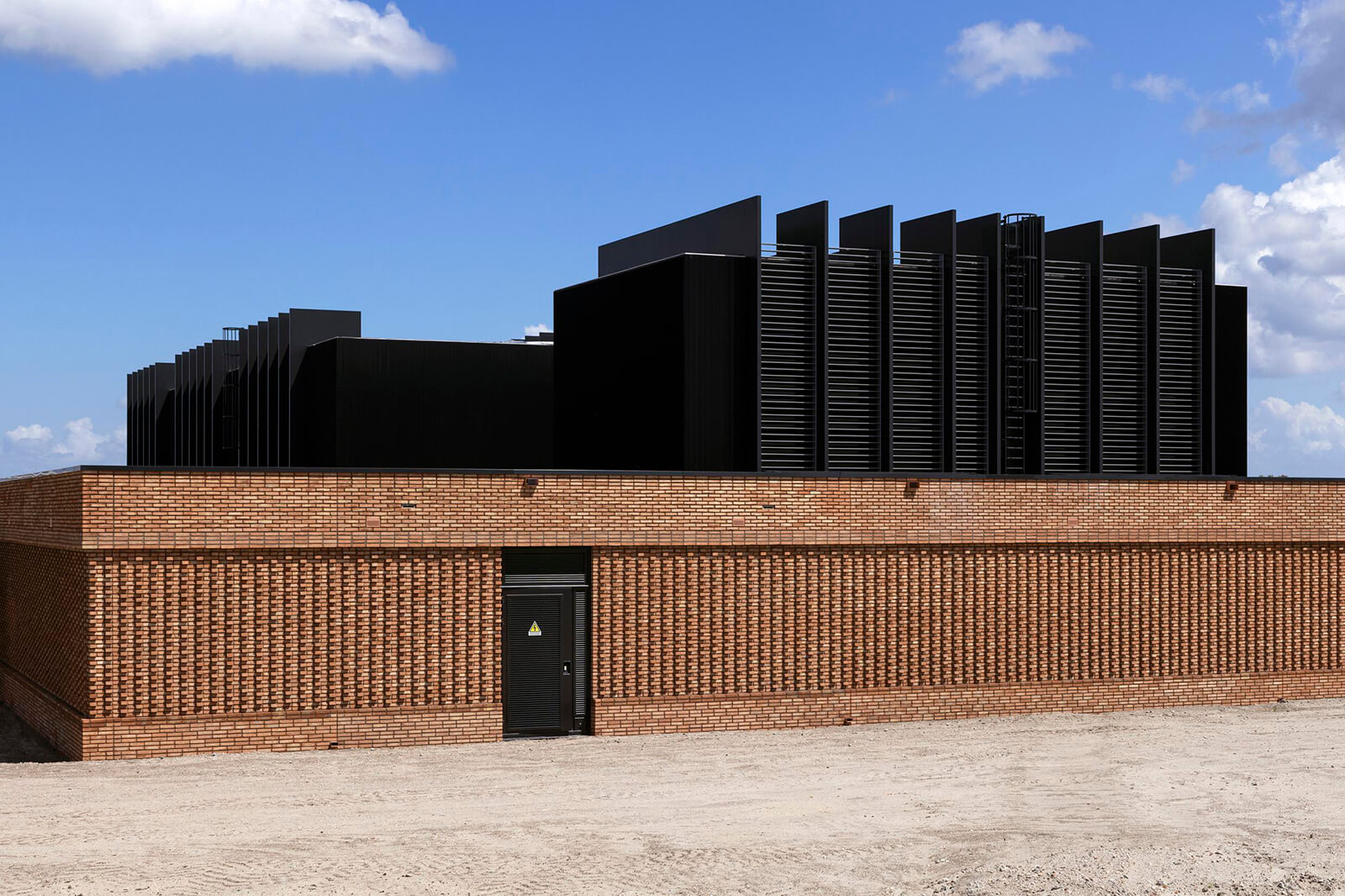
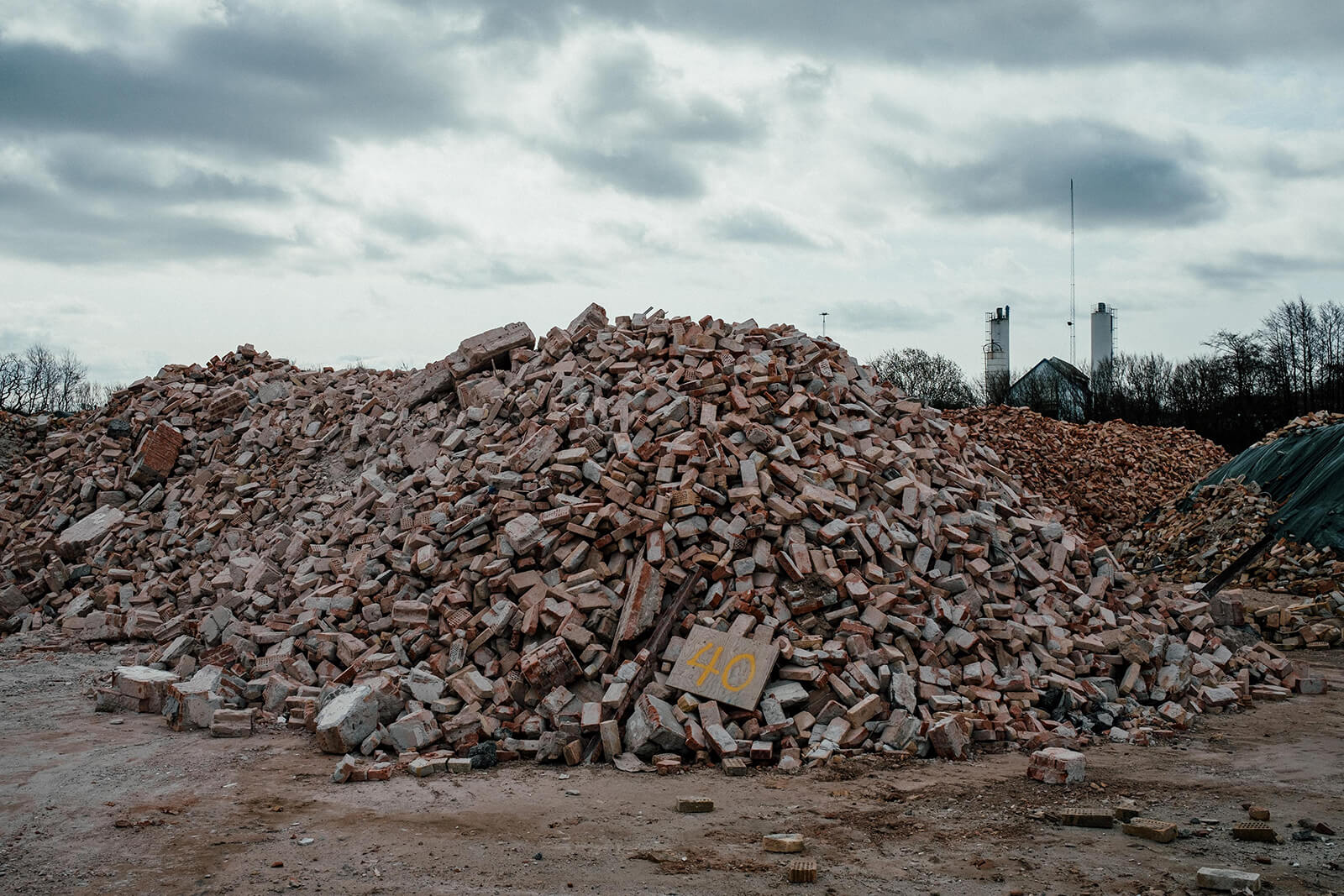
That brick could be used to visually distinguish a project one doesn’t usually consider within the rubric of ‘design’ is also evident in Powerhouse Company’s design for a substation in Strandeiland, Amsterdam. The intent, as the studio notes, was to design a structure that would fulfil the needs of the neighbourhood, whilst itself striving towards sustainability by employing reusable materials. The team upcycled 121,920kg of waste during the project’s construction. The result is a dynamic facade for the building with subtle nods to the Dutch context. Here, it becomes equally interesting to consider how the substation experiments with brick, given the specific constraints of utilitarian structures, including sizes of rooms, dimensions for openings and other mandated planning measures. Another example from the shortlist that moves beyond a homogenous, sterile vocabulary for its industrial design is Atelier ST’s Leipzig Cogeneration Plant. With every aspect of the planning fixed, the Dutch architects’ choice to use brick enlivens an otherwise staid structure, demonstrating how infrastructure projects could potentially be reimagined through simple material gestures.
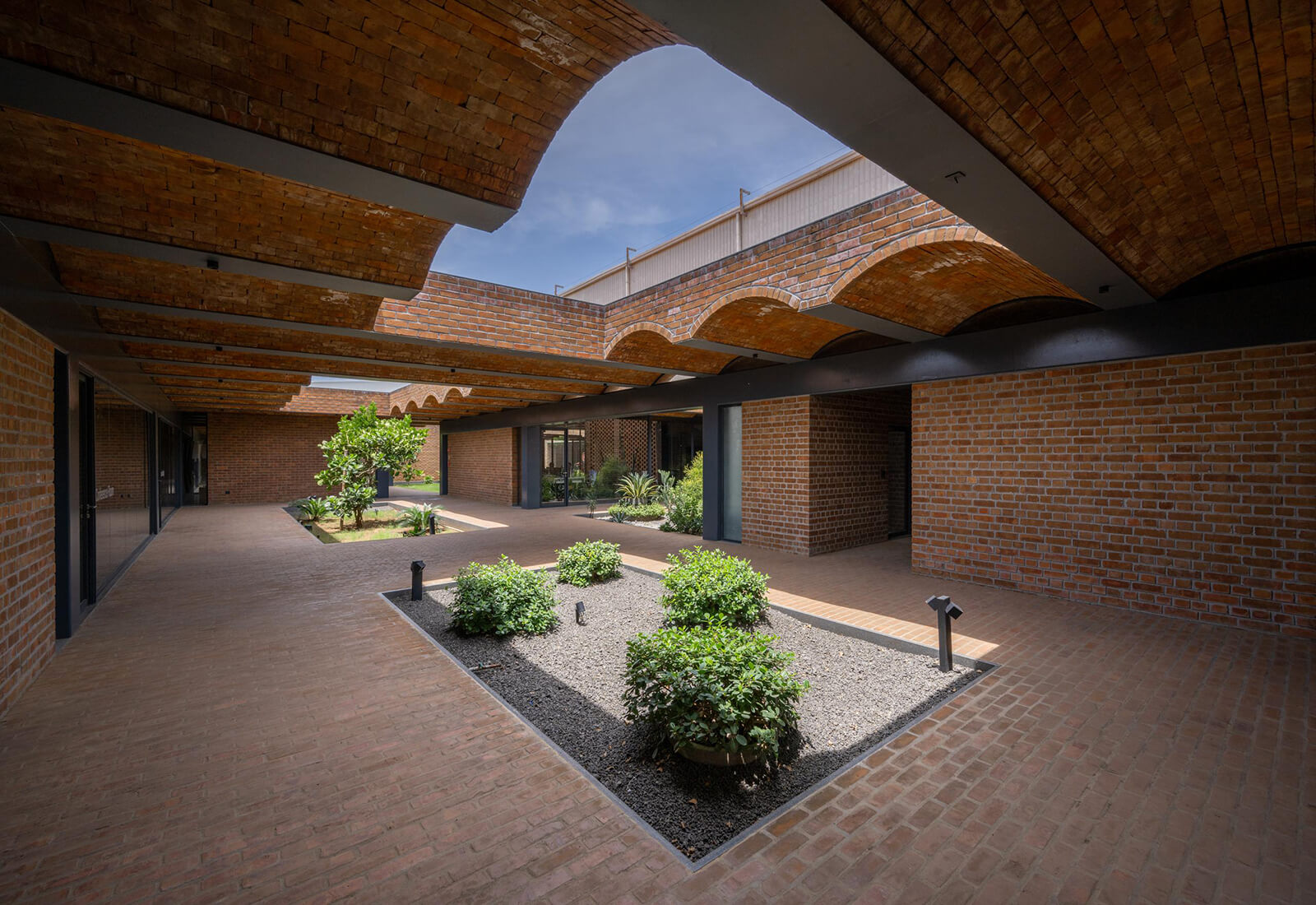
While the insistence on craftsmanship has served as an undertow for the projects mentioned thus far, it emerges most profoundly in the Metallic Bellows Factory Office by KSM Architecture. Located in Chennai, the office design by the Indian architects employs brick to underscore the inherent beauty in imperfection and the virtue of frugality evident in ‘a hand-crafted building’. This philosophy, for the architects, is informed by the tactility of brick—a choice that also allows them to support local industries, further most prominently expressed by the designers with shortlisted projects in the Feeling at home category of the awards.
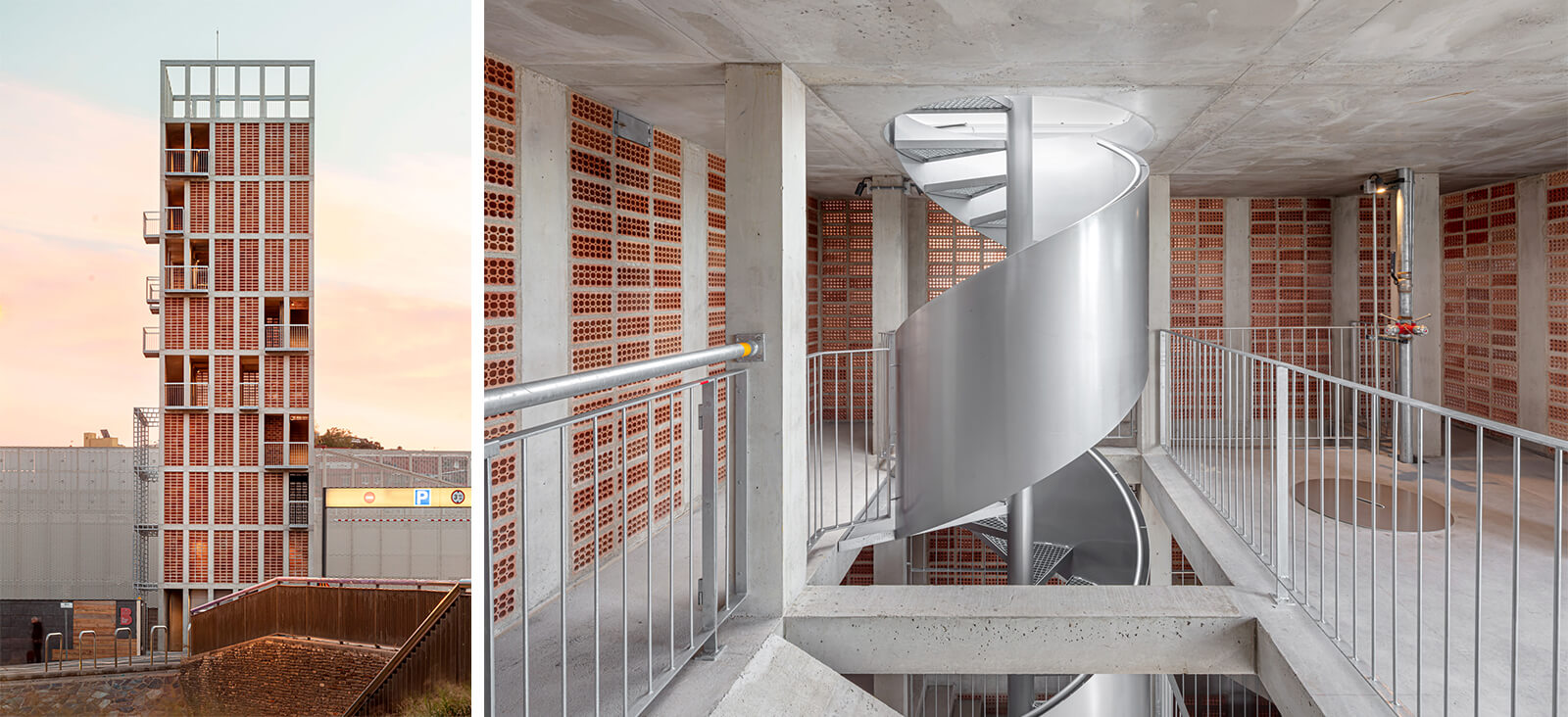
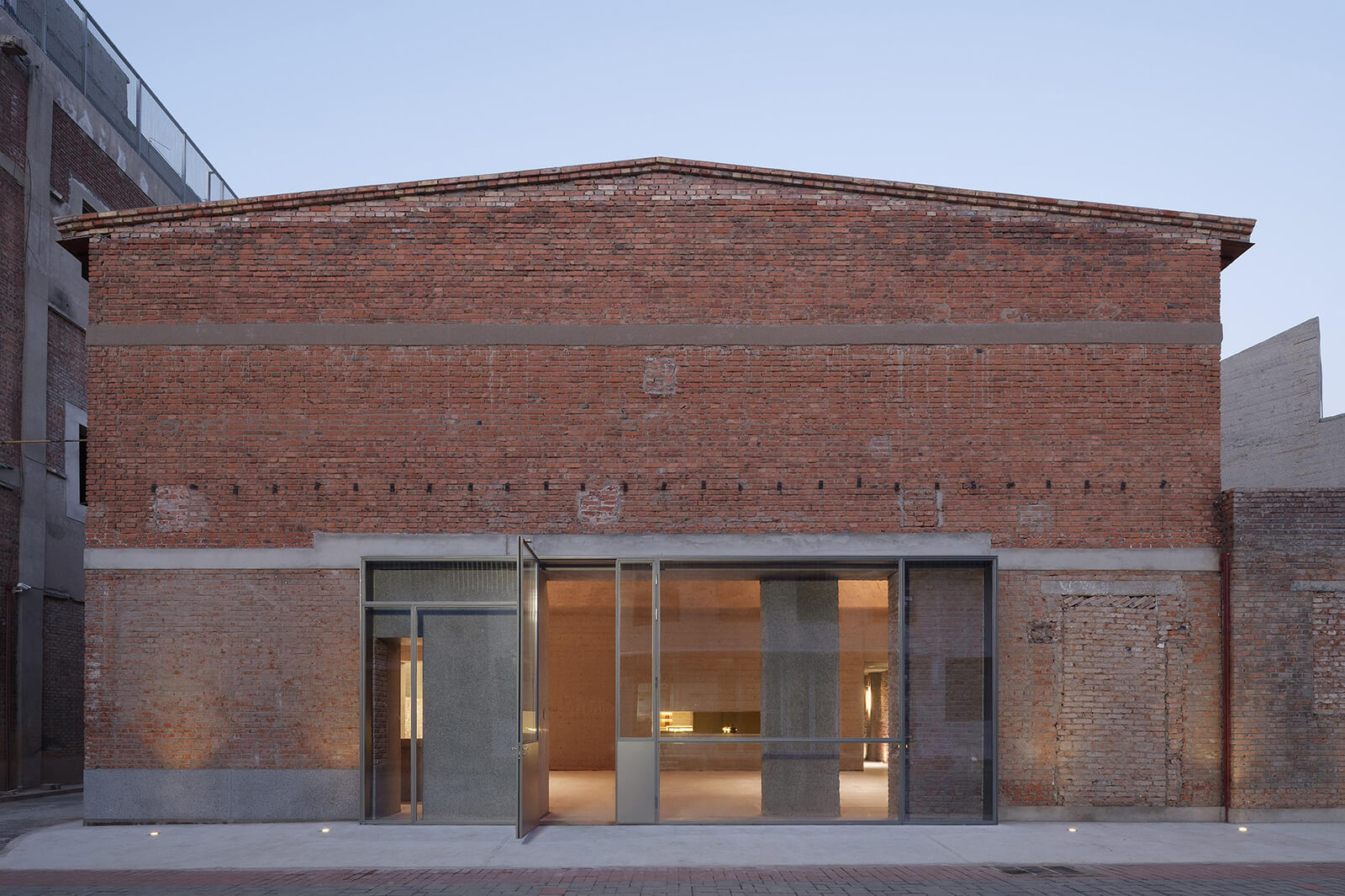
Spotlighting the role it plays within its built environment through the choice of material, the design for the Firemen Tower in Vall d’Hebron by Carles Enrich Studio updates an otherwise unconsidered building type with a sleek brick structure. The designers draw on the tower’s urban context while establishing it as a landmark within the neighbourhood. The juxtaposition of concrete along with perforated brick tiles here is particular, not only allowing the fire training tower to appear distinct, but also tying it to a raw, industrial aesthetic by exposing the structural elements of the design. Similarly, Neri&Hu Research and Design office make the industrial context of their project, Recast | Lao Ding Feng, its conceptual anchor. As the Chinese architects note, the inspiration for the adaptive reuse exercise stemmed from the site’s history as a thriving industrial area. Their intervention signals the neighbourhood’s transition to a more upscale, commercial zone.
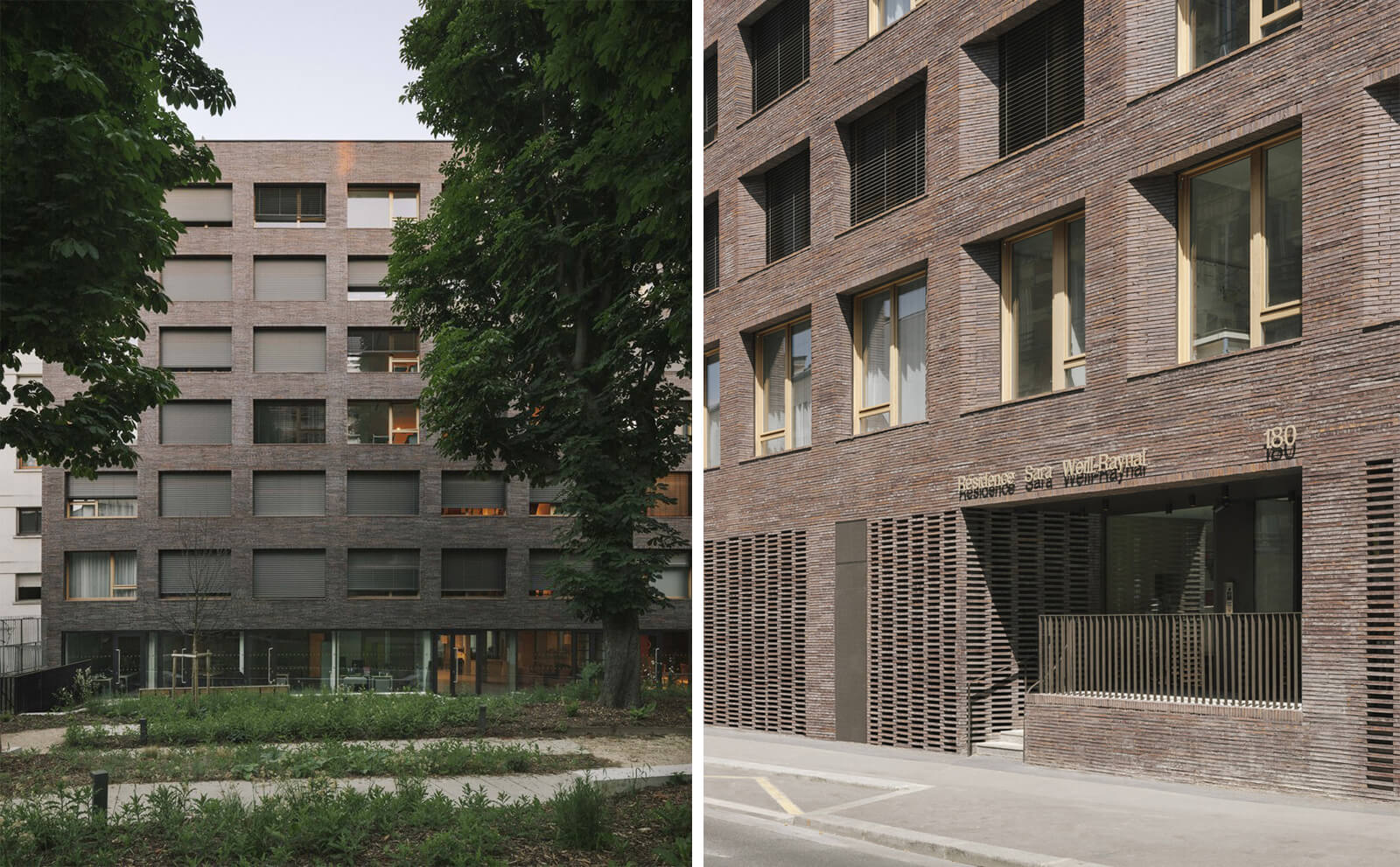
The question of comfort and wellness—pertinent especially for workspaces, where we spend so much of our lives—and the role of material choice therein becomes an interesting inquiry, especially with the projects ahead. It’s this question that Avenier Cornejo Architectes attempt to resolve with their renovation of the Sara Weill-Raynal nursing home in Paris. In their design, the French architects opt for a particular type of brick first developed by Peter Zumthor and a Danish brick manufacturer for the Kolumba Museum in Cologne as a means to provide residents with a sense of nobility and dignity. The use of the dark-hued brick instantly stands out, while the design itself is very minimalist. Large openings and a porous brick screen establish a dialogue between the interior and exterior, a strategy that further enhances well-being among the building’s occupants. One of the only projects in this shortlist not explicitly connected to production or commerce, it showcases how the choice of material has as much to do with questions of user perception and comfort as the underlying tension between a search for tradition and a desire for innovation mentioned before.
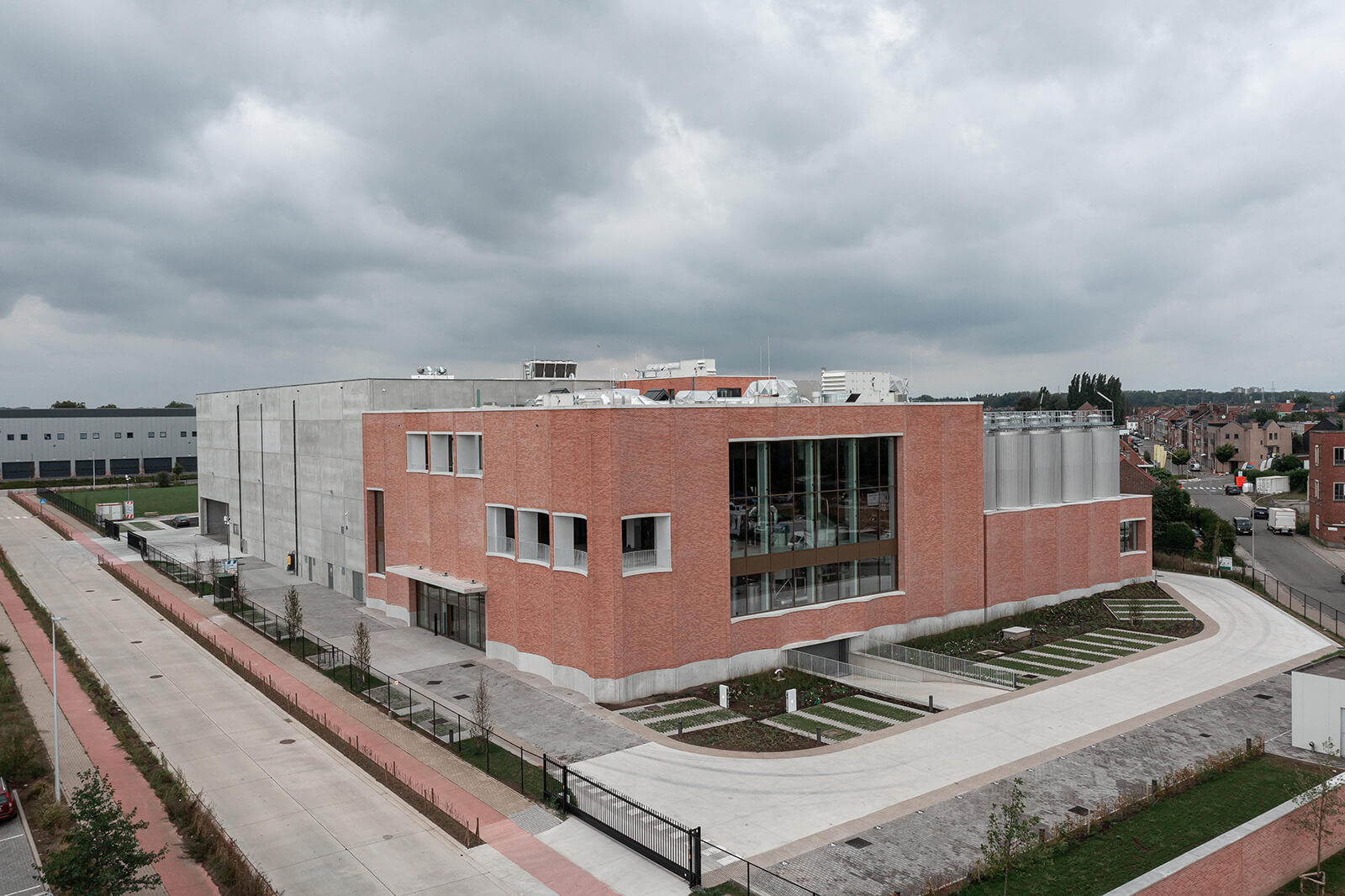
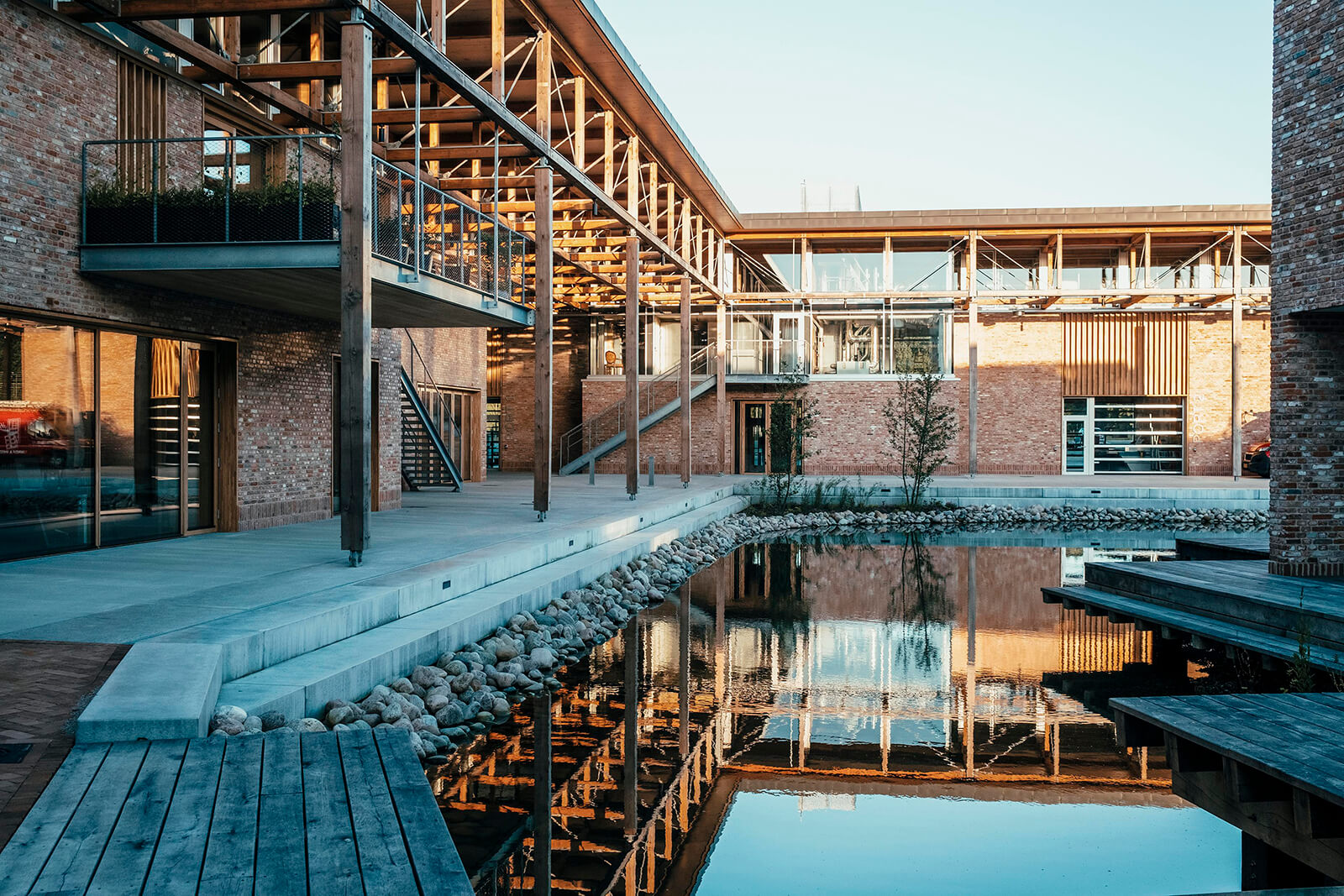
The last two projects of the shortlist make this tension quite stark. On the one hand, the Håndværkskollegiet i Horsens (or Crafts College) in Denmark, by Cubo Arkitekter & Danø Architecture, was developed as a site to provide a physical platform for protecting and encouraging crafts practices. The design is characterised by a particularly raw appearance, more in line with industry than the dignified and stringent look one may expect of educational spaces. This industrial expression is further emphasised through the use of trusses, steel members and other ‘raw’ elements in the design. The final project on the shortlist, Lindemans Brewery in Belgium, was designed by Brussels-based A2D architects and comprises two primary structures, a production hall and a public building for events. While the brewing hall has a facade inspired by steel silos, it is complemented with the use of vertical, concave brick elements as a nod to 19th-century breweries—another meeting point between historical reverence and contemporaneity.
Whether the use of brick is meant to be symbolic: a call to invoke tradition, a sense of craftsmanship or a historical lineage within an urban context; or if brick is used more frequently due to its appropriateness for sustainable design; its continued significance in built architecture and architectural discourse is owed to its ubiquity in both granular and collective arrangements, something that has historically allowed architects to evolve to suit contemporary sensibilities. The designs for the third category, in playing up the tension—by virtue of their public function and fronts—thereby embody the long history of what the brick has meant for architecture so far and a codex for what it might mean in a precarious future.
(The views and opinions expressed here are those of the author(s) and do not necessarily reflect the official position of STIR.)
STIR is a strategic media partner for BRICK AWARD 26. Read more thought pieces on the shortlisted buildings, exclusive interviews with jury members and updates on the awards and winners here.

by Pranjal Maheshwari Oct 19, 2026
The Mumbai-based architects integrate courtyards, mesh screens and north light trusses to create a dining space that doubles up as a community hub at SR University, Warangal.
by Mrinmayee Bhoot Oct 17, 2026
The Rotterdam-based institute centres the Indian Ocean as a network for exploring material histories and transnational links shaping coastal cultures, positing them as future models.
by Pranjal Maheshwari Oct 16, 2026
At the 2026 Stirling Prize ceremony, Mary Duggan with RUFF Architects, MAKER Architecten and Nakshabid Architects were felicitated for proffering quality housing and social equity.
by Mrinmayee Bhoot Oct 12, 2026
The new Centre for Contemporary Arts, fostering public engagement with art in Uzbekistan, is housed in a tram depot refurbished by the French studio, emulating local craftsmanship.

make your fridays matter with a well-read weekend
Enter your details to sign in
Don’t have an account?
Sign upOr you can sign in with
a single account for all
STIR platforms
All your bookmarks will be available across all your devices.
Stay STIRred
Already have an account?
Sign inOr you can sign up with
Verification link sent to check your inbox or spam folder to complete sign up process
Tap on things that interests you.
Select the Conversation Category you would like to watch
Please enter your details and click submit.
Enter the 6-digit code sent at


The business of building and designing cohesive workspaces with the humble brick
by Mrinmayee Bhoot | Published on : Apr 08, 2026


 Sign in with Google
 Sign in with email
What do you think?