Architecture04 mins. read
At Sheepfield Barn, DSDHA builds on Henry Moore’s legacy of making alongside nature
by Pia BhatiaSep 07, 2026



by Anmol AhujaPublished on : Aug 21, 2026
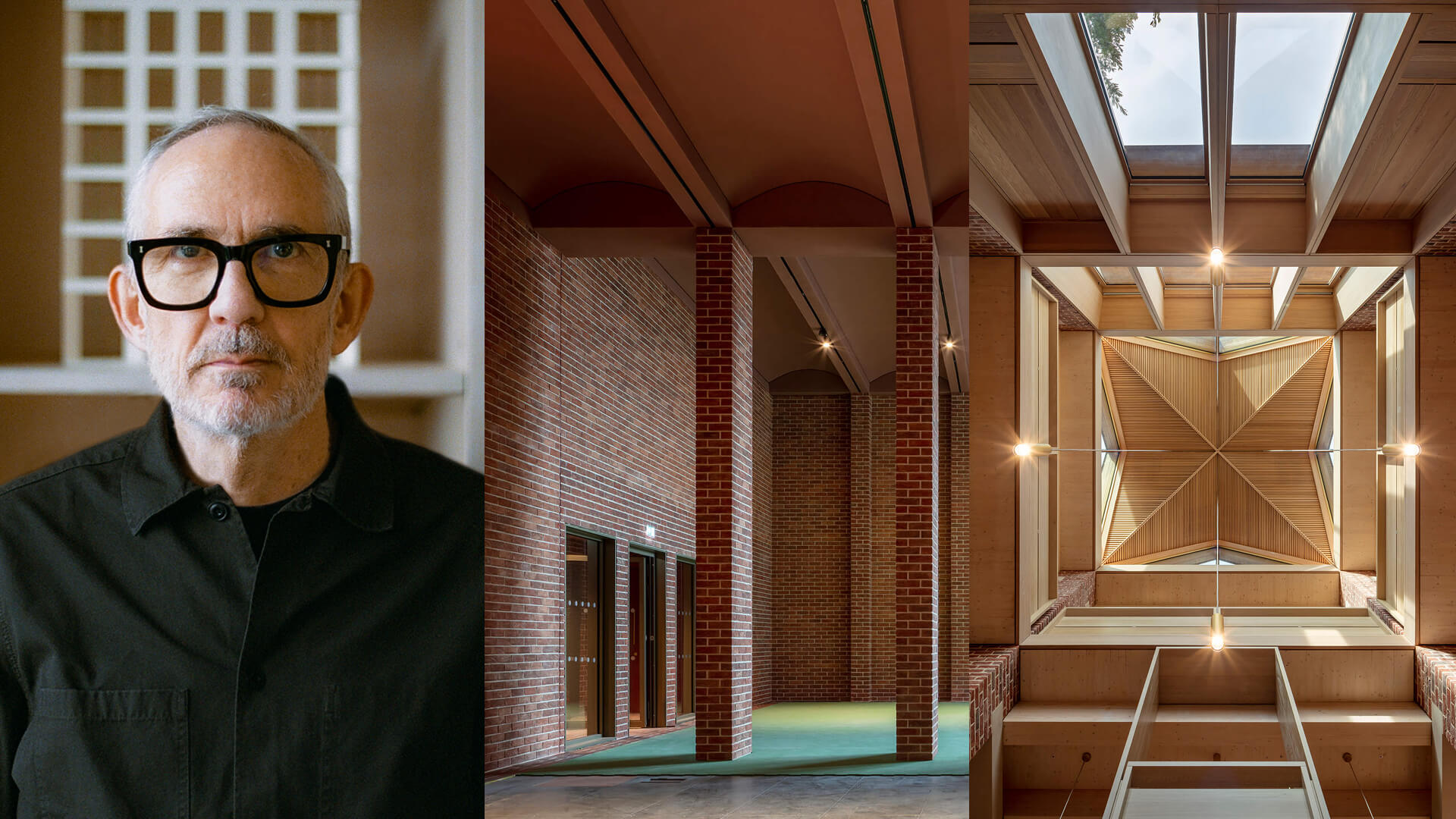
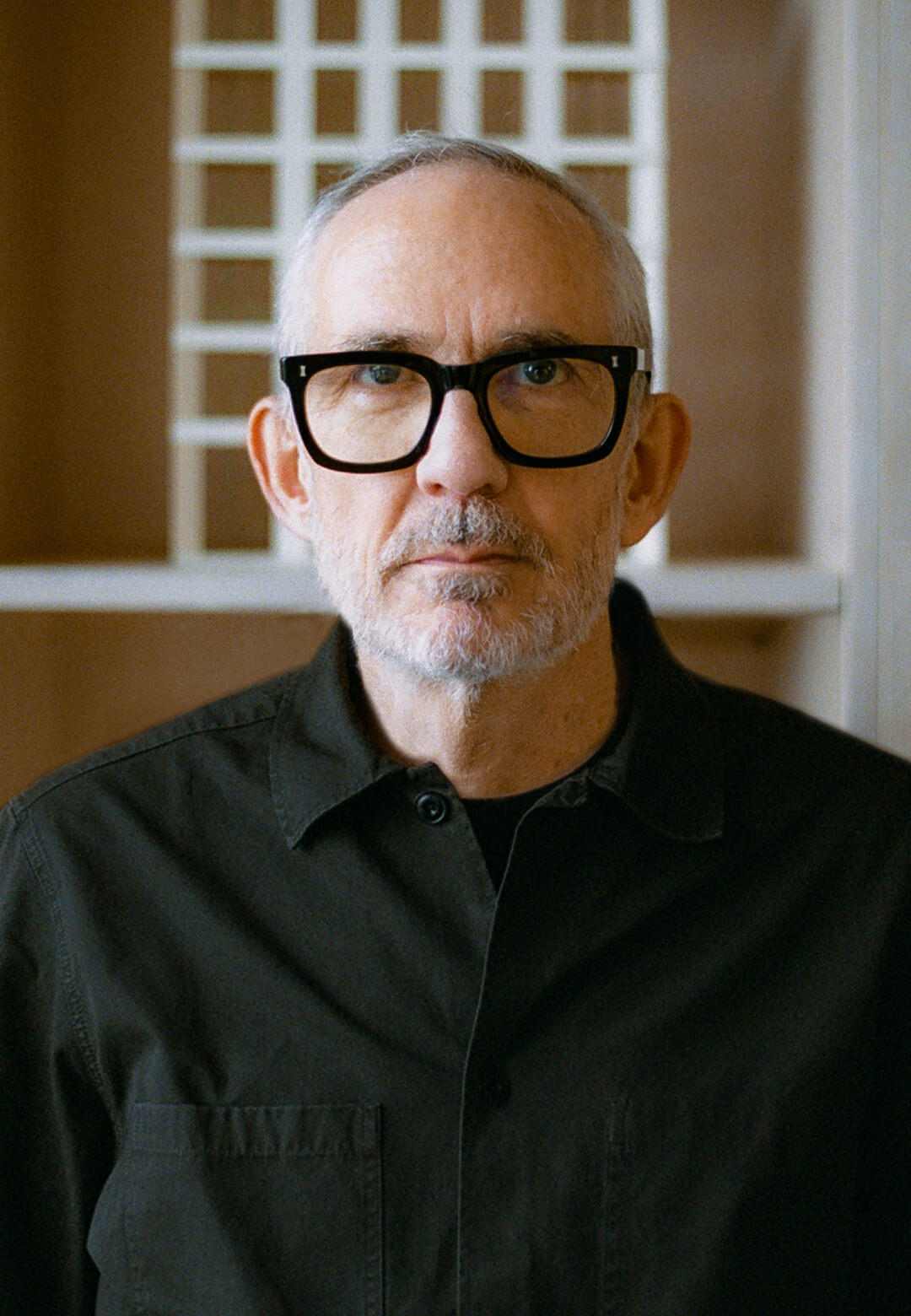
It comes as no surprise that London-based Irish architect Níall McLaughlin—currently revelling in renewed renown with the RIBA Gold Medal, a book launch and winning a prestigious global competition—takes to 20th-century avant-garde manifestos. The taking is more reference than reverence, with McLaughlin immediately recognising that architecture then needed to seize a specific kind of cultural moment. The modern, technological zeitgeist framed architecture as an individual artefact; less a response than a declaration. In his formal training across Ireland and his eponymous practice in London over three decades, McLaughlin deems a similar ‘lineage’ of architectural inspirations and precepts while acknowledging that contemporary architectural thinking has to deal with much more than individual projection—the climate crisis, for instance. The spirit of our times beckons urgency in nearly every sphere, and McLaughlin, in his conversation with STIR, expressed a near-profound faith in architecture to respond to those urgencies in meaningful, grounded ways. In the aftermath of this conversation, Architecture (with a capital A) is brought to focus in refreshing, provocative, reaffirming ways.
There is often a predictable path that these conversations tread, especially when earmarked by a remarkable achievement or award—moving from influence, to style, to legacy and everything else in between. In his responses, ranging from wry to discursive to prophetic, McLaughlin ardently impresses that his sense of self-reflection for his work is not newfound in the wake of the honour, but has been a continuous practice. That much is also evident in the way McLaughlin talks about time, situating his architecture as an enduring entity that does not occupy or speak to a specific moment. It seeks to be, rather fittingly, in constant dialogue with history and an uncertain future, and the award-winning architect speaks about both with sagely passion.
For me, a manifesto should be a critical reflection on practice.
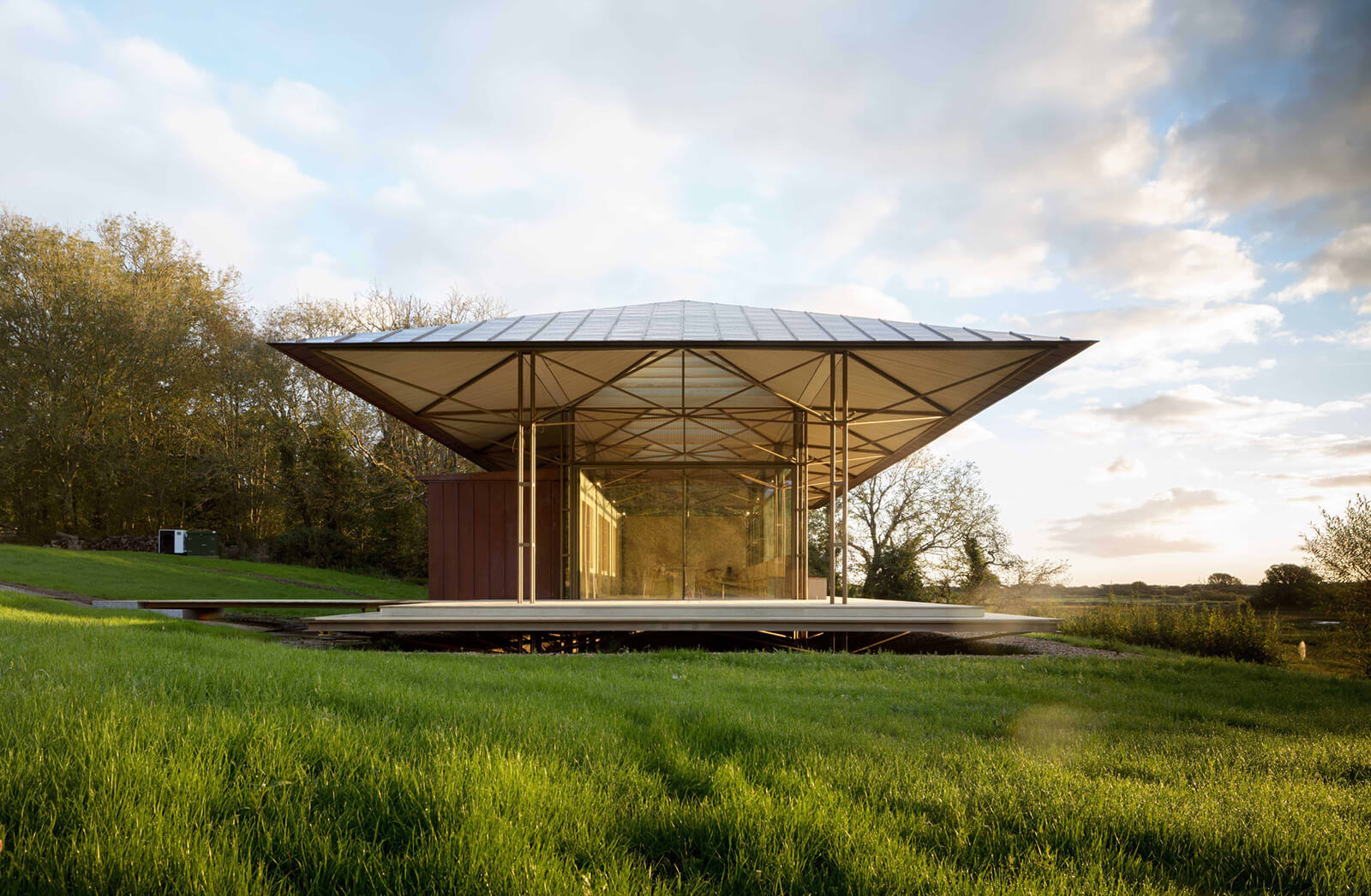
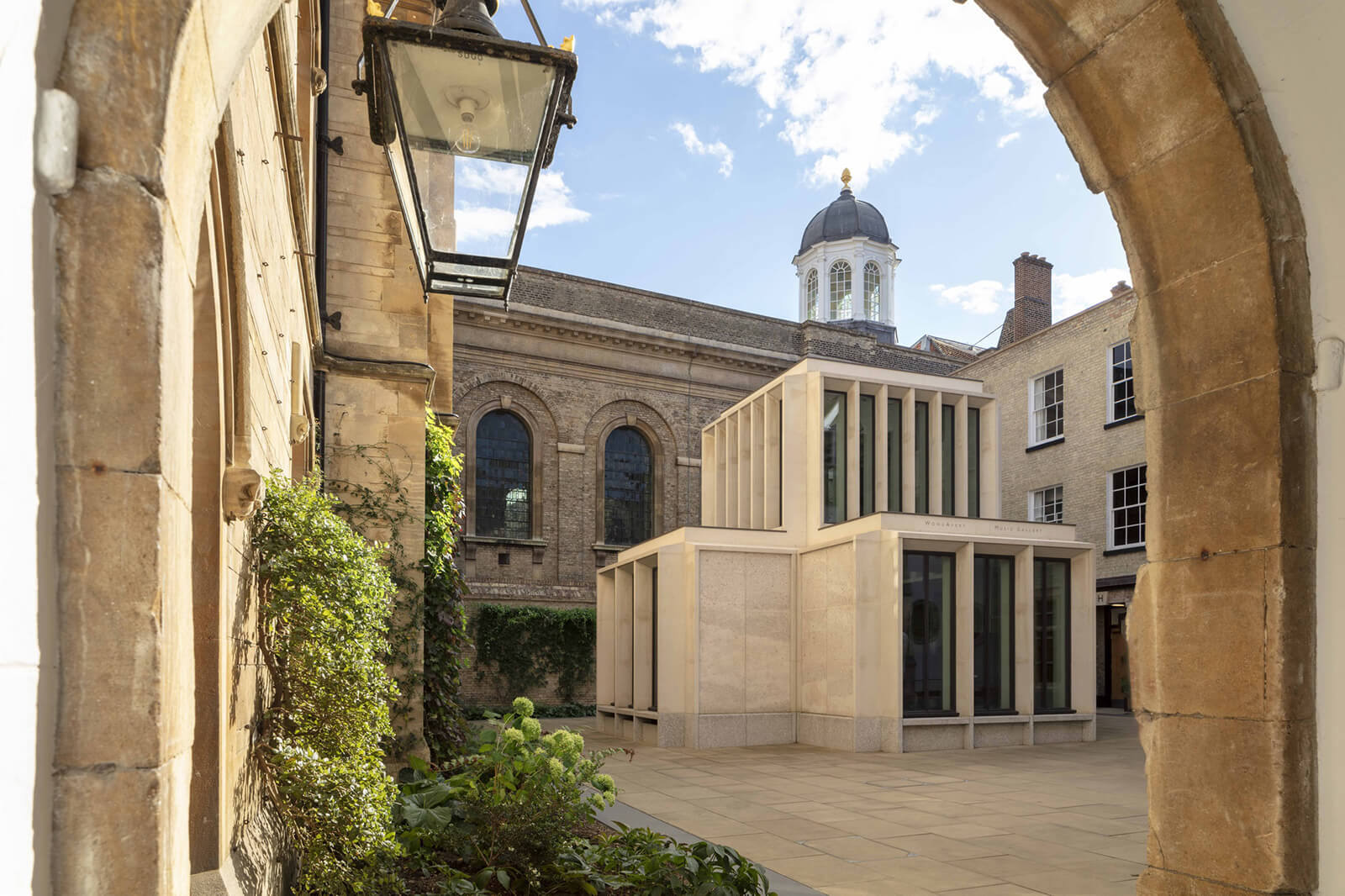
That is an especially pointed observation here, since the precarity with which contemporary architecture must operate is the fuel for this conversation, while all familiar beats—going back to influence, style, legacy—must chime with it. And so, moving away from architecture as a purely visual manifestation, McLaughlin calls for it as a continuing endeavour with multiple authors. The most direct proponent of that call lies in the adaptive reuse of already existing structures. For breaking new ground, McLaughlin seeks to take stock of the ‘deep time’—or time from a geological perspective—of the site, something that is bound to place his work in a more complex but fuller dialogue with its context, superseding signatures and flourishes. Years or decades later, that opens up the doors for other architects on the same building or around it to do the same. He amusingly terms it an orchestra with many conductors and players—a term that has obviously stuck.
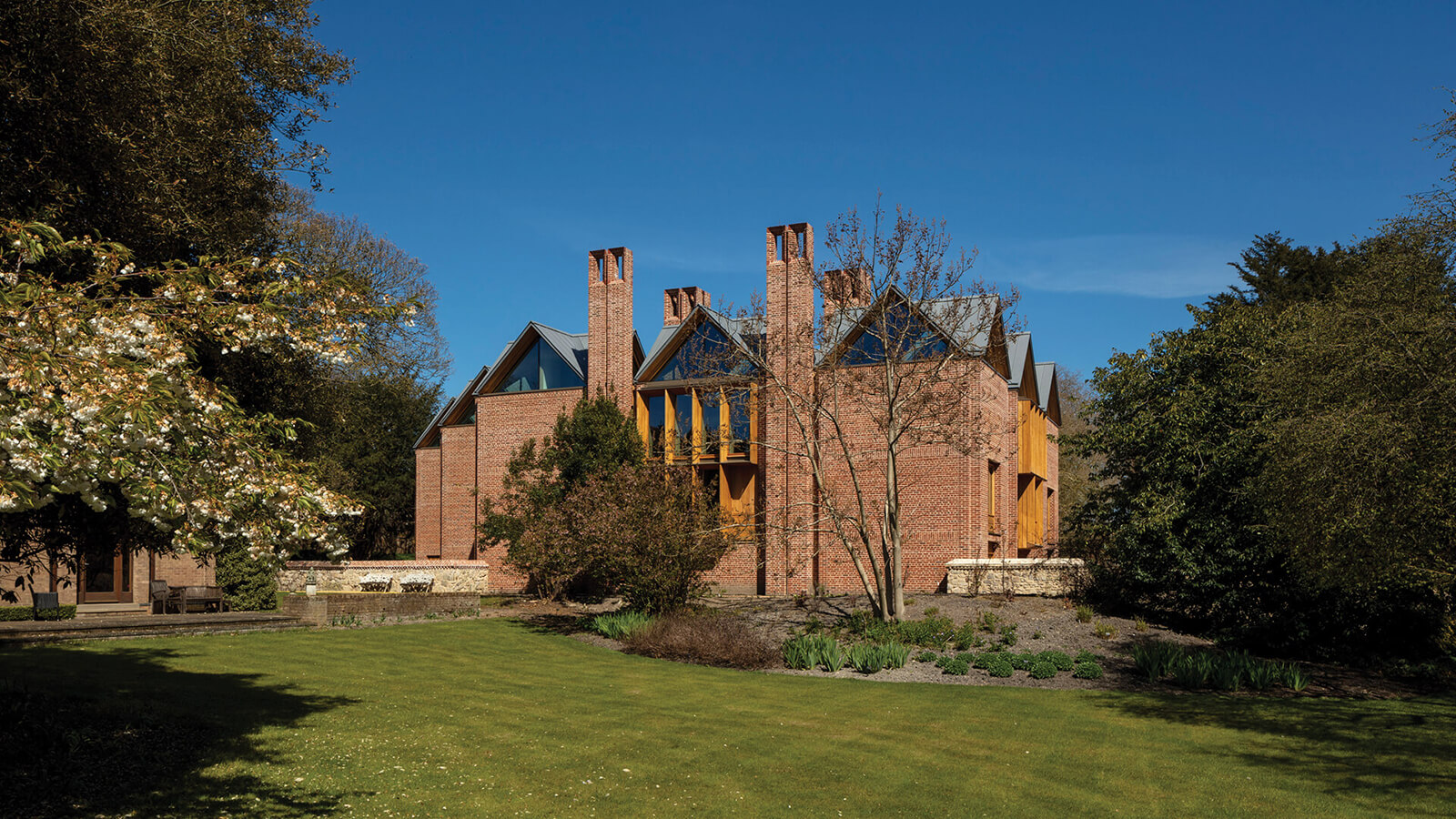
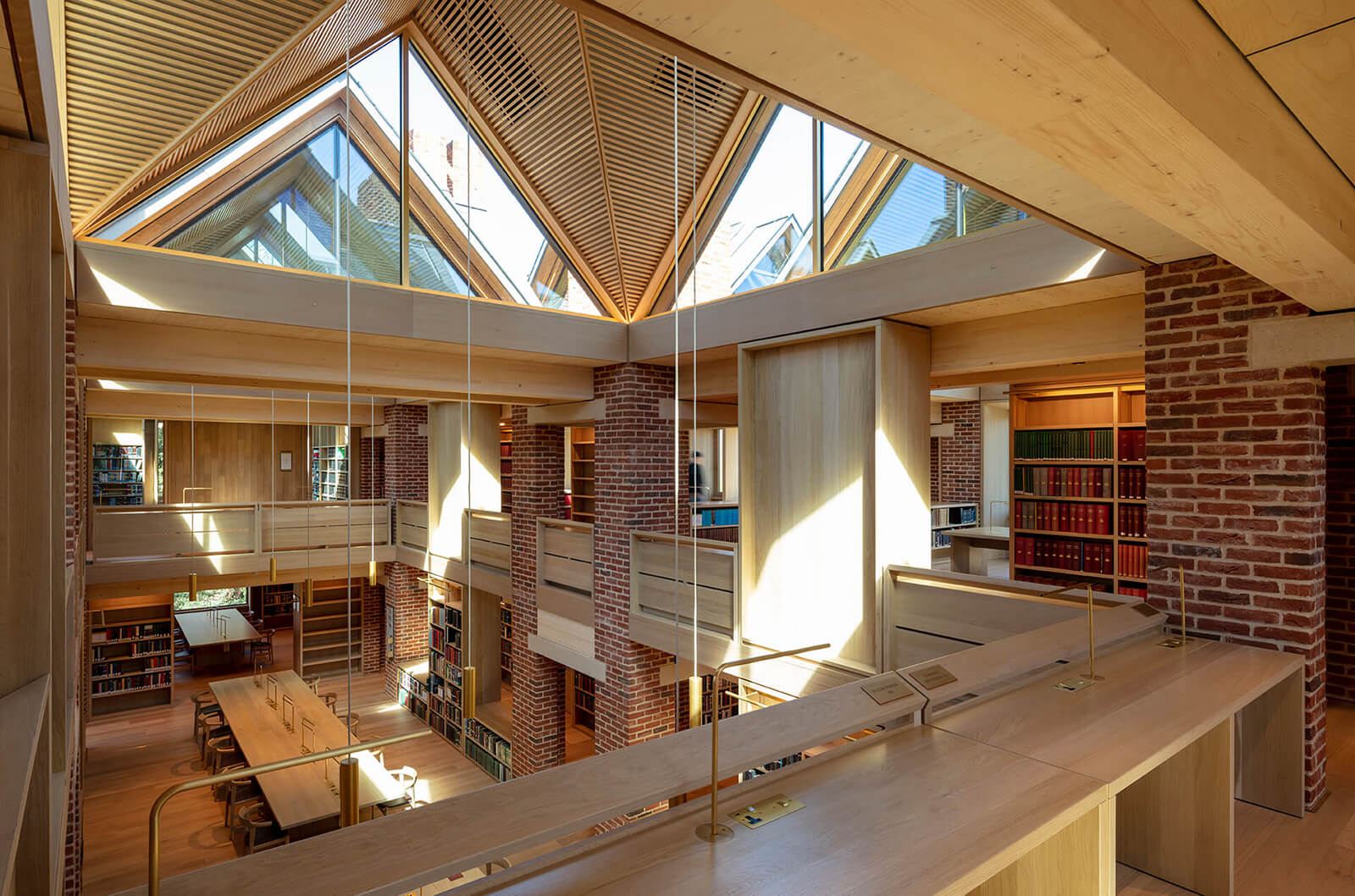
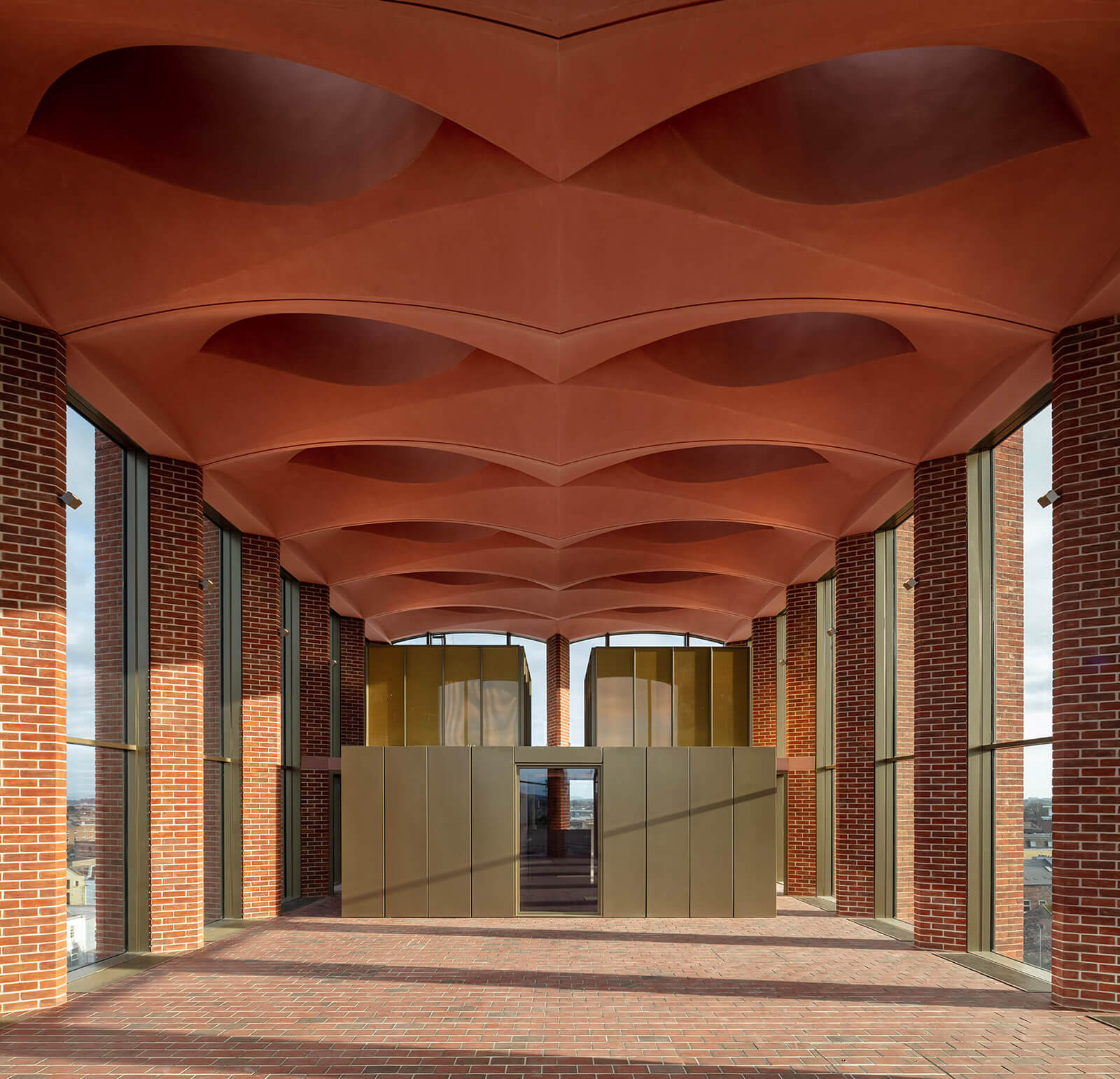
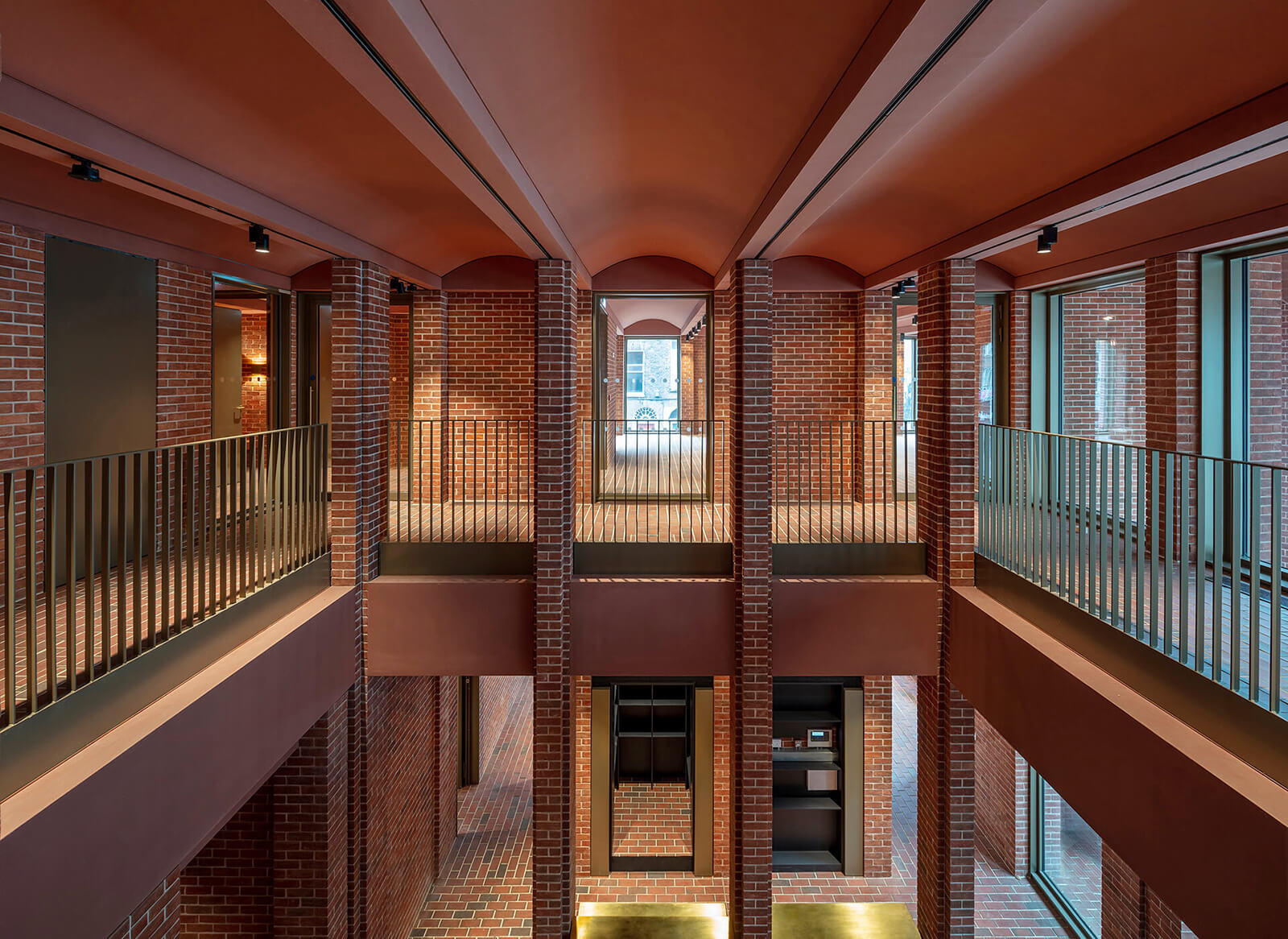
The pursuit of engaging with this geological sense of time, in all its profundity, satiates another one of McLaughlin’s desires with his structures. The Irish architect wants people to have a visceral experience when they visit his buildings as a response to precisely this sense of deep time. Scale is a usual suspect here, but McLaughlin seeks to achieve this through material more than metaphor. Similar to the modernist manifestos, the modernist material palette too—comprising mostly steel, concrete and glass—girds a tabula rasa state. Contemporary sustainability rhetoric labels these materials with higher embodied energies, often foregoing the fact that the industrial methods behind their production also tend to flatten material histories, producing literal clean slates. Wood, stone, earth and other natural materials, McLaughlin remarks, have ‘time’ imprinted on them—in patterns, in their very lineaments. Apart from being the environmentally conscious choice, their extensive usage is McLaughlin’s way to put architecture and time in a lively dialogue with each other, visible in a number of his projects, most notably including the Stirling Prize-winning New Library at Magdalene College.
I don't think that architecture is primarily a visual discipline. I think that architecture is something that is ‘felt in your water’. It's a visceral, wholly embodied experience.
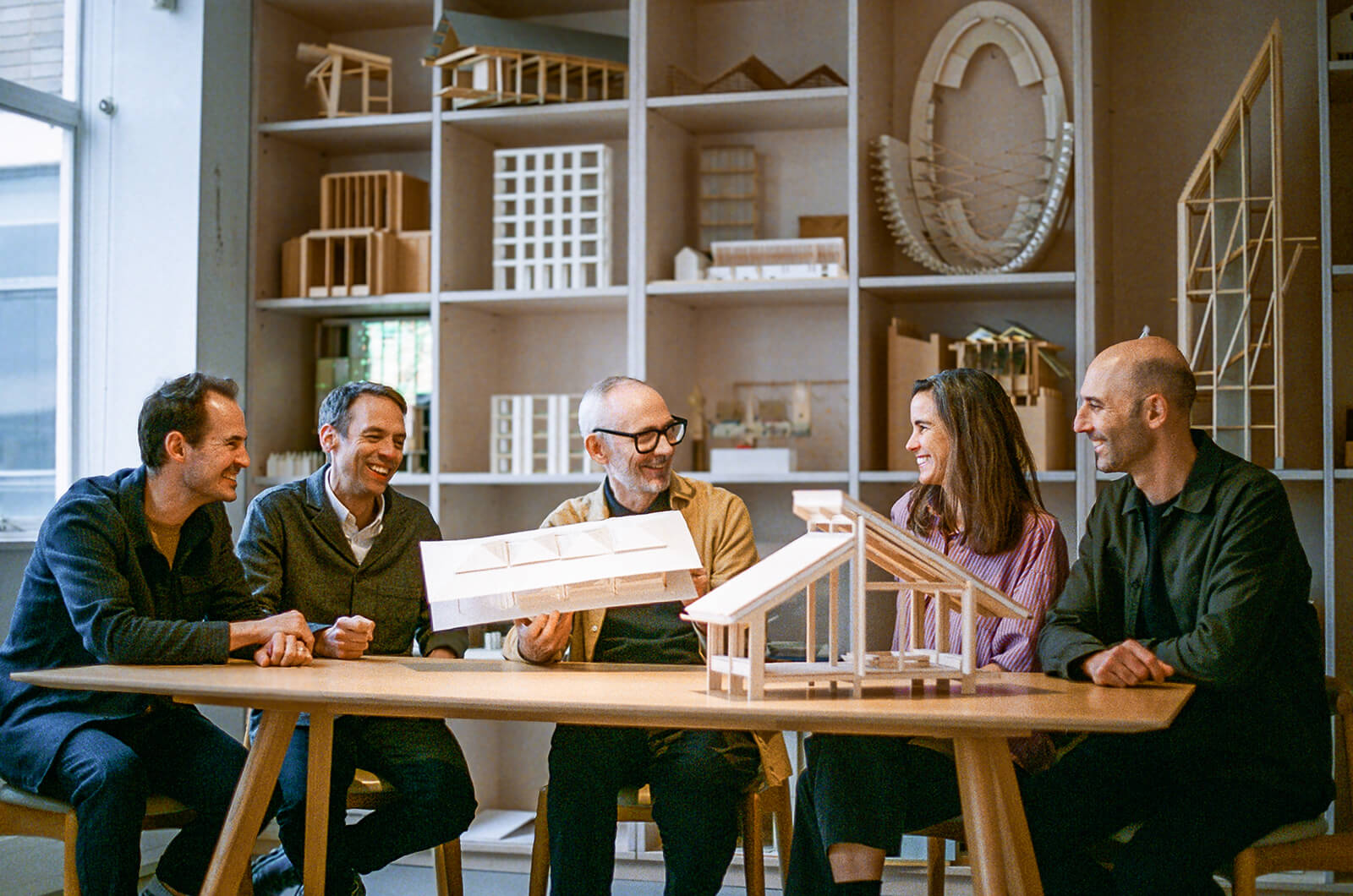
The common vein here is veering away from a singularity, an absolution—qualities that defined modernist manifestos, architects and architecture. From placing himself and his practice in the middle of a continuous, formative history, to decidedly working with materials harbouring their own histories, the ‘project’ of architecture, for McLaughlin, is a collaborative one, subverting the very question of architectural authorship.
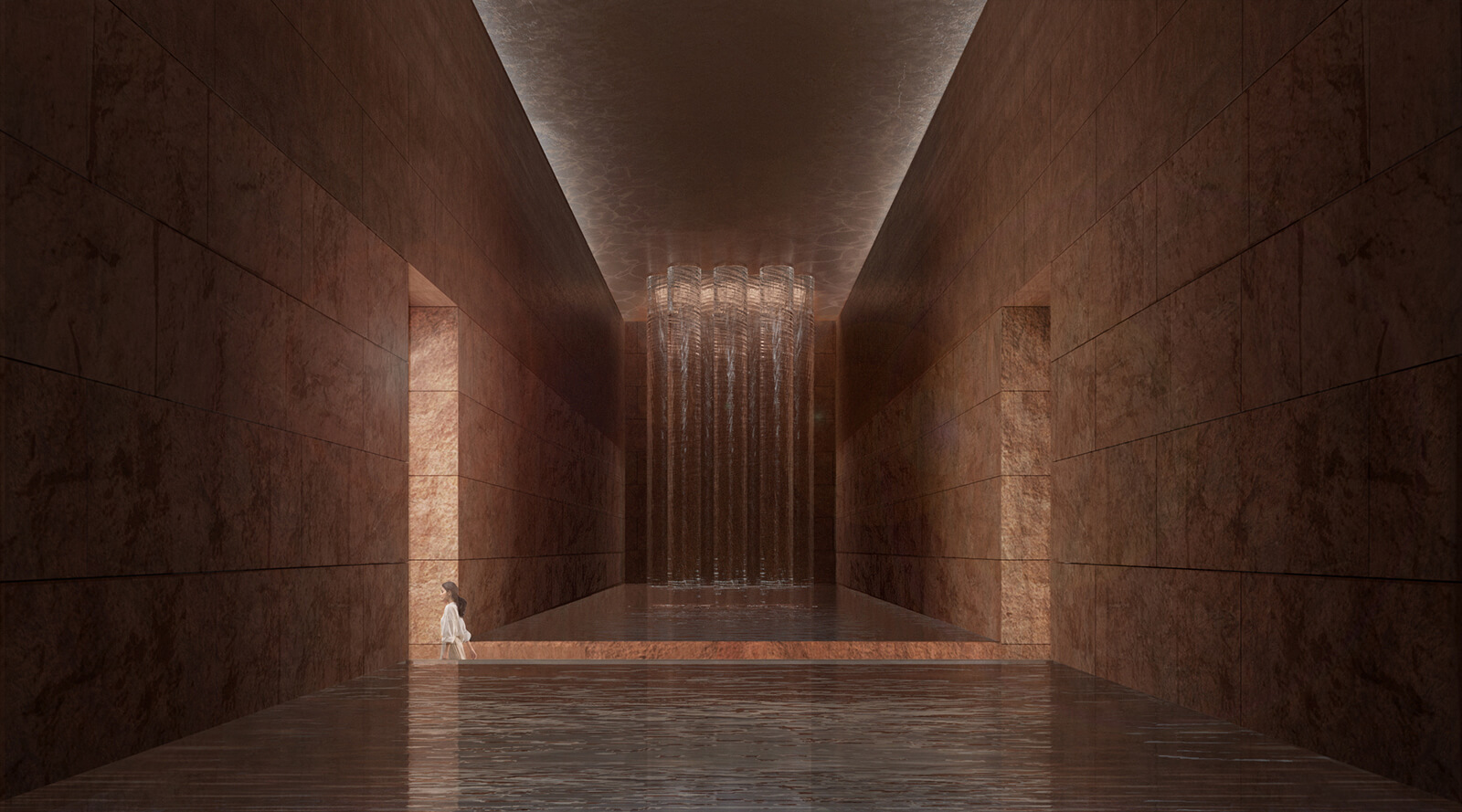
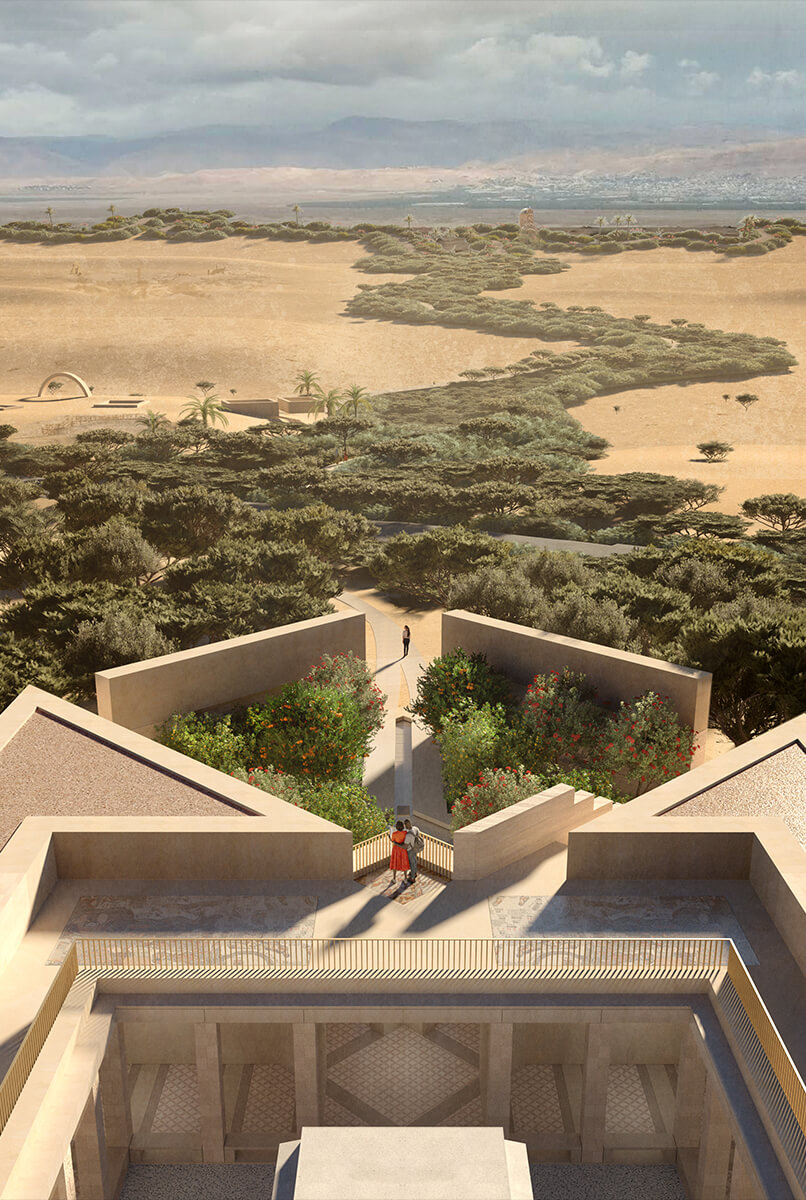
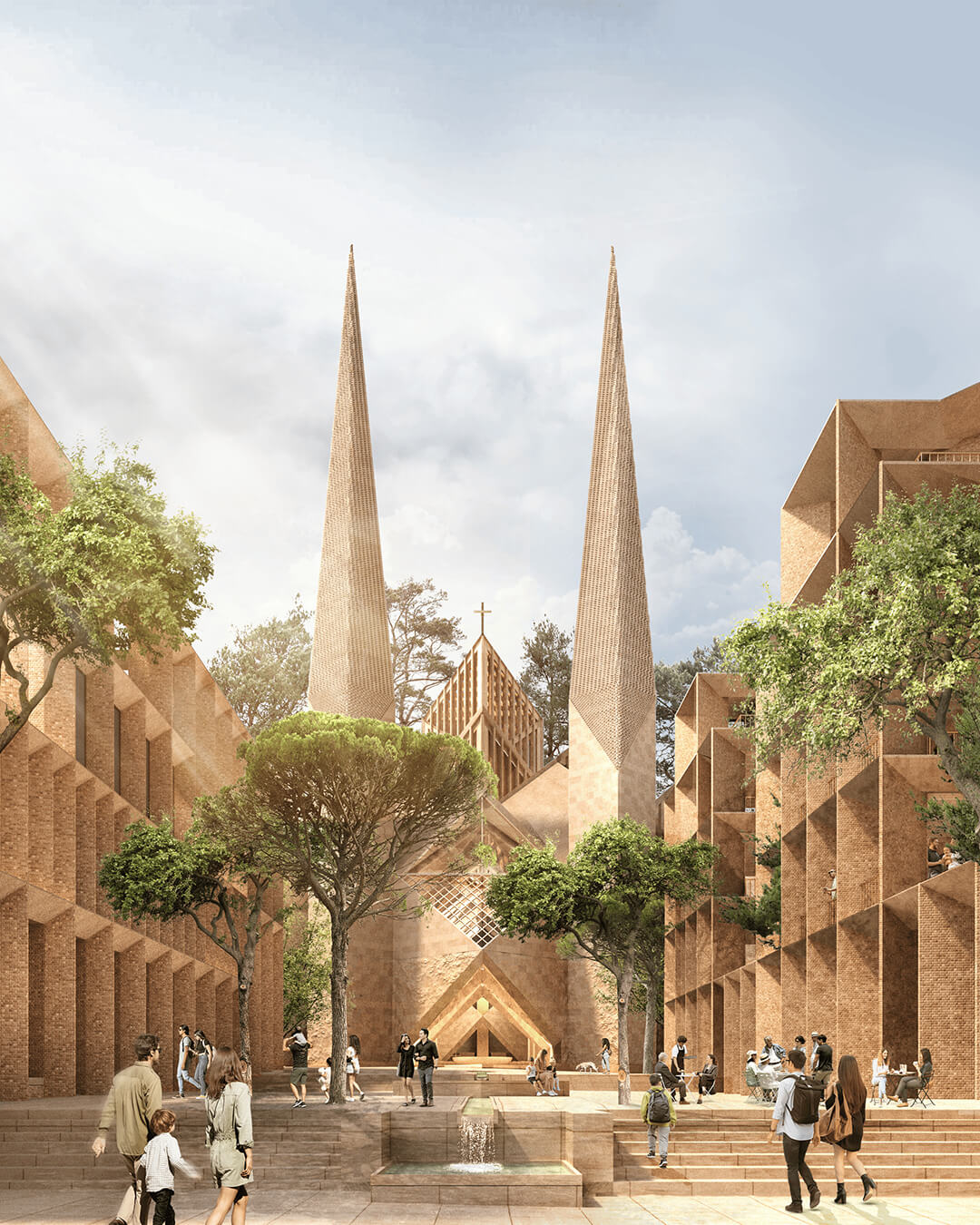
If we keep thinking about architecture as being the creation of primarily visually consumed objects and artifacts which are then, in a sense, consumed through visual images across media all around the world, we're in trouble. My claim is that architecture, in its foundation, in its core identity, is not about making visually impressive objects.
Against this context, it was particularly interesting to close the rendezvous with the award of the Royal Gold Medal and its significance according to McLaughlin, coming full circle. For an award notorious for tending to frame a body of work as ‘complete’ or historically legible, McLaughlin is hopeful, believing that the award will open even newer avenues of collaboration for him and his practice. “I’m in my early 60s. So I've got a good few years left in my practice perhaps”, he states, self-assuredly so. “I see it as being a very active agent in my career and not as something that bookends it”. The visual bits, the aesthetics of it, while not unimportant for McLaughlin, stem from the inherent, incumbent meanings—planned and otherwise—in his buildings. Quoting Argentine writer and essayist Jorge Luis Borges, he states, “beauty is the imminence of meaning”.
Click on the cover video to watch the full interview with the celebrated architect.
by Pranjal Maheshwari Oct 19, 2026
The Mumbai-based architects integrate courtyards, mesh screens and north light trusses to create a dining space that doubles up as a community hub at SR University, Warangal.
by Mrinmayee Bhoot Oct 17, 2026
The Rotterdam-based institute centres the Indian Ocean as a network for exploring material histories and transnational links shaping coastal cultures, positing them as future models.
by Pranjal Maheshwari Oct 16, 2026
At the 2026 Stirling Prize ceremony, Mary Duggan with RUFF Architects, MAKER Architecten and Nakshabid Architects were felicitated for proffering quality housing and social equity.
by Mrinmayee Bhoot Oct 12, 2026
The new Centre for Contemporary Arts, fostering public engagement with art in Uzbekistan, is housed in a tram depot refurbished by the French studio, emulating local craftsmanship.

make your fridays matter with a well-read weekend
Enter your details to sign in
Don’t have an account?
Sign upOr you can sign in with
a single account for all
STIR platforms
All your bookmarks will be available across all your devices.
Stay STIRred
Already have an account?
Sign inOr you can sign up with
Verification link sent to check your inbox or spam folder to complete sign up process
Tap on things that interests you.
Select the Conversation Category you would like to watch
Please enter your details and click submit.
Enter the 6-digit code sent at


Níall McLaughlin on conducting and taking part in architecture as a temporal orchestra
by Anmol Ahuja | Published on : Aug 21, 2026


 Sign in with Google
 Sign in with email
What do you think?