Architecture13 mins. read
Reflections, reclamations: On glass, Edith Farnsworth & Almost Nothing by Nora Wendl
by Mrinmayee Bhoot, Chahna TankJun 26, 2025



by Mrinmayee BhootPublished on : Jan 15, 2026
The quiet air of a respectable residential street in Copenhagen is disrupted by two intrepid women, shrouded by bushes, taking photos of a brick house. The house, modern-seeming with its large glass windows, exudes a sense of self-assuredness, placed as it is—firmly—on this street. Unbeknownst to them, they’ve been spotted, and soon enough, a woman confronts them. Caught red-handed with nowhere else to go, Paparazza Moderna—the photographers with an interest in documenting modernist private residences in the wild—reveal themselves: “We are admiring your house.” An understandable request for a project designed by the modernist Dutch architects, Inger and Johannes Exner. A beat, a confrontation, and the moment of threat pass. Considering their earnest intention, the woman consults her father and invites them in, but forbids them from taking any more photos. The inhabitants of the house, to their pleasant surprise, know and appreciate the architects, procuring books about the house and its designers, conversing at length about the well-lit, spacious rooms and the attention to detail in the choice of material. An affable encounter for the paparazza, used more generally to the surreptitious manner of those searching for scandal.
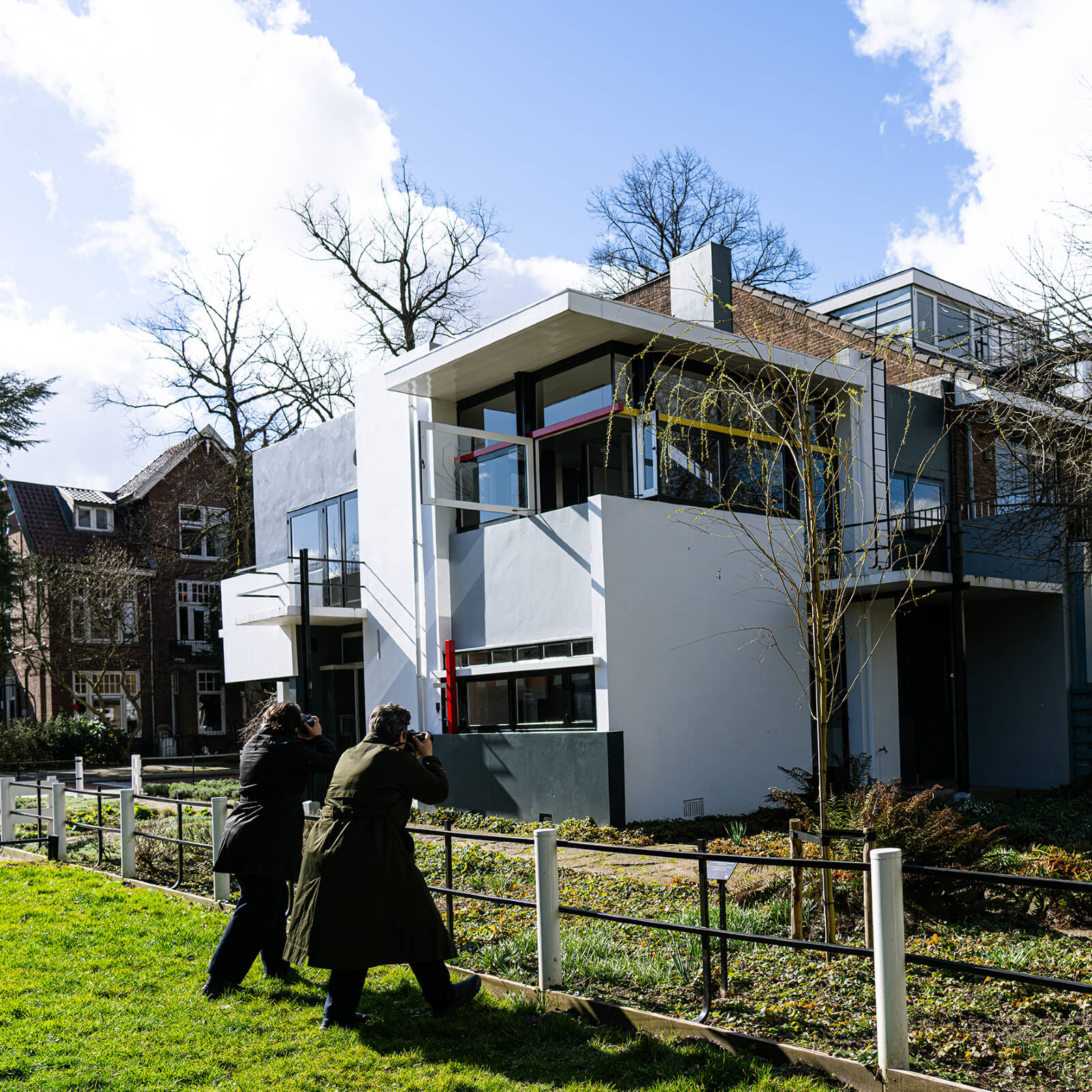
Many lives are lived by the houses that modernity wrought, not least in the real world. These bastions of function, of a radical new way of being, often stand in stark contrast to the traditional dwellings which they compete against, flat roofs and glass panes (ideal for gardens) against pitched tents. Their break from tradition, their demand for a new way of conceiving architecture—one that makes use of technology, one that encourages openness and one that stringently orders function—has been discussed, theorised, sermoned, debated and vandalised. Some of these structures, having been razed, have been raised to the status of myth—modernist rationality undone by the power of storytelling. It’s these myths, intrigues and underlying stories that the bricks, rough concrete and opaque glass tell that fascinate Paparazza Moderna, the modus operandi of the Mexico City-based photographer duo, Lake Verea.
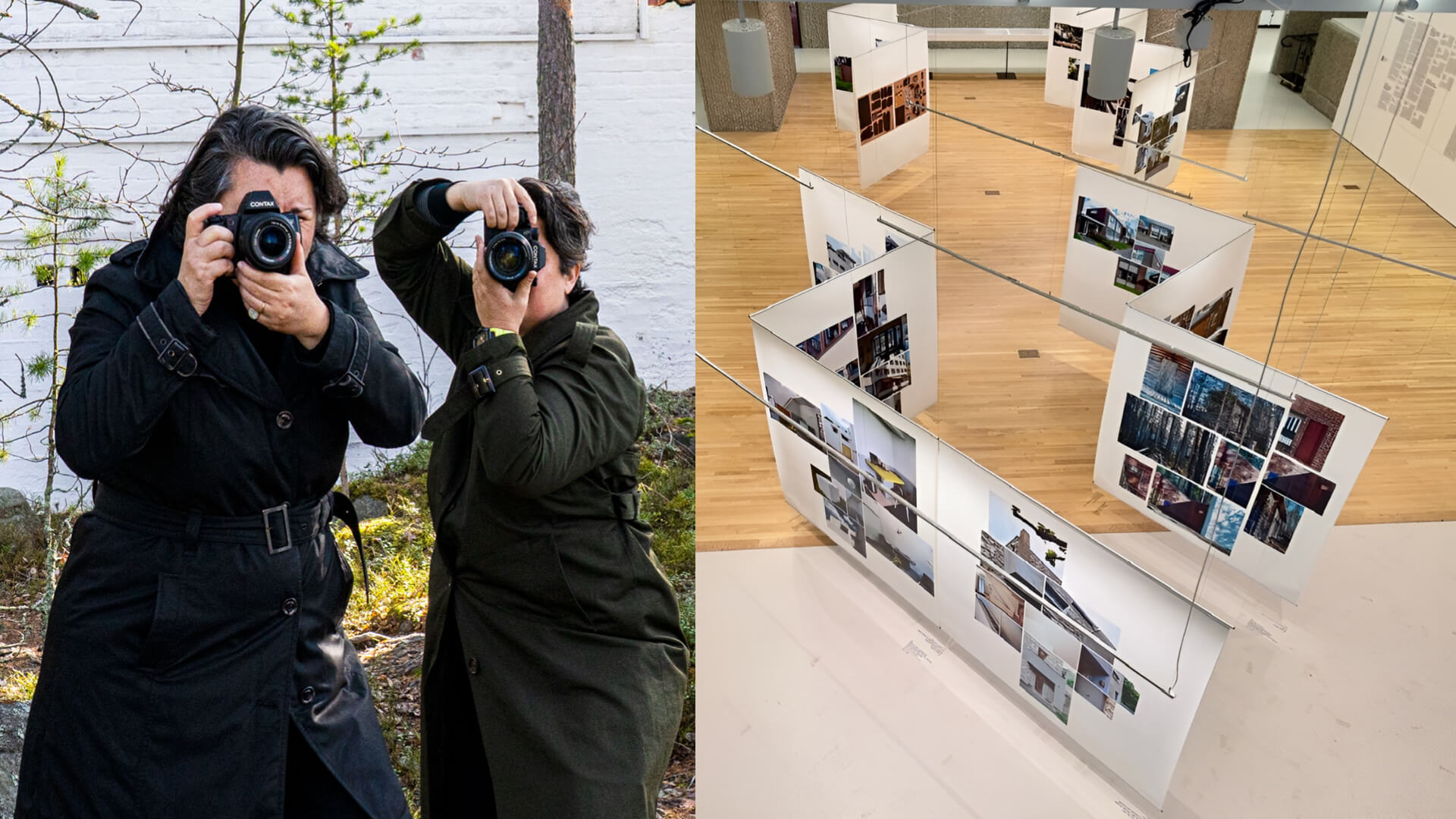
[Paparazza Moderna] embodies a certain personality and is also a manifesto, so it has to follow certain rules.
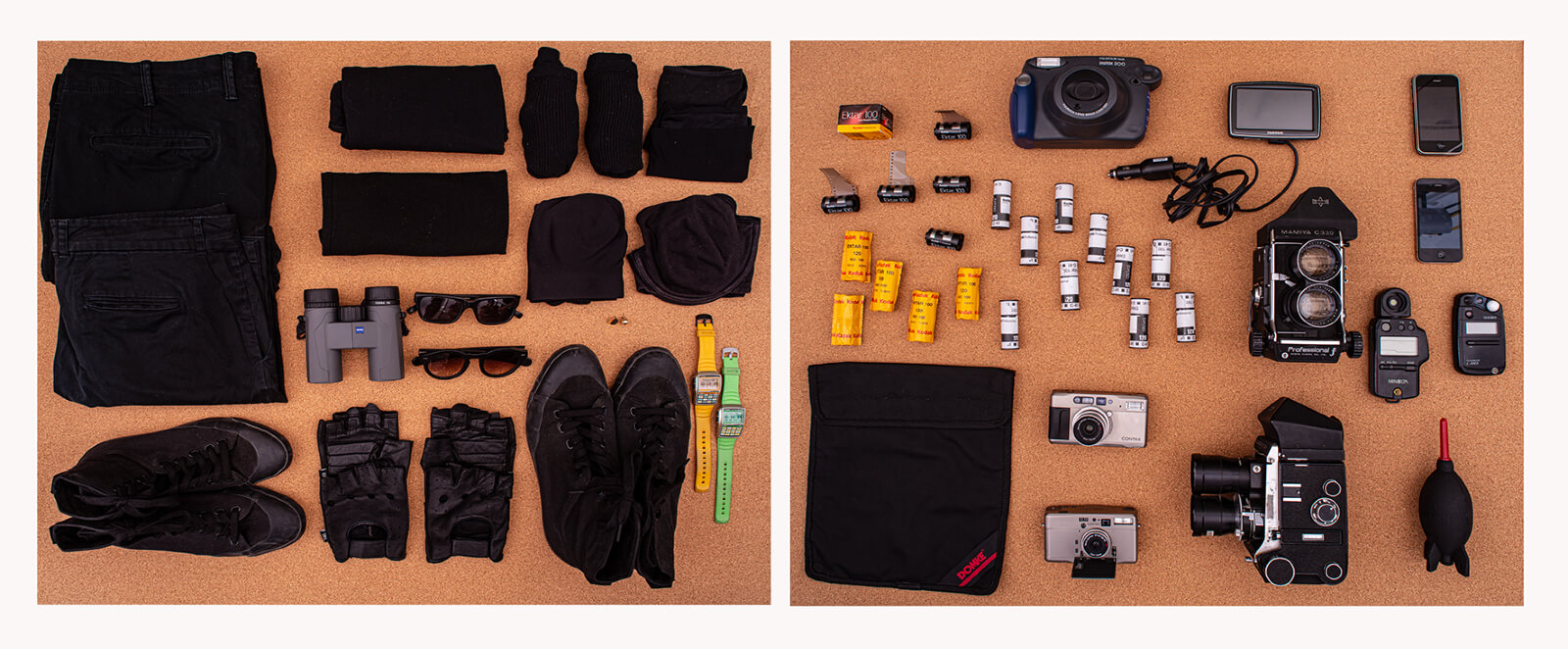
In their role as seekers of gossip and stories, they explore the lives, afterlives, facts and fabulations of some of the most recognised and some not-so-recognised single-home residential architectures built during the heyday of architectural modernism. “We've been working together for 20 years, and we’ve always used photography as our artistic medium,” they note in conversation with STIR, talking about their assumption of the paparazza persona (in itself a subversion of the gendered paparazzo, meant to signify a male figure). The fascination with single-family residences stemmed from previous research and the enduring question of what the most intimate aspect of architecture might be. As they researched, what they discovered led them to conceive of their photography series, eponymously named after their persona. “We would see the same photo over and over again—this heroic shot with everything pristine, the house brand new, with no context whatsoever. And when we arrived at these places, it would not feel the same. That is when we understood that we needed to go on this pilgrimage and see these houses for ourselves in the character of Paparazza Moderna. It embodies a certain personality and is also a manifesto, so it has to follow certain rules.”
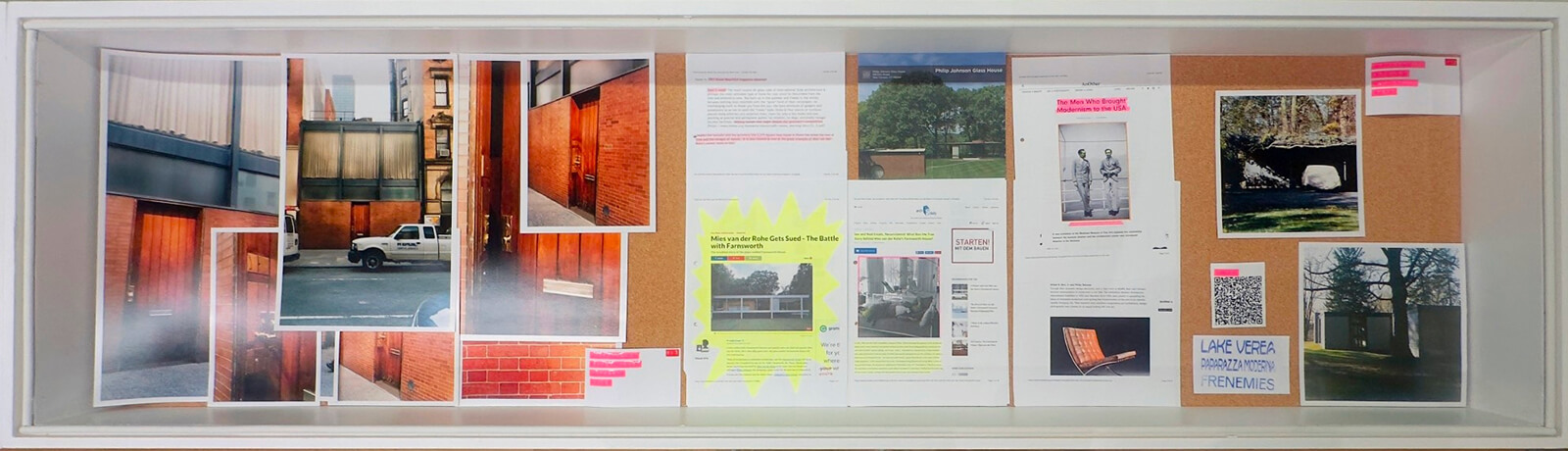
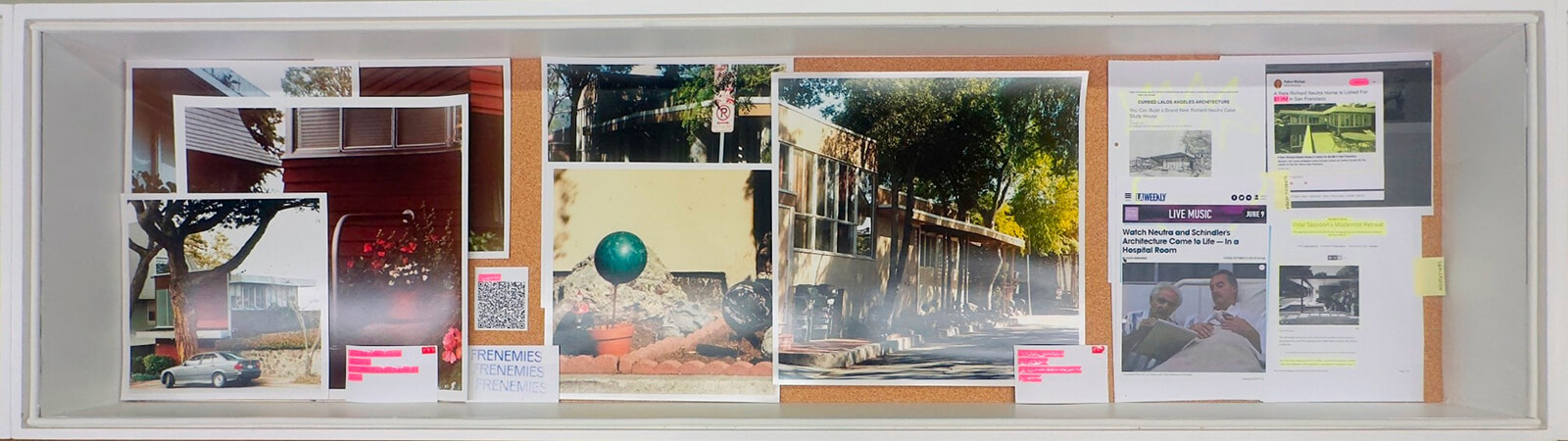
The houses that Lake Verea mentions visiting are grouped under two overarching themes. Their first foray into the lives of the modernists was centred on friendships, jealousies, alliances and betrayals with Frenemies (an expedition conducted from 2011 – 2018). Exploring the lives of architects who emigrated from Europe to the United States, they discovered tales of overwrought ambitions among those stoic stalwarts such as Walter Gropius and Marcel Breuer, Rudolf Schindler and Richard Neutra and Mies van der Rohe and the one American architect in the series, Philip Johnson. The history of modernist architecture is rife with jealousy, with intrigues that lead to falling out and men’s giant egos. Yet, historiography favours the trajectory of modernism marked by buildings designed by men who would style themselves as gods. Where would Johnson’s glass house be without its alleged rivalry with van der Rohe?
In their documentation, as they mention, the duo follow a manifesto which includes rules that question the idea of authorship by specifying that both architectural photographers use the same device for shooting—an air of spontaneity demanded by such an excursion—but most importantly, that emphasises the presence of love during the project. This sense of love, translated from their fascination with modernist architecture, is vital in how they take images and how they interact with the spaces they are in. As they relay, “The intention is to smell, feel, touch, measure, see if it's cracked, see how [the house] has embraced its oldness, see how it tells us a story. We always listen to its whispers.”

The intention is to see how [the house] has embraced its oldness, see how it tells us a story. We always listen to its whispers.
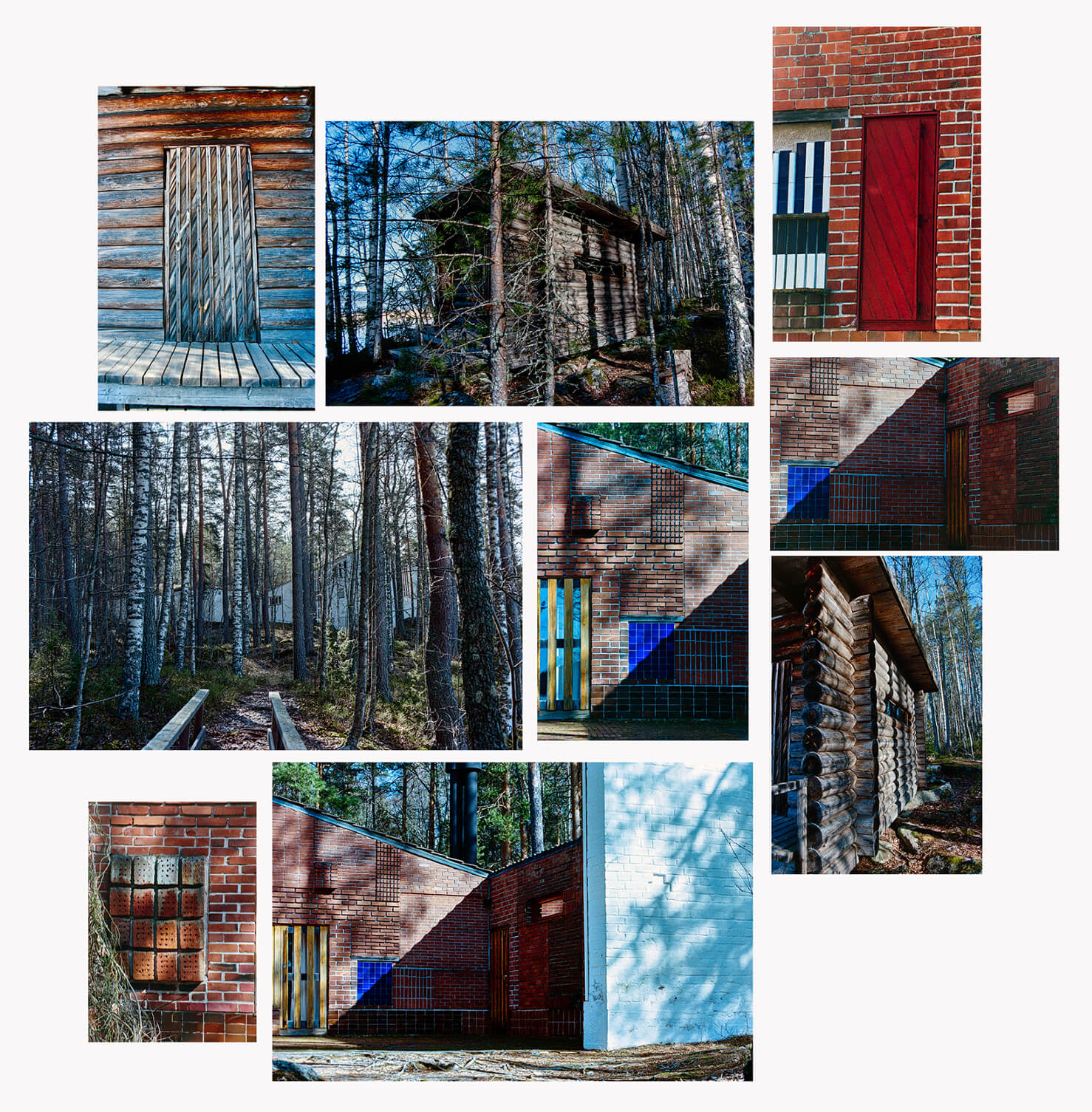
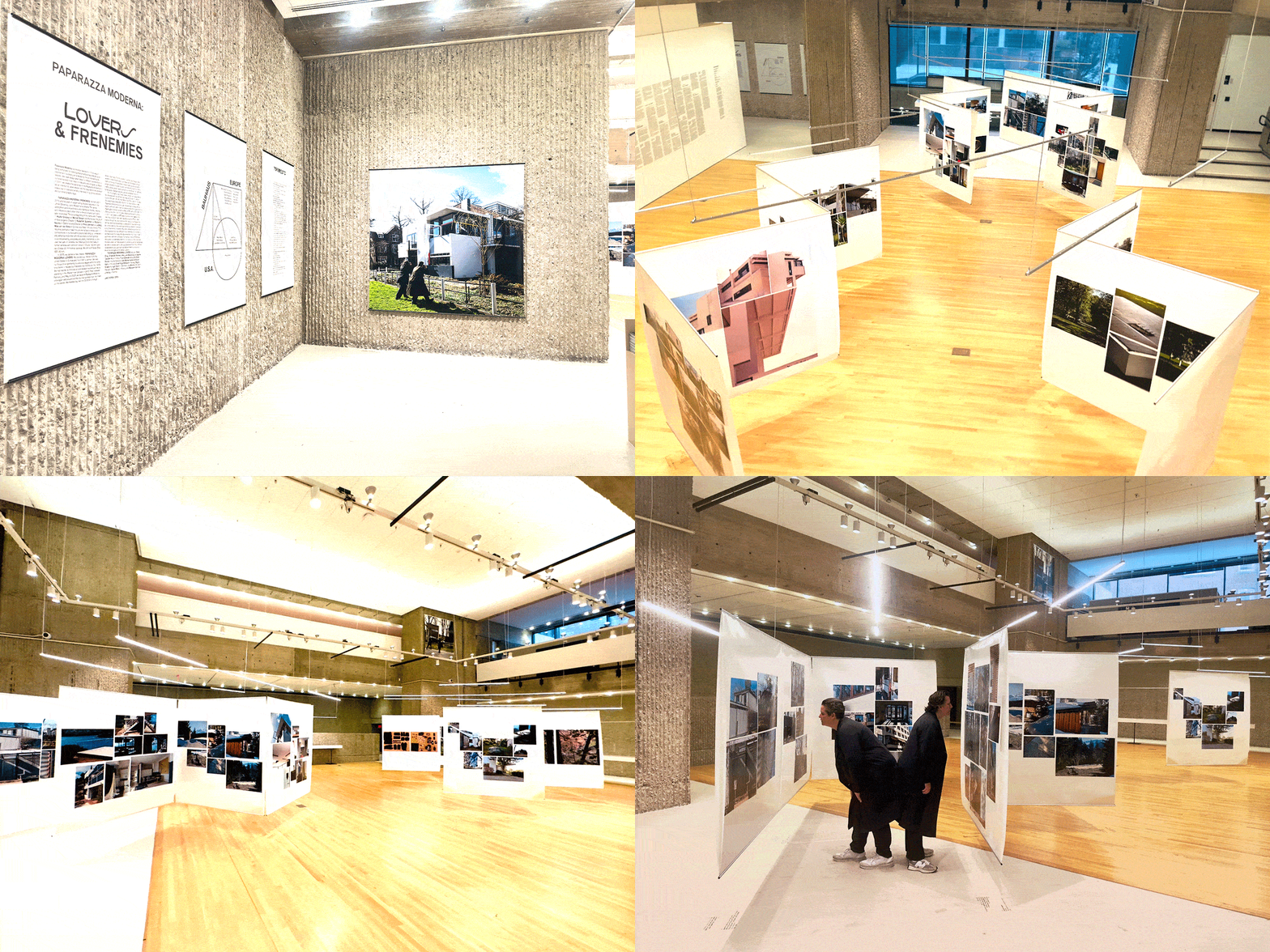
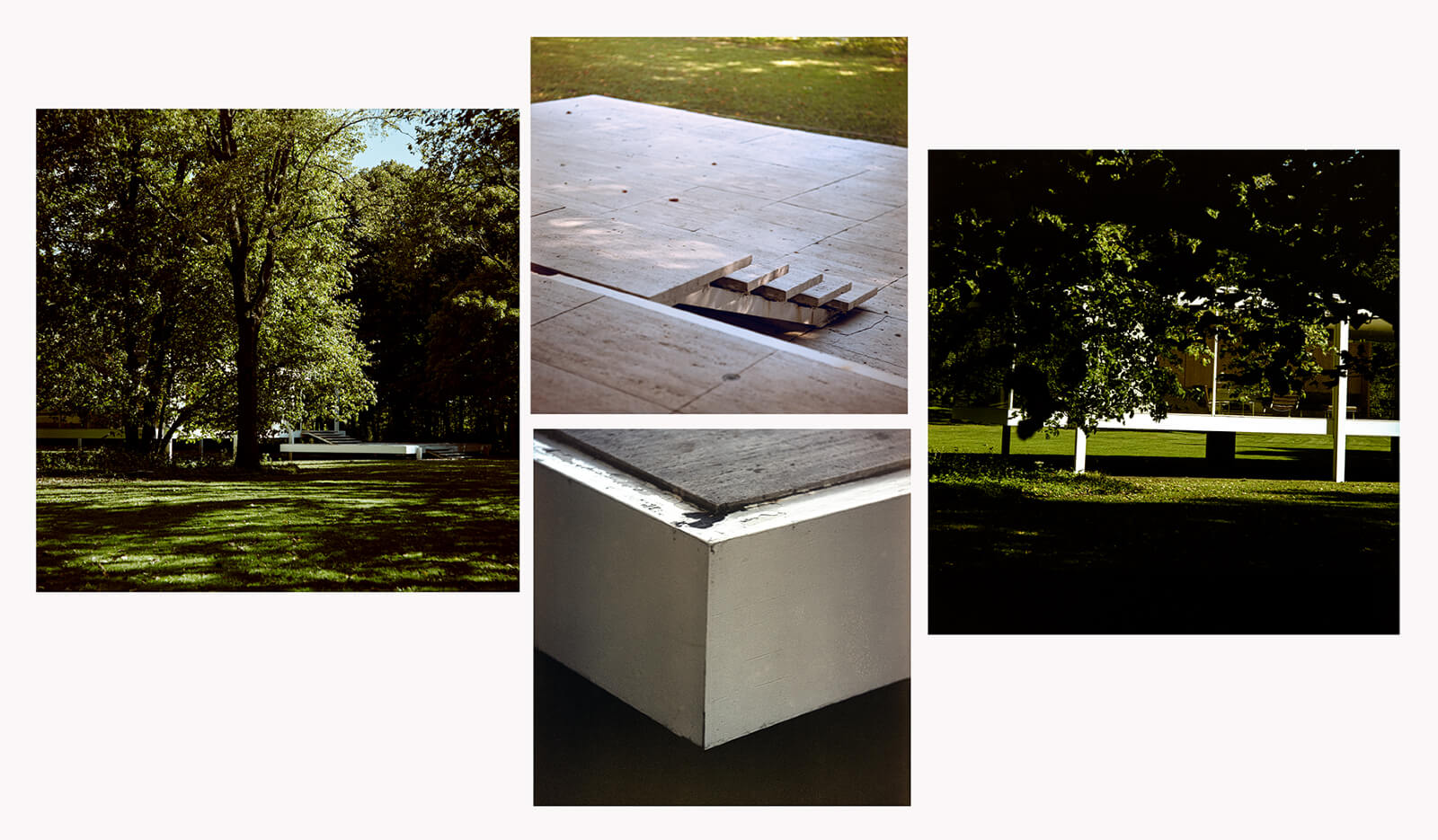
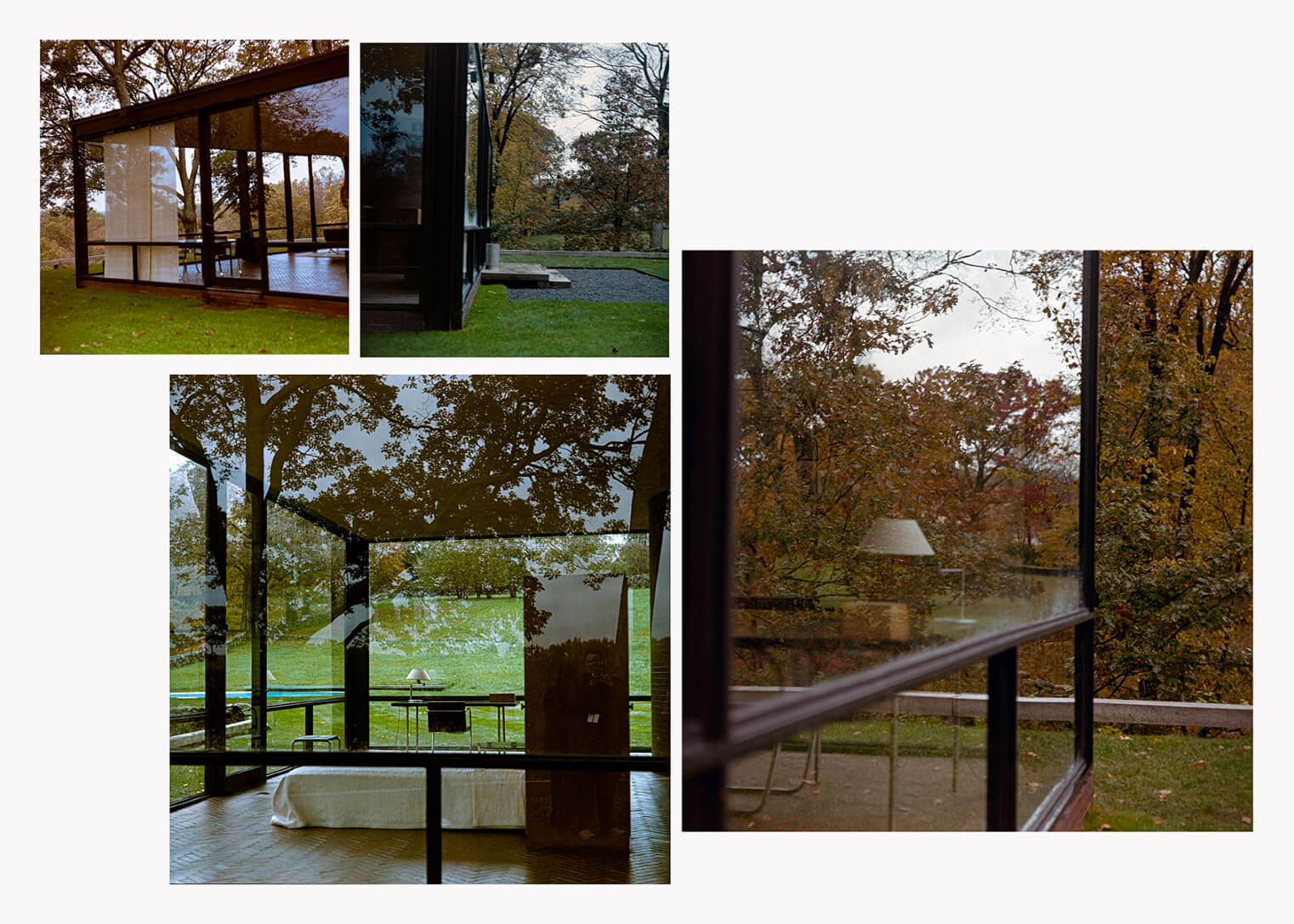
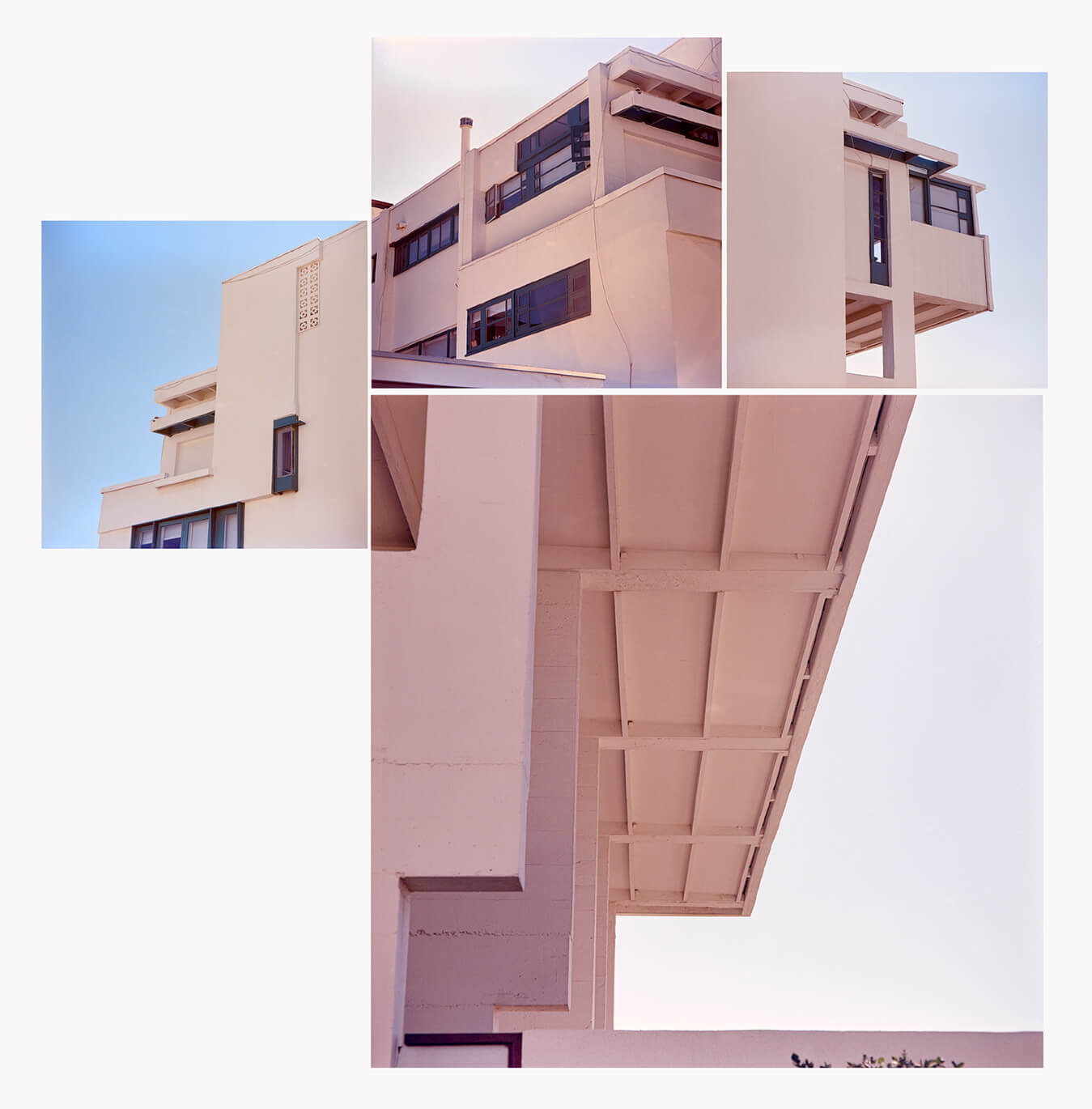
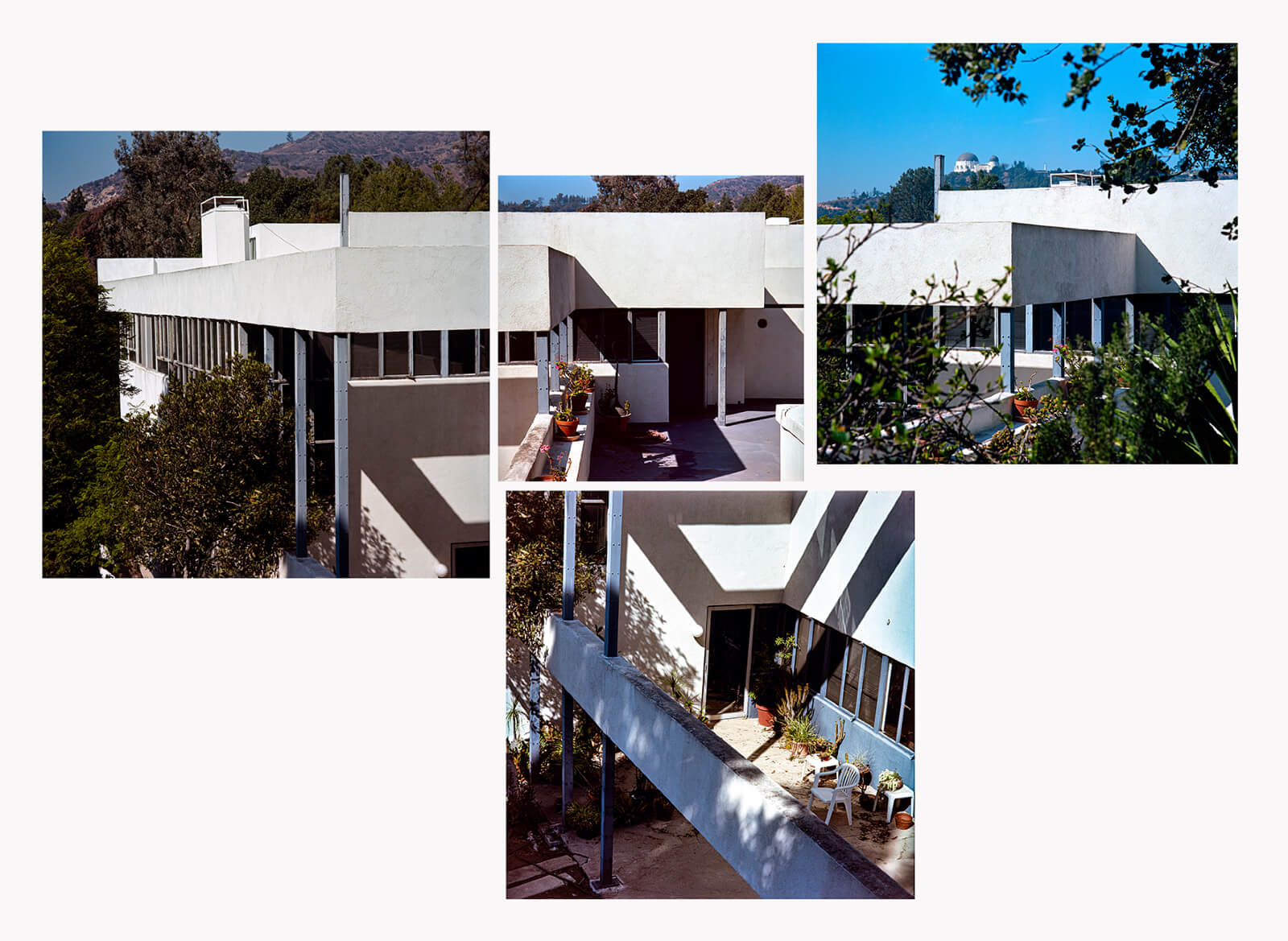
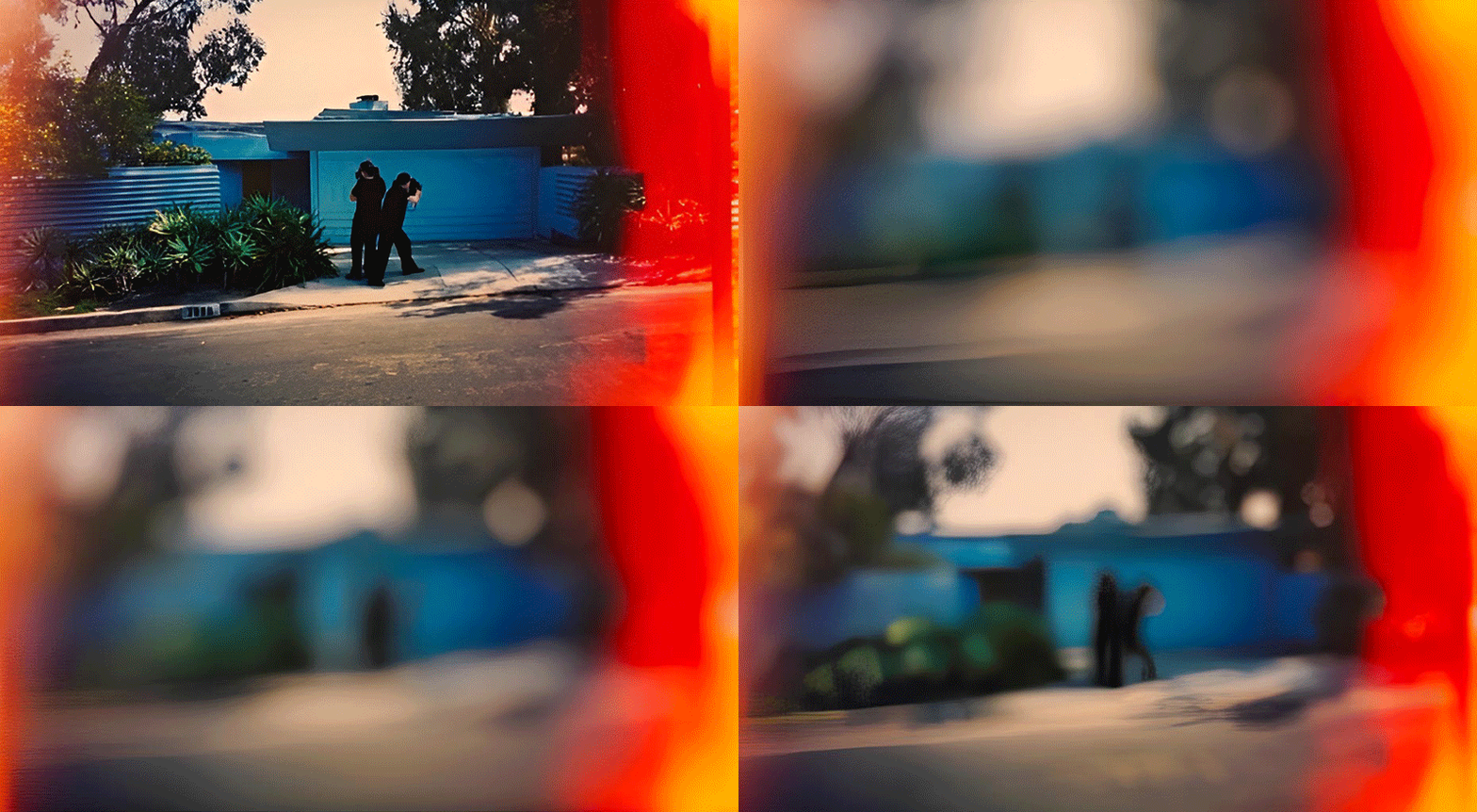
The images, then, as Lake Verea emphasises, are not hero pictures. Instead, they present collages, broken steps, rundown facades, stolen moments frozen in time. Perhaps most arresting are those compositions that create new residential architectures from the existing altogether. For instance, the Schindler House, which is a collage of four images, defies perspective. And in that surreality, is its beauty. Set against it is his rival, Neutra’s Lovell House, built resembling an almost floating structure, the ground base different from the top; perhaps the intention of the architect from the get-go. In creating these images, the Mexican artists reveal that they spent a lot of time researching online to get to the stories of how these structures were built. That research and their travels are as much a part of the series as the resulting photographs, as much a part of a story of the famed houses as the architecture itself. This forms another special highlight of the project—the insistence on storytelling, and the insistence on pluralities, that not one single story tells everything. By presenting their own travels, intermingling with the history of the house, they denote the idea that it is the lived-in perspectives that perhaps matter as much. And some of the images even depict this idea. Take the rivalry of van der Rohe and Johnson, competing to be the first to build a glass edifice. In the Mexican artists’ photos, Edith Farnsworth House is almost hidden out of sight, concealing far more stories about its conception; whereas Glass House is front and centre, announcing itself in all its glory.
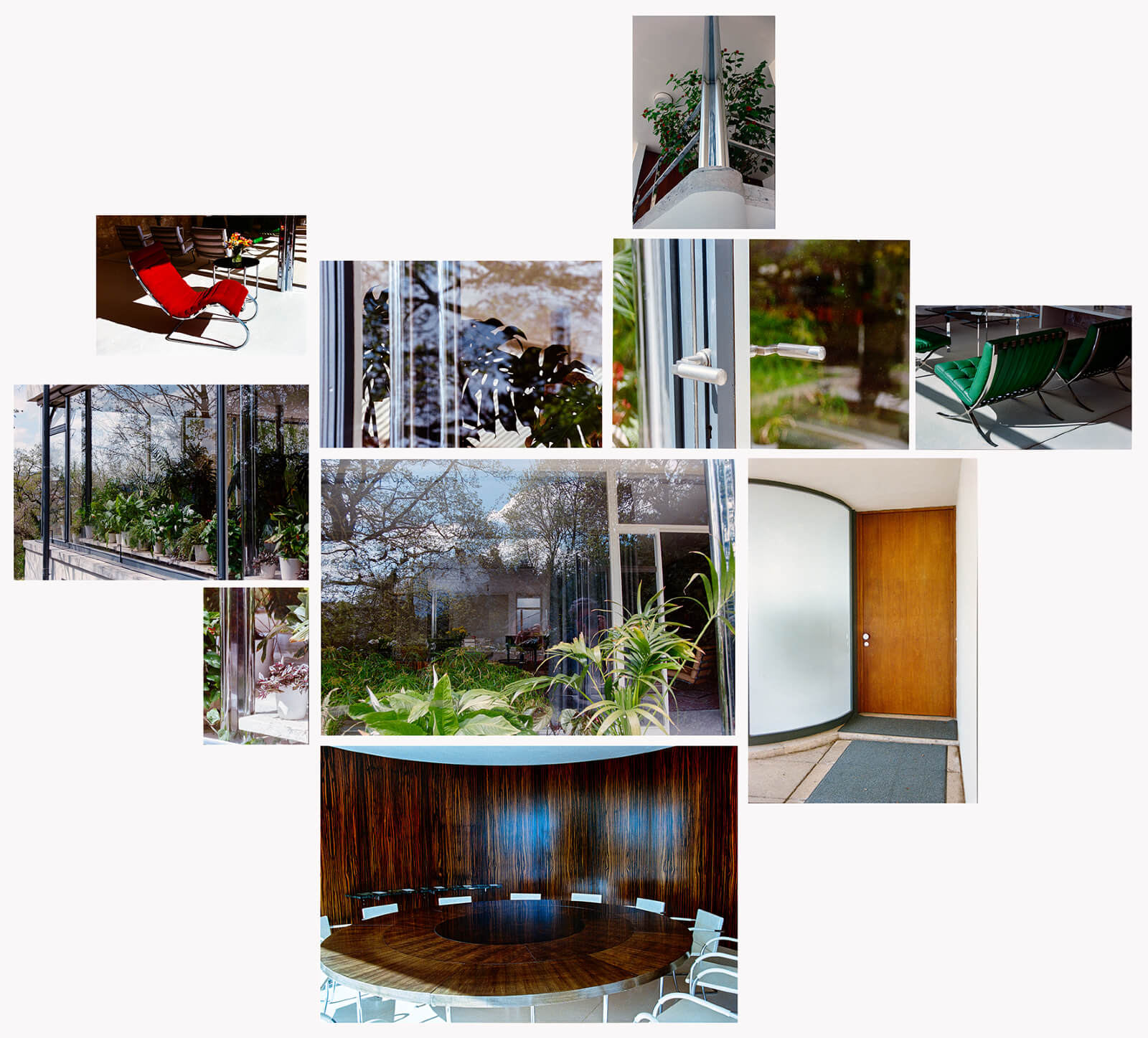
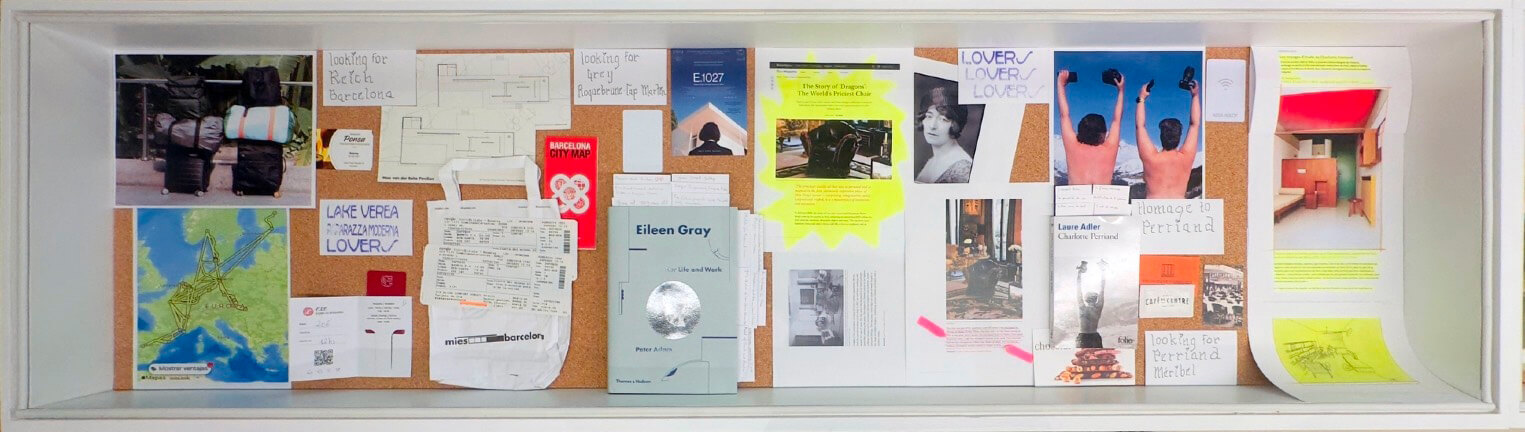
After concluding the series on Frenemies, the couple’s interest shifted to the women who built modernism. Concerned with the severe lack of women's stories from the canonical histories of architecture, Lake Verea conceived of Lovers in 2025; the name, an acknowledgement of the fact that many women in the era could not practice independently, and usually formed partnerships with the men in their lives. With many of the projects they wanted to document set in Europe, they set off on another expedition, maintaining a detailed diary of their travels, ‘a time capsule’ as they describe it. Speaking about their travels, they mention how technology has been both a boon and a hindrance for their voyage and research. “It's not always easy. Sometimes we have to go to extreme positions and be a little intrepid. Surveillance cameras didn't exist when we started this project as well, so not getting caught is more challenging. When we started this project, we had printed maps and a GPS because Google Maps didn't exist, and now Google Maps takes us most of the way.”
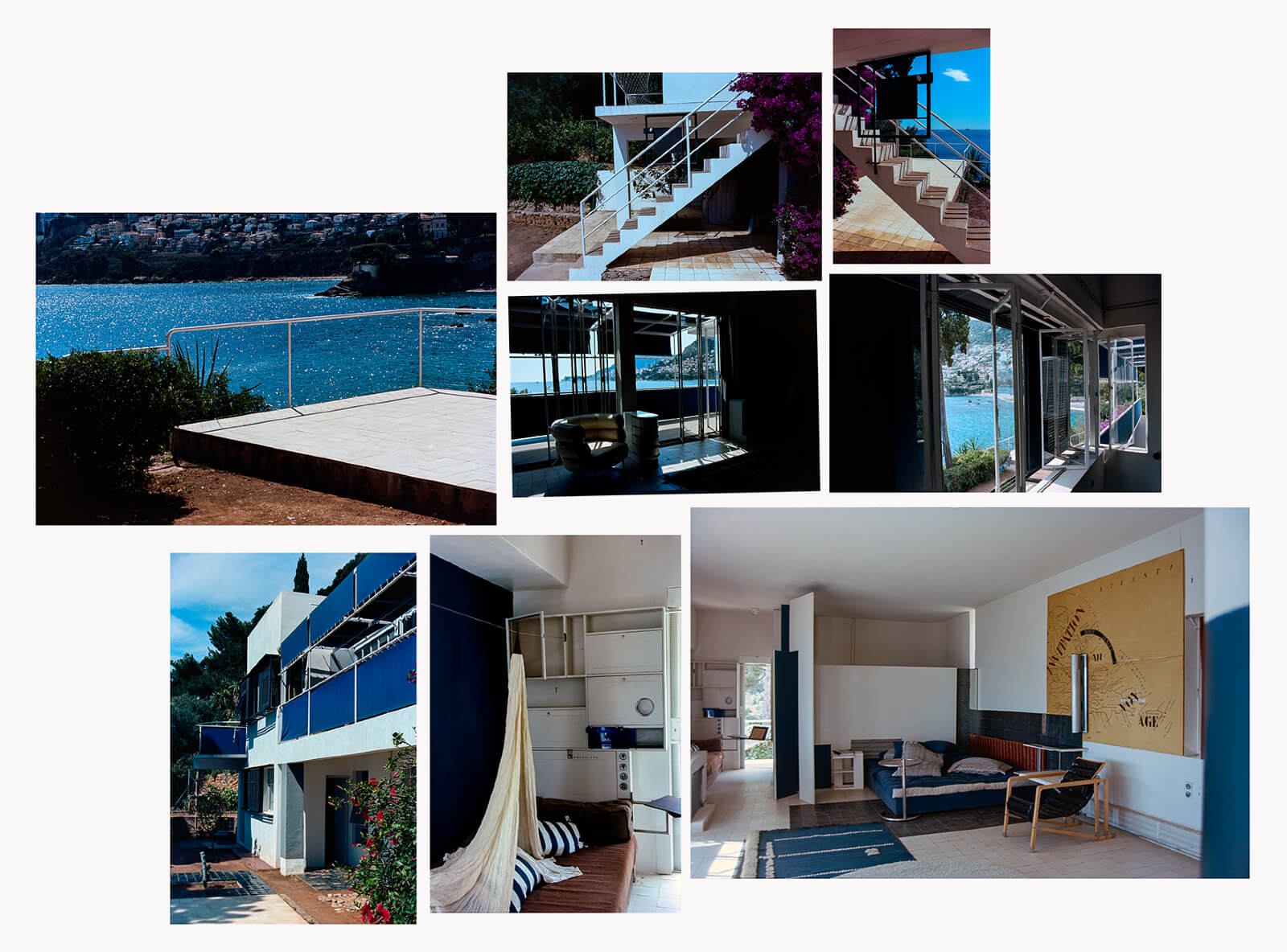
In that sense, the photographs that are part of this series feel more lived in. The stories they tell of the buildings are more loving—they show a desire for independence, a kind of awe for the women who could achieve that. As they mention in conversation, the series was also an attempt to resurrect and locate these radical stories. “To create these personal narratives, we looked in between the lines. We listened to the whispers, asking the architect: where are you, where are you, Charlotte, where are you, Eileen? And in that way we became much more acquainted with their style, with their personal touch, with the things that we see them wanting us to portray as well.” In that sense, we could look at the images of E.1027, for which the interior design is key. That seems to be the focus of Lake Verea’s composition as well, with other photos capturing otherwise moody images. Apart from the more well-known female figures (who’ve only of late received due credit) are the names not often taken in this canon, such as Inger Exner mentioned above or Lotte Stam-Beese. Detailed reports of their professional lives are documented by the photographers.
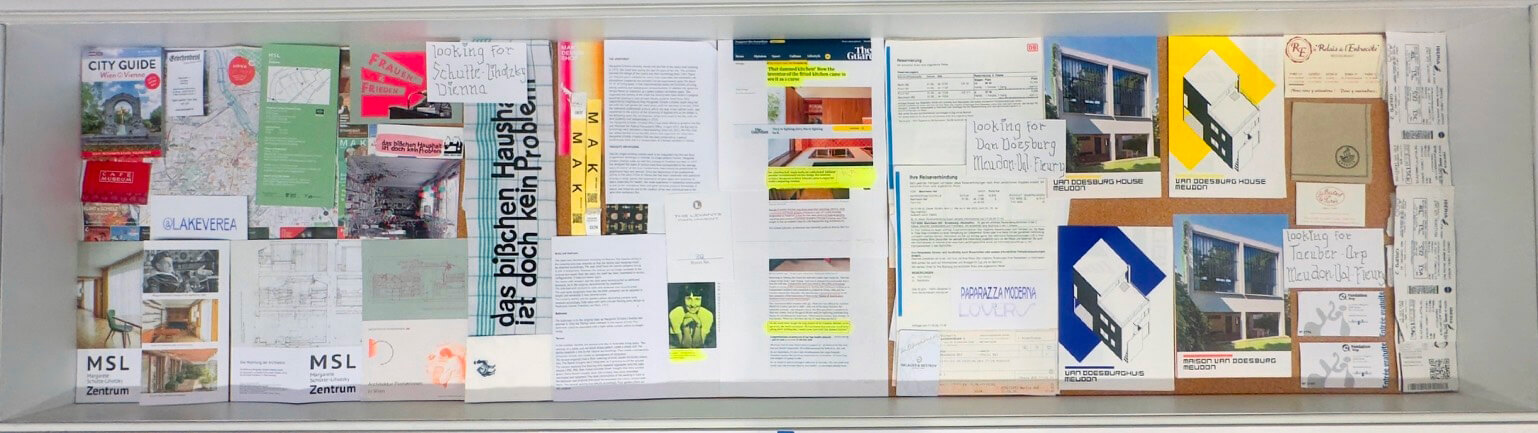
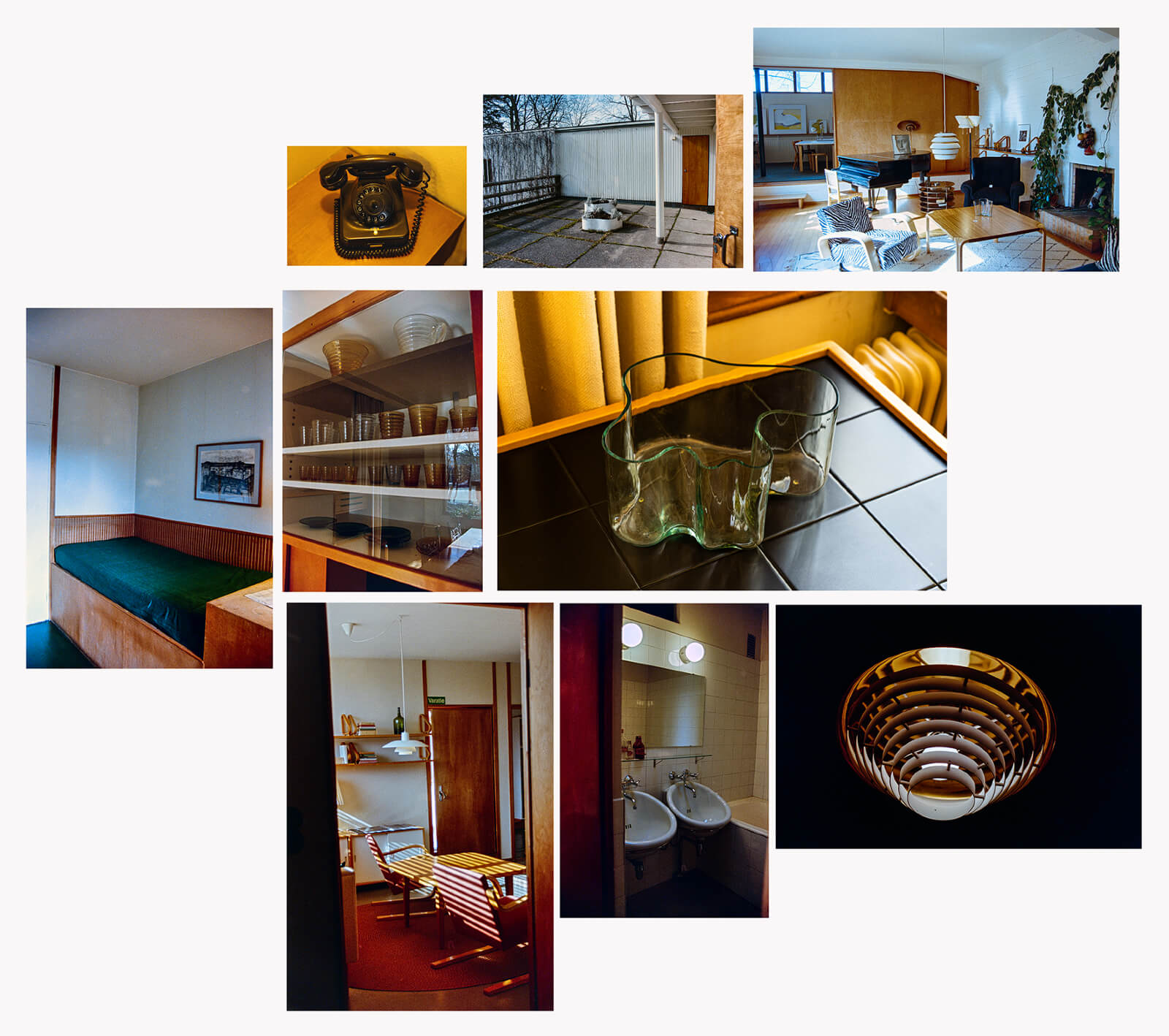
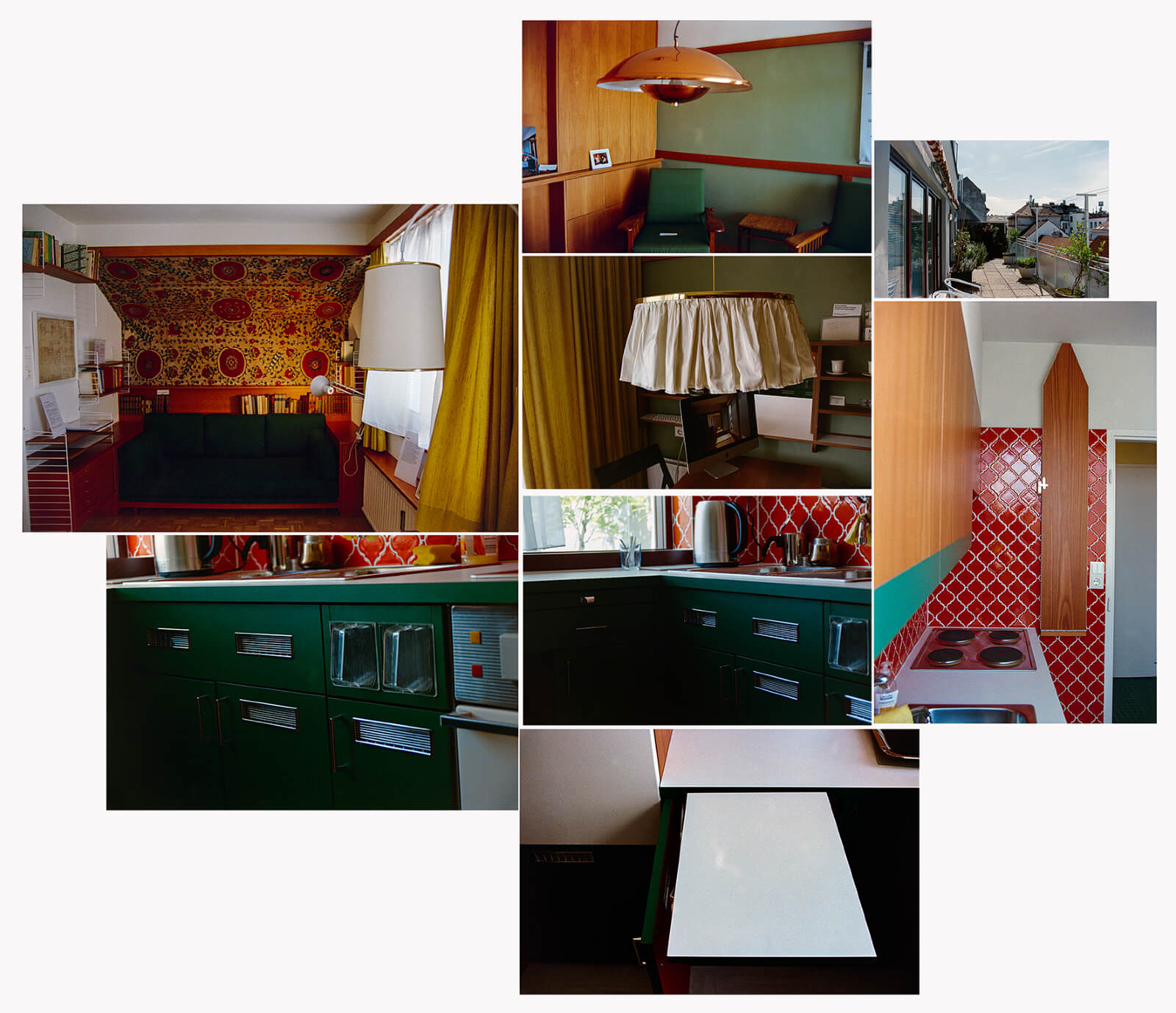
When one looks at the images, one gets the sense of intimacy that the artists wanted to convey. The images of Aino Aalto’s project depict an especially luxurious use of colour, as do Margarete Schütte-Lihotzky’s interiors for an apartment in Vienna. What’s worth noting is how many interiors are depicted here, in contrast to the Frenemies project, which focused on the exteriors of the structures and their proclaimed forms. These images seem more to be about discovering those gestures, those moments where the feminine is revealed in design; in that sense, they feel softer, not as rigid, not as prone to order. It’s heartening to see so many of these houses being preserved. And it’s that perhaps, that makes the project endlessly fascinating, the afterlives of these buildings that hoped to announce the new.
“The building itself is telling a story of who built it, what materials were used, but more importantly, who the people were who built it at that moment; what they were going through as humans,” the duo notes. And in that sense, they also call the images an act of time-travelling. “This concept of time-travelling through photography and through the photographic image is crucial. If we are looking at a house built in 1927 and are shooting it in 2025, we are using a camera that was built in 1970, and then we are showing it sometime in the future,” they muse. And while they hope they can continue the project in the future, present anxieties make the act of surreptitiously capturing images difficult, even with the camera as a shield against the world. Perhaps the paparazza will find their way. In some shadows, they might be lurking, taking photos of a balustrade that caught their eye. As most lovers of modern architecture will tell you, it is the most intimate experience of all.

by Pranjal Maheshwari Oct 19, 2026
The Mumbai-based architects integrate courtyards, mesh screens and north light trusses to create a dining space that doubles up as a community hub at SR University, Warangal.
by Mrinmayee Bhoot Oct 17, 2026
The Rotterdam-based institute centres the Indian Ocean as a network for exploring material histories and transnational links shaping coastal cultures, positing them as future models.
by Pranjal Maheshwari Oct 16, 2026
At the 2026 Stirling Prize ceremony, Mary Duggan with RUFF Architects, MAKER Architecten and Nakshabid Architects were felicitated for proffering quality housing and social equity.
by Mrinmayee Bhoot Oct 12, 2026
The new Centre for Contemporary Arts, fostering public engagement with art in Uzbekistan, is housed in a tram depot refurbished by the French studio, emulating local craftsmanship.

make your fridays matter with a well-read weekend
Enter your details to sign in
Don’t have an account?
Sign upOr you can sign in with
a single account for all
STIR platforms
All your bookmarks will be available across all your devices.
Stay STIRred
Already have an account?
Sign inOr you can sign up with
Verification link sent to check your inbox or spam folder to complete sign up process
Tap on things that interests you.
Select the Conversation Category you would like to watch
Please enter your details and click submit.
Enter the 6-digit code sent at


Paparazza Moderna by Lake Verea reveals the strife and desires that made modernism
by Mrinmayee Bhoot | Published on : Jan 15, 2026


 Sign in with Google
 Sign in with email
What do you think?