Design08 mins. read
A Shared Scaffolding considers temporary frameworks sustaining enduring forms
by Chahna TankNov 06, 2025




by Mrinmayee BhootPublished on : Nov 19, 2025
Of late, the notion of craftsmanship and the handcrafted has preoccupied contemporary design showcases, luxury brands and the studios of emerging designers. Part of a cultural zeitgeist that is only now acknowledging the imperatives of slow consumption and mindfulness towards the products we buy and how we use them, it signifies a turn towards sustainability that relies on alternative narratives and existing knowledge systems. It could be argued that a Eurocentric bias—of tastefulness and economic exclusivity—still pervades conversations that pit the handmade against the mass-produced; that there is a sense of luxury (and therefore expense) in claiming an artefact that was handmade rather than produced in a sweatshop. Then, it is designers who must consider what role the global majority (who have been burdened with the spoils of a capitalist, hyperconsumerist economy) can/might play in shaping the future of design.
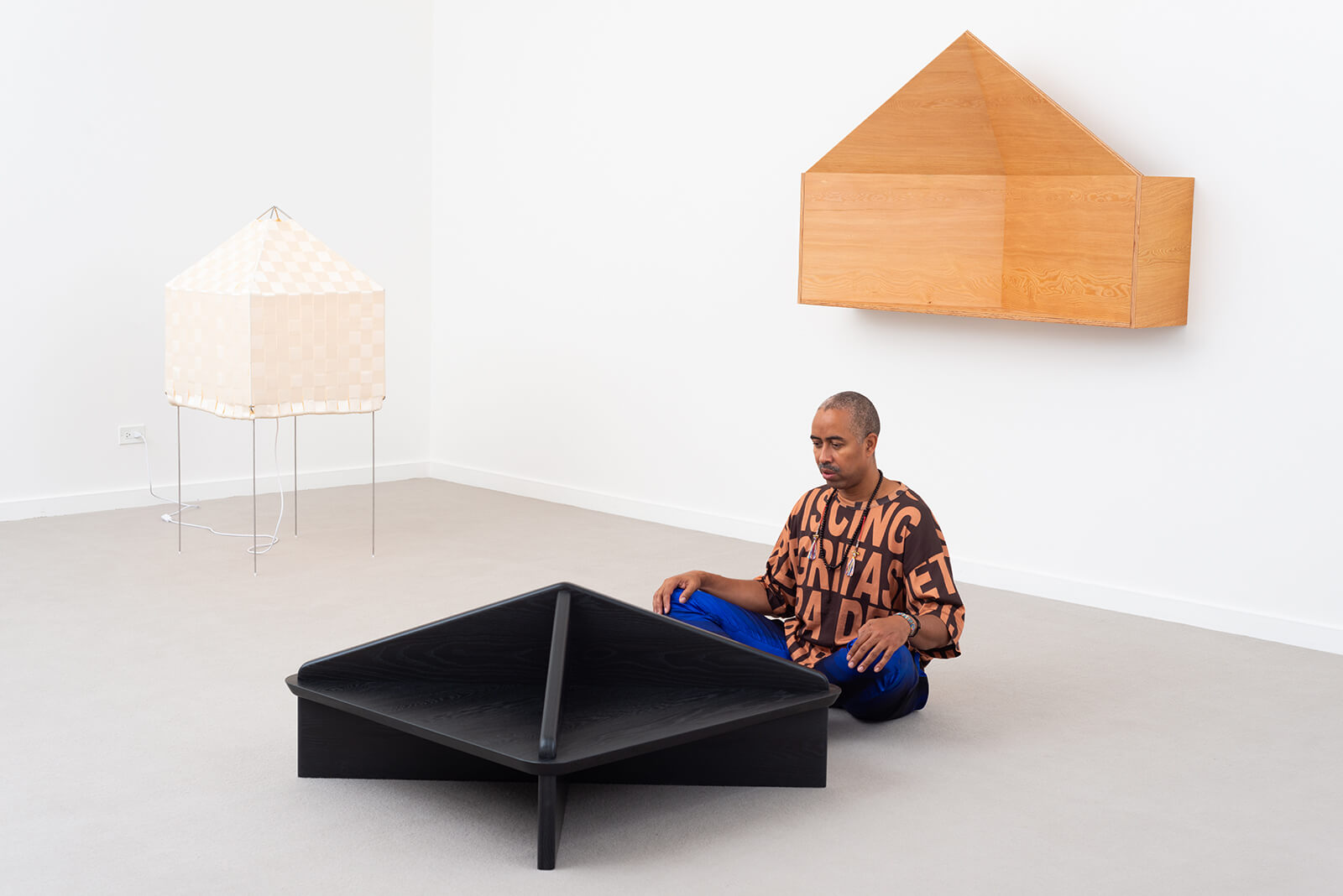
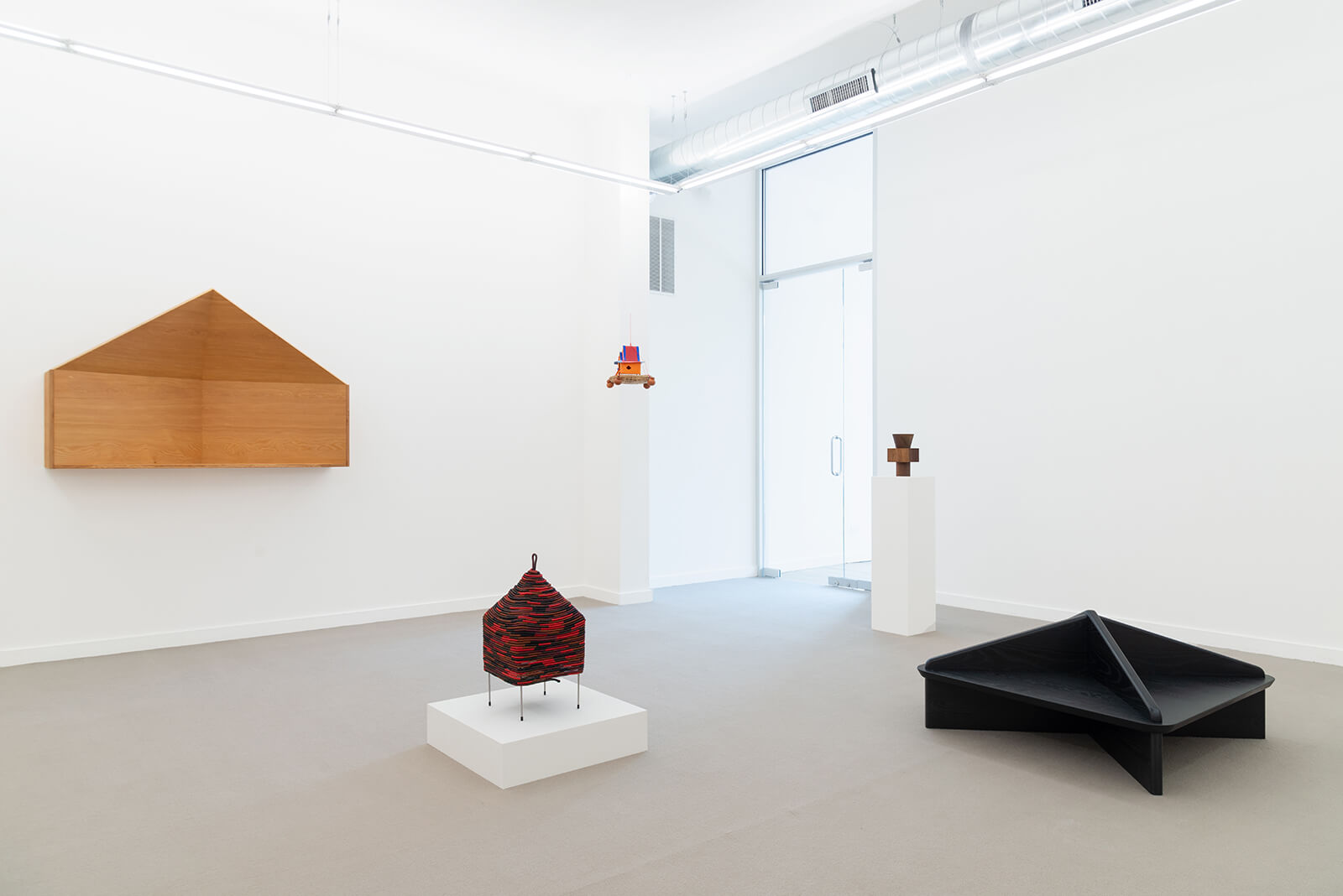
It’s this question that forms the central impetus for acclaimed industrial designer, product development consultant and educator Stephen Burks. Considered to be one of the most recognised American industrial designers of his generation, Burks is the only African American to win the Smithsonian Cooper Hewitt National Design Award in Product Design and the only industrial designer to be awarded the prestigious Loeb Fellowship at the Harvard Graduate School of Design. For Burks, design (a nebulous term to definitively pin down) is an expression of historic and cultural identity and a collaborative exercise. A tool, then, to critique Western ideals of singular auteurship and universality. For almost 20 years, his studio, Stephen Burks Man Made, has produced work that sits at the intersection of craftsmanship and industrial design; a demonstration of how craft and indigenous ways of knowing might be the future for subverting cold technology.
This critical position has allowed the American designer to define a praxis distinctly his own—one that is pluralistic in intent, effervescent in expression and precise in detailing. Having worked and researched various means of making in over ten countries on six continents, Burks’ furniture and product designs exemplify a will to broaden the limits of design by questioning who benefits from and who can participate in its hallowed halls. In considering inclusive ways of conceptualising designwork, what’s crucial to Burks is that design is more than just an object—more than colour, form or materiality—but a language. In this sense, his product designs are idiosyncratic yet intelligible, handcrafted and radical. For his most recent showcase, Kuba Sugi, for instance, Burks took the dying craft of Kuba from Congo and injected it into the carpentry traditions of Japan, synthesising a contemporary way of keeping the crafts alive. Similarly, his last solo exhibition, Shelter in Place (conceived during pandemic-induced lockdown), looked at redefining how we live. It featured lamp designs made from materials sourced from different countries in a ‘global assemblage’; baskets that engaged with Appalachian and Shaker traditions of basketry; and an outdoor furniture collection for DEDON that reinterpreted traditional floor seating ubiquitous in Asia, among many others. In all of these, dialogue with local artisans and expert craftspeople was key—an acknowledgement, further, that design ought to be for everybody.
On the occasion of his last exhibition in Tokyo, STIR spoke to Burks about his design philosophies, the connotations of craftsmanship as ritual practice and community-building exercise and the misplaced notion of design as the divine right of the few. Edited excerpts of the exchange follow.
Mrinmayee Bhoot: One of the first things on your website is A Design Manifesto for the 21st Century. Could you begin by distilling what you think are the primary contentions for contemporary design you address in the manifesto, and how these are translated into the work you do in your studio?
Stephen Burks: At the turn of the 21st century, we imagined a new start. I was part of a generation of creatives of colour coming up in design that foregrounded diversity, equity & inclusion. Early on, my practice was built upon looking outside of design as a Western concept. Unfortunately, we’ve seen just the opposite develop in design: more of a focus on European designers making very similar products—individually, not collectively. Twenty-five years later, we felt a design manifesto was necessary to outline a way forward that places generosity and collaboration before so-called individual exceptionalism.
What we insist upon is the material world’s relationship to and impact upon people.
Mrinmayee: I also think it's critical that you confront the colonial legacies of design as we know it in the manifesto. Subverting the hegemonic view of design as exclusive to the few and notably extractivist, how do you ensure that your work is accessible and does not promote a hyperconsumerist culture?
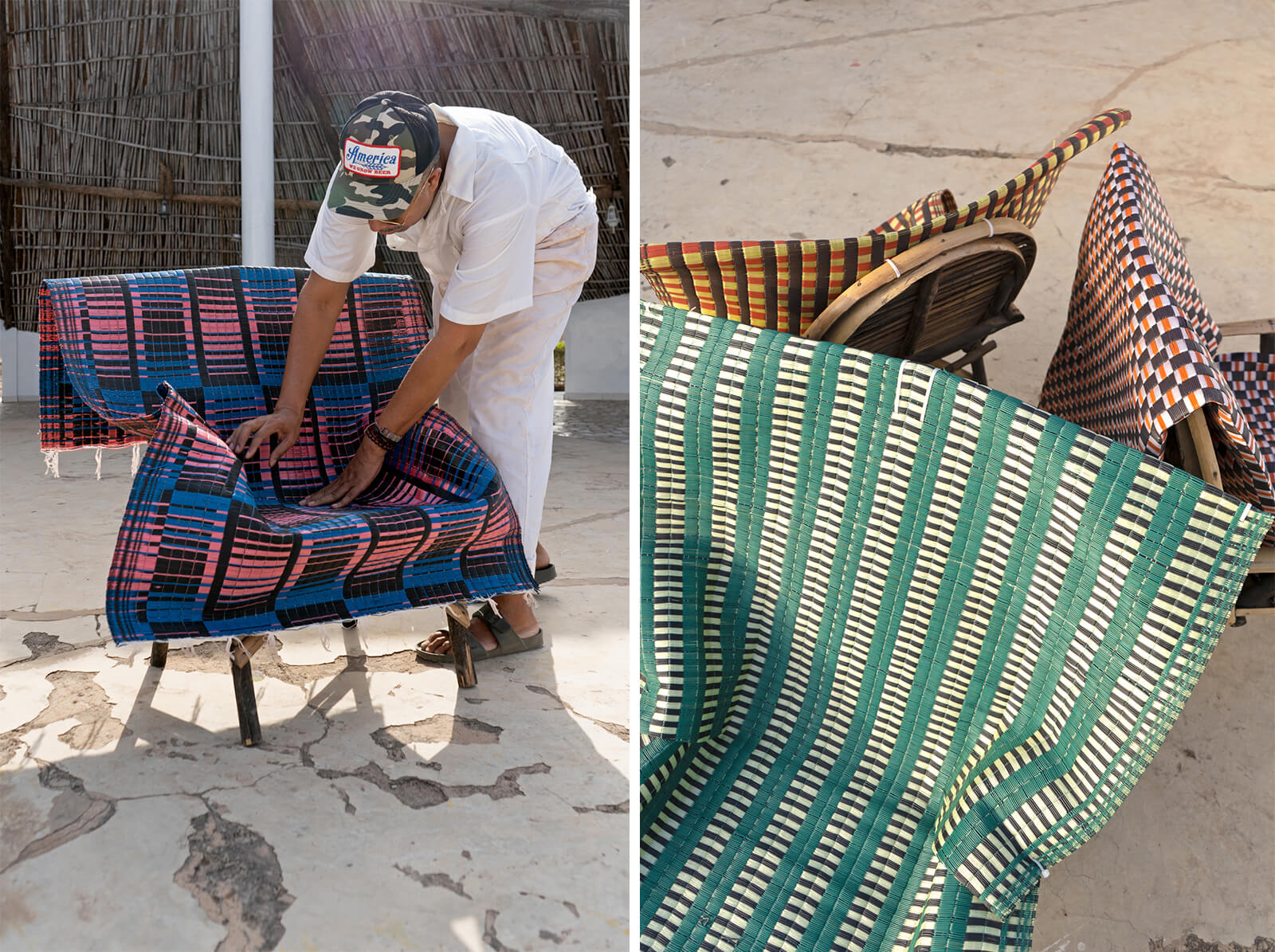
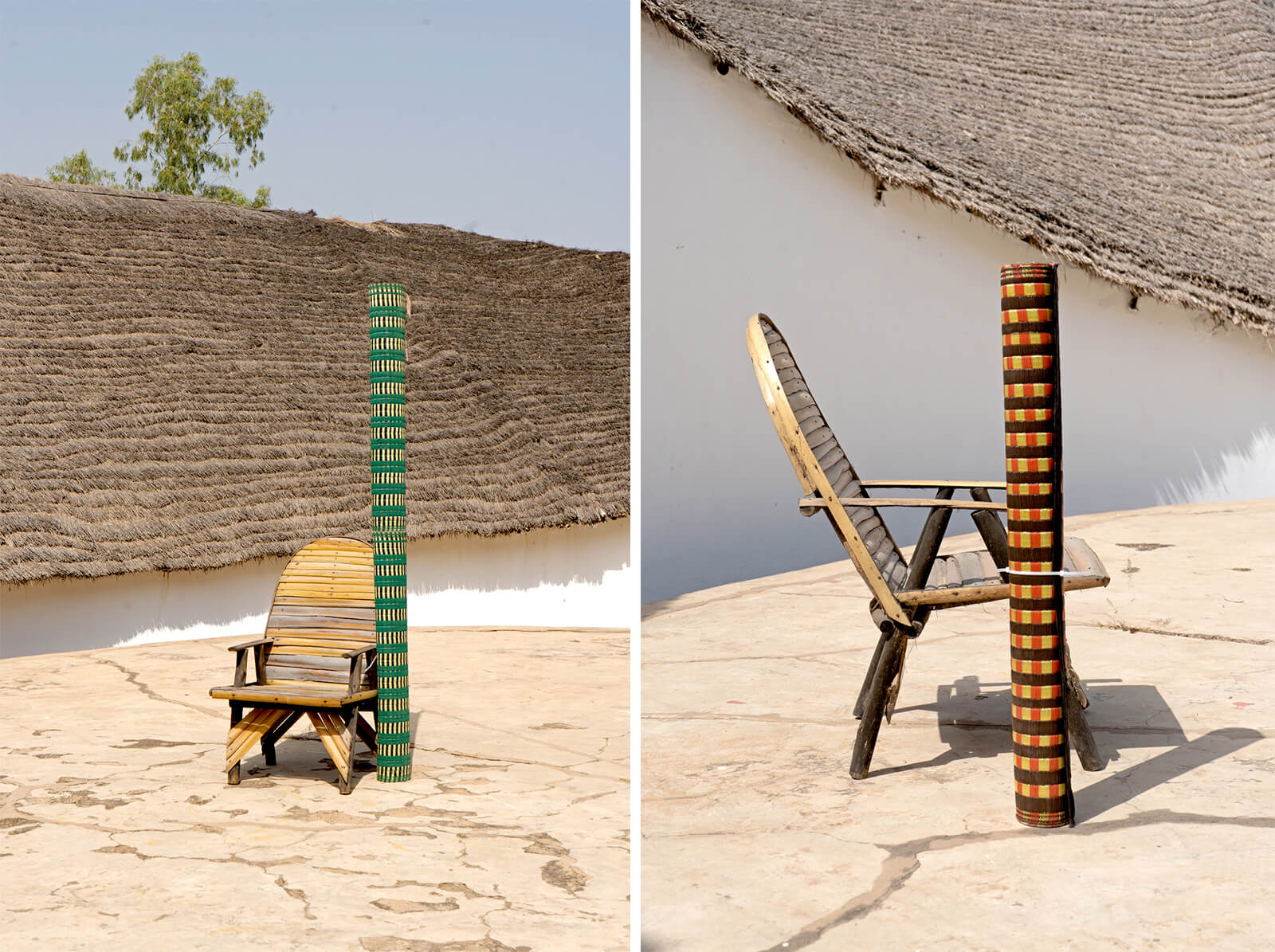
Stephen: Since the pandemic, Malika (creative strategist for the studio) and I have tried to build a practice based on deeper research and stronger relationships. We’ve done our best to align ourselves and our work with institutions and manufacturers that honour age-old wisdom and craftsmanship. As designers, we don’t own the means of production and therefore cannot control all aspects of the lifecycle of our products. What we can do is design with craft traditions that complement industry to make products that last and continue to serve our customers.
Mrinmayee: Could you elaborate on your insistence on employing traditional crafts as material rhetoric in your practice?
Stephen: First, we must begin with the acknowledgement that Design is a Western project whose transformational progress is controlled by a privileged few. In order to imagine a critical position for Design, we must create space for more diverse voices to participate in its future definition. A balance of craft and industry allows for the recognition of other, less industrial ways of making from other places in the world that, in combination with industry, have the potential for true technological and social innovation.
Our work examines the intersection between craft, industry and community. In this development triangle, we never separate craft from the communities that maintain it. What we insist upon is the material world’s relationship to and impact upon people. It’s our goal to make that impact a positive one from both the perspectives of the manufacture and use of a product.
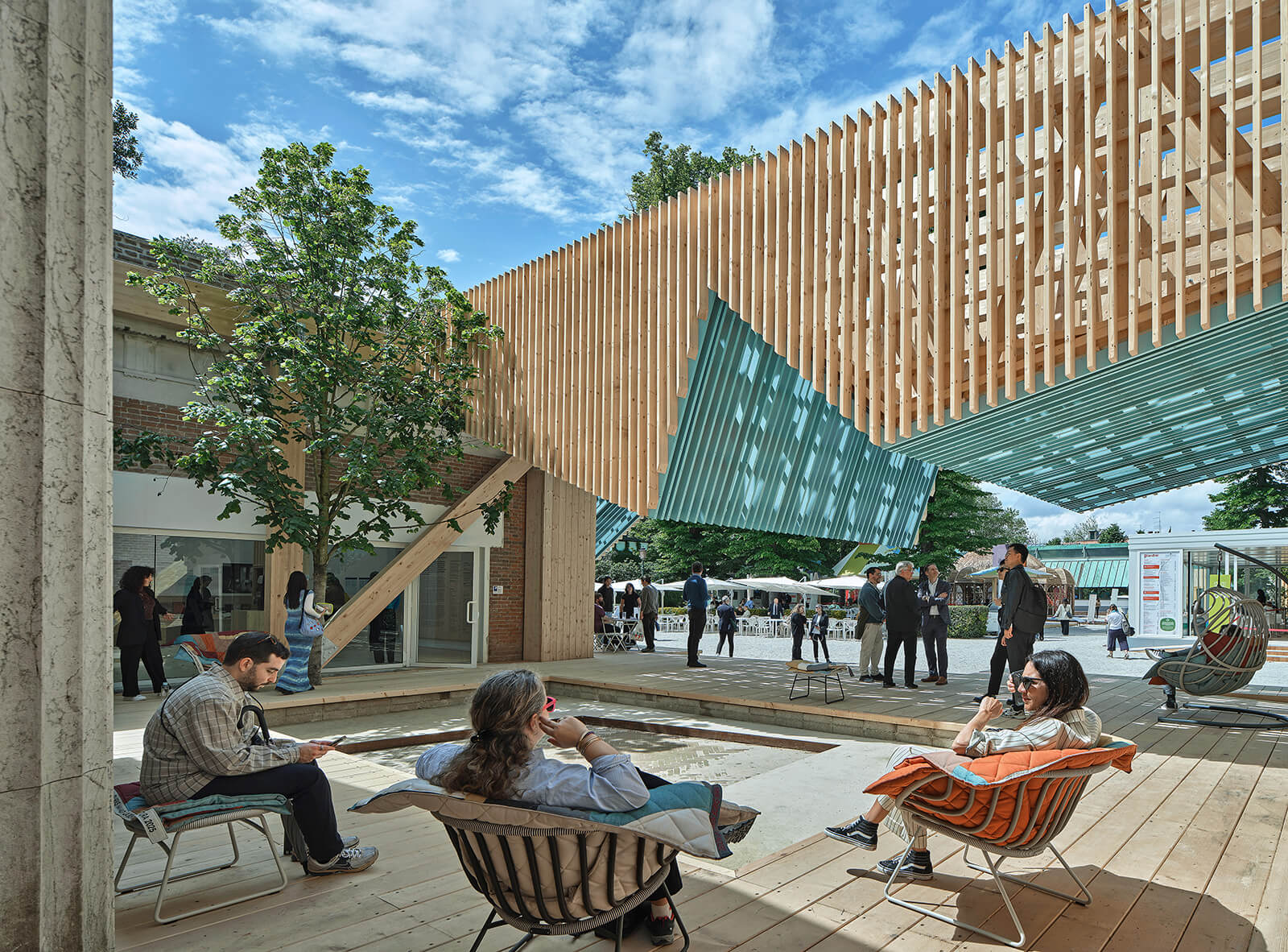
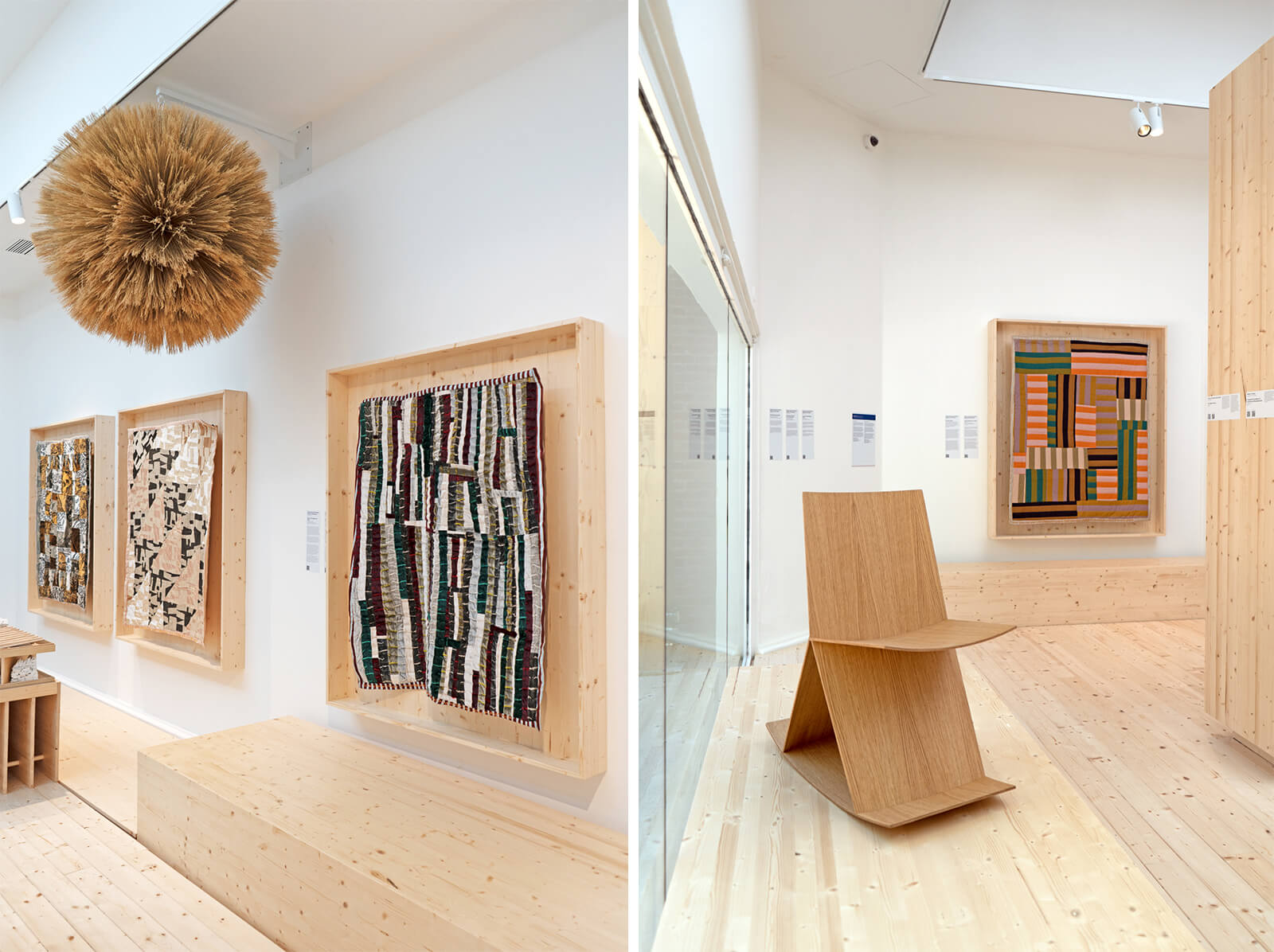
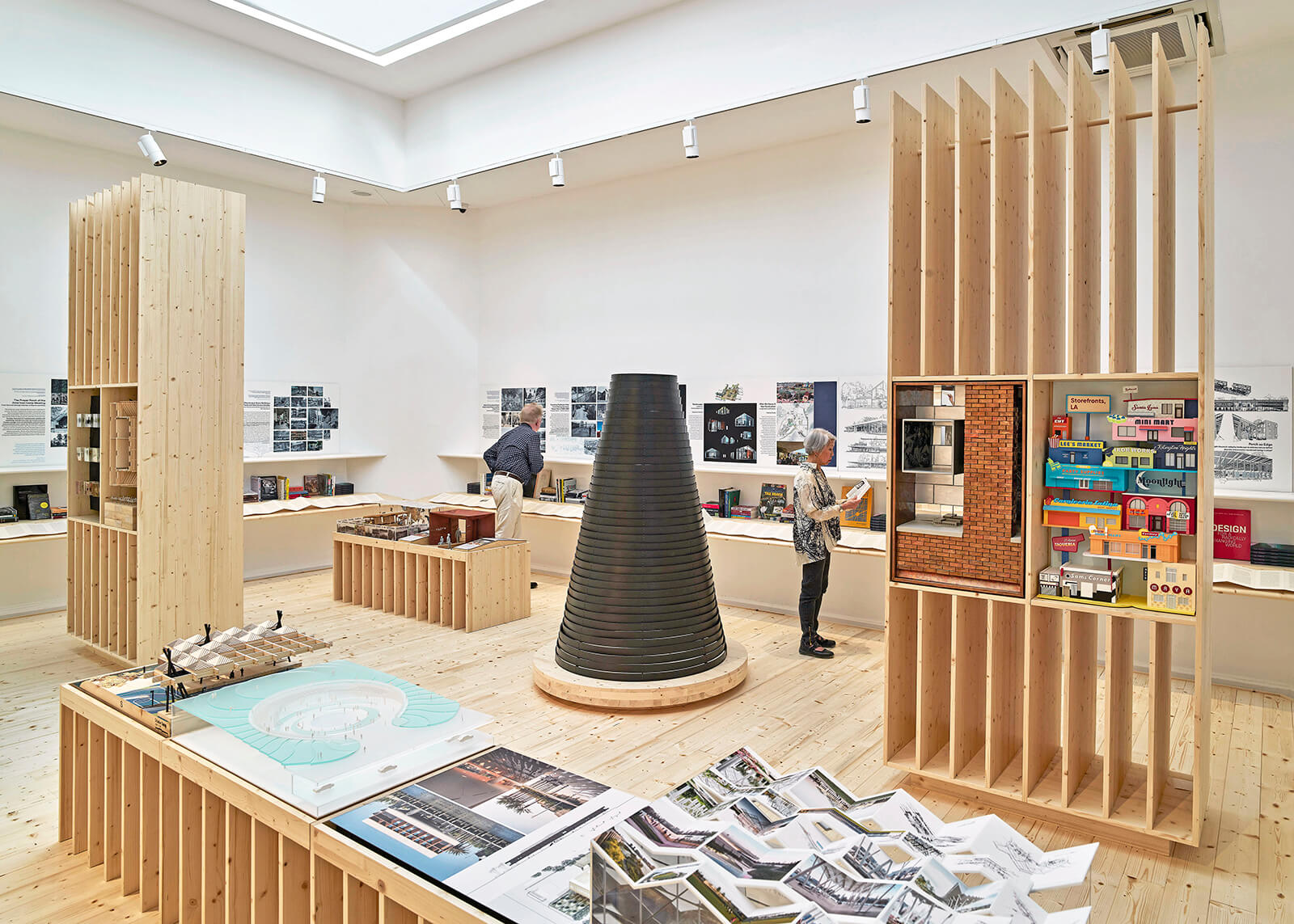
Mrinmayee: At the Venice Architecture Biennale 2025, your project Objects of Belonging critically draws on bell hooks’ notion of belonging. Could you elaborate on the showcase and the displayed objects through that lens? Would you say craftsmanship/craft tradition plays a role in fostering this sense of place and belonging?
Stephen: The US Pavilion’s theme at the 2025 Venice Architecture Biennial is Porch: An Architecture of Generosity. When we joined the curatorial design team collaborating with architects Marlon Blackwell & Associates and 10 x 10 Landscape Architects, we were immediately critical of the notion of generosity. I became friends with bell during the last year of her life through our ongoing association with Berea College, which houses the Bell Hooks Institute. Bell knew, as we did, that the American porch had a complicated history both in the North and the South.
In her book Belonging (2009), she writes about the porch as a site of resistance to the hostility so many Black Americans face in the US. In other words, just the act of being black on the porch trying to belong in a hateful world was an act of resistance. Our curatorial project, Objects of Belonging, takes that as a starting point and attempts to offer a fuller humanity to my marginalised ancestors by also considering the American porch as a site of creativity and productivity. From basketry to broom making to quilting, craft gave all of us purpose and a sense of home. We’re displaying ten unique framed quilts made this past spring during a week-long workshop we hosted in Boykin, Alabama, by the famed Gee’s Bend quilters, introduced to us by the nonprofit Sew Gee’s Bend Heritage Builders, using luxurious fabrics donated by Italian fabric house Dedar, among many other porch-related projects.
Transcending reality creatively in order to survive its brutality, in order to craft a better life, is the history of the world’s oppressed. We transcend. We resist. We invent.
Mrinmayee: Your other show, Kuba Sugi, which was recently on view in Tokyo, was particularly fascinating in the dialogue it engenders between the material cultures of Japan and Africa. Could you tell us about your process of creation for the sculptures which are on display in the exhibition?
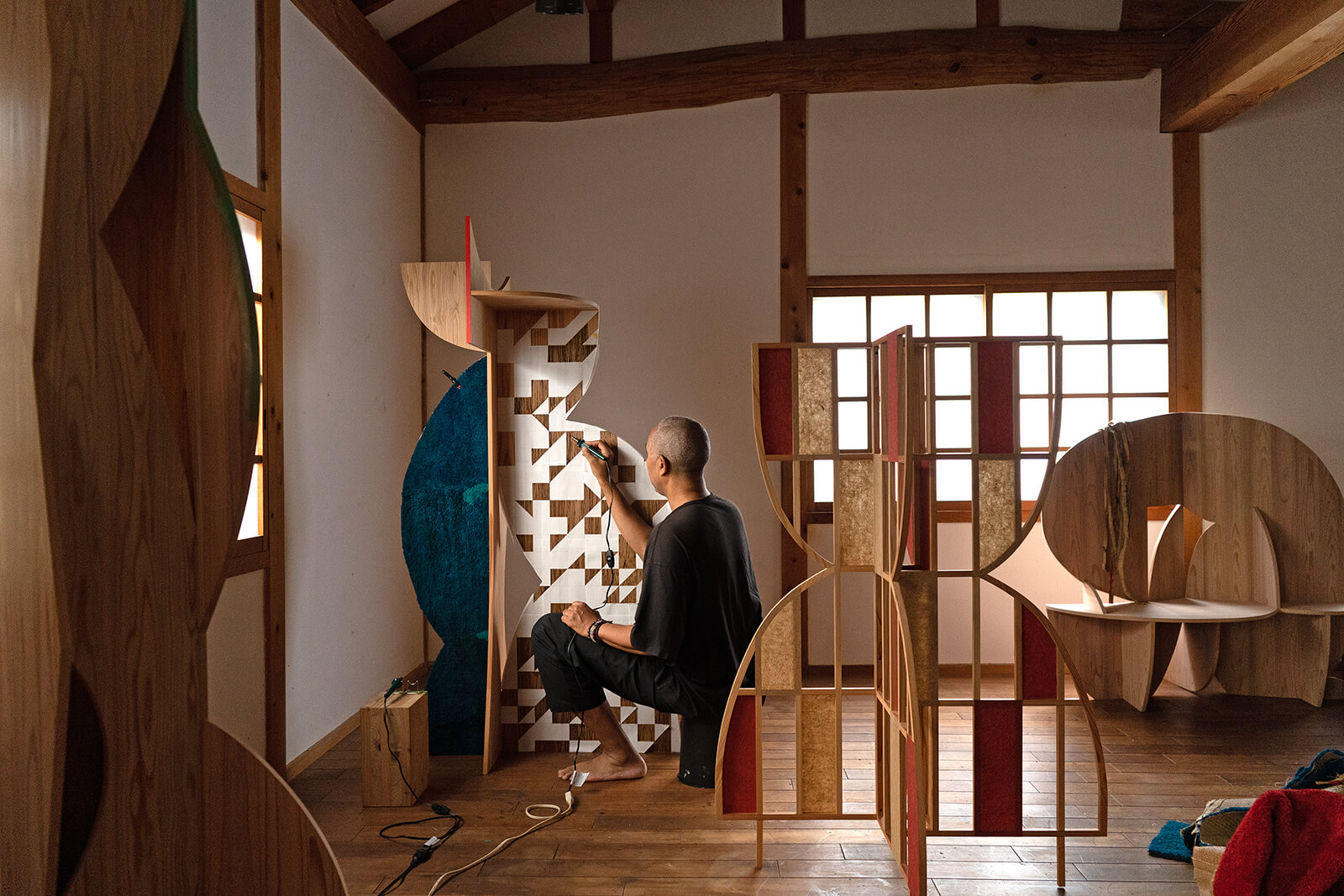
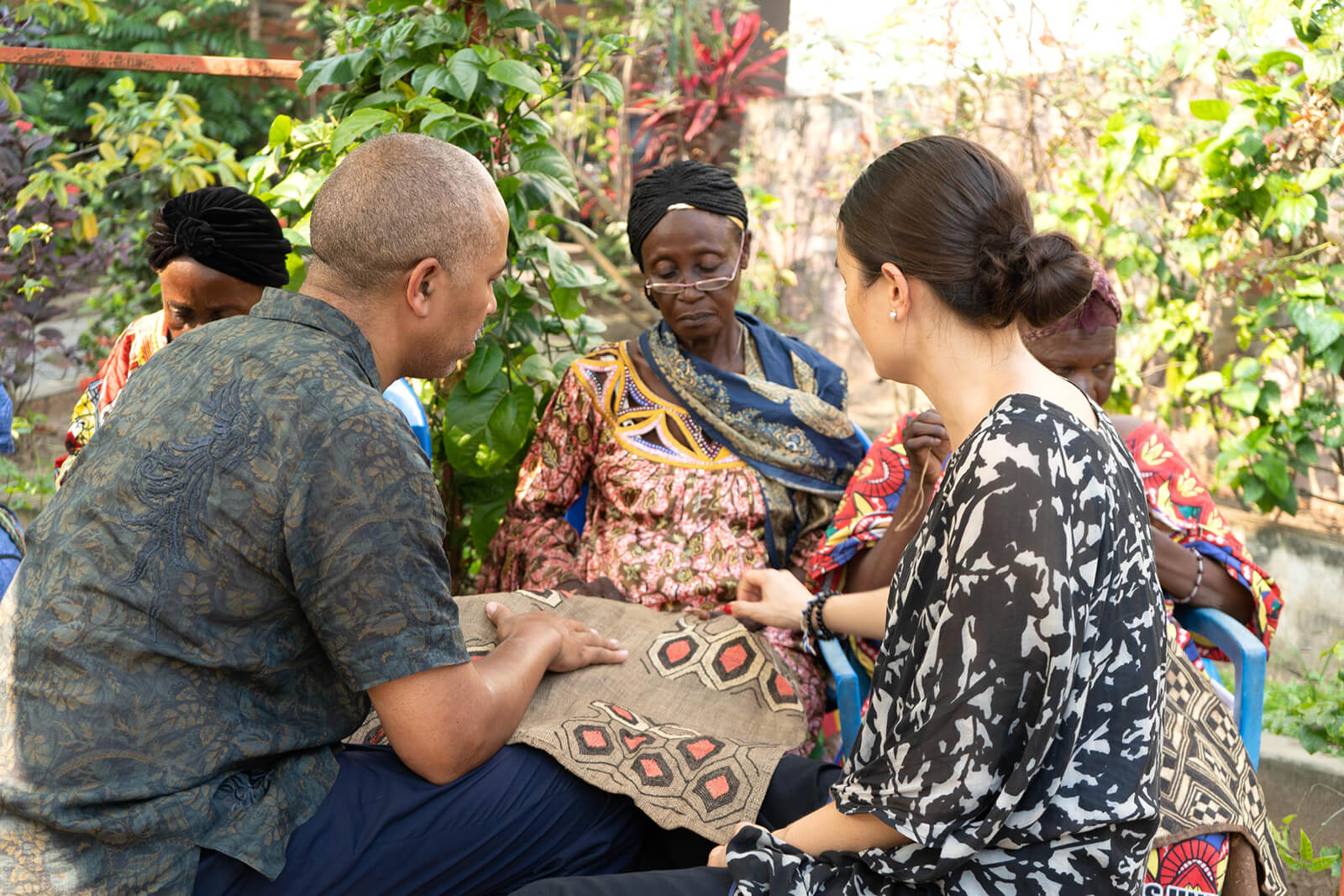
Stephen: Kuba is a centuries-old, graphically abstract raffia textile tradition from the Kuba Kingdom that thrived over five hundred years ago and still exists in what is now modern-day Congo. About three years ago, we were commissioned by the Mint Museum in North Carolina to design an exhibition displaying their newly acquired Kuba collection. Although we were told Kuba was a lost art, we organised the exhibition into past, present and future, positing that in order for a craft to have a future, it must have a present. In June, we set out to prove it during a week in the megacity of Kinshasa in the Democratic Republic of Congo, where we learned Kuba craft and filmed the documentary, In Search of Kuba.
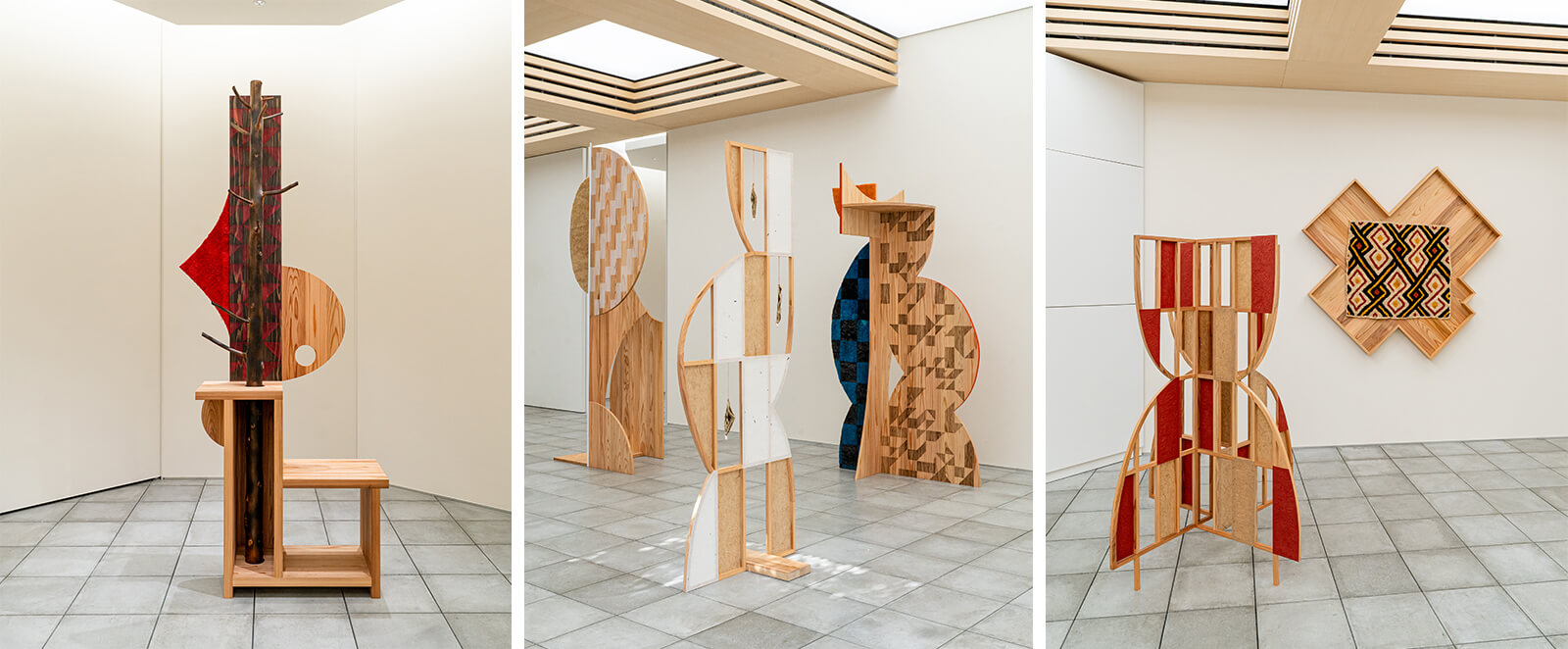
Directly afterwards, we found ourselves in a small village in Nara, Japan, called Yoshino, where we remained for nearly three months as artists-in-residence with our new gallery, Space Un Tokyo. Yoshino is the birthplace of modern forestry in Japan and home to the finest cedar in the world. Temporally, in parallel with the Kuba Kingdom, monks in Yoshino have been learning forestry and building Shinto shrines on the mountainsides for the past 500 years. While living in the house completely made of cedar and cypress, we imagined a fusion of the two cultures where Yoshino cedar was the body and Kuba its ceremonial dress for a series of abstract figurative sculptures that reference traditional Shinto interior architecture. Using balsa wood, I ‘sketched’ freely in scale model form without drawing to arrive at compositions of cut boards that were almost animist in nature. An expert Japanese craftsman helped bring my ideas to life at a human scale, which Malika and I ‘dressed’ in our interpretation of Kuba patterns using wood stains and actual dyed Kuba cloth imported from Congo.
Mrinmayee: Since your practice is enriched by theory, how do you develop a visual language for your designs? Is there a conscious decision to determine what your objects ‘look’ like?
Stephen: I’ve always considered design to be the appropriate relationship of things. In practice, we try to first understand the object’s reason for being. What are the ideas we’d like to express and why? As a result, I’ve never been interested in a signature style, so style or form for us is often the final result of a strong set of ideas. I’m not the kind of designer who sits around and fills sketchbooks with ideas until I have a client to assign to them. We never really know what we’re making until it happens, and are always open to the process defining the result. We never want to repeat ourselves.
Mrinmayee: I’m also interested in the ritualistic and spiritual associations of craft. You’ve been quoted as saying, "Self-transcendence is the starting point of Black resistance." Could you elaborate on how we could connect resistance with the idea of transcendence through material practices?
Stephen: Everything in our practice begins with the notion that everyone is capable of design. Everyone dreams. Everyone attempts to transform their dreams into reality through their imagination. In the black community, we acknowledge the obstacles we’ve overcome have only been surmountable through imagining another way forward. Transcending reality creatively in order to survive its brutality, in order to craft a better life, is the history of the world’s oppressed. We transcend. We resist. We invent.

by Pranjal Maheshwari Oct 23, 2026
Co-authored by Jareh Das, Chairman traces the British designer’s fixation on chairs as symbols of power and identity and as mediums of expression and community building.
by Chahna Tank Oct 22, 2026
STIR speaks with the Mumbai-based type designer about her practice, type walks and why she wants more people to have stronger opinions about Indian-script fonts.
by Mirra Lynn Oct 22, 2026
The curators behind Palestine Design Week 2026 reflect on its intent, considering how design holds memory, makes space for loss and imagines a future in Palestine.
by Jincy Iype Oct 15, 2026
STIR explores craft, material intelligence and people shaping Indian design through dialogues with Design Democracy’s co-founders and the curators of its special exhibitions.

make your fridays matter with a well-read weekend
Enter your details to sign in
Don’t have an account?
Sign upOr you can sign in with
a single account for all
STIR platforms
All your bookmarks will be available across all your devices.
Stay STIRred
Already have an account?
Sign inOr you can sign up with
Verification link sent to check your inbox or spam folder to complete sign up process
Tap on things that interests you.
Select the Conversation Category you would like to watch
Please enter your details and click submit.
Enter the 6-digit code sent at


Stephen Burks on the vital role of craft in imagining pluralistic, inclusive worlds
by Mrinmayee Bhoot | Published on : Nov 19, 2025


 Sign in with Google
 Sign in with email
What do you think?