Art09 mins. read
sā Ladakh Biennale 2026: Inside the world's highest biennale and its regenerative vision
by Srishti OjhaMay 20, 2026



by Samta Nadeem, Vandana KalraPublished on : Aug 27, 2026
What happens when a biennale leaves the white cube and takes to the road? In Ladakh, the answer unfolds across a 230 km route and eight locations at the sā Ladakh Biennale, which has brought contemporary art to villages, historic sites and the open terrain along the Leh-Kargil corridor. Curated by artist-architect Vishal K Dar with Tsering Motup Siddho as associate curator, Signals from Another Star marks the transformation of sā, which began in 2023 as a land art festival, into a biennale that aims at a sustained engagement with Ladakh's landscapes and communities. Co-founded by Tenzin Jamyang, Raki Nikahetiya and Sagardeep Singh, this edition brings together 13 Ladakhi and six non-Ladakhi artists. The curatorial framework is centred on land, memory, climate and movement, with the journey itself becoming part of the experience and a focus on regeneration.
In an interview with STIR, Dar spoke about how the artwork is not an isolated object but a ‘signal’, the prospect of taking art outside galleries, creating a more equitable model for Ladakhi artists and rethinking materiality. Edited excerpts follow:
Vandana Kalra: You described Signals from Another Star, the overarching theme of the biennale, as an exploration of land, memory, weather and human experience. Could you talk about how these ideas guided the curatorial decisions, and also some background on the transformation of the sā festival into a biennale?
Vishal K Dar: My appointment as curator happened in August 2025, and from early on my intention was to also assist in restructuring the festival format into a biennale. I spent some time identifying core issues that would help bring about a stronger Ladakhi presence through representation, inclusion and funding, and put together a simple biennale format built on two verticals. The first: sā Biennale would be entirely outdoors with no gallery shows. The sā team had already invested time in preliminary site selection and route mapping. With this data, it was possible to organise a structure where the artists could possibly make a shift in their current practices by engaging with landscape and its lore. The second: I proposed a model where 70 per cent of the artists would be from Ladakh. The biennale directors had already begun conversations with non-Ladakhi artists before my appointment as the curator. Some of these artists had made visits to Ladakh and had begun thinking about sites along with community engagement.
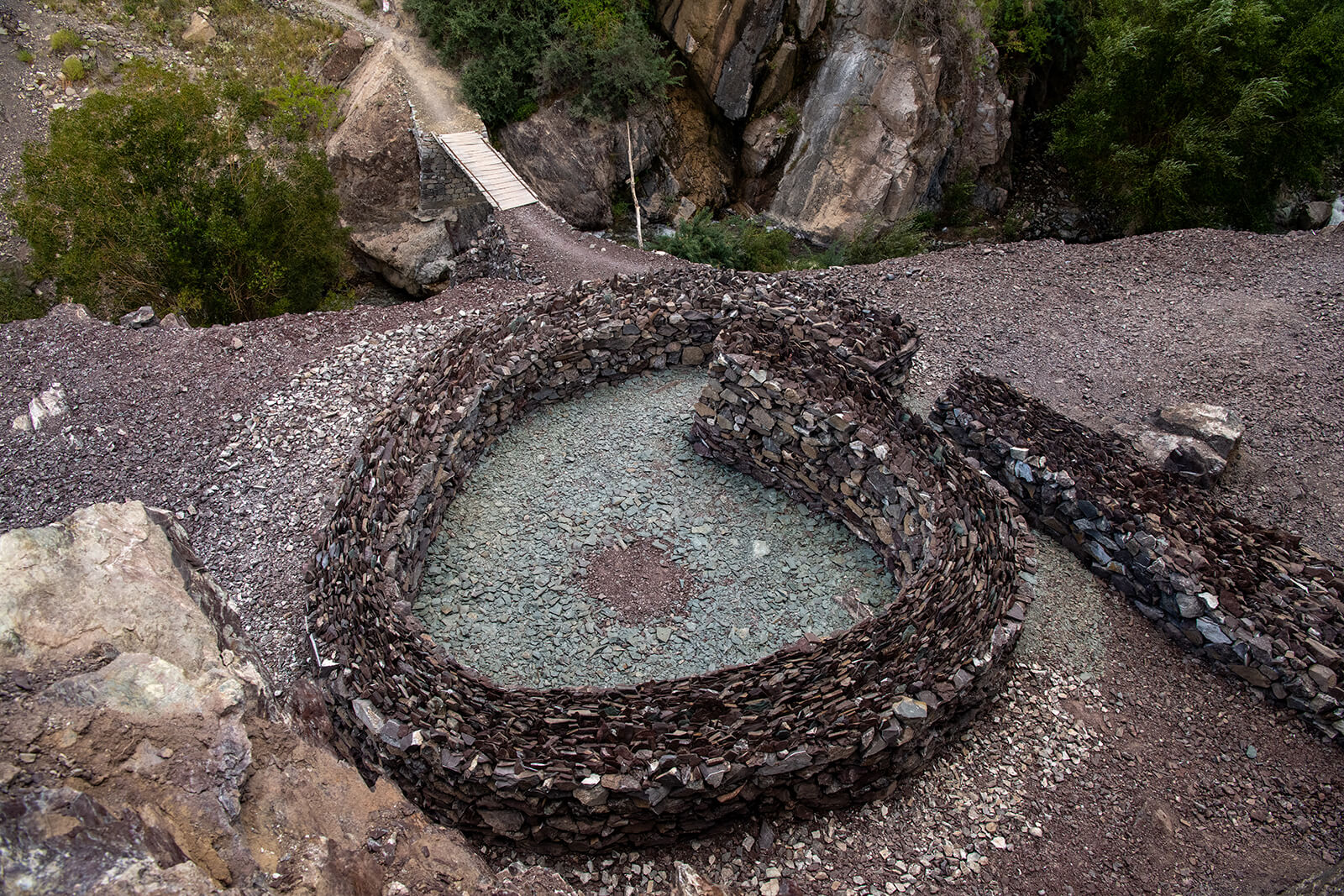
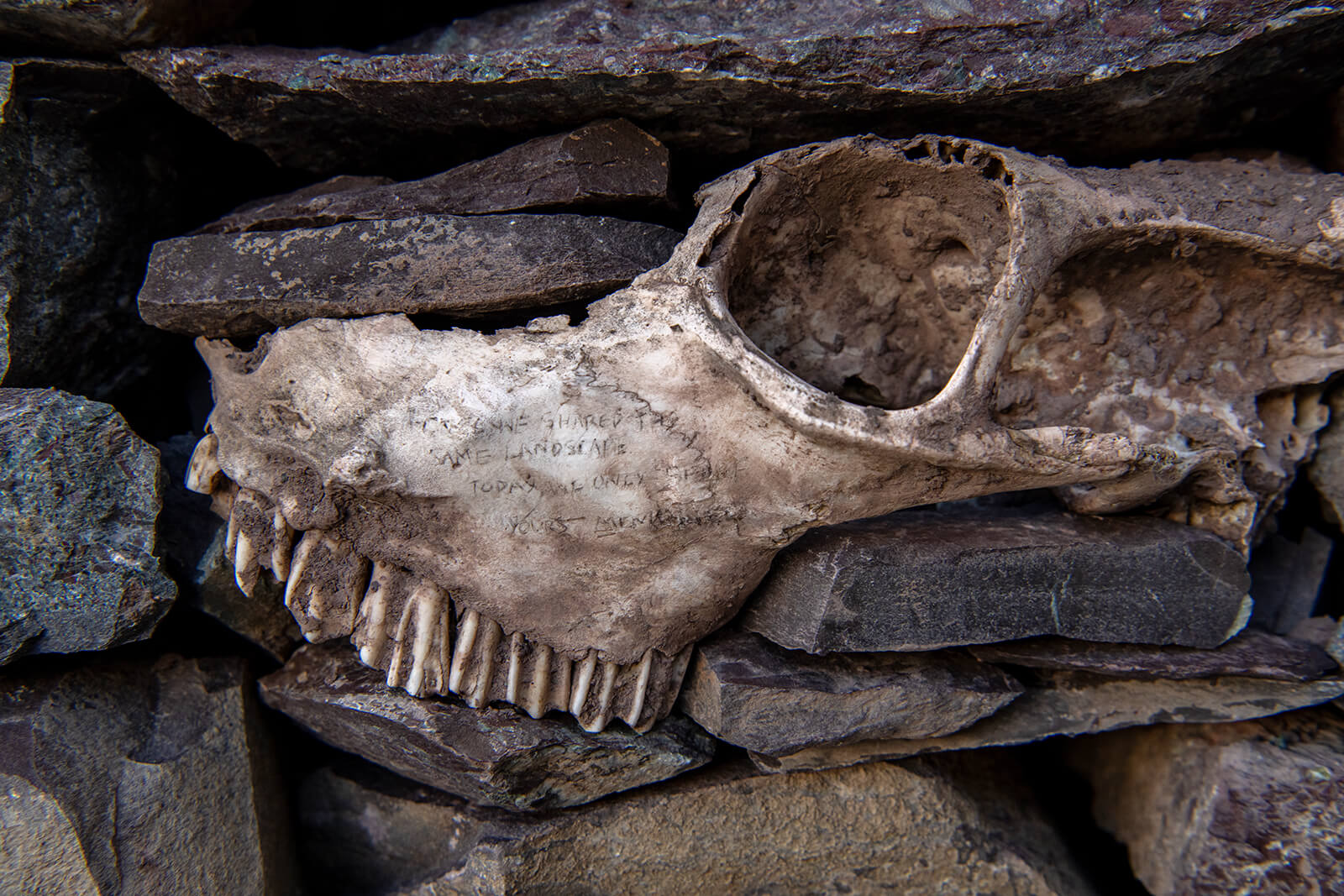
The curatorial process as a dialogue grew from a sense of what these sites meant, both through their lived histories and their cosmic geological presence. What emerged was a title—Signals from Another Star—that held the promise of a conceptual foundation to help guide us in all registers of inquiry. Then came the questions: Where is this star? Where are we? What can a signal do? Each artist and their artwork would have to assume the form of a SIGNAL, a frequency that would have the possibility to move beyond the object. In the curatorial note, I say: "Where do we end and where does the landscape begin?" When we go outdoors, the scale, proportion and anthropometry change; climate changes. When you are standing at one of the sites, it is not just about that site—it's about the monastery close by, the field, the river, the bridge, the trek beyond the bridge. Artists had to rethink how their ideas could dialogue with the geography they wanted to cohabit.
‘From another star’ also refers to Ladakh as a contested ground post the bifurcation from the state of Jammu and Kashmir. In the last few years, I have seen Ladakh transform drastically and dramatically. The people of this region have been standing tall, resilient in the face of uncertainty, with grace and inner strength.
I must mention that the title was in response to Hermann Hesse's book Strange News from Another Star (1919), which has eight short stories that border on fairy tale and folklore, conjuring moments of magic realism.
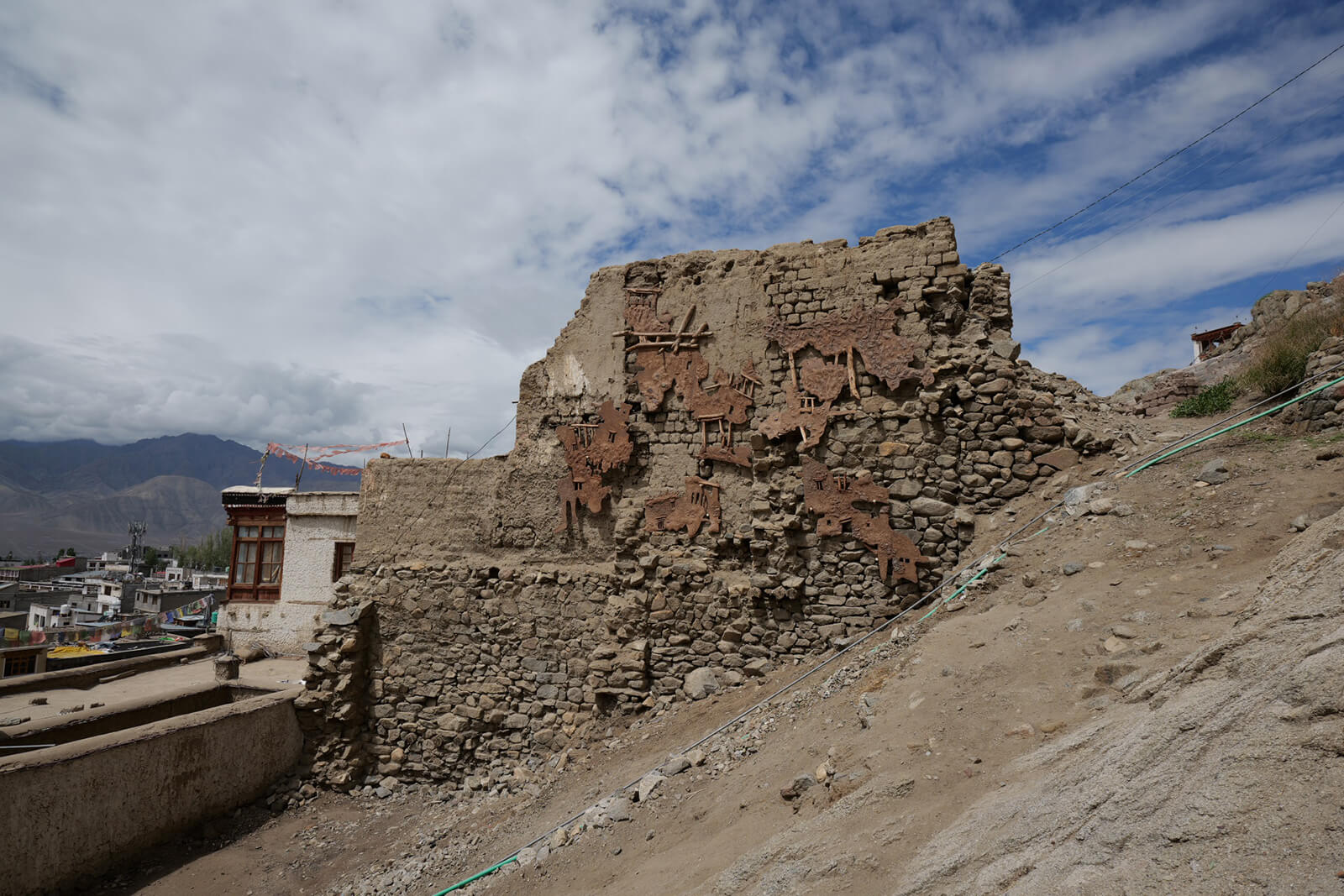
Samta Nadeem: When we met in Ladakh, you had mentioned having mapped and met all the Ladakhi artists. Could you tell us about the region-wide survey, how you arrived at who was invited to participate and the nature of their participation?
Vishal: I methodically went through almost all Ladakhi artists with the help of the associate curator, Tsering Motup Siddho, categorising each artist, their career stage, along with their interest in medium and their personal histories of home. We also considered how scale works within each of their practice-making.
The biennale was structured across four categories: 10 artists across eight sites between Basgo and Hunderman presenting the core structure of the biennale; then special projects, collaterals and off-sites.
Out of 23 Ladakhi artists we spoke to, we ended up including 13. Of these, five artists got to work on large site-specific works under Above 3000M Fellowship funded by the Royal Enfield Social Mission, five artists took over the old town project and they were supported by the Ladakh Arts and Media Organisation, two artists presented works as collaterals with the support from Quiet Art Movement and one artist received a new commission from Museum in Progress under the special projects section.
Samta: How did the conversations with the non-Ladakhi artists evolve on site?
Vishal: All the non-Ladakhi artists were decided before my appointment. The sā team did give me the opportunity to dialogue with the artists in creating a balanced view of how they would connect and respond to the theme of the biennale, where the word ‘Signal’ became central.
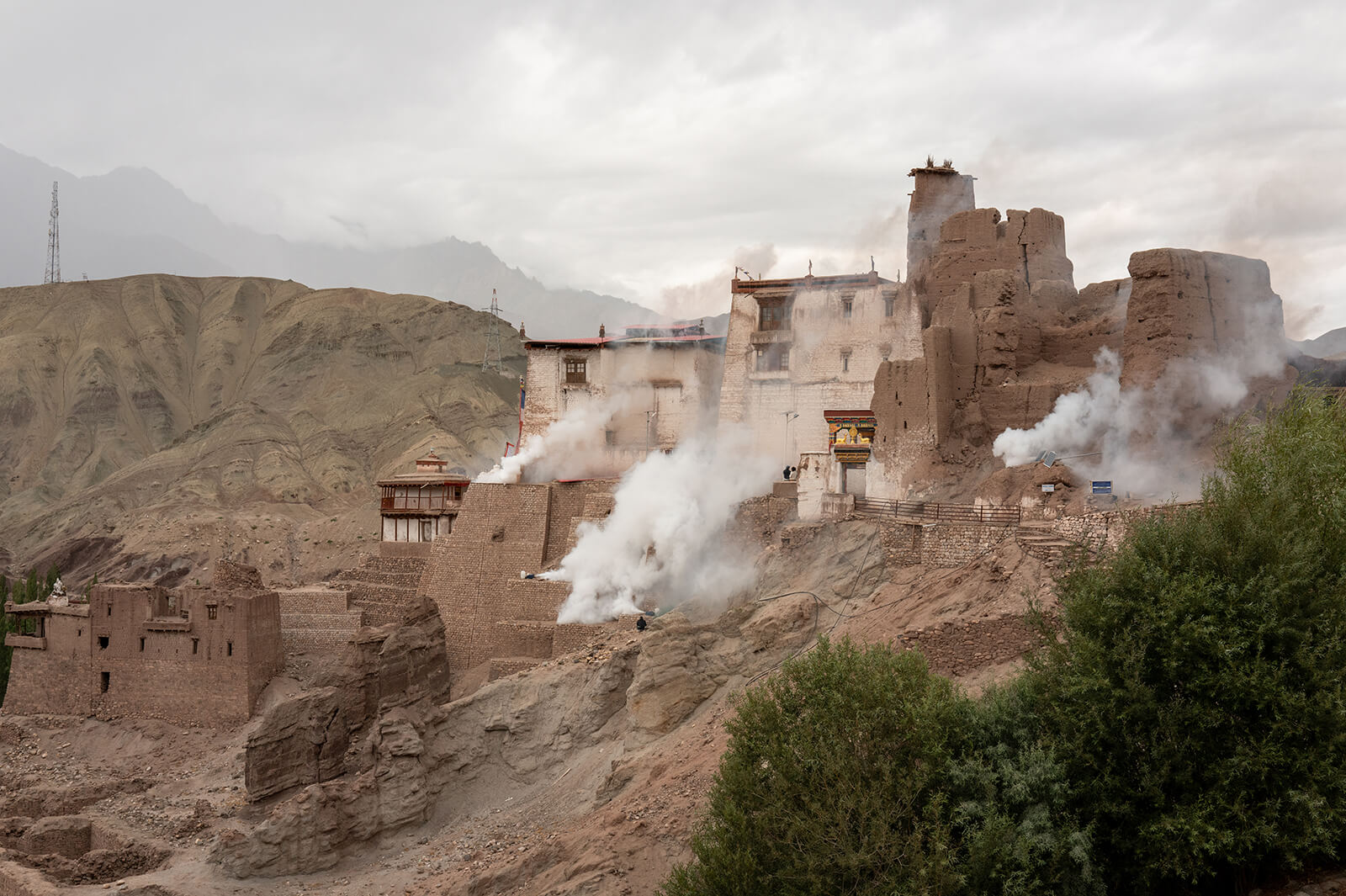
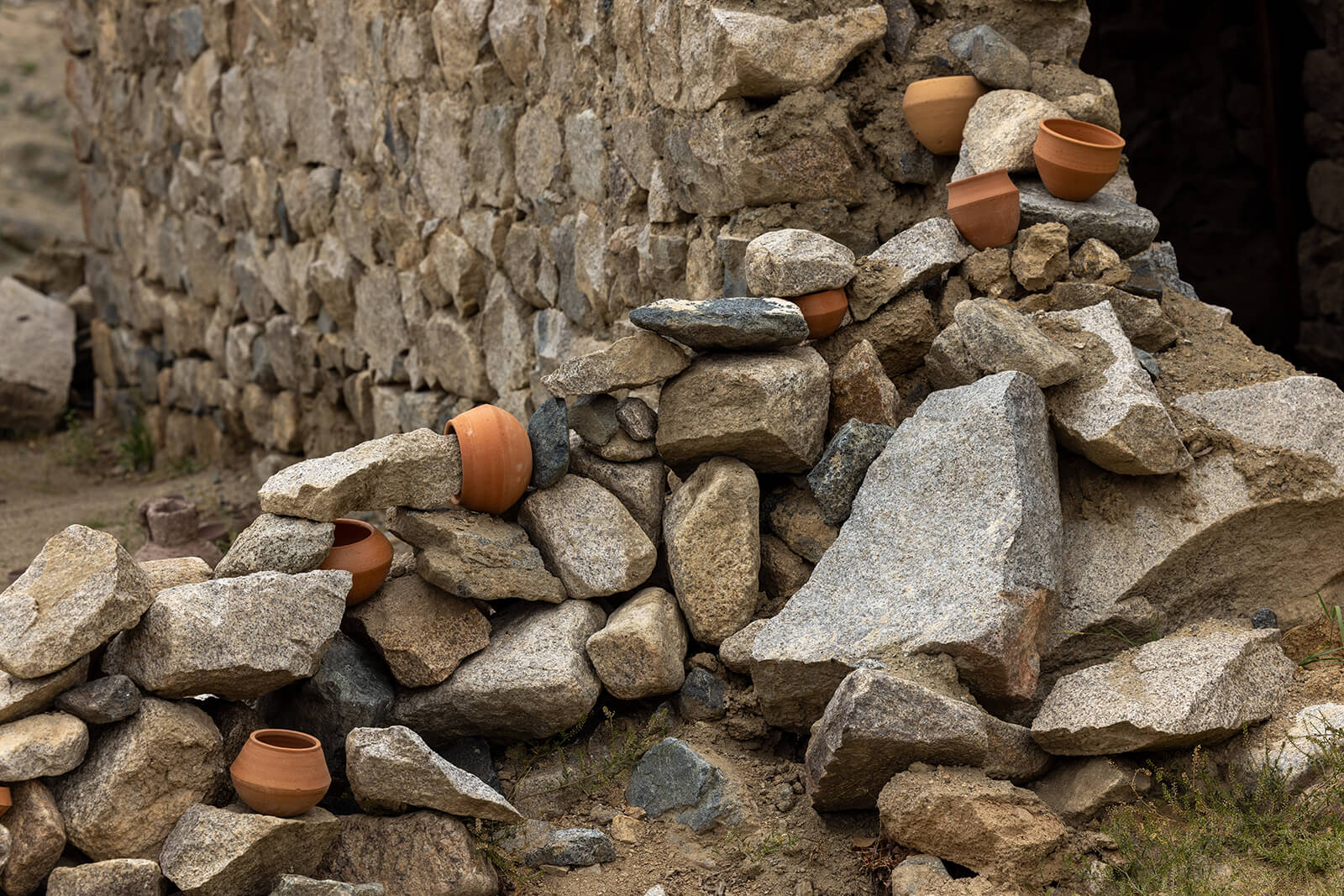
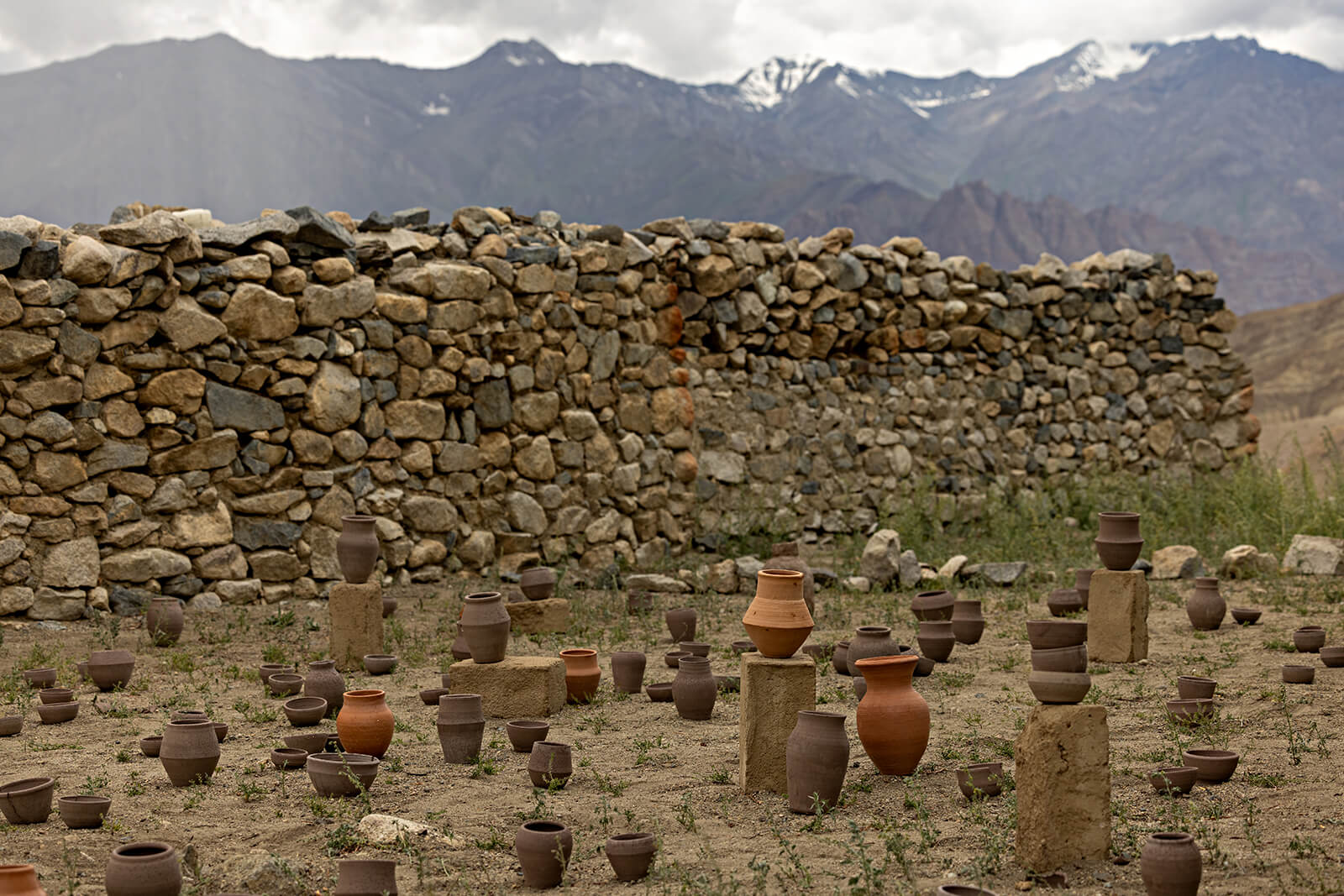
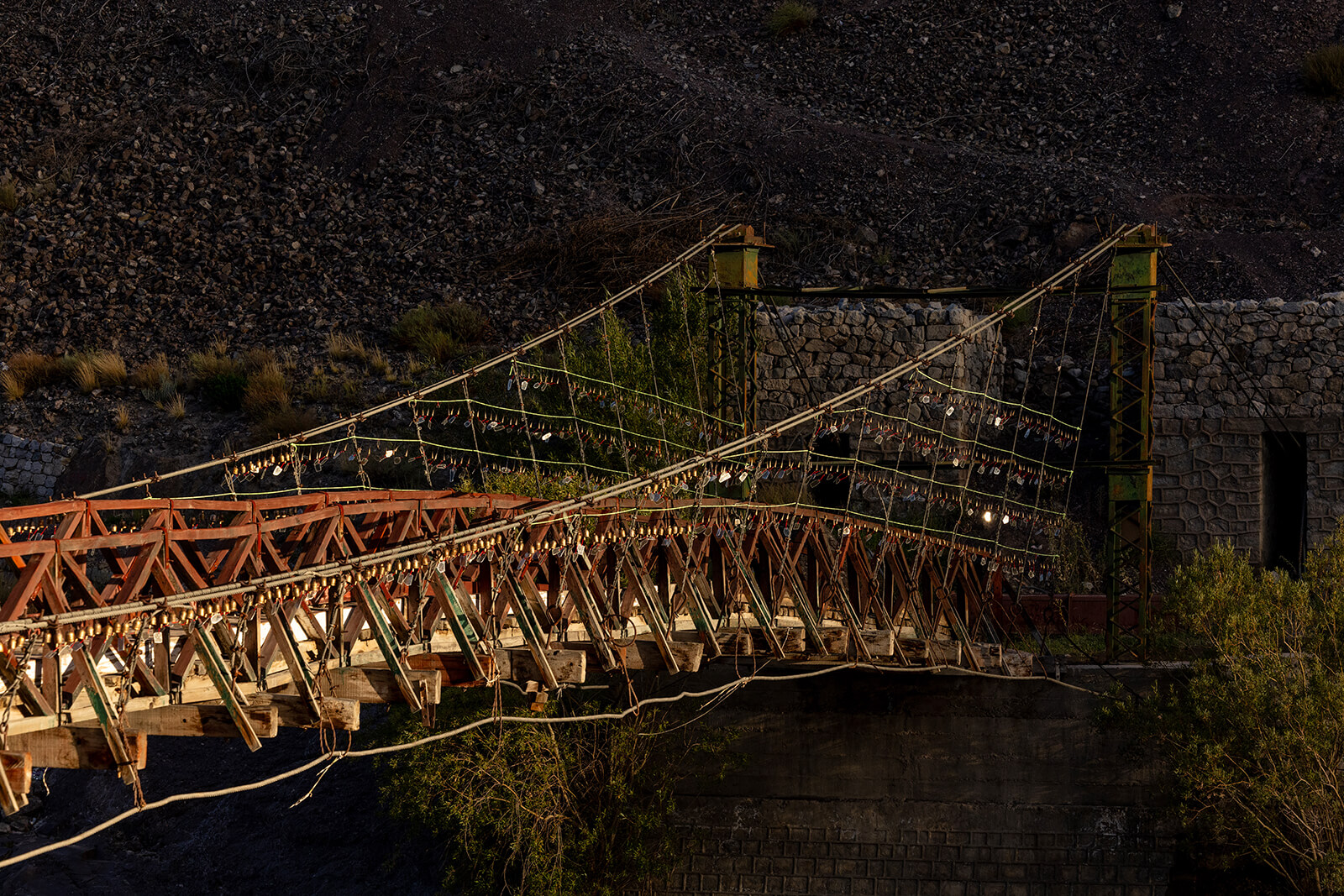
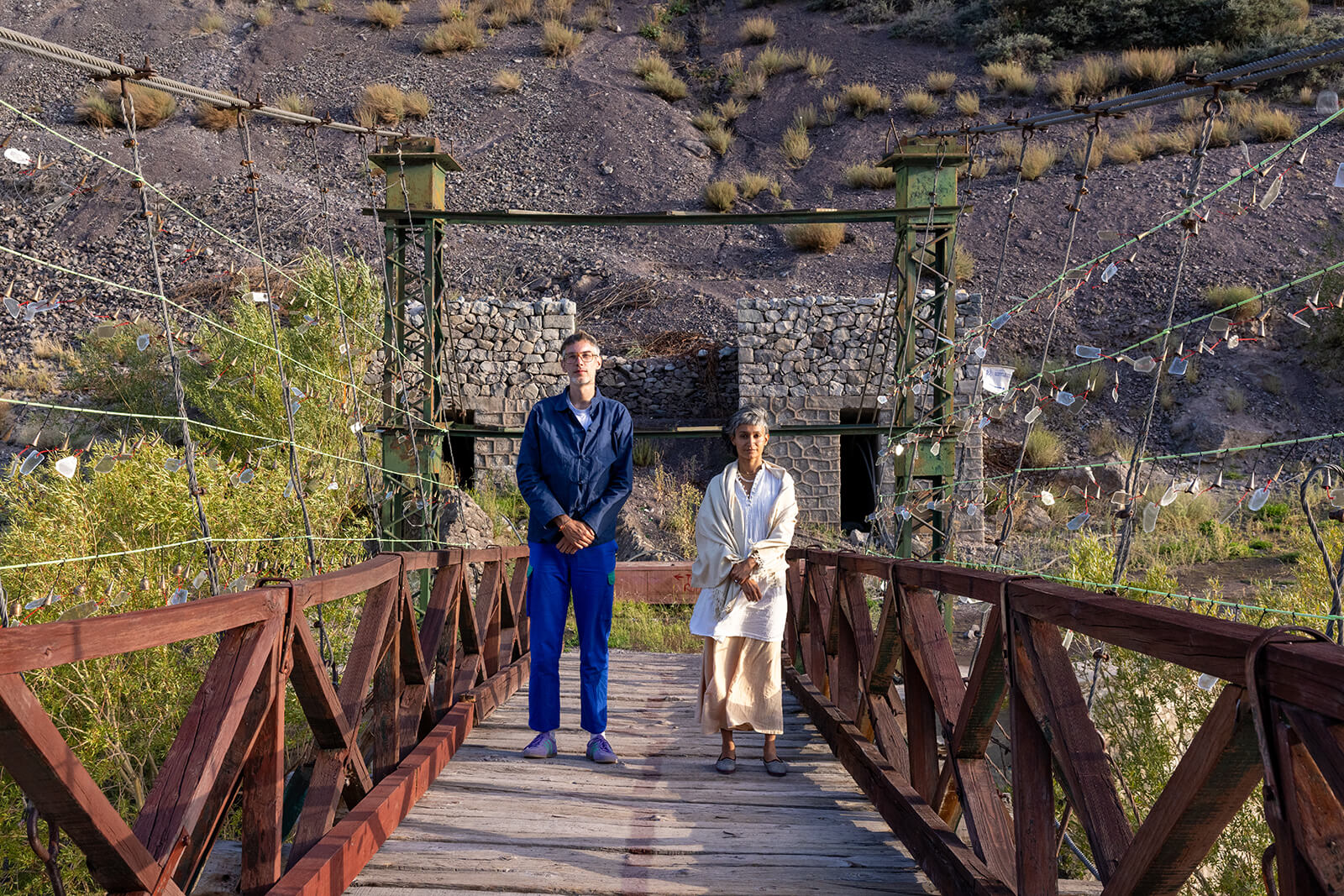
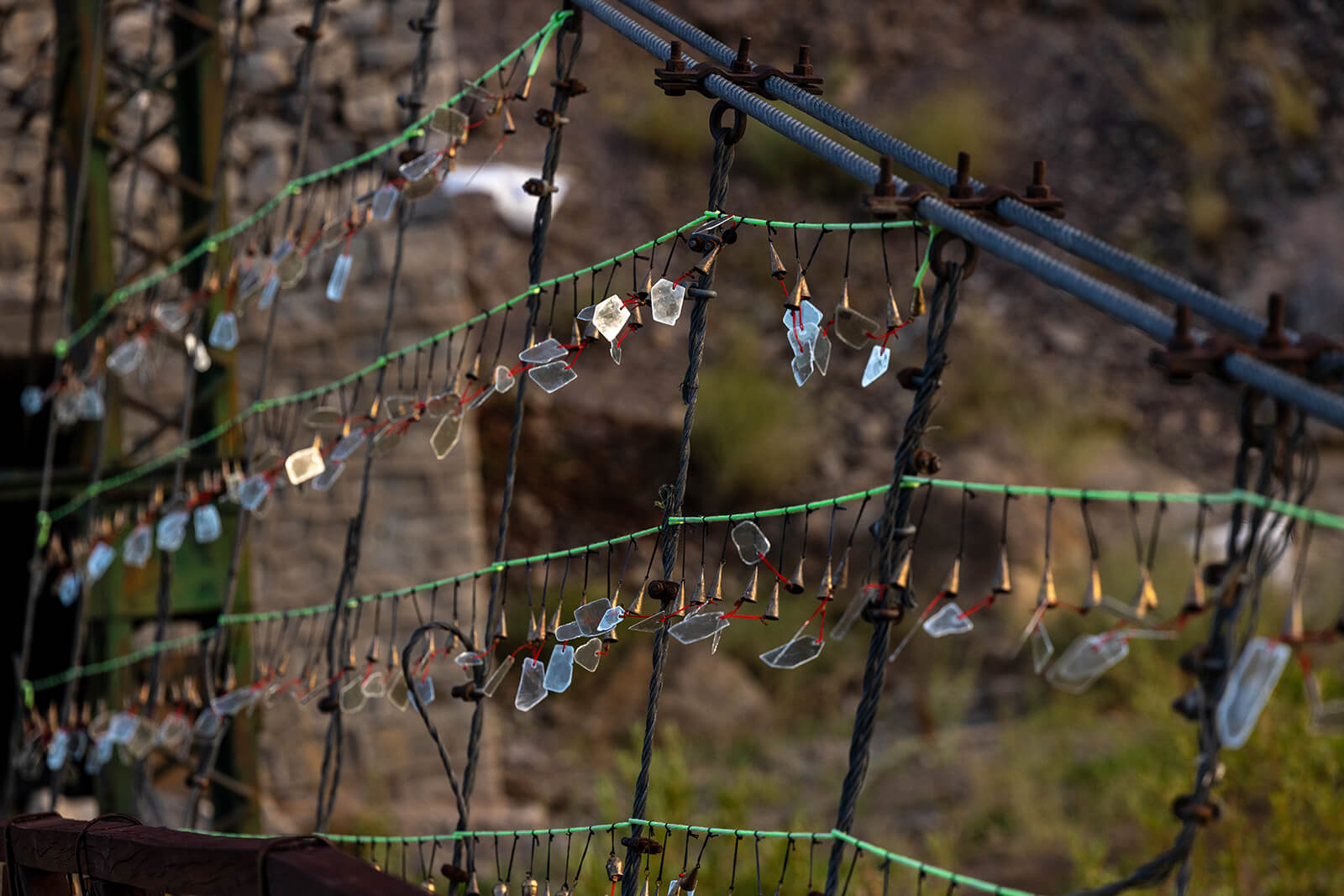
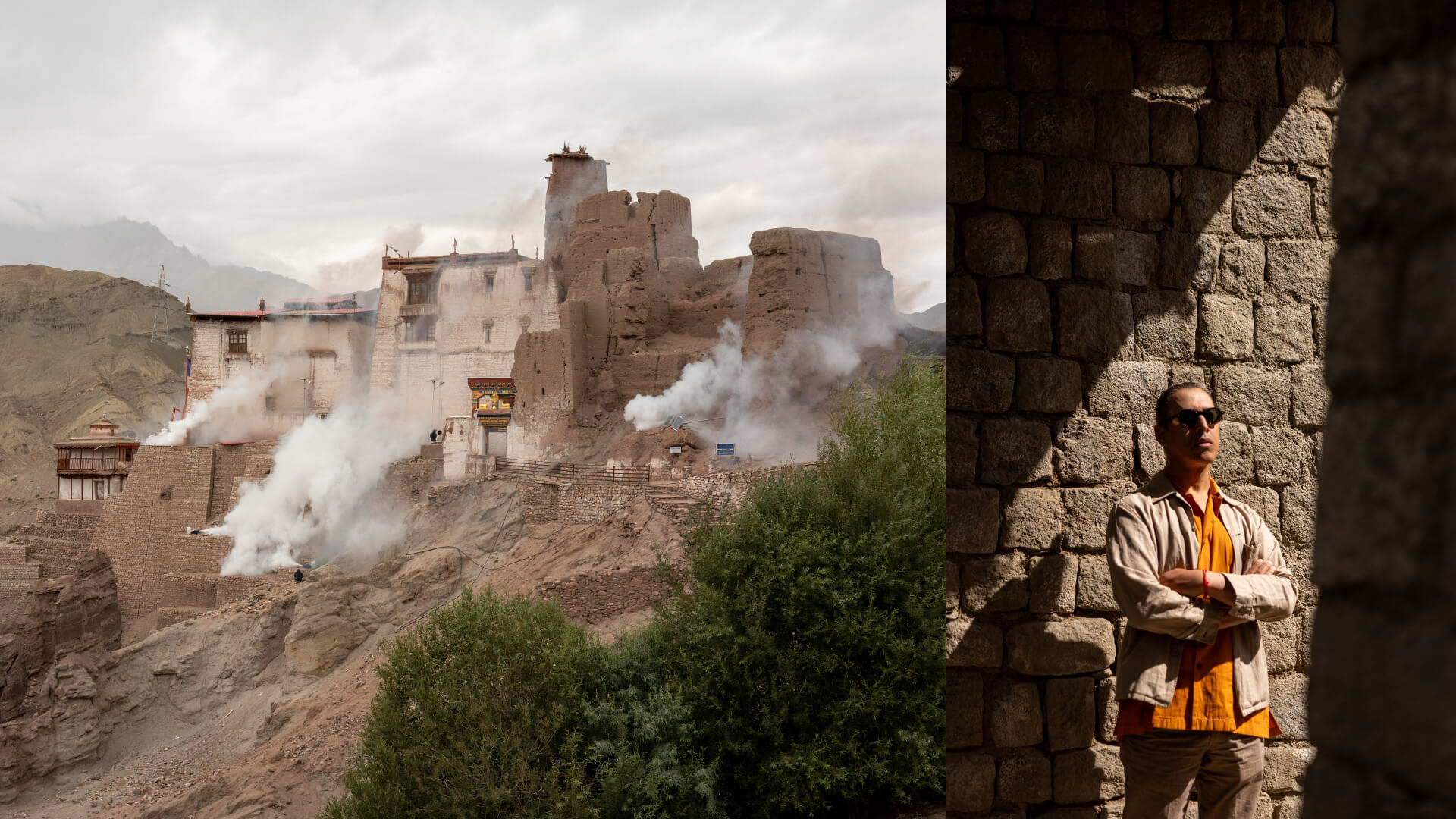
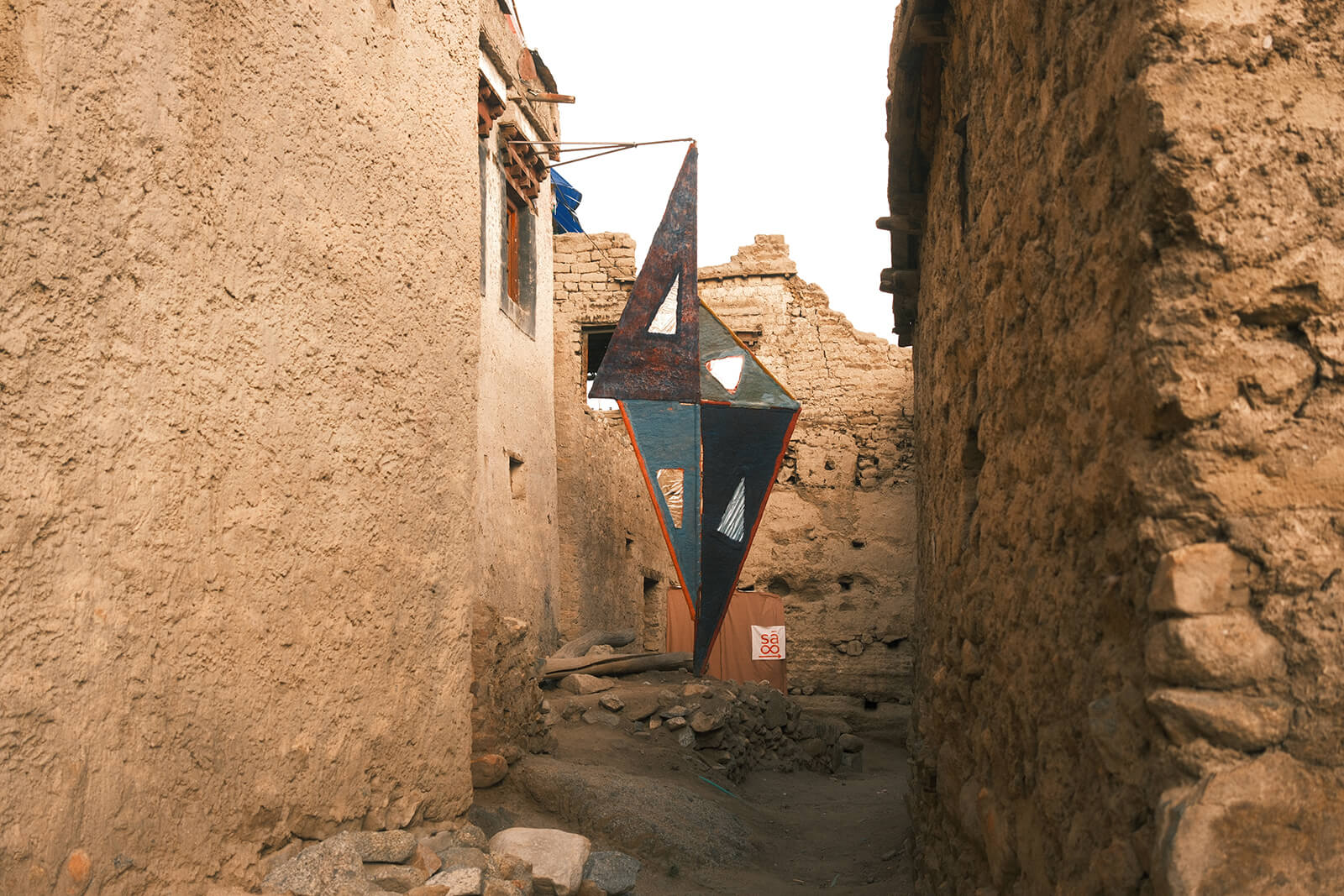
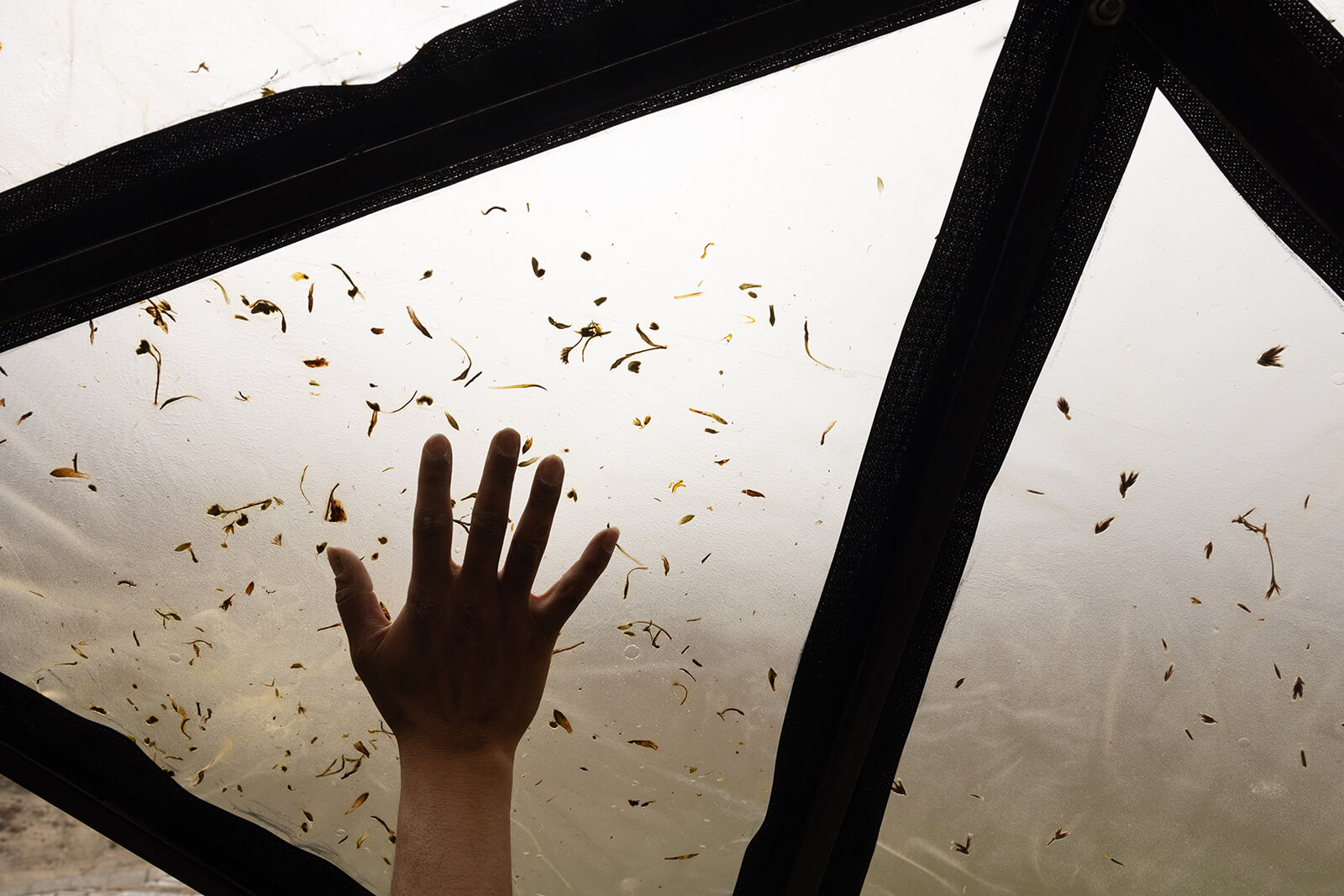
Tom Mùller's work at the Basgo monastery would bring fog to a region where it would be impossible for this climatic condition to exist, making it a magic realism moment. Shupiwe Chongwe's unfired pottery field in Likir with embedded seeds would eventually melt away and sprout. Himali Singh Soin and David Soin's work went through three iterations, finally arriving at their sonic installation at the old bridge in Nurla. Somewhere, these were the signals one was looking for, works that could very well sit in the non-authored art domain, belonging to the landscape, culture and climate.
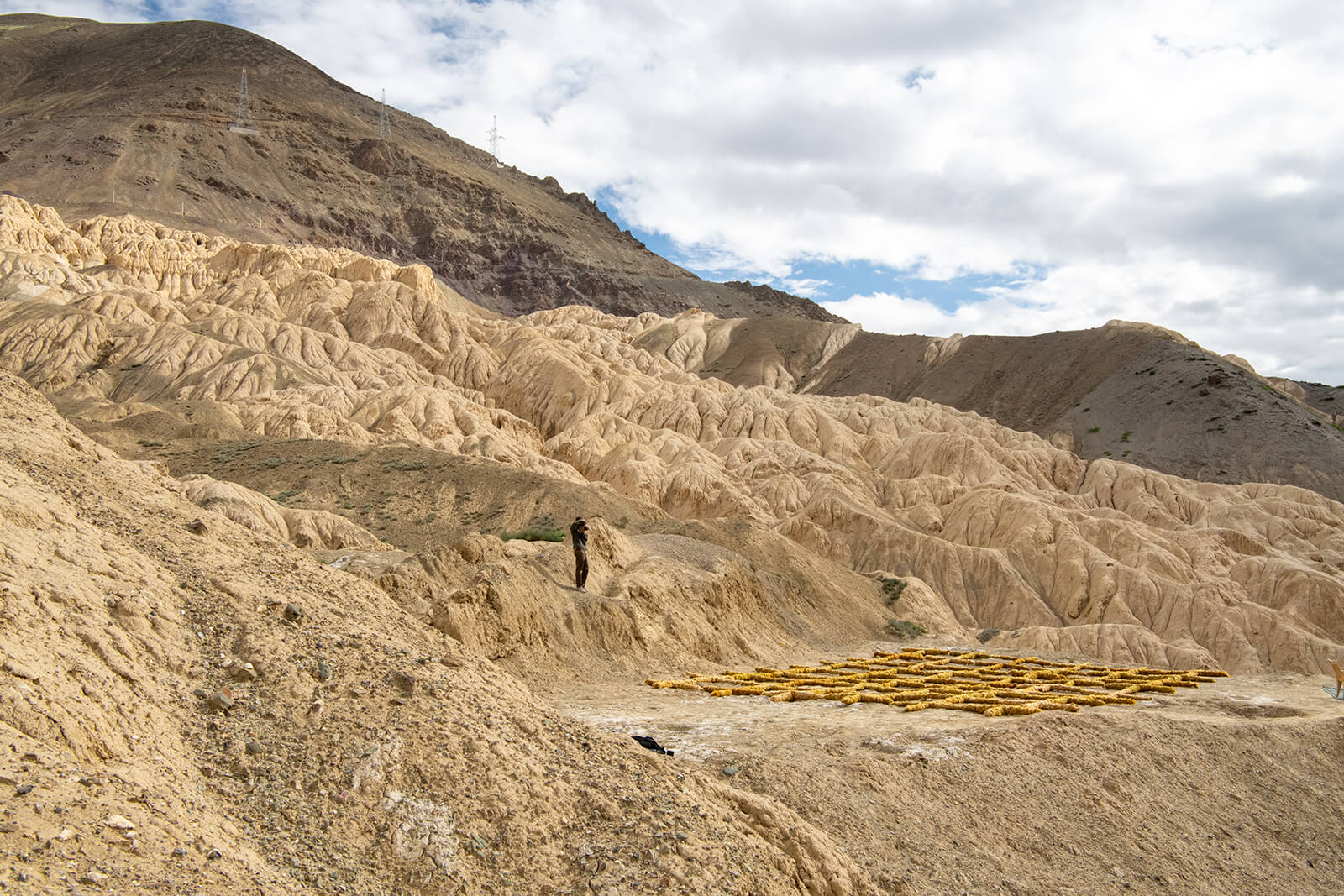
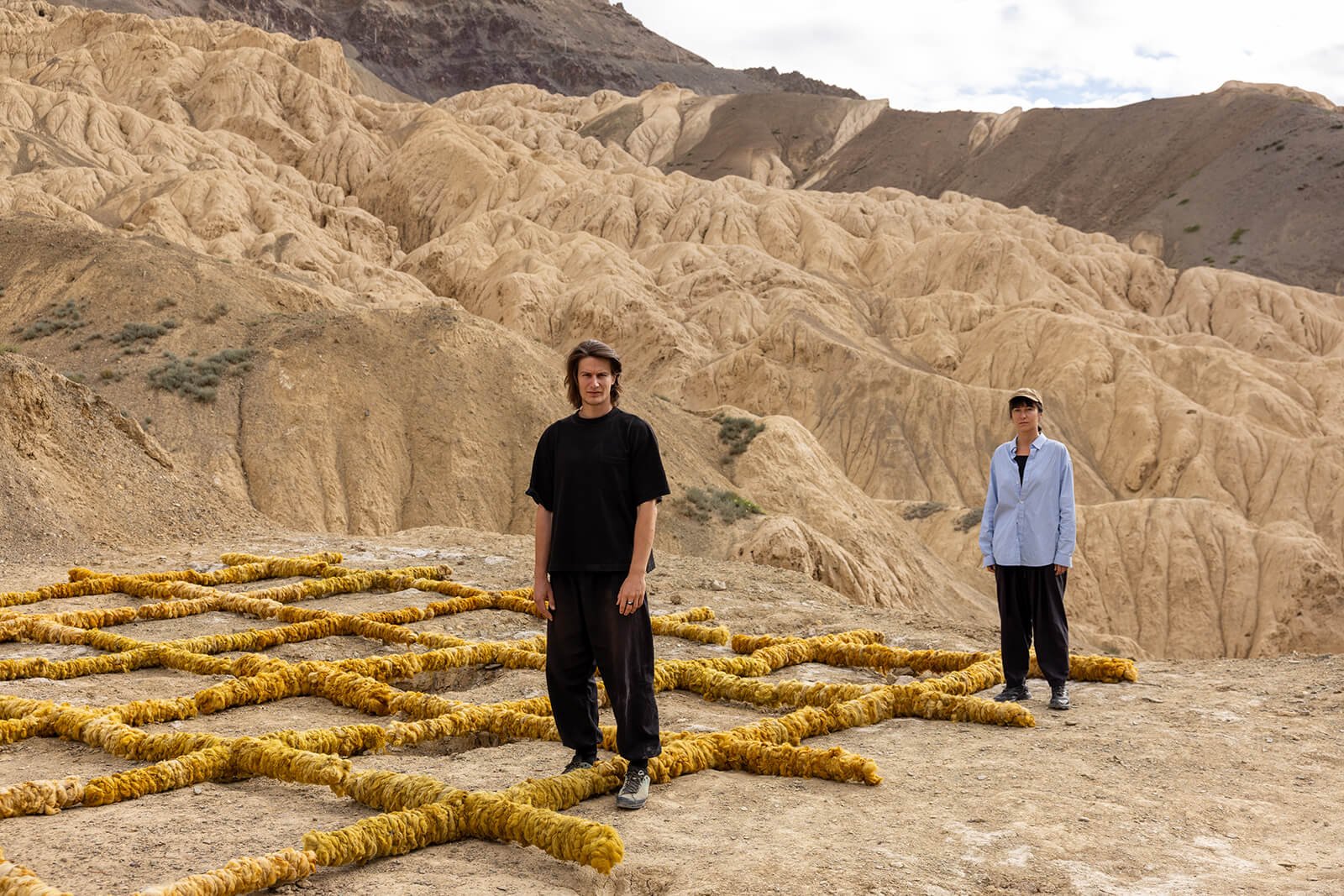
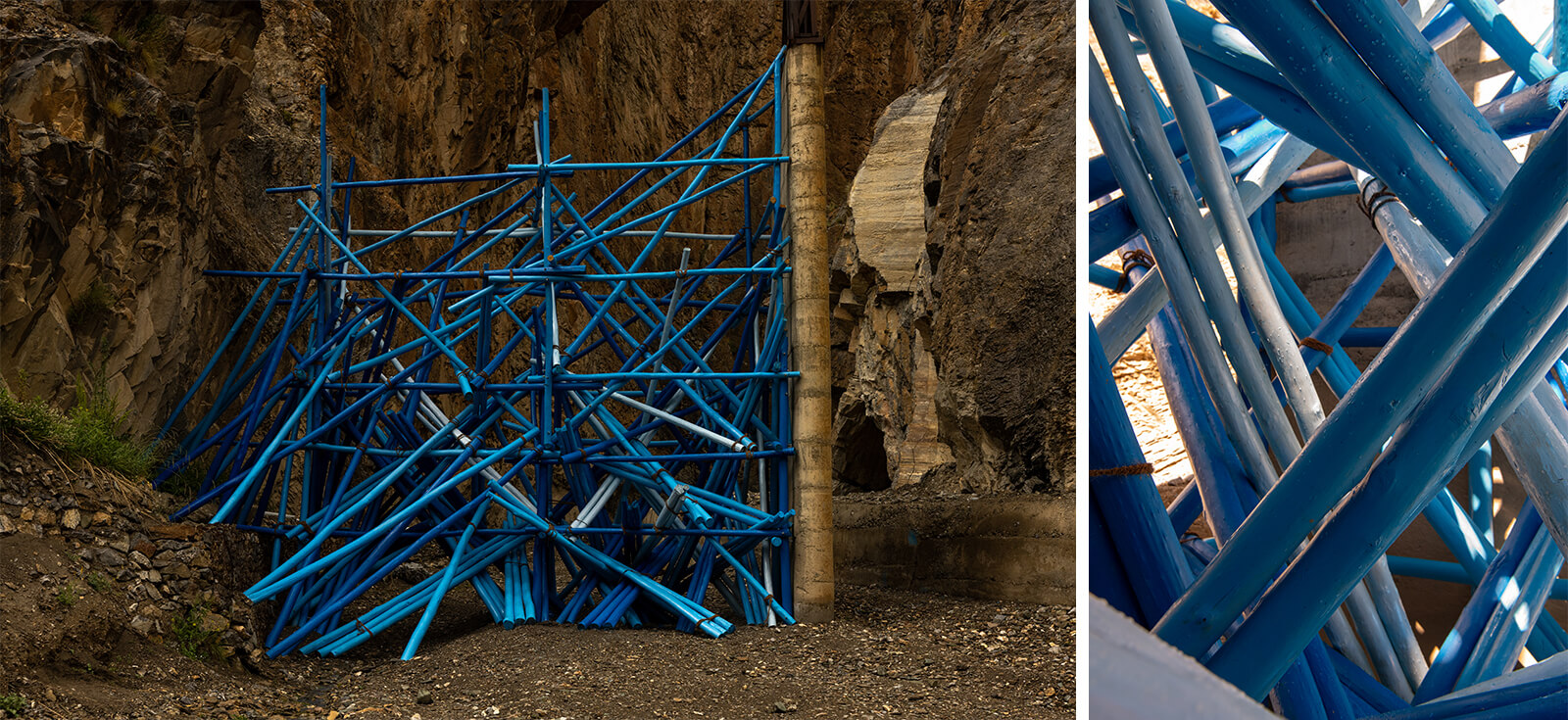
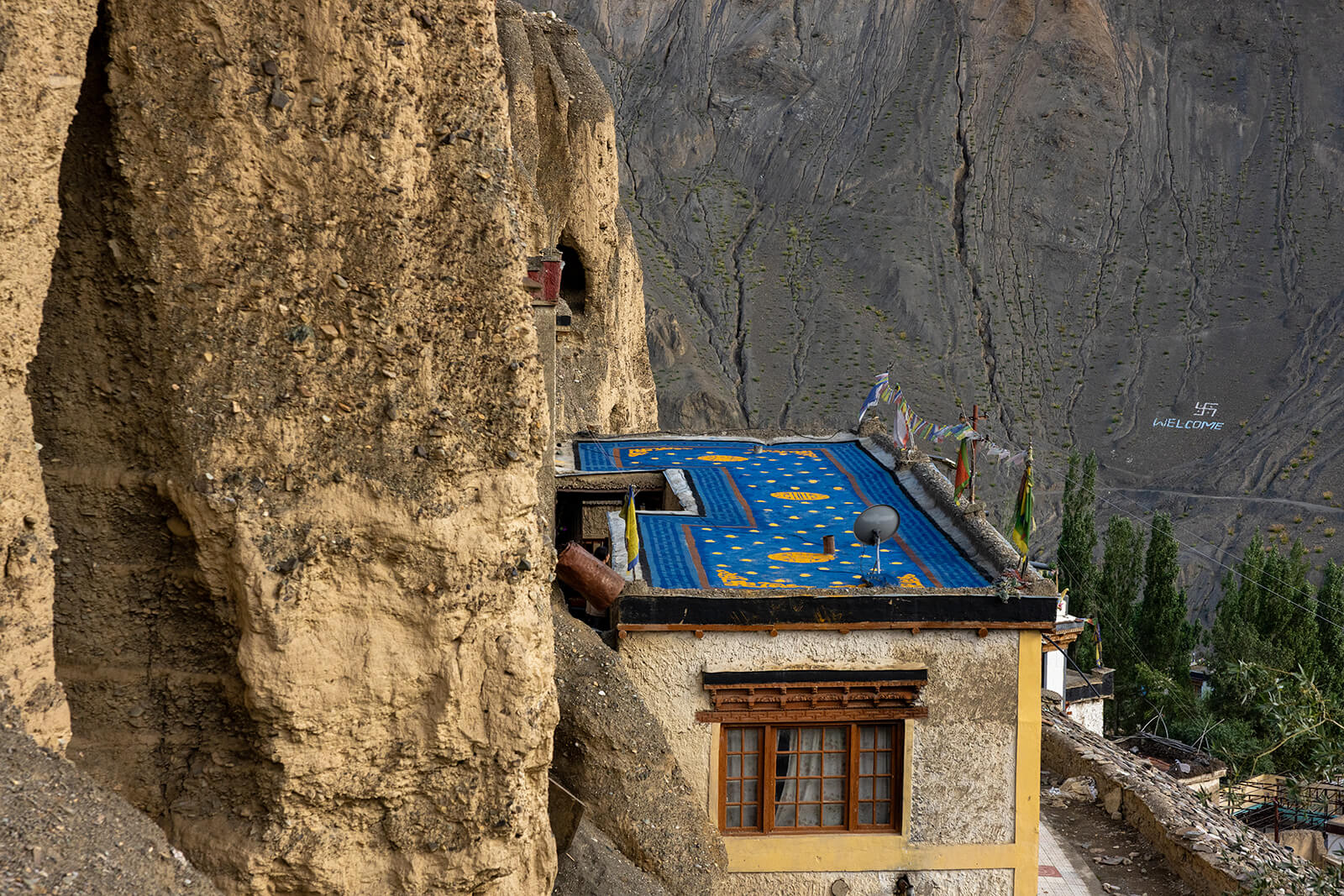
Studio Eidola worked around extraction, mining and land. In the unearthly landscape of Lamayuru, their speculative project performed as a yellow wool-grid that connected the sheep in pastoral Ladakh to the vast lithium deposits in the region. And in the lost village of Haniskot, Avantika Bawa’s scaffold structures signalled unstable ground, one that is possibly affected by climate, progress and that sense of the unresolved. Even after facing technical challenges at site, the work stood its ground.
Samta: Your curatorial note felt prophetic—naming feelings we'd already had before being told through the note to have them. Did you already anticipate the impact this landscape would have, and if so, how much openness and space for surprise remained within the concept of the Biennale?
Vishal: The curatorial note developed as the work with the artists progressed. There was only the title to guide us; the note was tracking and tracing the process. It was intended to be a poetic response and a summation of my journey with the artists and the sā team. I'm an artist before I can call myself a curator. It was as much a discovery of the land for me as it was for the artists. But you are right about its prophetic nature, though it wasn't intended. In the vastness of the Ladakhi landscapes, I often felt inconsequential, and that is how I understand our planet.
The curatorial note is not interested in explaining the Biennale or the works. It largely talks about landscapes, movement, senses and signals. I wanted it to be a connection between me and whoever was reading it.
Samta: The scale and remoteness of the biennale in some ways relieves the work of the usual pace and choreography of art viewing. When the event itself is the trek, the altitude, the landscape, the politics and history, art feels secondary—does the art get to coast on that experience rather than stand on its own?
Vishal: I don't think it is about the art becoming secondary. When it becomes part of the skin of a place, it expands into culture, architecture and ritual. We might feel it has become secondary only because we are told to look at art as a primary object. And as an object, it is presented under some grand idea of the self. But here in the landscape, all those notions melt away. Art is set free from its petri-dish viewing, from banal narratives, and is placed against the most active and alive force—climate.
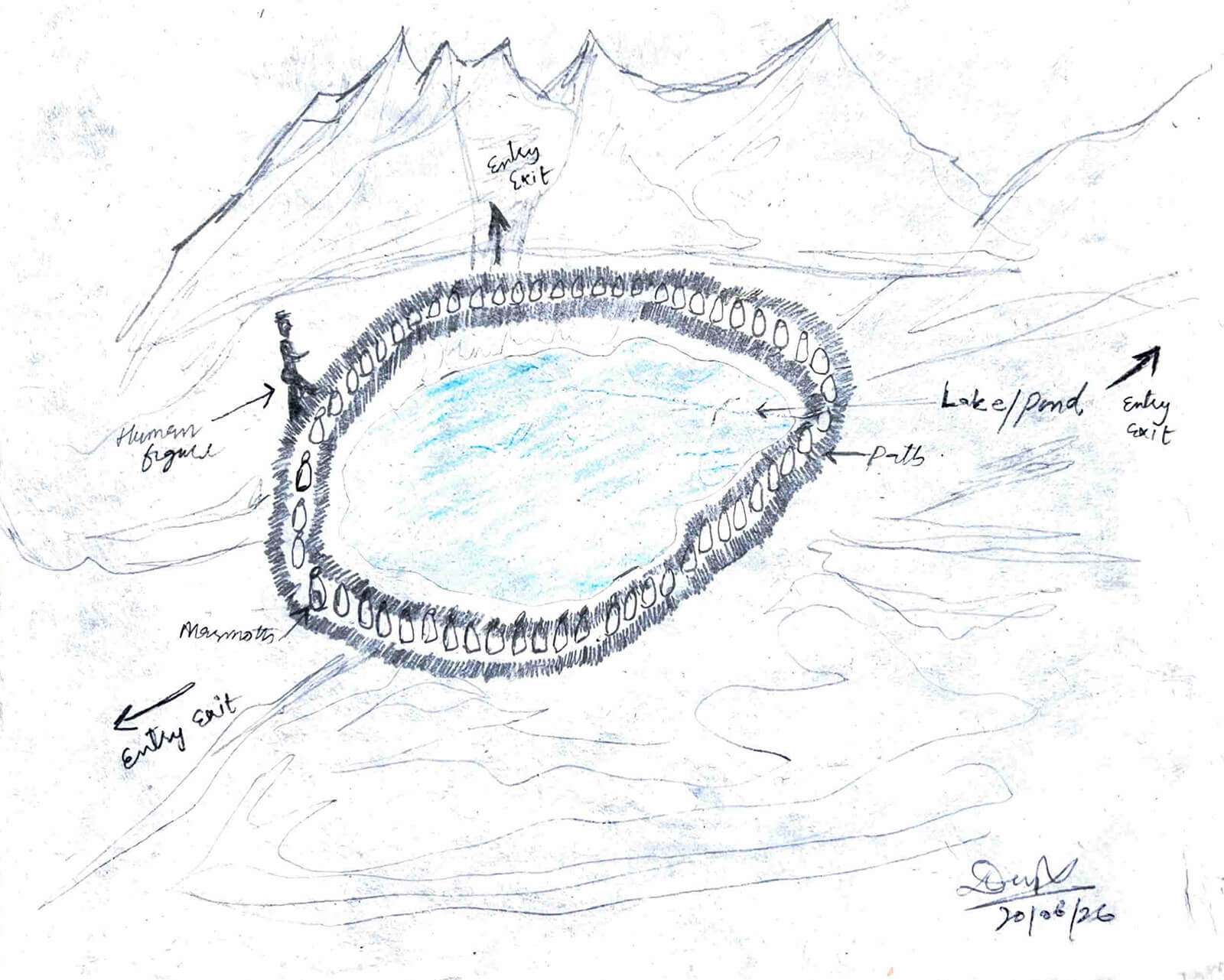
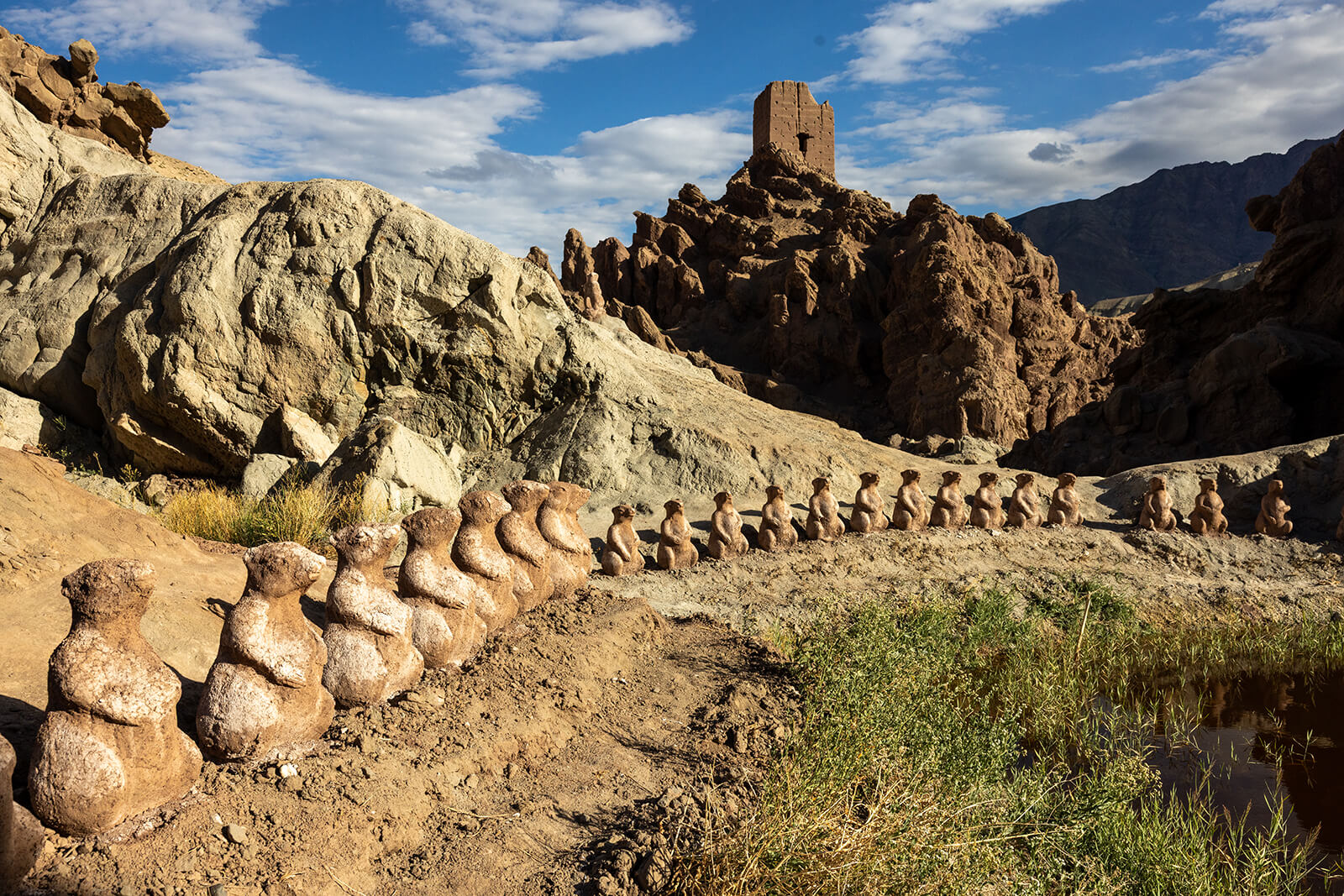
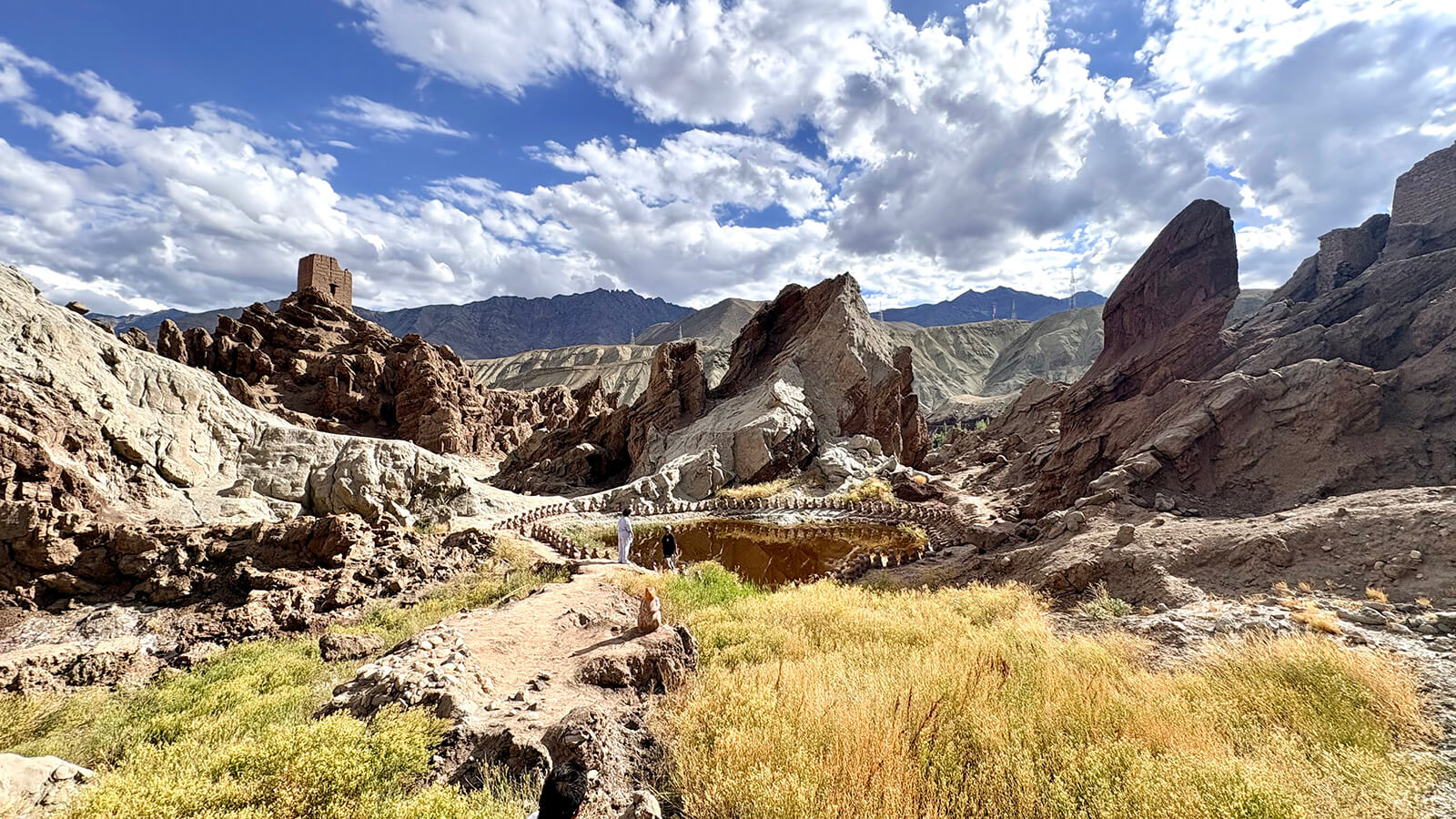
Someone asked at the Basgo site about Chemat Dorgey’s work: "What is the story behind this? Why are the marmots there?" These are unnecessary questions. It seems it is no longer necessary to observe. That is where I find Nancy Holt's work—the Sun Tunnels in the Nevada Desert—so powerful. The artist is in dialogue with the Sun, and we are observers of that dialogue. What qualifies as art could be debatable to some. Maybe the holy trinity of the gallery, the museum, and the auction house define and decide for us. But I believe that, as an artist, art gets defined by its maker.
Vandana: Who would you define as the primary audience of the biennale?
Vishal: Right at the outset, we were very critical about one very important issue that has been of deep concern across the Himalayas (and the globe): the tourist and the impact of tourism on fragile ecosystems. For sā, it was necessary that this biennale be largely for and about the people of Ladakh. We imagined every location as its own target audience. Why? Because when the team was negotiating permissions with the various village heads, it was important for them to start understanding what this activation would mean for themselves. The first segment of the audience was the local audience through their engagement in making, volunteering and viewing.
Then came those travelling from outside Ladakh. We never expected or wanted very large numbers. You need two days to acclimatise, one day to fly out. It's an airport under the Indian Army’s management with limited flights, which makes it expensive. The category of people coming specifically for the art would be in a concentrated and manageable number. This would also be their introduction to the artists living and working in Ladakh. The third type of traveller, we assumed, would already be in Ladakh—tourists, bikers, trekkers. We avoided openings, parties, talks so that all concentration would be on the journey. This is also a free/no-ticket biennale.
Samta: You spoke about breaking away from the art market, yet when you listed your target audiences, you named the very people who form that space. How do you straddle between those two positions?
Vishal: I was asked about the non-white cubeness of the biennale and how it works for and/or against the market. The art market proposes one form of commerce and livelihood. I fundamentally believe that not everything is a market. The moment you say everything is a market, your considerations, sensitivities and artistic instinct all get redefined.
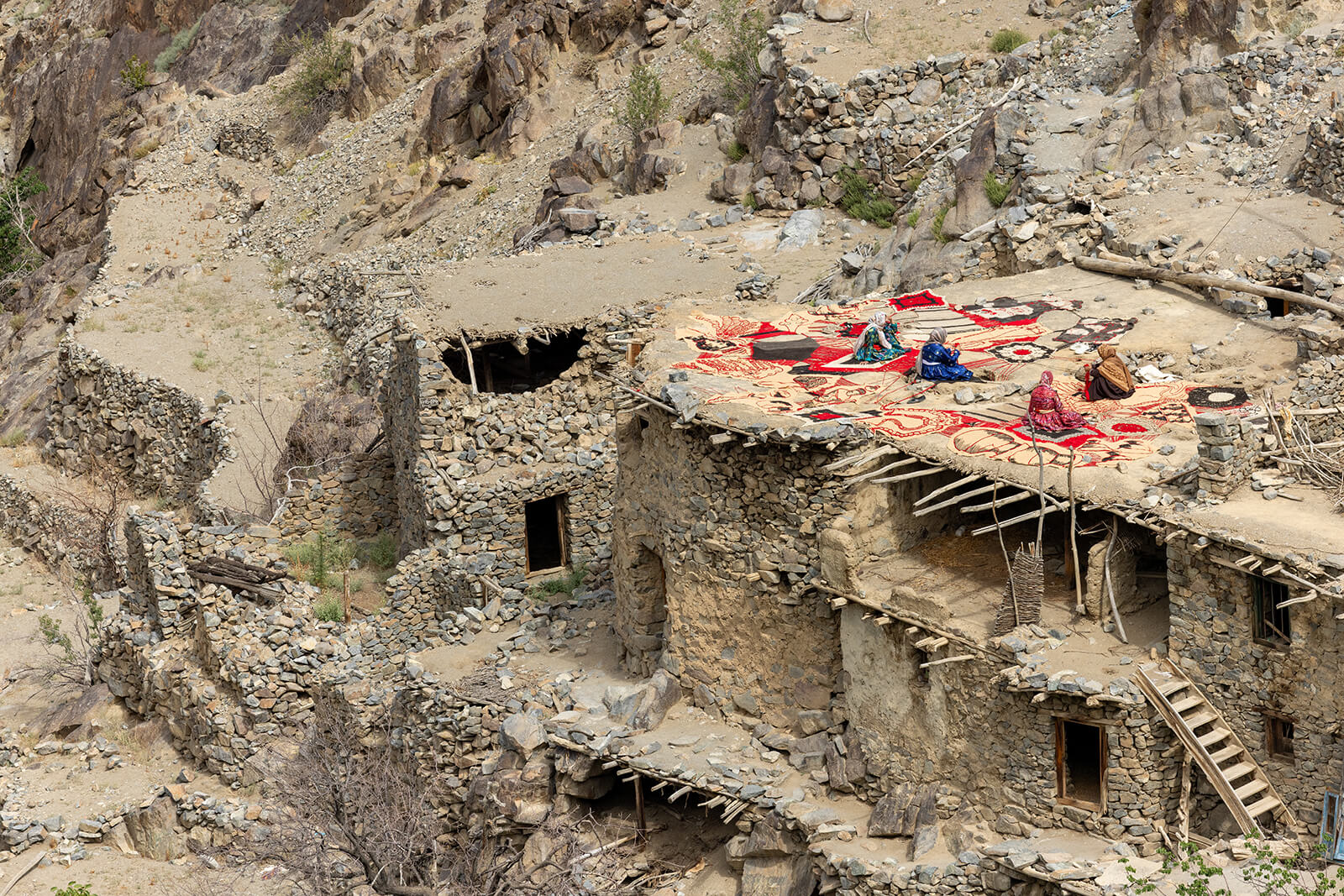
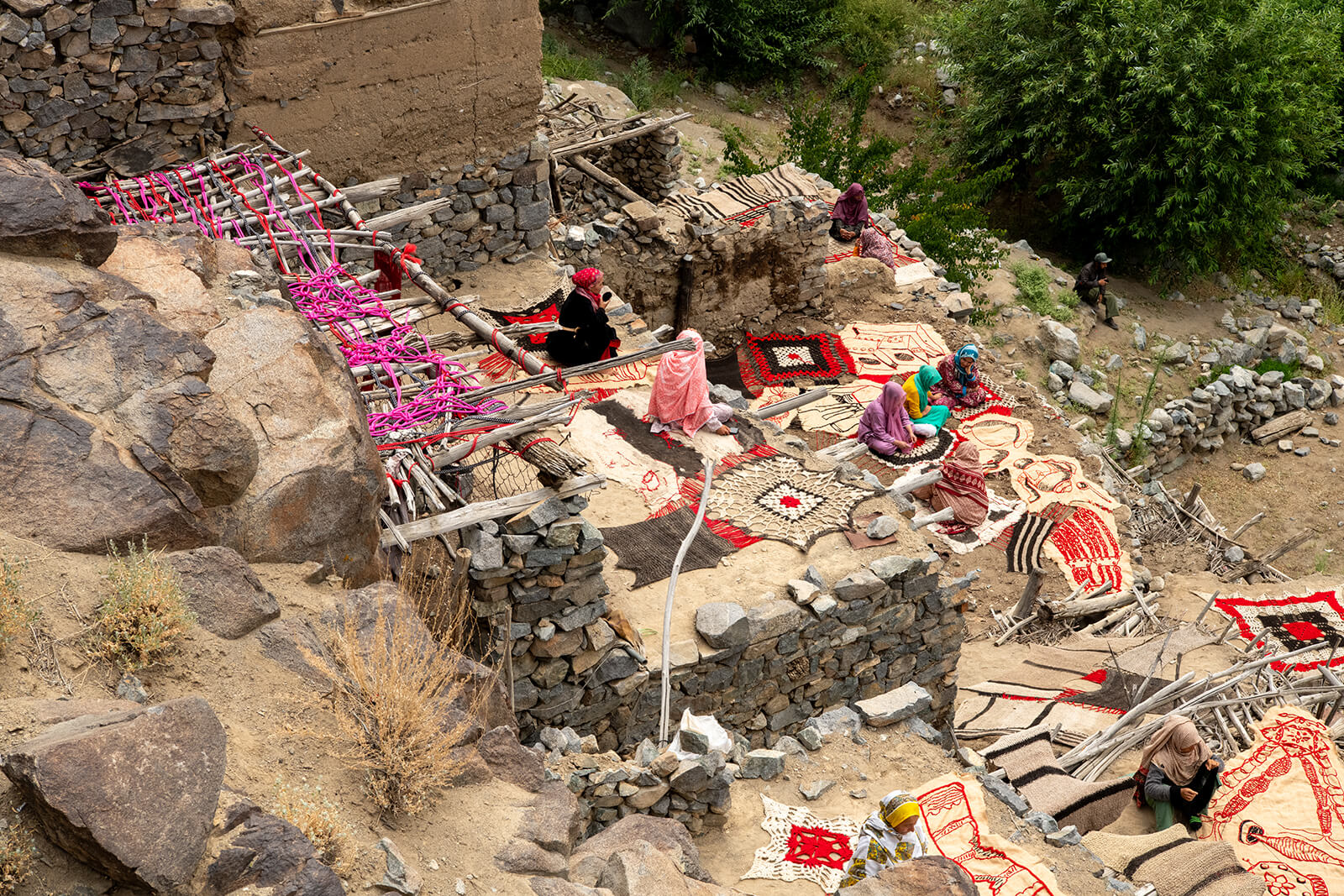
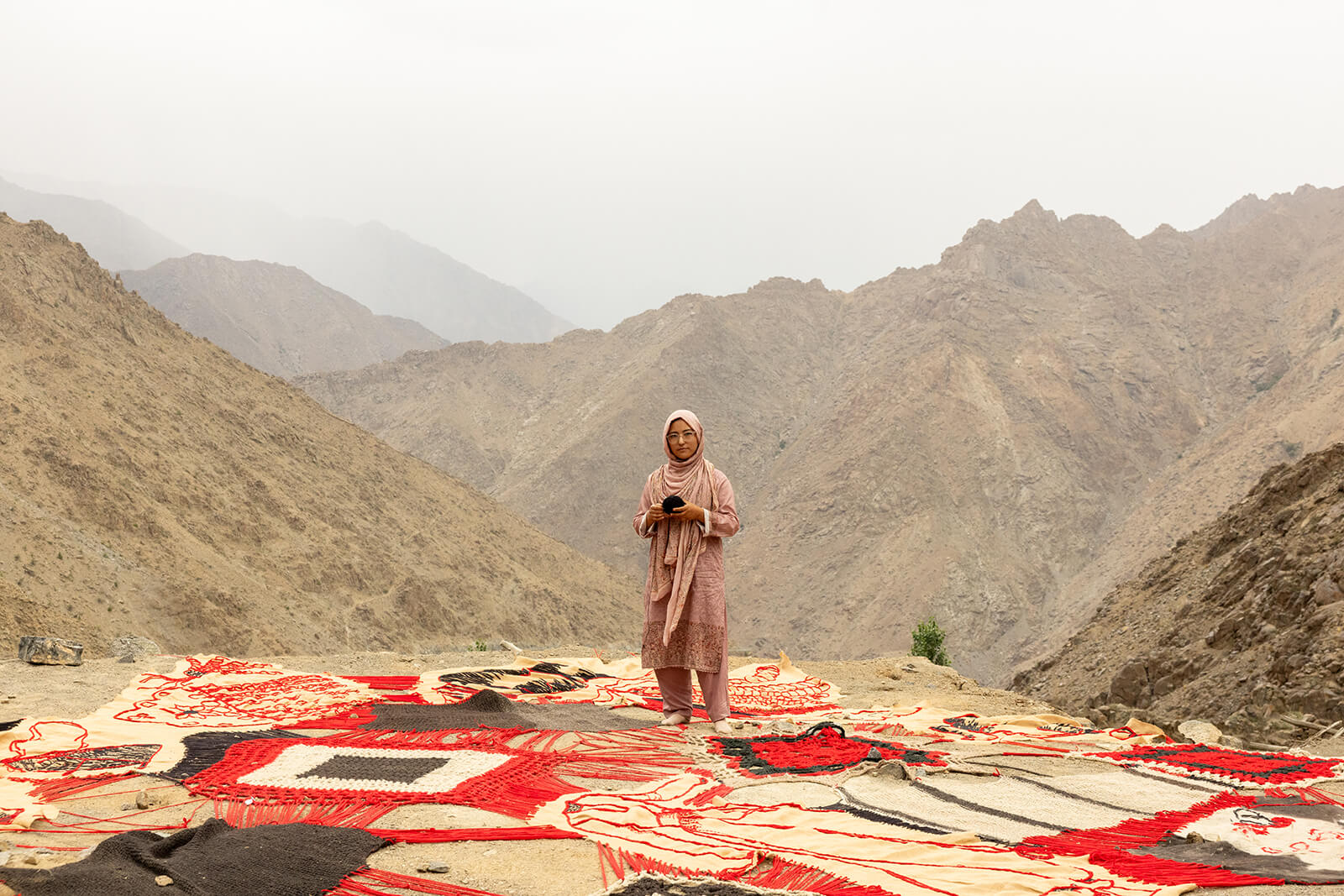
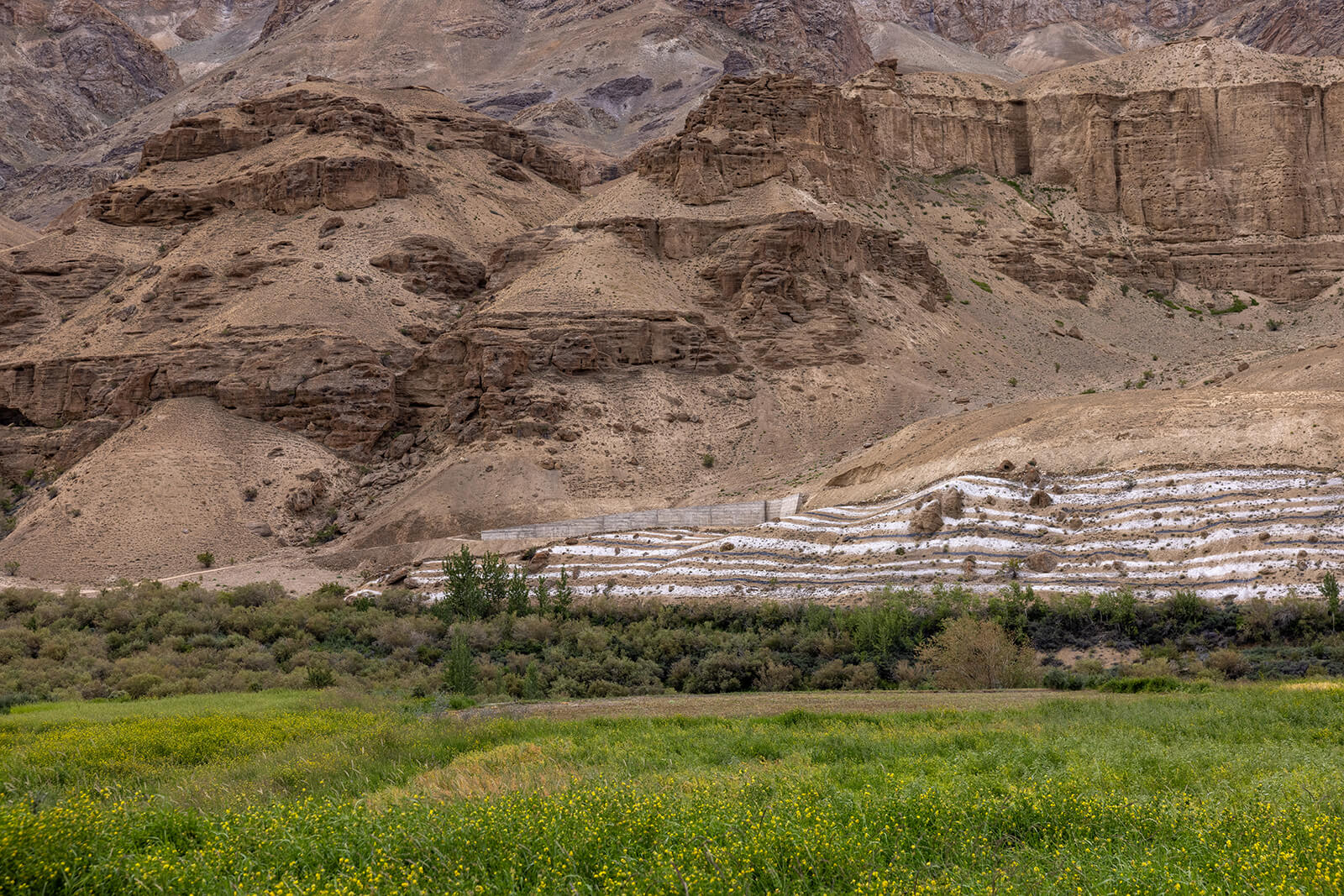
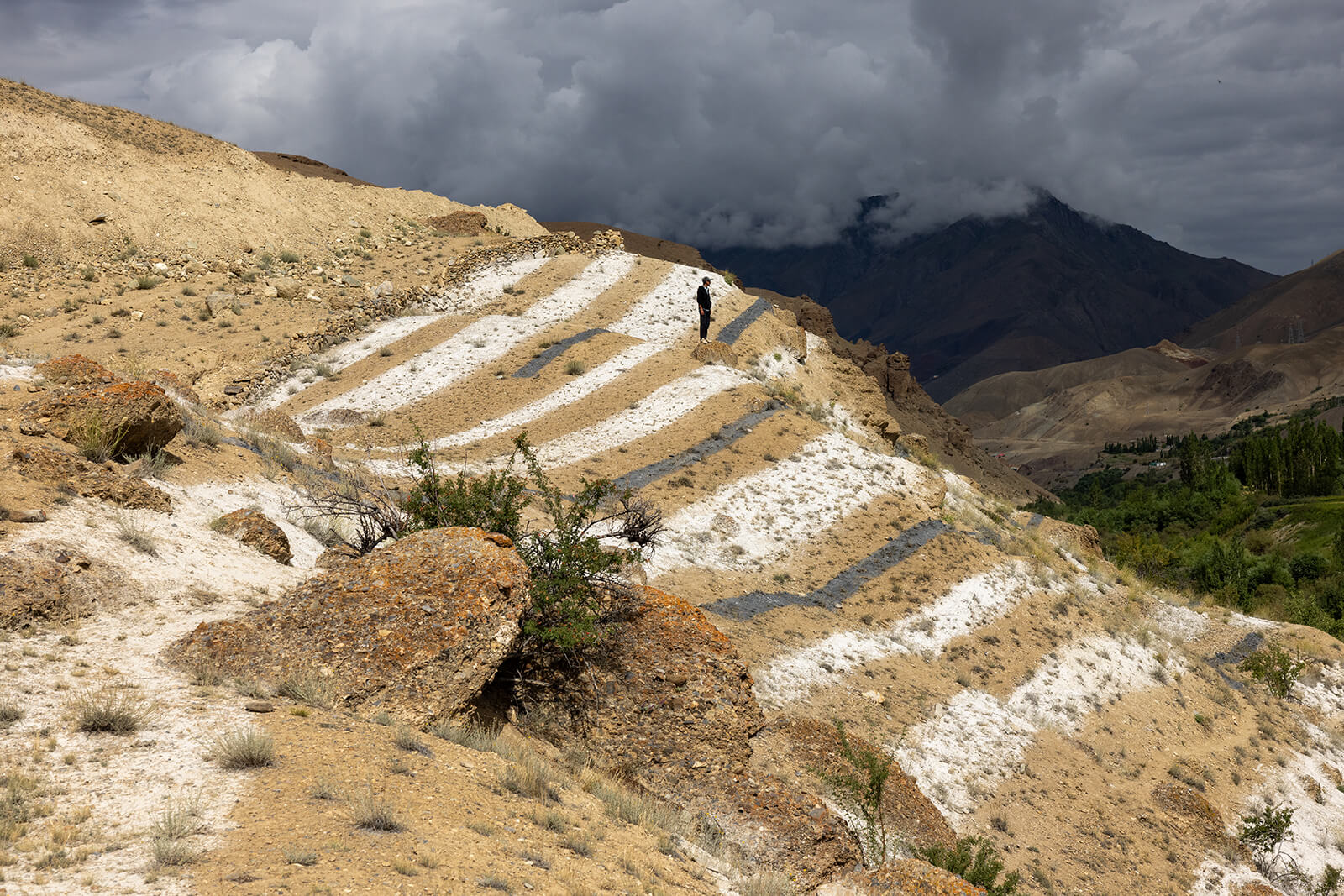
Consider Zahara Batool's or Tundup Dorjay's work; remove it from the site, and it becomes something altogether different. Stanzin Samphel has made 200-metre lines across Mulbek with lime dust and black clay. How do you make these fascinating imaginations perform inside a gallery? The white cube will be interesting for these artists only if they choose to be challenged by it. A gallery as a space presents interesting investigative opportunities that are about the bound, whereas landscape offers the unbound.
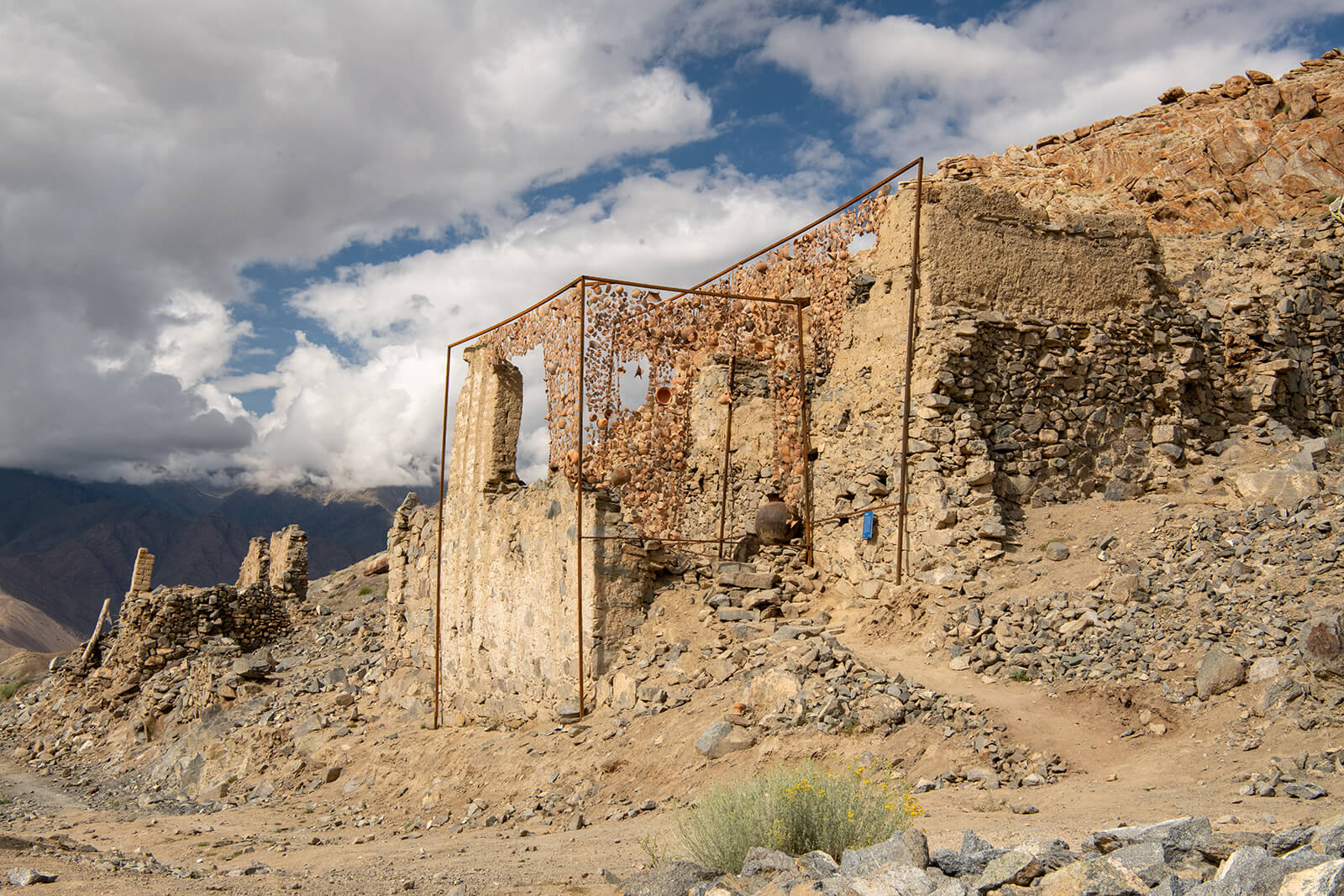
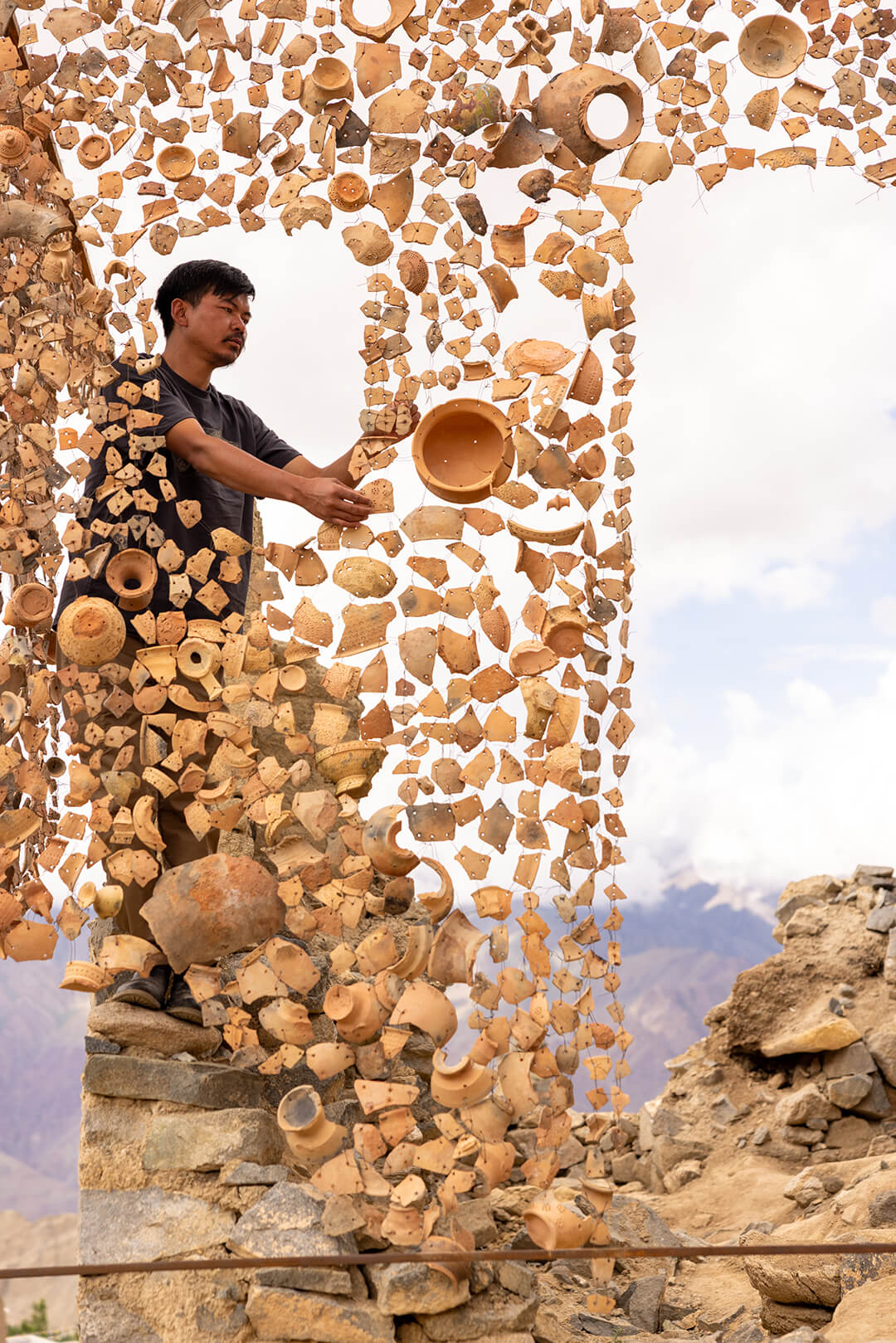
One of the things I discussed with each artist was that this is not easy to translate back into the market. You will have to work very hard at it if you choose to take these ideas into the architecture of the art gallery. I am not entirely outside of the art industry/market myself, but I do believe that the rules of engagement, however, should be set by the artist.
Vandana: What are the things you see continuing from this edition to the next—the learnings or formats that should survive into future editions?
Vishal: I am hoping the three tenets can be kept intact—the equity and inclusion model, non-white-cube format and what sā foundationally stands for: re-generation—of being off the land and going back to the land. Those ideas would be great to continue. Locations can change, the language of travel and pilgrimage can change, ‘signals’ can change. What I would like to see is a continuation of a curatorially-led initiative with a vision of inclusivity and a promise of equity. I hope that sā also learns from what was done in its inaugural edition.

by Srishti Ojha Oct 27, 2026
The 13th edition of the Gyeonggi Ceramics Biennale in South Korea, Earth Makes, explores ceramics from around the world, spanning ancient traditions and contemporary experimentation.
by Srishti Ojha Oct 26, 2026
The Taiwan-based artist shares his opinion on exhibition rituals, protests and his search for ‘fragmented beauty’.
by Srishti Ojha Oct 21, 2026
Increasingly, artists, filmmakers and activists are turning to VR to create more personal, tangible accounts of the climate emergency and its impact on vulnerable communities.
by Mirra Lynn Oct 20, 2026
The Indian artist paints the old wadas of central Pune, capturing the traces of everyday life that cling to these structures, battered by time but unbowed.

make your fridays matter with a well-read weekend
Enter your details to sign in
Don’t have an account?
Sign upOr you can sign in with
a single account for all
STIR platforms
All your bookmarks will be available across all your devices.
Stay STIRred
Already have an account?
Sign inOr you can sign up with
Verification link sent to check your inbox or spam folder to complete sign up process
Tap on things that interests you.
Select the Conversation Category you would like to watch
Please enter your details and click submit.
Enter the 6-digit code sent at


Vishal K Dar on taking art outside the white cube at sā Ladakh Biennale
by Samta Nadeem, Vandana Kalra | Published on : Aug 27, 2026


 Sign in with Google
 Sign in with email
What do you think?