Architecture10 mins. read
Michael Sorkin’s manifestos for radicality for People Who Cross Against the Light
by Mrinmayee BhootJun 19, 2026



by Sunena V MajuPublished on : Apr 02, 2026
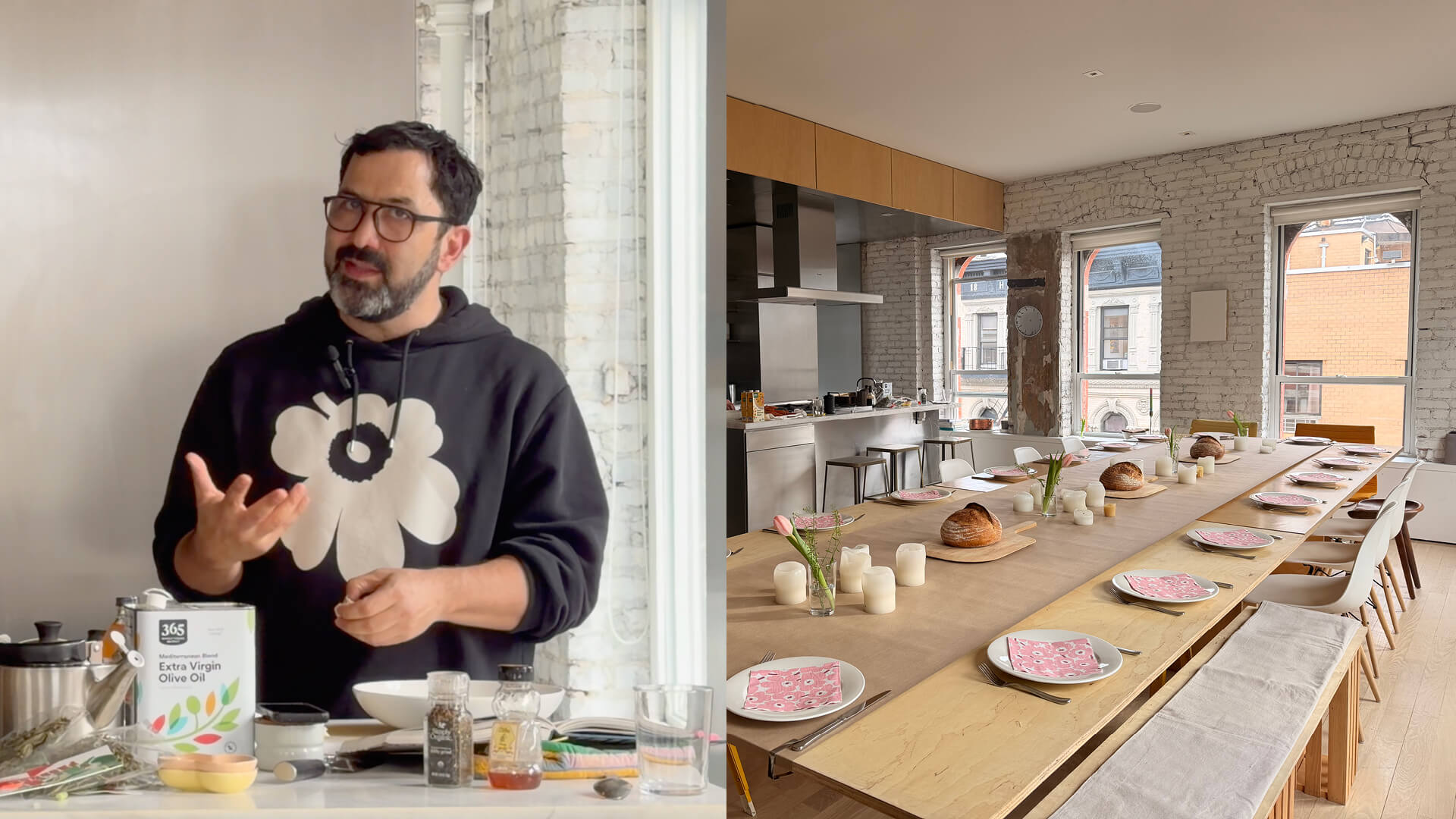
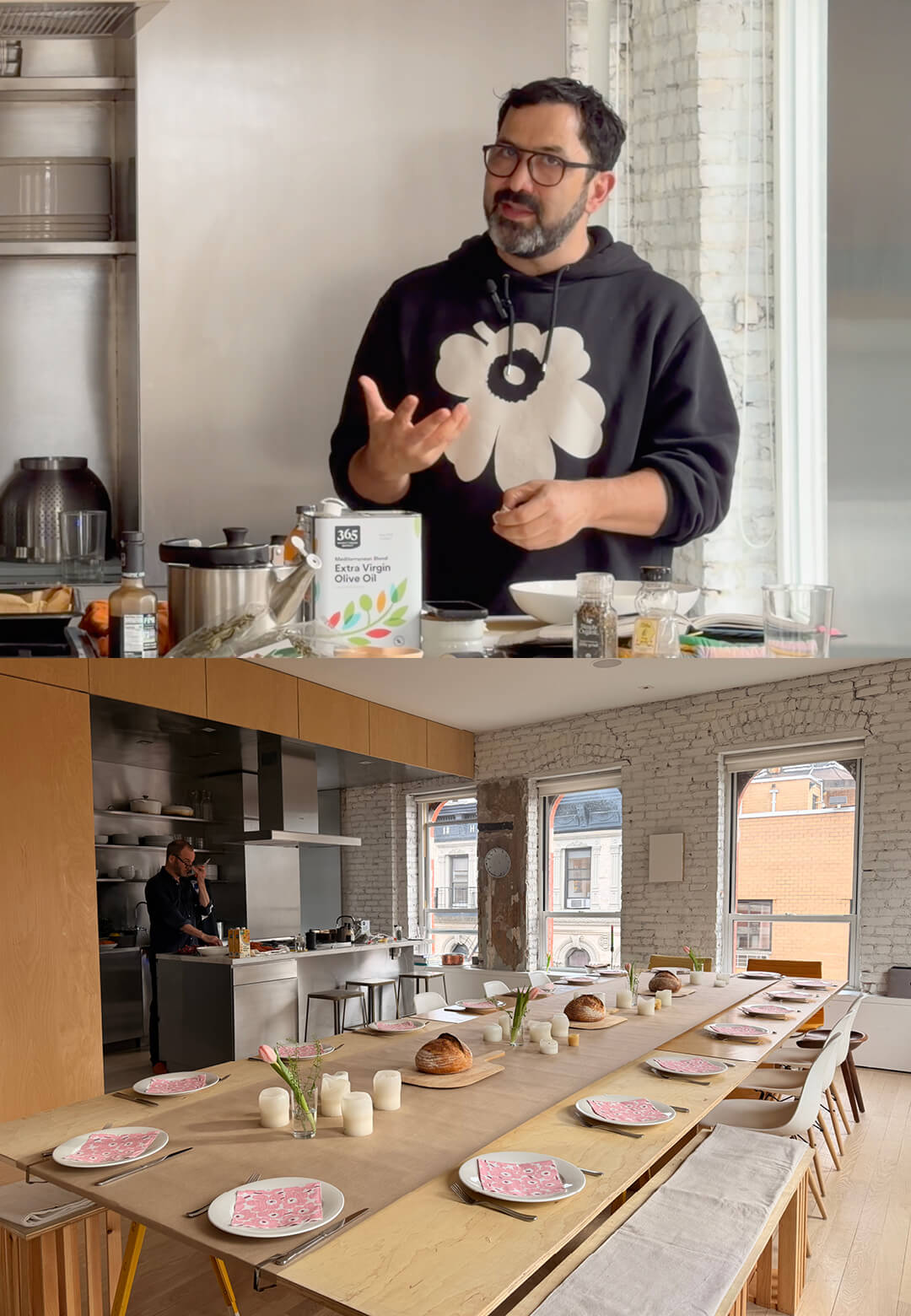
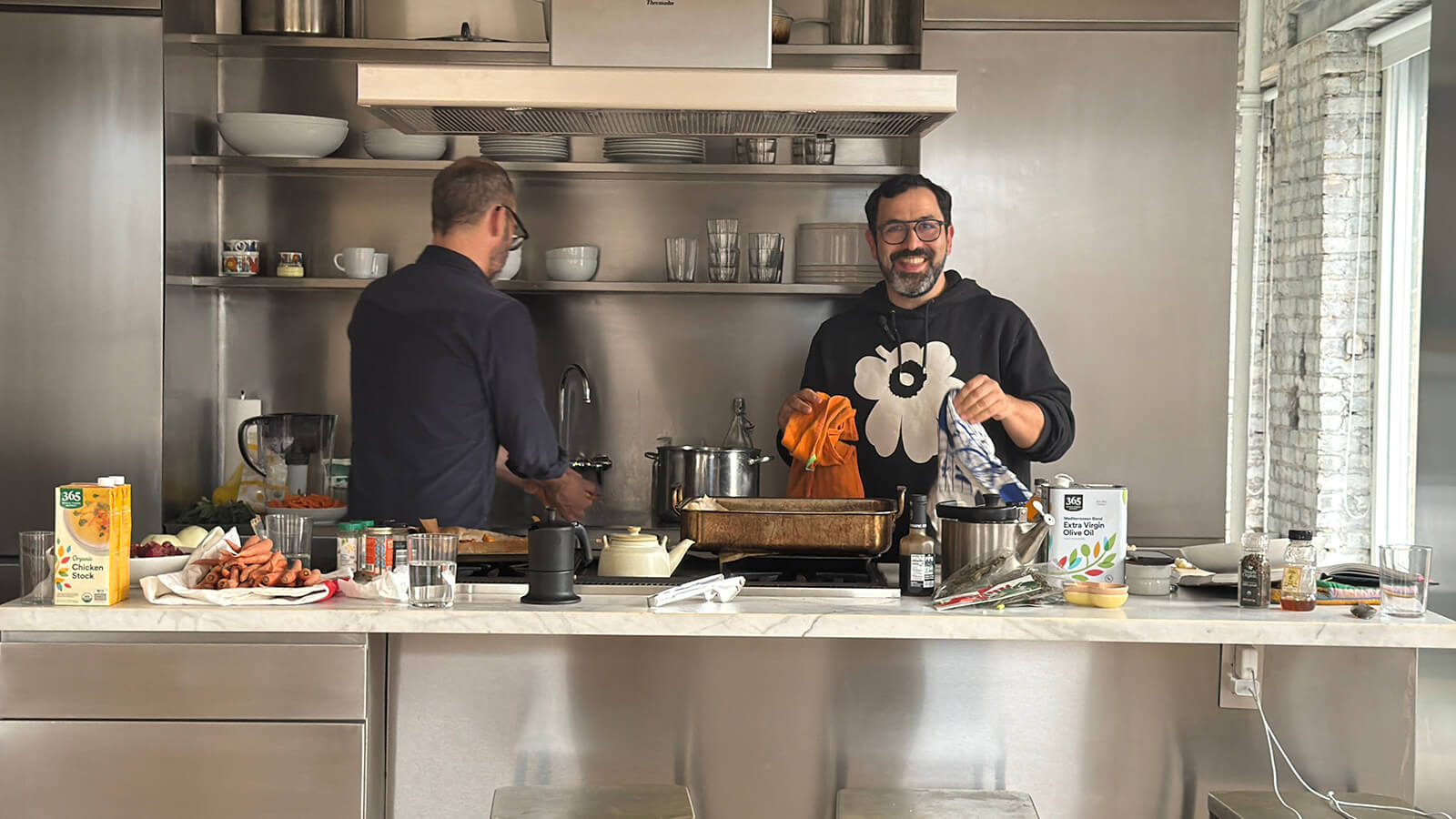
It’s early evening on the Lower East Side, and Turkish architect Koray Duman is reading a recipe. Standing behind a steel kitchen counter, he moves between a cookbook, a tray of vegetables in the oven and a growing arrangement of ingredients laid out for dinner. Every few seconds, his attention shifts back to the page, then to the stove, then to something he’s half-remembered. The dining table, already extended, waits on the other side of the room, quietly holding its place in the evening to come. Outside, the park along Forsyth Street stretches past the apartment windows, pulling light deep into the space.
“I like following recipes,” he says. “It clears my mind.”
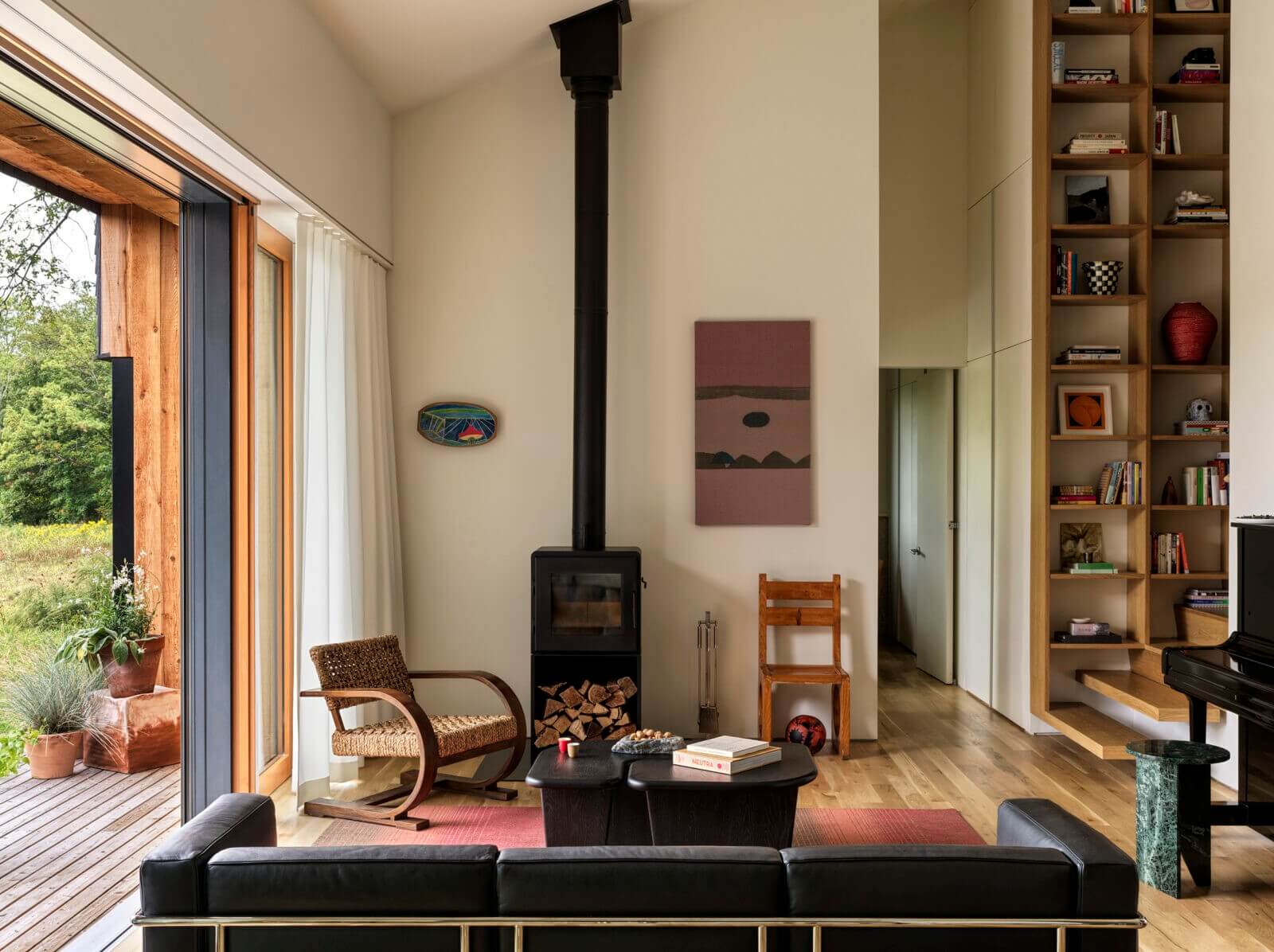
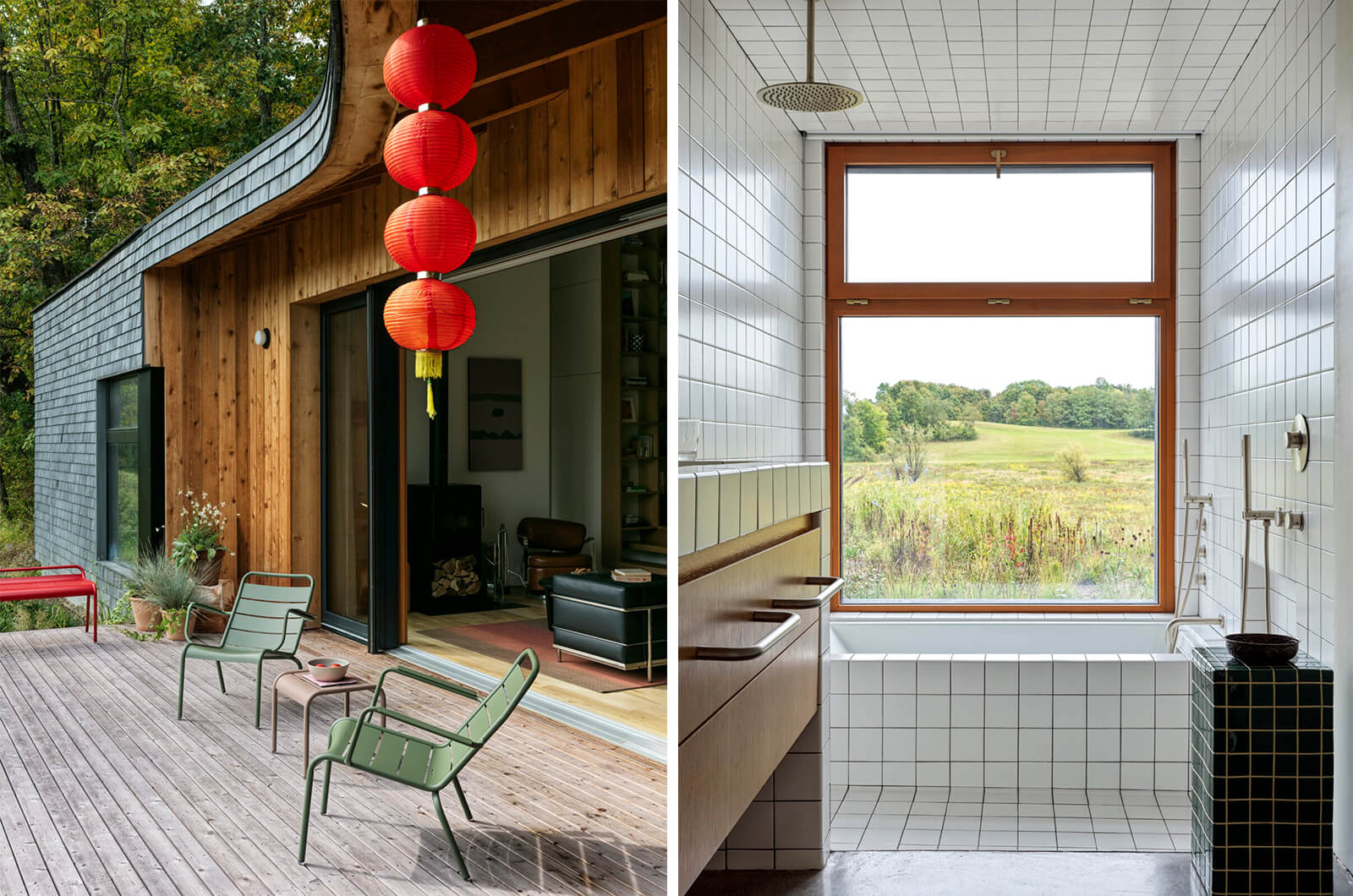
One of the first projects that introduced me to B-KD (Büro Koray Duman) was their design for Participant Inc, an educational corporation and not-for-profit alternative exhibition space. The space has a rugged mood board comprising a modular steel frame, exposed brick and the art world’s favourite plain white wall. In one open space, through different materials and flexible partitions, the gallery inhabits all its roles: of being a gallery, of course, in addition to doubling as an archive, art storage and workspace. However, this wasn’t the architect’s signature style. For an artist studio he designed for Miranda Fengyuan Zhang in Germantown, New York, Duman changed the recipe altogether. This project was completely different, in scale, style and materiality. The studio had dark-stained cedar shingles on the facades and a balanced mix of wood and exposed concrete indoors. But what remained common in these and all of Duman’s projects was layers of intergenerational memory, a sense of belonging and opportunities to welcome newer forms of community. For an architect who likes following recipes, his design didn’t follow a recipe but a special ingredient.
The preparation in Duman’s kitchen is for the Eid ul-Fitr dinner, an annual gathering he hosts for friends from across New York’s art and design community to which I was invited. I walked up five flights of stairs to Duman and his partner Simon Preston’s apartment; before I reached the door, I could already smell something roasting inside. The space opened immediately—long, narrow, lined with windows and filled with late afternoon light that settled unevenly across the room. At the far end, in the open kitchen, Duman stood over a cookbook, moving between ingredients spread across the counter. Hours before the dinner, I stood on the other side of his kitchen counter, ready with my questions while he delicately prepared the food in front of me. Before guests arrived, the apartment held a different kind of energy: focused, anticipatory, slightly restless. Even though the guests haven’t arrived, the work of bringing people together has already begun. And in the background, meat was being prepared, veggies were roasting and Duman was squinting at the one-eighth and one-sixth measurement markers on his recipe book.
Photographs of him, Preston and their daughter, along with her drawings, were stuck on the refrigerator beside me. It never felt like it was my first time in that apartment. The space has a familiar feeling, something I haven’t felt in many architects’ houses. Tonight’s menu, Duman excitedly tells me, brings together East Anatolian, Syrian and Palestinian dishes.
In cooking, I like following a recipe. But in architecture, it’s the opposite. Even though you develop certain ways of working over time, we try not to repeat ourselves. – Koray Duman
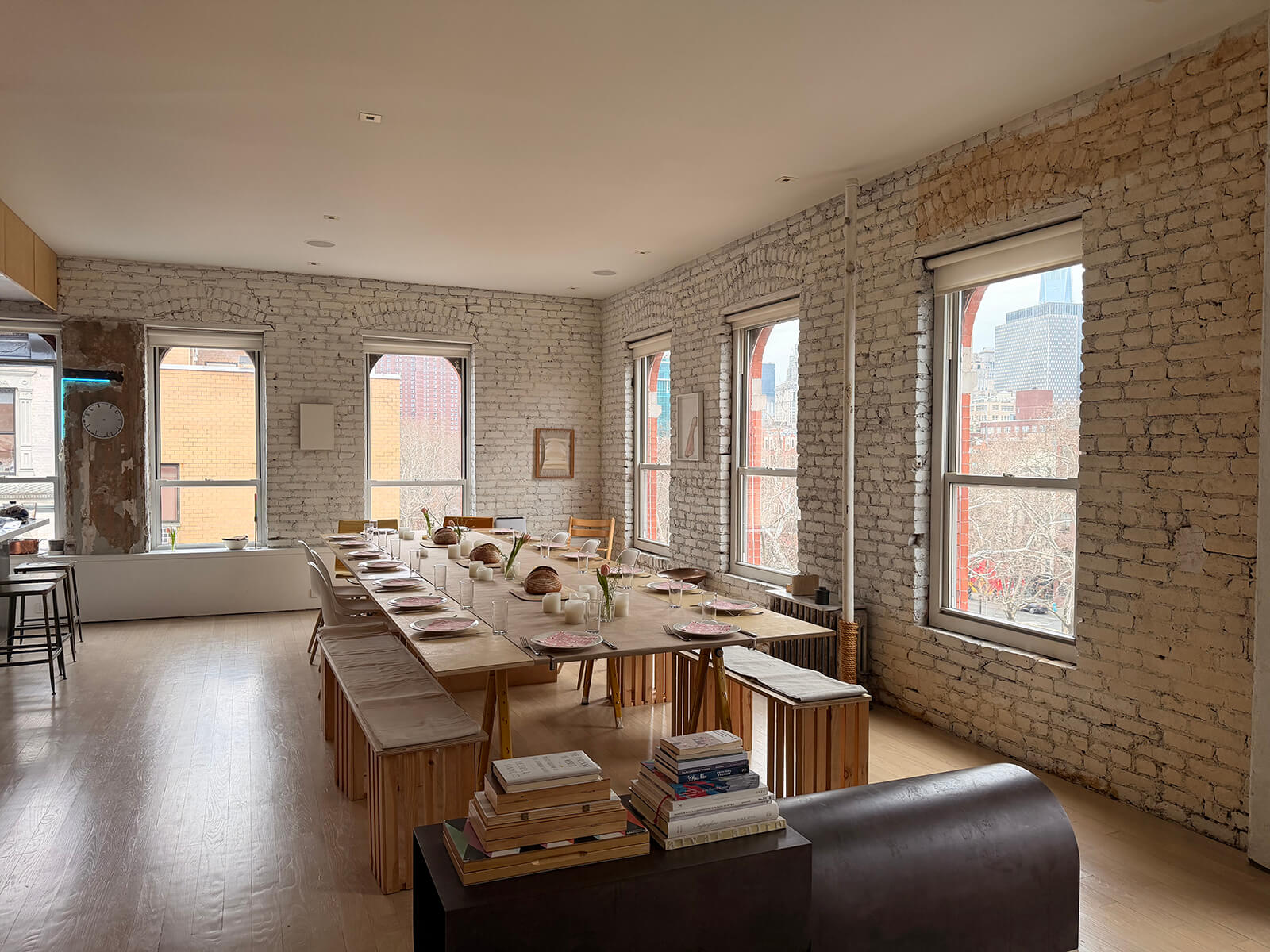
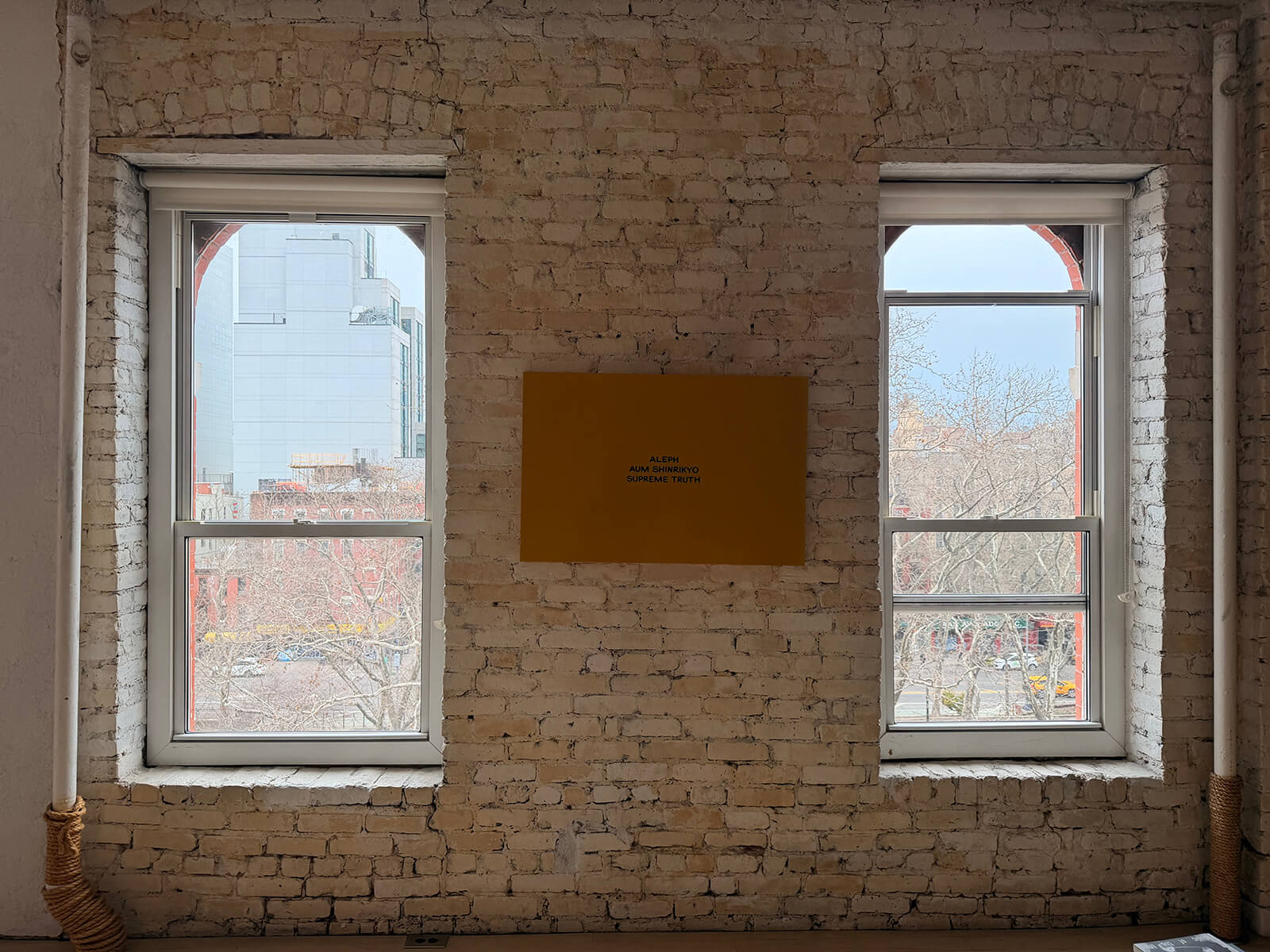
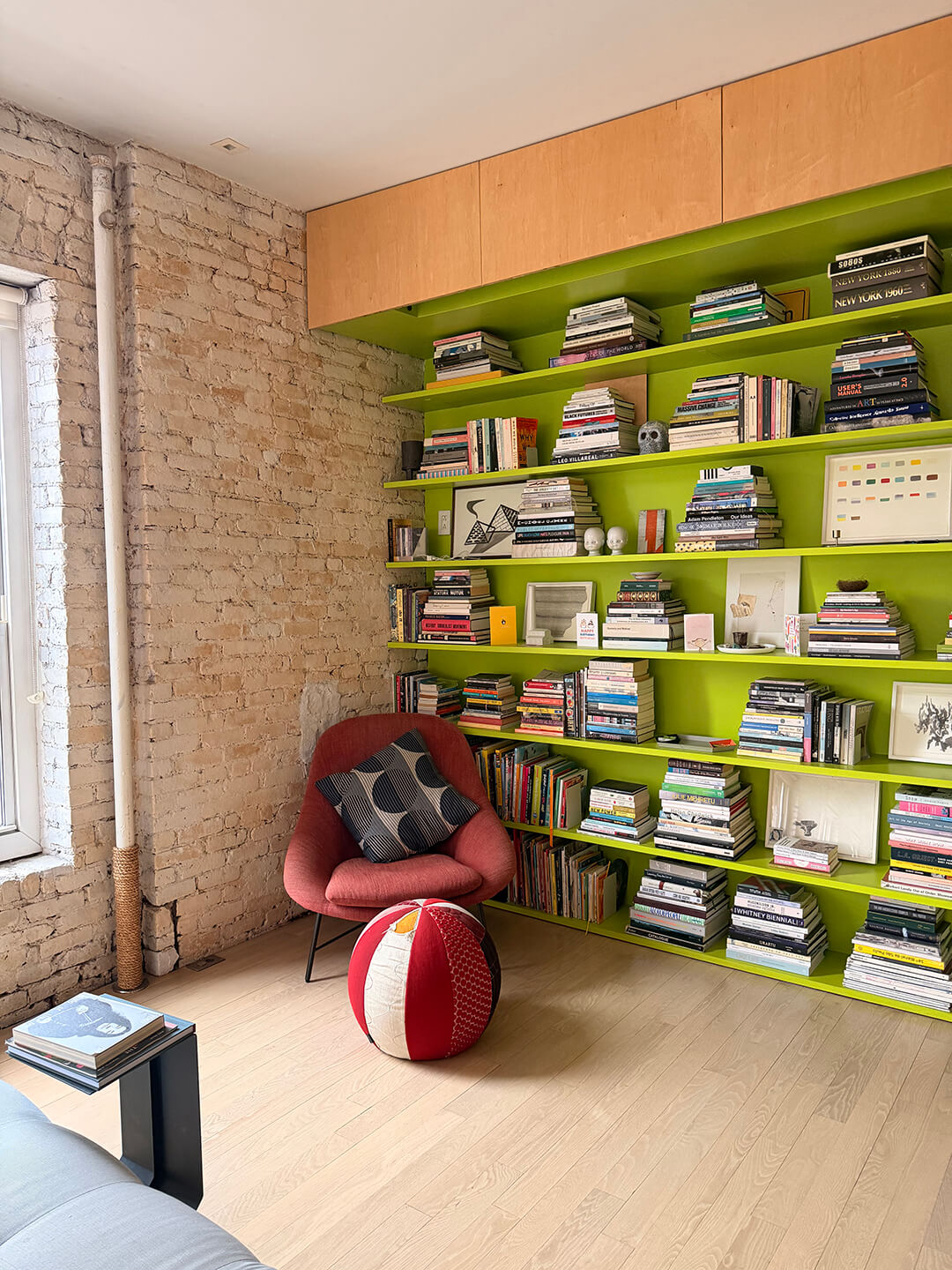
For Duman, cooking is a relatively recent practice. “Cooking wasn’t something I did growing up in Turkey,” he says. “There was a kind of assumption that men didn’t really spend time in the kitchen. So I was never really part of that.” He reaches for a spice jar, pauses, then returns to the book. “I started cooking after moving here, about 15 years ago, and I realised that following recipes has a calming effect on me. It clears my mind.” He opens the oven, checks the vegetables, adjusts something, and closes it again. “I’m not someone who can improvise easily in the kitchen; that’s something Simon is very good at. But I like the structure of a recipe. There’s something about it that feels grounding.”
I followed up by asking if that structure extends into his architecture. He laughs, almost immediately. “In cooking, I like following a recipe. But in architecture, it’s the opposite. Even though you develop certain ways of working over time, we try not to repeat ourselves. Each project is an opportunity to try something new, to take on a different challenge. That’s what keeps it exciting.” This condition is quite visible in Duman’s portfolio of projects. His work spans research, feasibility studies and exhibition design to residential and commercial architecture. His most recent project, the exhibition-making for Future Schools at the National Academy of Design, transformed the gallery into an active pedagogical environment that is part working classroom, part symposium space for public dialogue and part archive of past and present educational experiments. With Future Schools, B-KD reactivates NAD’s 1825 roots as a self-organised, artist-founded school.
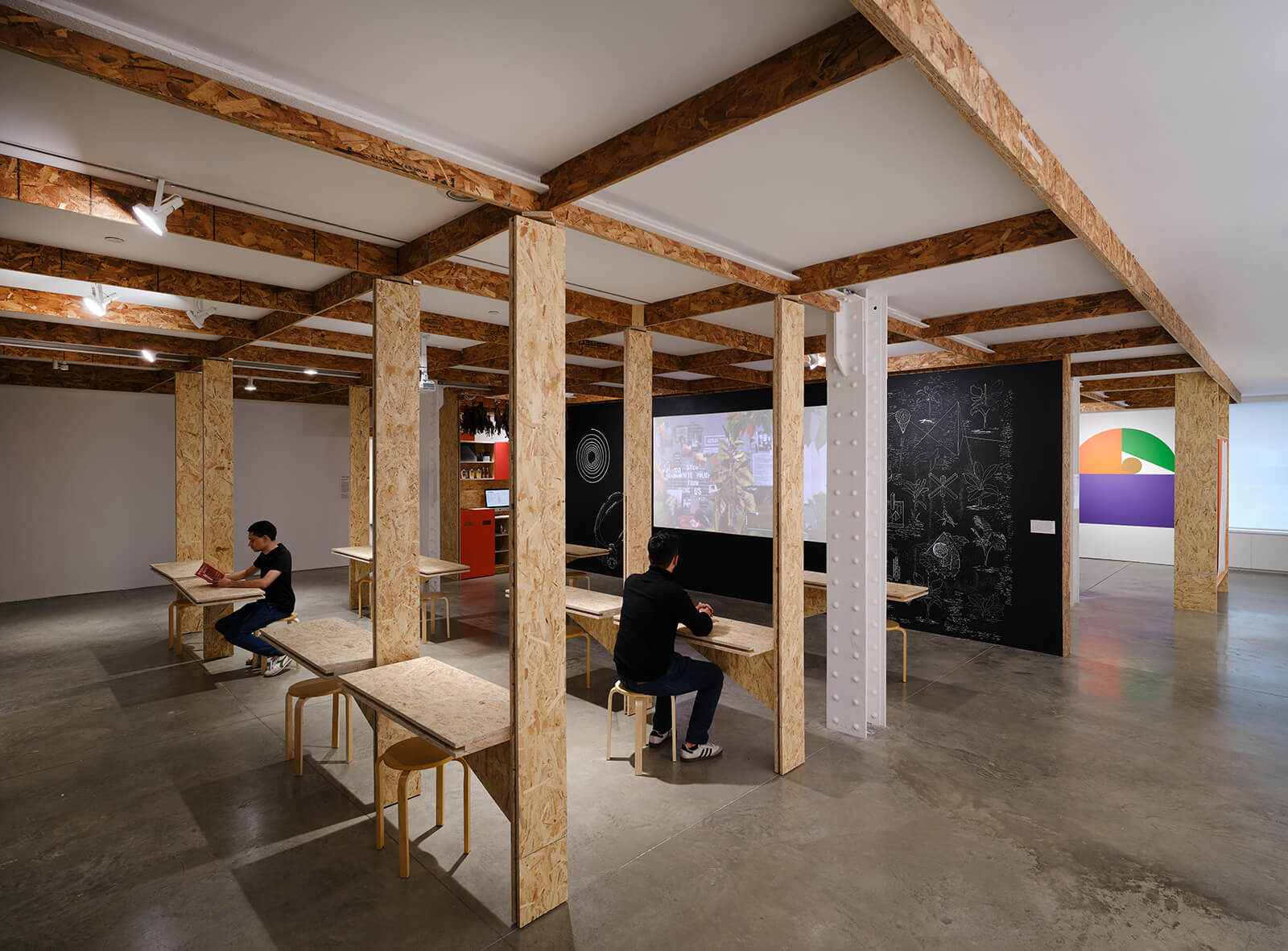
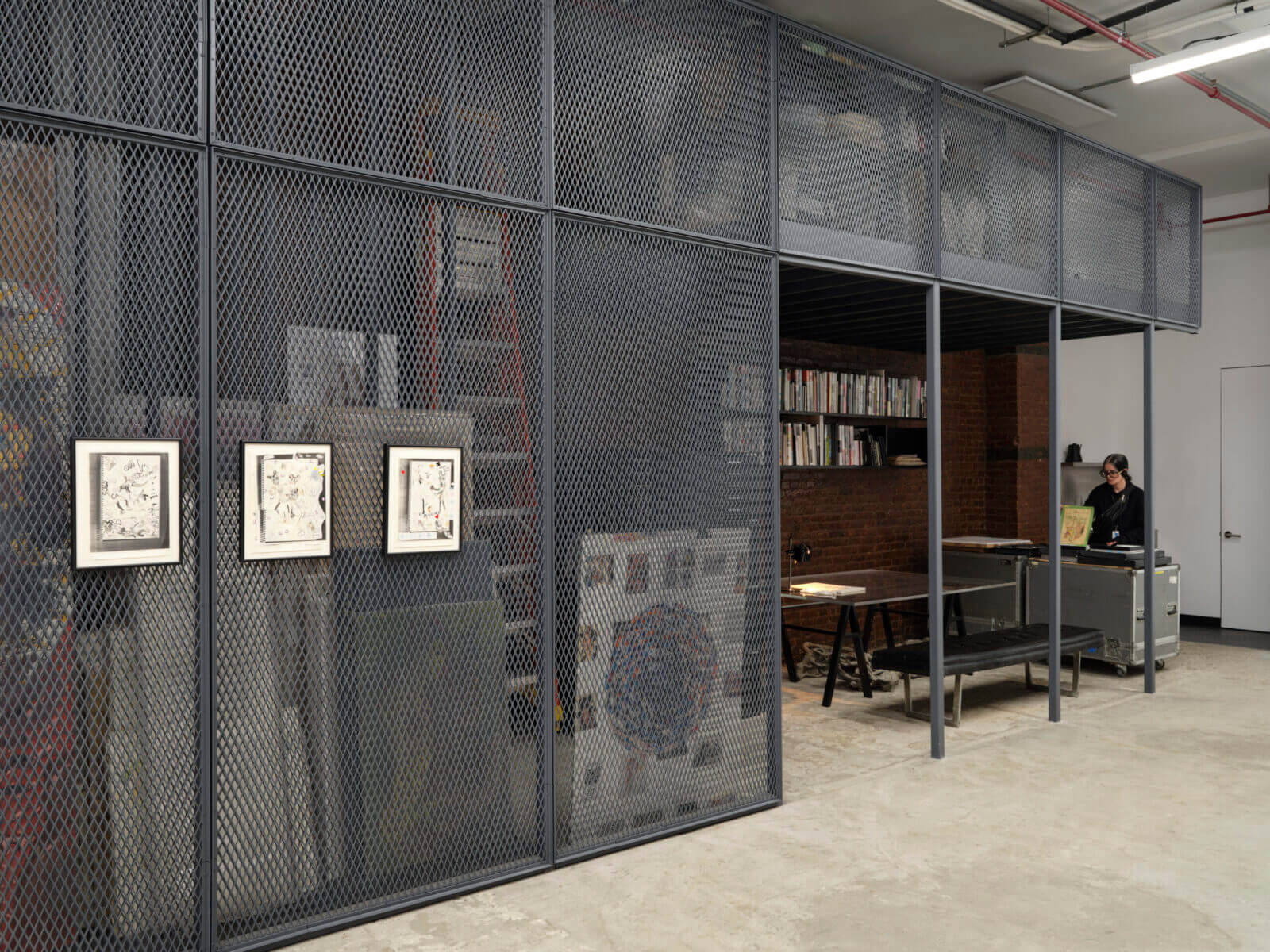
To build a life in a new city is to assemble it gradually, through spaces, routines and the people who enter them. For many immigrants, those spaces become markers of memory: the first apartment, the borrowed kitchen, the cafe where a friendship began, the home where you are first invited to stay a little longer, the rooftop with sunset and skyline. In a moment when conversations around migration, belonging and identity continue to be politically charged in the United States, these quieter acts of gathering take on a different kind of weight. They become ways of making space where it does not always easily exist. B-KD’s study on reimagining MoMA PS1’s courtyards as shared spaces that connect the museum with its community is an example of how Duman and his team extend these ideologies to public and institutional spaces.
For Duman, architecture has always been entangled in that process, not just as a profession, but as a way of thinking about how people come together. “I was always interested in politics,” he tells me. “And during my undergraduate studies, I became really drawn to 1960s radical architecture, groups like the Situationists. That was a moment where I felt I could combine design with thinking about cities, people and social conditions in a more purposeful way.”
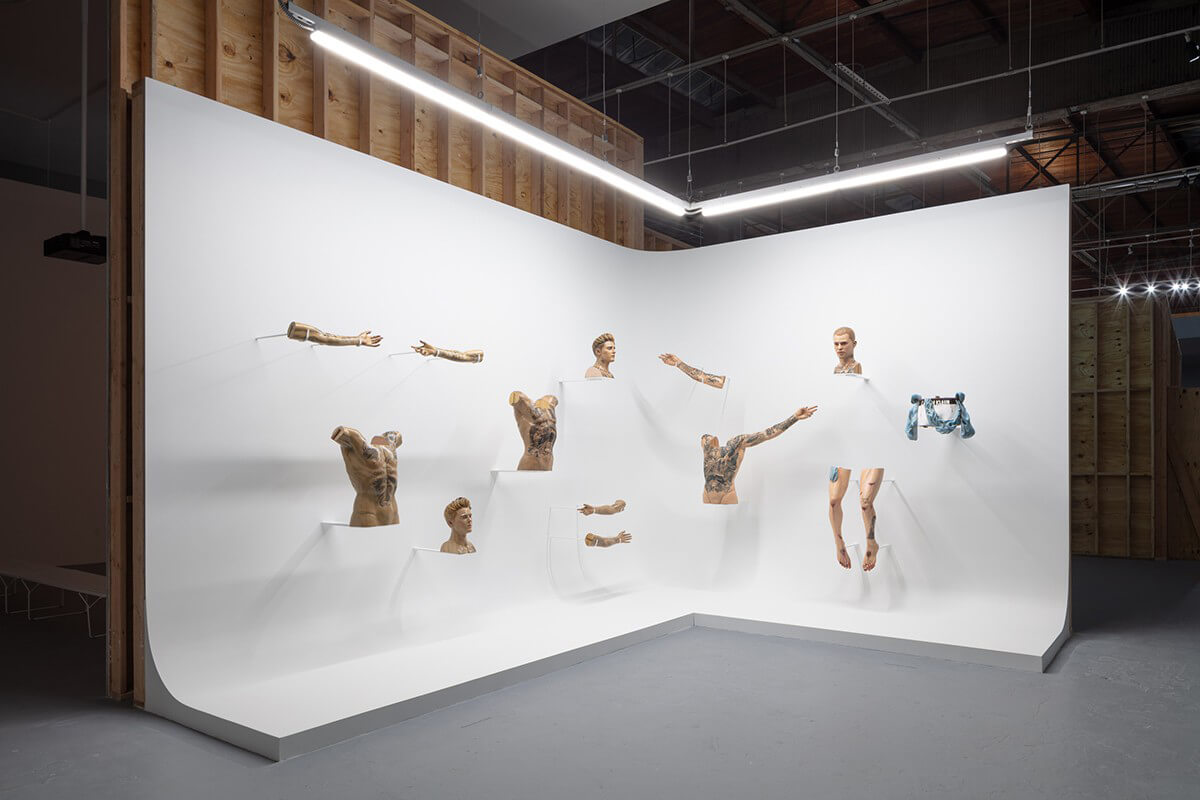
Duman hadn’t always planned on becoming an architect. As a teenager in Turkey, he wanted to study fashion. His mother, however, encouraged him to pursue architecture first, to have something stable and then maybe pivot to what he likes. But the shift, once made, stayed. When asked if he ever thought of going back, he said: “No, once I realised that architecture had the ability to improve people’s lives, I just wanted to keep doing it for a long time.”
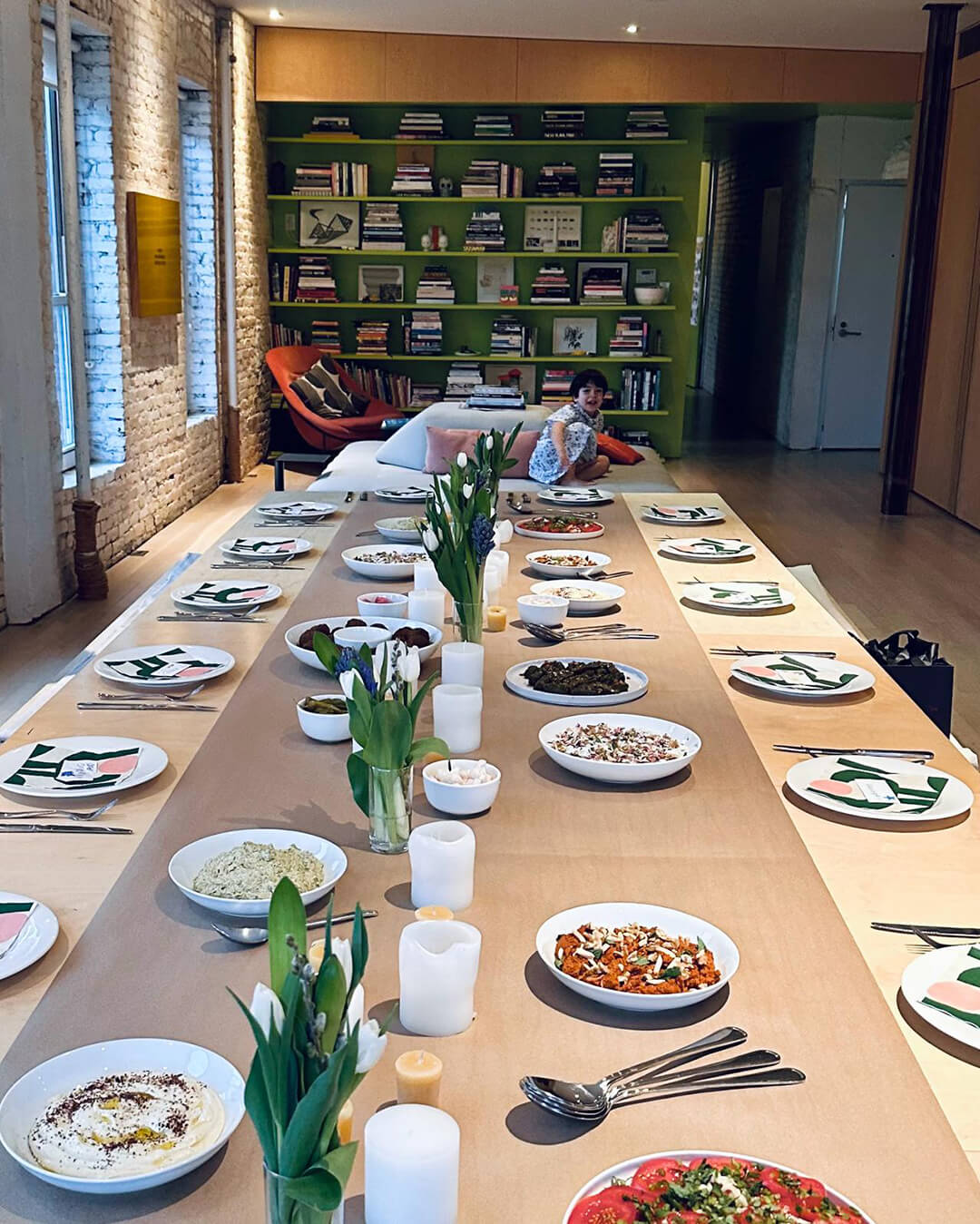
Our conversation moves easily between cooking and architecture, between the present moment and the spaces that have shaped it. “I really believe that space has the power to uplift people,” he says. “It can feel generous, or poetic, without being overwhelming.” He gestures toward the apartment, not in a demonstrative way, but as if acknowledging something already understood. One of the reasons they chose it, he explains, was its unusual proportion. The space is long but narrow, with windows running along its longer edge facing the park, something rare in New York. It allows the apartment to expand outward, to feel larger than it is.
But it is through hosting people at his home, especially these Eid dinners, that his understanding of space has shifted most. “People naturally gather around activity,” he says. “If something is happening, like cooking, they move toward it. They don’t just disperse randomly.” Over time, watching people move through his home has changed how he thinks about design. “I have started thinking more about how a space is activated. In a way, space needs to function as a kind of generous infrastructure, something that allows for different uses, different gatherings, different energies.”
In this apartment, that idea is not abstract; it is visible. The counter becomes a point of convergence. The table extends to accommodate more bodies. The space between the kitchen and dining shifts constantly, depending on who is standing where, who is speaking, and who is passing a plate. Memory, too, enters the conversation quietly, almost incidentally. “When I think about spaces I have loved, what stays with me isn’t really their form,” he says. “It’s what I felt there, or what happened there. If it’s a meaningful memory, you carry that space with you.”
Duman grew up in Ankara, Turkey, in a city of mid-rise apartment buildings that were dense, but not tall. Looking back, he realises that many of the places he has lived in New York share a similar scale, often with some relationship to greenery. “I remember, from my childhood bedroom, looking out into the back garden of our building,” he says. As he speaks, the windows beside us frame the long stretch of green along Forsyth Street. The connection feels less like a coincidence than a continuity.
The apartment itself has evolved over time. Duman moved in about 15 years ago, when it was a single unit. A year later, he met Preston, who soon moved in. As their lives expanded, the apartment began to feel small. When the neighbouring unit unexpectedly went on the market, they seized the opportunity to combine the two. The result is a space that has grown alongside them, through partnership, through family, through time. Even small details matter. “A bit of colour in the morning can really affect your mood,” he says, gesturing toward the bright green walls across the room that catch the light just enough to be noticed.
I have started thinking more about how a space is activated. In a way, space needs to function as a kind of generous infrastructure, something that allows for different uses, different gatherings, different energies. – Koray Duman
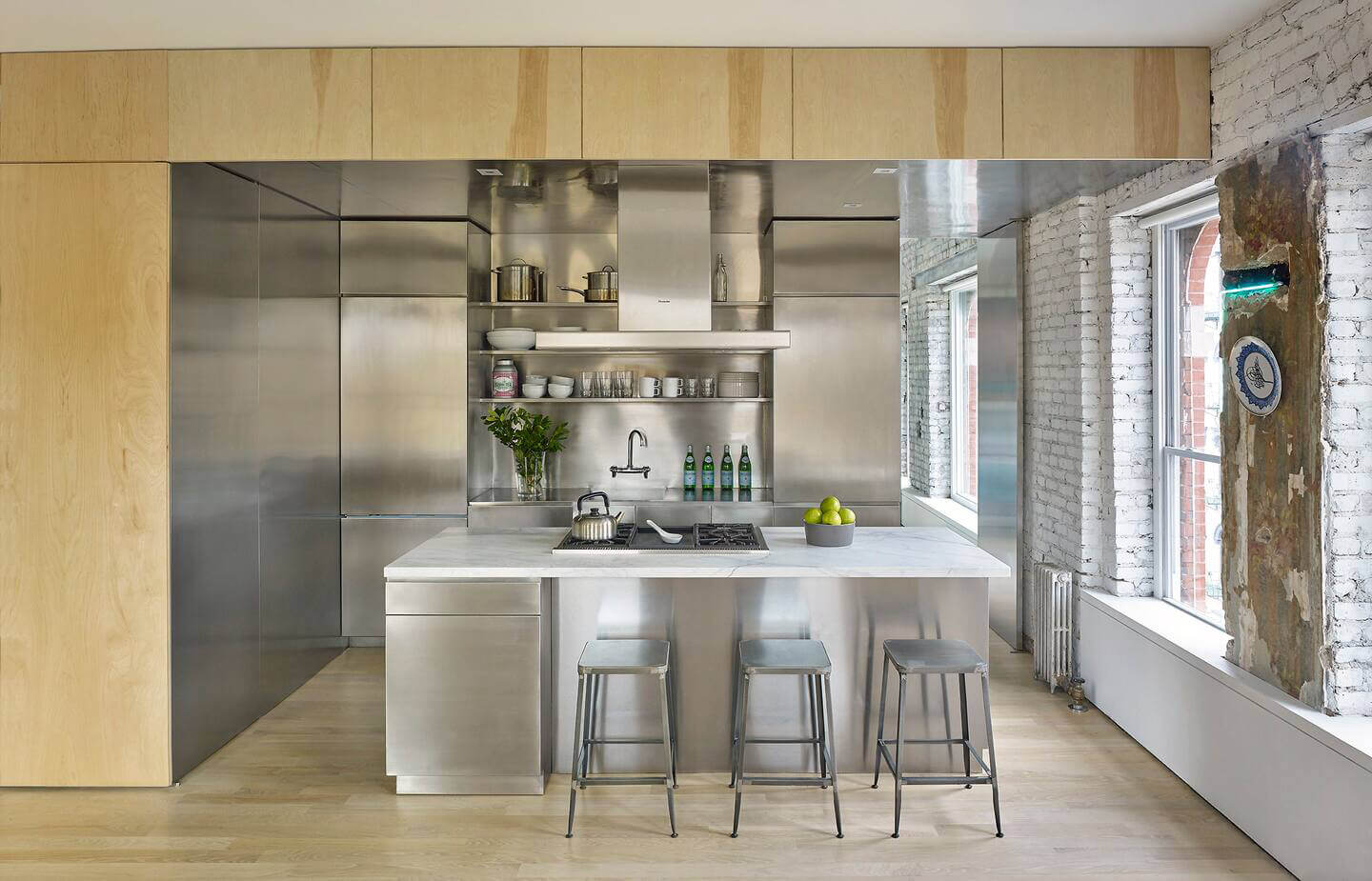
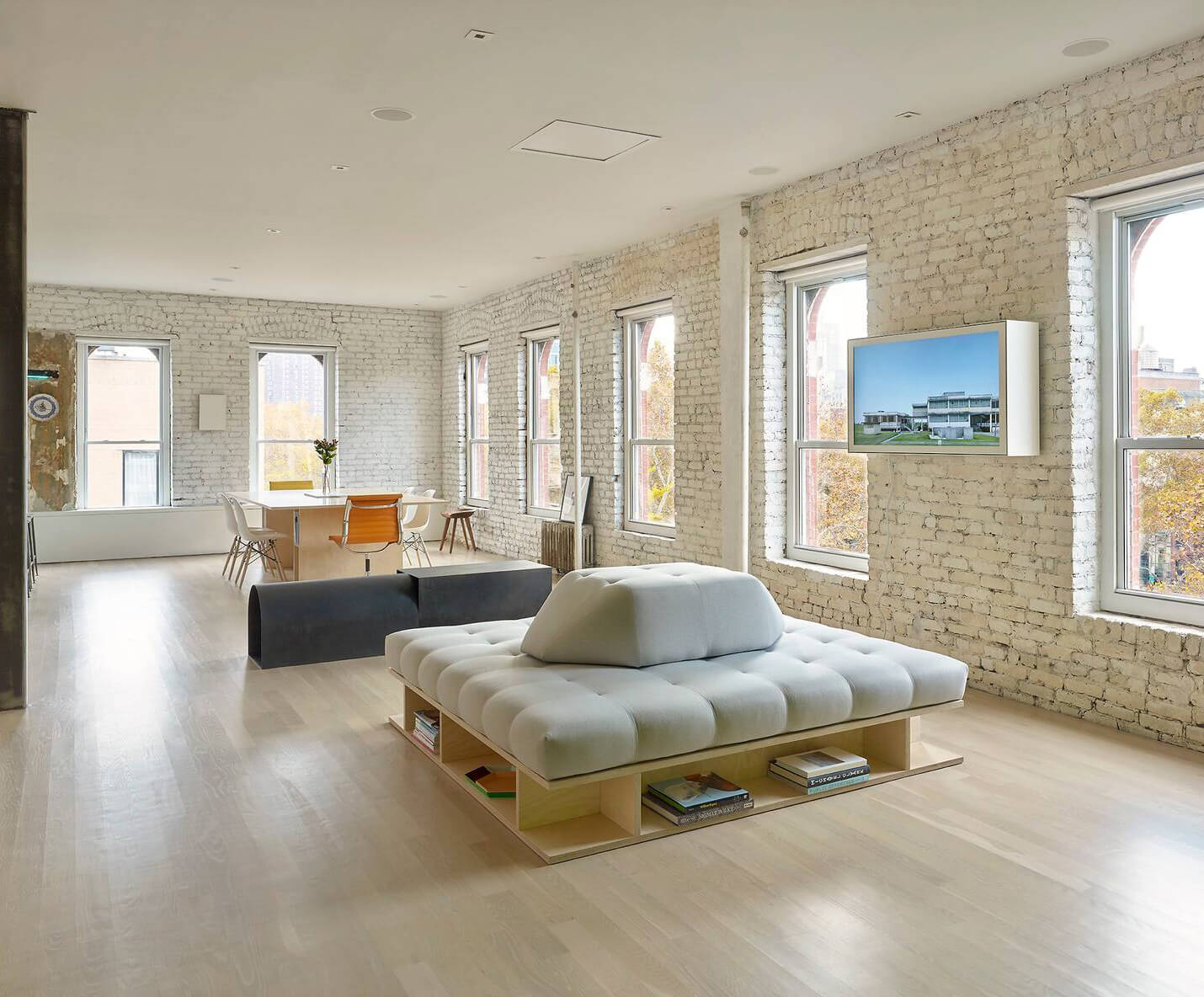
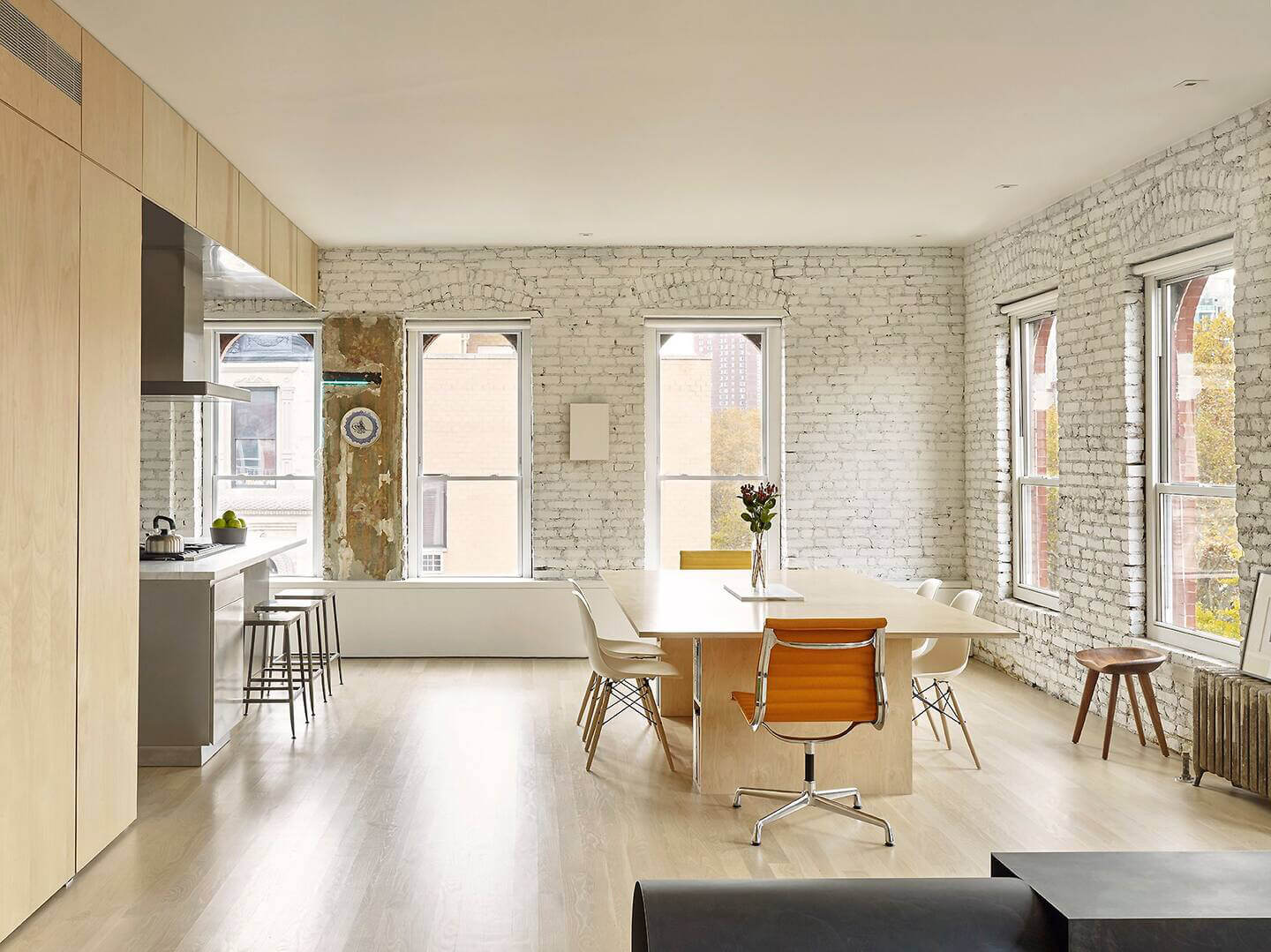
At some point, he walks over to the window and points toward a low building across the street. “That’s where Simon had his gallery,” he says. They met online nearly 15 years ago. It was only later that they realised how close they had been living, his apartment overlooking the very space where Preston worked. They decided to meet that same night—a very New York beginning. Back in the kitchen, the pace begins to shift. The dishes are coming together. The table, already extended, is no longer waiting; it is about to be used.
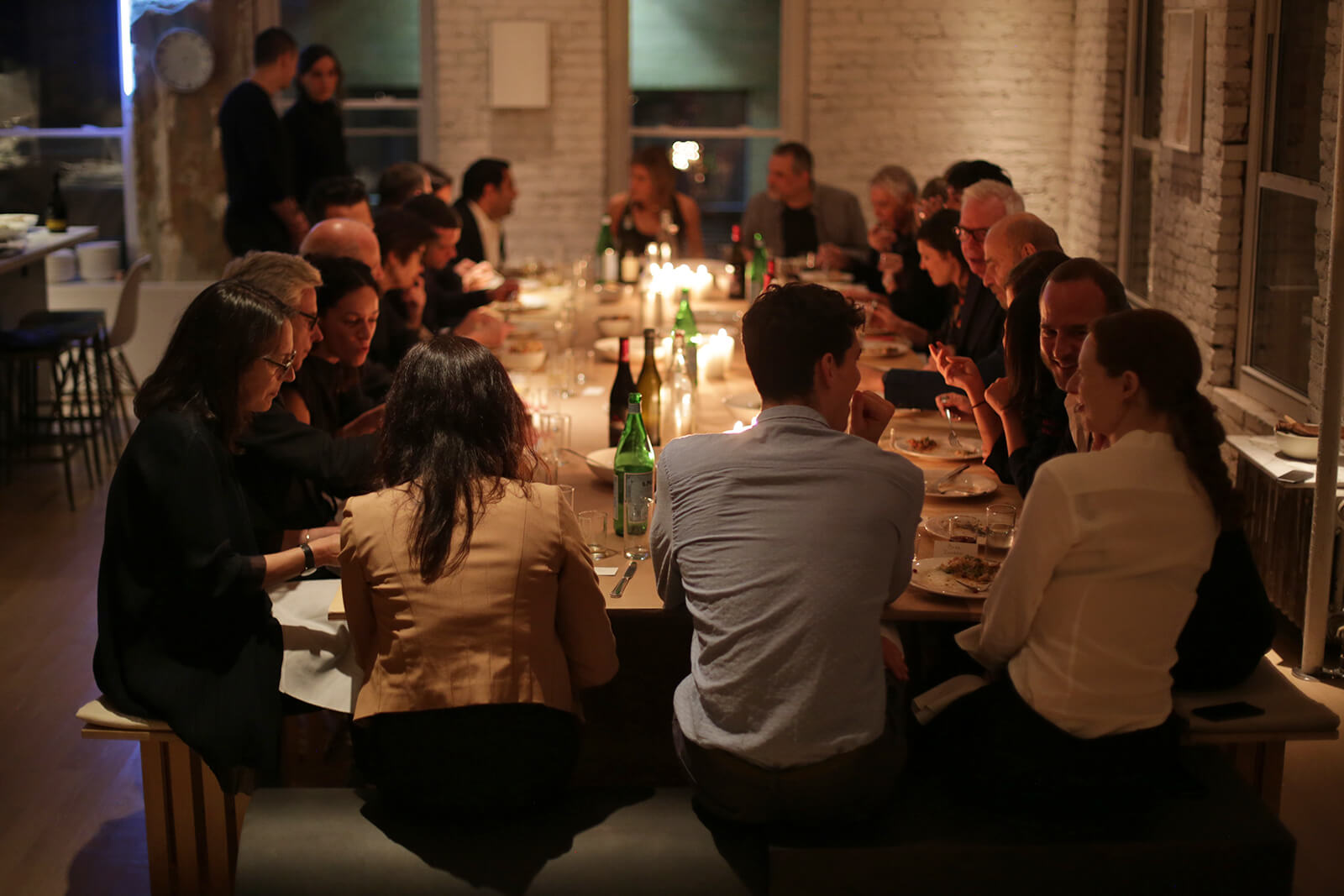
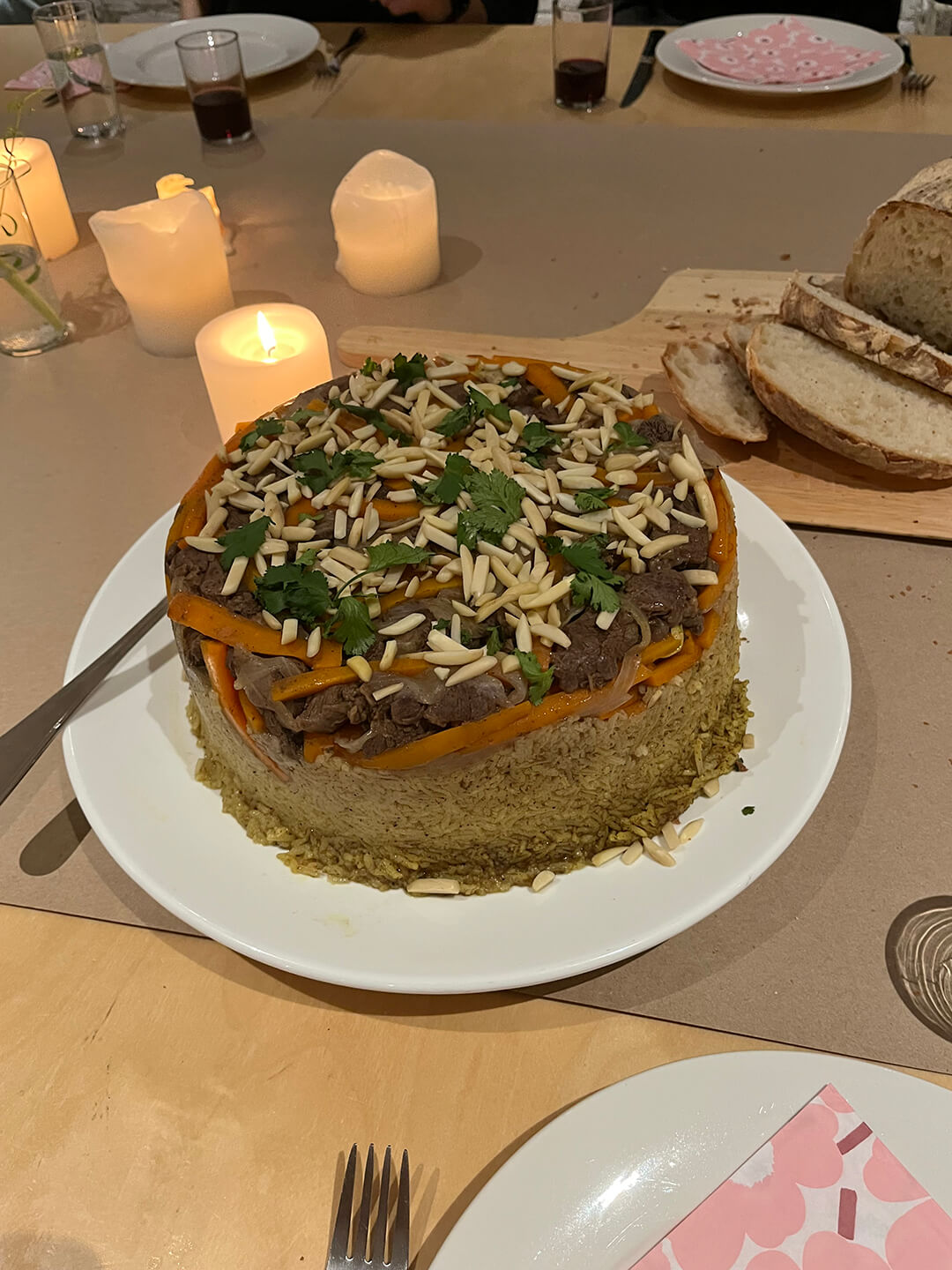
I left Duman and Preston for the final preparations and returned a few hours later for the dinner itself. By then, the mood of the apartment had shifted. The table was full, people of different ages, backgrounds and identities, many unfamiliar with the festival itself, but gathered there for the host. Seats were taken casually, without order. Bread, dips and salads moved easily across the table, passed from hand to hand. At one point, Preston brought out the evening’s centrepiece: maqluba, a Levantine dish made with rice, meat and fried vegetables cooked in a single pot and flipped upside down before serving. As we watched, he turned it over in one swift motion and carried it to the table. The gazes followed.
Dinner unfolded in a familiar rhythm, serving, sharing, exchanging, conversations overlapping, continuing without pause. I had met everyone there for the first time, yet nothing about the evening felt unfamiliar. What emerged instead was a quiet sense of ease, of belonging, a kind of found family, as Duman had described earlier.
What unfolds over the course of the evening, the movement between kitchen and table, between conversation and food, between strangers and friends, is not separate from Duman’s practice. It is, in many ways, continuous with it: an architecture not only of buildings, but of gathering, a space defined not just by form, but by what it holds, what it allows and what lingers after. For a few hours, the apartment became something more than a space. It held memory, difference and community together, gathered, quite simply, around a table. I was reminded of something Duman said in our conversation earlier: “I really believe that space has the power to uplift people. It can feel generous, or poetic, without being overwhelming. And if it holds a meaningful memory, you carry that space with you.”
by Pranjal Maheshwari Oct 19, 2026
The Mumbai-based architects integrate courtyards, mesh screens and north light trusses to create a dining space that doubles up as a community hub at SR University, Warangal.
by Mrinmayee Bhoot Oct 17, 2026
The Rotterdam-based institute centres the Indian Ocean as a network for exploring material histories and transnational links shaping coastal cultures, positing them as future models.
by Pranjal Maheshwari Oct 16, 2026
At the 2026 Stirling Prize ceremony, Mary Duggan with RUFF Architects, MAKER Architecten and Nakshabid Architects were felicitated for proffering quality housing and social equity.
by Mrinmayee Bhoot Oct 12, 2026
The new Centre for Contemporary Arts, fostering public engagement with art in Uzbekistan, is housed in a tram depot refurbished by the French studio, emulating local craftsmanship.

make your fridays matter with a well-read weekend
Enter your details to sign in
Don’t have an account?
Sign upOr you can sign in with
a single account for all
STIR platforms
All your bookmarks will be available across all your devices.
Stay STIRred
Already have an account?
Sign inOr you can sign up with
Verification link sent to check your inbox or spam folder to complete sign up process
Tap on things that interests you.
Select the Conversation Category you would like to watch
Please enter your details and click submit.
Enter the 6-digit code sent at


Extending the table: STIR in conversation with Koray Duman
by Sunena V Maju | Published on : Apr 02, 2026


 Sign in with Google
 Sign in with email
What do you think?