Art10 mins. read
Experimenter Curators’ Hub and the new, rhizomatic structures of the art world
by Srishti OjhaJul 10, 2026



by Vandana KalraPublished on : Jul 27, 2026
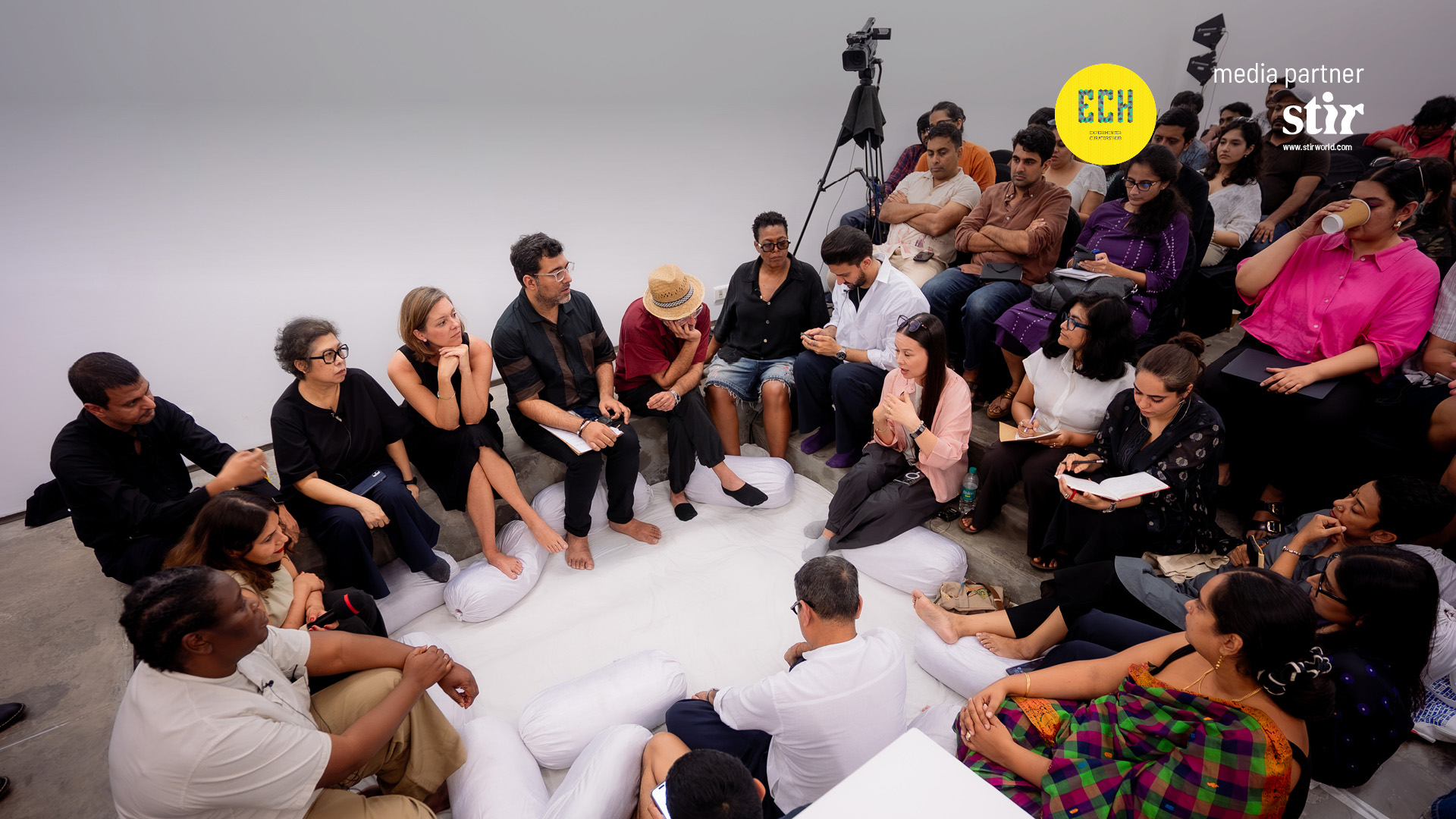
At a time when art curation is increasingly being dictated by several external pressures, ranging from institutional mandates to market dictates and the occasional demands to present a spectacle, the 15th edition of the Experimenter Curators' Hub in Kolkata offered a platform that has become rather rare: a space that allowed curators to reflect not on exhibitions as their ultimate purpose, but also on their more far-reaching responsibilities and the evolution of what curation now entails. The two-day gathering, held on July 17 – 18, 2026, focused not just on the social and political conditions that inform curatorial practices but also on their several associated strands.
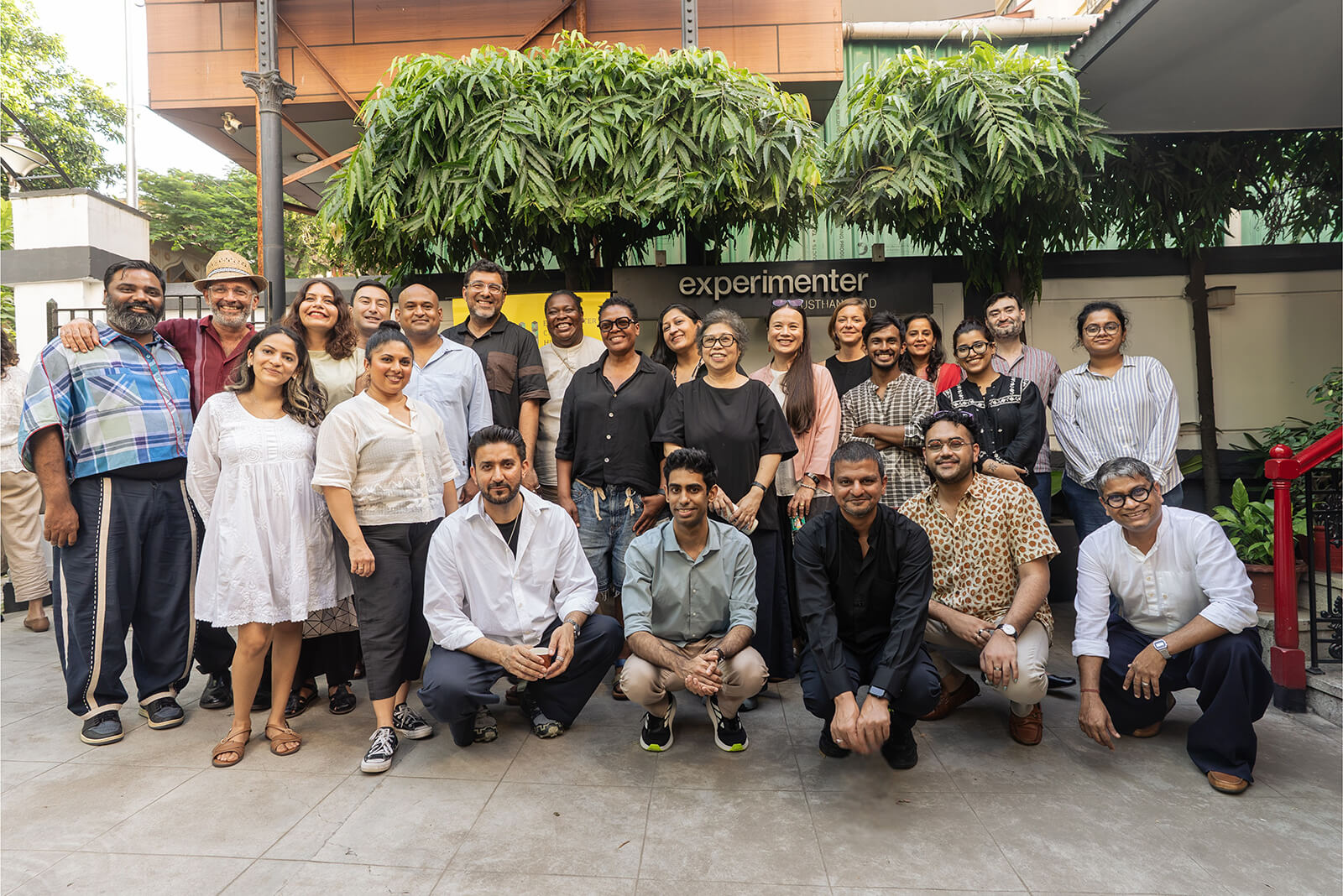
Speaking to STIR, Priyanka and Prateek Raja, co-founders of Experimenter, returned to the pivotal moment 15 years ago when they felt an imperative need to initiate the Hub as a forum for knowledge-sharing, to pause and reflect. The duo stated: "Our interest at that time was very fundamentally to be able to learn about the most current and compelling methods and strategies in thinking around curating. We worked through an instinct and knowledge of what we hold, but were also keen to understand what the wider network of intellectuals across the world thought about the future and the present. What were their engagements?" Kolkata, with its limited academic discourse on curating and its ‘sponge-like’ ability to absorb, contemplate and critique, emerged as the ideal home for the initiative. As the idea became more concrete, resources were mobilised, and the team reached out to curators, followed by audiences, both of whom responded with overwhelming interest.
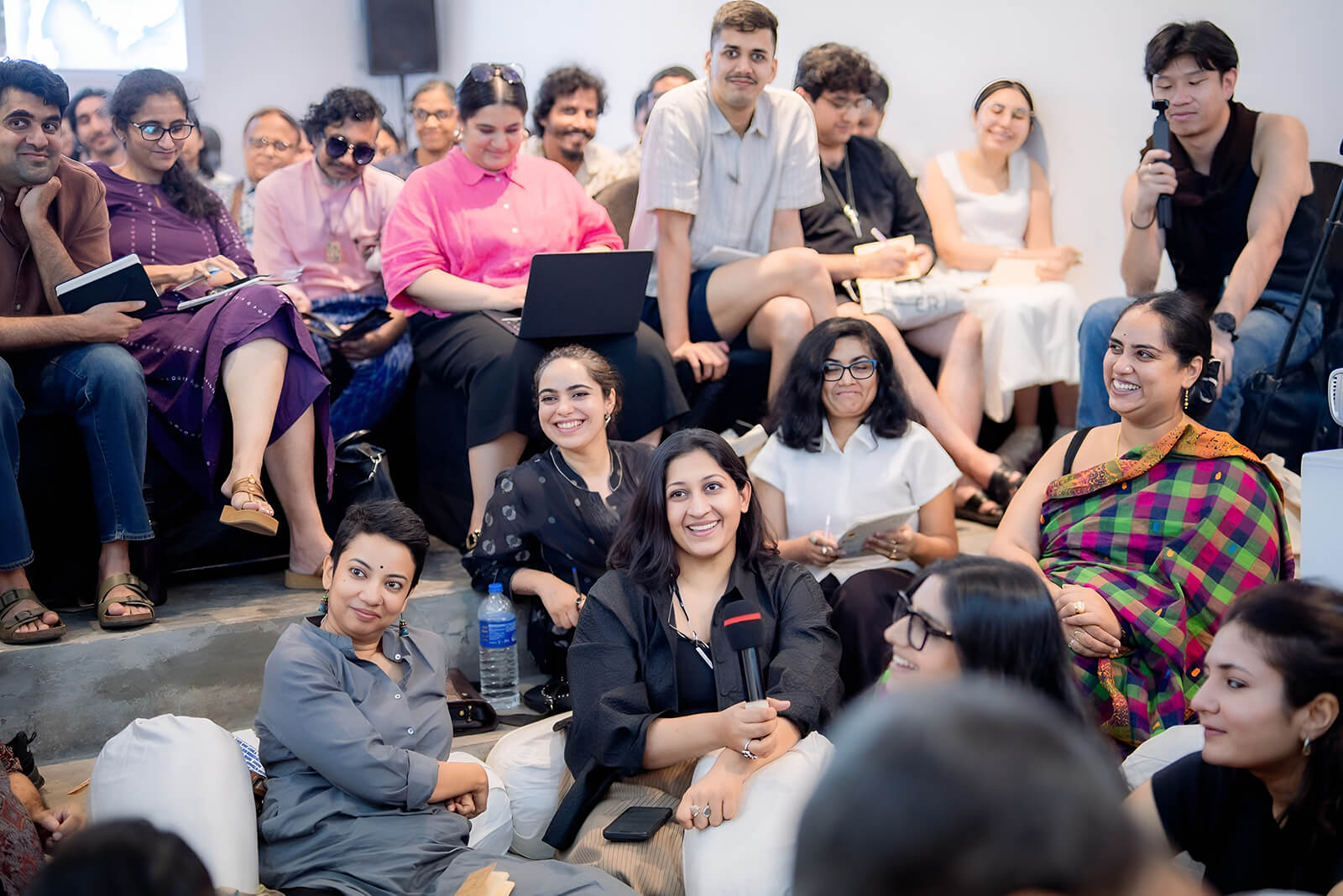
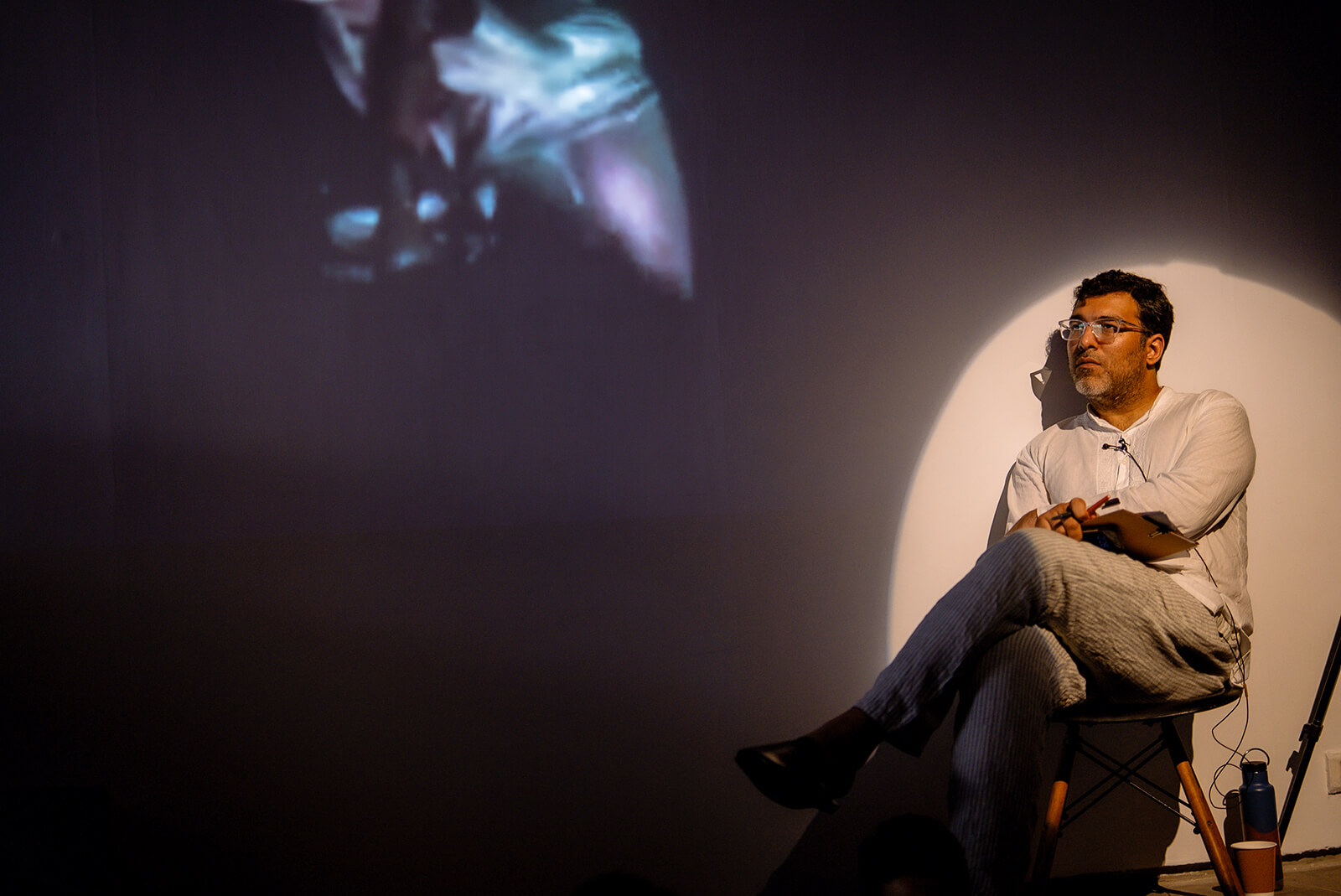
More than a decade later, the structures that define the art world might have altered in some ways, as have the circumstances within which curators operate, but the paucity of similar platforms remains, as does the desire for more such. The enthusiasm was evident not only among the participants, who were honest and candid, but also among audiences, who turned up well before each session began to secure a place in the packed gallery. And having hosted some of the world's most prominent names in curating over the years, this edition was no different. With curator and art historian Rattanamol Singh Johal returning as moderator for the second consecutive edition, the speakers included Arnika Ahldag, director, Museum of Art & Photography (MAP), Bengaluru; Gabi Ngcobo, director, Kunstinstituut Melly, Rotterdam; Gridthiya Gaweewong, co-founder, Project 304 and artistic director, Jim Thompson Art Center, Bangkok; Nikhil Chopra, co-founder, HH Art Spaces, Goa and curator of the 6th edition of the Kochi-Muziris Biennale (KMB) held in 2025 – 26; Sabih Ahmed, co-artistic director of the third Diriyah Contemporary Art Biennale (2026) and projects advisor, Ishara Art Foundation, Dubai; Sepake Angiama, artistic director, Institute of International Visual Arts (iniva), London; Shabbir Hussain Mustafa, chief curator, Singapore Art Museum (SAM); Tarini Malik, London-based independent curator and writer; and Zoe Butt, founder and director-at-large, in-tangible institute, and founding artistic director, deCentral, Thailand.
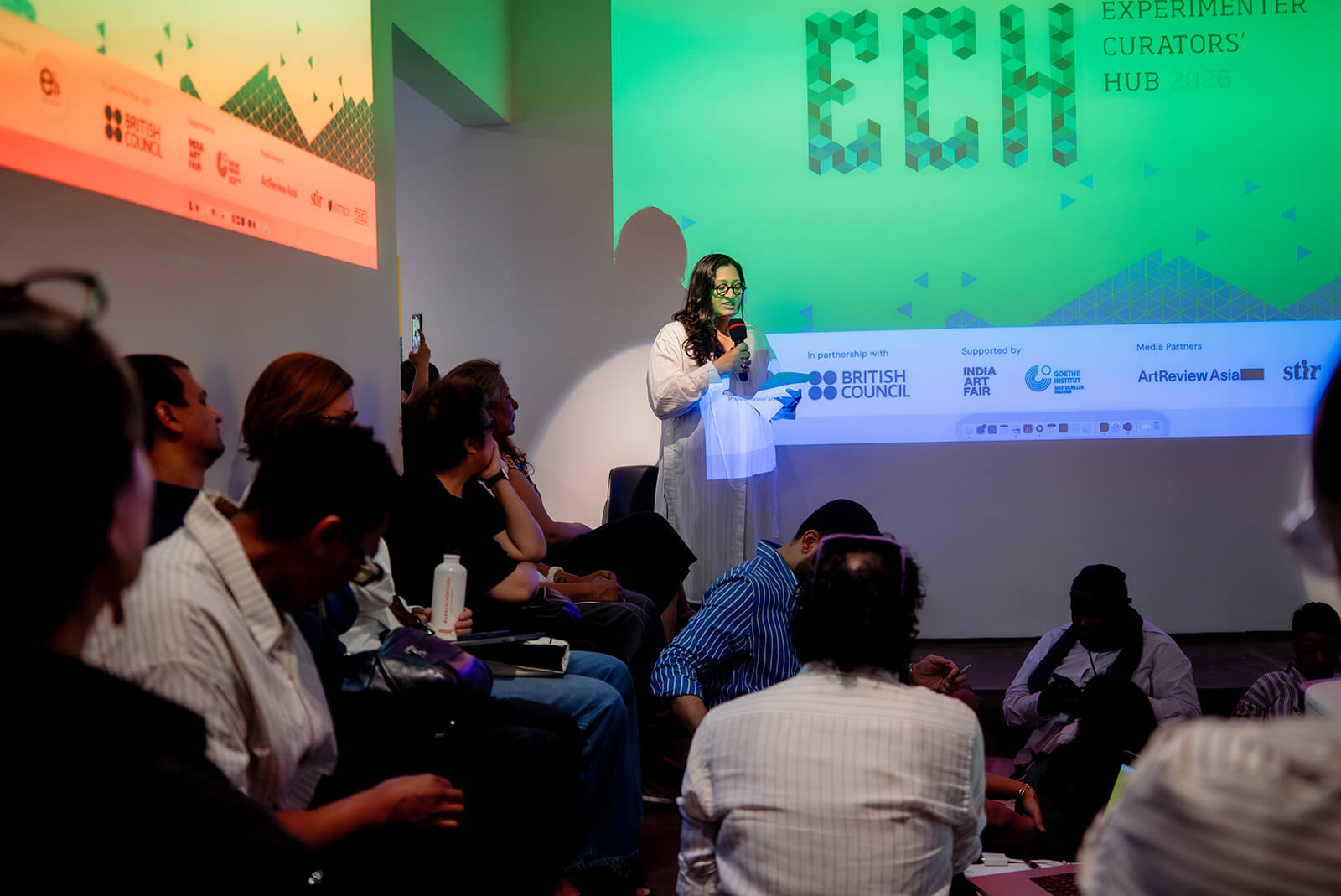
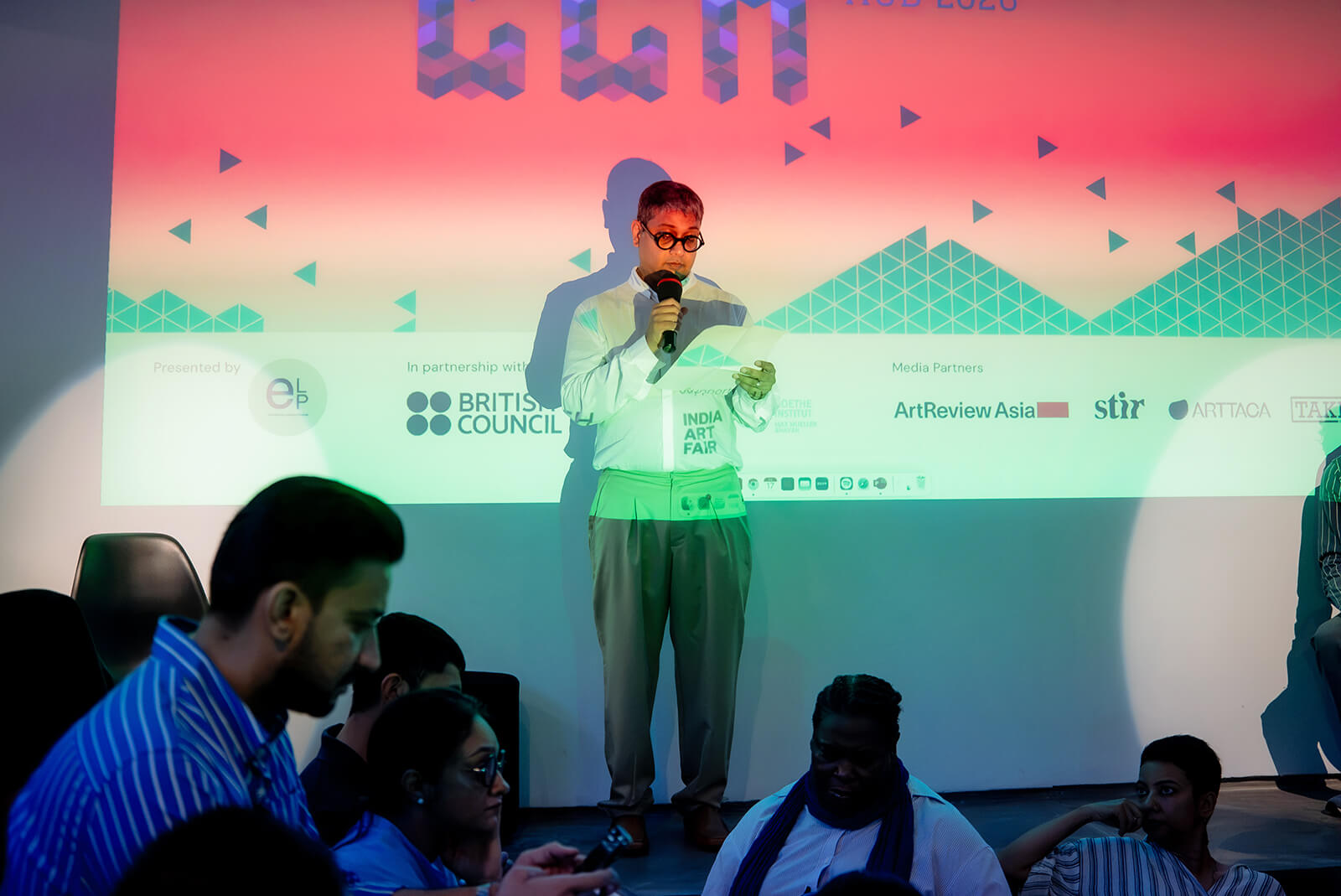
The proceedings, fittingly, opened with the Rajas. Prateek recalled the desperate pleas of Hind Rajab—the six-year-old Palestinian girl trapped in a car with the bodies of her family members, crying out for help—as ‘an appeal to stop’, even as Priyanka pondered the need for new formats of composite thinking and gathering that ‘resist singular positions’. Framing the conversations, Johal noted how the collective space was "meant for listening and learning, for questioning and reflection, for critique and commiseration".
This set the tone for what was to come, as the conversations extended beyond curatorial practice to engage with the world that shapes it and its many urgencies. Discussions ranged from the protests in Delhi and the forcible hospitalisation of educator and environmental activist Sonam Wangchuk to an appeal to sign a petition seeking the release of Delhi-based artist Srishti Gupta and theatre practitioner Akriti Chaudhary, who were arrested earlier this year in connection with the Noida workers' protest case.
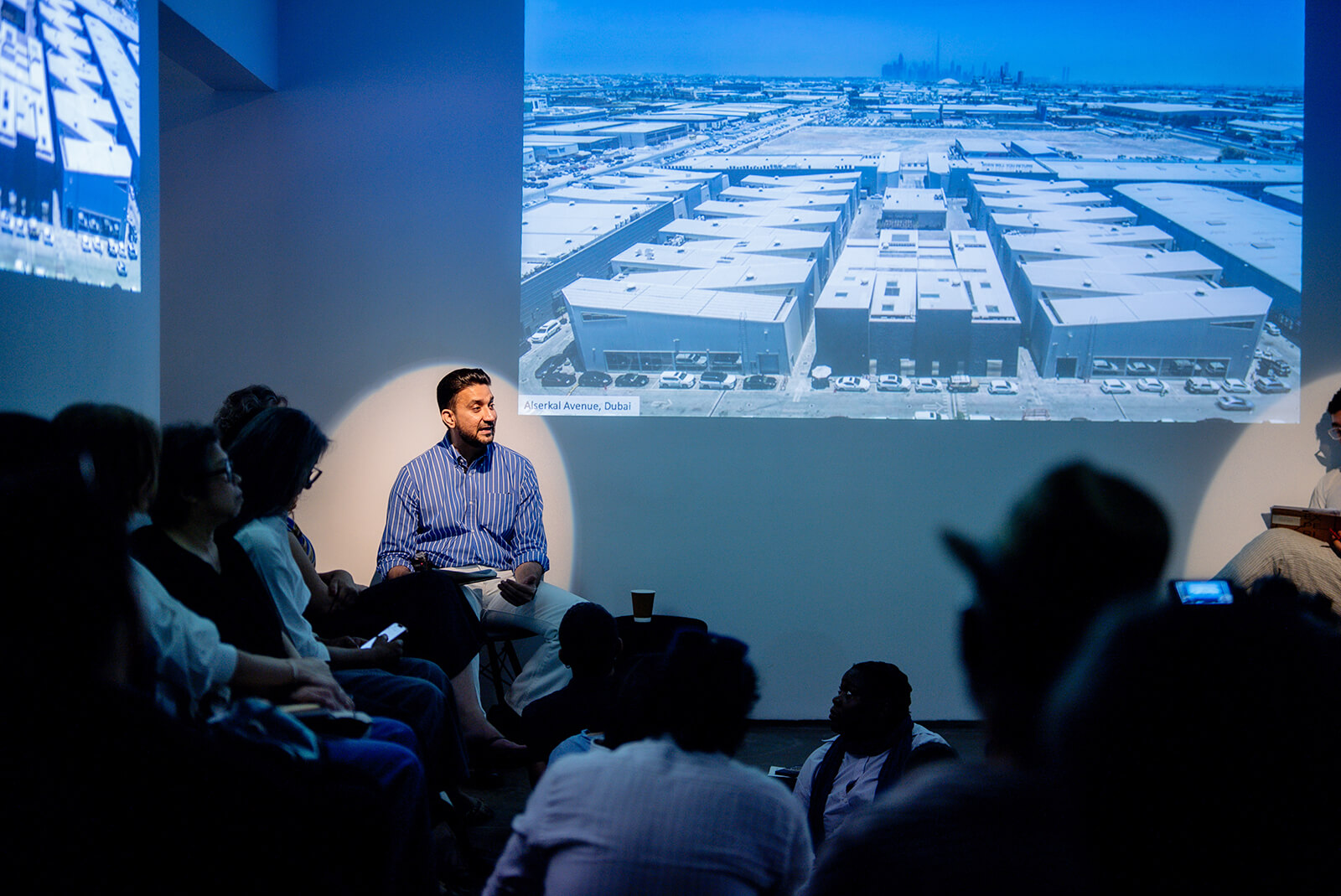
Censorship emerged as a recurring theme, discussed not only in terms of state intervention but also the more subtle forms of institutional and self-censorship. As Ahmed traced his journey from Delhi to Dubai and Riyadh, he noted how, over the past couple of years, the fault lines of "what can be said, what can be shown, what cannot" have shifted and are playing out across the world. He recalled the words of Sheikha Hoor Al Qasimi on the Sharjah Biennale: "It's not just about what is permissible to the state apparatus, but if you want to make an exhibition or a biennale relatable to the public, you have to understand public sensitivities. One does not cater to popularism, but one finds a way to navigate, saying but not saying directly or finding ways of encryption." Butt, on the other hand, spoke about finding ways to work through censorship and being blacklisted for more than a decade in Vietnam. She also noted that writing and dialogue are essential for curators to interrogate their relationship to power. Throughout her presentation, she invoked ‘doubt–refuse’, ‘duress–redirect’ and ‘defeat–redistribute’ as the framework of her practice.
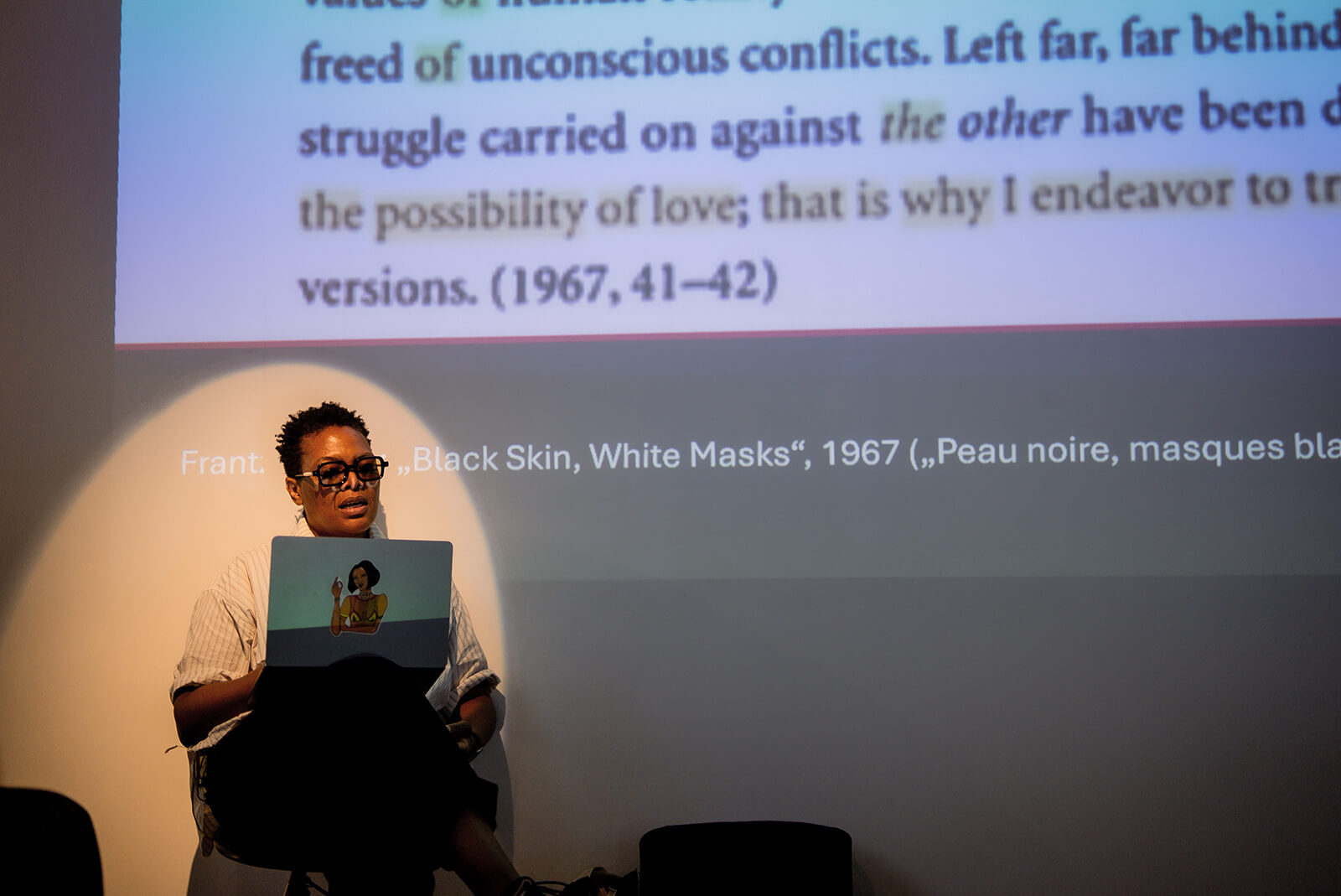
If Ngcobo invited the audience to ponder the question, "What's the curatorial got to do with love?" through glimpses of her film Casuality Dilemmas, which explores human feelings, desires and queer experiences across Africa in the context of freedom of expression, Angiama shared the concept of ‘aneducation’, positioning education as a process of unlearning that questions existing systems of knowledge and recognises the need to acknowledge diverse experiences and alternate pedagogies beyond Eurocentric approaches.
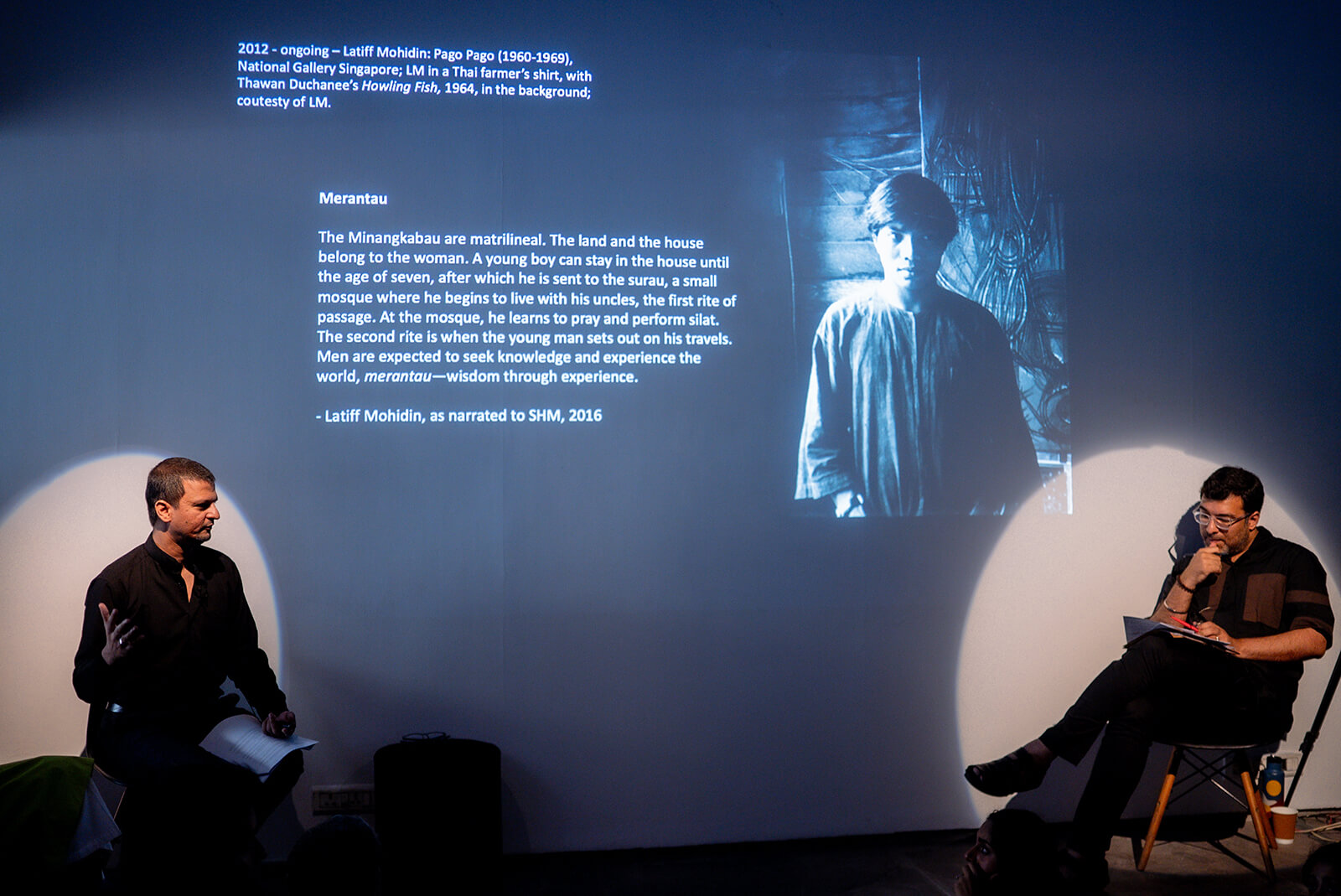
A trained political scientist, Hussain Mustafa, too, spoke about decolonisation of the archive and advocated a more expansive understanding of modernism. Recalling the teachings of Malaysian artist Latiff Mohidin, his presentation centred on three ideas: tropicality, modernism and the museum. Tracing his own journeys across different islands—from Sri Lanka to Singapore, Abu Dhabi and back to Singapore—and drawing on years spent researching and building archives, he also took aim at Ahmed, who had pronounced ‘archive fever’ to be over, before elaborating how there has been a shift in what role it plays and what now constitutes an archive.
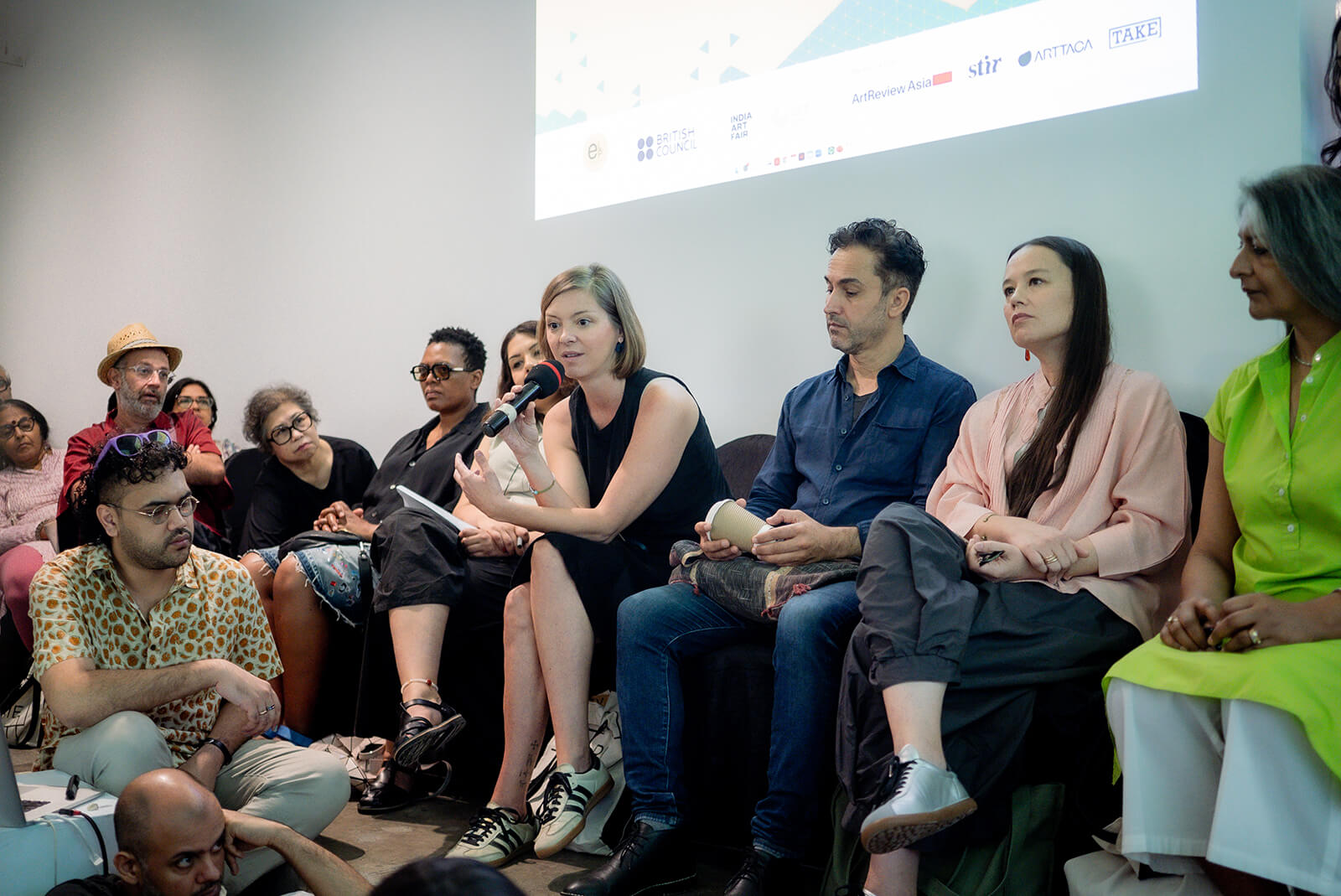
The conversations traversed issues of gender, minority voices, institutional power and independent practice, while also acknowledging the limitations of both. Drawing from her background in art research, Ahldag examined how cultural institutions shape knowledge. Admitting to the challenges of working with a collection that bears the imprint of a single individual and transforming that into an institutional narrative, she also reflected on how the collection has continued to grow. Malik, meanwhile, shared her lived experiences of migration and working with institutions in Britain, foregrounding care, community, empathy and collectivism as "themes or motifs in exhibition-making". She said, "Curators also need to hold the burden of responsibility in addressing the conditions of viewing art," adding, "As curators, there are really no safe spaces publicly in which we can honestly and transparently talk about what it involves."
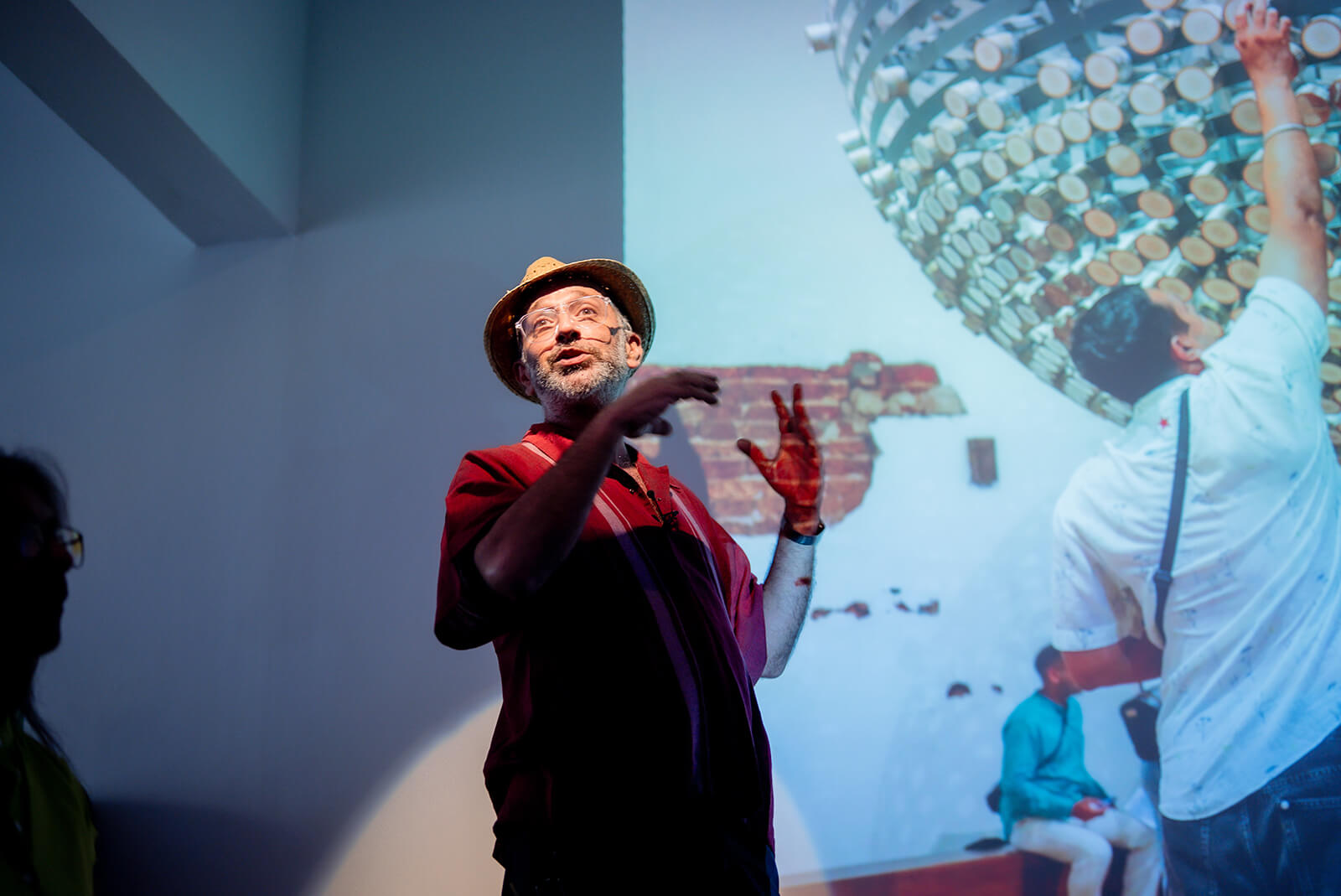
Taking the audience through slides chronicling his performances across the globe and the work undertaken by the art collective HH Art Spaces, Chopra, in his performative style, discussed taking on the role of curator at KMB 2025 – 26, describing it as his longest-duration performance. Just as his performances unfold through time, space and multiple encounters, with process taking precedence over a preconceived outcome, he adopted a similar approach to his curatorial vision for the Biennale, fostering collaborations rooted in the city and its communities.
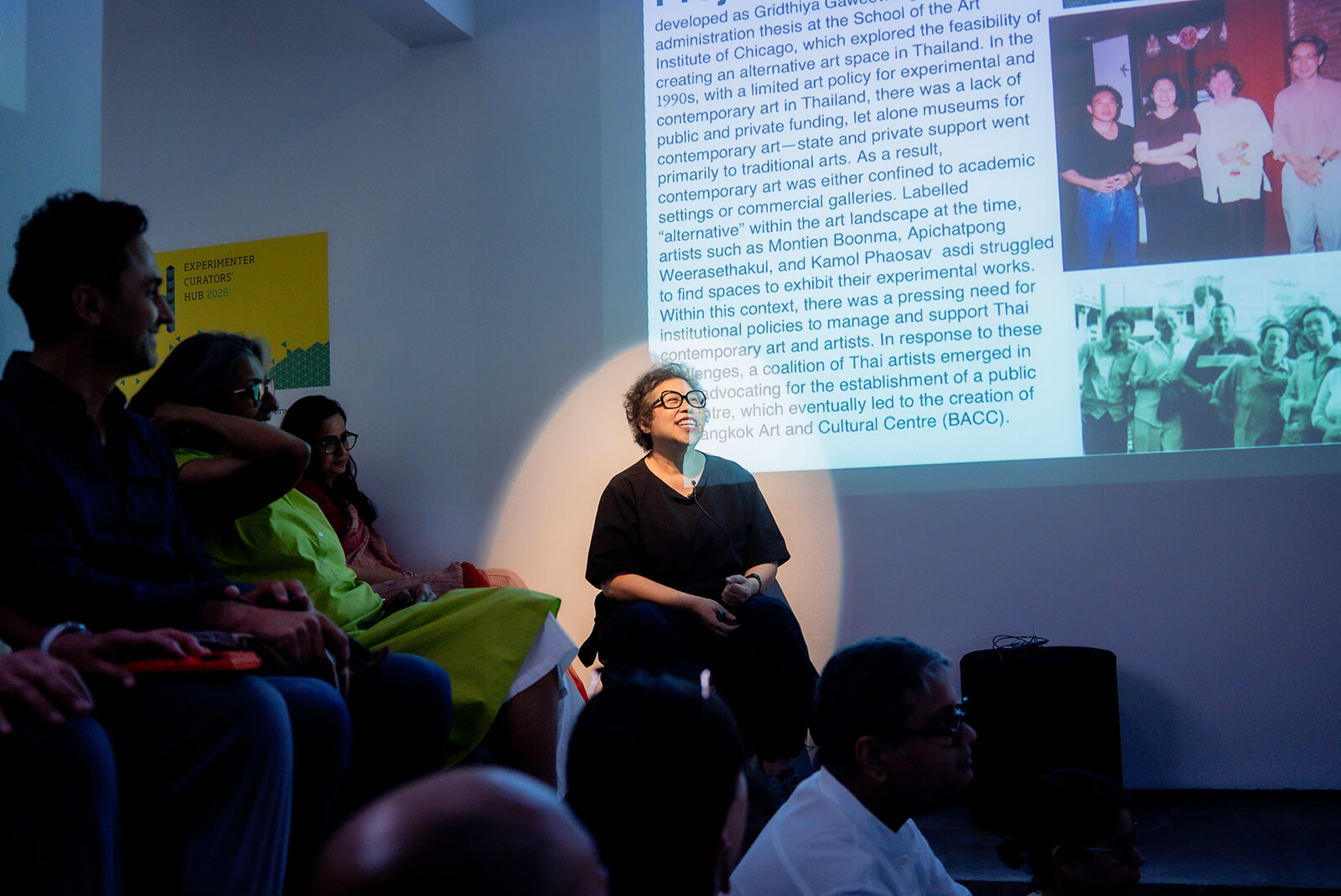
Gaweewong, meanwhile, situated her practice within the emergence of contemporary art in Thailand during the 1990s. Recounting the conceptualisation of Project 304 and her subsequent work with the Jim Thompson Art Center and Thailand's National Gallery, she described curating as an ongoing process of dialogue and sustained public engagement. Speaking to STIR ahead of the Hub, she addressed the significance of such platforms and the changing role of the curator. She stated, "The job description of a curator in a traditional museum is very different from that in a contemporary art museum, and it continues to evolve. We are a generation and a region that is redefining what curating entails. Most of the time, we are invited to speak about artists, but here we are reflecting on our own practice. Our jobs can often feel like a machine—producing exhibitions, programming, ticking boxes for sponsors and so on—so platforms like this are invaluable. They allow us to discuss our career paths, learn from one another and think through contexts that are closer to our own. When I returned to Thailand after studying in the US, I realised I could not simply apply what I had learnt, but knowing those frameworks did allow me to adapt them and create an alternative model, because every country is different."
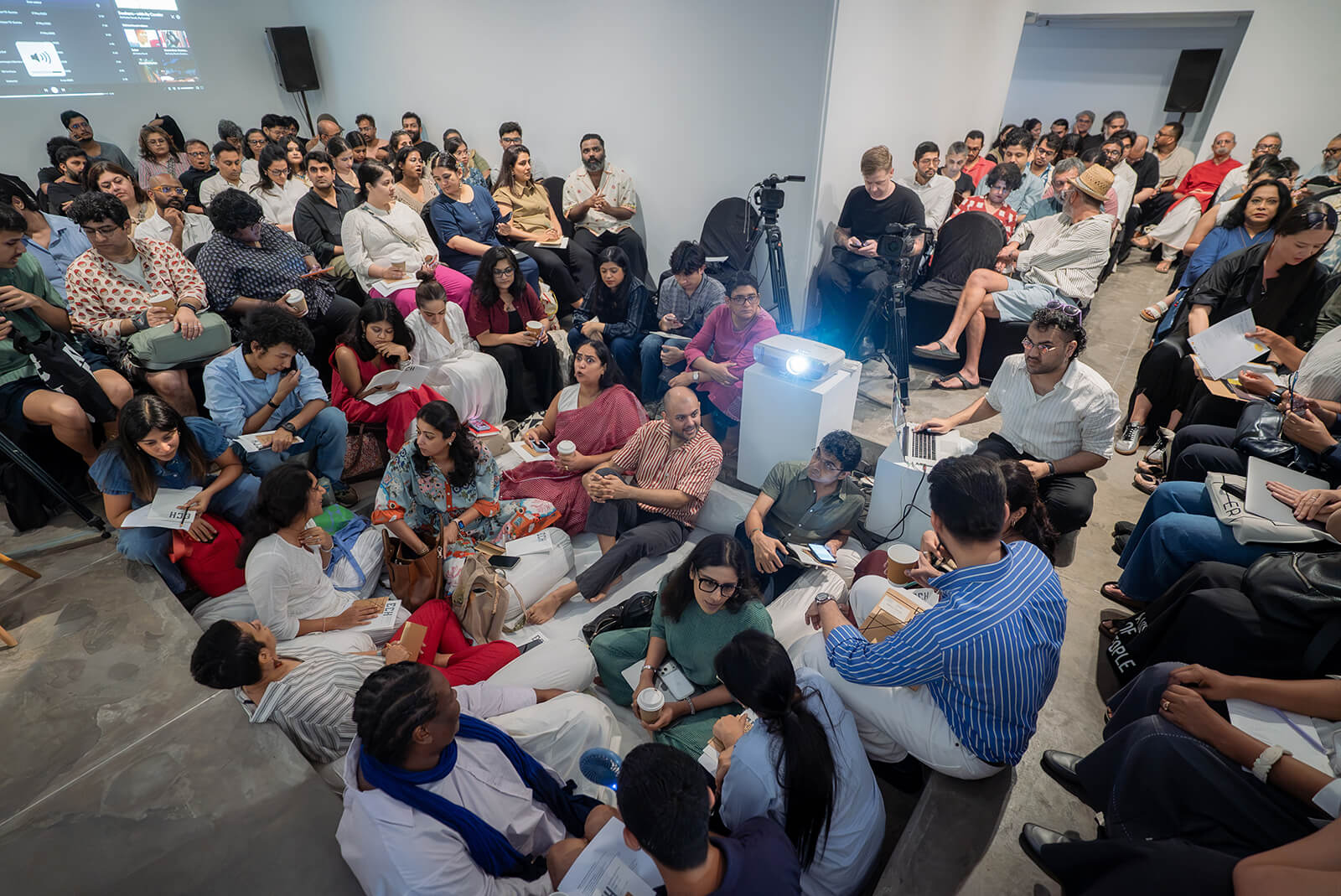
Amid disagreements and consensus, questions and presentations that often spilt into conversations beyond the gallery walls, ideas circulated without the now common filters and perhaps the most lasting takeaway from the Hub was not any single curatorial approach but the insistence on remaining open to dialogue.
by Anmol Ahuja Oct 15, 2026
How do heaps of souvenirs and relics with racist Aboriginal motifs and features become art? MCA Sydney’s winter showcase—the artist’s largest to date—beckons a possibility.
by Srishti Ojha Oct 14, 2026
The first Dutch publication on the Turkish artist, the eponymous book centres on Refik Anadol: Latent City, his living data sculpture of Bruges, exhibited at BRUSK gallery.
by Vandana Kalra Oct 14, 2026
With his latest exhibition as a point of departure, the modernist discusses his decades-long practice, the spontaneity of drawing and the social responsibility of artists.
by Srishti Ojha Oct 09, 2026
In his ongoing exhibition, the South African artist creates two post-apocalyptic futures to explore society’s relationship with textiles, patterns and technology.

make your fridays matter with a well-read weekend
Enter your details to sign in
Don’t have an account?
Sign upOr you can sign in with
a single account for all
STIR platforms
All your bookmarks will be available across all your devices.
Stay STIRred
Already have an account?
Sign inOr you can sign up with
Verification link sent to check your inbox or spam folder to complete sign up process
Tap on things that interests you.
Select the Conversation Category you would like to watch
Please enter your details and click submit.
Enter the 6-digit code sent at


Thinking through curatorial practice at the Experimenter Curators' Hub
by Vandana Kalra | Published on : Jul 27, 2026


 Sign in with Google
 Sign in with email
What do you think?