Art10 mins. read
Thinking through curatorial practice at the Experimenter Curators' Hub
by Vandana KalraJul 27, 2026



by Srishti OjhaPublished on : Jul 10, 2026
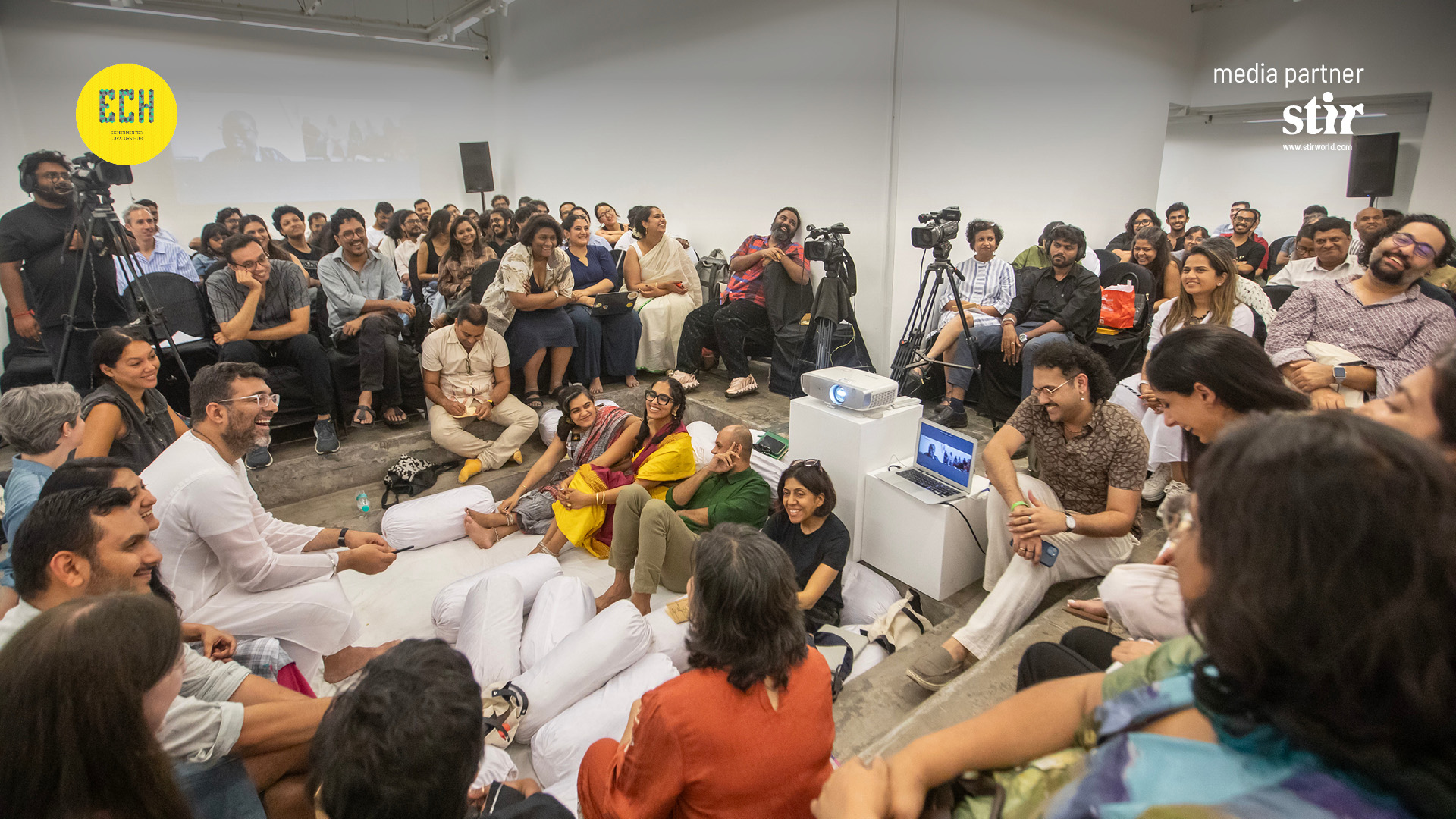
This July, Experimenter Kolkata marks the 15th year of the Experimenter Curators’ Hub programme—an innovative platform that invites leading global curators to share, discuss and shape discourse on contemporary art. Separating the Curators’ Hub from the numerous other panels, conferences and conventions that dot the art world calendar each year is its rhizomatic, fluid structure. The platform invites curators, co-founders and directors of some of the most prestigious art institutions in the world to gather in the nucleus-like courtyard of Experimenter - Hindustan Road, Kolkata, with programmes spreading into the three surrounding wings of the gallery. The circular architecture and its lack of hierarchy create an environment in which every speaker and participant is equal, and each interaction is personal and unconstrained.
While each year one curator is selected as a co-convenor and moderator, every invitee moves through the roles of spectator, speaker, panellist and moderator, with their conversations and discussions limited by no prescribed theme.
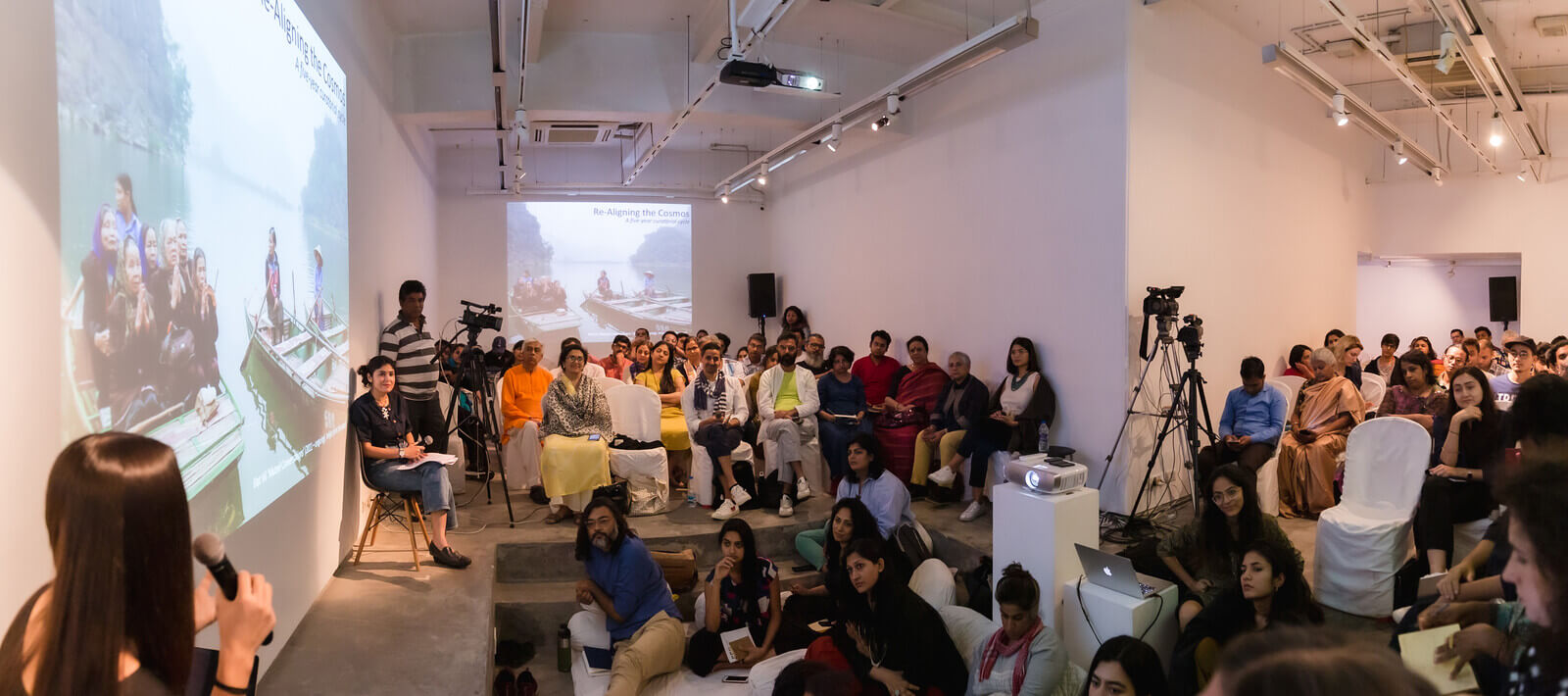
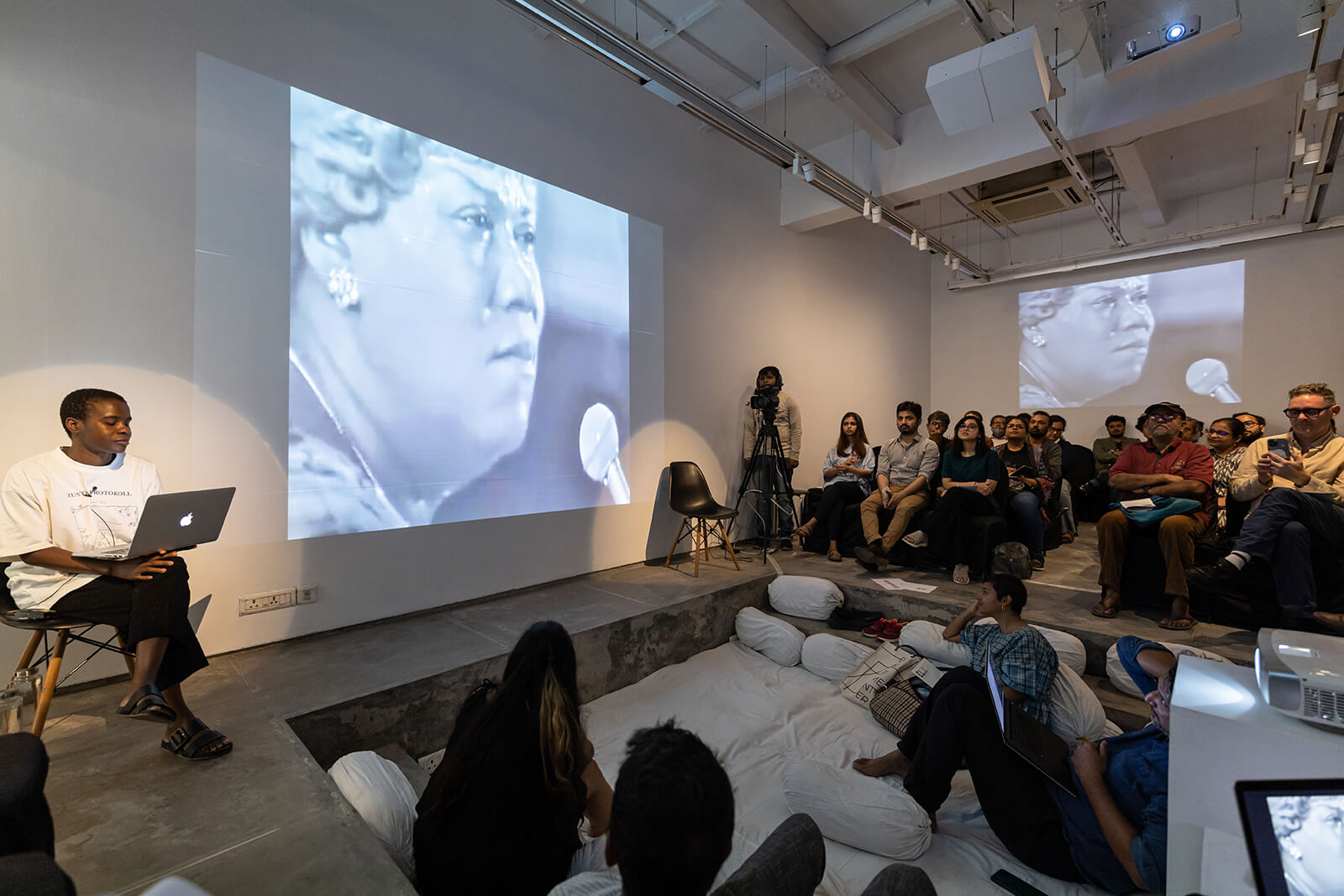
The two-day intensive programme features panels and presentations by curators on their practices and recent exhibitions, and dialogue with the audience is central to the event. The Curators’ Hub rounds out each year with the participants reflecting on their experiences and the themes that emerged over The Hub in a culminating panel discussion.
Experimenter Curators’ Hub was created in 2011 by Prateek and Priyanka Raja, who founded Experimenter gallery in 2009 as an incubator for multidisciplinary contemporary art that pushes the boundaries of critical practice. In a conversation with STIR, they describe the unique format of the platform, saying, “The Hub is neither a symposium, nor a lecture, nor a conference, nor a presentation. It is its own unique model and is conceptually based on the centuries-old tradition of close-circle dialogue and constructive argumentation. In our minds, it’s almost like a centrifugal development of conversation and debate, a space for free thinking and unbound thoughts. It offers a time-tested and efficient system that can be, at best, described by what Amartya Sen refers to in his book of essays, The Argumentative Indian. There is a particular efficiency and power in this format, and it is one of the most effective ways to share ideas and build on them. There are no hierarchies. For example, the youngest artist from a local college can sit beside the most significant curator of our times and have a real, in-person, face-to-face interaction.”
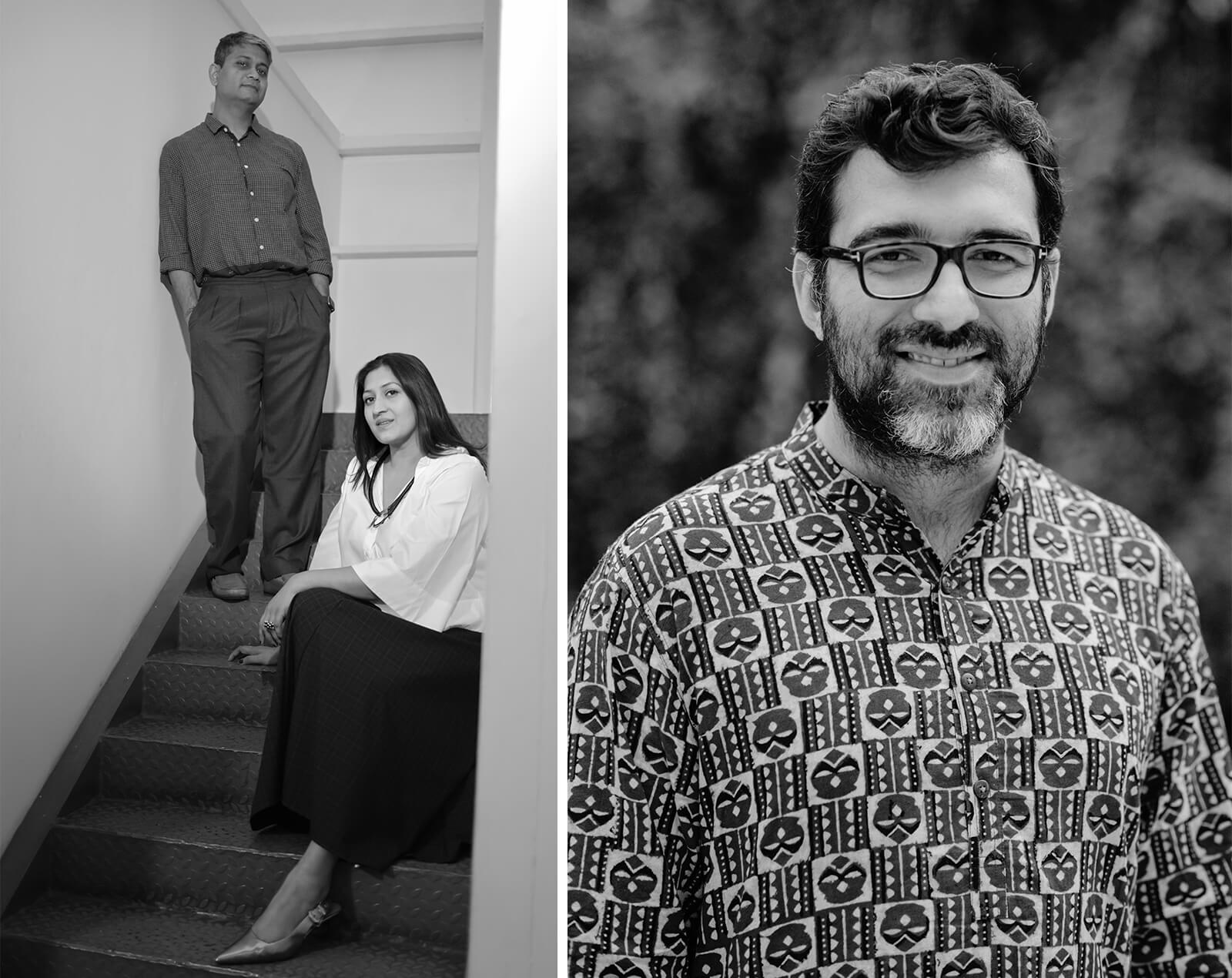
After serving as co-convenor and moderator of the Curators' Hub last year, Rattanamol Singh Johal returns in the role for this edition. He will draw on his background in the art and history of South Asia and its diaspora as well as past experiences in global research collaborations. Johal currently teaches at the University of Michigan, Ann Arbor, as an assistant professor of History of Art and has previously worked at MoMA in New York. Recently, he co-organised the collection Staging Selves (2024 – 2027) at MoMA, covering the feminist practices of three Indian photographers.
Speaking to STIR about his vision for the Curators’ Hub 2026, he said, “I am less interested in orienting this platform towards prophesying futures for curation...I would rather that we collectively imagine and discuss the range and depth of its methods, and indeed its urgencies and ethical charge in the present. I hope to do this by asking curators to look back at the long arc of their work, starting well before the moment they began to identify as a ‘curator’, and through this exercise to locate key inflexion points when they felt they managed to articulate a key idea, or to confront a failing, or understood something about what animates them in the work they do.”
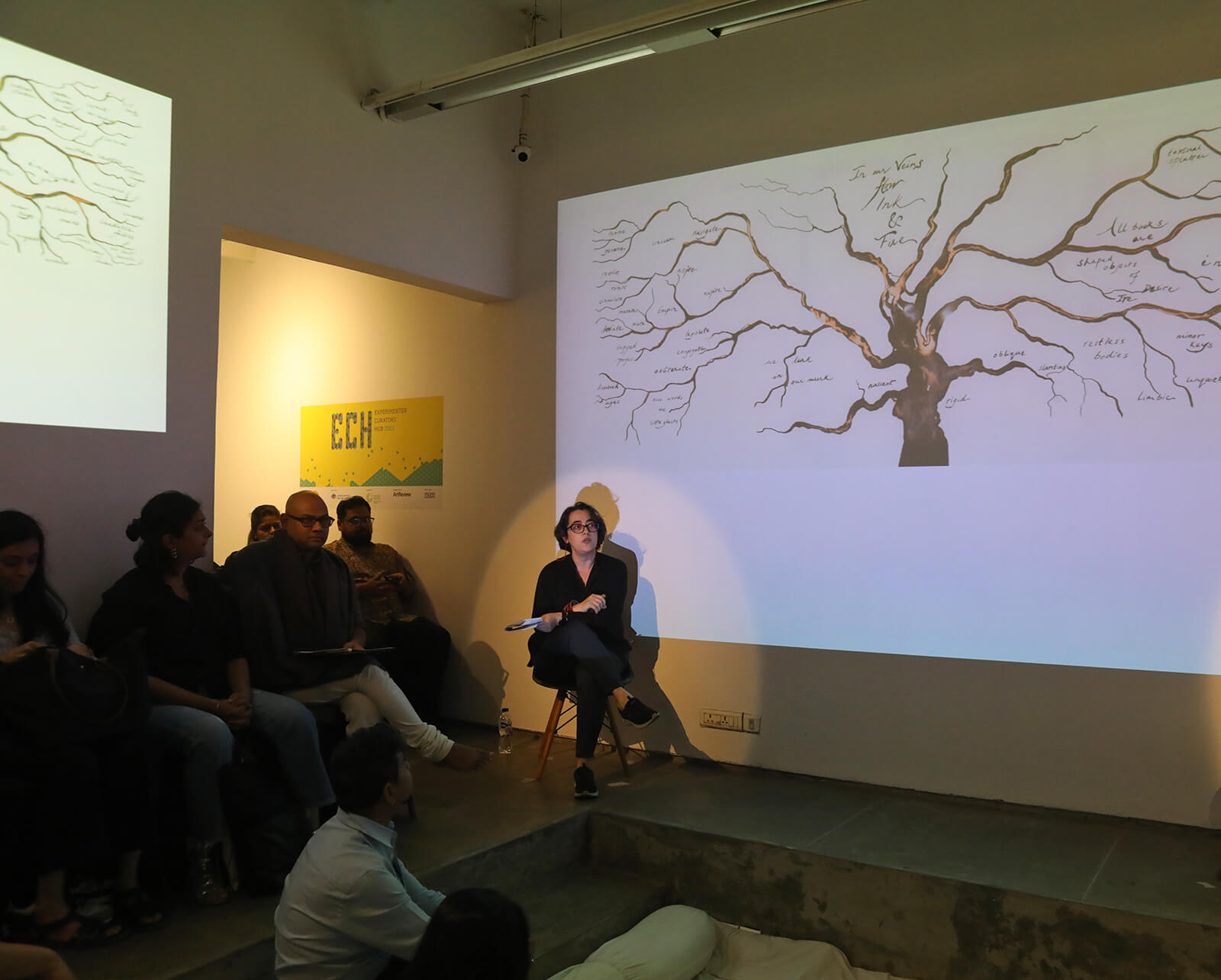

The work of curators is often siloed, limited by the institutions and galleries they are hired and commissioned by. The Hub offers curators the rare opportunity to meet peers from across geographies, practices and viewpoints. In previous years, this collision of creators and ideas has led to dynamic discussions, including reimagining of the art institution as a body in a conversation between Amal Khalaf, the then director of programmes at Cubitt (2019 – 2025); Sharmini Pereira, chief curator of the Museum of Modern and Contemporary Art, Sri Lanka; Mohamed Almusibli, director and chief curator of Kunsthalle Basel; and Akansha Rastogi, senior curator at the Kiran Nadar Museum of Art, at the Curators’ Hub in 2025. Each curator brought their own context and concerns—intergenerational transfer, radical hospitality, relational methodology and incubatory exhibitions—to a discussion that moves through the audience and attendees to spark new movements on the global art stage.
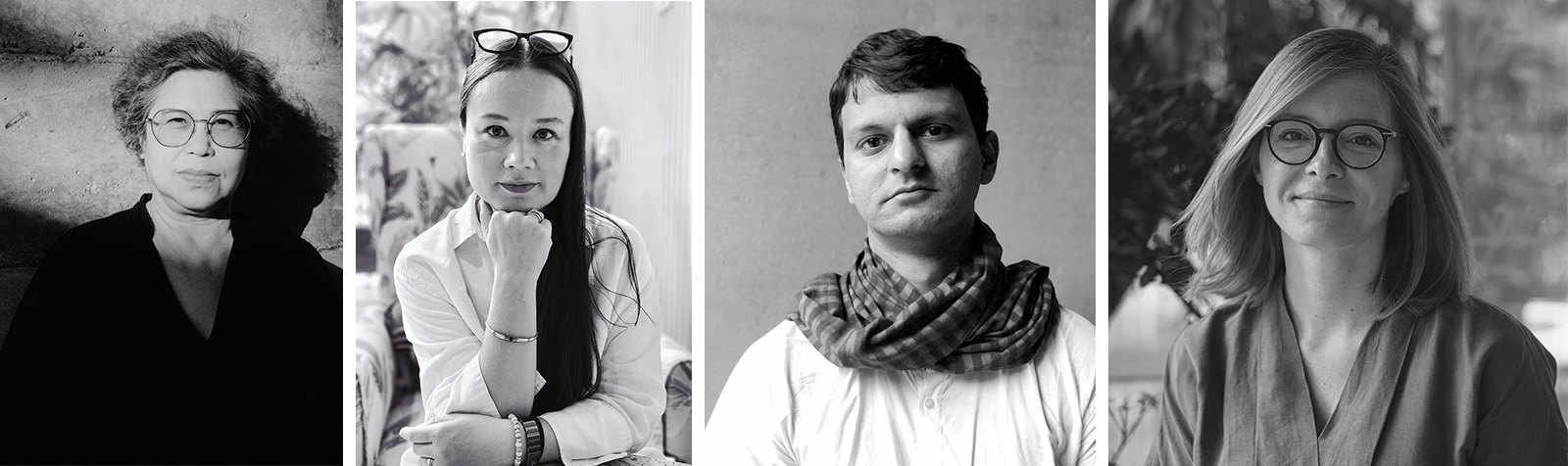
This was just one of the several conversations, discussions and inquiries generated over 15 years of the Curators’ Hub, making its transformative power impossible to overstate. The 2026 invitee, Gridthiya Jeab Gaweewong, Thai curator and co-founder of the Bangkok alternative art space Project 204, spoke to STIR about the value of this unique platform, saying, “In recent decades, curatorial practice—whether independent or institutional—has become increasingly driven by production. The art world has grown more competitive, and we are constantly expected to produce more exhibitions, attract larger audiences, secure funding and maintain visibility. Too often, this turns us into machines. It is a feeling I have come to dislike. We invest so much of ourselves in exhibitions and projects that, by the end, we are left exhausted, mentally foggy and disconnected from the reasons we began this work in the first place. That is why I believe platforms like the Curators’ Hub are essential. They remind us that curating is not only about producing exhibitions; it is also about listening, reflecting, learning from one another and sustaining ourselves and our communities. These spaces create the possibility for collective growth, mutual care and new forms of collaboration that can ultimately reshape how we imagine curatorial practice.”
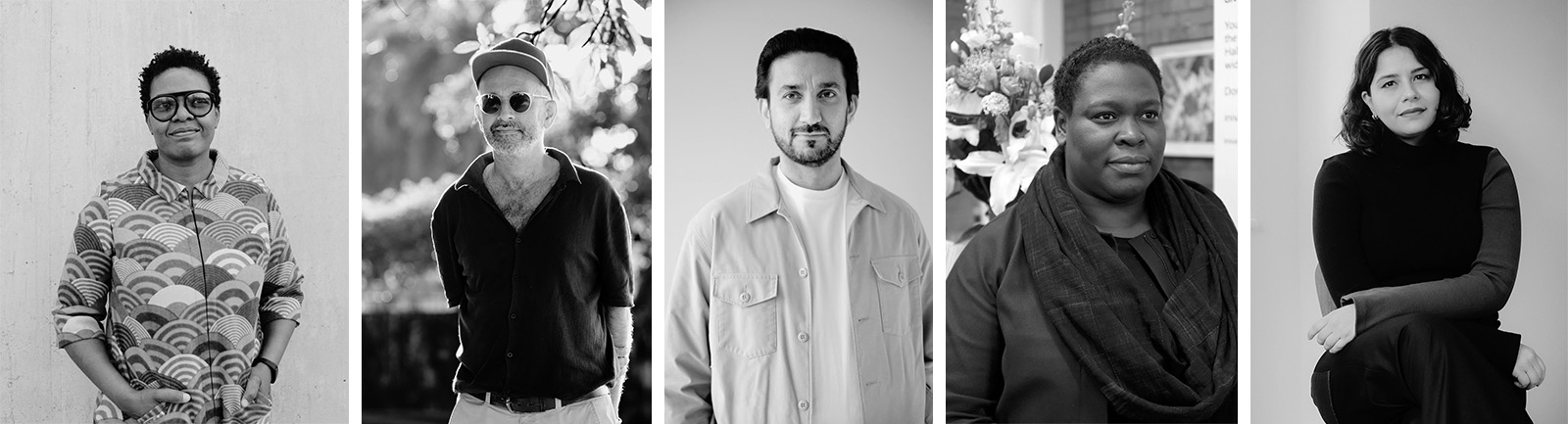
Prateek and Priyanka Raja told STIR about the 2026 programme and its invitees, saying, “This edition of the Hub brings together some of the most diverse and brilliant minds in curatorial practice. And all of them, in one way or another, have navigated their journeys through tectonic global political and cultural shifts. For example, Zoe Butt, who returns to the Hub after more than half a decade, has worked at the forefront [of] often shifting grounds of contemporary art in Vietnam, Cambodia, Laos, and now, building pathbreaking institutions in Thailand. Shabbir Hussain Mustafa has led the Singapore Art Museum and has been a key person in the growing collection of the National Gallery Singapore while being closely linked with the institutional developments in the Guggenheim, Abu Dhabi, as well as the upcoming Quadriennial in Qatar. There is Arnika Ahldag, who has been spearheading the Museum of Art & Photography (MAP) in Bangalore and bringing landmark exhibitions and building education models for the Indian audience over the last few years.”
They, along with Gaweewong, are joined by Gabi Ngcobo, director of Kunstinstituut Melly in Rotterdam; Nikhil Chopra, co-founder of HH Art Spaces in Goa, India, and curator of the 6th Kochi-Muziris Biennale; Sabih Ahmed, co-artistic director of the 3rd Diriyah Contemporary Art Biennale and projects advisor for the Ishara Art Foundation in Dubai; Sepake Angiama, artistic director of the Institute of International Visual Arts (iniva) in London; and London-based independent curator and writer Tarini Malik, who curated the British Pavilion at the 60th Venice Art Biennale. Explaining what each curator brings to The Hub, Prateek and Priyanka Raja added, “We highlight these curators keeping in mind the question of global cultural shifts underway, as we see so much institutional development work taking place in West Asia, South Asia and Southeast Asia, away from the traditional Western centres of contemporary art…Emergent voices and urgent issues are increasingly palpable below the surface and just need a space for them to be discussed. The Hub has always been such a place, and now, we find that to be the case even more than before. We continue to pursue that space of fearless and unbound thinking.”
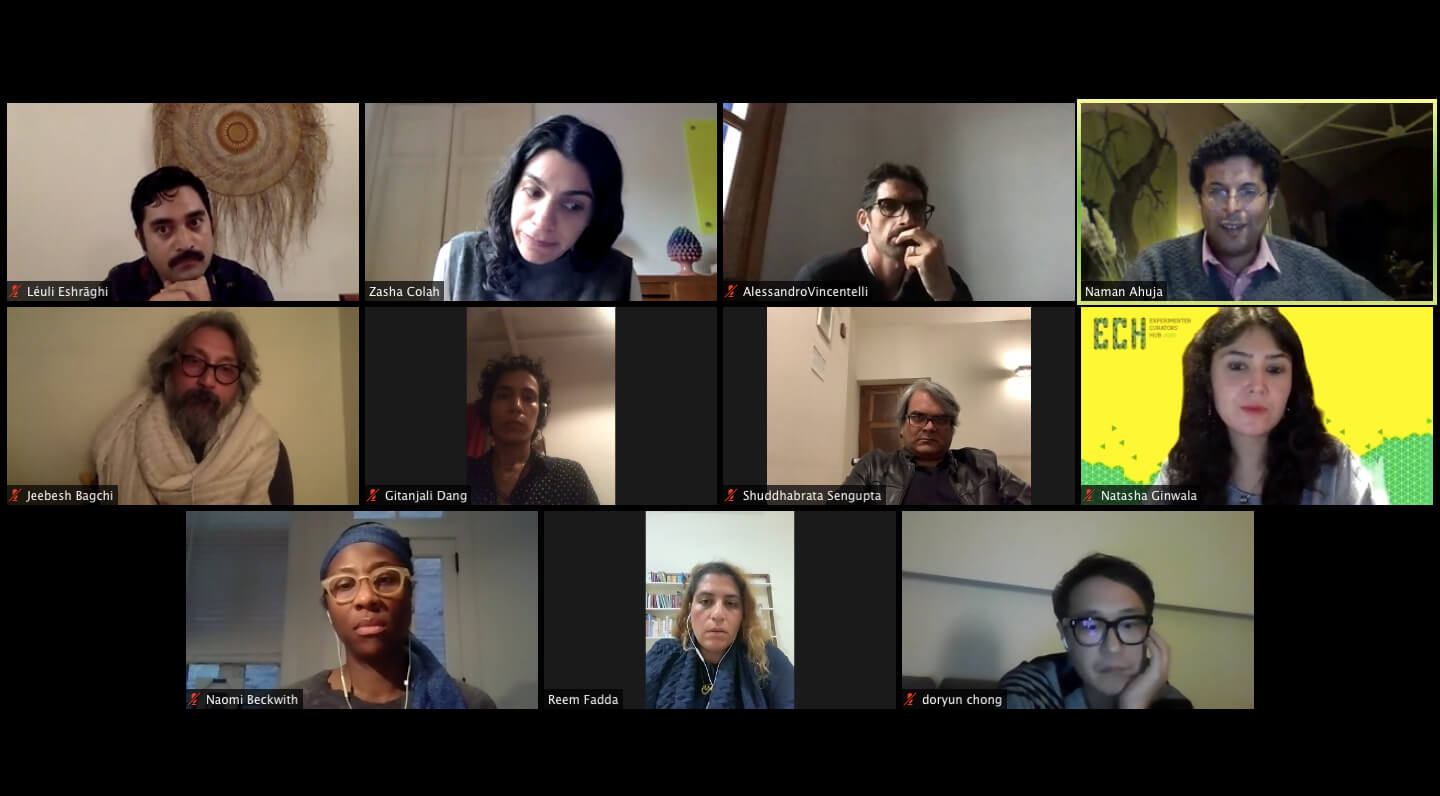
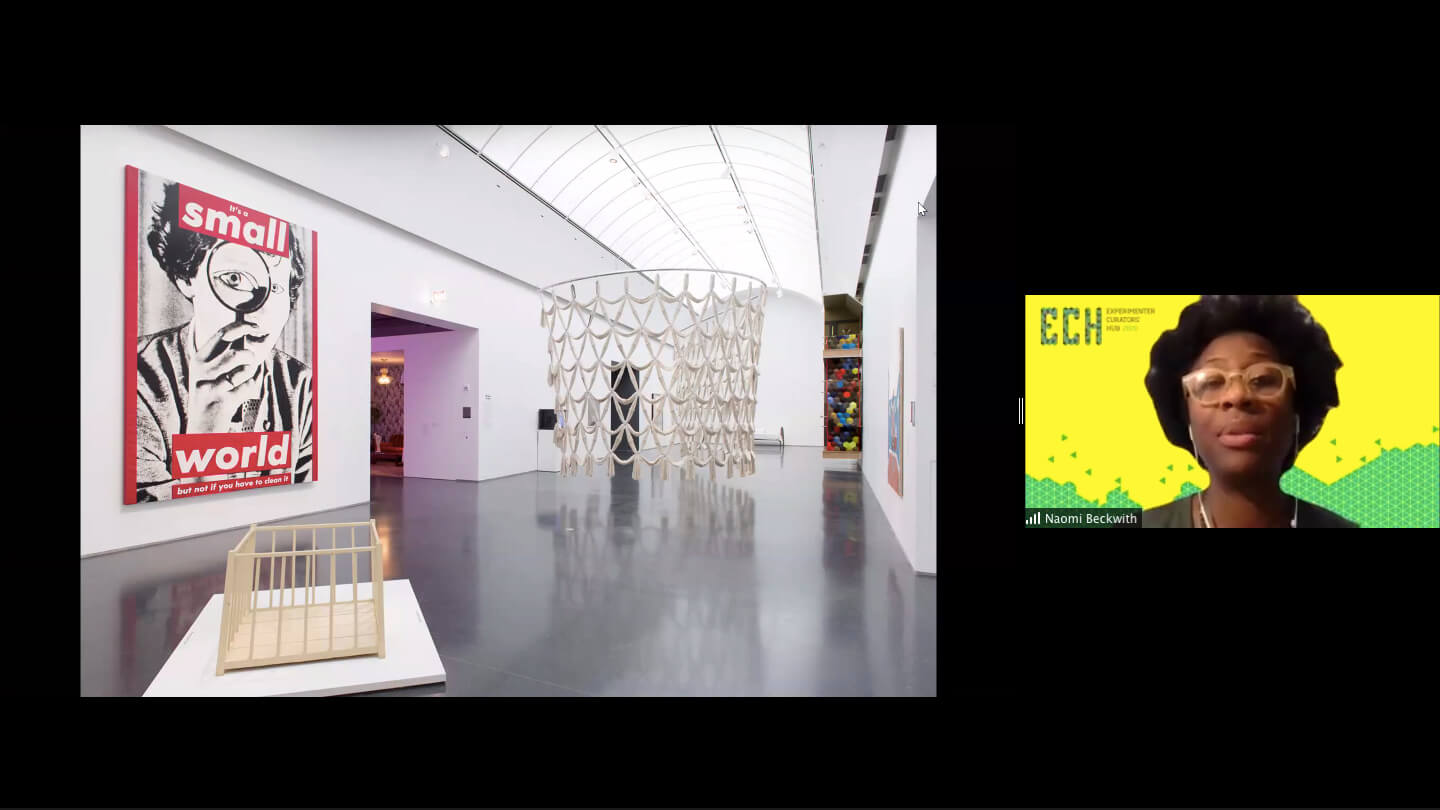
Johal echoed this idea, saying, “We are in a moment where we see the consolidation of cultural and monetary capital in the hands of a few, while our world is ravaged by war, genocidal violence, rampant nationalism and xenophobia, extreme inequality, climate catastrophe and unchecked uses of AI. Our insistence on gathering and talking candidly with each other—in minor keys—about the stakes and risks of cultural work defies triumphalist, nationalist discourses and self-aggrandising agendas that too often dominate art world discourse. We come together to discuss and demand the kinds of infrastructure, resources and commitments needed to sustain practice and maintain a vibrant cultural ecology at all levels.”
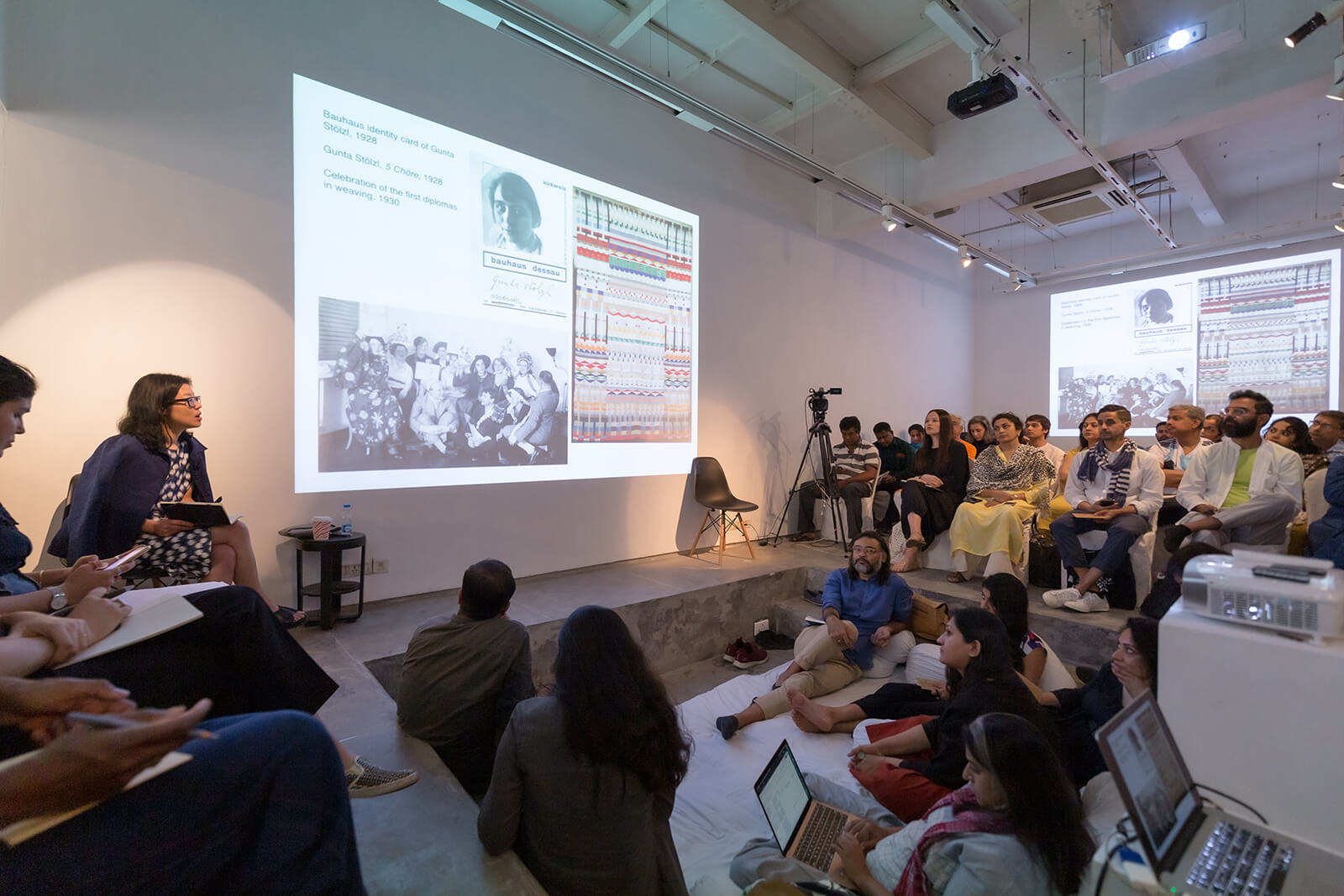
The invoking of the theme of this year’s Venice Art Biennale—In Minor Keys—along with the themeless nature of The Hub highlights its exceptional capabilities as a platform—to both engage with mainstream discourse in the art world and reorient itself towards geographies, local practices and issues that are often relegated to the fringes of the Western world. The Curators’ Hub’s insistence on maintaining a democratic, community-based model creates spaces for questions and ‘tangents’ that may otherwise never find time or space in the packed art calendar that curators across the globe live by. This pooling of resources, research, trans-geographic and intergenerational knowledge, both global and deeply local and communal, is sure to create an unforgettable programme for both audiences and participants in 2026, as in every other edition of The Hub. Beyond the ripples these conversations create across the art landscape through the thoughts, ideas, words and actions of their participants, the Curators' Hub represents a new model for meeting, sharing and exchanging knowledge within the global art world.
The 15th edition of the Experimenter Curators' Hub—of which STIR is a media partner—will be held from July 17 – 18, 2026, at Experimenter - Hindustan Road, Kolkata, India.
by Anmol Ahuja Oct 15, 2026
How do heaps of souvenirs and relics with racist Aboriginal motifs and features become art? MCA Sydney’s winter showcase—the artist’s largest to date—beckons a possibility.
by Srishti Ojha Oct 14, 2026
The first Dutch publication on the Turkish artist, the eponymous book centres on Refik Anadol: Latent City, his living data sculpture of Bruges, exhibited at BRUSK gallery.
by Vandana Kalra Oct 14, 2026
With his latest exhibition as a point of departure, the modernist discusses his decades-long practice, the spontaneity of drawing and the social responsibility of artists.
by Srishti Ojha Oct 09, 2026
In his ongoing exhibition, the South African artist creates two post-apocalyptic futures to explore society’s relationship with textiles, patterns and technology.

make your fridays matter with a well-read weekend
Enter your details to sign in
Don’t have an account?
Sign upOr you can sign in with
a single account for all
STIR platforms
All your bookmarks will be available across all your devices.
Stay STIRred
Already have an account?
Sign inOr you can sign up with
Verification link sent to check your inbox or spam folder to complete sign up process
Tap on things that interests you.
Select the Conversation Category you would like to watch
Please enter your details and click submit.
Enter the 6-digit code sent at


Experimenter Curators’ Hub and the new, rhizomatic structures of the art world
by Srishti Ojha | Published on : Jul 10, 2026


 Sign in with Google
 Sign in with email
What do you think?