Architecture06 mins. read
Wutopia Lab's Heart Fields in China stages a monochrome pairing denying rural clichés
by Mirra LynnOct 10, 2026




by Pranjal MaheshwariPublished on : Feb 26, 2026
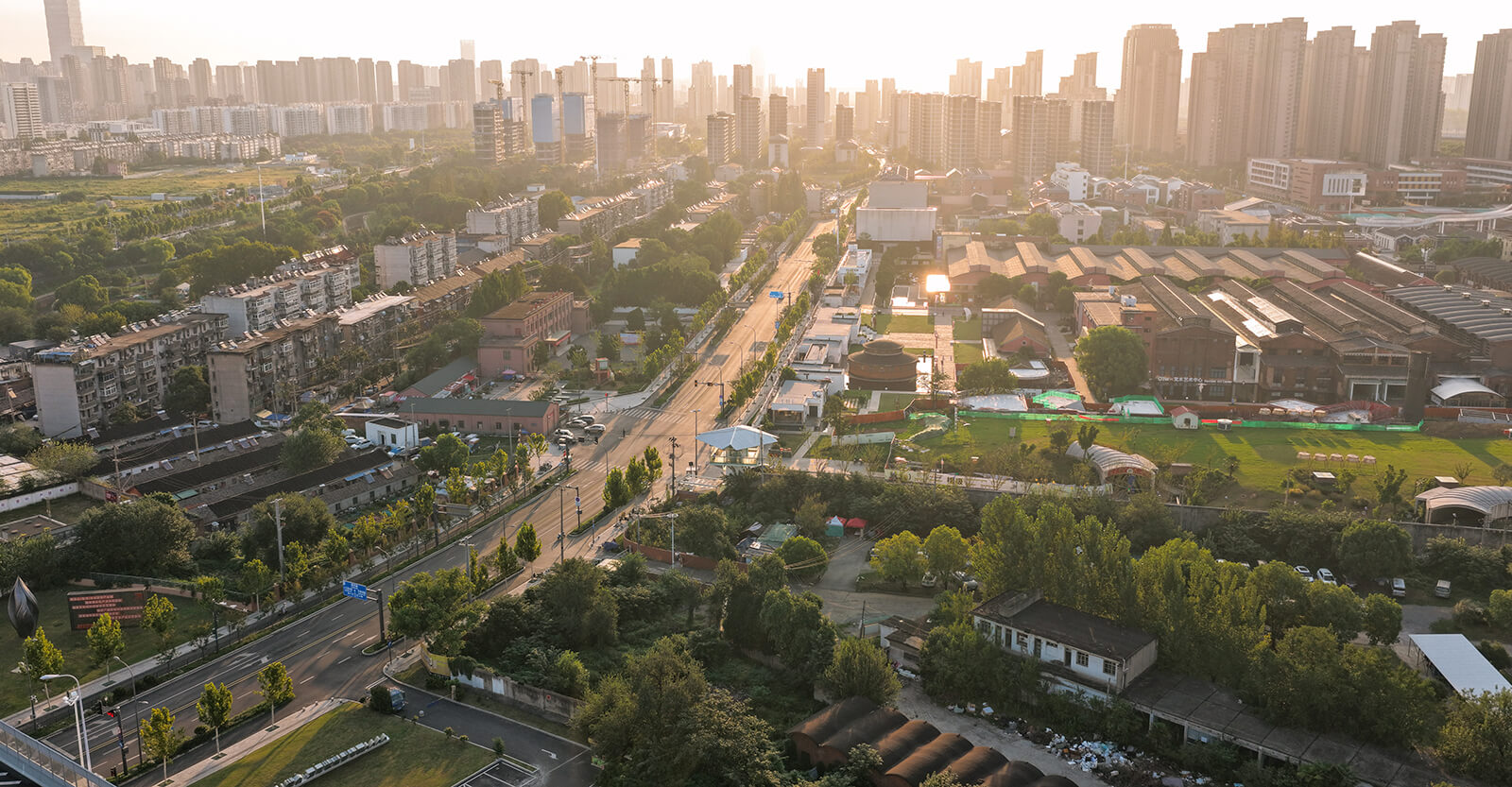
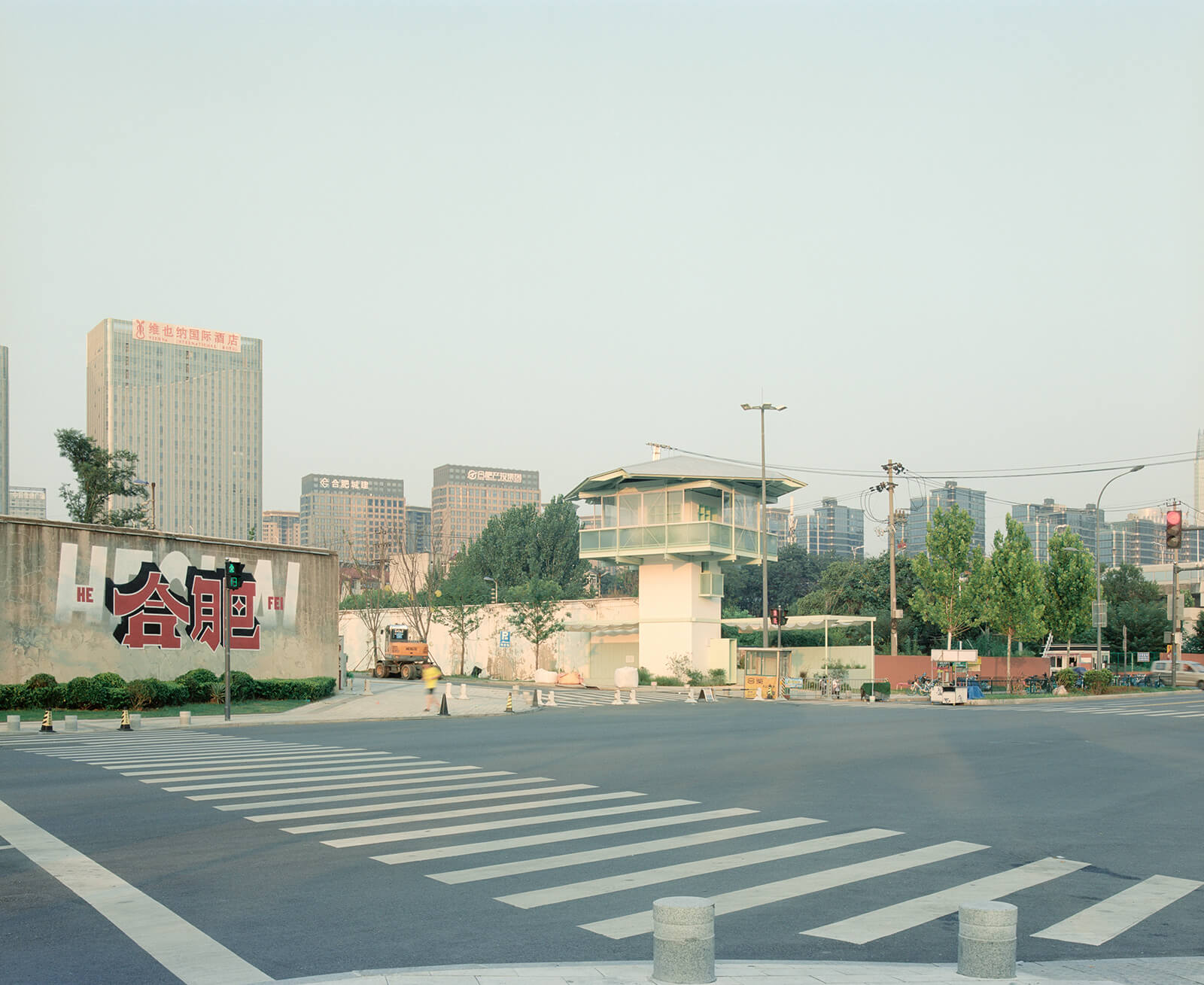
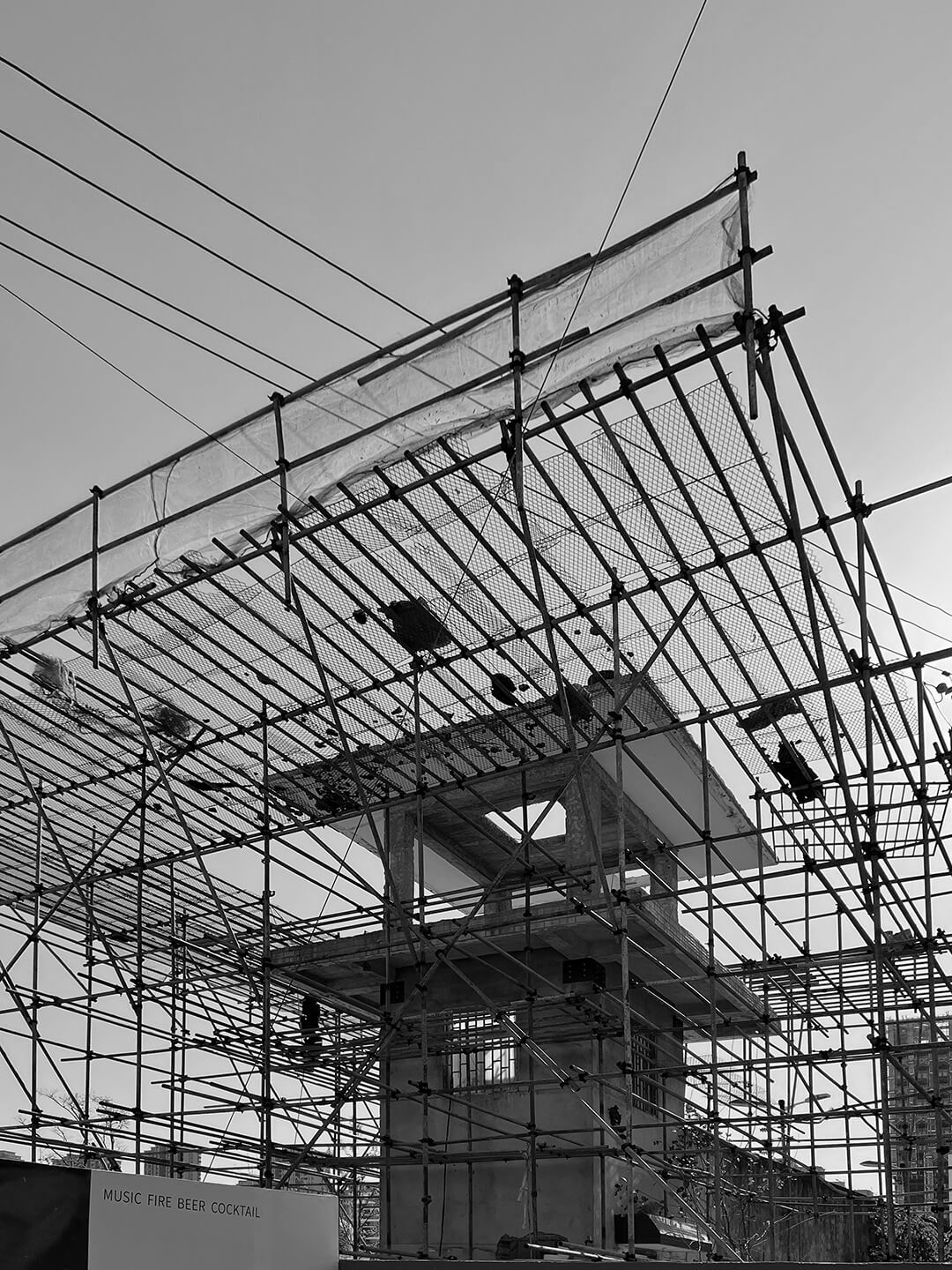
While visiting the Hechai 1972 Creative Park—erstwhile prison and now a vibrant cultural hub—for a site visit for an upcoming restaurant design project, the team from Shanghai-based SZ Architects noticed a derelict tower standing by the road. Originally a guard tower for the Anhui Provincial Hefei Prison, the structure was overlooked in the renovation scheme of the park. The architects proposed that it be converted into a small bookstore for the local residents—open and unguarded, in stark contrast to its original intended function.
The idea of an intimate and accessible bookstore that functions on the principles of community and openness was first manifested with A Very Small Bookstore, a chain of bookstores that started along the banks of Nanjing’s Qinhuai River in China. The stores housed books from personal or donated collections, enclosed by walls lined with postcards containing messages from the community visitors and patrolled by adopted stray cats. An intervention with a similar spirit was envisioned for the new site at Hefei, where anyone could visit at any time to read, for repose or to participate in coffee sales and community events hosted by the bookstore and the park.
The proposed adaptive reuse scheme, however, came with its set of challenges: the original tower was constructed in 1997 as a three-storey structure with an on-ground footprint of just 7 sq m, while the intended program then required around 70 sq m. Owing to it being an older structure, the original drawings could not be found, prompting new geotechnical and structural assessments.
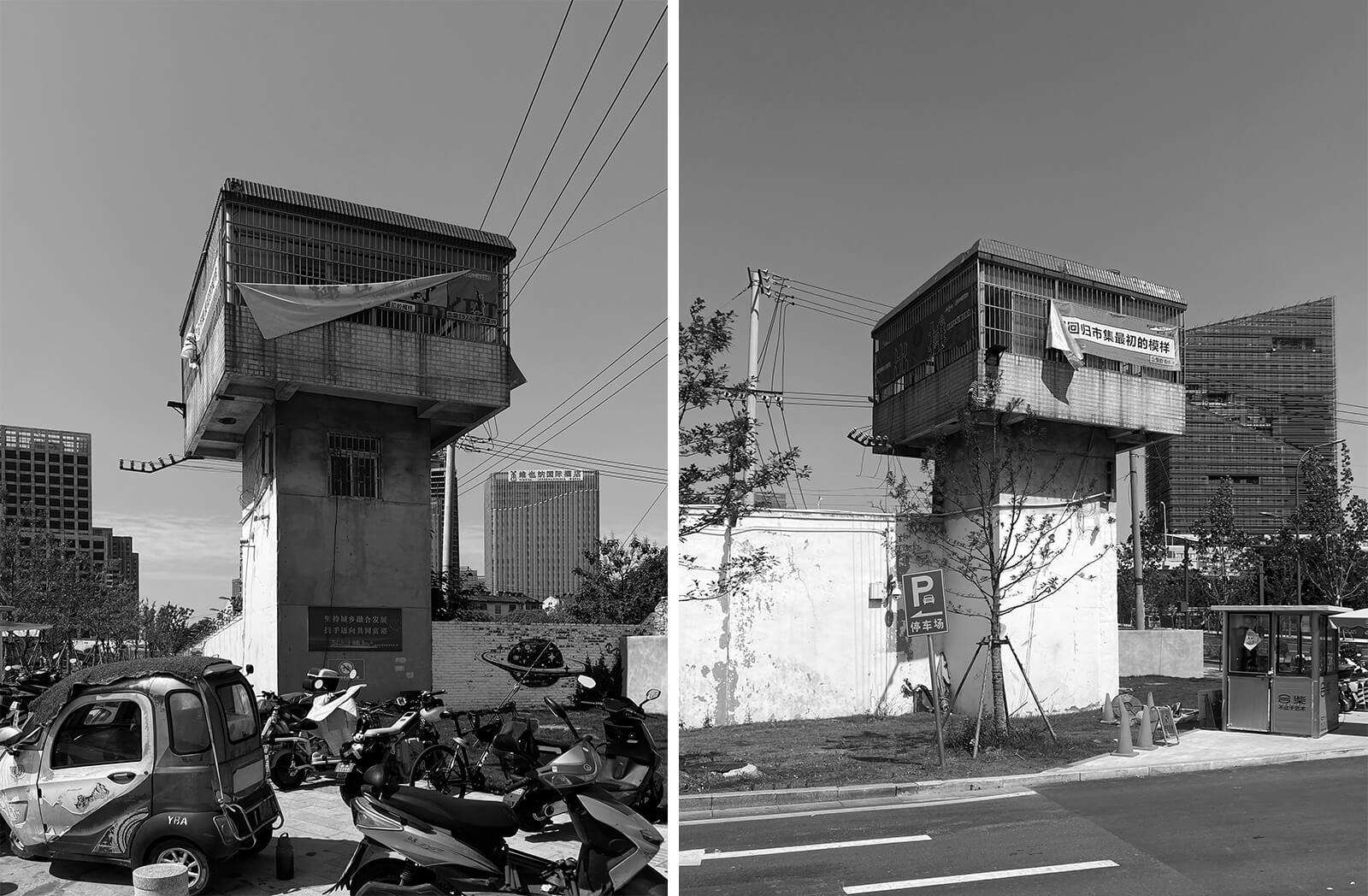
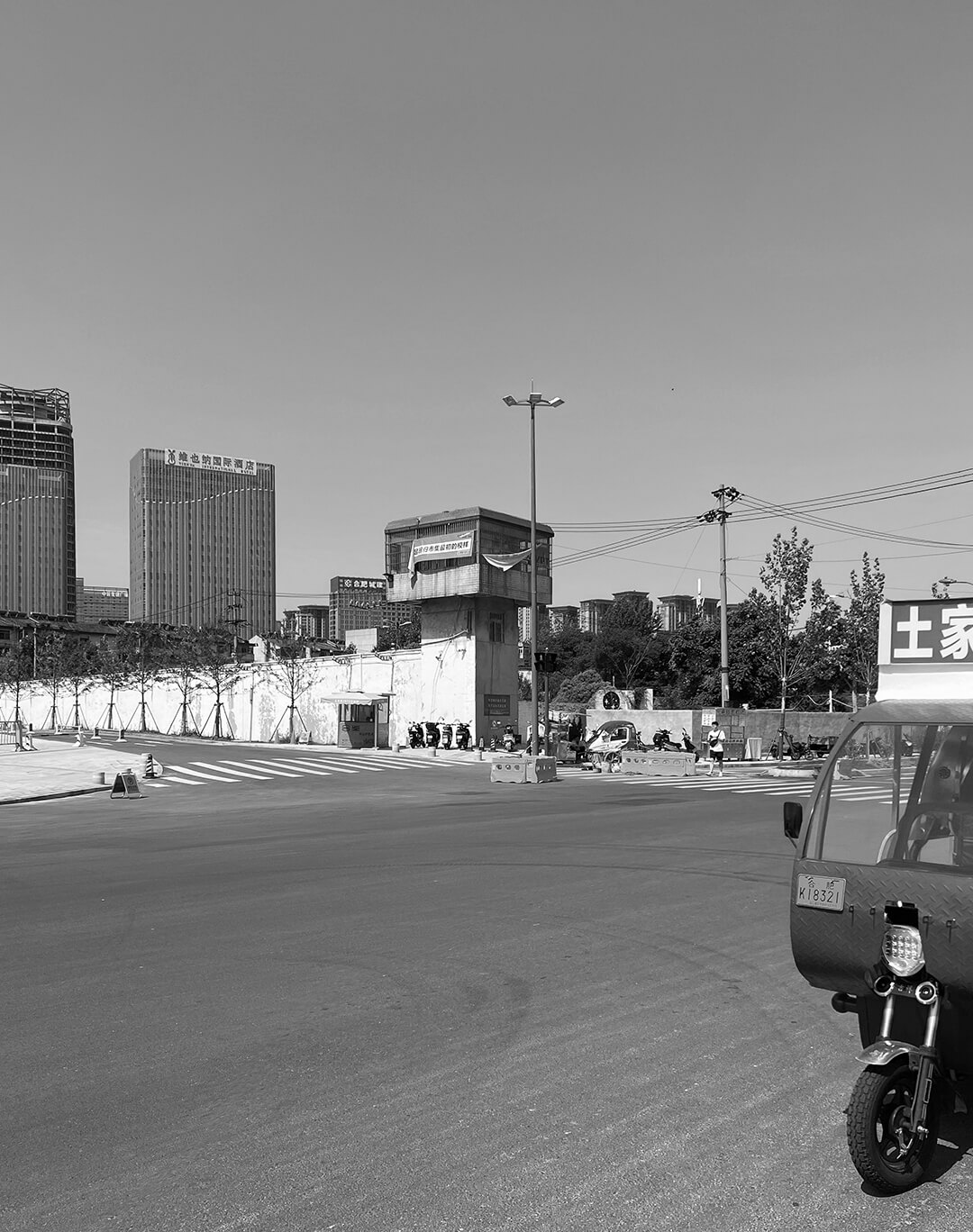
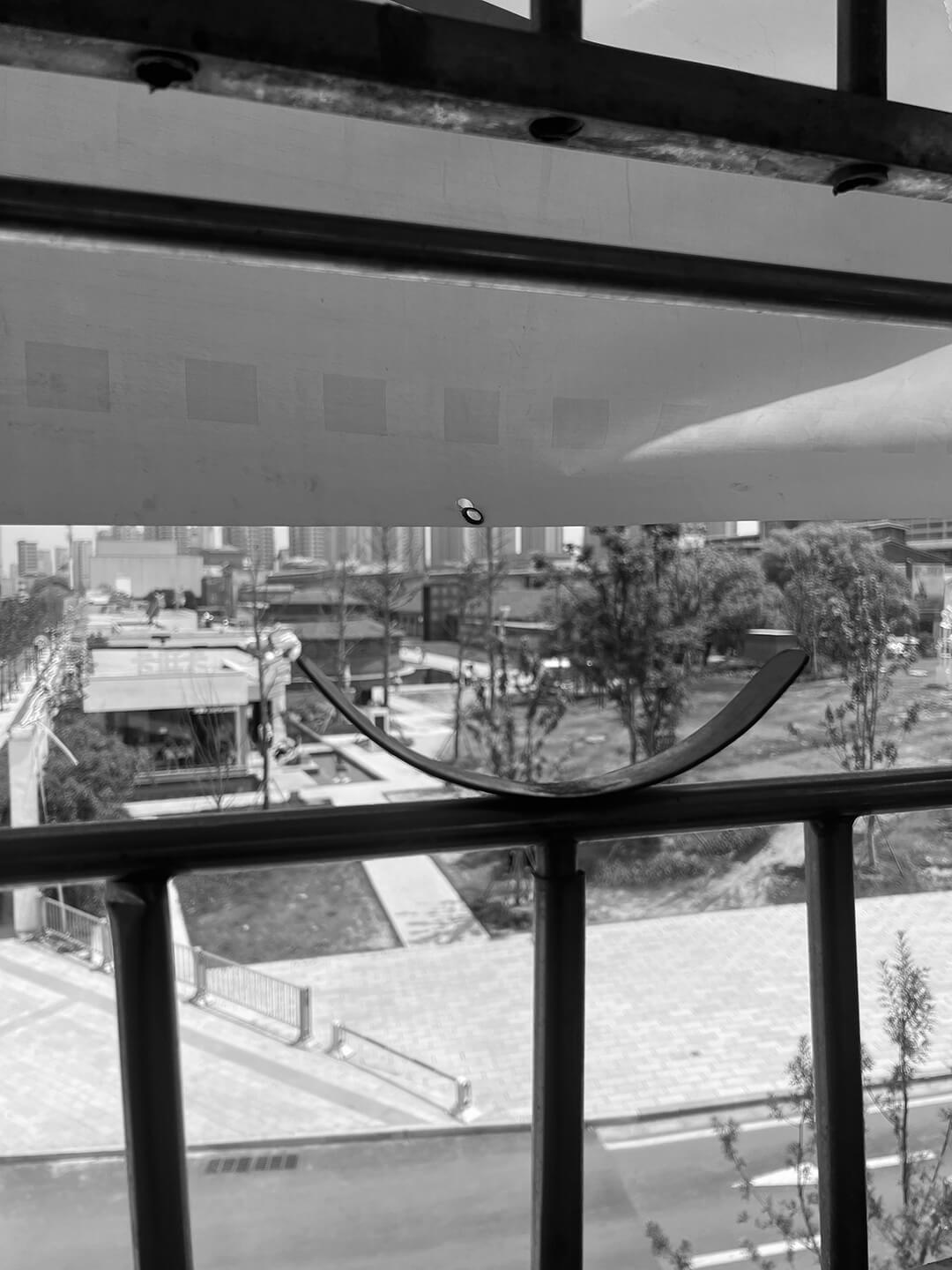
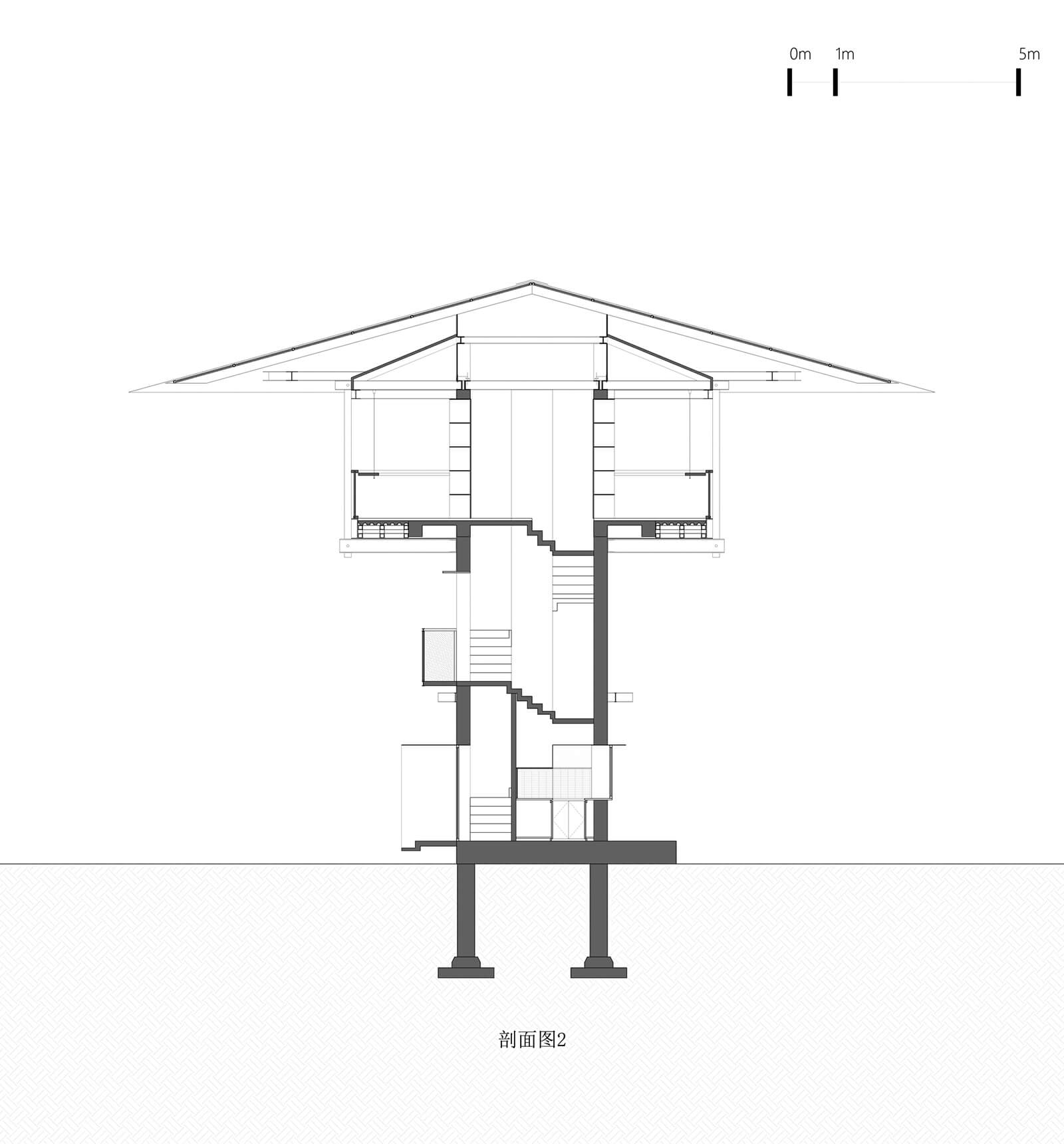
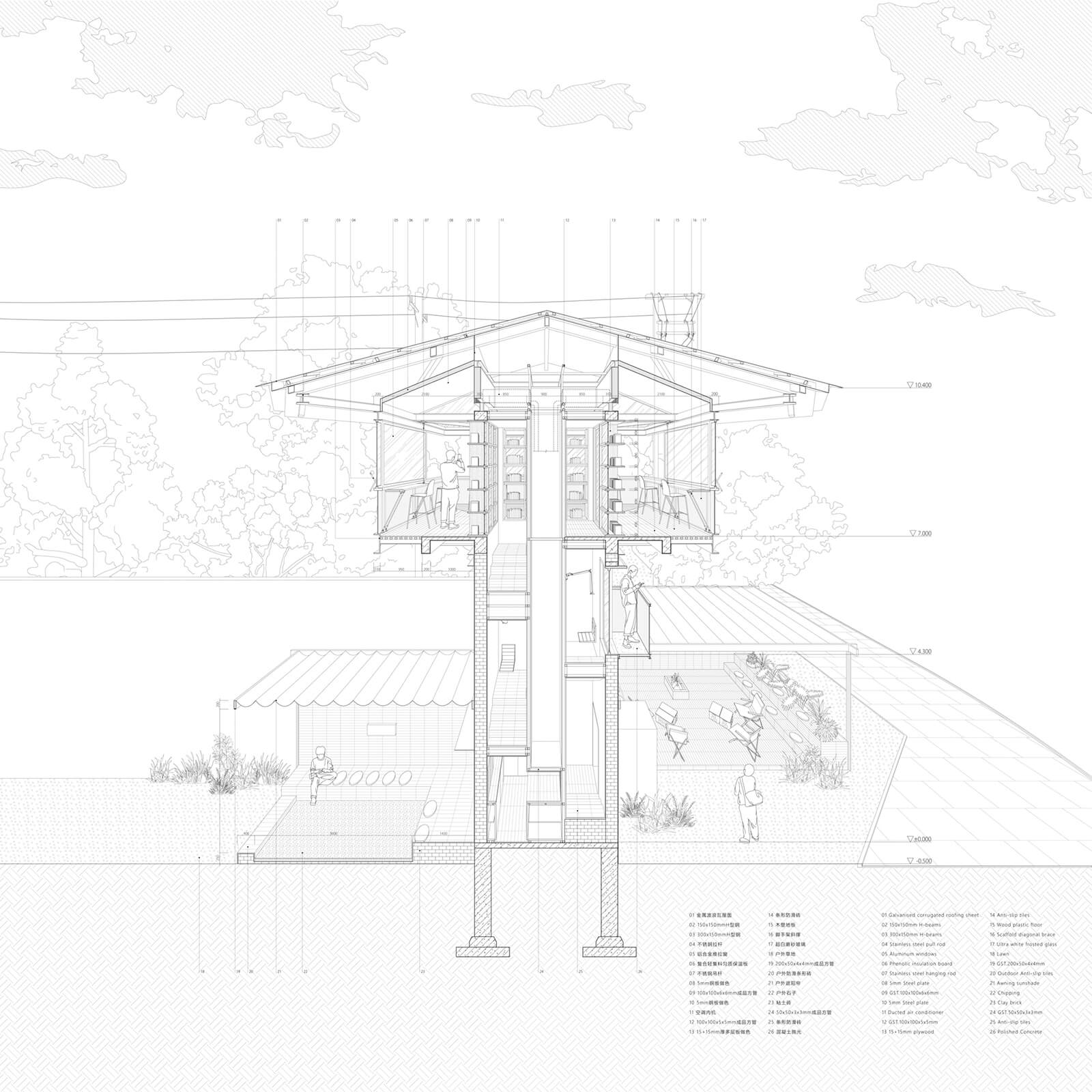
The resultant scheme for reinforcement of the existing structure included wrapping the original peripheral columns with reinforced angle-steel hoops, strengthening the second floor slab and enlarging the roof’s concrete beam cross sections. The exterior walls were treated with a high-ductility concrete joint-filling technique in some parts. The original window grilles, featuring mounts for machine guns and observation ports, were kept as remnants of the structure’s past life.
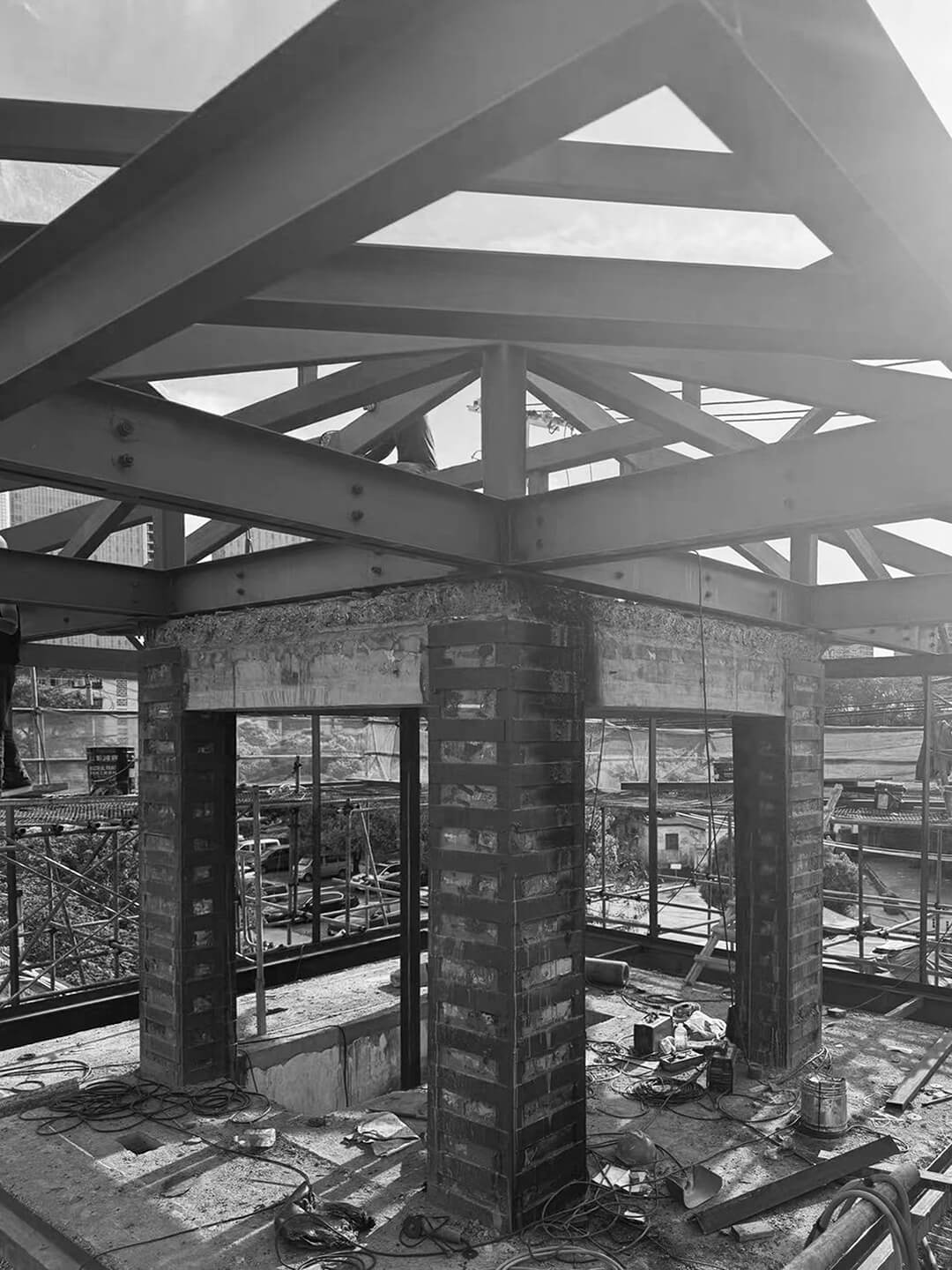
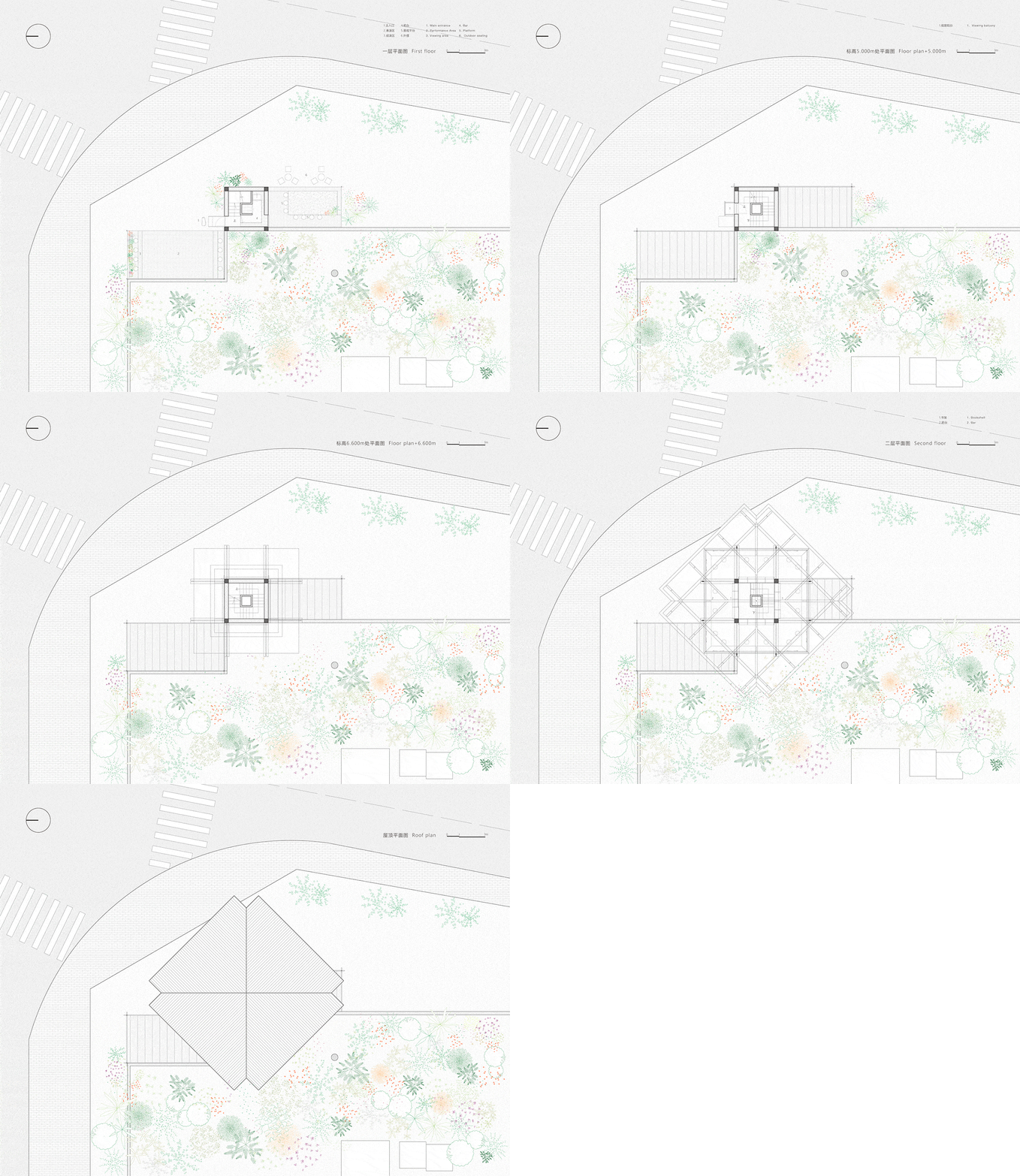
The addition of the reading room above demanded a careful balance of function and structural efficiency. The second floor’s footprint needed to be extended to accommodate a seating area along with a two-way circulation system, without adding considerable load on the tower’s structural frame. A suspended structural assembly in steel appeared to be a viable option for achieving a lightweight design with robust structural integrity. Beneath the slab of the second floor, channel sections were extended from the original concrete columns to provide the base for the new floor. This arrangement was mirrored on the top and held together as a system by steel hanger rods. A four-leaf clover-shaped roof crowns the structure, its alignment rotated to avoid two high-voltage cable lines to the west.
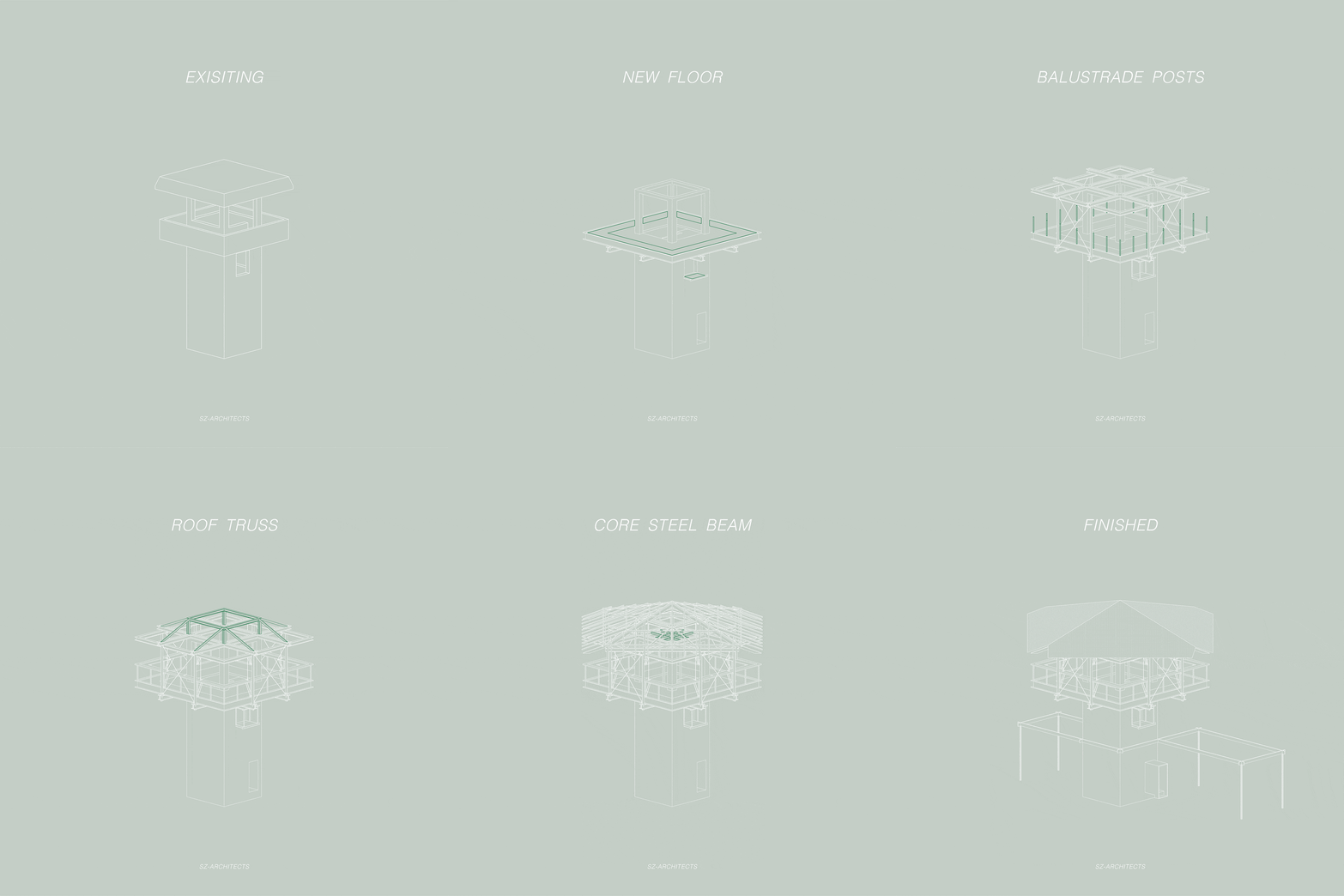
The library and reading room’s new floor is composed of a wood–plastic composite decking laid lightly, but firmly, over the steel frame, easing the structural burden while introducing a tactile warmth. With the solid wall beneath the original second-floor window sills removed, the core of the library is opened outward, allowing bookshelves to line all four sides. Reading desks line the perimeter, offering moments of solitude while framing views of the surrounding neighbourhood. At each corner, operable sliding windows dissolve the room’s edges to leverage panoramic views afforded by the vantage.
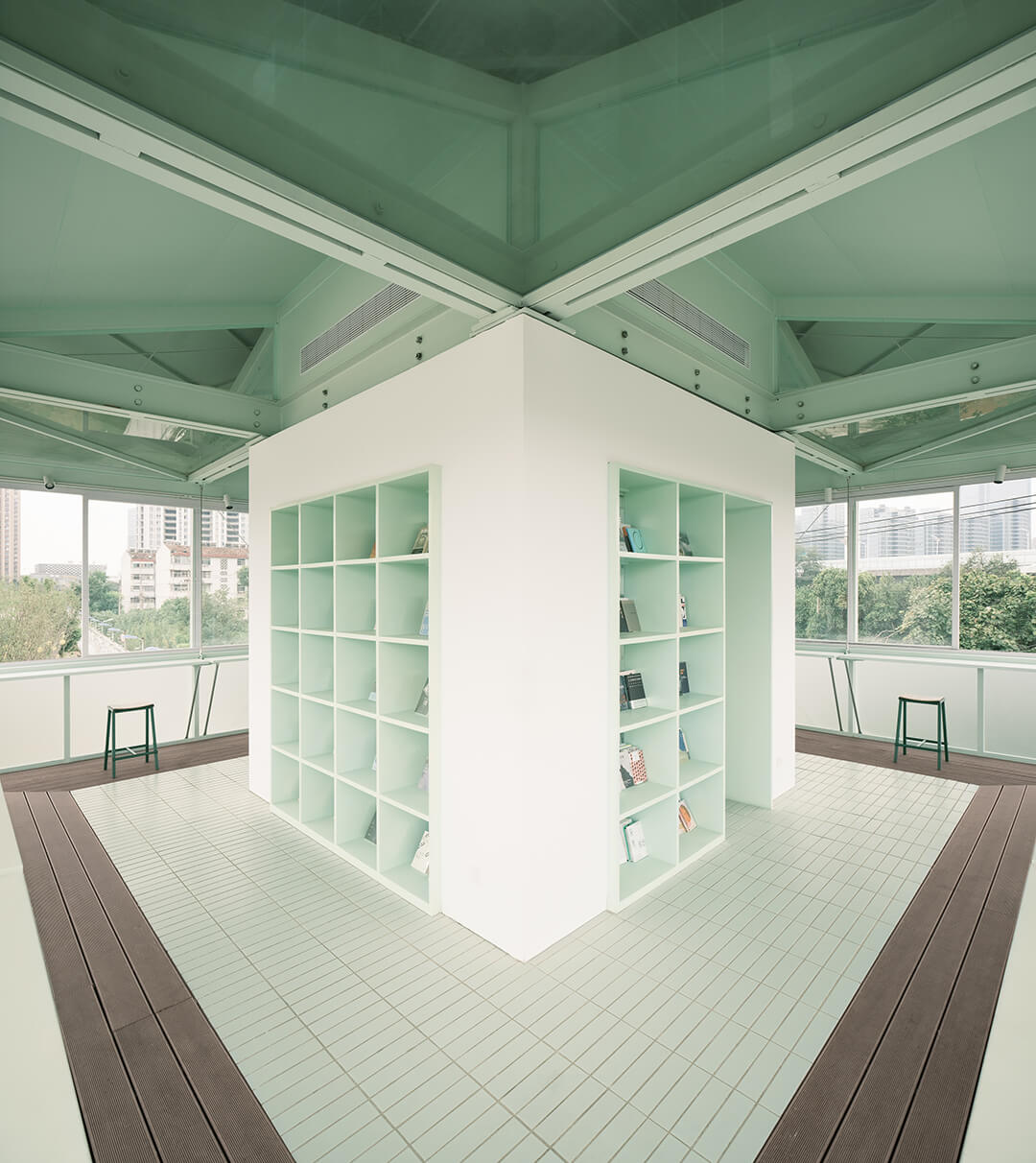
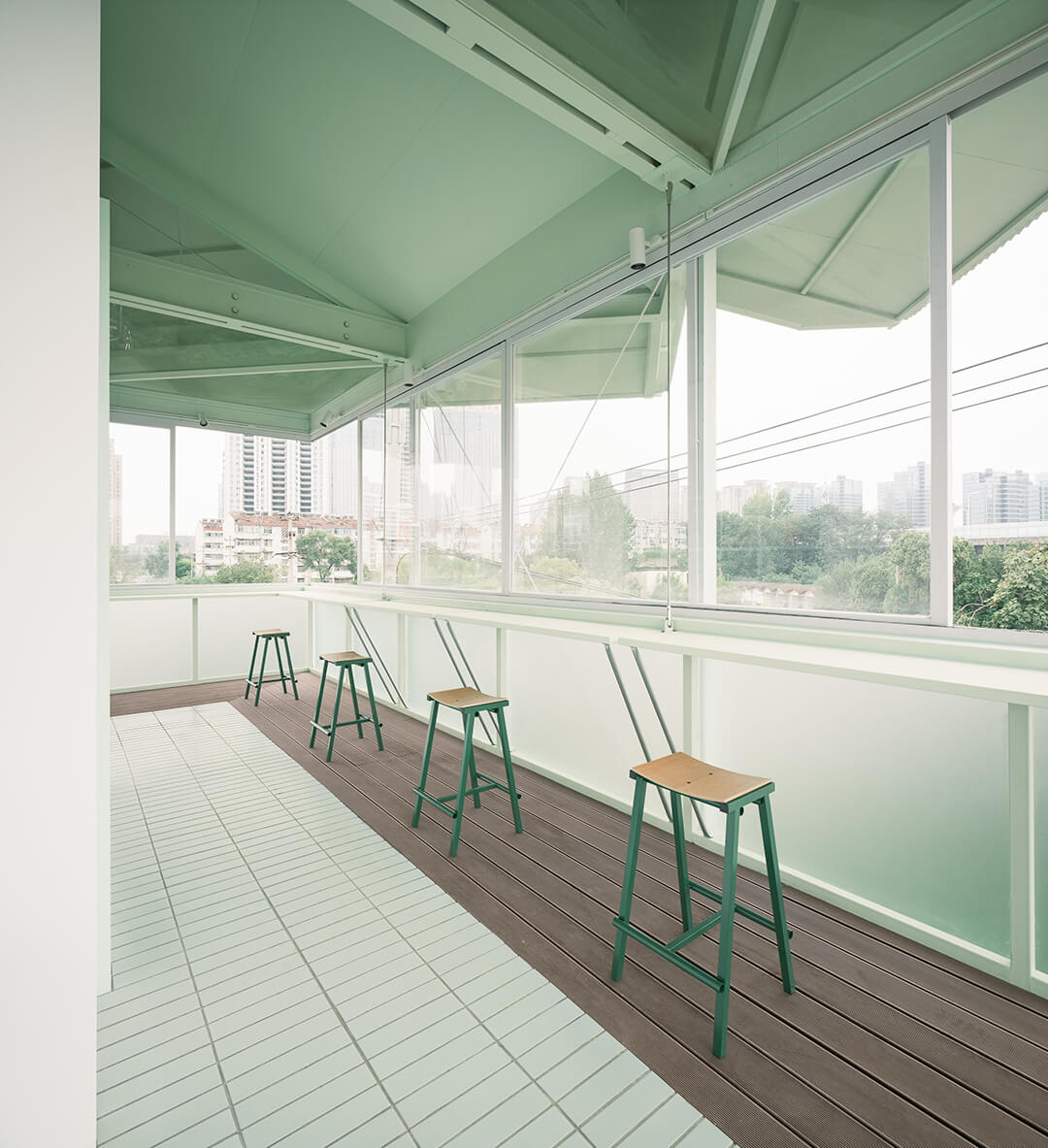
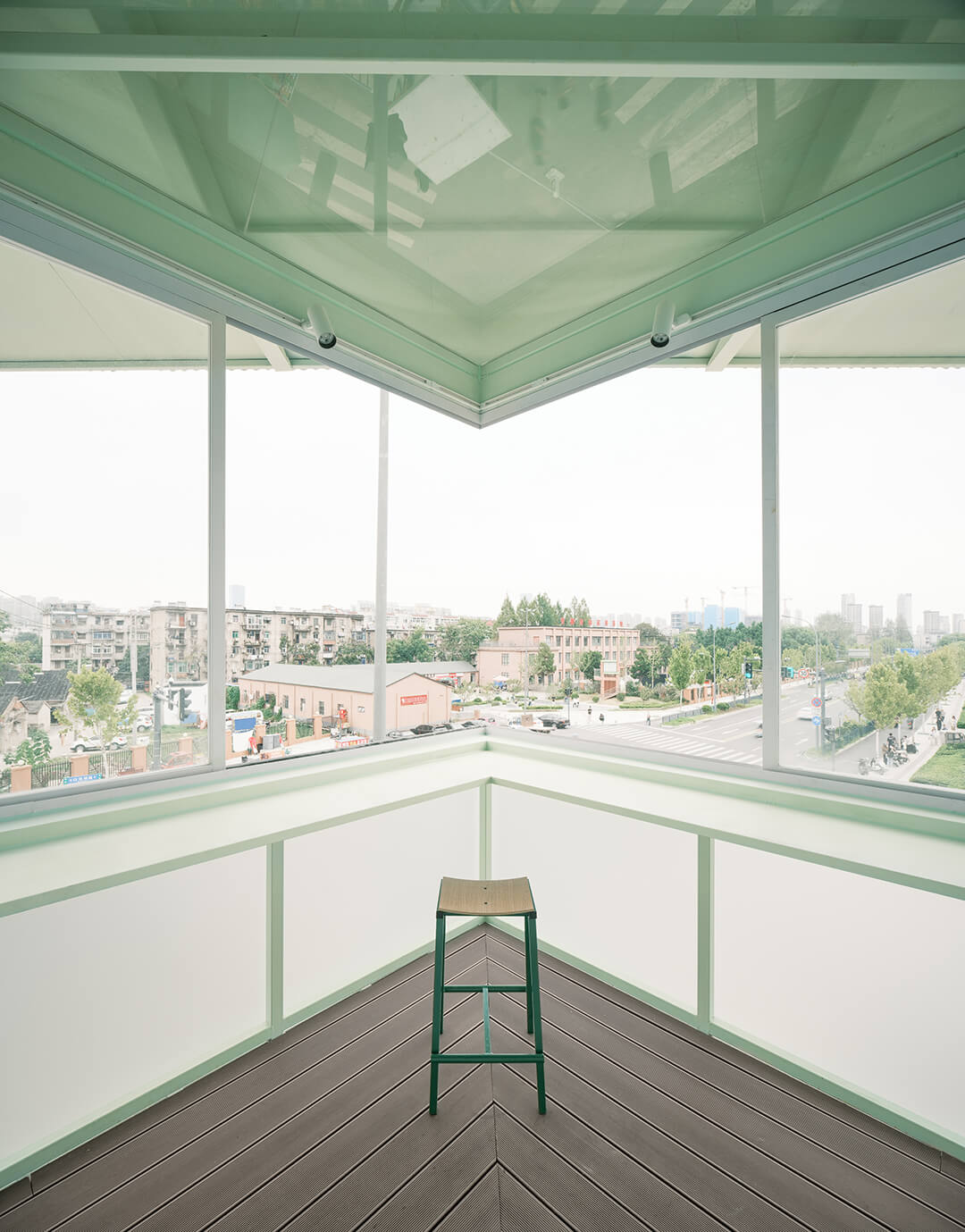
The staircase of the guard tower, now reinforced, is enclosed by gypsum boards to function as a service shaft. On the outside, the walls lie bare, unassuming, but also double up as a blank canvas waiting to be filled with messages on postcards dropped by the visitors. On the ground floor, outdoor extensions are introduced to the north and south as provisions for events that are regularly hosted in the neighbourhood. Seen this way, the bookstore is, then, a dual archive: actively formed and framed by its users and readers while simultaneously belonging to and reflecting the neighbourhood outside.
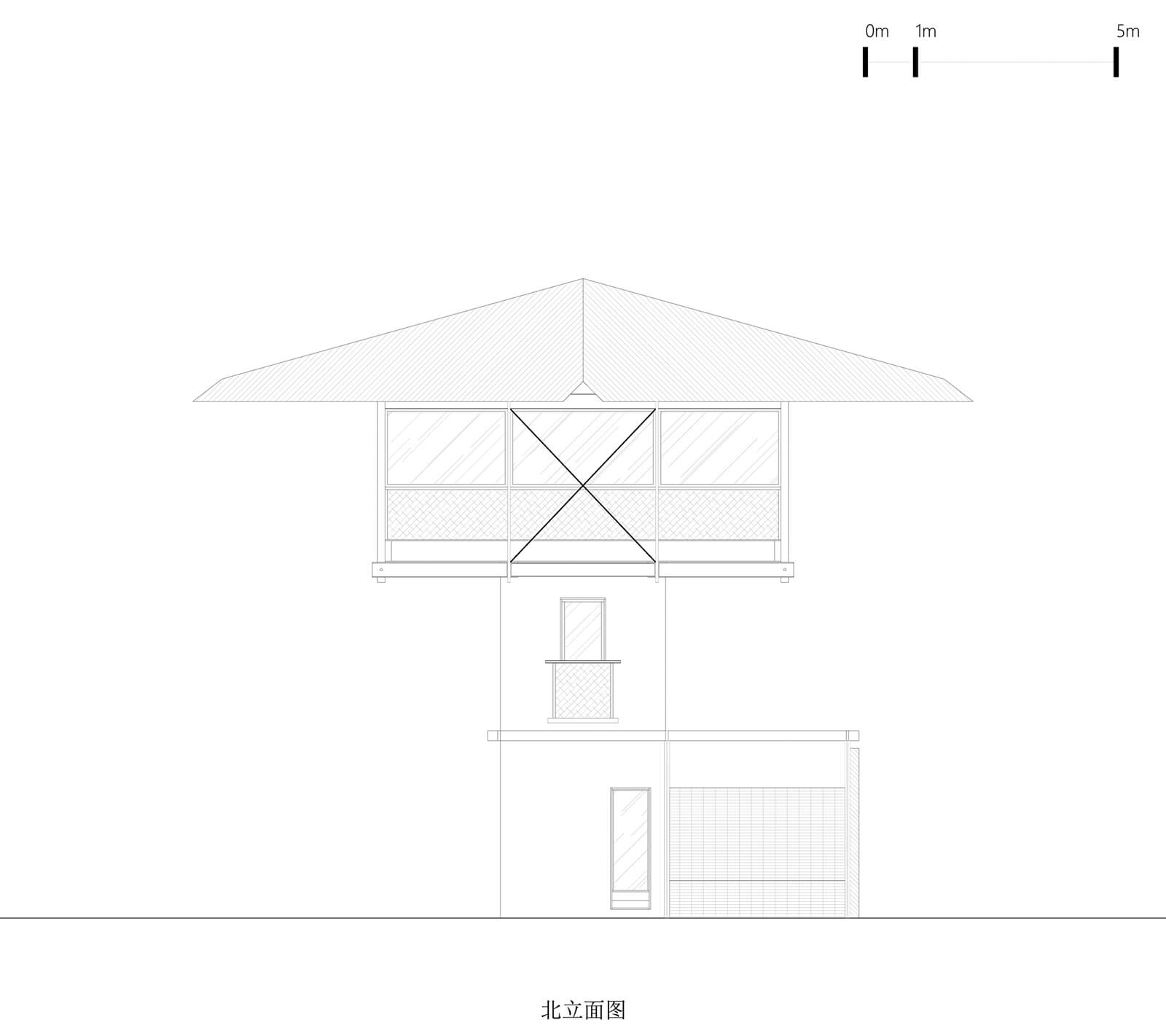
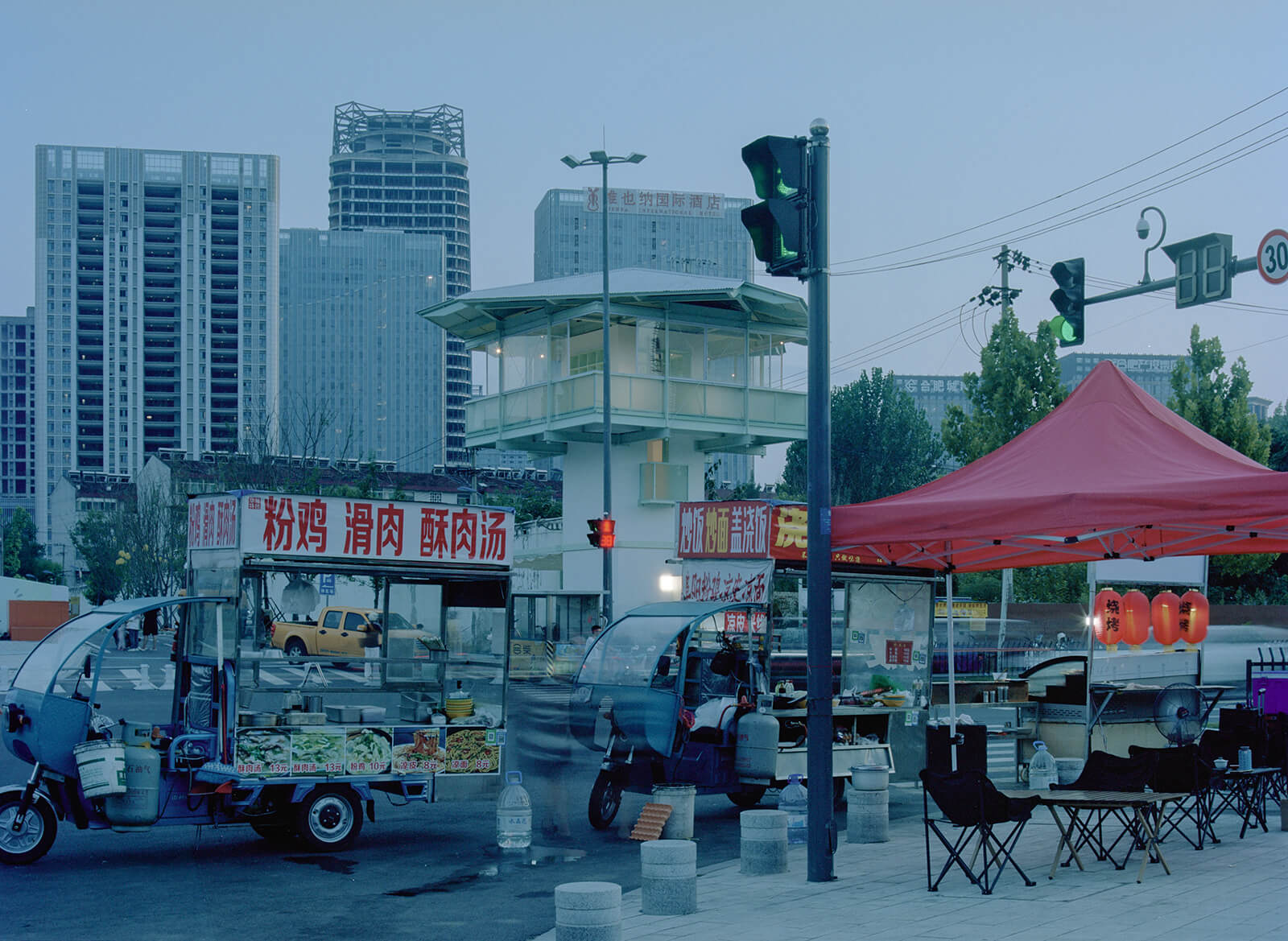
The bookstore design is reflective of this dual interrelationship, becoming a beacon in its local context. “Every time I’m on site, I see the street vendors gathered at the base of the watchtower, making their living by selling snacks to the visitors,” recalls Zhikun Chang, founder of SZ Architects. “As they watch the tower rise bit by bit, what follows isn't anticipation, but anxiety. They often ask, with eyes full of worry, if the opening of this bookstore means they will be driven away. Even when I’m taking photos, they fret that their food carts might 'ruin' the shot,” he mentions.
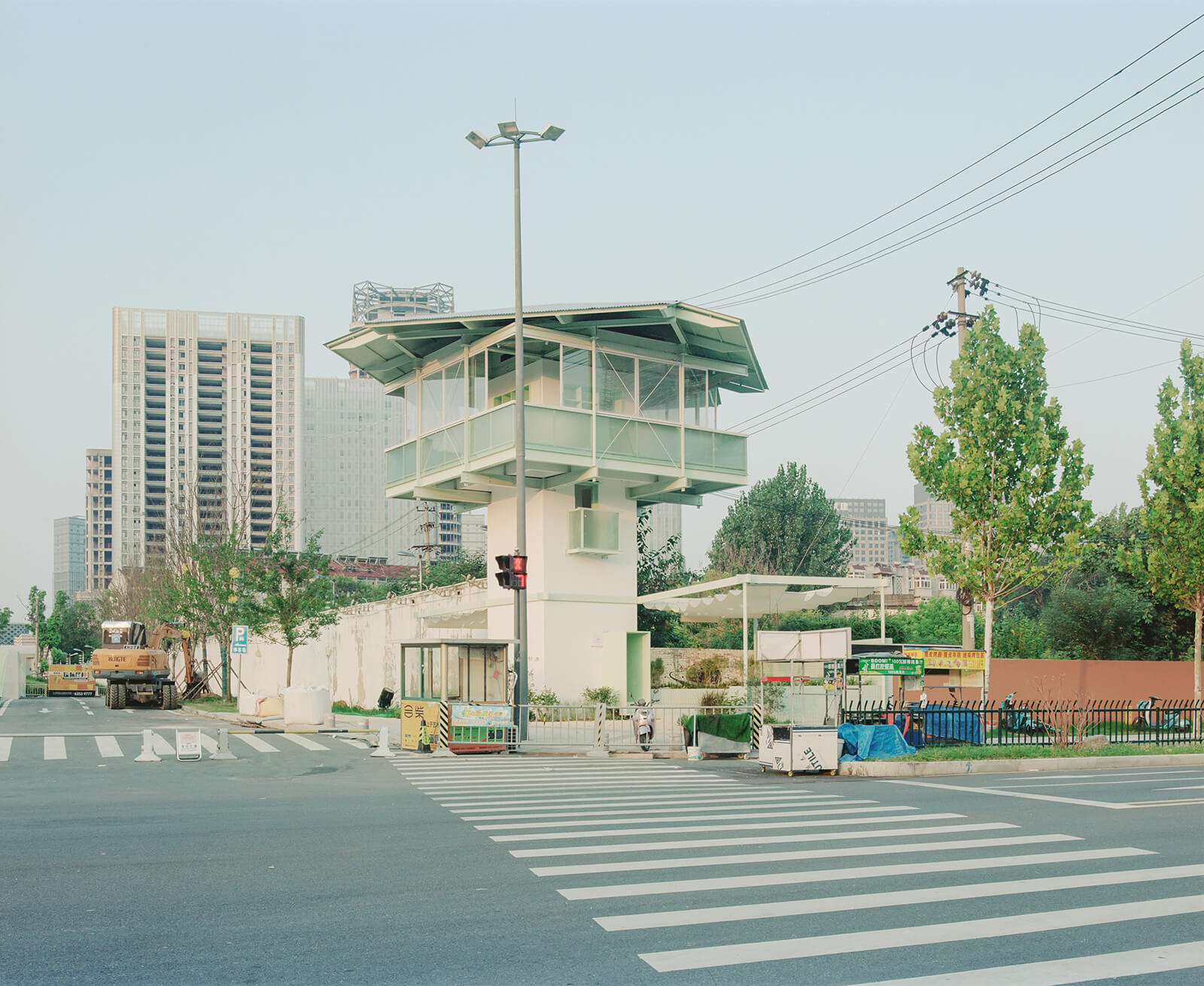
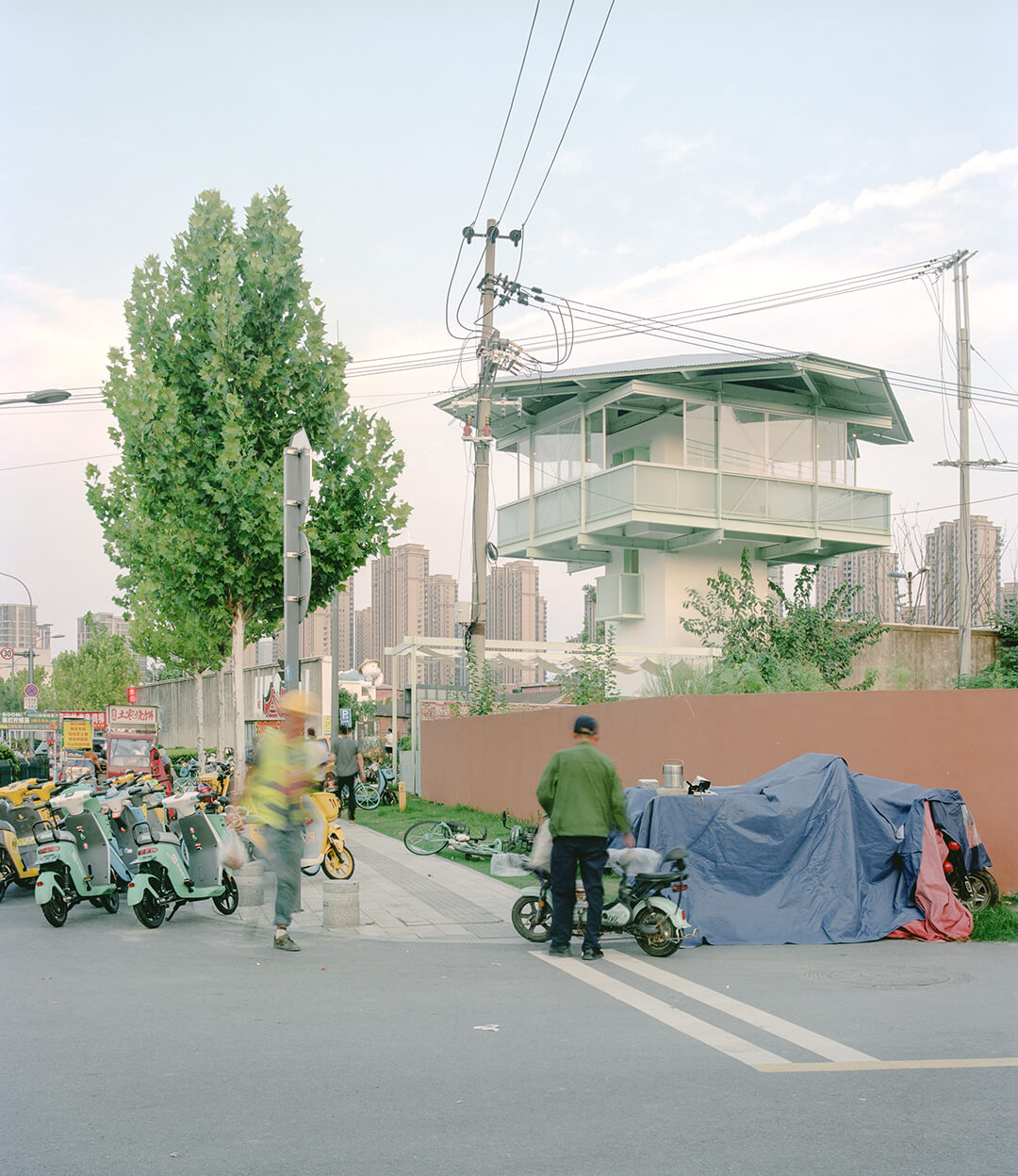
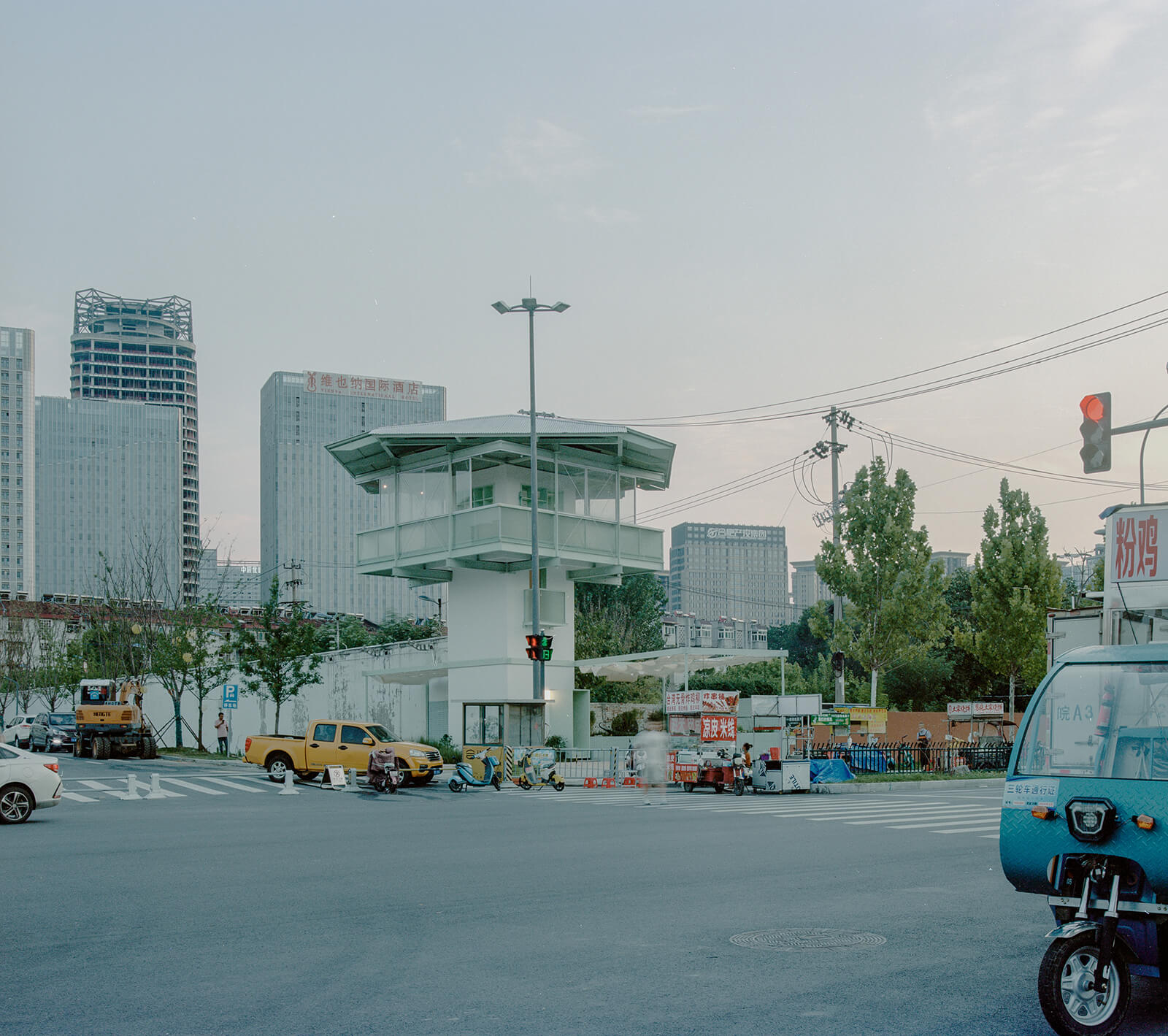
The warming anecdote is, at the same time, an indictment of the very incisive, often intrusive nature of urban and community interventions, conversely excluding the very community they are meant to serve, paving the way for slow gentrification. That, unfortunately, remains far too common a phenomenon for architectural and urban design interventions with a similar modus operandi. “I want to tell them”, the Chinese architect continues reassuringly, “we built this bookstore for everyone in this city. It is a place where the weary can rest, or even catch a nap. It is a lighthouse at night—a sanctuary. I hope its warmth can radiate like a beacon, reaching every corner of the darkness.”
Name: A Very Small 24-hour Bookstore
Location: China
Typology: Library, Community Centre
Client: A Very Small Bookstore
Architect: SZ-Architects
Design Team:
Collaborators: iStructure Design & Consulting (Structural Design), Nanjing Jianzhi Horticulture (Landscape Design), Hefei Guyu Construction Decoration Engineering (Contractor), Zhongbai Engineering Design Group (Structural Reinforcement), Hefei Bintou Cultural and Creative Development (Property Management)
Area: 70 sq m
Year of Completion: 2025

by Pranjal Maheshwari Oct 24, 2026
A consortium of Copenhagen’s 3XN, Toronto’s B+H Architects and Shenzhen’s Zhubo Design has designed the museum to mimic the surrounding riverscape, topped with a public park.
by Pranjal Maheshwari Oct 19, 2026
The Mumbai-based architects integrate courtyards, mesh screens and north light trusses to create a dining space that doubles up as a community hub at SR University, Warangal.
by Mrinmayee Bhoot Oct 17, 2026
The Rotterdam-based institute centres the Indian Ocean as a network for exploring material histories and transnational links shaping coastal cultures, positing them as future models.
by Pranjal Maheshwari Oct 16, 2026
At the 2026 Stirling Prize ceremony, Mary Duggan with RUFF Architects, MAKER Architecten and Nakshabid Architects were felicitated for proffering quality housing and social equity.

make your fridays matter with a well-read weekend
Enter your details to sign in
Don’t have an account?
Sign upOr you can sign in with
a single account for all
STIR platforms
All your bookmarks will be available across all your devices.
Stay STIRred
Already have an account?
Sign inOr you can sign up with
Verification link sent to check your inbox or spam folder to complete sign up process
Tap on things that interests you.
Select the Conversation Category you would like to watch
Please enter your details and click submit.
Enter the 6-digit code sent at


A Very Small 24-hour Bookstore is a reader’s sanctuary and a community lighthouse
by Pranjal Maheshwari | Published on : Feb 26, 2026


 Sign in with Google
 Sign in with email
What do you think?