Design08 mins. read
Vitra Design Museum stirs form, colour and space for Verner Panton’s birth centenary
by Pranjal MaheshwariJul 14, 2026



by Anmol AhujaPublished on : Jul 13, 2026
The mention of IKEA—a household mainstay across several of its global markets today—in design discourse is often to evoke a point of deflection, of even contrast, to eventually pivot to ‘Design’ as the industry knows it: figure-driven, exclusive, launch-worthy and mostly, unaffordable for a vast majority. Yet, IKEA products, even in relatively new physical contexts for the brand, like India, are synonymous with young professionals or newly settled couples’ first efforts at making a home with limited means in limited, borrowed spaces. This condition describes the dynamic urban landscape across several popular and up-and-coming Indian cities and global business hubs, encoding modern, cosmopolitan living. From essentials like pots and pans and cutlery to a rug, a quirky lounger or a lamp to enliven a ‘Perfection’ coded corner, a ‘design’ story bookended by IKEA seems to be around the corner, no matter how far tastes develop or how refined palates get later.
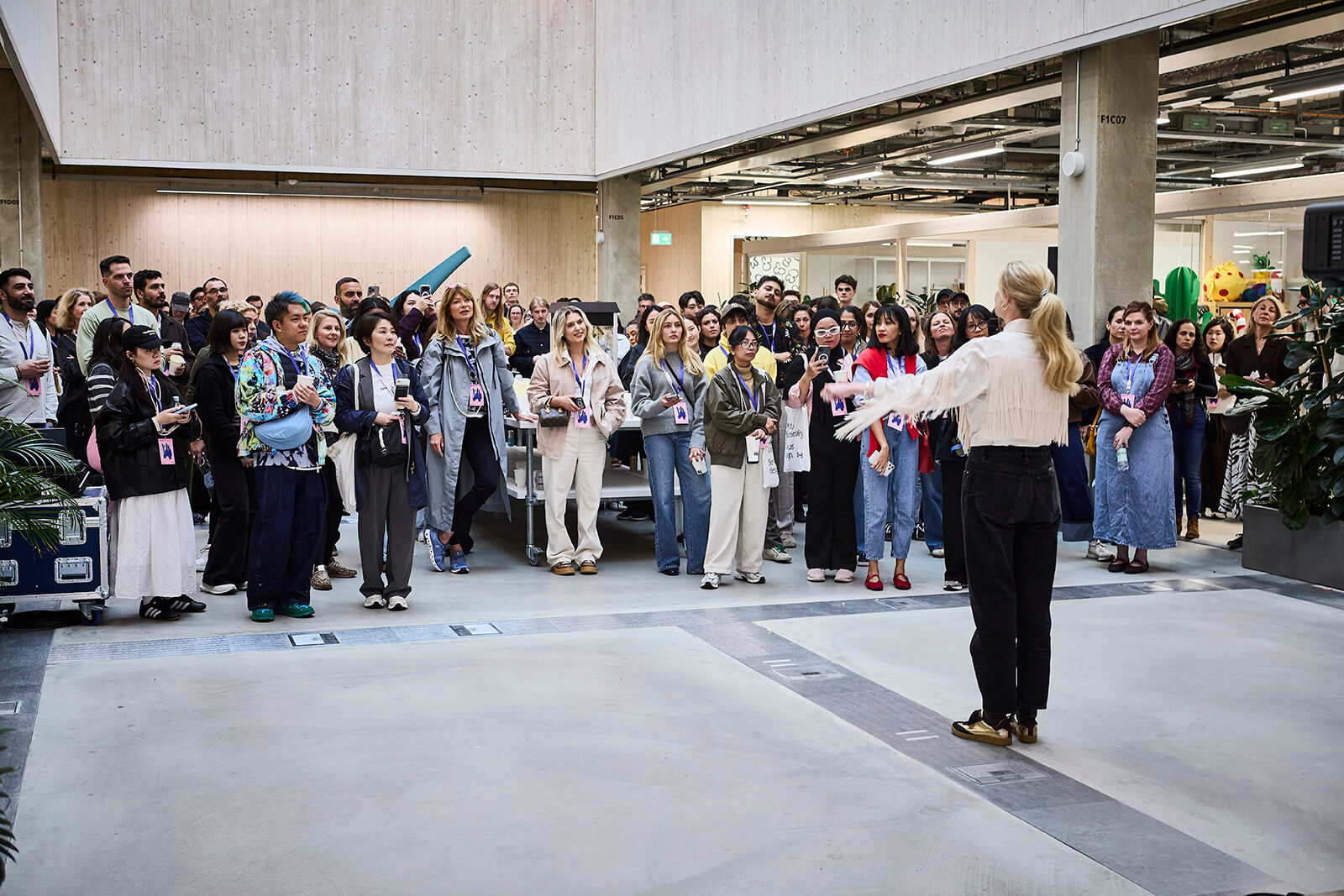
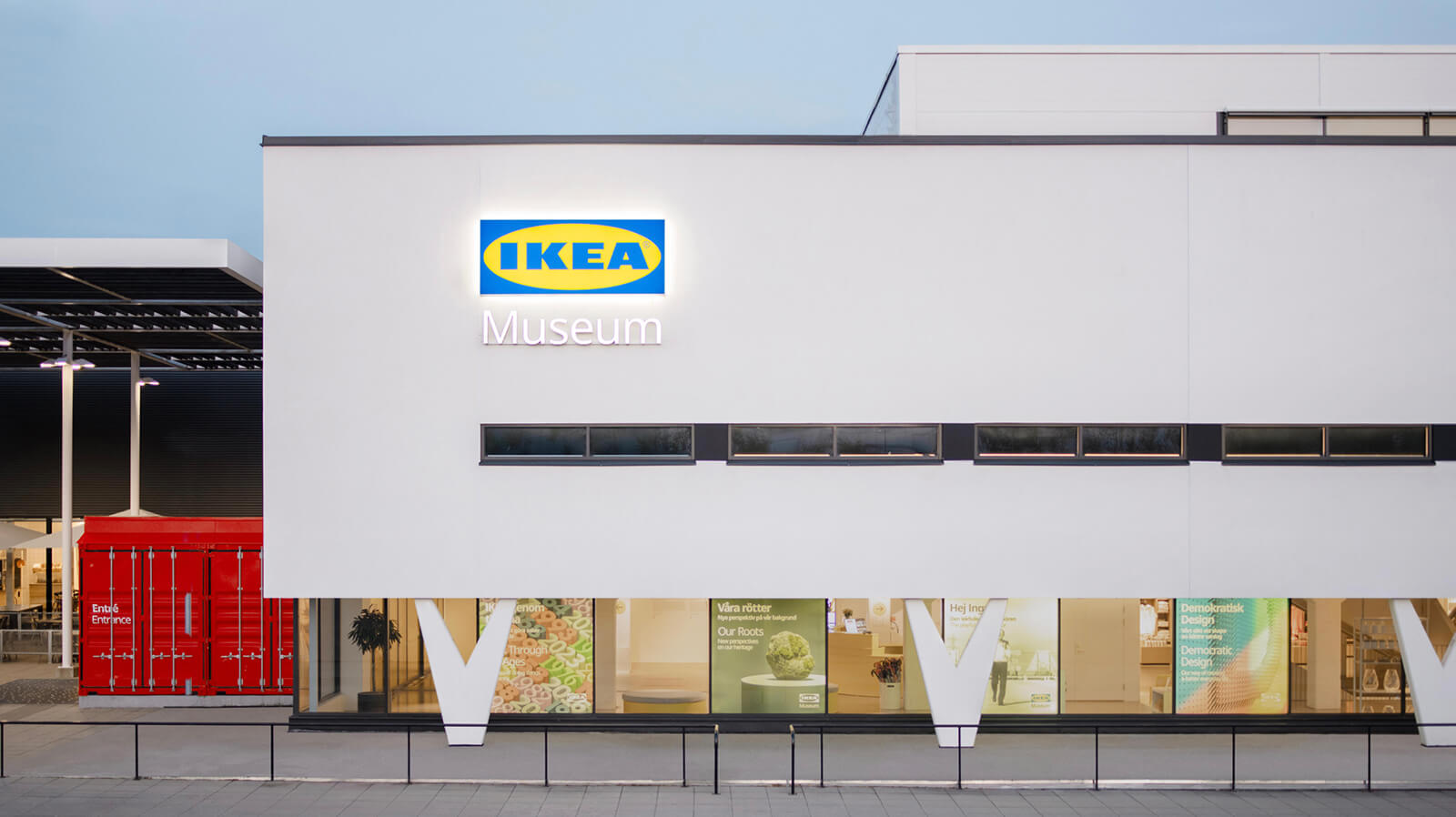
Globally speaking, this near-omnipresence of IKEA products and designs presents a very interesting paradox, since despite everything stated above, its associations with en masse production and thus replicability mean it is not outside of design discourse for long. And despite the paradox, the design language has seeped into homes that typically don’t fit or fully respond to the vocabulary of Scandinavian living, where IKEA finds its roots. This ‘global applicability’ is especially relevant in the context of South Asia, where modernity has a slightly different trajectory. This is not an elegy unto what IKEA means today, or what that connecting factor is across hundreds of its pieces produced over nearly half a century that marks their allure, since that would be rather difficult to delve into without commenting upon declining geopolitical health. What is offered here is not a change in perspective (since those are rather easy to come by), but a series of honest reflections on a visit to the home of IKEA, in Älmhult, Sweden, across its production, design and testing facilities, alongside the world’s only IKEA Museum—originally its very first store.
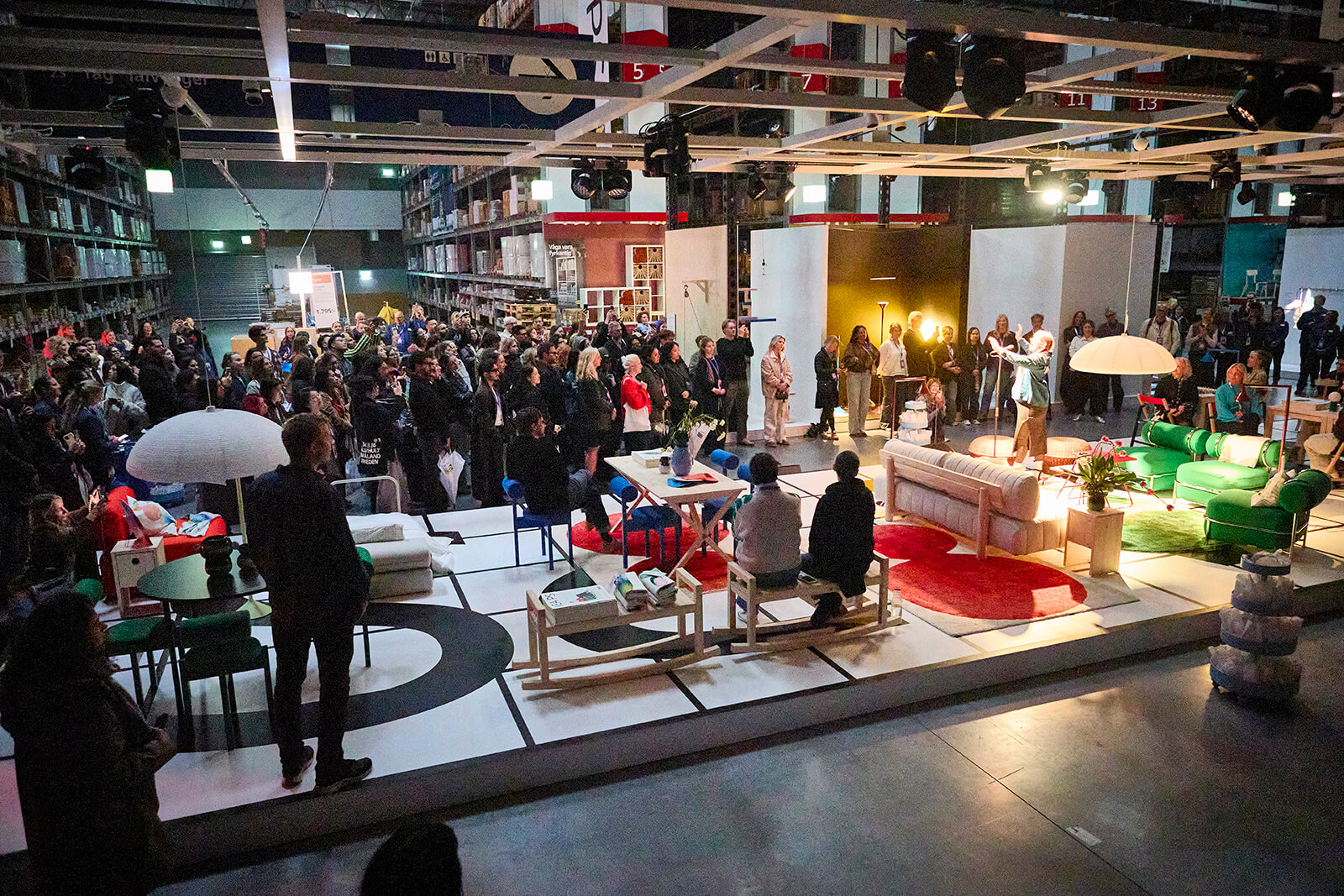
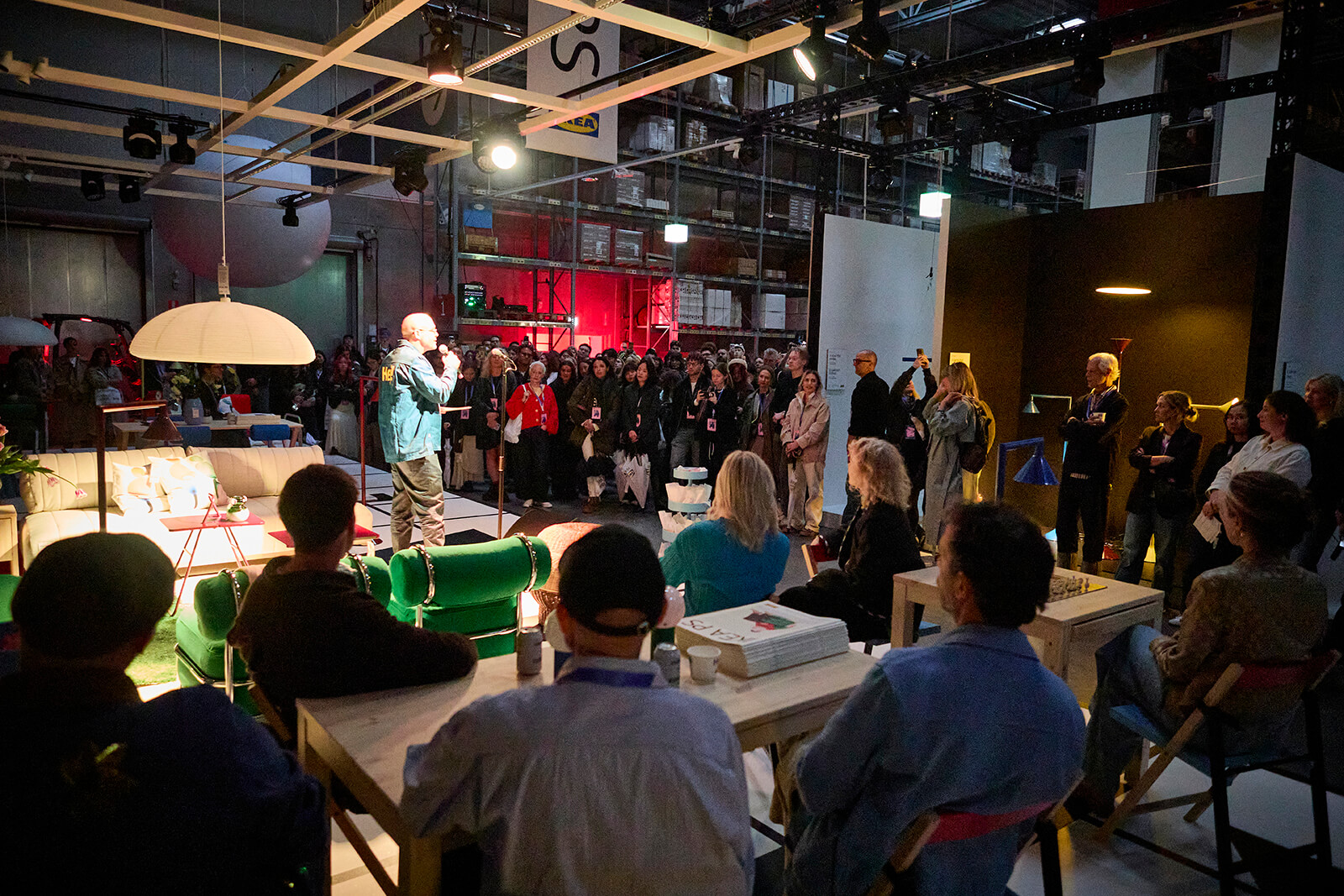
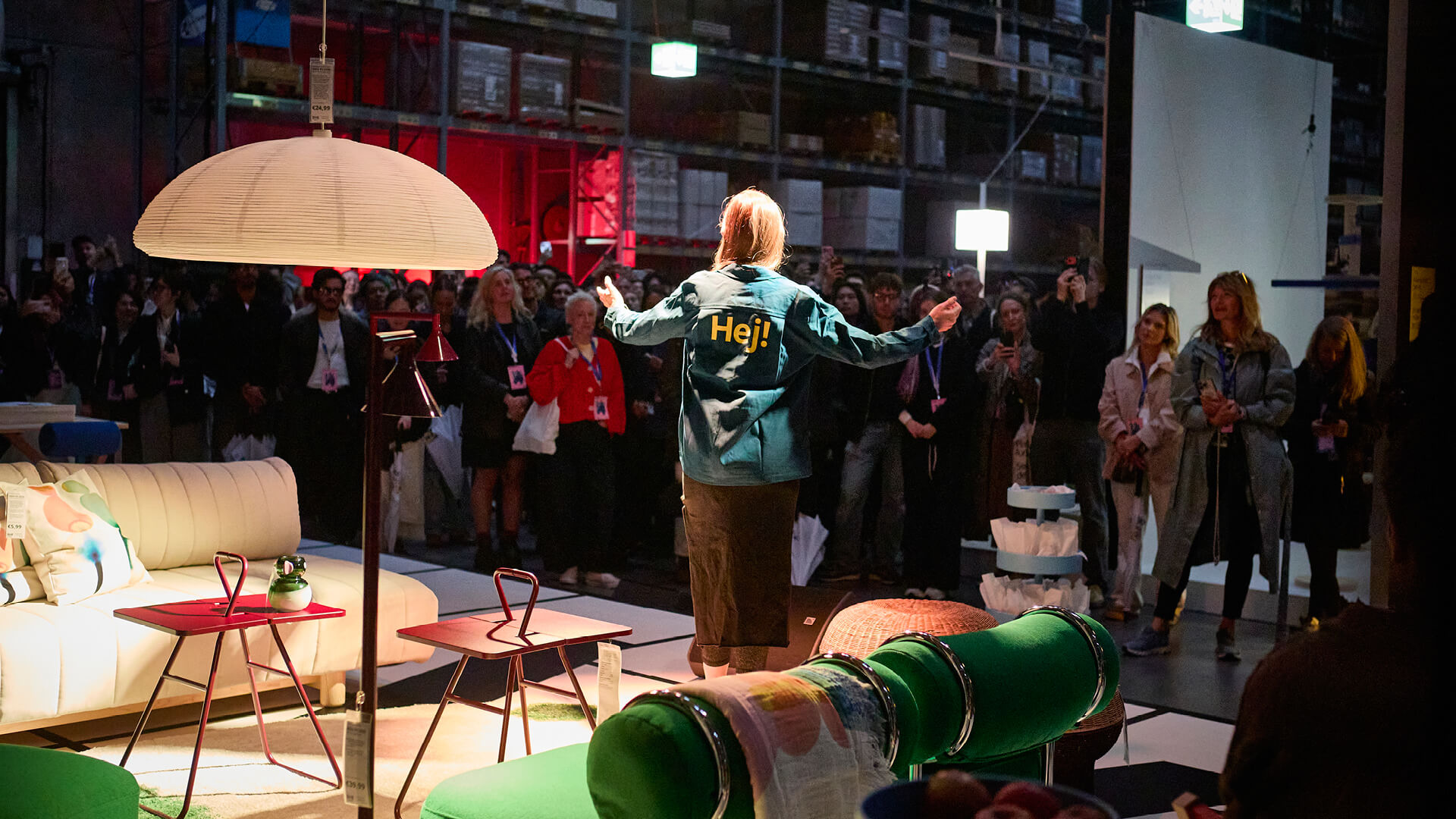
That the reflections accompany the launch of the 10th edition of a collection that has historically housed some of the most instantly and globally recognisable objects from the brand is a natural conjecture. In its very etymological roots, P.S. or post scriptum in Latin refers to a remark or detail that occurs after the main body of the text in a letter or other communication. Most often, conflated to an afterthought. At IKEA, the PS translates into the act of going beyond: in designing, making and delivering. So while five tenets (or democratic design principles)—function, form, quality, sustainability and low price—guide the design and the making of every single IKEA product, the products in the PS collections are touted to ‘go beyond’, delivering something that is true to the tenets, but also elevated with substantial, discernible style.
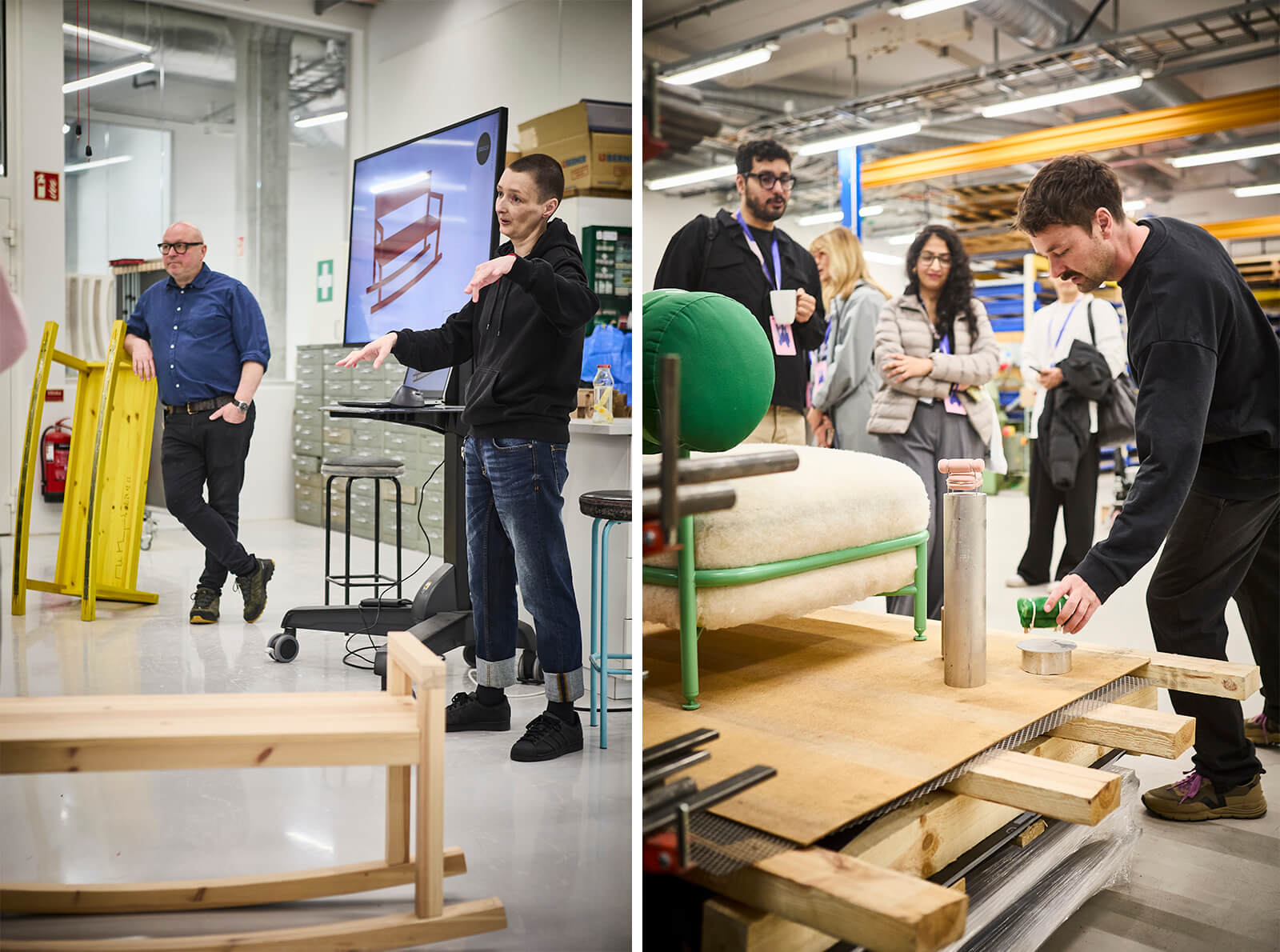
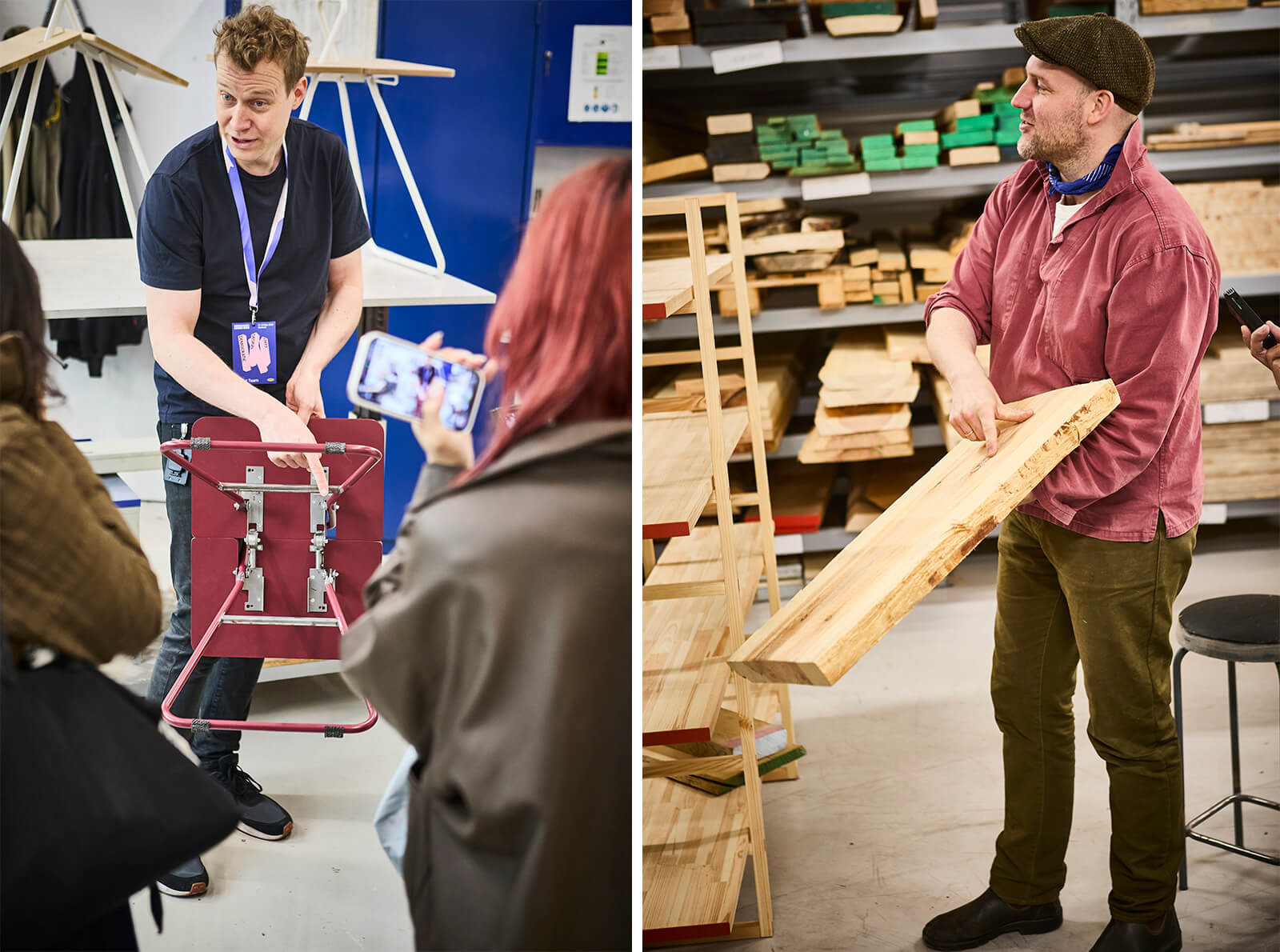
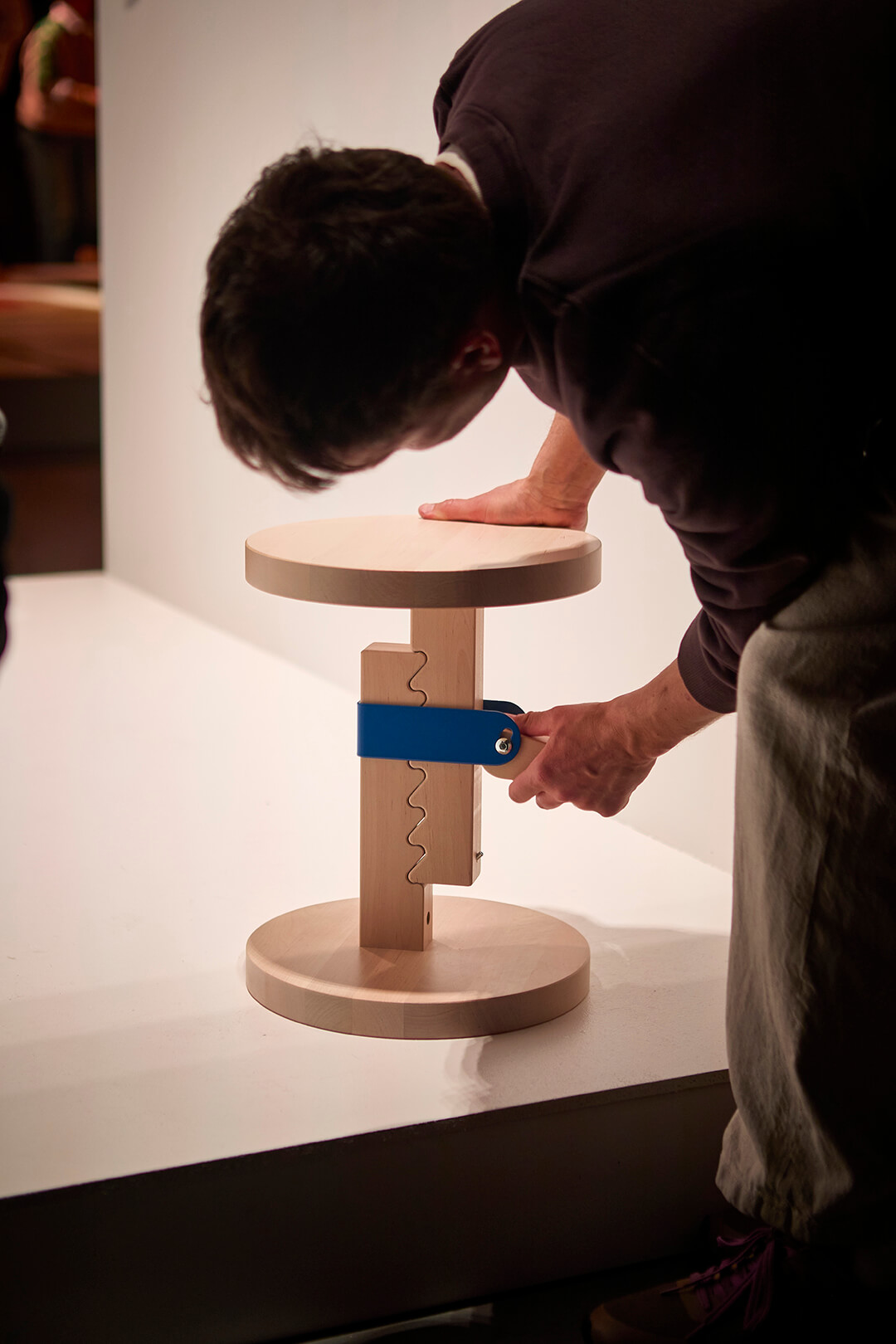
PS 2026, launched nearly a decade after the collection’s ninth edition in 2017, admittedly takes some bold swings in form, material and, unsurprisingly, colour. Across typologies, including chairs, beds, loungers, lights, vases, rugs, textiles, benches, sidetables, cabinets, wall decor and more, the collection remains dynamic in form and appearance, and above all, open to experimentation and interpretation. The collection is framed with the motto of ‘playful functionality’, with several of the pieces—a staggering over 40 of them—having their bits and bobs and works about, inviting exploration for the inquisitive and tinkering for the handy. The angled joints of a floor lamp that makes it switch between a spot, reading lamp, an uplighter or anything in between; a striking blue adjustable clamping lever managing a sawtoothed pine stool’s seating level; a cabinet with rattan-like weaves across its doors; a red tubular clock, reimagining the iconic 1995 piece that still adorns—though scaled-up—the IKEA Museum in Älmhult; a chair that lets the user dictate how they want to perch atop it; and the flatpack chairs and sidetables that form distinctive profiles even when folded are all part of the experience. The incredible diversity in utility, form, finishes and the details particularly make the collection, as a whole, quite alluring, though everyone is bound to have favourites from the crowd.

Creative director Maria O’Brian brings the collection together with a squad of 12 designers, both in-house and commissioned, including Henrik Preutz, Mikael Axelsson, Matilda Lindstam Nilsson, Ellen Hallström, Lex Pott, Lukas Bazle, Maria Vinka, Ola Wihlborg, Michelle Armas, David Wahl and Friso Wiersma. O’Brian’s direction is akin to curating a design exhibition, with each of the pieces fitting a larger picture. Despite that, O’Brian insists that her brief to the designers remained fairly flexible and that she encouraged designers to come up with their own interpretations of it with nearly complete creative freedom—itself framed by IKEA’s inherent tenets. The results aren’t bound in restraint, but are gleefully aware of the ecosystem they operate in. That is to say that if a product satisfied all five democratic design principles, it was already checking a number of boxes objectively relegated to the checklist of ‘good design’. If, atop it, it had a personality to boot and ‘playful functionality’ strewn into its very DNA, it was making the cut.
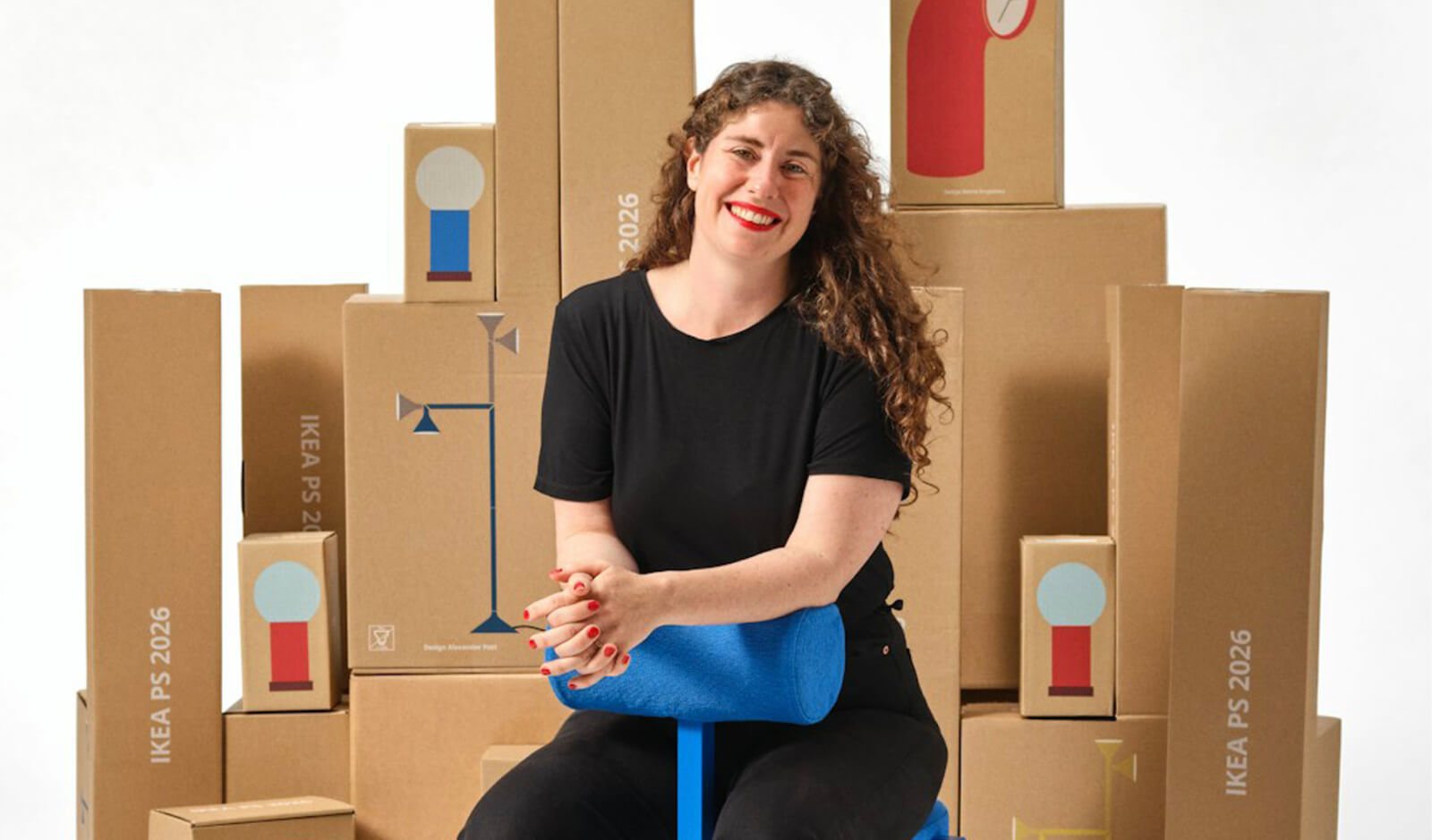
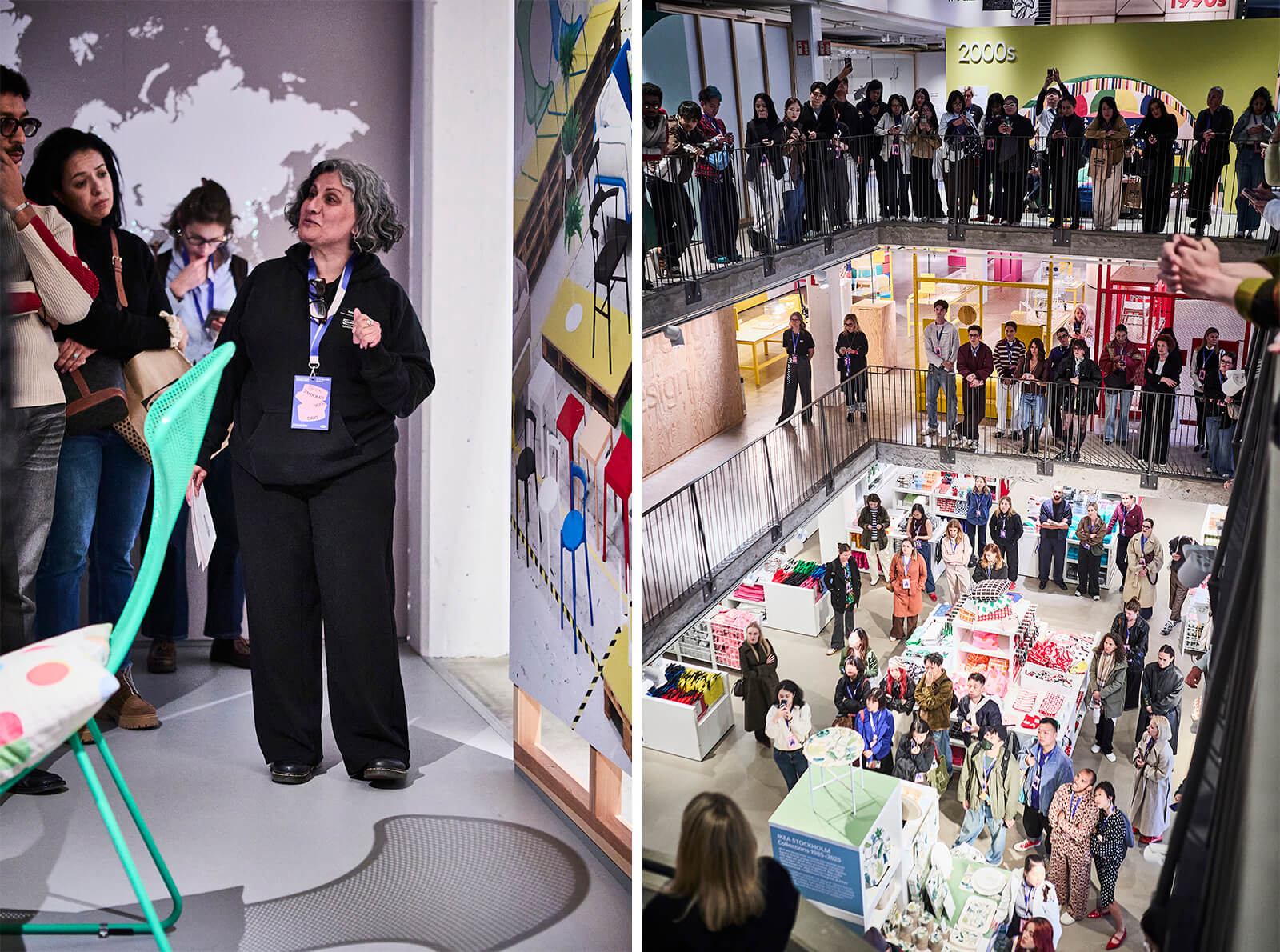
“What I tried to do with PS is allow the designers to have a very clear signature style in their piece. And I wanted each piece to represent the person who had made it. Then, my work was to make sure that they can still be in the same space without overpowering each other”, states O’Brian in a sit-down conversation with STIR at the IKEA of Sweden headquarters, serving as the core design, development and testing facility for IKEA products. “I think what we really wanted to do with this PS was dig into where it came from, which was giving people access to Scandinavian modern design at an affordable price. Then we look into what we think we want to bring people in the future,” she continues. “Working in IKEA is always working in the future because of the three-year lead time; the projects I start today will not meet this world. They will meet the future world. So pushing into that with the help of these 12 designers was an organic process, something that evolved together with the designers,” O’Brian remarks, commenting upon the nature of collaboration necessary to bring the PS 2026 collection to life.
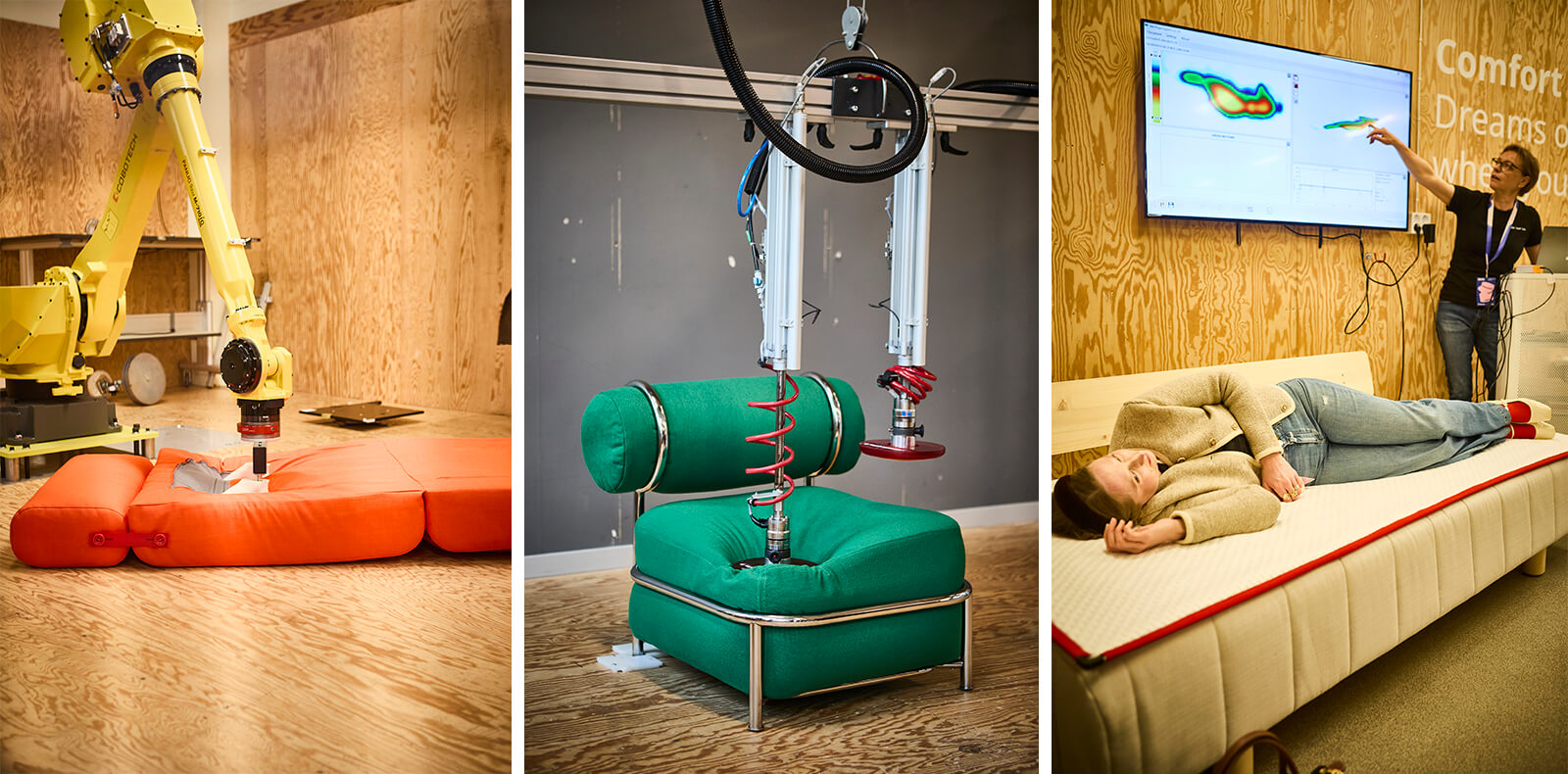
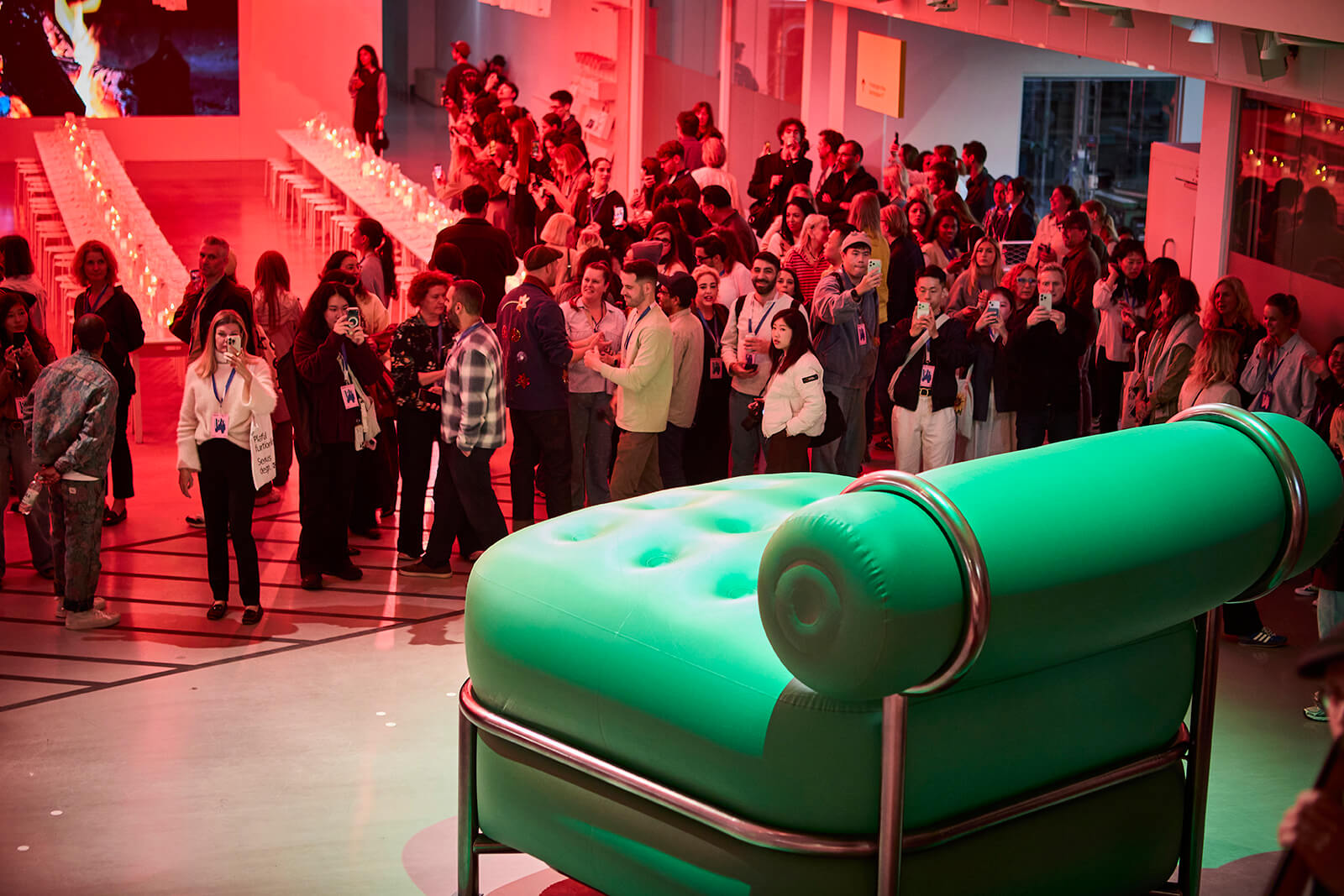
A particularly interesting example of these phenomena at play is the inflatable armchair by designer Axelsson, a highlight of the collection soon to be launched in India. The armchair—also one of the most talked-about pieces from the collection—has been in development since as long as 2014, enumerating several attempts by Axelsson and IKEA’s team of engineers to make use of something that we have freely available: air. The paucity, if one may term it that, comes from Axelsson’s own understanding of Scandinavian design and Modernism as positions of scarcity that led to the abandonment of ornament. Several prototypes and painstaking tests later (including many with Axelsson’s own pets), the team found the safest ‘solution’: one that essentially renders the chrome metal and the unmistakable green fabric as the only two visible materials for the armchair.
The chair flatpacks at around 8kg, and is—as the designer intended—something one can carry along on the subway, “and still have something that feels like proper furniture” when assembled. While each piece undergoes stringent quality and pressure tests at the IKEA test labs (stimulating to observe robotic arms rhythmically stomp on the armchair for hours on end), the design choice of completely eliminating foam—already an environmental hazard—and ‘using’ air instead means the product is easier to store, ship and transport, adding to the claims of meeting ever-contentious sustainability standards. “It's quite easy as a designer to design something that looks really good at an unaffordable price. But to make something that looks really good at an affordable price is much more tricky. Some people find that a challenge; I see it more as an inspiration,” states Axelsson when probed on designing and manufacturing sustainability at scale with the armchair.
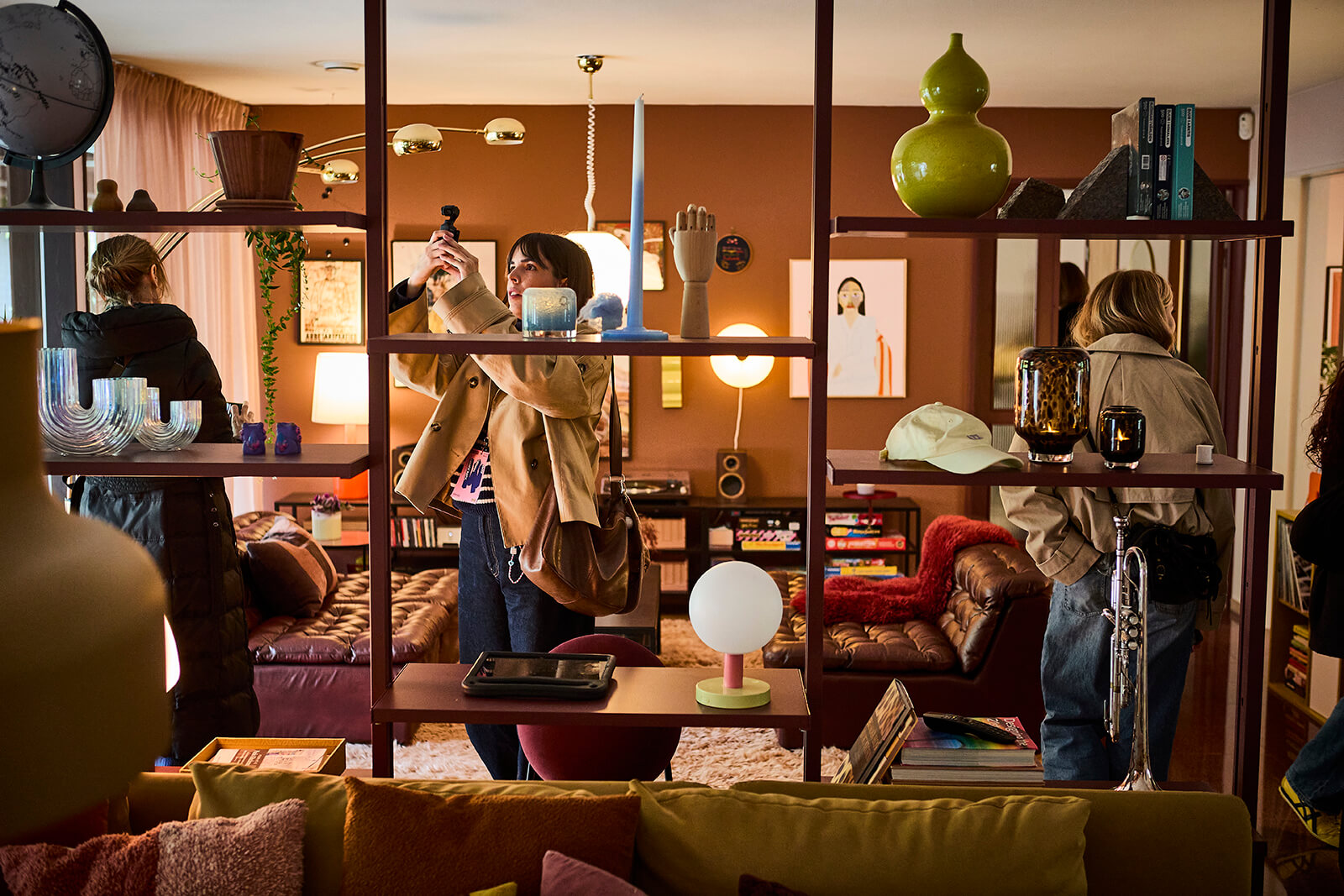
Admittedly, meeting the people behind the designs and observing the processes behind bringing those to life already leads to an easing of the perception behind the giant that is IKEA, rendering with some clarity the humans and the years preceding any product going to factory production, including several fascinating prototypes that never made the cut. This is when the ideas of scale and perhaps consumption come alive most interestingly. Even as the PS 2026 collection reigns popular both in-store and across social media—and is gradually launching in several other markets—the question of whether these products are ‘good designs’ or not is bound to remain subjective. That they are ‘designed’ to begin with bears no doubt, and so, while several homes may be dotted with IKEA products, often to the disdain of the Design industry, they remain objects that people exercise fervent ownership over—and through them, the spaces they occupy.

by Chahna Tank Oct 22, 2026
STIR speaks with the Mumbai-based type designer about her practice, type walks and why she wants more people to have stronger opinions about Indian-script fonts.
by Mirra Lynn Oct 22, 2026
The curators behind Palestine Design Week 2026 reflect on its intent, considering how design holds memory, makes space for loss and imagines a future in Palestine.
by Jincy Iype Oct 15, 2026
STIR explores craft, material intelligence and people shaping Indian design through dialogues with Design Democracy’s co-founders and the curators of its special exhibitions.
by Pranjal Maheshwari Oct 13, 2026
Through furniture, art and films, the showcase at the Ian Potter Centre in Melbourne advocates for biophilic material cultures as an antidote to planetary degradation.

make your fridays matter with a well-read weekend
Enter your details to sign in
Don’t have an account?
Sign upOr you can sign in with
a single account for all
STIR platforms
All your bookmarks will be available across all your devices.
Stay STIRred
Already have an account?
Sign inOr you can sign up with
Verification link sent to check your inbox or spam folder to complete sign up process
Tap on things that interests you.
Select the Conversation Category you would like to watch
Please enter your details and click submit.
Enter the 6-digit code sent at


At the home of IKEA, the probe for democratic design deepens
by Anmol Ahuja | Published on : Jul 13, 2026


 Sign in with Google
 Sign in with email
What do you think?