Art08 mins. read
Exploring Sarnath Banerjee’s take on life in India through his graphic art
by Rahul KumarSep 06, 2022



by Srishti OjhaPublished on : Aug 14, 2026
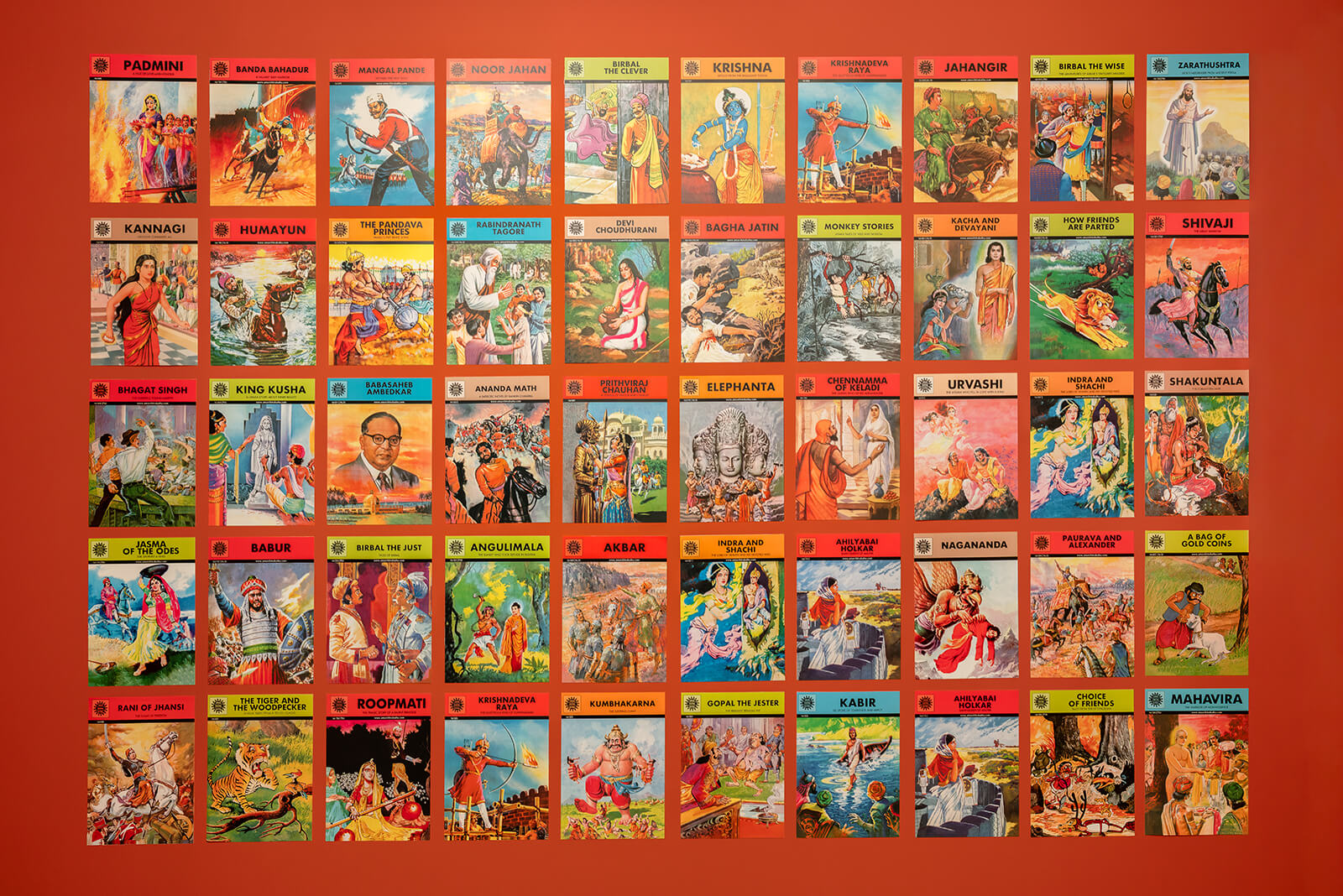
Like most Indian children of my generation, my first encounter with visual storytelling (or so I thought) was reading Amar Chitra Katha. The same mythological stories and morality tales I had been fed growing up seemed suddenly refreshing in comic form. Soon enough, the other giant of Indian children’s visual storytelling, Tinkle, would capture my attention through the adventures of Shikhari Shambhu and Suppandi. After growing out of these, it would be a while until I rediscovered the form through Indian tales again. Older and looking for something cooler (more American), I would have another near-universal experience—falling down the rabbit hole of the Marvel multiverse through illegal downloads on an early laptop.
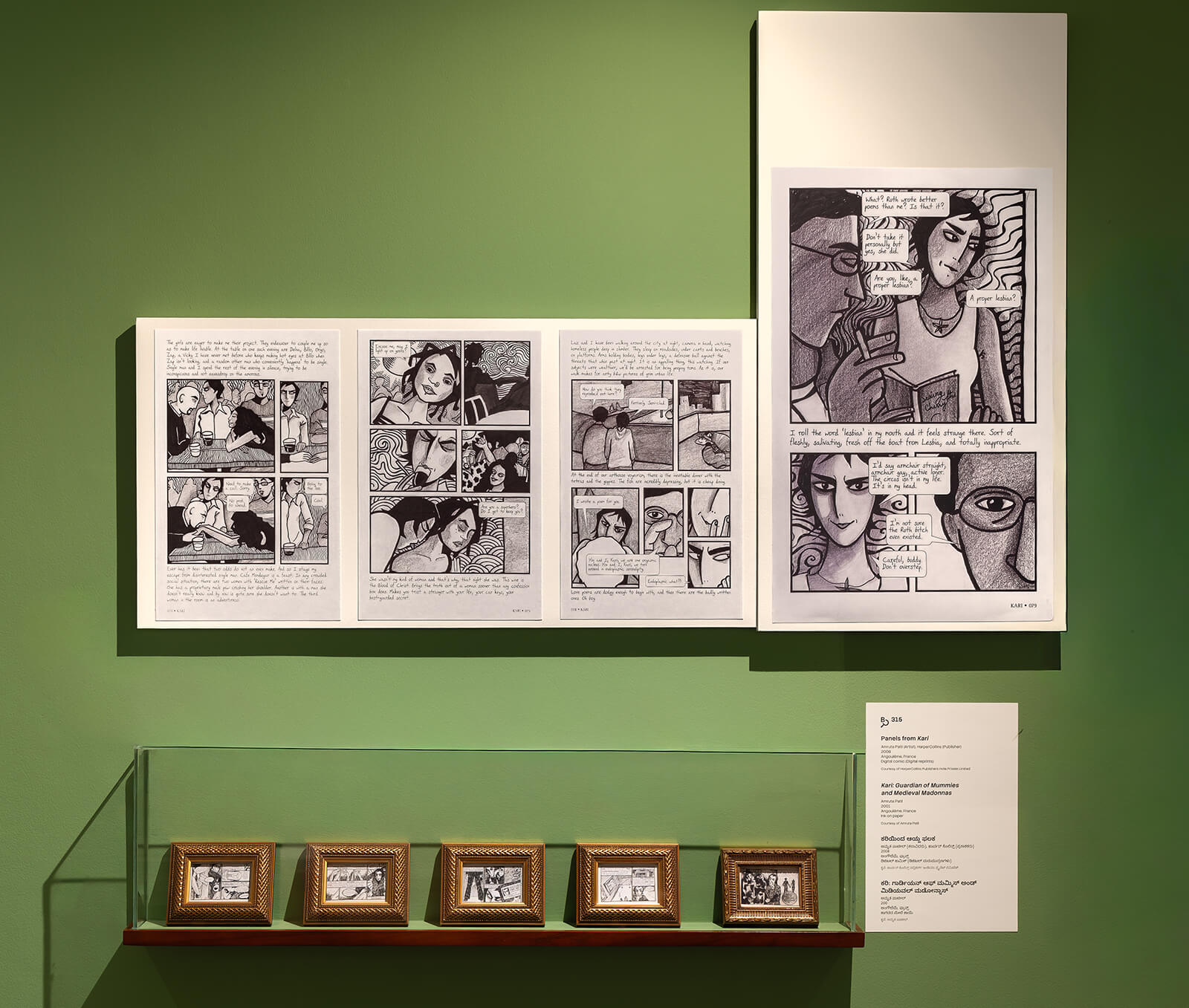
Fortunately, in a college literature course I was introduced to Kari (2008), a graphic novel wildly different from anything I had read until then. The author and illustrator, Amruta Patil, arguably India’s first woman graphic novelist, reintroduced me to a form I thought was for children and light entertainment, and used it to tell a complex, dark story of sexuality, isolation, capitalism and the dark underbelly of urban India. My concept of what visual storytelling could be—what it could look like, whose stories it could tell and how—radically changed, replaced with a field of open possibilities that beckoned me deeper into the form.
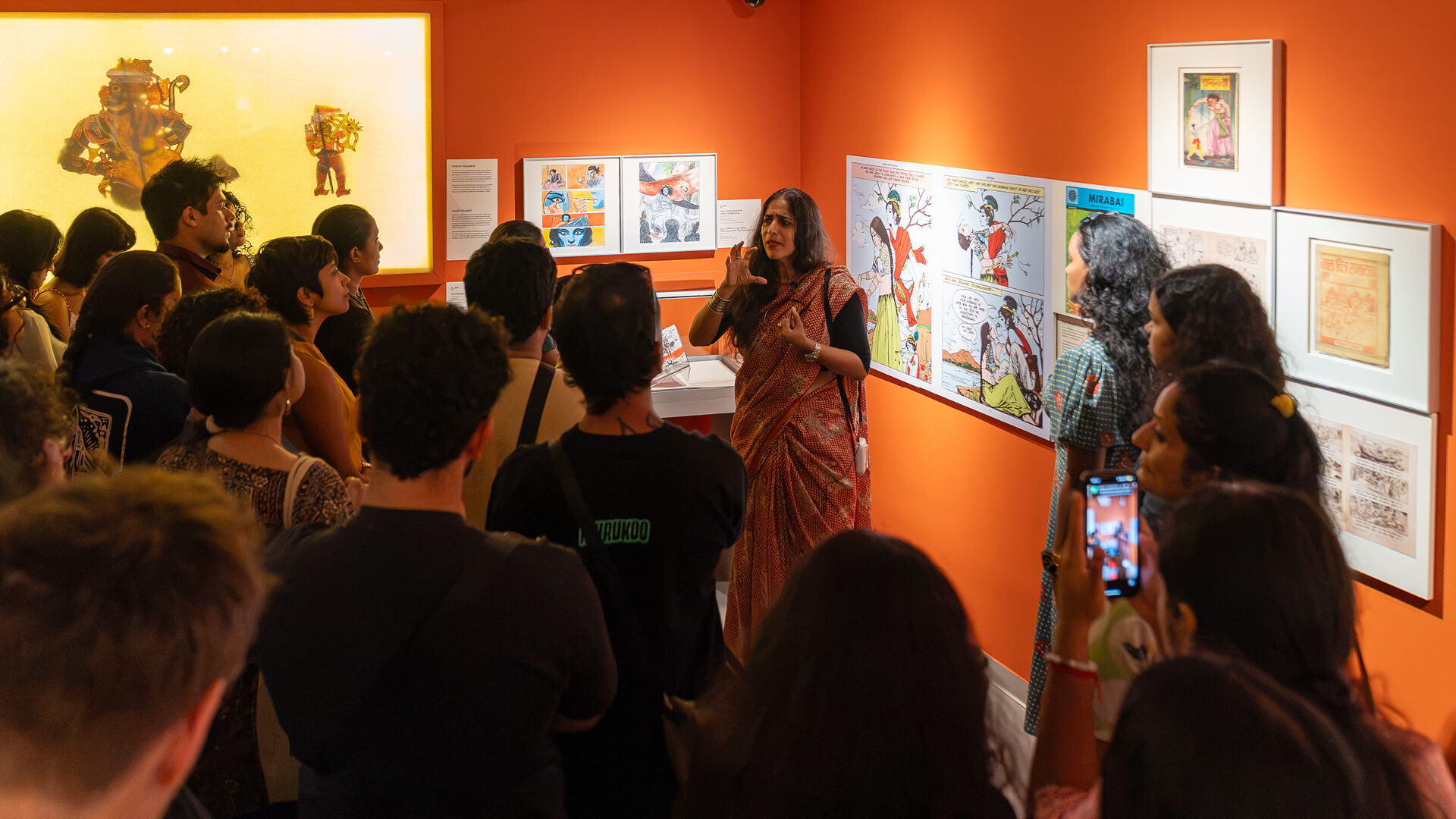
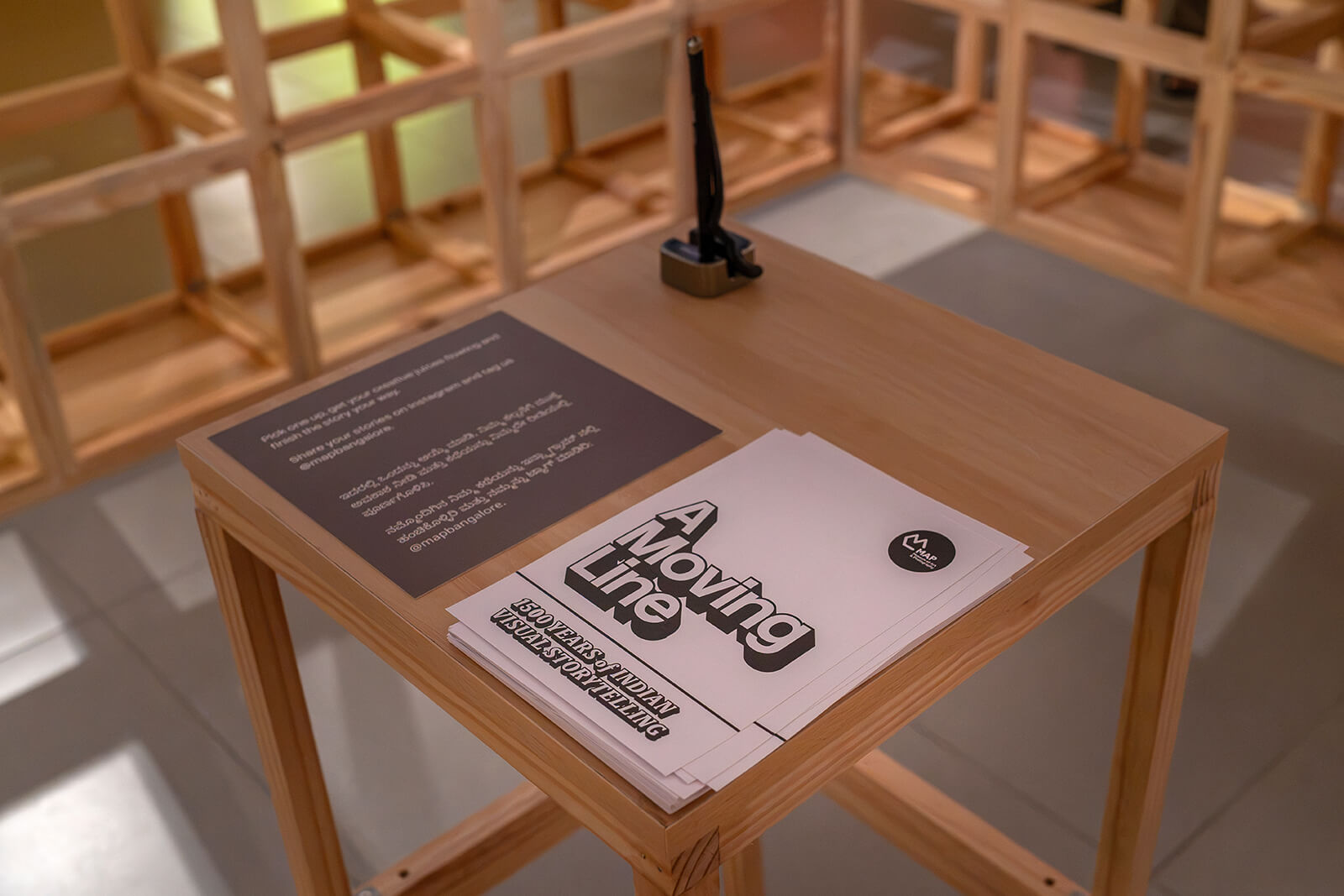
Now, for people who didn’t have the luck of experiencing this same revelation earlier through Kari, Patil opens another door. The Museum of Art and Photography (MAP) in Bangalore is presenting A Moving Line: 1500 Years of Indian Visual Storytelling, a survey exhibition curated by Patil. It explores the richness and historicity of visual storytelling in India, attempting to create a comprehensive archive and a robust cultural dialogue around this form. A Moving Line pays tribute to household names and moves beyond them to broaden our ideas of what visual storytelling can look like and where and when it can come from. It celebrates the breadth of India's engagement with narratives told in sequential images, with a focus on the margins. The sprawling exhibition offers surprises for even the most seasoned readers of graphic novels, detective comics, manga, webcomics and the like.
In a conversation with STIR, Patil outlines the motivation behind the exhibition, saying, “We tend to think of comics as a Western import, or reduce the Indian tradition to Amar Chitra Katha and a few contemporary graphic novelists. But India has a rich and diverse legacy of visual storytelling that remains poorly researched, archived and translated. I hope A Moving Line expands our understanding of what Indian visual storytelling is. Sequential art—telling a story through a sequence of images—is deeply embedded in Indian traditions, from temple friezes and shadow puppetry to Kaavad, pattachitra, comics and graphic novels. I hope it encourages more research and gives artists a stronger sense of the lineage they belong to.”
Here, visual storytelling suffers from the issues that have long shadowed every Indian art form—the lack of archiving, translation and research that Patil mentions. She perfectly echoes the concerns discussed by archivist and founder of the Film Heritage Foundation of India Shivendra Singh Dungarpur in a recent conversation, and of photographers such as Abhishek Khedekar, who race to document India’s folk art and performance traditions as they fade, illustrated in a recent exhibition titled Tamasha.
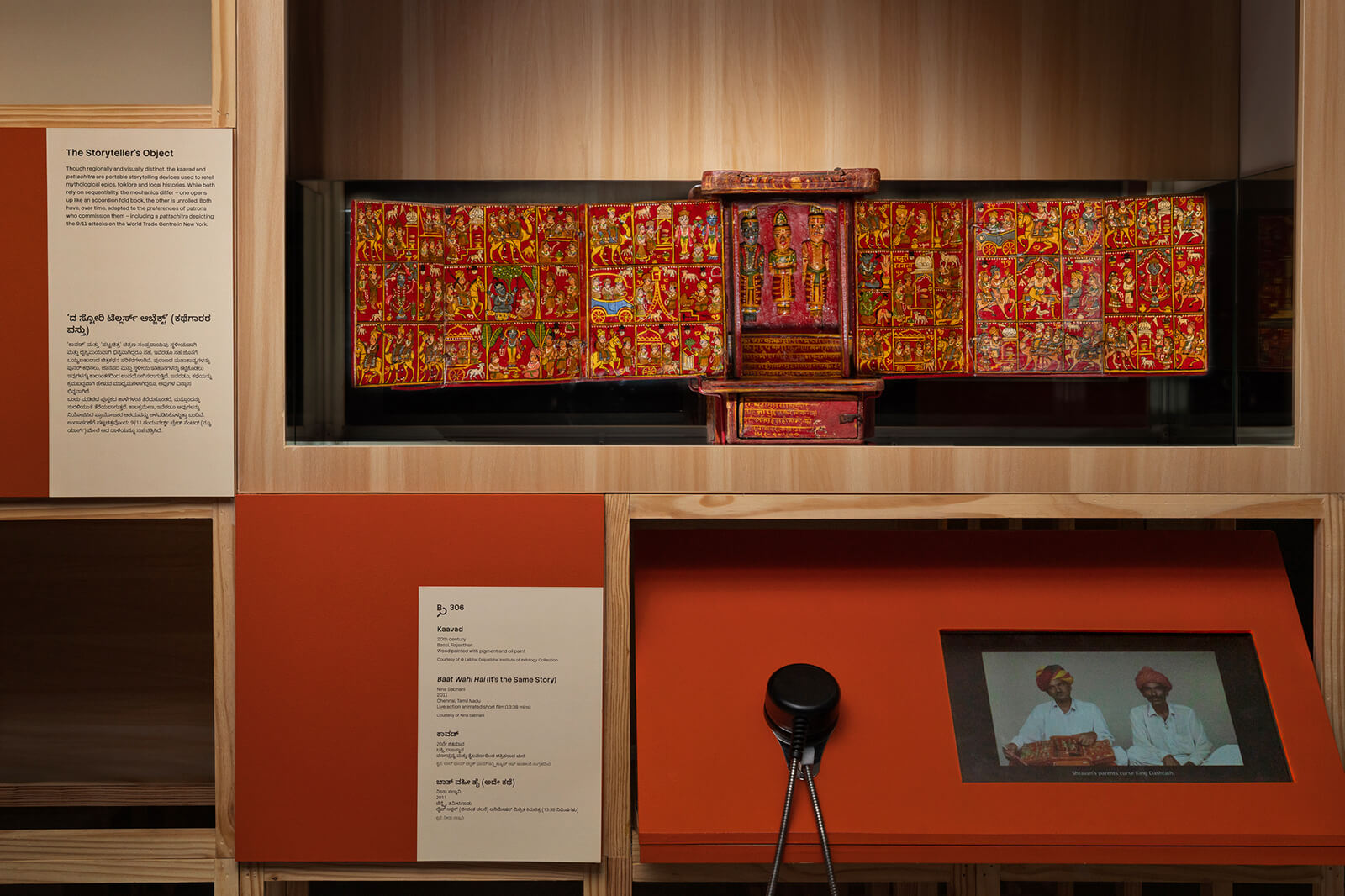
The exhibition at MAP includes folk art forms like Kaavad, reflecting the living legacy of Indian visual storytelling. Looking at these complex, intricately engineered objects, one sees the history of India’s engagement with sequential art unfold like a picture book. The tradition began in Bassi village in Rajasthan centuries ago, where carpenters, artists and storytellers would collaborate to create painted wooden panels that would become illustrations for mythological and regional tales recounted by the travelling Kaavadiya narrators. The resemblance between the panelled, sequenced illustrations and the modern comic is striking, challenging the accepted origin story of the form which, like that of many other contemporary art forms, seems to lead inexorably back to the US.
Around the time I was growing out of comic books and the postcolonial adolescent’s preoccupation with American media, I read the book The Amazing Adventures of Kavalier & Clay (2000), a fictionalised account of the creation of Superman from the Jewish legend of the Golem, illustrating a cultural connection and heritage that undergirds a form that otherwise seemed ‘as American as apple pie’. A Moving Line does something similar. Millennia-old temple reliefs appear suddenly contemporary when the stones carved with characters’ stories are placed alongside illustrated narrative works from the 21st century.
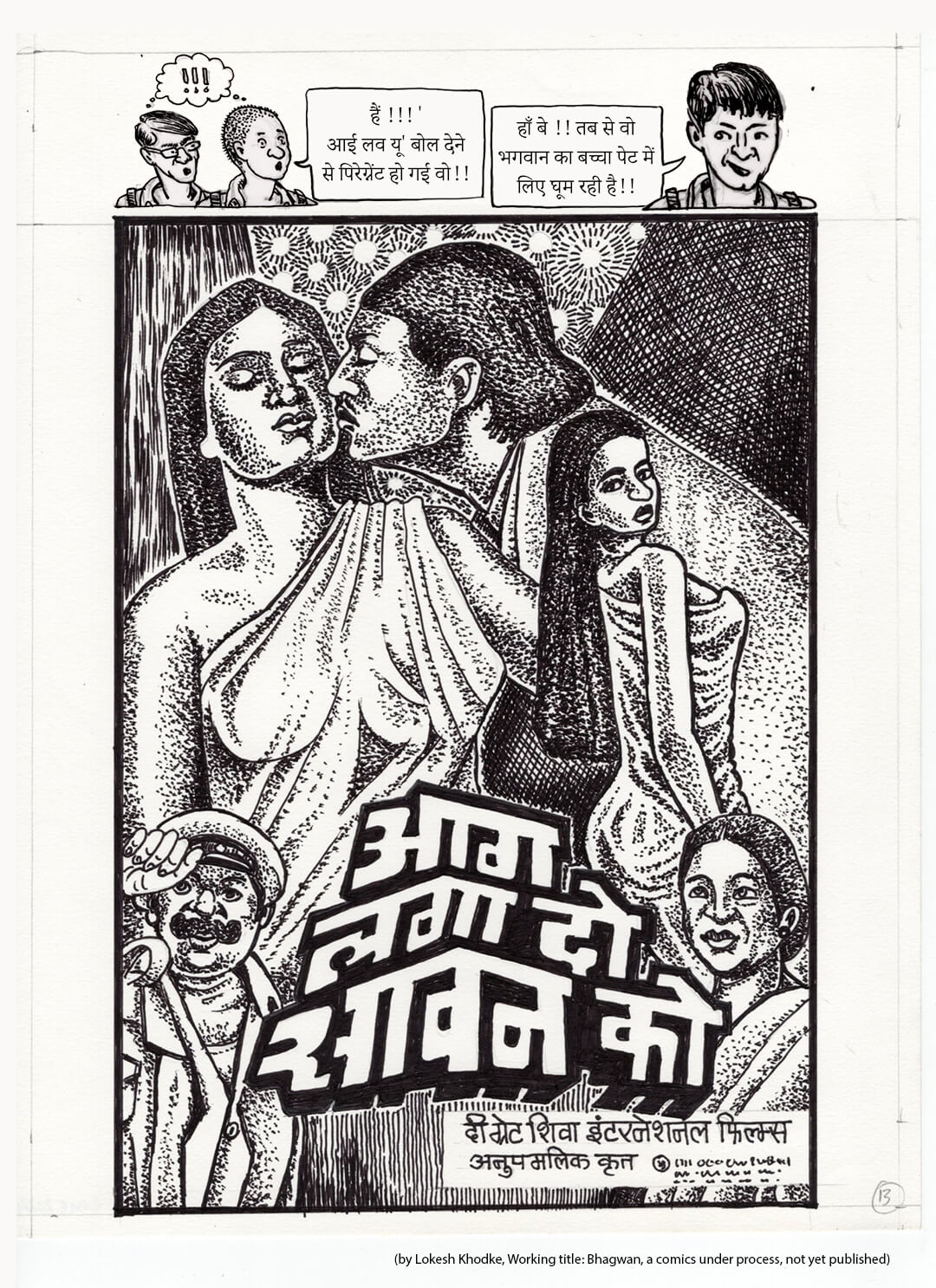
Speaking about her experience of curating the exhibition, Patil said, “It was both exhilarating and humbling. I began with a hunch that India had a much richer history of visual storytelling than we commonly acknowledge, and the research kept proving that right. As a graphic novelist, I am used to having an intimate relationship with my own work. Curating required me to step back and build a conversation between many artists, periods and traditions. That shift in perspective was enormously rewarding. The breadth was both the joy and the challenge. There was always another artist or tradition that could have been included.”
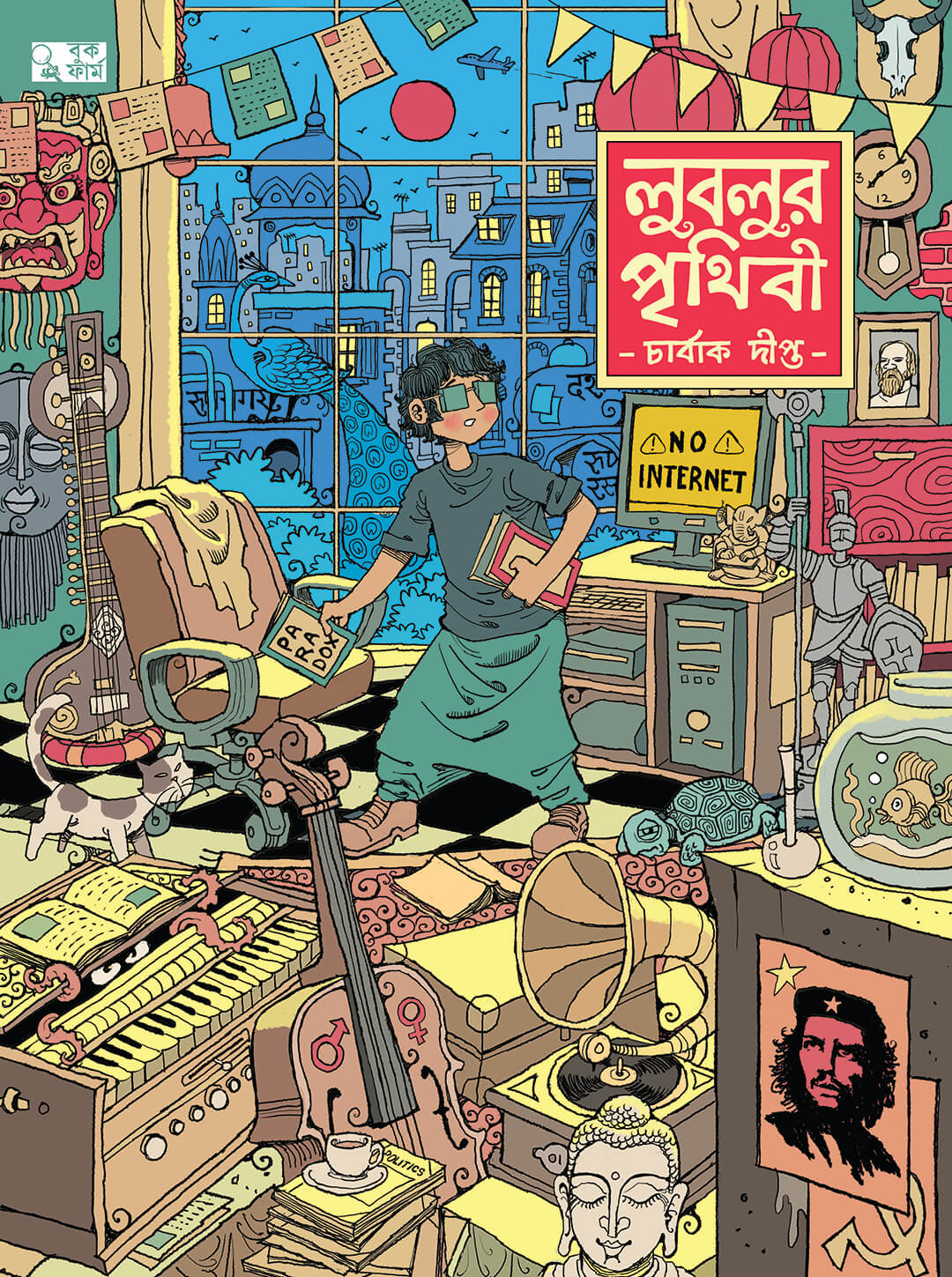
The exhibition has a dual structure—one section is organised by chronology while the other eschews linear distinctions to bring seemingly disparate works together by theme. Comic strips from periodicals like Bengal’s satirical fare sit alongside Raj Comics, the recent Eisner Prize-winning Lublur Prithibi (2025) by Charbak Dipta and the political and ecological imagery of River of Stories (1994) by Orijit Sen, widely considered India’s first graphic novel.
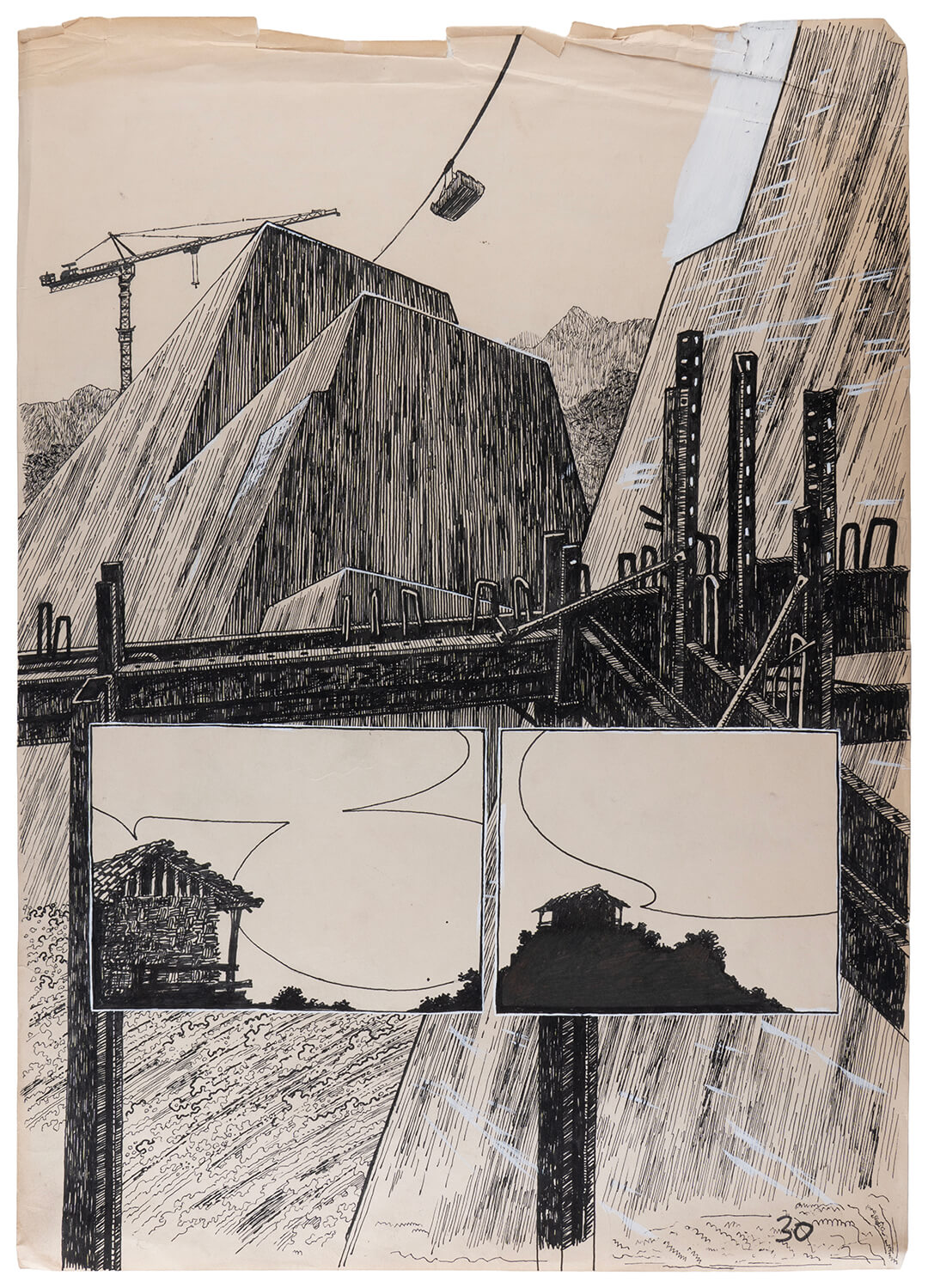
The form, in its experimental and hybrid nature, broke out of the shackles of mythology early to take on contemporary political subjects in seminal works like Kashmir Pending (2007) by Naseer Ahmad and Saurabh Singh (published under the Phantomville imprint launched by Anindya Roy and Sarnath Banerjee). Banerjee, one of the nation’s most celebrated graphic novelists, who opened up the Indian landscape with early works like Corridor (2004), created Phantomville to allow mature works by diverse authors to enter and flourish in India's nascent publishing landscape.
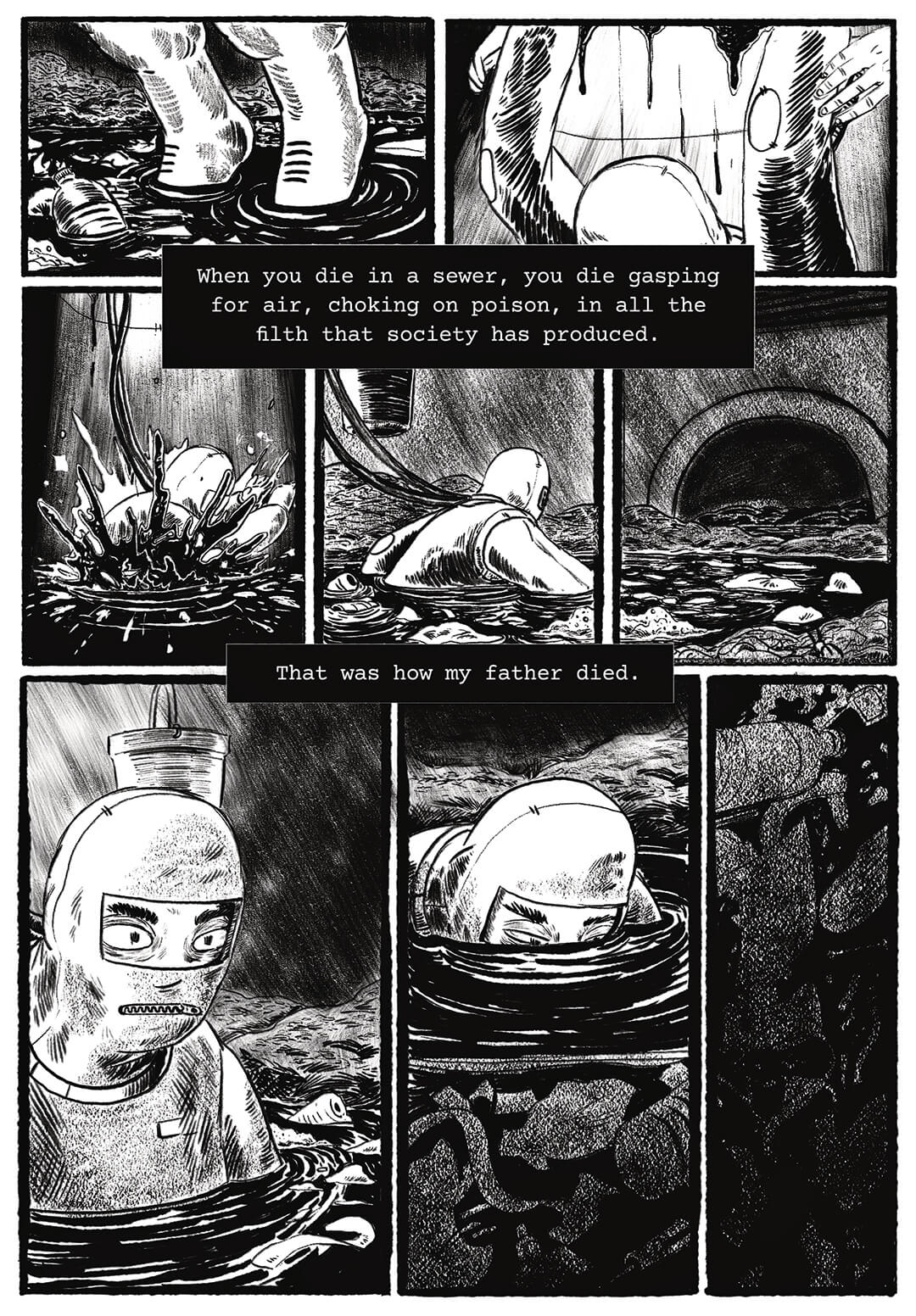
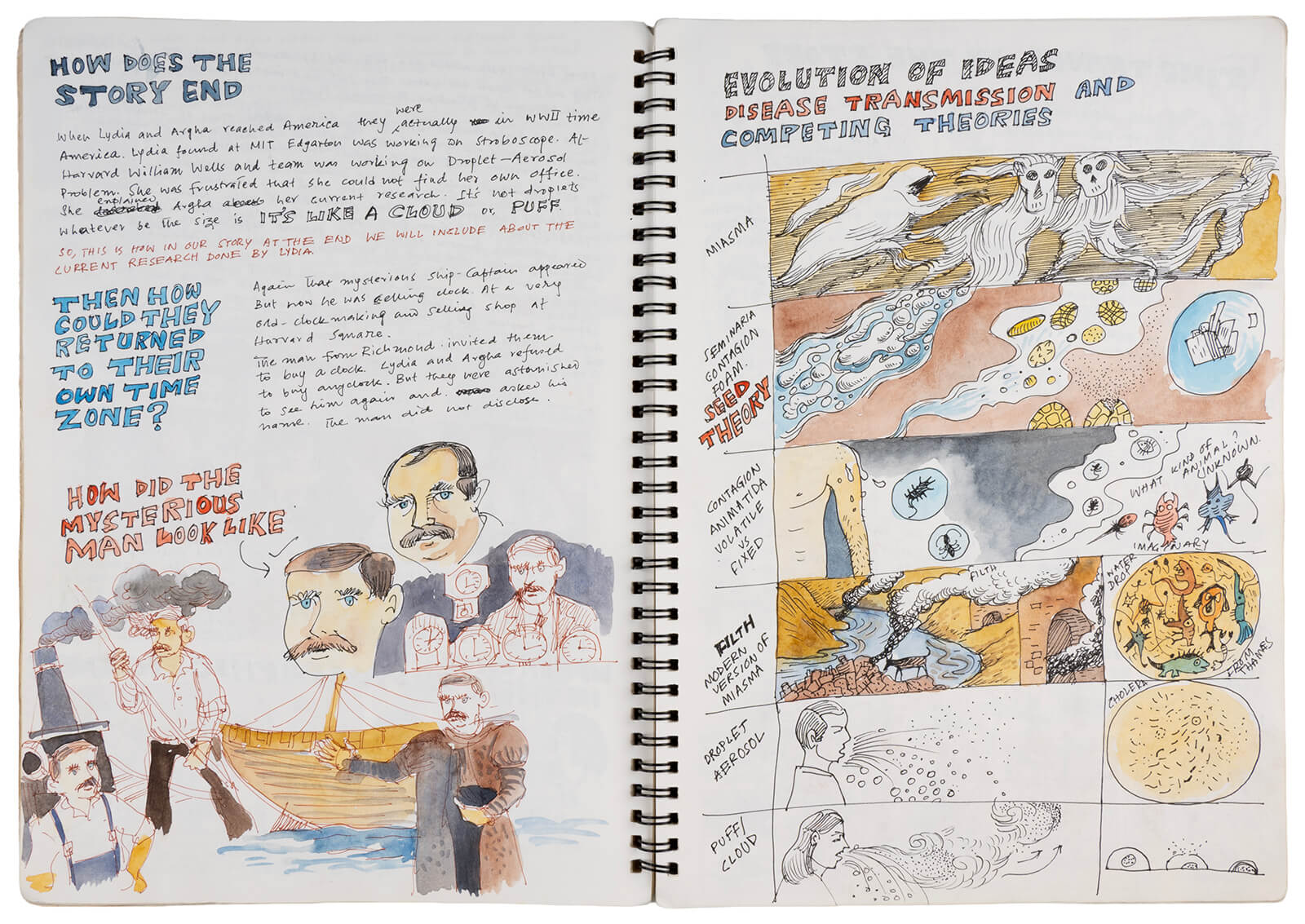
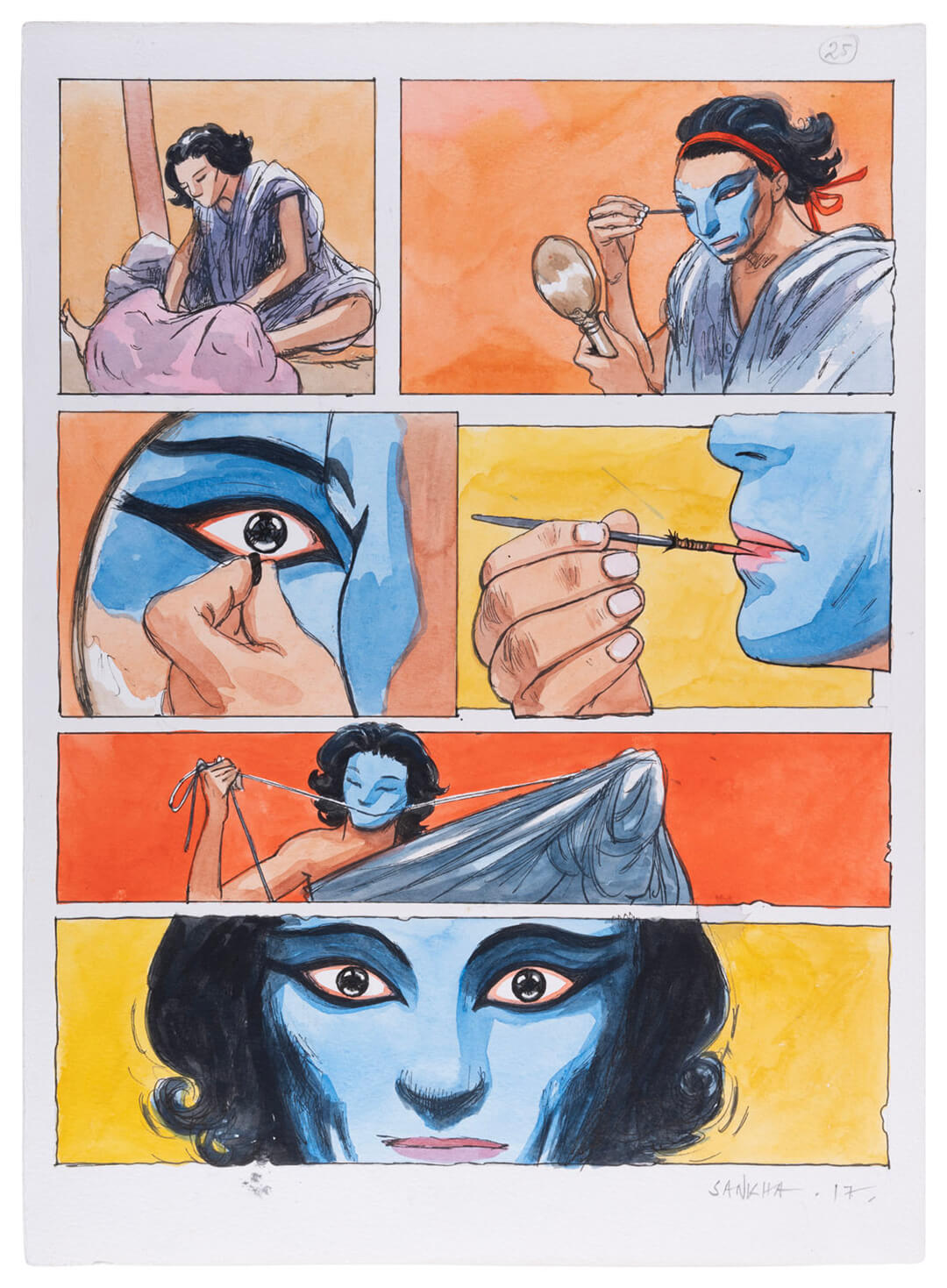
Patil foregrounds the work of marginalised authors in the exhibition, showcasing queer narratives in the works of the Kadak Collective, caste-based oppression and stigma in works like Suit (2022) by Samarth and public health and science communication in A Paradigm Shift in Infectious Diseases, a collaboration between MIT’s Professor Lydia Bourouiba and Indian researcher turned graphic artist Argha Manna. The art styles—monochromatic, realistic, diagrammatic, colourful, storybook, dystopian, cartoonish—are as multiple as the subjects and creators. The exhibition traces the medium from initial sketches and illustrations made in ink and watercolour on paper, to published manuscripts, devotional pattachitras made with natural dyes, to more recent digital graphic novels and webcomics.
“What surprised me most was how much of this history remains overlooked or compartmentalised. India has produced a staggering amount of diverse and nuanced visual storytelling, much of it deeply political. A work can be hugely important within one linguistic or cultural context and almost completely unknown elsewhere in India. Language and economics play a role in this, but so does the fragmentation of our cultural memory,” said Patil. Many of the works in this exhibition, and in Indian art more broadly, are intensely regional in their language, concerns, subject matter and distribution. This abundance and diversity, however, can be lost on the wider public and end up siloed if not united under an umbrella genre or form (here, visual storytelling).
Walking through the polyphonic exhibition, it is abundantly clear that a lack of comic artists or ideas is not the problem India’s visual storytelling faces. Instead, the wealth of sophisticated, complex works suffers from a lack of interpretation, transmission and preservation, which the West seems to excel in. The unglamorous work of translating, archiving and introducing works into cultural conversations has not kept pace with their production. This has created the narrow, illusory view of an Indian visual storytelling landscape monopolised by Amar Chitra Katha and overshadowed by the spectre of American superheroes.
MAP’s A Moving Line shatters this illusion with the force of its cataloguing and curation that do not merely organise works in the space but structure an argument for a reinterpretation of the Indian form. “The point is not simply to give comics a place inside the museum, but to question the categories themselves. Once we look at how stories have historically been transmitted through sequences of images, the boundaries between these forms become much more porous,” says Patil.
In deconstructing the mainstream perception of this form and pushing it to include works previously separated by region, language and centuries, MAP outlines a legacy of Indian visual storytelling that has always already existed. Patil says, “There is a very exciting generation of artists developing a self-assured voice. I hope India doesn’t lose that originality in its eagerness to become ‘global.’” The exhibition creates space for these artists closer to home, an alternative to being driven to the global (American) monoculture. Its success will be seen in the long-term effect this unearthed ecosystem has on the coming generations of visual storytellers.
‘A Moving Line: 1500 Years of Indian Visual Storytelling’ will be on view from July 25 – November 15, 2026, at MAP in Bangalore, India.
The views and opinions expressed here are those of the author(s) and do not necessarily reflect the official position of STIR or its editors.

by Vandana Kalra Oct 14, 2026
With his latest exhibition as a point of departure, the modernist discusses his decades-long practice, the spontaneity of drawing and the social responsibility of artists.
by Srishti Ojha Oct 14, 2026
The first Dutch publication on the Turkish artist, the eponymous book centres on Refik Anadol: Latent City, his living data sculpture of Bruges, exhibited at BRUSK gallery.
by Srishti Ojha Oct 09, 2026
In his ongoing exhibition, the South African artist creates two post-apocalyptic futures to explore society’s relationship with textiles, patterns and technology.
by Srishti Ojha Oct 07, 2026
The Kolkata-based film festival shone a spotlight on local and international filmmakers and artists who are pushing the boundaries of what a film can encapsulate.

make your fridays matter with a well-read weekend
Enter your details to sign in
Don’t have an account?
Sign upOr you can sign in with
a single account for all
STIR platforms
All your bookmarks will be available across all your devices.
Stay STIRred
Already have an account?
Sign inOr you can sign up with
Verification link sent to check your inbox or spam folder to complete sign up process
Tap on things that interests you.
Select the Conversation Category you would like to watch
Please enter your details and click submit.
Enter the 6-digit code sent at


Unearthing India’s buried legacy of visual storytelling
by Srishti Ojha | Published on : Aug 14, 2026


 Sign in with Google
 Sign in with email
What do you think?