Art10 mins. read
An ongoing exhibit in Japan celebrates the legacy of Shoji Hamada
by Rahul KumarJan 02, 2023


by Srishti OjhaPublished on : Jul 30, 2026
Some art forms—sculpture, painting, multimedia art, site-specific installations—seem more at home in museums and biennales than amidst the ephemera of normal life. However, one medium remains profoundly universal—found in every home, in every country, from every era of human history—ceramics. Even before the historical record began, people were taking earth—clay, silt, mud—and shaping it with their hands, baking it in the sun or in flame to create vessels that hold, serve, store and decorate. In Korea, as in neighbouring Japan and China, ceramics hold a special place as a relentlessly refined and deeply historied art with sophisticated forms such as celadon and white porcelain, often bearing religious, philosophical, artisanal and political significance. Here, where ceramic works have become shorthand for the nation’s history, culture and civilisation, the tension between the historic and traditional, on the one hand, and the contemporary and experimental, on the other, remains alive. The 2026 edition of the Gyeonggi Ceramics Biennale, under the curatorial theme Earth Makes, stokes these sparks into a vast, global exhibition that asks seminal questions about the nature of ceramics, delving into the medium’s past and future and uniting the artistic practices and cosmologies of different cultures under its umbrella.
The Gyeonggi Ceramics Biennale, which marks its 13th edition running from September 18 – November 1, 2026, has been organised by the Korea Ceramic Foundation (KOCEF) since 2001, attracting more than 230,000 visitors each year. Since its inception, the juried exhibition has become one of the world’s largest ceramic art competitions and biennales, continually expanding its ambit to include more contemporary practices, international artists and experimental approaches. The recent focus on academic programmes, workshops and residencies that run alongside the biennale serves to strengthen artistic networks, collaboration, education and discourse, making the biennale an important locus for international ceramics practice. This year, 28 teams (67 artists) from 14 countries will be showcased at the main exhibition Earth Makes in Icheon alongside many diverse ceramic artworks at venues in Gwangju and Yeoju in Gyeonggi Province in South Korea..
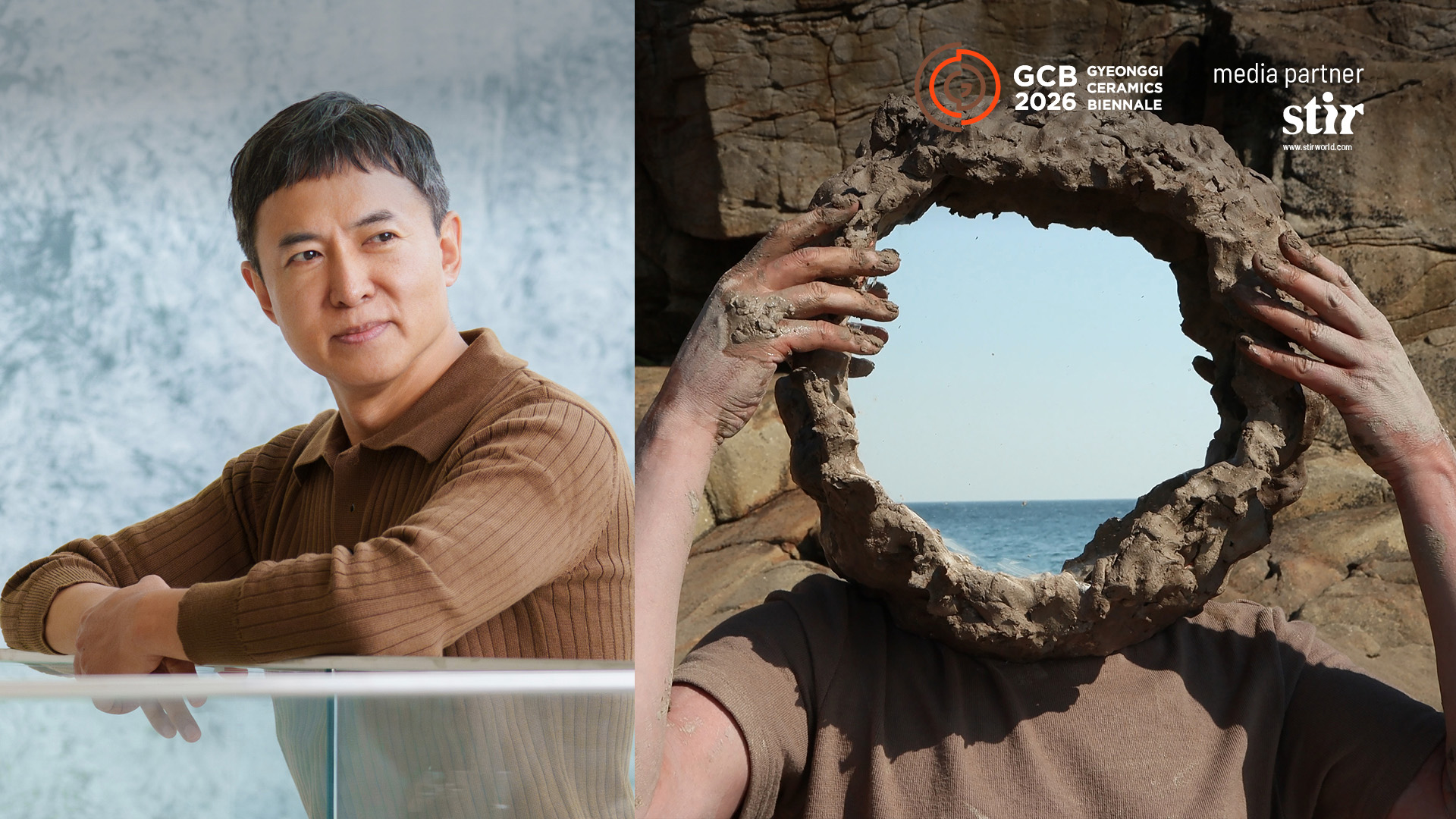
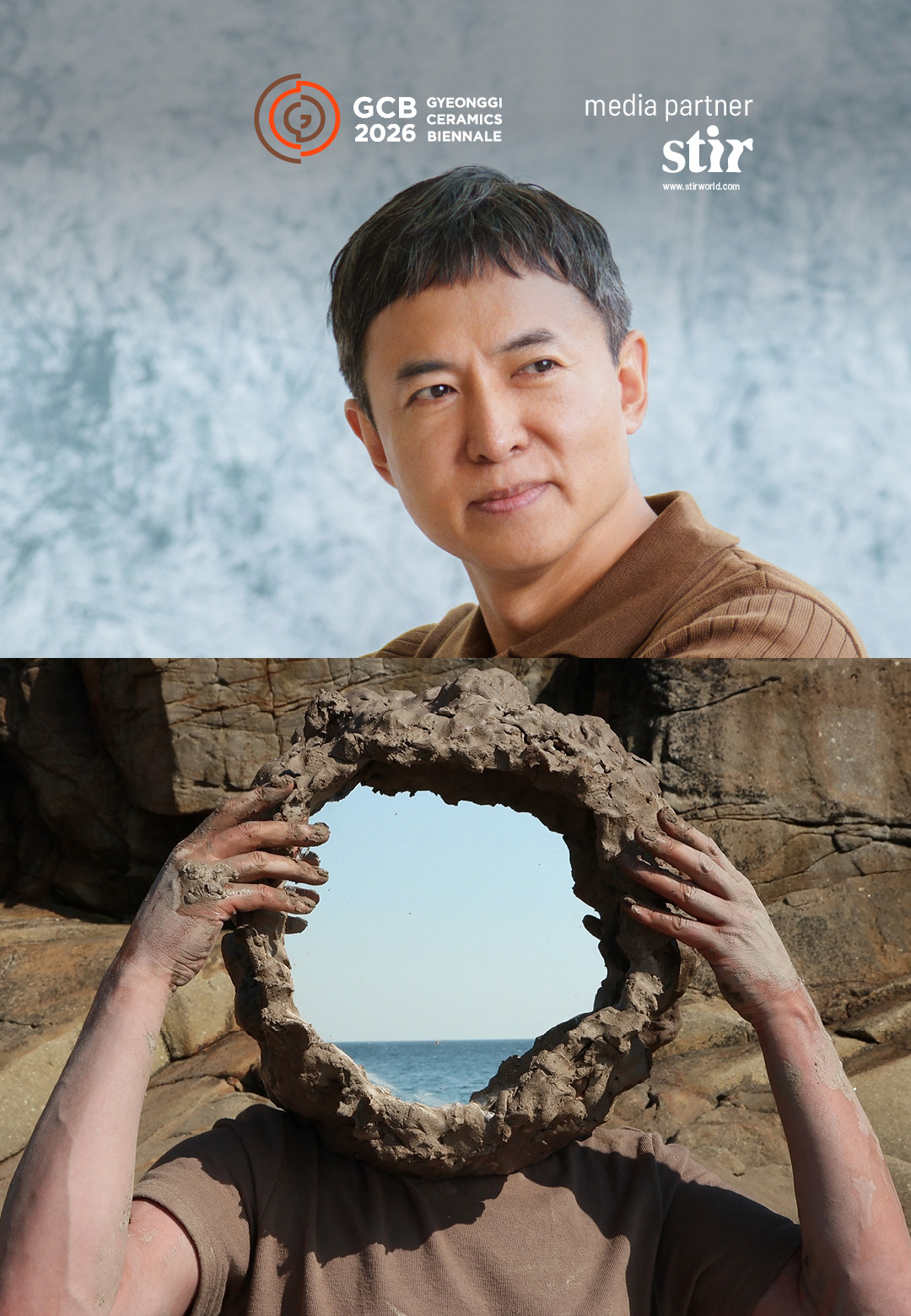
This year’s artistic director, Daehyung Lee, is a Korean contemporary art curator who has been merging art, popular culture and technology in projects that range from curating the Korean Pavilion, Counterbalance, at the 2017 Venice Biennale to launching global projects such as Connect BTS, which brought the works of international contemporary artists to a wider audience through collaboration with the K-pop group BTS. In a video conversation with STIR, Lee discussed his thoughts about the art form, saying, “Ceramic is actually much broader than most people think. It is a high-performance medium with a massive spectrum. As a contemporary curator, my mission for this edition of the biennale is to blow the definition of a ceramic wide open. Earth Makes is a way to practice counterbalance. Right now, our lives are tilted so far towards the screen. My curatorial work is about finding the anchor to level it out, and there’s nothing more grounded than ceramics. The material itself, it’s not just dirt, it’s a material that the planet spent millions of years refining.”
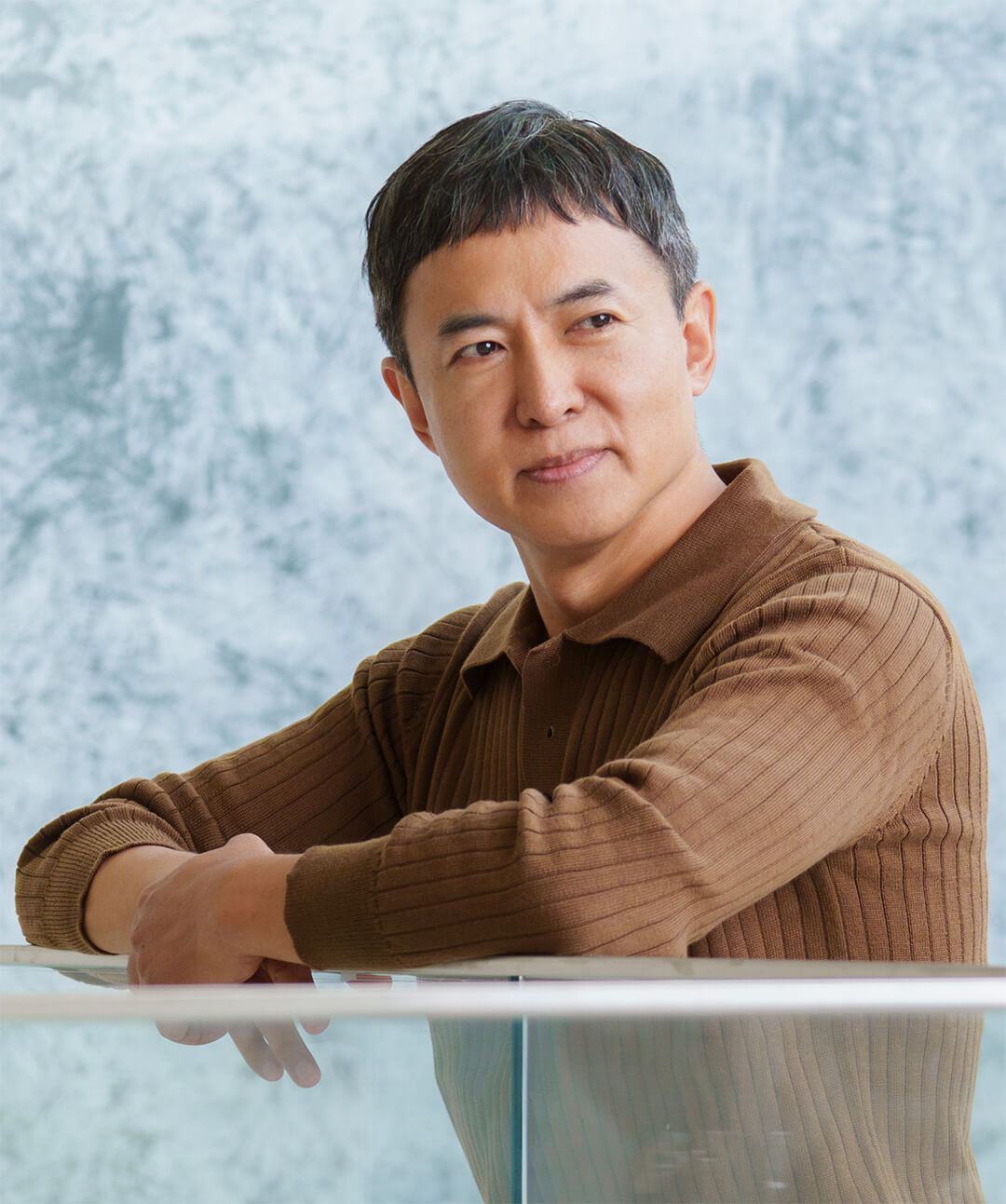
With Earth Makes, the biennale brings ceramics into hyper-contemporary conversations about artificial intelligence and authorship, framing them as part of a larger discussion on how artists and culture have always conceptualised authorship and the creative process. “The truth is, humans have never been the only authors; long before AI, the Earth was already our co-author. The minerals in the clay, the physics of the fire, the way the air dries the surface—these things have always had a massive say in the final result [of making ceramics]. It definitely reminds us that we are part of a much bigger, older creative system,” said Lee. Earth Makes centres material culture and its origins, moving beyond anthropocentric ideas of creation to investigate how ceramic art is shaped by the elements—fire, water, earth, air—and the planet’s history as it is stored in clay. This approach naturally leads to a conception of ceramics that is not divided along political borders or conventionally split between East and West, but is instead delineated naturally along regional lines, where land, local environmental factors and knowledge systems shape practice.
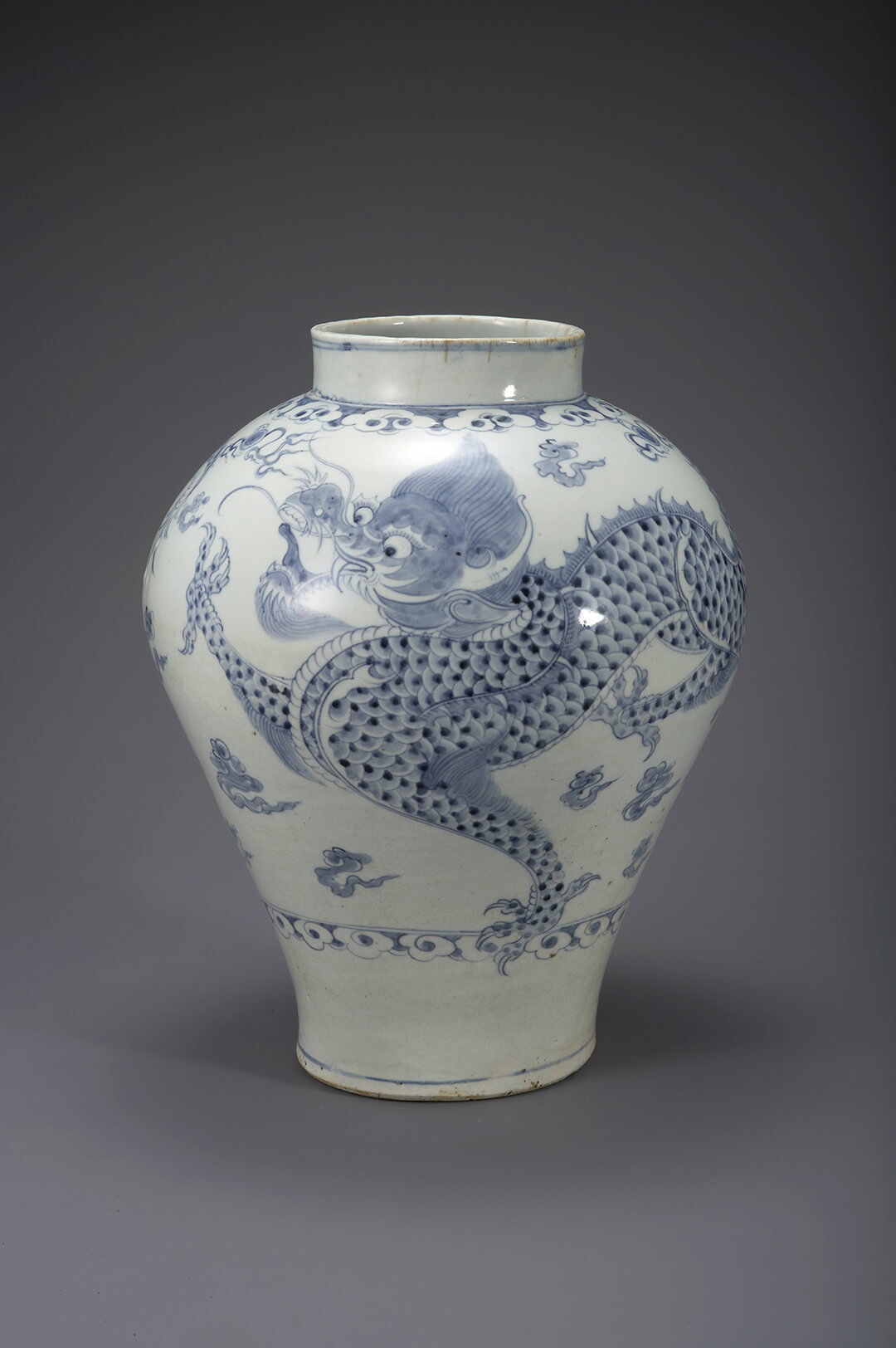
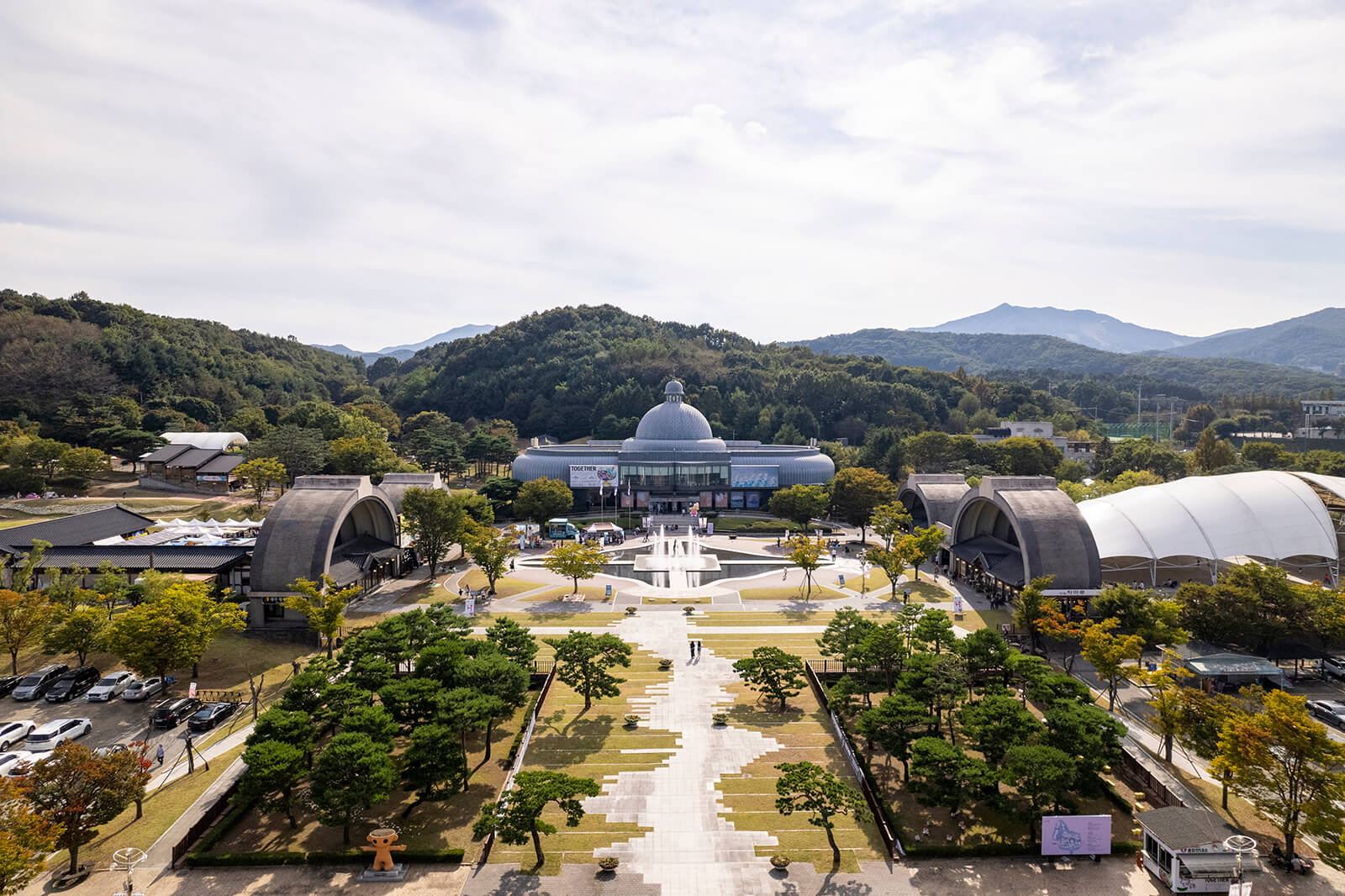
Factors like soil quality, water sources, historicity, heat, kiln construction, socioeconomic factors, cultural philosophies and cosmologies are forces as powerful and agential in shaping the clay and ceramic practice as human creativity and skill. This consideration is reflected in the careful selection of the Biennale’s venues, spread across three cities that are known in some circles as ‘Korea’s ceramics belt’. The primary forms of Korean ceramics are Cheongja (blue-green celadon), Buncheong (slip-coated stoneware) and Baekja (white porcelain), with the latter being one of the most universally lauded forms of Korean art. Icheon, Gwangju and Yeoju have all been coloured by the production, trade and development of these ceramic forms in different ways. Gwangju is home to Gonjiam Ceramic Park, where the Gyeonggi Ceramic Museum is based. During the Joseon Dynasty (1392 – 1910), it was home to the kilns and craftspeople responsible for producing ceramics for the royal family, and it was there that Baekja was perfected and popularised. Gyeonggi Museum of Ceramic Design in Yeoju will serve as another venue for the biennale, echoing the city’s historic role in ceramics production. Icheon, which was designated a UNESCO Creative City for its ceramics village and abundance of ceramic masters and artists, will host part of the exhibition at the Gyeonggi Museum of Contemporary Ceramic Art—a museum exploring contemporary ceramic art with a future-facing approach.
In past years, the opening ceremony of the Gyeonggi Ceramics Biennale has highlighted the symbolism and influence of these locations and the materials they offer, combining water from Yeoju, soil from Icheon and fire from Gwangju to create a single ceramic piece to inaugurate the event. The biennale takes this local approach far afield to Australia, which Lee has selected as the focus country for Earth Makes. “I chose Australia because it's a place where living culture meets the most urgent environmental issues we face today. [Ceramic artist] Yasmin Smith, for example, her whole approach changed after working with the Hermannsburg Potters of First Nations communities. She saw a way of life where art, history and the soil are all one entity,” he told STIR. Australia’s indigenous cultures and spiritual connection with the land and elements make it the locus of Earth Makes’ message of planetary solidarity. The biennale’s Australian commissioner, Natalie King, is a curator and professor of Visual Arts at the University of Melbourne. She has curated anti-colonial projects that centre indigenous art and perspectives, like Yuki Kihara: Paradise Camp for Aotearoa, New Zealand, at the Venice Biennale 2022.
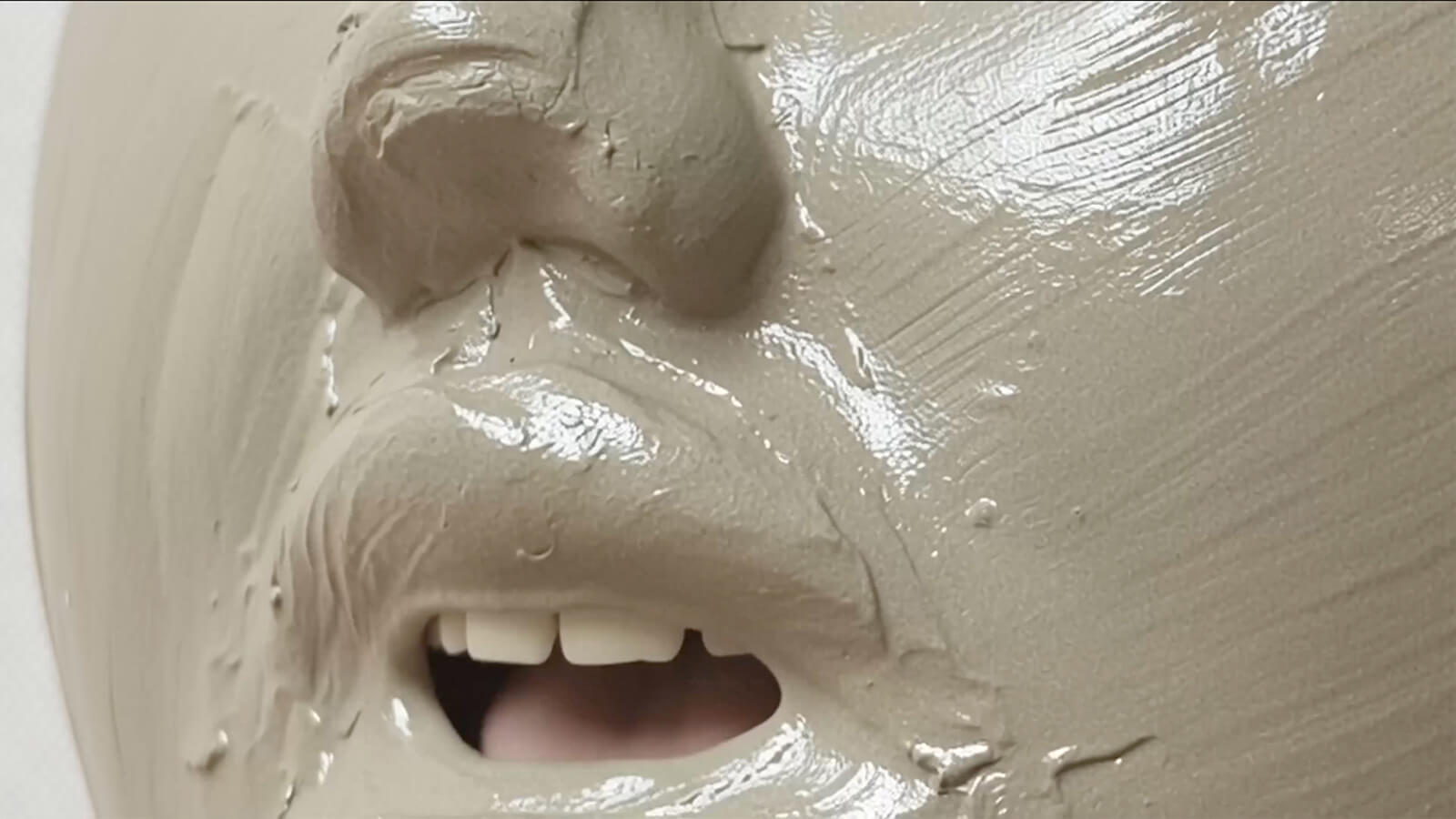
The biennale is split into three chapters—Made from Earth, Made by Earth and Made in Earth—focusing on authorship and materiality; relationality through land and culture; and the integration of humans/nature/technology respectively. The first chapter focuses on the will of materials. Expanding on this idea, Lee went on to explain, “The artist sometimes has to give up the idea of being the boss. In our digital world, we are used to having total control, but clay doesn’t work that way. If you try to force it too hard, it cracks. If you don't listen to the moisture or the heat, it explodes. You have to set aside your ego and enter [into] negotiation with the materials. You provide the hands and the ideas, but the others provide the final results.” British artist William Cobbing works with fired and unfired plastic clay, creating works that explore this negotiation and the transformation and collapse that are inherent in ceramics. He brings his video art to the biennale, showing malleable clay forms and human bodies meshing in scenes that are both performative and sculptural.
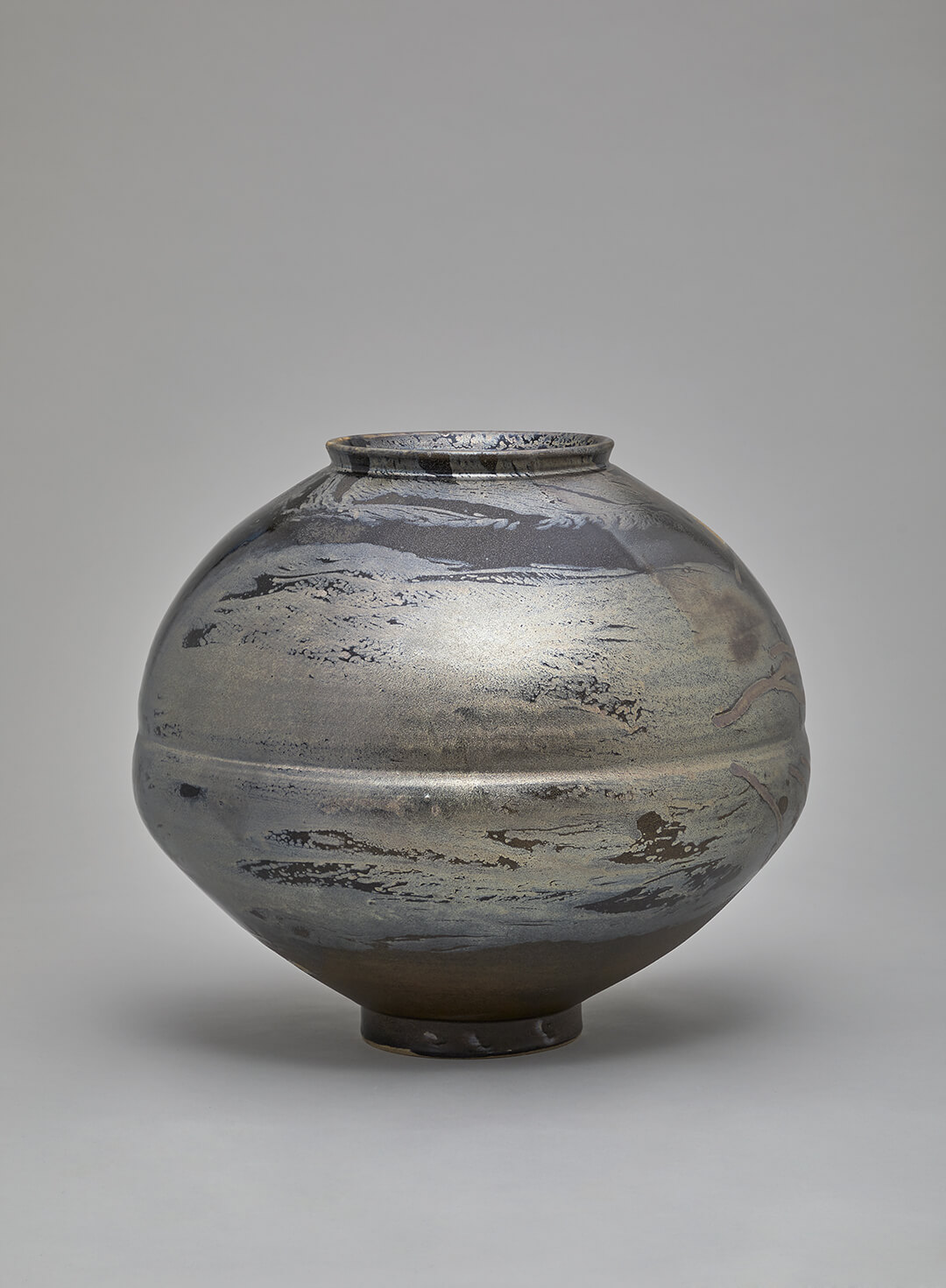
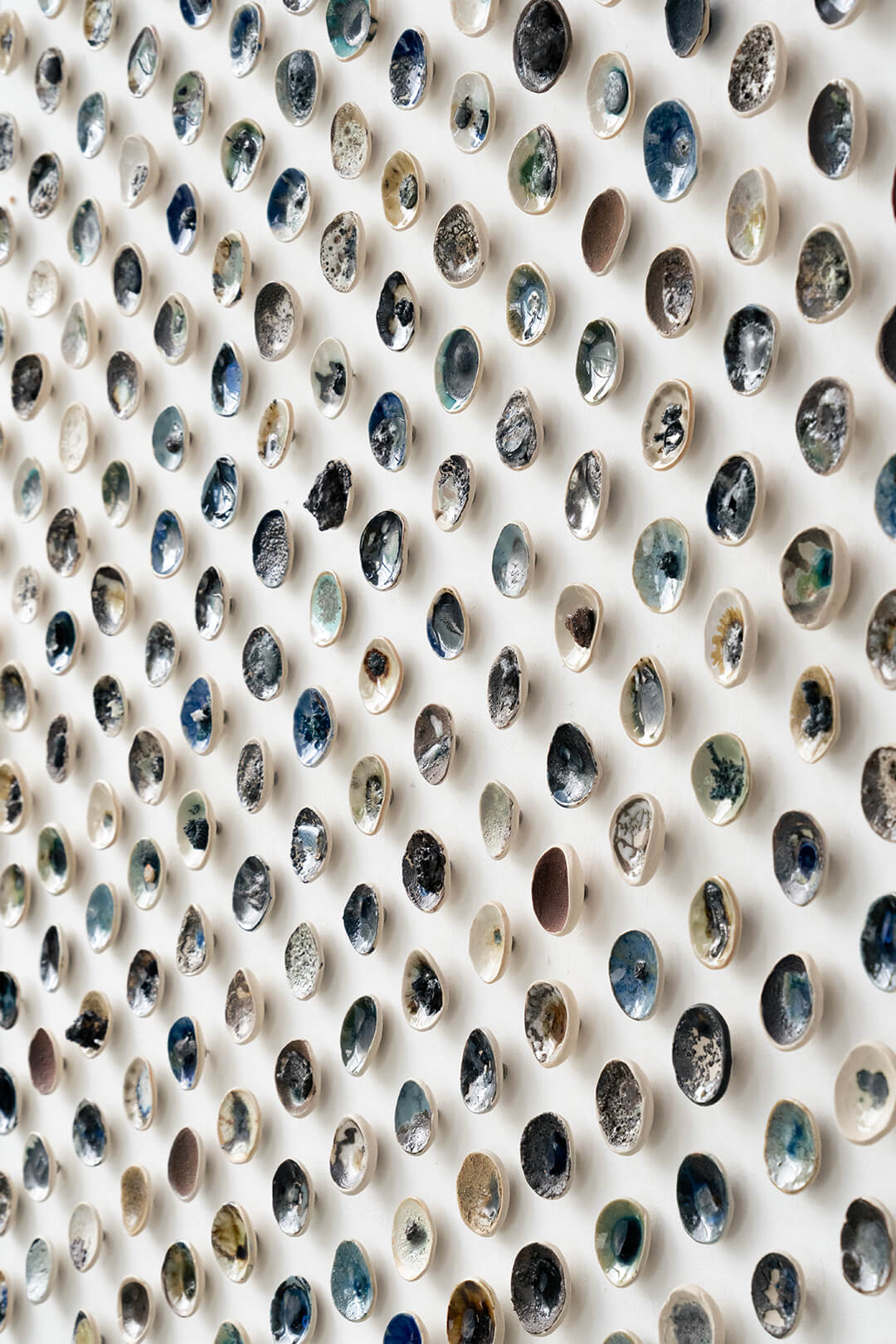
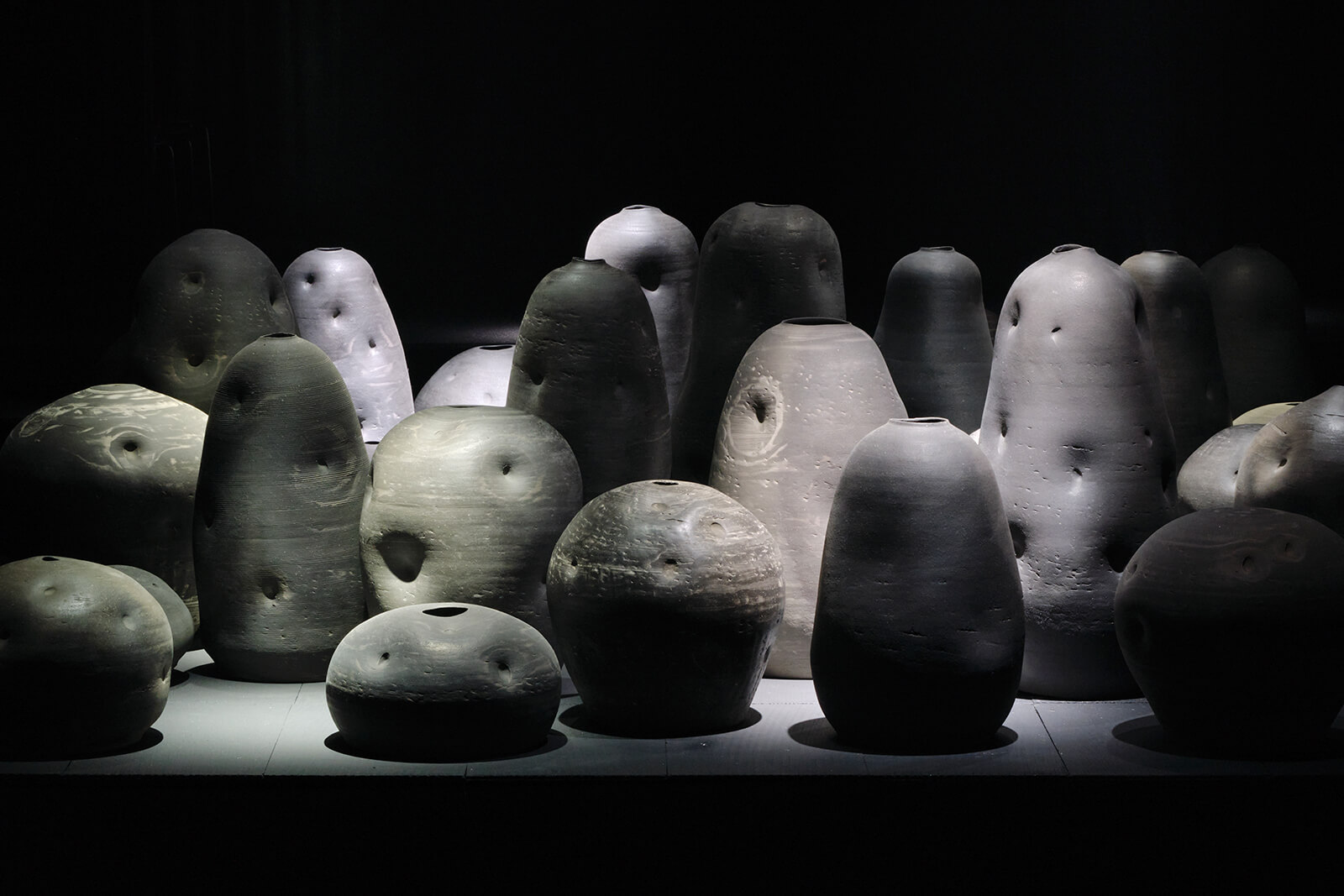
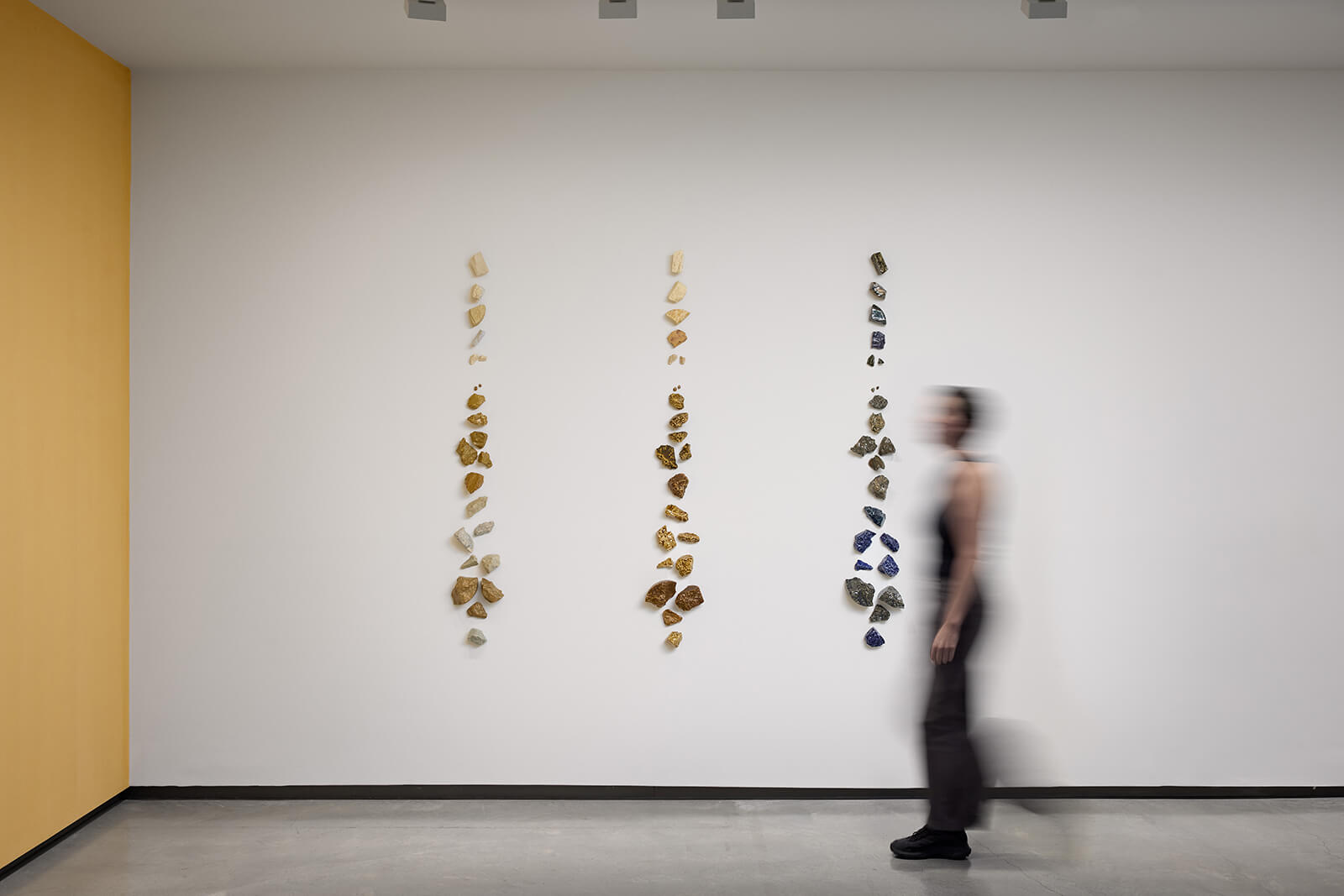
Fire is at the core of Korean artist Syyoung Kim's practice. He works with a lesser-known form of Korean ceramics known as Heukja or black porcelain, focusing on the convergence of fire and minerals embedded in clay and their ‘awakening’ in a kiln. His reflective pieces with their distinctive dark colours, such as the ‘moon jars’ that he will be presenting at the biennale, push the boundaries of ceramics, highlighting transformation and experimentation. Meanwhile, Danish artist Maja Quille explores clay not as it is imagined—refined and clean—but as it actually exists in the world—embedded with man-made artefacts and glass and plastic waste. She gathers ancient geological samples in London and turns them, impurities and all, into ceramics that bring imaginary ‘Future Fossils’ to the biennale.
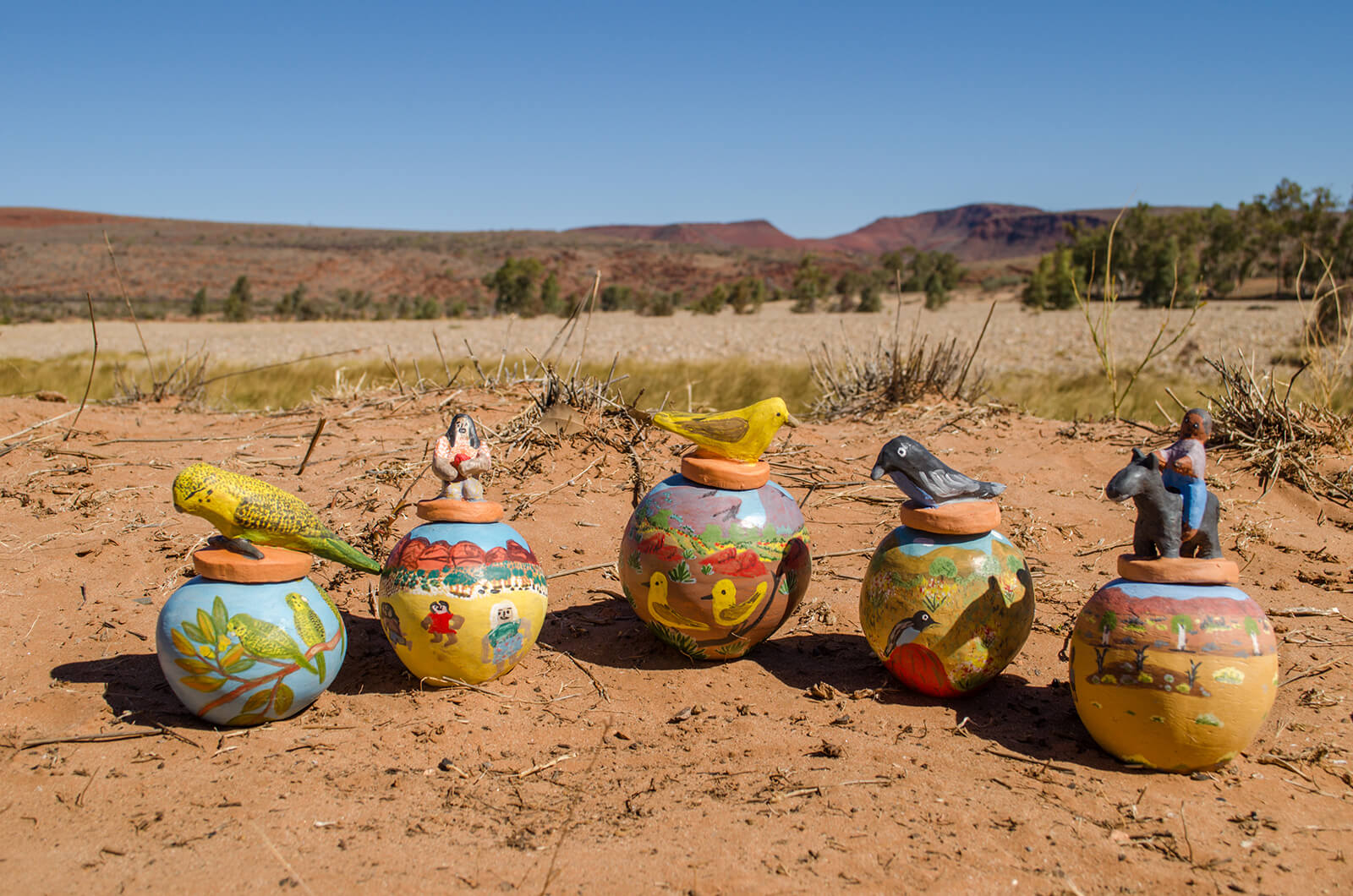
The next chapter, Made by Earth, examines how terroir—natural conditions like geography, soil, climate and weather—shapes ceramics and regional traditions, embedding both culture and nature into physical objects. Here, works by the Hermannsburg Potters, a group of Western Arrarnta artists from Hermannsburg, Central Australia, take centre stage. Their colourful, painted ceramics are made using a hand-pinch coil technique (a prehistoric technique where clay is shaped only by human hands, with no wheel, kiln or other tools). Seven artists, both senior and emerging, will showcase rounded terracotta clay pots painted with glaze to depict scenes of bush life, flora, fauna and people, with sculptural animal figures topping their lids.
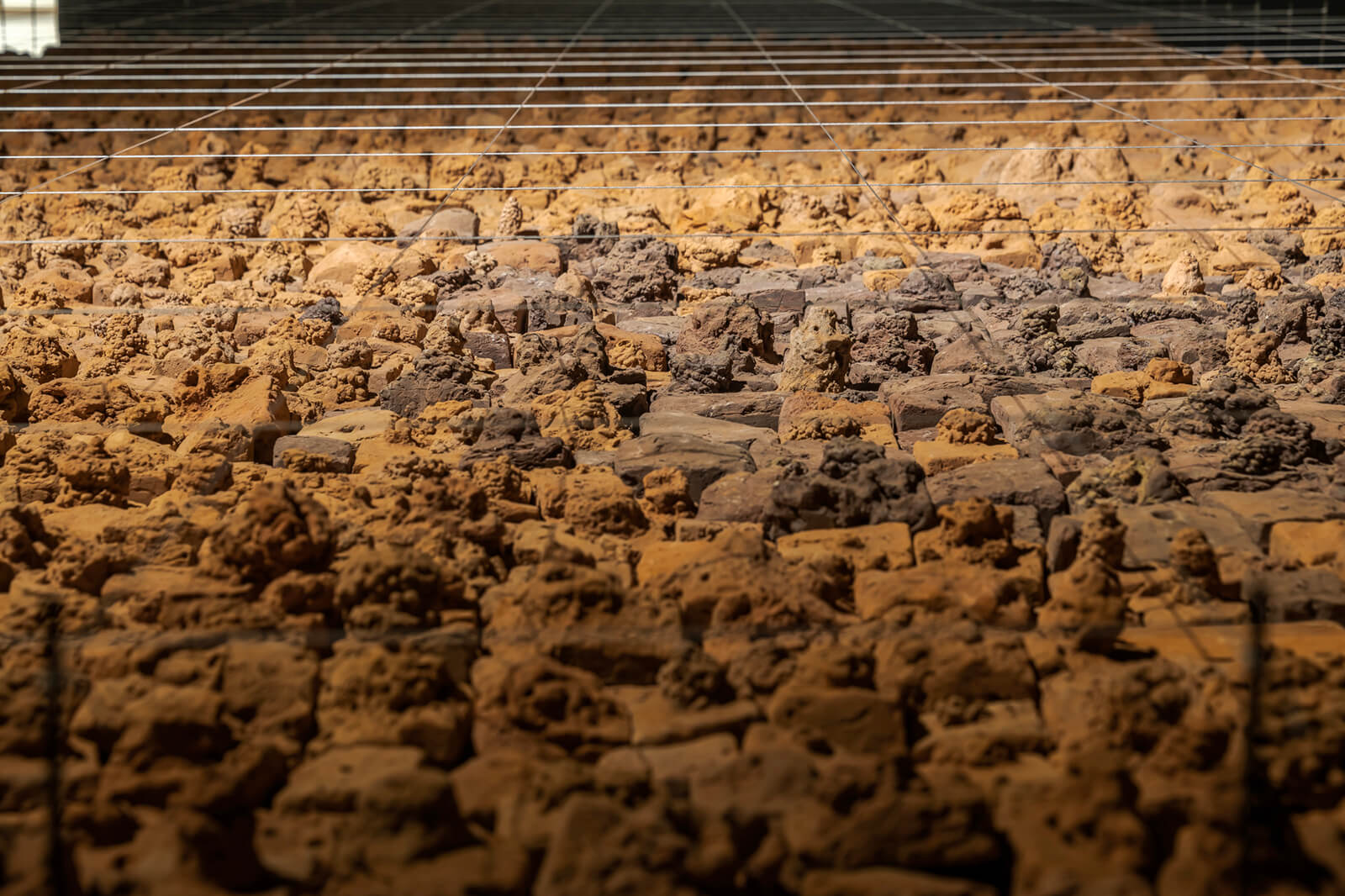
Also on view will be works by Australian artist Yasmin Smith, whose research-based practice and collaboration with local communities merge art and science to create pieces which function as living archives of Earth and its organic matter. “Yasmin's work is like future archaeology. She collects coal ash from power plants and pours it into ceramic glaze. She shows us the chemical footprint of the planet we are living on, layering our short industrial history over millions of years of geological time,” described Lee. Also presenting will be Korean contemporary artist Kiyoul Cha, who draws inspiration from his surroundings in the tidal flats of Ganghwa Island, developing a practice of ‘archaeological imagination’ using tidal flat soil.
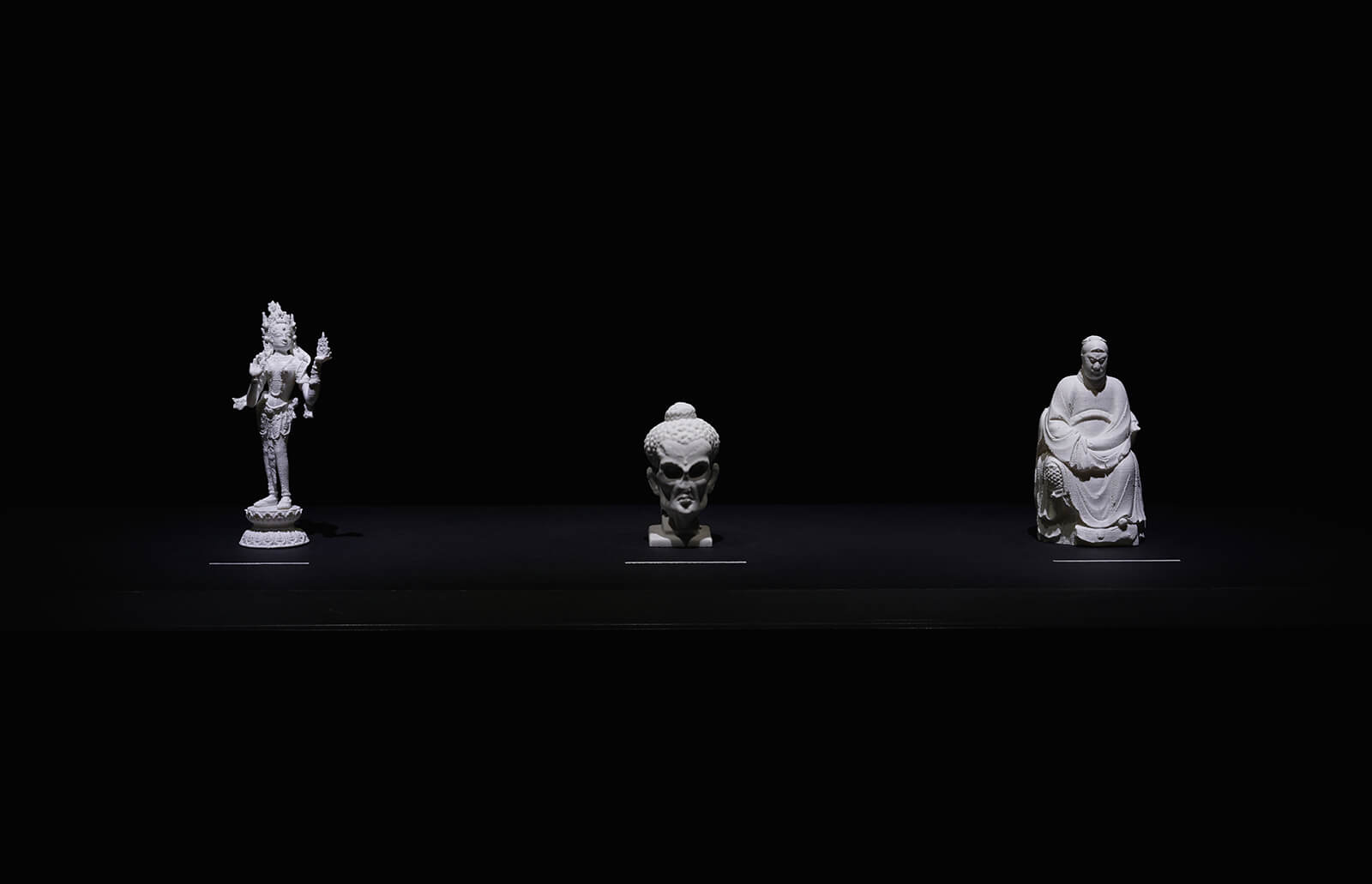
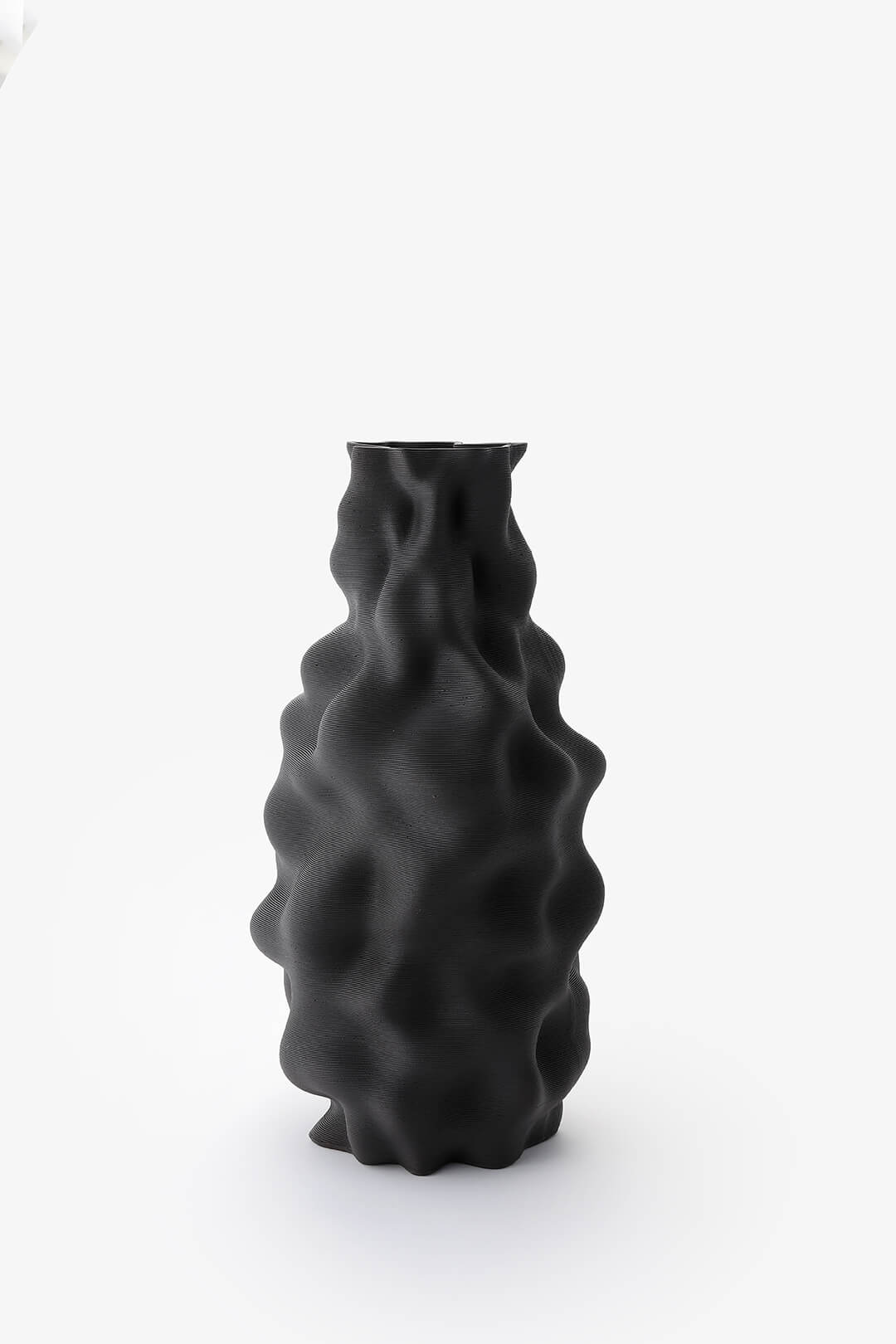
Made in Earth explores the future of ceramic art—sustainability, the preservation of techniques and the possibilities of integration with new digital technologies. Korean ceramic artist Seongman Ahn explores these new frontiers in his practice, merging CNC technology (computer-automated machines) and digital fabrication with ceramics. His custom-developed 3D printers for clay fabrication that refine these processes to produce the futuristic, geometric ceramic works will be at the biennale. Multimedia artist LEE Wan, meanwhile, will use his platform at the biennale to address the controversial issue of artefact restitution. He 3D scans artefacts and sculptures that were once looted and now populate ‘Asia’ sections of European museums, symbolically reversing colonial acts of violence and Western cultural hierarchies through his digital works and reproductions.
A special project in Chapter 2 titled Wind, Light, Earth brings architecture and ceramics into dialogue through Piljeong, a modular timber pavilion by Youngchul Jang, inspired by the spatial principles of the hanok, a typology of Korea’s traditional architecture, and the buncheong ceramics of Sungjae Choi. Designed to be assembled and dismantled like a piece of furniture, Piljeong evokes the atmosphere of a traditional Korean hanok without directly imitating it. Presented within this architectural setting, Choi’s buncheong works invite visitors to experience architecture and ceramics as a shared landscape shaped by earth, material time, natural light and contemplation.
Contemporary artist YoungKak Cho takes a playful and whimsical approach to ceramics and other natural materials. In 4 Studies in Material Times (2025), he uses deep learning frameworks to personify materials such as wood, fibre, clay and glass, building a K-pop-stylised world around them through sound, lyrics and music videos. For the Biennale, Cho presents Still, Softly Stirring, an AI-controlled installation in which ceramic objects awaken, speak and fall asleep according to their own rhythm, inviting viewers to attune themselves to the autonomous time of clay.
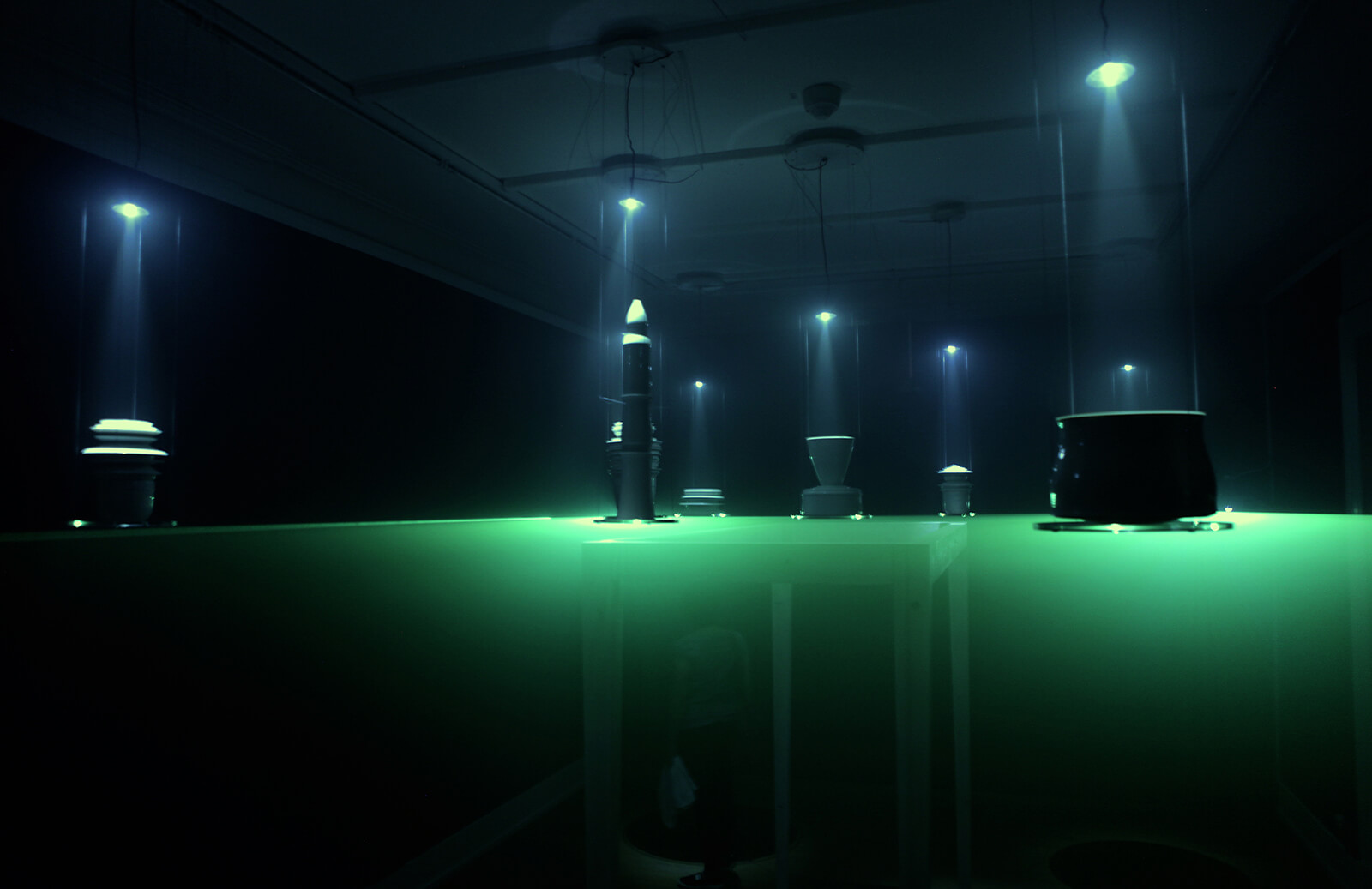
Another special project, Dear Future, extends the Biennale’s inquiry into art, technology and planetary coexistence. Presented in a spacecraft-like exhibition space and connected to Chapter 3, Made in Earth, Dear Future brings together emerging artists from ceramics departments of 28 universities across Korea. By imagining ceramic works to be sent 100 years into the future, the project reconsiders ceramics as records for the future, objects of survival and assets of the Earth, connecting human memory, natural materials and post-technological imagination.
Each section features many more artists working from wildly different regions, traditions and perspectives, using a staggering range of materials, techniques and tools to create an array of ceramic art that blows apart boundaries and narrow conceptions of ceramics through sheer diversity. This has been the motivation behind the Gyeonggi Ceramics Biennale since its foundation—to expand ceramics beyond geographical, conceptual, temporal and aesthetic borders and to bring this primordial art form into not just the category of contemporary art but futuristic art. Earth Makes takes the universal and eternal medium of clay and ceramics and pulls it in every conceivable direction, using it as a lens to think through issues of climate change, labour, urbanisation, technology and creativity.
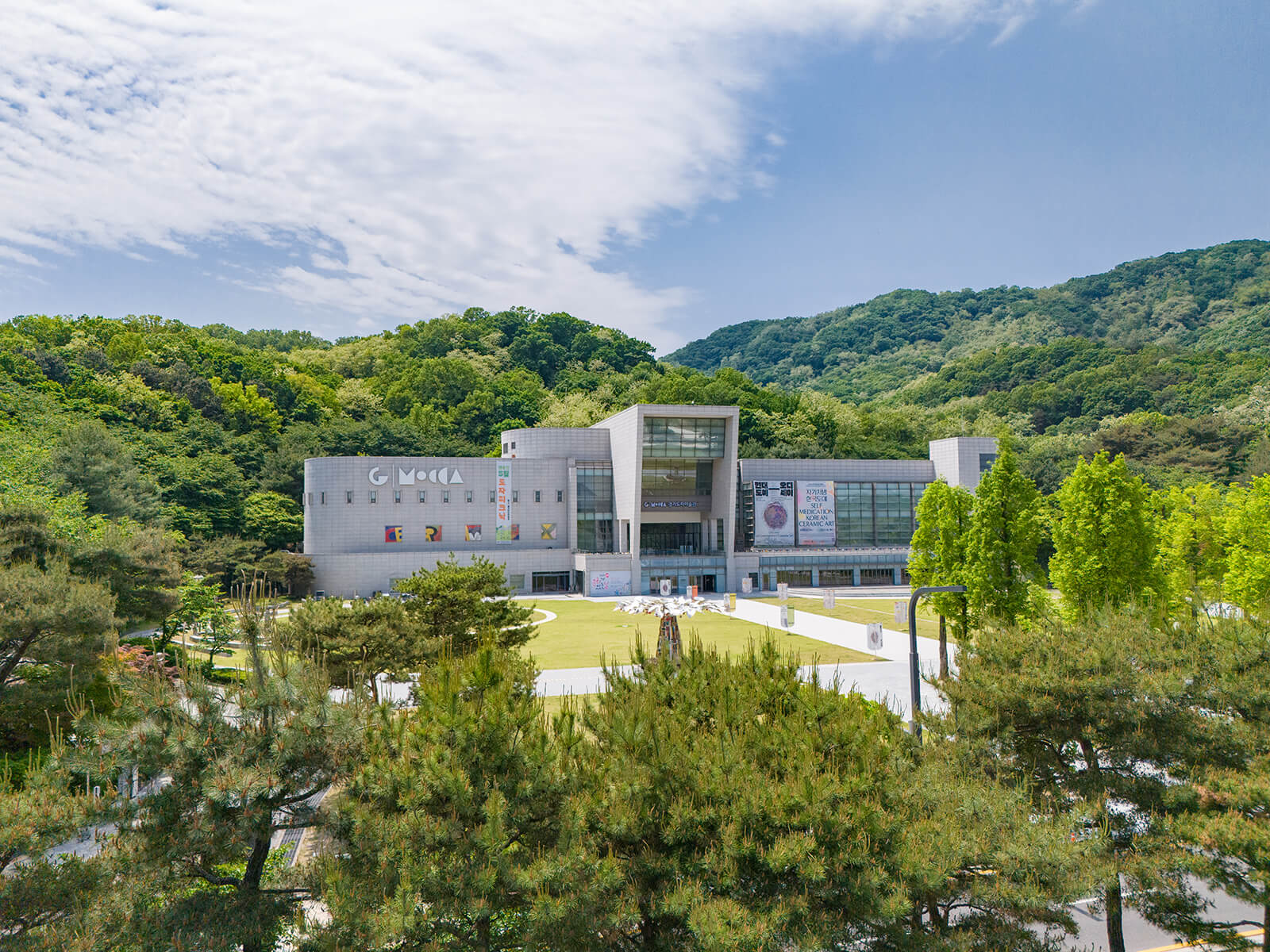
For 45 days this year, Korea’s ‘ceramics belt’ will become a crucible for international collaboration, thinking and creation, forming a new tradition that promises to keep ceramics not just alive, but at the cutting edge of art and material science. In this sense, Earth Makes positions contemporary ceramics as a field of renewed possibility, with the Gyeonggi Museum of Contemporary Ceramic Art in Icheon serving as the central venue for the main exhibition.
Watch STIR's full conversation with Daehyung Lee by clicking on the lead banner.
The Gyeonggi Ceramics Biennale 2026 will be on view from September 18 to November 1, 2026, across venues in Icheon, Gwangju and Yeoju in Gyeonggi Province, South Korea.

by Anmol Ahuja Oct 15, 2026
How do heaps of souvenirs and relics with racist Aboriginal motifs and features become art? MCA Sydney’s winter showcase—the artist’s largest to date—beckons a possibility.
by Srishti Ojha Oct 14, 2026
The first Dutch publication on the Turkish artist, the eponymous book centres on Refik Anadol: Latent City, his living data sculpture of Bruges, exhibited at BRUSK gallery.
by Vandana Kalra Oct 14, 2026
With his latest exhibition as a point of departure, the modernist discusses his decades-long practice, the spontaneity of drawing and the social responsibility of artists.
by Srishti Ojha Oct 09, 2026
In his ongoing exhibition, the South African artist creates two post-apocalyptic futures to explore society’s relationship with textiles, patterns and technology.

make your fridays matter with a well-read weekend
Enter your details to sign in
Don’t have an account?
Sign upOr you can sign in with
a single account for all
STIR platforms
All your bookmarks will be available across all your devices.
Stay STIRred
Already have an account?
Sign inOr you can sign up with
Verification link sent to check your inbox or spam folder to complete sign up process
Tap on things that interests you.
Select the Conversation Category you would like to watch
Please enter your details and click submit.
Enter the 6-digit code sent at


Gyeonggi Ceramics Biennale 2026 reframes the planet as co-author
by Srishti Ojha | Published on : Jul 30, 2026


 Sign in with Google
 Sign in with email
What do you think?