Art08 mins. read
India Art Fair 2026 and more in Delhi: The STIR list of must-see exhibitions
by Srishti OjhaFeb 04, 2026



by Srishti OjhaPublished on : Aug 31, 2026
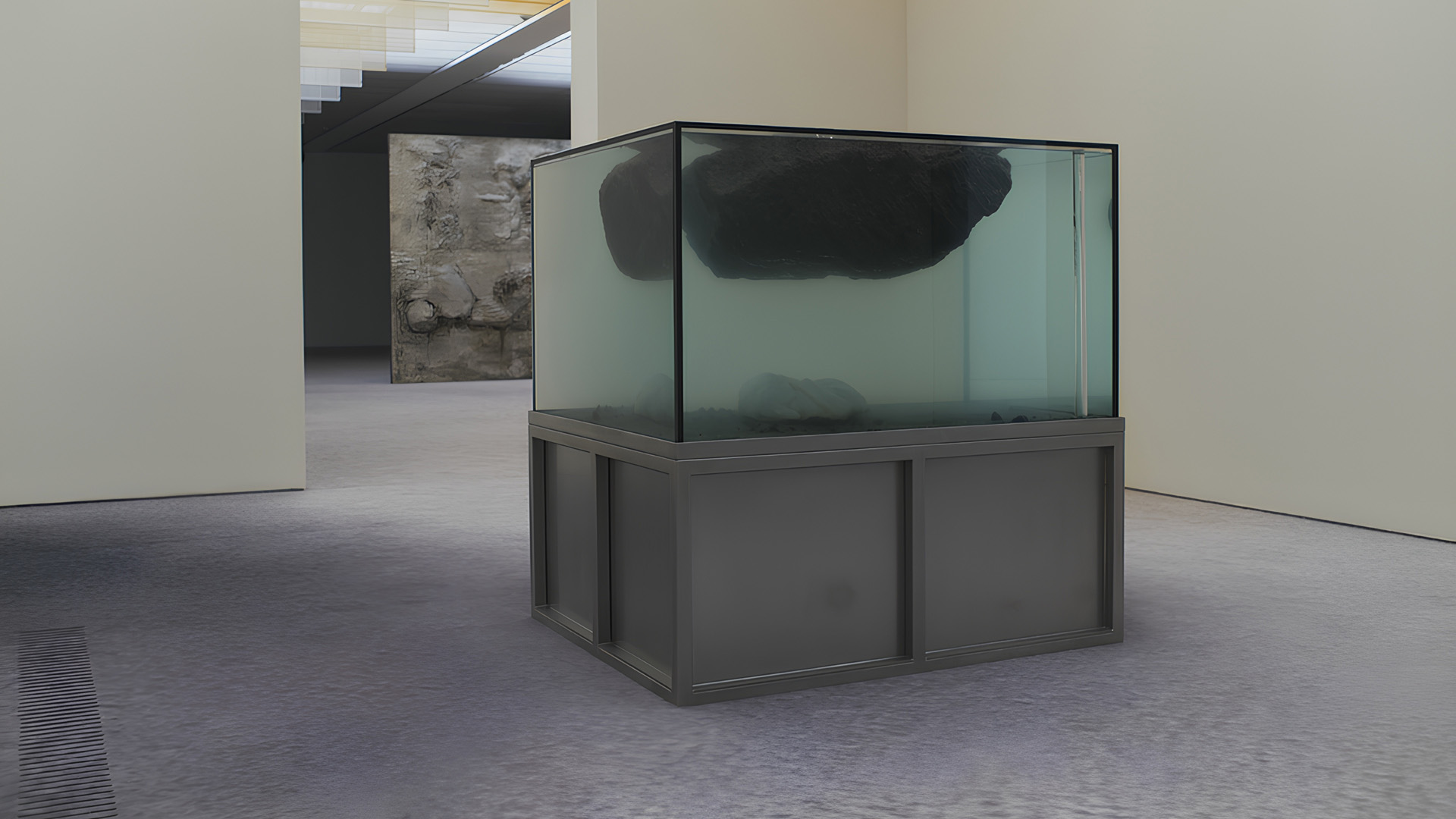
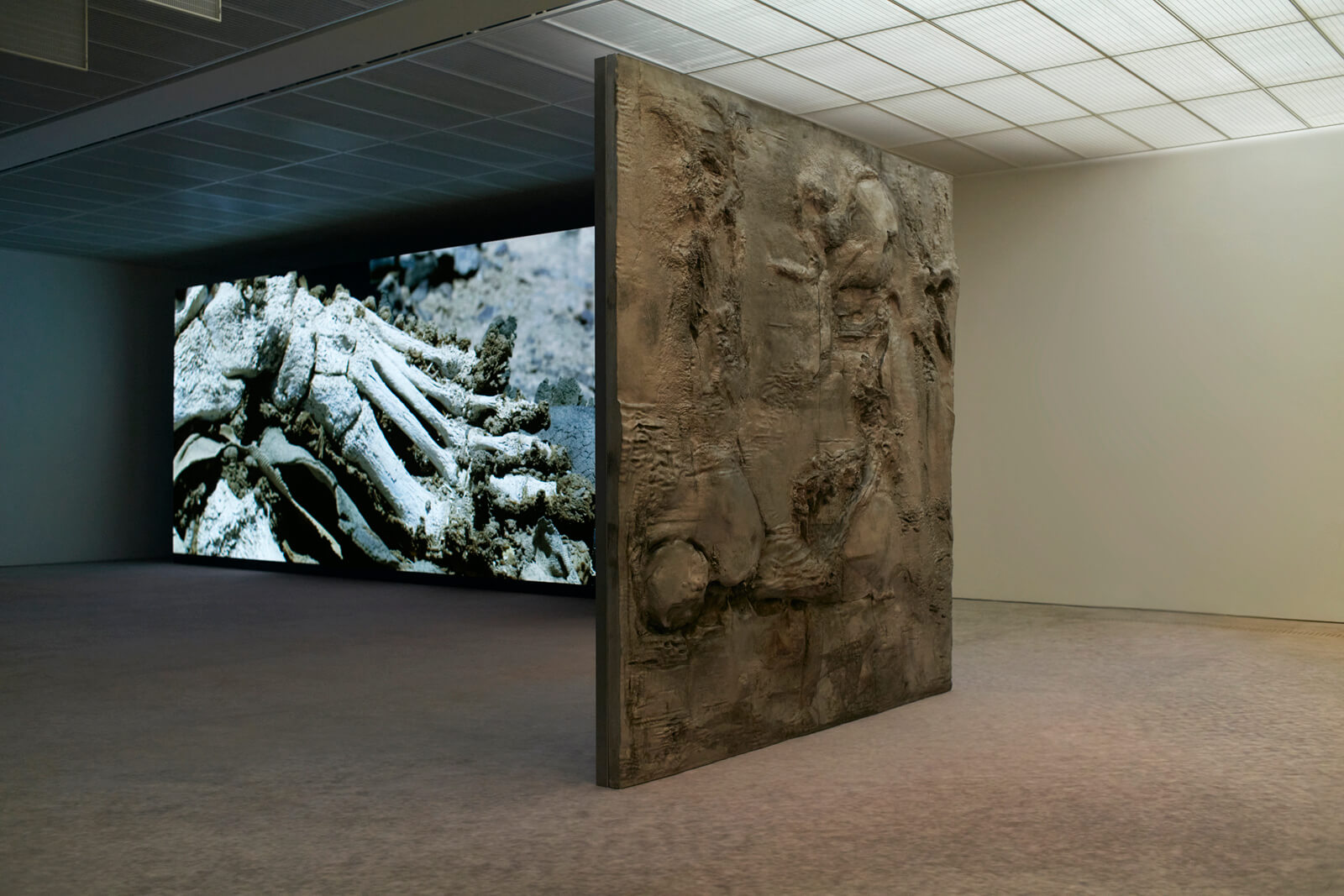
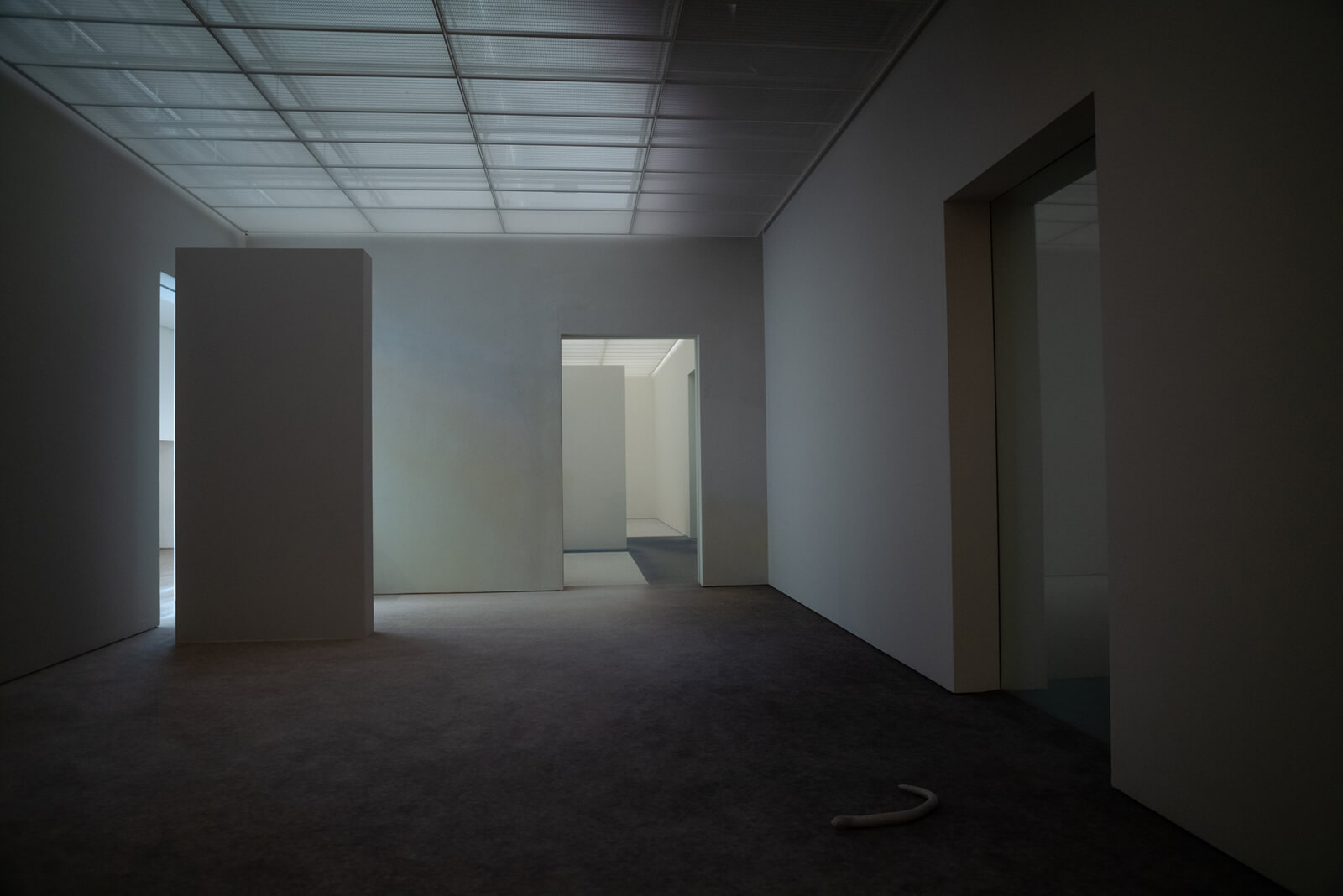
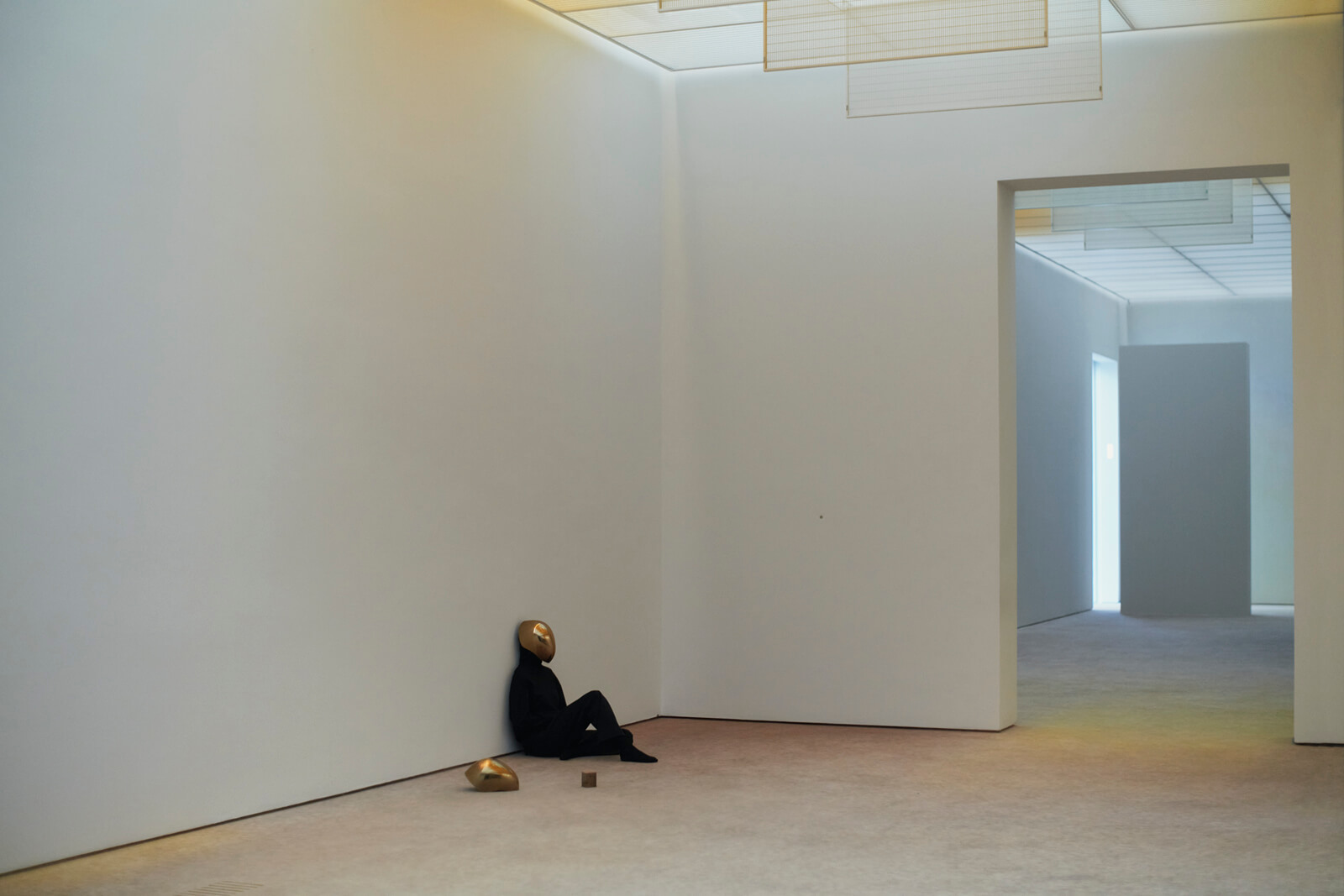
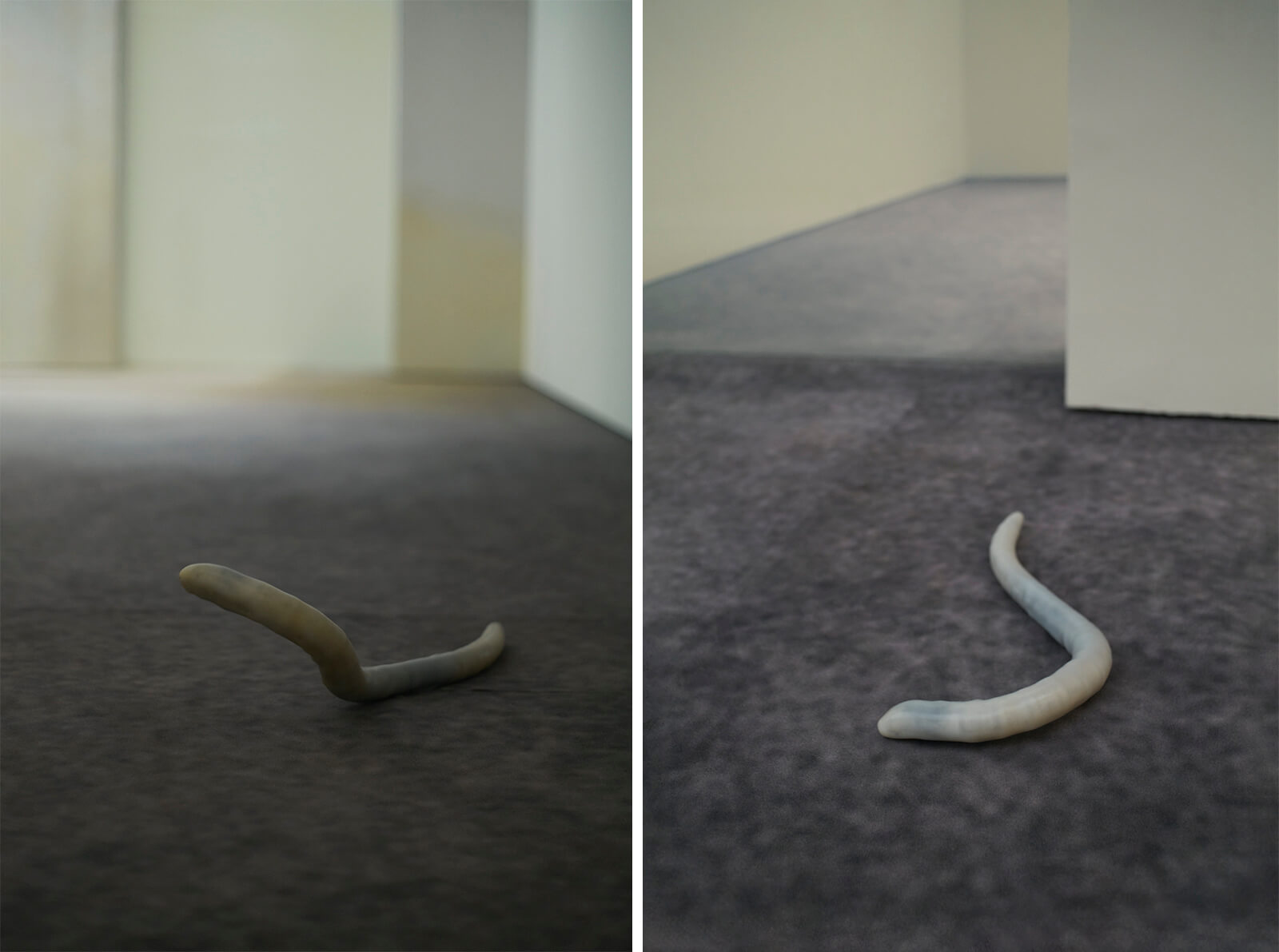
The minimalist white halls of Fondation Beyeler in Basel, Switzerland, are suspended in a liminal state. Stainless steel ‘tanks’ house organic, white sculptural objects that appear to ‘breathe’, and large rocks are suspended above them in a liquid that recalls amniotic fluid. Opposite, a large bas-relief door seems to belong to another time, an artefact from an unfamiliar archaeology. At a room’s threshold, one encounters, inexplicably, a small white worm murmuring and convulsing. In another room, a translucent, panelled ceiling shines warm light onto a humanoid figure on the ground, clad in black and with a shining gold skull. Next to it lies an identical gold object, disembodied. Projected films fill the space with the sounds of alien landscapes and the hum of electronics.
Stepping into Pierre Huyghe, the solo exhibition of the French artist of the same name, feels like walking into a video game—there is an air of uncertainty and mystery that draws you further in, trying to find footing in the strange, interconnected world the contemporary artist has constructed. The contextless installations exist in the uncanny space between organic and synthetic, perched on the line that is supposed to separate the living from the inert.
The artist terms this world a ‘soulscape’, an inner world made external, a speculative fiction realised. The artworks do not exist in isolation, but in a charged relationality that animates the exhibition, turning it into a situation or scene rather than a dormant setting. Curator at large at the Fondation Beyeler, Mouna Mekouar says, “[Huyghe] is less interested in constructing linear or didactic narratives than in creating situations that remain open, unstable and experiential. His exhibitions invite forms of perception that cannot always be translated into language. Rather than presenting a fixed meaning, they construct a world in which films, living organisms, objects, sound, machine learning and architecture continuously interact, allowing meaning to emerge through experience rather than interpretation.”
This interconnectedness finds expression through the motif of breath, which permeates the atmosphere and envelops the objects and people in the room into the exhibition’s fold. The multimedia artist, who has been creating film, photography, sculpture and ‘ecosystems’ since the late 1990s, has always been interested in presence, animation and the liminal states they fade into. Here, he uses machines, robotics and film to tease out the grey areas between the living, dead and the deathless.
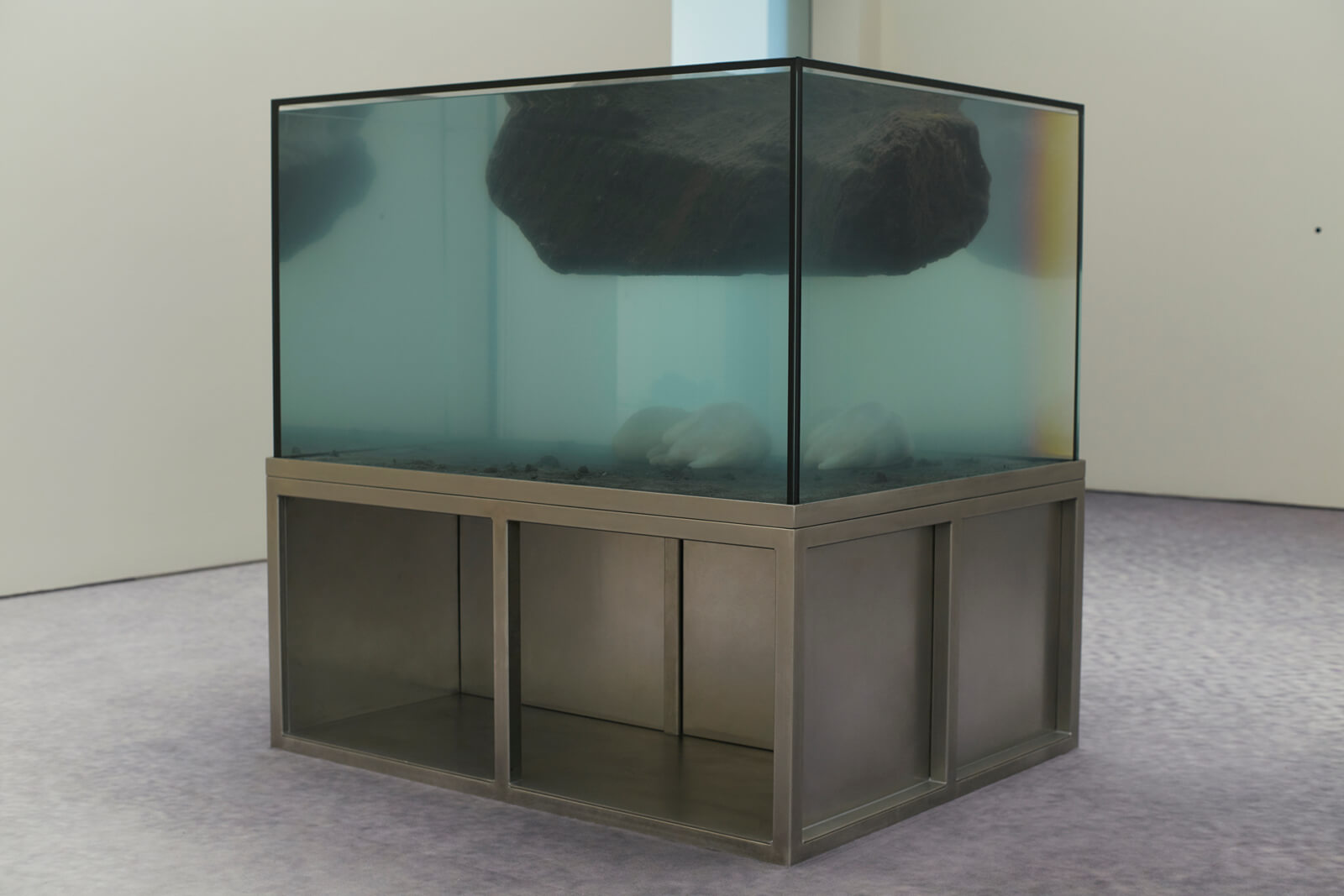
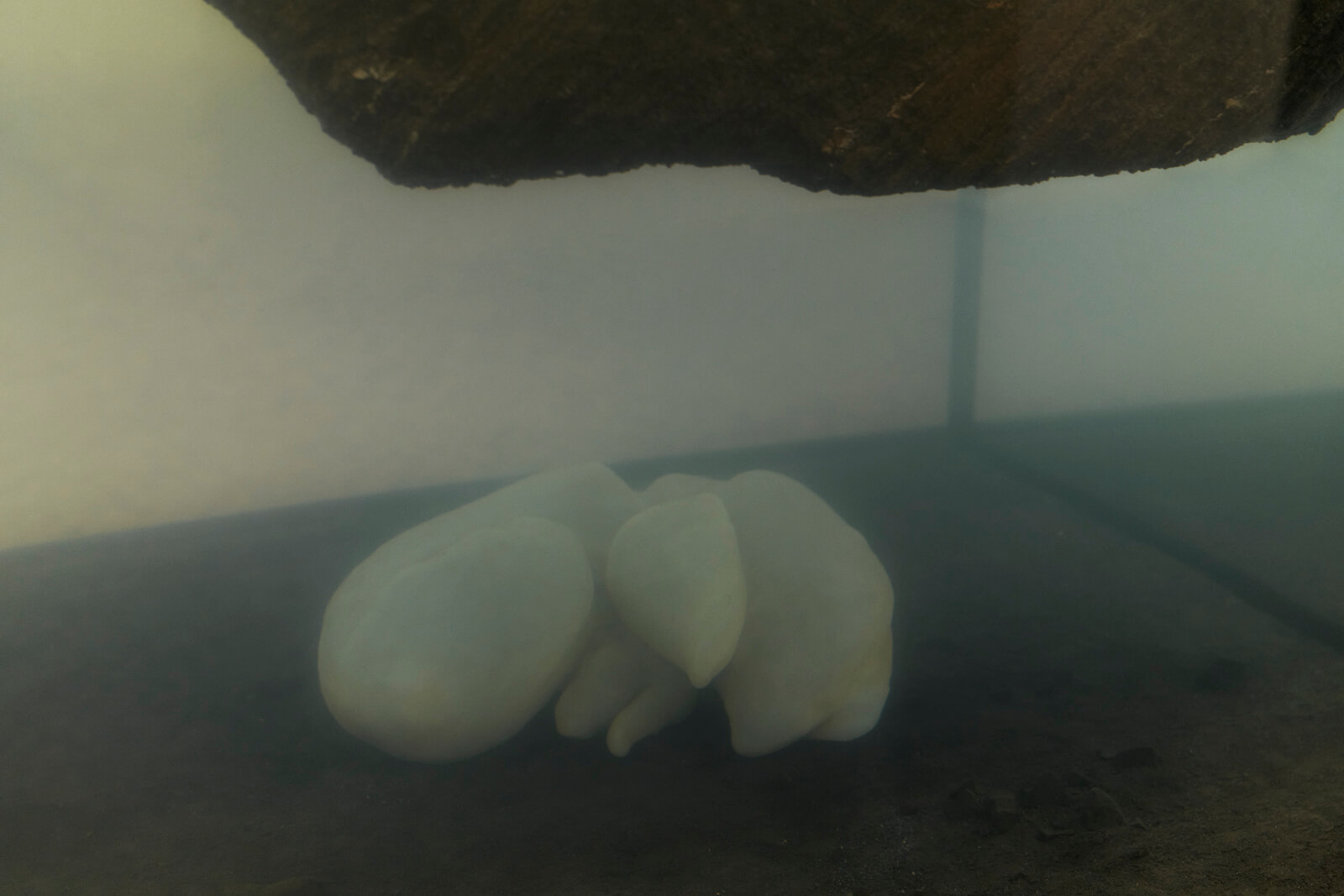
Apnea (2026) houses an artificial breathing device underwater. It pulses to the unpredictable rhythm of breaths interrupted by apnea (a temporary cessation of breathing). The water magnifies this effect, circulating sound and vibrations into the surrounding room. The worm-like Alchimia (2026), presented as a larval precursor to human consciousness, functions similarly—its breaths and hums adding to a polyphony of voices and sounds. Both works use soft robotics technology and silicone to create an effect that is simultaneously organic and mechanical. Idiom (2024 – present), part of an ongoing series, adds to this polyphony with the humanoid figure ‘speaking’ into the room in a voice generated by a neural network in real time, lending a live element to the artwork.
The exhibition does not just hinge on these complex sculptural and technological pieces; Huyghe’s world seeps into every corner of the gallery’s space. The carpet, smudged and grey, looks like a bad render, an effect intended by Huyghe, who created it himself as another artwork in the exhibition titled Light Dust (2026). Timekeeper (2026) reveals layers of covered paint left on the walls from previous exhibitions, adding the gallery walls’ voice to the chorus of objects. In a conversation with STIR, Mekouar elaborates on the artist’s interventions in the exhibition space, saying, “From the outset, the ambition was never simply to place works within the galleries, but to conceive the exhibition itself as a living situation—almost an entity—in which architecture, artworks, atmosphere and visitors continuously interact.”
She is careful to delineate Huyghe’s approach from immersive art, emphasising his use of the space and its qualities as a kind of skeleton for his ecosystem. “Rather than transforming Renzo Piano’s building into an immersive situation, Pierre Huyghe works with its existing qualities—transparency, natural light, circulation and proportions—to subtly alter our perception of the museum. The building remains entirely recognisable, yet it gradually enters a state of transition. One is simultaneously familiar with the space and somehow disoriented within it,” says Mekouar.
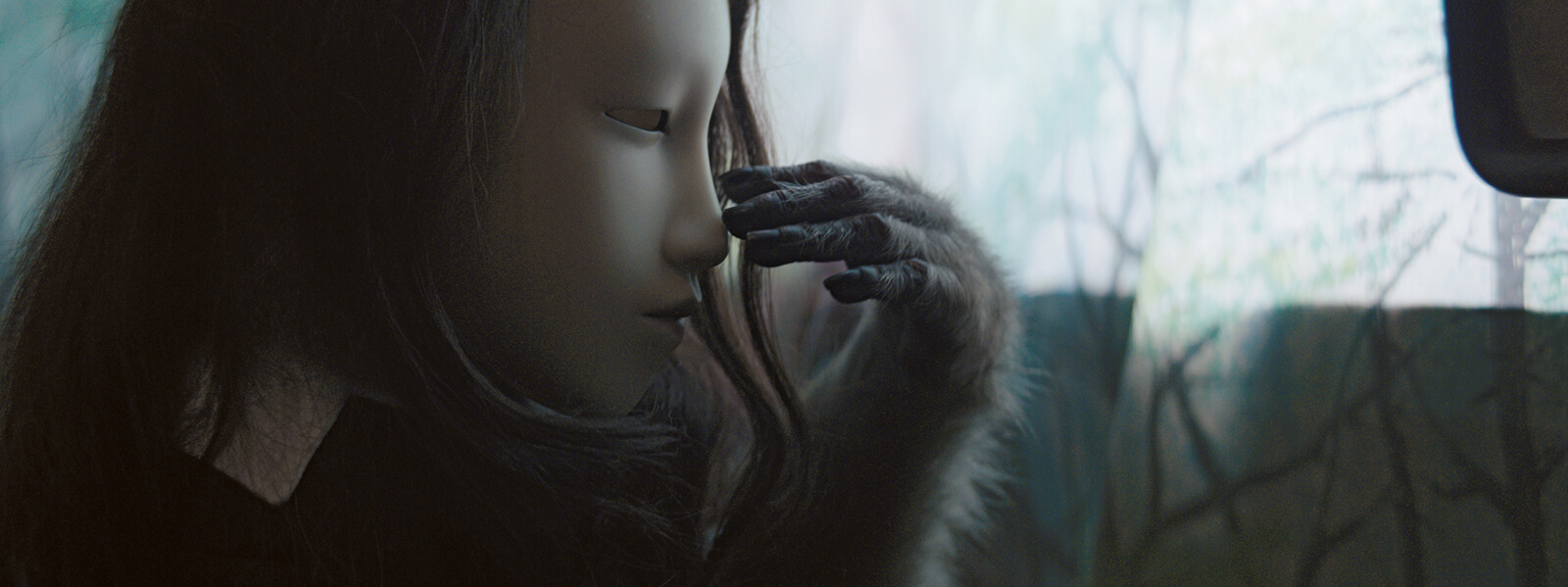
The exhibition extends out from the environments and themes of the three films presented—Human Mask (2014), Camata (2024) and Liminals (2025). Huyghe remains steadfast in his commitment to spontaneity and unpredictability in the way the films are presented. Only the earliest film, Human Mask, uses a normal projection setup. The film (based on the real-life story of a monkey trained to serve restaurant patrons while disguised as a young girl using a white Noh-style theatre mask) is a disconcerting meditation on the thin, anthropocentric separation between the consciousness of animals and humans.
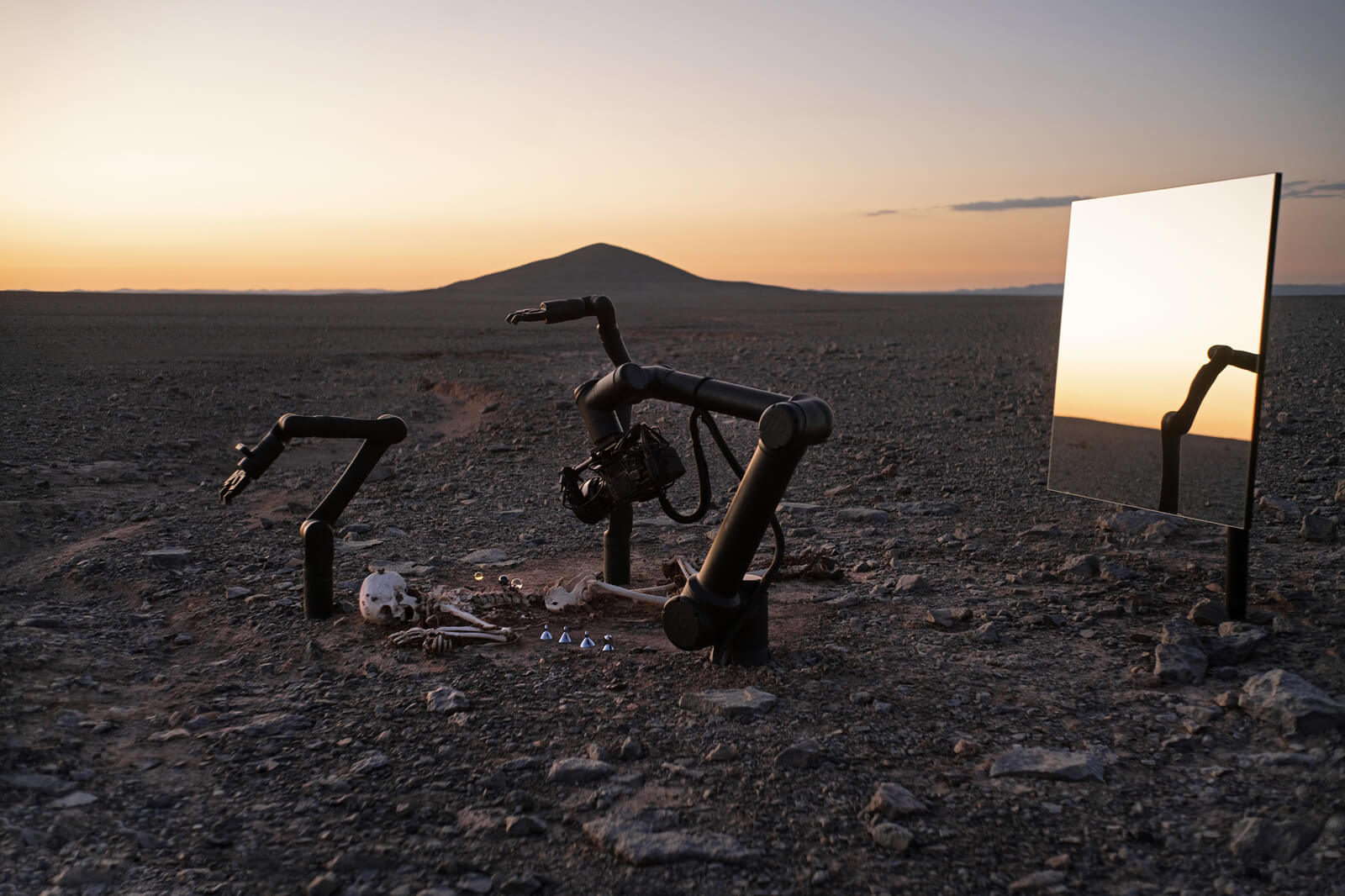
In Camata, Huyghe takes his method of unsettling the definition of consciousness to machines. The film portrays a group of machines performing a funereal ritual on a skeleton in the Atacama Desert in Chile. For long, the tendency of certain animal species to perform rituals for their dead has been held as an informal measure of their sensitivity and consciousness, something Huyghe transposes onto this new kind of ‘life’. The installation is not a simple projection of a fixed, preconceived film. Instead, it is continuously being edited and re-edited by sensors embedded in its surroundings. The film exists in an endless flux with no beginning, middle or end.
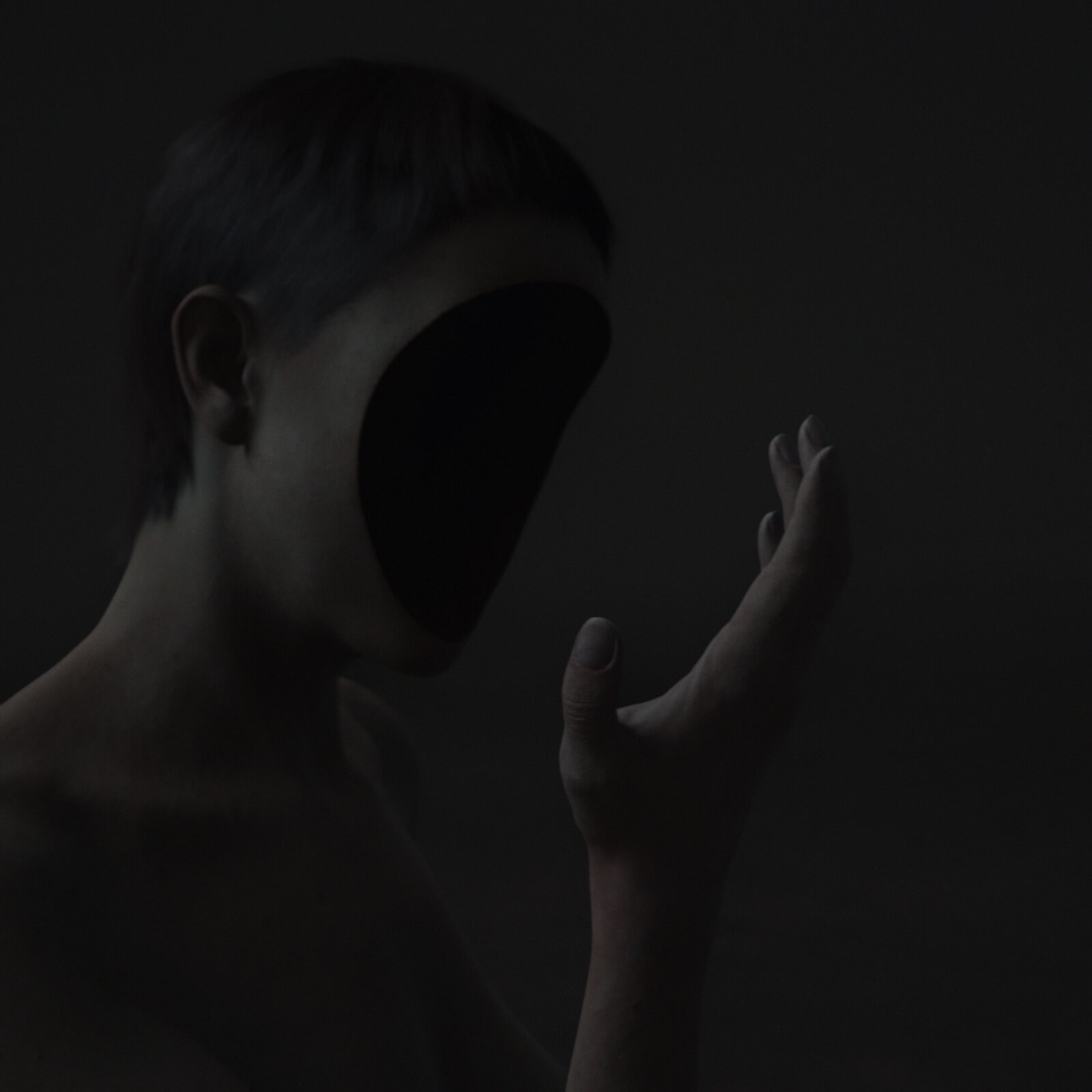
Liminals, the newest film in the exhibition, zeroes in on the theme of liminality that characterises Huyghe’s oeuvre. A hollow, faceless humanoid figure emerges and dissolves between different states of matter and existence. Time and space, inside and outside, body and environment, collapse continually into each other, interrogating a multiple, polyphonic mode of existence and how we could relate to or arrive at such a state. To achieve its unique effect, Huyghe experimented with photogrammetric scans, motion capture and real-time recording using a game engine. This means using advanced 3D computer graphics game engines (for example, Unreal Engine) to design, render and film virtual environments and scenes in real time, creating and filming as the action unfolds, in real time. This technology emerges from the world of video games, something that bleeds into Huyghe’s practice even beyond film.
Complementing Huyghe’s work with new media art and game engines is an almost anachronistically analogue oil painting from 1941. Selected by Huyghe for the exhibition, German artist, surrealist and Dadaist Max Ernst’s The Witch is included as a point of inspiration for Huyghe—Ernst shares his preoccupation with the human consciousness, the unconscious and using unpredictable methods that invite chance into the artistic process. Mekouar says, “Like [Max Ernst and Edvard Munch], Pierre constructs mental landscapes, but through the vocabulary of our own time—film, biology, technology and environmental systems.”
In this self-titled exhibition, Huyghe creates something larger than a sum of its parts—a space that could be described simultaneously as ecosystem and entity, its constituent objects and artworks united by the faltering, living rhythm of breath. Huyghe continues his practice of destabilising easy binaries by delving deep into liminal spaces and states of existence. His work is an open-ended, speculative exploration of what determines the consciousness, personhood and aliveness of something. Rather than searching for answers or guiding viewers, he encourages us to inhabit the uncomfortable space between states—the uncanny—and to allow potentiality to propagate from uncertainty.
‘Pierre Huyghe’ will be on view until September 13, 2026, at Fondation Beyeler, Riehen/Basel, Switzerland.

by Srishti Ojha Oct 09, 2026
In his ongoing exhibition, the South African artist creates two post-apocalyptic futures to explore society’s relationship with textiles, patterns and technology.
by Srishti Ojha Oct 07, 2026
The Kolkata-based film festival shone a spotlight on local and international filmmakers and artists who are pushing the boundaries of what a film can encapsulate.
by Samar Jodha Oct 05, 2026
Looking at Ahmed Ali’s photographs of workers and industry within the wider history of industrial photography, from Soviet state imagery and Sunil Janah to Lewis Hine.
by Srishti Ojha Oct 02, 2026
The Indian artist’s exhibition at the Bruce Museum in the US thinks through fundamental questions of humanity by focusing on the Sun and the cosmological timescale.

make your fridays matter with a well-read weekend
Enter your details to sign in
Don’t have an account?
Sign upOr you can sign in with
a single account for all
STIR platforms
All your bookmarks will be available across all your devices.
Stay STIRred
Already have an account?
Sign inOr you can sign up with
Verification link sent to check your inbox or spam folder to complete sign up process
Tap on things that interests you.
Select the Conversation Category you would like to watch
Please enter your details and click submit.
Enter the 6-digit code sent at


Inhabiting the uncanny and liminal at Pierre Huyghe’s Swiss exhibition
by Srishti Ojha | Published on : Aug 31, 2026


 Sign in with Google
 Sign in with email
What do you think?