Design09 mins. read
India Art Fair returns for its 15th edition in 2024 with a new Design section
by Mrinmayee BhootJan 25, 2024



by Bansari PaghdarPublished on : Dec 08, 2025
The second edition of the annual multidisciplinary festival organised by the Royal Enfield Social Mission (RESM)—Journeying Across The Himalayas—emerges as a needed celebration of the cultural and natural ecosystems integral to and defining the Himalayas. The expanded showcase this time around seeks to foreground a sensitive terrain, and the reciprocal, convergent sensitivity needed to build on, live with and create cultural capital drawing from that terrain. Its unveiling on December 4, 2025, at the Travancore Palace, New Delhi, then sought to unite artists, partners, mountain communities and visitors in the same spirit.
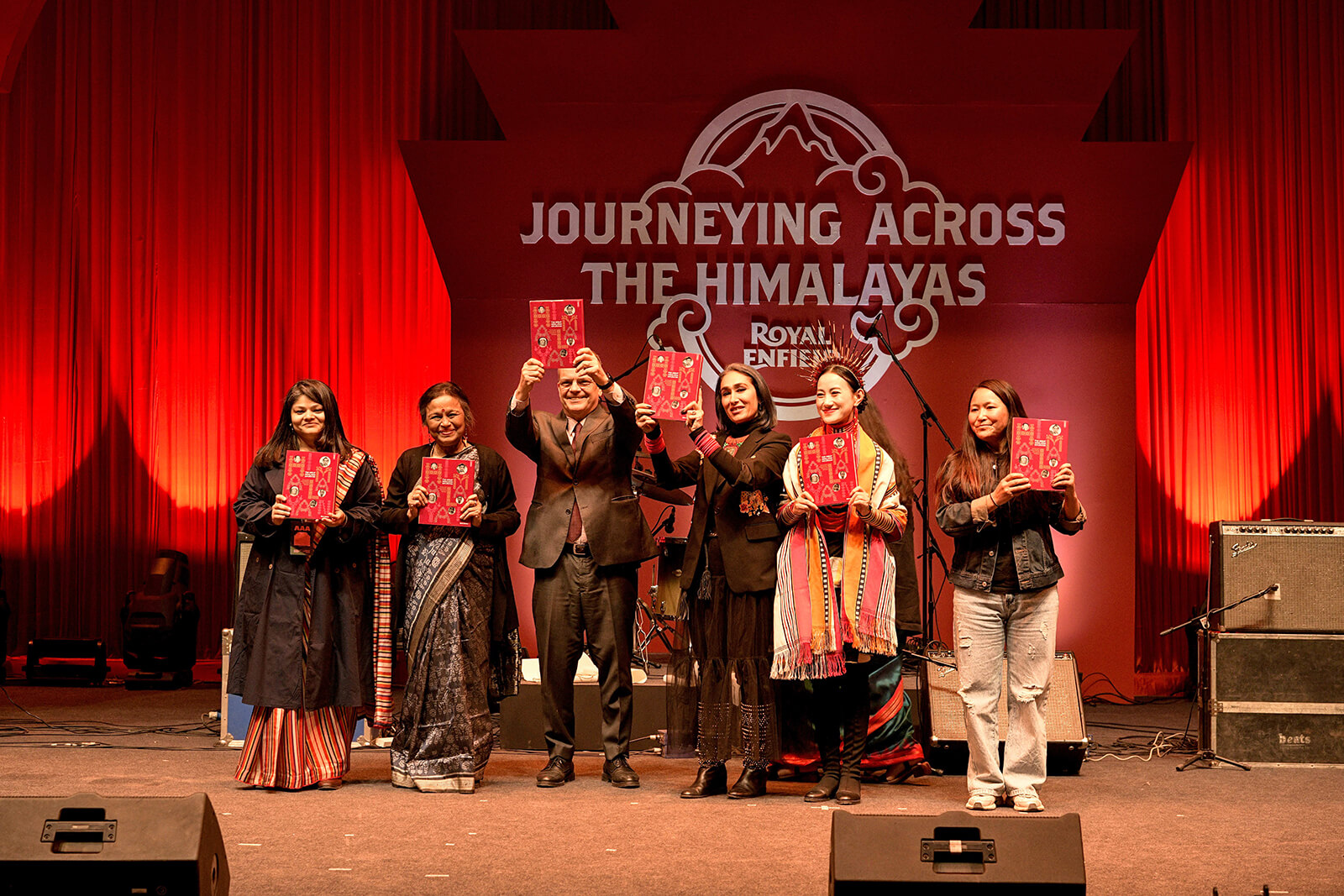
“Journeying Across The Himalayas is a space for communities and collaborators from across the region to share their stories in their own words. With our curatorial theme ‘Ours To Tell’, we continue to bring the region together through creative expression, dialogue and celebration— reflecting our long-term commitment to partner with 100 Himalayan communities”, stated Bidisha Dey, Executive Director of Eicher Group Foundation, in the official release. At the event, Dey launched a UNESCO x Royal Enfield project, The Great Himalayan Exploration – The Intangible Cultural Heritage of the Eastern Himalayas, along with Tim Curtis, director and representative of UNESCO Regional Office for South Asia, joined by folk music artists Kwelu Tetseo from Nagaland, Ladakh’s Kunzang Wangmo and rider and researcher Maral Yazarloo in an extended cultural celebration.
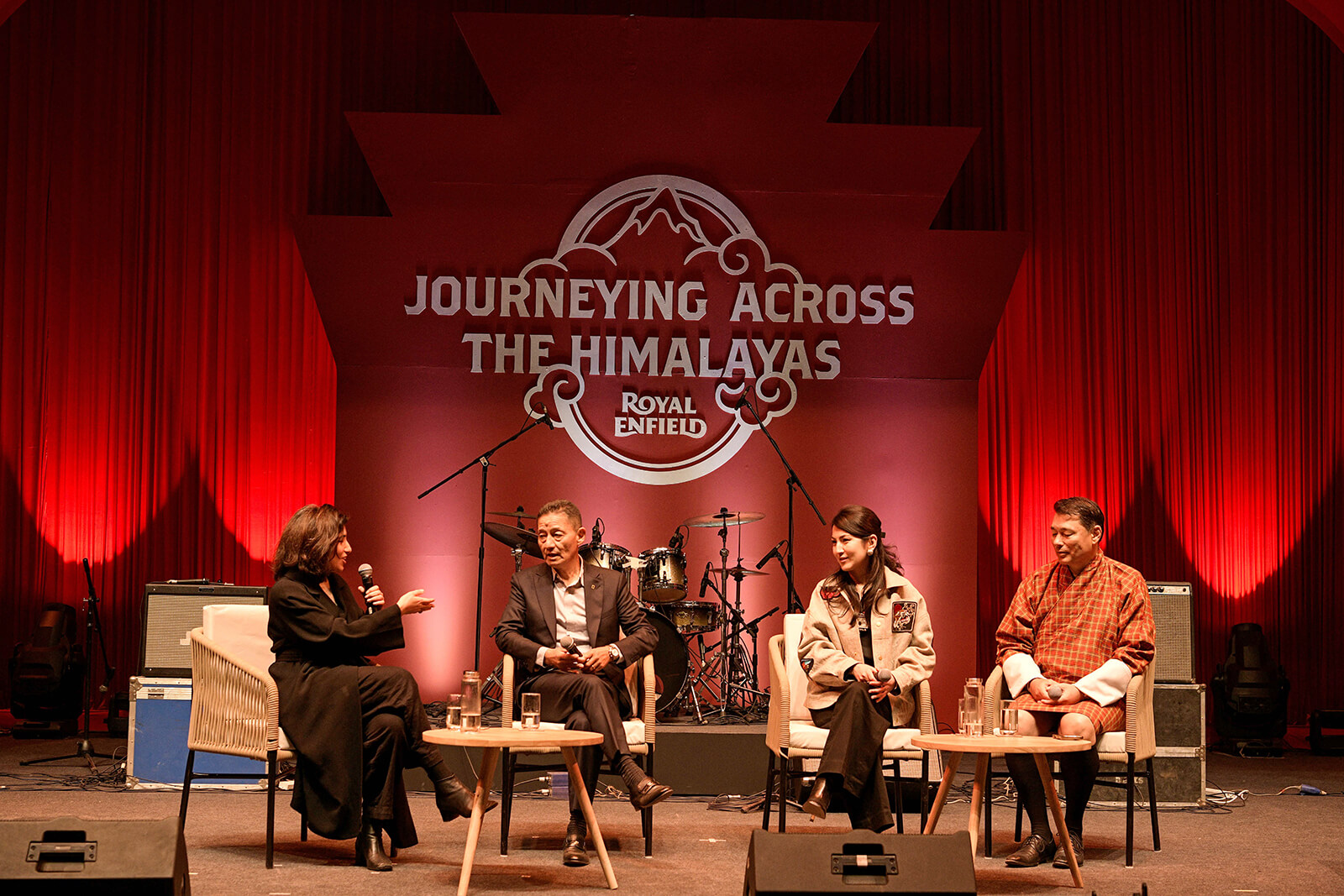
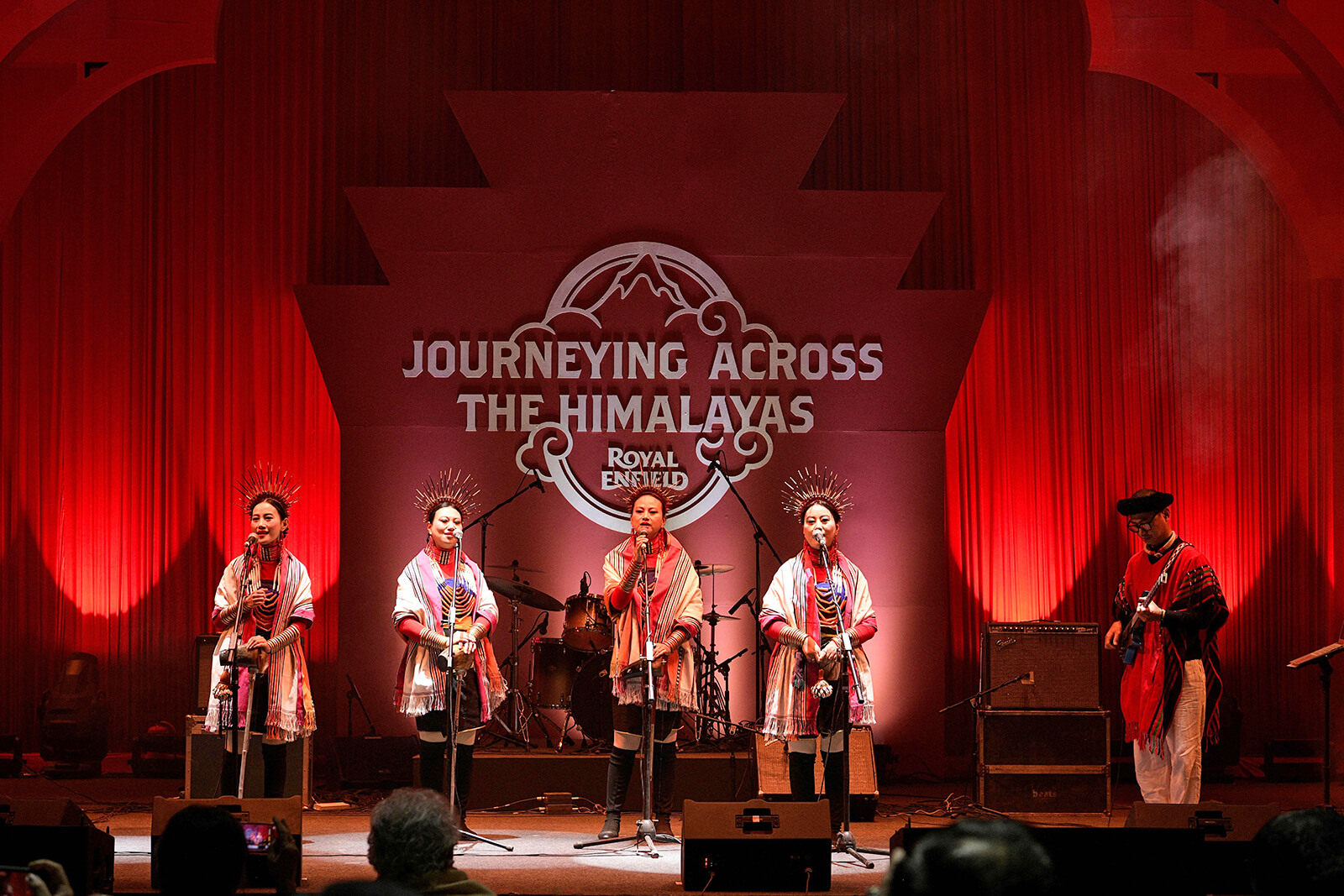
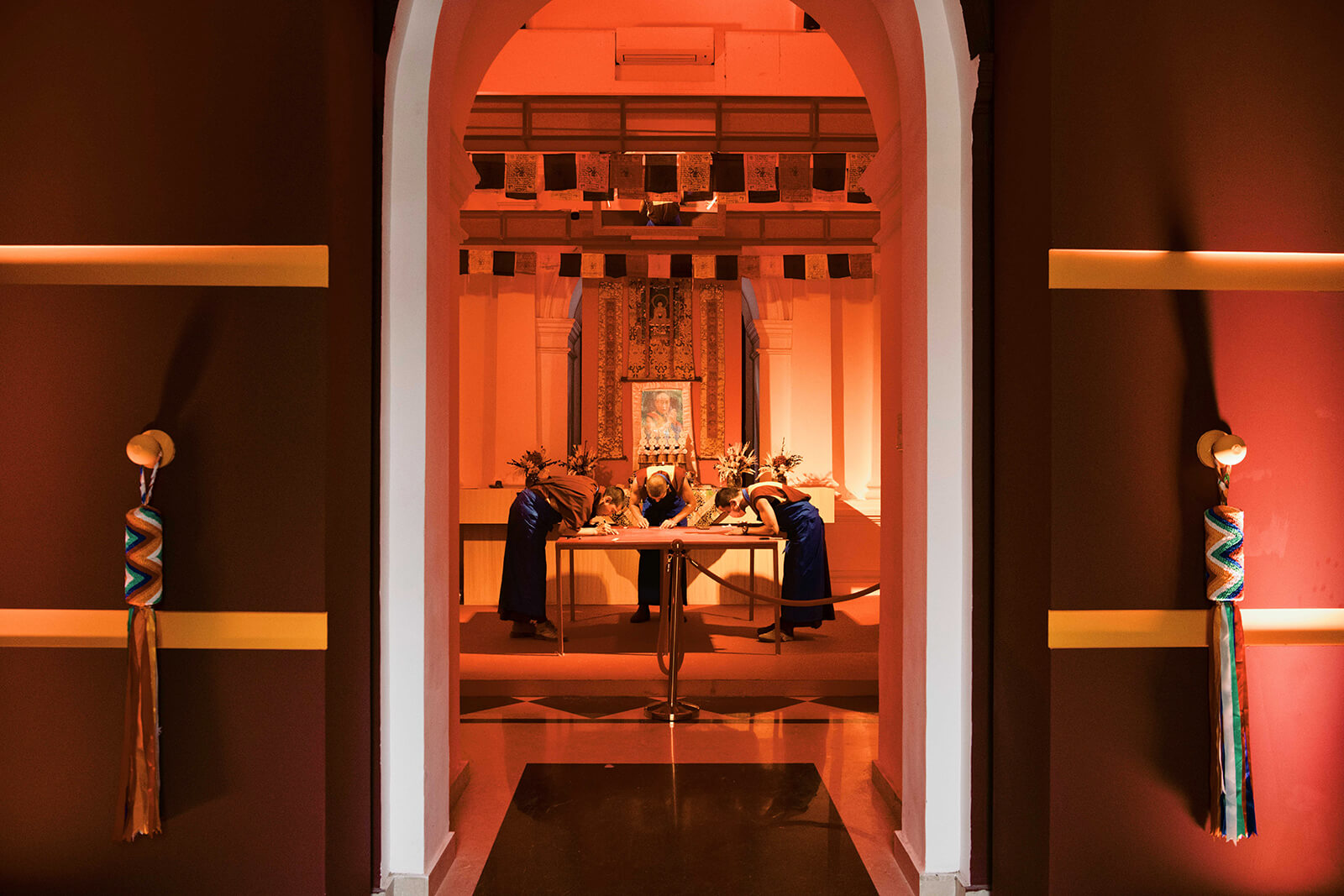
Co-created with Himalayan communities and collaborators akin to the first edition, the festival—running until December 10, 2025, in the heart of the Indian capital—comprises a series of immersive exhibitions, installations, culinary concepts, workshops and performances that are notably not just indicative of the diversity and strong cultural roots in the region, but also emanate from them. In a similar vein, this year’s curatorial theme, Ours To Tell, guides a series of programmes at the festival. The Vernissage evening entailed a fitting dialogue titled Ours To Tell: Reclaiming Himalayan Narratives, featuring Chiki Sarkar, Jamling Tenzing Norgay, Kelly Dorjee and Rigzin Wangmo Lachic. Performances by Tetseo Sisters and Jungle Vibes followed, along with a special set by Joi Barua, Lou Majaw and Rudy Wallang. Chef Doma Wang’s culinary curation, a dinner and cocktail pairings added a special touch to the evening, rounding out a holistic outlook of voices and lived experiences from the Himalayas.
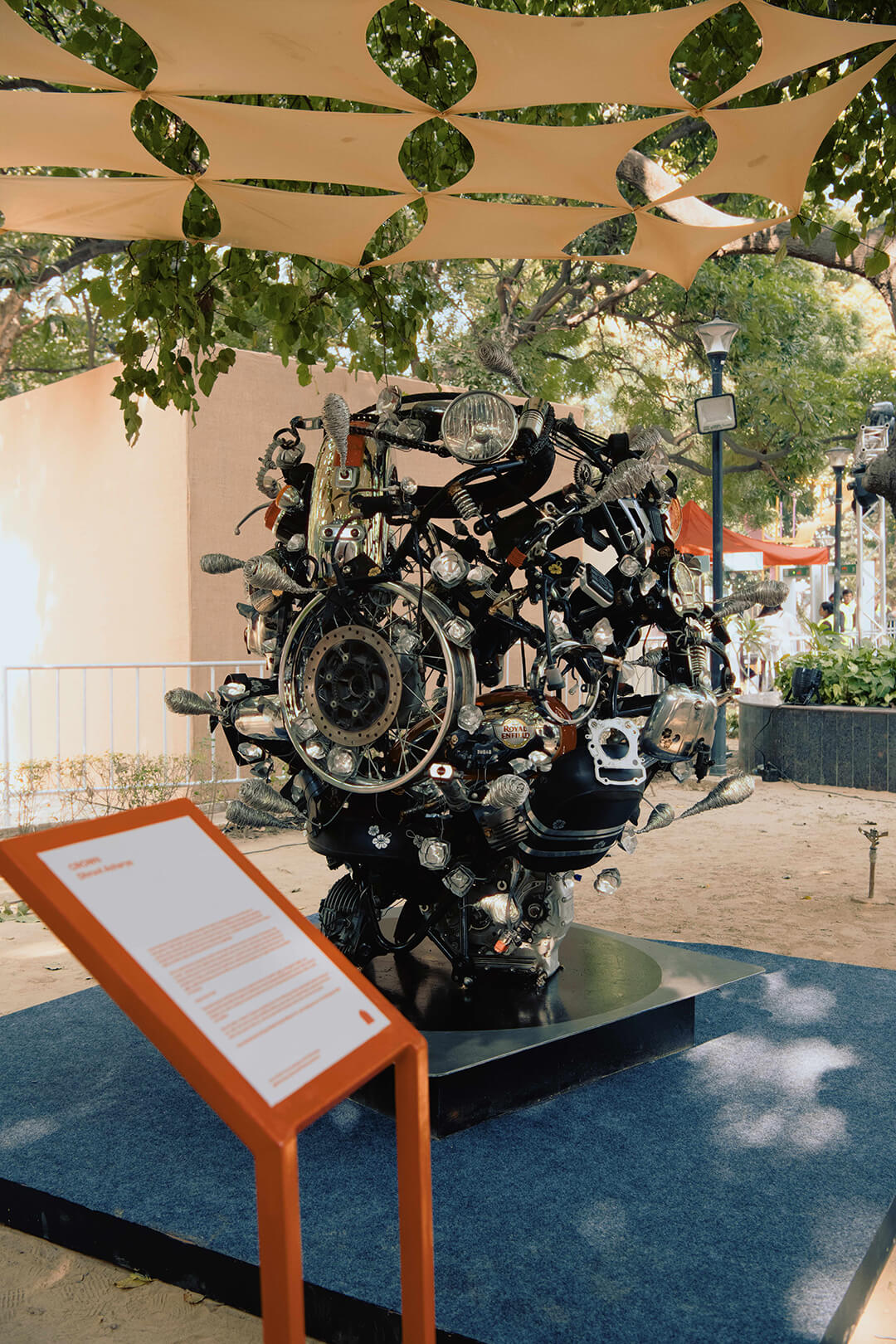
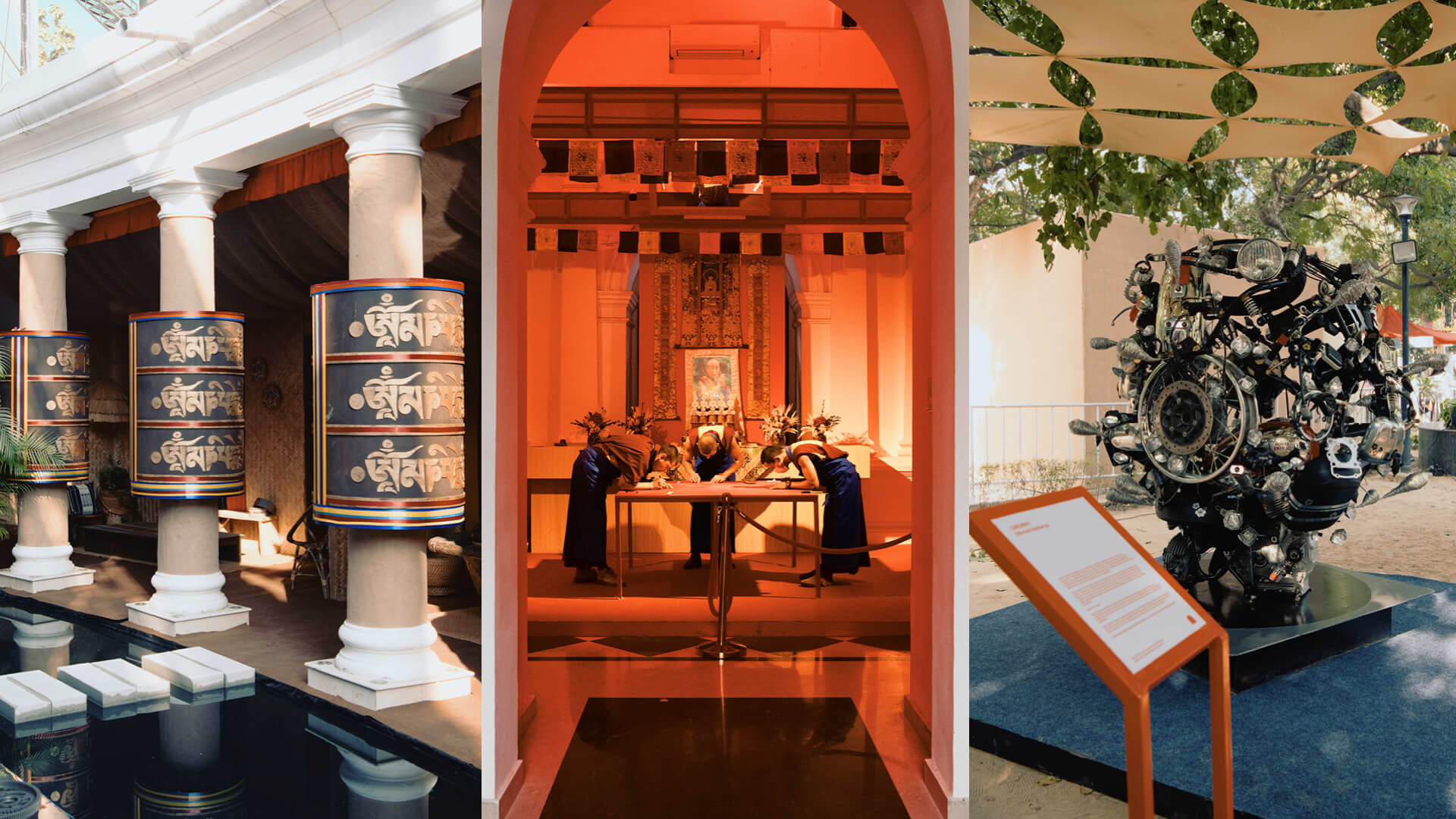
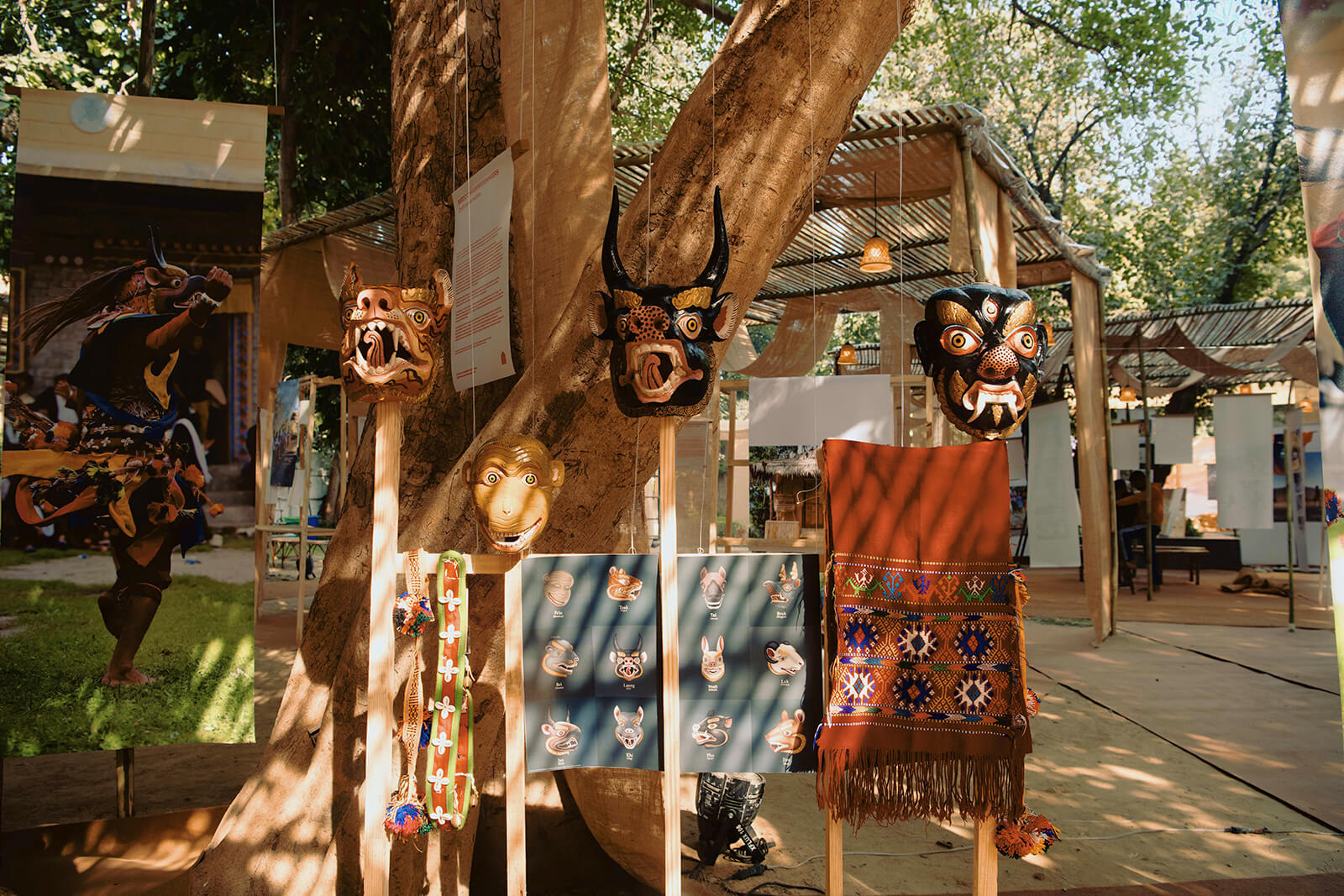
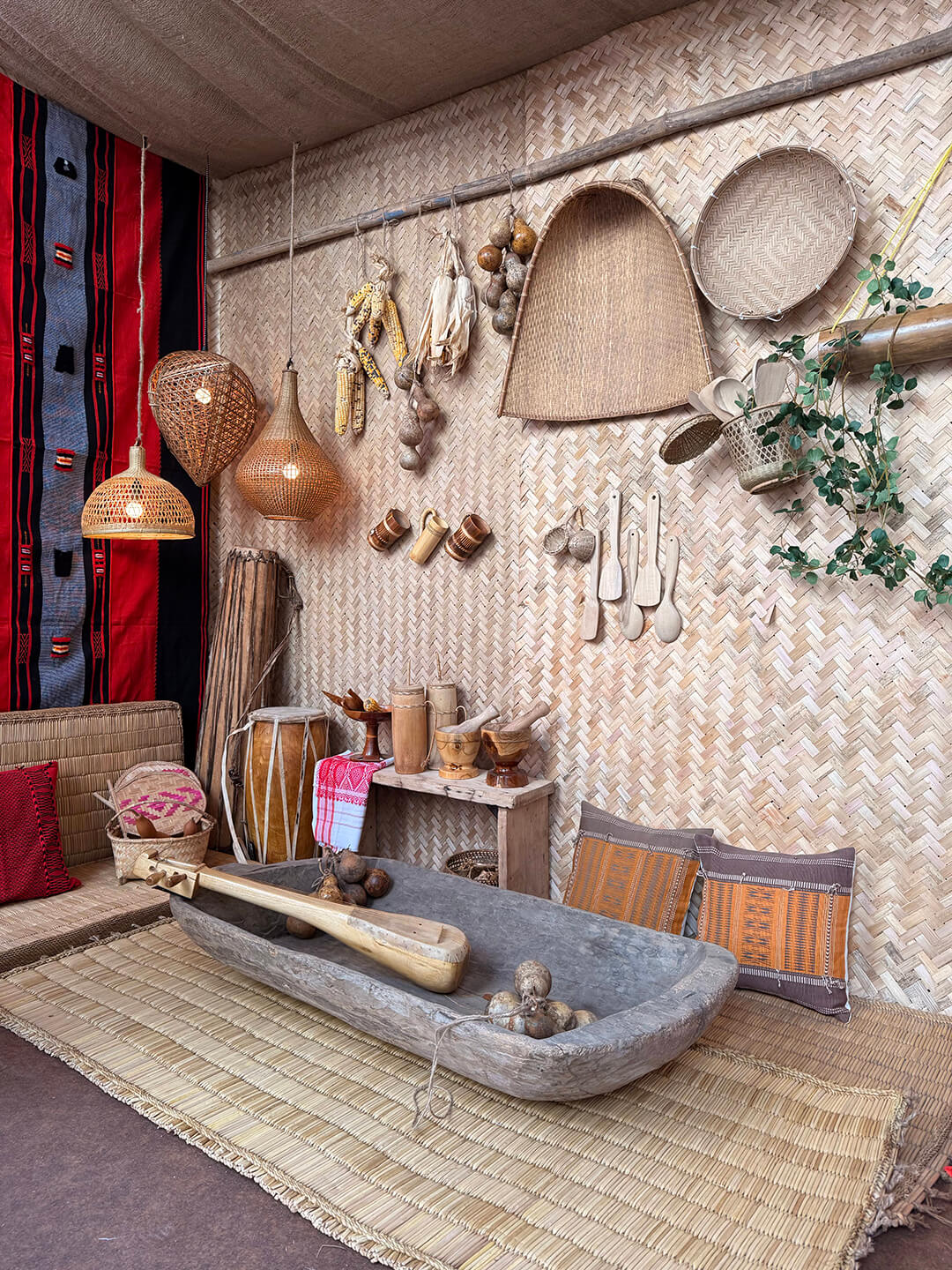
While individual exhibits and installations at the festival may be termed multidisciplinary, encompassing several local crafts, building traditions, materials and performance arts including theatre and music, the broader umbrella under which they coalesce remains one of intrinsic belonging and identity tied to the Himalayas. Several highlights within the programme perpetuate that sense of belonging and identity. The exhibit Unwoven/Spoken, for instance, brings Ladakhi pashmina landscapes to life, while Echoes of the East introduces seasonal rituals and soundscapes to the visitors.
Contemporary explorations by young changemakers through fellowships supported by the RESM are translated into the learning spaces of Hub of Many Heart(H)S, curated by Prachi Joshi, while helmet art installations and workshops by Helmets for India and film screenings by DIFF (Dharamshala International Film Festival) on the Road add to the immersive experiences available through the seven days of the festival. Spotlighting regional heritage and storytelling, The Himalayan Bazaar provides a platform for creators and artisans to come together and showcase their craftsmanship, with their 'methods' passed down generations. On the other hand, Chouka, a food and beverage space, presents the opportunity for visitors and patrons to taste authentic Himalayan cuisine.
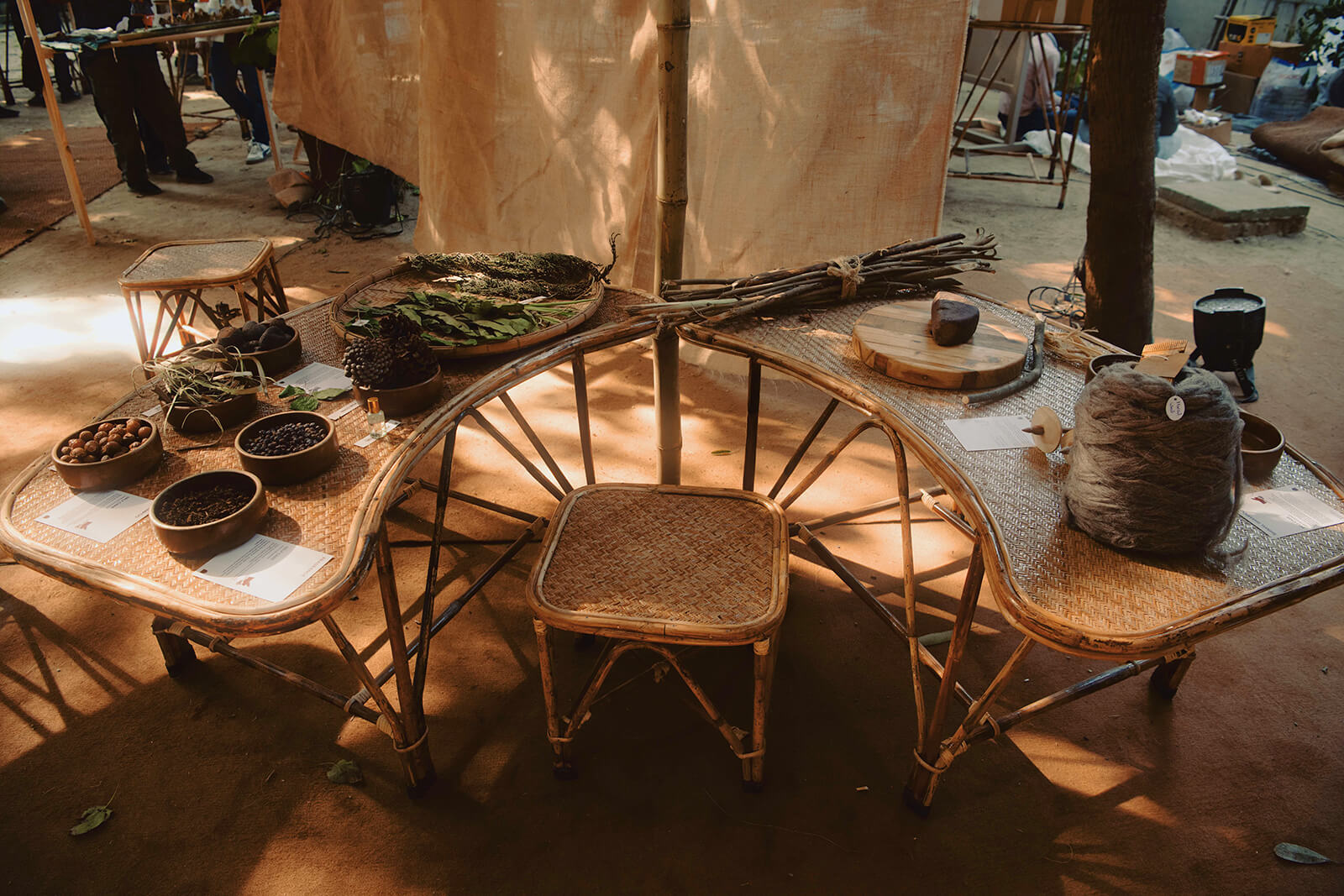
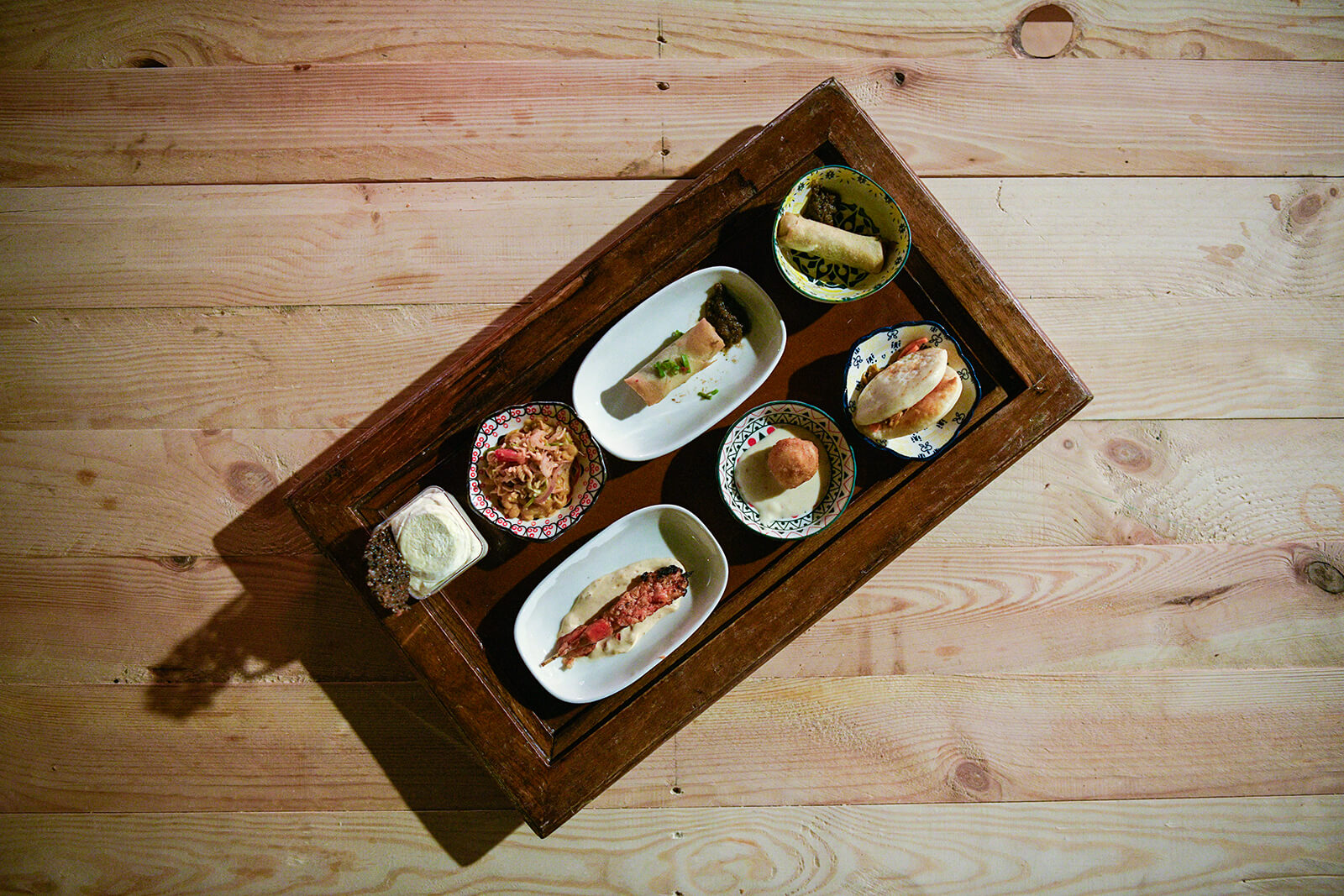
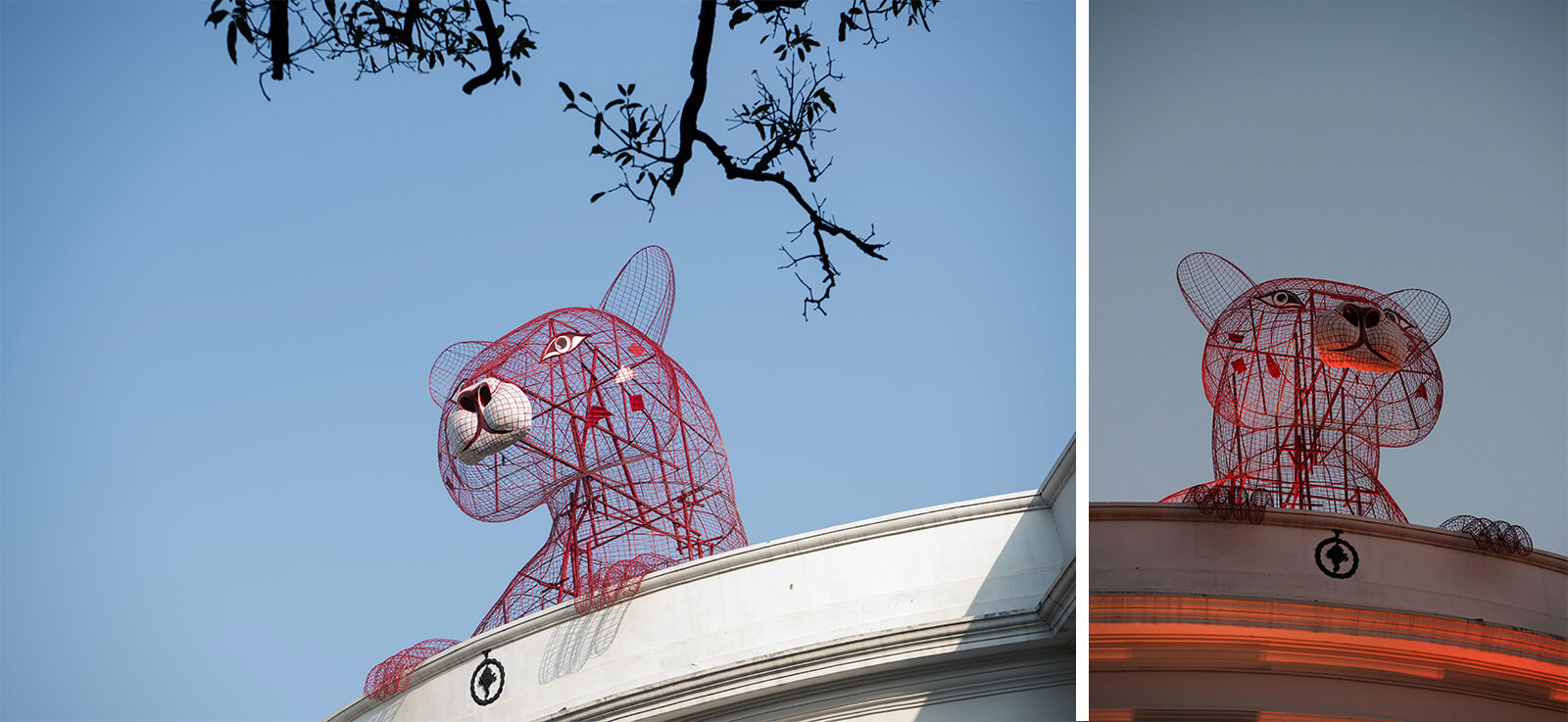
Defining the entrance to the venue, Ri Gyancha, a latticed snow leopard installation, is perched atop the roof of the palace and is conceived as a ‘silent guardian of the highlands’, honouring Ladakh’s ‘jewel of the mountain’. Inspired by the art and architecture of the region, the festival’s main stage features motifs from Kath Kuni architecture that complement the lively cultural and theatre performances, culinary demonstrations and workshops. The Conversations Stage is framed by original artwork from Jigmet Angmo, Ladakh’s celebrated contemporary artist, becoming a dynamic backdrop for talks, panels, textiles and community storytelling. Vishal K. Dar’s Ritek Pavilion reinterprets the traditional communal structure of Arunachal Pradesh’s Adi community, turning it into a contemporary space for gathering and self-reflection, introducing shared experiences through films and conversations.
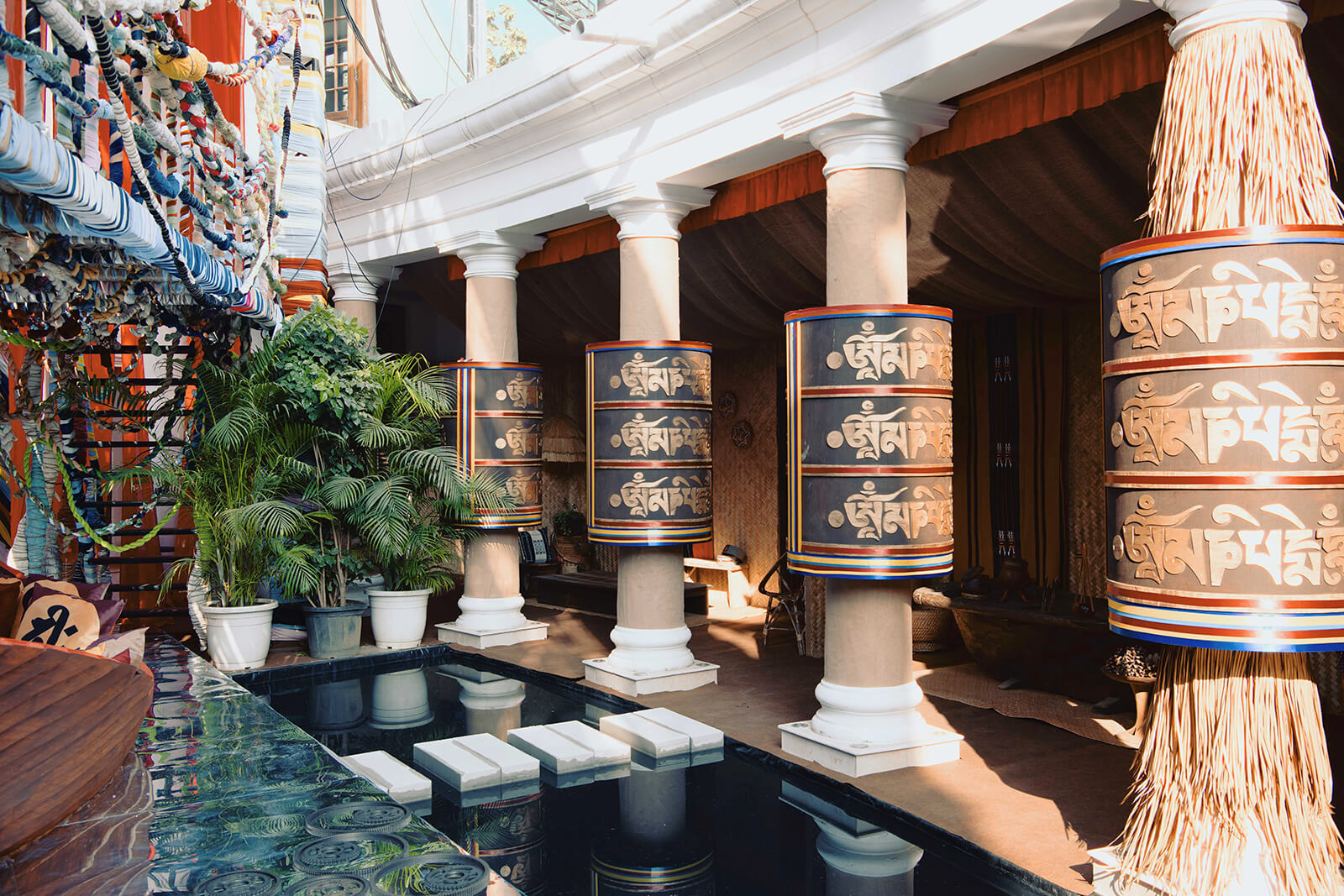
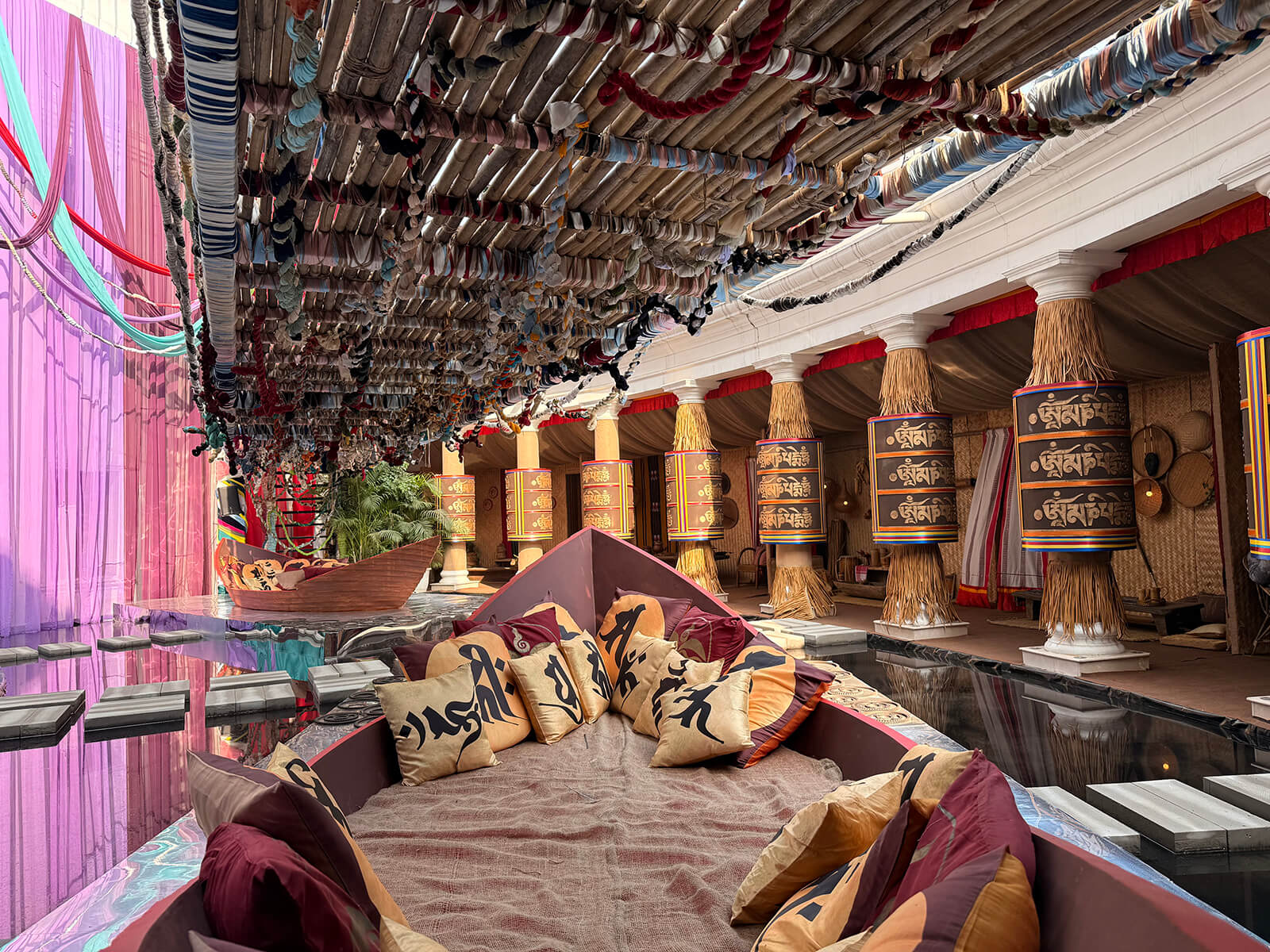
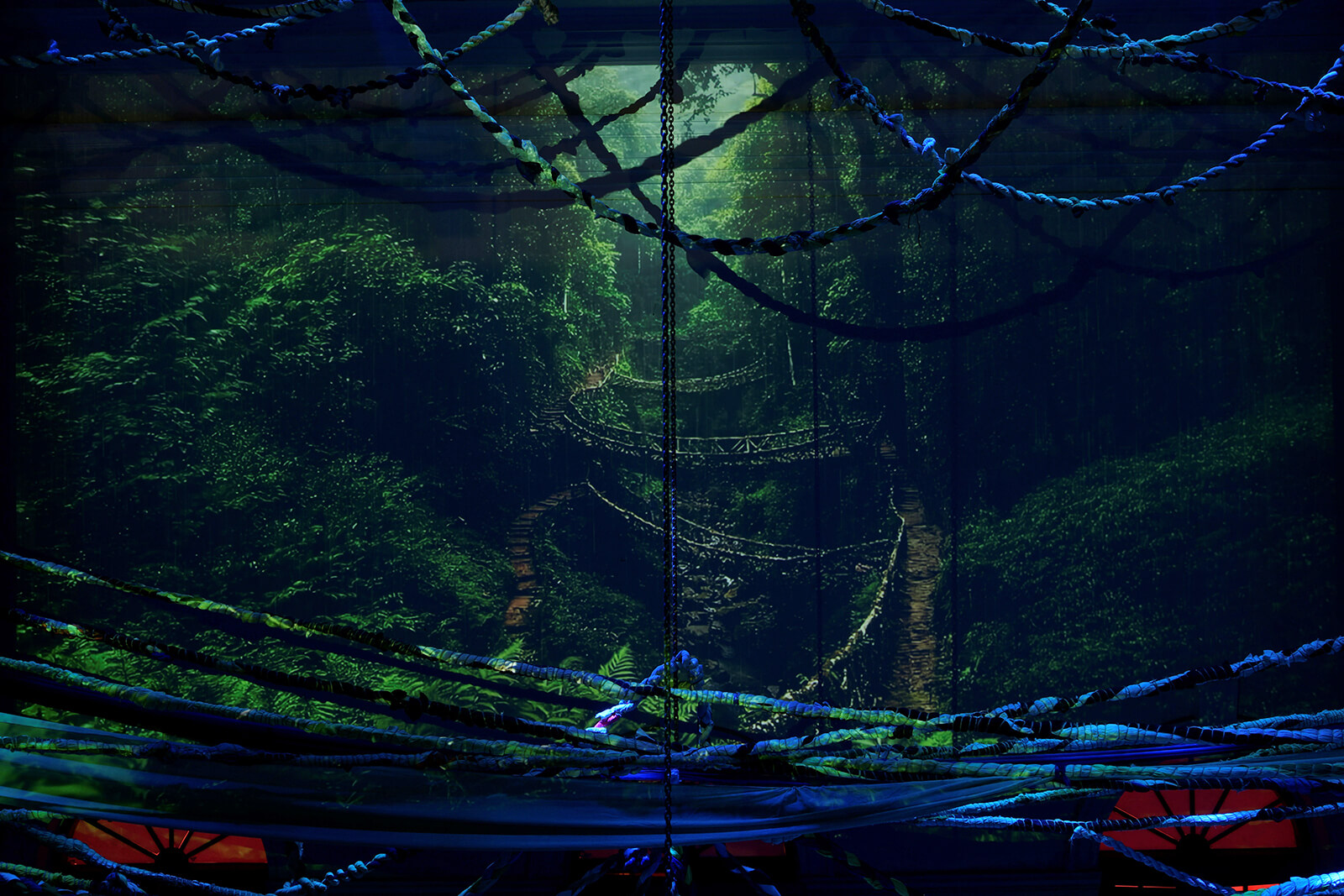
Among other noteworthy installations is Bridging Spaces; Living Roots! by Indian designer Sumant Jayakrishnan. It is a multisensory installation reimagining Meghalaya’s ecological architecture—specifically the living root bridges—through the lens of contemporary scenography. Acting as a bridge between natural and human intelligence, the designer uses light and shadow, material layering and movement to evoke the feeling of walking through a living organism that responds to presence and touch. Aranyani’s Sacred Nature installation is inspired by sacred groves and stages a dialogue between native and invasive species, inviting visitors to ponder upon balance, a sense of belonging and our collective journey back to reverence. The Fifth Gesture by MARGN’s Saurabh Maurya is similarly an evocative exploration of protection, prayer, faith and human rituals as things that bind us together.
Through the event, the Royal Enfield Social Mission seeks to bring to light the spirit of the Himalayan region, positioning it as a familiar cultural phenomenon instead of a distant landscape. The perceived proximity then is intended to inspire acts of care that are present and not passive, while the curatorial theme, 'Ours to Tell', is an intended reclamation of authorial agency in stories told for, of and by the Himalayas and its people. It highlights a vibrant cultural ecosystem that evolves with its art, craft, cuisine and locals. Beyond the conventionally popularised vision of the mountains, avenues such as Journeying Across the Himalayas bear the potential to be rare cultural portals, inspiring mutual respect and reverence, even if from a distance.

by Pranjal Maheshwari Oct 23, 2026
Co-authored by Jareh Das, Chairman traces the British designer’s fixation on chairs as symbols of power and identity and as mediums of expression and community building.
by Mirra Lynn Oct 22, 2026
The curators behind Palestine Design Week 2026 reflect on its intent, considering how design holds memory, makes space for loss and imagines a future in Palestine.
by Chahna Tank Oct 22, 2026
STIR speaks with the Mumbai-based type designer about her practice, type walks and why she wants more people to have stronger opinions about Indian-script fonts.
by Jincy Iype Oct 15, 2026
STIR explores craft, material intelligence and people shaping Indian design through dialogues with Design Democracy’s co-founders and the curators of its special exhibitions.

make your fridays matter with a well-read weekend
Enter your details to sign in
Don’t have an account?
Sign upOr you can sign in with
a single account for all
STIR platforms
All your bookmarks will be available across all your devices.
Stay STIRred
Already have an account?
Sign inOr you can sign up with
Verification link sent to check your inbox or spam folder to complete sign up process
Tap on things that interests you.
Select the Conversation Category you would like to watch
Please enter your details and click submit.
Enter the 6-digit code sent at


Journeying Across the Himalayas returns with a diverse yet rooted sophomore edition
by Bansari Paghdar | Published on : Dec 08, 2025


 Sign in with Google
 Sign in with email
What do you think?