Design12 mins. read
Isola Design Festival 2025 energises Milan with 'Conscious Objects' at Isola
by Almas SadiqueApr 12, 2025



![Created by London-based studio Wedge, ‘Epoch [I] & [II]’ are marked by material intelligence and algorithmic imperfections | Epoch I and II | Wedge | STIRworld](https://www.stirworld.com/images/article_gallery/created-by-london-based-studio-wedge-lsquo-epoch-i-ii-rsquo-are-marked-by-material-intelligence-and-algorithmic-imperfections-epoch-i-and-ii-wedge-stirworld-260129072506.jpg)
by Bansari PaghdarPublished on : Jan 29, 2026
When one thinks of digital craftsmanship, material intelligence and algorithmic, willed imperfections as design facets hardly come to mind. What is conventionally marked by a predictable perfection and material uniformity is challenged by an emerging London-based studio, Wedge, in their debut furniture design collection, Epoch [I] & [II]. Launched at the London Design Festival in 2025, the collection stands out owing to its use of 3D printing technology to create a sand and metal fusion, featuring an unpredictable computational precision with a stone-like tactility.
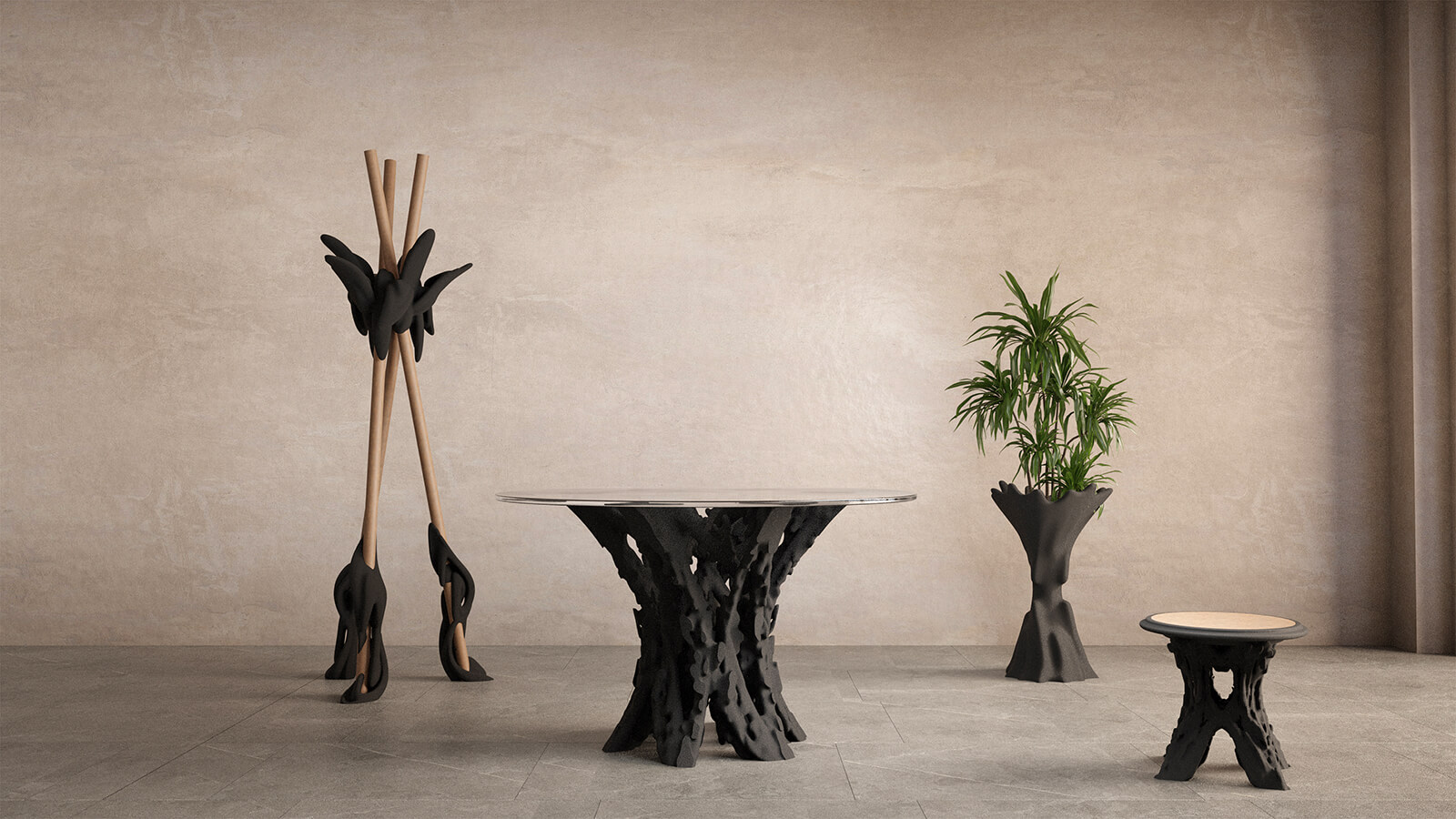
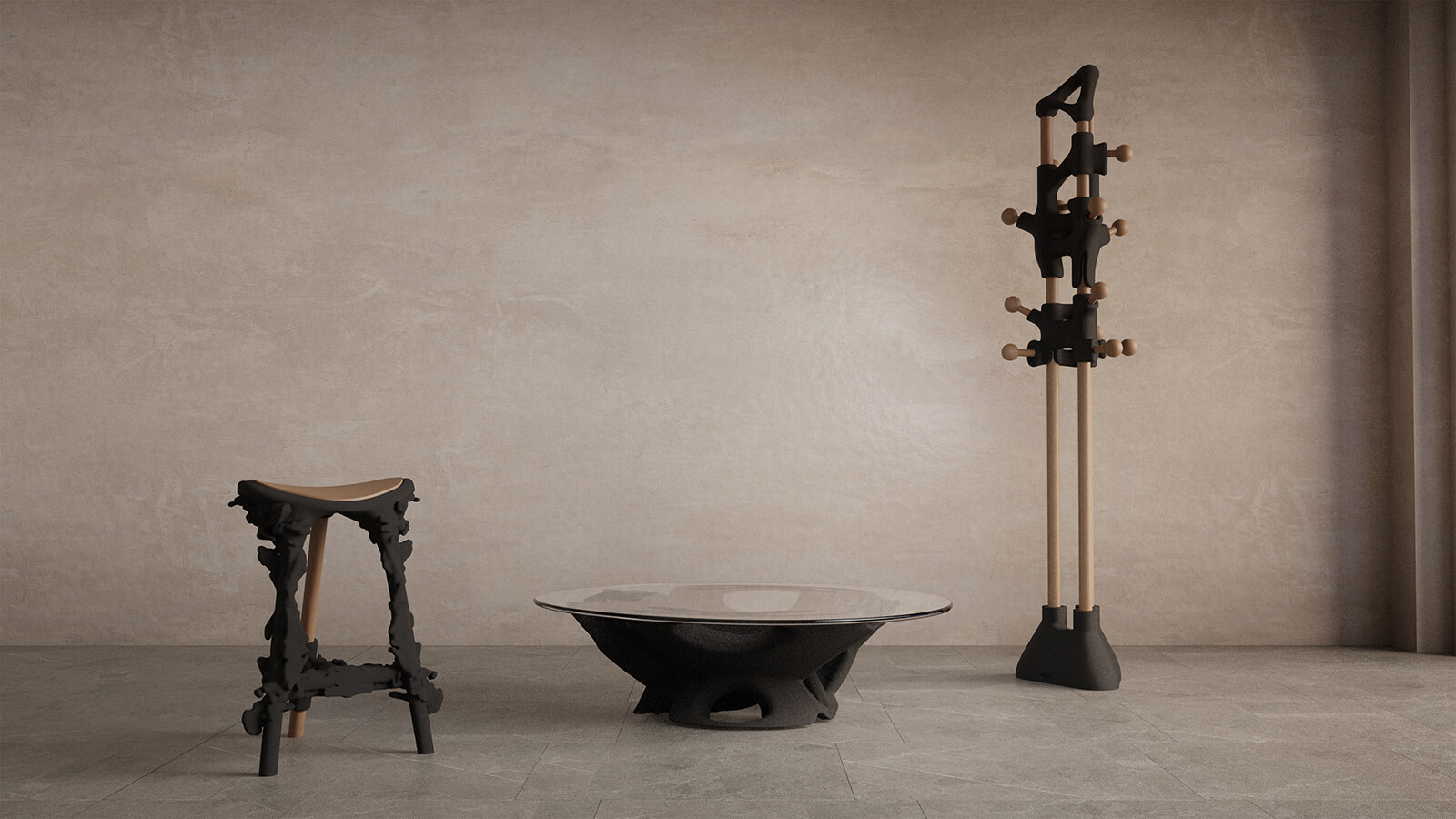
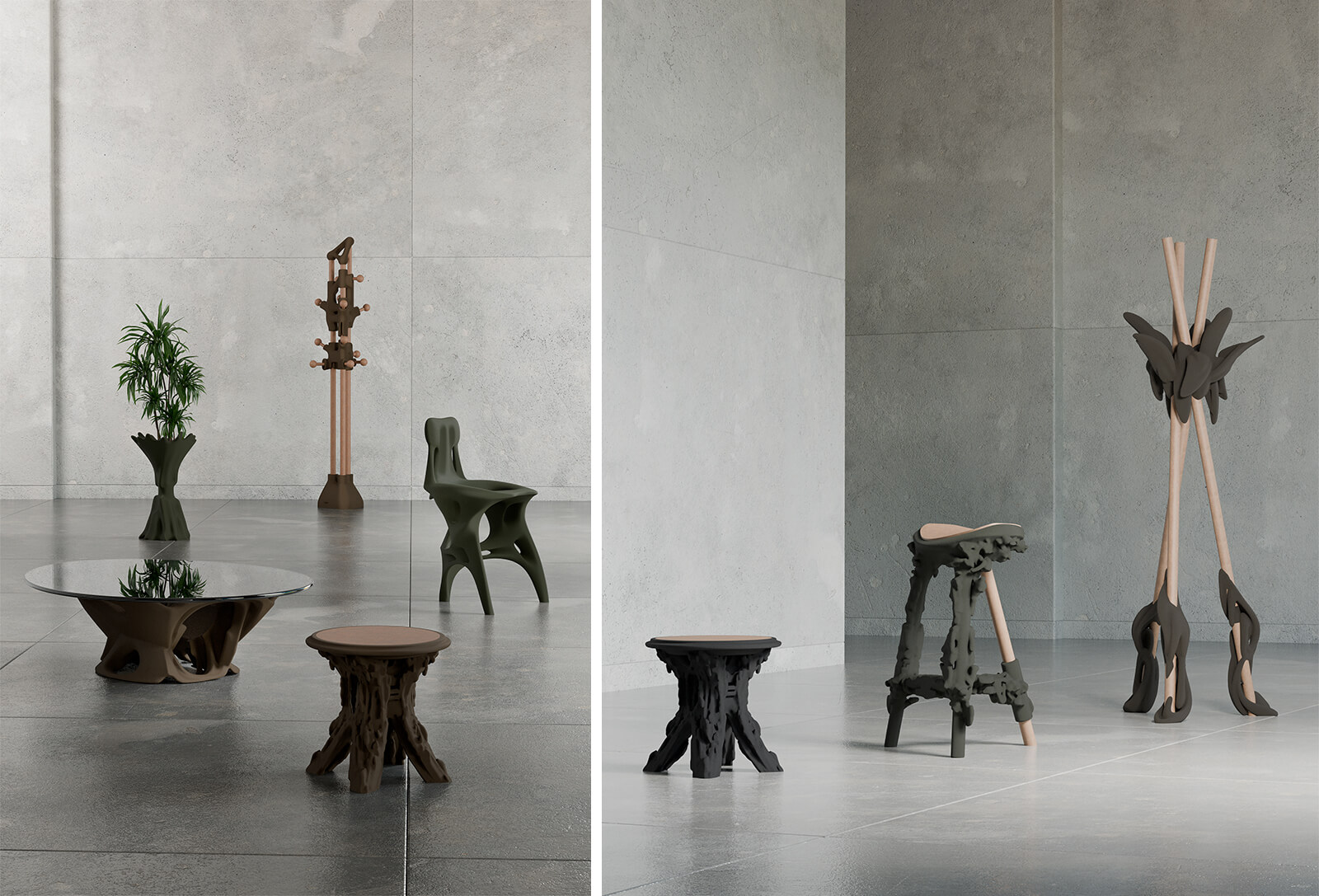
Founded by Andy Zhang, Lei Zhang and Peiyan Zou, Wedge explores the convergence of design, computation and material research. Spanning furniture, design installations and architectural systems, the UK-based practice’s works are experimental and collaborative in nature, treating digital fabrication as a process of discovery and sustainability as a creative framework. Its manifesto, Activating Dimensionality, reflects the belief that “by synthesising the process of making between machine and matter, sustainability and experimentation can coexist”. Through material ecology, emerging technologies and cultural research, the British design practice attempts to bridge the gap between the digital and the physical realms.
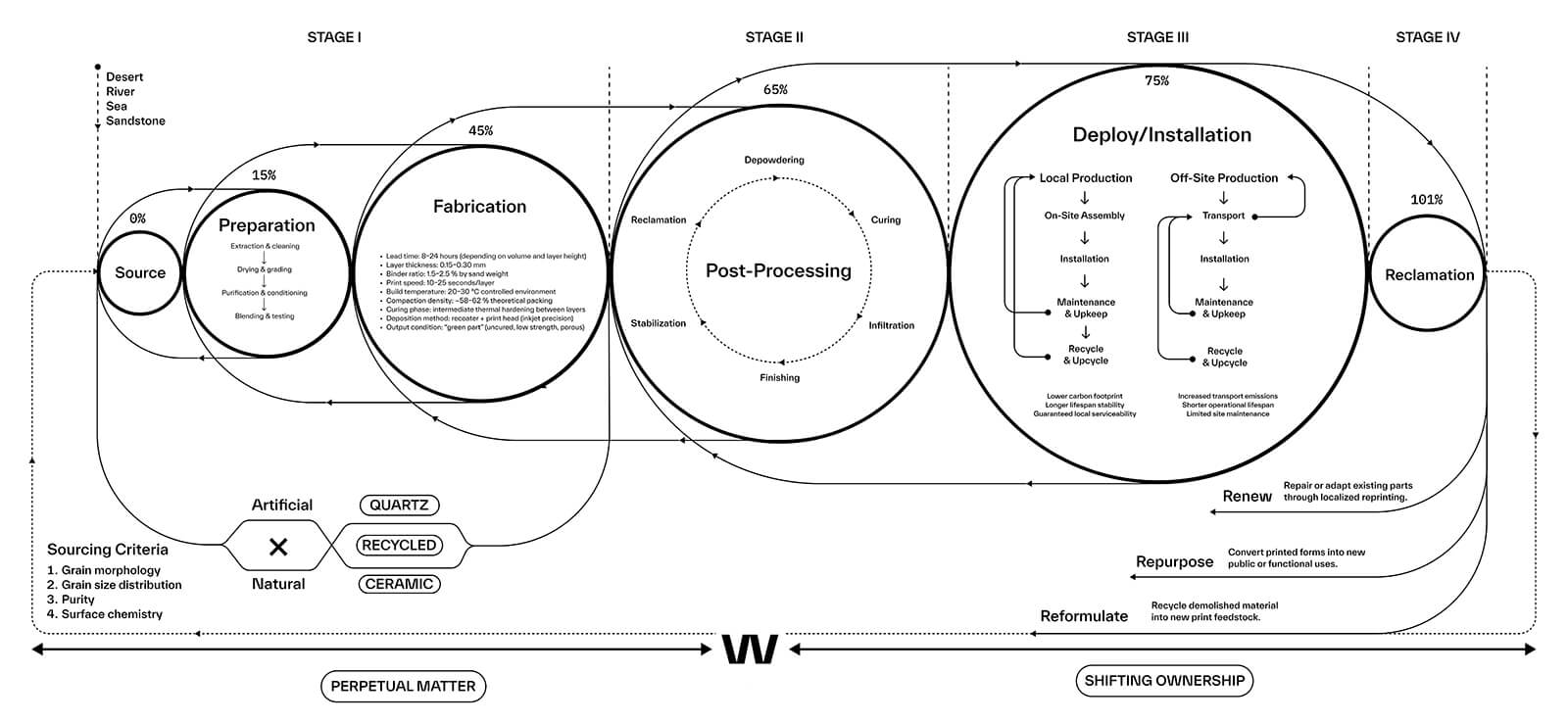
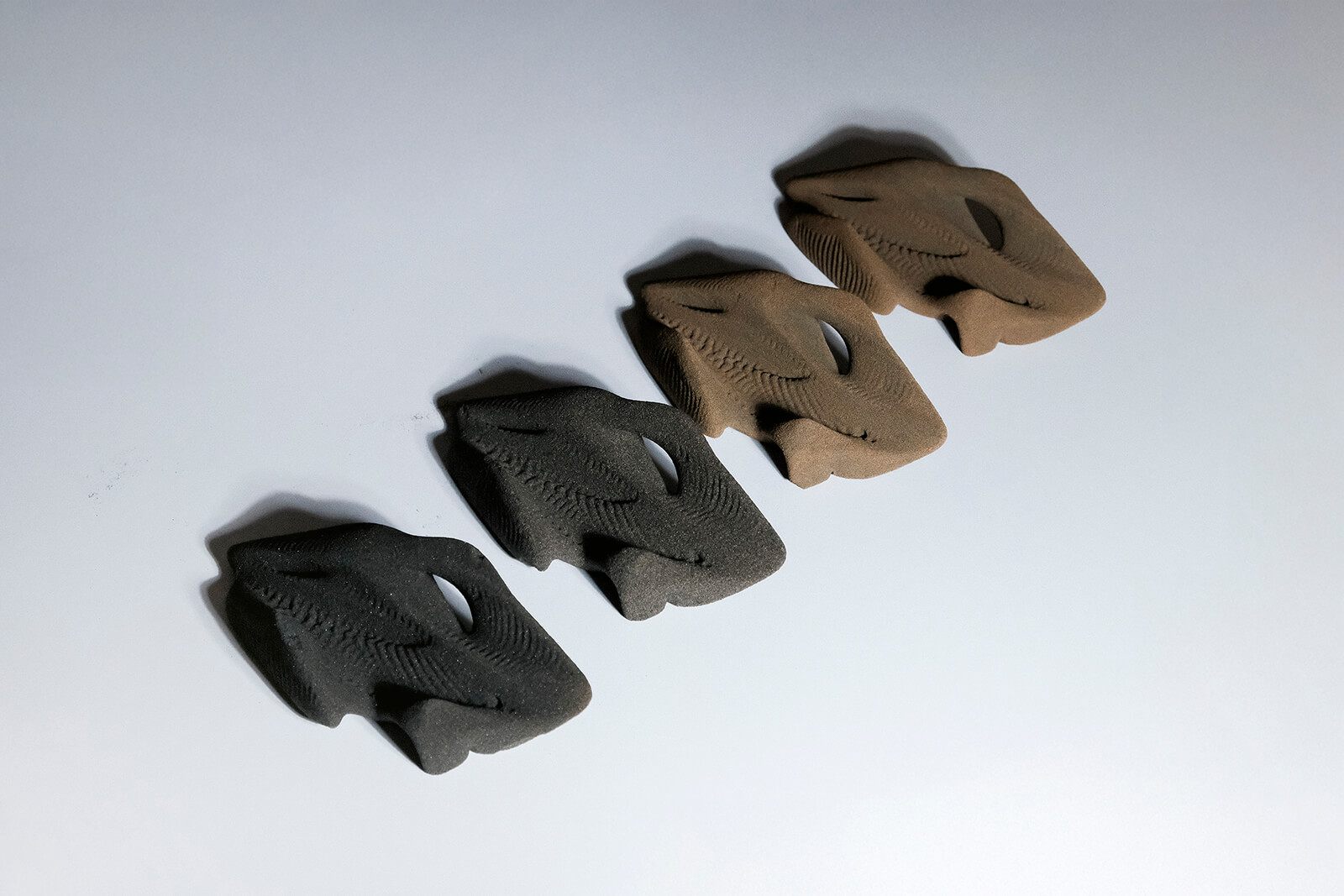
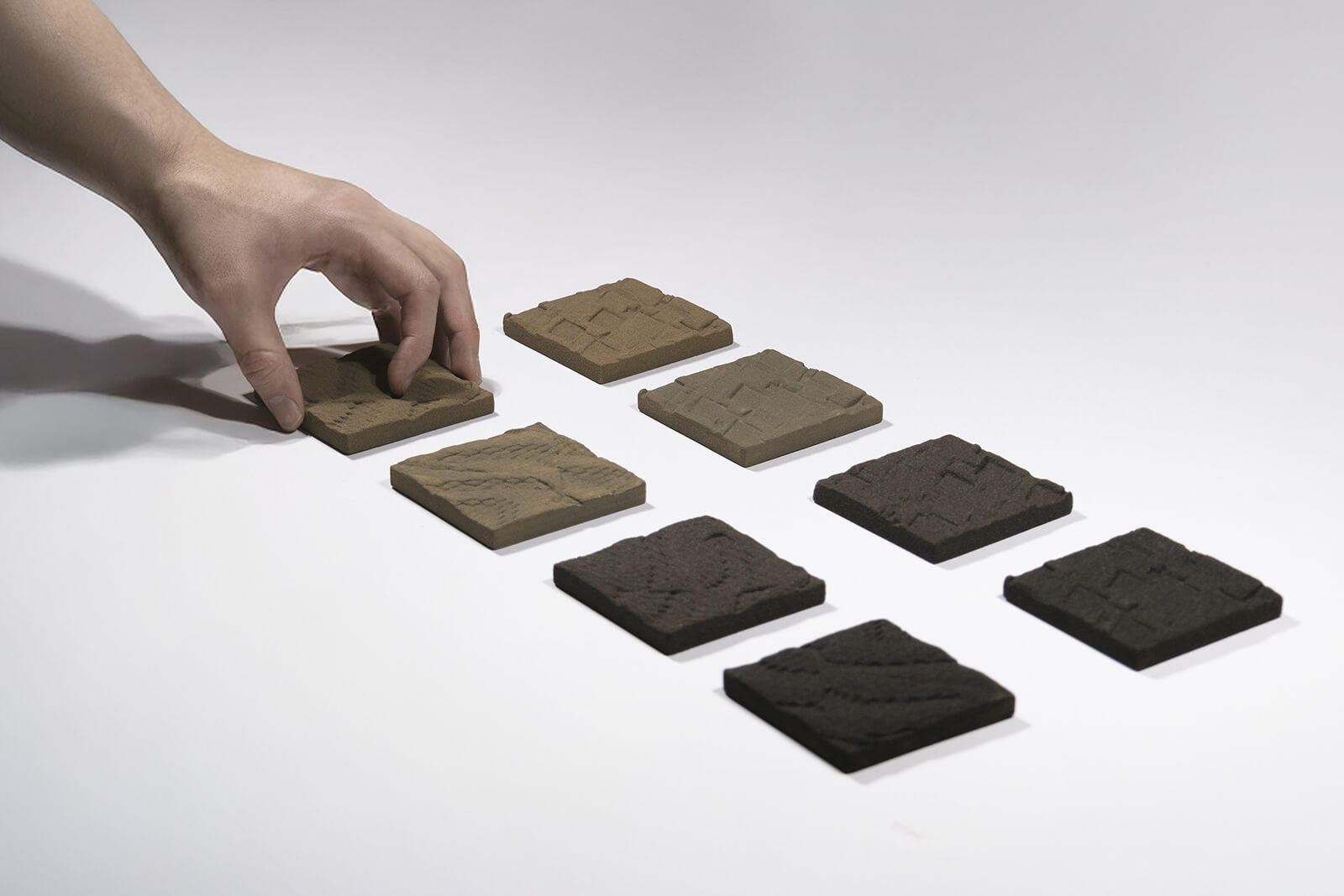
Featuring sculptural designs produced through binder jet printing in quartz sand, each piece in the collection draws from anatomy, geology and fluid dynamics. Developed from material modelling and an appropriation of the imperfection of LIDAR scans, the process allows for computational precision to meet natural irregularity, turning granular material into tactile, sensorial and enduring forms that mimic stone. Each form is hand-finished after printing, revealing layers of texture so subtle that they seem to be records of temporal wear and instability, affronting transformation.
“Each Epoch connects digital production with a tactile, handmade feel. Each form captures the beauty of instability—marks, tension and duration rendered into structure,” states Zou on the collection in an official release. With each piece being distinct, customisable and recyclable by the very virtue of its materiality and digital fabrication process, the collection expresses sustainable and circular design as an aesthetic and creative choice.
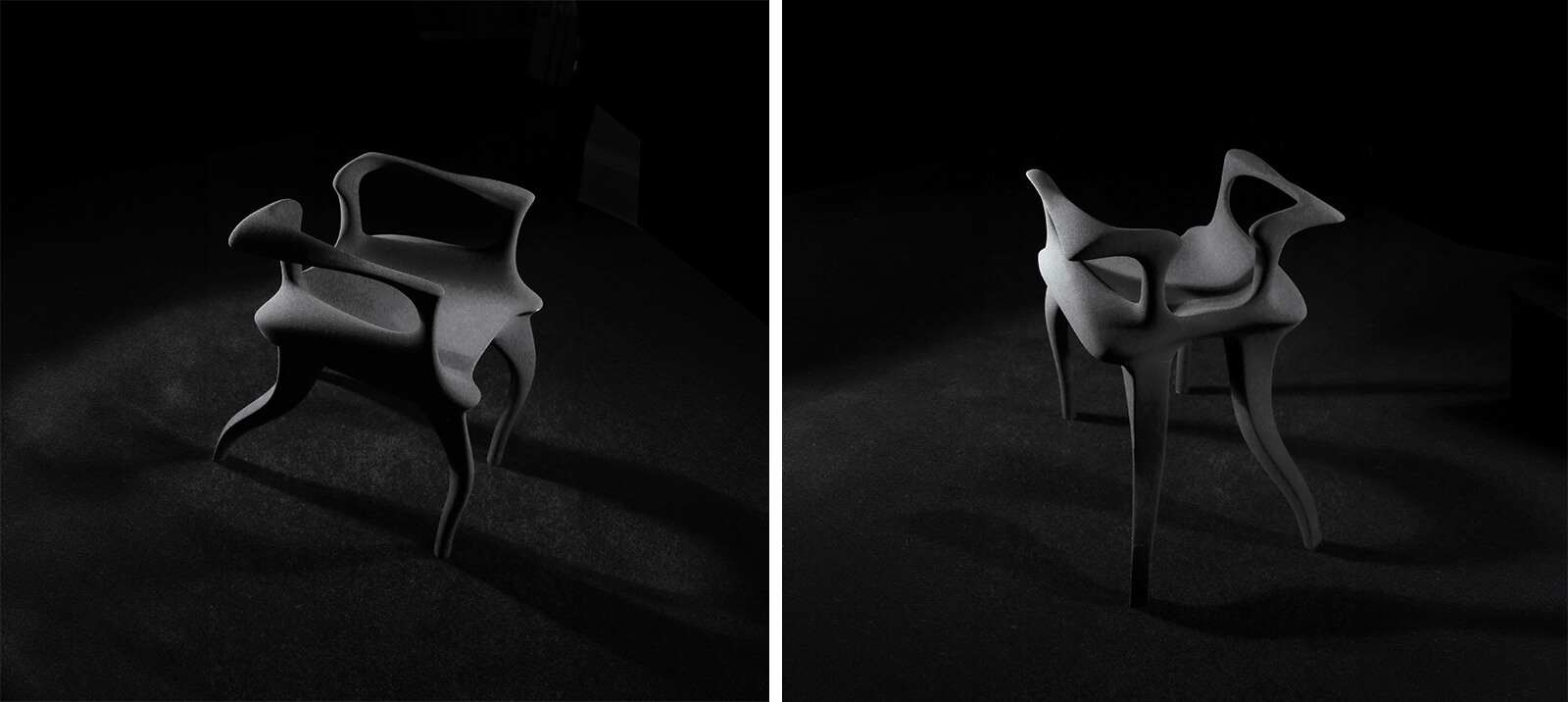
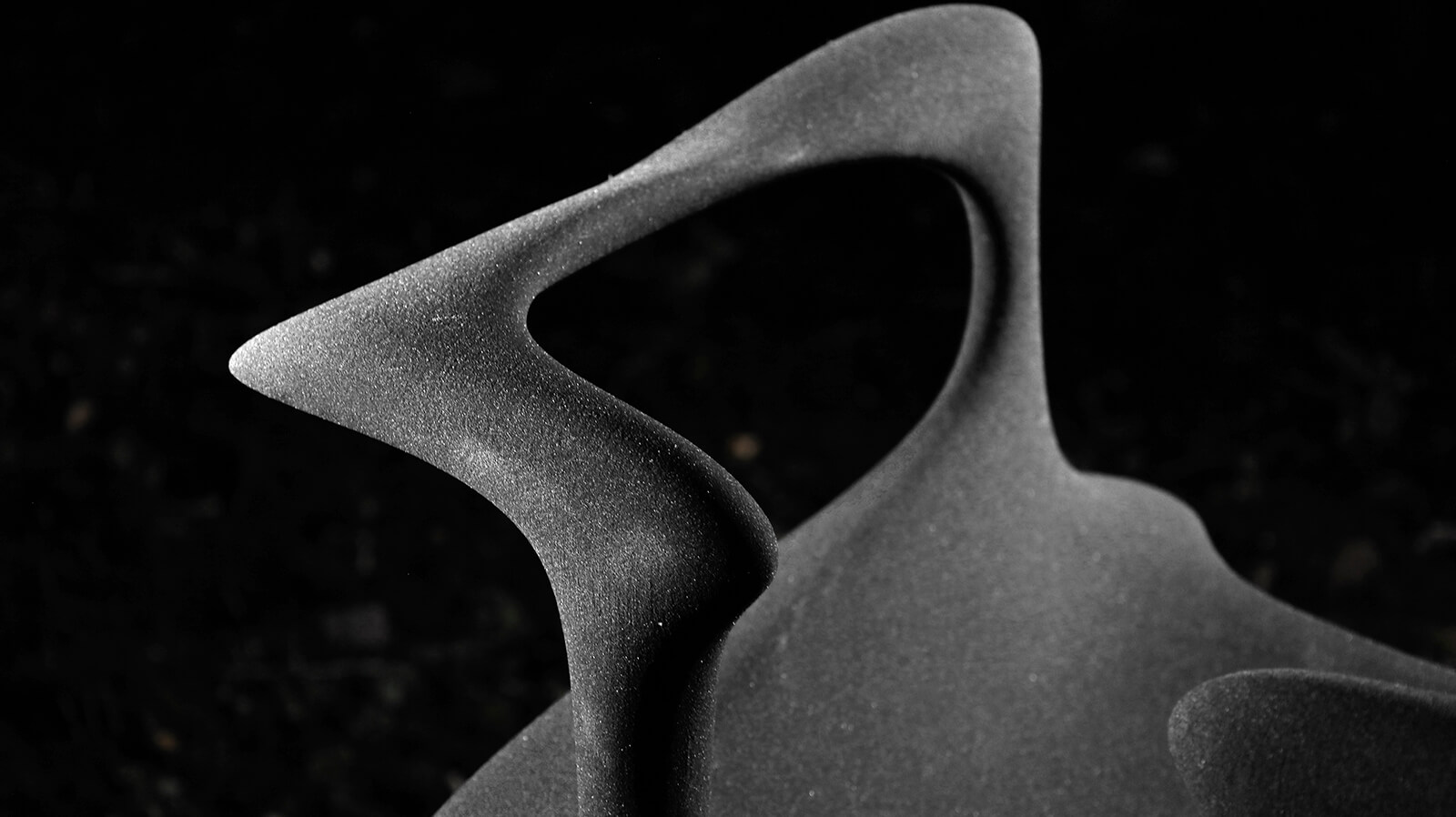
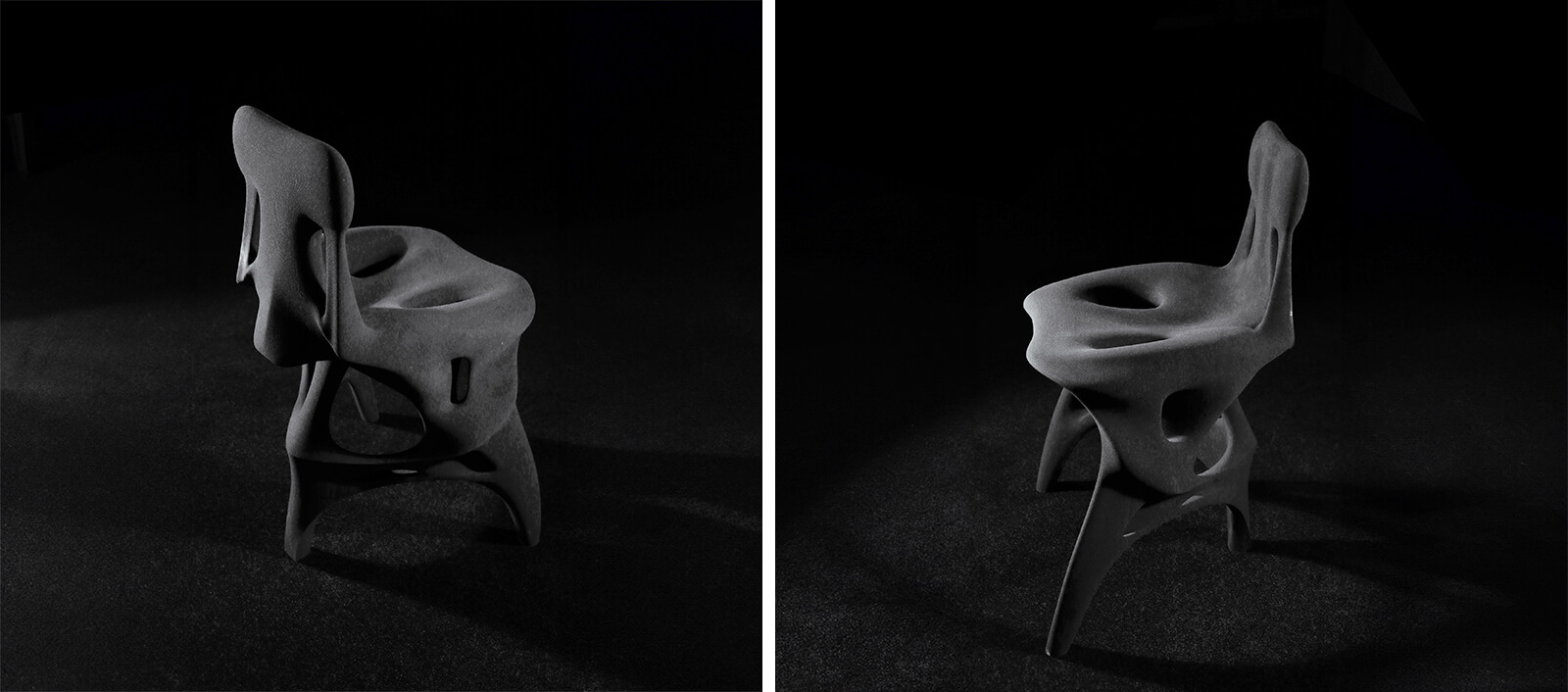
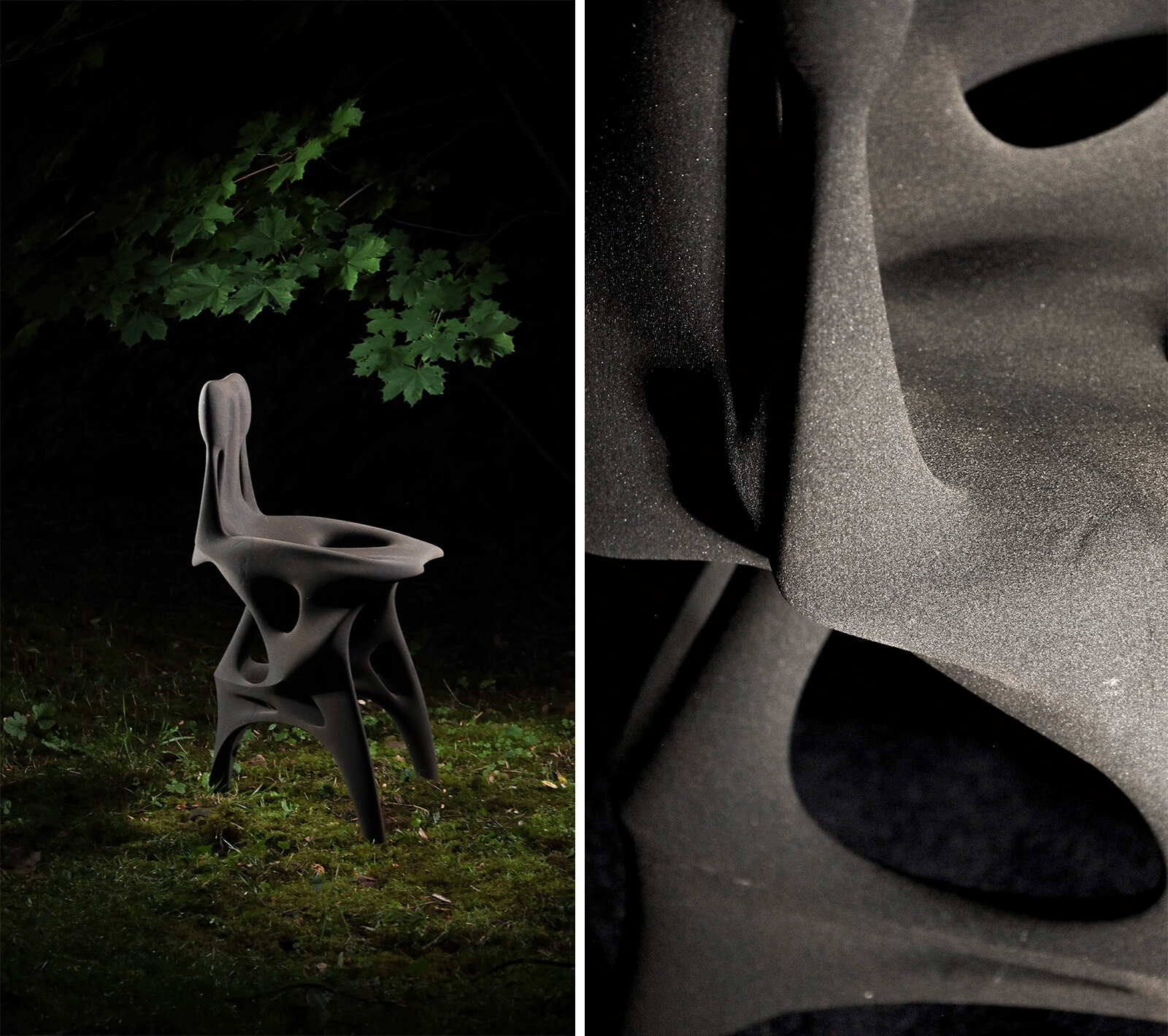
The Soleus and Coccyx chair designs, together comprising Epoch [I], are derived from a study of postural and muscular logic and feature curves and bends that respond to the users’ movements. Their sinuous forms respond intuitively to weight, balance and micro-movements. Each bend is calibrated to support the spine and limbs, allowing the furniture to adapt to the user rather than imposing a fixed posture.
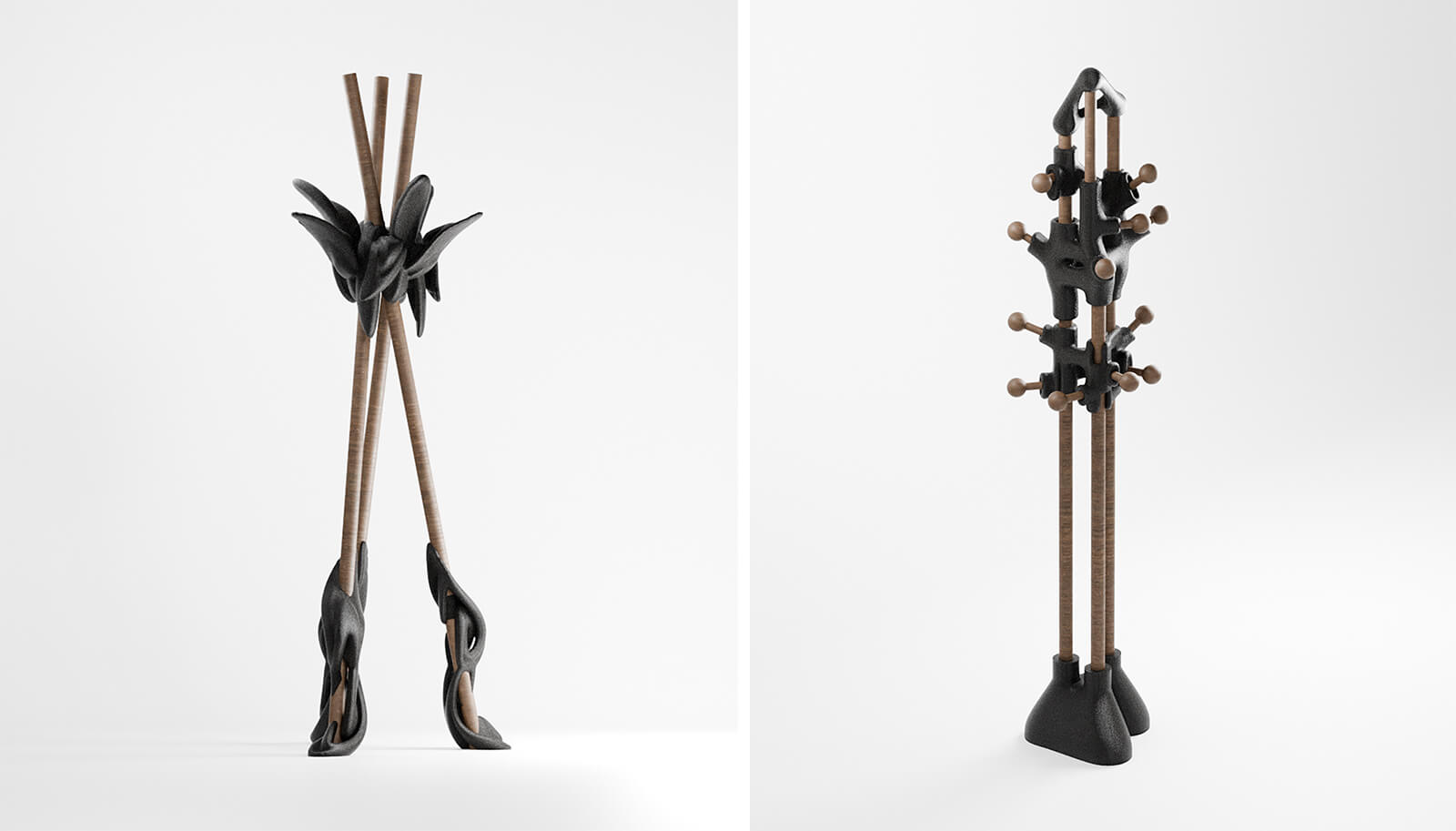
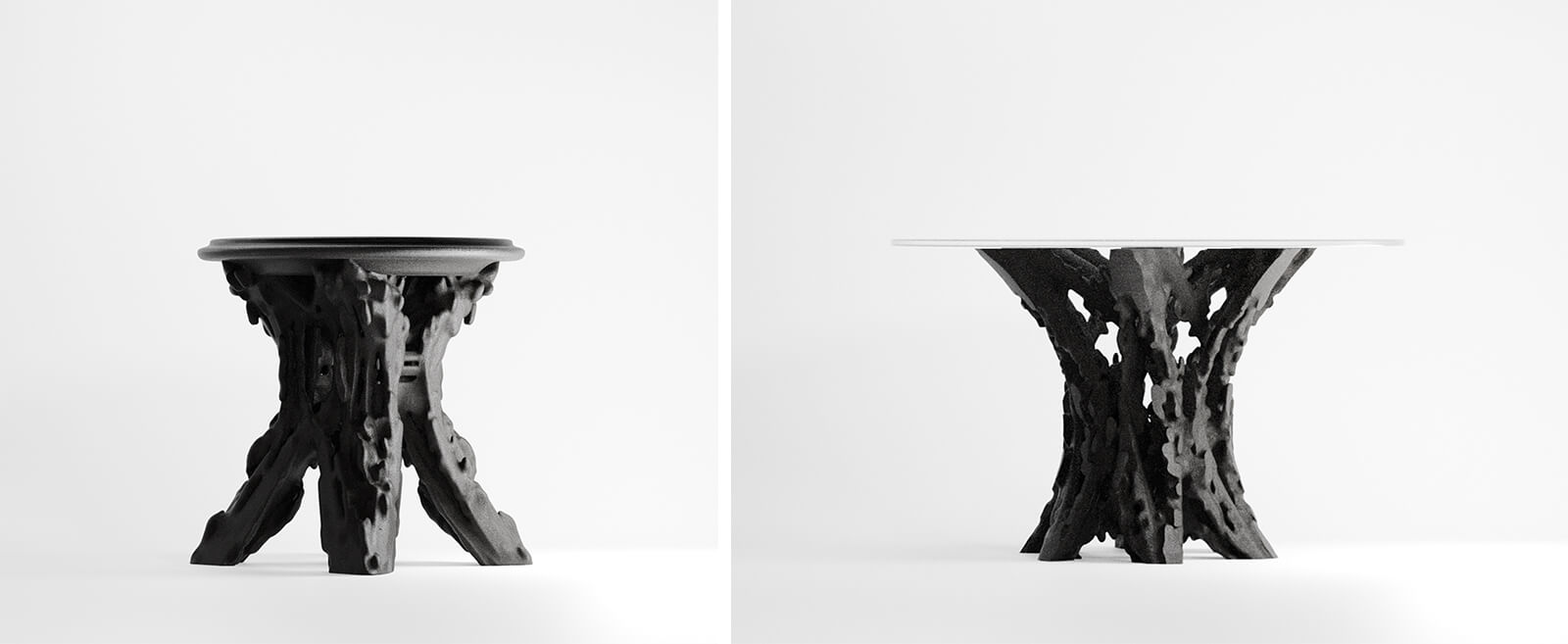
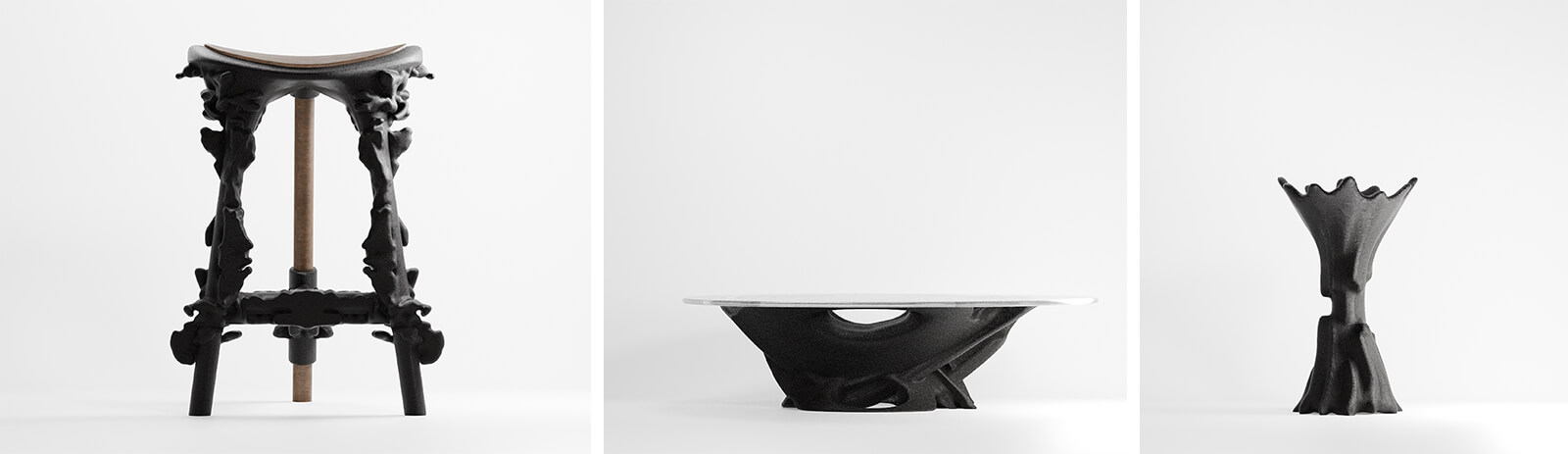
Epoch [II], on the other hand, features table designs Talus, Taphra and Lyapse that reinterpret erosion and geological compaction. Their layered profiles and fractured surfaces evoke landscapes shaped by time and pressure, transforming slow natural forces into tactile domestic objects. Each piece becomes a material narrative of formation, stability and gradual transformation. Coatstands Phyllo and Axona reframe botanical growth and mathematical logic through branching structures that recall living organisms. In a similar ethos, Gorgonia, a maritime-inspired stool design, and planter Seiche extend this logic, shaped by coral morphologies and fluid turbulence. Together, these objects blur the often stringent boundaries between nature, science and design, capturing the rhythms, irregularities and adaptive intelligence of natural systems through biophilic design.
Together, Epoch [I] & [II] stand to signal a shift in how digital design can be perceived, produced and inhabited. Rather than pursuing flawless replication as appropriated by modernist principles, Wedge foregrounds process, material behaviour and time as co-authors in form-making and building. The collection resists the neutrality often associated with computational objects and embraces texture, irregularity and tactility as meaningful design values. As algorithms, matter and human intervention intersect, Wedge proposes a more sensorial, responsible future for digital craftsmanship—one where technology is able to amplify and contribute to material intelligence, instead of compromising it.

by Pranjal Maheshwari Oct 23, 2026
Co-authored by Jareh Das, Chairman traces the British designer’s fixation on chairs as symbols of power and identity and as mediums of expression and community building.
by Mirra Lynn Oct 22, 2026
The curators behind Palestine Design Week 2026 reflect on its intent, considering how design holds memory, makes space for loss and imagines a future in Palestine.
by Chahna Tank Oct 22, 2026
STIR speaks with the Mumbai-based type designer about her practice, type walks and why she wants more people to have stronger opinions about Indian-script fonts.
by Jincy Iype Oct 15, 2026
STIR explores craft, material intelligence and people shaping Indian design through dialogues with Design Democracy’s co-founders and the curators of its special exhibitions.

make your fridays matter with a well-read weekend
Enter your details to sign in
Don’t have an account?
Sign upOr you can sign in with
a single account for all
STIR platforms
All your bookmarks will be available across all your devices.
Stay STIRred
Already have an account?
Sign inOr you can sign up with
Verification link sent to check your inbox or spam folder to complete sign up process
Tap on things that interests you.
Select the Conversation Category you would like to watch
Please enter your details and click submit.
Enter the 6-digit code sent at


![Created by London-based studio Wedge, ‘Epoch [I] & [II]’ are marked by material intelligence and algorithmic imperfections | Epoch I and II | Wedge | STIRworld](https://www.stirworld.com/image.php?width=1920&height=1080&image=https://www.stirworld.com/images/article_gallery/created-by-london-based-studio-wedge-lsquo-epoch-i-ii-rsquo-are-marked-by-material-intelligence-and-algorithmic-imperfections-epoch-i-and-ii-wedge-stirworld-260129072506.jpg)
Material intelligence and digital imperfection collide in the Epoch series by Wedge
by Bansari Paghdar | Published on : Jan 29, 2026


 Sign in with Google
 Sign in with email
What do you think?