Architecture16 mins. read
Examining the 'Nature of Hope' amid social, climatic and environmental crises at IABR
by Almas SadiqueOct 11, 2024



by Mrinmayee BhootPublished on : Oct 17, 2026
The global history of sea trade and maritime passage is one that is explicitly marked by violence—by the onset of colonialism and slave trade—but also by intercultural dialogue and exchange. A probe into this oceanic history, along with the futures that may emerge from it and a present that continues to be coloured by it, necessitates that both these realities are held and measured simultaneously. New Currents: Indian Ocean Futures, a long-term, collaborative research initiative by the Rotterdam-based Nieuwe Instituut focuses on the city and the harbour that defines it, developing methodologies and linkages that open dialogues with similar sites along the Indian Ocean. Imbricating Asia, Africa, Europe and Australia through their coasts, inlands, archipelagos and oceanic regions, the ocean, as the research project commences, exerts its agency in the evolving national alliances between countries that the waterbody apprehends.
More vitally, superseding narrow, nation-based understandings of the region, the project is focused on 'micro-histories' and practices of archiving, listening and learning that uncover connected historical legacies. The aim here is to develop new vocabularies and narratives to describe the interconnected conditions of the ocean and its networks. A forthcoming day-long symposium, also entitled New Currents, explores these shared histories and futures of the Indian Ocean region. Together, the symposium and the project examine architecture, design, spatial politics and their respective agencies in relation to the ocean, underscoring how material histories and transnational networks have and continue to shape cultures.
The public programme, taking place on October 29, 2026, features panel discussions, film screenings, artworks and an evening keynote, as the official release states, and aims to unpack how artistic, spatial and memory practices can foster new forms of connection across oceans, coastlines and communities. The symposium seeks to bring together historians, architects, artists and curators from across Africa, Asia, Europe and the Indian Ocean diaspora, echoing the multiplicities intrinsic to the project’s conception.

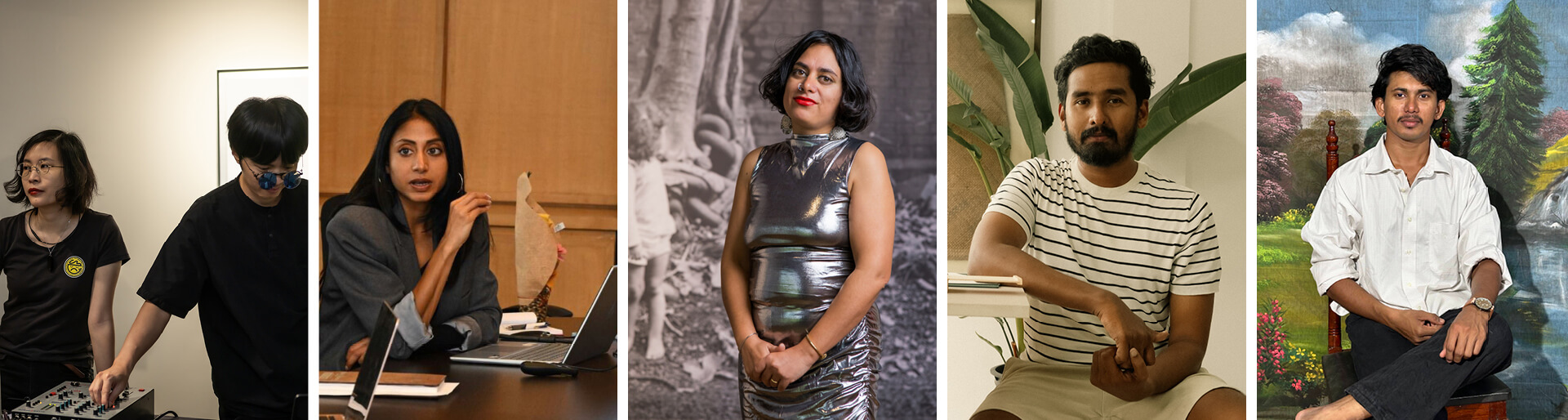
In thinking through a rhizomatic model of the world, Caribbean philosopher Édouard Glissant writes, “Le monde entier s’archipélise et se créolise” (the entire world is becoming an archipelago and creolising), arguing that a world is coming where there is no cultural ‘centre’ but rather an interrelation between different peoples. This emphasis on plurality, paradoxically, was the result of belonging to a particular place. New Currents, especially influenced by Glissant, treats coasts as thresholds more than boundaries, the sea a boundless expanse that reveals its potential to connect us to other cultures. Through the lens of this idea, curator Priya Swamy, Chinese Canadian artist Lou Mo, visual artist and researcher Sarojini Lewis, along with Colombo, Sri Lanka-based multidisciplinary artists Firi Rahman and Lojithan Ram, will expand on the provocation of Ports as Portals in the opening panel. Additionally, thinking of ports as spaces of flux, where commodities, knowledge and labour flow from ocean to land, the panellists consider how we might connect global histories at the scale of personal and collective tales of inheritance.
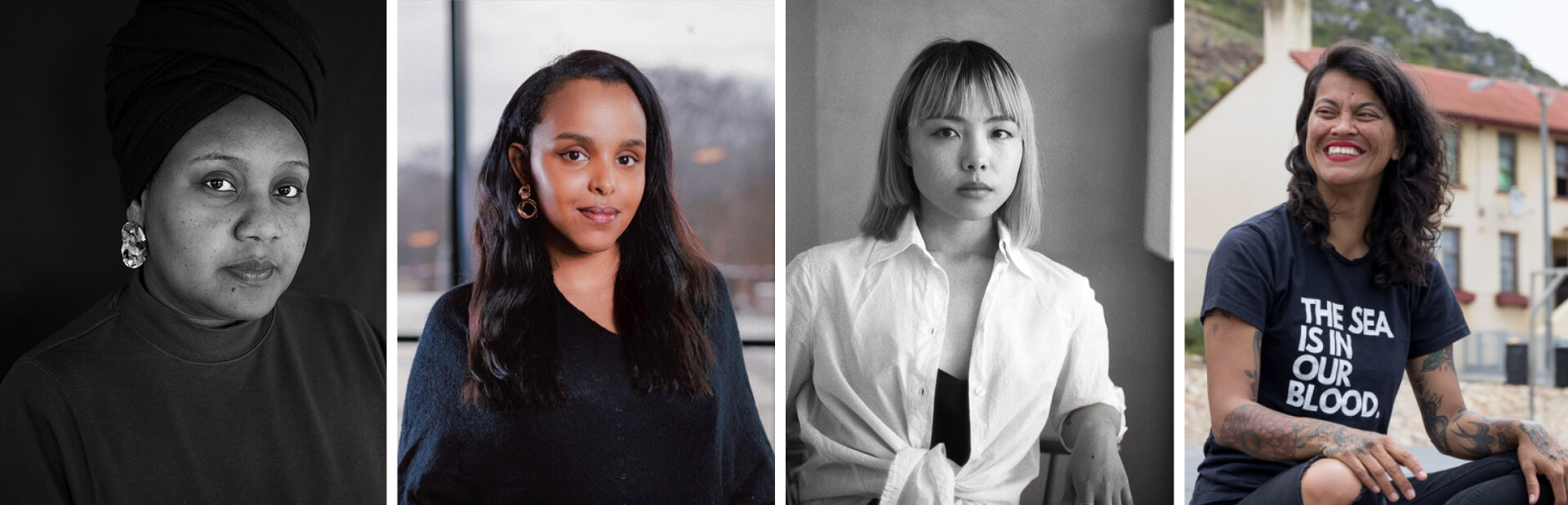
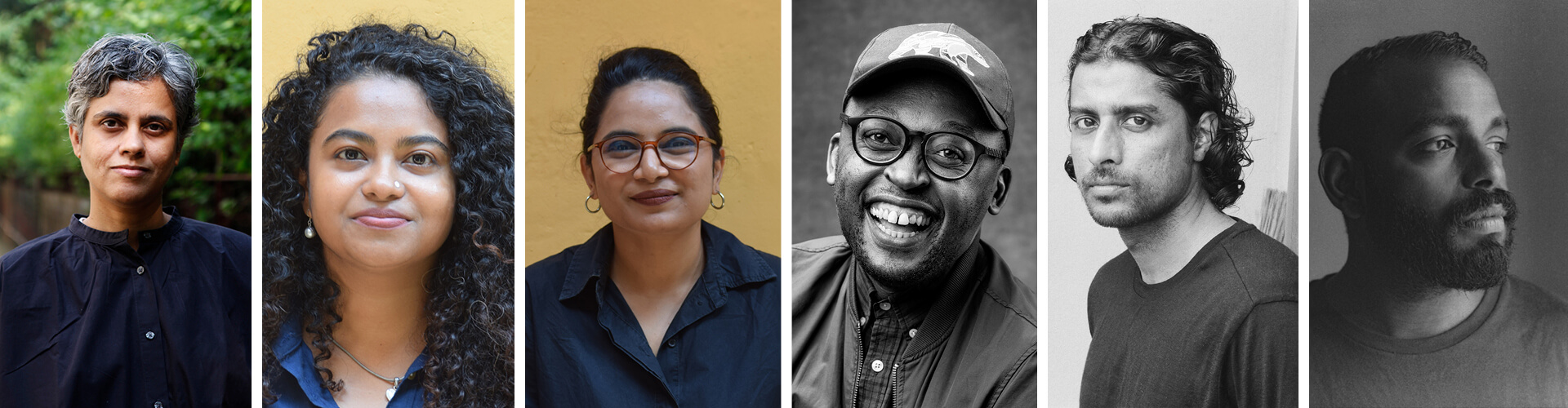
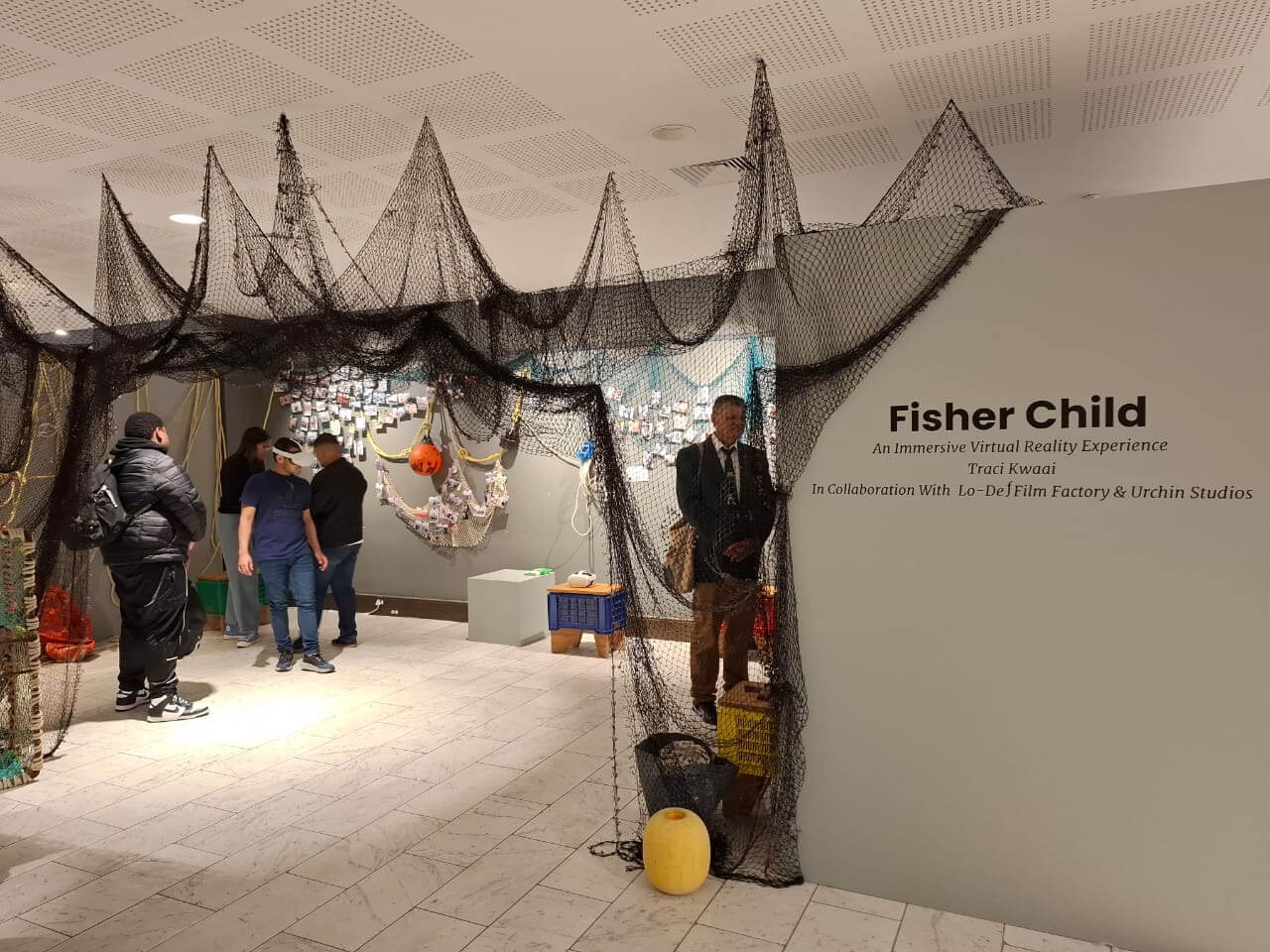
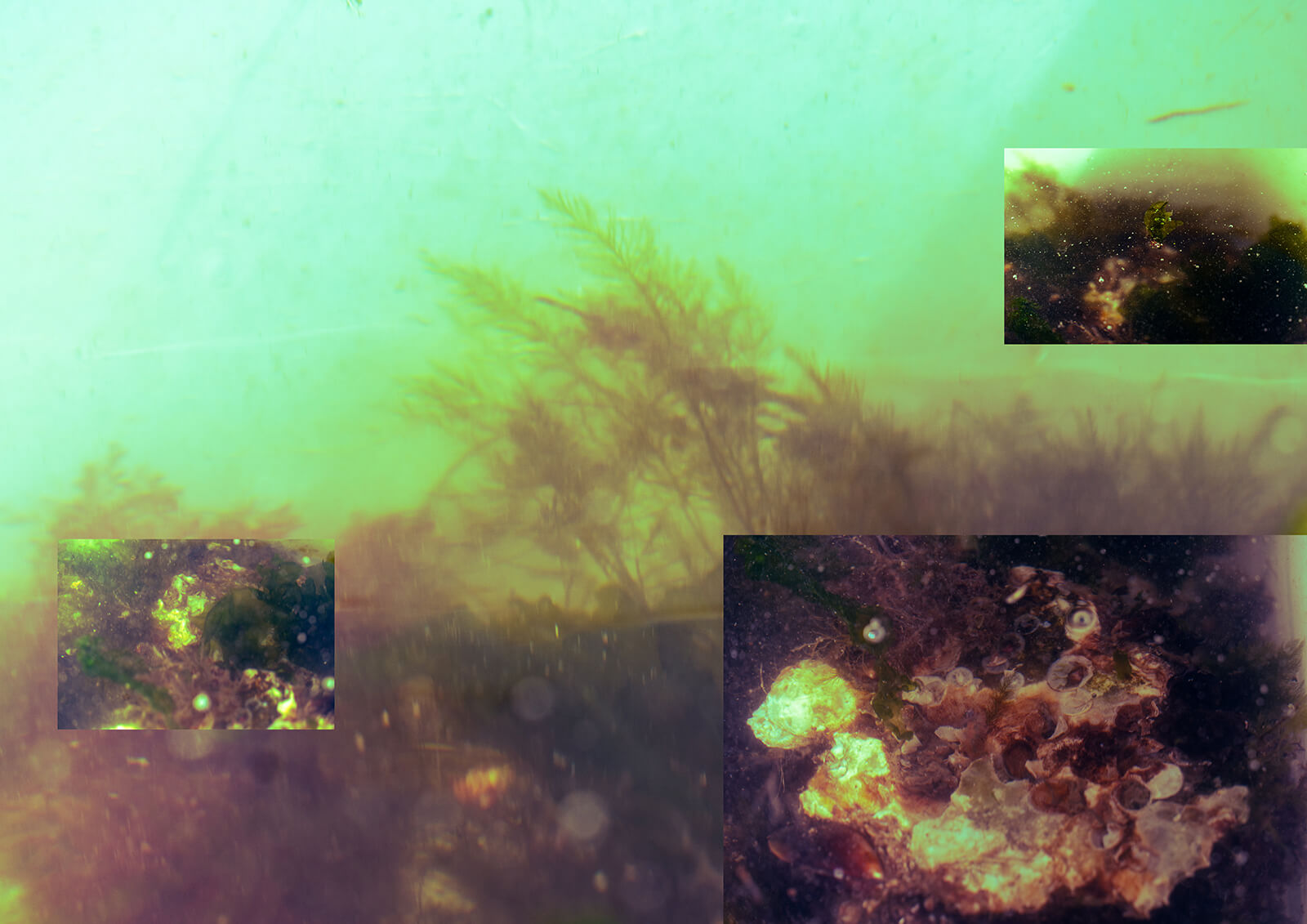
In the following panel, Oceanic Resonances, the ocean becomes a material archive. Panellists including Berlin-based researcher Naima Hassan, artist Ola Hassanain, architectural designer and artist Di Fang along with Kalk Bay Fisher Child Traci Kwaai ask how the often unwitnessed effects of migration, trade and maritime passage might be traced through fragments of songs, languages, rhythms and calls. By centring oral recording systems and traditional knowledges, the panel explores submerged histories that link our bodies to the terrain, and vitally to the ocean. In the songs and stories the panel brings forth, the ocean becomes a collaborator, holding memories of resistance and belonging.
Similarly centred on traditional knowledge systems that are often disregarded in favour of rationalism and technological advancement by colonial powers, New Delhi-based curator Vidya Shivadas, landscape planner Kareena Kochery, architect and urbanist Samidha Patil, artist and part of a Johannesburg-based multidisciplinary collaborative, Nare Mokgotho, Colombo-based multidisciplinary artist Abdul Halik Azeez, along with Sandev Handy, senior curator at the Museum of Modern and Contemporary Art, Sri Lanka, discuss strategies of Water Preparedness. The panel is perhaps the most future-oriented in its outlook on understanding and addressing our planet's many crises, rethinking Western hegemonic knowledge systems and positioning local communities as producers of knowledge rather than recipients. In doing so, it highlights the vitality of situated skills and practices, collective systems and self-reliance in the face of the climate crisis.
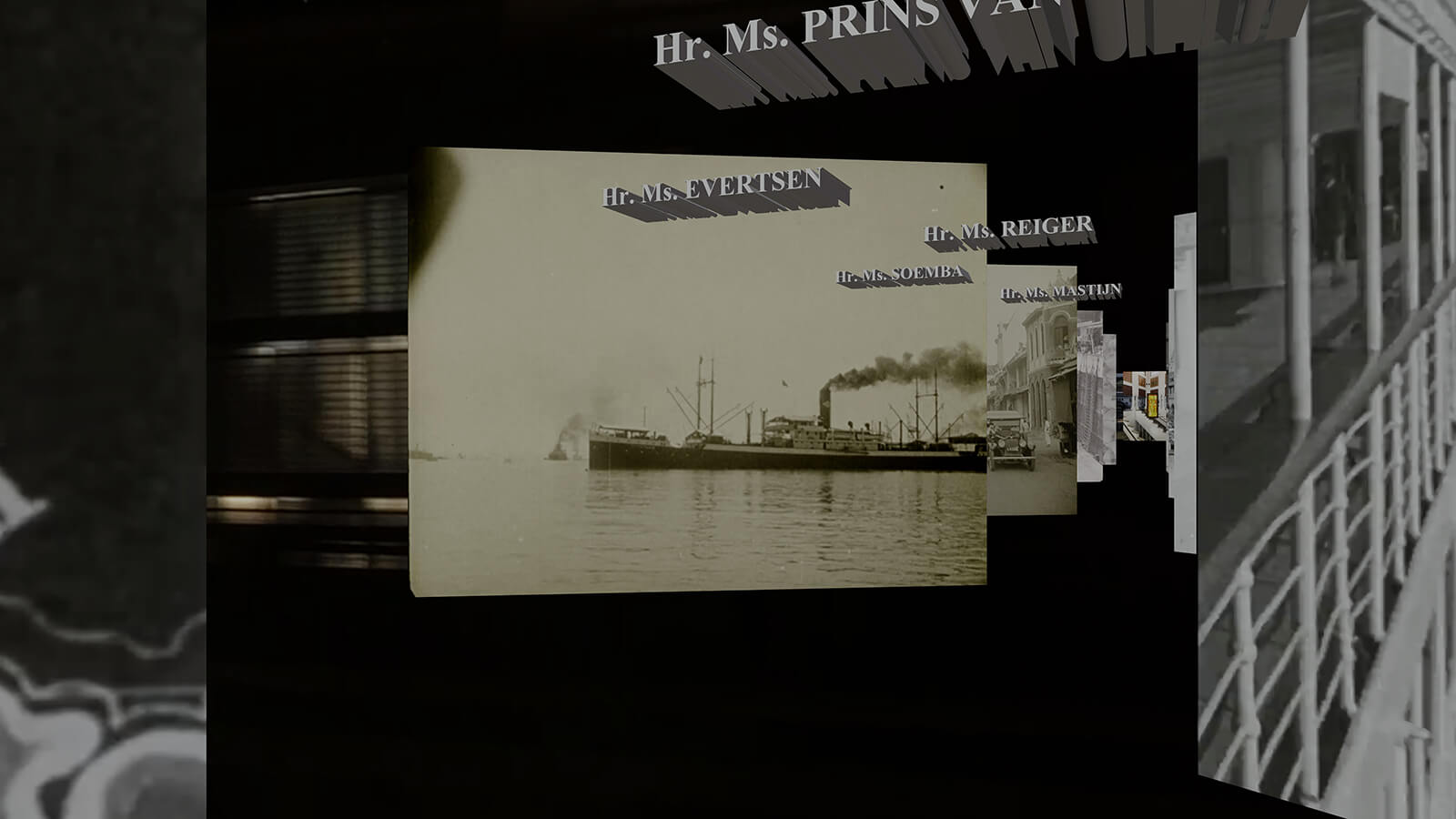
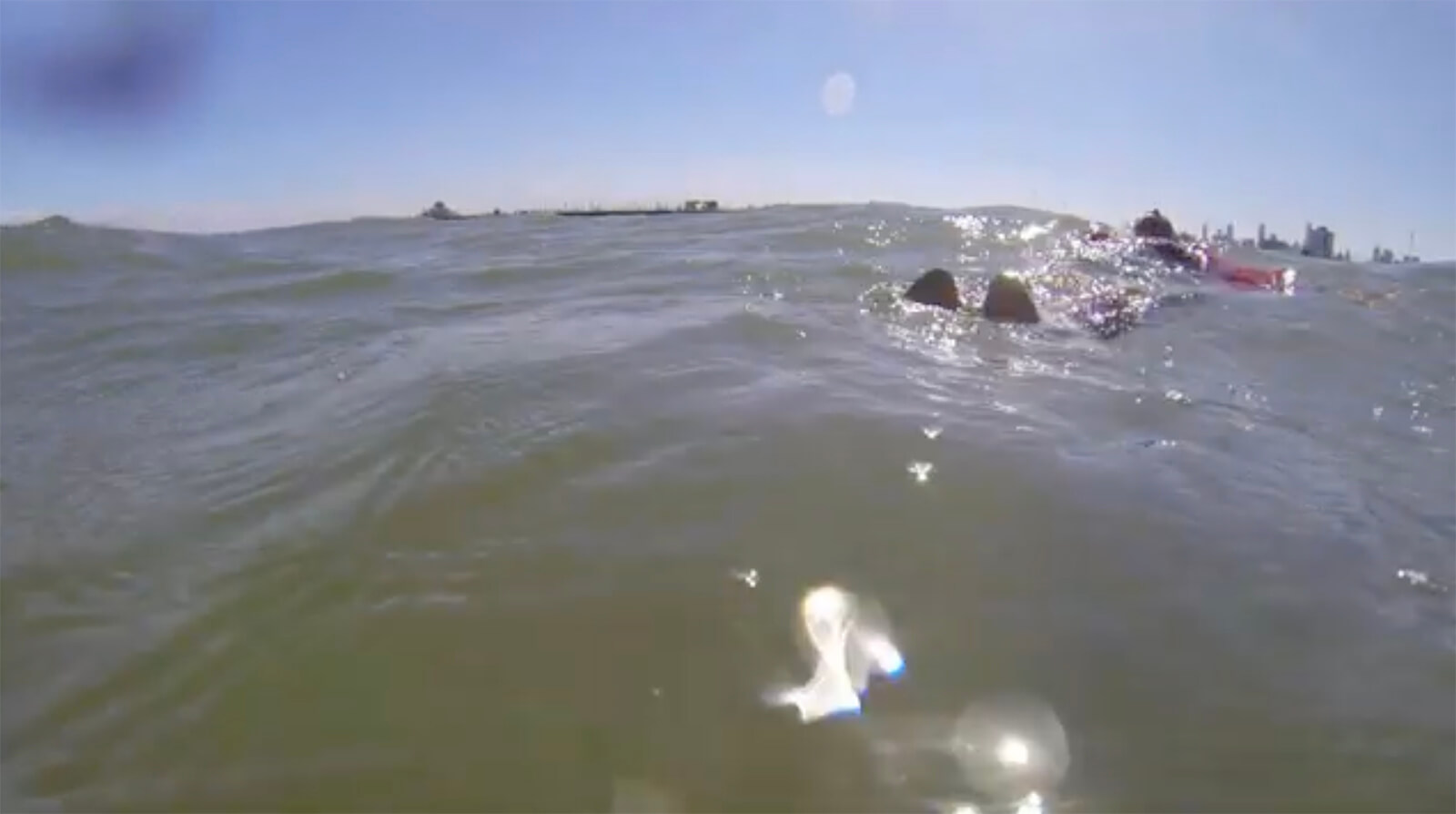
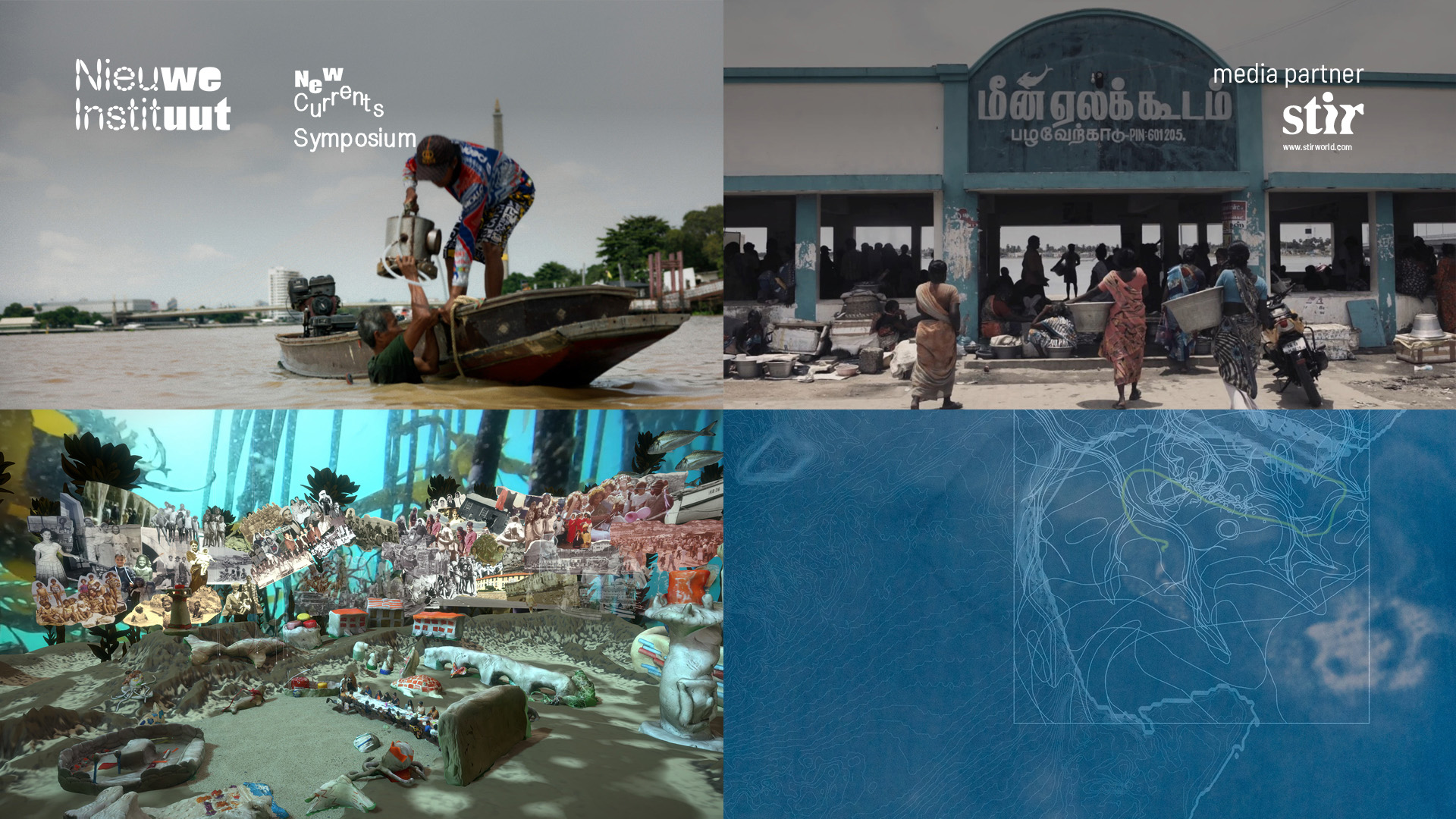
Numerous films will also be screened throughout the day as part of the programme. Each underscores the notion of ‘Coasts as Companions’, where lives lived along the Indian Ocean coasts hold a special capacity to speak back to one another beyond borders, finding common ground along porous edges. Each film presents oceans, seacoasts and riverbeds as wary witnesses of often untold stories. Yunjoo Kwak’s Only the Ports are Loyal to Us reflects on the colonial history and the port ecology that connects two port cities: Amsterdam and Surabaya in Indonesia; while Amaara Raheem’s Submerged is a performance piece, inspired by a number of watercourses: Yoga Nidra as led by Jennifer Pearcy, the writings of Ursula K. Le Guin, Body-Earth guided somatic improvisation by Andrea Olsen and Skinner Releasing online classes with choreographer Gaby Agis.
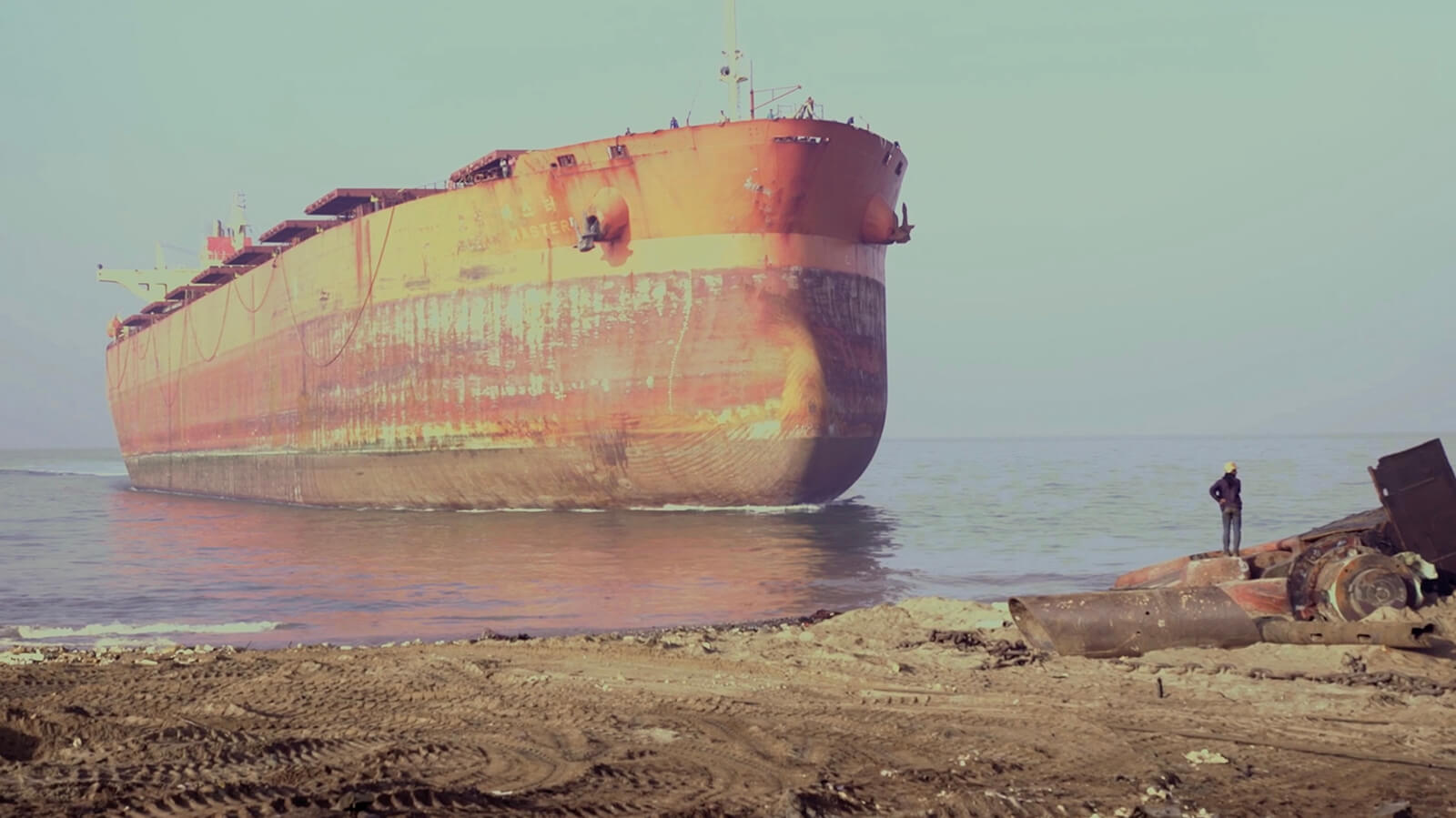
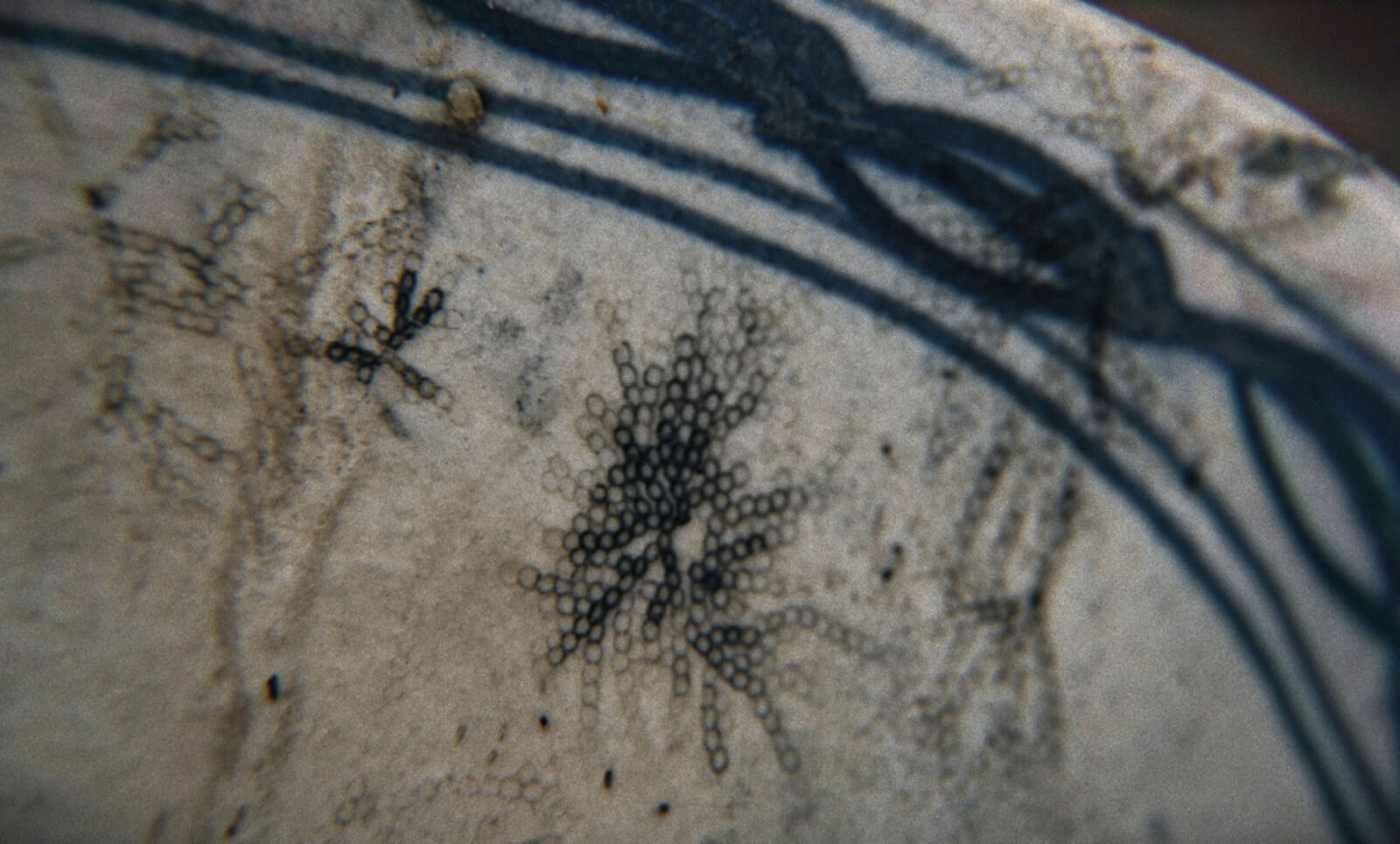
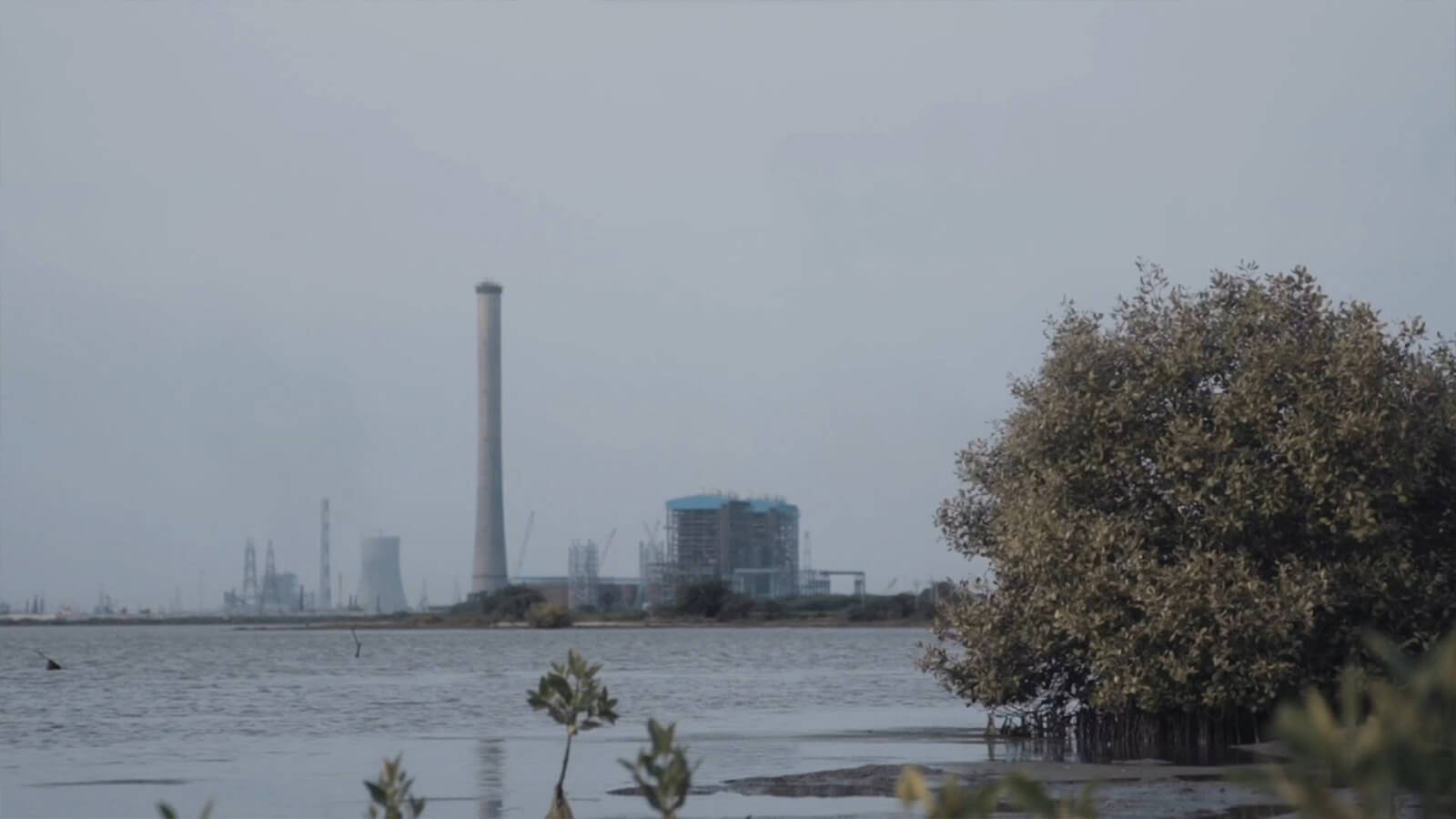
Hira Nabi’s All that Perishes at the Edge of Land is a fictional documentary about a ship berthed at Gadani and the shipbreakers from across Pakistan, discovering through a conversation that they might have more in common than otherwise imagined. Most explicit in its more-than-human thinking, Jeanne Penjan Lassus’s A Jewel in the Mud imagines Bangkok’s Chao Phraya River as a mirror and subconscious of the city, following a group of river divers who scavenge the bottom of the river for valuable objects. Bhargav Prasad and Ain Contractor’s Fight with Care spotlights the voices of fisherwomen along Chennai’s coast, critiquing the industrial infrastructure which threatens the fragile ecology of Ennore-Pulicat wetlands.
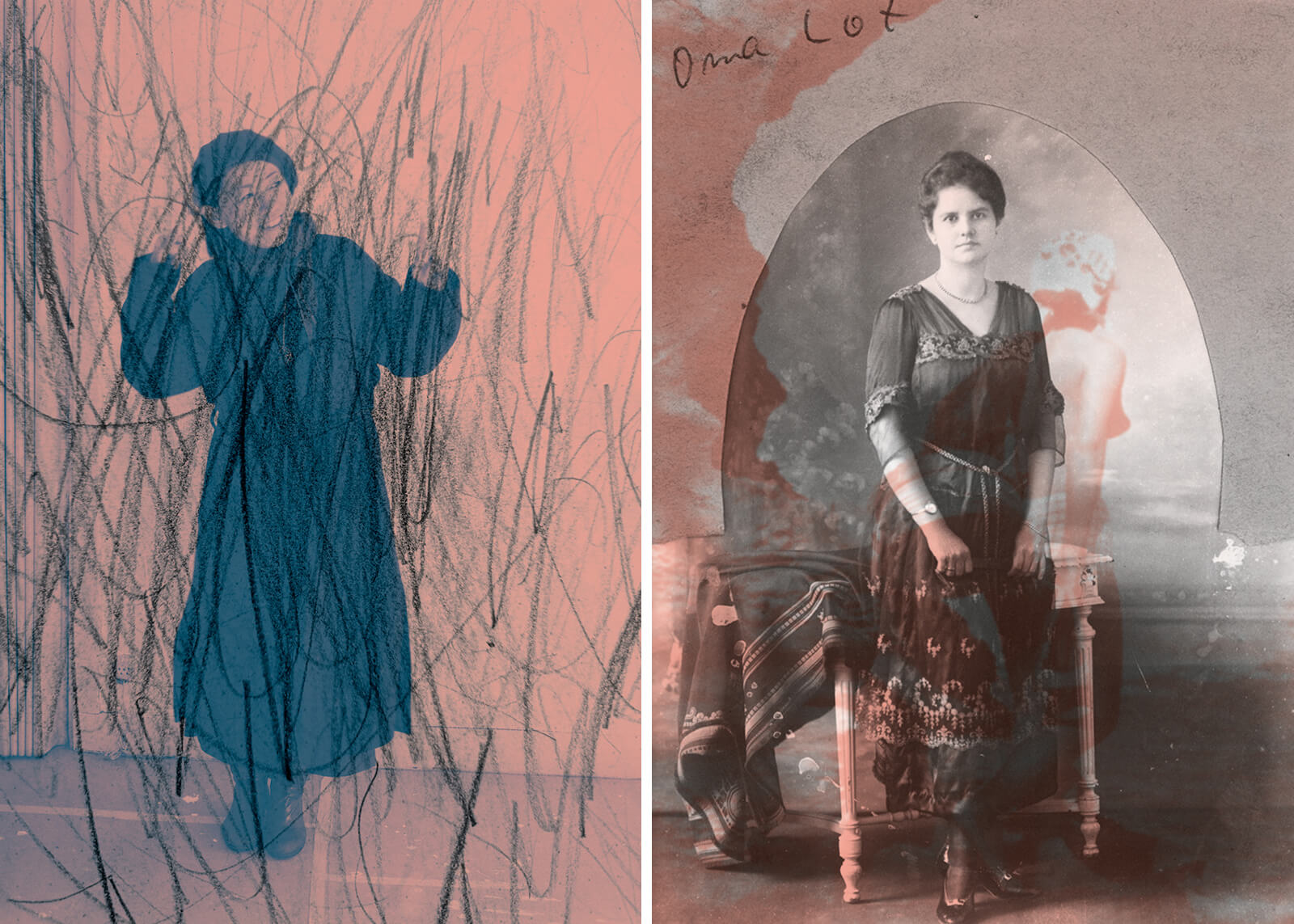
By probing the infrastructures, migration routes, trade networks and cultural histories that have shaped and continue to shape lives along the Indian Ocean, New Currents hopes to reveal alternative ways of understanding collaboration and shared futures. Traces of these transnational linkages persist—in songs and chants of sea traders who sailed the monsoon winds from Somalia to India; in the trading forts along coasts; in private sector monopolies over submarine data cables crossing trade routes of old empires; and even in our mythologies which deify ancestral sea deities and ocean mothers, in turn influencing our relationship to the water. If Glissant optimistically proclaimed that with modernity, a time will come when all cultures exist in relation, without hierarchies, without privileging any one over any others, ports and sea cultures might offer a model of such a future.
This perspective holds particular relevance to a world that is growing ever more parochial and mistrustful of the 'other'. Thinking archipelagically resists our still prevalent centring of the West as stewards of culture. Instead, through the symposium, Nieuwe Instituut explores models of coexistence, fostering feminist and more-than-human solidarity that transcend the idea of national identity, unsettling still waters with defiant waves.
STIR is an official media partner for the New Currents Symposium, supported by the Nieuwe Instituut’s International Visitors Programme, the Embassies of the Kingdom of the Netherlands in India and Sri Lanka and the International Institute for Asian Studies in Leiden. The symposium will take place on October 29, 2026, both in-person at the Nieuwe Instituut and online. You can purchase tickets here.

by Pranjal Maheshwari Oct 16, 2026
At the 2026 Stirling Prize ceremony, Mary Duggan with RUFF Architects, MAKER Architecten and Nakshabid Architects were felicitated for proffering quality housing and social equity.
by Mrinmayee Bhoot Oct 12, 2026
The new Centre for Contemporary Arts, fostering public engagement with art in Uzbekistan, is housed in a tram depot refurbished by the French studio, emulating local craftsmanship.
by Mirra Lynn Oct 10, 2026
The Shanghai-based architecture practice’s intervention in Suzhou transforms three abandoned houses into a bookstore, café, library and homestay.
by Pranjal Maheshwari Oct 09, 2026
The eighth edition of the international architecture and urban design showcase, themed How Much?, explores diverse implications of social, ecological and economic ‘cheapness’.

make your fridays matter with a well-read weekend
Enter your details to sign in
Don’t have an account?
Sign upOr you can sign in with
a single account for all
STIR platforms
All your bookmarks will be available across all your devices.
Stay STIRred
Already have an account?
Sign inOr you can sign up with
Verification link sent to check your inbox or spam folder to complete sign up process
Tap on things that interests you.
Select the Conversation Category you would like to watch
Please enter your details and click submit.
Enter the 6-digit code sent at


New Currents: probing collaborative oceanic futures with Nieuwe Instituut’s symposium
by Mrinmayee Bhoot | Published on : Oct 17, 2026


 Sign in with Google
 Sign in with email
What do you think?