Art09 mins. read
sā Ladakh Biennale 2026: Inside the world's highest biennale and its regenerative vision
by Srishti OjhaMay 20, 2026



by Srishti OjhaPublished on : Jul 01, 2026
Unsurprisingly, some of the most collaborative, in-depth contemporary art programmes and research works on ocean futures and climate change in the United Kingdom are not happening in its capital city, London, but in a small fishing town in East Sussex, on the nation’s Southern coast. As the whole world begins to experience the urgent consequences of the climate crisis (such as the UK’s ongoing deadly heatwaves), rich local practices and programmes are emerging from institutions at the fringes, which are deeply enmeshed with their surrounding ecosystems. One of the institutions at the forefront is Hastings Contemporary whose 2026 summer programme is centred on the environmental threats facing the sea and marine life that are central to Hastings’ local culture and economy and are a microcosm of a broader global crisis. The coastal gallery meets this grave issue by emphasising collaborations with research and governmental institutions and creating programmes that involve and inform local communities. This includes exhibitions such as Conversations with the sea by German-Brazilian contemporary artist Janaina Tschäpe, Undercurrents by Argentinian artist Miguel Rothschild, a series of institutional collaborations and art workshops, including those at their new travelling Mobile Studio. STIR’s curatorial director Samta Nadeem visited Hastings Contemporary in June and met with its director, Kathleen Soriano, discussing the gallery's summer offerings.
Expounding on the gallery’s unique relationship with sustainability and climate futures with Nadeem, Soriano said, “We are the only art gallery in this country that is physically situated on the beach, on the shingle, in amongst net huts, boats and working structures of Hastings’ beach-launched fishing fleet. That location helps define who we are, who we need to serve and what we need to do. We are not separate from our surroundings—we are part of them—and that connection influences the artists we work with, the conversations we create and the ways in which we engage with our community.”
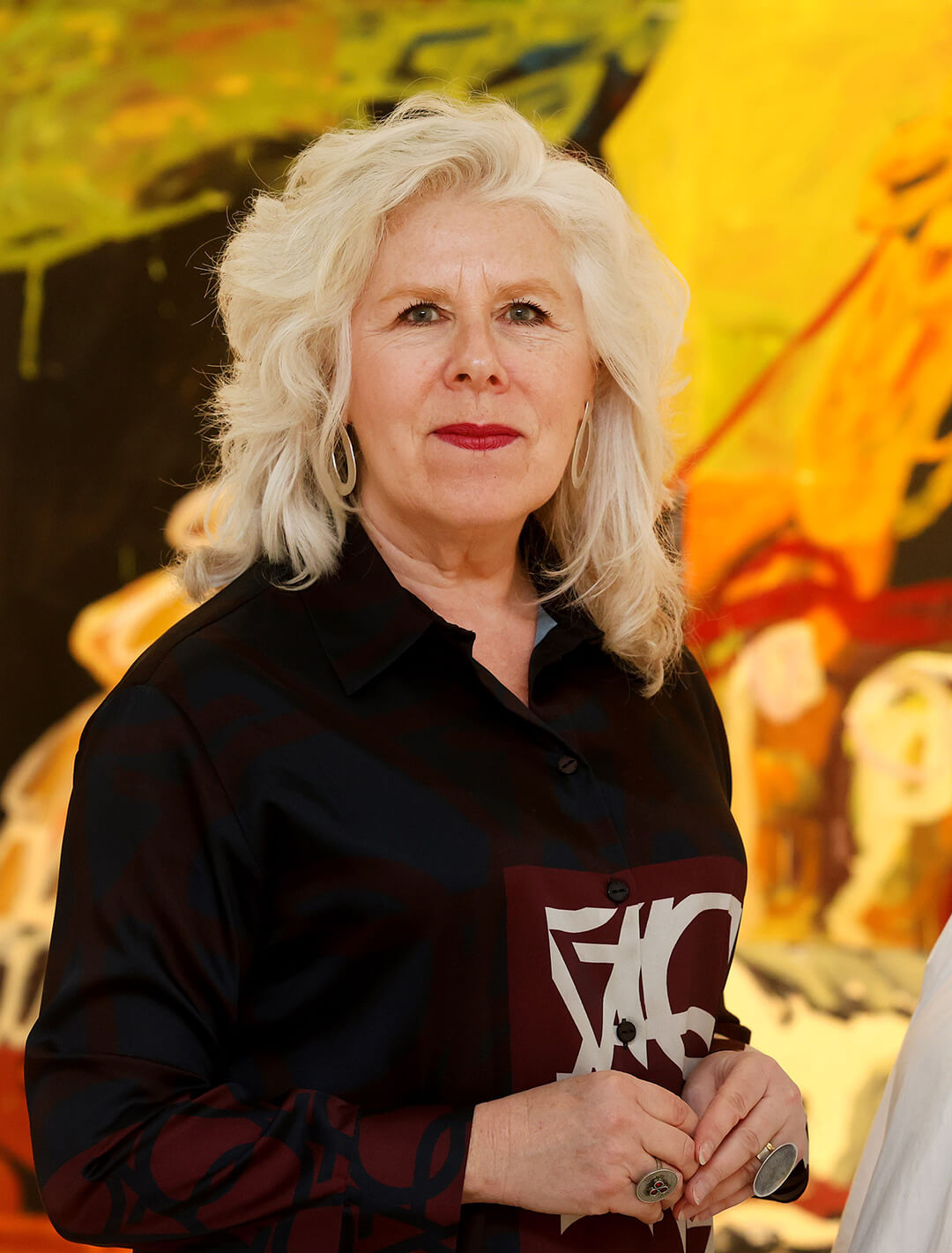
Soriano, whose career has led her through places like London, Australia, Lithuania and Estonia, and who has inhabited important roles at landmark cultural institutions such as the Royal Academy of Arts and the Liverpool Biennial, has been an instrumental figure at the helm of the museum’s ocean-oriented and collaborative push. Speaking about her work in these spheres, Soriano said, “I was involved in the first climate change-related show that we made at the National Portrait Gallery back in 1999 with David Buckland and Cape Farewell. We worked together again in 2009 to make the first climate change show at the Royal Academy of Arts when I was the artistic director, so I had already recognised the important role that artists can play in helping us think about these issues.” The harmony between Soriano’s experiences and a gallery based in a seaside community naturally culminated in a focus on marine environments and conservation, which now guides the gallery’s programming.
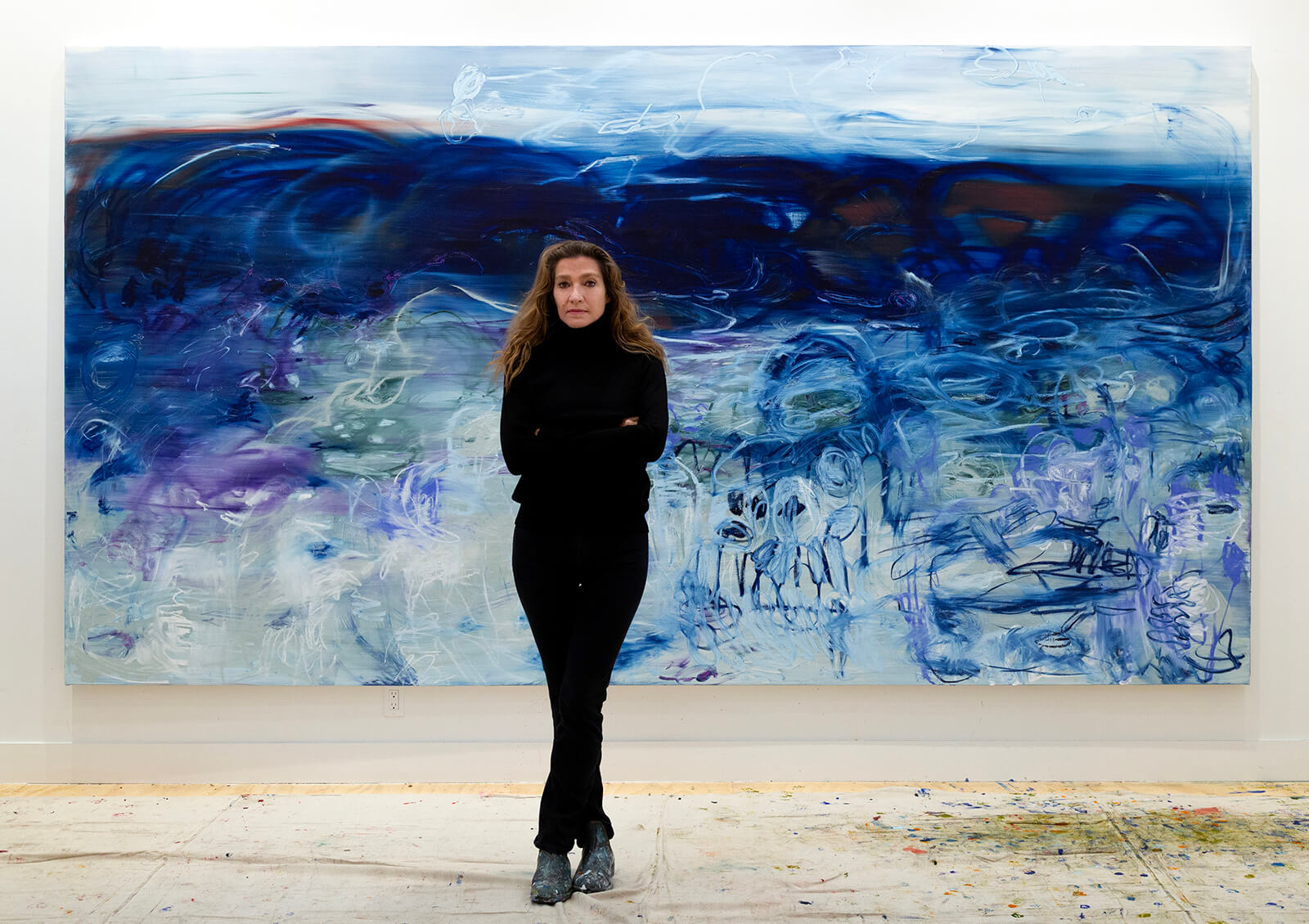
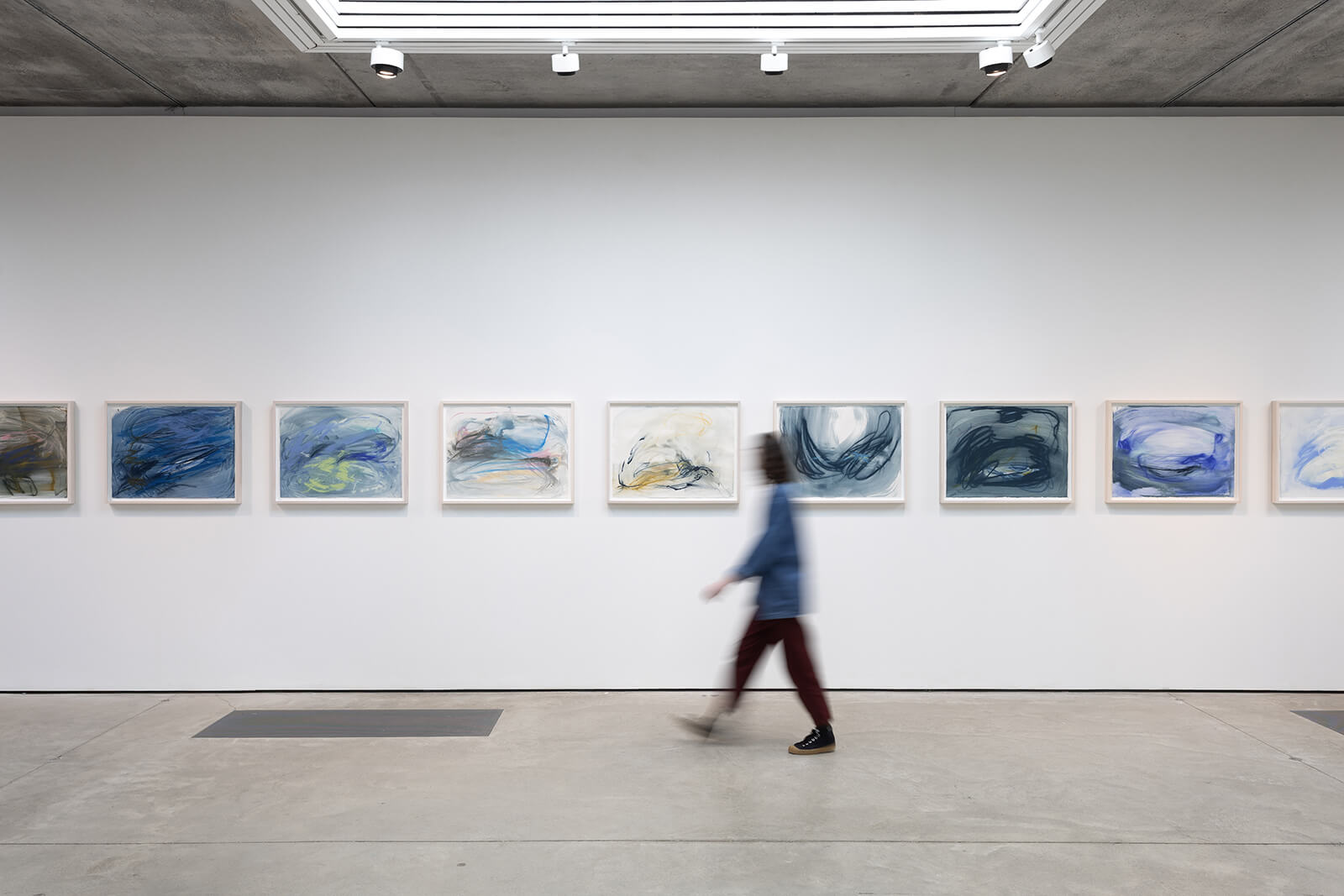
Hastings places practices and exhibitions that dovetail with their ecocentric, local vision front and centre. For example, Janaina Tschäpe’s Conversations with the sea—marking the artist’s first solo exhibition in the UK—was inspired directly by her experiences visiting a ‘wet and stormy Hastings’ in 2025. The paintings and works on paper and film imagine water as an active force, shaping, gathering, scattering and coalescing matter and space—the antithesis to the fixed, the stable and the uniform. In forceful colours and fluid lines, her abstract works recall storms, winds, currents, seascapes and reflections with intuitive, emotional fidelity. The artist, who spent her formative years in Brazil, also imagines the sea as a source of mystical intrigue.
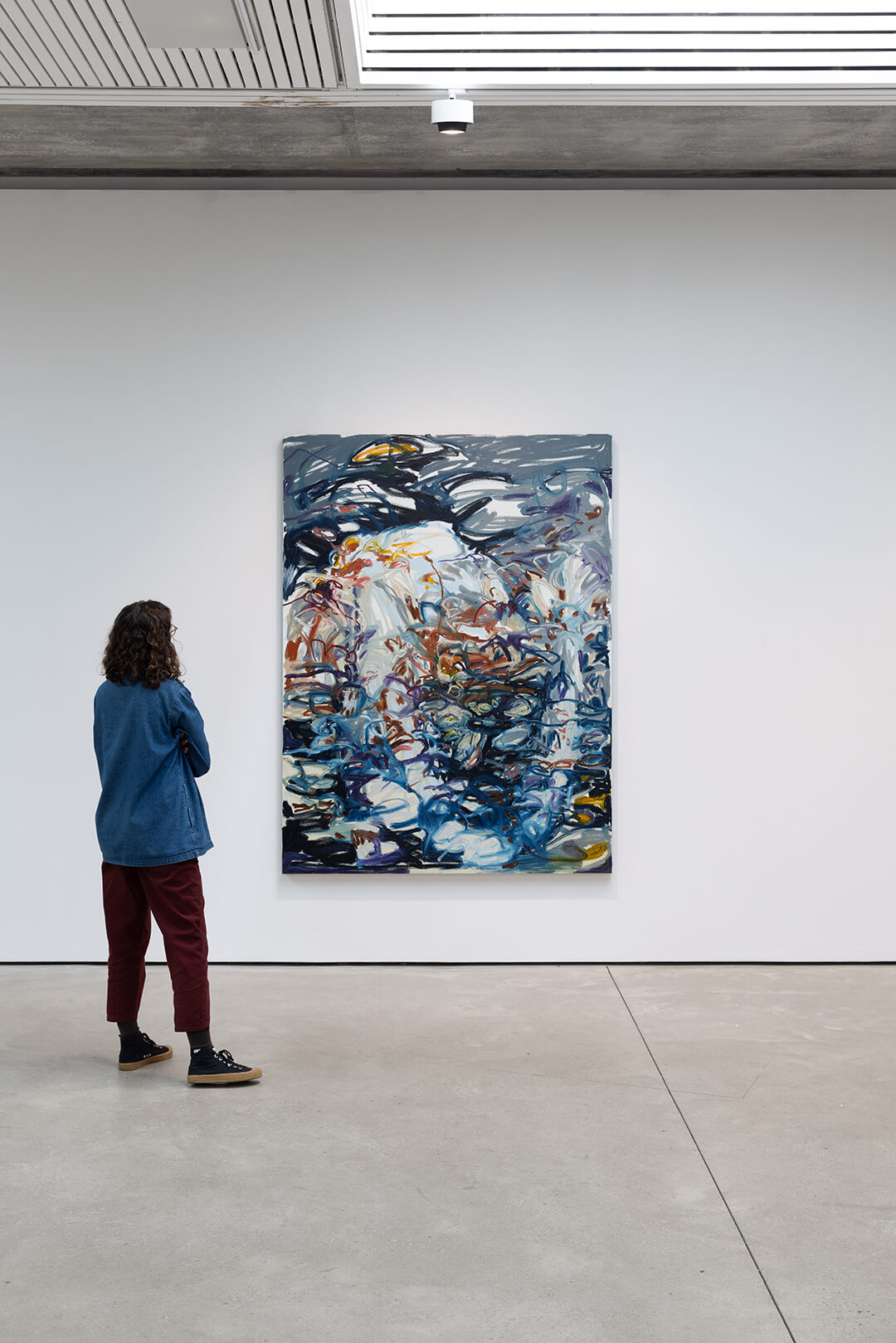
Speaking about how the exhibition fits into the gallery’s larger vision, which includes collaborating with government bodies, research institutes and NGOs, Soriano said, “Climate crisis and the vulnerability of ocean ecosystems are not only scientific or political challenges; they are human experiences that require imagination, empathy and new ways of thinking. Art can create spaces where people encounter these issues in unexpected ways. This interdisciplinary approach will enable us to bring different forms of knowledge, creativity and expertise into dialogue. By working across institutions and communities, we hope to open up new conversations for diverse audiences.”
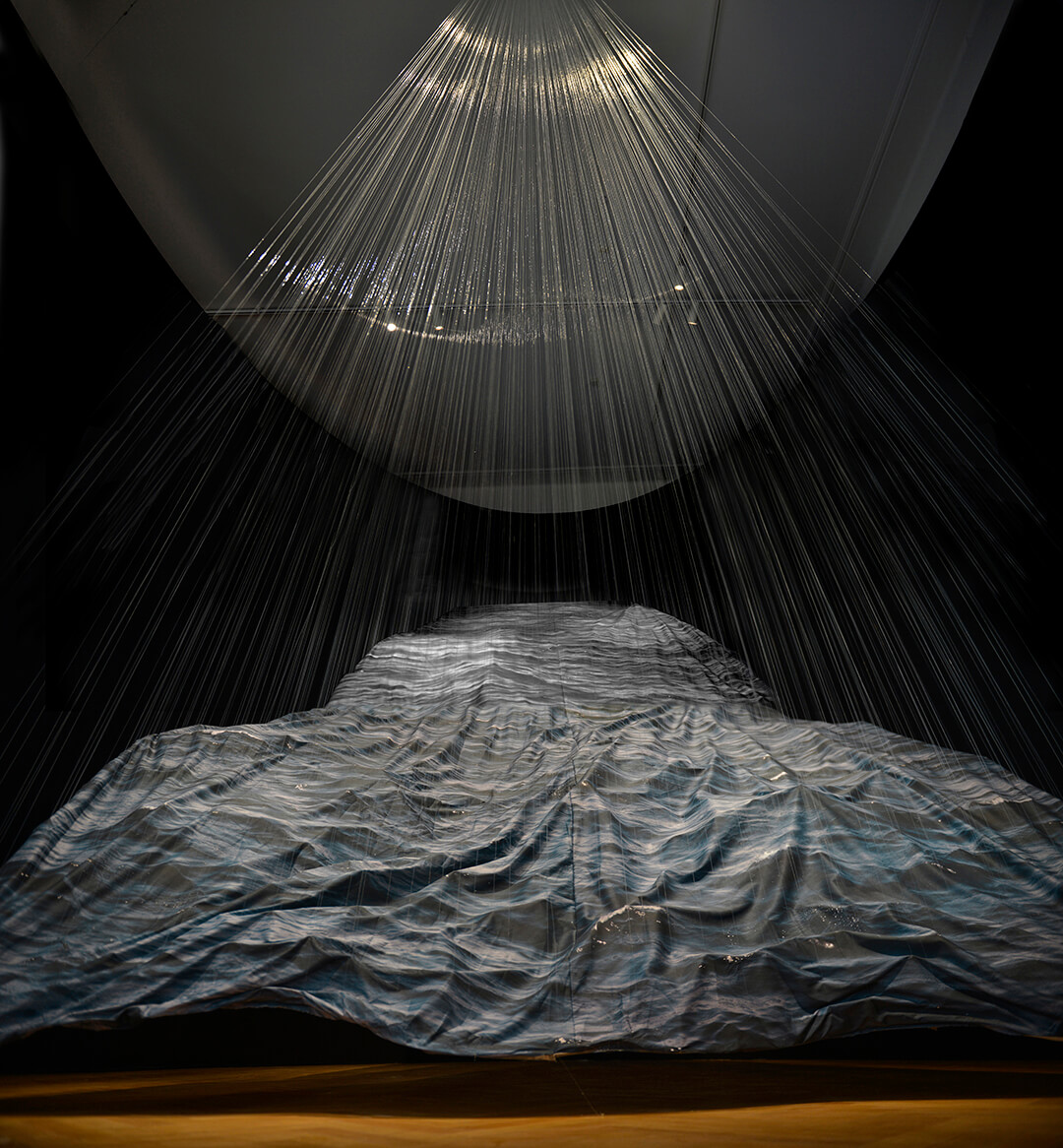
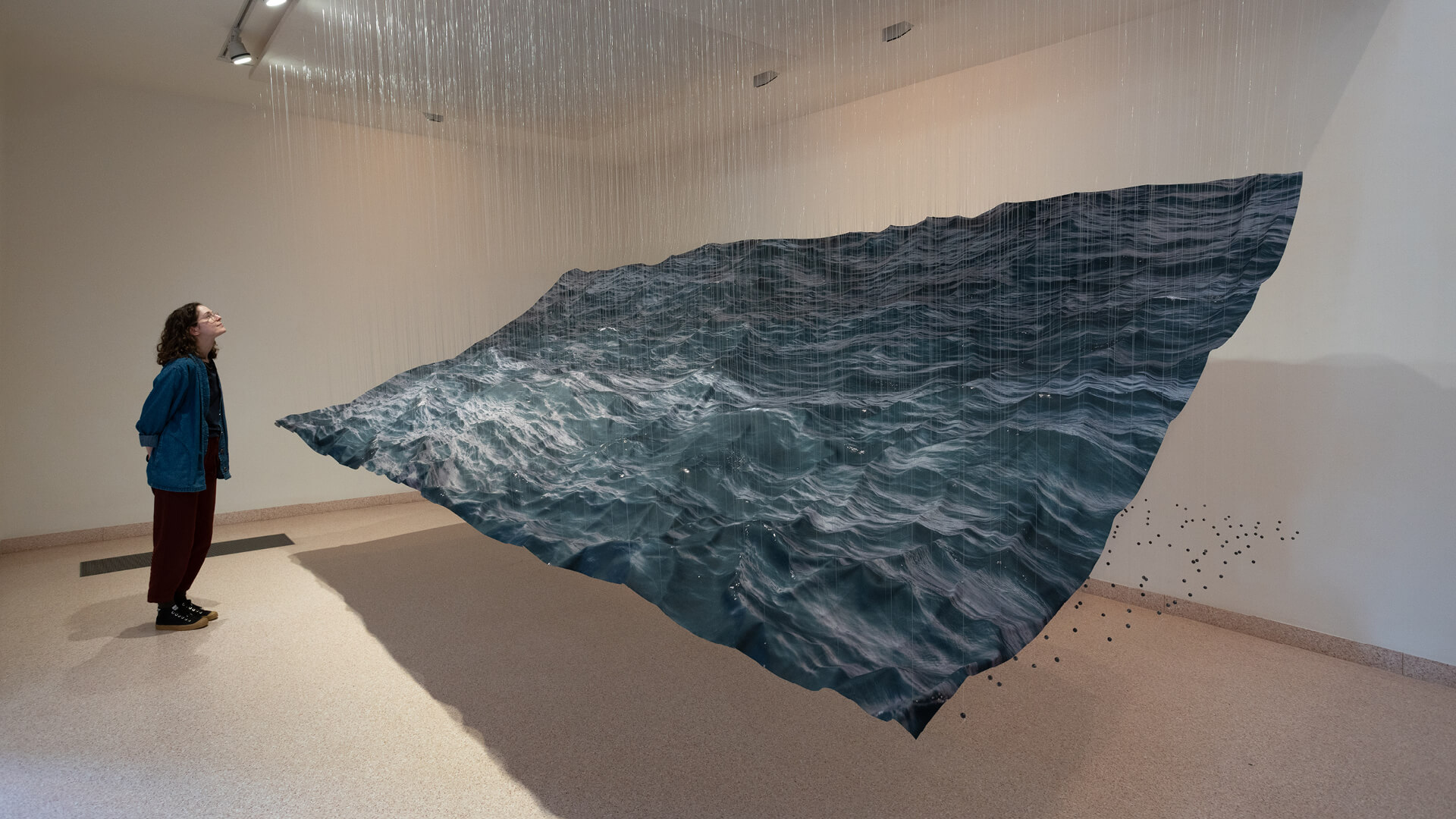
Miguel Rothschild’s work, in the parallel exhibition Undercurrents, brings the veteran multimedia artist’s dramatic site-specific art to Hastings, along with a series of photographs. Rothschild interrupts the space of the gallery with his evocative large-scale installations that use printed fabric, fishing lines, lead balls, epoxy and acrylic to create seascapes that appear to bring the ocean indoors. His diligent focus on rendering the details of the sea’s surface—mottled with bottle-green, various blues, cold greys and flurries of white—paradoxically draws one’s attention to the complex depths it conceals. Accompanied by his photography, audiences can almost see the transformation Rothschild creates, transforming nature into his impossible dioramas.
Both artists, in their own way, animate the planet’s water bodies, rendering them with the soul, power and force they are known for, feared and respected for. They let the sea speak for itself, creating resounding echoes in Hastings, a town enveloped by and intertwined with it inextricably.
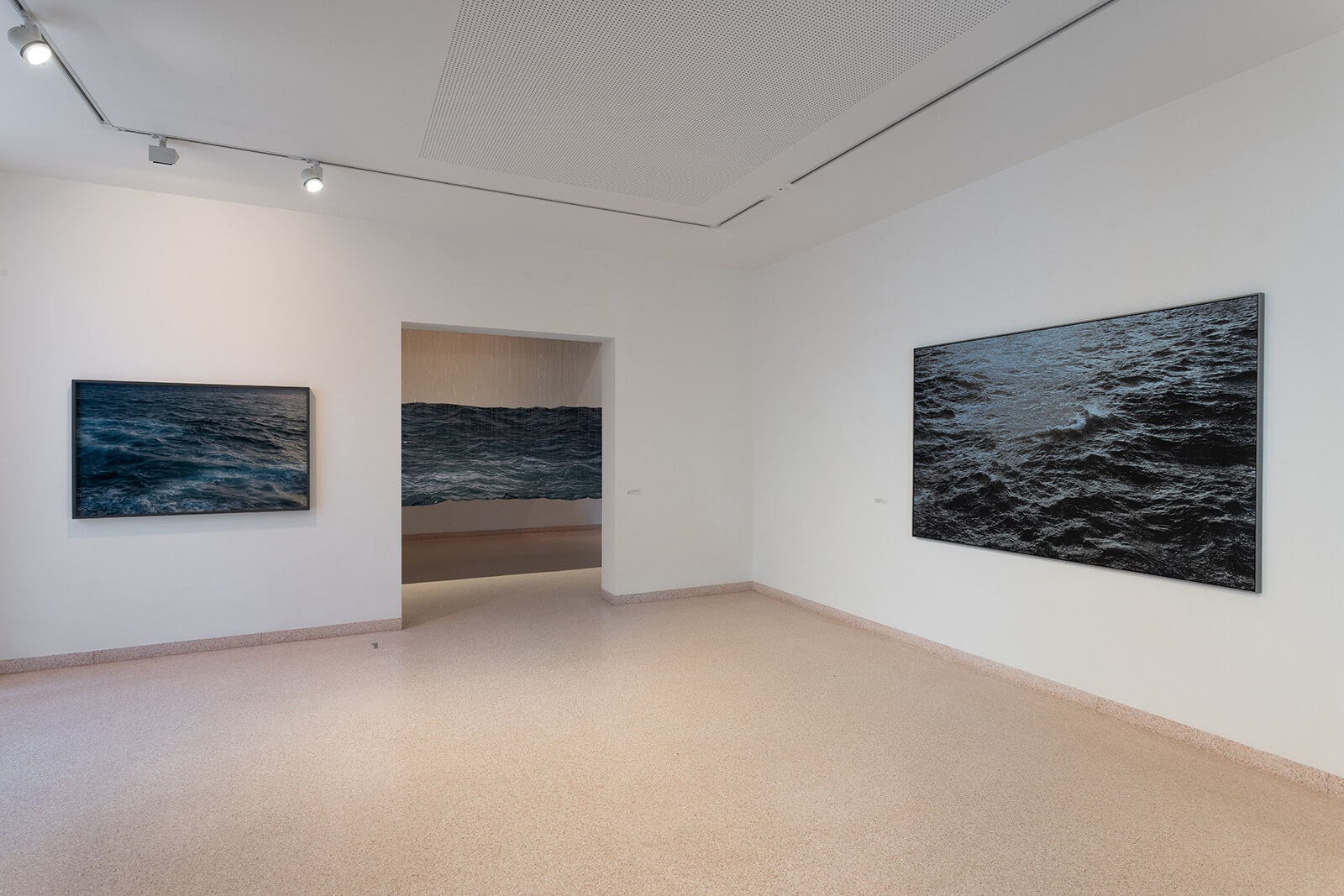
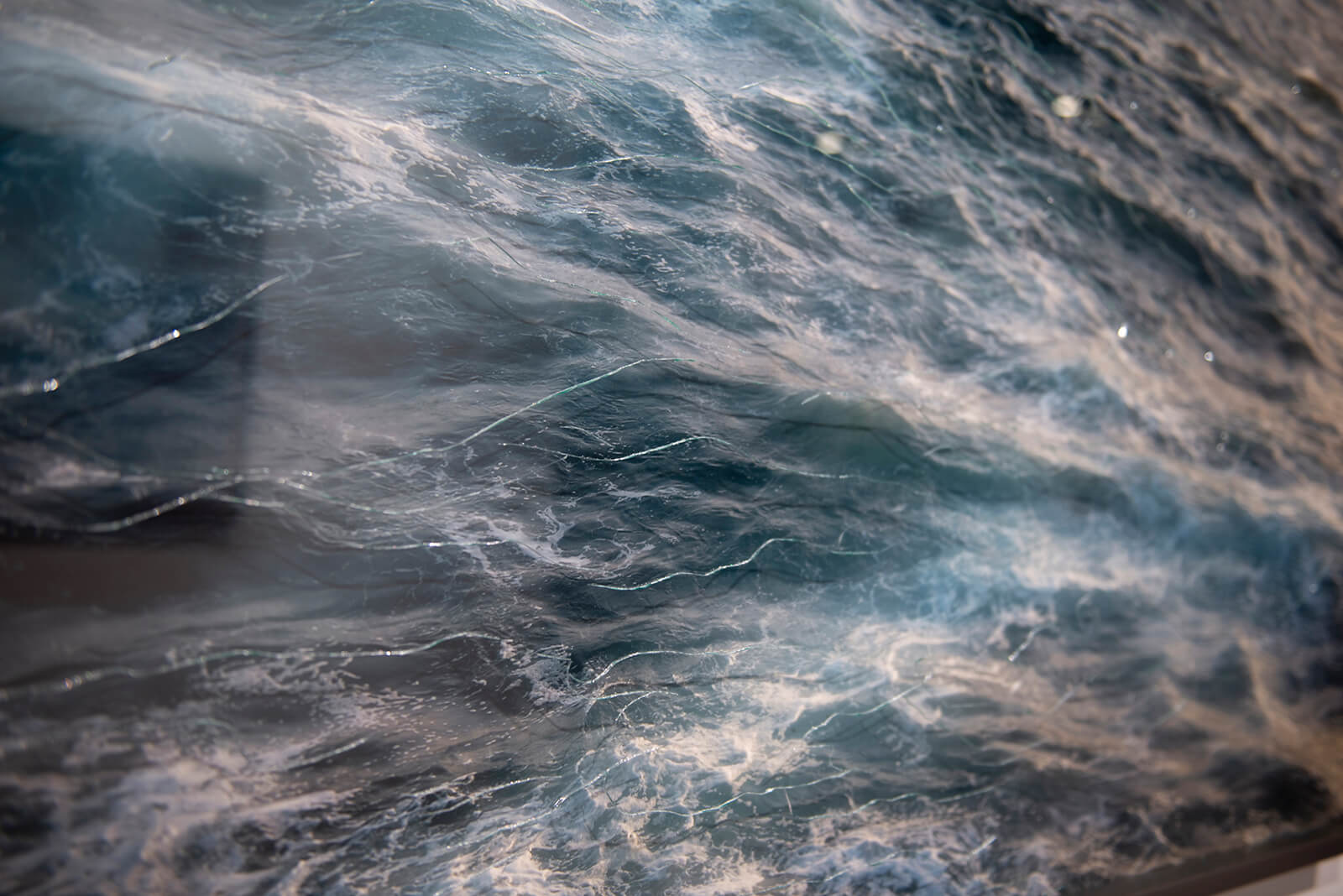
Soriano further talks about the decision to present Tschäpe and Rothschild’s works as complementary exhibitions, explaining, “Both exhibitions are deeply rooted in the Romanticism of the late 19th century and the idea of the ‘sublime’—the notion that nature can inspire both a sense of fear and of overwhelming awe. Like the great German Romantic artist Caspar David Friedrich, Miguel Rothschild positions himself at the edge, looking towards the monumentality of nature and evoking an emotional response that sits close to the spiritual. Janaina Tschäpe, by contrast, immerses herself within nature itself; rather than observing from the outside, she is absorbed into it—rolling, tumbling and moving through it until she is assimilated by it.”
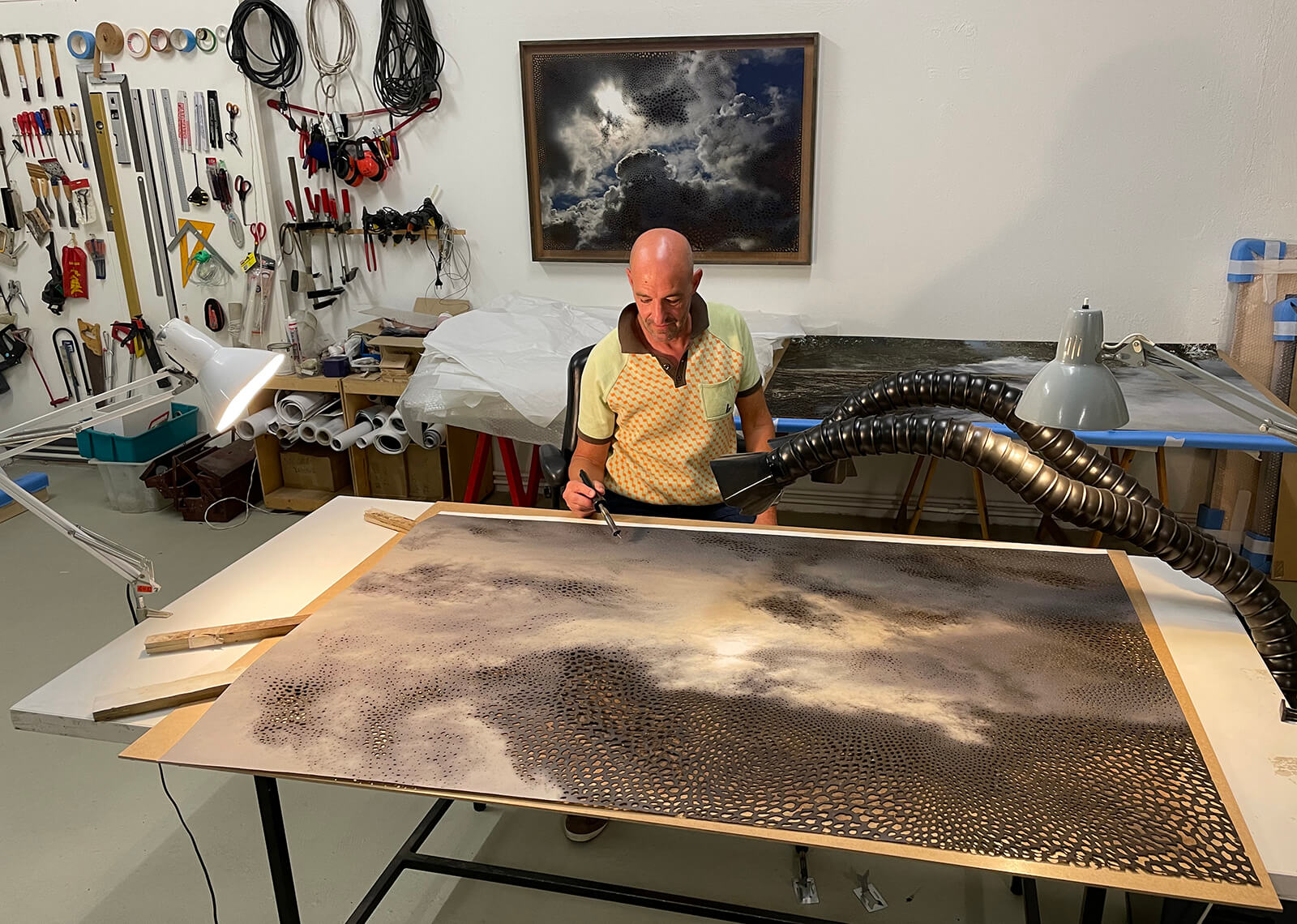
In line with Hastings Contemporary’s approach to these subjects, the artists broach climate and marine issues with research, curiosity and respect. The gallery’s programme does not adopt the all-too-common ‘doomsday clock’ approach, instead focuses on rethinking and revitalising the relationship between human communities and marine ecosystems, pouring resources, thought and effort into what can be done, now.
Elaborating on the future vision for Hastings Contemporary and a proposed new Marine Lab, Soriano said, “We want to develop a model of exchange, bringing artists, researchers, marine organisations and fishing communities into dialogue. These diverse groups may not always agree on the challenges or the solutions, but the aim is to create a dynamic space where different perspectives, knowledge and experiences collide, allowing new ideas to emerge, evolve and transform. Together, the Marine Lab and Mobile Studio represent a more open and outward-facing approach to what a contemporary art gallery can be: a place not only for exhibitions, but for exchange, learning and collaboration.”
Hastings Contemporary’s active, collaborative, incredibly rooted and site-specific approach to engaging with pressing modern issues through art is part of a broader pattern in the art world. Increasingly, we see artwork that emerges from its surroundings, with local communities driving programmes and a pragmatic, future-facing approach. With the decades-foreseen climate crisis knocking at humanity’s doorstep, art institutions such as Hastings Contemporary are doing the only thing any of us can—facing it head on with resolve, education and hope.

by Srishti Ojha Oct 09, 2026
In his ongoing exhibition, the South African artist creates two post-apocalyptic futures to explore society’s relationship with textiles, patterns and technology.
by Srishti Ojha Oct 07, 2026
The Kolkata-based film festival shone a spotlight on local and international filmmakers and artists who are pushing the boundaries of what a film can encapsulate.
by Samar Jodha Oct 05, 2026
Looking at Ahmed Ali’s photographs of workers and industry within the wider history of industrial photography, from Soviet state imagery and Sunil Janah to Lewis Hine.
by Srishti Ojha Oct 02, 2026
The Indian artist’s exhibition at the Bruce Museum in the US thinks through fundamental questions of humanity by focusing on the Sun and the cosmological timescale.

make your fridays matter with a well-read weekend
Enter your details to sign in
Don’t have an account?
Sign upOr you can sign in with
a single account for all
STIR platforms
All your bookmarks will be available across all your devices.
Stay STIRred
Already have an account?
Sign inOr you can sign up with
Verification link sent to check your inbox or spam folder to complete sign up process
Tap on things that interests you.
Select the Conversation Category you would like to watch
Please enter your details and click submit.
Enter the 6-digit code sent at


Ocean futures and rooted practices take centre stage at Hastings Contemporary
by Srishti Ojha | Published on : Jul 01, 2026


 Sign in with Google
 Sign in with email
What do you think?