Art15 mins. read
Visual vignettes of creativity and humanity: the best of photography in 2023
by Jincy IypeDec 18, 2023



by Mrinmayee BhootPublished on : Mar 25, 2026
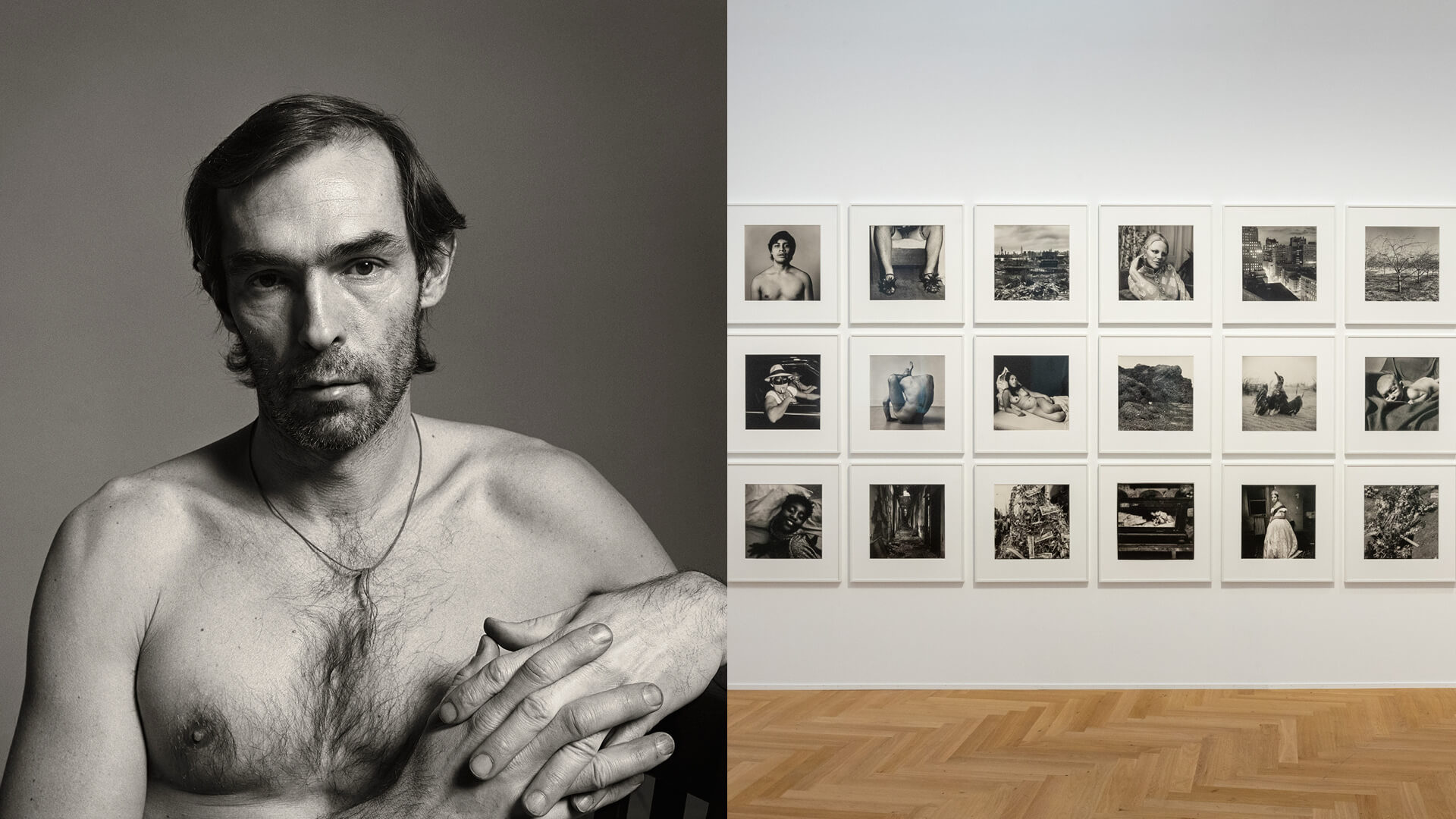
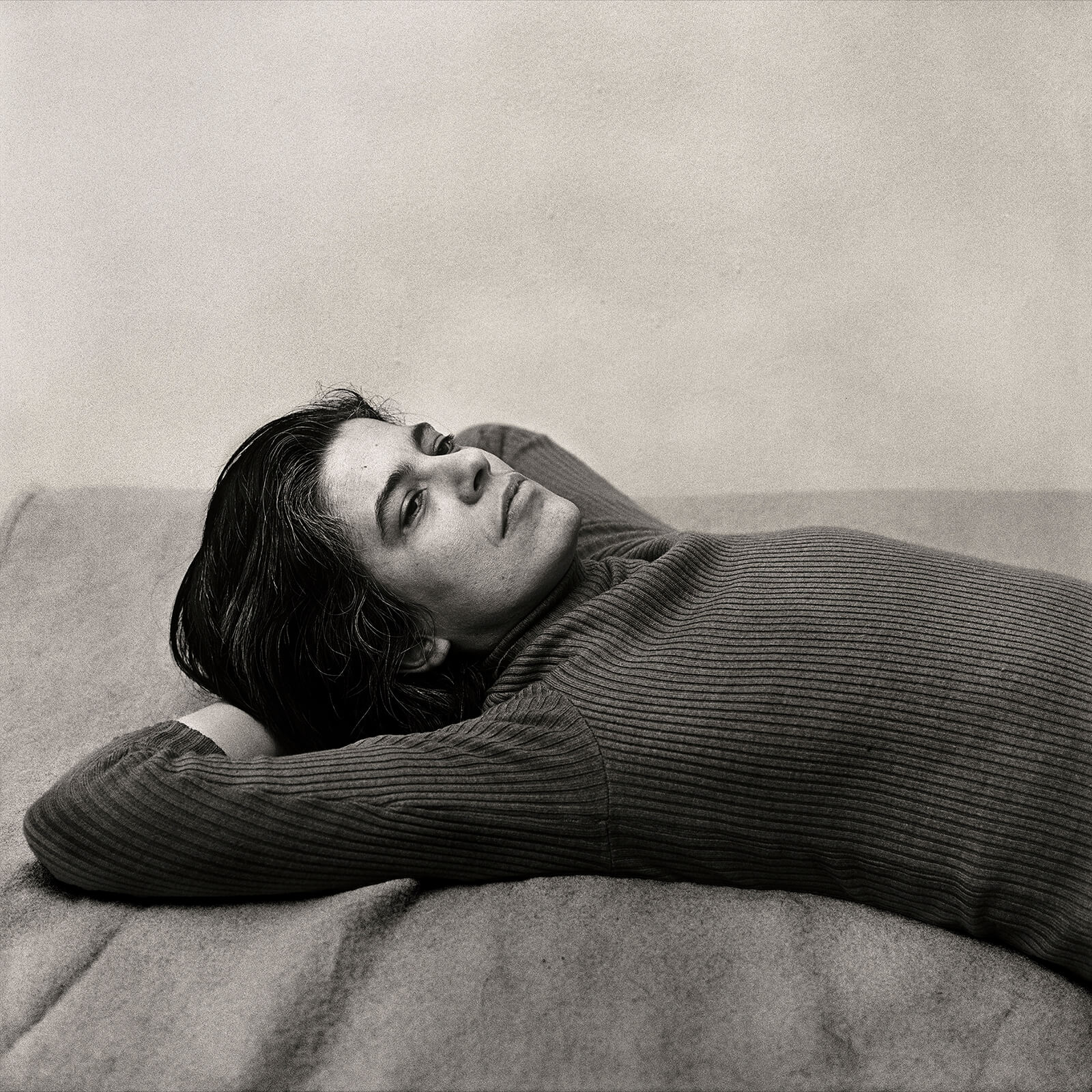
Even those unfamiliar with the name Peter Hujar know at least one of his incredibly vivid portraits, whether it's Orgasmic Man (1969) from the cover of Hanya Yanigihara’s novel A Little Life (2015), or the image of Susan Sontag reclining, taken in 1975, a little over 10 years after they met. These—along with portraits Hujar took of an extraordinary constellation of artists, performers, friends and lovers—are part of an ongoing exhibition at Bundeskunsthalle in Germany till 23 August 2026. Eyes Open In the Dark, originally organised by London-based gallery Raven Row, includes images taken by Hujar post the 1970s and reflects his exploration of the possibilities of relationships within rigid frameworks. Hujar was a central figure in the downtown scene of the 1970s and early 80s New York, yet was relatively unknown in the mainstream art world. Inspired by urban photographers such as Diane Arbus, he would also inspire the likes of Nan Goldin, following in the tradition of affecting photography that attempts to frame banal human existence. Of Hujar’s work, Goldin has been quoted as saying, “Looking at his photographs of nude men, even of a naked baby boy, is the closest I ever came to experience what it is to inhabit male flesh.”
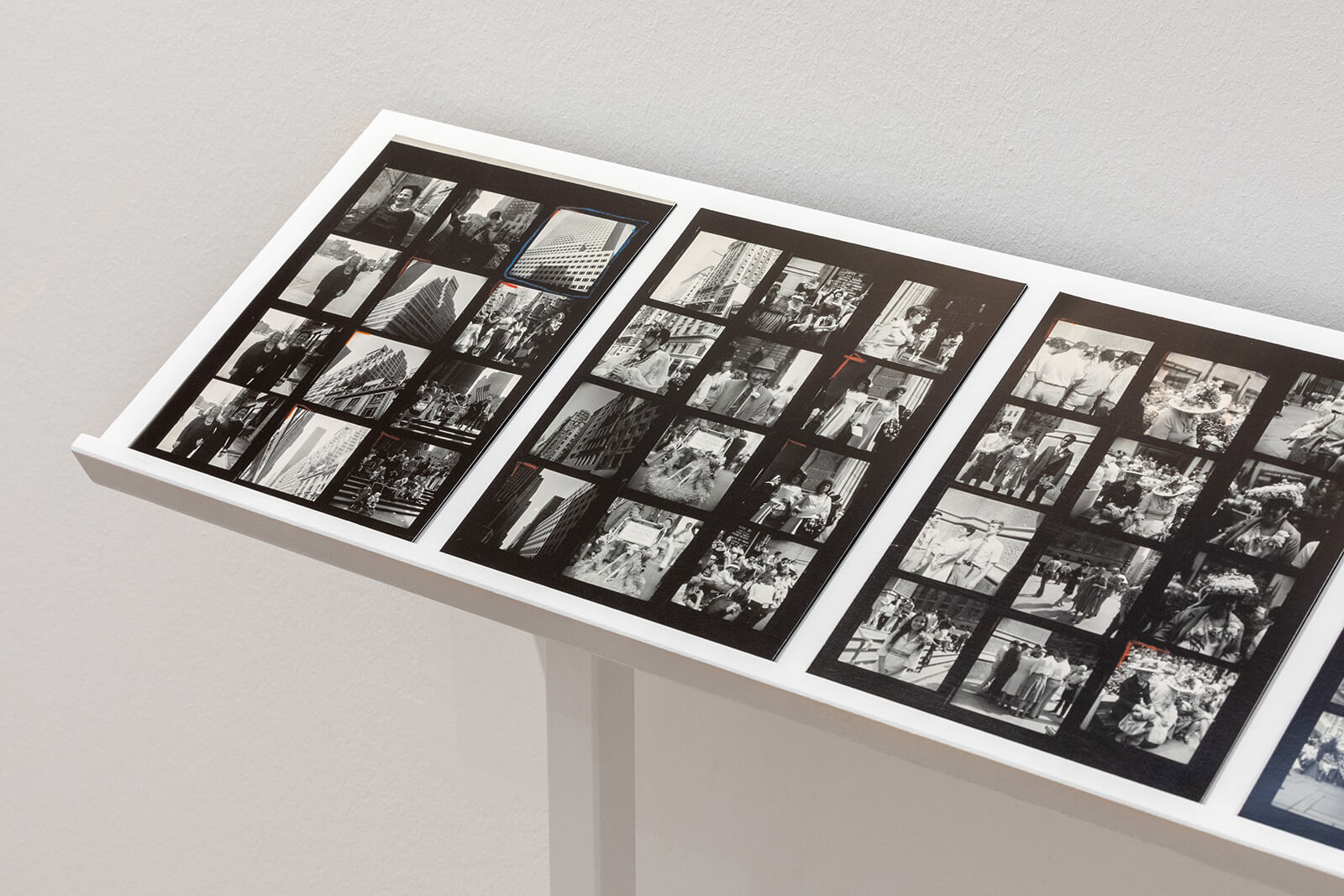
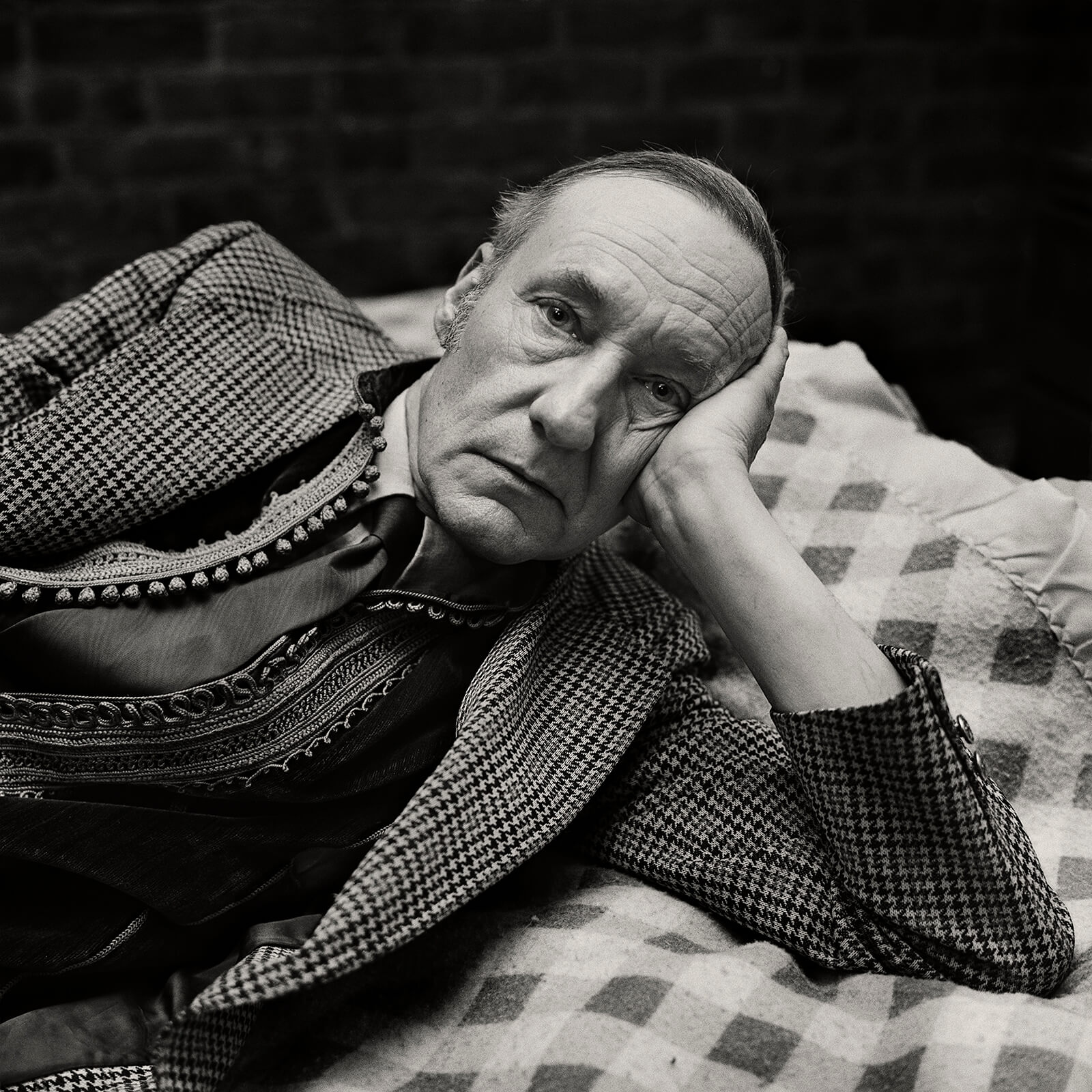
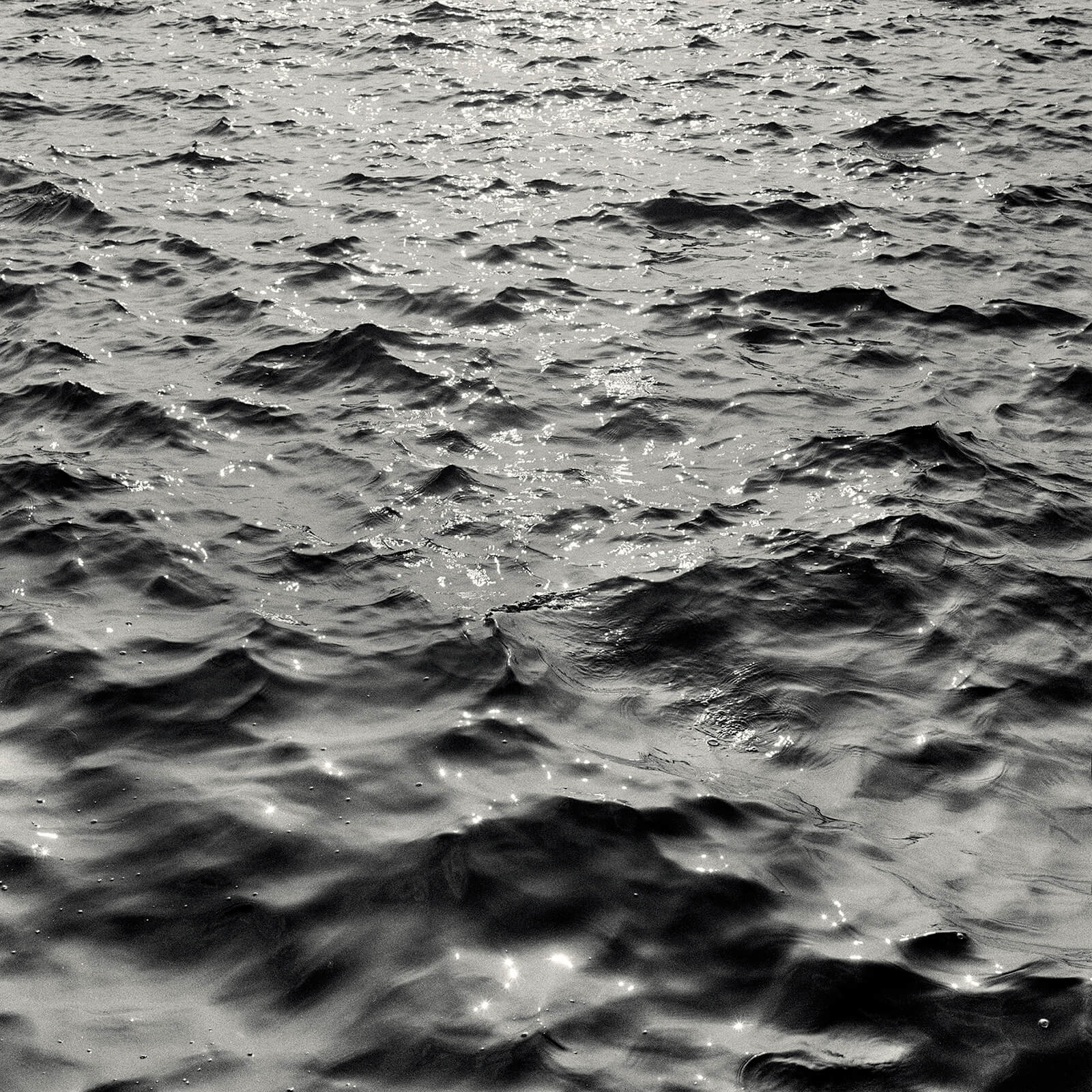
A renewed interest in the creative affinities of the 1980s and the AIDS crisis that defined the decade—bolstered no doubt by interest in queer representation and histories—has meant that Hujar’s unique perspective is widely recognised today. There’s a tender vitality to the photographs Hujar takes of his subjects, human, animal and even of the buildings he shot on walks in his city. It’s an arresting quality, one that at once hypnotises and transports you to what feels like a world that no longer exists; a strange utopia shaped by flamboyance and dereliction, by a fascination with queerness and its ostracisation. The photographs on view at the Bonn-based art museum capture this tension, imbued with a certain grief that is especially palpable in the way in which some of the people framed stare at you. This grief, however, is perhaps most vividly captured in the American photographer’s images of the Hudson River taken in 1975. The images, taken following the death of his friend, James Waring, who Hujar had been caring for through illness, are redolent with a certain stillness; a sense of holding your breath till the next wave disrupts the frame.
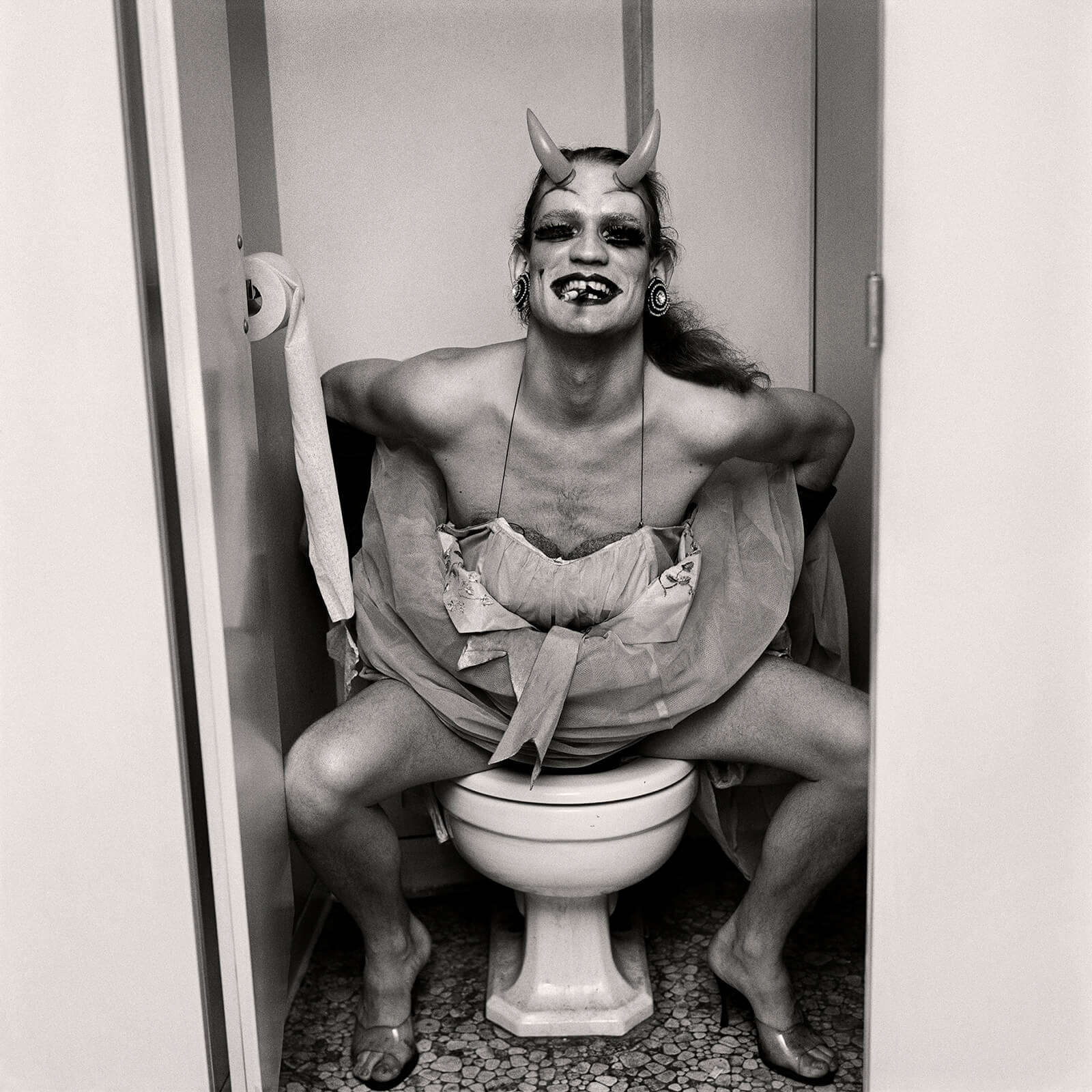
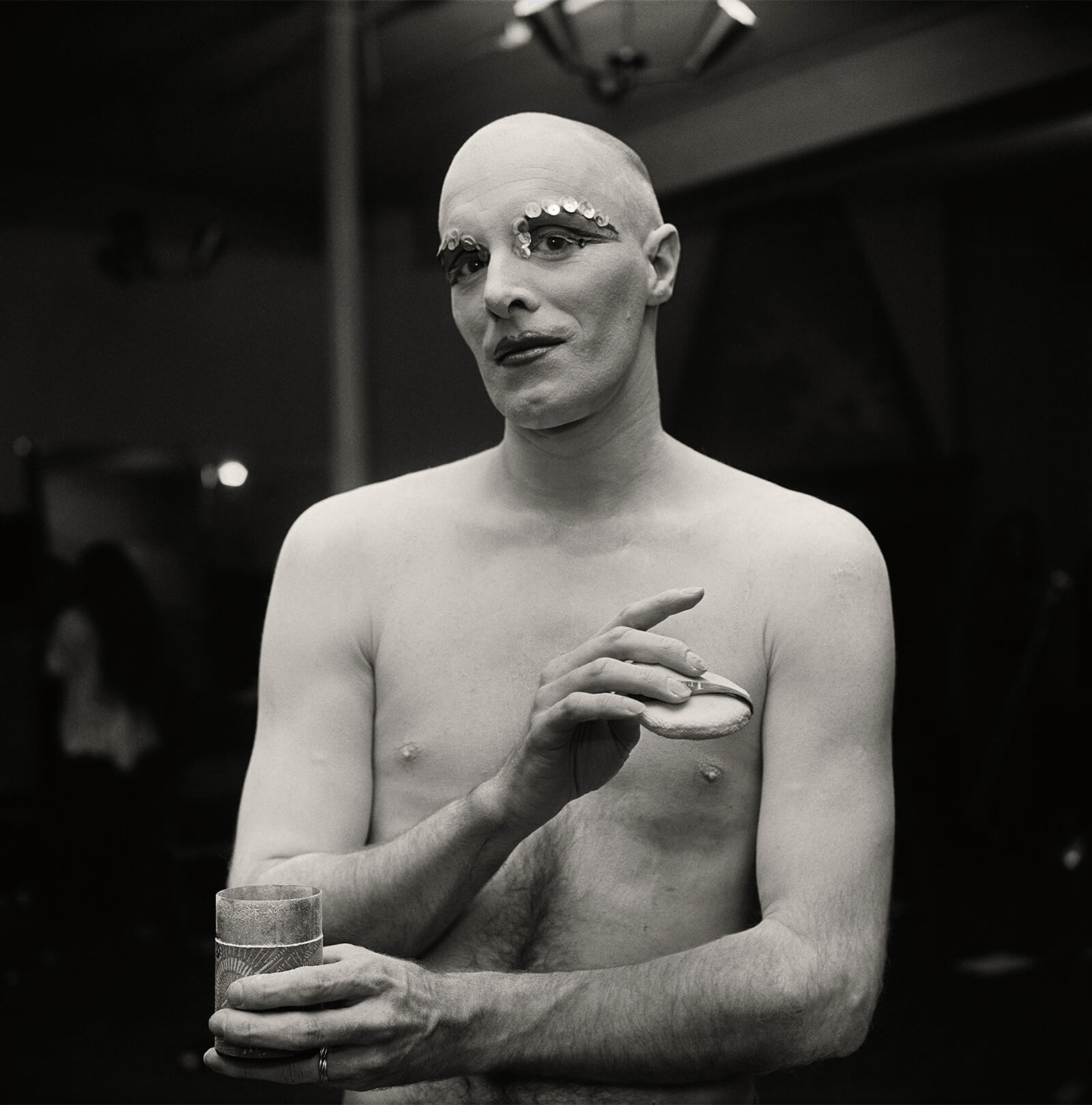
It’s perhaps also this sense of fluidness, an almost ephemeral quality personified by the images of the Hudson’s mutable surface that can be discerned in Hujar’s portraits of his friends and other personalities from the city’s underbelly. Many are captured reclining. Perhaps, this is meant to reflect Hujar’s apparent fascination with mortality. In his lifetime, Hujar only ever produced one photobook called Portraits in Life and Death (1976), a book that memorialises the bohemian world which existed before AIDS was ever a part of our imagination, ensconced in rundown lofts. Perhaps Hujar’s most enduring legacy becomes a document underscoring our own temporality. Perhaps there is no escaping that feeling of something effaced from this world, a friction between banality and monumentality, especially when one knows the where, when and what these pictures represent. The past will always haunt them.
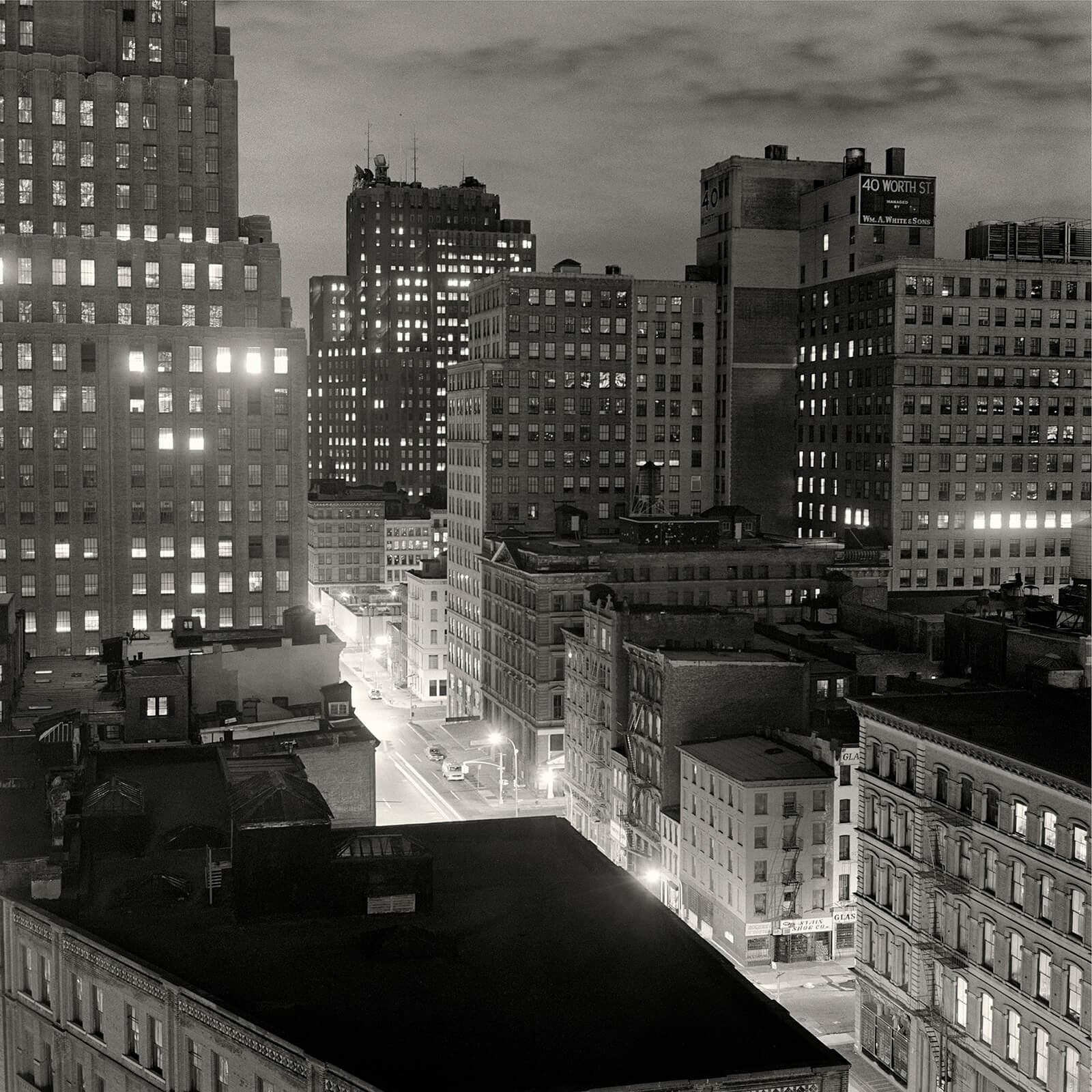
Sontag, in her introduction to Portraits in Life and Death, writes, “Photographs turn the present into past, make contingency into destiny. Whatever their degree of ‘realism’, all photographs embody a ‘romantic’ relation to reality…To take pictures is, simultaneously, to confer value and to render banal.” That value, for Hujar, was most apparent in how we appear. Apart from the portraits of his friends, artists and himself, the show also includes photos of contorted bodies, other still-life compositions, animals and cityscapes. The bodies are especially fascinating, the way they bend, sometimes with faces concealed. “Hujar once said that he experienced seeing a naked body like a physical blow; the image left an imprint like a wound or a bruise. He experienced the visual somatically, haptically,” John Douglas Millar, Hujar’s biographer and curator of the show, notes in one of the texts written for the exhibition at London. Each photograph in the show gives one this feeling of tactility.
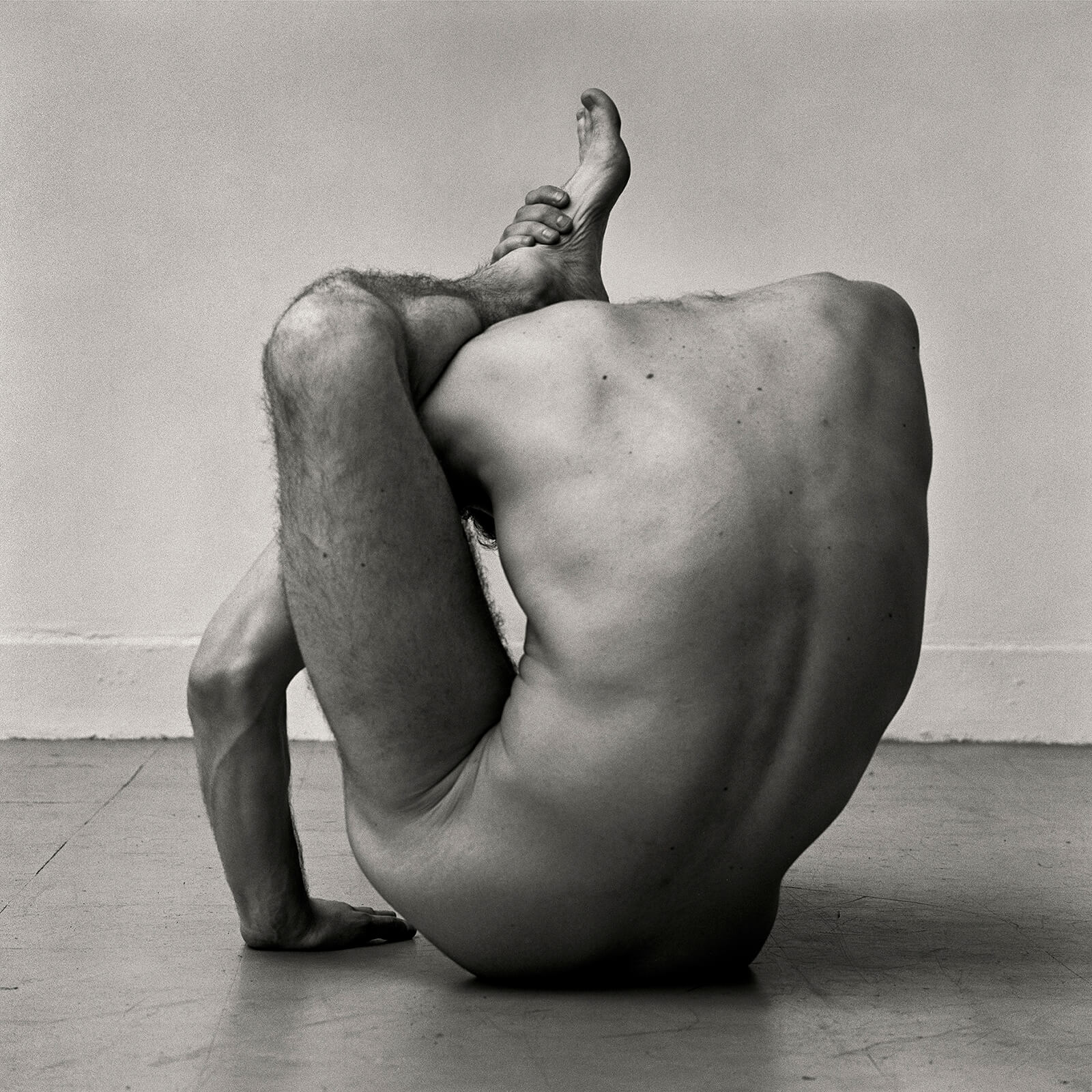
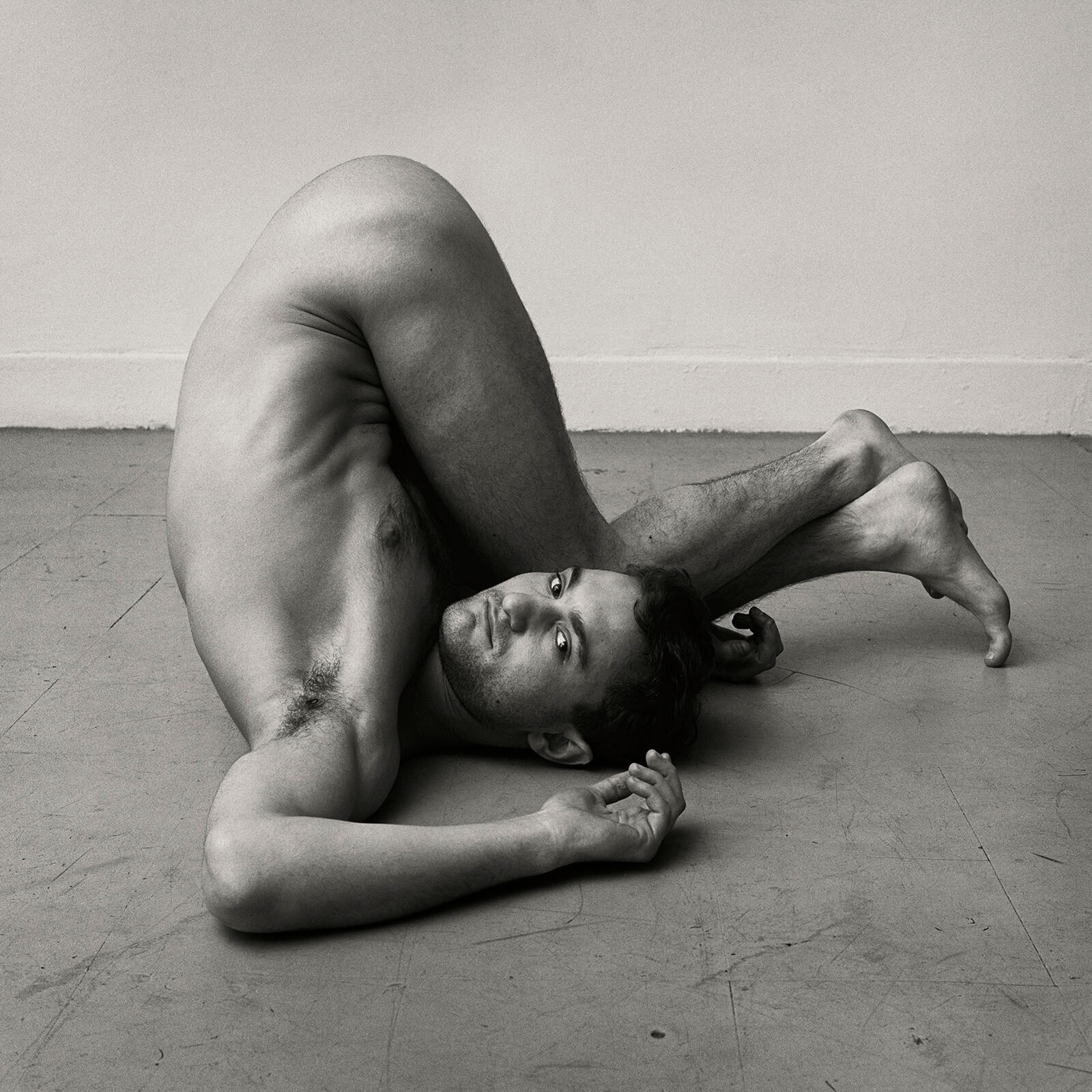
Apart from their apparent tactility, there is a sense of isolation among the people who are adrift in the frames, heightened by the almost two-dimensional backdrops they are pictured against. “The key word for the portraits and the buildings, too, is isolation,” Hujar told a journalist, Elsa Bulgari, when Portraits in Life and Death was published. “The aloneness is what’s frightening, that aloneness even looking at buildings.” Apart from the photography, Peter Hujar’s Day, a 2025 film by Ira Sachs that portrays a conversation between the American photographer and the writer Linda Rosenkrantz, perhaps best illuminates Hujar’s sphere of influence and the teeming creative world he inhabited.
The film, inspired by a transcript Rosenkrantz recorded of her friend on December 19, 1974 (that was meant to be turned into a novella but never was), is simple. It follows Hujar describing his day to Rosenkrantz, from him getting up at 11.45 am to meeting Allen Ginsberg and talking about making photos for the 76-minute runtime. “I often have the feeling in my day that nothing much happens. I wasted another day,” Hujar confides to Rosenkrantz, to her plaintive complaint of feeling like she doesn’t ‘do much of anything all day.’ And yet, isn’t the meeting of friends, the shared conversations and coffee and meals the best use of one’s day? Isn’t that what, as the film and by extension to me, Hujar’s photography proves is the essence of creativity? It seems as if the most intimate connection Hujar sought, the one way he had of memorialising all that lay broken behind him, was the camera.
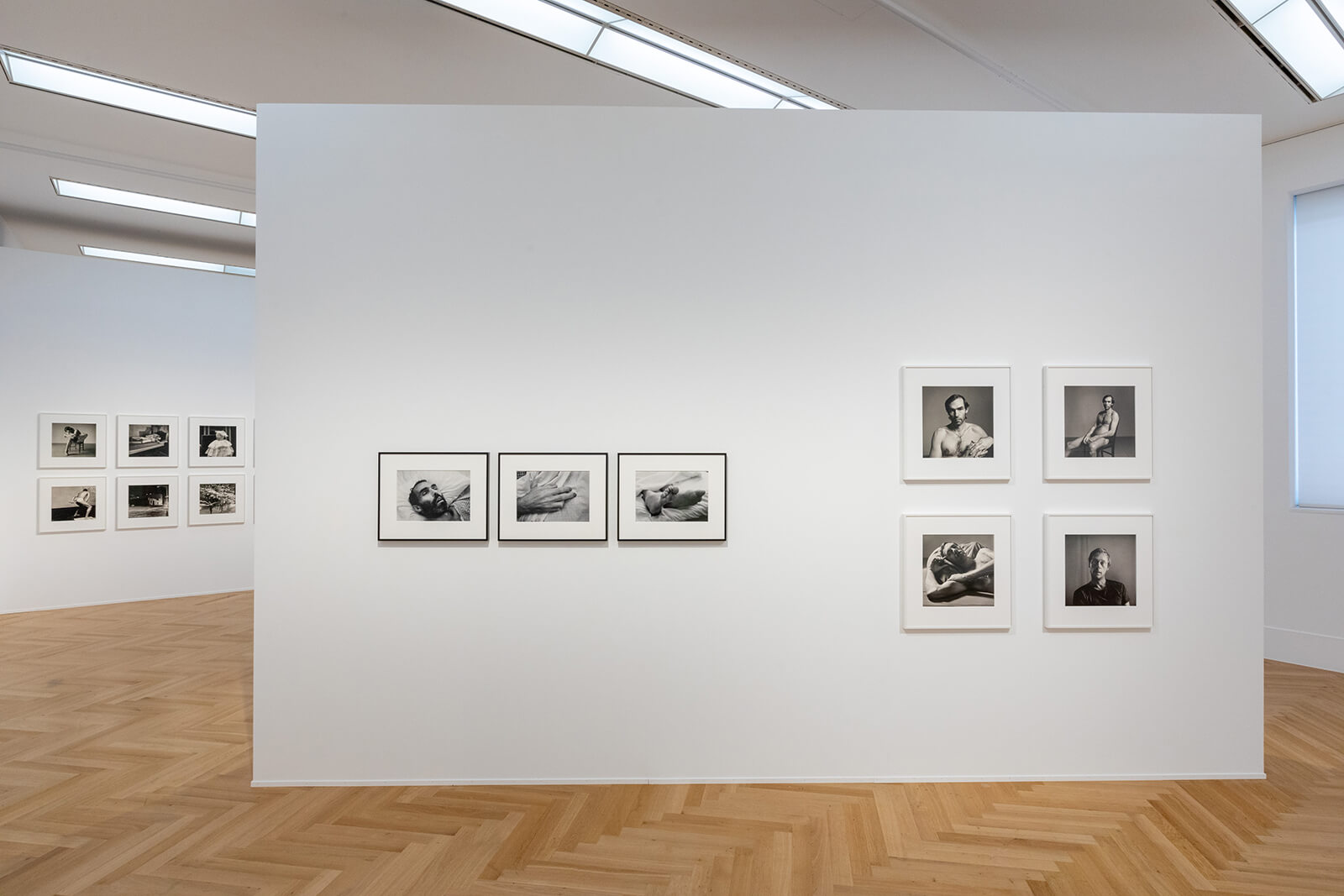
The show’s ending perhaps underlines this sentiment best of all. At the end of the momentous exhibit are two sets of seven images, meant to be read side by side. The first triptych is one of Hujar, but taken by his lover, the artist David Wojnarowicz. It shows Hujar reclining, his mouth half open. The fact is, Hujar had recently passed away owing to AIDS-related complications. Before his passing, and before Wojnarowicz himself became sick, the best he could do was carry Hujar to a clinic in Long Island where a researcher was carrying out experiments to develop a cure to a disease that was little understood but widely stigmatised. All the patients in the experiment died. On the left of these three (the only ones in the show not taken by Hujar) are four images, two that he took of himself, and two he took of his two lovers and mentees: Wojnarowicz and Paul Thek. They remind me of what is perhaps artist Felix Gonzalez Torres’ most recognised work, Untitled (Perfect Lovers). Time will pass the lovers by, but in the images they will live on. In the images, Hujar will always look back at you, with eyes open despite the dark.
‘Peter Hujar: Eyes Open in the Dark’ is on view from Frbruary 27 – August 23, 2026, at Bundeskunsthalle, Germany.

by Srishti Ojha Oct 21, 2026
Increasingly, artists, filmmakers and activists are turning to VR to create more personal, tangible accounts of the climate emergency and its impact on vulnerable communities.
by Mirra Lynn Oct 20, 2026
The Indian artist paints the old wadas of central Pune, capturing the traces of everyday life that cling to these structures, battered by time but unbowed.
by Anmol Ahuja Oct 15, 2026
How do heaps of souvenirs and relics with racist Aboriginal motifs and features become art? MCA Sydney’s winter showcase—the artist’s largest to date—beckons a possibility.
by Vandana Kalra Oct 14, 2026
With his latest exhibition as a point of departure, the modernist discusses his decades-long practice, the spontaneity of drawing and the social responsibility of artists.

make your fridays matter with a well-read weekend
Enter your details to sign in
Don’t have an account?
Sign upOr you can sign in with
a single account for all
STIR platforms
All your bookmarks will be available across all your devices.
Stay STIRred
Already have an account?
Sign inOr you can sign up with
Verification link sent to check your inbox or spam folder to complete sign up process
Tap on things that interests you.
Select the Conversation Category you would like to watch
Please enter your details and click submit.
Enter the 6-digit code sent at


Peter Hujar: Eyes Open in the Dark takes a peek at 1980s New York
by Mrinmayee Bhoot | Published on : Mar 25, 2026


 Sign in with Google
 Sign in with email
What do you think?