Design05 mins. read
Design Democracy returns to Hyderabad with an intersectional programme
by Jincy IypeSep 04, 2026



by Zohra KhanPublished on : Jan 22, 2026
The second edition of the Shakti Design Residency unfolded as a dispersed geography of encounters—between designers and artisans, material histories and contemporary urgencies, intuition and discipline. Conceived by architect and interior designer Shalini Misra, the residency positioned craft not as heritage to be preserved or aesthetic to be mined, but as a living system of knowledge—adaptive, rigorous and deeply situated.
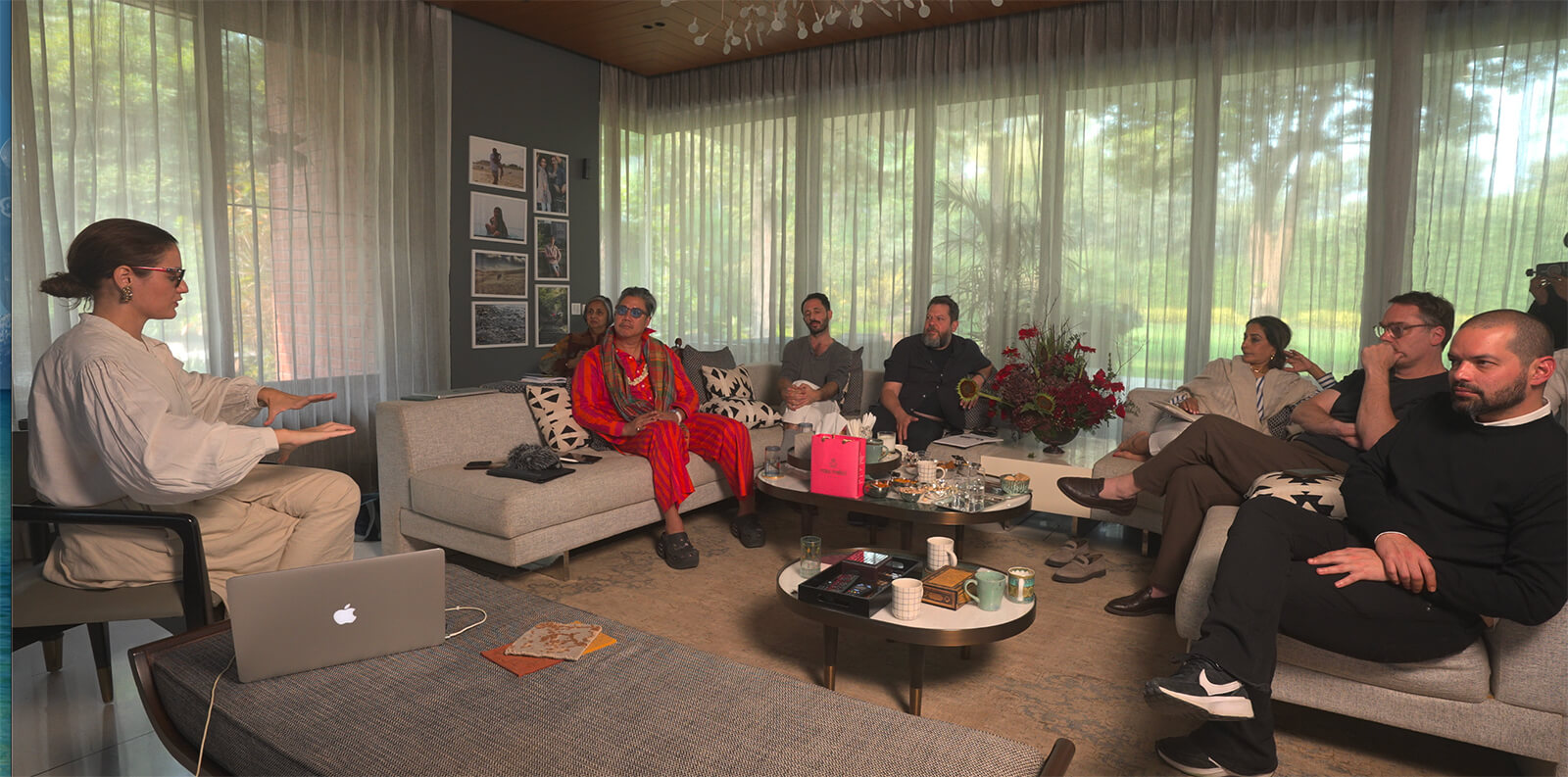
Gathered at Misra’s home in New Delhi for the final presentations, residents and jurors spoke not only of outcomes but of processes carried through their time spent at the residency, discussing the friction of collaboration, the humility of learning and the challenge of designing within material and cultural contexts that resisted easy translation. What emerged was less a showcase than a collective reflection on how design might engage the world more attentively.
Misra’s practice spanned New York, London and New Delhi, yet the impulse behind the Shakti Design Residency arose from an increasingly grounded observation. Close to 30 years of working on global interior projects, she had begun to recognise that the most resonant dimension of design extended beyond form or finish. It lay in the conditions of making: who made an object, how it was produced and what forms of labour—human and material—it contained.
This recognition became the conceptual core of the residency. Shakti was established to bring together a temporary community of designers and makers in India, facilitating direct collaboration with ateliers and artisans across the country. Rather than treating craft as a static tradition, the residency framed it as a dynamic methodology—one capable of generating contemporary design when approached with curiosity, restraint and ethical engagement.
I think the most joyful aspect of the residency programme is collaboration and what comes out of it. It surpasses what I had imagined initially. – Shalini Misra, founder, Shakti Design Residency
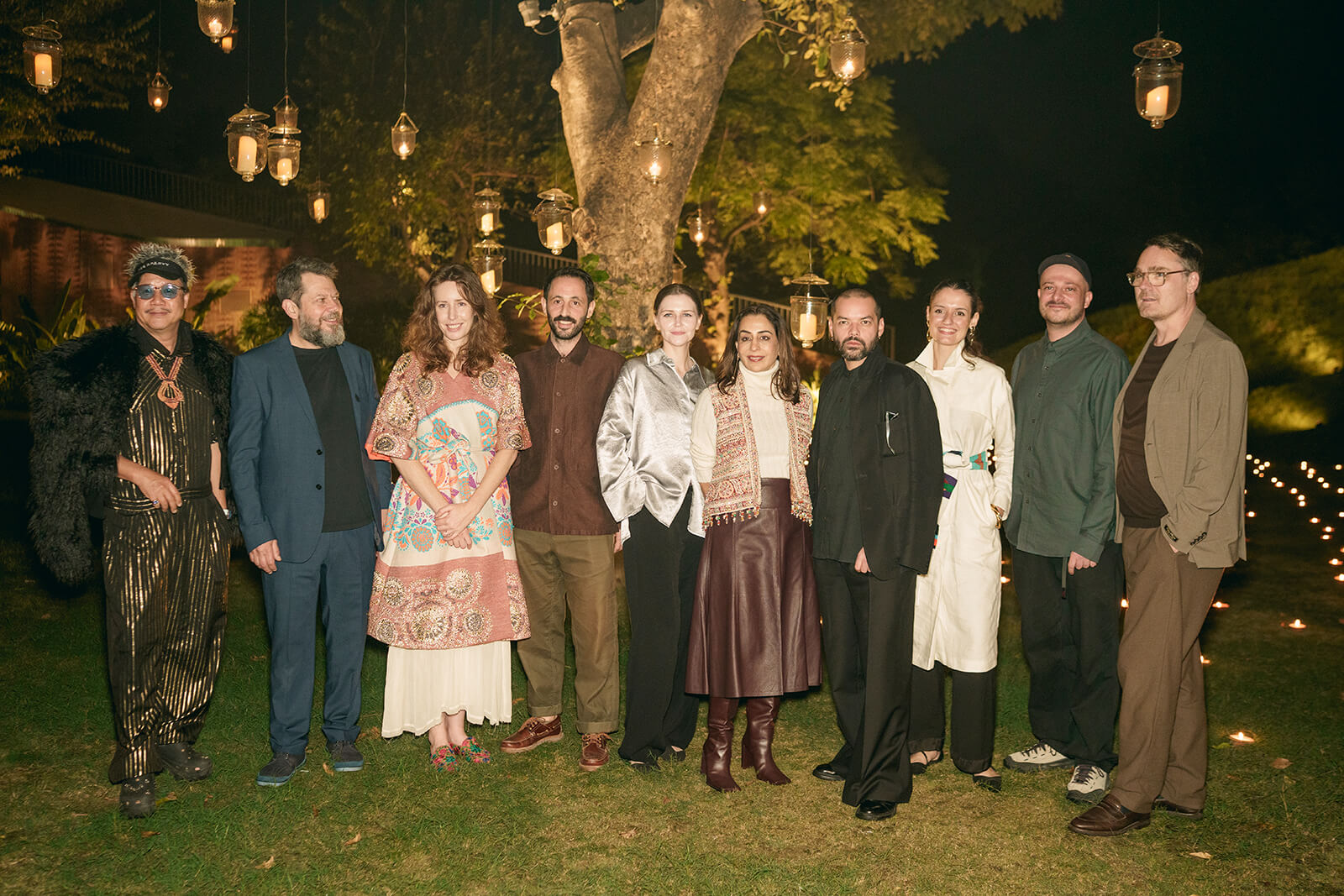
The second edition marked a significant expansion of the programme’s scope. With applications from 53 countries, the residency reflected a growing international desire for slower, research-led modes of design practice, particularly those rooted in material literacy and cross-cultural exchange. Six residents were selected: Zofia Ursic, Tadeáš Podracký, Maria Tyakina, Daniel Garber, Rodolfo Agrella and Victoire De Brantes. Unlike the first edition, which had been more geographically contained, this iteration dispersed residents across multiple regions of India. From Nagaland in the northeast to Uttar Pradesh in the north, each project unfolded within a distinct material and cultural ecology. Craft was not romanticised but examined: its efficiencies and constraints, its tacit knowledge, and its capacity to hold memory. Residents were asked to understand how things were made before attempting to reimagine them.
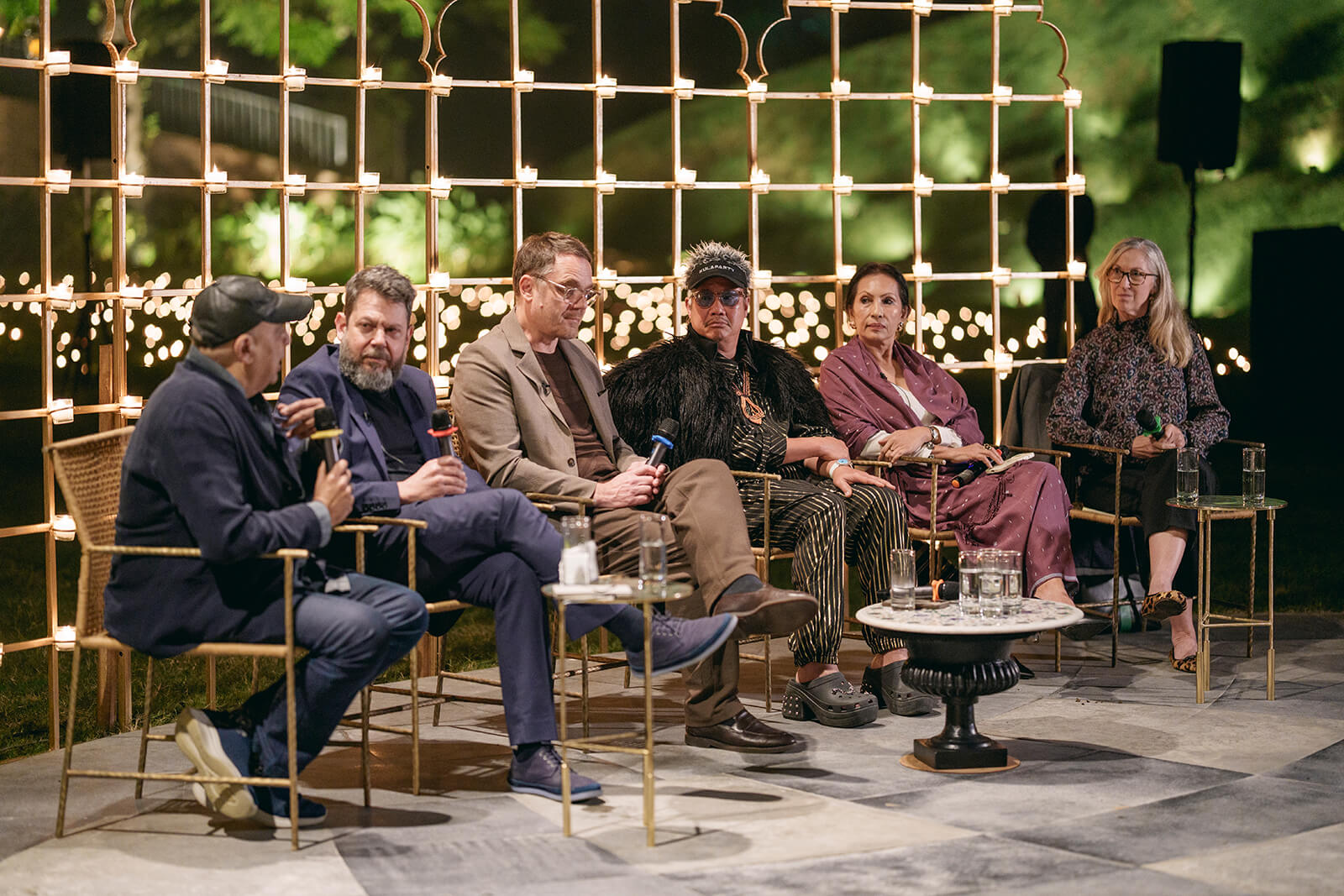
The works were evaluated by an international jury comprising Kulapat Yantrasast, Oliver Jahn, Jen Roberts, Prof Daniel Charny, Tarini Jindal Handa and Valentina Cuiffi. Following critique, the projects entered a second life through global exhibitions, with increasing interest from collectible design galleries drawn to the depth and integrity of the outcomes.
STIR paused to look more closely at a few projects that lingered—works shaped as much by encounter and process as by form.
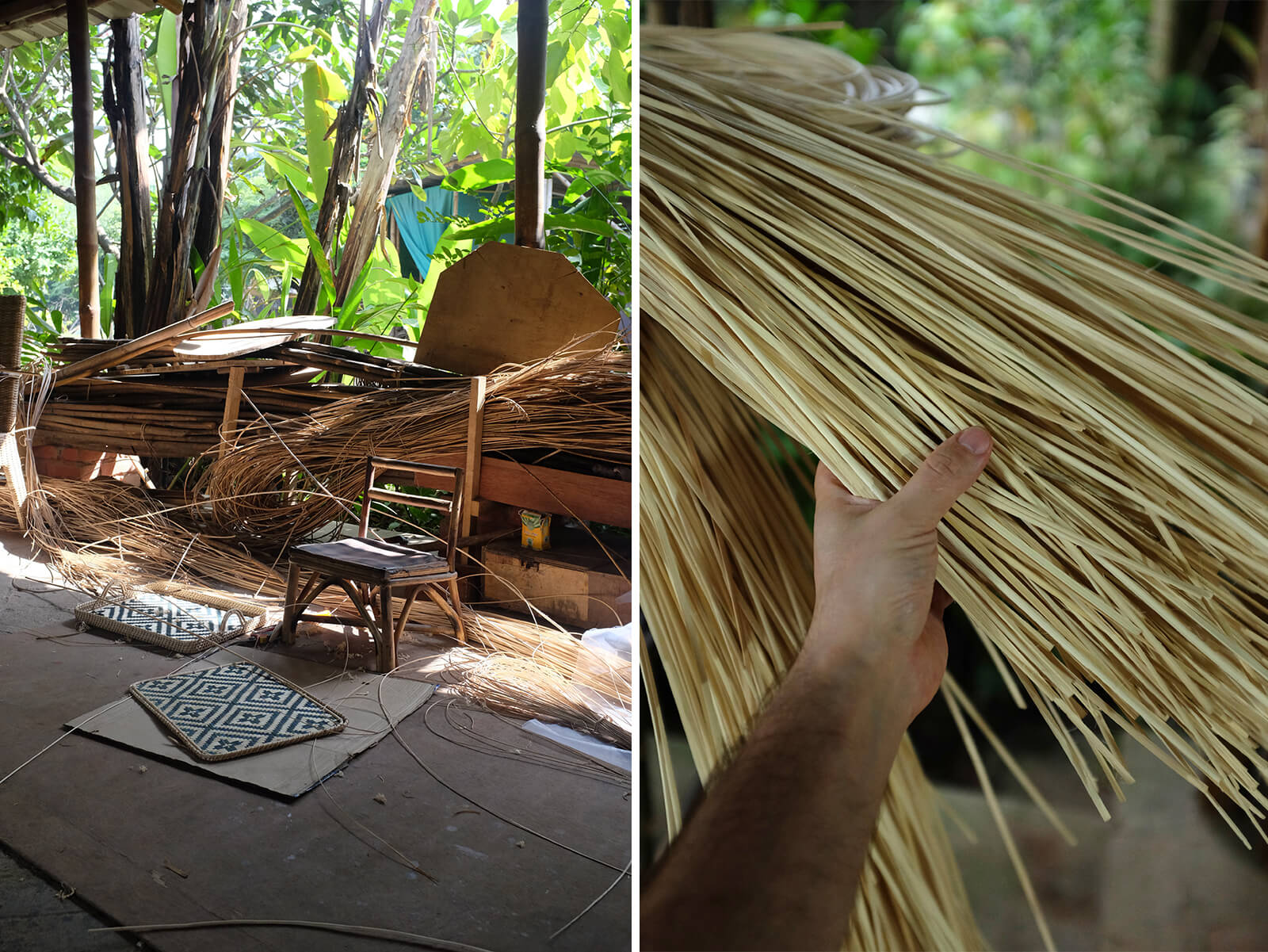
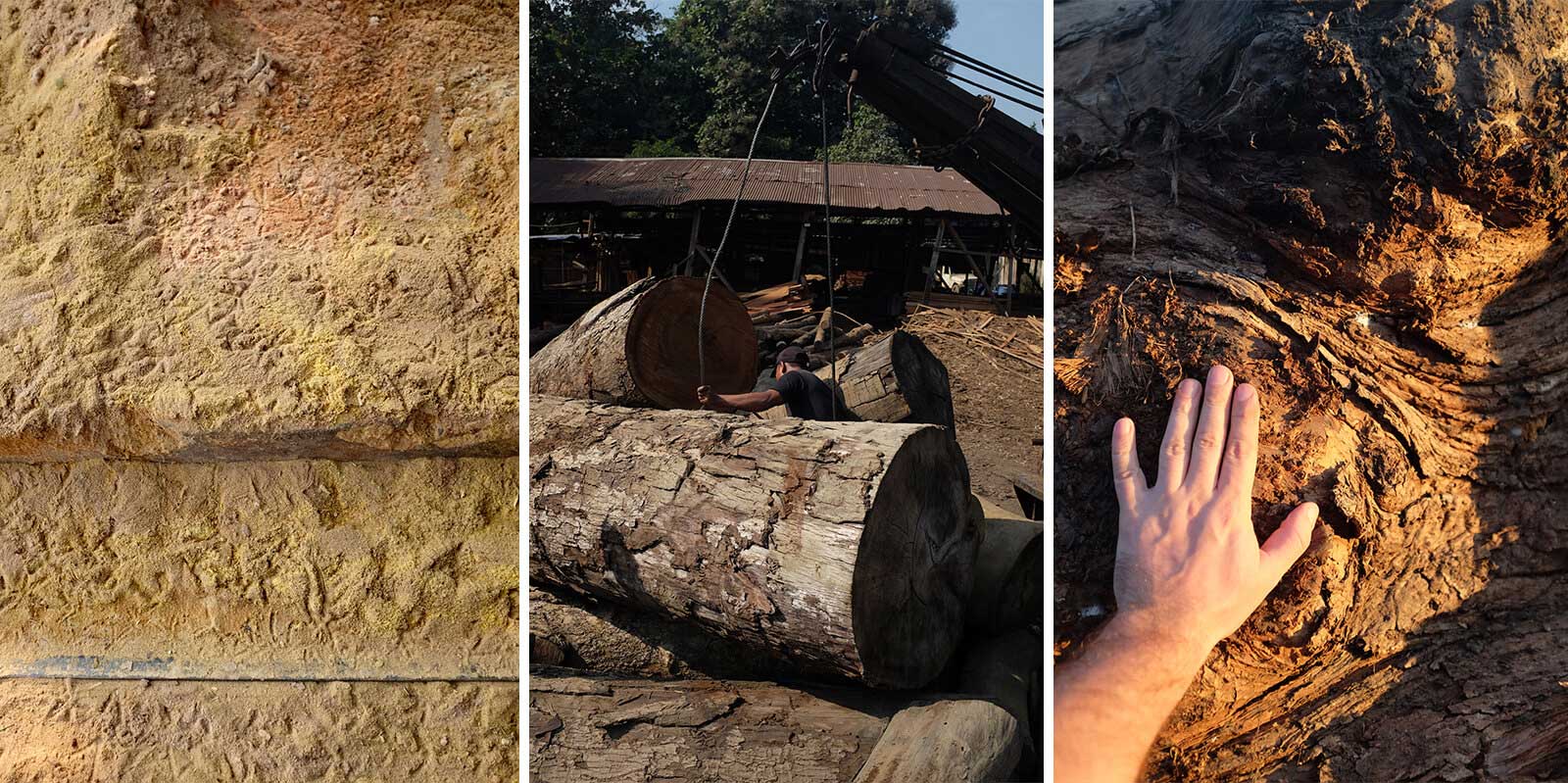
For Ursic, a designer based in Kraków, India became the setting for what she described as a 'fairytale moment' to STIR—one grounded less in fantasy than in material awe. Working with Frozen Music, an atelier specialising in stone, Ursic encountered a mode of precision that profoundly shifted her understanding of scale and labour. Her project brought straw and stone into conversation, staging an encounter between fragility and permanence, surface and depth. Rather than forcing synthesis, the work foregrounded dialogue between materials, temporalities and modes of attention.
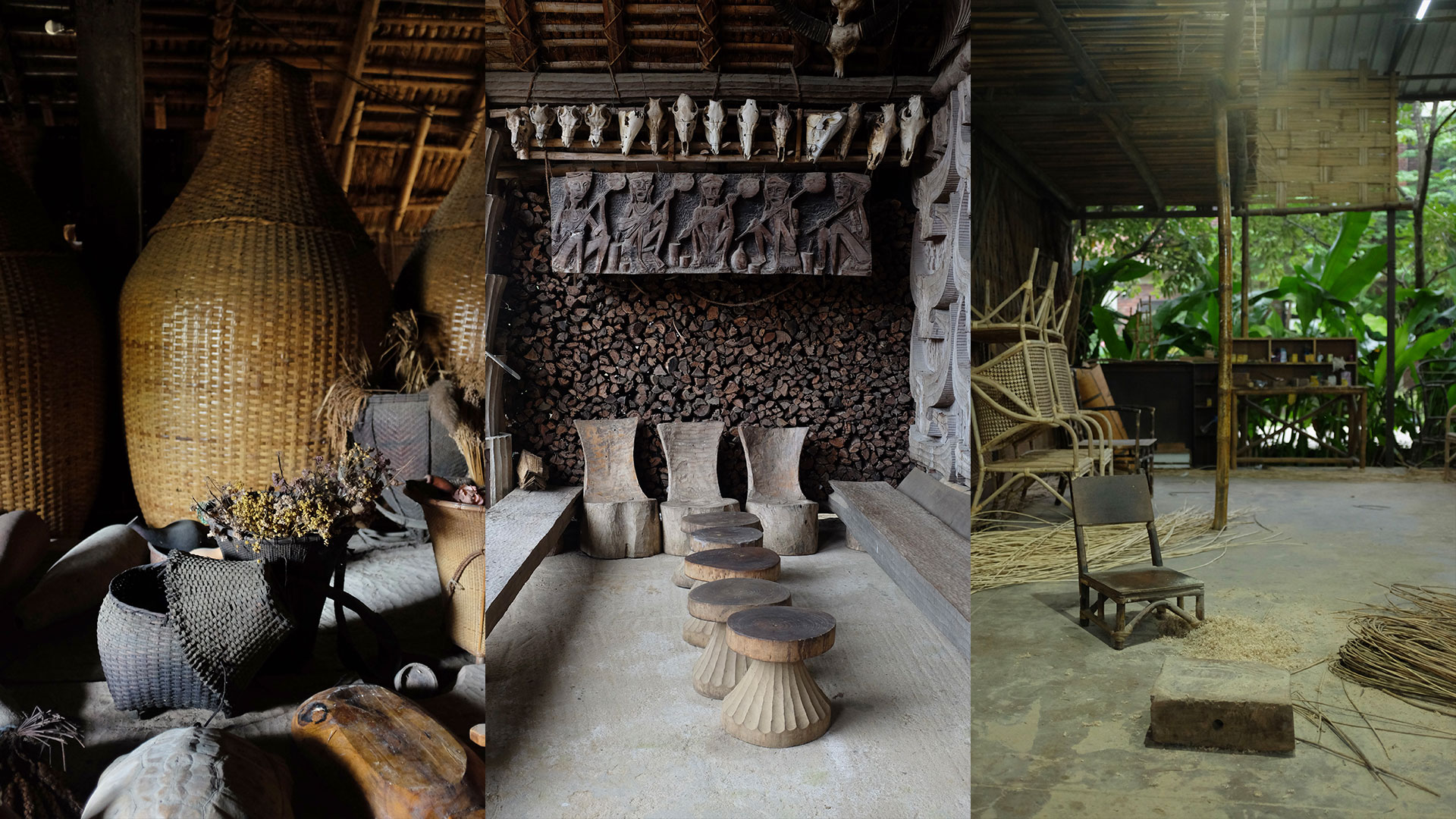
Nagaland emerged as a particularly resonant site within this edition of the residency—a region where craft was inseparable from daily life and where materials such as cane, bamboo and wood formed the backbone of architecture, tools and social rituals.
For Podracký, an artist navigating the porous boundary between sculpture and design, Nagaland’s cultural landscape—its myths, songs and animistic worldview—prompted a reflection on transformation. Rather than adopting local symbols, Podracký sought a form capable of holding both his own artistic language and the collaboration with Naga craftsmen. He arrived at the motif of the seed. Working with the Heirloom Naga Centre, he developed a series of free-standing, hand-carved seed forms—objects that functioned as stools while retaining sculptural autonomy. Carved in a deliberately brutal, massive manner characteristic of local woodcarving traditions, the works bore visible traces of tools and touch.
Speaking with STIR, Podracký described the experience as an encounter with a 'faster' yet deeply authentic mode of making—one that privileged direct engagement with material over refinement.
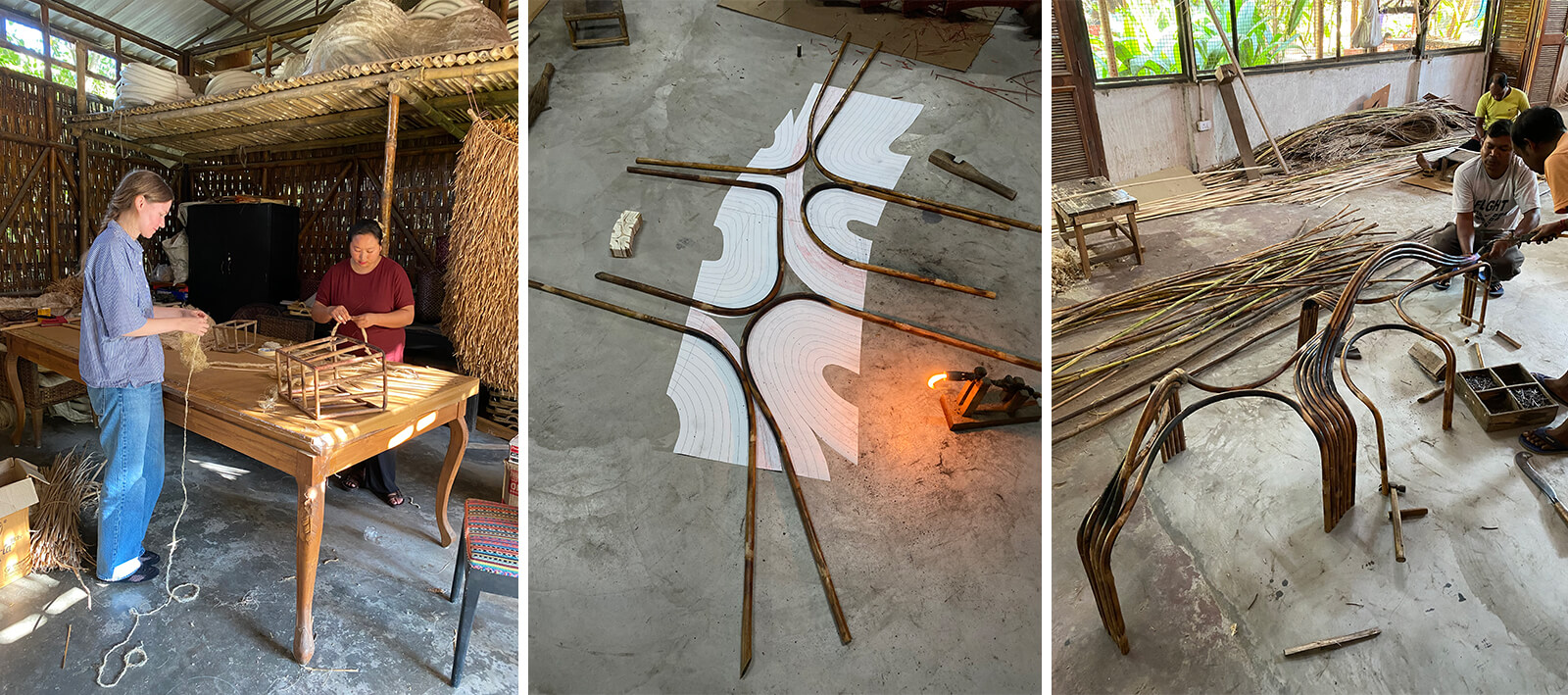
Where Podracký engaged Nagaland through form and symbolism, Tyakina approached it through material exposure. Based in Rotterdam, her practice is characterised by minimalist structures and sensitivity to material behaviour. At the Heirloom Naga Centre, she encountered bent-cane techniques traditionally used to create structural frames.
Conventionally, cane was peeled, stripped of knots, and cleaned after bending—processes undertaken largely for aesthetic reasons. Tyakina instead chose to work with unpeeled cane, preserving its natural surface and the charred marks left by fire bending. Stronger yet often dismissed as unfinished, the material became central to her investigation.
By constructing entire pieces from bent cane rather than relegating it to a hidden skeleton, Tyakina foregrounded the process as form. The resulting works challenged dominant ideas of refinement, asking what it meant for an object to be complete and whose standards of finish were being upheld.
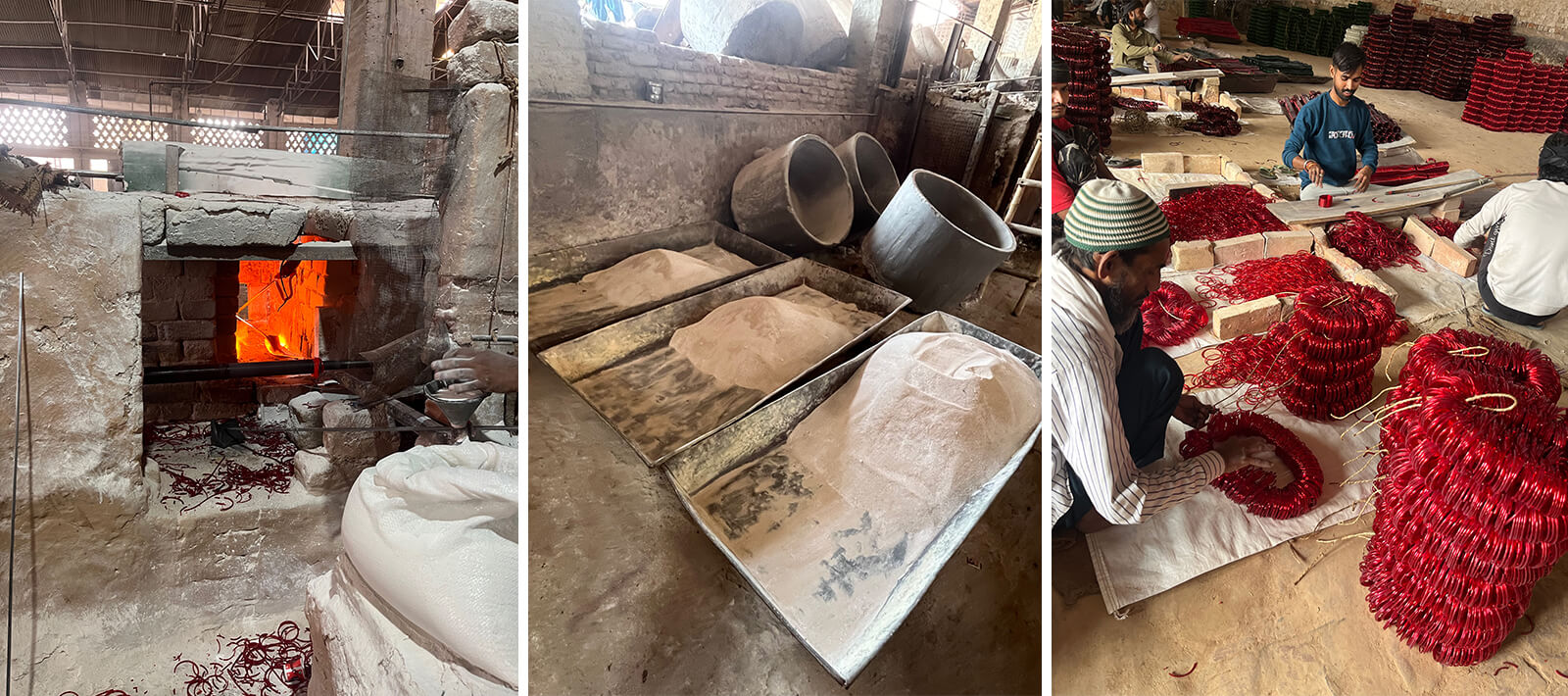
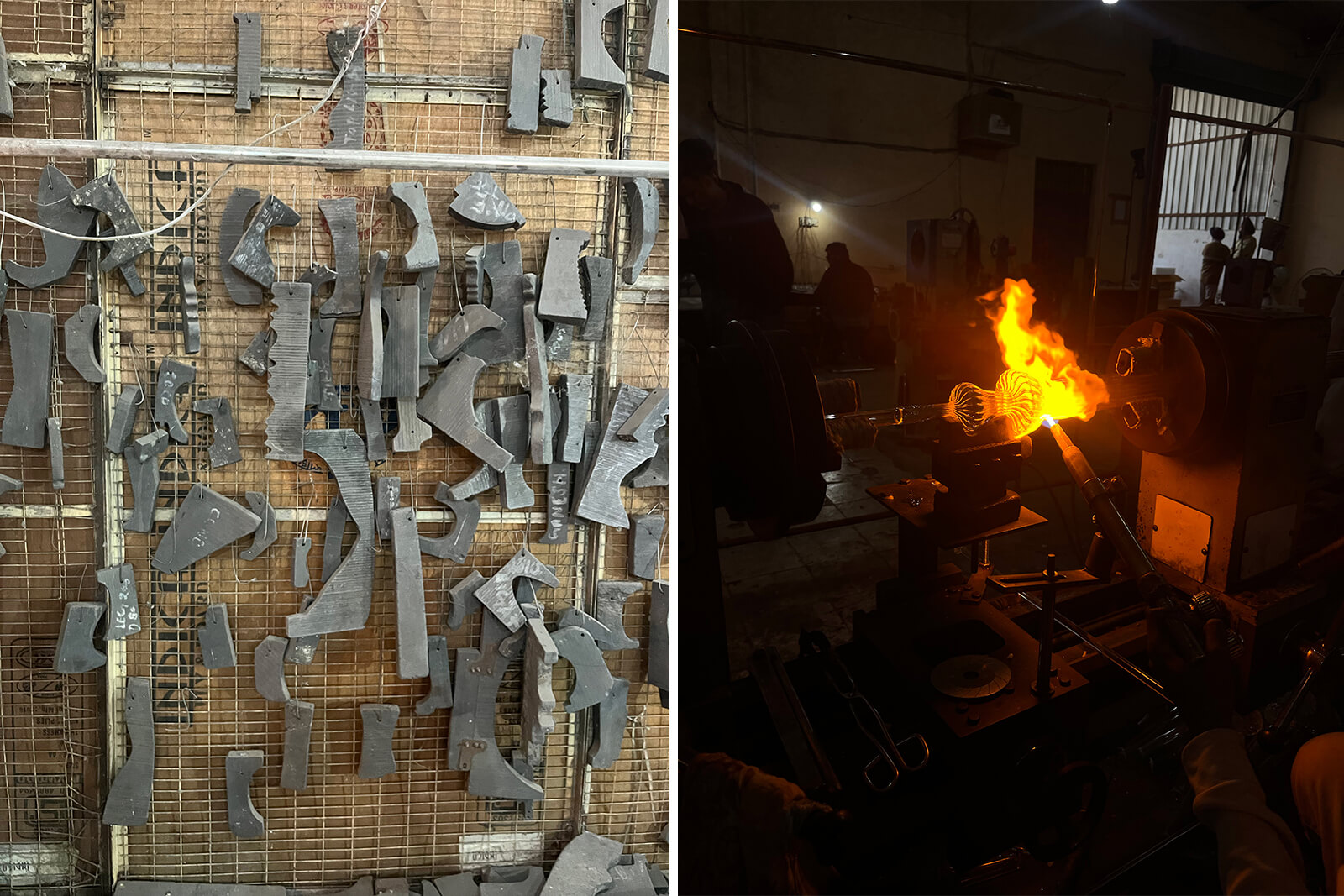
A different material narrative unfolded in Garber’s project for Studio Noff, which investigated indigenous glassmaking practices in Uttar Pradesh. Central to this research was reh—a white saline crust that accumulated on arid, agriculturally marginal land. Rich in mineral salts, reh had historically been harvested as a sole ingredient for glass production, yielding distinctive green and black glass.
Garber’s research revealed how glassmaking and agriculture in the region were interconnected practices, shaped by a shared understanding of soil, climate and seasonal rhythms. Collaborating with the artisans of Klove Studio, Studio Noff developed a series of glass lighting objects inspired by traditional agricultural vessels used to store seeds and grains.
These objects translated not only historical forms but the logics embedded within them. In doing so, the project reactivated a material memory—one that reframed barren land as a site of potential rather than absence.
What distinguished the Shakti Design Residency was not simply the quality of its outcomes, but the ethics of its structure. By privileging time, proximity and collaboration, it resisted extractive models of design engagement and proposed an alternative—one where making became a form of listening. This ethos extended beyond the workshop into a series of conversations hosted as part of the residency, including podcasts and a panel discussion that examined craft not only as a cultural practice but also as a powerful engine for inclusive growth in India—capable of sustaining livelihoods, knowledge systems and regional economies.
In its second edition, the Shakti Design Residency did not offer answers so much as it sharpened questions—about authorship, value and the future of making. In doing so, it affirmed design as a practice of care: grounded, critical and quietly transformative.

by Pranjal Maheshwari Oct 23, 2026
Co-authored by Jareh Das, Chairman traces the British designer’s fixation on chairs as symbols of power and identity and as mediums of expression and community building.
by Mirra Lynn Oct 22, 2026
The curators behind Palestine Design Week 2026 reflect on its intent, considering how design holds memory, makes space for loss and imagines a future in Palestine.
by Chahna Tank Oct 22, 2026
STIR speaks with the Mumbai-based type designer about her practice, type walks and why she wants more people to have stronger opinions about Indian-script fonts.
by Jincy Iype Oct 15, 2026
STIR explores craft, material intelligence and people shaping Indian design through dialogues with Design Democracy’s co-founders and the curators of its special exhibitions.

make your fridays matter with a well-read weekend
Enter your details to sign in
Don’t have an account?
Sign upOr you can sign in with
a single account for all
STIR platforms
All your bookmarks will be available across all your devices.
Stay STIRred
Already have an account?
Sign inOr you can sign up with
Verification link sent to check your inbox or spam folder to complete sign up process
Tap on things that interests you.
Select the Conversation Category you would like to watch
Please enter your details and click submit.
Enter the 6-digit code sent at


Shakti Design Residency’s second edition explored making and the afterlife of craft
by Zohra Khan | Published on : Jan 22, 2026


 Sign in with Google
 Sign in with email
What do you think?