Art08 mins. read
A London exhibition reflects on shared South Asian histories and splintered maps
by Samta NadeemJun 19, 2025



by Srishti OjhaPublished on : Sep 15, 2026
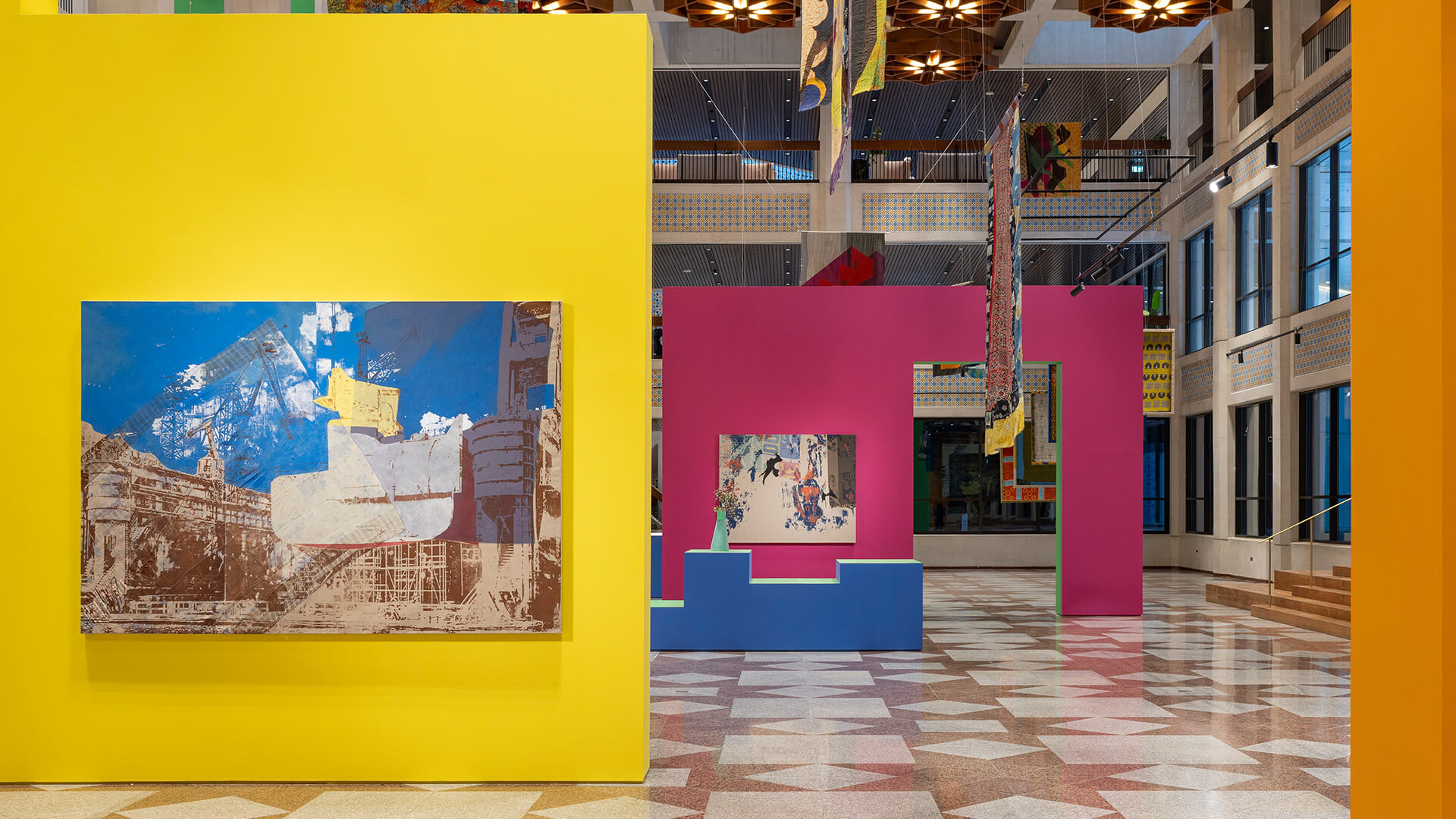
The protagonist of French surrealist author Raymond Queneau’s film-inspired novel Skin of Dreams (1948), Jacques L’Aumône, lives countless different existences in the space between reverie and waking life. He flits between personas until he eventually becomes a Hollywood actor, projecting his dreams and fluid identity to millions from the silver screen. It is a fitting title for the retrospective of multifaceted, multimedia artist Shezad Dawood at the Cultural Foundation, Abu Dhabi, UAE. The exhibition brings decades of the artist’s research-inspired works together under the roof of the iconic building. In a conversation with STIR, Dawood said, “There was a lot of pressure I faced as a younger artist to focus on one medium or theme. It’s been really wonderful to take stock of the whole practice and the connections, interconnections, echoes and interests within it. It's like when you look at the night sky, and suddenly a constellation becomes visible to you.”
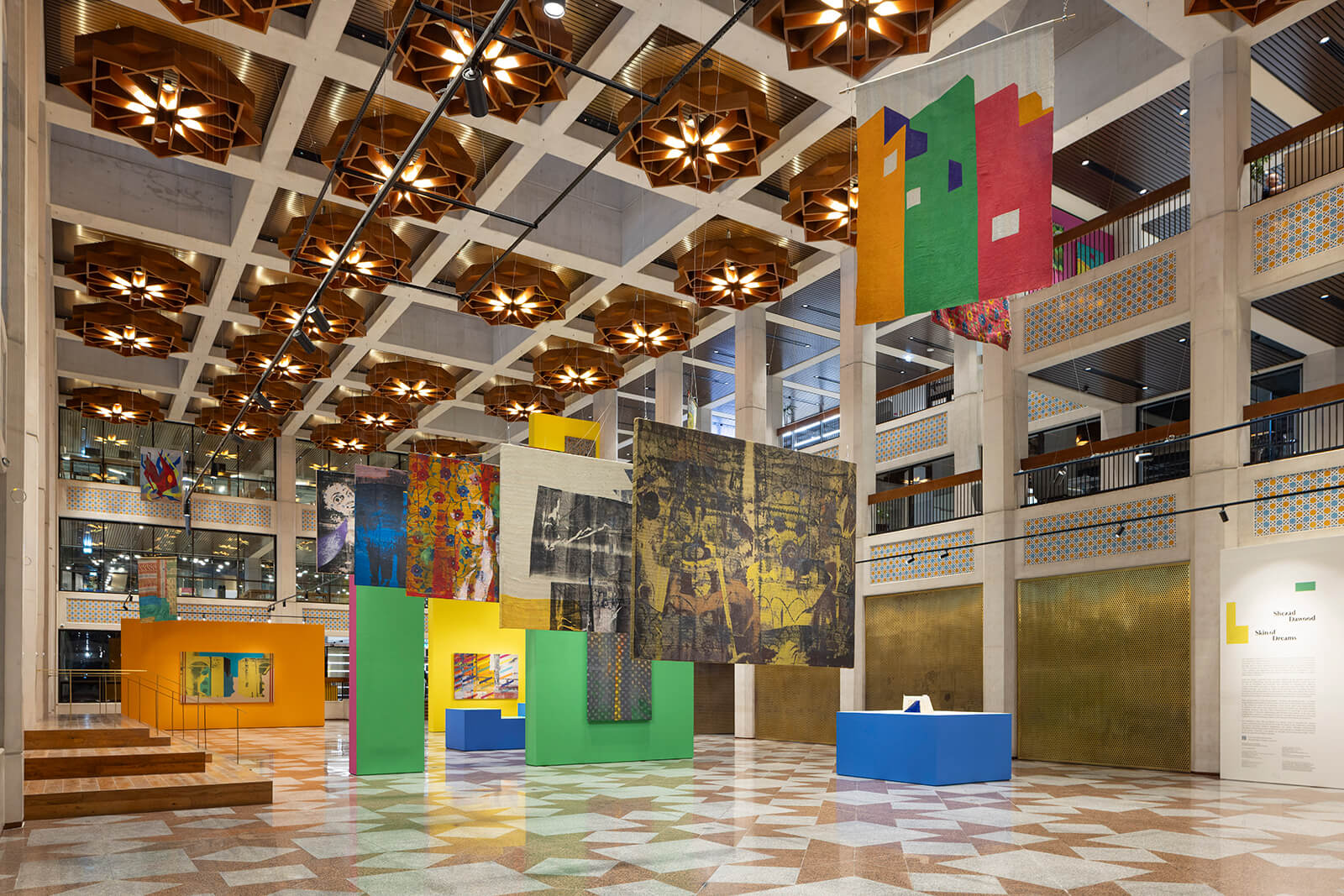
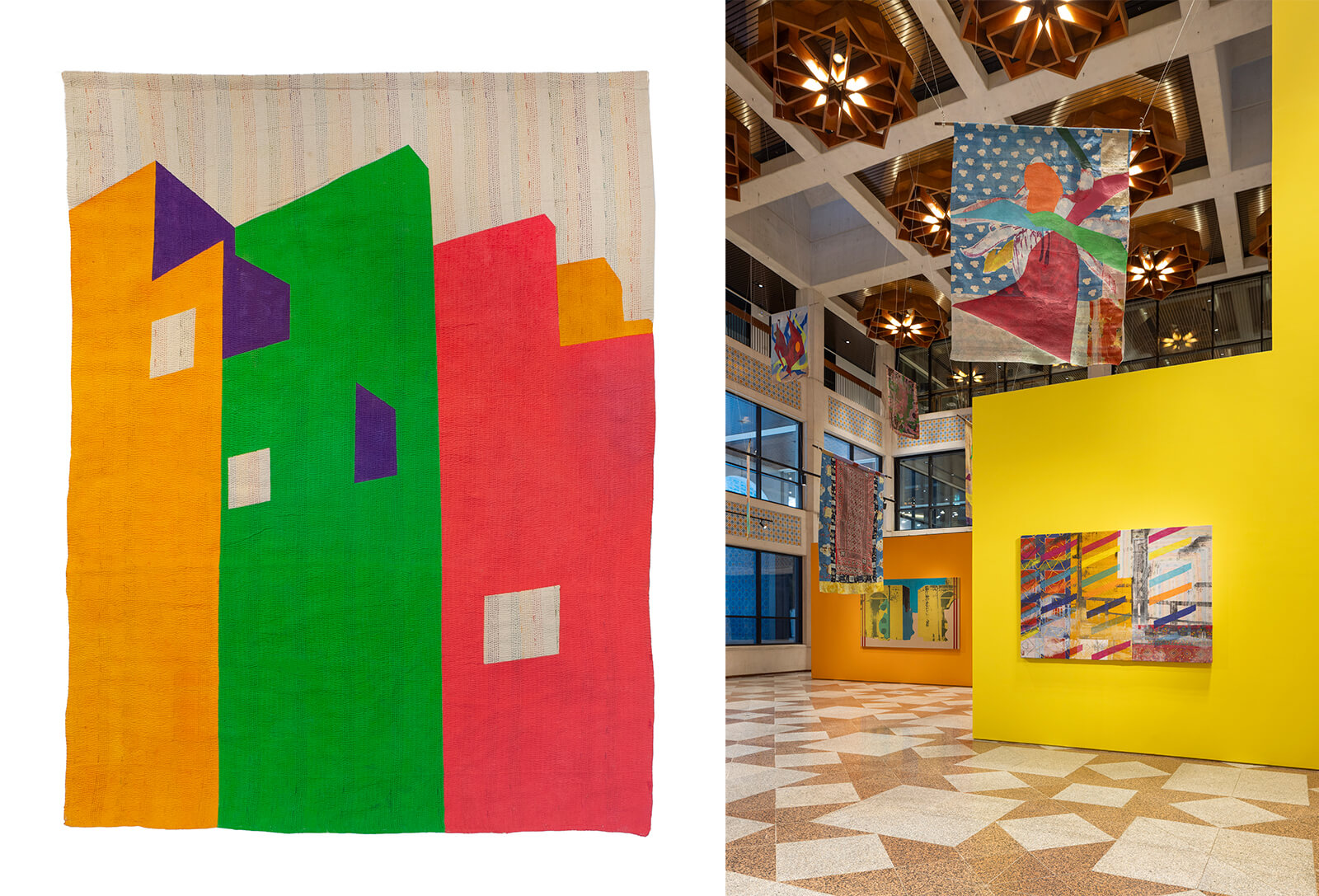
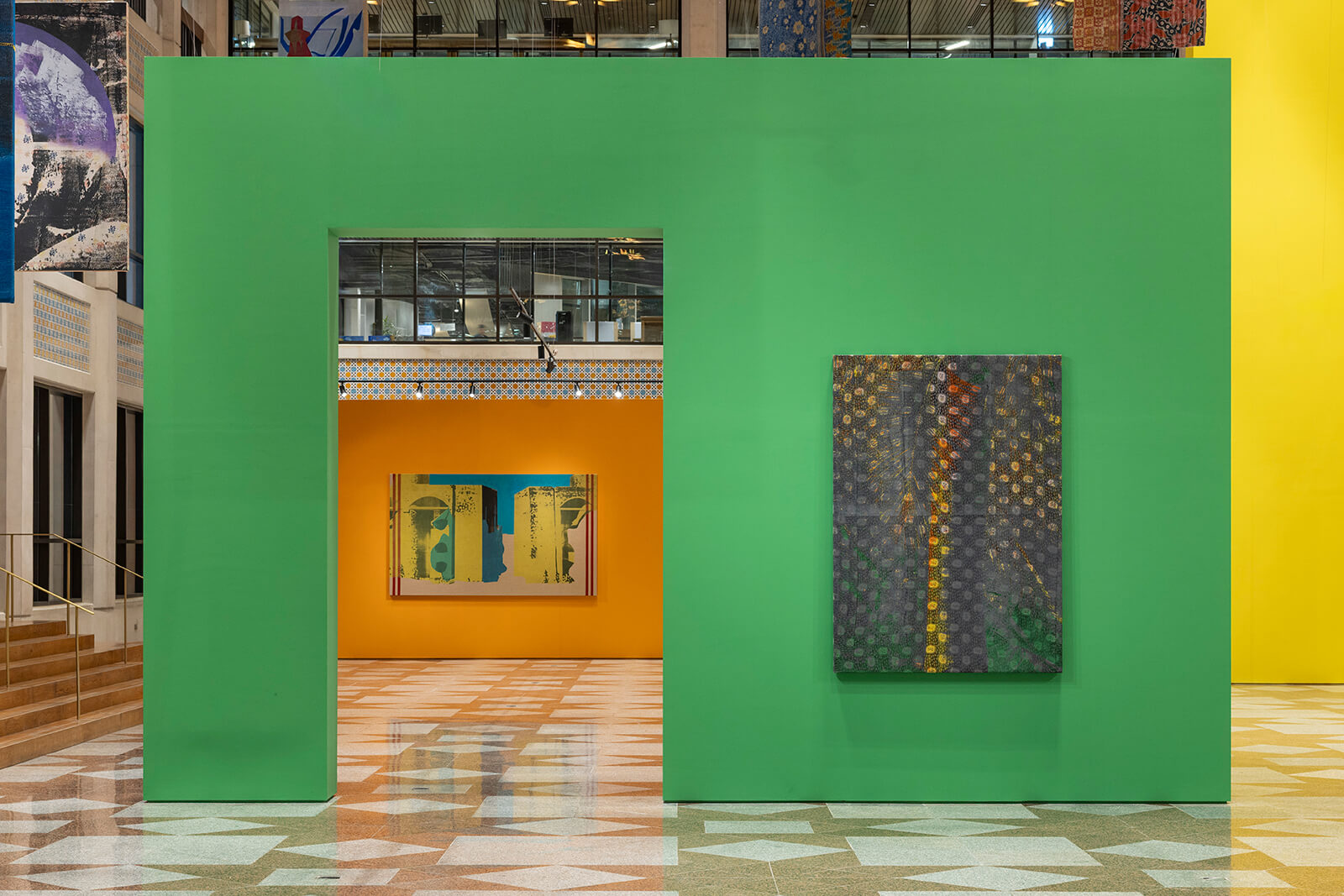
Presenting the expansiveness, diversity and evolution of Dawood’s practice was a challenge in exhibition design for curator Jessica Cerasi. The central, high-ceilinged atrium of the Cultural Foundation is devoted to the artist’s paintings, with spaces that house his works in film, video and virtual reality branching off from it, making Skin of Dreams the first in-depth survey of his painting practice. It foregrounds his fascination with textiles, particularly found textiles, and how they speak to history and traditions of South Asia and the region’s art. Beginning around 2011 with the work Flow My Tears the Policeman Said II, the artist has used ralli fabric from traditional handwoven embroidered quilts from Pakistan as a canvas, placing his work in a cultural continuum and in conversation with the thinkers and artists of the past, preserving and repurposing memory.
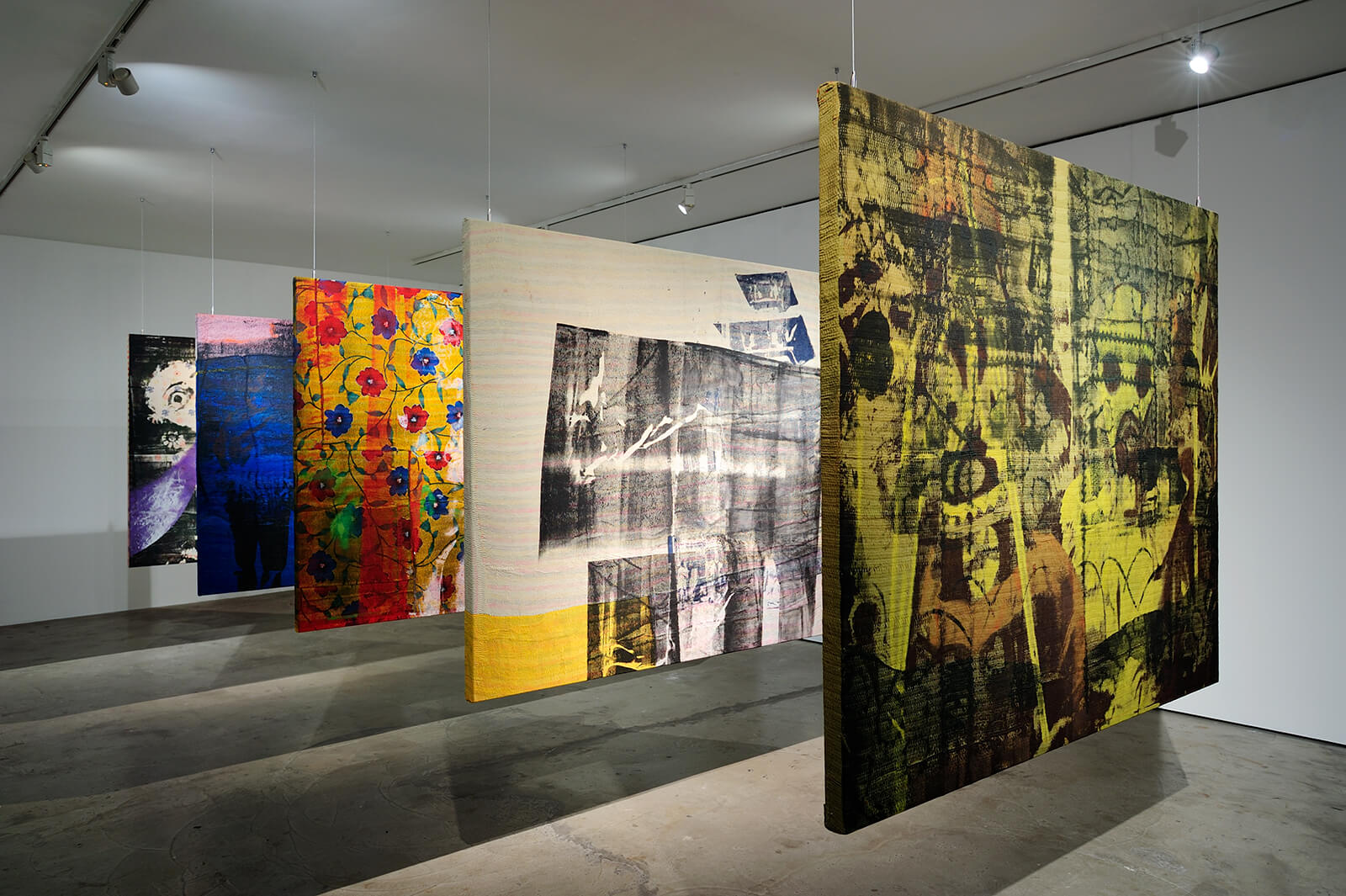
The exhibition partially draws its title from a 2014 work, Through Pierced Flesh and Skin of Dreams, a series of five suspended paintings representing a turning point in Dawood’s painting practice, tending it towards installation art. The works are created through a mix of screenprinting and painting on vintage fabrics turned into a kind of patchwork canvas. The suspended works create space for viewers to determine their own path, encountering the works as objects in space rather than flat visuals. “They relate to some of my thematic interests, from choreography to archaeology to cinema itself,” said Dawood.
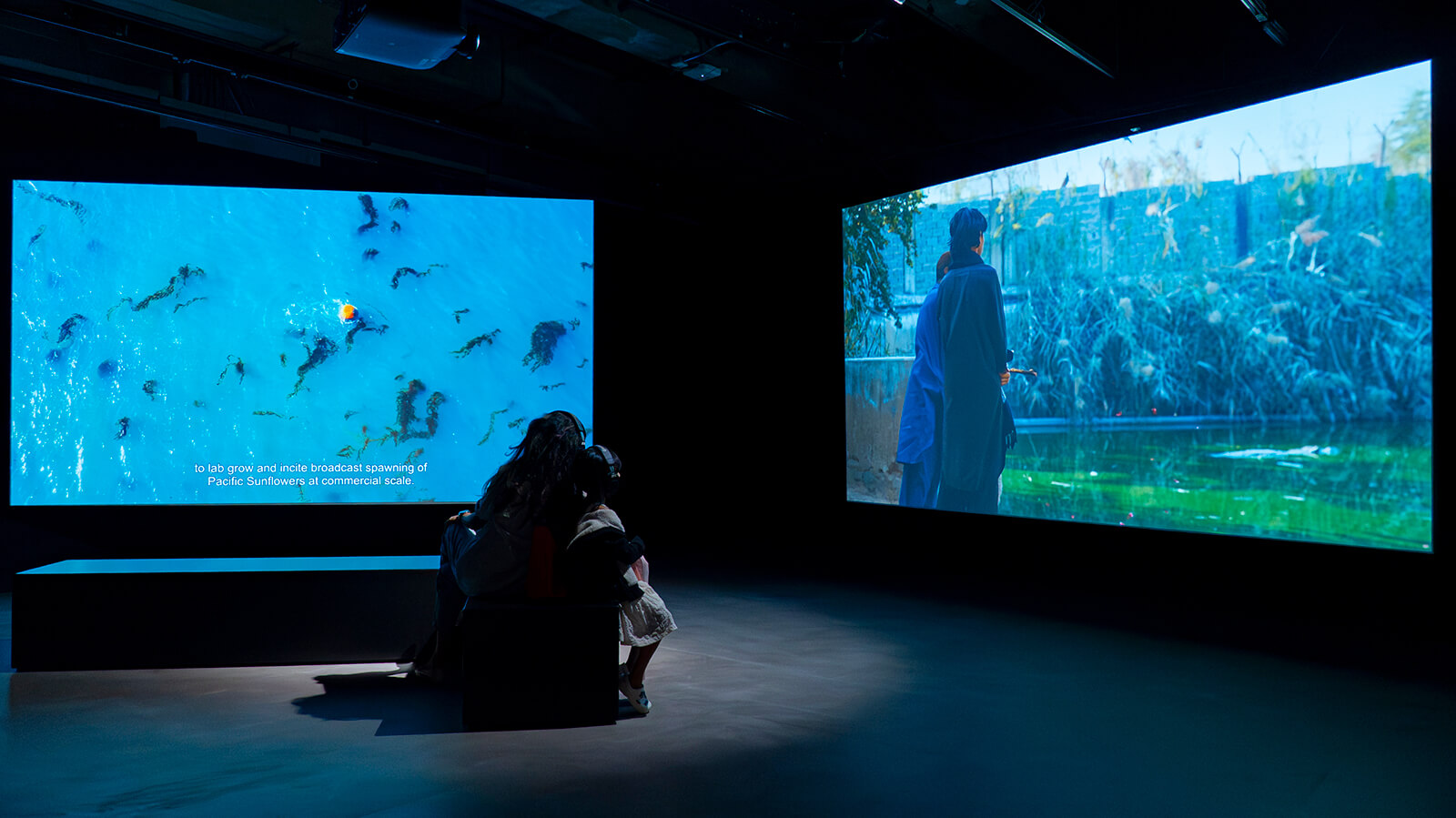
Another first in the exhibition is the premiere of the last two episodes of Dawood’s epic 10-part speculative film series, The Leviathan Cycle, a culmination of almost a decade of work. Created in collaboration with marine biologists, climate scientists, oceanographers, neurologists and other experts, the series is set decades into the Earth’s future, exploring how climate change and scientific progress might shape life on the planet. Episode 9: Hye Yeon, Nemo & Ding Ling (2026) is set in South Korea and explores the impact and enmeshment of humanity, nature and artificial intelligence as technologies like genetic engineering and synthetic environments are used to preserve biodiversity. For the final episode, Dawood turns closer to home in Episode 10: Encroachments – Ben, Tariq & Amina (2026), filming in his familial home city of Karachi. The episode follows the series’ original protagonist, Ben, as he returns to his unrecognisable homeland in the Indus Valley. The narrative blends contemporary biotechnology with ancient folklore to create a dreamlike film that sees humans merging with the sea.
The region is also the setting for the virtual reality series Encroachments (2019), where Dawood painstakingly recreates cultural spaces that no longer exist in Pakistan, drawing on research and childhood memories. The journey begins in Lahore’s iconic Urdu bookshop Ferozsons, whose iconic flagship store stood from 1894 to 2017, surviving floods, fires and conflicts to cement itself in the memories of countless locals. Dawood recounts the reaction of an audience in Lahore to the work, saying, “I remember people being moved to tears because it really took them back somewhere and preserved a key emotional memory. This really influenced the way I’ve worked with VR, using it to make a three-dimensional spatial archive of memory rather than a textual archive.”
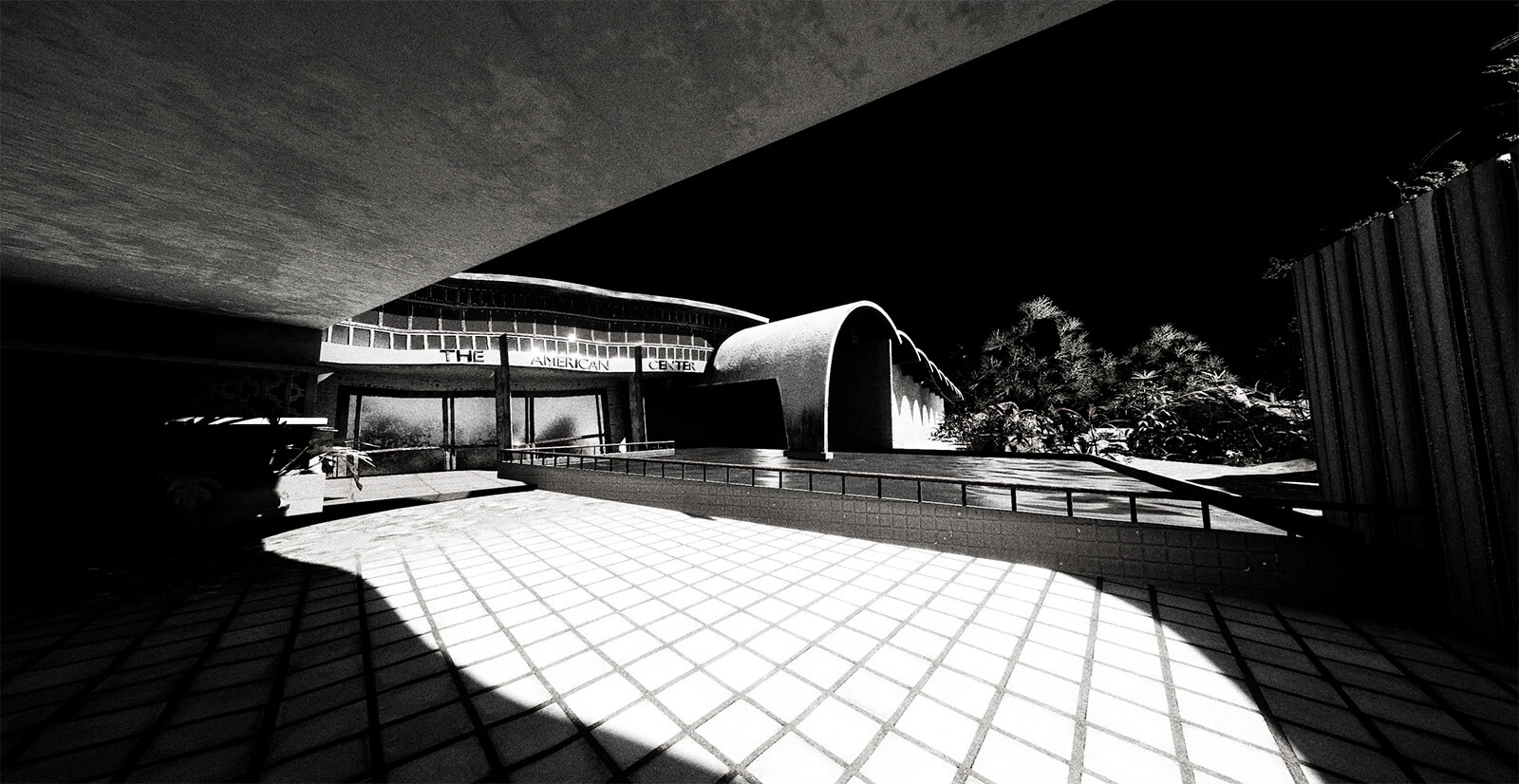
Dawood’s fascination with modernist architecture drives the work forward to a speculative vision of the 1959 US Embassy in Karachi (which would later become a consulate), designed by architect Richard Neutra. The building melts and transforms into a tea shop in an ‘encroachment’ at the outskirts of Karachi. Each location draws attention to the tension between spaces as they exist in cultural memory and how they are owned, changed and destroyed by private and state interests in the physical world. This fascination is reflected in the design of the exhibition, which exists in dialogue with the unique blend of Bauhaus aesthetic and Islamic geometry of the Cultural Foundation’s building. “Exhibition design is really key to the way I work. If you’re working across different media, you have to constantly think about how they speak to each other and the space to help people make the connections between the works. It felt very important to think about the space as a collaborator rather than just trying to shoehorn an exhibition into such a complex space. We thought about the placement of the works in relation to the ceramic tiles, ceilings and balconies. The show activates itself anew from every point in the building,” explained Dawood.
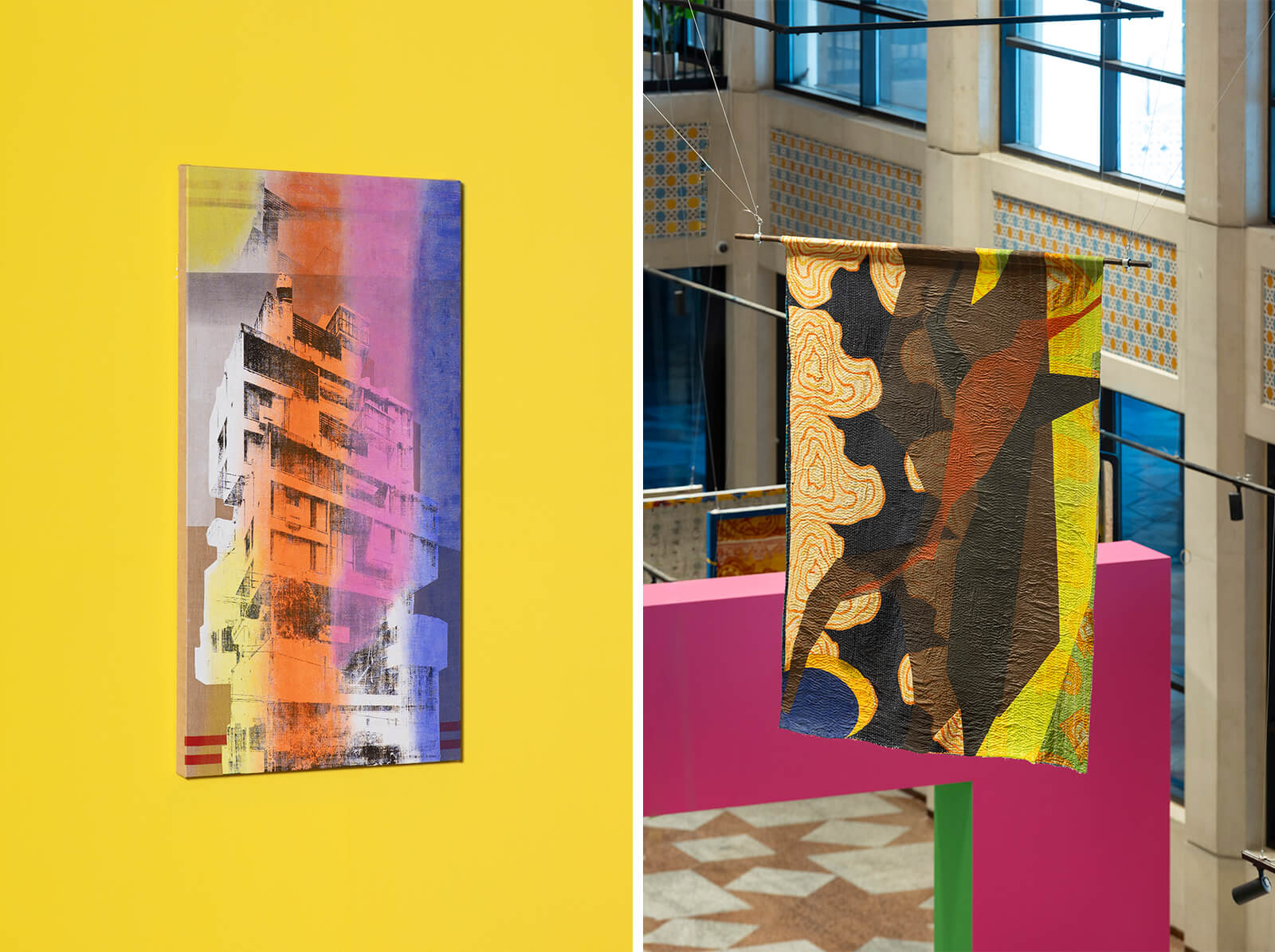
This comes full circle in the 2010 series Cities of the Future, which consists of five case studies of architectural modernism in South Asia. He explains the significance of this subject, saying, “[The architecture] was all created in the post-independence phase, so it has a very different aspiration to European modernist architectural practices. For example, my last two case studies show how much more of a consideration there is from South Asian architects about ecology and where the inside meets the outside, since they’re dealing with a very different climate than European modernists. These buildings aspire to utopian notions of modernity but are not immune to social, cultural and political shifts.”
Ecology, along with architecture, is another one of the most significant of Dawood’s multifarious interests. He speaks about an early experience as an artist approaching ISMAR (Institutes of Marine Research) in Italy in 2015 to discuss a possible connection between the migrant crisis, climate change and oceanographic data on fault lines in the seabed. “There’s a fault line at the seabed in the Mediterranean where cooler waters meet warmer ones, and it creates the dangerous currents that make that crossing so perilous for migrants. I was expecting a vague connection but to have something so physiological—like a spine extending from the seabed to the surface—I recall thinking, not only do I have a project (which would become the Leviathan Cycle), but I have an obligation to unpack some of this.”
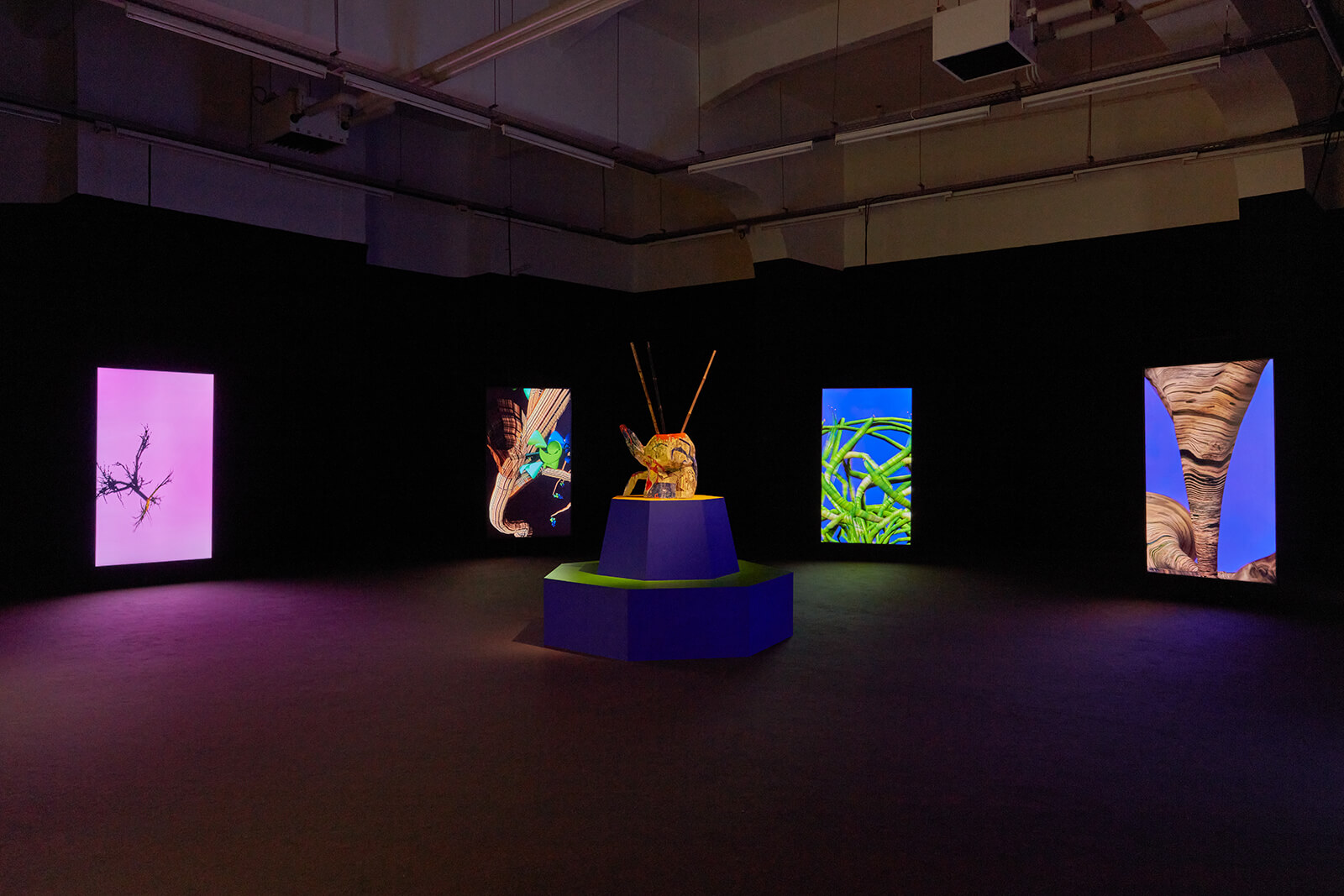
This desire to work with experts, to create archives and turn the intangible or absent into physical spaces for audiences to move through is evident in the 2023 installation Night in the Garden of Love (Digital Seedbank), on view at Skin of Dreams. The work was created in response to the novella of the same title and music composed by African American polymath Yusef Lateef. The installation presents an interconnected web of works—a VR experience, painted textiles and a digital garden of plants grown by algorithms in response to music. He creates a ‘digital seedbank’ preserving a unique live experience, seeking to develop a poetics of environmentalism that operates from the principles of climate optimism to stir change.
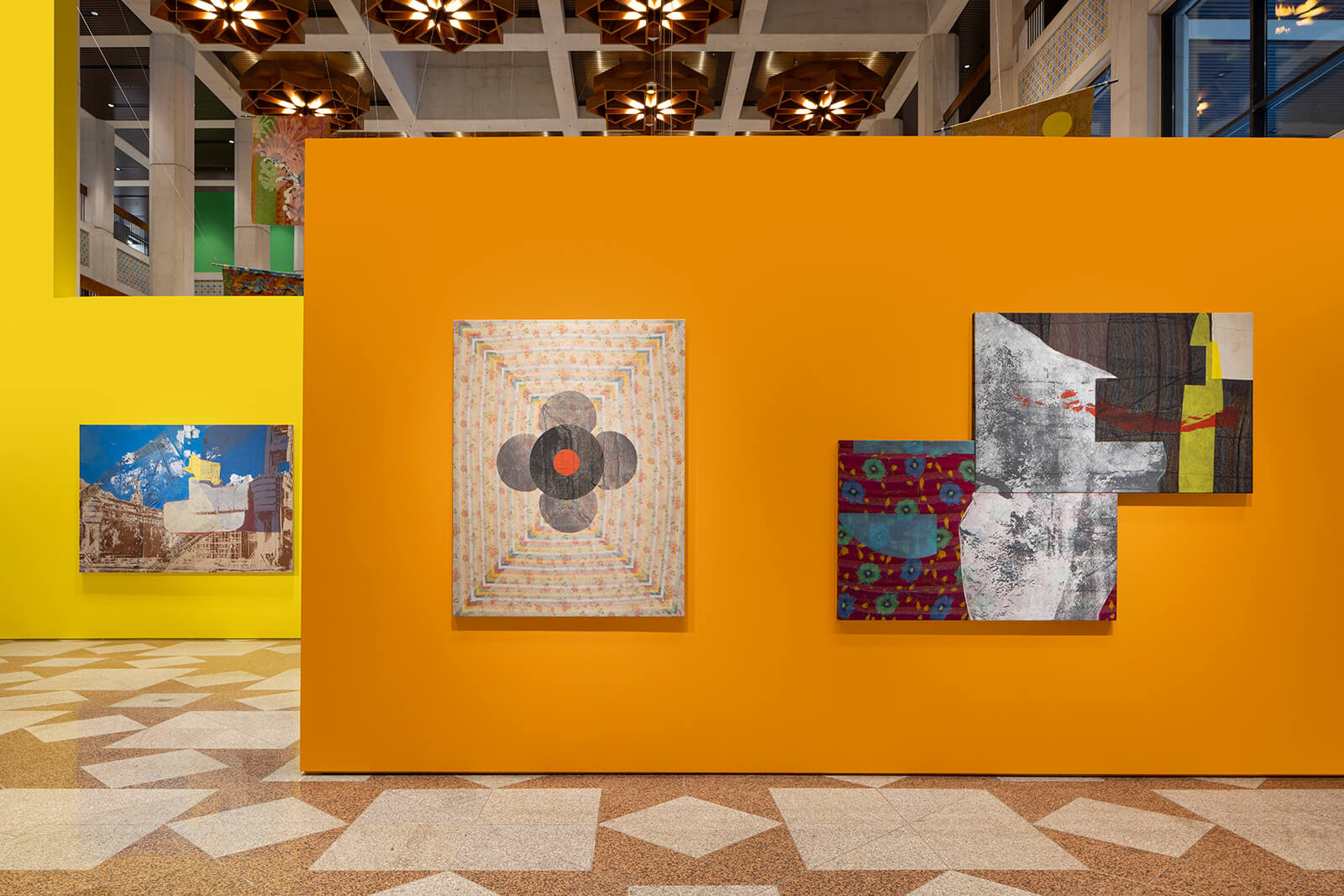
He rounds out our conversation by reflecting on the audience’s experience of the dense, diverse exhibition, brimming with decades of research, techniques and tendencies. “It's about giving agency to the audience. All of these subjects, thematics, interconnections, they're all out there in the world. By presenting them in an open field, the audience can feel ownership and an ability to go out and play by themselves, to investigate and to think about the connections that they might make, not just in my works, but out in the world. I see it as a form of gift-giving.” Dawood’s multiple positions—as a London-based artist with strong connections with his South Asian heritage, as a researcher and as someone who inhabits the fullness of the term ‘multimedia artist’—create a mid-career retrospective with works that traverse timelines, realities and subjects deftly. At Skin of Dreams, thousands of stories and connections are arranged carefully, waiting for those with the patience to find them.
‘Skin of Dreams’ will be on view from April 9 – September 20, 2026, at the Cultural Foundation in Abu Dhabi, UAE.
by Srishti Ojha Oct 21, 2026
Increasingly, artists, filmmakers and activists are turning to VR to create more personal, tangible accounts of the climate emergency and its impact on vulnerable communities.
by Mirra Lynn Oct 20, 2026
The Indian artist paints the old wadas of central Pune, capturing the traces of everyday life that cling to these structures, battered by time but unbowed.
by Anmol Ahuja Oct 15, 2026
How do heaps of souvenirs and relics with racist Aboriginal motifs and features become art? MCA Sydney’s winter showcase—the artist’s largest to date—beckons a possibility.
by Srishti Ojha Oct 14, 2026
The first Dutch publication on the Turkish artist, the eponymous book centres on Refik Anadol: Latent City, his living data sculpture of Bruges, exhibited at BRUSK gallery.

make your fridays matter with a well-read weekend
Enter your details to sign in
Don’t have an account?
Sign upOr you can sign in with
a single account for all
STIR platforms
All your bookmarks will be available across all your devices.
Stay STIRred
Already have an account?
Sign inOr you can sign up with
Verification link sent to check your inbox or spam folder to complete sign up process
Tap on things that interests you.
Select the Conversation Category you would like to watch
Please enter your details and click submit.
Enter the 6-digit code sent at


Skin of Dreams sees Shezad Dawood at his multimedia, multipassionate best
by Srishti Ojha | Published on : Sep 15, 2026


 Sign in with Google
 Sign in with email
What do you think?