Design09 mins. read
Design Democracy 2026 puts regional design at the heart of Made in India
by Jincy IypeOct 15, 2026




by Jincy IypePublished on : Nov 15, 2025
When Design Mumbai debuted last year, it signalled an angled shift in how urban India continues to engage with commercial design—not just as a consumer of global ideas, but as an active collaborator, shaping them. Attracting over 9,000 visitors and 100+ leading brands, the fair’s inaugural edition drew architects, interior designers and industry professionals into a shared conversation on material, making and identity. Its discerned success underscores what the organisers might have anticipated: that India, the world’s fifth-largest economy, is primed for a design event of global scale.
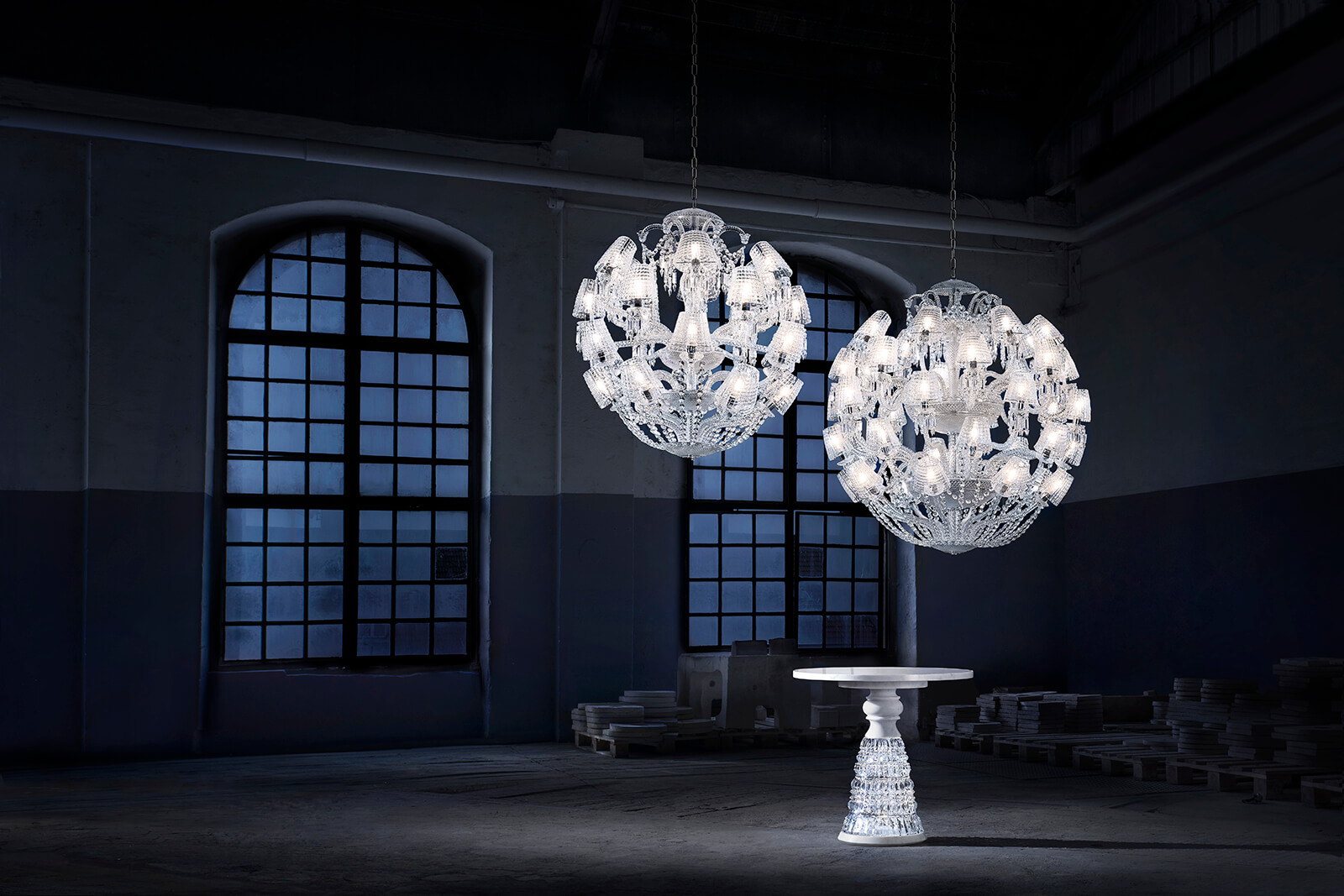
The second edition of Design Mumbai returns from November 26 – 29, 2025, at the Jio World Garden in Mumbai, bringing together leading brands and contemporary designers from India and abroad. Conceived as a four-day trade event with curated VIP consumer access, the design fair positions itself as a landmark in South Asia’s design calendar—"a contemporary design show in India with an international perspective”, as they relay themselves. It is presented by a team with deep industry experience, comprising co-founders Ian Rudge, Michael Dynan and Piyush Suri; under the aegis of Montgomery Group, the UK’s longest-running independent event organiser.
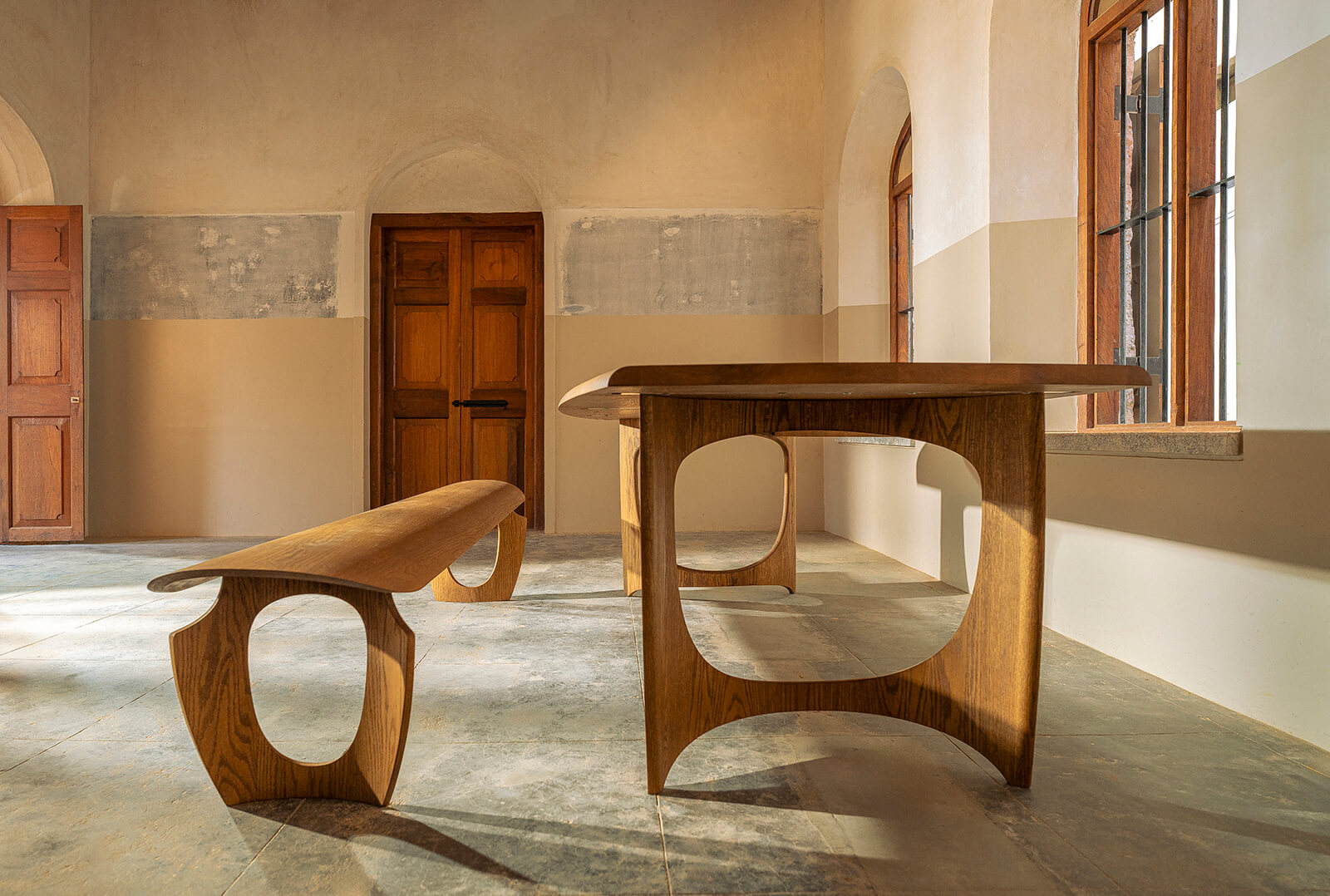
With STIR as a media partner, Design Mumbai 2025 builds on its debut momentum with a sharper curatorial focus and a roster that balances heritage and innovation, craft and technology, including its anticipated talks programme, Design Mumbai Exchange, which will see in attendance speakers such as Mike Tonkin and Anna Liu of London-based practice Tonkin Liu; Soumitro Ghosh of Mathew & Ghosh Architects; Cameron Bruhn, CEO of the Australian Institute of Architects; and Malay Doshi of Studio Saransh.
The exhibiting brands in particular—showcasing furniture design, lighting, materials and spatial design—represent a compelling snapshot of the current design landscape. Together, they bring a distinct mix of established and emerging international houses and Indian design studios that engage with sustainability, tactility and manufacturing excellence.
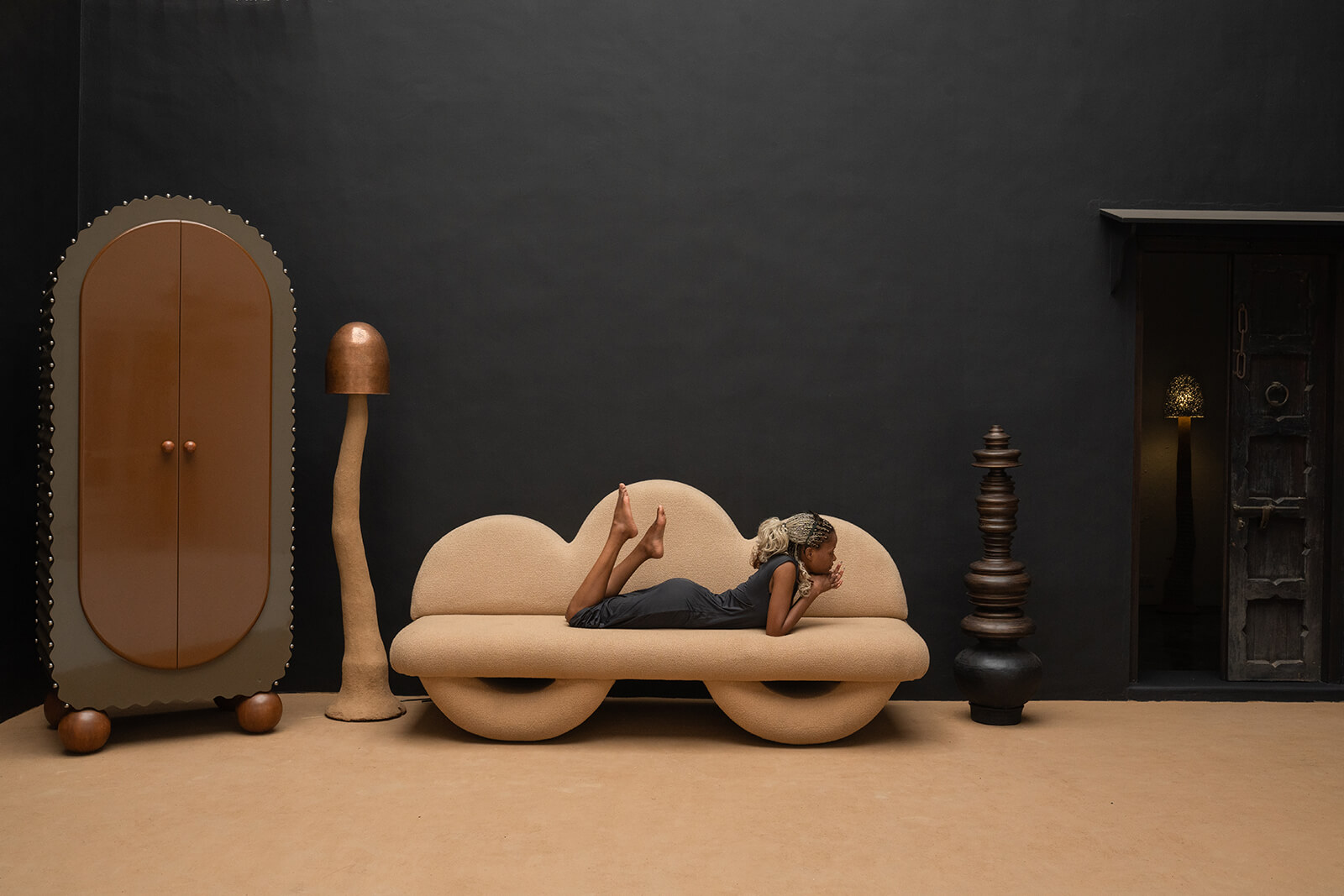
If there seems to be a recurring theme this year, it is material intelligence: an intersection of technology, sustainability and sensory experience. MYCEL, a Korean biomaterials company, exemplifies this with CELMURE—a mycelium-based luxury-grade leather alternative derived from fungal networks. In its first showcase at the upcoming design fair, developed exclusively for it, the brand will present the alternative material at its booth that encourages touch: visitors are invited to explore surfaces made from mycelium and natural lacquer pigment extracted from the Korean Ott tree, known for its antibacterial properties. The design installation positions sustainability not as an afterthought but as a tactile encounter, “offering new possibilities in furniture and interior design applications”, the organisers convey.
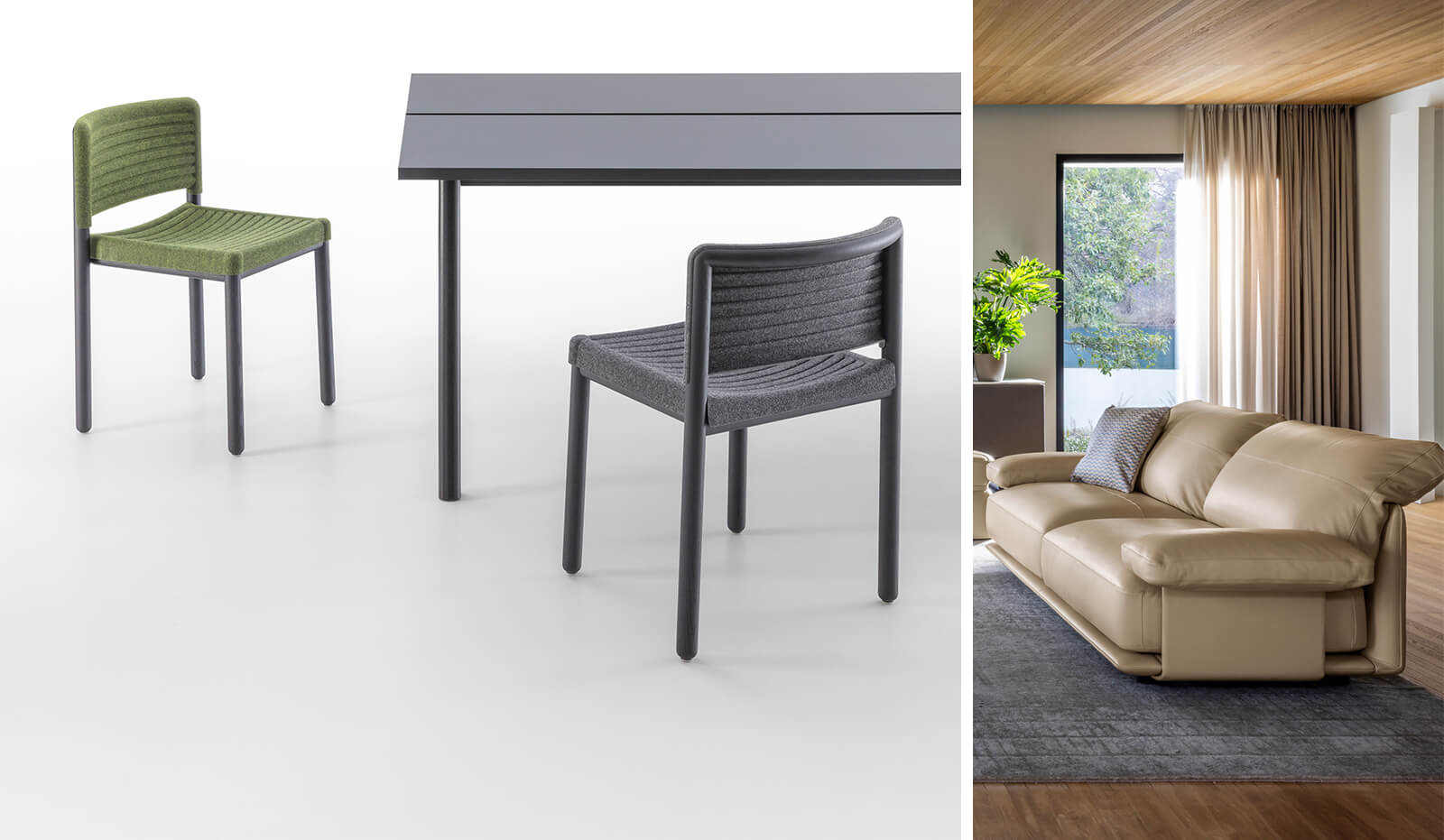
Italian brand Crassevig approaches sustainable design through engineering and ergonomics. Its STOL-N chair, designed by Boris Berlin, is built from thermoformed flax fibres or recycled PET felt made from post-consumer bottles. Lightweight and stackable, it is designed for durability across residential and contract settings. The product design demonstrates the kind of quiet, functional innovation that defines modern furniture—minimal, adaptable and materially aware.
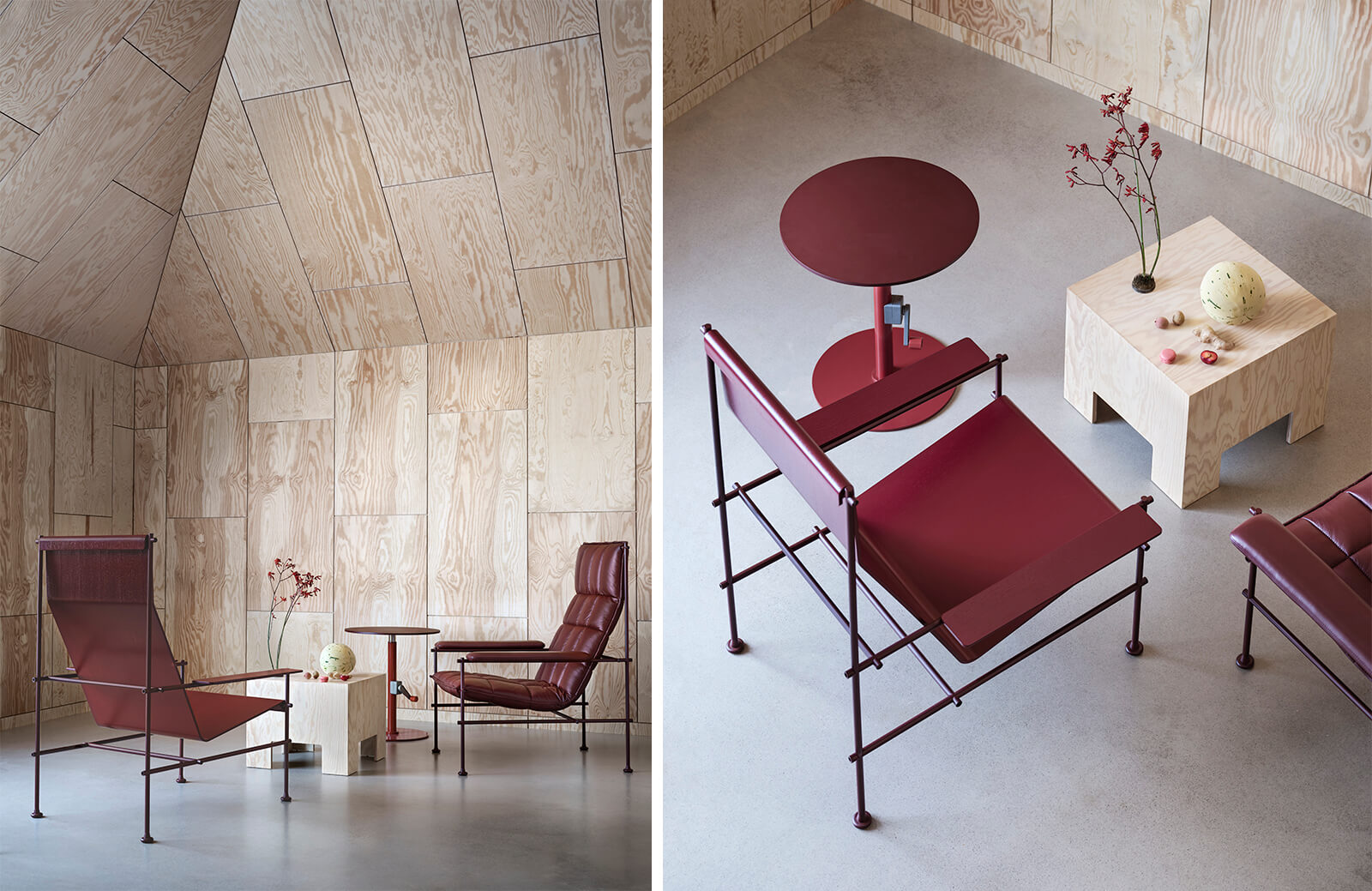
On the architectural scale, Barrisol by Vibrant Technik from France, returns to the fair, continuing to explore the possibilities of customisable form through stretch ceilings and walls. Its systems, made from lightweight PVC or fabric membranes, can be curved, domed or flat, and are often integrated with lighting to create a seamless visual field. Used as much for concealment as expression, Barrisol’s installations will reflect how contemporary design negotiates both the seen and unseen layers of space.
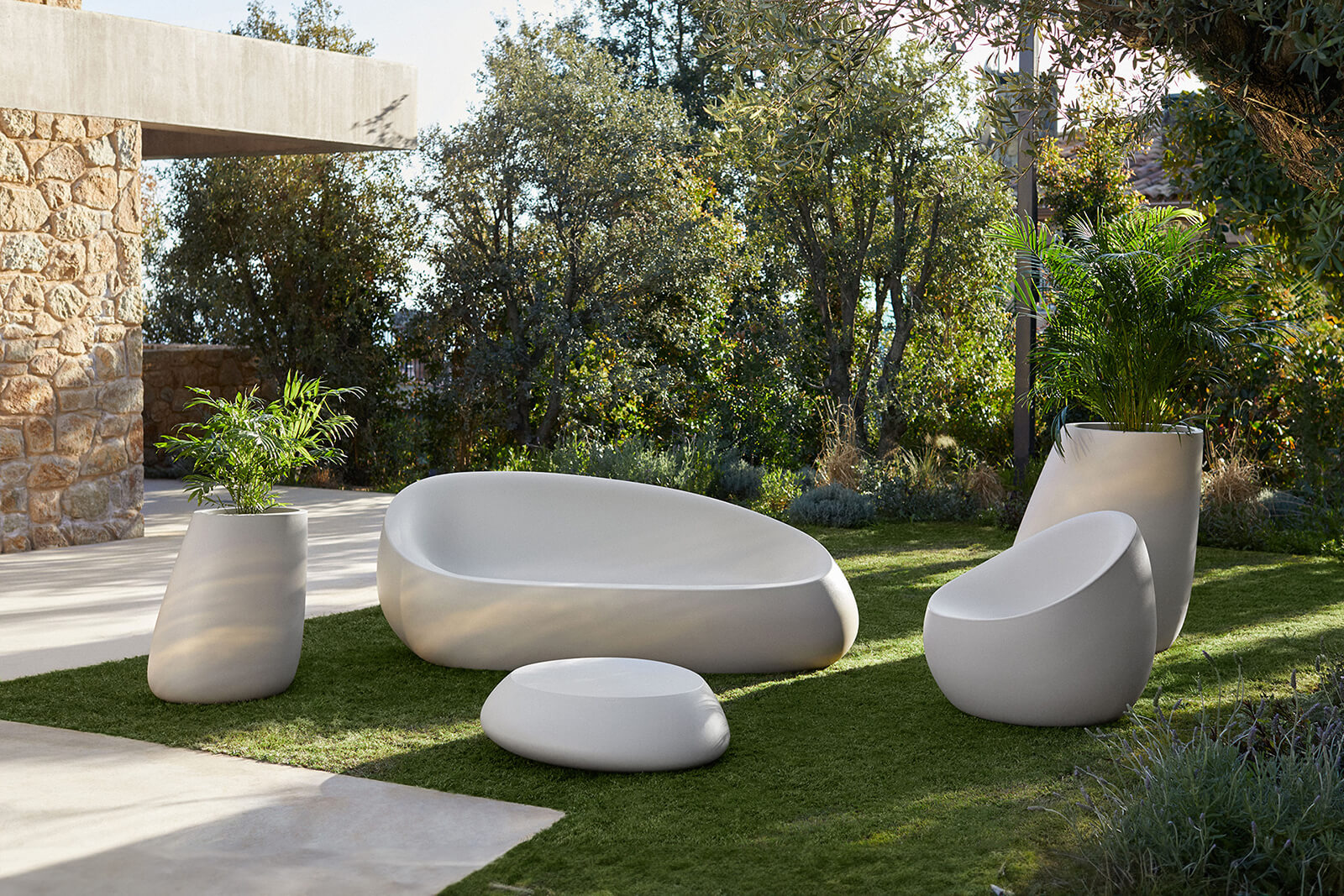
Several Indian brands at Design Mumbai 2025 are set to challenge the conventional hierarchies between local and global design. In its debut showcase at the fair, Racconti, part of the S.R. Jindal Group, will unveil Eternal, a new collection developed in collaboration with Italian designers. As a “self-styled ‘Made in India’ luxury interiors brand”, to structure its identity around international partnerships, Racconti merges European craftsmanship with Indian production acumen as a reflection of how global design is increasingly multipolar.
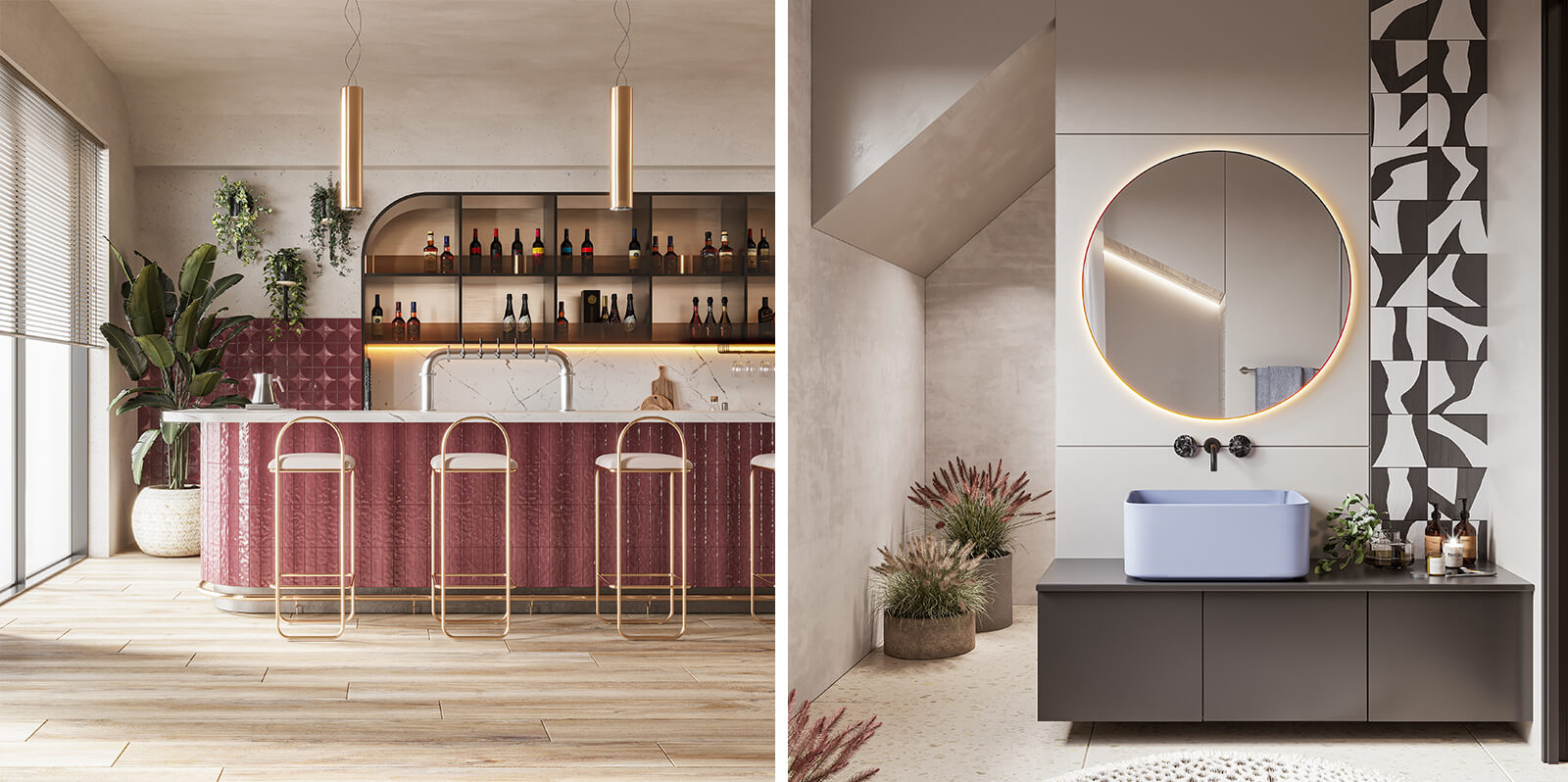
Kuche7, a luxury design and manufacturing company specialising in high-end bespoke kitchen systems, returns with its ‘Fluted Ombre’ finish—a technique that transitions colour gradients across ribbed stainless steel surfaces. Here, materiality is key: the brand’s signature 304-grade steel, more often associated with industry, is treated and textured to appear refined and warm. The result is a system that is as technically precise as it is sensorially rich.
In a different register, textile art studio Prayaan, founded by Rahul Jain and Gunjan Arora, works with textile waste and found materials to create installations that merge craft and art. At Design Mumbai this year, the studio marks its first solo showcase, expanding on its experimentation with indigenous techniques and textile heritage with a twist of monochromatic minimalism using waste, collected textiles and collected metals.
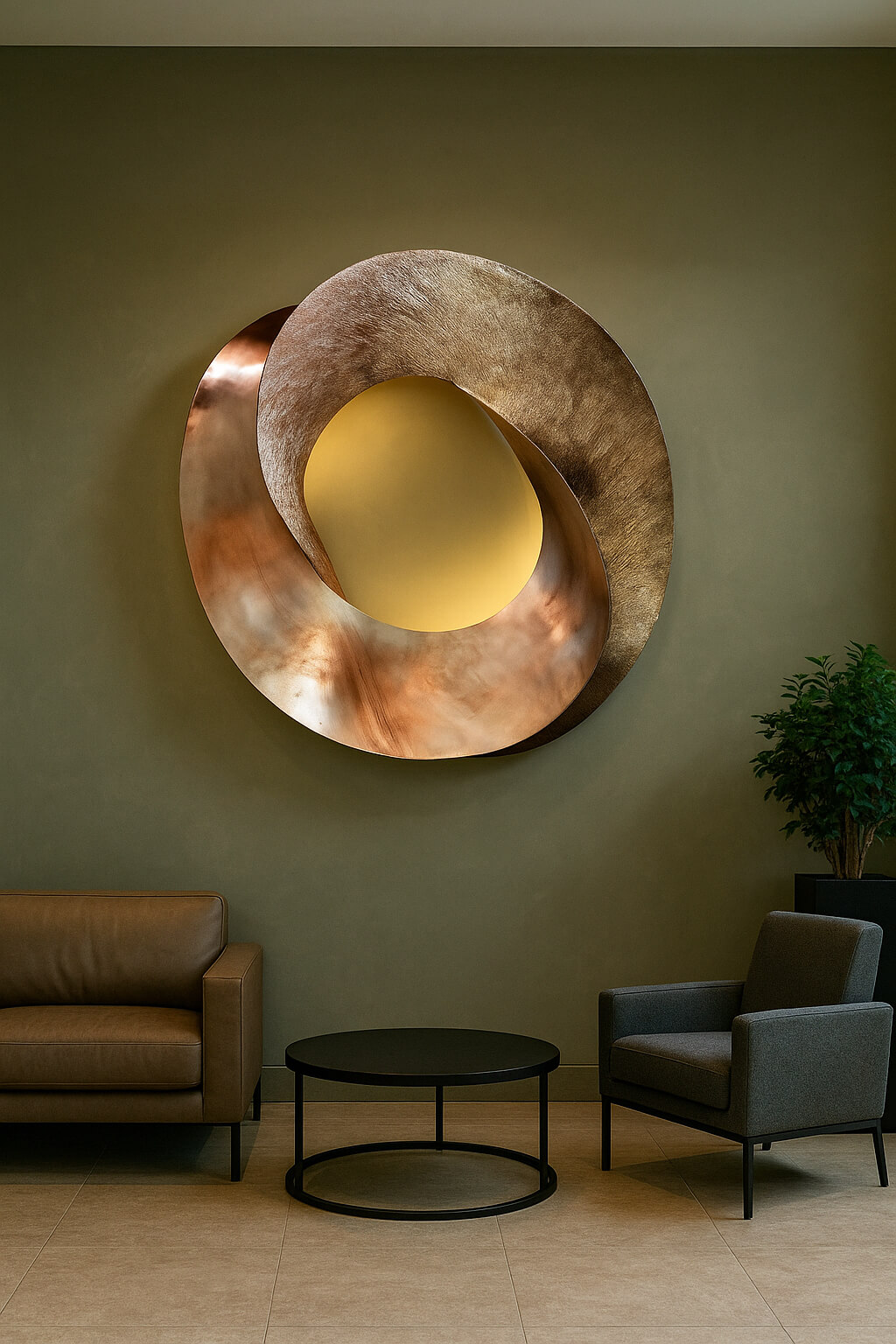
Also new to the show is Shaman Ideas, a conceptual installation practice founded by artist and entrepreneur Sharmila Mangwani, which explores material transformation in its art and design pieces, using geometric, Mobius-like structures to express themes of continuity and duality. Both practices embody the experimental, ambitious undercurrent that continues to define India’s independent design movement.
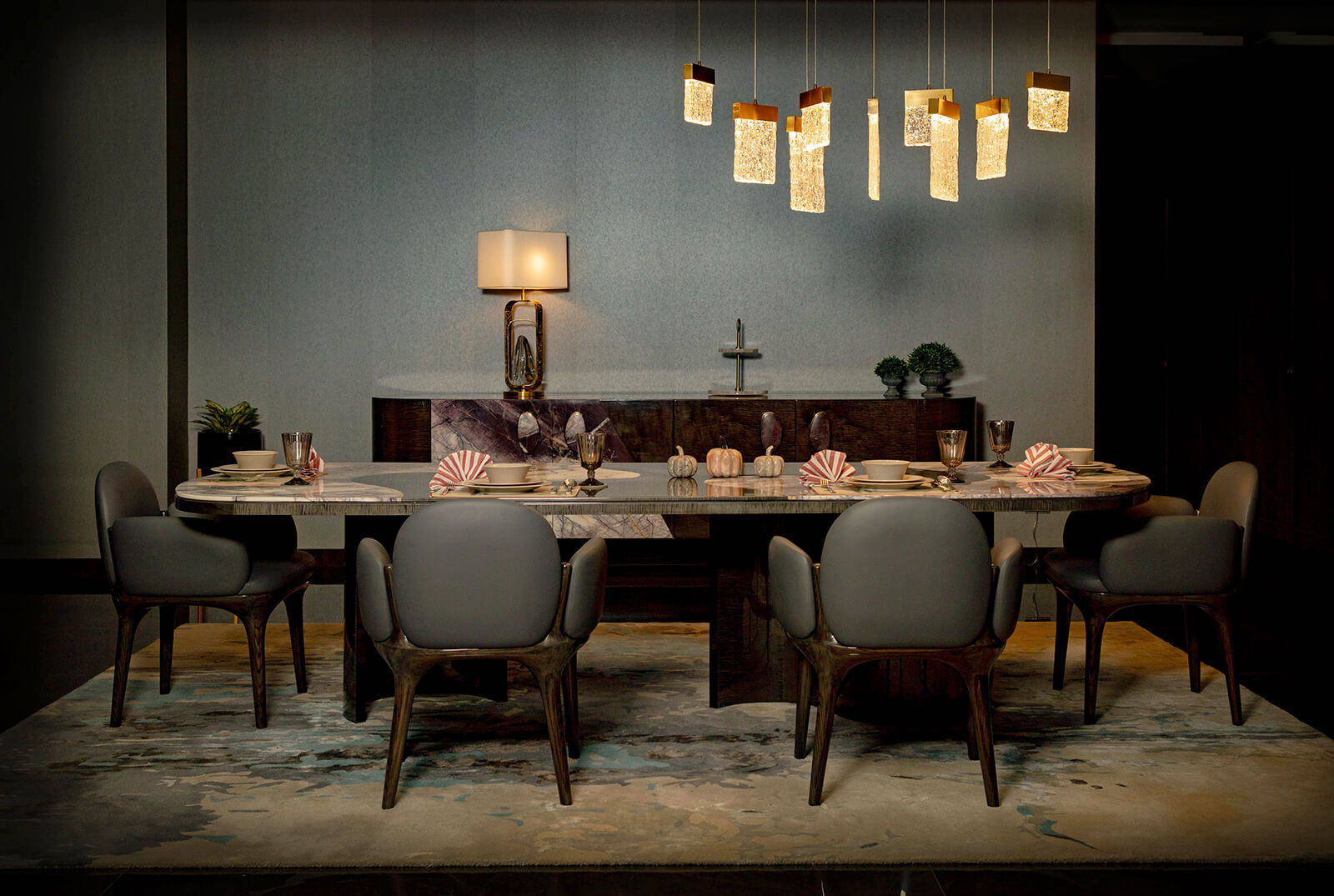
Beyond individual showcases, the fair also gathers a growing network of brands that reflect how design mediates everyday life, from interiors to infrastructure. Emanate Home, Stonelite, Beyond Alliance, Ek Kalakaar, Lagom, Kohelika Kohli Karkhana, Shailesh Rajput Studio, FAZO Project and Lila return to Design Mumbai’s second chapter, each presenting new collections and collaborations that extend their respective practices.
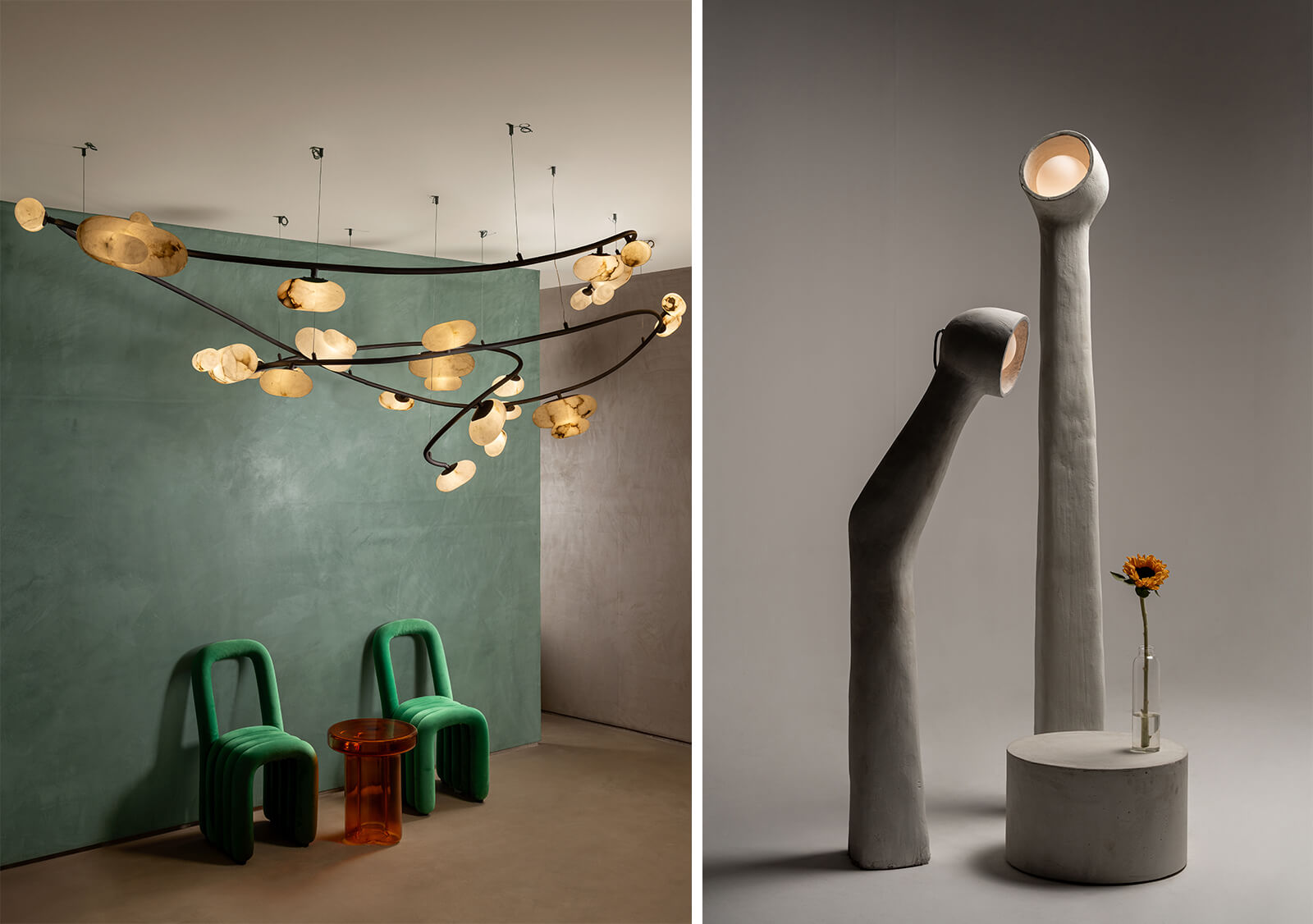
New participants, such as Nuflow Design, Placyle Sustainable Studio, BUROSYS, Source Design, Squarefoot, myKYND, Nexion Tiles and Empire Living Company, represent a younger, sustainability-focused generation of studios. Their inclusion broadens Design Mumbai’s scope—from high-end interiors to adaptable systems and surfaces that address durability, modularity and resource-conscious production.
Simultaneously, international mainstays such as Jaipur Rugs, String, American Hardwood Export Council, Baccarat, Blå Station, Set Up Co, Vondom (presented by ABACA), Ceccotti, Poltrona Frau, Hästens, Istituto Marangoni and USM (presented by Cocre8) lend the event a global dimension, in their inaugural presentations at the fair. Together, these brands represent a cross-section of contemporary design thinking, ranging from material exploration to furniture systems and educational frameworks.
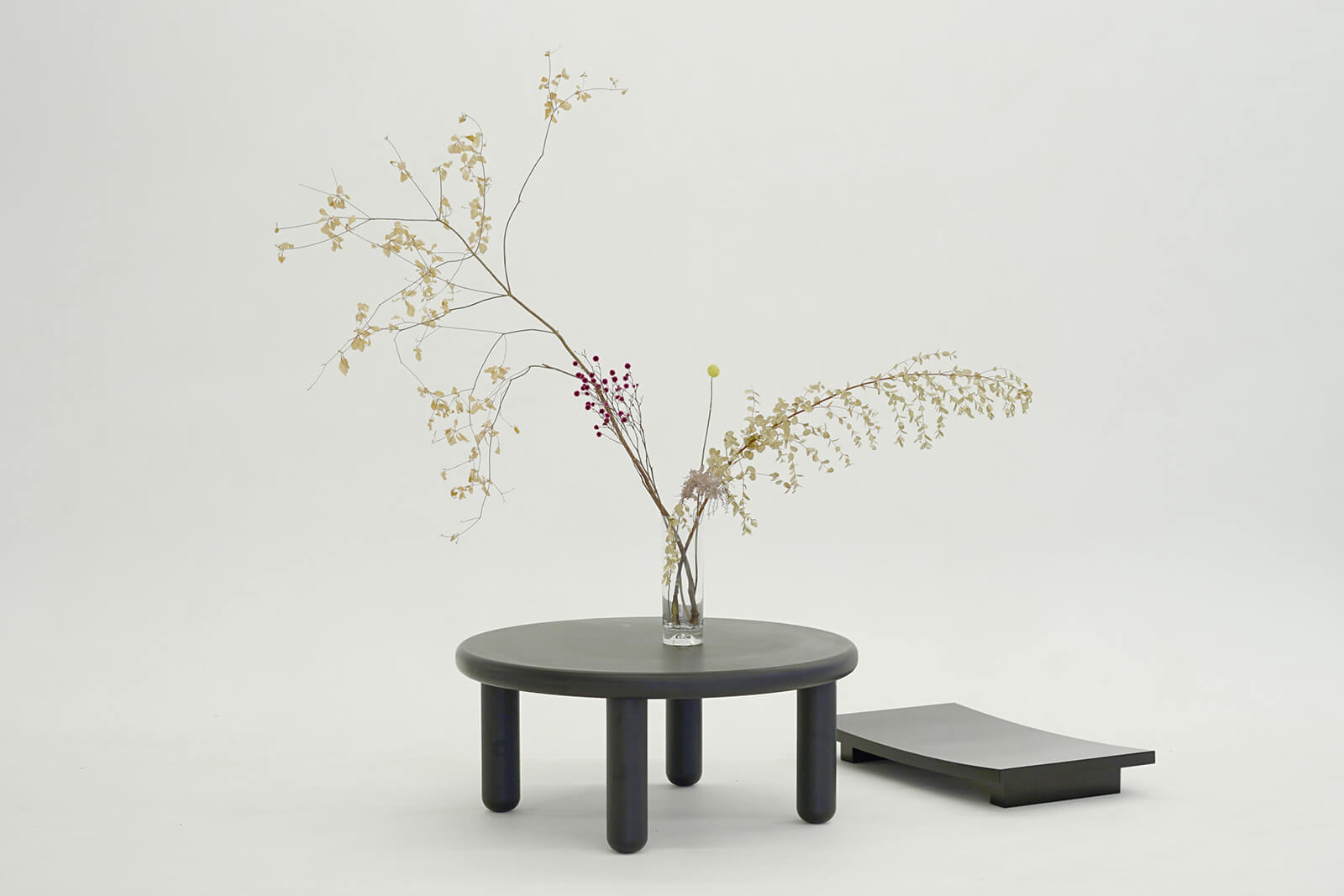
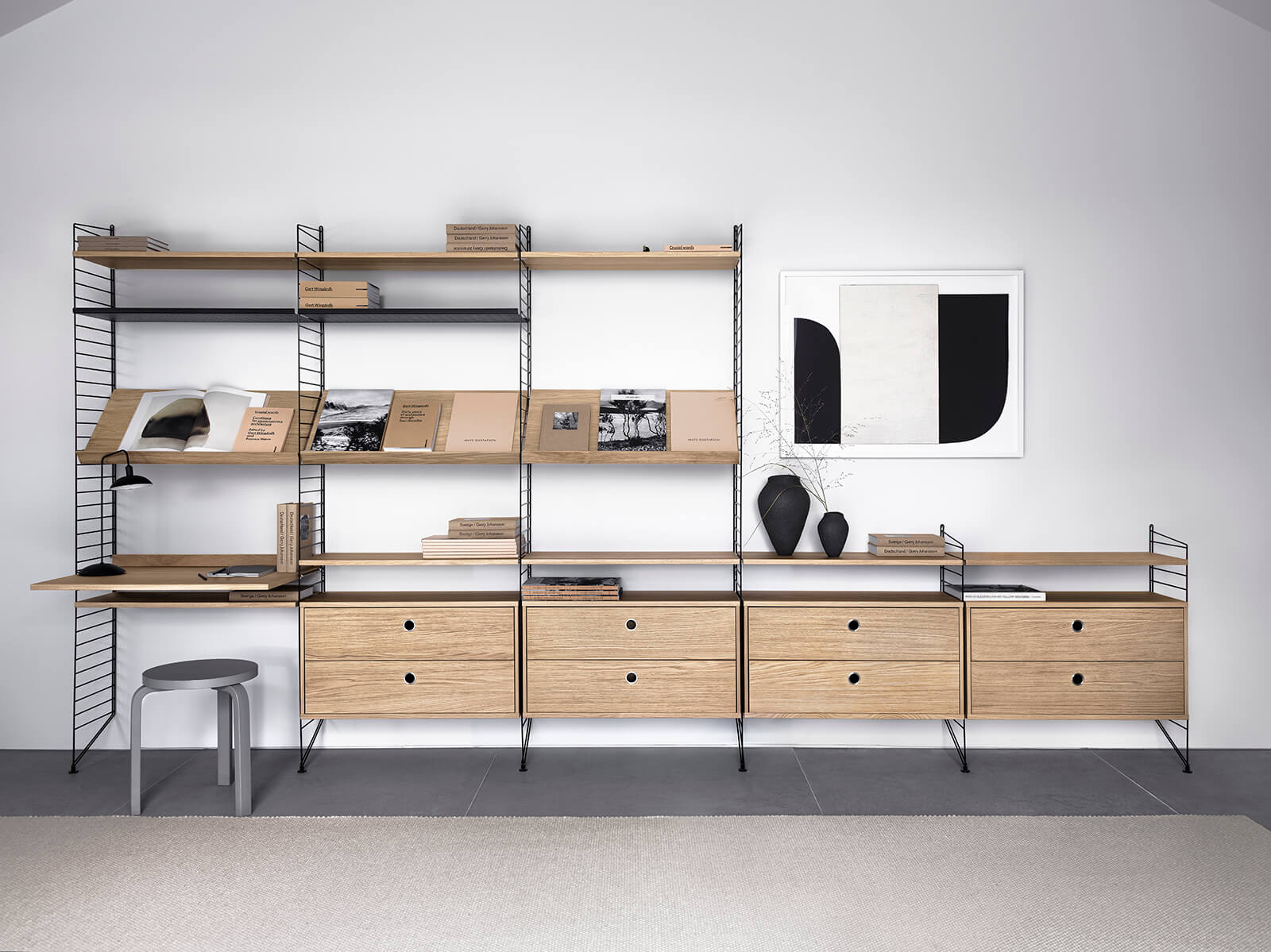
With its expanding lineup and an increasingly sophisticated visitor base, Design Mumbai is promising to emerge as a key node in the global design calendar—one that bridges the scale of international trade fairs with the intimacy of a regional platform. The nascent fair’s emphasis on both professional and VIP consumer access recognises the growing appetite for design-driven living in India’s urban centres.
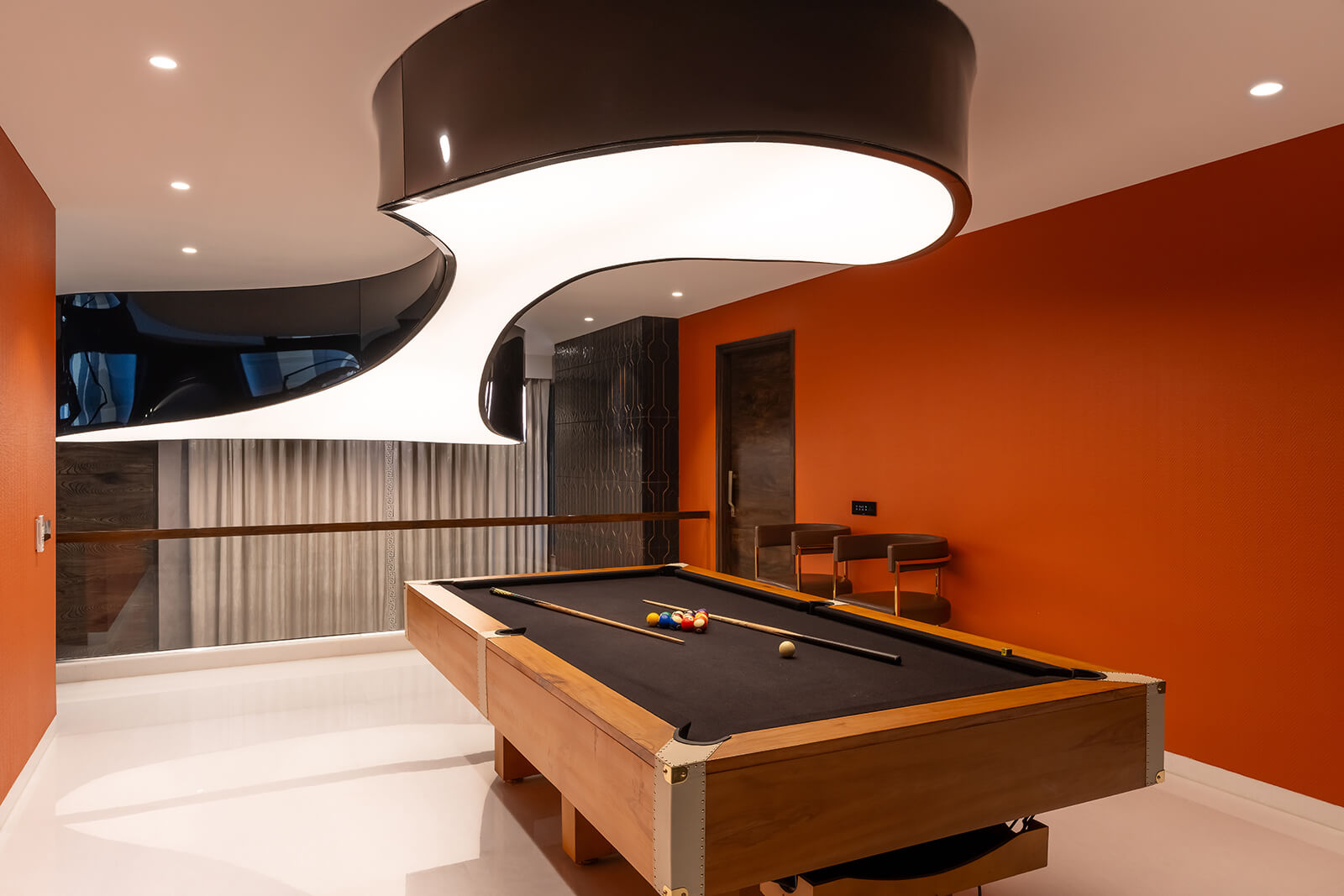
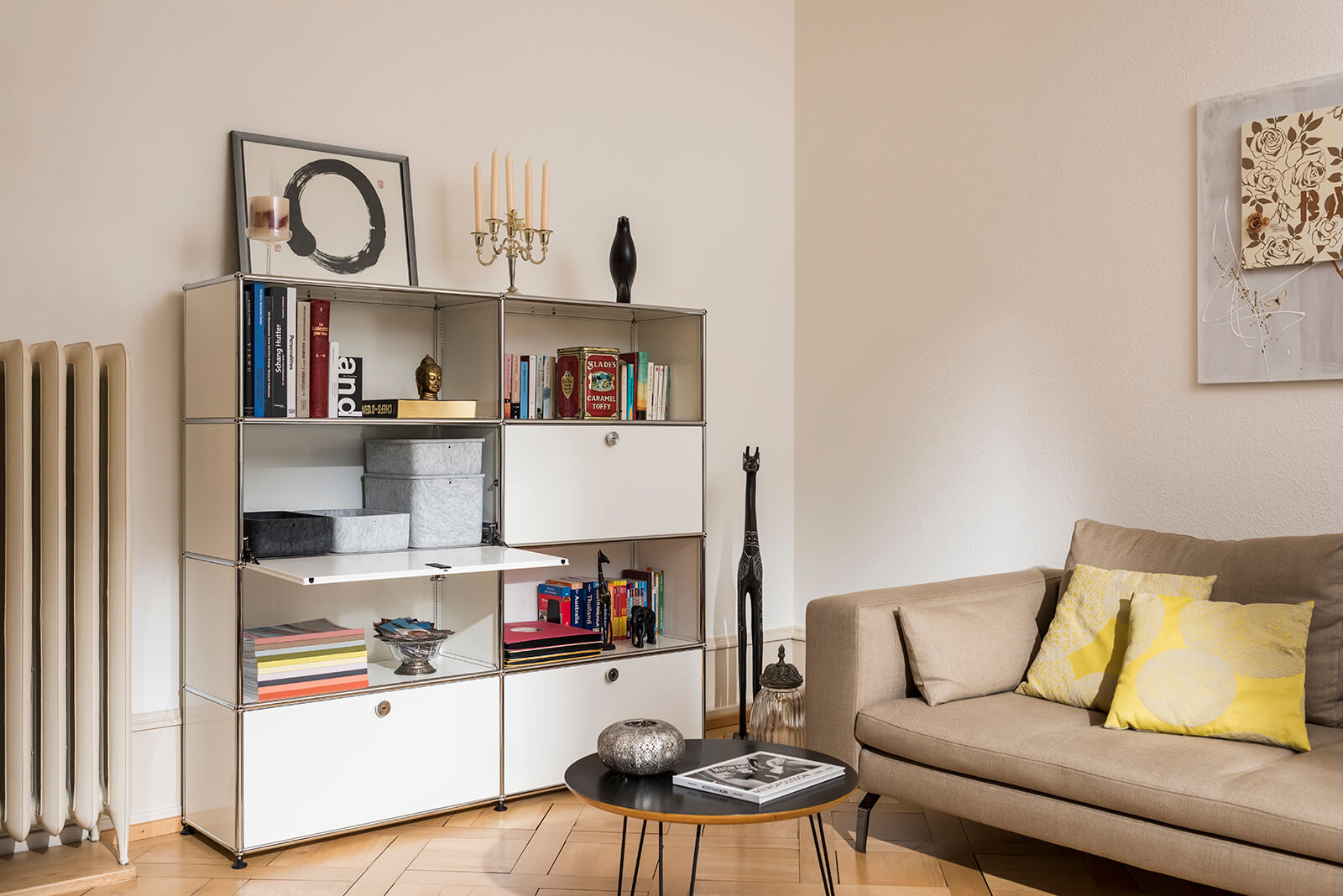
This second edition signals maturity and intentional expansion. It focuses on refinement, on framing design as both an economic driver and a cultural language. The mix of Indian and international participants reflects an ecosystem that is a spectacle and collaborative, while also being comparative. In that sense, Design Mumbai 2025 is about the processes, materials and partnerships that shape how design is made, displayed, brought and interacted with.
STIR, as a media partner, features the best of designers, studios, brands and special projects to watch out for at the second edition of Design Mumbai taking place from November 26 – 29, 2025, at the Jio World Garden in Mumbai, India. Explore our full coverage here.

by Pranjal Maheshwari Oct 23, 2026
Co-authored by Jareh Das, Chairman traces the British designer’s fixation on chairs as symbols of power and identity and as mediums of expression and community building.
by Chahna Tank Oct 22, 2026
STIR speaks with the Mumbai-based type designer about her practice, type walks and why she wants more people to have stronger opinions about Indian-script fonts.
by Mirra Lynn Oct 22, 2026
The curators behind Palestine Design Week 2026 reflect on its intent, considering how design holds memory, makes space for loss and imagines a future in Palestine.
by Jincy Iype Oct 15, 2026
STIR explores craft, material intelligence and people shaping Indian design through dialogues with Design Democracy’s co-founders and the curators of its special exhibitions.

make your fridays matter with a well-read weekend
Enter your details to sign in
Don’t have an account?
Sign upOr you can sign in with
a single account for all
STIR platforms
All your bookmarks will be available across all your devices.
Stay STIRred
Already have an account?
Sign inOr you can sign up with
Verification link sent to check your inbox or spam folder to complete sign up process
Tap on things that interests you.
Select the Conversation Category you would like to watch
Please enter your details and click submit.
Enter the 6-digit code sent at


Brands to renew focus on craft, technology and materiality at Design Mumbai 2025
by Jincy Iype | Published on : Nov 15, 2025


 Sign in with Google
 Sign in with email
What do you think?