Architecture05 mins. read
LANZA Atelier's Serpentine Pavilion 2026, a first in brick, frames a fluid spatial bearing
by Pranjal MaheshwariJun 03, 2026



by Anmol AhujaPublished on : Jan 20, 2026
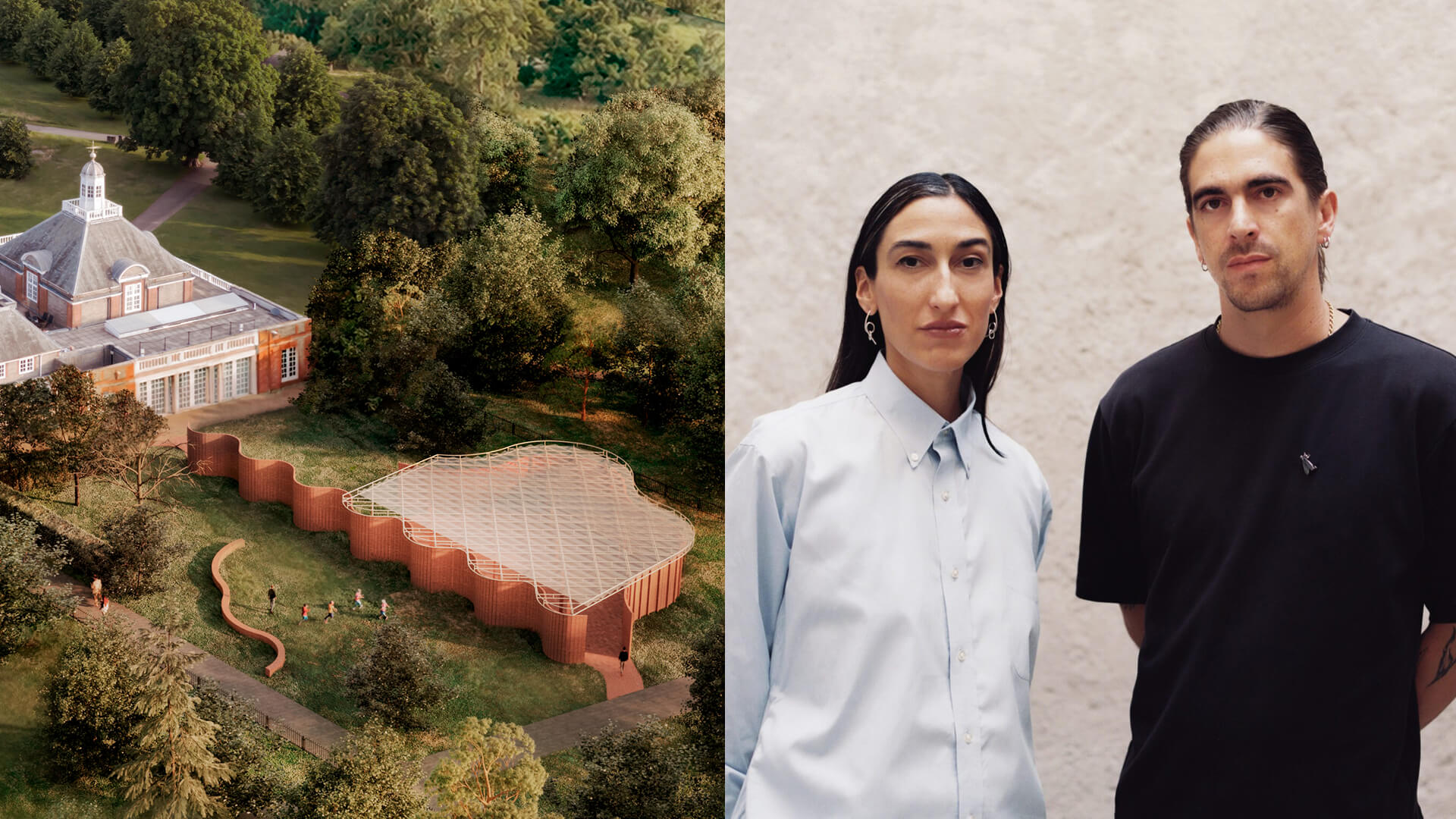
Moving from the distinctly South Asian deliberations on space, geography and conviviality in A Capsule in Time by Marina Tabassum, LANZA atelier, based in Mexico City, has formulated the Serpentine Pavilion 2026 to dwell on the relatively formal meanings and modes of gathering in the English garden. Titled a serpentine, the latest prestigious commission—marking the 25th pavilion including Zaha Hadid’s inaugural one—situates materiality and the act of construction at its core. The most definitive element of the intervention by Isabel Abascal and Alessandro Arienzo—founders of the now decade-old architecture studio—is a sinuous brick wall, placing the expansive pavilion in direct dialogue with the brick facades of the Serpentine Galleries, anchoring and abutting the enclosed albeit porous parts of the pavilion.
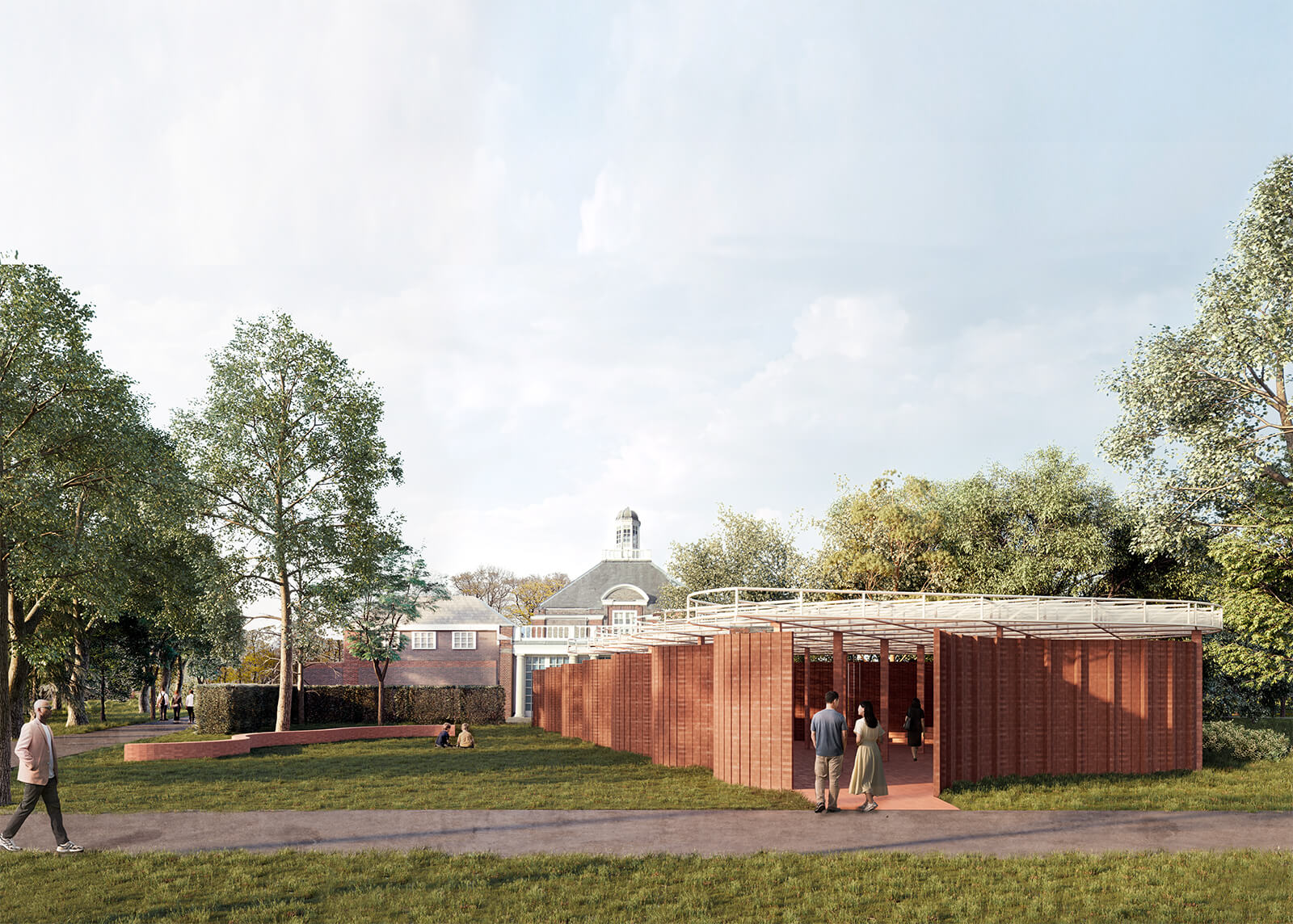
In what is only a fitting commemoration of both the institution and the commission, the Serpentine Pavilion 2026 follows a deliberate eponym, a literal nod to nomenclatures that make the pavilion possible. The snaking wall at the centre of the site, at the same time cutting through as well as tying together the pavilion’s translucent roof, is inspired from a traditional English architectural feature known as a crinkle-crankle wall, or, a serpentine. The alternatively curving masonry wall originated in Egypt and was brought to England by Dutch engineers, carrying presumable subtext in its reconception for the 25th Serpentine Pavilion in London’s Hyde Park. By virtue of its serpentine formation, the wall uses less bricks than a linear one and is more stable, owing to the lateral support lent by its formation. Coupled with a second, shorter wall that interacts harmoniously with the canopy of a perennial tree in the Serpentine South grounds, the eponym of the serpentine also nods to the nearby Serpentine lake, taking its name from its snaking curvature.
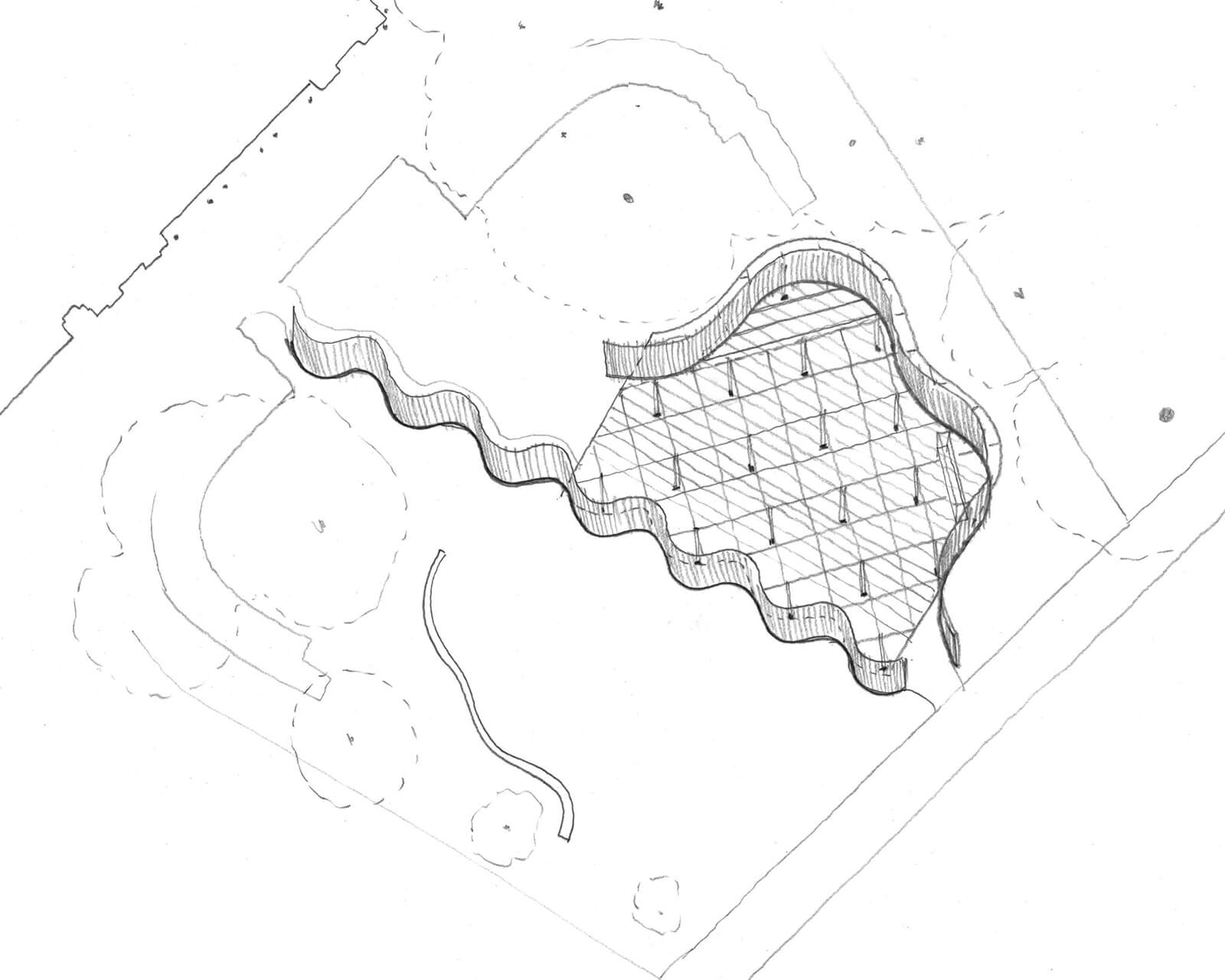
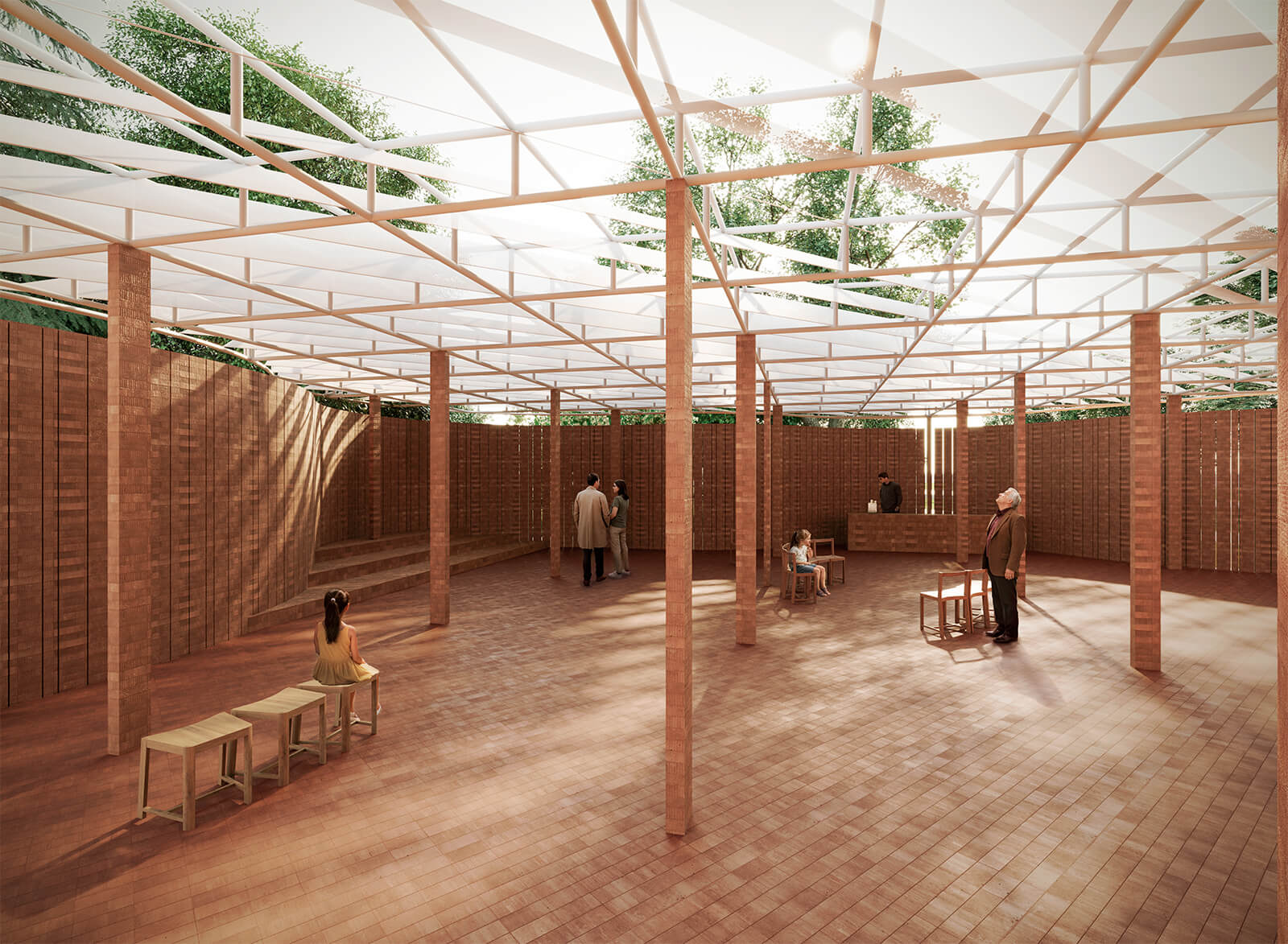
The traditional English garden is adapted in architectural terms through the translucent roof—sizeable in contrast to recent iterations of the Serpentine Pavilion—touching lightly the grid of brick columns upon which it rests. The entire assembly is to be evocative of a grove of trees, apart from spatially conjuring the ethos of ceremonial greens, harkening back to the origins of the Serpentine South Gallery being a tea pavilion earlier. The design scheme hopes for the rhythmic repetition of the brick columns to puncture the sinuous brick wall, as it were, to add to the porosity of the ‘English garden’ the pavilion harbours. From its primary materiality to its spatial leanings and even the nomenclature, the Serpentine Pavilion 2026 seems steeped with nostalgia and reverence in varying measures, intending to become a "metaphorical bridge between the geographies of Europe and the Americas’”, according to an official release.
“LANZA atelier’s architecture always involves a deep engagement with the local context, materials and lived experience. In their own words, they create contemporary spaces whose energy can last. Their spaces invite people to imagine a more connected, compassionate and creative future”, states Hans Ulrich Obrist, artistic director, Serpentine, additionally noting the collaboration with the Zaha Hadid Foundation to mark the 25th Serpentine Pavilion this year, along with the additional layers of programming the Pavilion will facilitate. “As always, the Pavillion will be a content machine with lectures, film screenings and performances”, he continues.
The Serpentine Pavilion’s commission, amongst the most celebrated in the world, has had a marked focus on younger practices in recent years, with the condition of the commissioned architects being from outside the UK being one of its foremost tenets, keeping the roster fresh and the designs doing the rounds in both public and media discussions. This year, the duo behind LANZA atelier conceive the pavilion’s architecture with a lens notably shaped by their craft sensibilities. The studio works on projects across disciplines including cultural spaces, residential projects, public infrastructure, and furniture design with the same hands-on methodologies in both design and production. Their design practice was profiled in a STIR original series, Made In, delving into their proclivity for local materials and vernacular techniques, both simultaneously tying to their spatial, architectural works.
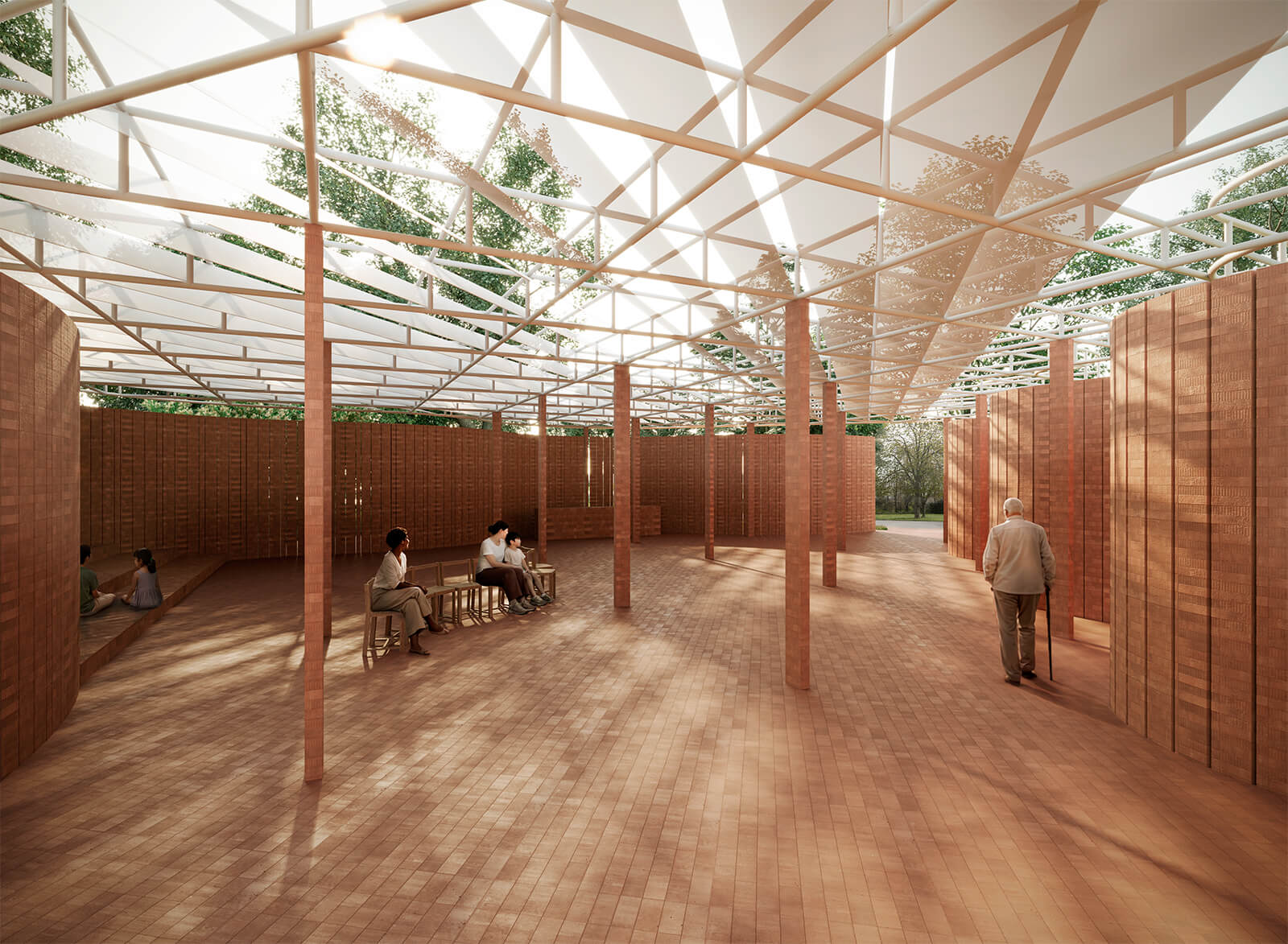
For Abascal and Arienzo, the Pavilion is likewise imagined as “a device that both reveals and withholds: shaping movement, modulating rhythm, and framing thresholds of proximity, orientation, and pause”, they state in an official release. “Inspired by the figure of the serpent as a generative and protective force, we draw a parallel with England’s winding fruit walls, which are structures that temper climate, create shelter, and enable growth. From this idea emerges a pavilion built of simple clay brick, foregrounding vernacular craft and the elemental capacity of architecture to bring people together”, they continue, drawing on the cultural influences that shape a serpentine.
The Serpentine Pavilion 2026, a serpentine by LANZA atelier, is supported by Goldman Sachs and will open to the public starting June 6, 2026.

by Pranjal Maheshwari Oct 19, 2026
The Mumbai-based architects integrate courtyards, mesh screens and north light trusses to create a dining space that doubles up as a community hub at SR University, Warangal.
by Mrinmayee Bhoot Oct 17, 2026
The Rotterdam-based institute centres the Indian Ocean as a network for exploring material histories and transnational links shaping coastal cultures, positing them as future models.
by Pranjal Maheshwari Oct 16, 2026
At the 2026 Stirling Prize ceremony, Mary Duggan with RUFF Architects, MAKER Architecten and Nakshabid Architects were felicitated for proffering quality housing and social equity.
by Mrinmayee Bhoot Oct 12, 2026
The new Centre for Contemporary Arts, fostering public engagement with art in Uzbekistan, is housed in a tram depot refurbished by the French studio, emulating local craftsmanship.

make your fridays matter with a well-read weekend
Enter your details to sign in
Don’t have an account?
Sign upOr you can sign in with
a single account for all
STIR platforms
All your bookmarks will be available across all your devices.
Stay STIRred
Already have an account?
Sign inOr you can sign up with
Verification link sent to check your inbox or spam folder to complete sign up process
Tap on things that interests you.
Select the Conversation Category you would like to watch
Please enter your details and click submit.
Enter the 6-digit code sent at


English masonry and garden traditions corral LANZA atelier's Serpentine Pavilion
by Anmol Ahuja | Published on : Jan 20, 2026


 Sign in with Google
 Sign in with email
What do you think?