Art07 mins. read
EAEFF 2026: Experimental cinema moves beyond the screen in Kolkata
by Vandana KalraSep 18, 2026



by Zohra KhanPublished on : Sep 17, 2026
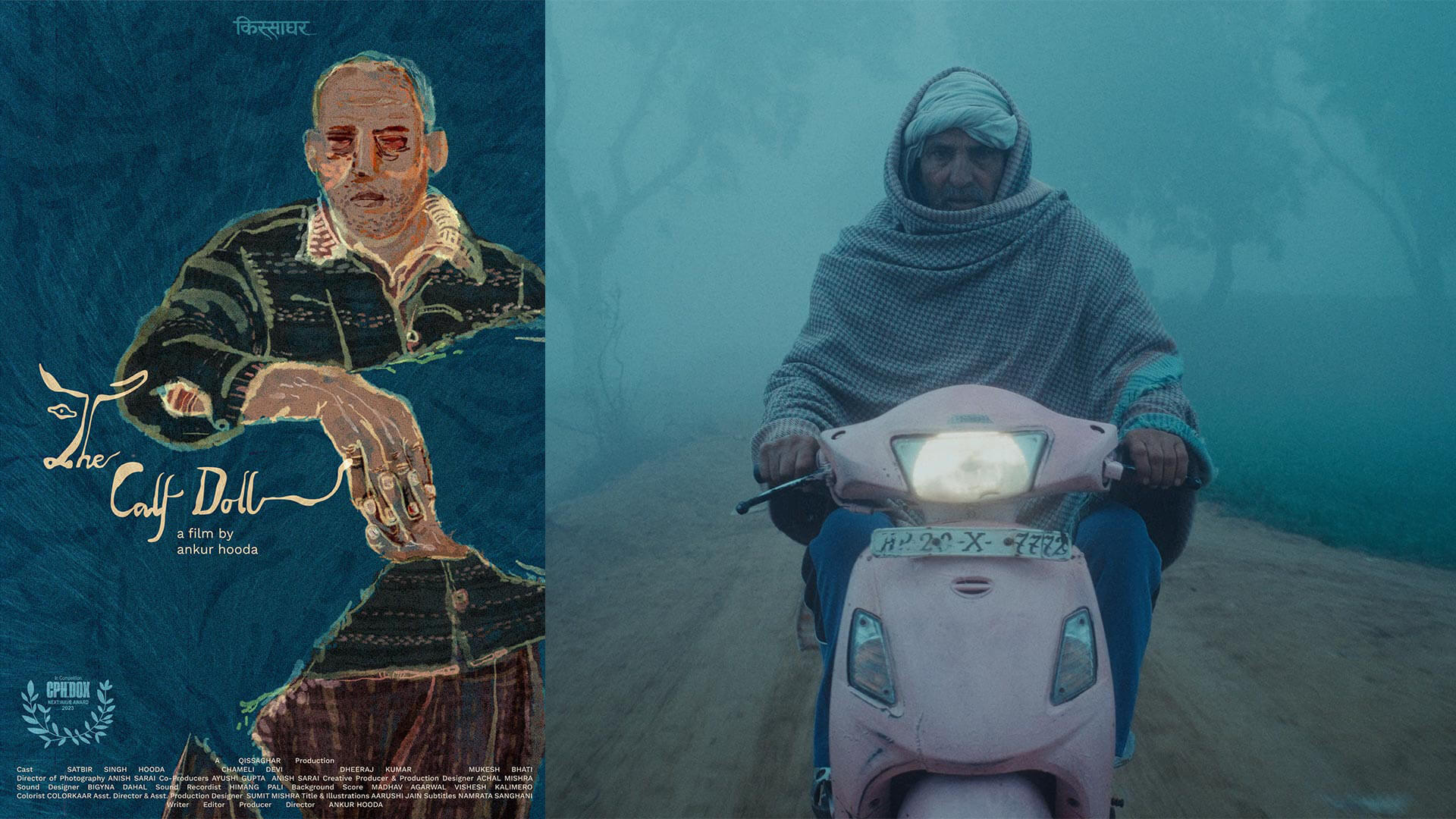
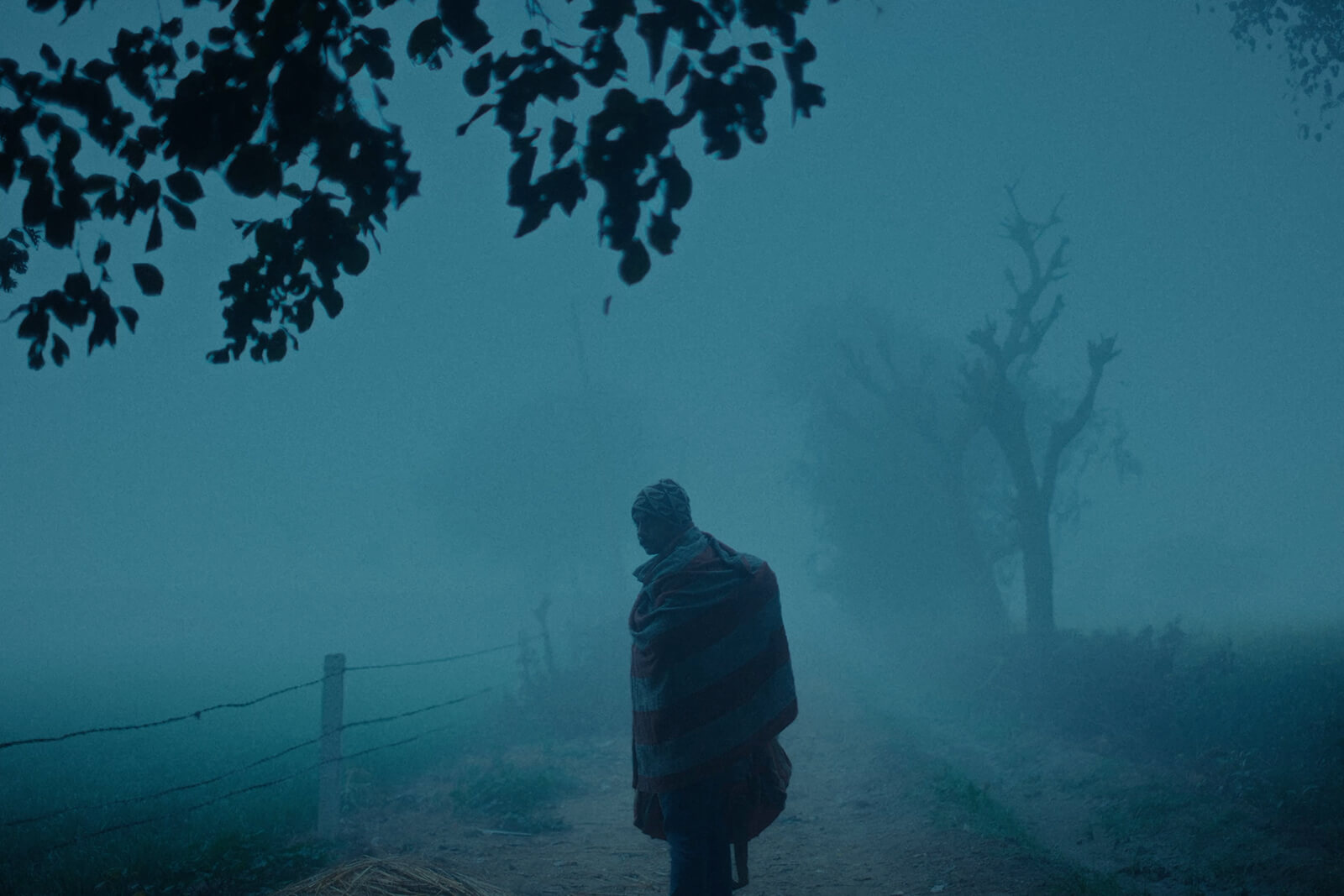
The Calf Doll (Khaal Bachhda) is a film created without a script and fully formalised characters, spaces and messaging. Featuring all-engulfing blue-hazed glimpses of rural North India, which chokes in peak winters as smog obscures distant farmlands, the 91-minute hybrid parafiction is the feature debut of Indian filmmaker and poet Ankur Hooda. It follows the story of Master Satbir, a retired school teacher from the small village of Dayalpur in Haryana, India, played by Hooda’s grandfather (Satbir Singh Hooda), navigating a reconstructed reality marred by grief, loneliness and existential dread. Drawn from his grandparents’ way of life, their memories and rituals, the seemingly effortless-looking project has Satbir and Chameli Devi (Hooda’s grandmother) playing versions of themselves as they grapple with a troubled situation after their only cow delivers a stillborn calf. To safeguard the economic sustenance of the family—of which everyone has moved to the city, leaving the two to survive amid growing rural erasure—the aged teacher resorts to an outlawed ritual of crafting a life-size calf doll to let the cow continue giving milk. With an eerie composition of heightened rural sounds, slow-moving panoramas of desolate farmlands, crumbling homes and empty, broken roads that are seized by local dogs, The Calf Doll offers an insight into a profound inquiry: What is left of you when you are no longer in possession of what has defined you your entire life?
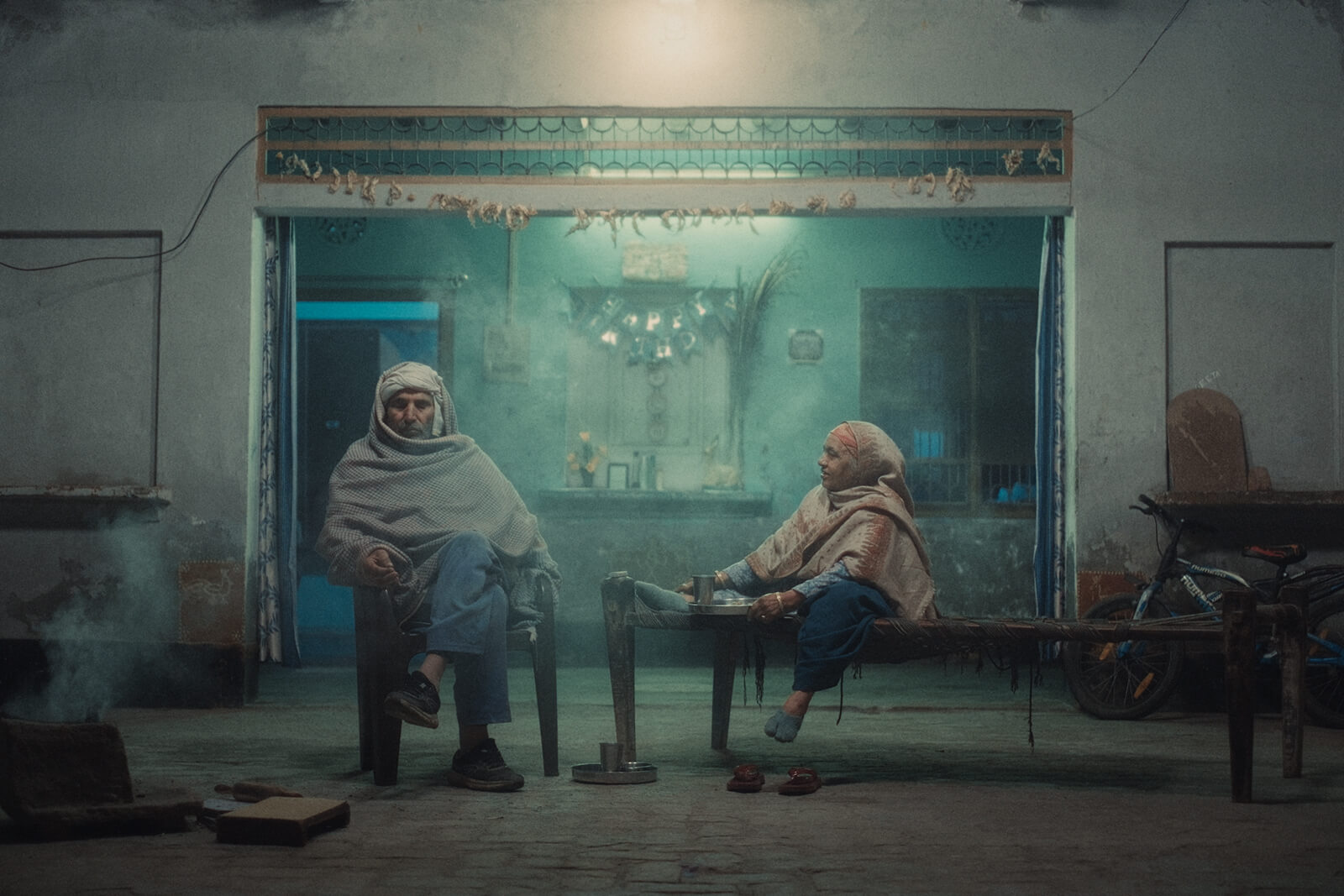
The Haryanvi film peeks into the couple’s fragile domestic universe and farm life, both of which are increasingly under threat due to accelerating industrialisation infiltrating their rural terrain. Hooda’s layered documentation of his own roots comes across brilliantly, and much inventively, as he lets ambiguity deliver a portrait of the geographical, social and emotional facets of village life in the current times.
STIR connected with Hooda to discuss the journey of the film that continues to travel around the world following its premiere at the CPH: DOX in Denmark and the cinematic art that went behind it. The following are edited excerpts from the email conversation.
Zohra Khan: What was it like working with your own family and shooting at your ancestral land for this film? Is this a real incident that you have documented?
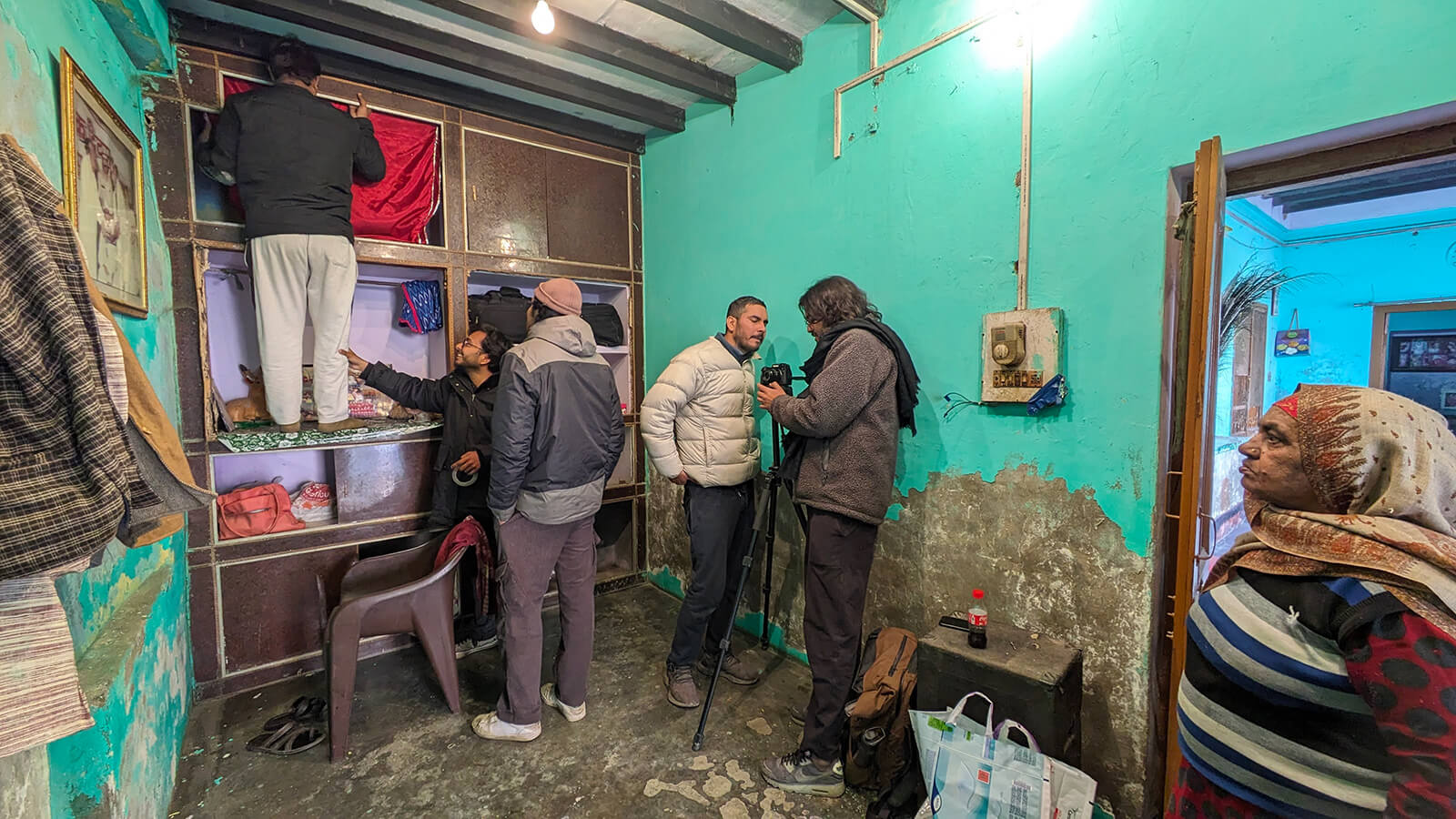
Ankur Hooda: It is a fictional re-enactment of a real-life incident that happened to my grandparents, especially my grandfather. My primary aim in making this film was to explore the ancestral spaces of my village through the angle of that incident because they are going through massive, irreversible changes due to invading modernisation, and I wanted to make sense of that for myself while studying the existential dread that has set in these villages using the medium of cinema. It was really special because it uncovered so many truths and realities for me as an artist striving to document these spaces for a longer duration.
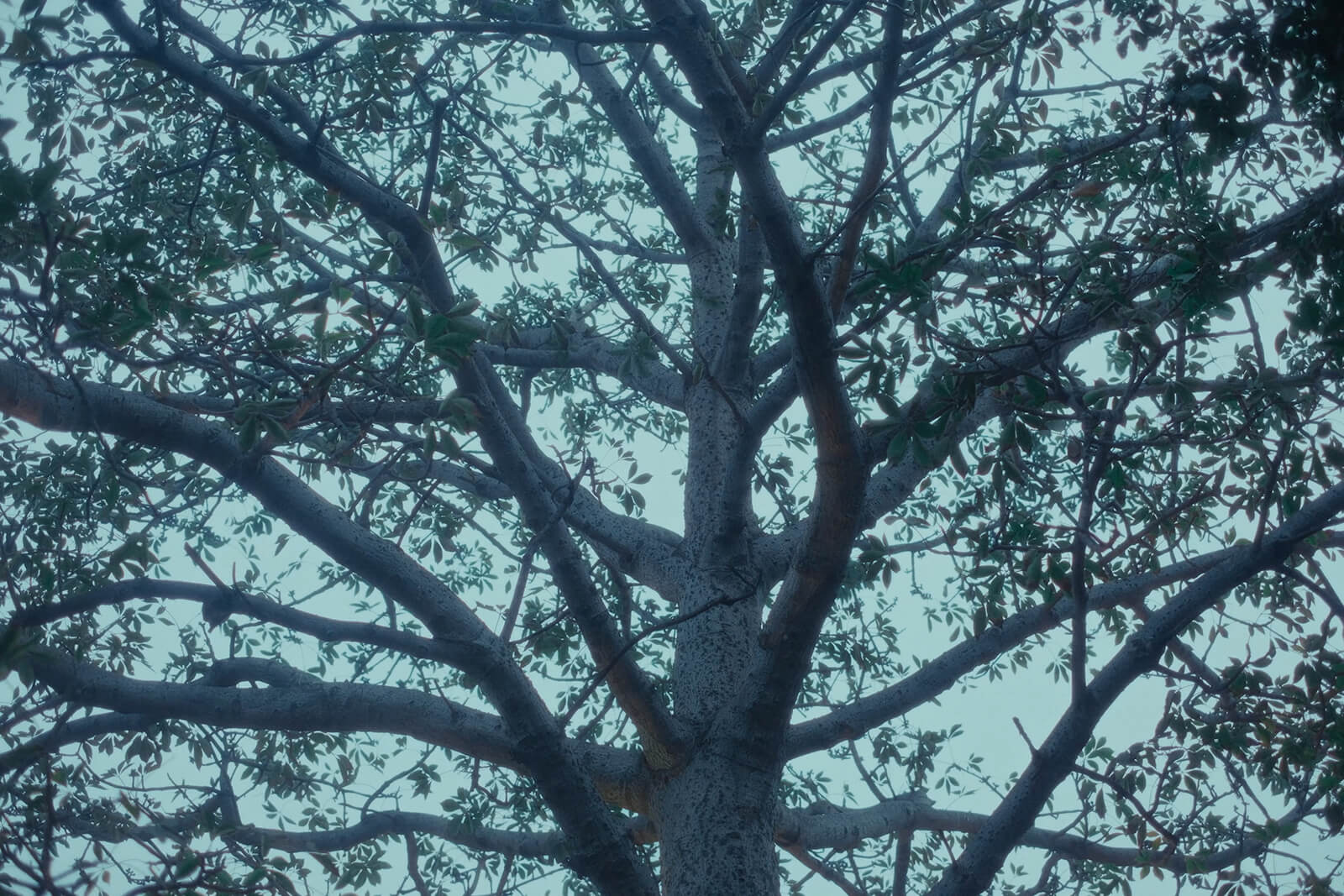
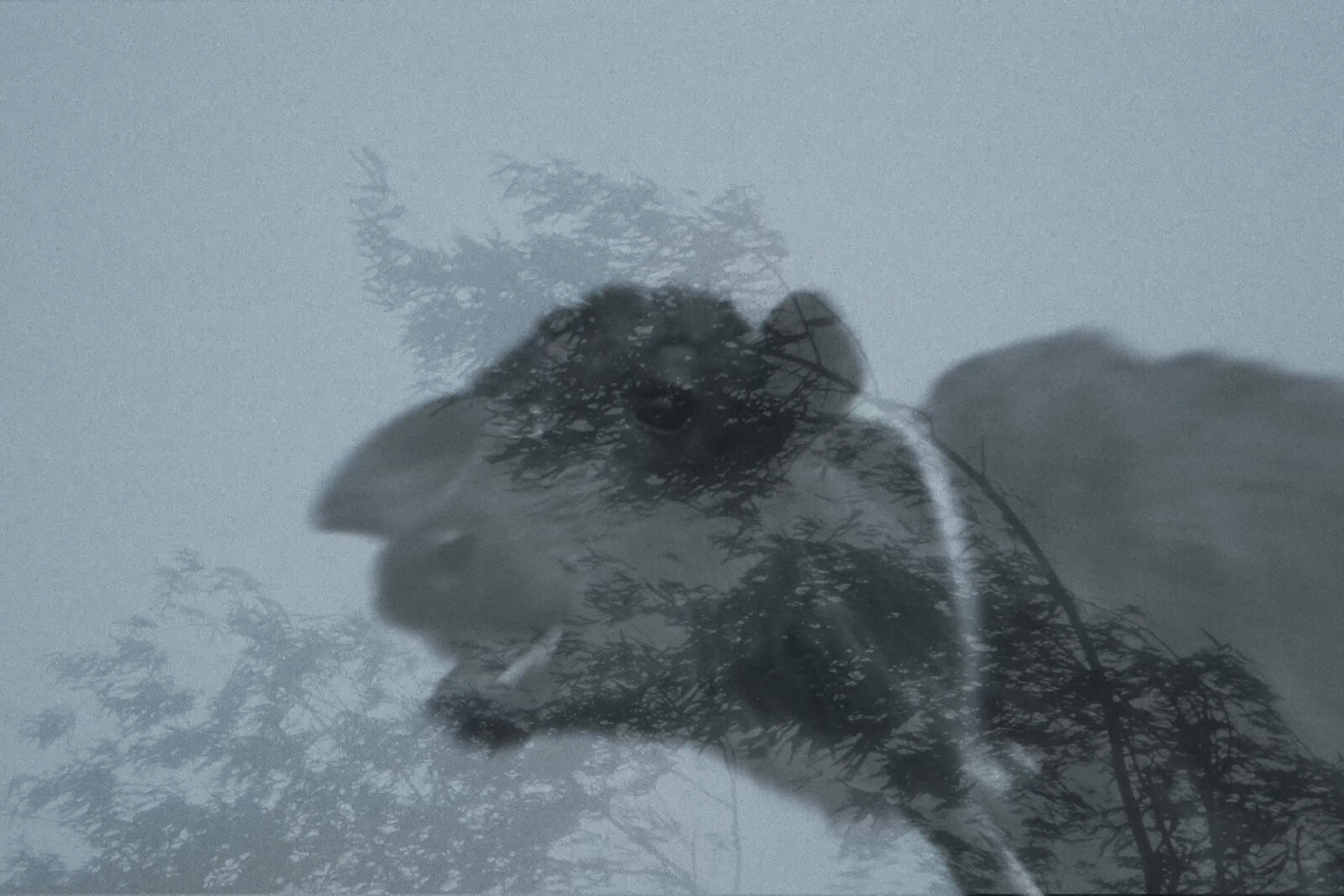
Zohra: The film’s soundscape is quite immersive, rooted in the diversity of sounds belonging to the terrains and conditions of the rural land. The scarce dialogues further deepen the audio experience of the project. What was the process of designing the soundscape like?
Ankur: I wanted the sound design to feel immersive and transcendental experientially. I had done the first rough pass of sound design myself during editing the film, which opened up the film for me. Sound is an extremely important aspect to me because it is an essential part of space itself and tells us so much about its moods and textures. I had a few principles in mind, like the use of echoes, spatial rhythms, harmonies, chaos and sonic transitions in an attempt to transcend images beyond the frame and find a borderline fantastical space. I researched deeply about the specific wintertime bird calls, ambiences of insects, different moos and bellows of cattle specific to my region when we started designing sound. It all came together through the magic of my sound designer Bigyna Dahal, in the end.
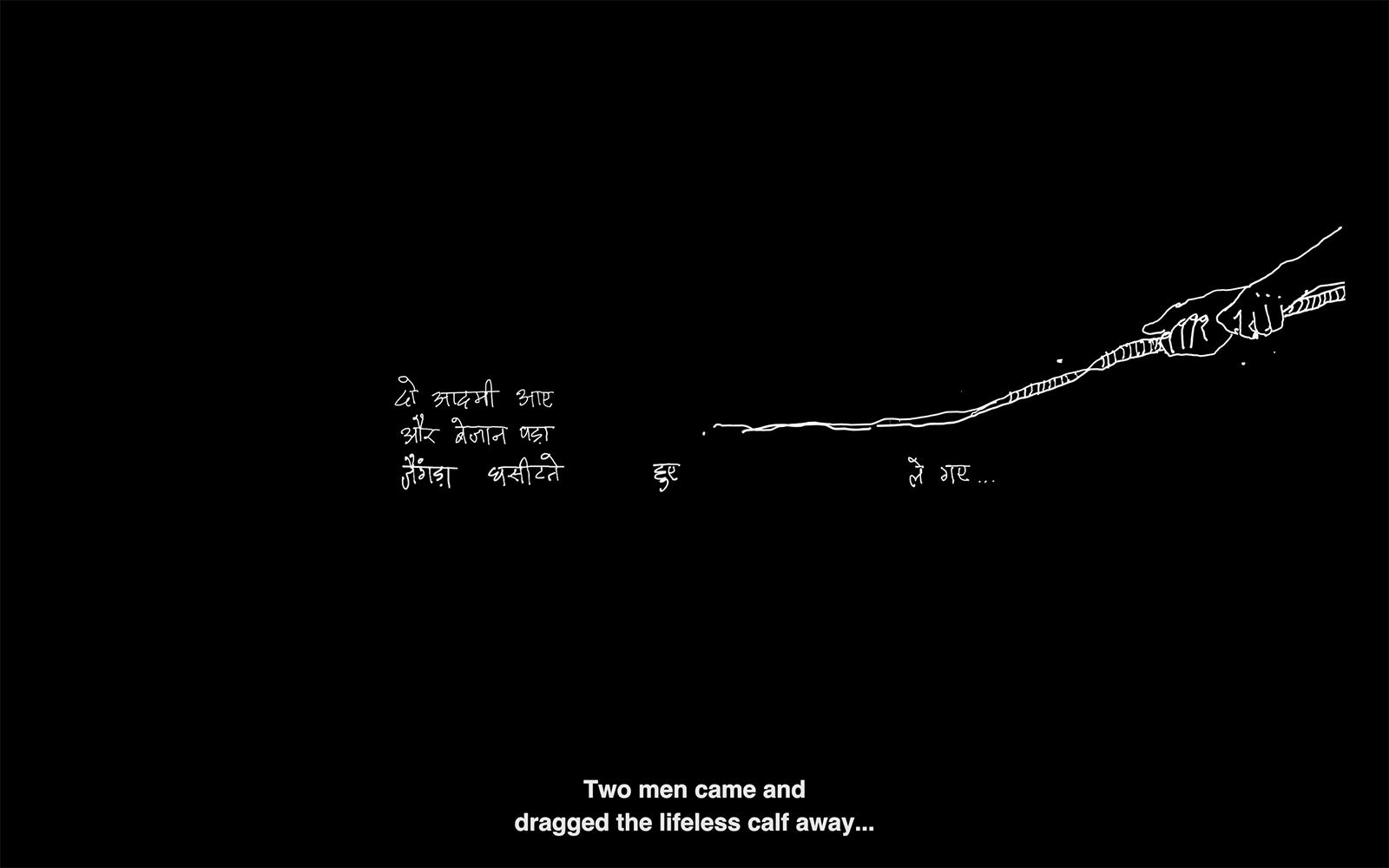
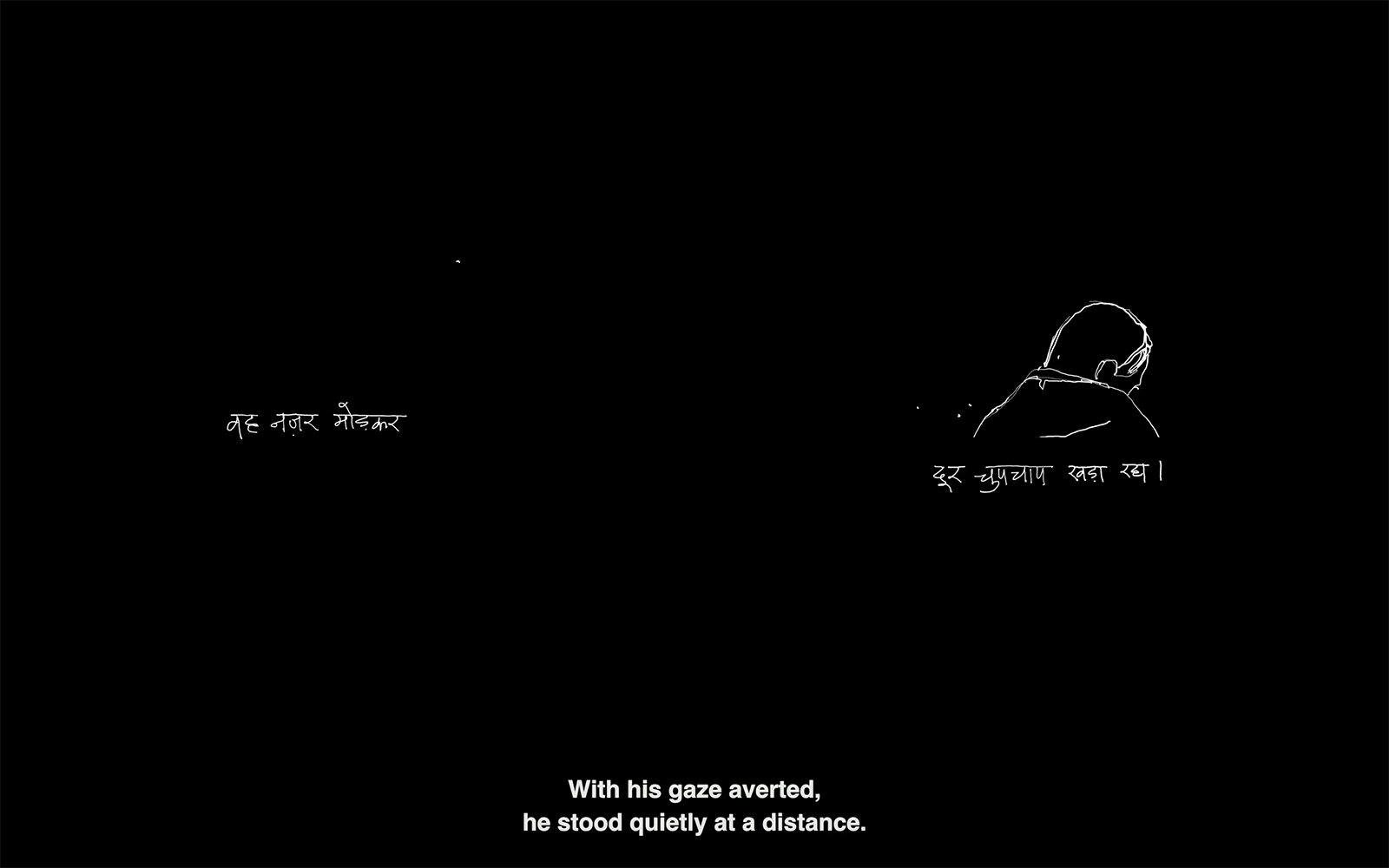
Zohra: I am very keen to know how the line drawings interspersed in the movie came about, and why you resorted to typography and illustration to convey some of the most inexplicable (and deeply difficult) emotions in the film.
Ankur: Literature and writing came into my life much before cinema did. I have always felt like a writer first, and perhaps that instinct has naturally found its way into my filmmaking. My early attempts at making films often had a certain literary quality, while my writing and short stories were filled with imagery. With The Calf Doll, I wanted to bridge that gap personally between the literary and the cinematic. There were certain things I deliberately did not want to show directly, particularly the violence and difficult moments surrounding the calf and the calf doll. Instead, I decided to evoke them through words, typography and illustration, allowing the audience to imagine what cannot, or perhaps should not, be shown. The line drawings became a way of entering the characters' inner and emotional worlds, while also giving the film another visual language to express feelings that were otherwise difficult to articulate. Our talented illustrator friend Aarushi Jain did the drawings while I wrote the words. She also did the title and poster design for the film.
Zohra: One scene broke me: the one showing the master’s failed attempts at milking as he tries to pacify the cow, who was agitated to see the calf doll in a devastating state on the stable floor. A scene fraught with grief and helplessness (and somehow failed hope), showing our best attempts to safeguard survival despite its bleak chances. Could you share the experience of creating this scene?
Ankur: I felt that the scene had something distinctly Chekhovian about it—a kind of tragicomedy emerging almost entirely on its own. We were improvising, and my grandfather was simply trying to milk the cow as he normally would. But the cow became agitated when she saw the calf doll. We just pressed record and began observing, without moving the camera. What made it even more uncanny was the sound of a distant disco DJ playing somewhere in the village. As the scene unfolded, that music began to dictate its own rhythm. Within a few minutes, it felt almost choreographed, like a piece of theatre, where something deeply tragic was happening in front of us, yet everything was somehow unfolding to the beat of this distant, celebratory music. There was something absurd and heartbreaking about that contrast. My grandfather trying to calm the cow, the cow responding to the doll, the failed attempts at milking and this disco music floating in from somewhere far away. We didn't plan any of it. We simply stayed with the moment, and somehow the tragedy and the comedy began occupying the same space.
Zohra: I’m also fascinated with how the film captures the weather conditions, particularly the smog-choked skies. What went into working with such a climate and keeping it alive in the film?
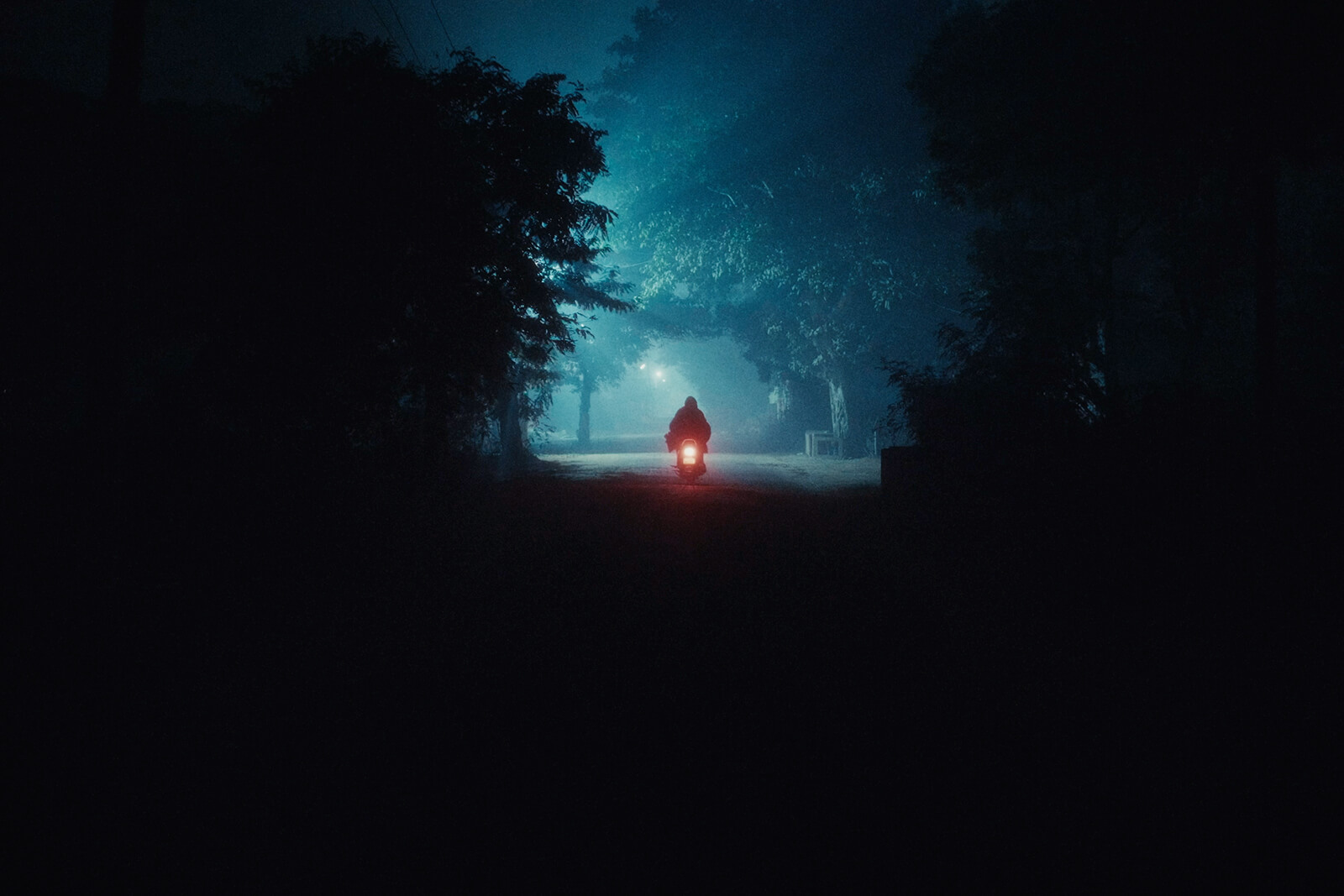
Ankur: I love North Indian winters, especially those vast green landscapes washed in the blue hues of fog. Both Anish [Sarai], my cinematographer, and I have been photographing these wintry landscapes in our own ways for many years, so working with this weather was genuinely a delight for us. Of course, the sad part is that what we once experienced as fog is increasingly smog. There is a certain melancholy in that transformation, and I think the film inevitably carries some of it. But the entire team remembers those cold, fog-filled mornings very fondly: the stillness, the diffused light, the landscape slowly revealing itself through the haze. We really embraced those conditions as they filled the film with this mood of mystery and beauty. Even now, we cannot wait to return to those spaces and film there again.
Zohra: Landscape takes centre stage in the film. Vast farmlands, thick foliage, farm interiors, village roads with complex terrain. Was it a conscious decision to spotlight landscape as a central narrative element in the film?
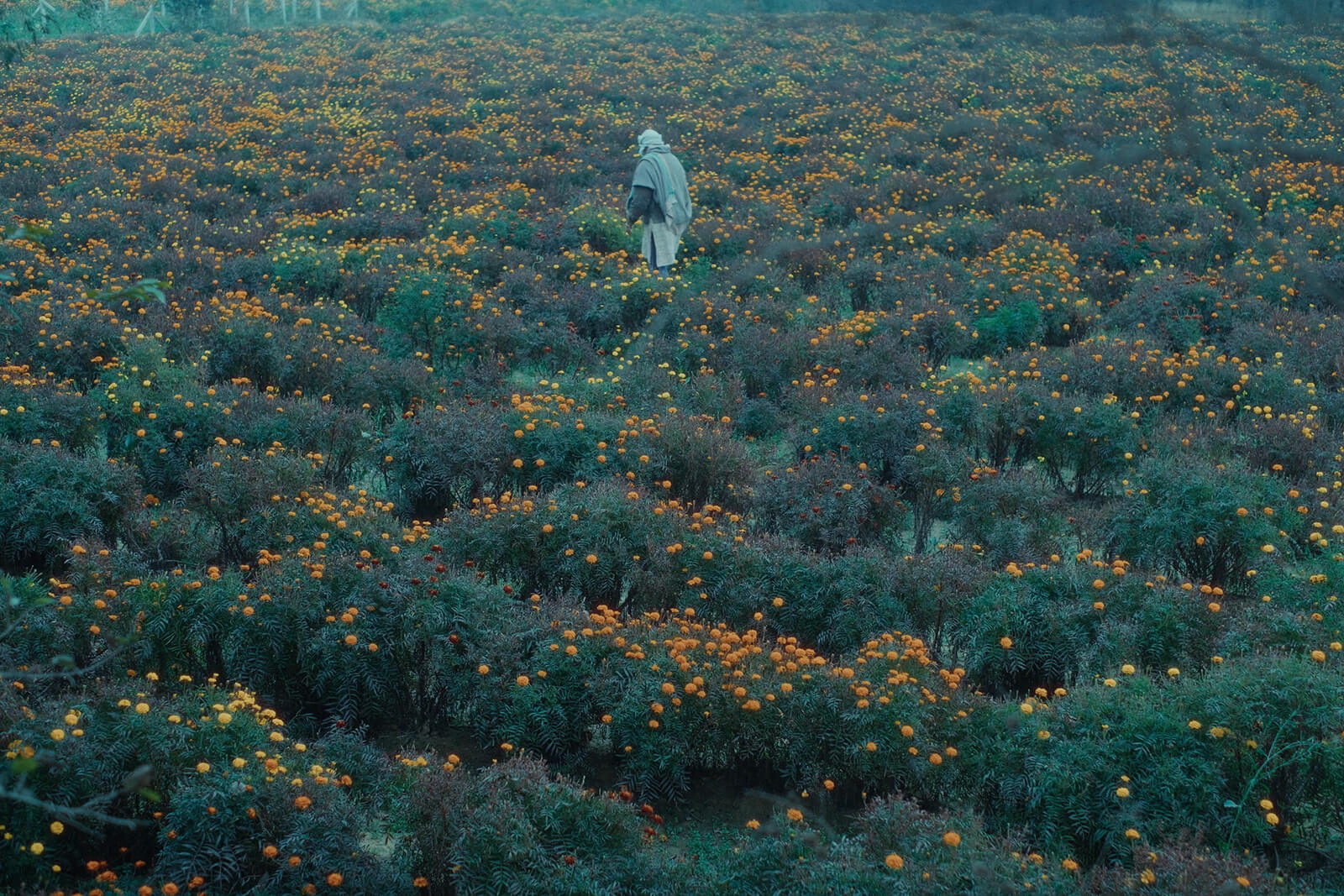
Ankur: Actually, I tried not to make any conscious decisions while making the film. The central idea was to let instinct guide the entire process: to allow things to unfold naturally, according to the spaces, the people inhabiting them and my own long-term relationship with those spaces. Looking back, though, I realise that those rural landscapes have always held a deep fascination for me. Even before cinema, I was trying to understand and capture them through my short stories and photography. I think I have always been interested in the way a landscape carries memory, emotion and time within it. A field is never just a field; a road or a courtyard can hold a certain history, a rhythm of life, even a state of mind of its own.
So, perhaps, the landscape in the film is less a conscious choice and more a reflection of how I instinctively see the world. I didn't want the spaces to merely exist in the background of the story. I wanted to let them breathe, and allow the film to emerge from my relationship with them. In that sense, the landscape instinctively became a character without me ever having to declare it as one.
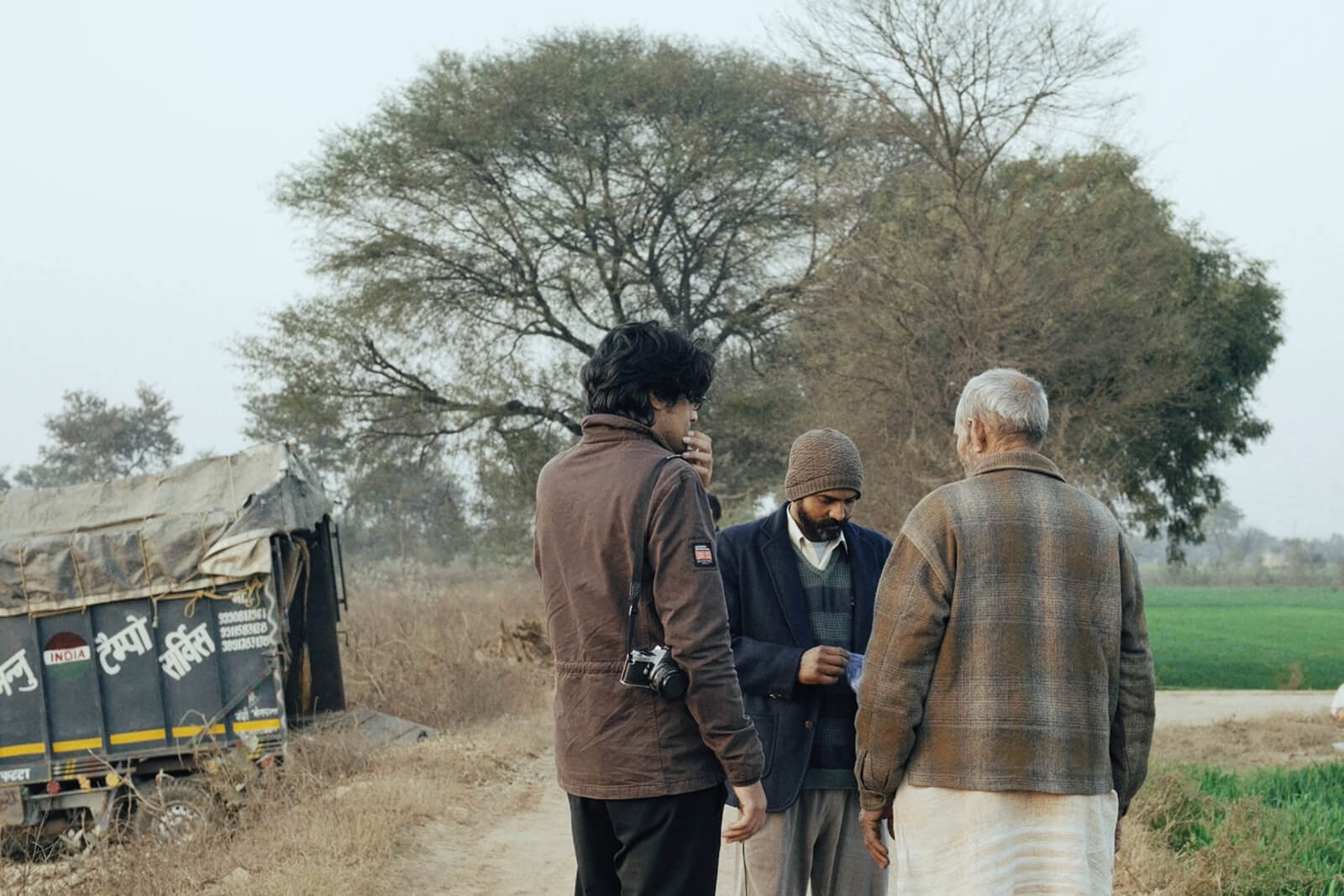
Zohra: There is a scene in which Master Satbir is heard complaining about why he is wasting his time doing all this, and why those who have come from Mumbai are not going back to do their thing? What was your thought behind keeping this behind-the-scenes conversation a part of the film?
Ankur: So even that is a re-staged, re-enacted conversation. We used to overhear similar things every day from their conversations while shooting. We decided to restage it for the film.
There’s this quote by Abbas Kiarostami that helps me with a lot of decisions: “A filmmaker doesn’t hand out a written manifesto to an audience before it watches his work.” My thought was how to let the film itself tell the audience that all of this is a re-enactment, with the filmmaker's own grandparents playing themselves, and he is observing behind the camera. How can the film become self-reflexive about its own process? It would have been a failure if I only got to convey it all in post-screening Q&As. The film should be carrying everything itself. And I figured out this might be the best and subtlest way.
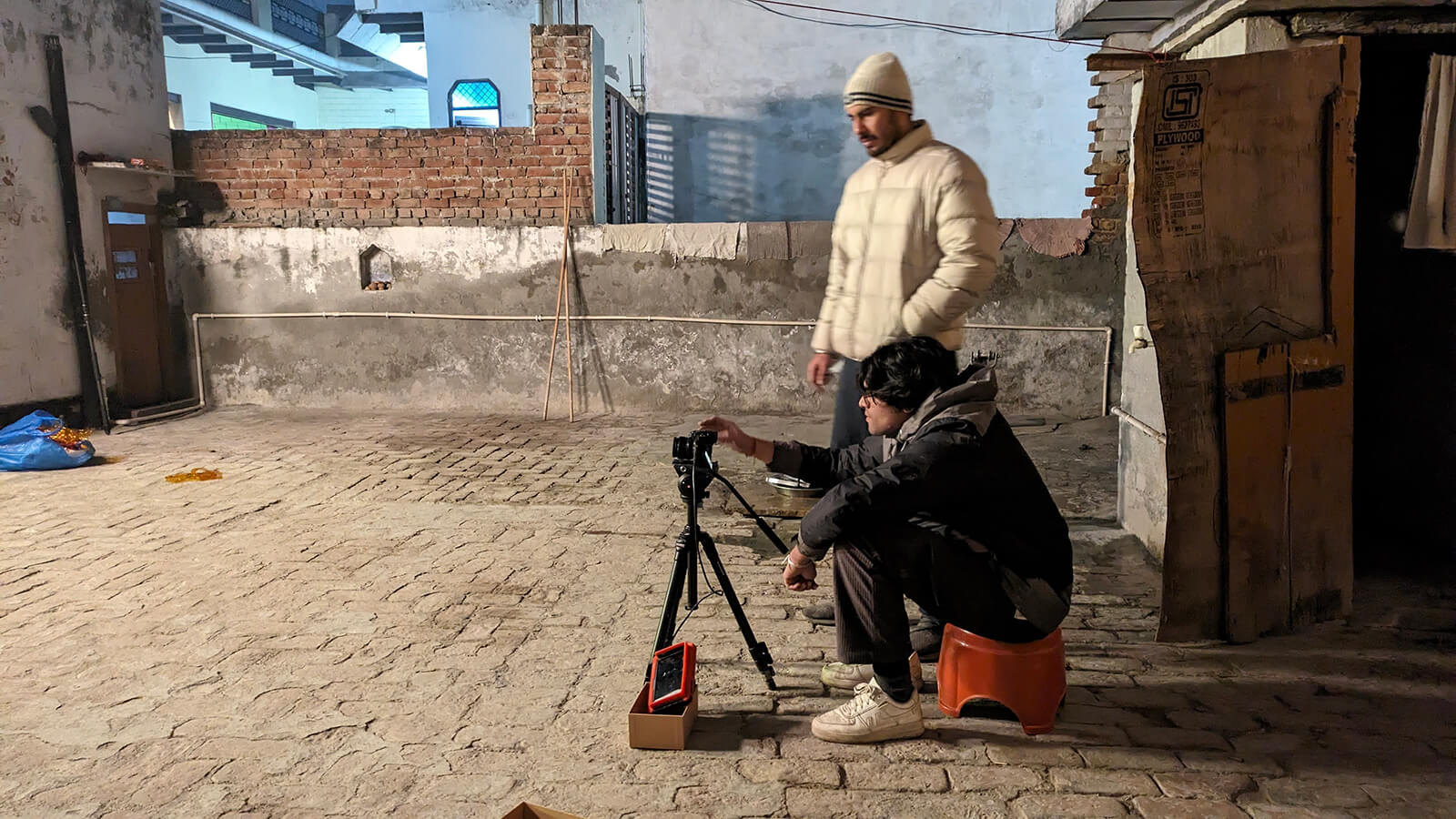
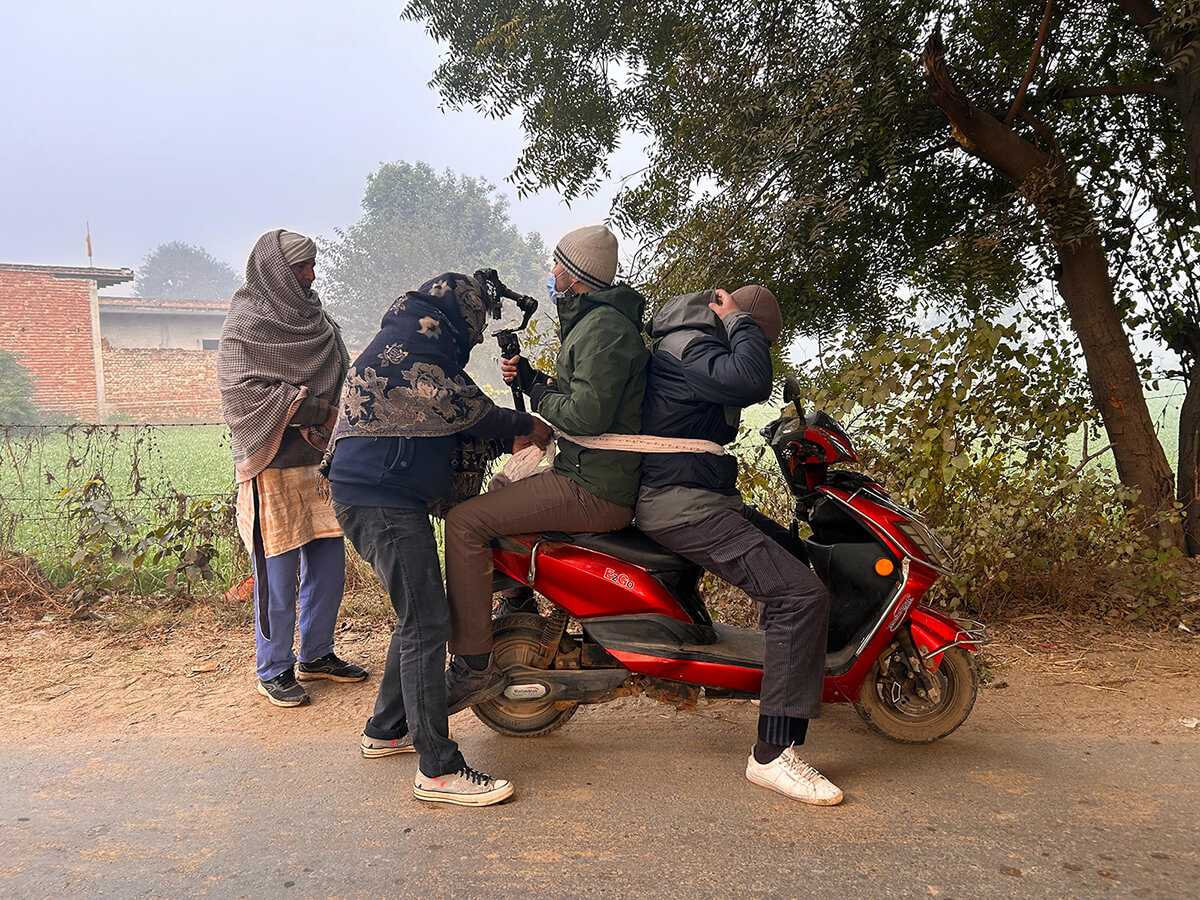
Zohra: What was the most liberating aspect of working on this film? And the most challenging?
Ankur: Except for my friends and family, I had nothing: no real funding, very few resources, no professional backing and no institutional support. And strangely, that became the most liberating thing about making this film. There were no expectations to live up to and no idea of an audience I had to please! I could make the film purely for the pleasure of making it, for my own long-standing questions, curiosities and explorations. I could be completely self-indulgent, follow an instinct even when I couldn't explain it, and allow the film to become whatever it wanted to become.
Everything that happened after the film was finished—the festivals, the screenings, the recognition—it all feels like a bonus, really. The real reward was what I experienced while making it. That experience reminded me why I wanted to make cinema in the first place: not to arrive somewhere, but to understand myself in relation to the world a little better through the act of searching for a film.

by Srishti Ojha Oct 07, 2026
The Kolkata-based film festival shone a spotlight on local and international filmmakers and artists who are pushing the boundaries of what a film can encapsulate.
by Samar Jodha Oct 05, 2026
Looking at Ahmed Ali’s photographs of workers and industry within the wider history of industrial photography, from Soviet state imagery and Sunil Janah to Lewis Hine.
by Srishti Ojha Oct 02, 2026
The Indian artist’s exhibition at the Bruce Museum in the US thinks through fundamental questions of humanity by focusing on the Sun and the cosmological timescale.
by Srishti Ojha Oct 01, 2026
The West Bengal-based visual storyteller speaks to STIR about his latest release, the Indian comic book industry and his many sources of inspiration.

make your fridays matter with a well-read weekend
Enter your details to sign in
Don’t have an account?
Sign upOr you can sign in with
a single account for all
STIR platforms
All your bookmarks will be available across all your devices.
Stay STIRred
Already have an account?
Sign inOr you can sign up with
Verification link sent to check your inbox or spam folder to complete sign up process
Tap on things that interests you.
Select the Conversation Category you would like to watch
Please enter your details and click submit.
Enter the 6-digit code sent at


Ankur Hooda’s The Calf Doll evokes rural existential dread through cinema
by Zohra Khan | Published on : Sep 17, 2026


 Sign in with Google
 Sign in with email
What do you think?