Art07 mins. read
EAEFF 2026: Experimental cinema moves beyond the screen in Kolkata
by Vandana KalraSep 18, 2026



by Anmol AhujaPublished on : Mar 13, 2026
That film is equivalent to moving image is not just a sentimental adage, perhaps harkening all the way back to the very elementary, essential beginning of motion pictures with Eadweard Muybridge’s The Horse in Motion (1878). Dissected in its structure and process, the idea of a ‘moving image’ proposes an interesting counterargument. There is, for the sake of this argument, the chronological order between photography and film to consider—the former yielded the latter. But that aside, can a photograph be considered a film, or even a sequence, devoid of motion? Can it be a part of a film held in voluntary stasis?
For a second, let’s cast these poetic aspersions aside. A photographic record fixes time and place, but opens up the possibilities of imagination beyond the context offered with the photograph. Film, conversely, sets it all up, lending context through characters, narratives and a definitive passage of time. In traditional film structure, little is to be left to the imagination. Now, back to the provocation. If the chronological absolution between photography and film were to not exist, could you conceive a photograph with just spooling celluloid stopped in its tracks? Perhaps it is complicated to no avail; could a photograph then—in its formal connotations—be just a shot from a film?
As visual storytelling mediums, both bear distinct personalities, even if the genesis of their methods is trackably similar. In producing a still image, however, it all may come down to the difference between a photographer’s eye and a filmmaker’s eye. While the former aims to conjure an entire story in a single moment, the latter would presumably seek to draw a moment from a story already being told with the view to render curiosity for the context, rather than rendering the context itself. The filmmaker here seems to enjoy much more flexibility in terms of subject—seeing as a film might tackle many—along with framing, inclusion, exclusion, time, even abstraction and most pertinently, space. The filmmaker’s photograph is an interesting artefact, especially when it exists in isolation (or freedom) from the film, arrested in delectable liminality.
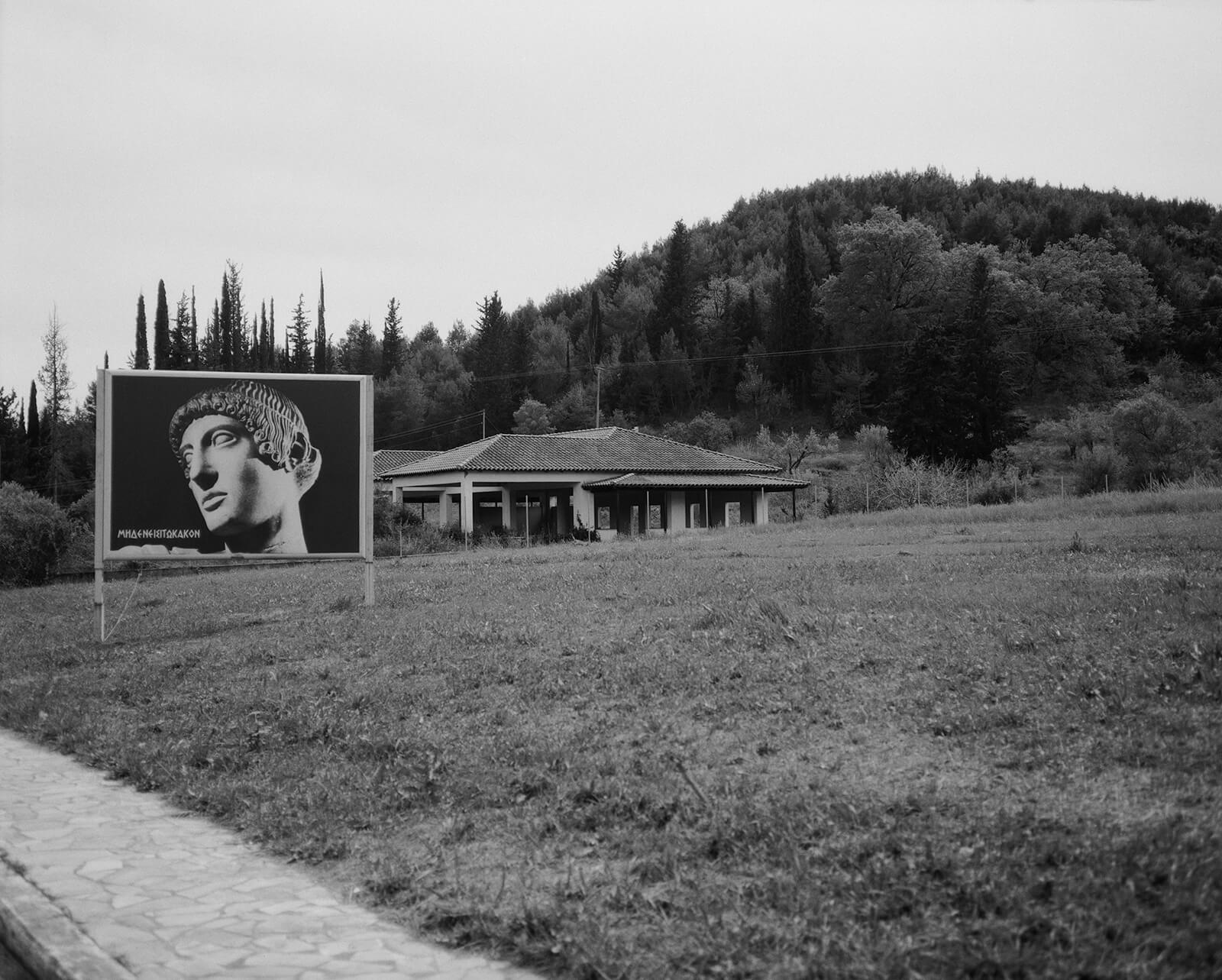
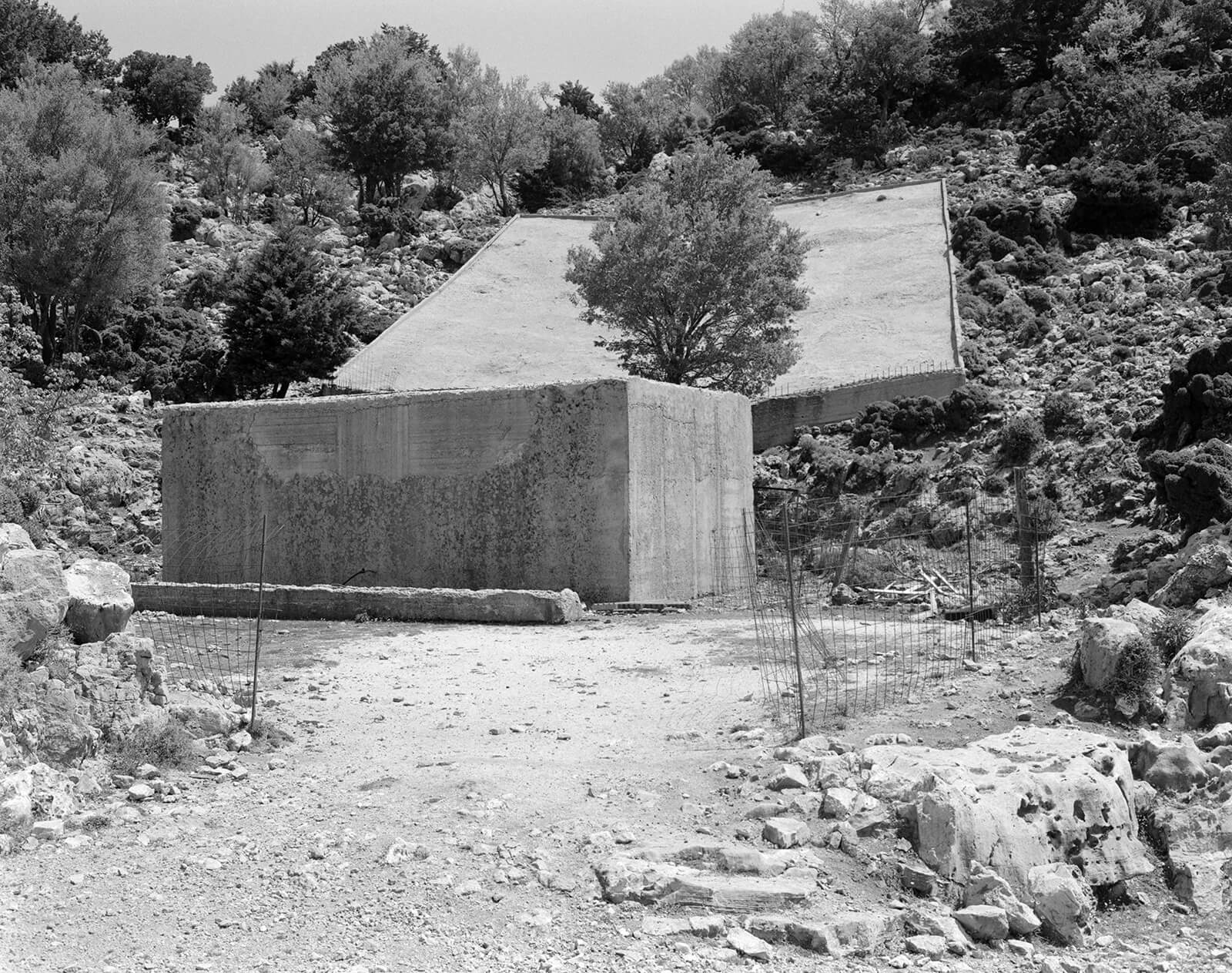
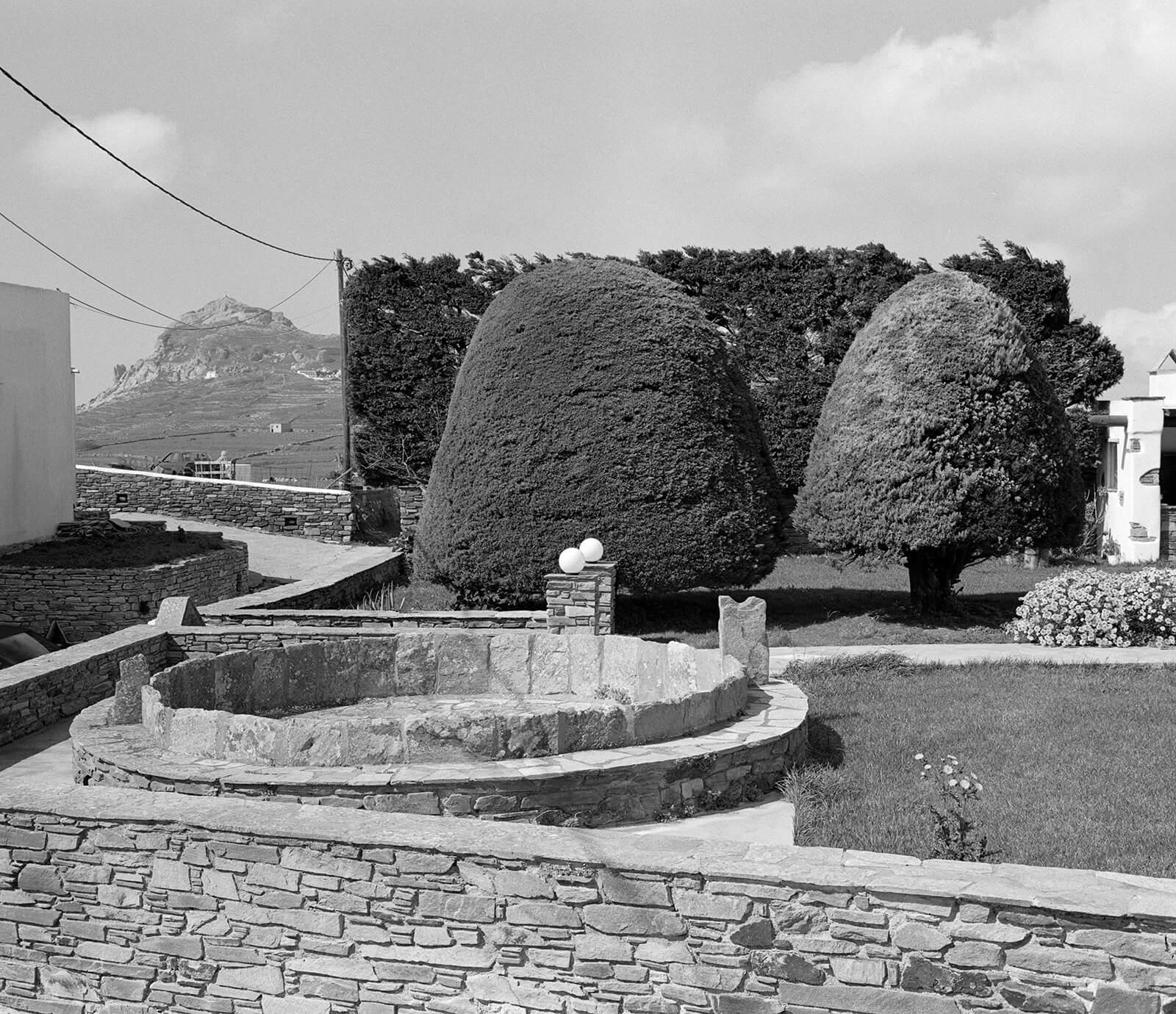
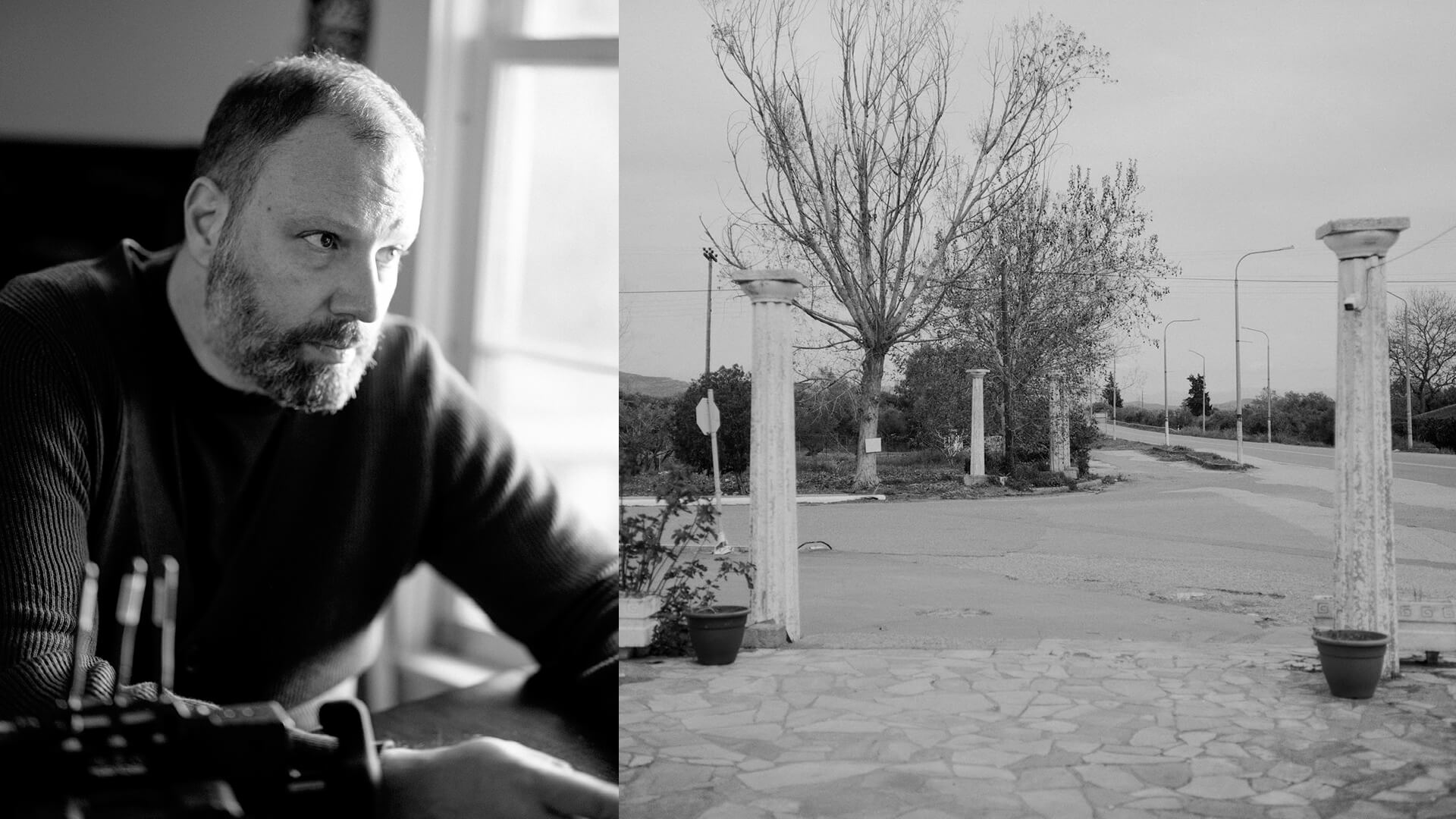
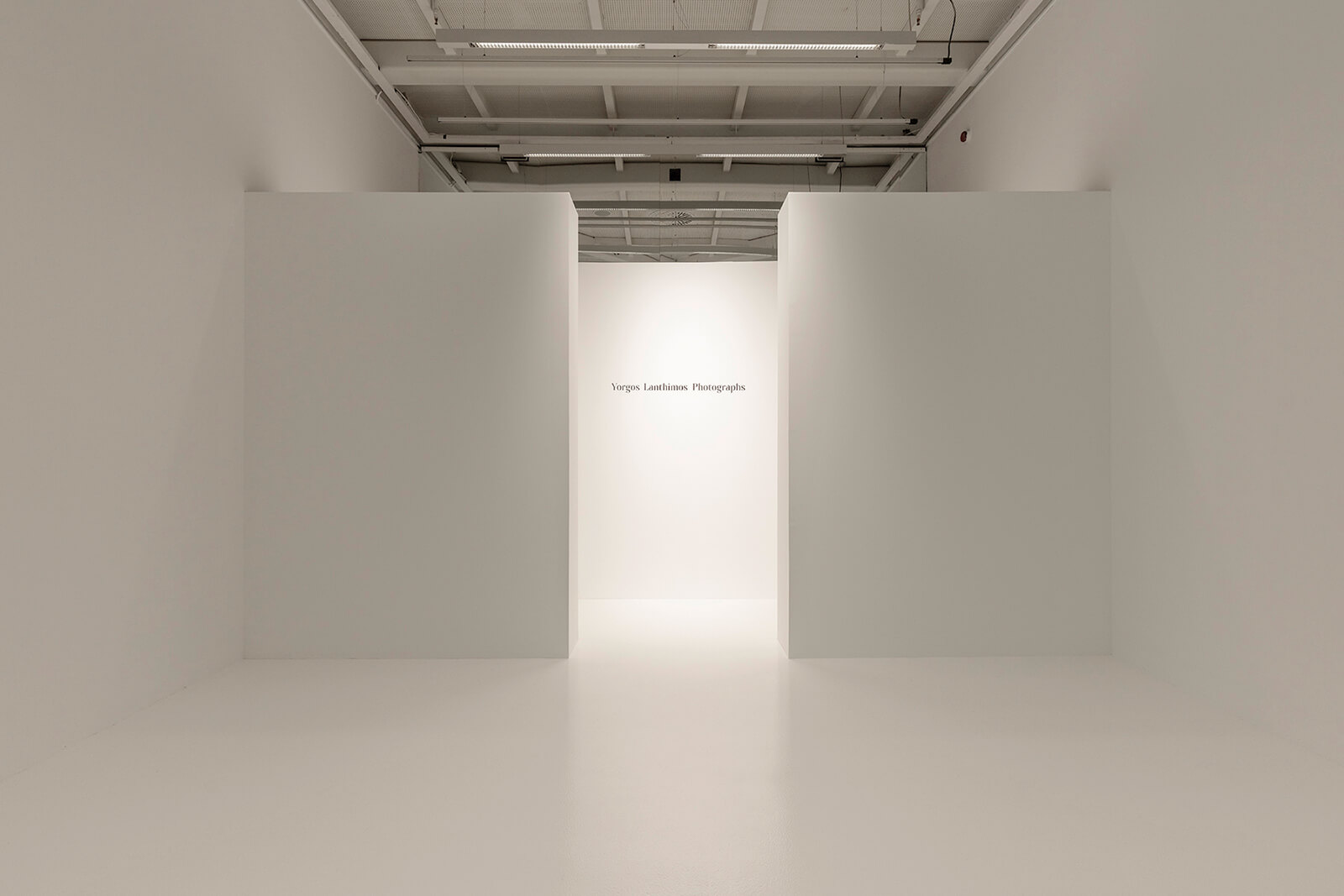
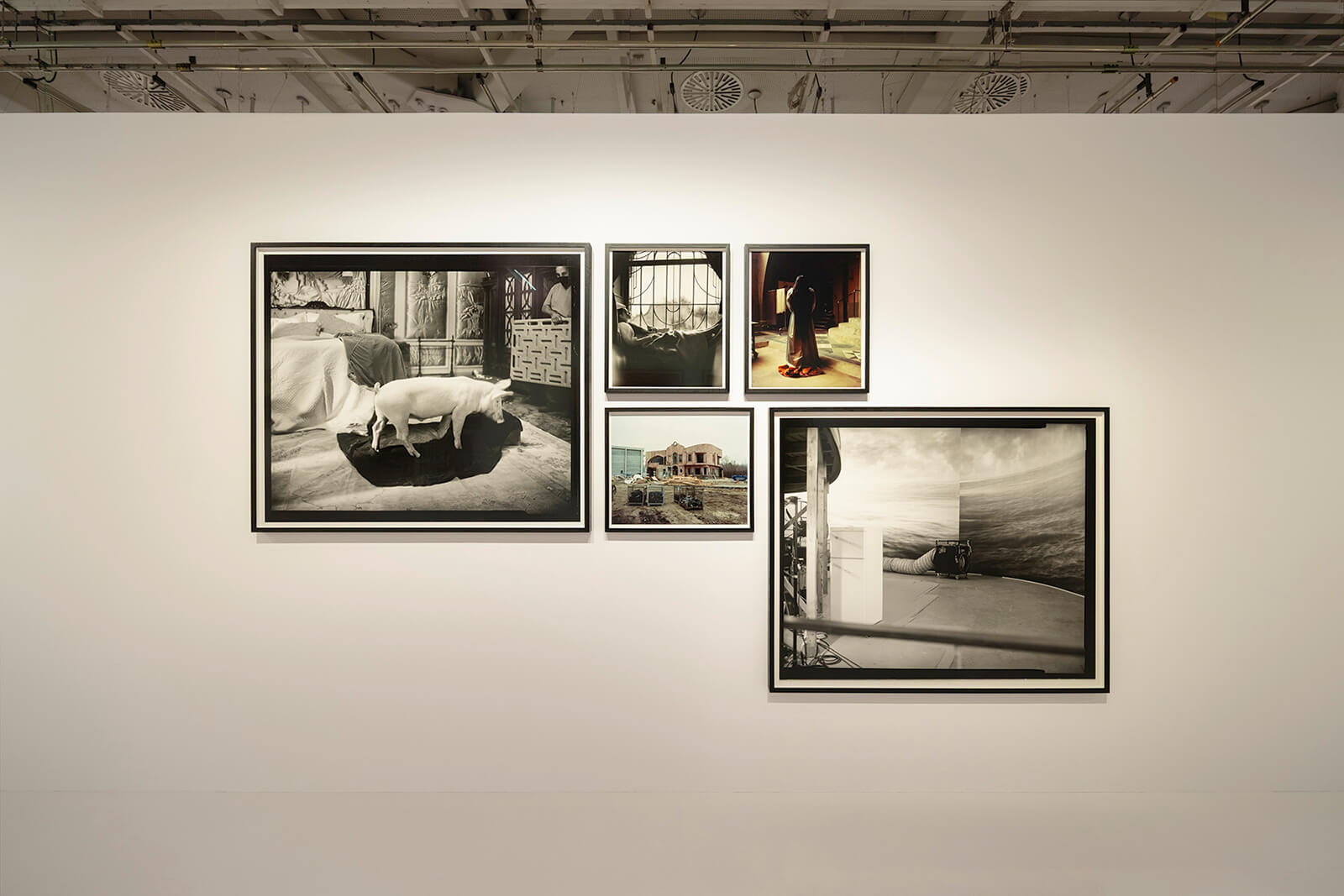
In contemporary cinema, few directors can claim to have taken the kind of swings Yorgos Lanthimos has during his career, ranging from his indie filmmaking days in Greece to his big-budget (but nearly equally unsettling) Hollywood films. Naturally, the genesis of the long-winded argument above is a new exhibition of Lanthimos’ photographs, framed (the verb fits intuitively and effortlessly) at Onassis Stegi in Athens. Yorgos Lanthimos: Photographs brings together over 180 photographs from the distinctive filmmaker, including those taken on location while filming the brilliant Poor Things (2023), Kinds of Kindness (2024) and his most recent feature film competing for the Oscars, Bugonia (2025). “Taking photos has become an important thing in my life other than filmmaking, it is so much freer. It feels like there are fewer rules tied to conventional narrative”, states Lanthimos in an official release.
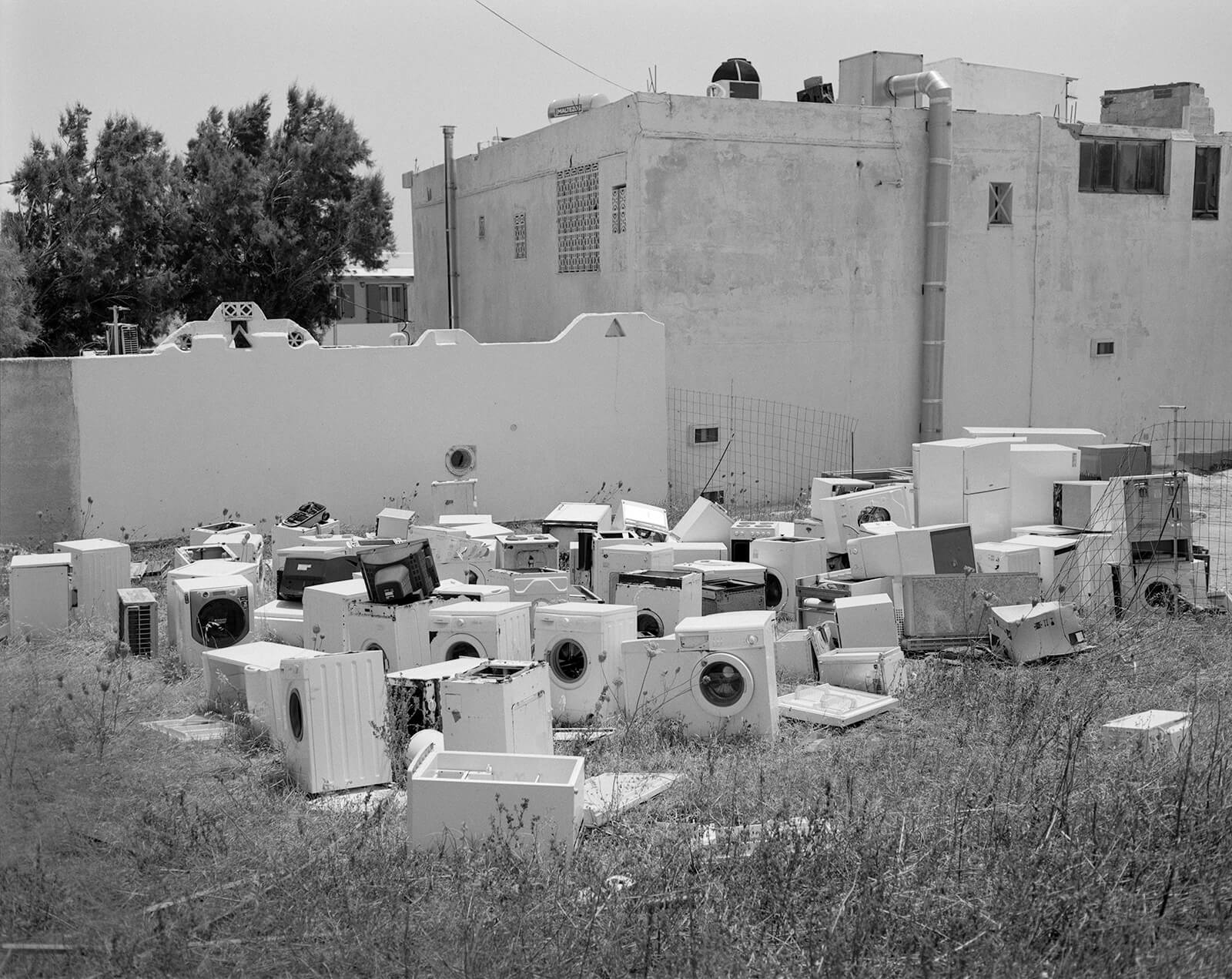
The exhibition itself is laid out in the form of a classical Greek temple, guiding audiences to move from his more popular filmic imagery on the peripheries to an entirely new body of work towards the core. While the freedom of the photographic medium is a virtue, it certainly feels like a natural extension for Lanthimos, who has increasingly made bolder choices with the visuals in his films. That much has always been visible even in his film posters—gorgeously drawn with an innate graphic quality and typography to boast—their outward order giving way to the chaos and unsettling that are intrinsic to Lanthimos’ oeuvre. The photographs in the exhibition, too, on a personal front, appear to harbour that kind of contrast; or rather, contradiction.
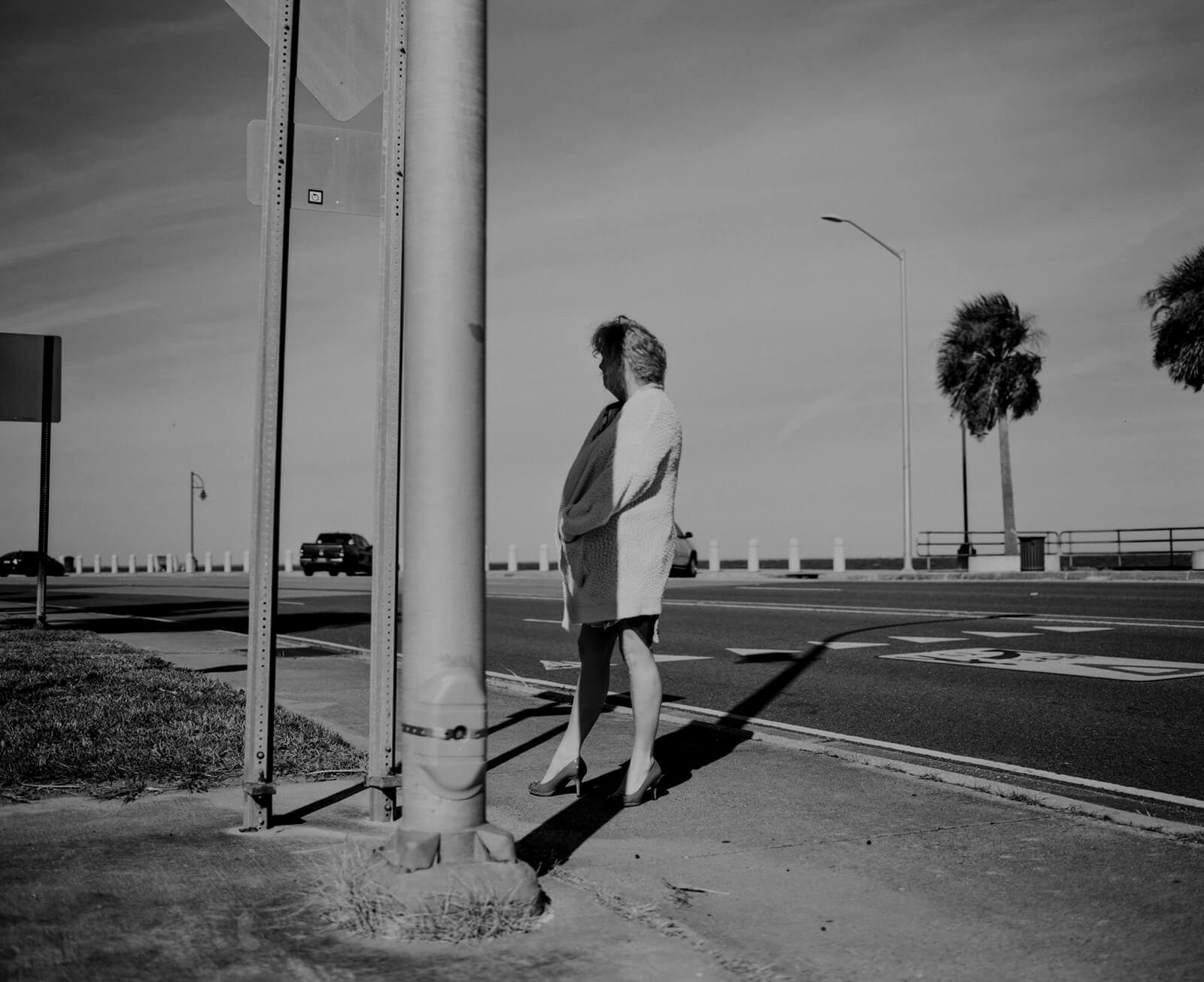
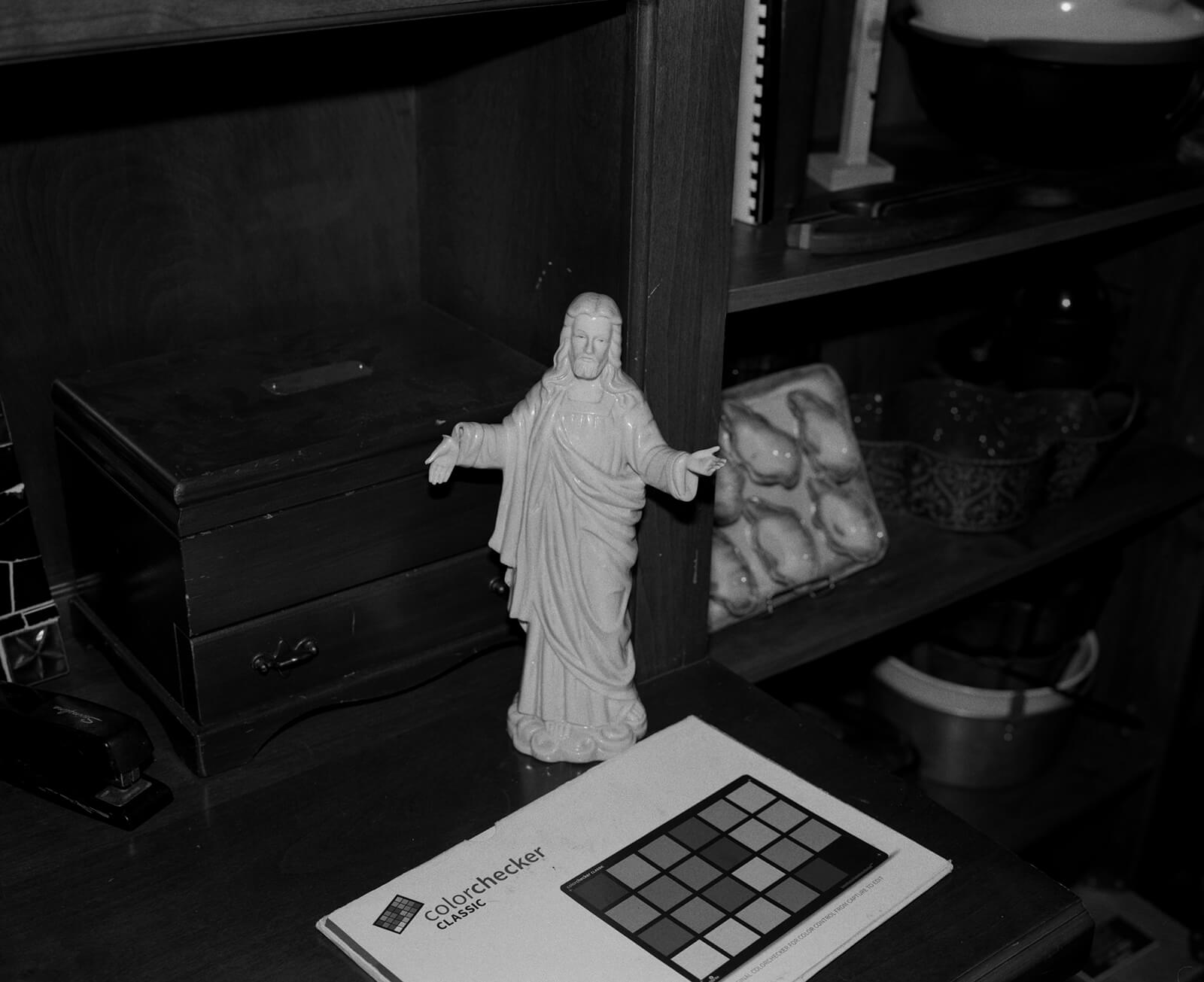
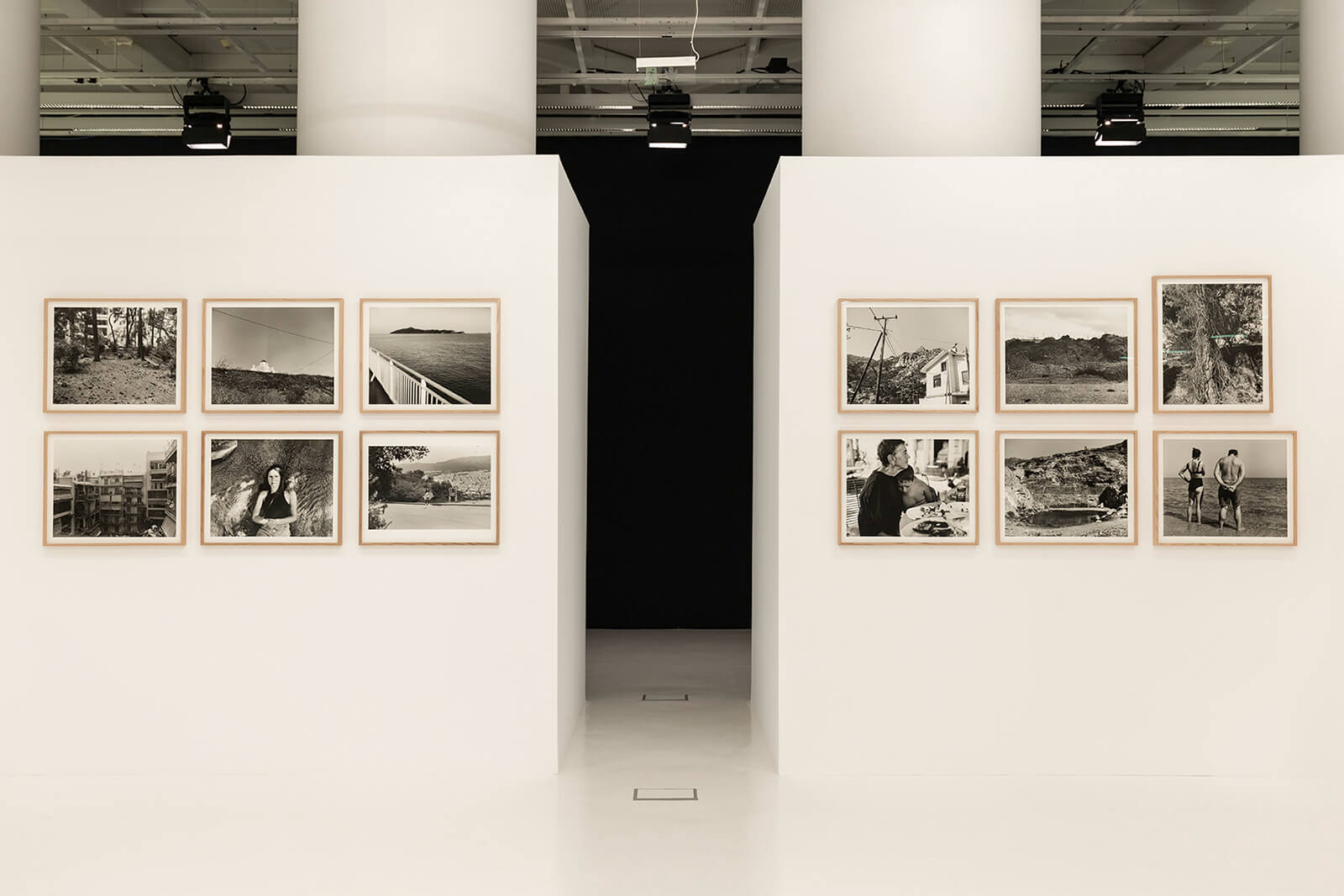
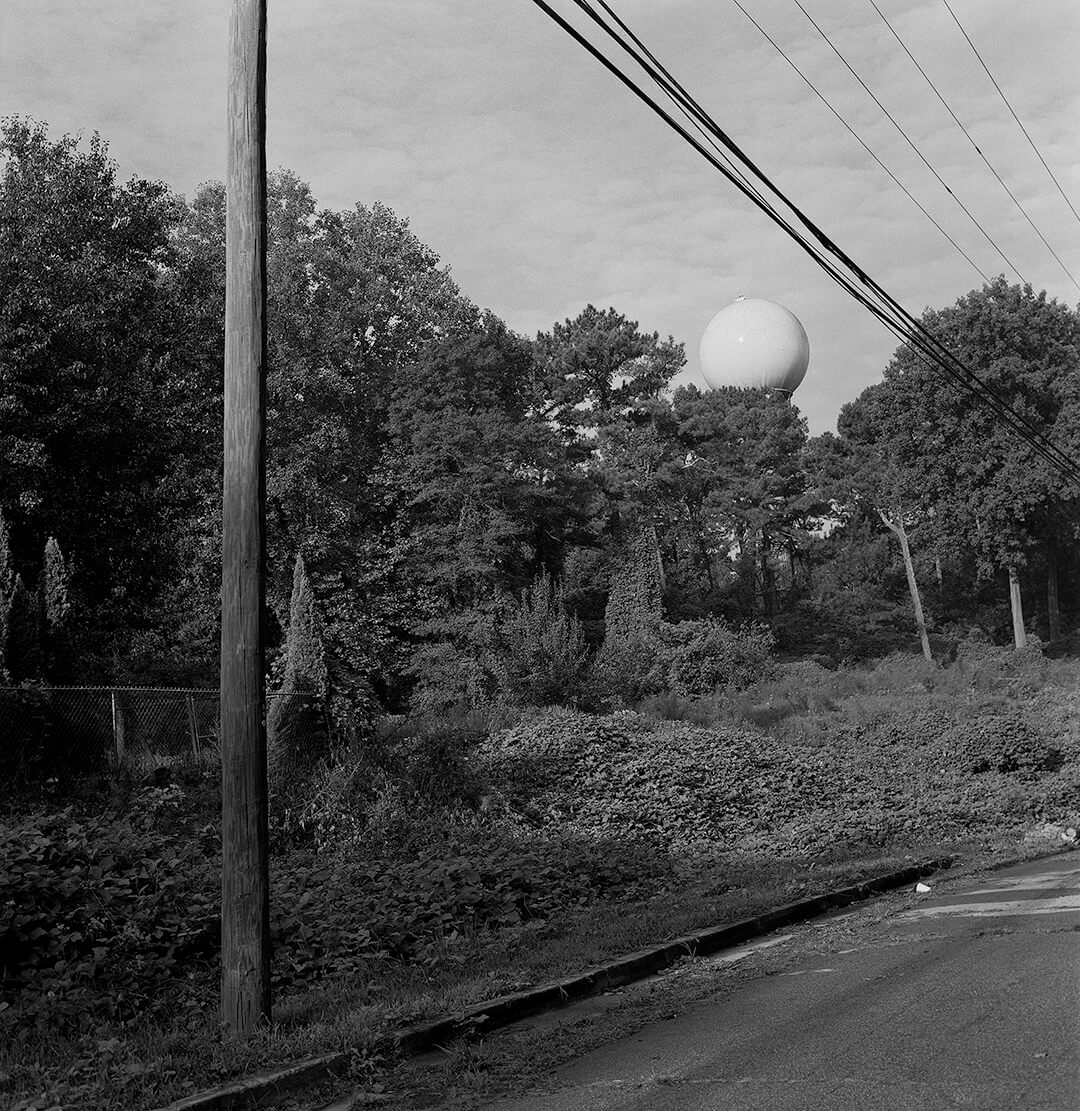
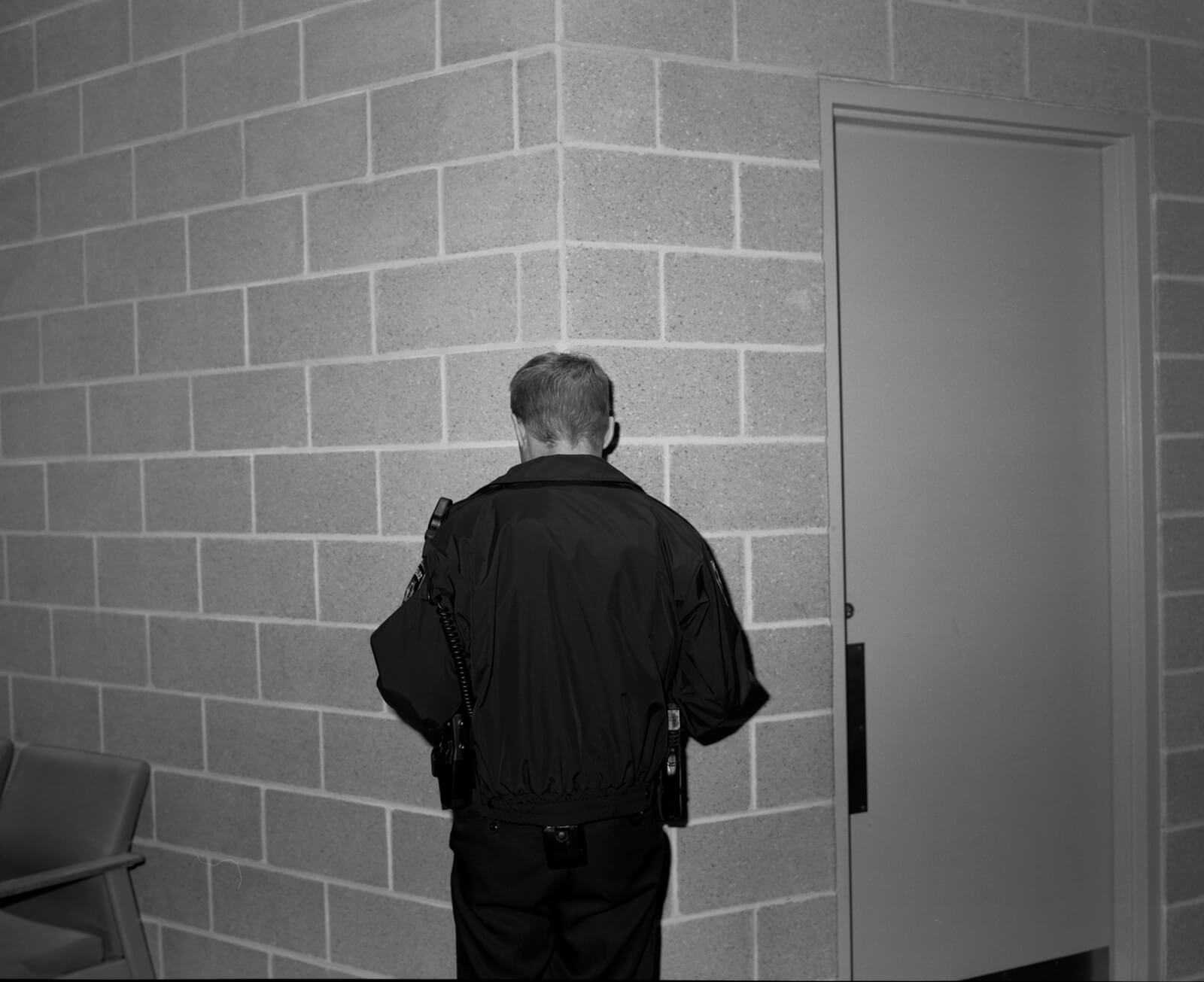
Suitably bereft of colour for the most part and yet drenched in a monochrome melancholy, Lanthimos’ photographs, especially his newest work captured on the fringes of his native Athens, are held in this almost perfect state of in-betweenness that can be thought of as a pause in a film. The frames are contained but charged as if about to burst into the next one. Nearly half of them have a human at the centre—strangely never in motion, and never facing the camera. Even Lanthimos’ muse and treasured collaborator, Emma Stone, appears in a couple of shots. This is at once fitting, with Lanthimos’ characters in his films’ first acts characterised by an almost machinic manoeuvering of his worlds, and at odds with the same characters in the films’ final acts, undone in manic, often violent ways.
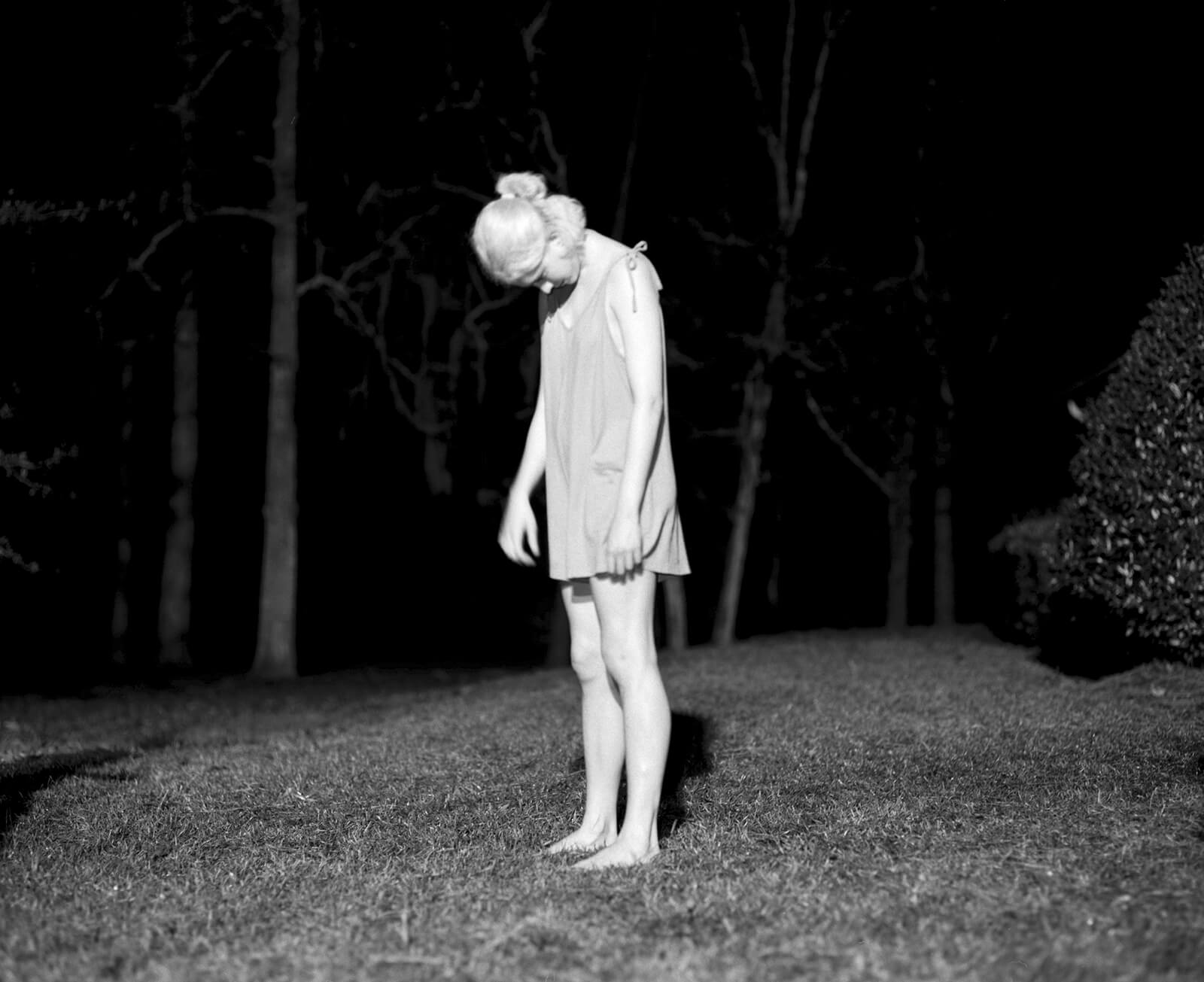
There is, in all this, a sense of fixity in the space to comment upon, especially in the photographs without a human subject. Several capture absolutely mundane environments marked by a sense of abandon; the stillness, compared to the kinetic human subject, is eerie, rendering an indefinite pause on time, or just the oft-perceived inertness, unwieldiness of modern architecture. They appear run-down, without the preceding condition of being lived-in. Architecture, or the built, deliberately backgrounded here, is still not the ‘subject’ in these photographs. The missing human figure is an apparition in these, foregrounded absently, which is perhaps a comment on human habitation and built environments being complementary. That is, of course, one of many diverse possible interpretations of these photographs.
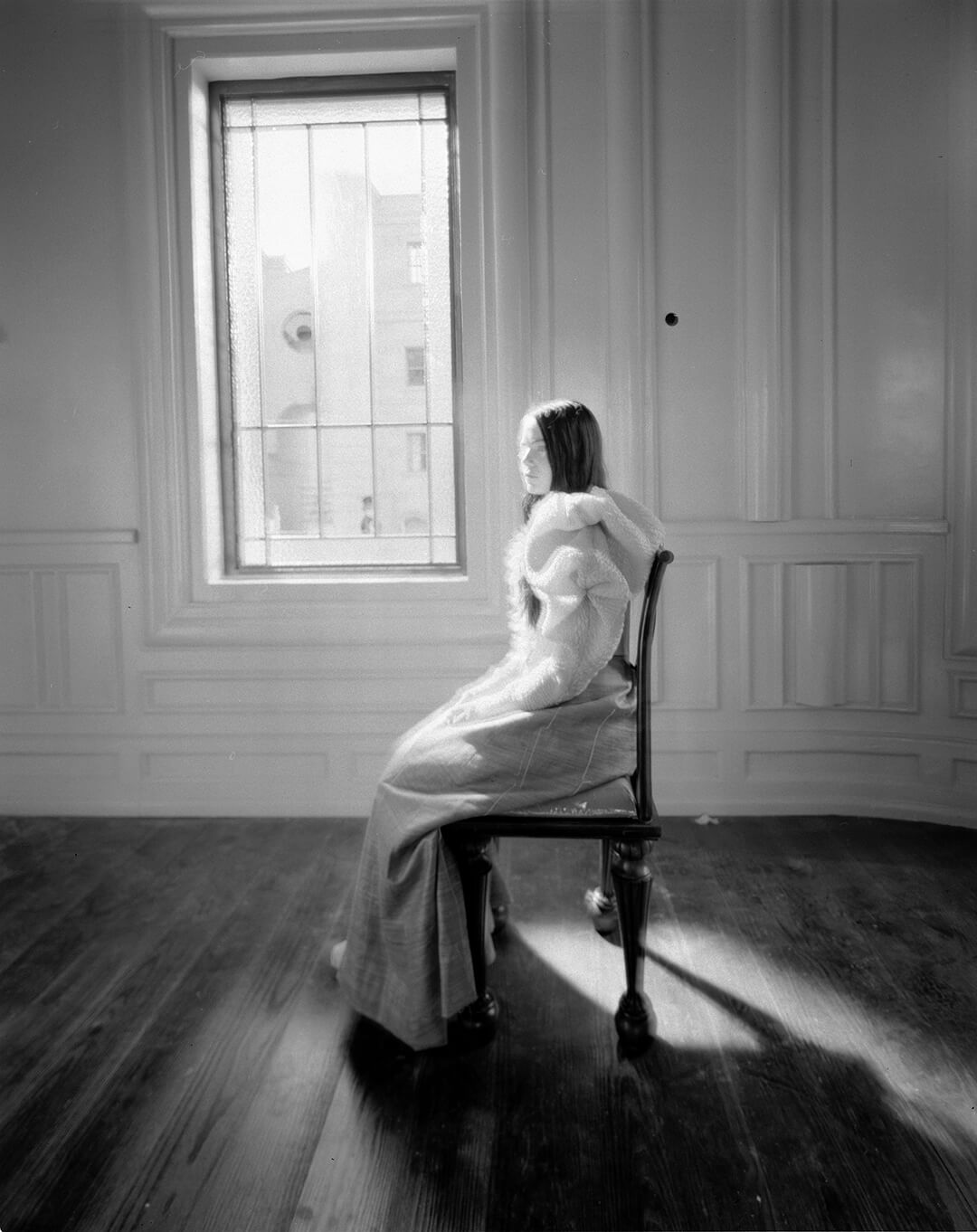
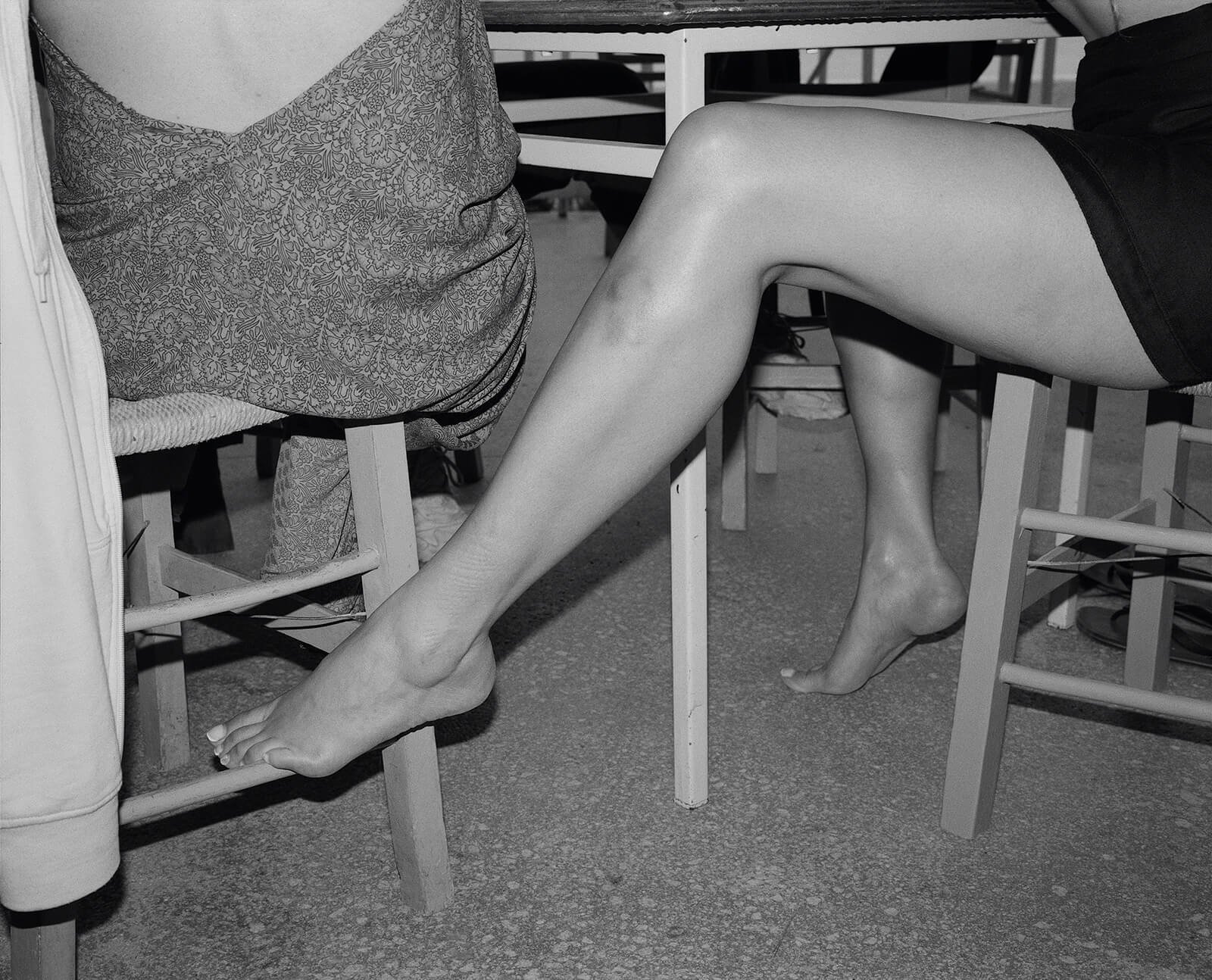
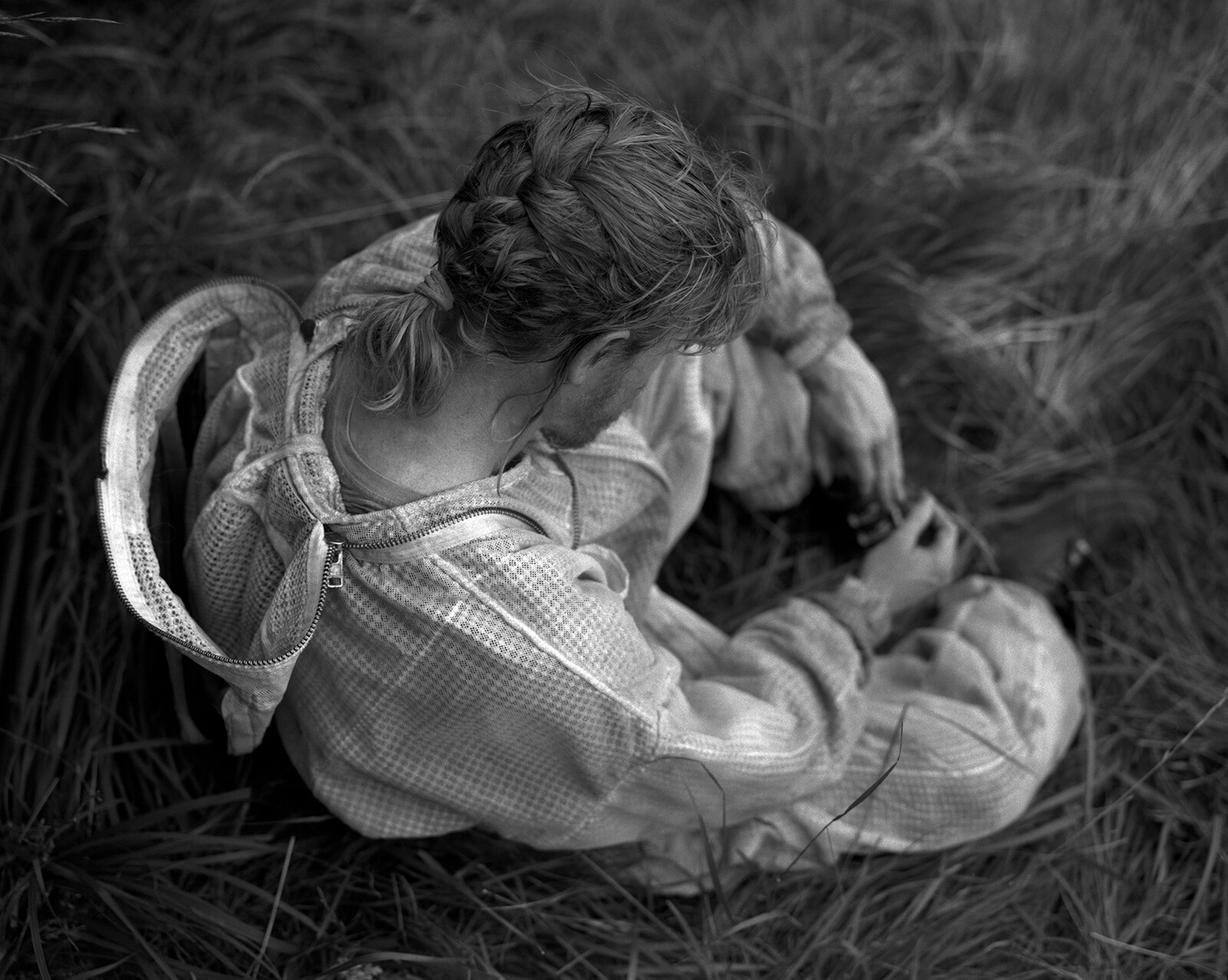
Apart from being an almost alternative behind-the-scenes look at some of his most experimental films of late, the photographs, shot across film locations in New Orleans, Atlanta, Henley-on-Thames and soundstages in Budapest, also seem content with urban anonymity. No urban landmarks, and sparing identifiers of cities or countries. The question of scale doesn’t seem to interest Lanthimos as he moves between unconventional but intimate portraits and dusky landscapes. Our most reliable anchor—or narrator—to guide us through exploring these photographs is still space.
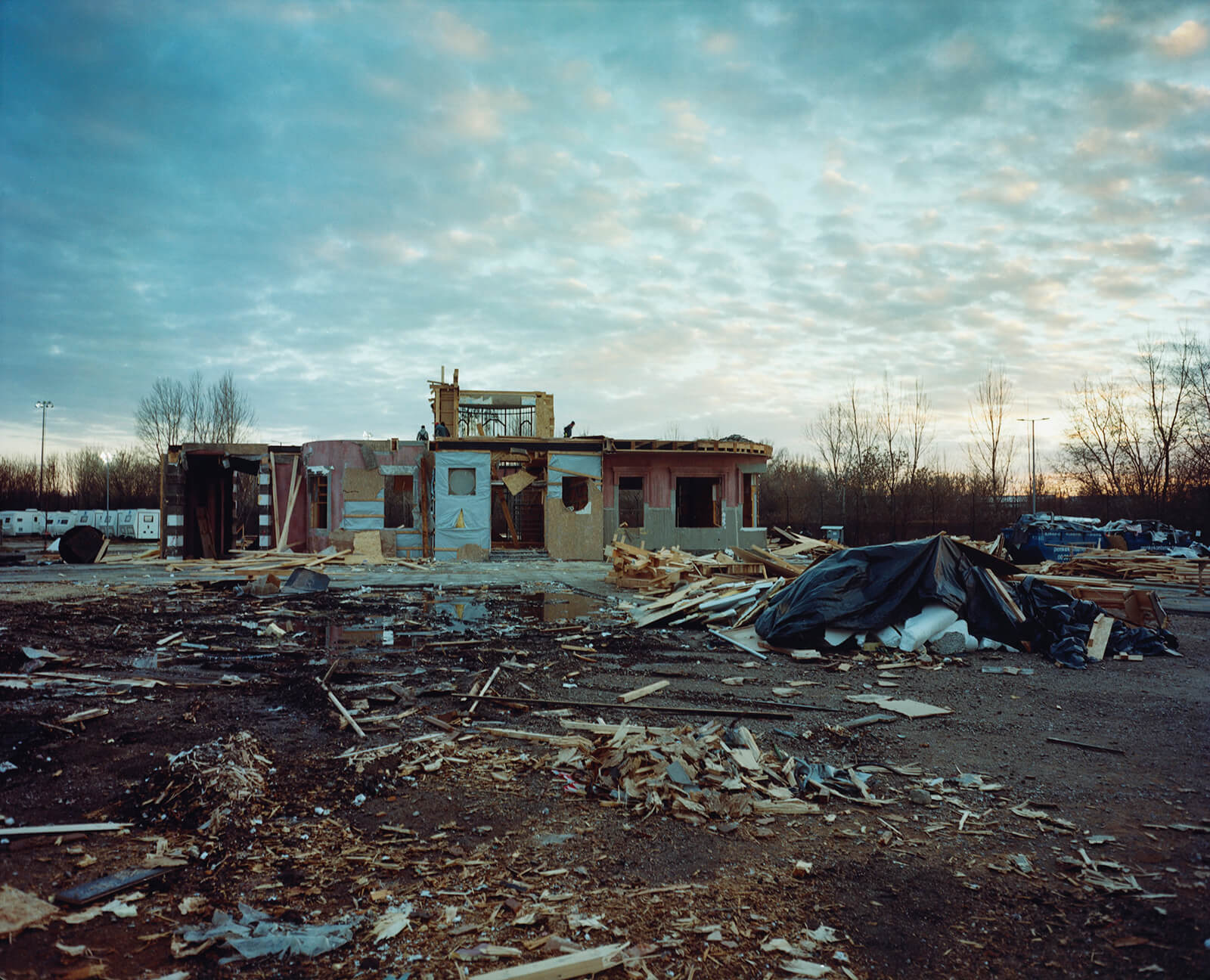
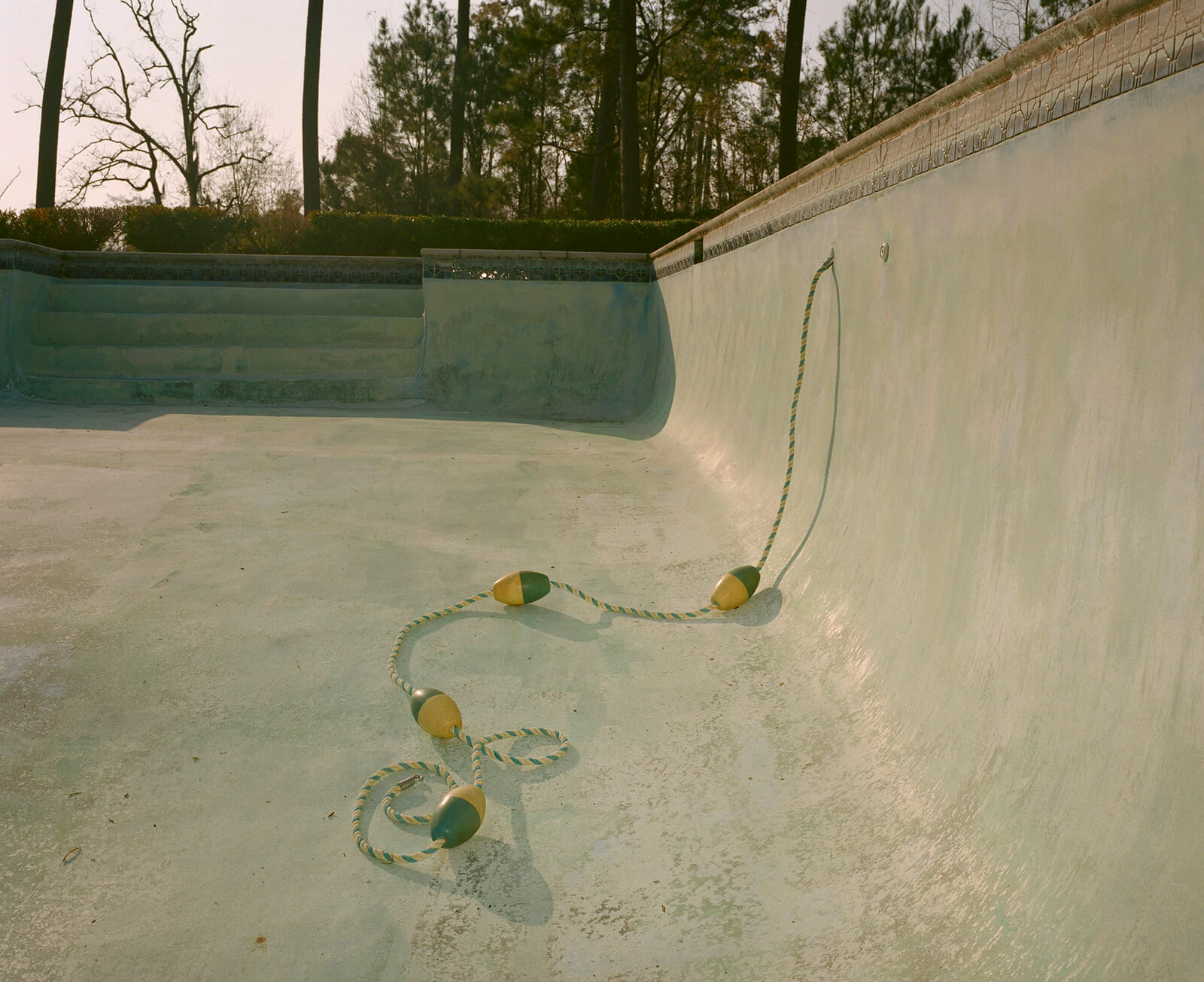
Then there is, of course, the question of the ‘aesthetic’ qualities of these photographs, the looking-feeling parts. The use of film as opposed to digital in both photography and cinema has seen an unprecedented resurgence for its supposed aberrations and imperfections, adding a ‘human’ touch, an almost dreamlike quality to the image. All his recent films have been shot using 35mm stock, notably with vintage lenses in Poor Things and VistaVision for Bugonia. The photographs are right at home with these aesthetic choices, with the aspect ratios, too, being taller than the conventional landscape picture, alternating between 4:3 and a square fit, with a rare vertical shot thrown in for good measure. Clarity and hyperfocus, conversely, are buried relics, while obscurity frames this visual vocabulary.
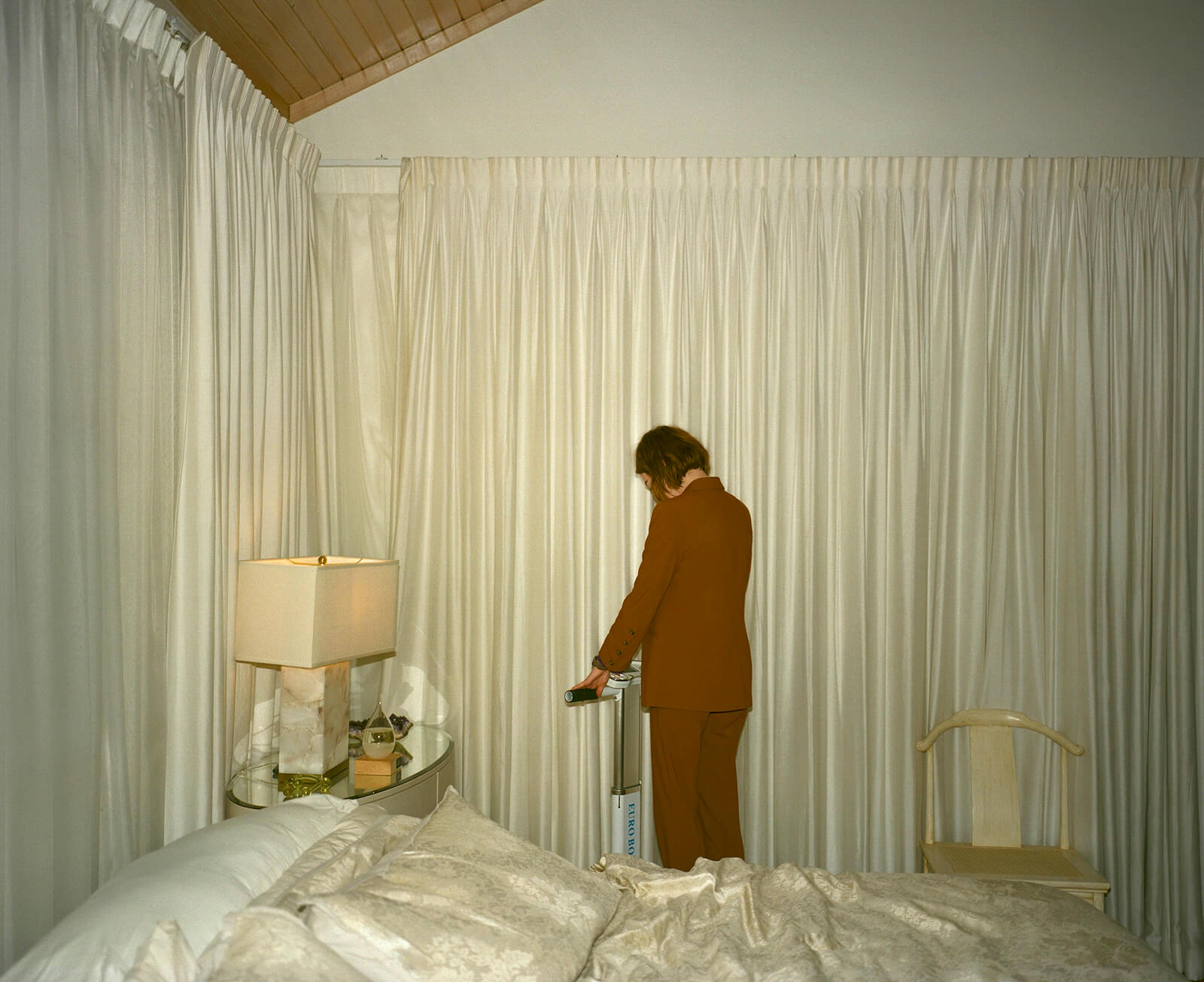
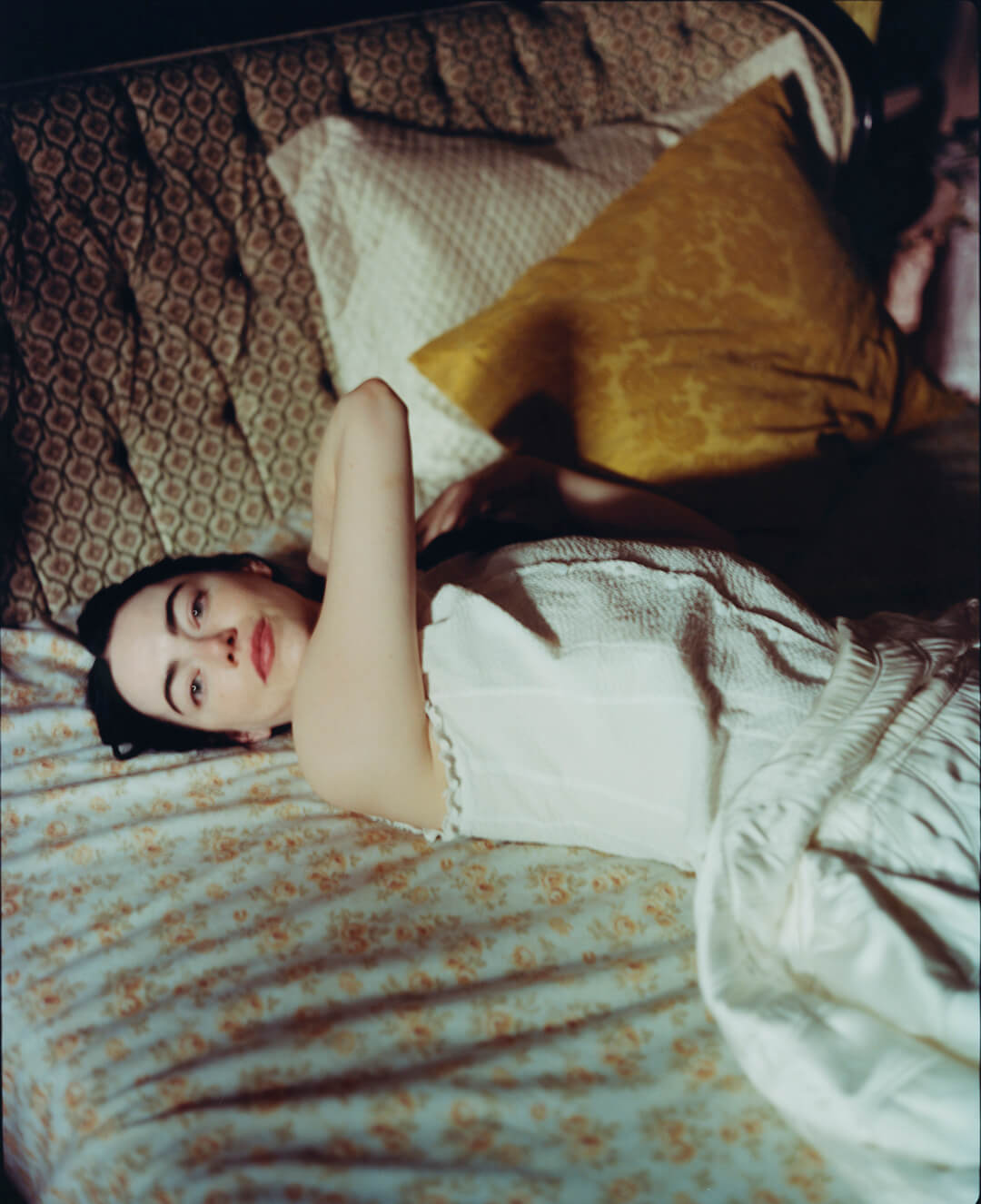
For a film, 24 of these ‘frames’ pass through the light to be projected on a white screen in a single second. On either end of each of these is an entire story waiting to unfold. The provocation at the centre of this observation seems like an interesting note to close this photographic and thematic deep dive: Bookended by kinetic transformation, can the frame in the middle subsume the status of an artefact itself? Or is it a bona fide object worth observing because it is part of a repository, a sequence, beckoning the next?
by Pranjal Maheshwari Oct 24, 2026
A consortium of Copenhagen’s 3XN, Toronto’s B+H Architects and Shenzhen’s Zhubo Design has designed the museum to mimic the surrounding riverscape, topped with a public park.
by Pranjal Maheshwari Oct 19, 2026
The Mumbai-based architects integrate courtyards, mesh screens and north light trusses to create a dining space that doubles up as a community hub at SR University, Warangal.
by Mrinmayee Bhoot Oct 17, 2026
The Rotterdam-based institute centres the Indian Ocean as a network for exploring material histories and transnational links shaping coastal cultures, positing them as future models.
by Pranjal Maheshwari Oct 16, 2026
At the 2026 Stirling Prize ceremony, Mary Duggan with RUFF Architects, MAKER Architecten and Nakshabid Architects were felicitated for proffering quality housing and social equity.

make your fridays matter with a well-read weekend
Enter your details to sign in
Don’t have an account?
Sign upOr you can sign in with
a single account for all
STIR platforms
All your bookmarks will be available across all your devices.
Stay STIRred
Already have an account?
Sign inOr you can sign up with
Verification link sent to check your inbox or spam folder to complete sign up process
Tap on things that interests you.
Select the Conversation Category you would like to watch
Please enter your details and click submit.
Enter the 6-digit code sent at


Framing stillness and the uncanny with Yorgos Lanthimos
by Anmol Ahuja | Published on : Mar 13, 2026


 Sign in with Google
 Sign in with email
What do you think?