Art08 mins. read
India Art Fair 2026 and more in Delhi: The STIR list of must-see exhibitions
by Srishti OjhaFeb 04, 2026



by Mrinmayee BhootPublished on : Oct 22, 2025
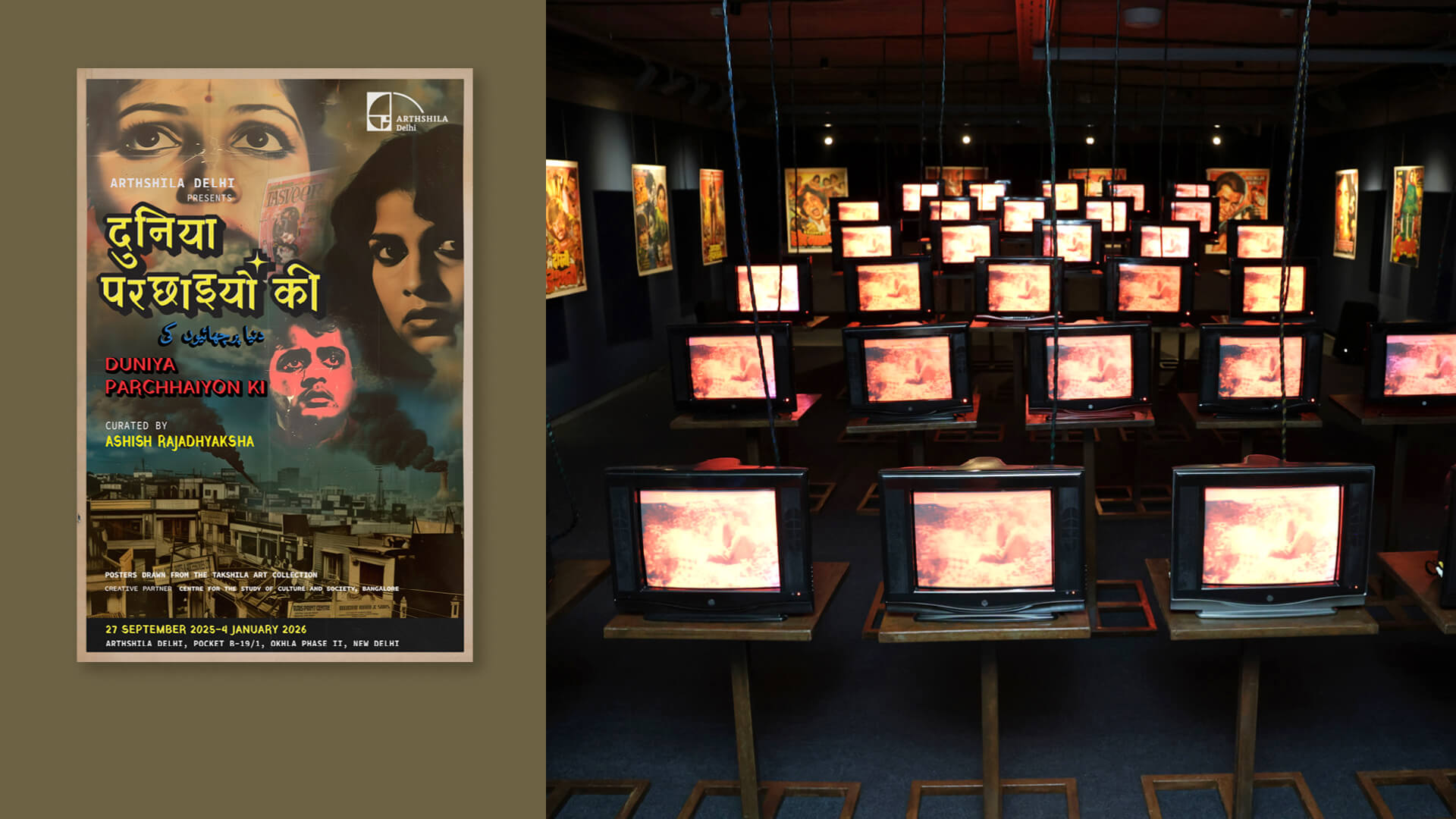
Walking into the dim galleries of Arthshila Delhi feels like stepping into an Indian household in the ‘90s. It's late afternoon and along with the hum of the cooler, the TV is blaring somewhere in the distance. You can faintly make out Lata Mangeshkar's ethereal voice singing hoton pe aisi baat. But this melody is also interrupted by the sound of traffic, car engines revving, horns blaring and drivers asking people to move out of the way. It's this nostalgic atmosphere—at least for those who grew up in India in the ‘90s, surrounded by the sights, sounds and paraphernalia of Bollywood mixed with the chaotic background noise of cows getting in the way of trucks, calls to prayer and the incessant din of factory work in Okhla—that one can't help shake at the art institution's recent exhibition, Duniya Parchhaiyon Ki: Elusive Frames, Resonant Echoes.
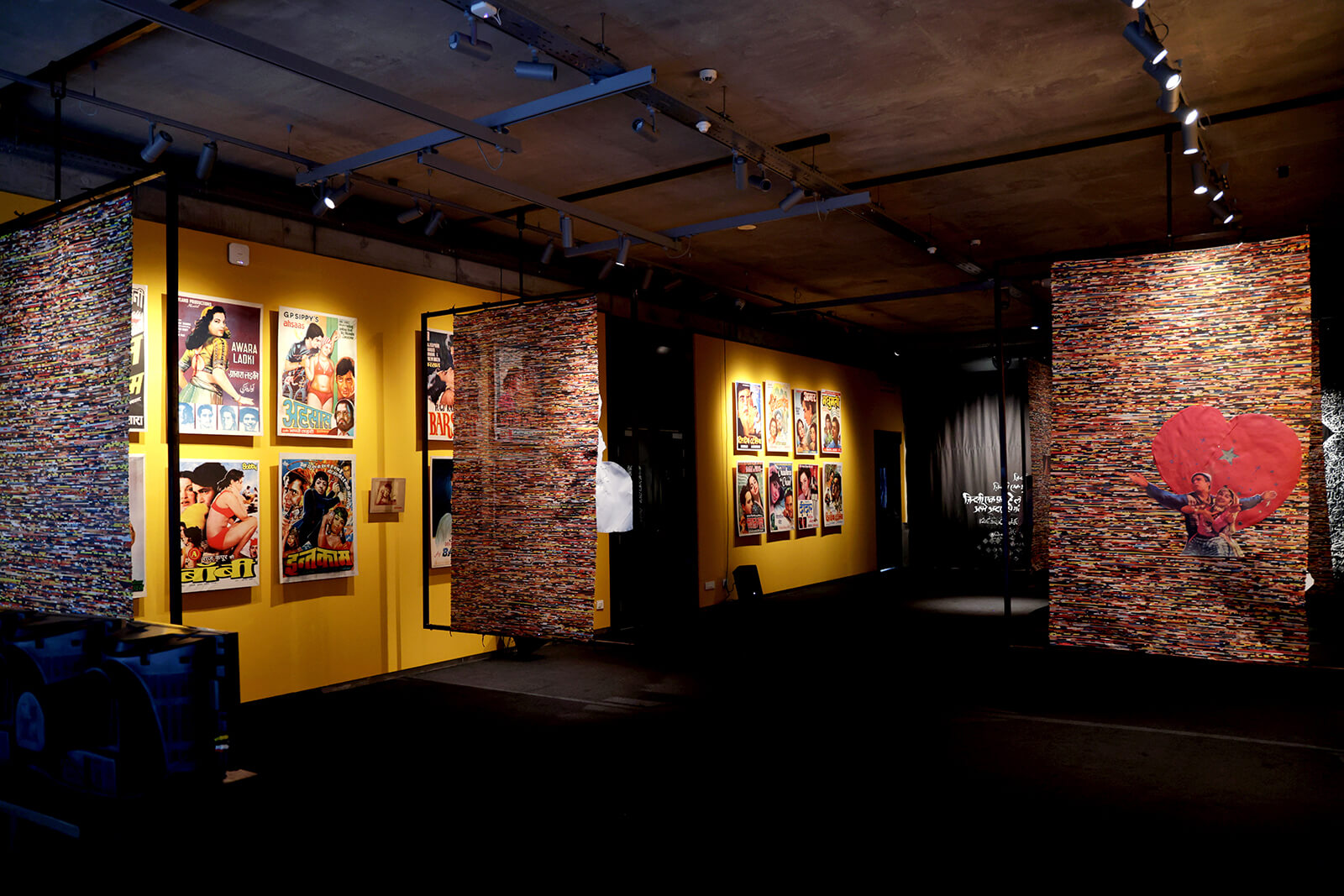
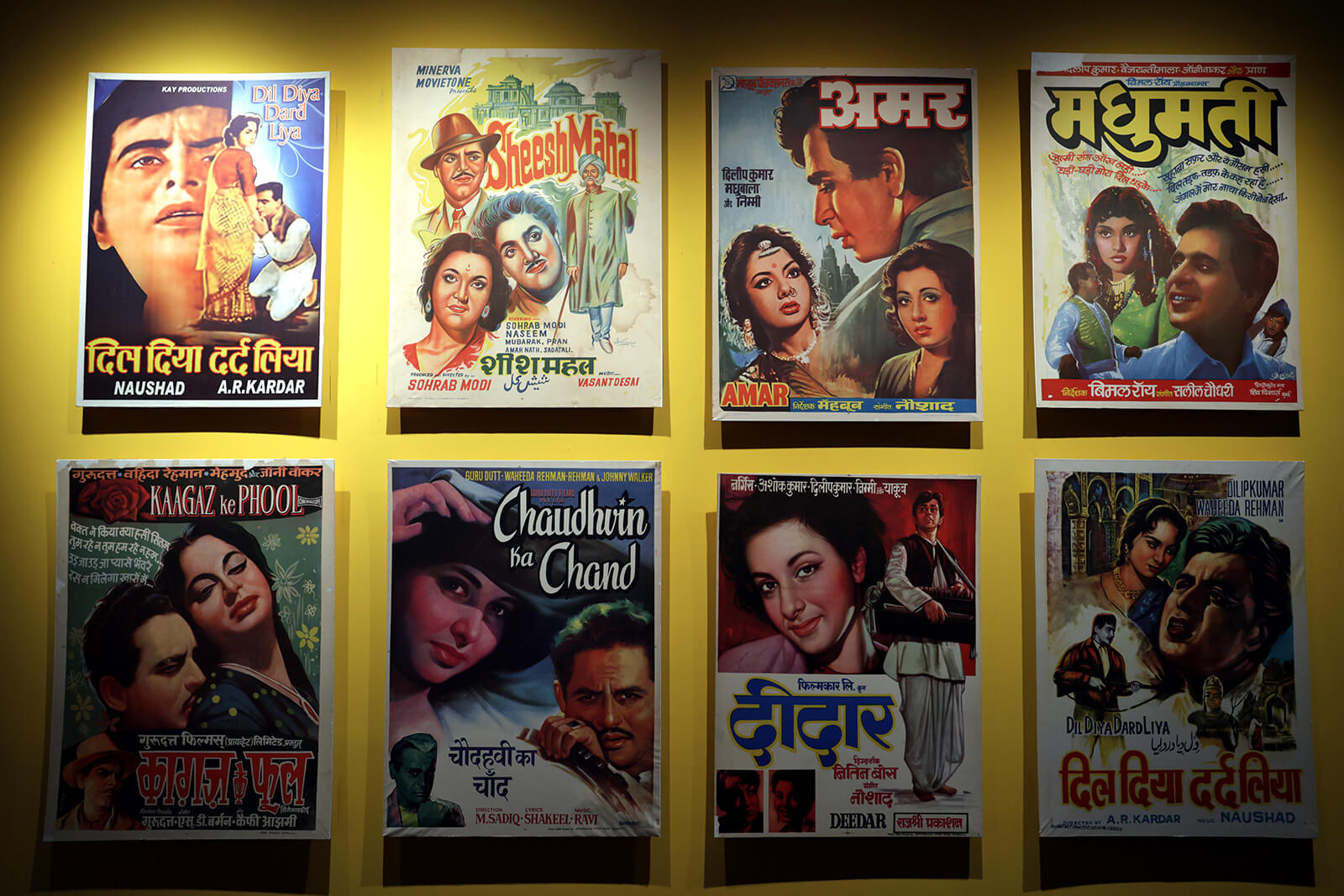
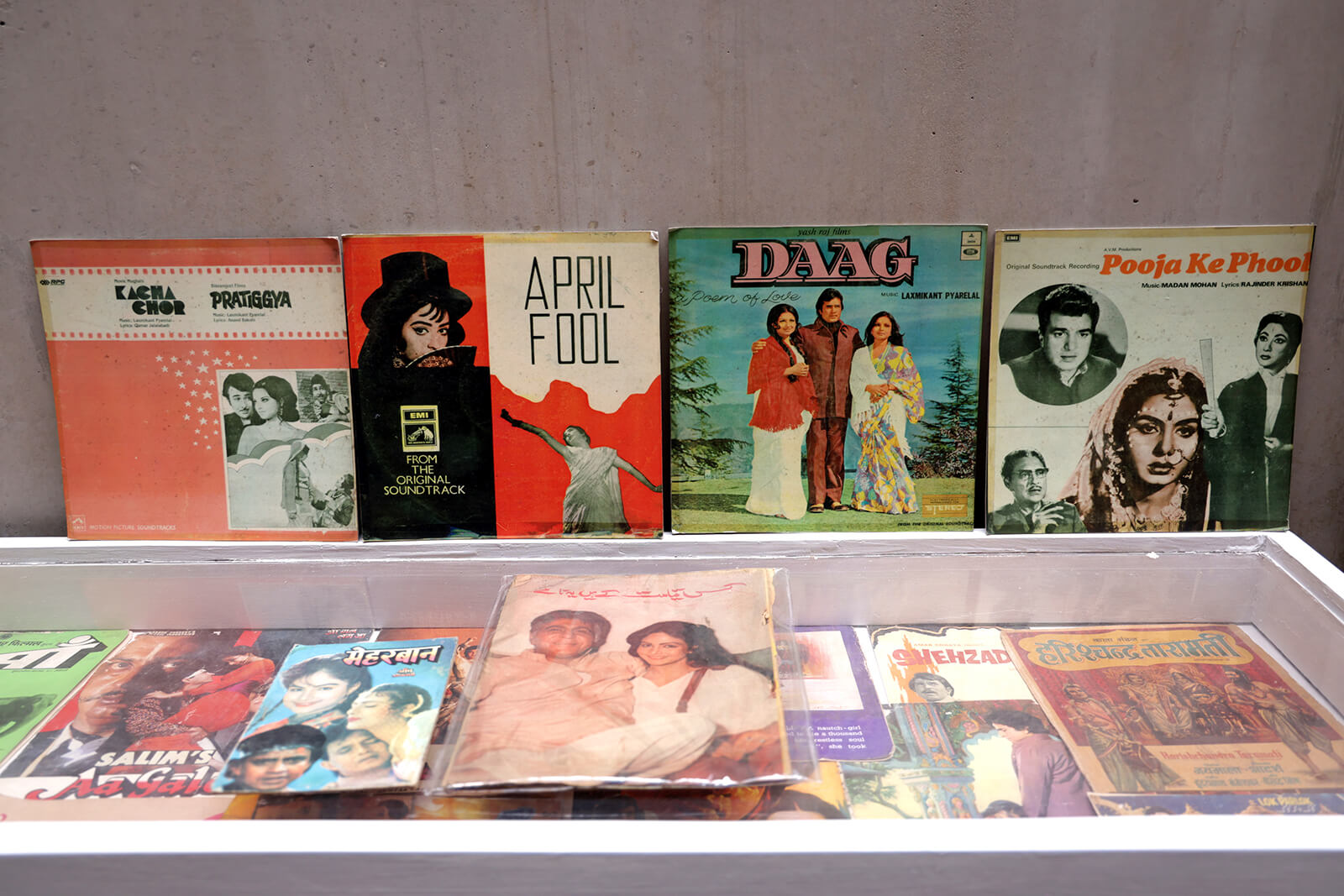
Described as a 'multilayered exhibition', the showcase is curated by film historian and curator Ashish Rajadhyaksha, invited by Arthshila to go through the film posters in their archival collections. Bringing together over 120 artefacts from the Takshila Art Collection—posters, lobby cards and song booklets—the curation examines the papery residue of what is essentially ephemeral. It considers what value cultural sentiment and collective memory can add to archival artefacts by prizing the emotional affect the posters hold over visitors rather than their historical authority. "On asking what the value of these things [is], I realised that the only way you're going to be able to show these posters is by being able to try and reveal what you bring to them rather than what they actually are in and of themselves," Rajadhyaksha said to STIR about the artefacts that make up the exhibition.
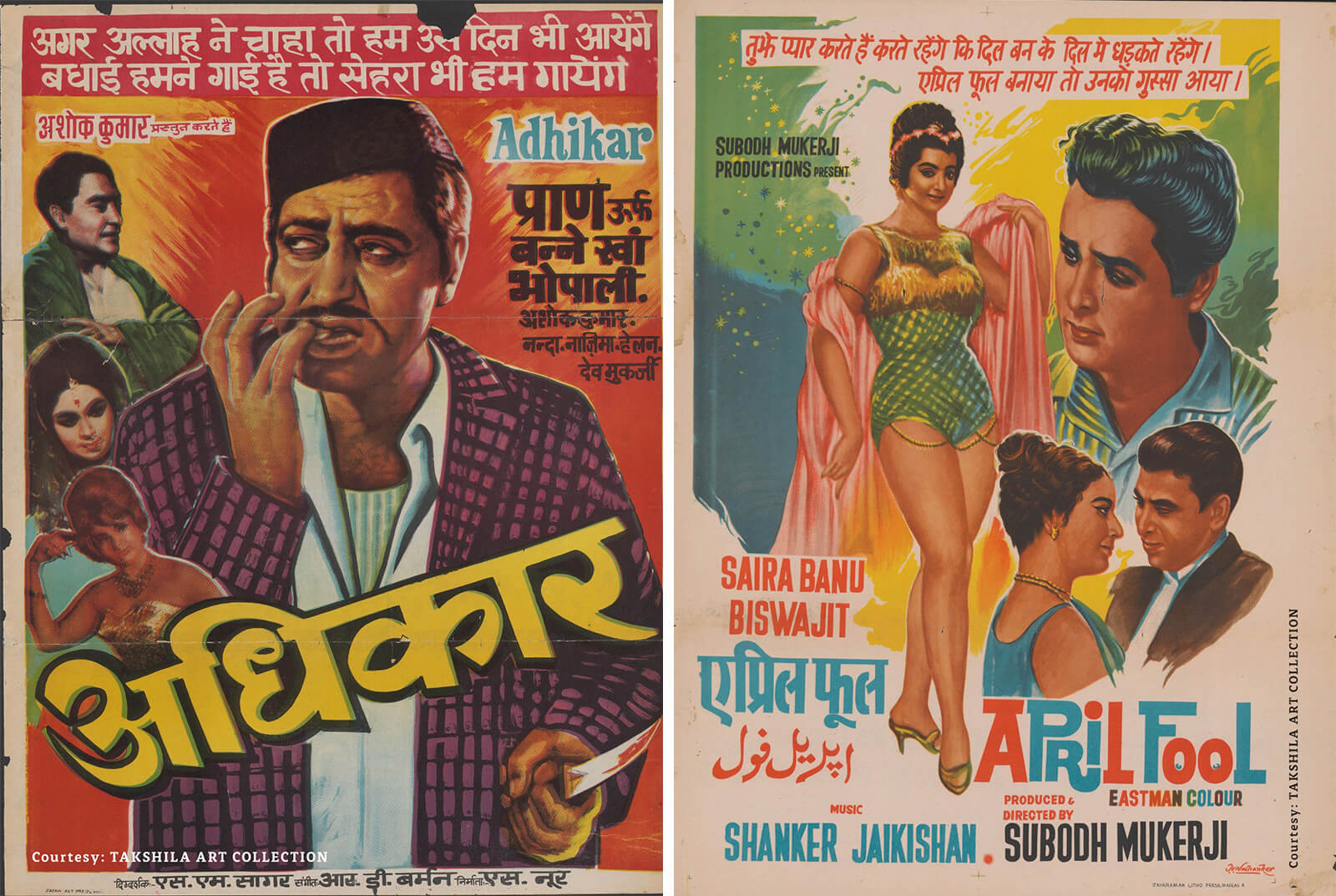
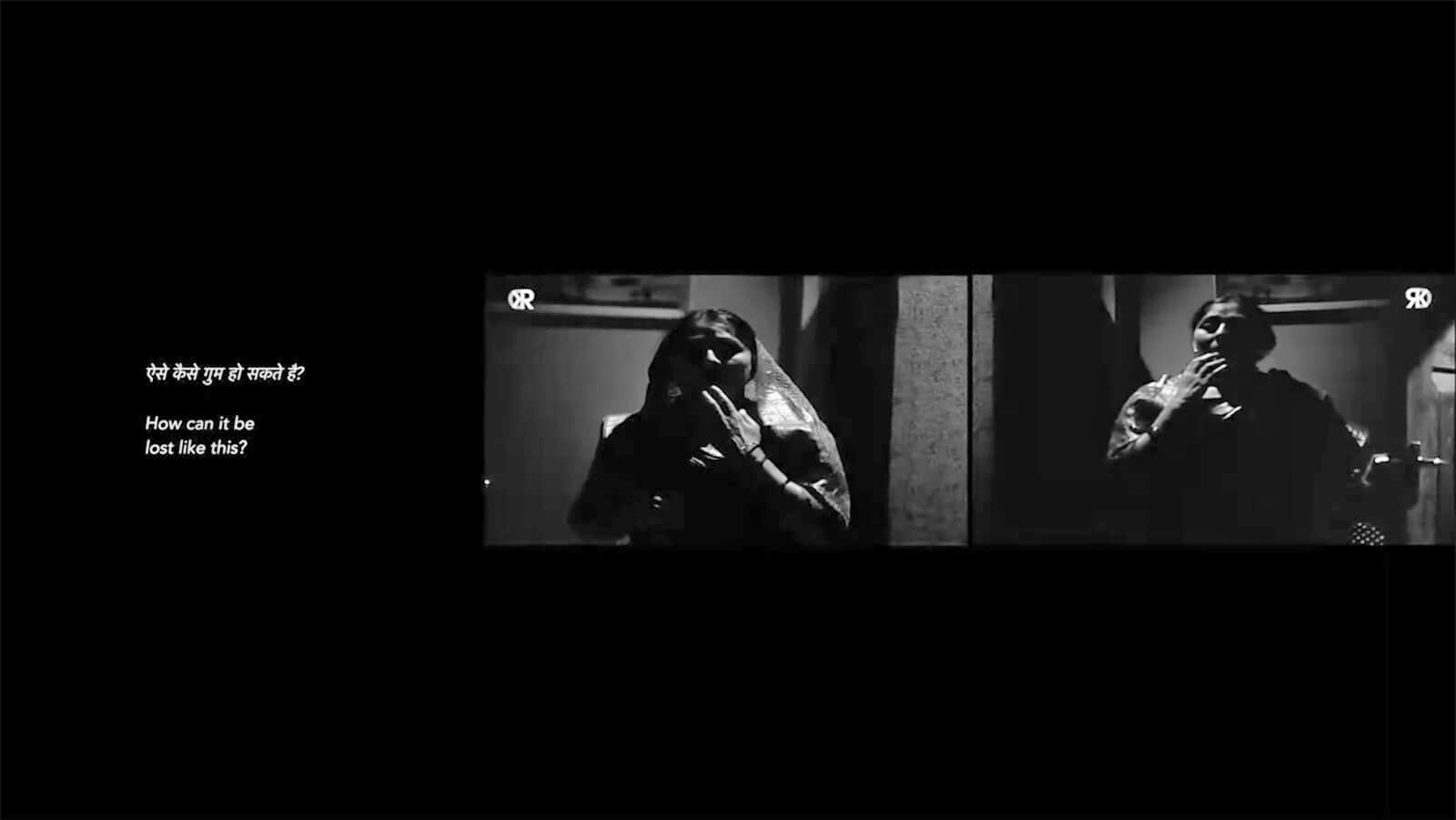
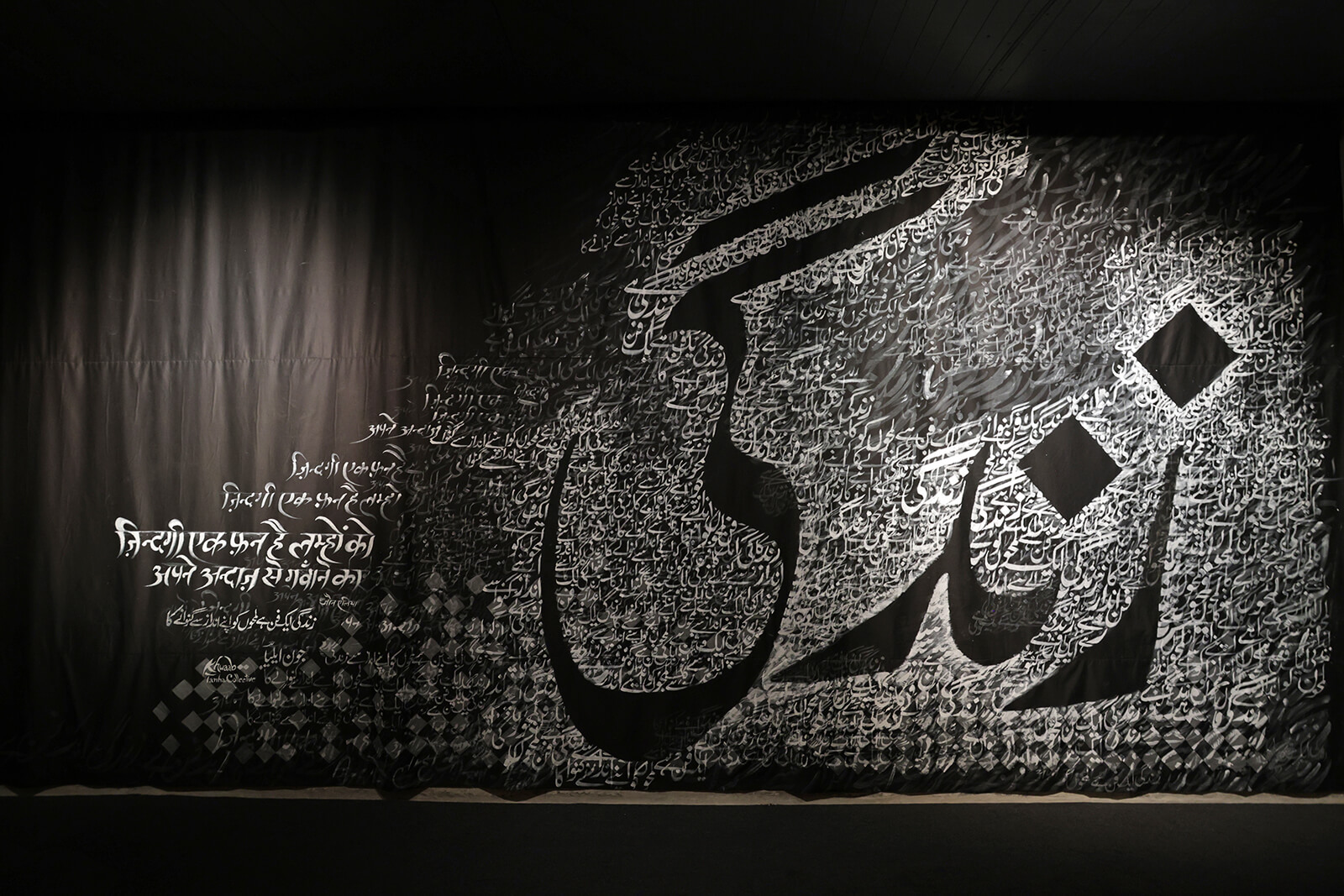
And it's exactly this exploration of the tangible artefacts of the film industry—the leaflets, magazines, posters and even faint melodies that surround us without complete recognition—that allows the showcase to feel both intuitively personal and intellectually stimulating. Apart from the photographs, posters and other objects from the archives, Rajadhyaksha invited contemporary Indian artists to give the show an immersive dimension. Filmmaker Yashaswini Raghunandan creates multichannel works installed in three galleries, collaborating with the sound artist and filmmaker Neelansh Mittra to create soundtracks accompanying these. New media artists Goji and Kinshuk create moving posters using AI for the exhibition, while textile installations by the visual artist Shiraz Husain highlight the pivotal role of Urdu (and specifically Urdu calligraphy) in Bollywood.
Spread across three galleries in the institution’s New Delhi base, the exhibition follows a three-act narrative, thematically tracing the affective resonances of cinema on its accompanying paraphernalia and simultaneously on Indian audiences. Rather than offer a historical or sociopolitical overview of poster design and its evolution from the ‘70s onwards, Rajadhyaksha’s curation disentangles the emotions we associate with the films of the time, through graphic design and subversive imagery. In Act 1, titled Ik Aag ka Dariya Hai (There is a fire pit), 41 archival posters are presented alongside new video and sound works. The posters dwell on the interplay between depicting romance and themes of secrecy or spectral entities with films like Dil Apna Aur Preet Parayi or Mera Saaya. Each also depicts a female figure meant to be either a pure, naive heroine (a woman to be saved) or a femme fatale (such as Rekha’s Madam X). Desire as a forbidden notion threads the show together. "Iss baat me pyar bhi hai, zehar bhi hai. [There’s the underlying] idea that any kind of inevitably cathartic movements in cinema are to do with poisonous aftermaths," Rajadhyaksha underlines.
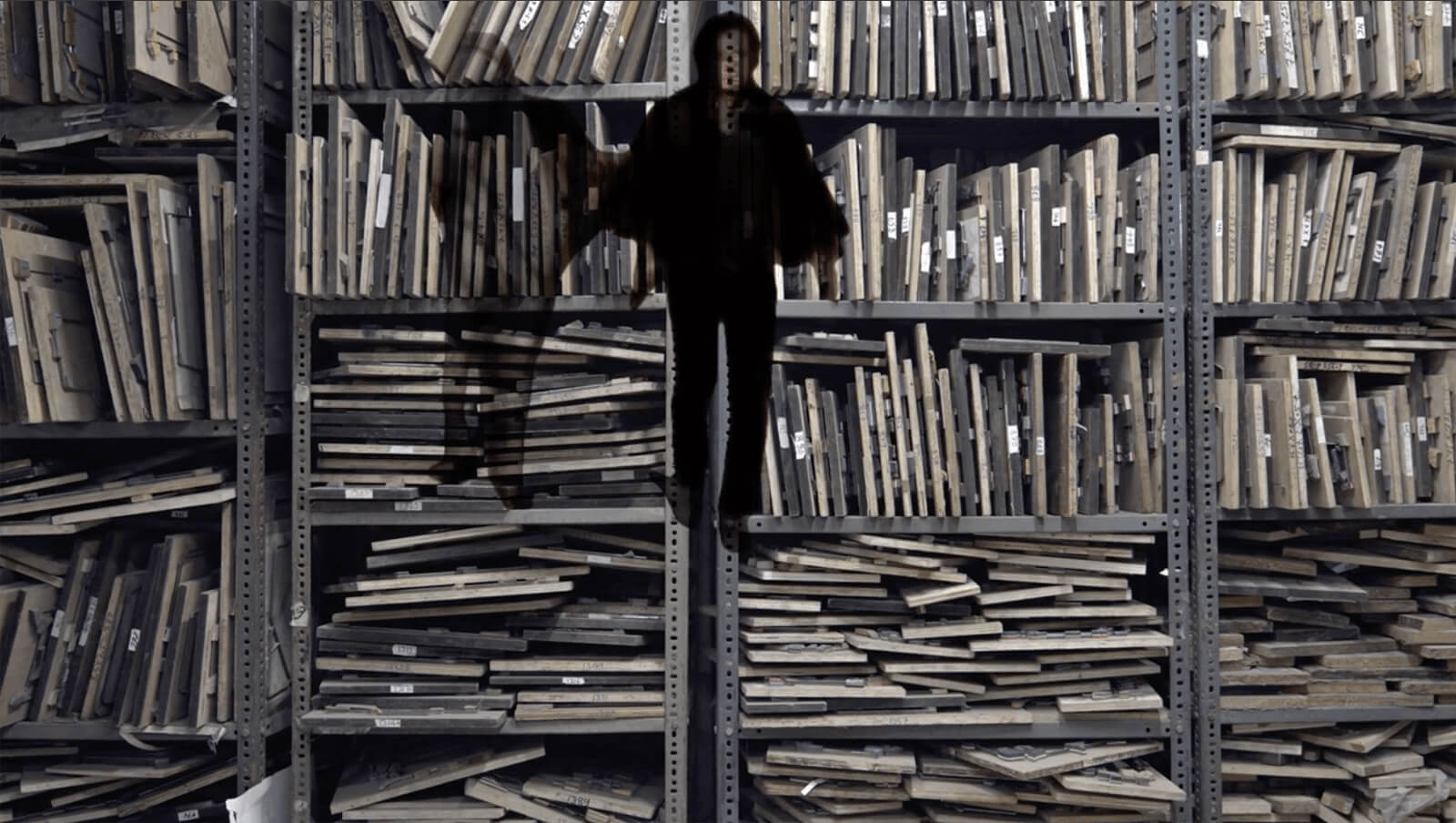
In the second gallery, Siyaah raat ke humsafar (The dark night's companions), the narrative takes a sinister turn. While researching the show, Rajadhyaksha and his collaborators stumbled upon a collective of artists in Okhla (the neighbourhood where Arthshila is located) who were instrumental in producing alternative versions of posters of some iconic movies from the ‘70s - ’90s. Hoping to blur the distinctions between what constitutes the world of film and the mirror of reality (an enduring theme through the show), a commissioned video artwork is screened on one of the walls of the gallery.
Made by Arbab Ahmed and Neelansh Mittra, it features local neighbourhoods and landmarks, including Sanjay Colony, Indira Camp, Naveen Printers, Okhla Phase 2 and Bhoomiheen Camp and Okhla Container Yard, stitching together glimpses of the high-density informal settlements and industrial areas that make up Okhla. Mapped onto close-ups of warehouses and walls papered over with flyers, a spectre marches toward the camera, the viewer never really sure who or what this blurry figure is. This is accompanied again by a specially curated sound work and an installation of old LCD screens. Gestures such as these, Rajadhyaksha elaborates, were meant to add a sense of materiality, of something that is tangible and impinges on your memory of those summers 50 or even 20 years ago, of sitting in your grandmother's living room while she watches the movie currently playing on Doordarshan.
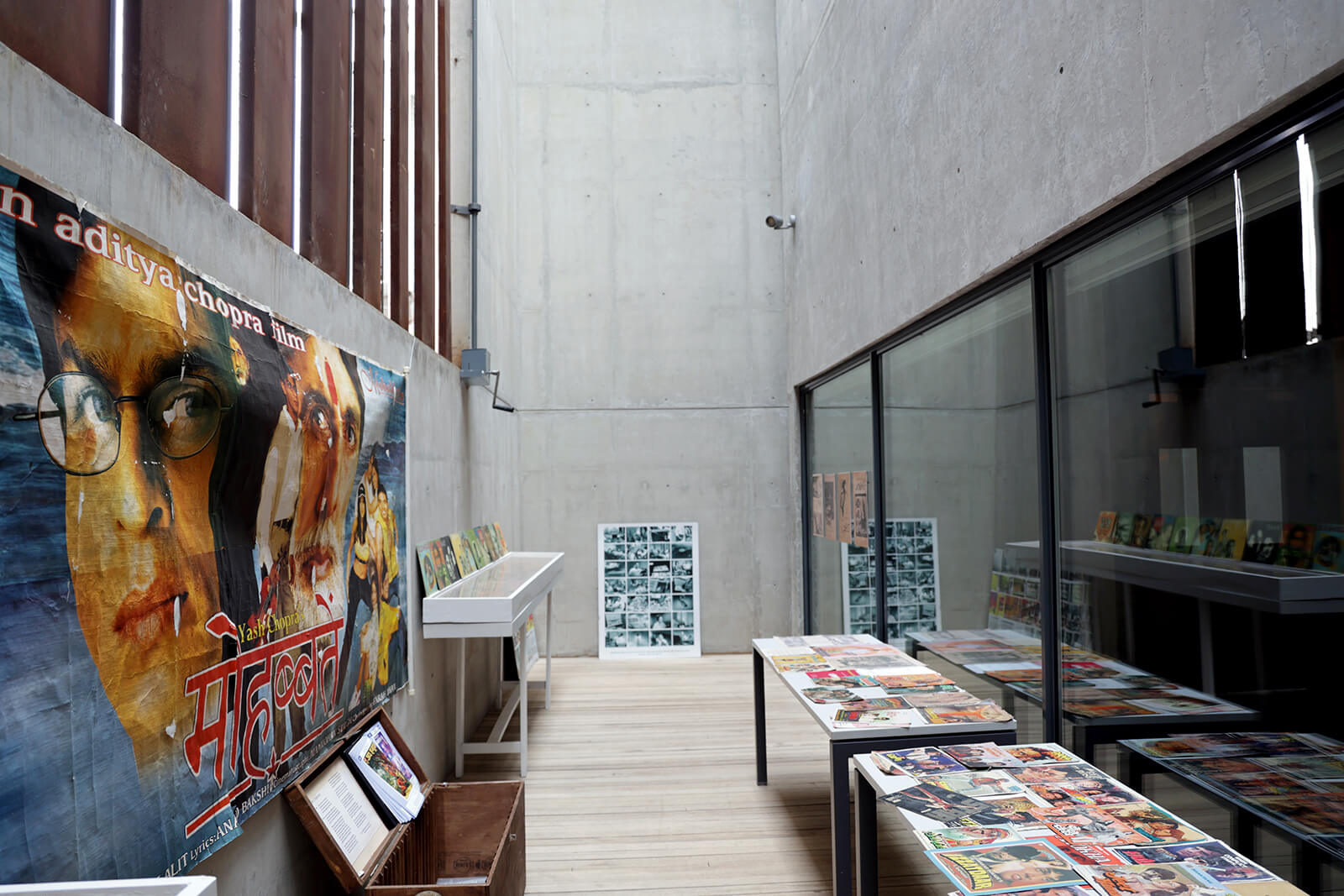
The third floor, Vahsat-Deh sat-Qayamat (Madness-Destruction-Doom), keys up the violence seething in the undercurrents of the works in the two previous galleries. The notion of ferocity, of erasure and destruction, of an untamable disposition (acting as a mirror for the generation’s youth) is most apparent in posters such as Agneepath, Coolie or Deewar. They all star one of the most recognisable stars of the industry, Amitabh Bachchan, at one time christened the ‘Angry Young Man’. The youth of post-independence India were restless, contending with high unemployment and political instability. It was in this climate that the movies of Bachchan gained mass appeal. As critics have noted, he was sometimes the victim, the oppressor, often anti-establishment and frequently on the wrong side of the law, which earned him the title that stood for Indian youth en masse.
In revealing the emotions entangled in the films that defined (and continue to define) generations of Indians, Rajadhyaksha also mines a very vital relationship between the public and the cinematic imaginary. The show offers at least one perspective into the present moment by emphasising the intensity and drama of the films from the ‘70s onwards. How much of our ethics, our mannerisms, the way we define ourselves, really, is dictated by the media we consume, is a particularly notable question to consider for a country which produces more than 1000 movies every year. “The posters become provocations—windows into a wider representation of what cinema was and what it continued to mean for millions of Indians,” Rajadhyaksha reiterates. Opening our eyes to what is inherently elusive, while recognising it as intimately familiar, the show brings one out of a perpetual reverie.

by Srishti Ojha Oct 21, 2026
Increasingly, artists, filmmakers and activists are turning to VR to create more personal, tangible accounts of the climate emergency and its impact on vulnerable communities.
by Mirra Lynn Oct 20, 2026
The Indian artist paints the old wadas of central Pune, capturing the traces of everyday life that cling to these structures, battered by time but unbowed.
by Anmol Ahuja Oct 15, 2026
How do heaps of souvenirs and relics with racist Aboriginal motifs and features become art? MCA Sydney’s winter showcase—the artist’s largest to date—beckons a possibility.
by Srishti Ojha Oct 14, 2026
The first Dutch publication on the Turkish artist, the eponymous book centres on Refik Anadol: Latent City, his living data sculpture of Bruges, exhibited at BRUSK gallery.

make your fridays matter with a well-read weekend
Enter your details to sign in
Don’t have an account?
Sign upOr you can sign in with
a single account for all
STIR platforms
All your bookmarks will be available across all your devices.
Stay STIRred
Already have an account?
Sign inOr you can sign up with
Verification link sent to check your inbox or spam folder to complete sign up process
Tap on things that interests you.
Select the Conversation Category you would like to watch
Please enter your details and click submit.
Enter the 6-digit code sent at


Arthshila Delhi depicts Bollywood’s slippery desires in Duniya Parchhaiyon Ki
by Mrinmayee Bhoot | Published on : Oct 22, 2025


 Sign in with Google
 Sign in with email
What do you think?