Art10 mins. read
Seven exciting artists who use AI as a medium of expression
by STIRworldOct 31, 2024



by Srishti OjhaPublished on : Oct 14, 2026
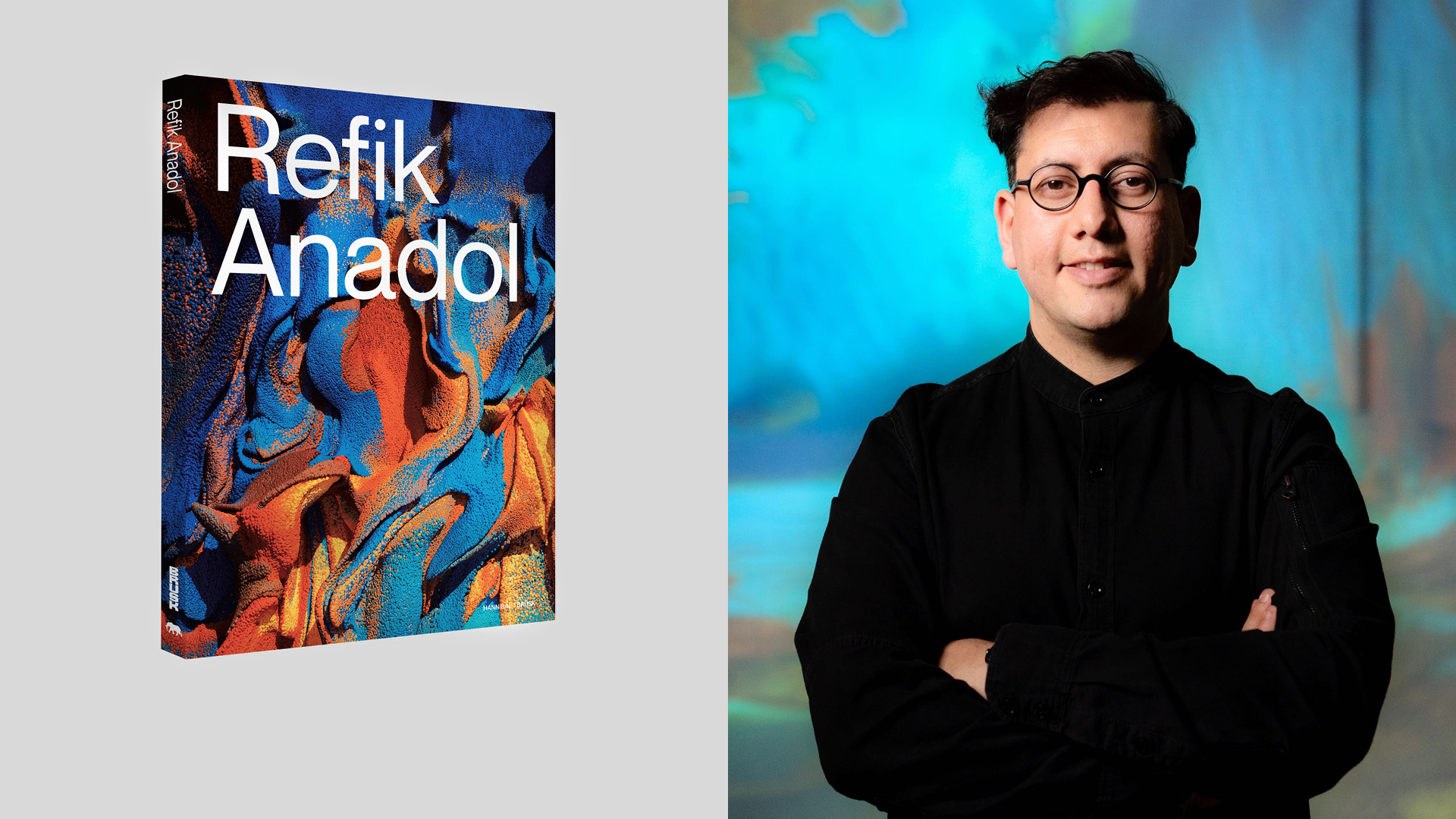
Refik Anadol’s eponymous monograph, published by Belgium’s Hannibal Books, marks many firsts within its pages. It is the first Dutch-language book dedicated to the work of the Turkish artist—a pioneer in data art and new media art who integrates algorithms, machine learning and artificial intelligence into the artistic process. It is centred on his exhibition titled Refik Anadol. Latent City in Bruges,where he creates large-scale installations that use an archive of the city’s architecture, weather, museums, public photographs and more to create a living, sculptural image of Bruges that lives and breathes alongside the city. The show became BRUSK gallery's inaugural exhibition in the historic heart of the city.
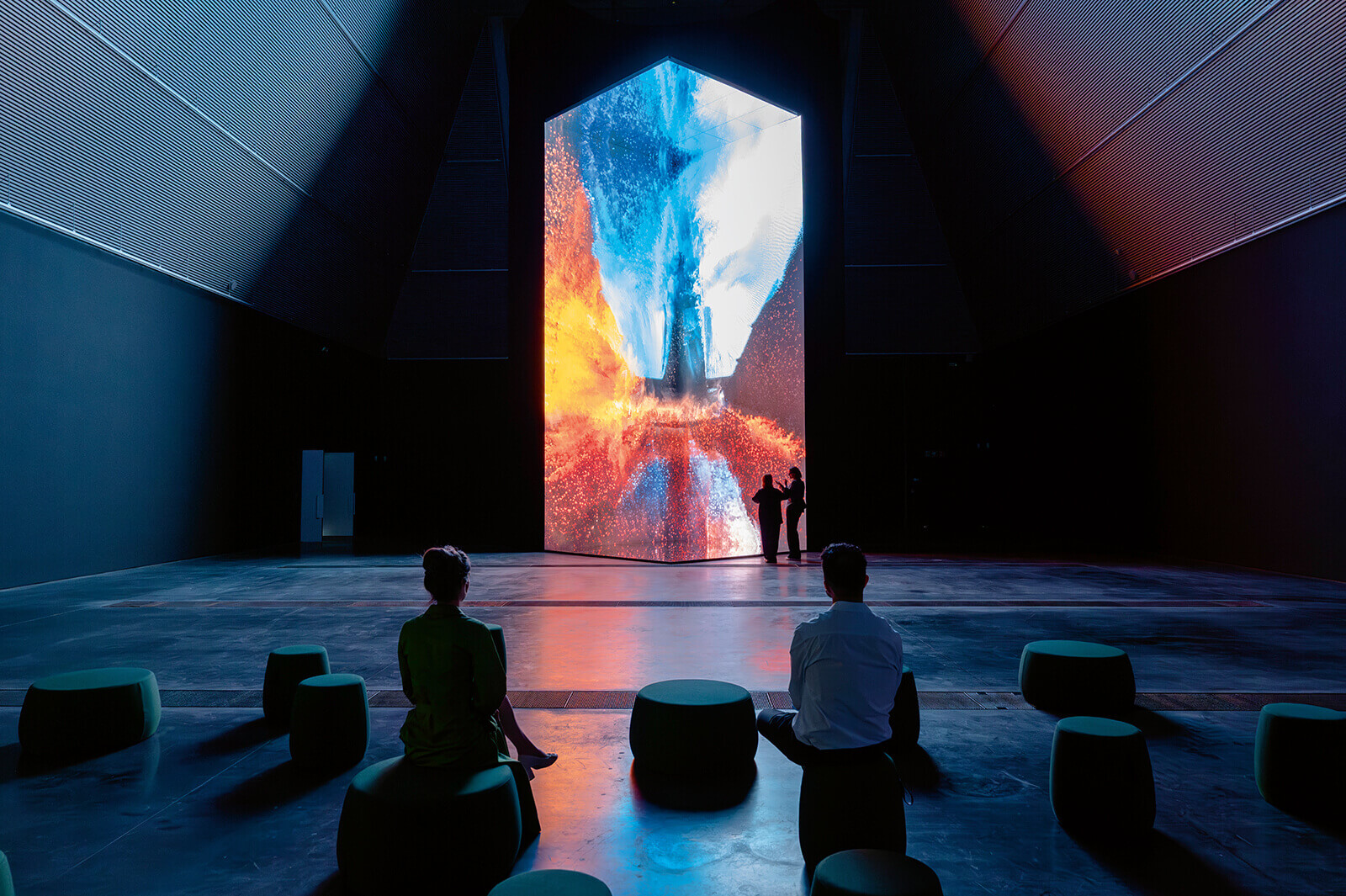
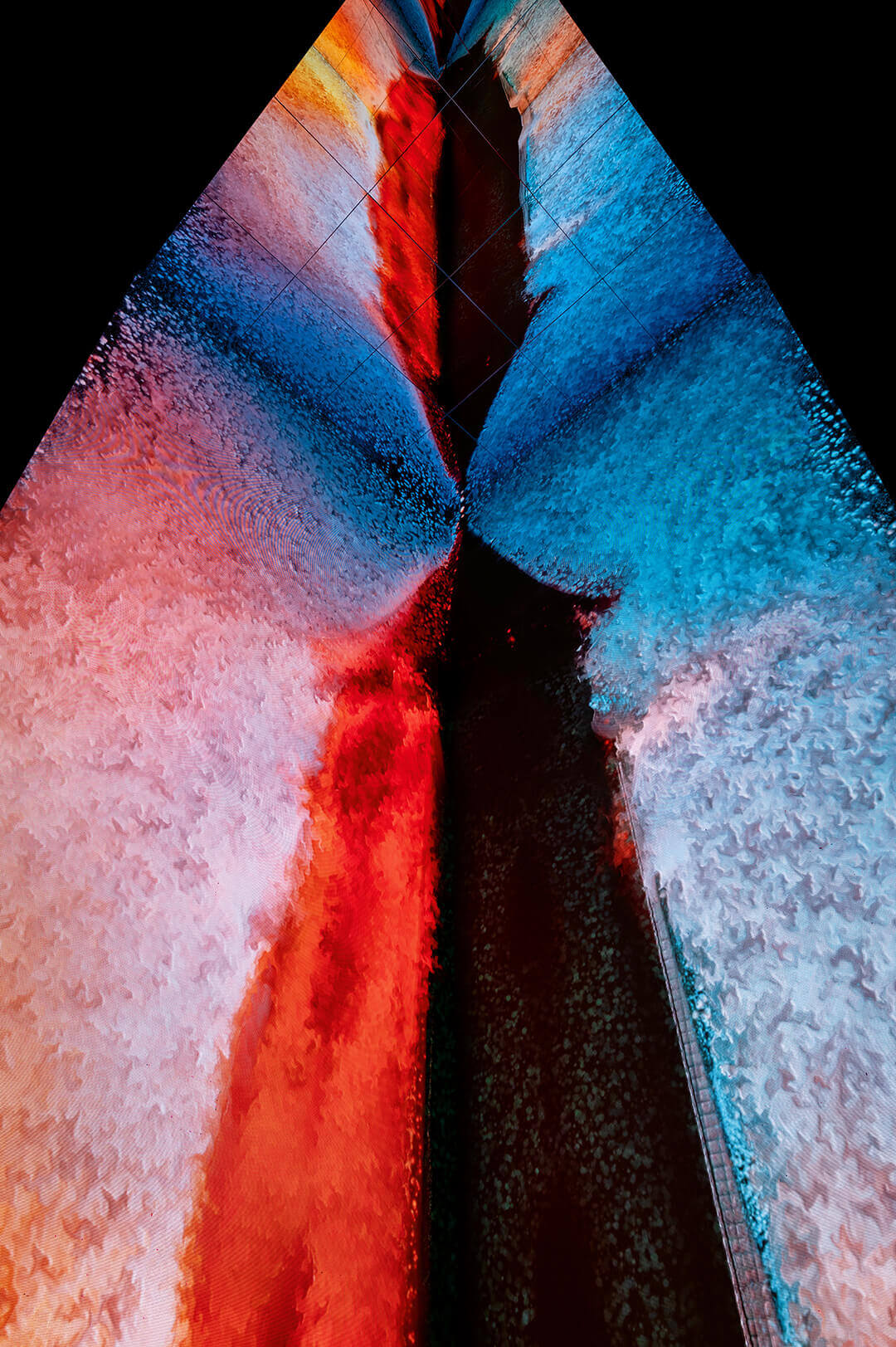
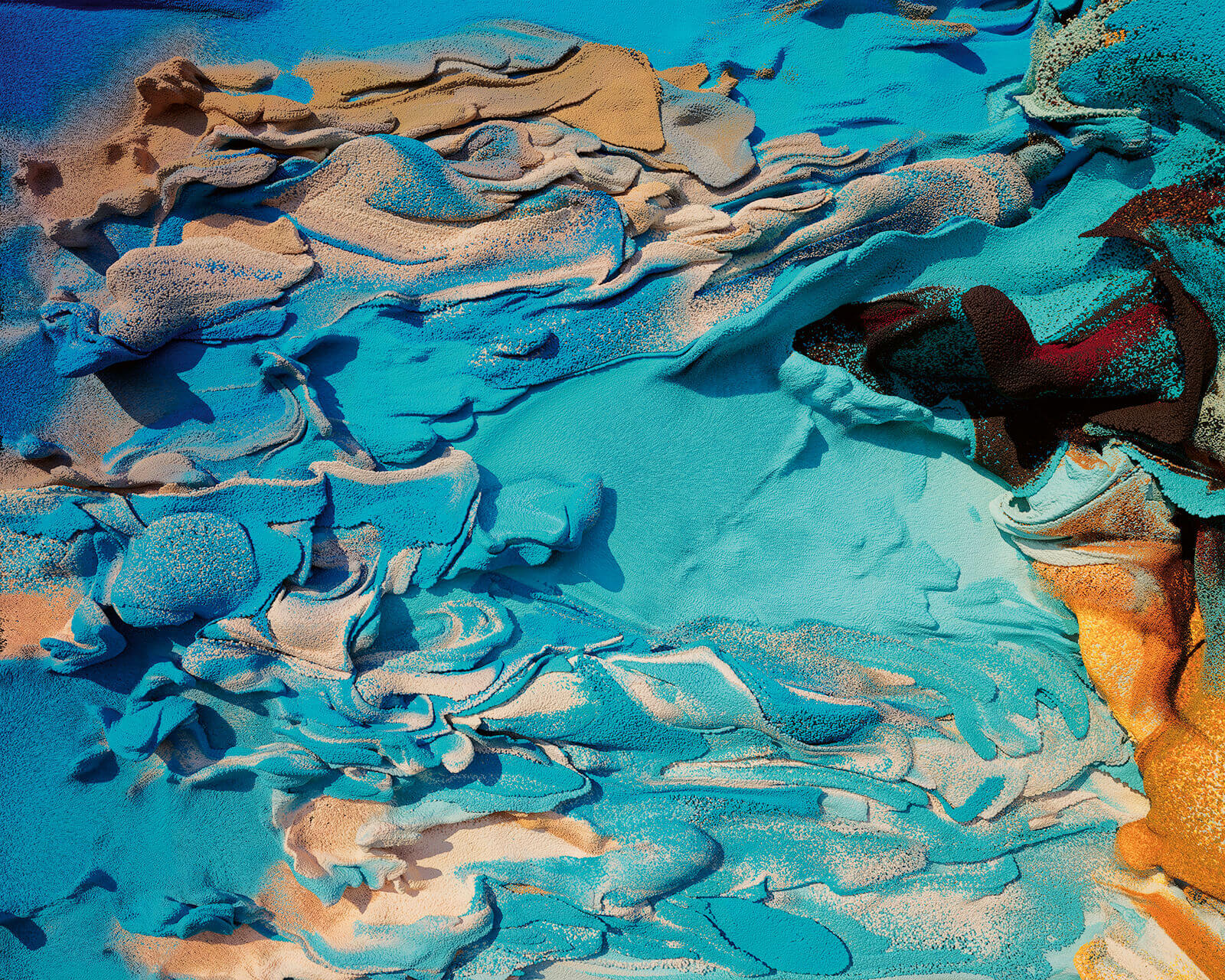
The book is not just a deep dive into Anadol’s Belgian exhibition and artistic career; it is a portrait of the deep relationship between an artist and a city, and an archive and the imagination and human history and technology. The foreword by Dirk De fauw, the mayor of Bruges; Nico Blontrock, the Alderman for Culture; and Kristl Strubbe, director of the Musea Brugge, confers importance of this and Anadol’s research-based, urban practice to the city. The monograph’s pages hold stunning views of Anadol’s installations, detailed images of his colourful pixel-based artworks and pictorial insights into the process of creating art through human-machine collaboration. Interspersed are thoughtful conversations between the Los Angeles-based artist and Michael Dewilde, curator of Musea Brugge (the umbrella organisation of Bruges’ city museums), and with Paul Robbrecht and Olivier Salens, architects from the studios that designed the BRUSK gallery.
The primary impression the Dutch monograph leaves is that of an artist and citizen deeply concerned about the ethics of his work, providing a much-needed foil to the often technocratic and capitalistic groups that drive the artificial intelligence and machine learning space globally. While discussing his work, he is careful to foreground the necessity of drawing from ethically sourced archives, addressing the philosophical questions of authorship AI art raises and of using technology as a tool to expand human perception, imagination and expression rather than replacing it.
In the conversation with Dewilde, titled Refik Anadol: The Painter of Post-Digital Life, the artist said, “I’m also motivated by the desire to present a constructive vision of the future. The work should contain a sense of possibility and hope grounded in responsible uses of AI.” Through his use of renewable energy-based cloud infrastructures, funding relationships and collaborations with humanitarian organisations and a desire to create meditative, healing experiences for viewers, one is inclined not only to believe him but to see him as a rare representative of this potential positive future.
I was not present at the birth of painting or sculpture, but I have witnessed the birth of digital art. – Refik Anadol
Anadol’s journey into human-machine collaboration began when he started experimenting with code by modifying games on his family’s early Commodore computer at the age of eight. In BRUSK as a Memory Machine, a conversation with Paul Robbrecht and Olivier Salens, he says, “A human mind cannot retain half-a-million data points. A machine can.” In Anadol’s case, it’s not for a lack of trying. He lists influences ranging from films like Blade Runner (1982) and Arrival (2016) to artists like Claude Monet, Mark Rothko and James Turrell; science fiction author Philip K. Dick’s books; video games like StarCraft; and researchers working across neuroscience, architecture, artificial intelligence and media. He describes being inspired by architecture and wanting to build with light, growing up by the Bosphorus in Istanbul and being fascinated by fluidity as both structure and connection.
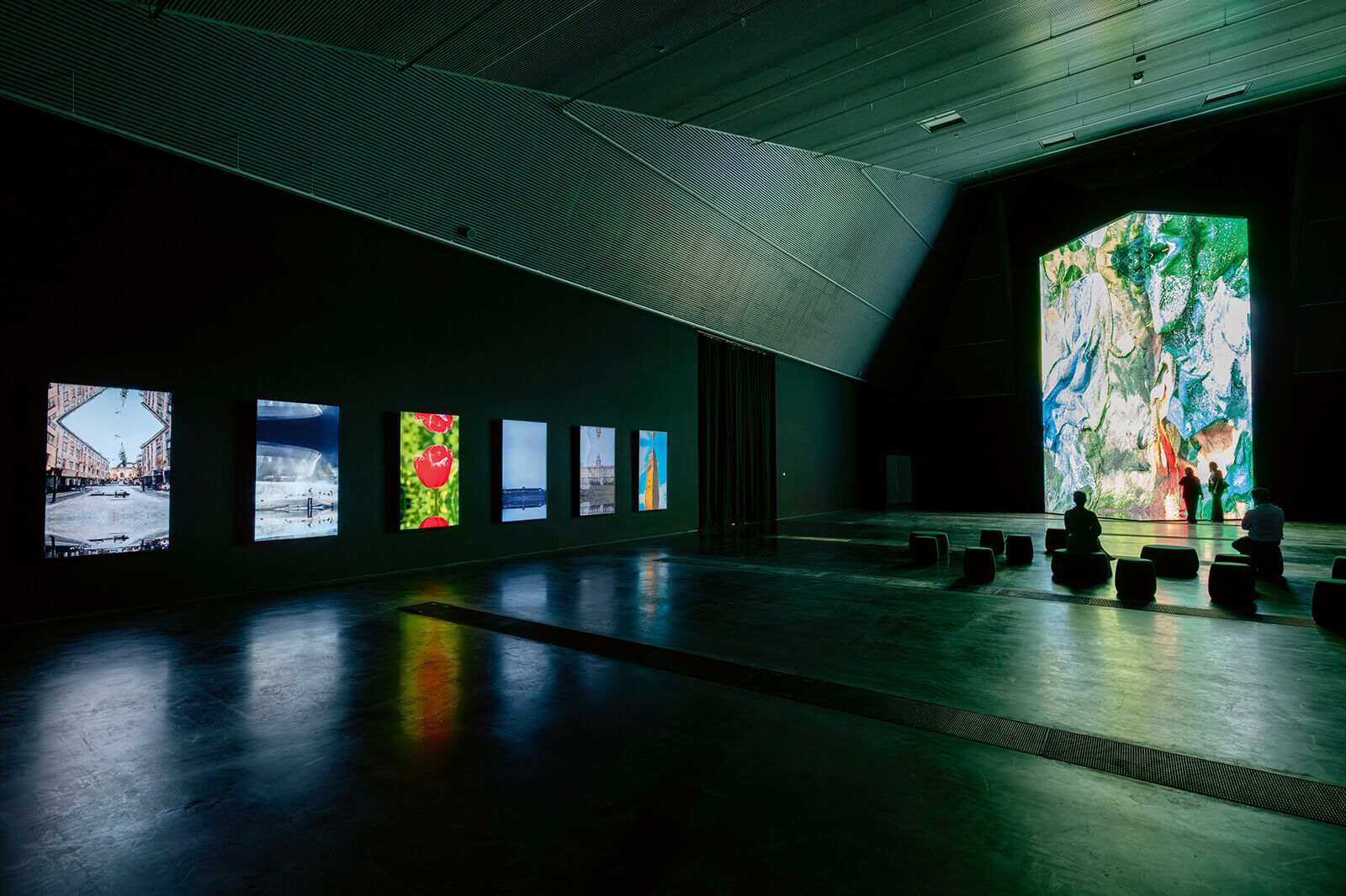
In the same way that these disparate, diverse references come together to form Anadol’s distinct aesthetic, data paintings and data sculptures, his custom machine learning models take in millions of data points from (ethical) archives to revisualise cities as fluid, living fields of history, memory and live data. The title of the exhibition, Latent City, draws in part from the concept of ‘latent space’ in computer science. This refers to the abstract representation of ‘high-dimensional data’ (like images, audio, text) generated by neural networks that capture often-hidden patterns and rhythms within a data set. “Cities store the traces of human imagination at a scale beyond individual perception, and my work has sought to develop new ways of sensing these traces through machine intelligence,” explains Anadol.
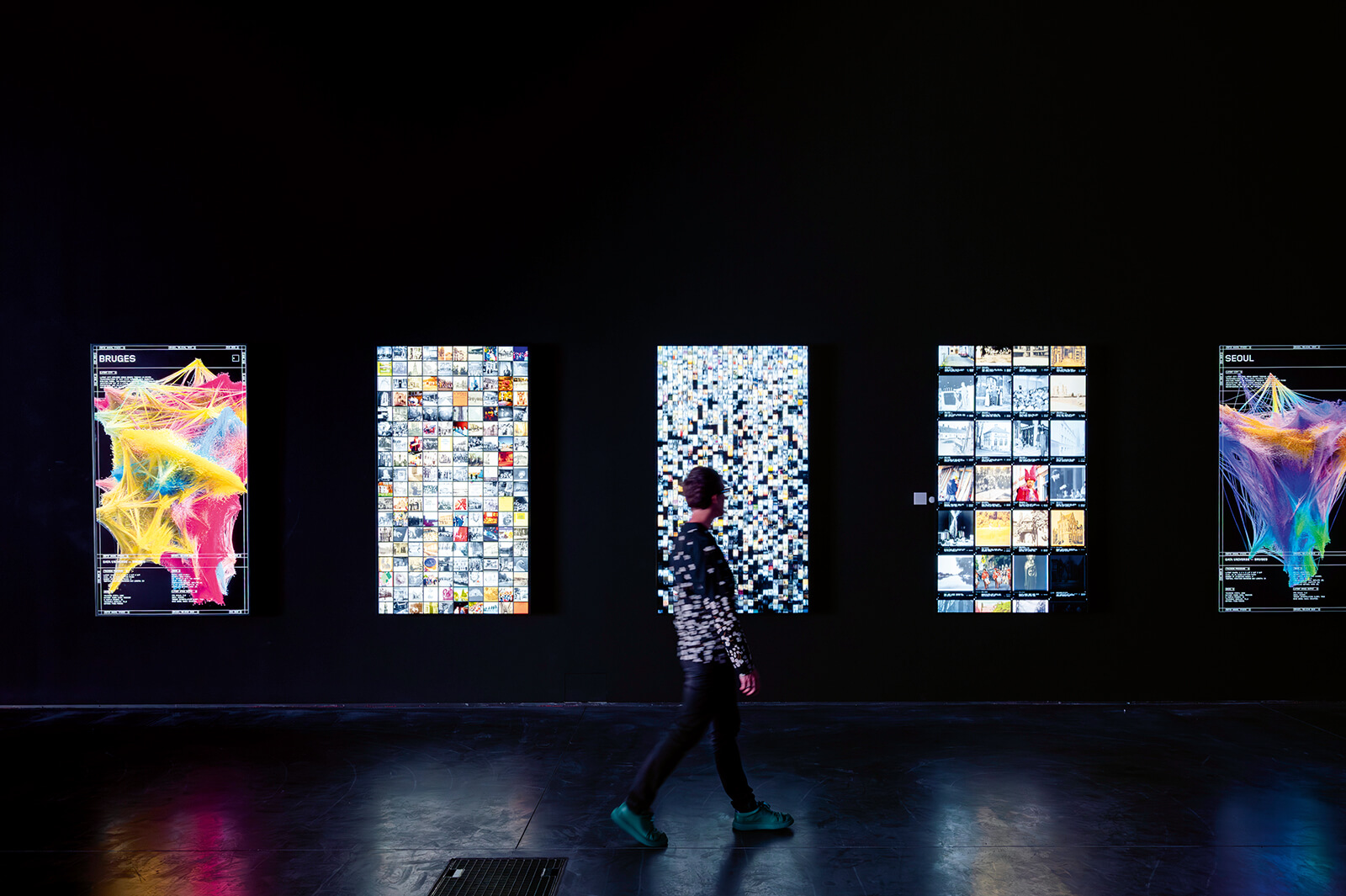
The monograph is centred on Anadol's site-specific, larger-than-life immersive installations that depict the artist’s generative portrait of Bruges, layering the well-preserved medieval architecture, material culture, civic life, memory and historical character of the city with its living landscape and culture. Anadol’s vast dataset includes archival materials, paintings, sculptures and historical documents from the collections of Musea Brugge; images from the City Archives and publicly available forums; and real-time atmospheric data. The gigantic, shifting installations create their own light in the high-ceilinged halls of the BRUSK gallery and provide an open, contemplative space for viewers to experience, analyse, rest and see their home from a fresh perspective. The book and the exhibition also showcased the artworks he created for five other cities—Berlin, Stockholm, Portland, New York City and Seoul—following a similar process.
Each dataset is new. Each city is new. I am discovering this world alongside the audience. – Refik Anadol
The installations are constantly renewed through the reinterpretation of the expansive dataset by Anadol’s thinking brush (his name for the computational system created for each project). This discovery and evolution continues to the extent that, following his conversation with Robbrecht and Salens, Anadol says, “This conversation has already influenced the project. I will refine certain elements in response to what I have learned about the building. Dialogue shapes the work. I am excited to see how its rhythms enter the artwork.”
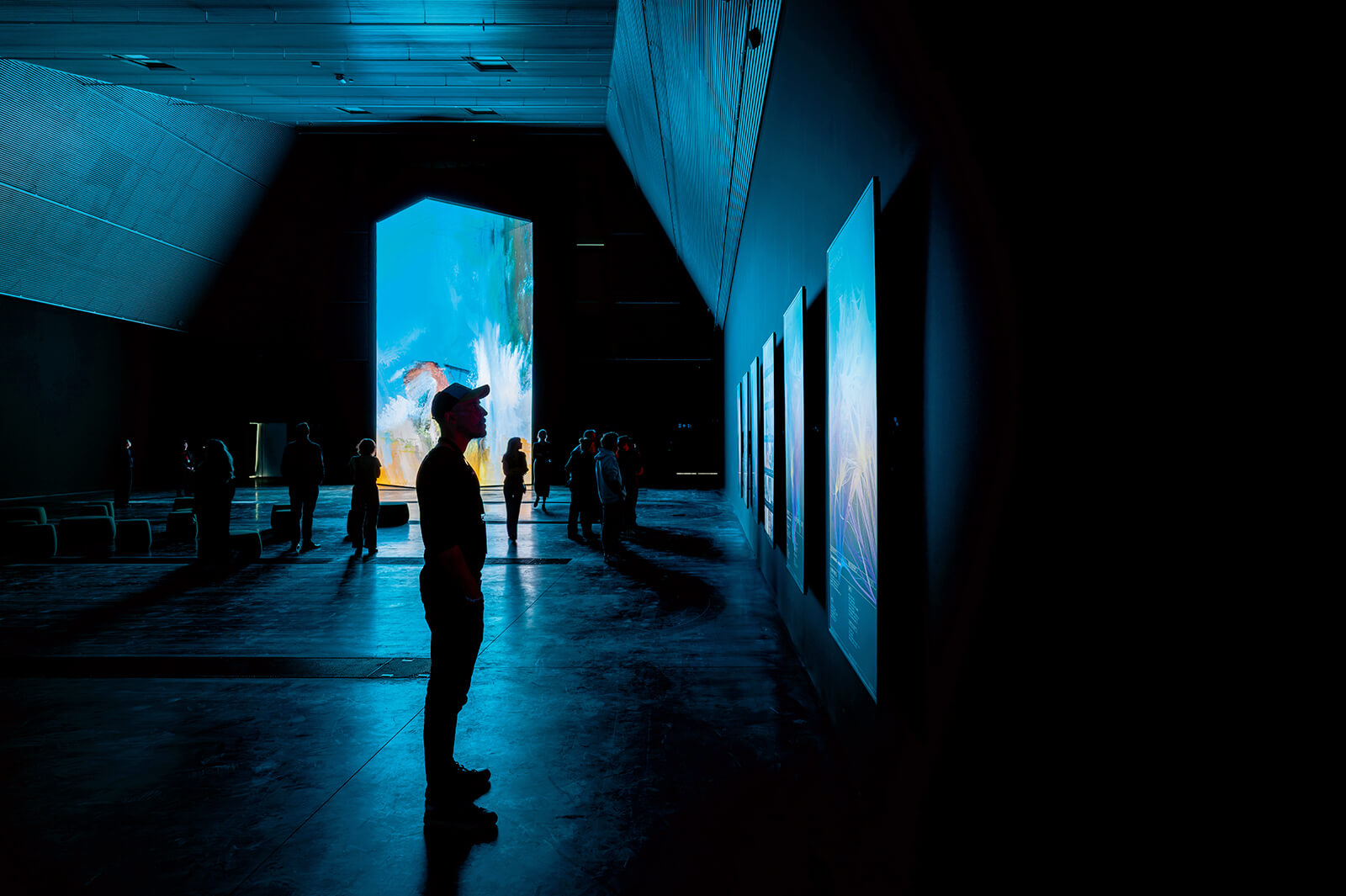
Refik Anadol is an engaging, accessible and beautifully designed window into the artist’s layers and future-facing worlds. A data set is a kind of collective memory, as are a city and a museum. Anadol’s work overlaps all three in fascinating, fluid ways that have the potential to change the way we imagine and approach preservation, documentation and archiving. He, along with his AI collaborators and ‘thinking brush’, re-remembers, reshapes and re-envisions cities beyond the limitations and visual clichés of human perception, reopening a window to wonder, discovery and imagination. The monograph is a comprehensive characterisation of the artist and his Latent City project that leaves readers waiting to see what he turns his transformative, ethical gaze to next.
by Srishti Ojha Oct 09, 2026
In his ongoing exhibition, the South African artist creates two post-apocalyptic futures to explore society’s relationship with textiles, patterns and technology.
by Srishti Ojha Oct 07, 2026
The Kolkata-based film festival shone a spotlight on local and international filmmakers and artists who are pushing the boundaries of what a film can encapsulate.
by Samar Jodha Oct 05, 2026
Looking at Ahmed Ali’s photographs of workers and industry within the wider history of industrial photography, from Soviet state imagery and Sunil Janah to Lewis Hine.
by Srishti Ojha Oct 02, 2026
The Indian artist’s exhibition at the Bruce Museum in the US thinks through fundamental questions of humanity by focusing on the Sun and the cosmological timescale.

make your fridays matter with a well-read weekend
Enter your details to sign in
Don’t have an account?
Sign upOr you can sign in with
a single account for all
STIR platforms
All your bookmarks will be available across all your devices.
Stay STIRred
Already have an account?
Sign inOr you can sign up with
Verification link sent to check your inbox or spam folder to complete sign up process
Tap on things that interests you.
Select the Conversation Category you would like to watch
Please enter your details and click submit.
Enter the 6-digit code sent at


Refik Anadol’s monograph unfolds an ethical, humanistic future for AI art
by Srishti Ojha | Published on : Oct 14, 2026


 Sign in with Google
 Sign in with email
What do you think?