Art07 mins. read
Refik Anadol’s monograph unfolds an ethical, humanistic future for AI art
by Srishti OjhaOct 14, 2026



by Lee DaehyungPublished on : Dec 19, 2025
Christiane Paul has spent more than three decades working at the juncture where art and technology collide most intensely. As curator of Digital Art at the Whitney Museum of American Art and Professor at various institutions like School of Visual Arts (SVA), New York; Rhode Island School of Design (RISD); Berkeley; Art Institute San Francisco; and The New School, New York, she has helped shape how institutions think about media and digital art—what it looks like, how it can be shown and how it might survive rapid technological change.
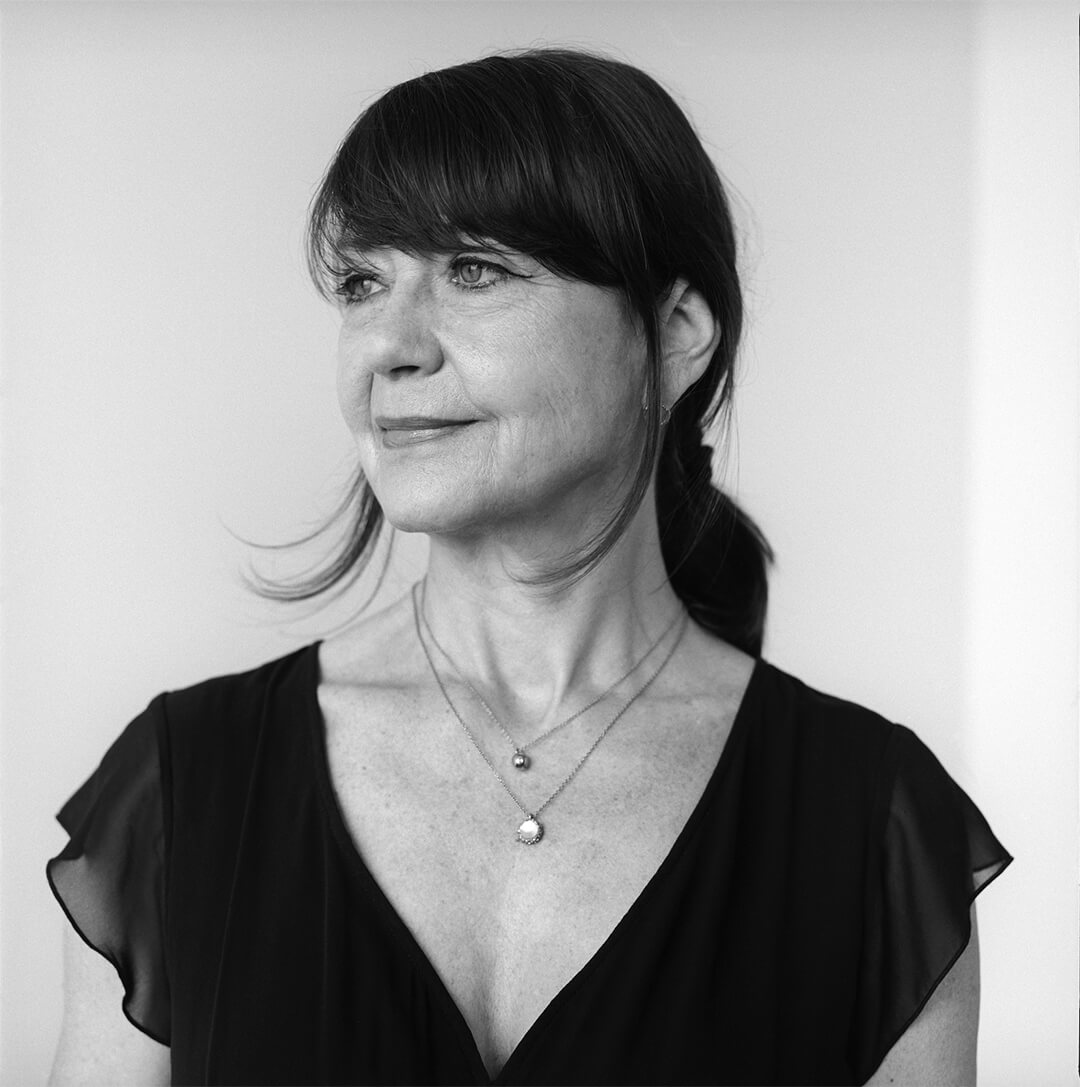
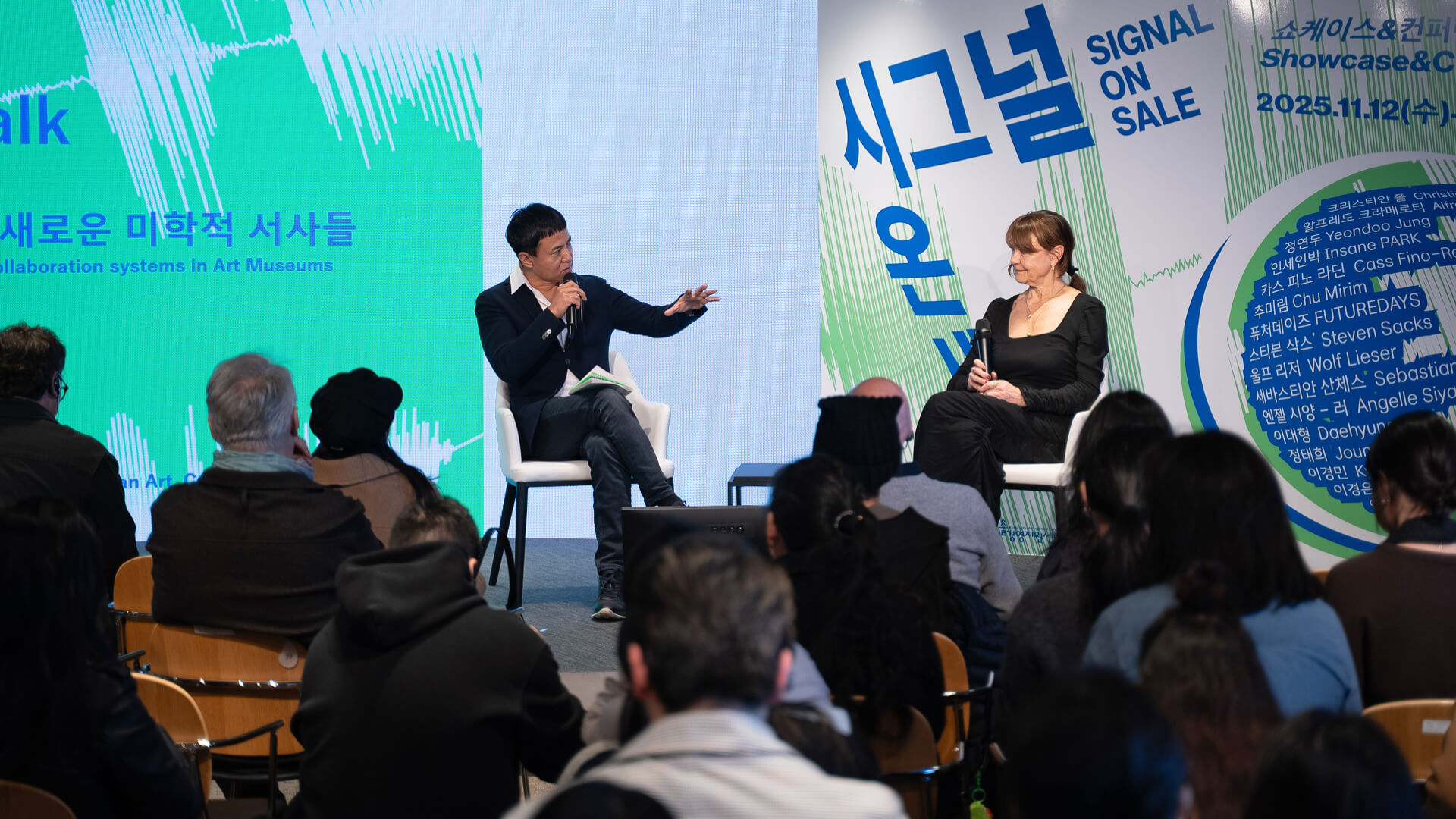
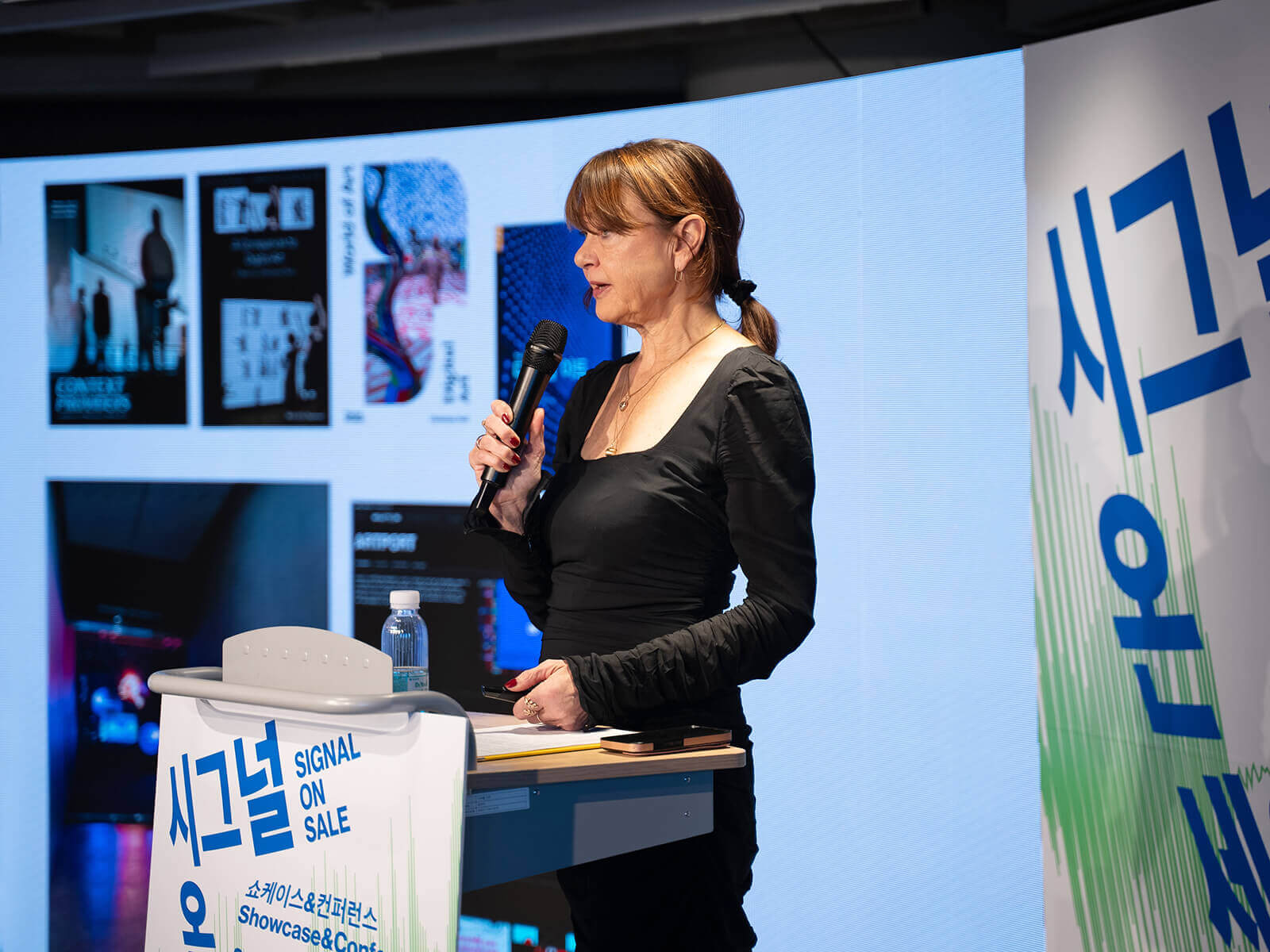
I first encountered Paul on the page rather than in a museum, as one of many readers who learned to see digital art differently through Context Providers and Digital Art. We later met in person in Cannes and crossed paths again in Seoul when she visited as a keynote speaker for the Signal on Sale conference, organised by the Korea Arts Management Service.
In this conversation for STIR, I speak with Paul about what it takes to build a sustainable ecosystem for digital art: the standards and infrastructures museums need, the responsibilities artists and curators share, and how we might move beyond hype cycles to imagine a more grounded and enduring future for art made with—and about—digital technologies.
Daehyung Lee: As curator of Digital Art at the Whitney Museum of American Art, you’ve seen digital art move from the margins to the centre of contemporary practice. How has the field changed, and what originally drew you into it?
Christiane Paul: When I began curating digital and new media art in the late 1990s, the field was still at the periphery of the art world. I actually came to it through academia—I was trained in literature and became intrigued by early hypertext and internet-based art. That curiosity about how text, image and interaction could be reimagined online was my gateway.
At the time, very few museums were exhibiting digital work, and it was rarely considered part of the ‘mainstream’ canon. When the Whitney hired me in 2000, there were few institutional models for collecting, exhibiting or preserving digital works.
Over the past 25 years, that has changed dramatically. Digital technologies now permeate art making and display. It’s more normal to encounter interactive environments, data-driven pieces, VR and online works in major biennials and museum collections. Even artworks that exist primarily as code or on the blockchain have entered institutions.
There is much wider recognition that digital art is simply art—another medium for thinking through the world. What excites me about digital art is the way it keeps expanding the vocabulary for what an artwork can be.
Daehyung: From your perspective, what kinds of standards or best practices do museums and curators need for preservation and display, especially with works that don’t resemble traditional paintings or sculptures?
Christiane: This is really at the heart of institutional work with digital art. We need standards, but also have to accept that there can’t be a single standard that fits every work. I often say there is no silver bullet. Digital artworks are incredibly diverse. A net art piece that lives on the web has very different preservation requirements from a software-driven interactive work or a VR environment. So we evaluate each work individually to determine the most appropriate approaches.
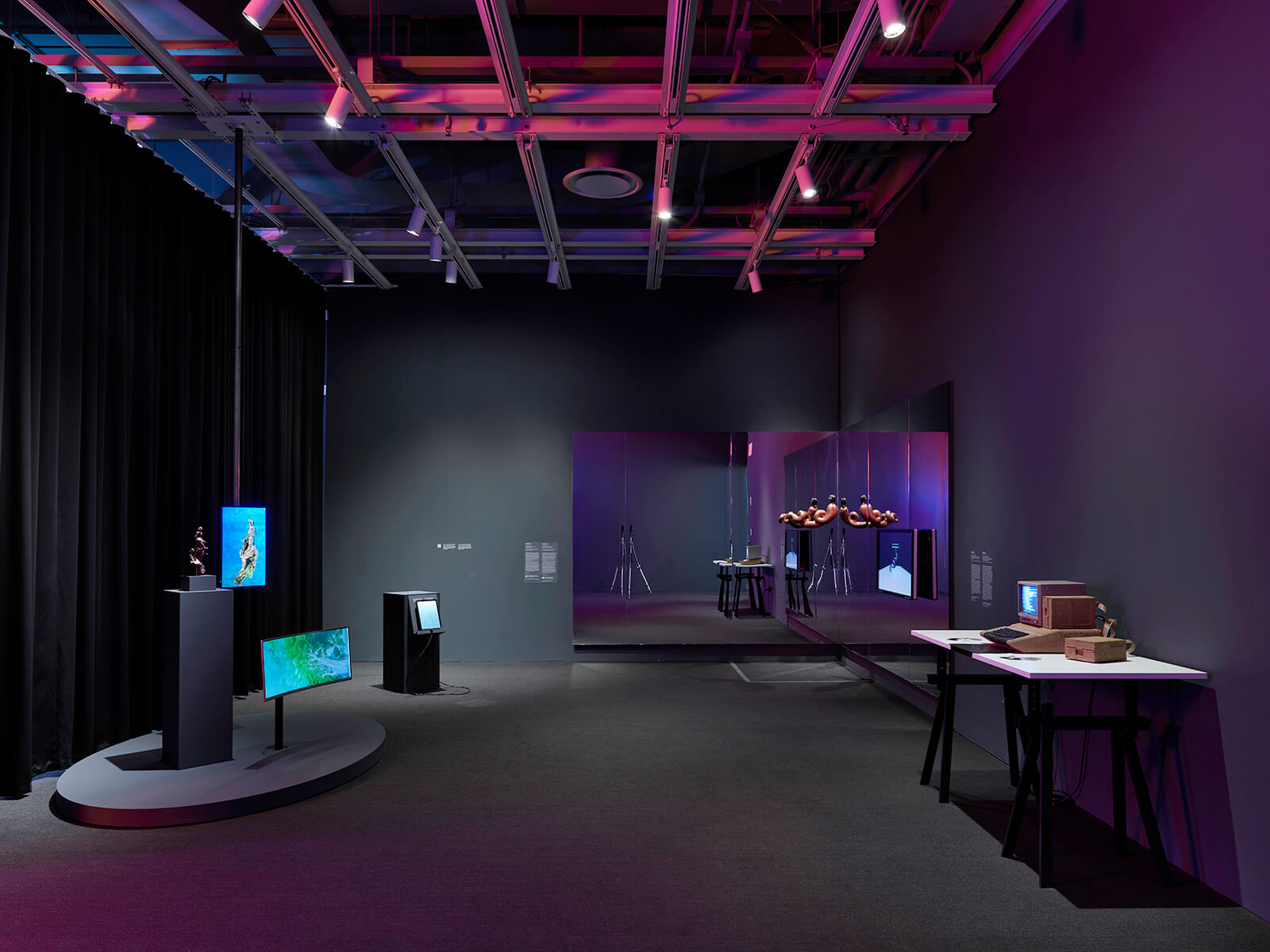
Broadly speaking, museums have developed a shared set of strategies over time — storage, emulation or virtualisation, migration and reinterpretation. Storage is the appropriate approach if a work is conceptually dependent on specific hardware; in this case, one tries to store back-ups of that hardware. Emulation means recreating or simulating obsolete hardware and software environments so that the work can continue to run. Migration involves updating the work to new formats or platforms—porting the code to another language and adapting work for newer operating systems—while preserving the work’s integrity as much as possible. Reinterpretation is the most radical approach and can be used for works that are conceptual, performative and medium-agnostic, meaning that they can be recreated with a contemporary technology. In those cases, we document the artist’s intent in depth, so the work can be re-created in the future, even if the exact original setup and system is now obsolete. At the most basic level, and independent of the conservation approach, all digital files and source code are always securely archived on external drives.
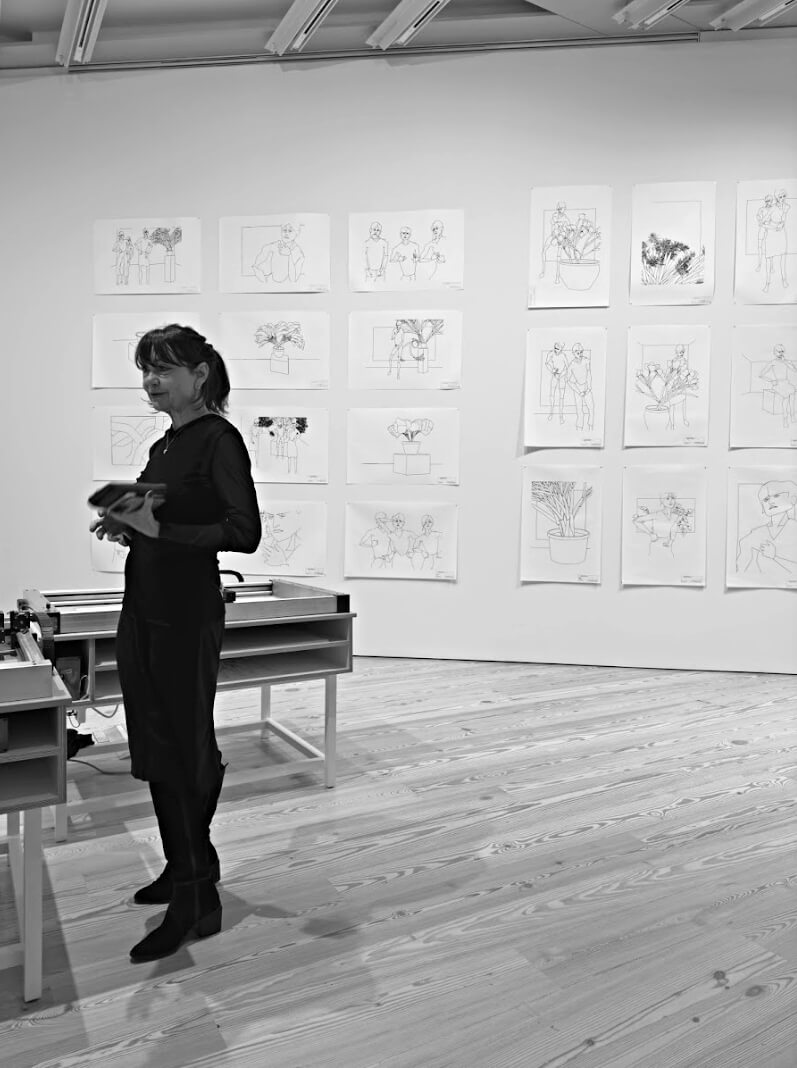
A crucial part of setting standards is developing precise vocabularies and frameworks. At the Whitney, we’ve worked extensively on metadata and cataloguing protocols specific to digital art. What is the artwork here? Is it the code, the visual output, the interaction, the networked context or primarily a conceptual framework? Once you understand what truly has to be preserved, you can design a strategy around it.
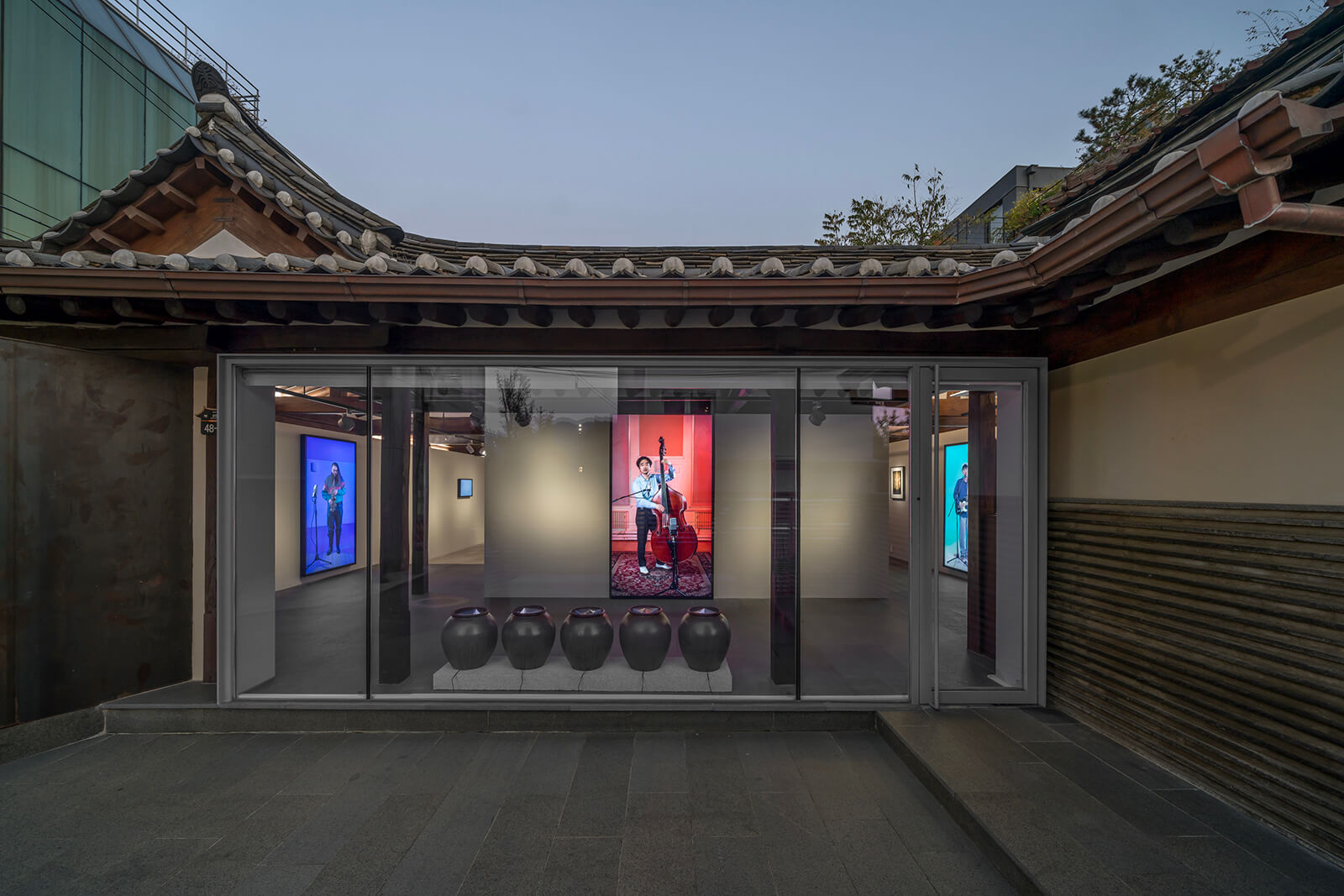
Daehyung: Exhibition is another big question. Museums were mostly designed for paintings on walls and sculptures in space. How do you think about presenting digital art so it resonates with visitors, and what kinds of practical challenges do you face?
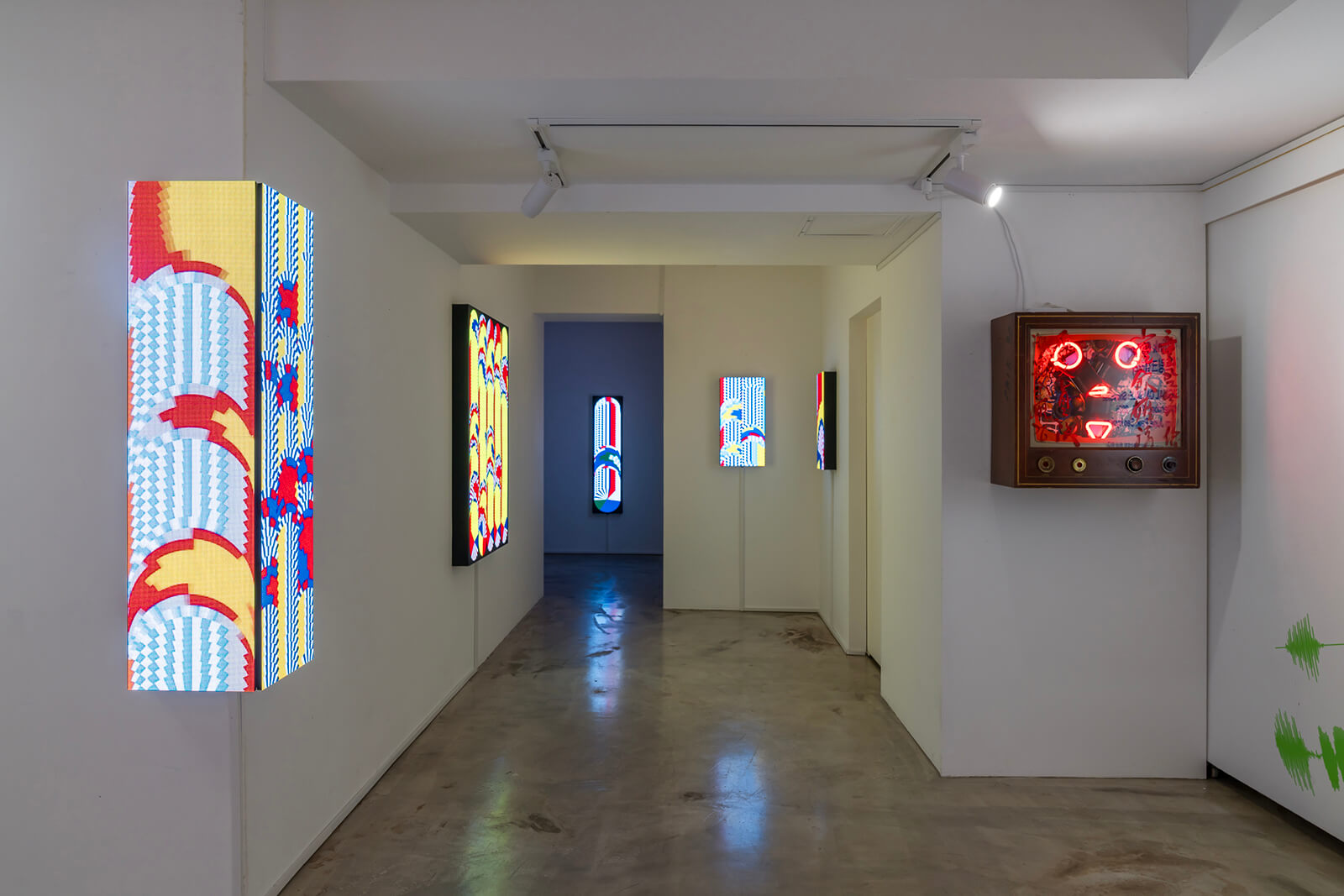
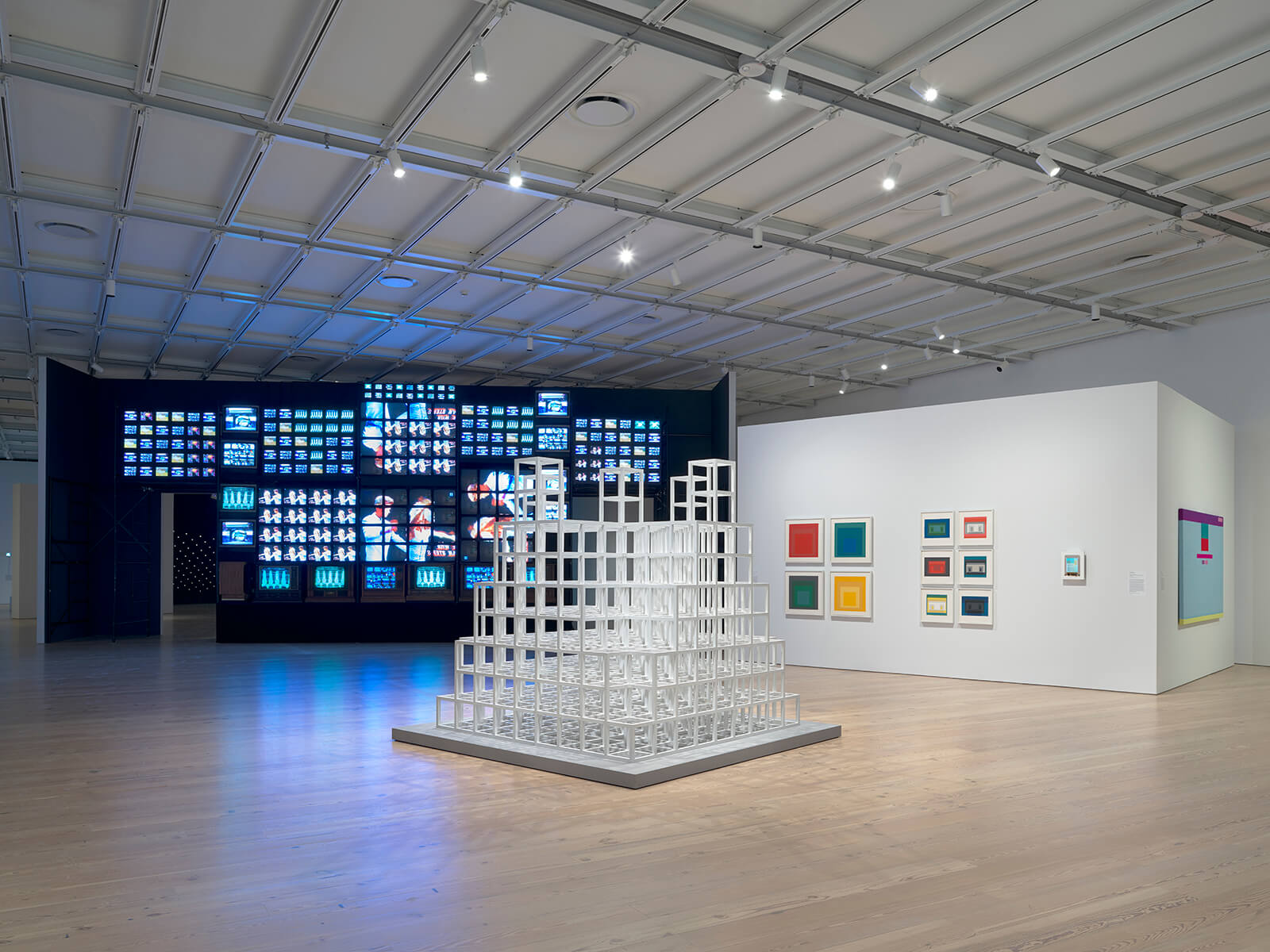
Christiane: In the early days, installing equipment such as screens, projectors and sound systems was still a hurdle for many institutions. We had to advocate for basic infrastructure: black-box spaces for projections, reliable network connections for net art and dedicated hardware for interactive pieces. Those things are far more integrated now, but each project still demands careful planning.
Because so much digital art is interactive or participatory, user experience is central. We think about interfaces in spatial terms: Where do visitors stand or sit? How do they navigate the work? If a piece involves touchscreens, sensors or VR headsets, the environment needs to feel inviting and intuitive rather than intimidating. Concise textual instructions can guide visitors into the experience.
It is crucial that the works are perceived as art, not technology demonstrations. The installation should support contemplation and critical engagement, which might mean that the gallery’s architecture and lighting need to be shaped so that visitors can really immerse themselves in a generative or algorithmic piece.
Education remains an important layer. Early on, viewers often weren’t sure what to make of a website in a museum or an artwork made primarily of code. Today, people are surrounded by screens and interfaces, which lowers the barrier to engagement, but many works still benefit from curatorial framing that explains context, references and the role of technology in the piece.
Behind the scenes, there is a lot of work done to ensure reliability: tech staff who can intervene when there are glitches, protocols for rebooting systems and documentation so that the installation can be reproduced faithfully in the future. It is always a collaborative effort between curators, designers, registrars, conservators and audiovisual teams.
Daehyung: Looking ahead, we’re already talking about AI art, metaverse platforms and the integration of the physical and virtual elements has always been at the core of presenting digital art. What developments are you watching most closely, and how do you imagine the near future of digital art in museums?
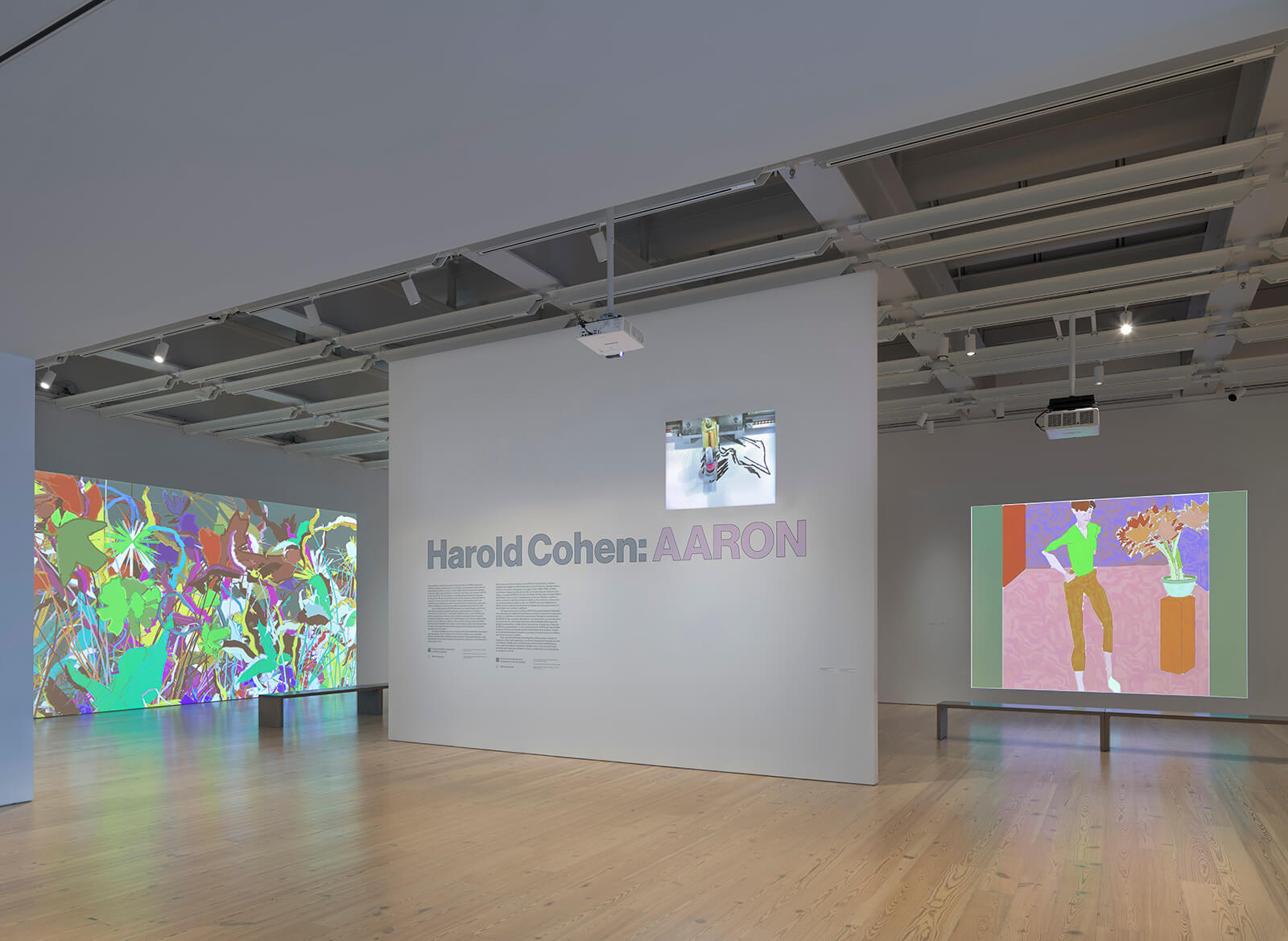
Christiane: The only constant in this field is change, which is both challenging and energising. AI is certainly a major area of interest. Artists have worked with artificial intelligence for decades—Harold Cohen’s AARON, developed from the early 1970s onward, is a classic example of a long-term collaboration between an artist and an AI system. What has shifted recently is that machine learning tools have become widely accessible, so a much broader range of artists can experiment with them. We are seeing AI generating imagery and responding to viewers in real time or processing datasets to address social, political or ecological questions.
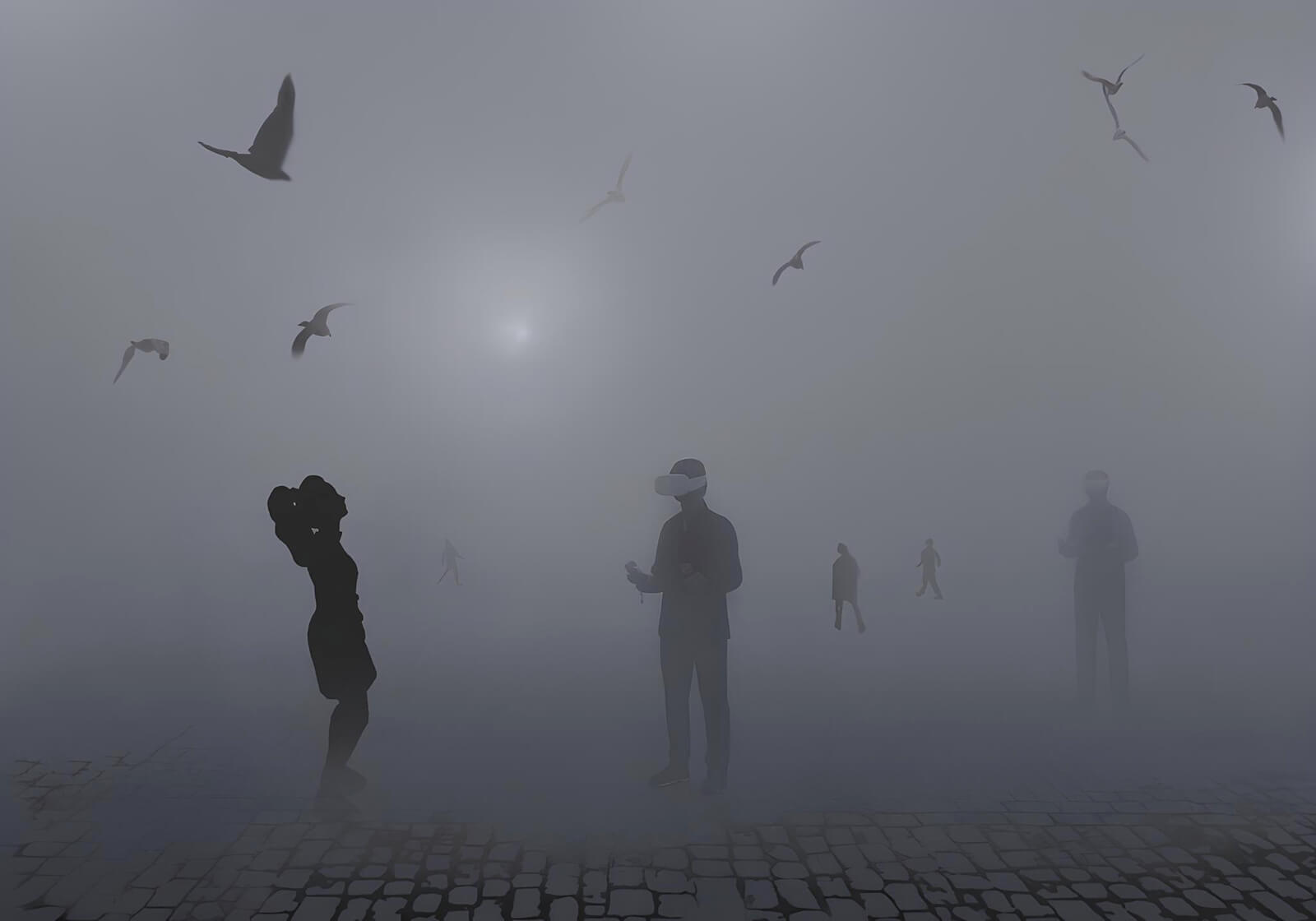
AI art raises important questions about authorship, creativity and the role of the algorithm versus the human artist. Museums will increasingly need to contextualise these works not as isolated novelties, but as part of a longer history of generative and systems-based art.
Since the early days of the web, artists have not seen a strict divide between online and offline. Now, a sculptural installation might incorporate an AR layer; a painting might be tied to a live data feed, and a work might use online components that manifest in physical space. Exhibiting these hybrid projects pushes museums to rethink spatial design, interfaces and how audiences move between different registers of experience.
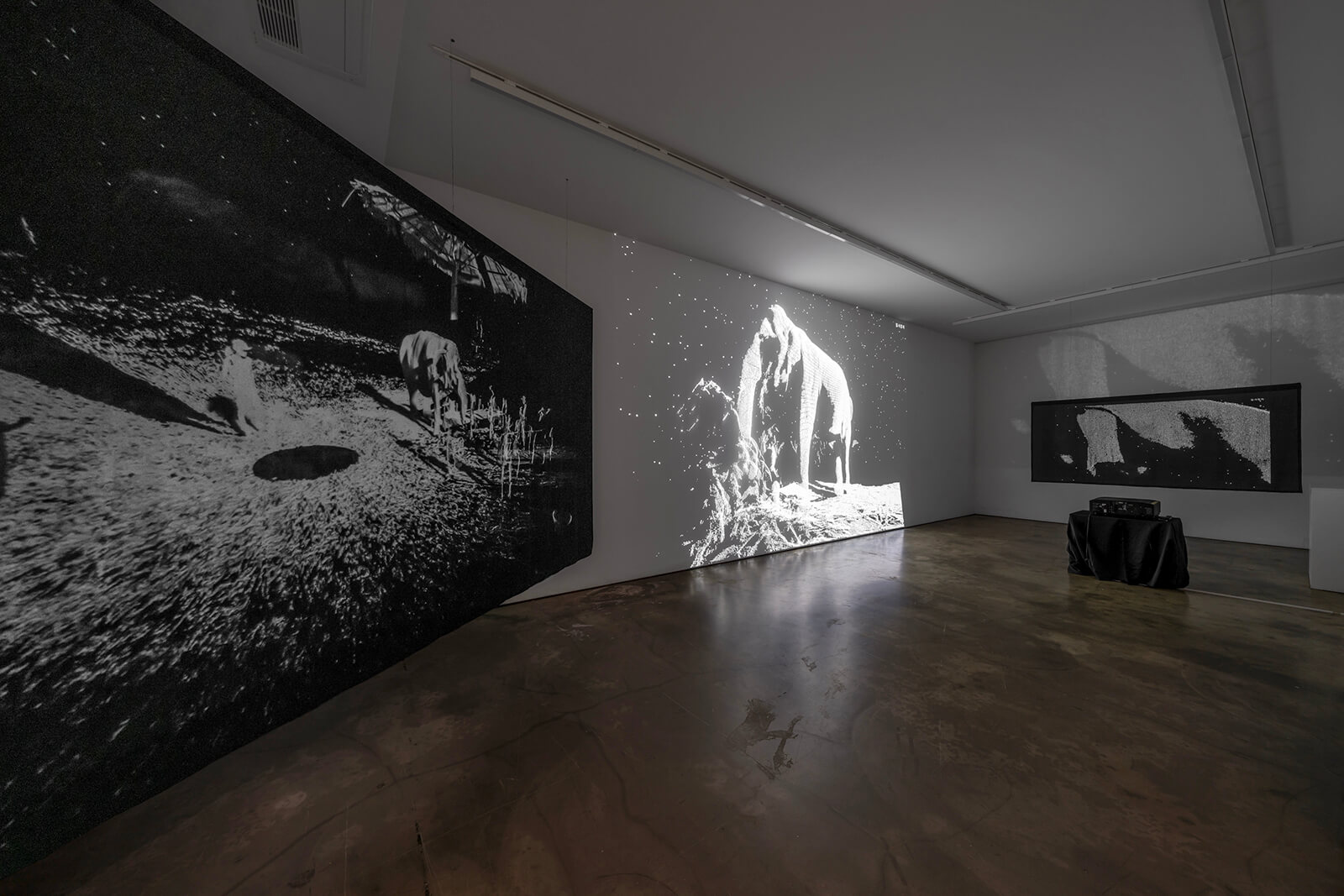
The idea of shared virtual worlds is another area where institutions are cautiously experimenting. We’re seeing virtual environments, digital twins of galleries and networked experiences that exist entirely online. I don’t think these will replace physical museums, but they can extend their reach and create new forms of encounter. Curating in virtual space involves many of the same considerations as a physical gallery—sequencing, pacing, scale, relationships between works—while also dealing with new affordances and constraints.
To stay in touch with these developments, I try to keep a foot in both the art world and the tech ecosystem: following artists’ work, attending digital art festivals and talking to technologists. Teaching is also important to me; working with students and younger artists is an excellent way to sense where practice is heading next.
In the end, many of the ‘new’ questions repeat older ones in different guises: How do artists use available tools to reflect on society, identity or the environment? How do they challenge existing structures? The technologies shift, but the deeper artistic concerns remain consistent.
Daehyung: Finally, on a more personal note: after so many years in such a fast-evolving field, what keeps you motivated? And what would you say to emerging curators or artists who want to build their lives around digital art?
Christiane: Digital art has always been best equipped to reflect on the effects of the increasing digitisation of our societies. Artists always push the medium in new directions, or revisit an older technology in a way that suddenly makes it newly relevant.
I also feel a strong sense of responsibility. We’ve already lost important early net art and digital works because no one preserved the sites, the code or the contexts in time. Part of my work is to make sure that the cultural memory of our digital present doesn’t vanish.
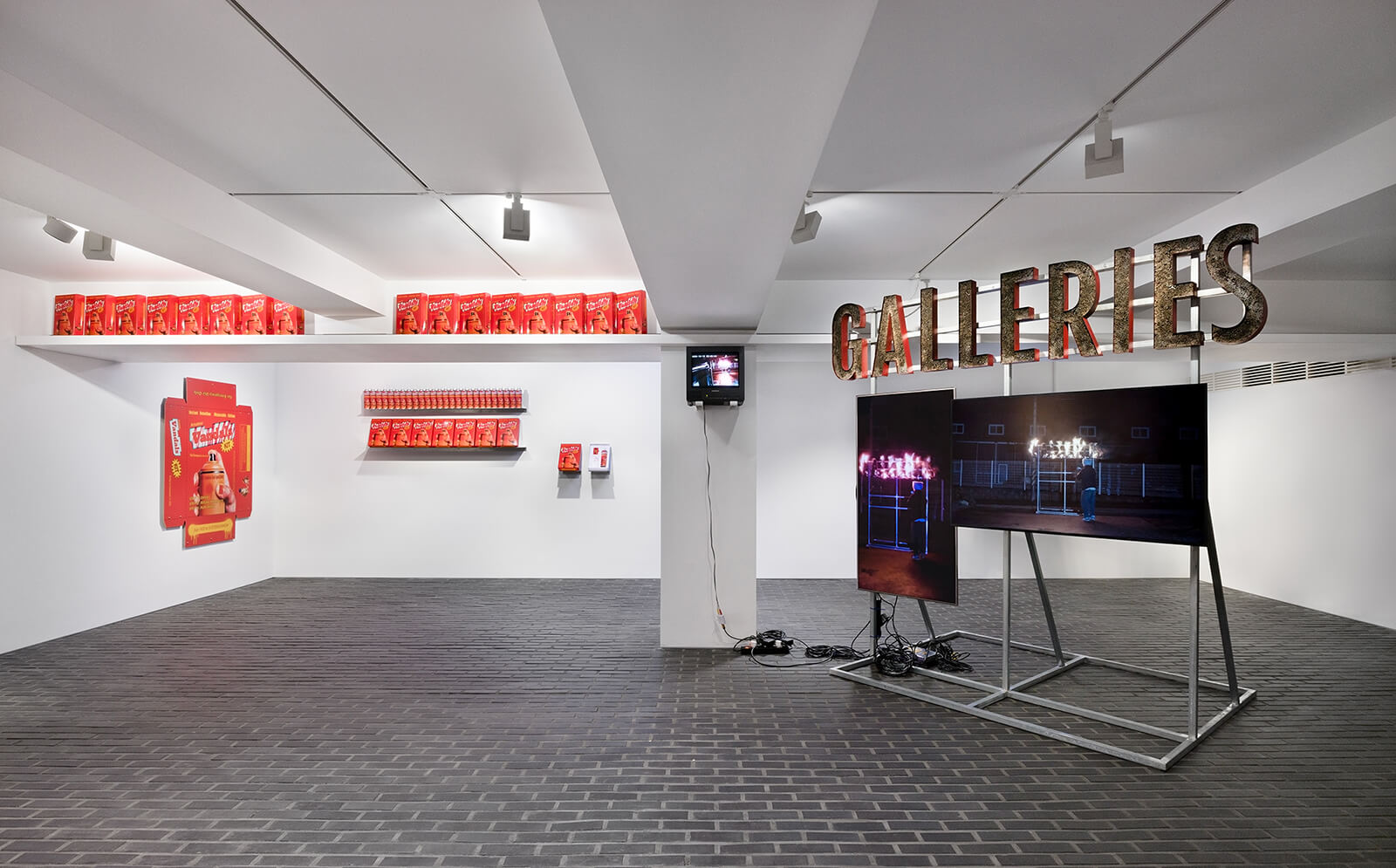
For curators, my advice would be: follow the art and artistic practice. Digital art sits at intersections between art and technology, and all other art forms, politics, science, activism and more. Read widely, talk to people outside the traditional art world, and don’t be afraid of the technical dimensions. You don’t have to become a programmer, but you do need to understand enough about the tools to talk meaningfully with artists and to make informed curatorial decisions.
Be prepared to advocate. Despite all the progress, you will still encounter scepticism or the notion that digital art is somehow secondary to traditional media. Part of your job is articulating why these works matter—historically, aesthetically and socially.
To artists, I would say: master your tools, but don’t let the tools dictate your practice. The novelty of technology wears off very quickly. What endures is the strength of your ideas and your ability to use technology in ways that are conceptually and poetically aligned with your intentions. If you’re working with AR, AI, blockchain—do it because those systems are integral to what you want to explore, not merely because they are fashionable. And document your work thoroughly: code, environments, technical dependencies and your own reflections on how the piece should exist over time. That documentation is a lifeline for future conservators and curators.
Finally, for everyone in this ecosystem: embrace collaboration. Digital art has always been inherently collaborative—artists working with programmers, curators with engineers and designers, institutions with independent platforms and communities. None of us can address the technical, conceptual and institutional questions alone. The standards and best practices we’ve discussed are being created collectively, through ongoing dialogue and shared experimentation.
by Srishti Ojha Oct 21, 2026
Increasingly, artists, filmmakers and activists are turning to VR to create more personal, tangible accounts of the climate emergency and its impact on vulnerable communities.
by Mirra Lynn Oct 20, 2026
The Indian artist paints the old wadas of central Pune, capturing the traces of everyday life that cling to these structures, battered by time but unbowed.
by Anmol Ahuja Oct 15, 2026
How do heaps of souvenirs and relics with racist Aboriginal motifs and features become art? MCA Sydney’s winter showcase—the artist’s largest to date—beckons a possibility.
by Vandana Kalra Oct 14, 2026
With his latest exhibition as a point of departure, the modernist discusses his decades-long practice, the spontaneity of drawing and the social responsibility of artists.

make your fridays matter with a well-read weekend
Enter your details to sign in
Don’t have an account?
Sign upOr you can sign in with
a single account for all
STIR platforms
All your bookmarks will be available across all your devices.
Stay STIRred
Already have an account?
Sign inOr you can sign up with
Verification link sent to check your inbox or spam folder to complete sign up process
Tap on things that interests you.
Select the Conversation Category you would like to watch
Please enter your details and click submit.
Enter the 6-digit code sent at


Christiane Paul on creating a sustainable ecosystem for digital art
by Lee Daehyung | Published on : Dec 19, 2025


 Sign in with Google
 Sign in with email
What do you think?