Architecture10 mins. read
ADFF:STIR Mumbai’s ~log(ue) returns, sparking plural discourse
by Bansari PaghdarJan 08, 2026




by Jincy IypePublished on : Dec 15, 2025
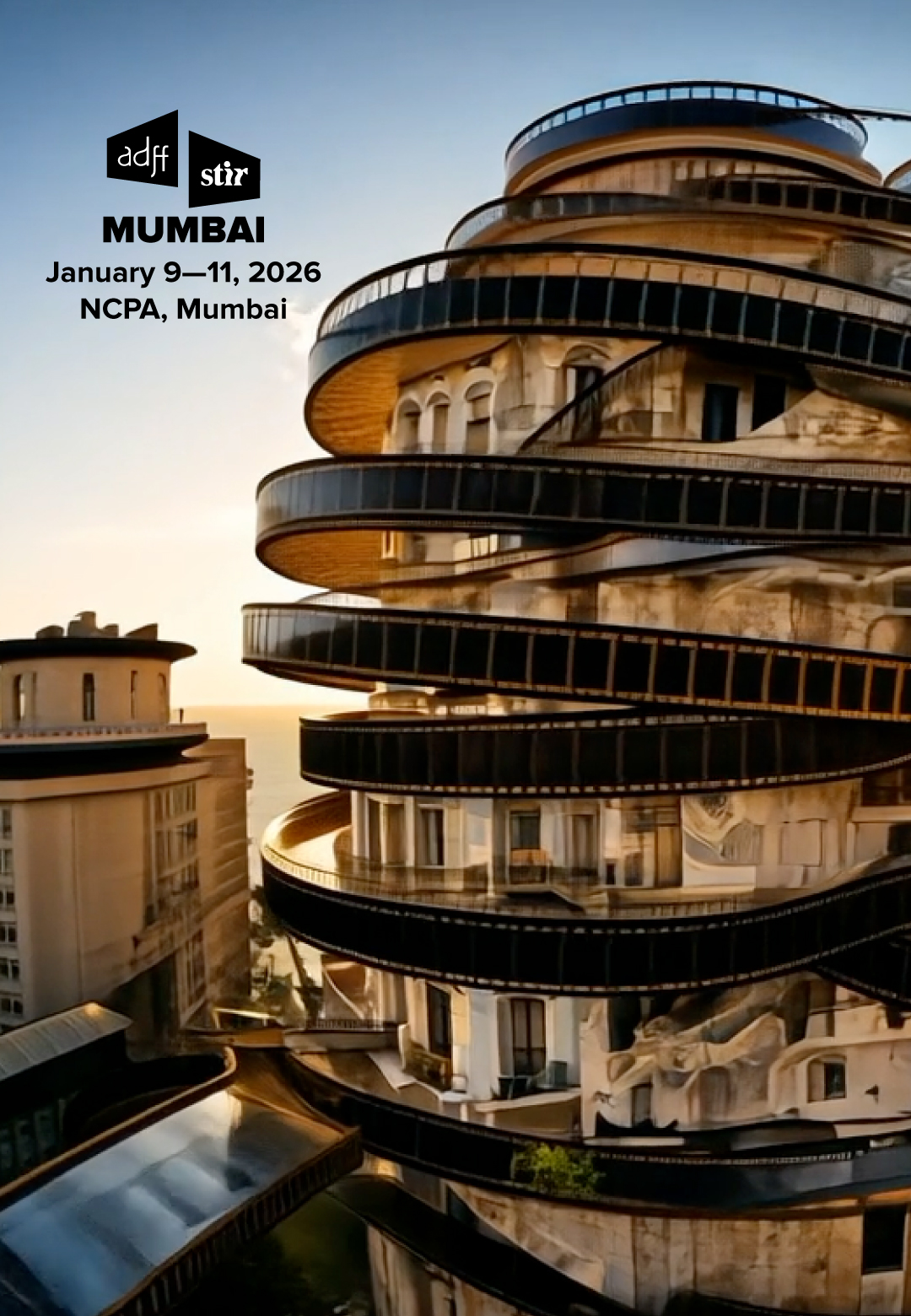
When the Architecture & Design Film Festival (ADFF) arrived in Mumbai at the onset of 2025, it reframed what a festival of such a diverse nature could be expressed as: cinematic, certainly, but also civic, cerebral, conversational and spatially alive. The second edition of ADFF:STIR Mumbai, returning to the National Centre for the Performing Arts (NCPA) in Mumbai, India, from January 9 – 11, 2026, builds ambitiously on that momentum with a multifaceted programme that is broader in scope, deeper in intent and unmistakably rooted in the city and the people that host it. The architecture festival is set to coalesce sundry creative stories and perspectives vis-à-vis its programme that goes beyond the cinematic, superseding its South Asia debut earlier this year.
Across four interlocking, dynamic pillars—the Films, the Jaquar Pavilion Park, the ~log(ue) Programme supported by JSW and a slate of Special Projects—the design festival will unfold and perform as a living, multivocal portrait celebrating and centred on the many worlds of architecture, design, art and their intersections with the cinematic realm. As the festival’s co-organisers, STIR relays what’s in store for ADFF:STIR Mumbai 2026:
The films remain the festival’s emotional spine, mapping the built world and its myriad interactions through documentary, docu-fiction, biography, experimental narratives, speculative futures and other formats that bring about the quiet revelations accompanying the creative vocation. This edition’s anticipated lineup spans continents, time periods and design languages, with each film offering a distinct lens on creativity, materiality and a plural insight into human/more-than-human aspects. These also comprise voices from the Global South, women and queer filmmakers, parables on the climate crisis and fearless storytelling highlighting the built world and the everyday.
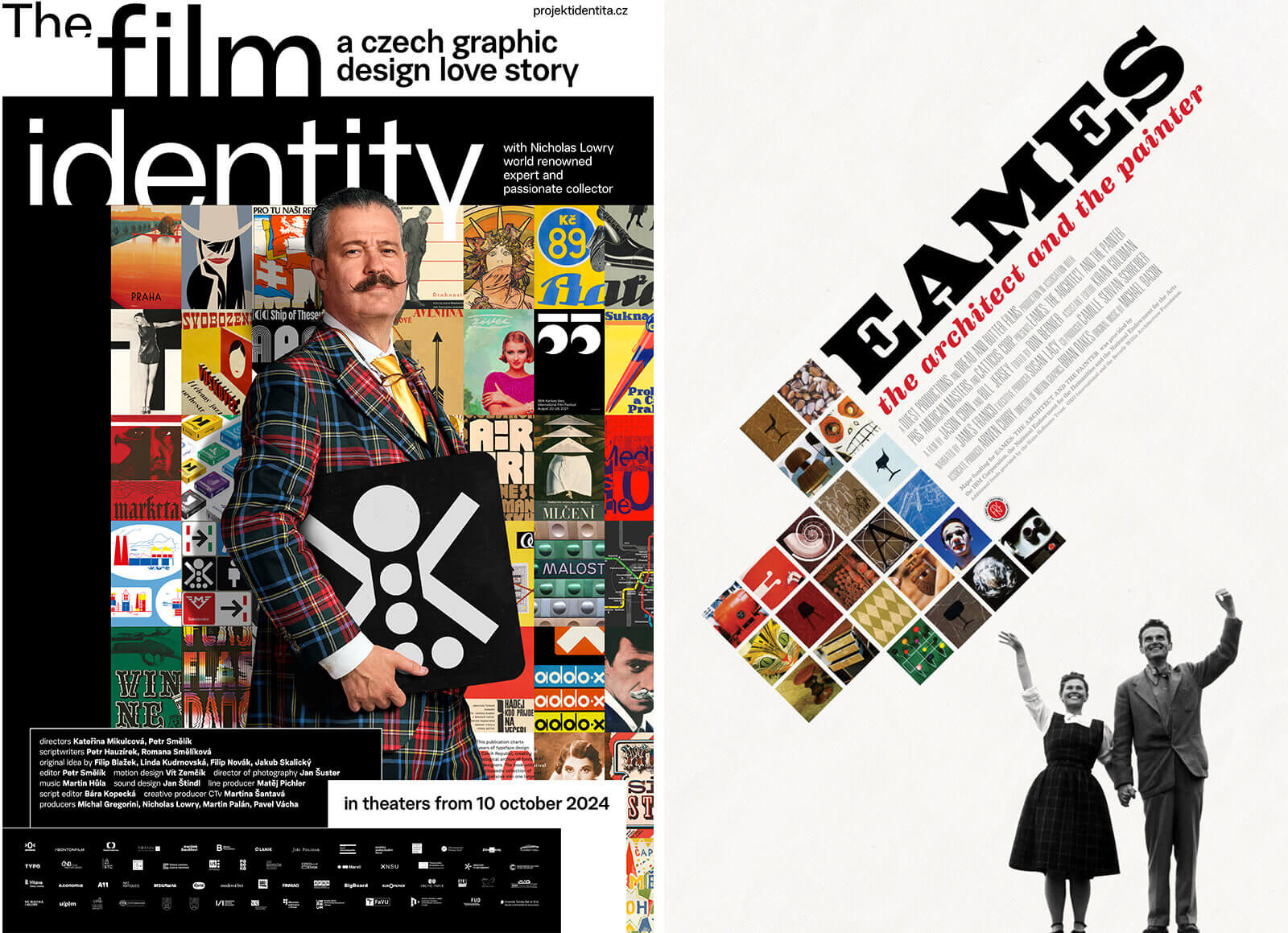
Some of the key films include Identity: A Czech Graphic Design Love Story (2024, Czech Republic) by Kateřina Mikulcova and Petr Smelik, a vibrant, cross-country journey in which Nicholas Lowry chases the visual DNA of the Czech Republic, moving through cities, archives and personal histories to uncover a culture defined as much by its graphic icons as its quirks; and Thomas Riedelsheimer's Tracing Light (2024, Germany), which is a meditative, visually charged inquiry into light as both scientific mystery and artistic material, weaving together testimonies from physicists, artists and landscapes to illuminate how illumination itself shapes the universe and our perception of it.
ADFF:STIR 2025 marked the beginning of something truly special for the country’s creative ecosystem, and for 2026 we’re poised to go bigger, bolder and more experimental. – Amit Gupta, festival director; founder & editor-in-chief, STIR
We the Others (2025, Italy), by Maria Cristina Didero and Francesca Molteni, is a tender portrait of the Campana Brothers’ radical, community-driven design practice, tracing how their work, social initiatives and material experiments create models for creativity as a force for social change. Also on show, Eames: The Architect and the Painter (2011, USA), is touted to be. the definitive documentary on Charles Eames and Ray Eames. Directed by Jason Cohn & Bill Jersey, Eames is rich with archival material and incisive commentary which reveal the duo’s singular influence on American design and their complex personal partnership. Sketches of Frank Gehry (2005, USA), Sydney Pollack’s intimate, conversational exploration of Frank Gehry’s creative mind, follows the late architect through early influences, iconic projects and the artistic anxieties that shaped his sculptural approach to architecture. The lineup has also expanded this time to include a slew of 3D films on art and design, multiplying the experiential aspect of the festival.
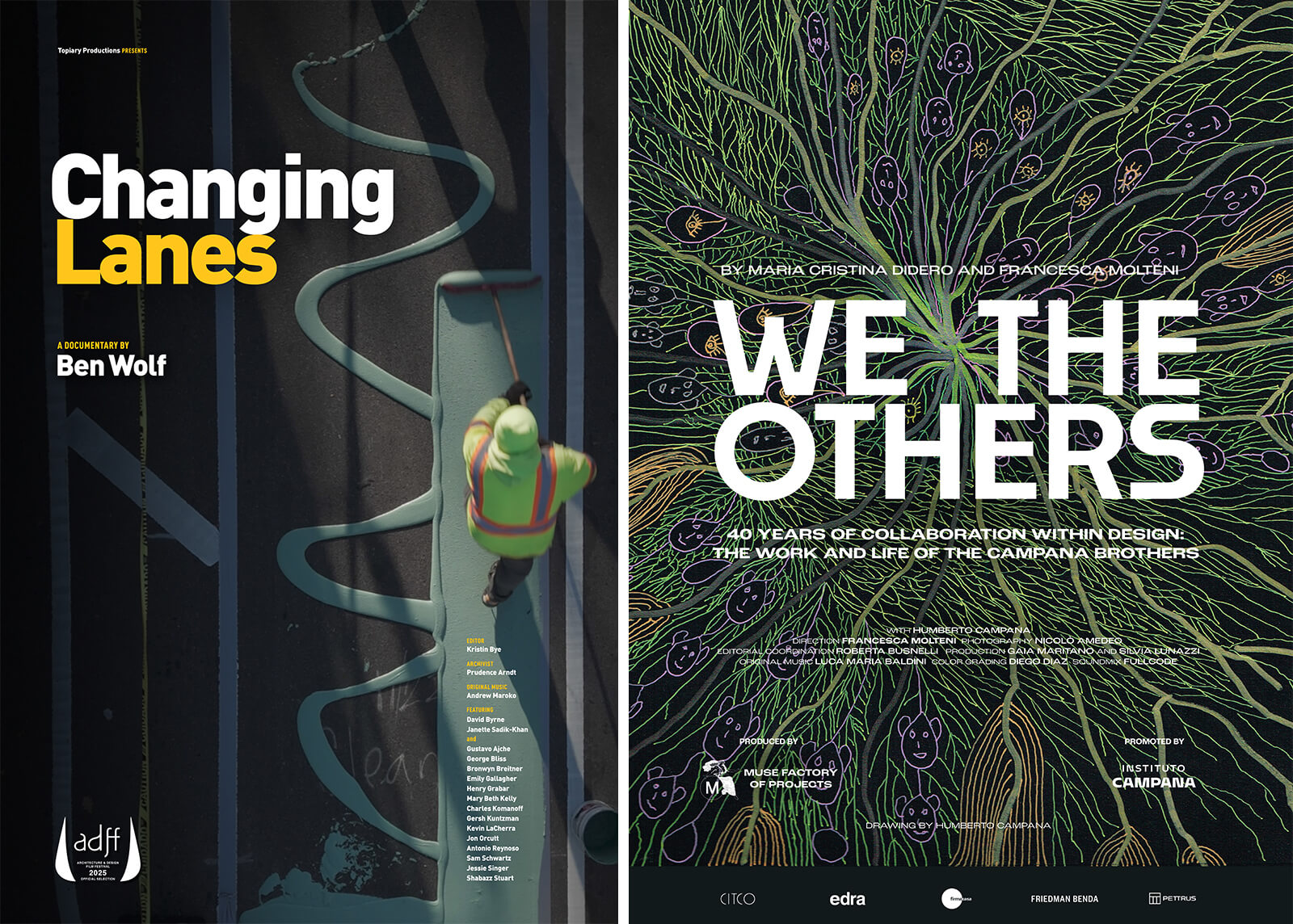
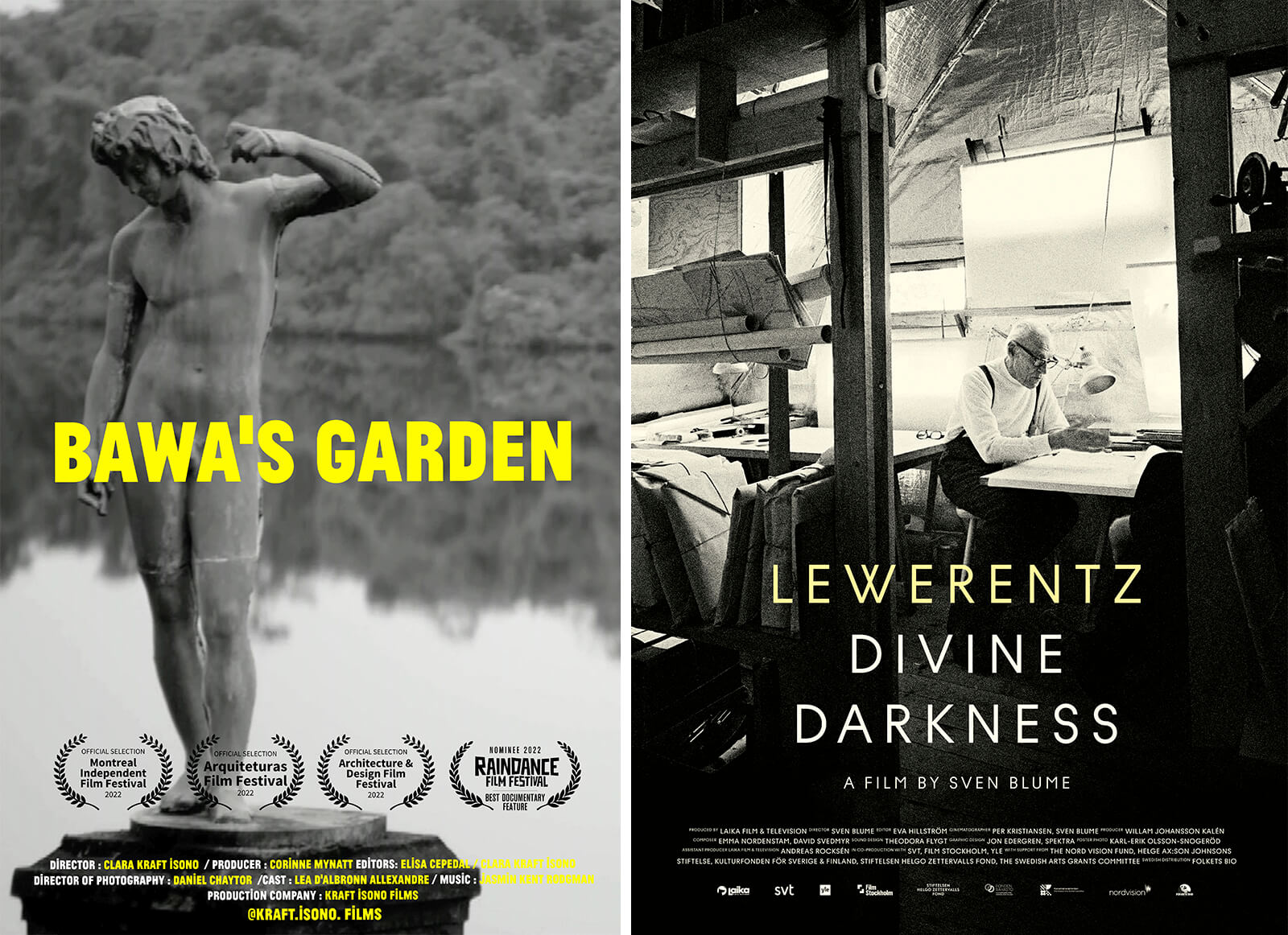
Together, the films’ roster anchors the 2026 edition in ADFF’s core ethos: cinema as more than documentation; as a tool for continually re-seeing the built environment. "The response to the first edition of ADFF:STIR Mumbai has been extraordinary,” affirms Kyle Bergman, festival director and founder, ADFF. “This year’s film lineup is our most ambitious and diverse yet. ADFF:STIR Mumbai 2026 presents more than 25 extraordinary films whose stories travel across continents and disciplines—from Geoffrey Bawa and Sigurd Lewerentz to Constance Adams and the Campana Brothers. What excites me most is that there is something in this selection for everyone… We intentionally program for both design professionals and broader audiences, because architecture touches all of us, and cinema is one of the most powerful ways to experience that," he says.
Whether you are an architect, a designer, a student or simply curious about the built world, these films open doors. – Kyle Bergman, festival director and founder, ADFF
At the heart of edition II’s spatial ambition is the Jaquar Pavilion Park, which returns with a marked escalation in scale and imagination. Curated by Aric Chen, director of the Zaha Hadid Foundation, this edition of the festival’s acclaimed Pavilion Park expands on his curatorial theme Mumbai Transcripts, drawing from Bernard Tschumi’s 1981 book The Manhattan Transcripts, a seminal exploration of architecture as a choreography of space, movement and event.
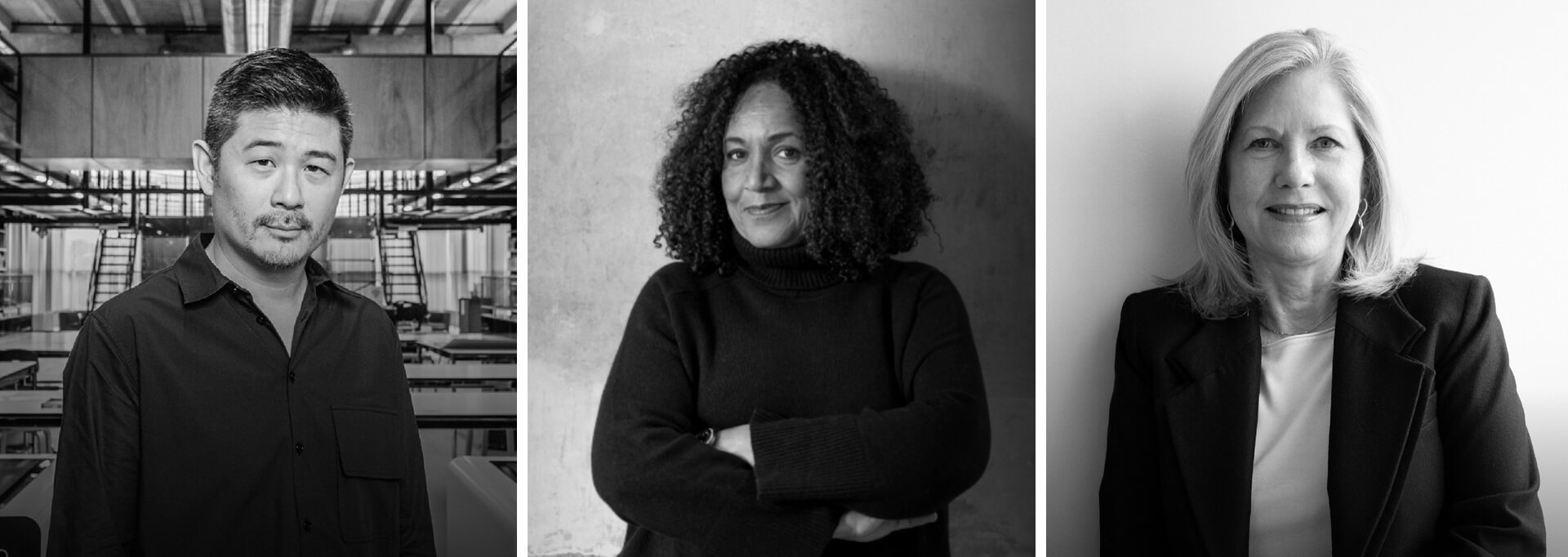
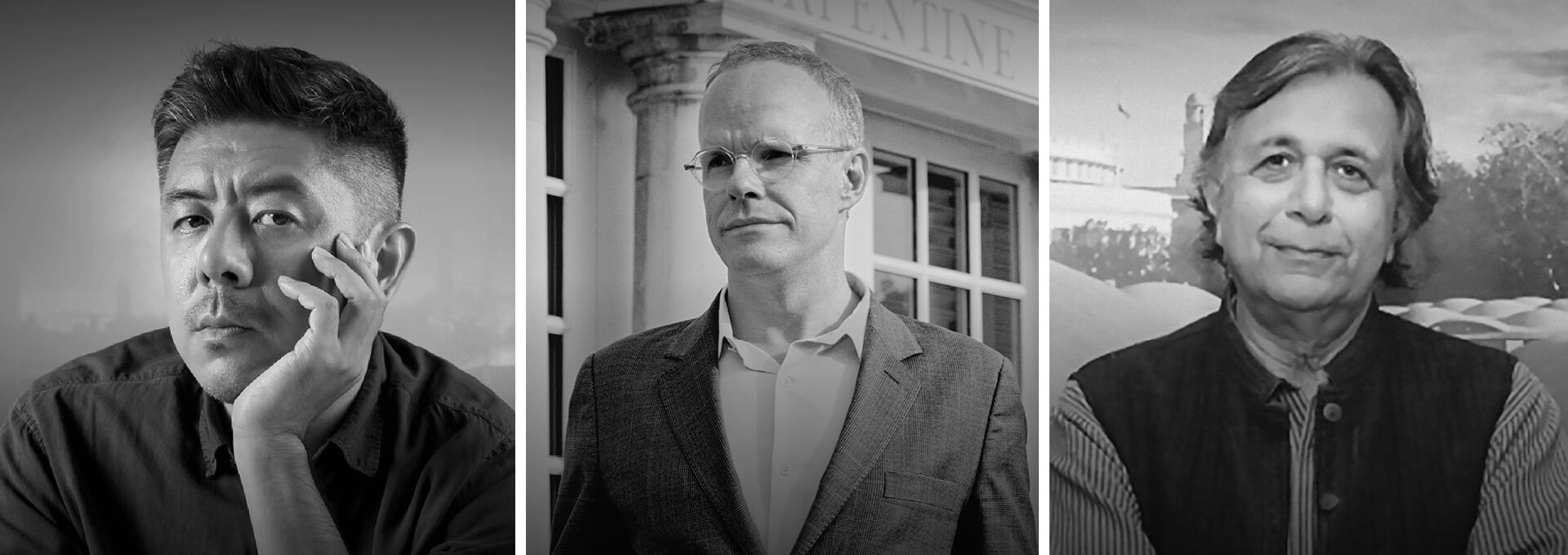
This time, the Pavilion Park received 52 proposals from renowned architects, designers and artists across India, the USA, UK and beyond, each responding to the curatorial brief in unique ways. From these, ten pavilion designs were selected for realisation in September this year by a distinguished international jury comprising Hans Ulrich Obrist (artistic director, Serpentine Galleries, London), Lesley Lokko OBE (founder, African Futures Institute and curator of the Venice Architecture Biennale 2023), Raj Rewal (founder, Raj Rewal Associates), Ma Yansong (founder, MAD Architects) and Martha Thorne (former executive director, Pritzker Architecture Prize).
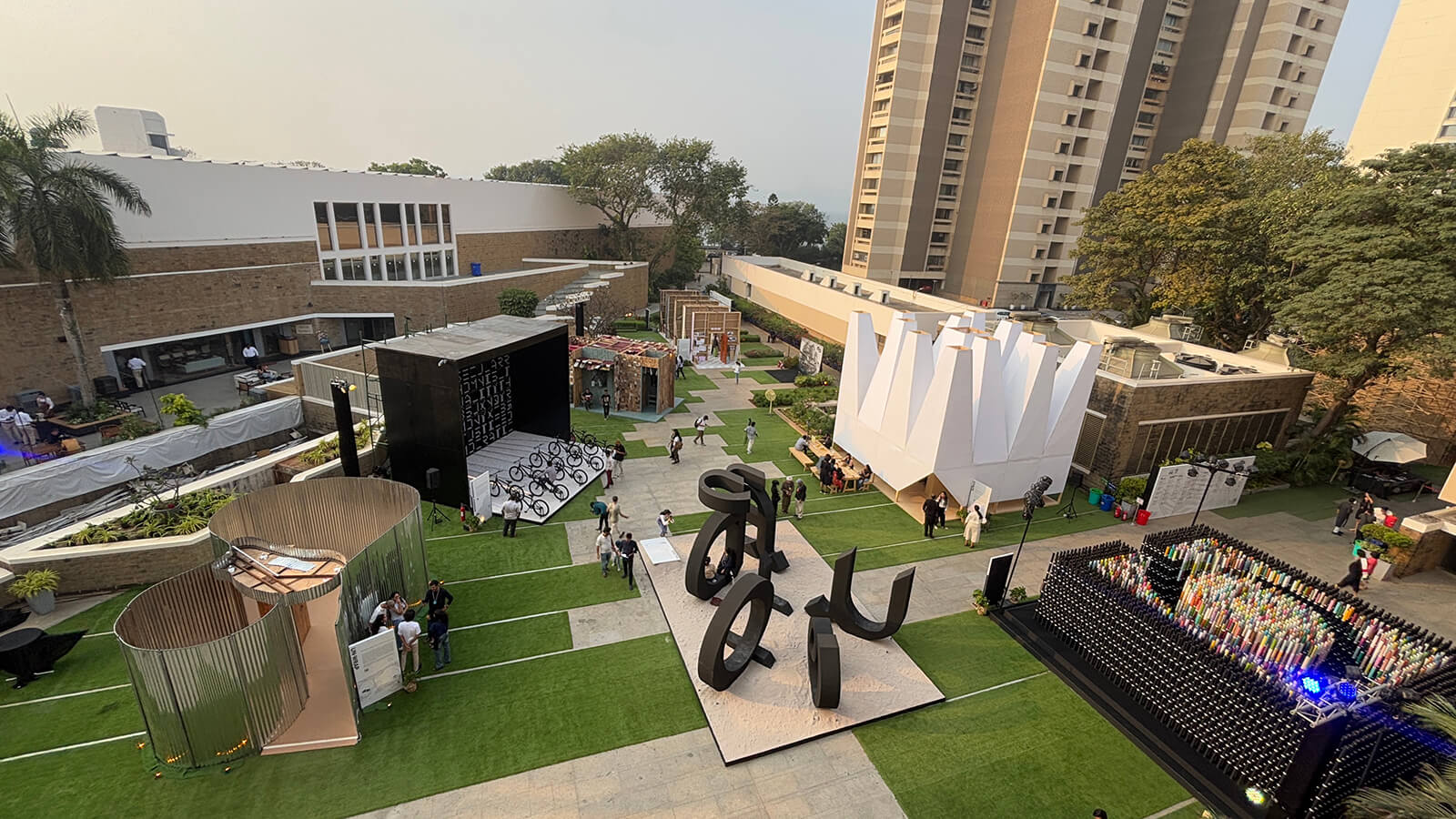
The chosen proposals and practices, each with an interpretive, deliberate take on Mumbai’s (and wider) urban fictions and frictions, are:
Each pavilion is conceived as a cinematic fragment: an architectural scene that frames the city anew. Designed to be walked through, sat within and performed alongside, these structures are not static objects but ‘spatial provocations’, extending the festival into a porous public encounter on the NCPA lawns.
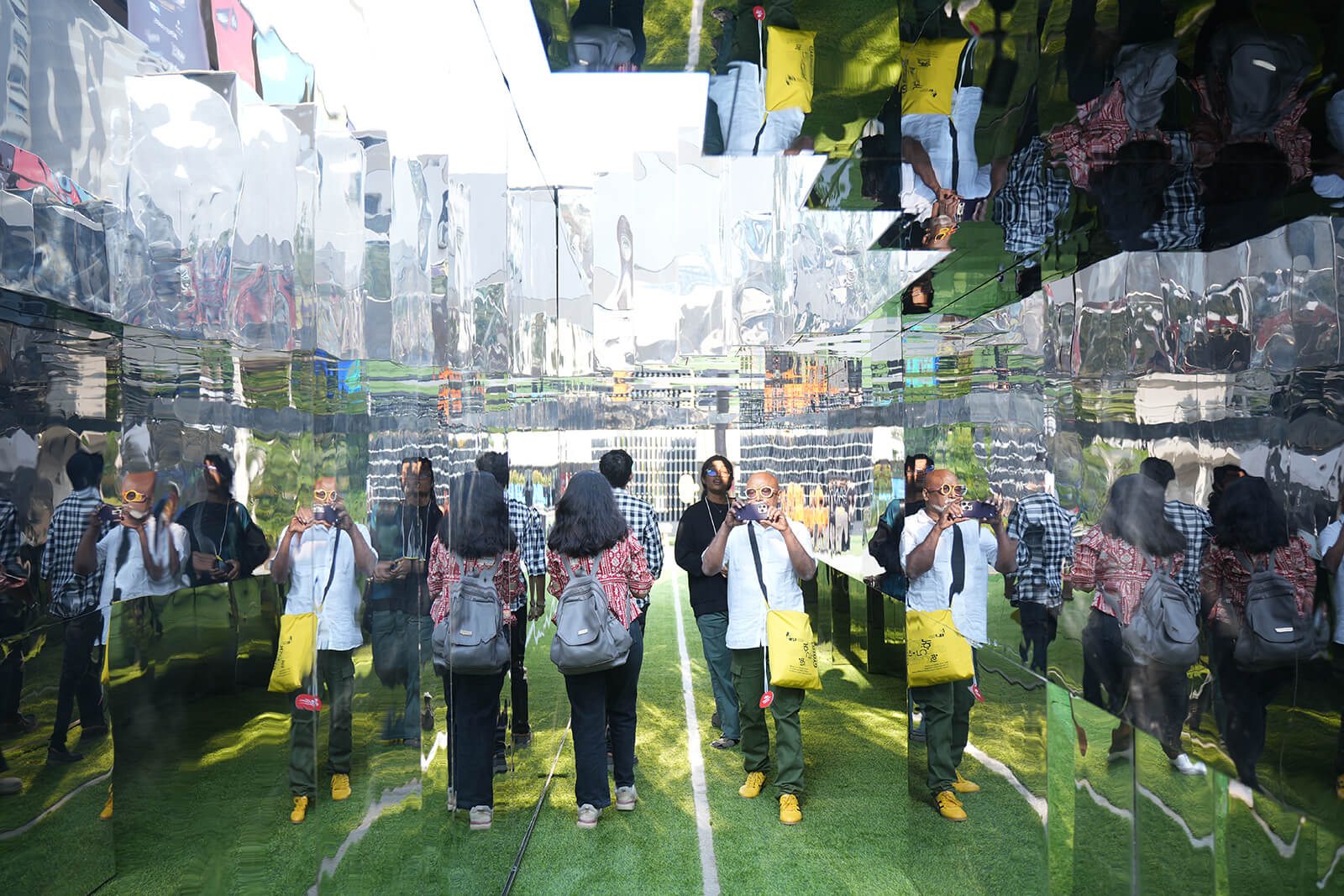
As with 2025, the afterlife of the pavilions is central to the sustainable ethos of the festival. All temporary structures are intended for relocation and reinstallation after being on display for the event’s three days, operating within a circular design framework of Recycle, Repurpose, Renovate, Donate, Acquire—reinforcing ADFF: STIR Mumbai’s commitment to sustainability and community-led reintegration.
If the pavilions are the festival’s physical body, the ~log(ue) Programme supported by JSW is its pulse. Intentional in its plural form and rigorous in its content, the talks programme, under the patronage of Mrs Sangita Jindal and Tarini Jindal Handa, continues its inventive approach to public engagement and contemplation—building bridges between people (log/ लोग) and discourse (~logues).
With renewed agency, the 2026 edition will span a spectrum of encounter formats: ~monolog(ue)s – theatrical, expressive, performative; ~dialog(ue)s – charged exchanges between contrasting perspectives; ~multilog(ue)s – panel conversations stitched by spontaneous moderation; ~analog(ue)s – workshops, readings, performances and hands-on sessions; ~prolog(ue)s and ~epilog(ue)s – framing the film screenings with context and reflection.
Bringing the meticulously curated ~log(ue) programme to life is a constellation of influential voices spanning architecture, art, criticism and cultural leadership. The key participants include the jury from the Jaquar Pavilion Park with Aric Chen, Raj Rewal, Martha Thorne and Ma Yansong; multidisciplinary artist, poet, director and presenter LionHeart; Dr. Samuel Ross, fashion designer, creative director and artist; Paul Goldberger, Pulitzer Prize-winning architecture critic, editor and author; Kulapat Yantrasast, founder, managing principal and creative director of WHY Architecture; Tasneem Zakaria Mehta, director, BDL Museum; Mithu Sen, artist; Irena Aristokhava, Professor at Michigan University’s Stamps School of Art & Design and the Digital Studies Institute; Pronoti Dutta, writer and journalist; Shimul Javeri Kadri, Indian architect;Tarini Malik, curator of Modern and Contemporary Art, Royal Academy of Arts; and Ekow Eshun, independent curator, writer and broadcaster. The participation of Lionheart and Dr. Samuel Ross has been generously supported by the British Council.
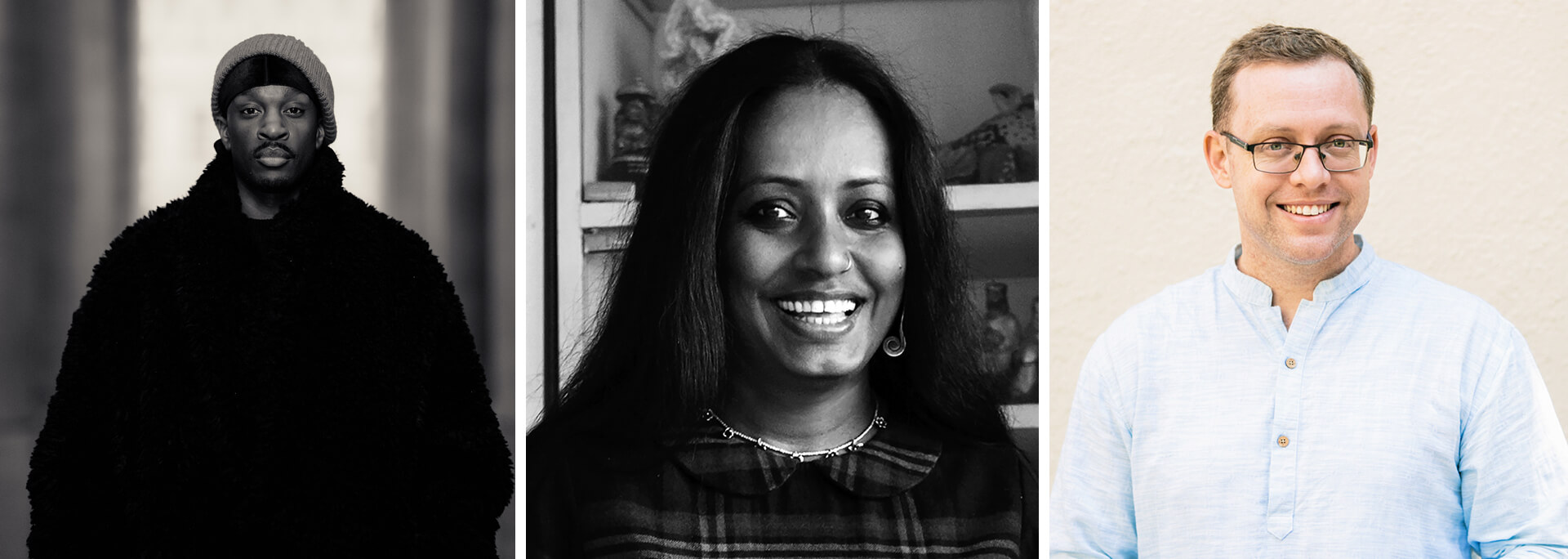
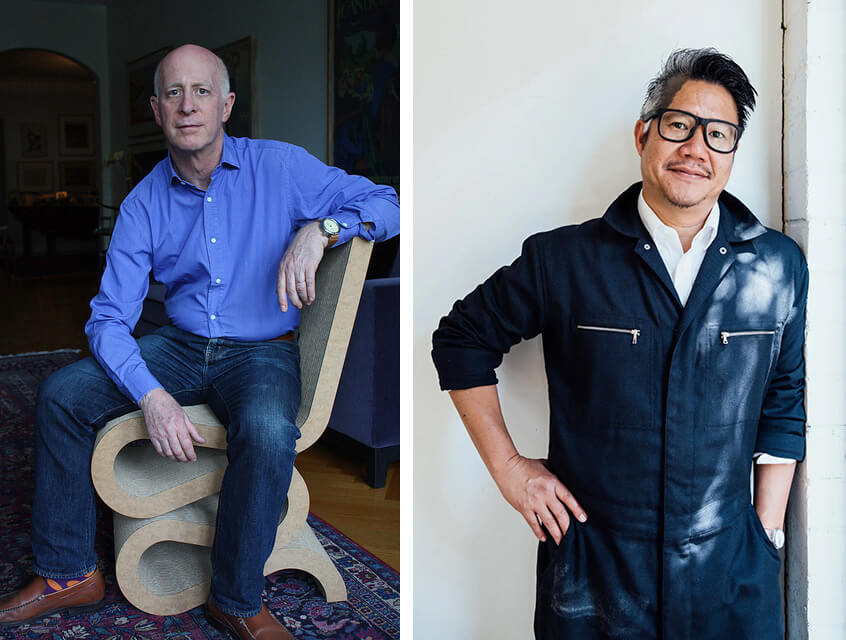
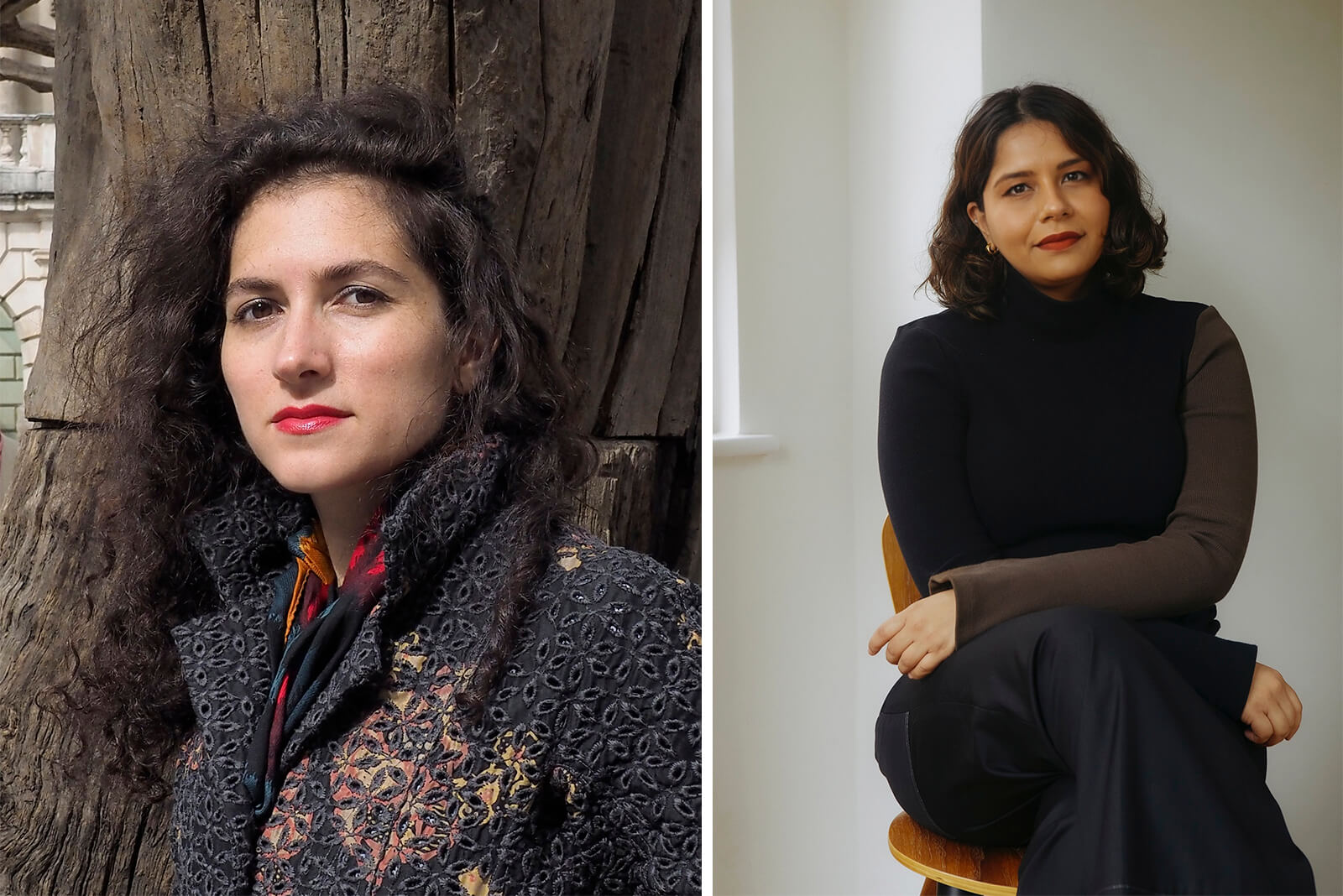
Together, they form an influential cast, each offering a distinct lens on cities, creativity and the ever-evolving possibilities of cross-disciplinary dialogue. A special segment of the ~log(ue) programme, in collaboration with Mumbai Gallery Weekend and India Art Fair, presenting artist talks and a curator-led walkthrough, will also take place on one of the festival days.
Across formats and subjects, the talks and the public programme at large aim to unsettle assumptions about how creative cultures function—foregrounding live encounter as a medium in itself. “At ~log(ue), we explore the energy that arises when people and perspectives meet,” explains Samta Nadeem, festival curator and curatorial director, STIR. “Through an expanded range of formats and collaborative exchanges spanning talks, debates, crits, workshops, games and performances, we urge audiences to step into creative cultures rather than stand at their edges. We’ve shaped a space where ideas don’t just circulate but collide and transform."
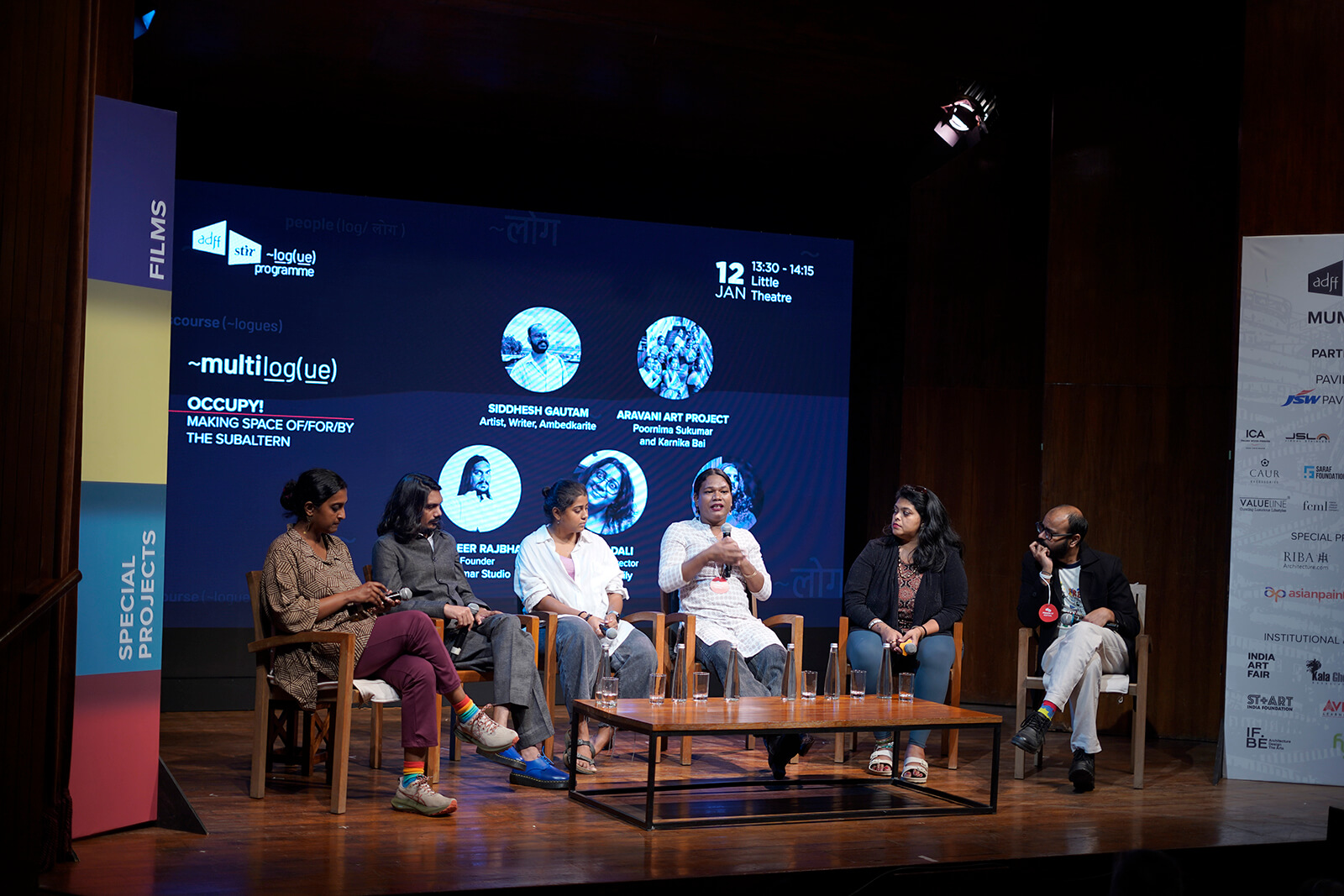
ADFF:STIR Mumbai 2026 broadens its horizons with a slew of Special Projects, extending itself into a multisensorial, multidisciplinary playground. These comprise the LIVinSET curated by Andrea Anastasio, director of the Italian Institute of Culture in New Delhi, which is an immersive product gallery envisioned as a film set, blurring the boundaries between object, narrative and mise-en-scène. Culinary Experiences will bring gastronomy into dialogue with design, framing food as another language of community, culture and materiality. The dedicated POP-UP, inspired by global museum shops, will feature books, collectibles, curios and festival-led merchandise designed as tangible takeaways of the larger ADFF:STIR experience.
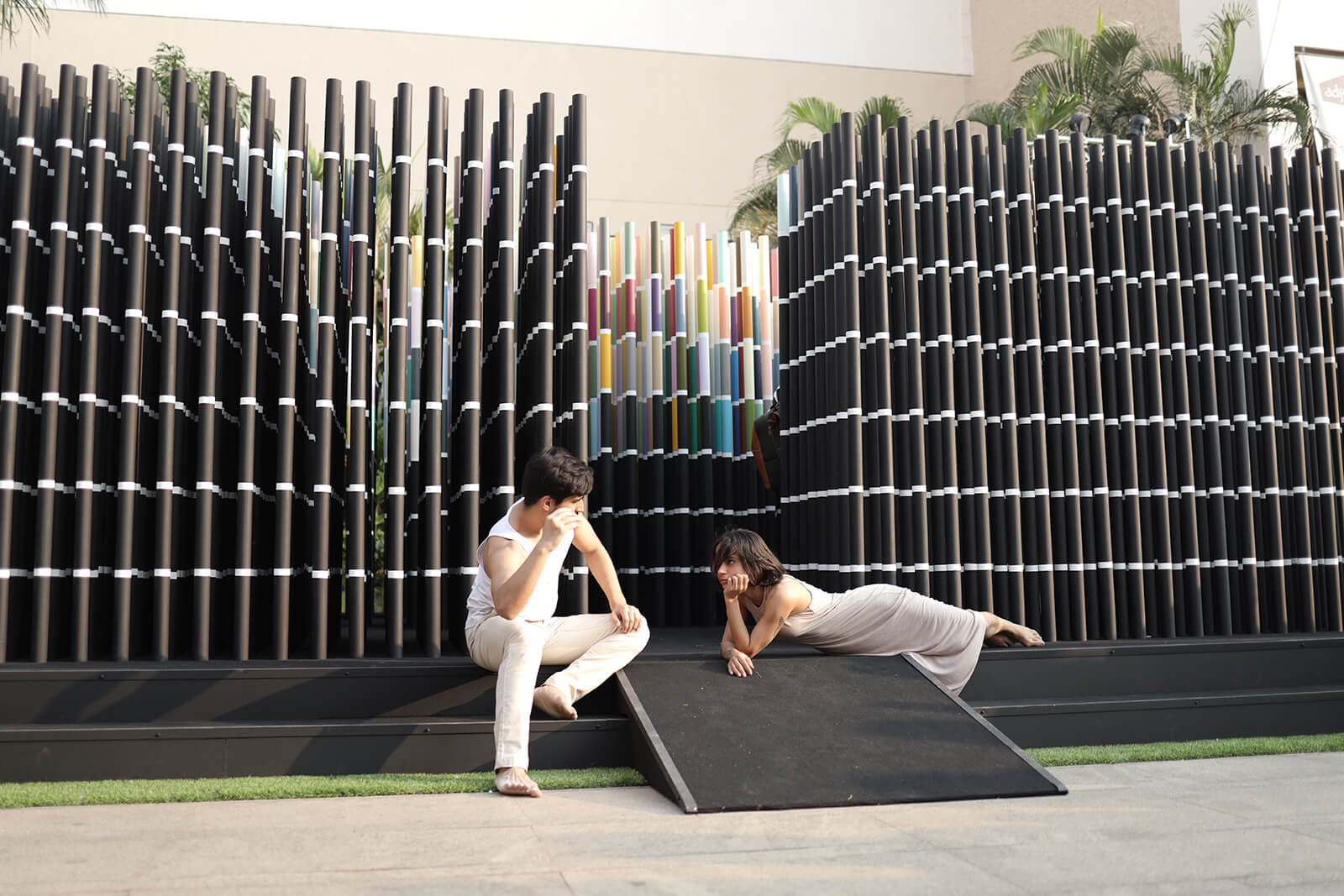
Further, Lionheart will lead a workshop on architecture and emotional inhabitancy through poetry; Nashik-based architects and urban designers Leewardists will conduct a storyboarding and comic-strip-making workshop; and independent scholar, designer and educator Aastha D. will lead a two-day lecture-workshop series on unpacking and reassembling the city through its citizens—alongside a range of performances, games and music at the architecture and design film festival.
Amit Gupta, founder & editor-in-chief of STIR and the festival director comments, “The first edition revealed gaps in how our communities perceive and connect across creative disciplines, and it began to bridge them—building a plural platform where film, architecture, design, the arts, their makers and their audiences could meet, much like what we strive for at STIR. The 2026 edition carries this ambition forward, more global and more intersectional, engaging with Mumbai through a lens that is both critical and deeply personal, celebrating the city’s frolic and its faultlines through the language of cinema.”
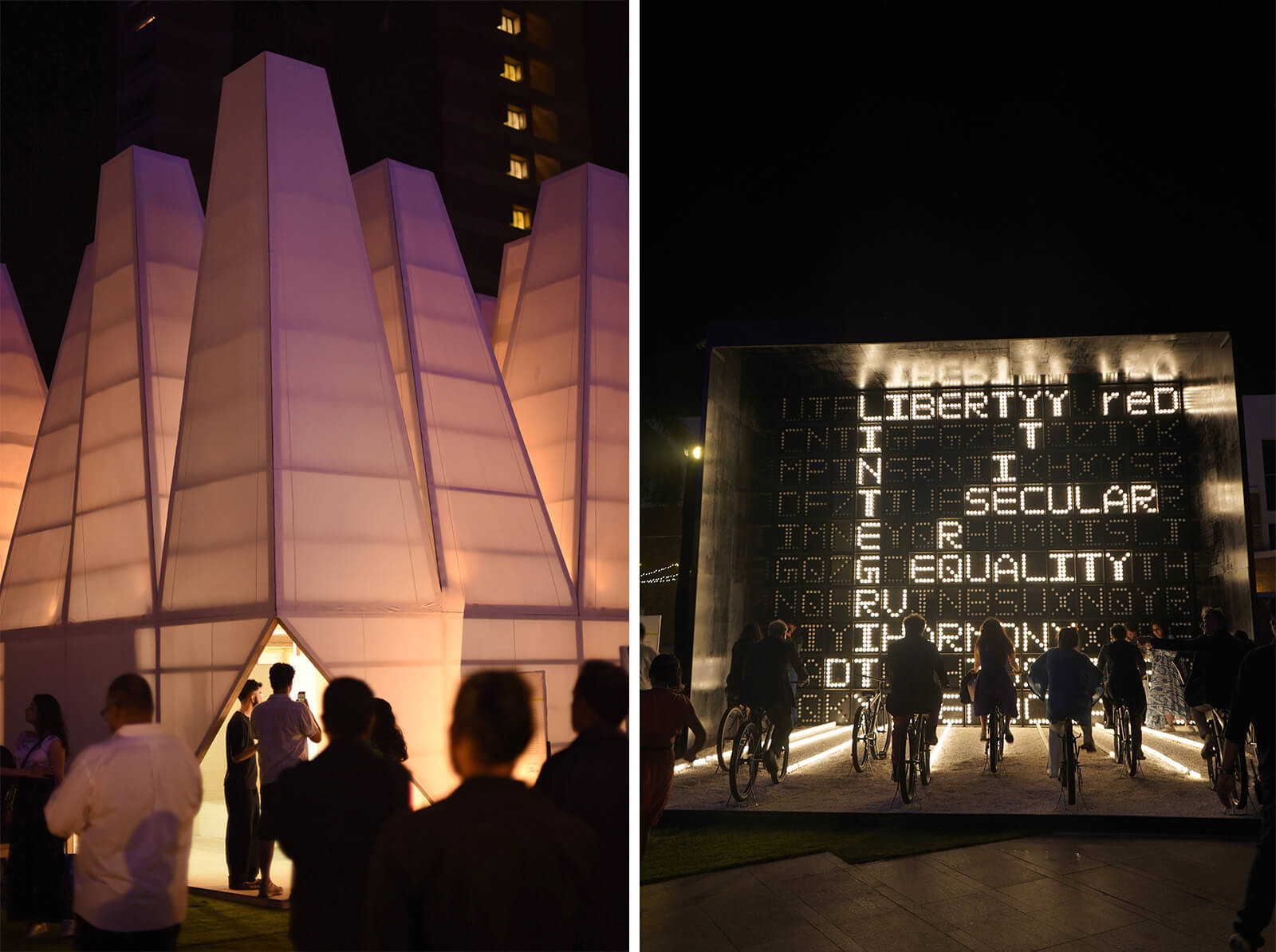
In its sophomore year, ADFF:STIR Mumbai reads like a citywide script—written across lawns, screens, conversations and ephemeral architectures. It builds on the spirit (vibrant, participatory and cross-disciplinary) and gathered learnings of its inaugural 2025 edition, which brought film, design and public space into an unexpected and electrifying dialogue.
As part of its multifaceted nature, the festival's hospitality too—realised in partnership with Trident Hotels—draws from Mumbai in its very genesis. The city's iconic skyline is partly defined by the silhouette of the two Oberoi Hotels at Nariman Point, and the venues will become an extension of the festival's energy over its 3-day run. Echoing the same sentiment, Dhiraj Mehta, Senior Vice President and General Manager, Trident, Nariman Point, Mumbai, states, "This partnership reflects Trident Hotels’ belief that hospitality goes beyond spaces and services to encompass meaningful engagement with creative and cultural discourse."
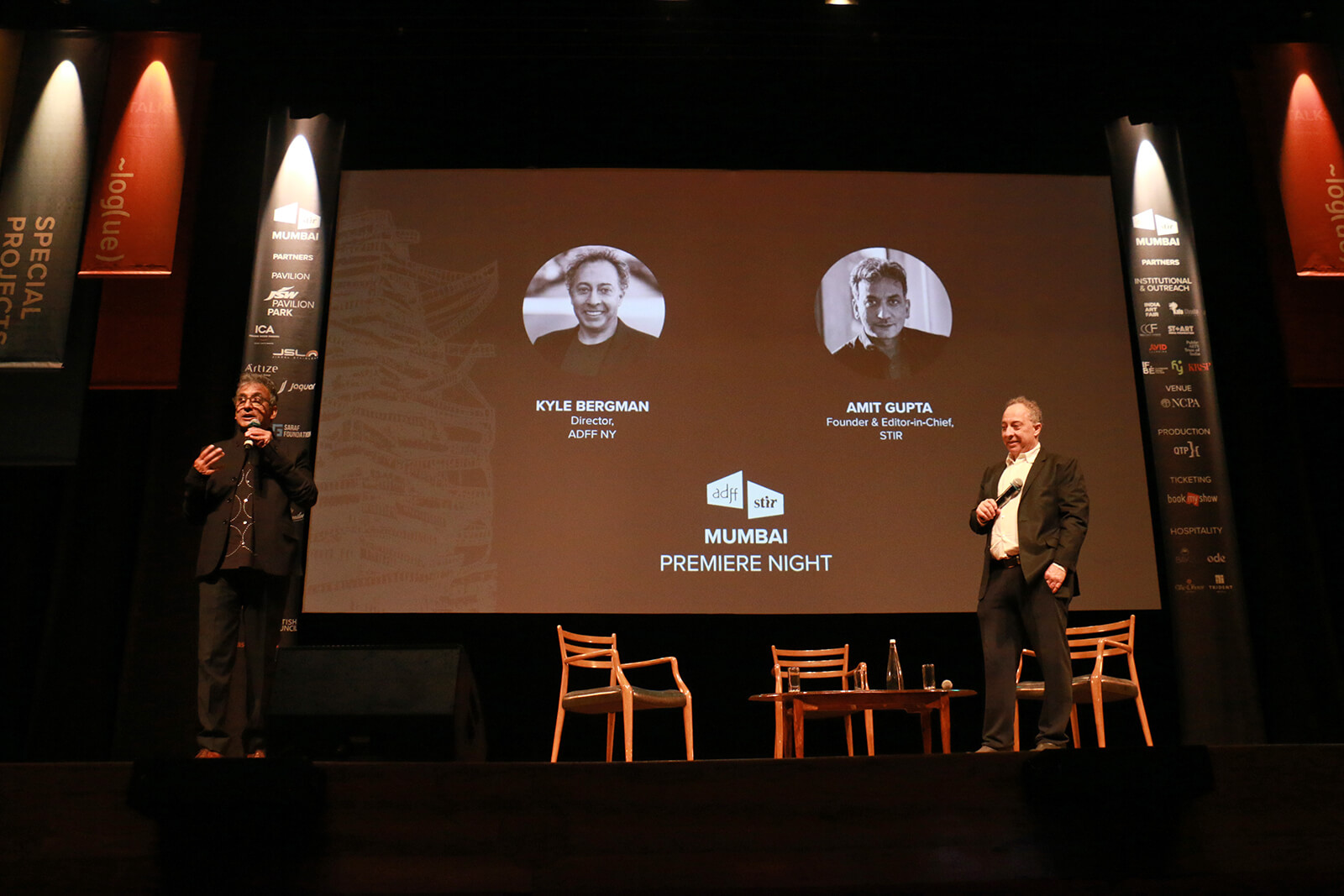
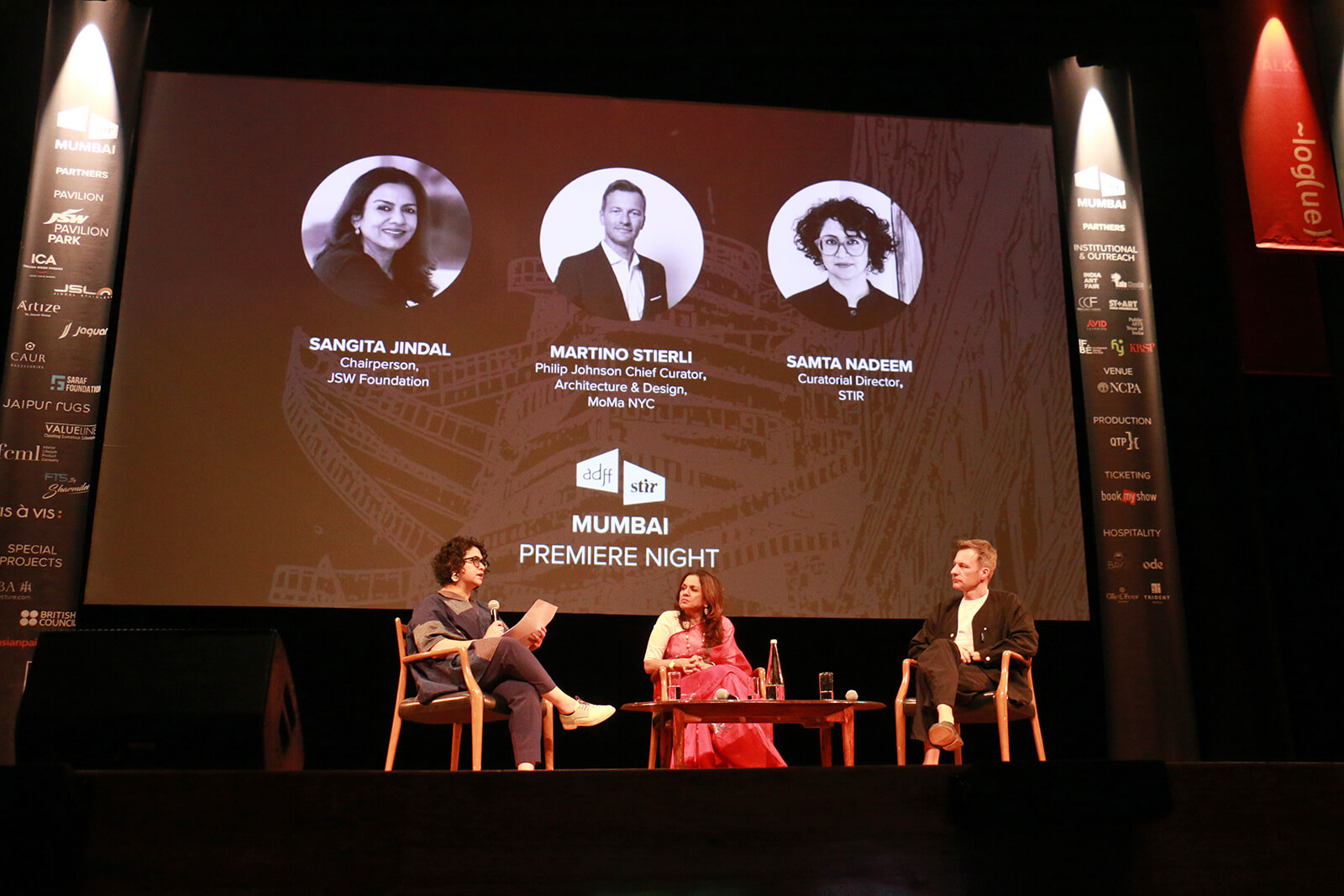
2026 scales that vision up, but also outward: into more disciplines, more encounters, more amplified voices and deeper questions about how we inhabit the world we design. Ultimately, in a city defined by perpetual reinvention, ADFF:STIR feels less like a festival and more like a mirror. It reflects Mumbai’s appetite for exchange, its restlessness, its creativity and its capacity to hold many worlds at once—and in doing so, it positions cinema as a way of understanding architecture, and its role as a living, city-making agent and its citizens.
ADFF:STIR Mumbai returns to the NCPA grounds in Mumbai, India, from January 9 – 11, 2026, with a renewed focus and expanded program. Keep an eye out on STIR's official channels and on the ADFF:STIR Mumbai website for further details on the films, the Jaquar Pavilion Park, the ~log(ue) Programme supported by JSW and other Special Projects.

by Pranjal Maheshwari Oct 24, 2026
A consortium of Copenhagen’s 3XN, Toronto’s B+H Architects and Shenzhen’s Zhubo Design has designed the museum to mimic the surrounding riverscape, topped with a public park.
by Pranjal Maheshwari Oct 19, 2026
The Mumbai-based architects integrate courtyards, mesh screens and north light trusses to create a dining space that doubles up as a community hub at SR University, Warangal.
by Mrinmayee Bhoot Oct 17, 2026
The Rotterdam-based institute centres the Indian Ocean as a network for exploring material histories and transnational links shaping coastal cultures, positing them as future models.
by Pranjal Maheshwari Oct 16, 2026
At the 2026 Stirling Prize ceremony, Mary Duggan with RUFF Architects, MAKER Architecten and Nakshabid Architects were felicitated for proffering quality housing and social equity.

make your fridays matter with a well-read weekend
Enter your details to sign in
Don’t have an account?
Sign upOr you can sign in with
a single account for all
STIR platforms
All your bookmarks will be available across all your devices.
Stay STIRred
Already have an account?
Sign inOr you can sign up with
Verification link sent to check your inbox or spam folder to complete sign up process
Tap on things that interests you.
Select the Conversation Category you would like to watch
Please enter your details and click submit.
Enter the 6-digit code sent at


ADFF:STIR Mumbai 2026 promises a radical vision connecting cinema, space and city
by Jincy Iype | Published on : Dec 15, 2025


 Sign in with Google
 Sign in with email
What do you think?