Architecture08 mins. read
Ion Riva in Istanbul and the idealised image of architecture amid crises
by Bansari Paghdar, Anmol AhujaJul 31, 2026



by Cristina MateoPublished on : Jun 26, 2026
In cities across the world, from housing shortages to climate adaptation and workforce transformation, the question of a city's actual merit is becoming increasingly urgent. Urban well-being can no longer be treated as a desirable outcome we hope for; it has to become a governing baseline, something cities design, measure and protect.
Three pressures increasingly define that baseline: decarbonisation, housing and education. They are often treated as separate policy agendas, but in practice, they describe one intertwined question: What kind of life does a city make possible, and for whom? Decarbonisation is not only about emissions targets; it is about the everyday right to breathe clean air, to move safely and to be protected from climate risk. Housing, similarly, is the foundation of stability, dignity and belonging for residents, as opposed to an asset class or a supply pipeline. The third, education, ascertains and shapes the capability engine of the city—how people adapt, participate and thrive across essentially a whole lifetime. Taken together, they form a definition of urban well-being that is measurable, distributable and deeply political.
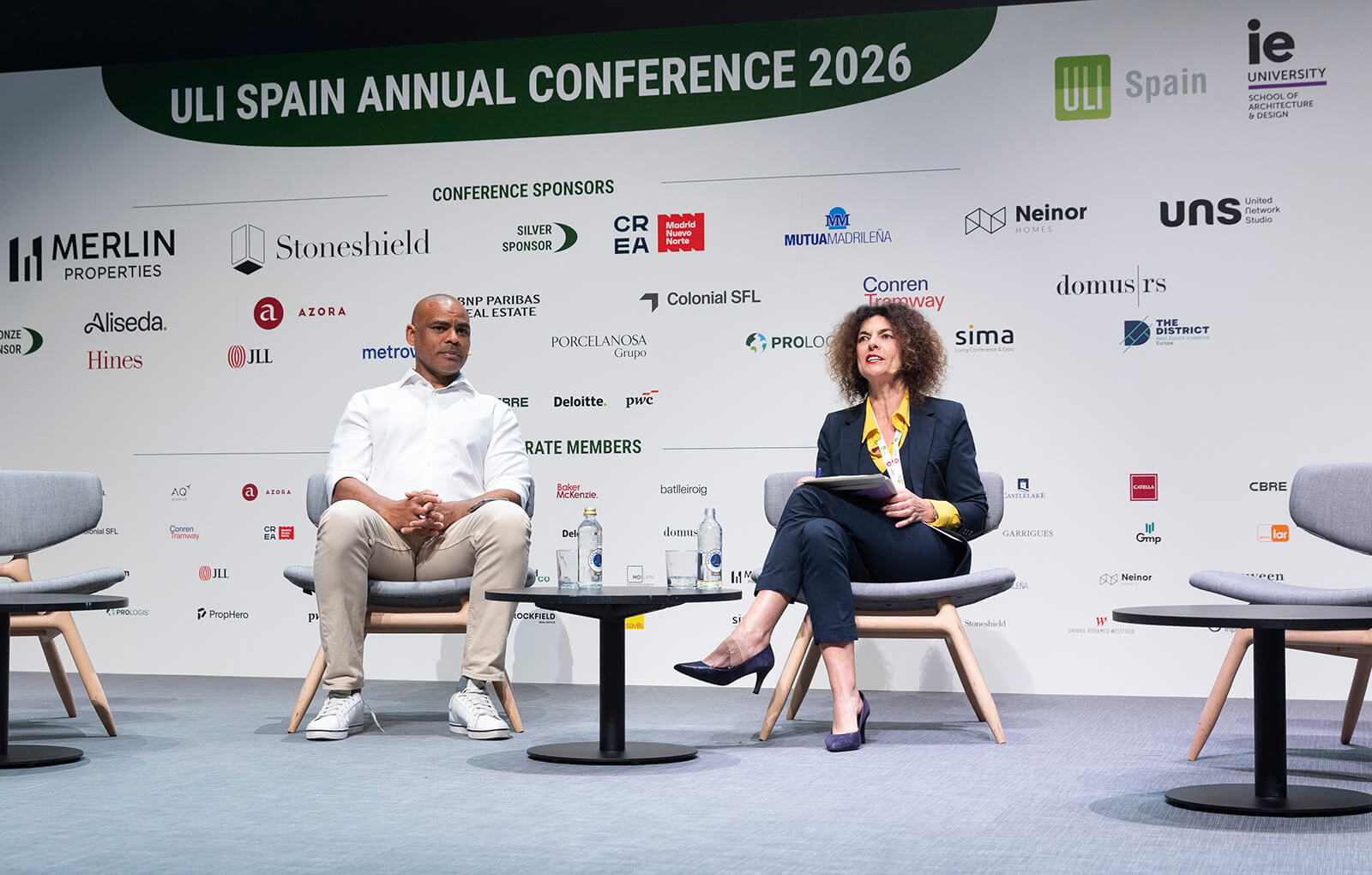
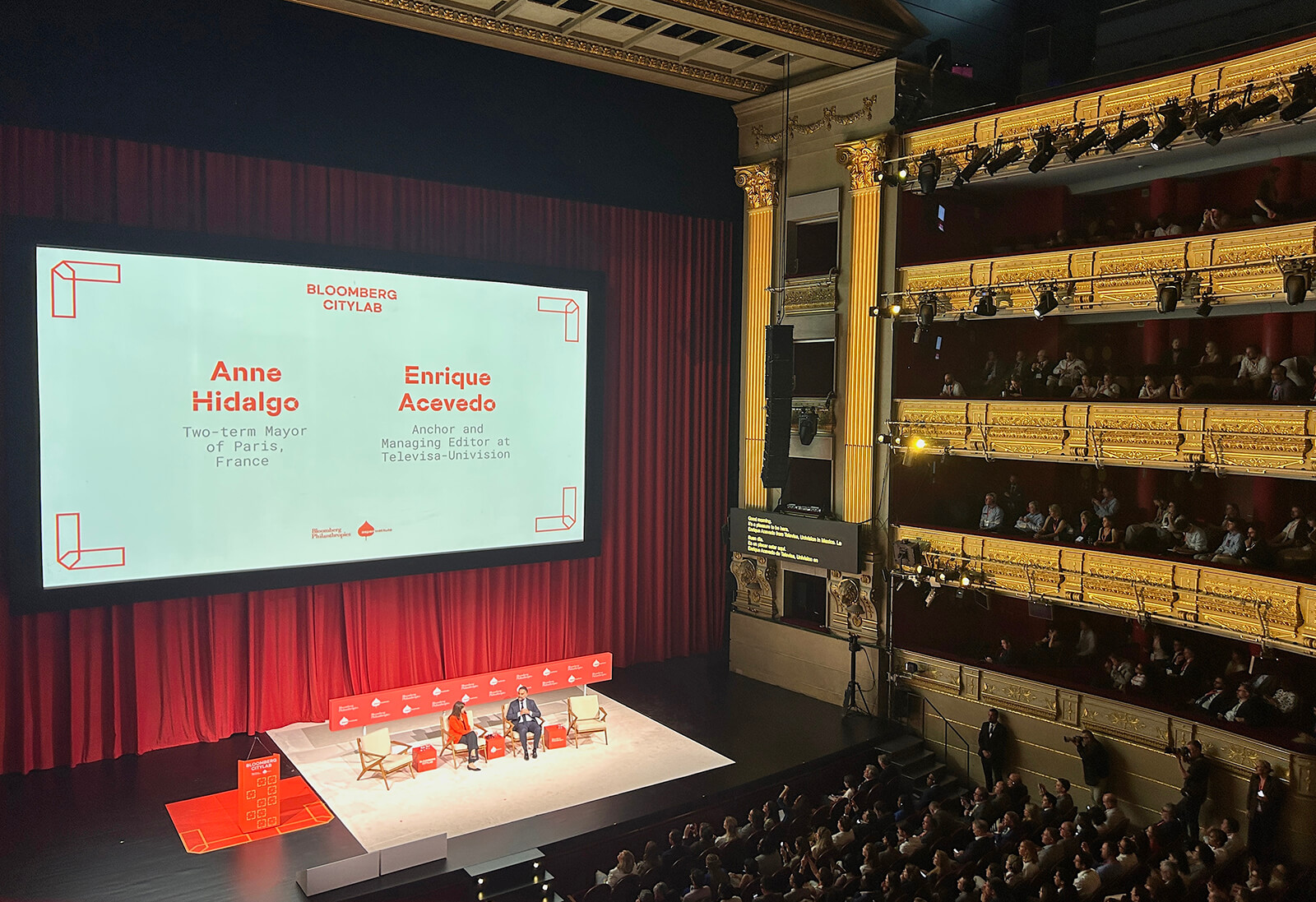
A recent conversation with Marvin Rees, former Mayor of Bristol, at the Urban Land Institute Spain Annual Conference sharpened this perspective for me. Rees’ emphasis on moving from ‘me’ to ‘we’ offers an important lesson in urban governance—cities are governed not by command, but by coordination. Business leaders, public institutions, universities, civil society and communities all share responsibility for shaping urban futures. This matters because decarbonisation, housing delivery and education are not single-department problems. They are systemic problems.
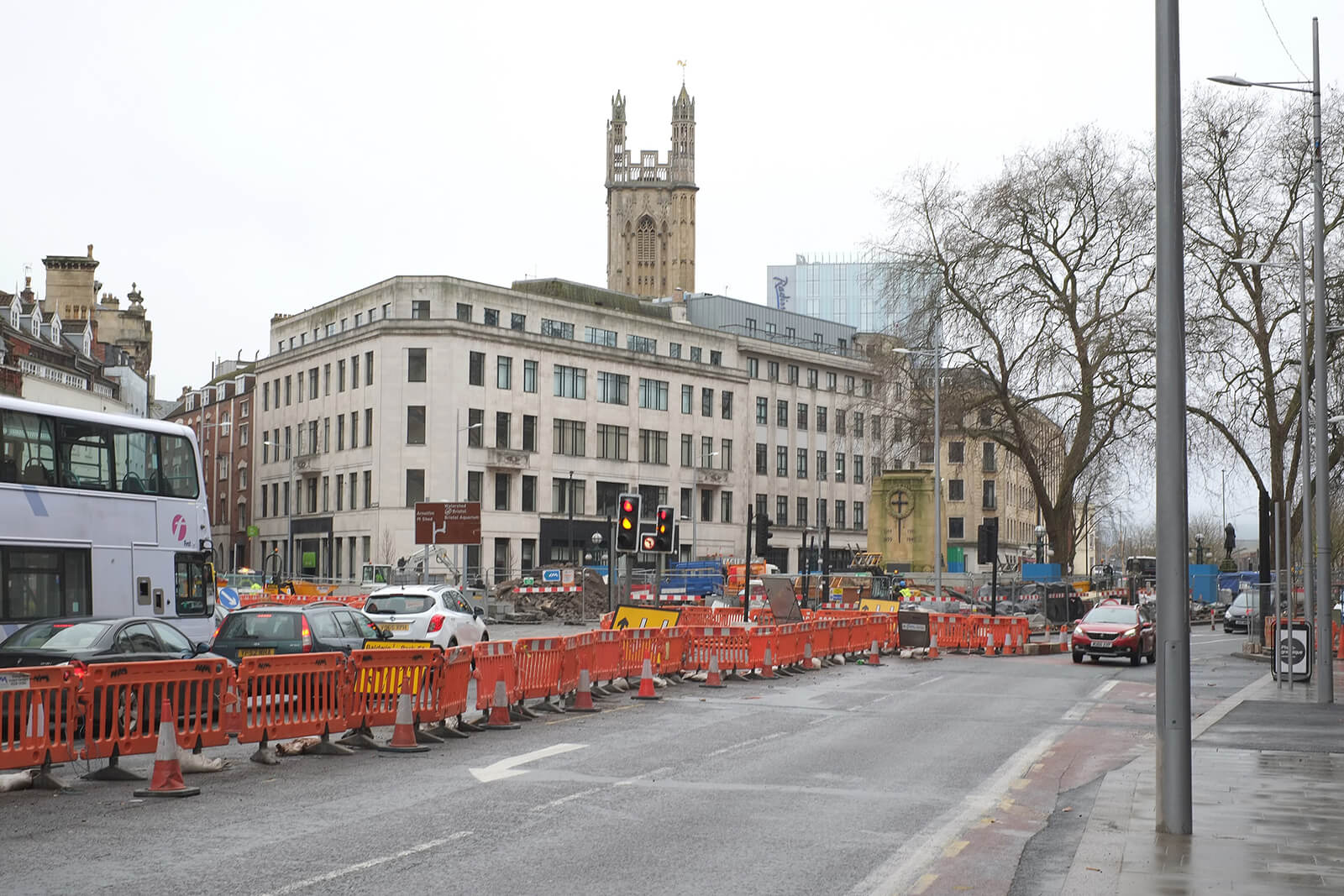
Bristol offers one useful example. Through its One City Approach, the city attempted to coordinate long-term priorities across housing, transport, climate and economic development, recognising that urban livability depends on integrated governance rather than isolated interventions. Yet, Bristol also reflects tensions familiar to many cities: inequality, housing stress, ecological pressure and regeneration models that can produce both opportunity and exclusion. Bristol, however, is not unique in this. Across different urban systems, cities are confronting similar structural pressures through different institutional models that point to a larger urban transition.
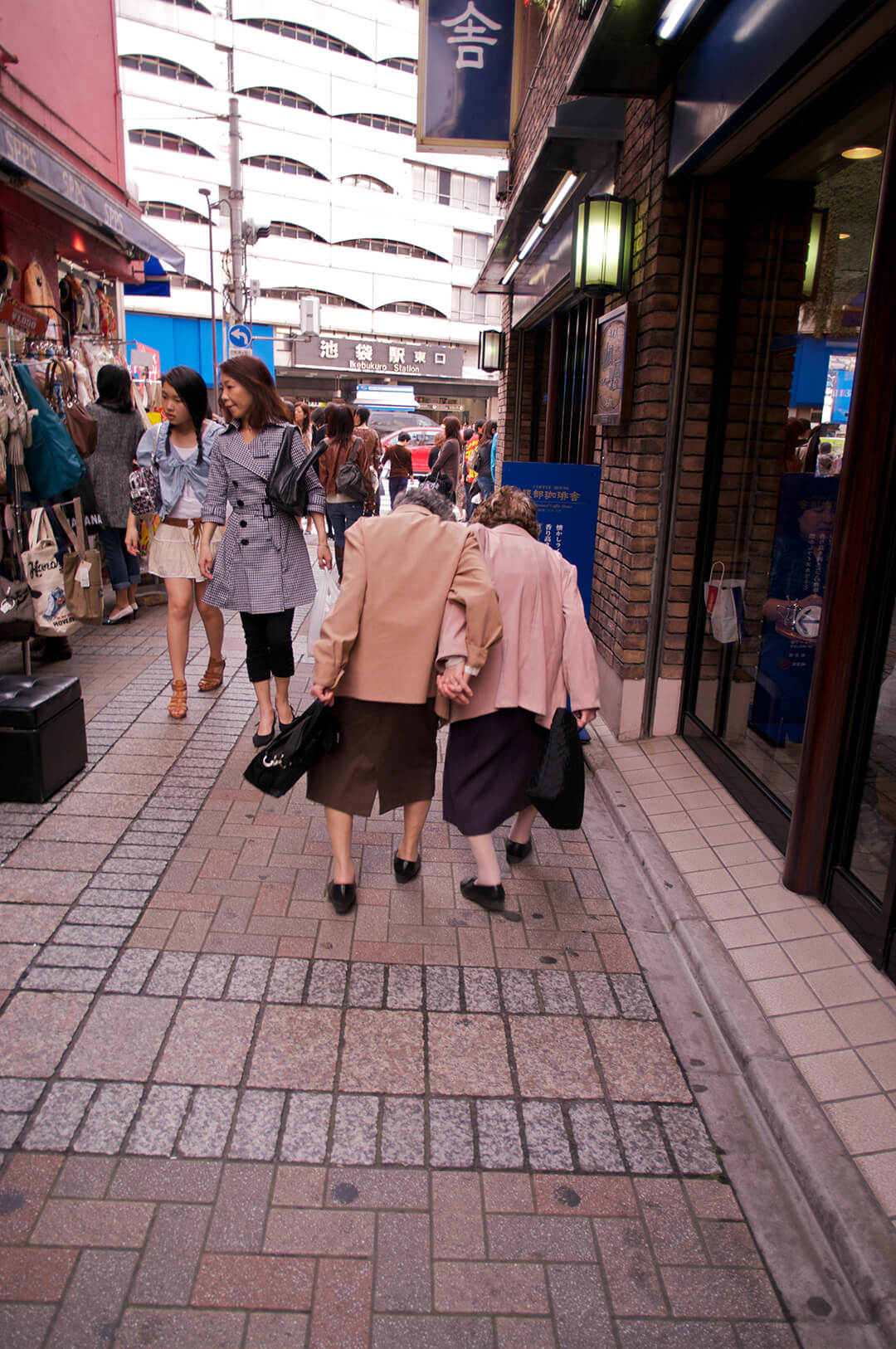
Historically, the industrial city was built around a very specific script: education in youth, productivity in adulthood and withdrawal in old age. Work was treated as the ‘middle’ of life, learning as the ‘start’ and care as the ‘end’. Housing typologies, transport networks and even public space assumed a linear sequence—a generational rhythm of replacement. But that organising principle no longer holds. Life expectancy has expanded dramatically; professional lives now involve multiple reinventions; work is increasingly knowledge-intensive and collaborative; and learning is no longer confined to early life or to classrooms. Retirement, too, is less a boundary than a long, porous transition.
A concrete consequence follows: the logic of generational replacement—one cohort exits as another enters—stops working as a way to organise city living. Generations do not replace one another; they overlap in time and space. Conflict cannot be ‘solved’ by waiting for an ‘after’ generation, a future one, to take over. Sustainability now depends on transmission rather than substitution: on building urban conditions where experience and innovation, memory and emerging sensibilities, can coexist without cancelling each other out.
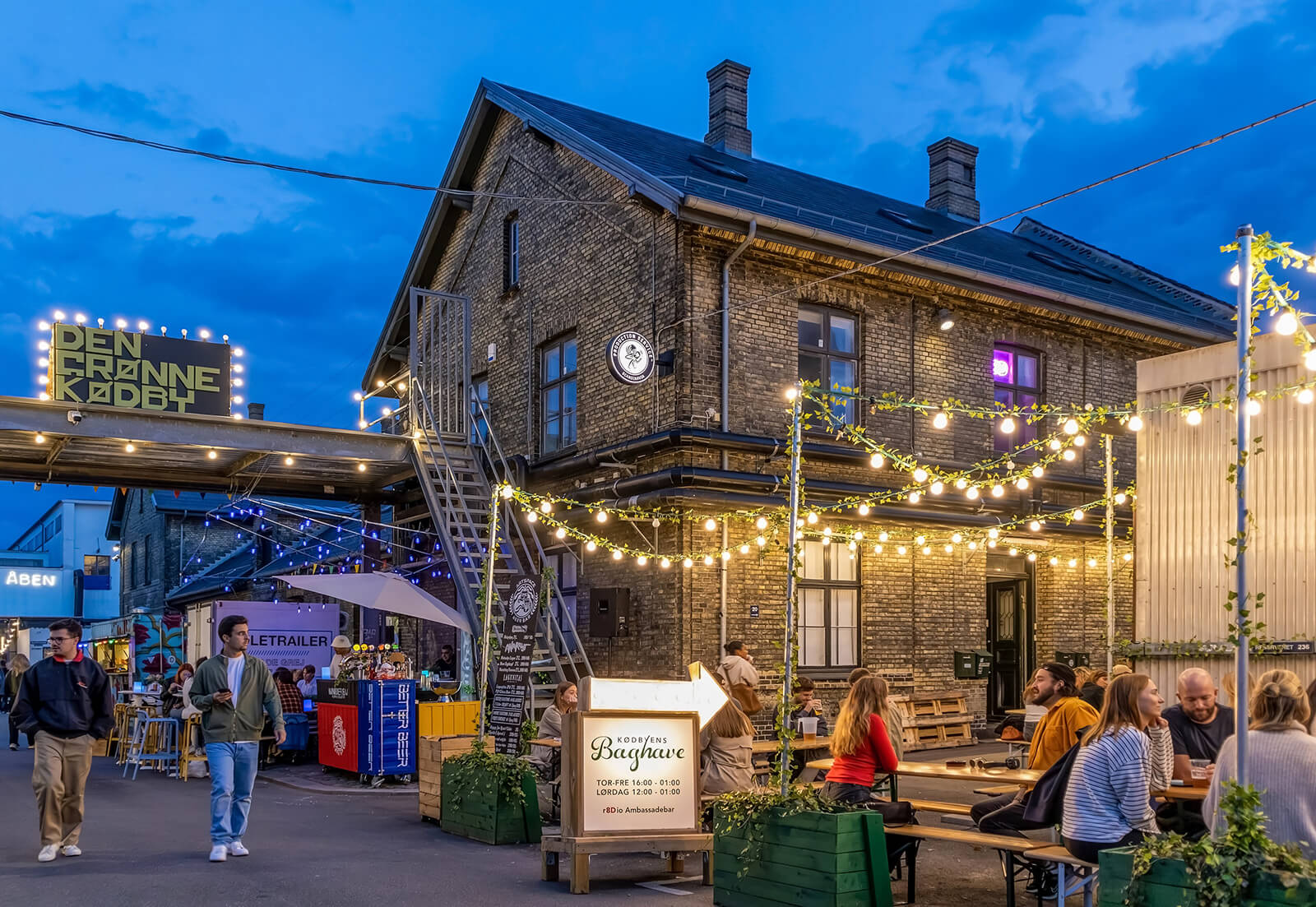
Across very different contexts, cities as different as Paris, Copenhagen, Madrid, Singapore and Seoul are already moving—often unevenly—away from the familiar sequence of education in youth, work in adulthood and withdrawal in later life.
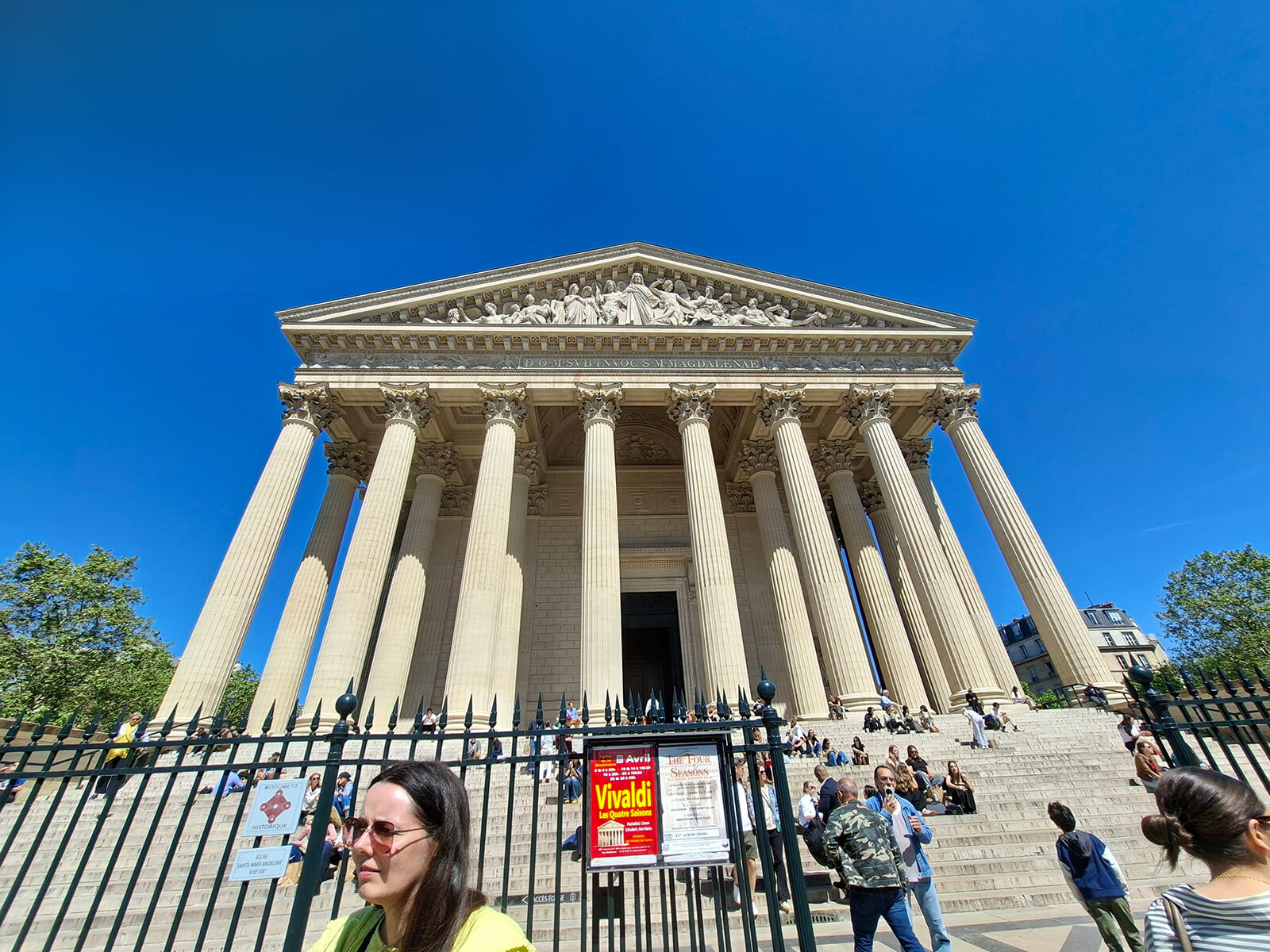
Paris has done so most visibly through housing: intergenerational cohabitation and mixed-age residential models allow students, active professionals and older residents to share domestic and neighbourhood space, challenging the assumption that learning, productivity and care belong to separate phases of urban life. Here, housing becomes a device for temporal coexistence rather than generational succession.
Copenhagen’s shift is embedded less in formal life-stage policy than in the design of public space. Streets, parks and climate-adapted infrastructure are conceived for continuous participation across ages, abilities and rhythms, privileging everyday presence over peak productivity.
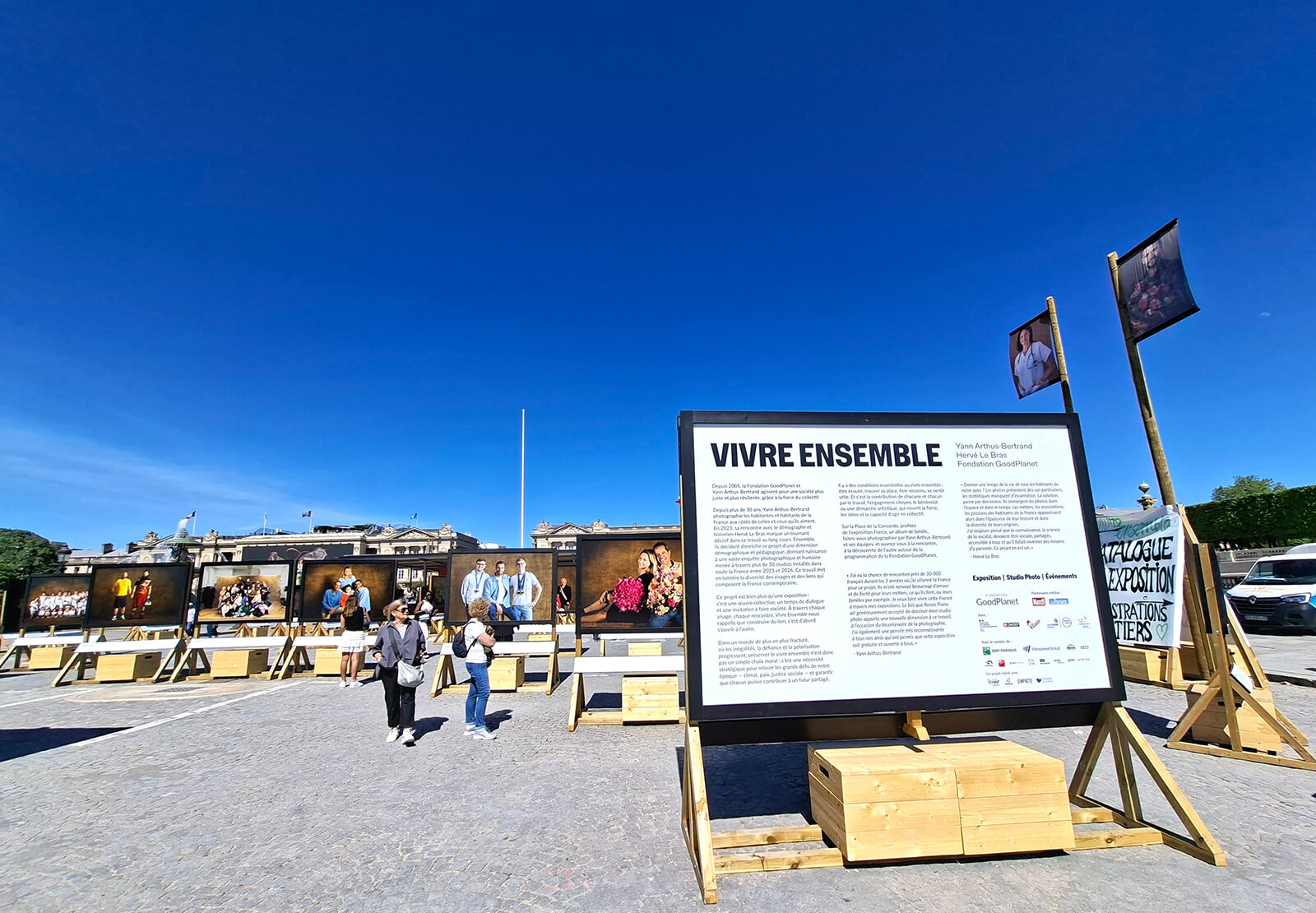
Madrid, by contrast, has been pushed into this transition through climate stress and demographic reality: extreme heat and housing precarity expose the limits of assuming withdrawal in later life, making visible the need for urban environments that support overlapping generations staying active, present and connected.
Singapore and Seoul demonstrate the most explicit institutional break: education is treated as a lifelong urban capacity, and ageing as a ‘second act’ rather than an endpoint.
Lifelong learning systems, post-retirement work and mentoring, and housing designed for ageing in place reframe the city as a continuous learning-and-working ecosystem. What these cases make visible is clear: generations no longer replace one another in sequence; they coexist structurally. The task of the city is no longer to manage transitions between stages, but to sustain the conditions under which multiple life trajectories can overlap productively over time. This is where urban well-being becomes less a question of growth and more a question of custodianship. Custodianship, in this sense, is the operational form of urban care. The challenge for cities is no longer simply to maximise productivity or accelerate delivery; it is to maintain the conditions for good urban decisions over time.
That custodianship depends on at least four capacities. Attention: the ability to notice what is happening at street level. Judgment: the ability to weigh trade-offs without hiding behind ‘neutral’ technical outputs. Memory: institutional continuity that survives election cycles, staff turnover and the constant reinvention of policy language. Responsibility: clear accountability for outcomes, especially for those who bear the costs of experimentation or exclusion. When these capacities erode, urban well-being becomes fragile; when they are strengthened, cities can absorb shocks without normalising harm.
This shift also transforms the meaning of education itself: from a bounded institutional stage into a continuous urban capacity. A second consequence follows: if education and work are no longer separate life stages but a continuous loop, then cities become learning-and-working ecosystems, not simply backdrops for economic activity.
Part of this transformation happens through what I have described as third spaces—libraries, cultural centres, maker spaces, community hubs, campuses and everyday ‘in-between’ places—where informal learning and intergenerational encounters can happen without gatekeeping. Alongside them are what I call fourth spaces: more hybrid, networked environments that connect institutions with practice: living labs, civic innovation programmes, cross-sector studios and partnership platforms where universities, city teams, employers and communities co-produce solutions and build capacity over time.
This is where intergenerational coexistence becomes productive rather than competitive: experience can be shared without blocking entry, and innovation can be adopted without erasing institutional memory. The quality of a city’s learning ecologies—formal and informal—becomes one of the strongest predictors of its long-term resilience.
When leaders and institutions listen across disciplines and lived experience, they strengthen the capacities that make custodianship possible: attention, judgment, memory and responsibility. In a time of prolonged coexistence, the question “How good is your city?” can no longer be answered only through GDP, skylines or speed of delivery. It must be answered through a more difficult question: Can the city care?
The views and opinions expressed here are those of the author(s) and do not necessarily reflect the official position of STIR or its editors.

by Pranjal Maheshwari Oct 24, 2026
A consortium of Copenhagen’s 3XN, Toronto’s B+H Architects and Shenzhen’s Zhubo Design has designed the museum to mimic the surrounding riverscape, topped with a public park.
by Pranjal Maheshwari Oct 19, 2026
The Mumbai-based architects integrate courtyards, mesh screens and north light trusses to create a dining space that doubles up as a community hub at SR University, Warangal.
by Mrinmayee Bhoot Oct 17, 2026
The Rotterdam-based institute centres the Indian Ocean as a network for exploring material histories and transnational links shaping coastal cultures, positing them as future models.
by Pranjal Maheshwari Oct 16, 2026
At the 2026 Stirling Prize ceremony, Mary Duggan with RUFF Architects, MAKER Architecten and Nakshabid Architects were felicitated for proffering quality housing and social equity.

make your fridays matter with a well-read weekend
Enter your details to sign in
Don’t have an account?
Sign upOr you can sign in with
a single account for all
STIR platforms
All your bookmarks will be available across all your devices.
Stay STIRred
Already have an account?
Sign inOr you can sign up with
Verification link sent to check your inbox or spam folder to complete sign up process
Tap on things that interests you.
Select the Conversation Category you would like to watch
Please enter your details and click submit.
Enter the 6-digit code sent at


How good is your city, and can it care?
by Cristina Mateo | Published on : Jun 26, 2026


 Sign in with Google
 Sign in with email
What do you think?