Art10 mins. read
Unearthing India’s buried legacy of visual storytelling
by Srishti OjhaAug 14, 2026



by Vandana KalraPublished on : Sep 10, 2026
An exhibition of contemporary Indian art at the State Hermitage Museum in St Petersburg might have come at a time when it is difficult to ignore the political position of Russia, but without separating the art from the politics. The exhibition perhaps also demands attention in the context of the long history of cultural exchange between the two countries, including the many engagements during the Soviet era, when Russian ballet, travelling circuses and illustrated children's stories were very much part of everyday life in India from the 1950s through the 1980s. This background, perhaps, gives Sediments of Becoming: Fossilised Present, Summoned Pasts a particular resonance.
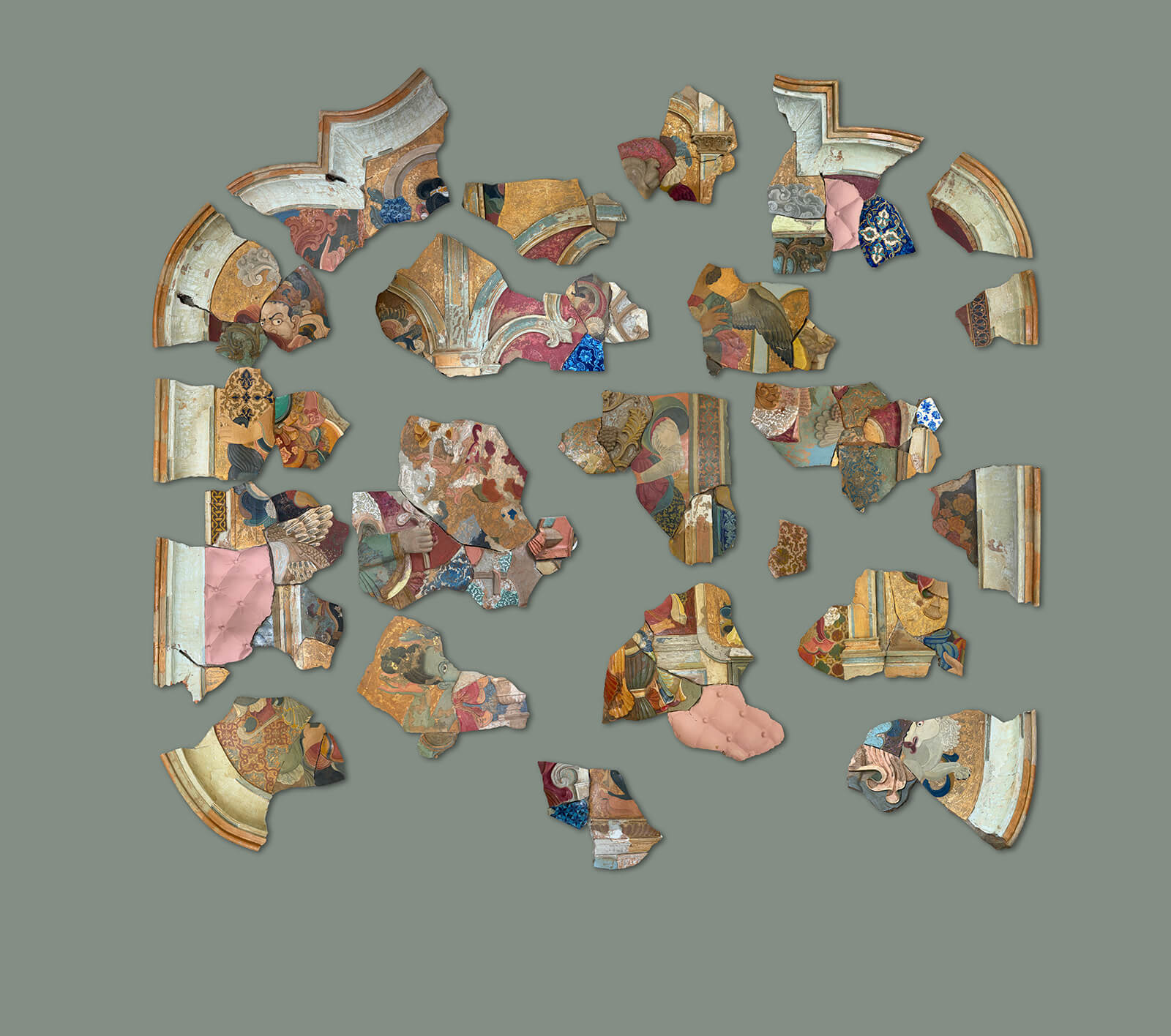
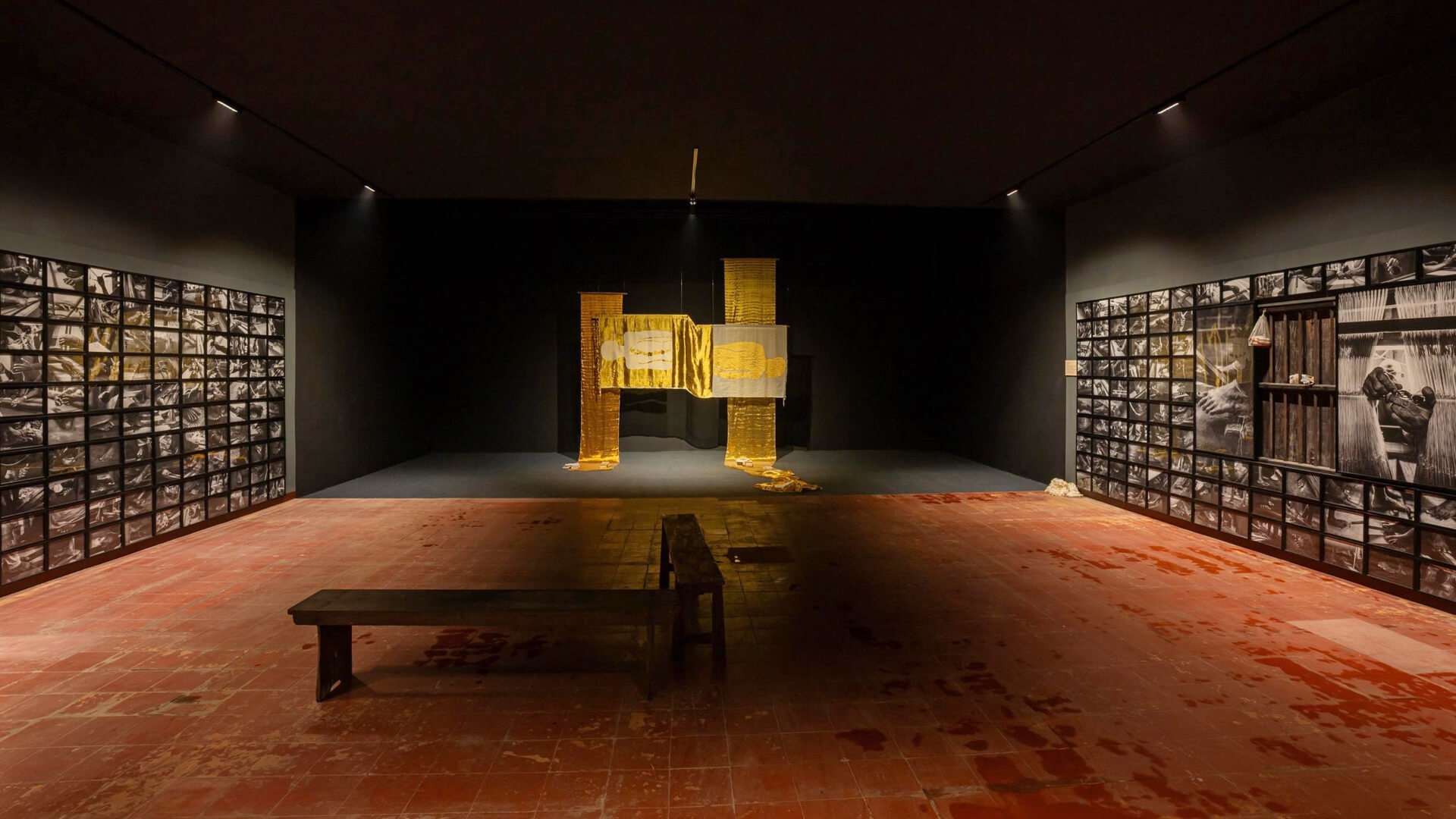
Curated by Marina Schulz, head of the museum's Contemporary Art department, and Tunty Chauhan, director of Delhi-based Gallery Threshold, the exhibition brings together works by 11 artists—Afrah Shafiq, Anindita Bhattacharya, Debashish Mukherjee, Gargi Raina, Lakshmi Madhavan, Manjunath Kamath, Maya Krishna Rao, Pushpamala N, Ravinder Reddy, Sumakshi Singh and V Ramesh. It is also the first time in the Hermitage's 260-year history that Indian contemporary art has been juxtaposed with the museum's collection, which includes historical objects, manuscripts, frescoes and decorative works. By doing so, the exhibition not only proposes that contemporary Indian art can enter into a conversation with one of the world's great repositories of art history but also ascertains that an international exhibition of Indian art does not necessarily need to explain or represent India. Rather than presenting India through a historical lens alone, Sediments of Becoming foregrounds contemporary Indian artists as narrators of histories, addressing diverse themes, from migration and labour to caste, gender and nationhood, architecture, urbanisation and culture. The title itself reflects this desire, with the word ‘sediment’ reflective of the several layers that accumulate over time.
Speaking to STIR, Chauhan stated, “There is something about this particular juncture, when the world is fractured, when questions of whose culture matters and who gets to tell their own story have never felt more urgent, that makes an exhibition of this kind not just timely but necessary. Civilisations are diminished only when they stop speaking in their own voice, and I didn't want the complexity of this moment to be the reason an entire generation of Indian artists went unheard in one of the world's most significant cultural institutions. There are moments when a single artistic gesture carries more truth than any assertion of power, and art arrives not as a response to the fractures of the present but as a reminder of what endures beneath them. That said, the geopolitical context is real, and I don't think this decision was made lightly. I made a conscious decision not to let the weight of the present political moment become the subject of the exhibition itself. What I keep returning to is that art has always found its most necessary expression against difficult backdrops. That isn't a comfortable thing to say, but I believe it's true.”
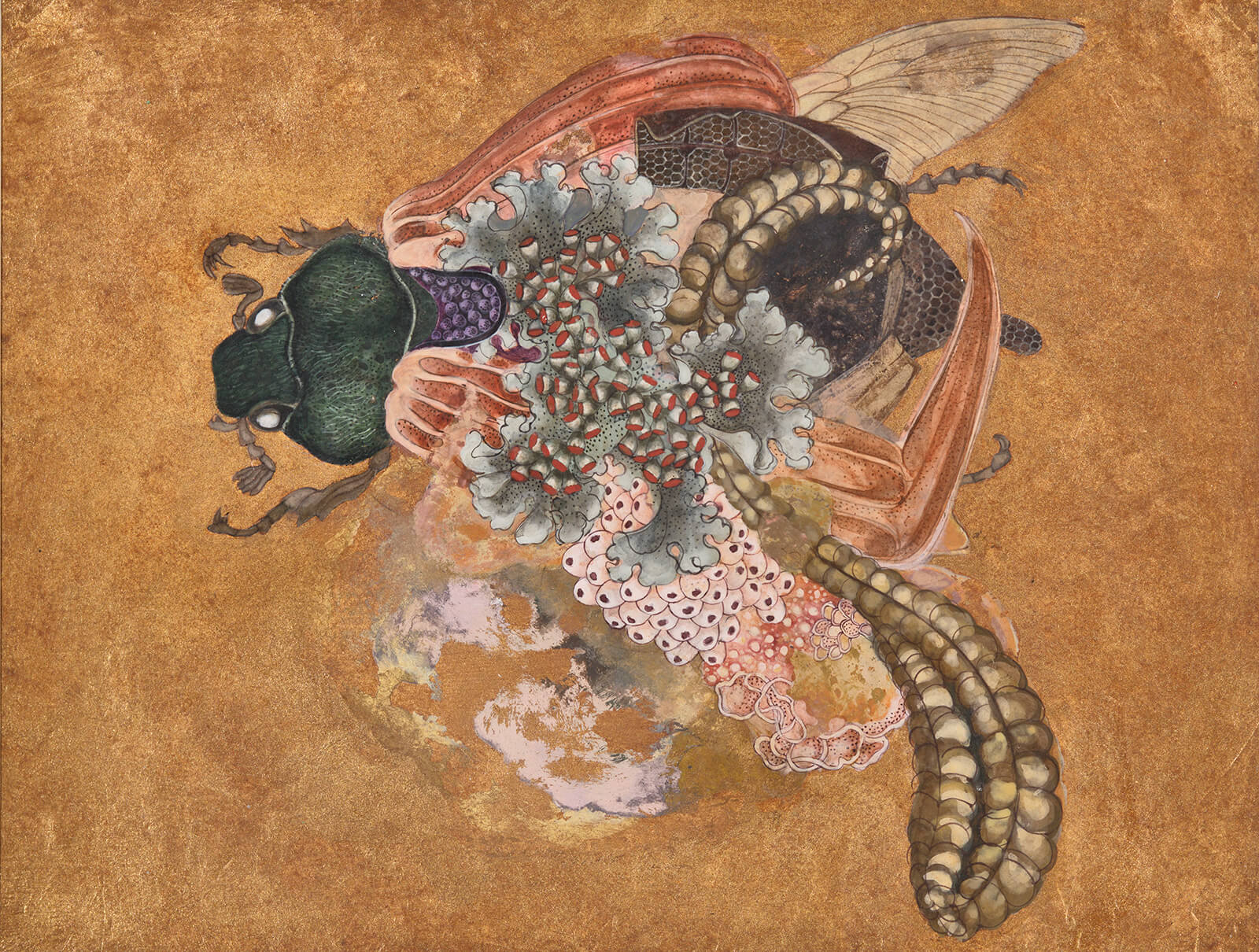
For Bhattacharya, for instance, this excavation begins with fragments. Her set of 12 works, Blooming of Broken Wings, with natural pigments and gouache on wasli paper, considers memory through erosion, concealment and partial recovery. Describing her approach as a form of ‘cultural archaeology’, she writes in the exhibition catalogue: “I am interested in what resists preservation: stains, corrodes, seeps or withdraws.”
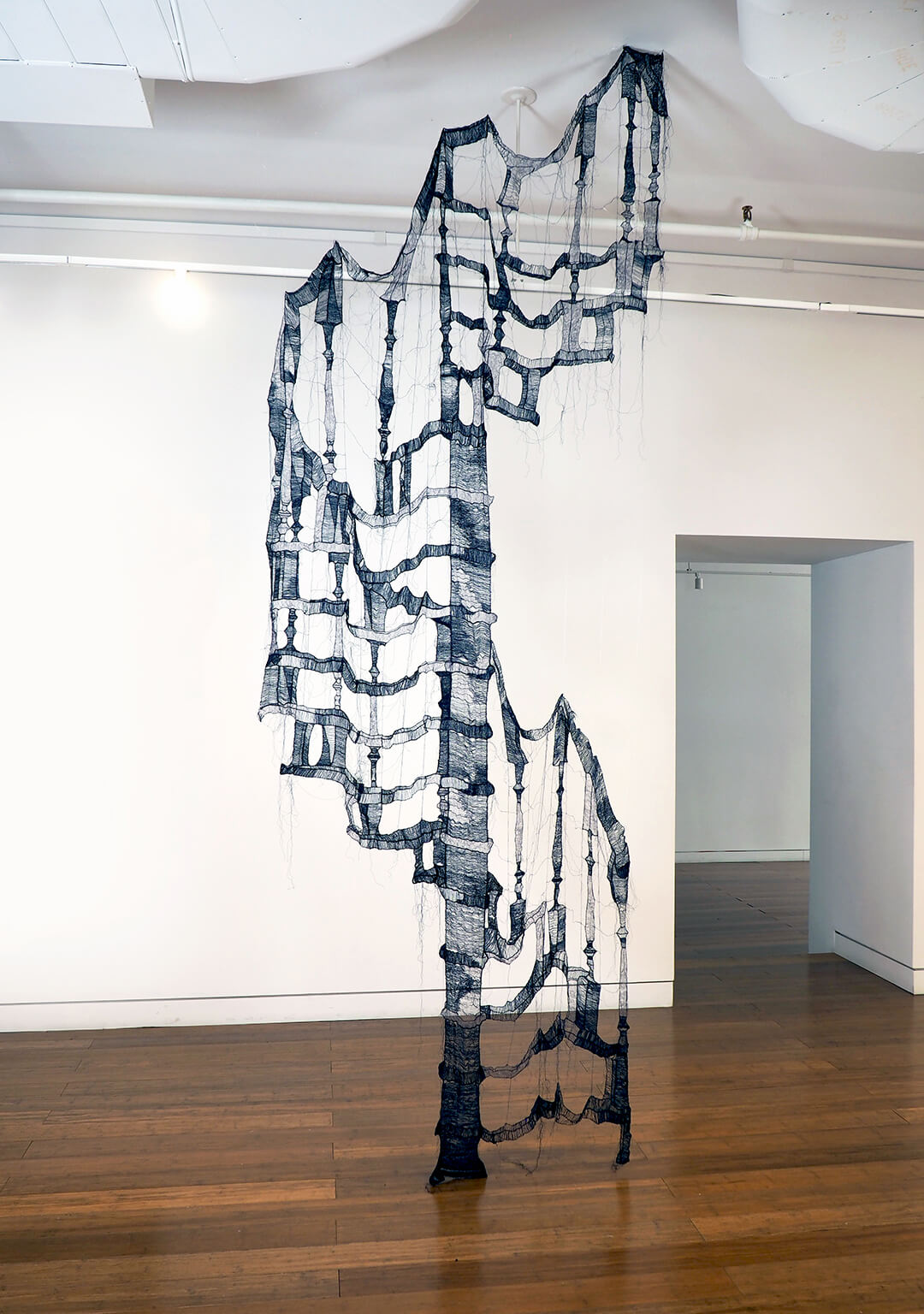
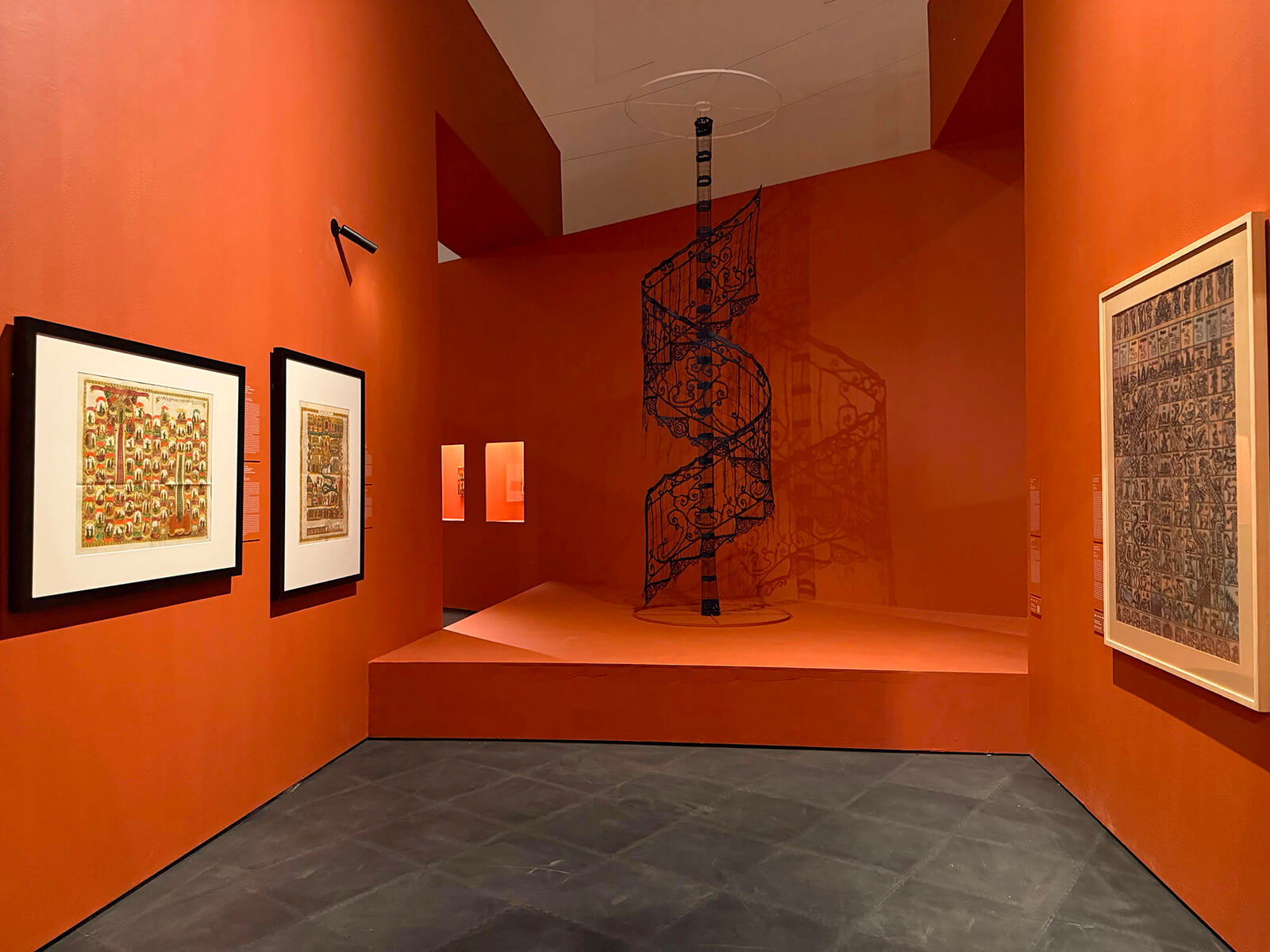
Singh's installation, meanwhile, turns memory into architecture. Also showing at the India Pavilion at the ongoing Venice Biennale, in Russia, her lace work titled Ascent is a suspended indigo-blue spiral staircase. In the accompanying text, she describes the work as emerging from an earlier body of work rooted in the idea of home as “both anchor and illusion”, further recalling how her family home, inhabited by five generations, was eventually demolished and though it ceases to physically exist, its imprint still endures.
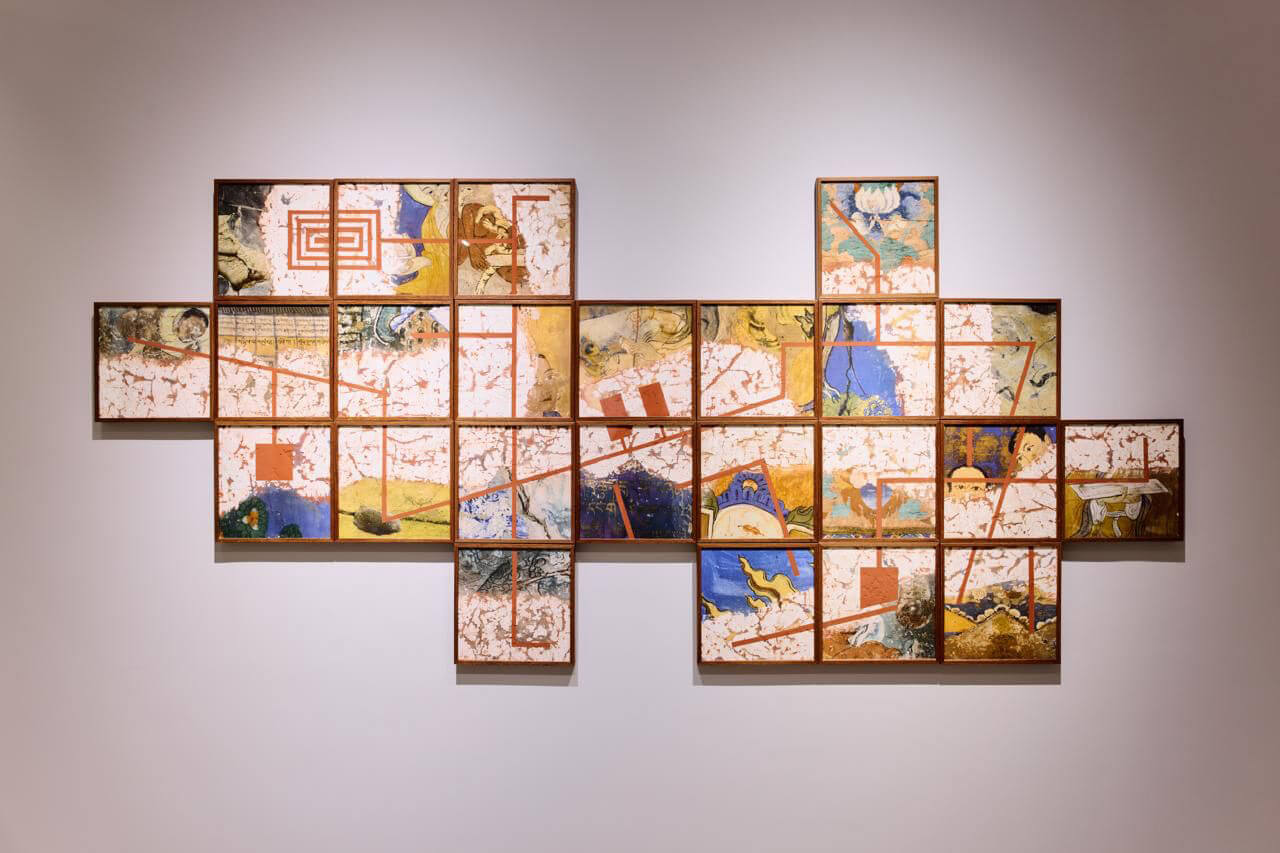
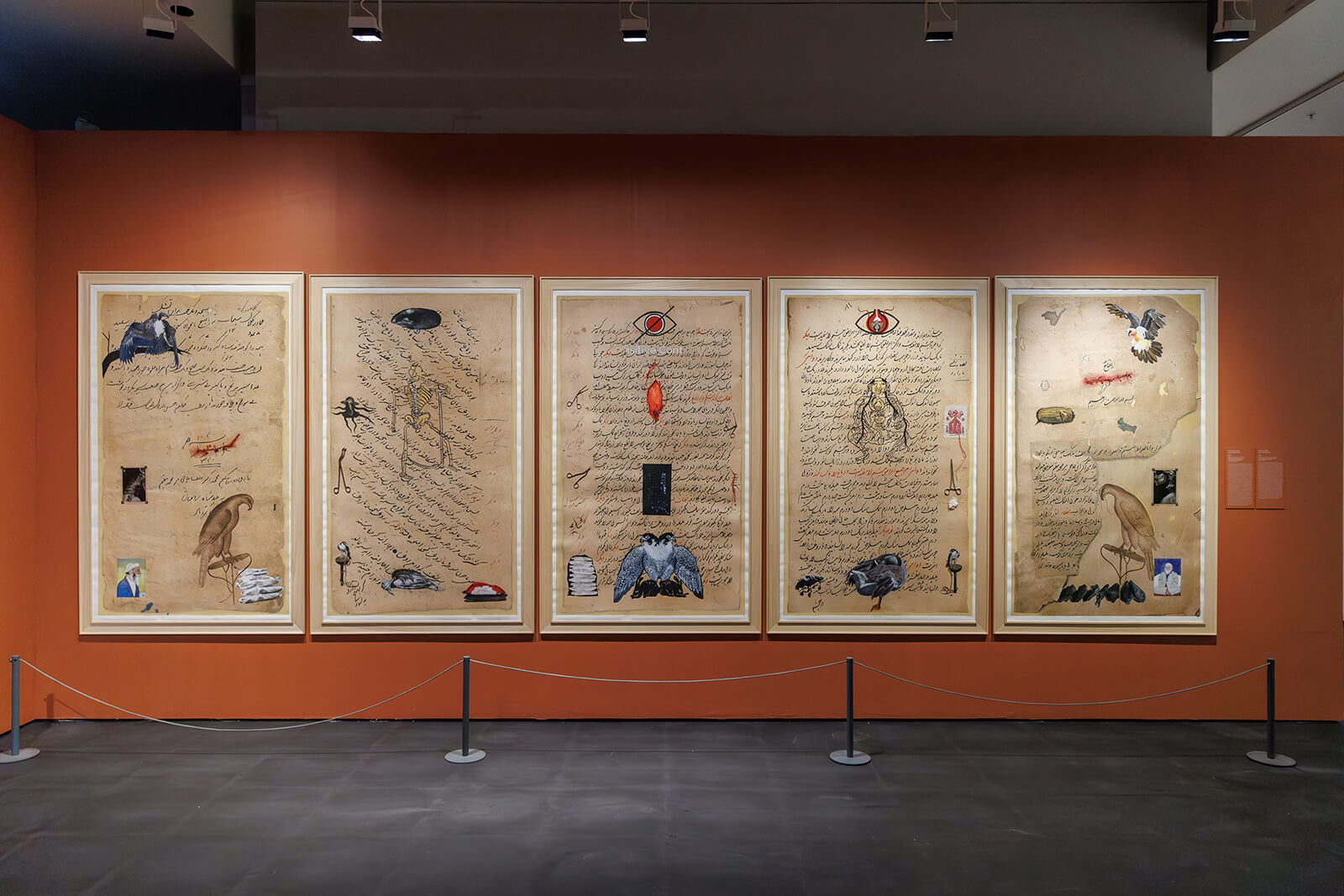
Bihar-born, Delhi-based artist Mukherjee turns his gaze towards India's rapidly changing cities. His constellation of 24 linen works titled The Culture Flux reflects on the transformation of heritage cities facing the pressures of urbanisation, exploring the intersection between tradition and modernity. Raina, on the other hand, turns to the history of the nation as well as her own personal history, with the central image in her paper work based on accounts from her grandfather's diary entries in Persian. She recalls how her family moved to Old Delhi from Kashmir in 1757, and how merchants from the Sunday Bazaar in Kashgar travelled along the Silk Route all the way to Delhi. Shown in St Petersburg, a city whose cultural history has been shaped by exchanges across geographies, the work acquires an added significance as it also comes to represent how histories are informed by multiple factors, including movement of people, objects and ideas.
I made a conscious decision not to let the weight of the present political moment become the subject of the exhibition itself. What I keep returning to is that art has always found its most necessary expression against difficult backdrops. – Tunty Chauhan, director, Gallery Threshold
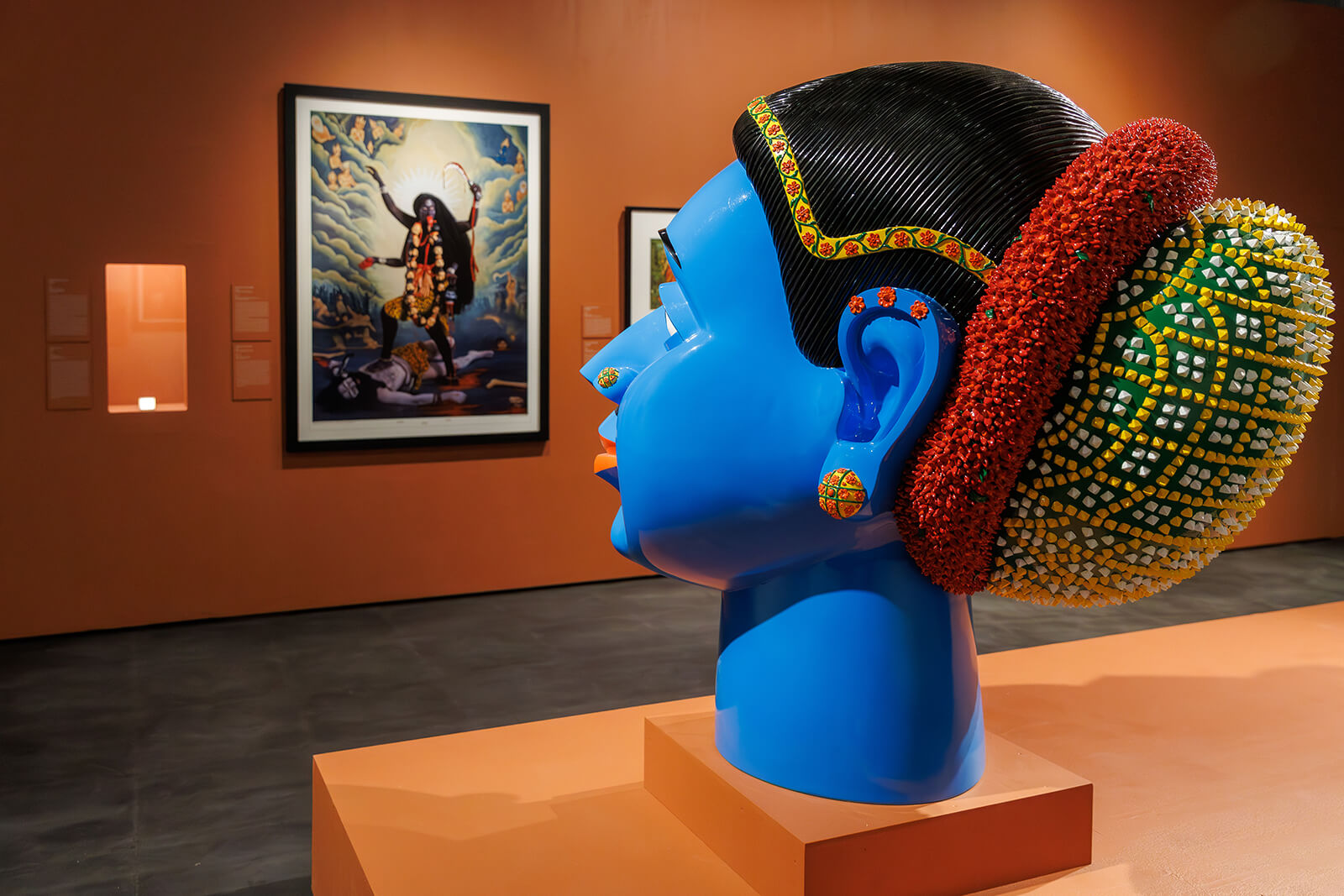
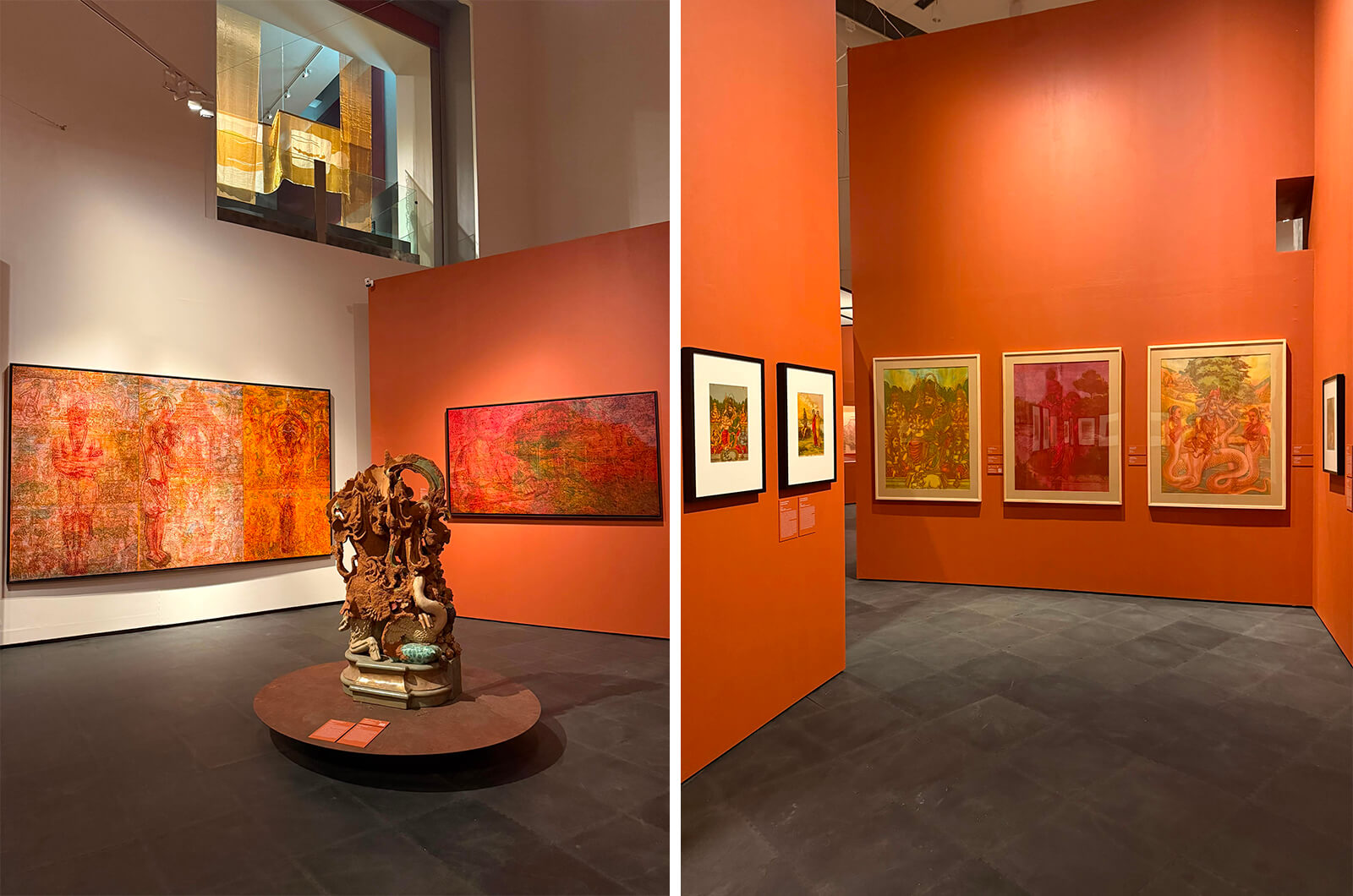
The personal and the political also meet in several other works in the exhibition, including Pushpamala N's Motherland, where she poses as a mother-goddess with an Indian flag and trishul. Her work interrogates the idea of the nation-state and how women are positioned within it.
If Kamath's Altered Sentences features coloured terracotta pieces reflecting on the fragmented past and drawing from multiple sources—from classical sculpture to folk imagery and indigenous visual traditions—Reddy's trademark head also borrows from the indigenous. In Ramesh's triptych The Saga of Nandanar, the artist pays homage to Nandanar, the celebrated 7th–8th-century Dalit saint and bonded labourer who broke social barriers.
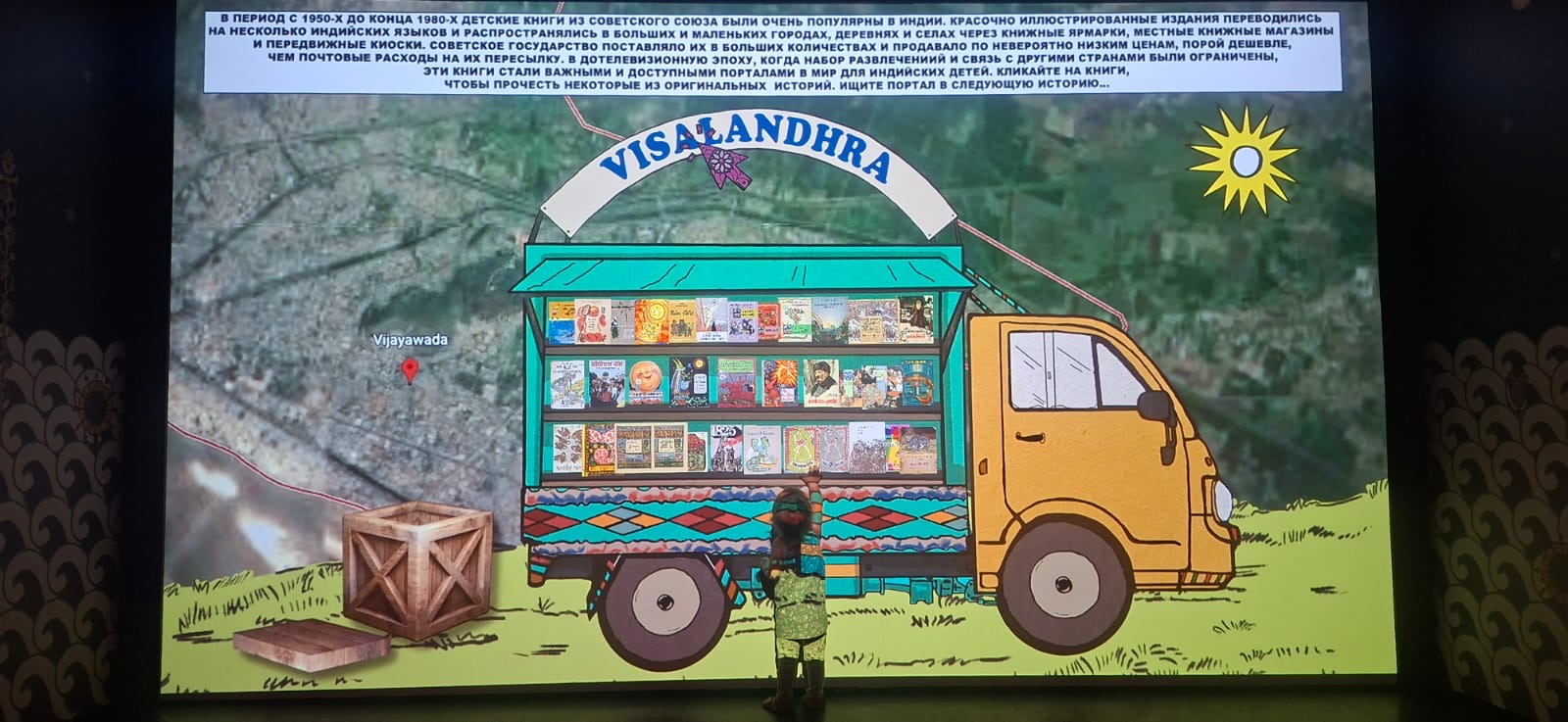
There is also a more direct engagement with the shared past between the two countries. Goa-based multimedia artist Shafiq returns to the Soviet era in her video game installation Nobody Knows For Certain, where illustrations from Soviet children's books appear on screen in fantastical scenes that carry layered narratives. The cultural context here becomes impossible to ignore as the images that once travelled from the Soviet Union to India return transformed and reimagined. And though the exchange can never perhaps be politically neutral, such exhibitions can expand the conversation beyond a specific audience.
Going back to the genesis of the exhibition, Chauhan notes, “The dialogic pairing of works with objects from the Hermitage's own collection was never meant to draw parallels or prove a point; it was conceived as an opening for resonance, a moment of cultural discovery the exhibition invites its audience to reach for themselves rather than a conclusion handed to them.”
‘Sediments of Becoming: Fossilised Present, Summoned Pasts’ is on view till October 4, 2026, at the State Hermitage Museum, St. Petersburg, Russia.
The views and opinions expressed here are those of the author(s) and do not necessarily reflect the official position of STIR or its editors.
by Mirra Lynn Oct 20, 2026
The Indian artist paints the old wadas of central Pune, capturing the traces of everyday life that cling to these structures, battered by time but unbowed.
by Anmol Ahuja Oct 15, 2026
How do heaps of souvenirs and relics with racist Aboriginal motifs and features become art? MCA Sydney’s winter showcase—the artist’s largest to date—beckons a possibility.
by Srishti Ojha Oct 14, 2026
The first Dutch publication on the Turkish artist, the eponymous book centres on Refik Anadol: Latent City, his living data sculpture of Bruges, exhibited at BRUSK gallery.
by Vandana Kalra Oct 14, 2026
With his latest exhibition as a point of departure, the modernist discusses his decades-long practice, the spontaneity of drawing and the social responsibility of artists.

make your fridays matter with a well-read weekend
Enter your details to sign in
Don’t have an account?
Sign upOr you can sign in with
a single account for all
STIR platforms
All your bookmarks will be available across all your devices.
Stay STIRred
Already have an account?
Sign inOr you can sign up with
Verification link sent to check your inbox or spam folder to complete sign up process
Tap on things that interests you.
Select the Conversation Category you would like to watch
Please enter your details and click submit.
Enter the 6-digit code sent at


When art travels across difficult political terrain, what does it carry with it?
by Vandana Kalra | Published on : Sep 10, 2026


 Sign in with Google
 Sign in with email
What do you think?