Architecture10 mins. read
Richard Rogers: Talking Buildings and the architecture of activism and presence
by Aarthi MohanSep 24, 2025



by Anmol AhujaPublished on : Oct 24, 2025
A familiar African proverb—‘it takes a village’—often alludes to collaborative and community ideals and institutional support as rather necessary drivers in the holistic development and nurturing of a child. It is an idea readily suited to architecture (and has been deployed with the same rigour) in an attempt to break away from Modernist-driven, singular authorship. It takes an army of planners, designers, builders, calculators, makers and doers (plus bureaucrats), and a constellation of methods and procedures to manifest an architecture into being. To build an icon, then, it perhaps takes a workshop, in addition to the village.
This is a lingering observation strewn across both, my visit to the Renzo Piano Building Workshop’s global studios in Paris and Genoa, and an exclusive video essay, conceived from those encounters and produced and presented by STIR. Together, they coalesce not only the firm’s many projects and the people who make them happen, but also the processes, travails, iterations and an unshakeable yet constantly evolving method. Both these pieces also document—in the pauses and gaps—the many ephemeral instances and liminal spaces that may be formative in this architecture.
An evening stroll along the plaza affronting the Centre Pompidou in Paris, its industrial barebones architecture slashed by a sharp ray of the setting sun; the almost violent lash of ocean waves against Genoa’s rugged coastline, and the gentle elevation that separates the studio from it; a fresh batch of autumn-felled leaves strewn across the Renzo Piano Foundation’s grounds; ambient discussions on a corner detail in a room in a multi-storey commercial development that routinely enliven both studios; copious amounts of drawings lining their walls and the faint sound of machinery being operated in the model workshop, conceiving precise, scaled edifices, are all observations—or lingering fragments from the memory of my visit—that activate the in-betweens in both, the architecture and the document.
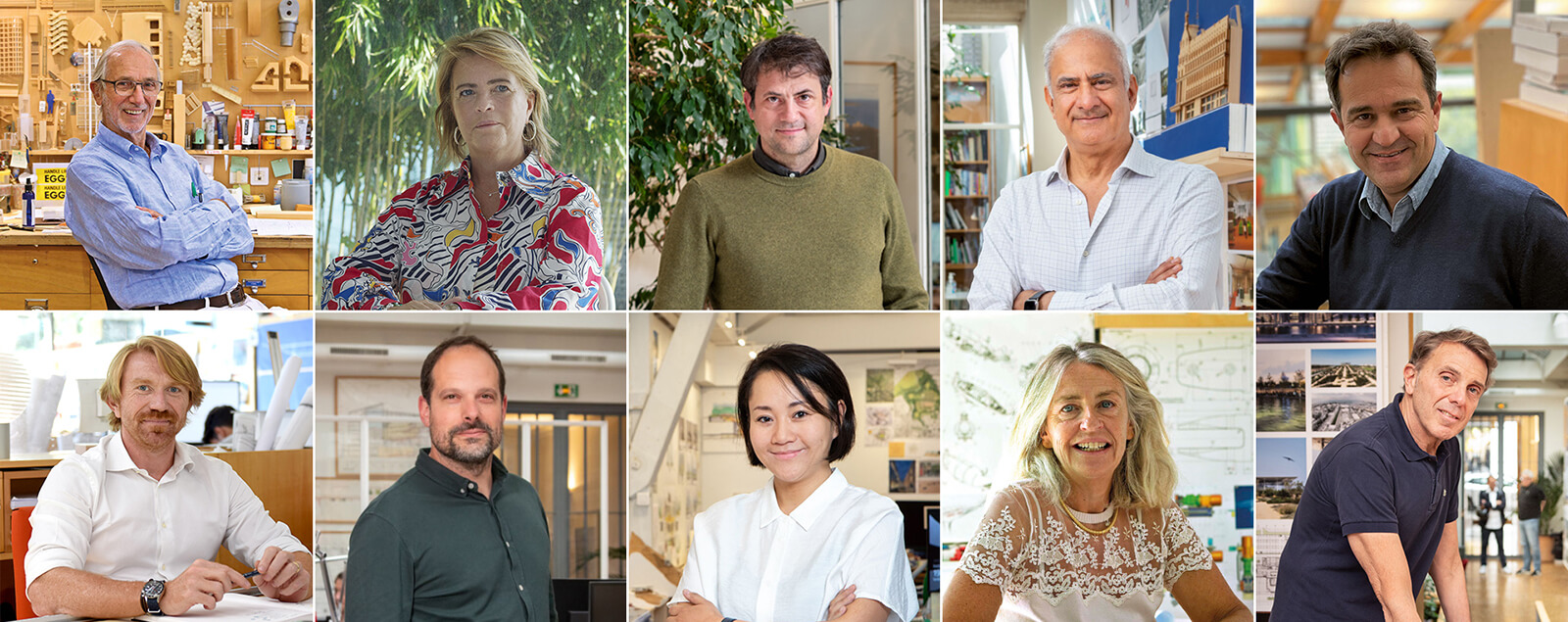
As a firm, the Renzo Piano Building Workshop—born out of Pritzker laureate and the quiet disruptor that is Renzo Piano—is often found toeing the line between legacy and the radicality that historically yielded it. In 2025, having already produced some of the most instantly recognisable landmark buildings all over the world, the firm’s identity remains a dynamic one, heralded by a diverse team of professionals and leaders who each actively shape it in the present. The video essay charts comprehensive, insightful conversations with many of the firm’s partners and directors, including Albert Giralt, Daniele Franceschin, Emanuela Baglietto, Elisabetta Trezzani, Antoine Chaaya and Luigi Priano; associates Hiroko Nakatani and Paolo Pelanda; along with fellow Giorgio Bianchi, in their element, as they reflect on their journeys so far, ongoing landmark projects with the firm and their visions for the Workshop into the future.
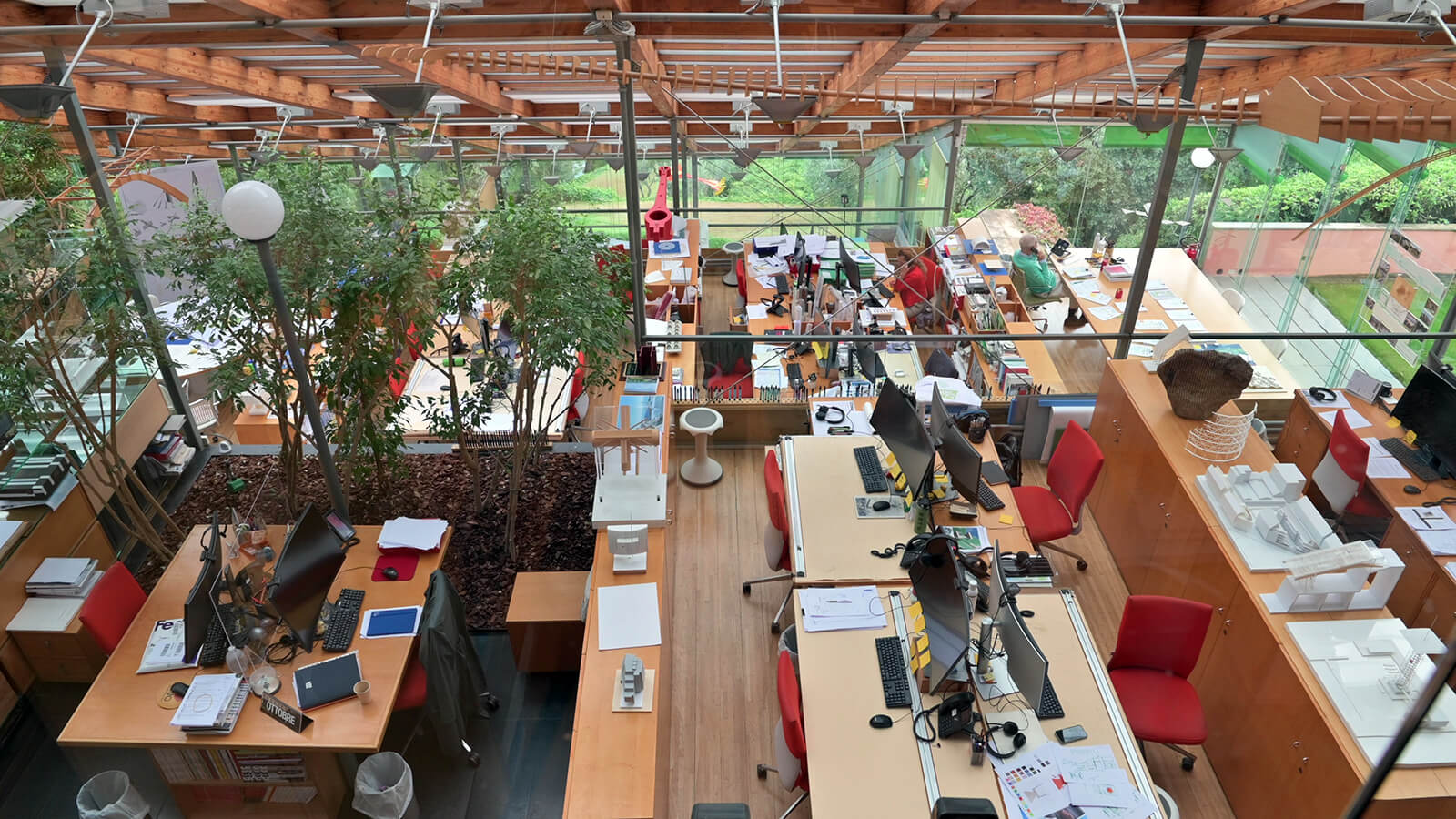
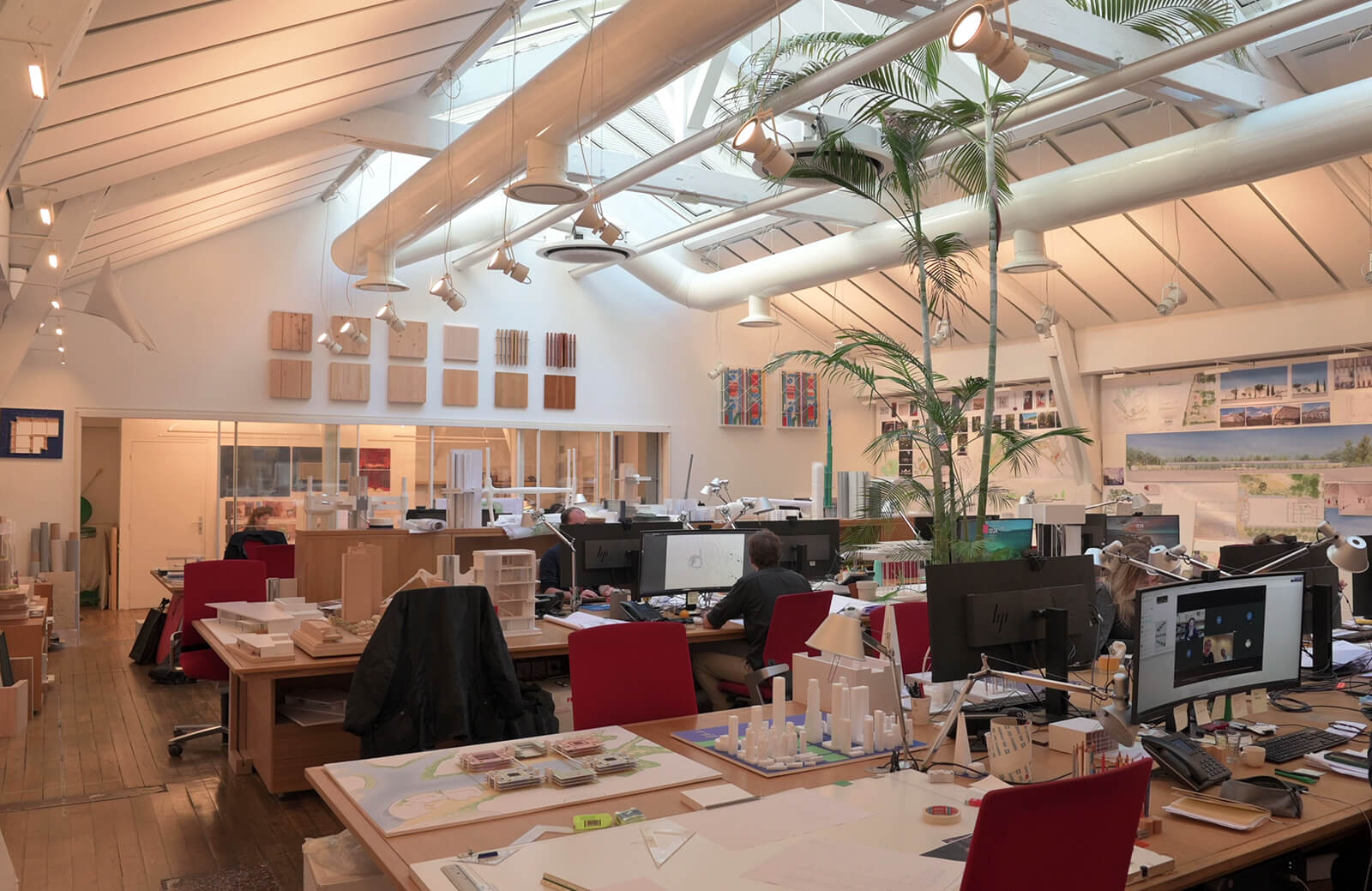
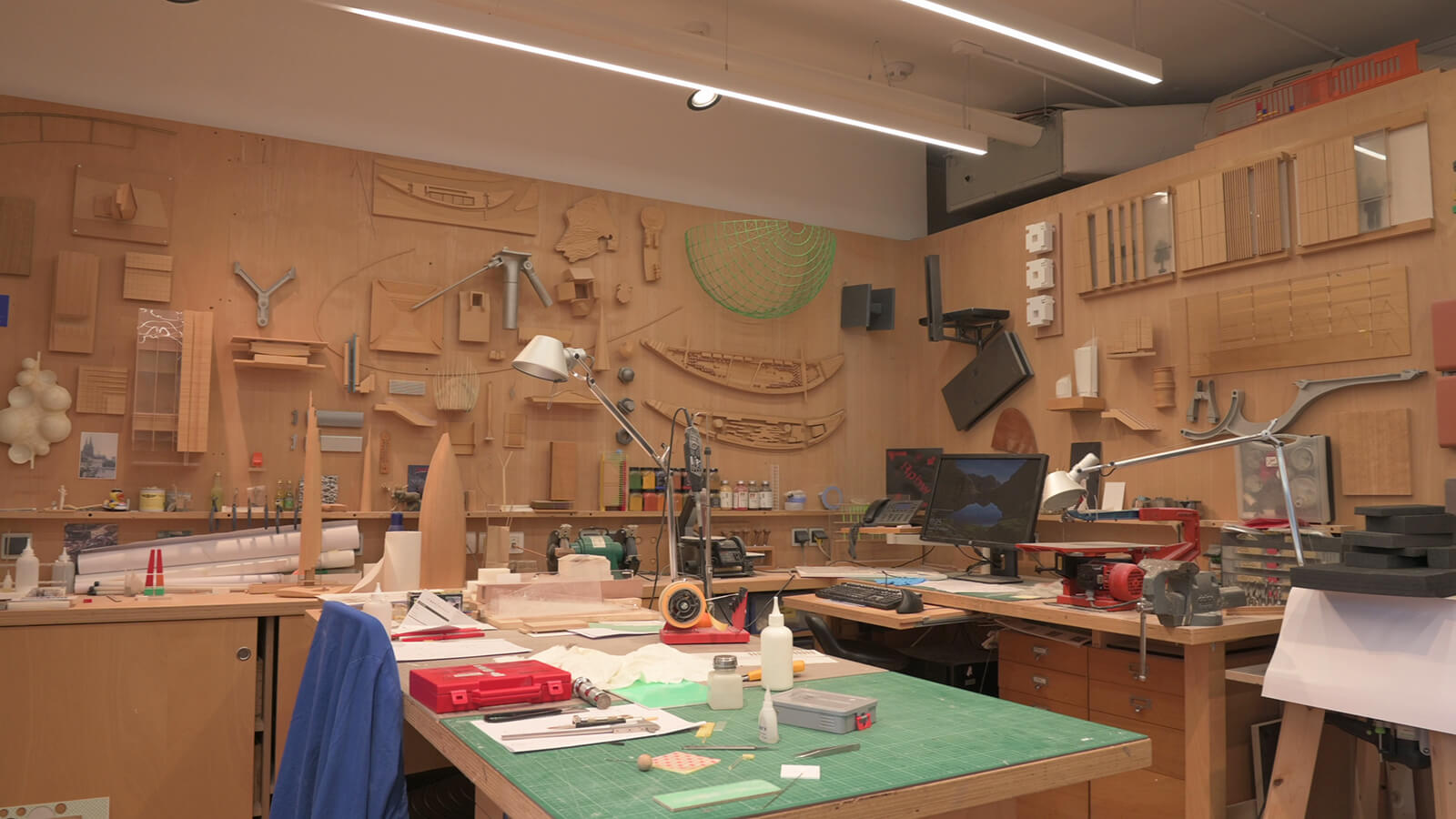
Foraying into the studios themselves—located on Rue des Archives (serendipitous indeed) in Paris, and Via Pietro Paolo Rubens in Genoa—they are perhaps not best described as a sanctum, although the sheer volume of iconic works they archive, historically and currently, would incur otherwise. It wouldn’t be an extrapolation to term the studios as living showcases and near metabolic entities; compendia of several simultaneous works in progress. The light-flooded spaces are catalogues themselves of the omnipresent ‘RPBW Method’. From a large parametric timber model hovering above the work desks, suspended from a signature nimble skylight in steel and glass, to a to-scale, faithful reproduction of a spider-glazing section from The Shard in London, imparting physicality to scale and detail, the experience of the visit was akin to being in the projection room while your favourite film plays. While it’s not quite the same as being on set (or here, on site), there is a surreality in its unfolding that is better witnessed from the perspective of projection rather than proximity.
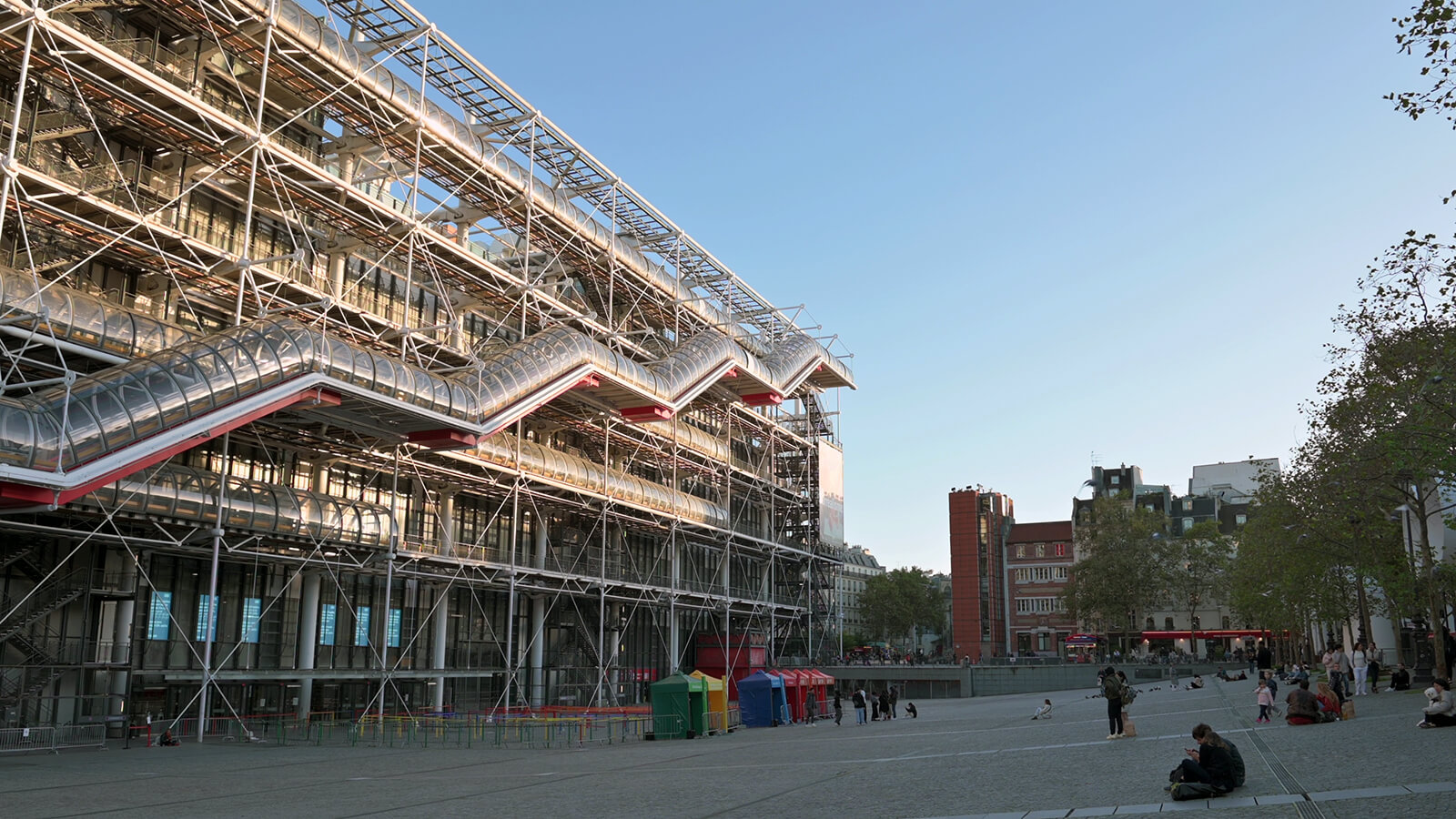
Despite the reverence and awe these spaces are bound to inspire, the best reflection on the studios, in fact, occurs not inside, but outside them. In Paris, the Pompidou, designed by Piano and Richard Rogers in the landscape of 1970s Paris, is within a stone’s throw—an eager reminder of the disruptive legacy and the context-defining work the practice would come to be known for. At the threshold between the street and the Workshop’s illuminated glass front, a child taps in excitement at a freshly brushed woodcut model, while a passerby’s leisurely stroll is broken by a gaze of curiosity—a silent dialogue with architecture that is yet to be. In many ways, RPBW opening its doors to STIR is an act of many firsts and one laden with symbolism. It is more than bearing witness to these processes or a ‘behind-the-scenes’ look; it is a similar tap on the glass with an intent to lessen the oft-present distances and insulation between architectural practices and the world at large that occupies and lives vicariously through their works.
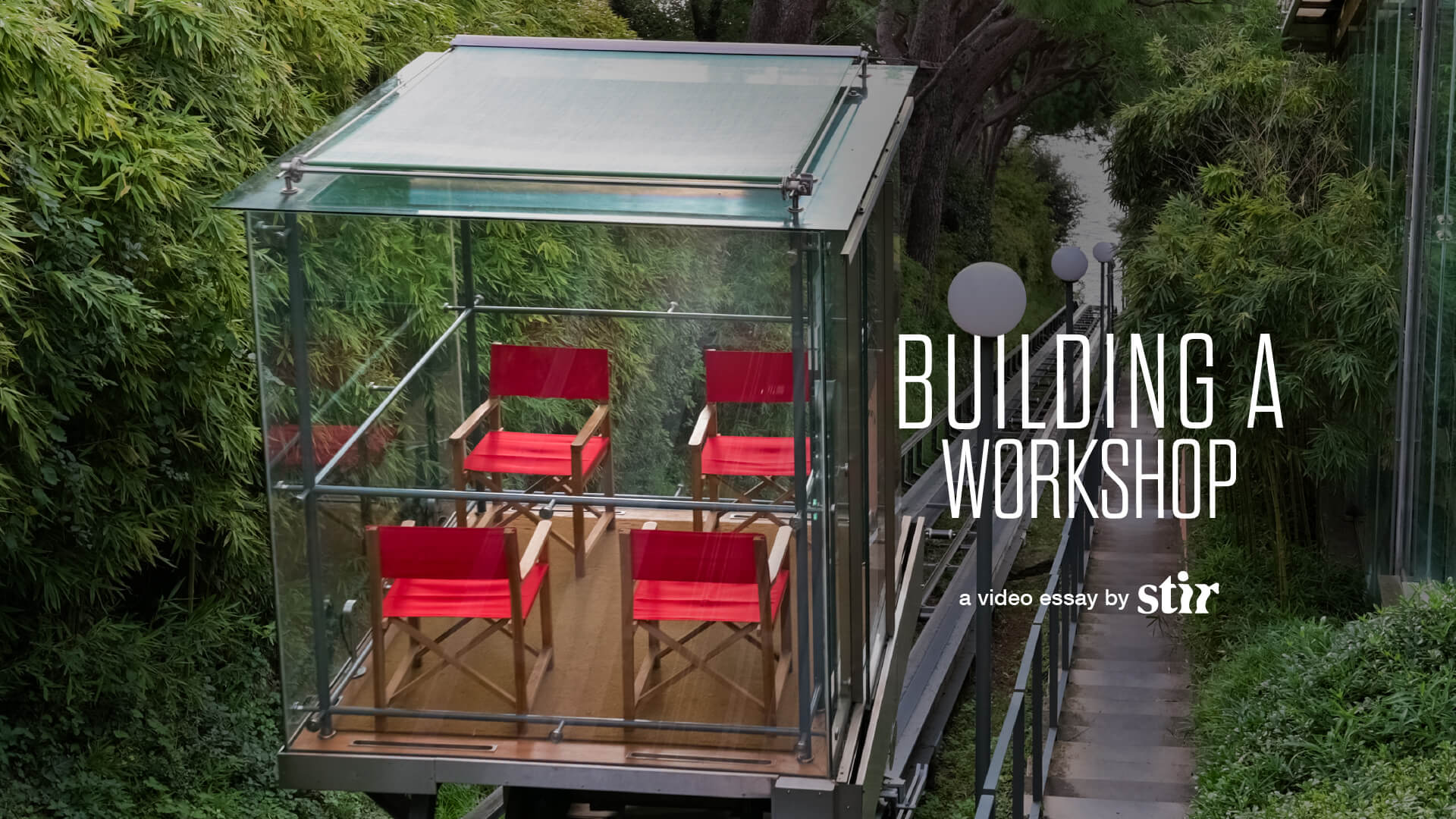
In Genoa, perched against the backdrop of one of the largest nautical showcases in the world, along a cascading terrace of greens, the approach to the studio is interestingly driven by the ritualistic movement of a funicular lift, dotted by a quartet of rouge-upholstered chairs. Here, the most keen and active reminder of the practice’s contributions to local placemaking is a naval one, manifesting in the redevelopment of the Genoa Old Harbour, and the ongoing Waterfront di Levante project. Between 1977 and 2025, across these two cities, projects and scales of urban intervention, lies a rubric of the firm’s expansive profile and portfolio, which—much like the video essay—is impossible to condense. But it is precisely this range that renders this spectrum most faithfully.
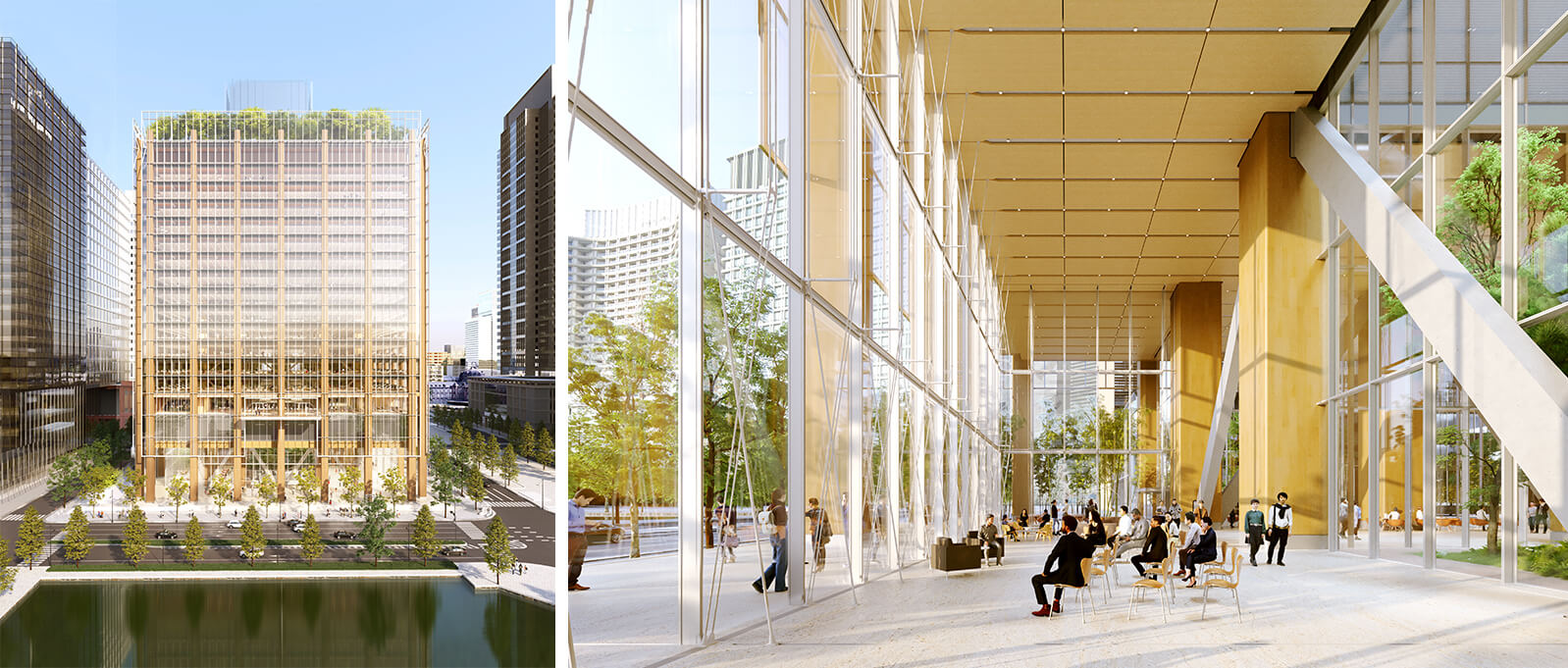
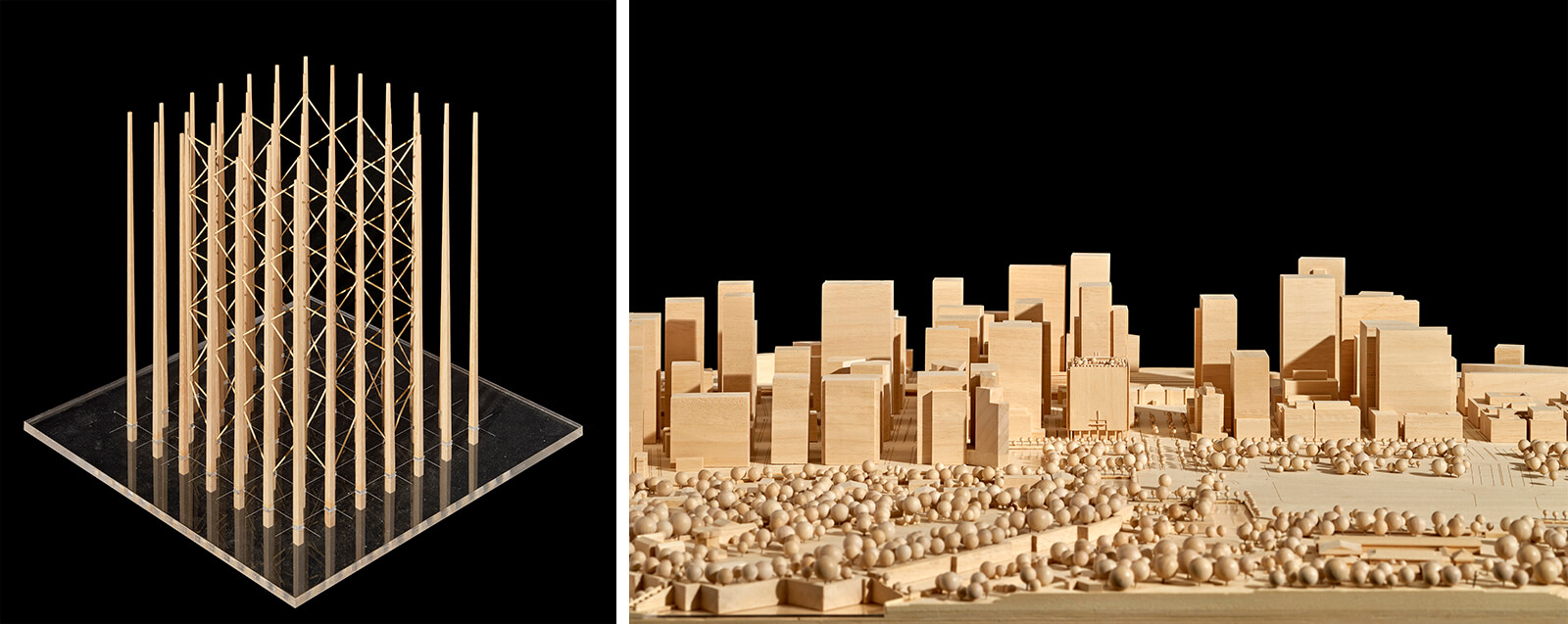
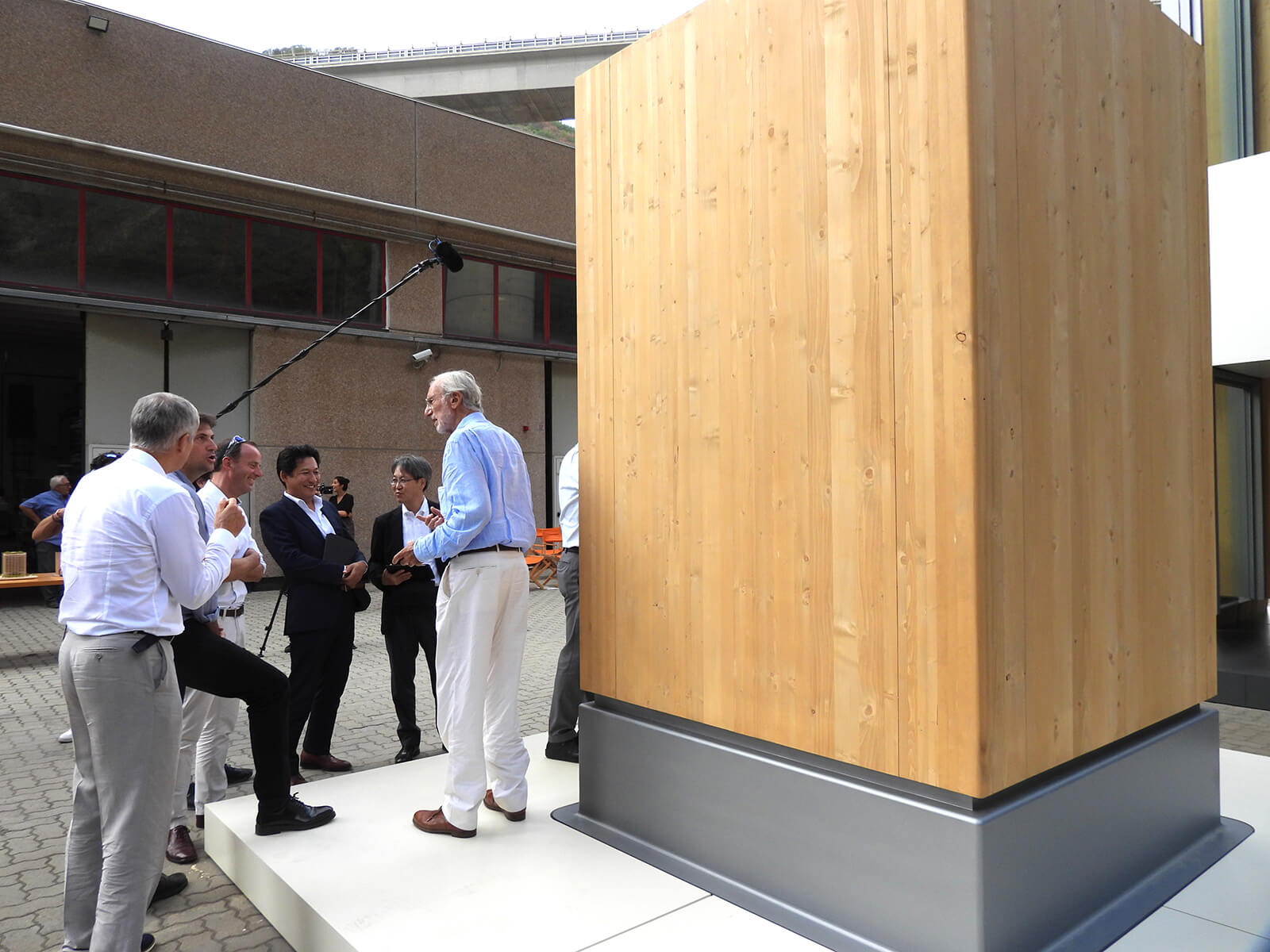
The conversations with the directors and their ongoing projects corroborate that. Working on Marunouchi Tokio Marine in Tokyo, Japan, both Giralt and Nakatani reinforce the firm’s sustainability benchmarks, and the practice of ‘green architecture’ as not an afterthought, but as an architecture that, foremost, emanates from place. The structure, with extraordinary seismic considerations, utilises a hybrid skeleton of timber (primarily) and concrete with steel, with the planning drawing inspiration from Japanese forests, embodying their essence holistically—in ethics and aesthetics. Nakatani, especially, recalled her Japanese heritage as being a significant driver in her work on the project. Giralt, on the other hand, with 16 years of experience at RPBW, stressed the project’s inherent and elevated contextuality through these means.
From the very creation of the practice, there has always been this research about ‘finding’ buildings that are set in a place, and bring a beneficious impact to that place. Sustainability is ingrained in this attitude. – Albert Giralt
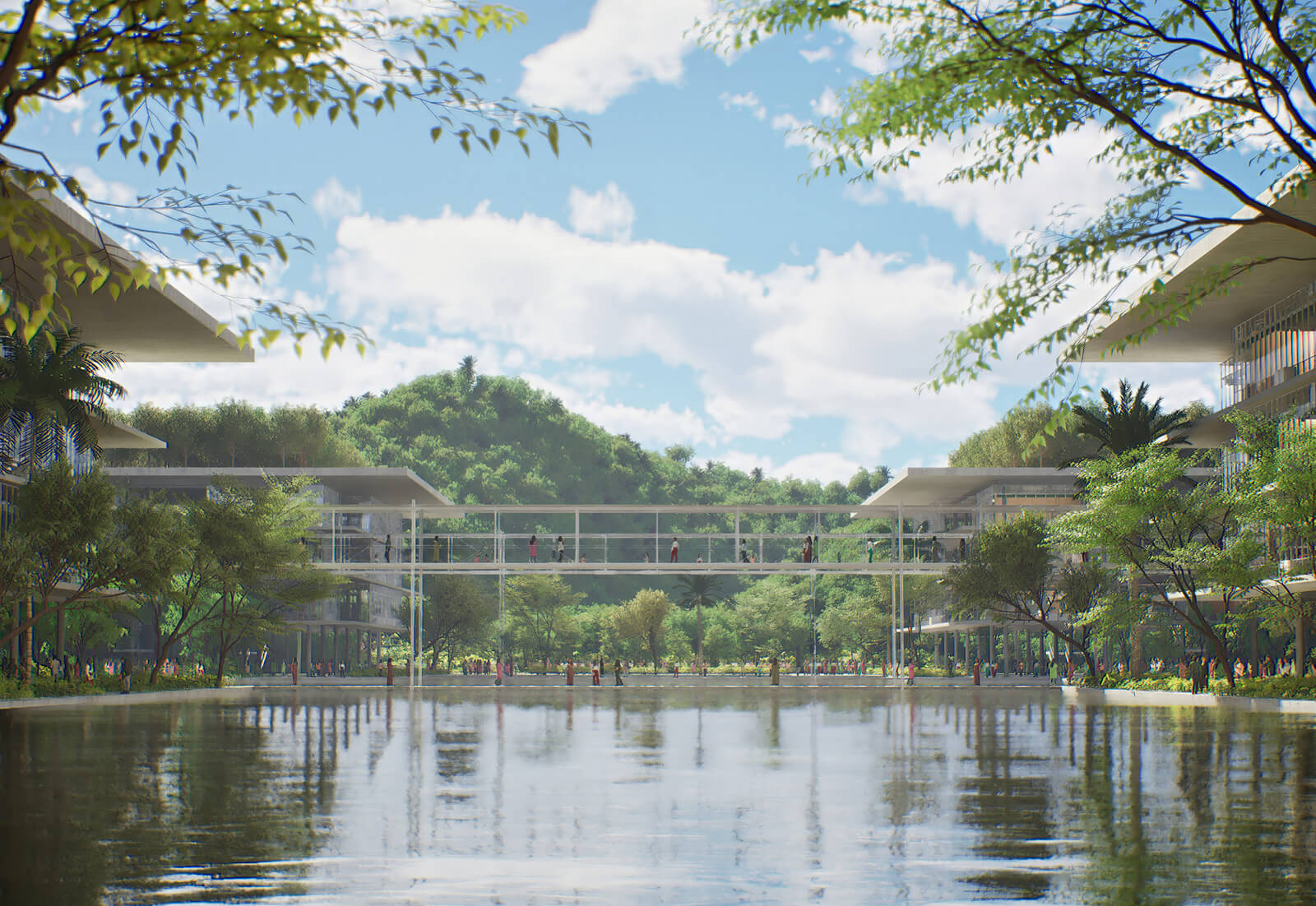
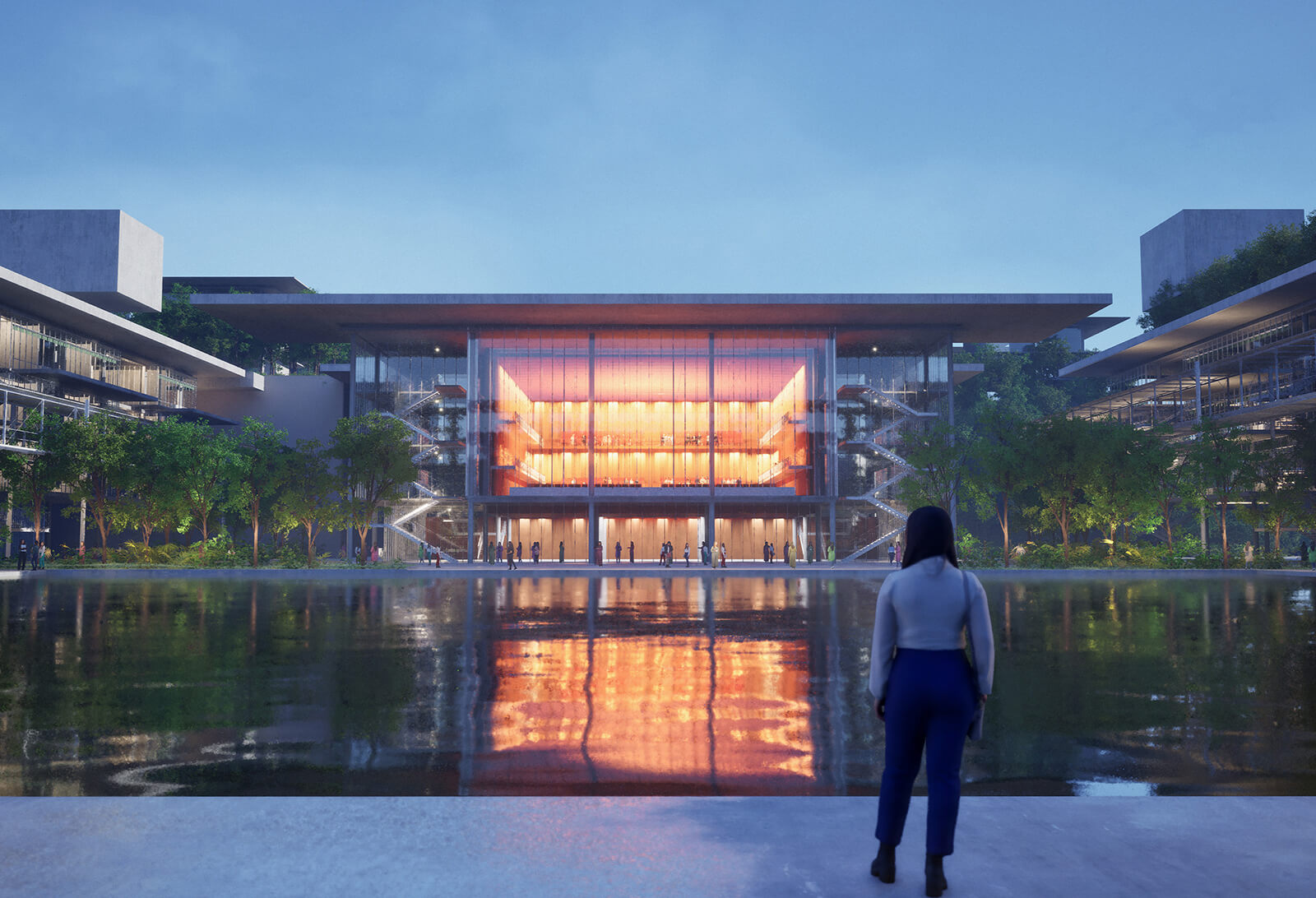
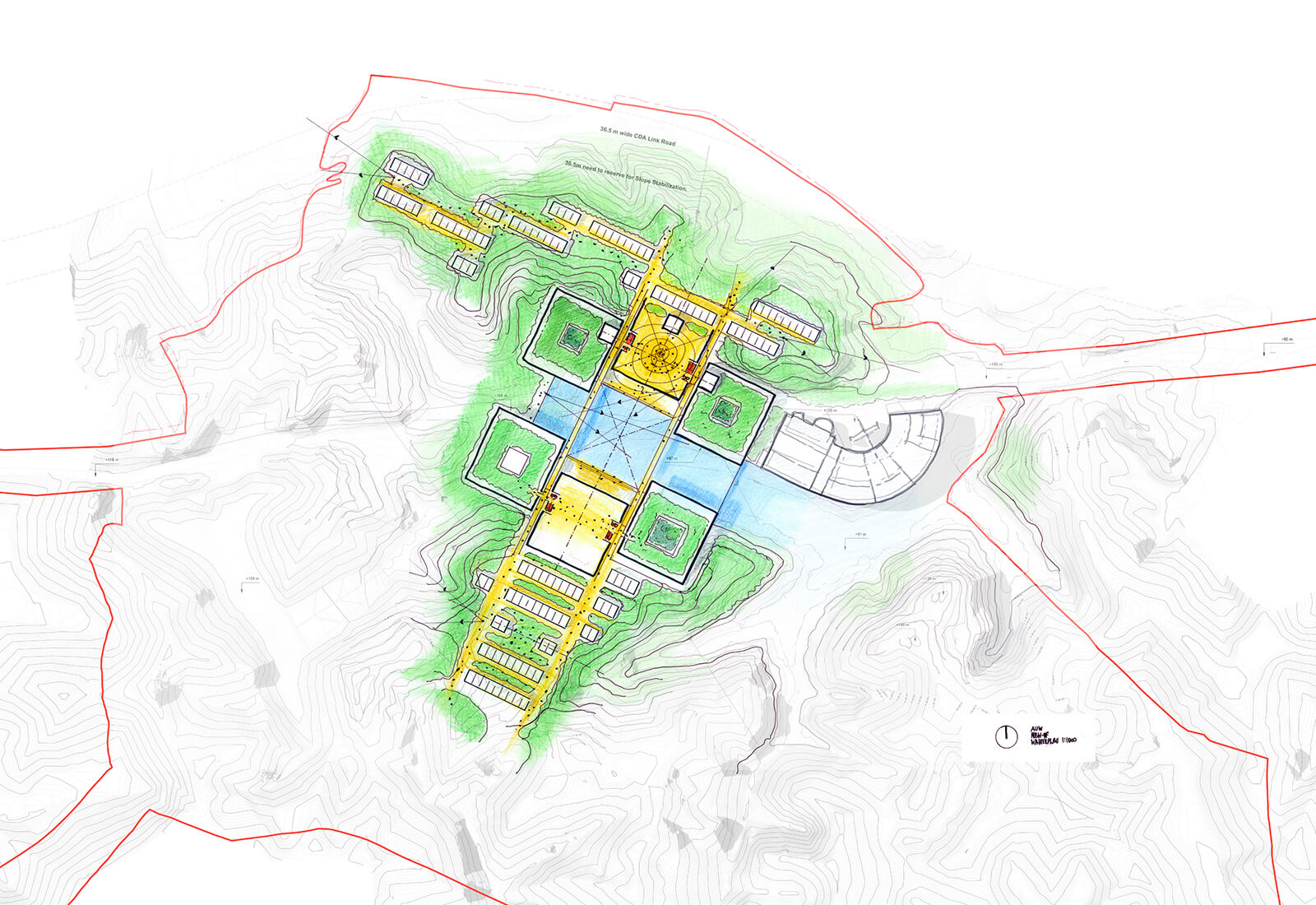
The conversation with Franceschin—originally hailing from Venice, and ascribing his fascination with construction details to the city of canals’ unique architecture—acquired an additional dimension of social responsibility, superseding the idea of architecture as solely ‘response’. Working on the Asian University for Women, an upcoming higher education facility in Chittagong, Bangladesh, Franceschin reflected on the Workshop’s desire to create a safe place and a home away from home for women from diverse national, ethnic and socio-economic backgrounds. Featuring lakeside teaching facilities and accommodation, the project proposal follows extensive surveys and studies by the RPBW team on site, while questioning architecture’s agency as well as responsibility.
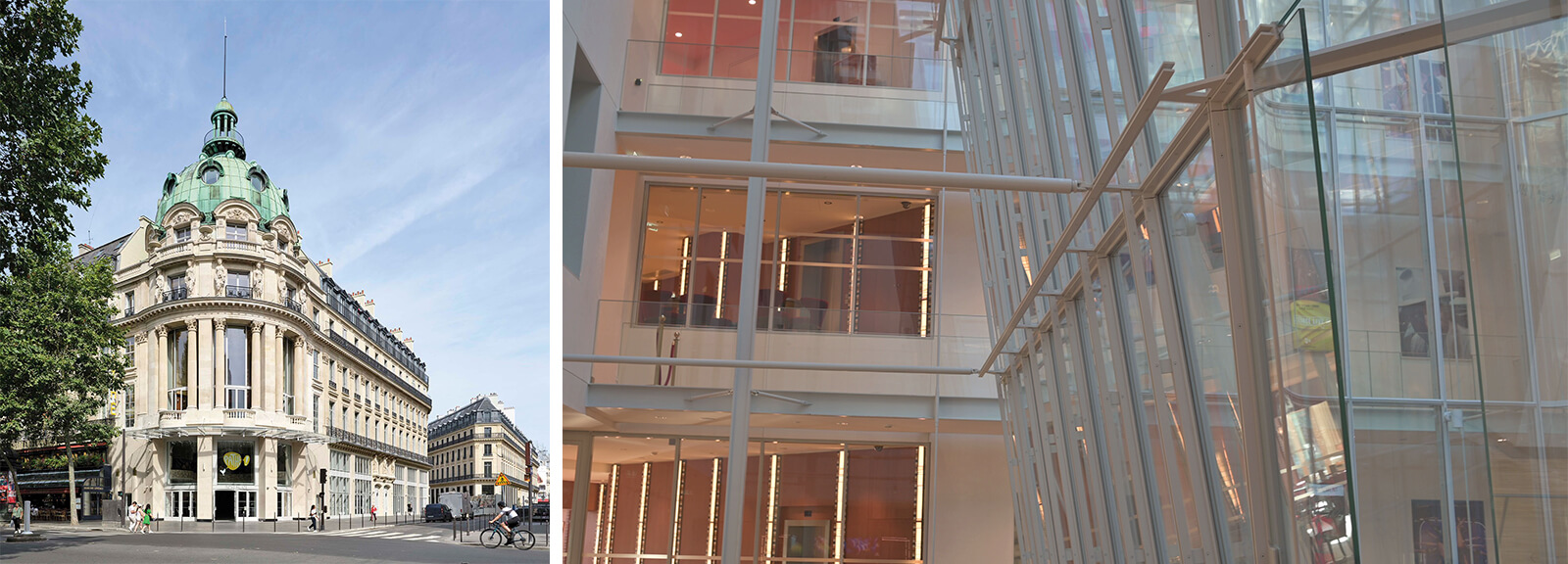
From one icon in the city of Paris to another, RPBW is also behind the refurbishment and renovation of the Pathé Palace headquarters and cinema complex on Boulevard des Capucines. Led by Chaaya—who also conducted a thorough walkthrough of the building for filming and interviewing with STIR—the building stands, most distinctly perhaps, as a current assemblage of RPBW’s definitive ‘style’, something that Chaaya attributes to structural lightness, precision, ease of inner-city access and a flood of natural light, incising an otherwise closed building—the ‘fil rouge’ for RPBW. Back at the Centre Pompidou, Bianchi, one of the oldest members of the expanding RPBW team, talked about iconicity and cultural custodianship from a historical perspective—a fitting occasion and conversation, considering that the Pompidou is due for a redesign, now opening to the public in 2030.
Architecture for the office is really an expression of lightness, transparency and luminosity. And you see this in all our projects—it's very strong. This is our red thread, the Fil Rouge as we say. – Antoine Chaaya
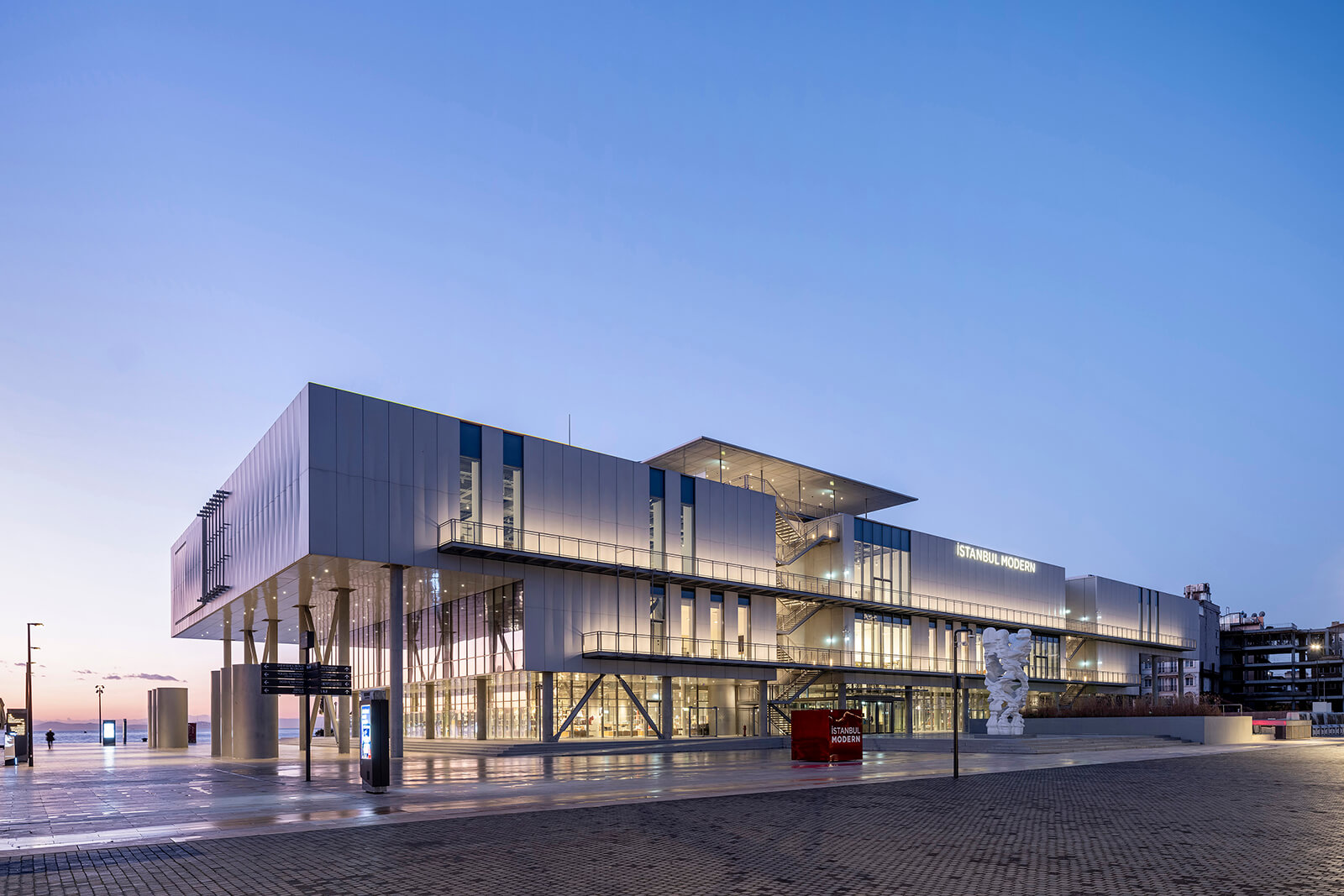
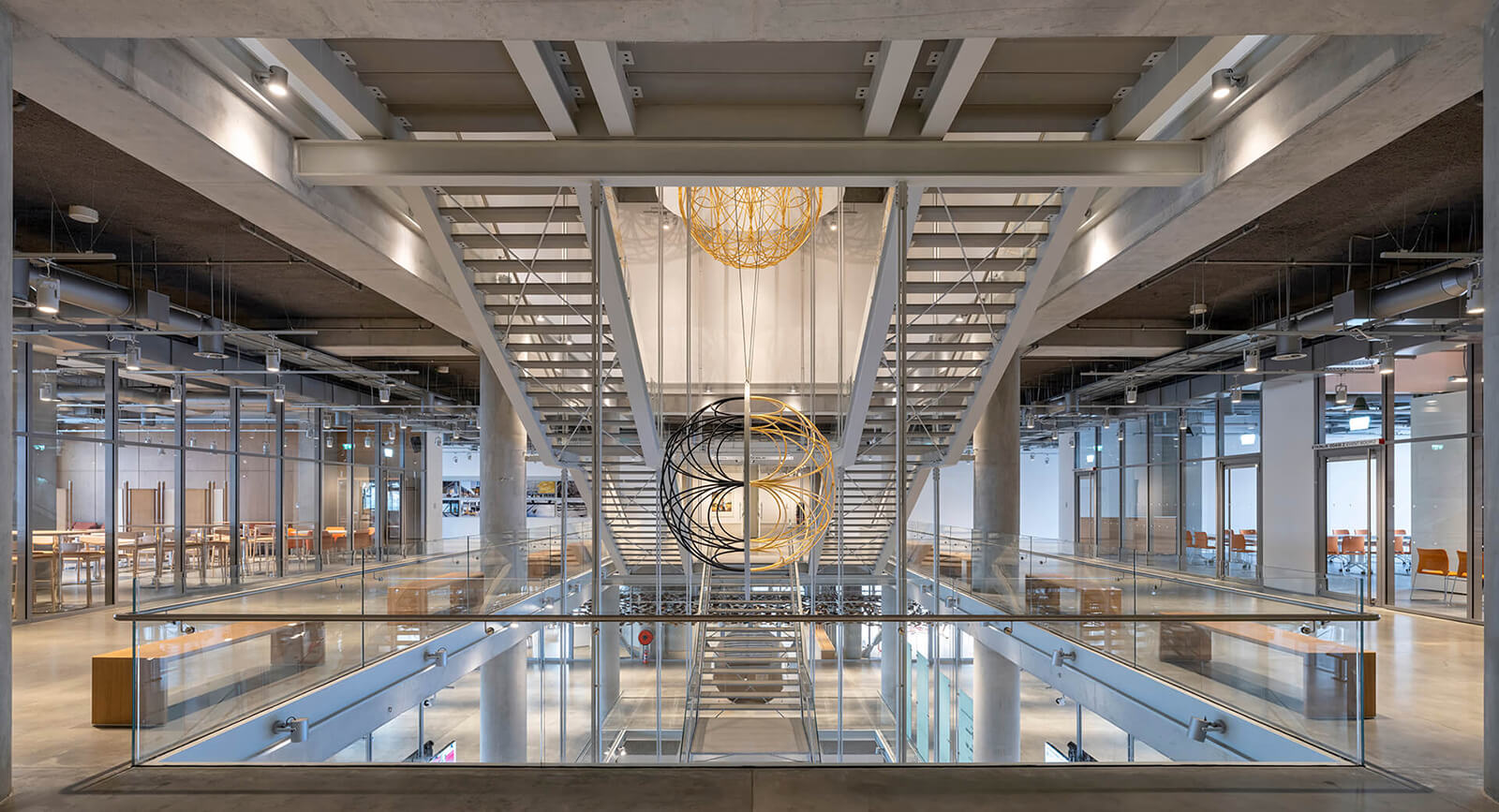
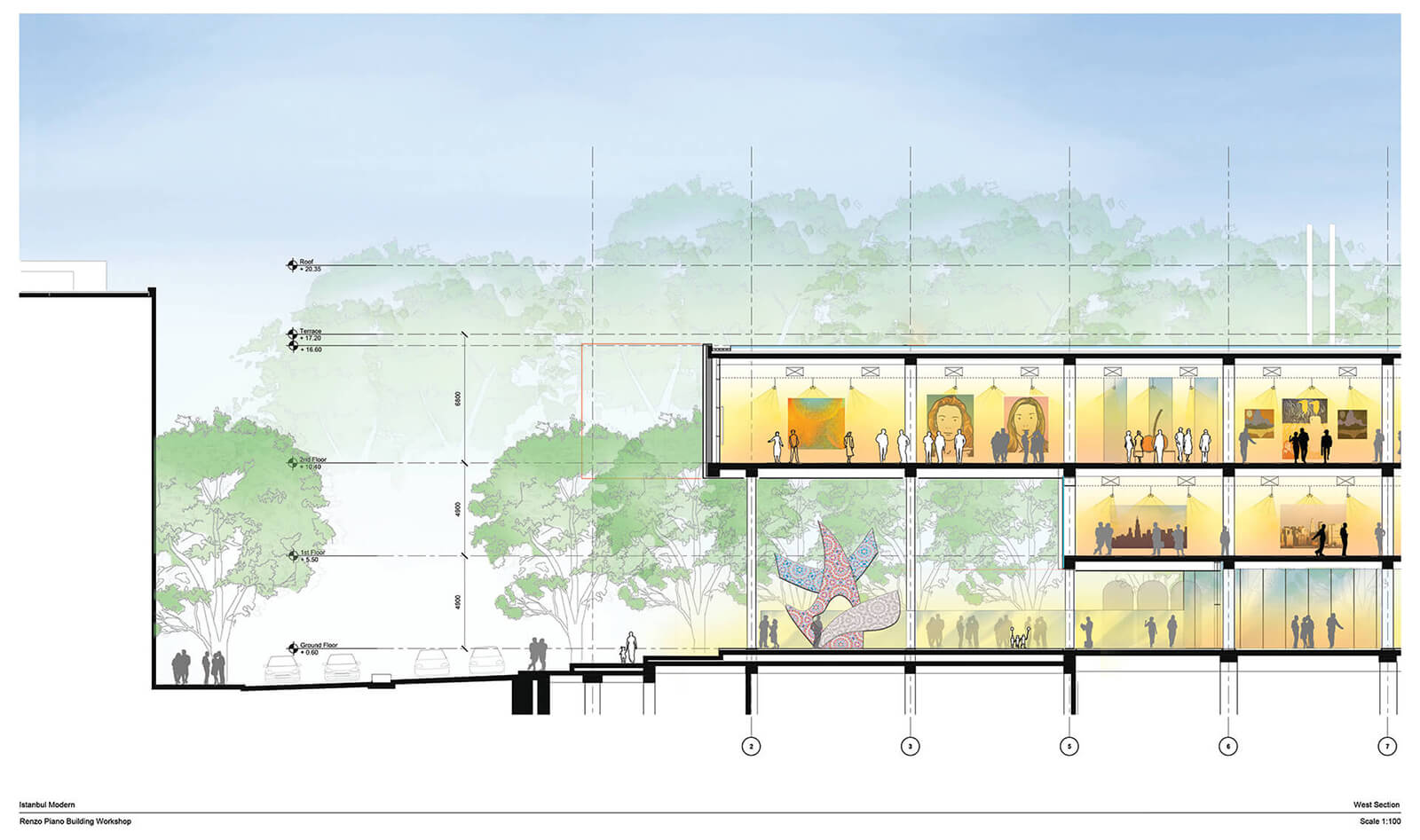
A hop, skip and jump (and a seamless transition from the French Riviera to the Italian Riviera) away, the Genovese coastline bears the RPBW mark distinctly and unmistakably. Apart from RPBW’s own studio and the massive waterfront redevelopments undertaken by the Workshop, Genoa also brings to light RPBW’s philanthropic projects—the Genoa San Giorgio Bridge and the Torre Piloti—both ‘gifted’ to Piano’s hometown, replacing landmarks previously destroyed in unfortunate incidents. Baglietto, who worked on the Torre Piloti and offered STIR an exclusive walkthrough (and vantage point atop the Tower from which to view the entire Genovese skyline in one fell swoop), reflected on the firm’s work and legacy through that lens. Her projects, Istanbul Modern and One Sydney Harbour, though worlds apart, utilise a similar maritime visual language as a unifying factor while responding to complex briefs as harbour-front developments.
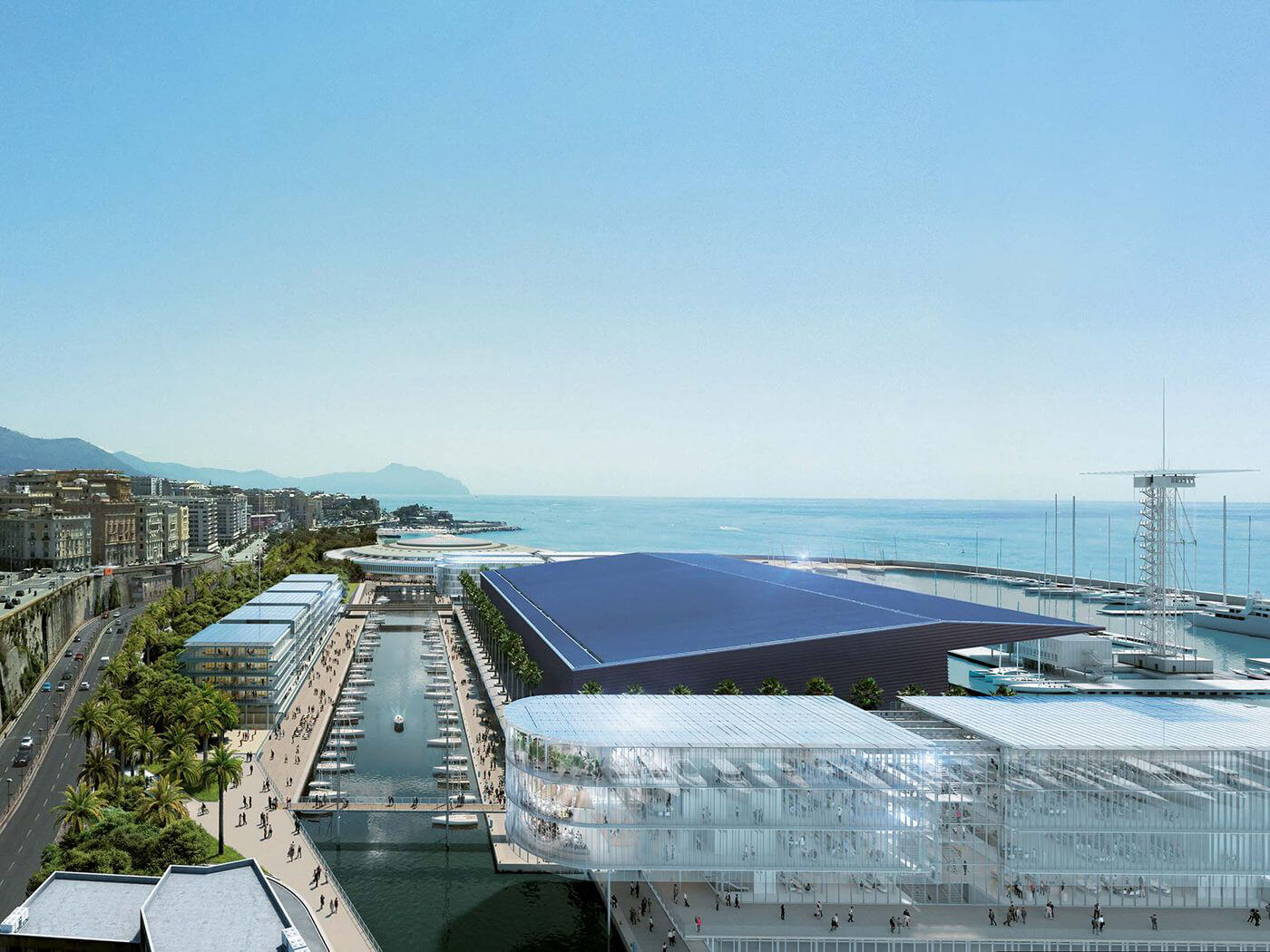
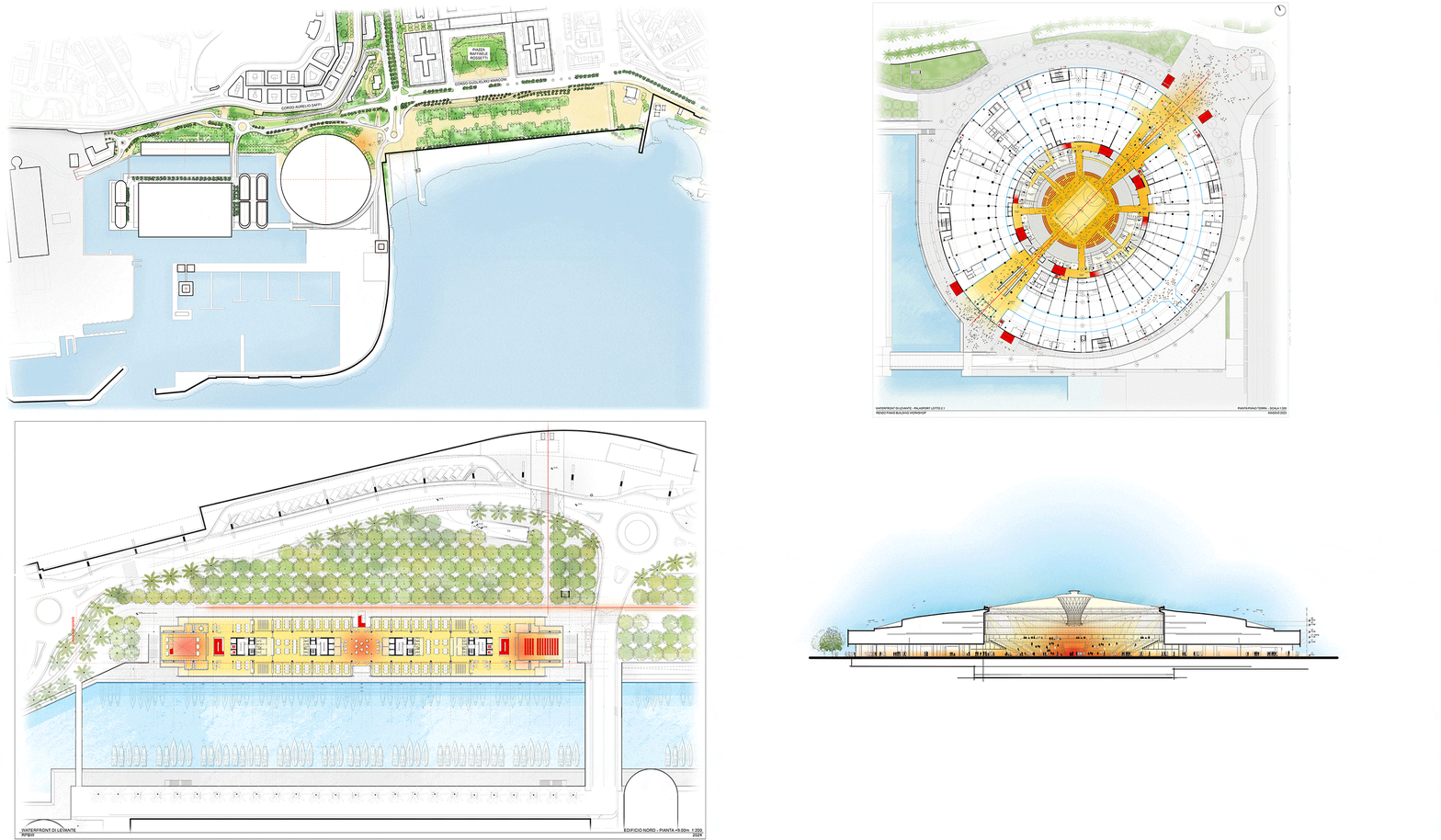
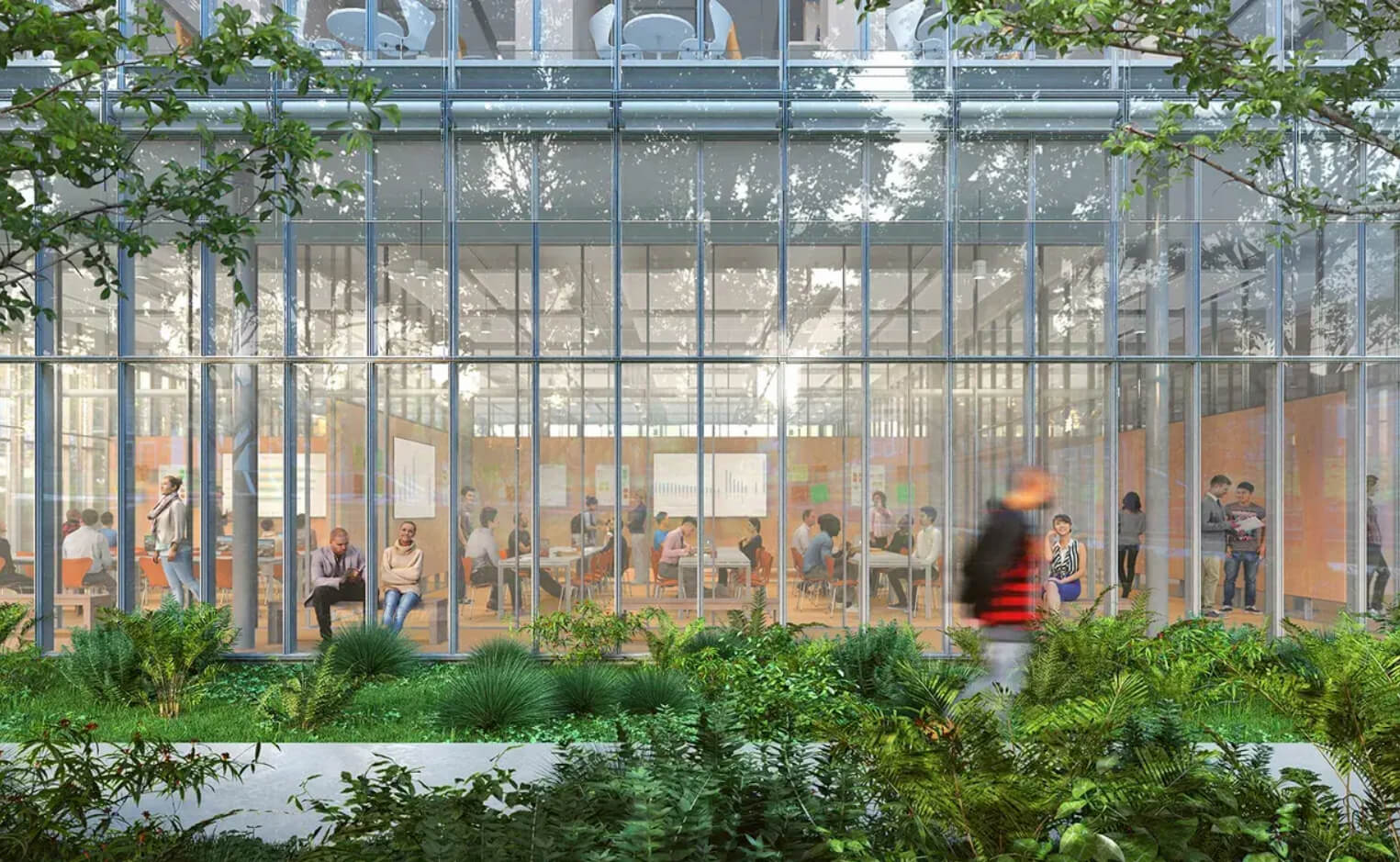
Priano, the youngest partner at the firm, necessitated a shift in the conversation from architecture to its makers and conceivers, speaking about the strength of two-way interactions in driving the studio’s creative energies. Stressing on architectural learning as a life-long process, Priano insists on maintaining an environment where access—and the democracy of it all—thrives, with interns, project architects, the directors and Piano himself frequently engaging in open-ended discussions around a project, unfixing the direction in which knowledge and ideas may flow to a non-hierarchical one. Alongside his other project, Waterfront di Levante, the SNF Agora Institute at Johns Hopkins University, in Baltimore, USA, similarly seeks to navigate these ideas of democracy, access and care in educational spaces.
Renzo once told me, you have to ask yourself why you are doing something five times a day. And it's true because architecture is a very technical job that has an impact on people's life. It's like riding a bicycle. – Luigi Priano
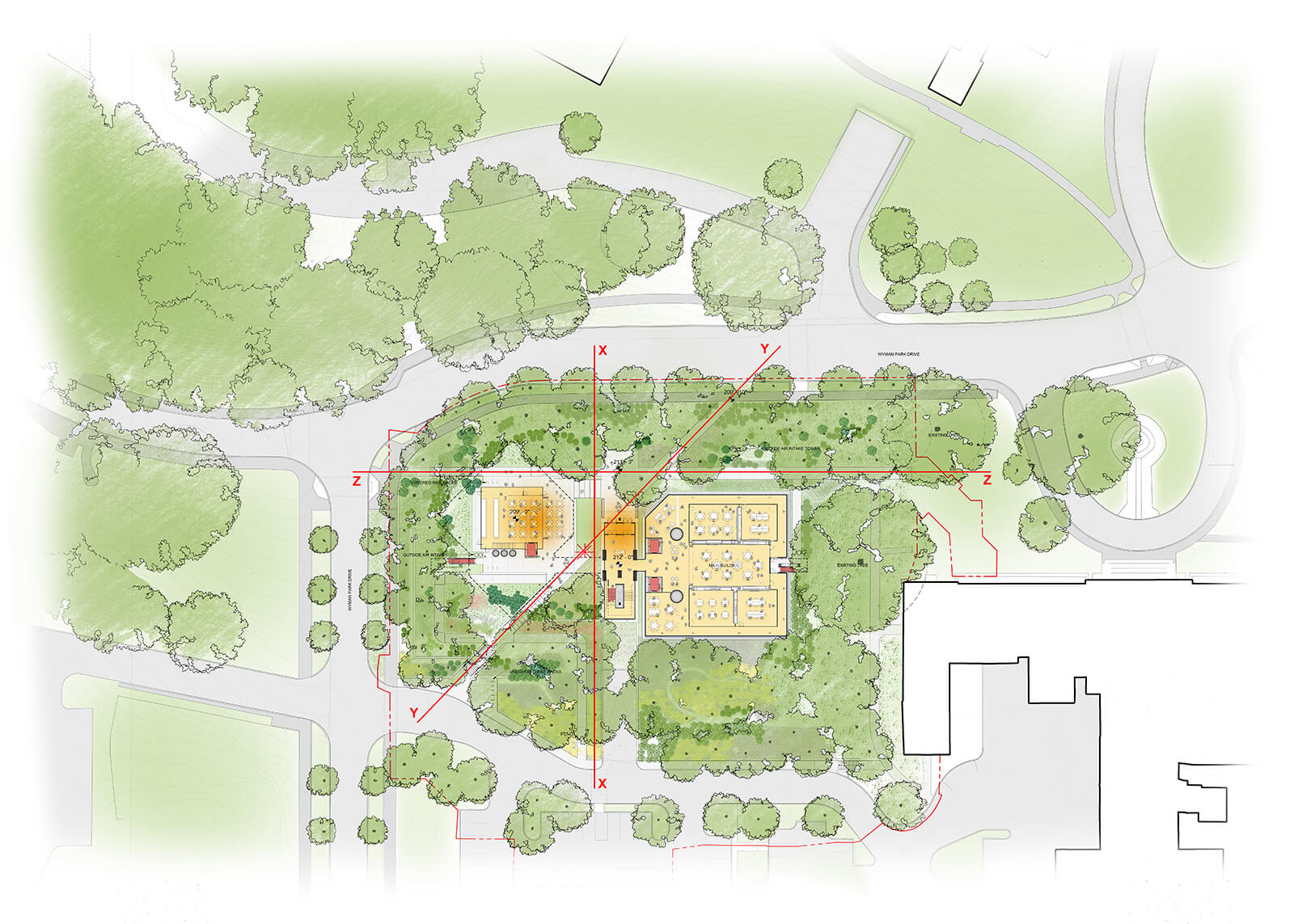
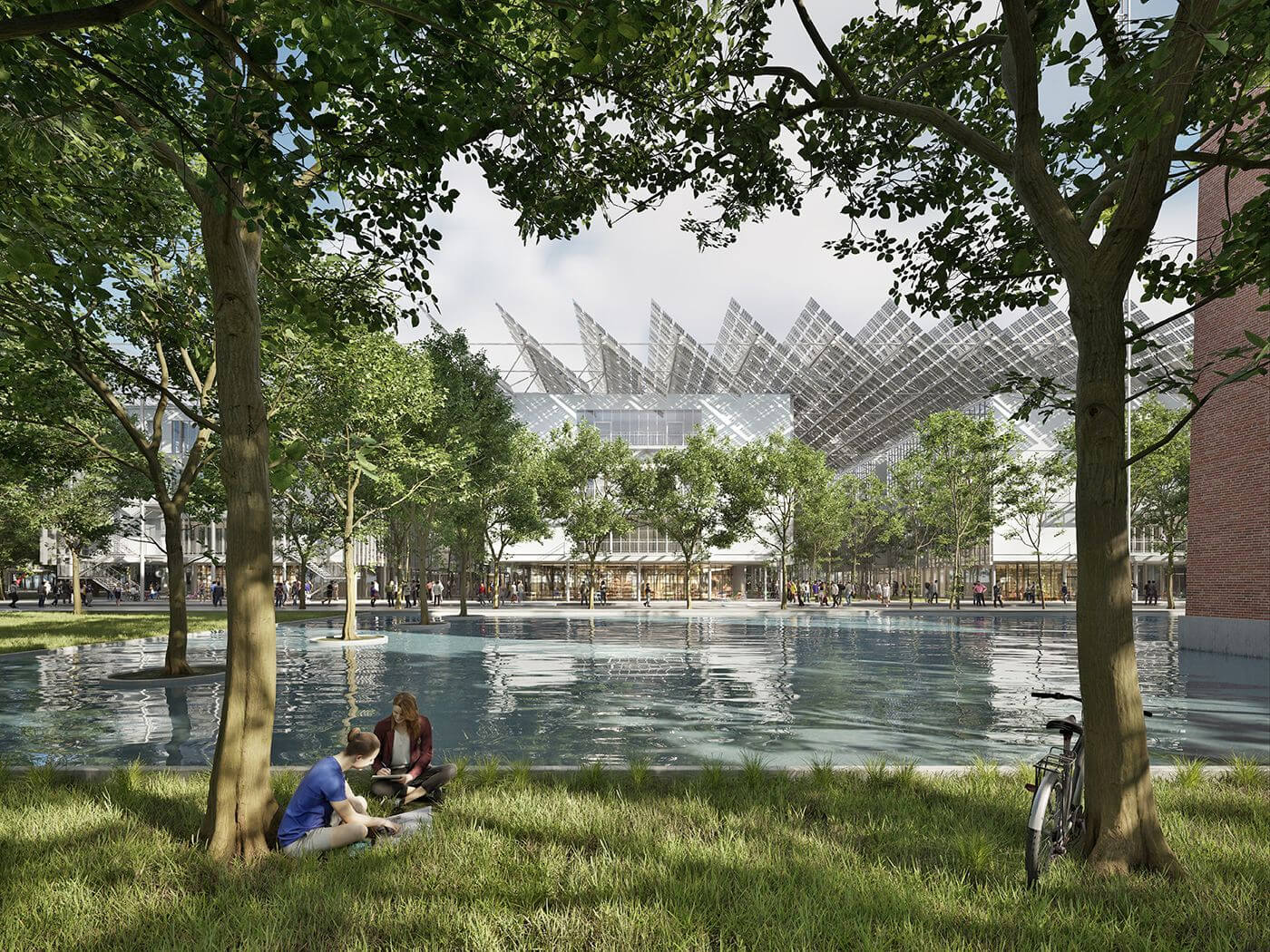
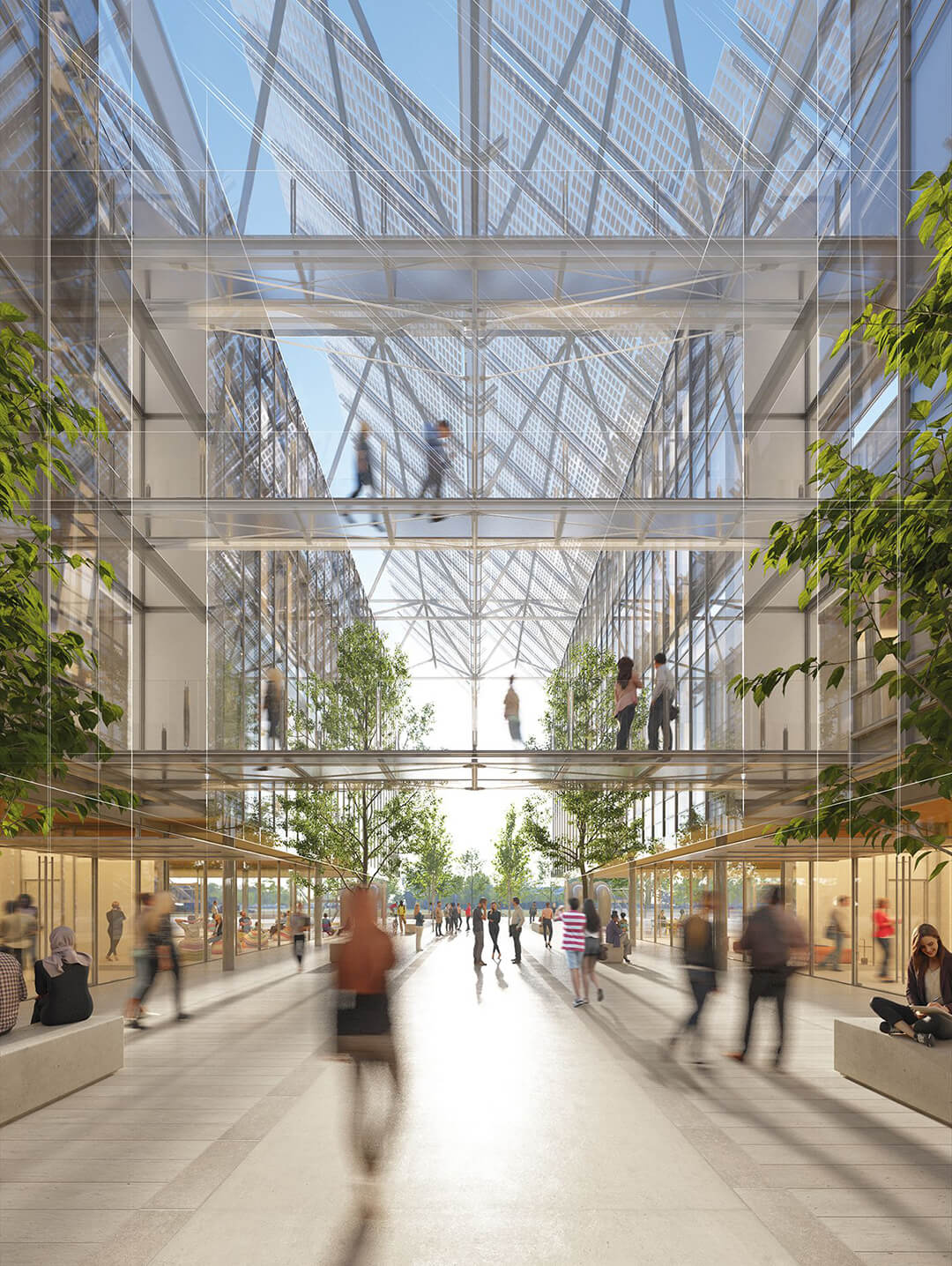
The final segment of the conversations charted the journeys of Trezzani and Pelanda, who jointly discussed Campus Nord Politecnico di Milano, Italy. A mammoth undertaking, the architects approached the project with the idea of ‘retaining’ as much as was possible—a rare avenue for projects of this scale (and site area). The masterplan, conceived as a campus within a forest, is marked by now-defunct industrial buildings and gasometers that lend a visual language and the framework for some of the project’s infrastructure. Pelanda, on similar lines, stressed the irrefutable importance of ‘walking the site’, taking after Piano, to really absorb all that it has to offer. Trezzani, an alumnus of Politecnico di Milano herself from over three decades ago, believes that “the essence of this project was already embedded in the site”.
The starting point is always walking the site. There is nothing in the project that you can start to think of before being on the site of that specific country, city, or landscape. You need to try to ‘listen’ to the site, as much as possible, to keep the DNA of the place as an architect. – Elisabetta Trezzani
Drawing from the conversations, the question of scale becomes an intrinsic one when considering several intangibles in architectural practice—questions of impact, legacies, futures, heritage, footprints and consequences. That is especially true in the case of RPBW—a globally renowned practice by all means—but one maintaining a deliberate scale in its functioning, while having delivered projects that define and transform entire cities. The variance is palpable, perhaps even energising; maybe even definitive. However, despite the intangibles and the variables, what has to stay consistent—and does—is the method.
Despite immense technological leaps concentrated solely in the last few years, the importance of a conversation around the table, sketching the genesis of an idea on rough parchment and crafting a model to explore and iterate form by hand has never been more urgent, especially in architecture. The global renown then lends to a sense of analogue functioning for RPBW by that very logic, not by way of some misplaced loyalties, but through steadfast allegiance to method—born out of decades of experience and innovative responses—keeping its works relevant and anchored. The RPBW method, an evolution of the erstwhile Renzo method, then pivots along this question entirely: when one’s legacy is radicality and reinvention, can the question of legacy itself be reframed to one of insistence and consistency?
Watch the full video for Building a Workshop to follow the directors’ and associates’ journeys, the projects presented above and exclusive looks at RPBW’s studios, spaces and methods.
by Pranjal Maheshwari Oct 24, 2026
A consortium of Copenhagen’s 3XN, Toronto’s B+H Architects and Shenzhen’s Zhubo Design has designed the museum to mimic the surrounding riverscape, topped with a public park.
by Pranjal Maheshwari Oct 19, 2026
The Mumbai-based architects integrate courtyards, mesh screens and north light trusses to create a dining space that doubles up as a community hub at SR University, Warangal.
by Mrinmayee Bhoot Oct 17, 2026
The Rotterdam-based institute centres the Indian Ocean as a network for exploring material histories and transnational links shaping coastal cultures, positing them as future models.
by Pranjal Maheshwari Oct 16, 2026
At the 2026 Stirling Prize ceremony, Mary Duggan with RUFF Architects, MAKER Architecten and Nakshabid Architects were felicitated for proffering quality housing and social equity.

make your fridays matter with a well-read weekend
Enter your details to sign in
Don’t have an account?
Sign upOr you can sign in with
a single account for all
STIR platforms
All your bookmarks will be available across all your devices.
Stay STIRred
Already have an account?
Sign inOr you can sign up with
Verification link sent to check your inbox or spam folder to complete sign up process
Tap on things that interests you.
Select the Conversation Category you would like to watch
Please enter your details and click submit.
Enter the 6-digit code sent at


An iconography of the past, a blueprint for the future: Building a Workshop with RPBW
by Anmol Ahuja | Published on : Oct 24, 2025


 Sign in with Google
 Sign in with email
What do you think?