Architecture07 mins. read
Modernist Scotland straddles academic rigour and emotional resonance
by Zohra KhanApr 10, 2026



by Anmol AhujaPublished on : Jun 26, 2026
Towards the close of the 19th and the onset of the 20th centuries, on the coattails of industrialisation and production on the assembly line, modern living promised something radical. Before it was endowed with an ‘ism’, modernity, quite simply, seemed like a natural progression—a move away from the weight and clutter and frills of the ornate and the ornamental; a move towards not just processes that were mechanical, but also their innate vocabularies in form and function. The idea seemed to be driven by efficiency—functional, financial and formal—but at its core was another, often less talked-about shift. The focus of the ‘designed’ sought to move from the bourgeoisie to the proletariat, with a clear intention to irrevocably alter the everyday.
Architecture was still catching up. Several popular manifestos, including F.T. Marinetti’s treatise on Futurism, Corbusier’s Vers une architecture (1923) and the slightly more provocative War and Architecture (1993) by Lebbeus Woods, among many others, ushered this new age in architecture with unmistakable urgency and agency, almost violently decrying the excess of the previous centuries. Bauhaus gave further shape (a rather rigid one in retrospect) to the idea of complementing modern living with modern shells through education and formal training, making modernist architecture fully canon. The wars and the need for reconstruction posthaste to house millions of displaced people in Europe and elsewhere scaled these ideals up to lofty heights through social housing. North America subsequently birthed the modern skyscraper as we know it. A century later, instances of these watershed examples, now the norm, define our cities, their skylines, our streets and the communities that live within them, for better or for worse.
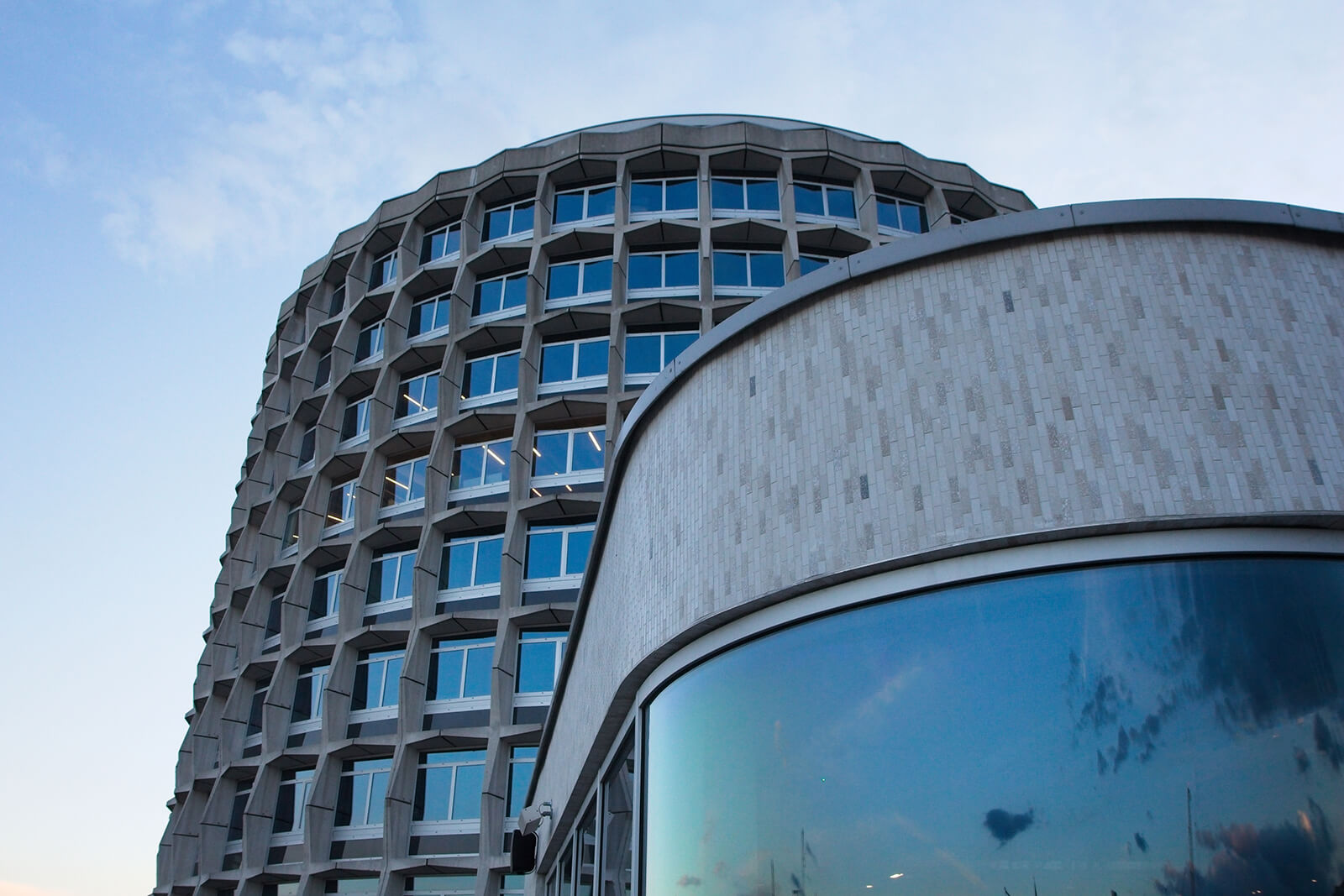
The ubiquity of the very idea of a modernism is that it can be self-propagating and self-renewing. From the first century of modernism, what still stands out is the uncompromising promise of it all, of a needed newness, even if the old was to be violently replaced. A century later, the world stands at an entirely different juncture, moulded in part by the same technological wagons that modernism wrought as change-engines in its first century. Communities of occupiers are no longer as homogenous; resources (or time) are not nearly as abundant as they were then; borders are paradoxically more porous as well as rigid and opaque at the same time; the modular man is an absolute minority and in most cases just doesn’t exist; and digital space is…a thing. If architecture is to be seen as a response to a respective contemporary condition, there isn’t a more urgent time to reassess what that response needs to be, and what it needs to be responding to, than now, at the commencement of its second century. A report, or an alternative, is long overdue.
I think we are in an era of great, extraordinary material abundance, more than any other era in human history. What we are missing is emotional abundance. And so, one of the provocations is how do we get emotional abundance back into what we do as architects, and also as a global society of a diverse group of people. – John Jennifer Marx
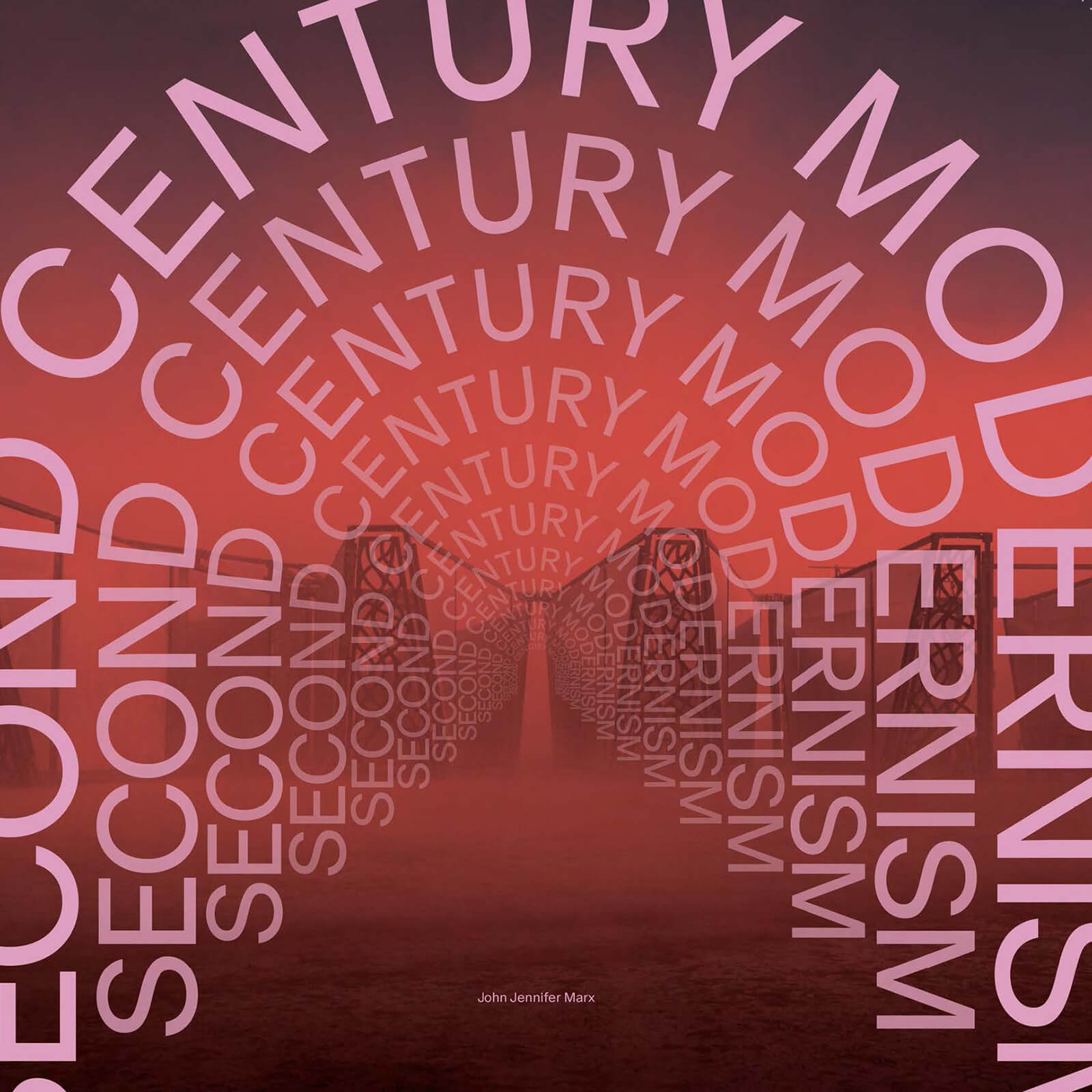
Second Century Modernism, a book and visual compendium of ideas attempting to shape what this new variant can be, is a worthy interlocutor in that direction. Authored by John Jennifer Marx of Form4 Architecture, the book takes a pensive look at the legacy of modernism so far, actively critiquing the present as well as proposing theoretical alternatives for the future. What is especially worth noting in the course of reading the book is that, despite the heralds of change in architectural design canons and practices, the alternatives it proposes are rooted in mutual cohabitation and the joy therein, while not reducing the complexity of either the city or the issue at hand. In its calls for embracing the inherent paradox in architecture and city-making rather than rejecting it in favour of dogmatic returns to history, vivacious expressionism, cultural vibrancy and architecture as an agent for it, as well as advocacy for planetary and environmental solidarity, Second Century Modernism is still quite unlike a manifesto. That is, in part, also due to its bursting visual character with the occasional interjection through poetry. Its rallying for a new kind of architecture is, nonetheless, laden with provocations, including current examples of buildings, without ascribing to a checkbox of sorts.
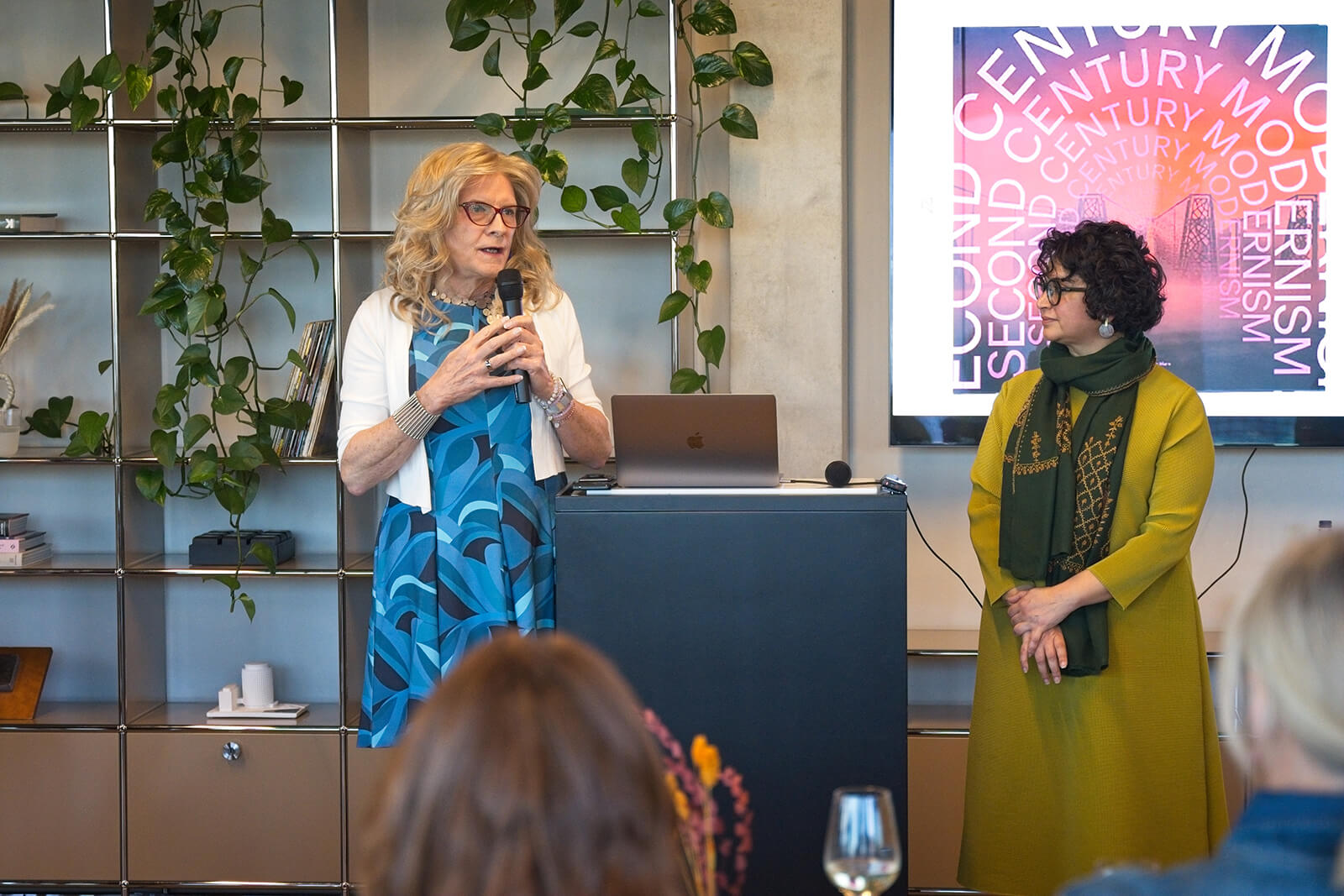
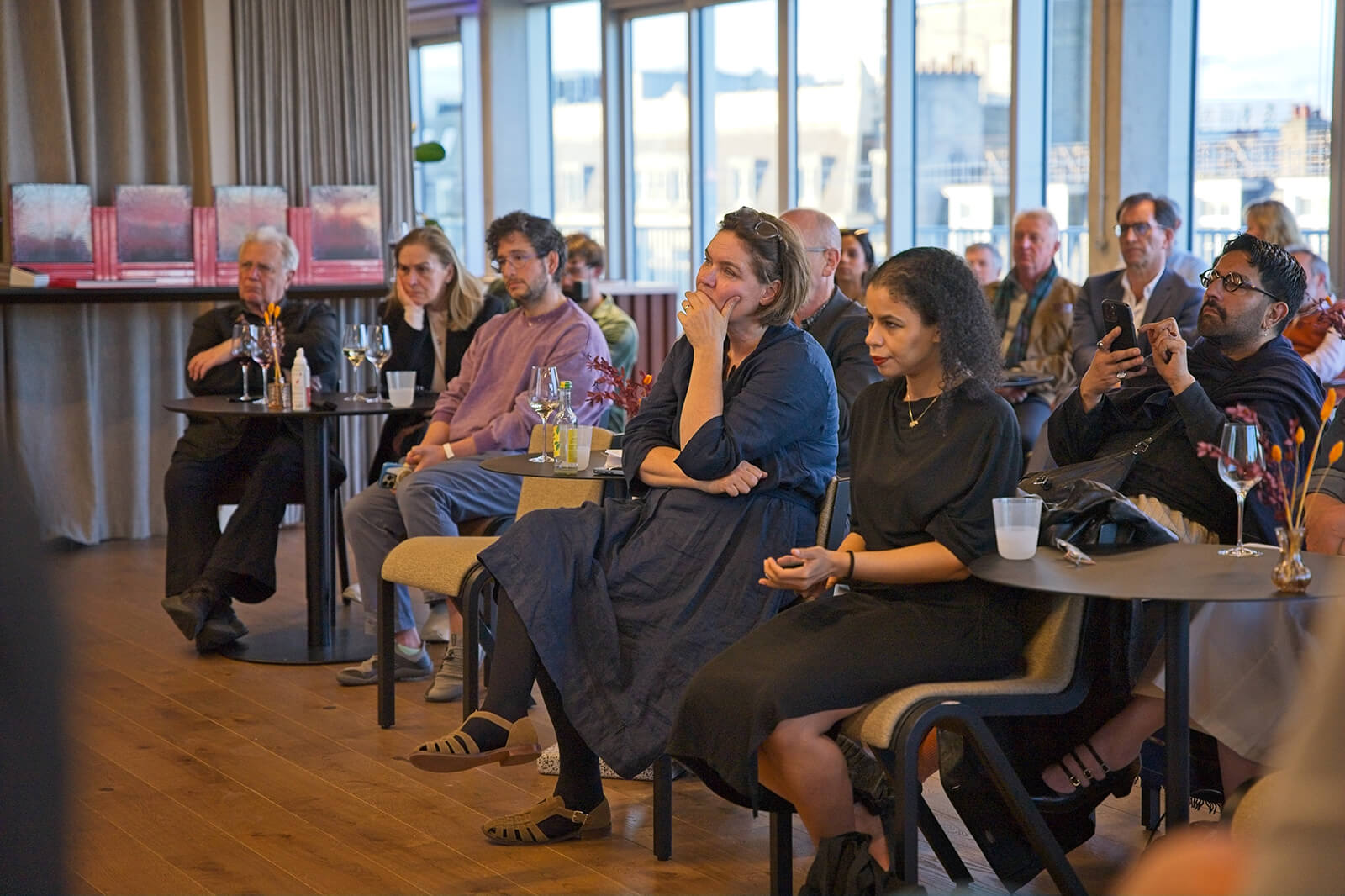
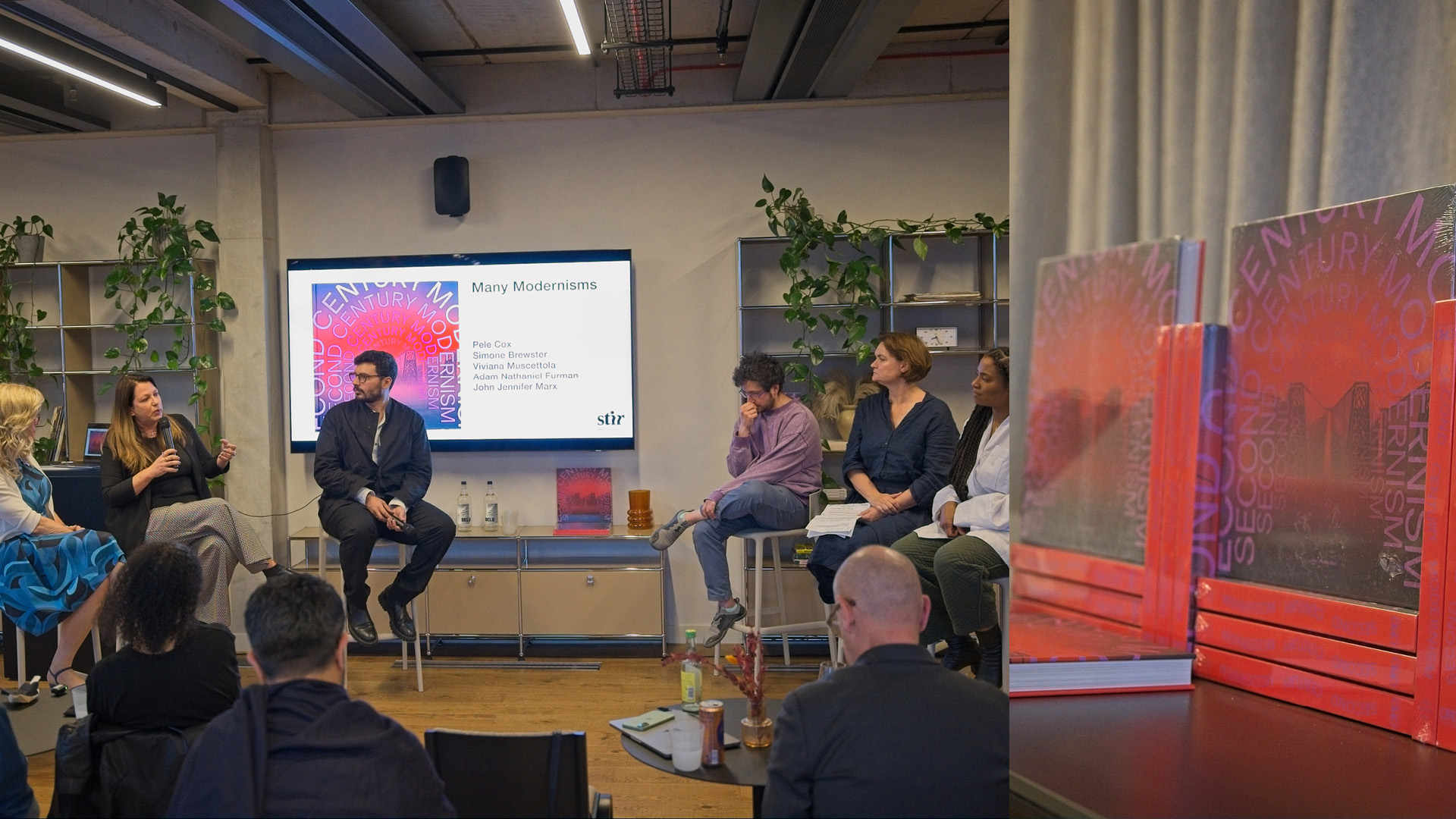
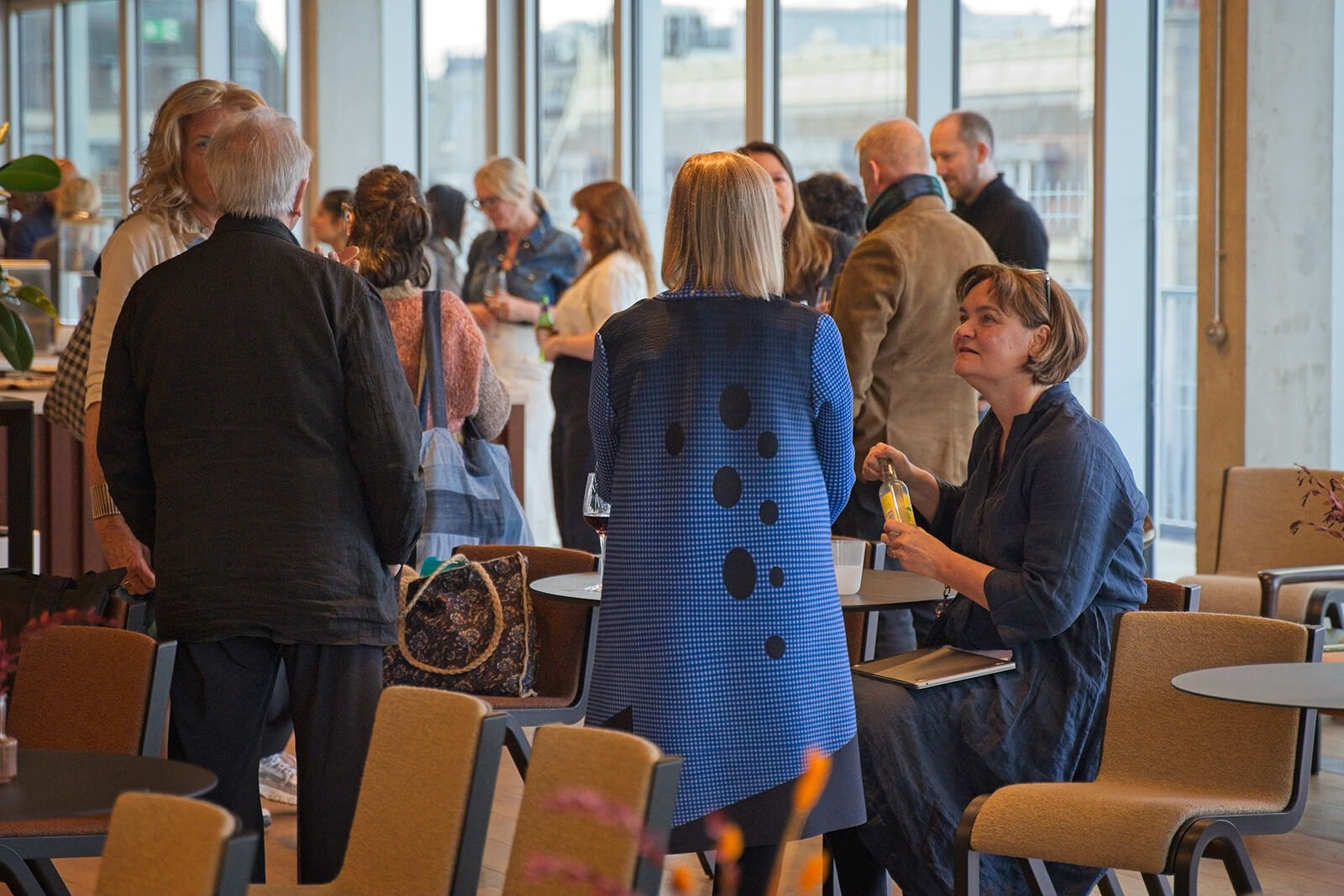
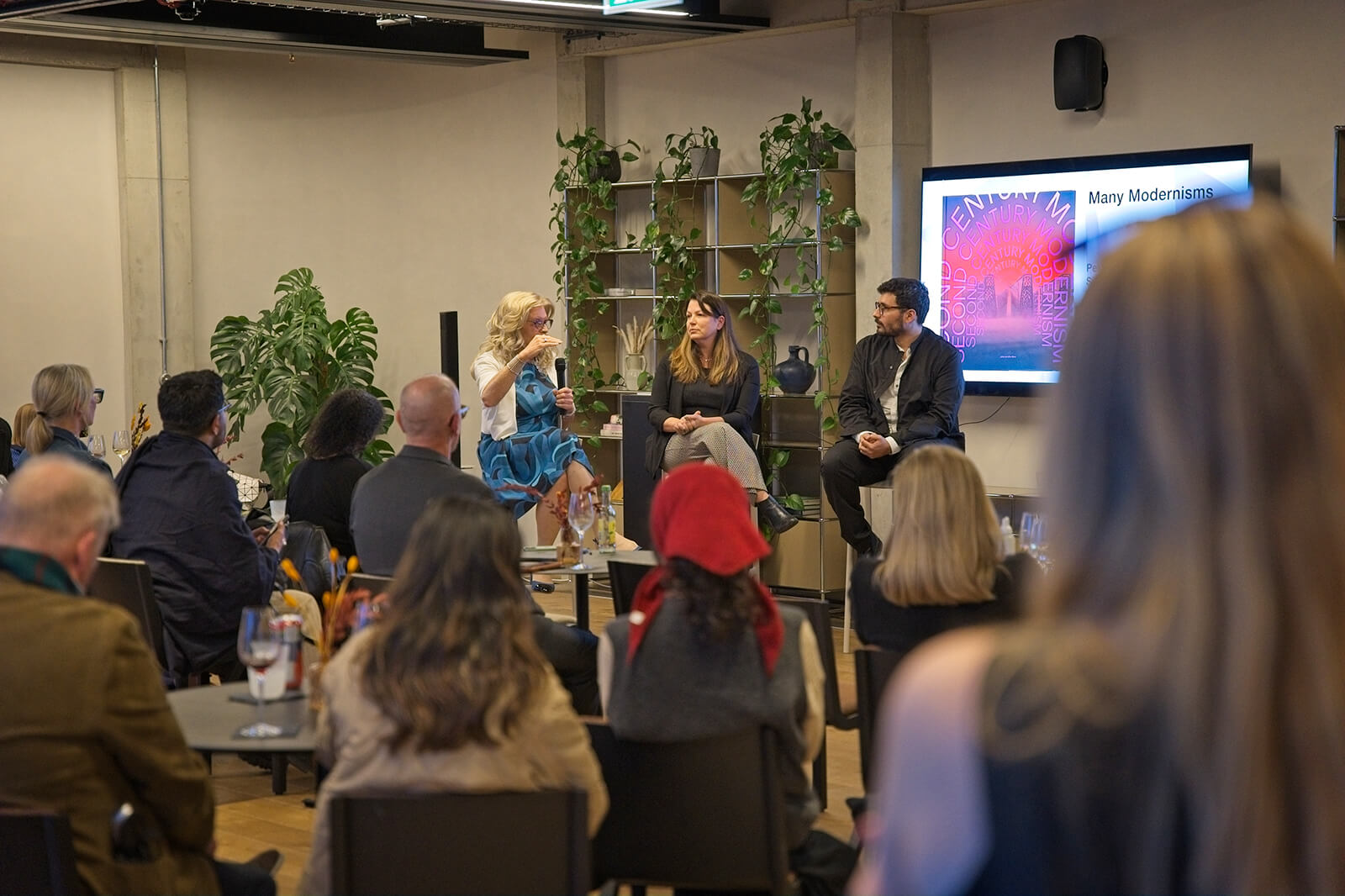
Chief among those provocations, according to Marx, is arguing for an architecture of emotional abundance. The process of willful reduction in architecture, in the guise of minimalism but also because of the same drivers—efficiency, finances, modularity, the works—has, according to Marx, induced an emotional scarcity in the built environment. That is starkly in opposition to the originally well-intended search for the very core of the architectural idea, the primal. So, when physical abundance is nary a possibility with our current predicament, how might we imbue our buildings with emotional abundance instead? Alongside the book, an evening curated by STIR to mark its launch in London, titled Many Modernisms, explores a response to this provocation through extra-architectural agency, through multitudes of voices, hands and creators, all active stakeholders not only in how we construct our built environments but also how we occupy them.
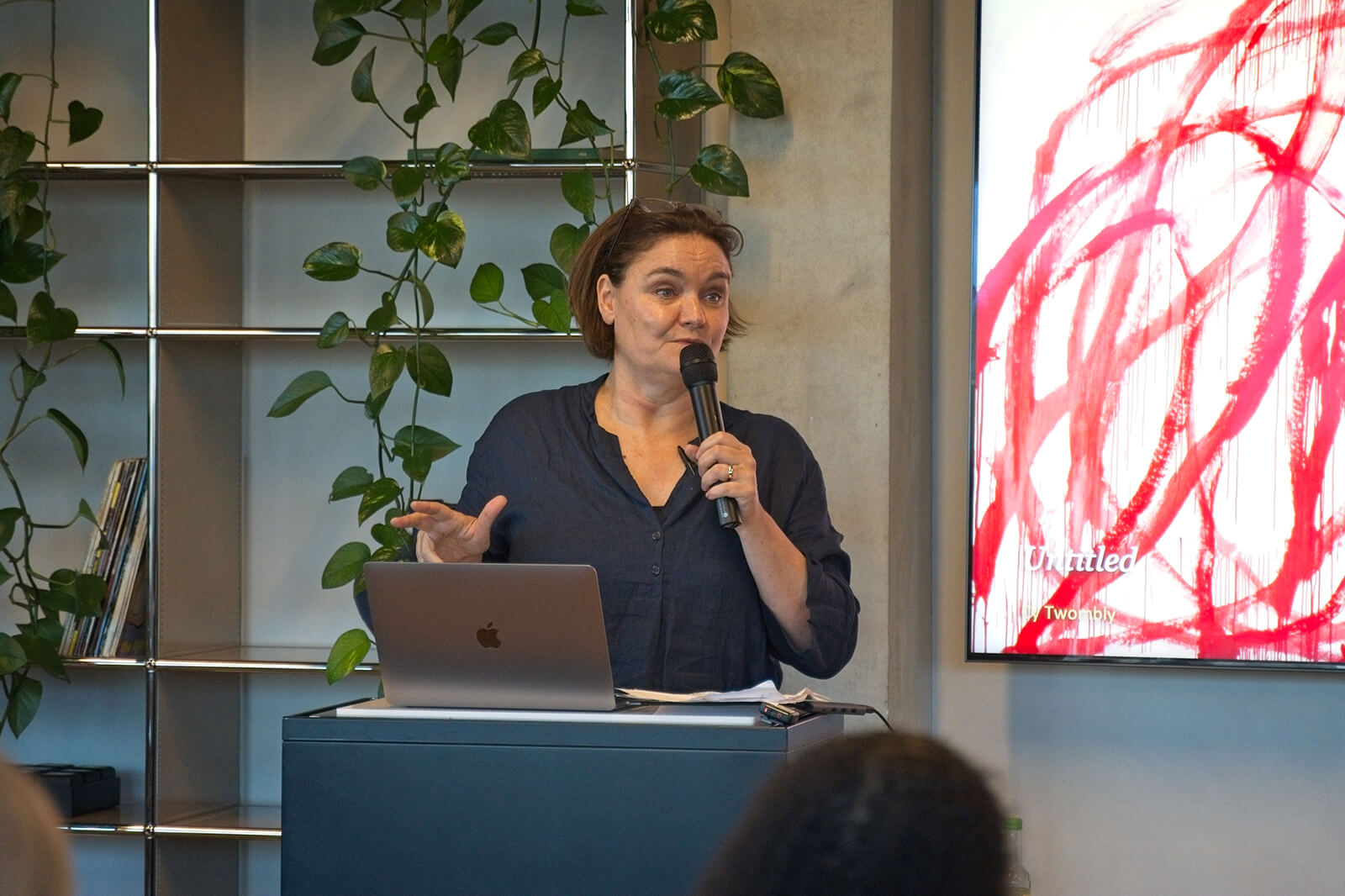
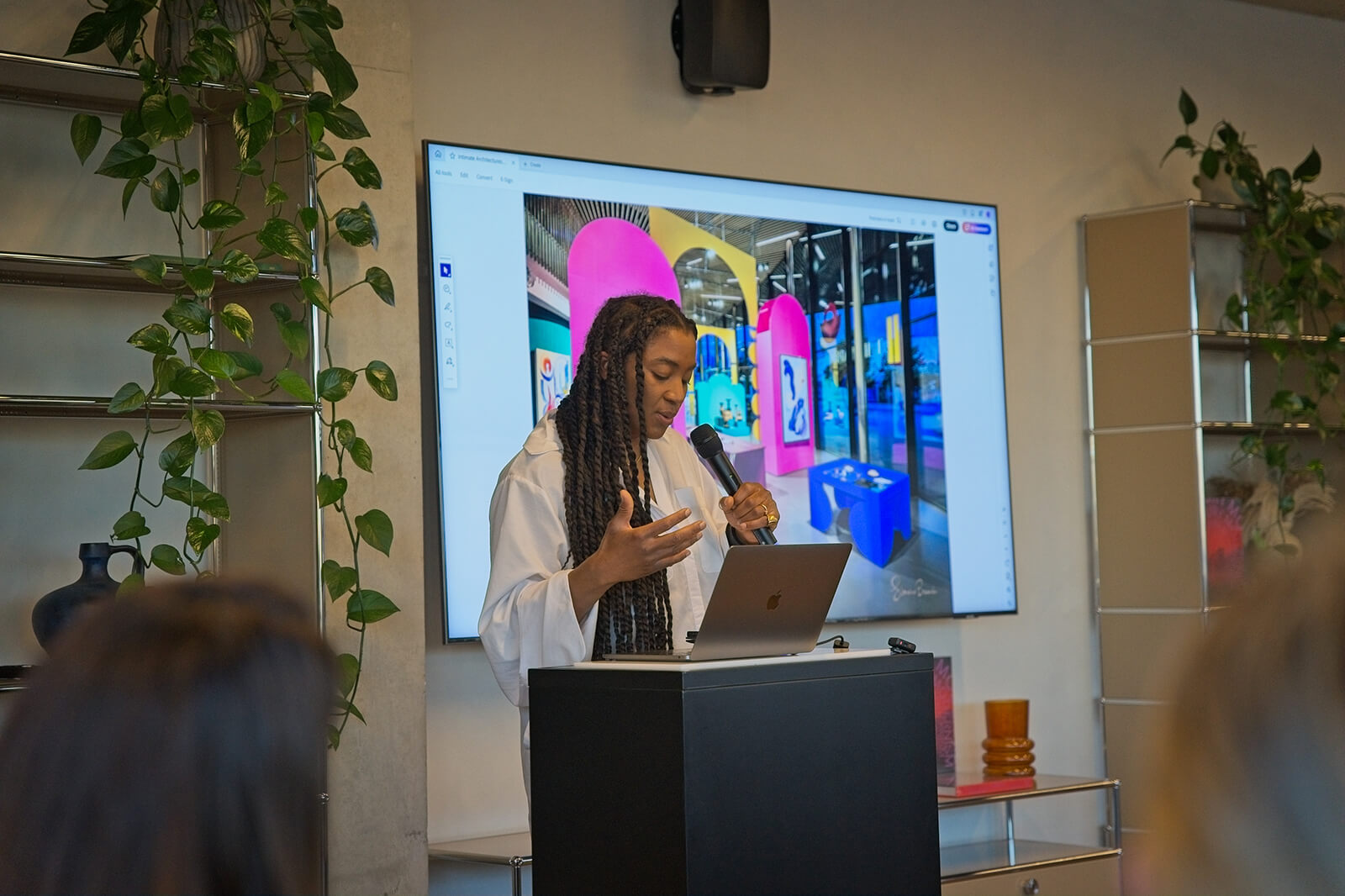
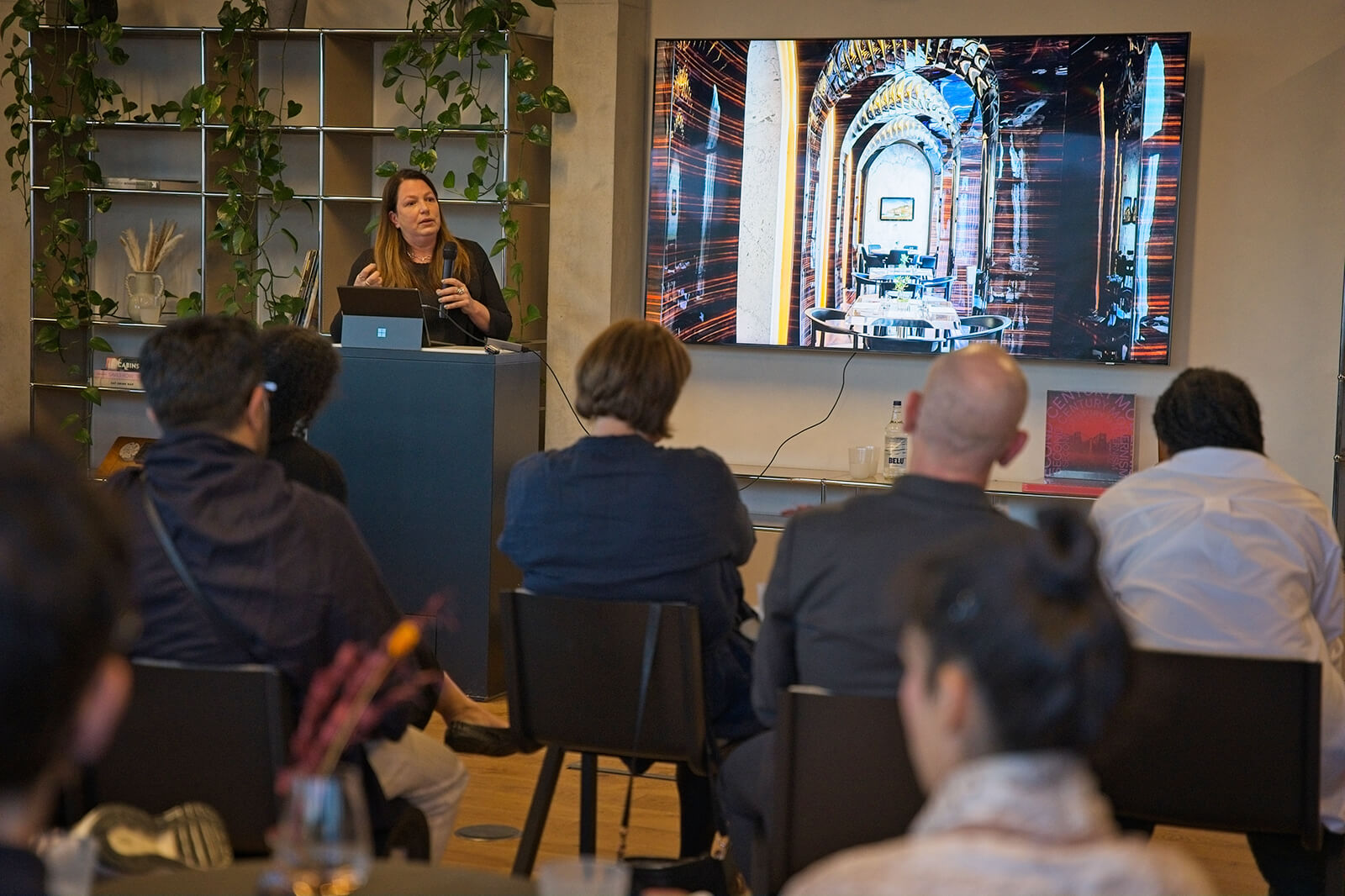
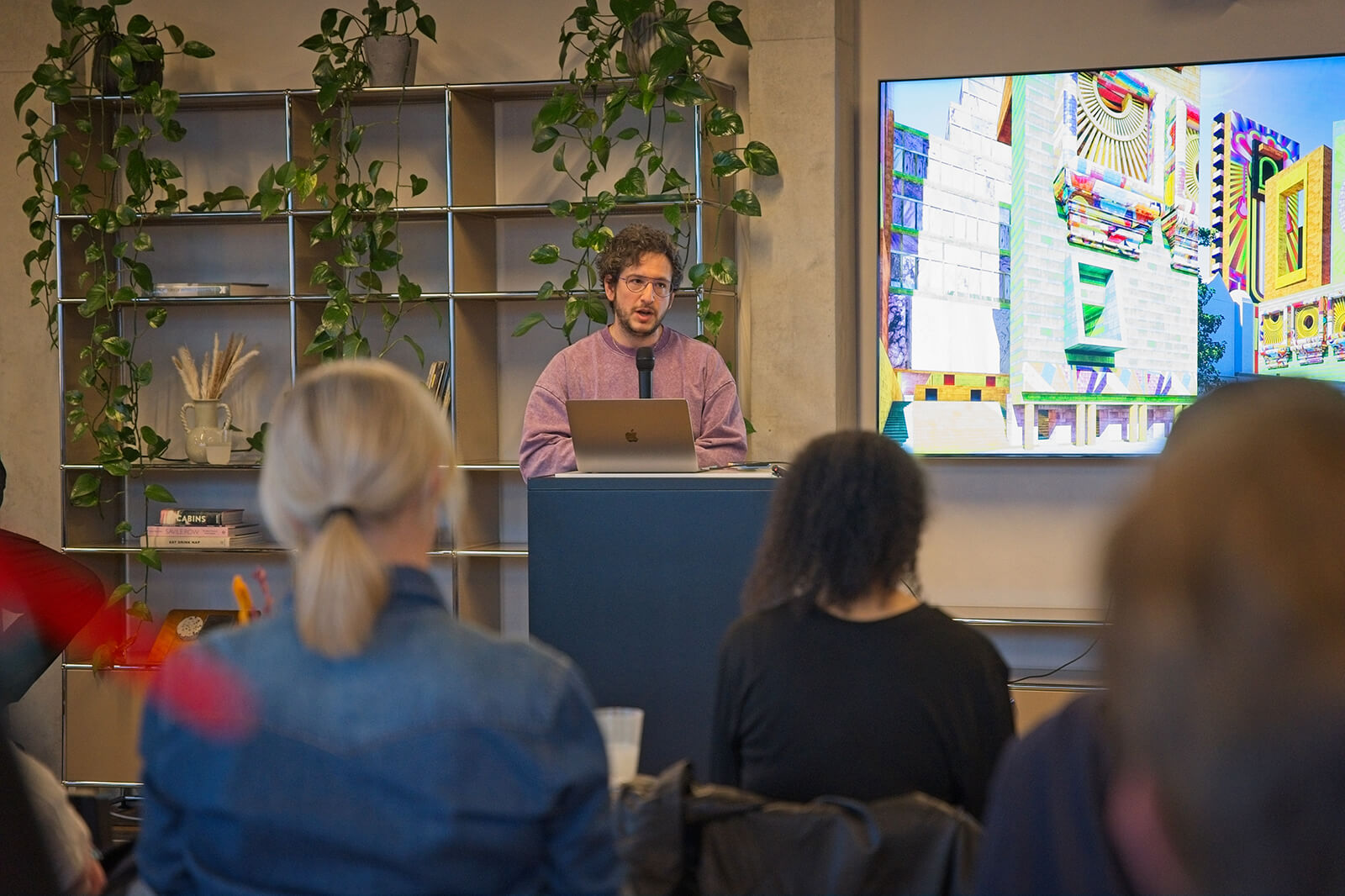
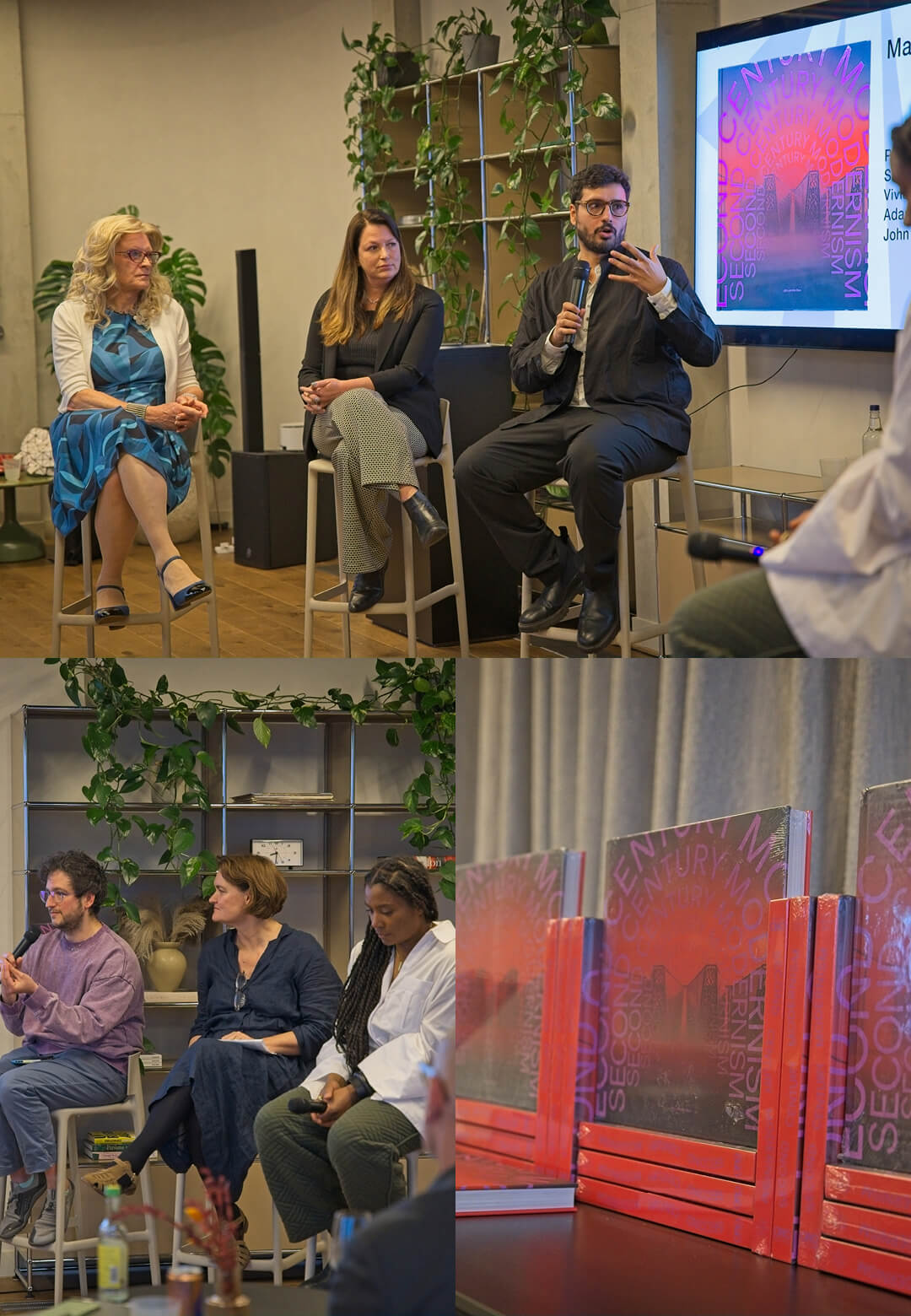
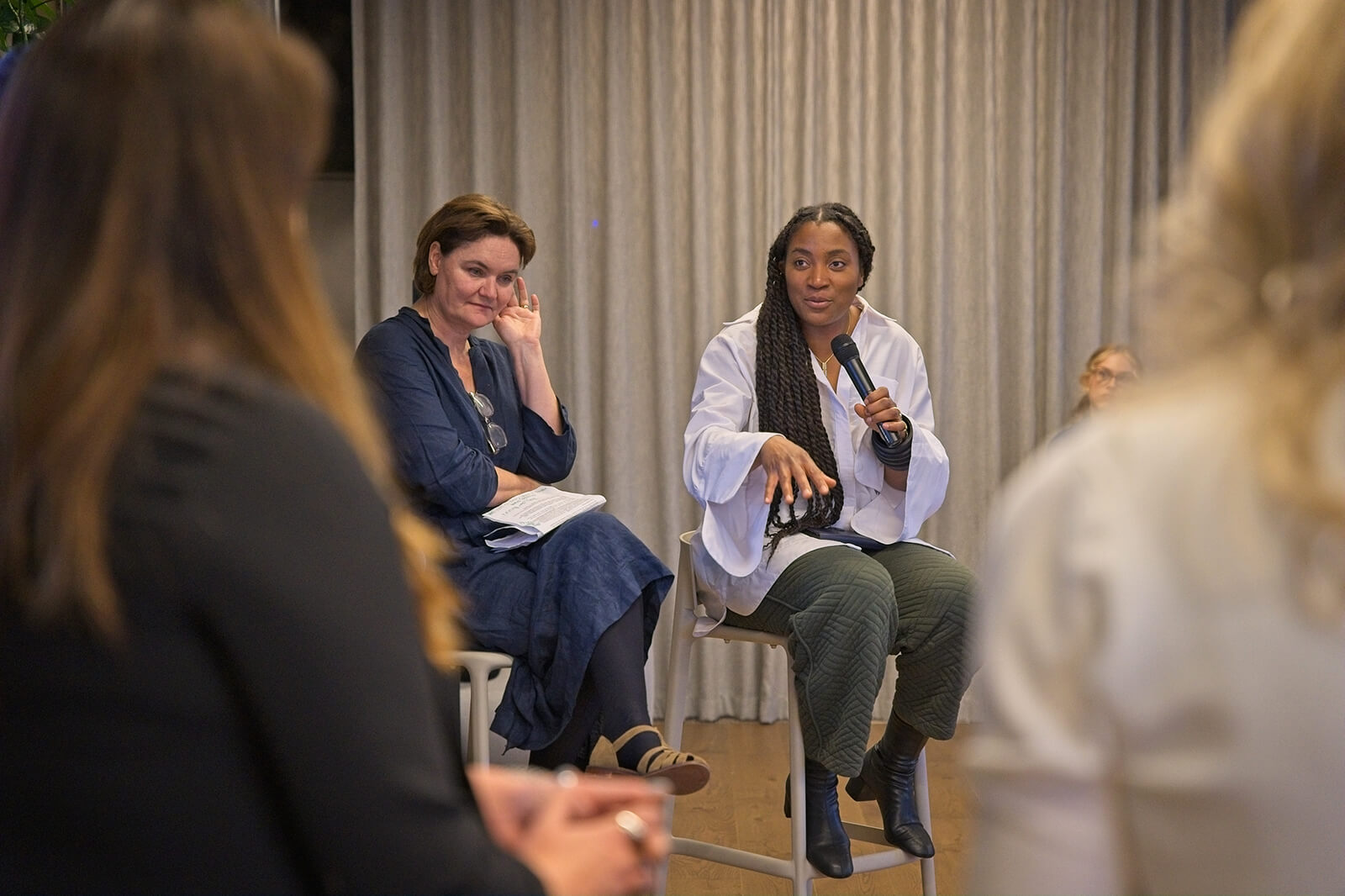
For a question posed in architectural terms, opening the room up to creatives whose practices lie on the very liminal peripheries of architecture helped broaden the conversation beyond self-imposed siloes. It also sought to decentre the sole agency architecture often subsumes in shaping our experience of the built environment. With an illustrious panel of speakers and contributors, including poet and artist Pelé Cox; designer, artist and cultural change-maker Simone Brewster; architect and director at Zaha Hadid Architects (ZHA), Viviana Muscettola; alongside artist and designer Adam Nathaniel Furman with Marx, the evening, at the iconic Space House’s Clubhouse in Holborn, London, unfolded in a unique format. Each of the diverse practitioners responded to the idea of what modernism in its second century can look like through the lens of their individual practices in multimodal presentations, before convening for a panel discussion expanding on these aspects, moderated by STIR.
Buildings may be like poems, but people are also like buildings, and we need to make people better readers of the environment. The more they demand from their environment, the more well-read they themselves become. – Pelé Cox
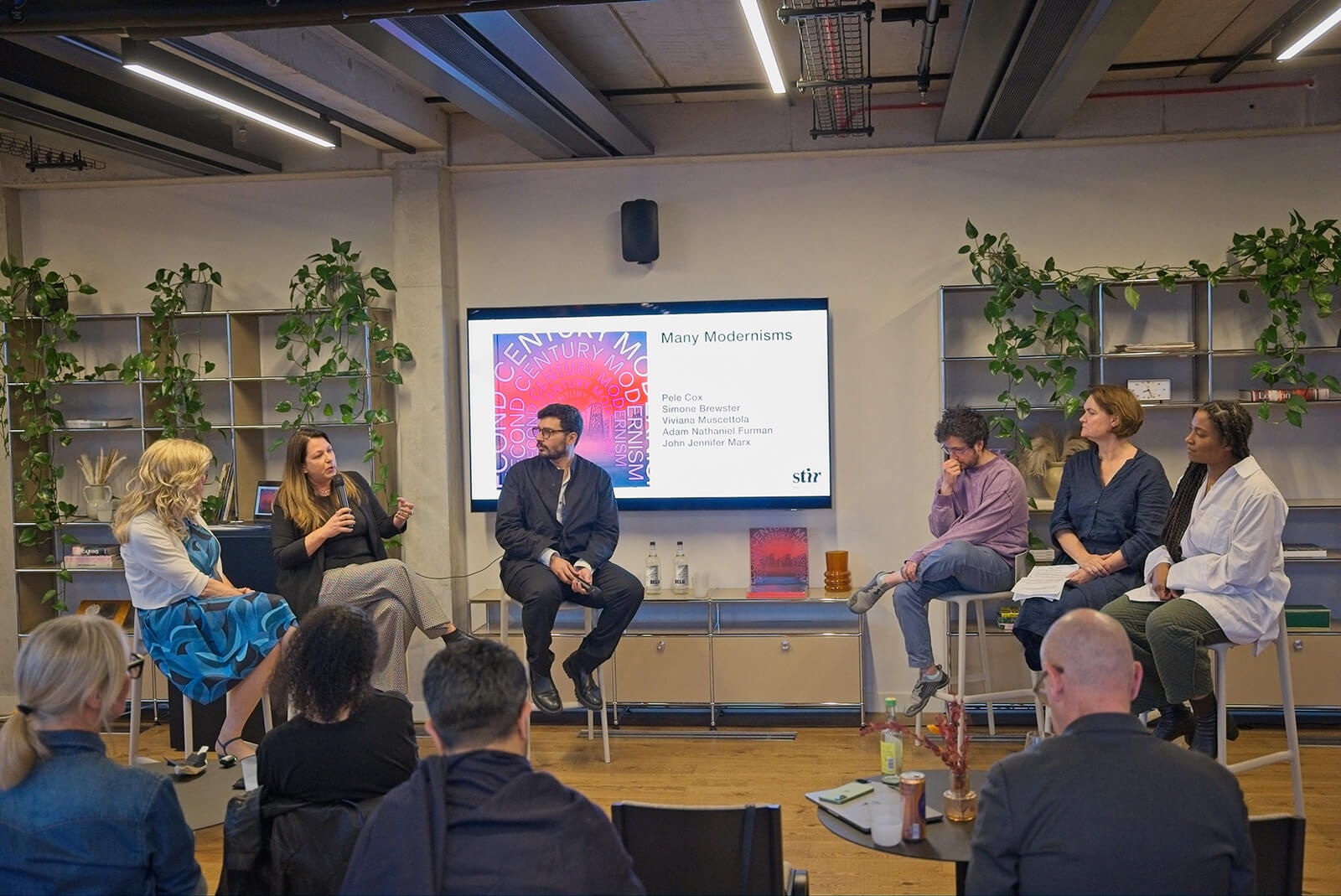
Through their presentations, the speakers stressed the need for no single maker, often relegating the aesthetic of blandness plaguing our cities to singular, hero figures in architecture. Cox, most notably presenting her work with Eric Parry Architects—a frieze poem inscribed on one of the architects’ buildings in the formerly Chelsea Barracks—professed an inimitable connection between architecture and poetry. For her, both needed light, space, memory and spirituality to be able to connect to people, in turn calling for people to be better ‘readers’ of their built environment. Brewster, who is also the second PLATFORM designer to have her work showcased at the Design Museum currently, brought unmistakable energy to the discussion with her rapturous calls to ‘interrupt’ architecture rather than admiring from a distance. Strikingly, her commentary bore resonance with both her jewellery designs inspired by her diasporic heritage as well as her larger, urban installations, inducing play in otherwise rigid city blocks.
Architecture becomes real when we interrupt it; when we inhabit it, when we make it our own. Not when it’s admired from a distance, but when people feel welcome enough to stay. That is the real measurement of good architecture. – Simone Brewster
Muscettola, with an illustrious career and practice at ZHA, expounded on the globally renowned practice’s many projects and formal disruption as a way of firmly occupying contexts while evading sameness. Known for its distinct brand of parametric architecture often defined by near-impossible curves, the practice’s oeuvre seldom yields historical or contextual responsiveness as we have come to expect it, but is still beloved. Muscettola’s presentation delved precisely into that desire to reinvent. On the other hand, Furman’s chromatically charged presentation and responses, including both built projects and audacious reimaginations of iconic structures around London—all very on-brand for the British designer—drove his point on architectural plenitude home. For Furman, Second Century Modernism most fervently called for an almost reckless abandon of suited and established ideals to arrive at the abundance Marx professed.
Architecture seeks to resonate with the environment, whether the urban one or the natural one. Their design is often a reinterpretation of a cultural narrative in the local landscape. – Viviana Muscettola
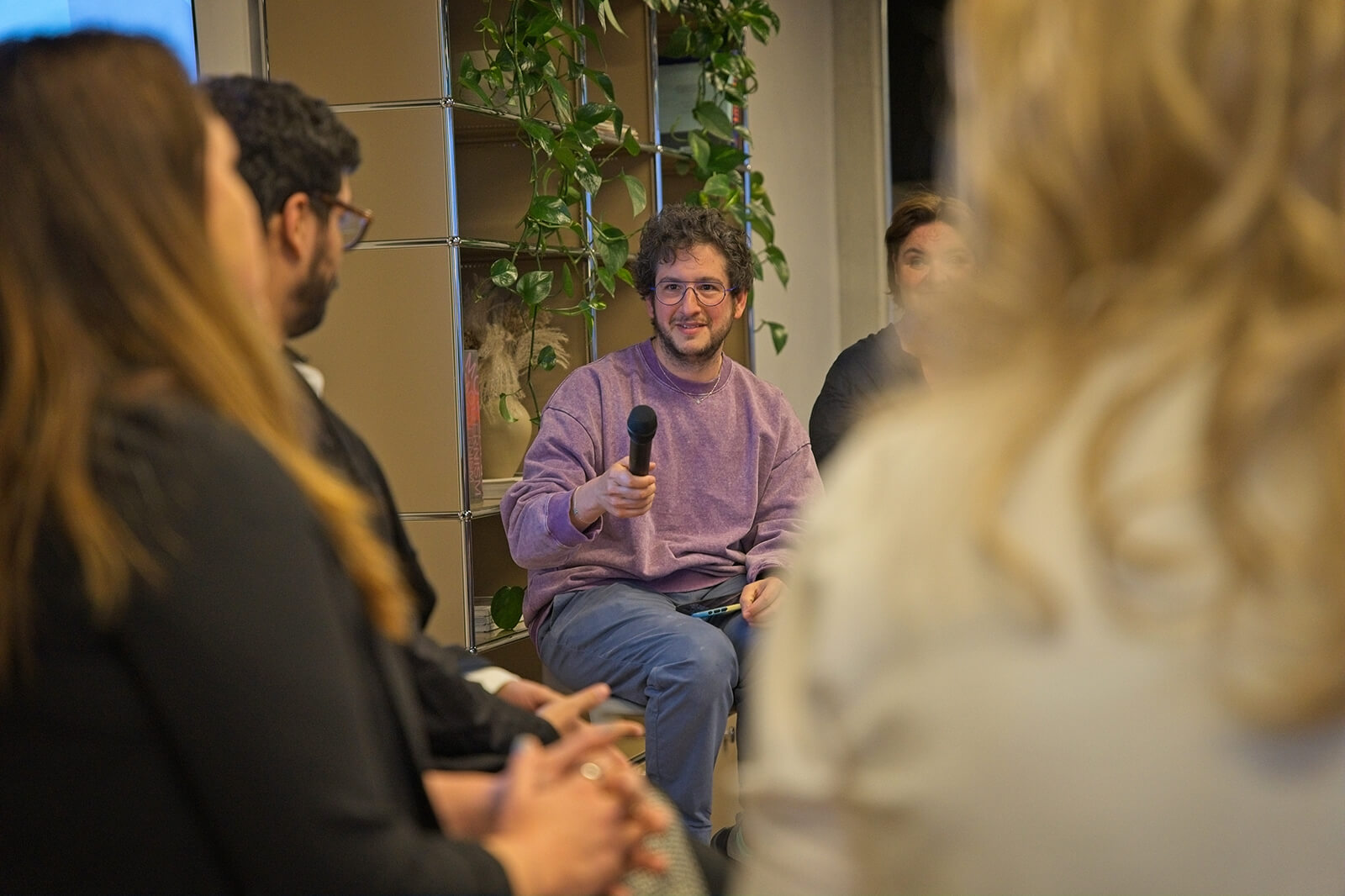
It felt like a call for returning to that vivacious plenitude: to have the fullness of existence expressed through material culture. – Adam Nathaniel Furman
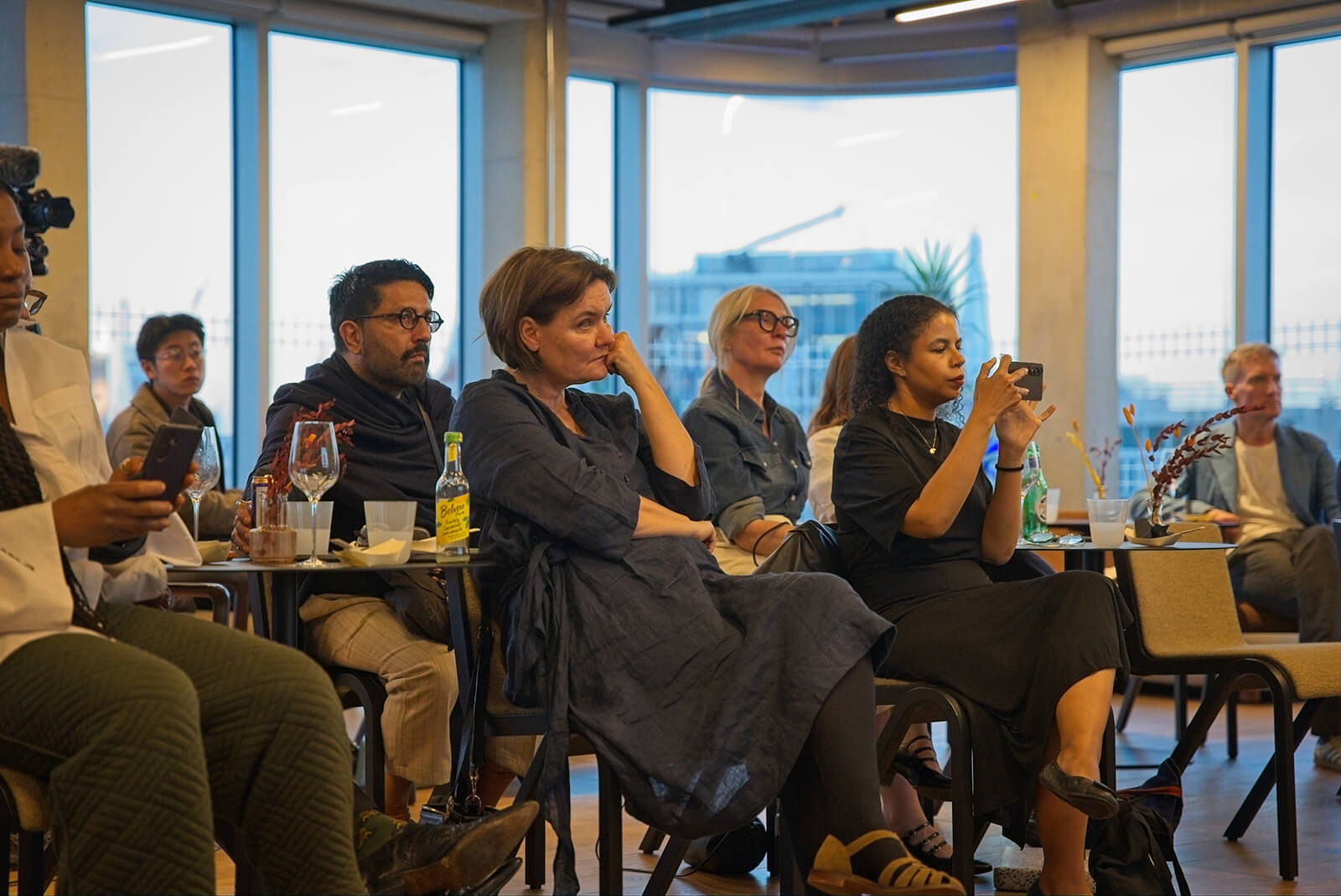
Through the panel and across the evening, the flow and inflexion—almost a cross-contamination—of ideas on ways to better our built environment was, in equal parts, inspiring and gratitude-inducing. It firmly established what lies in the christening of the evening: that perhaps modernism in its second century doesn’t need to be unitary and adopt singular definitions, or singularly ascribed ones. The non-singularity pervades not just the maker, but also the user and occupier. Away from modernism’s one-glove-fits-all solution, bespokeness, too, can be a default condition to operate with/from. Stewardship, especially in the built environment, has always been multifarious, even if those voices may not always come to the fore. That architects can then consider it a sacred responsibility can be the first step in ensuring that the aesthetic concerns of contemporary architecture, too, eventually fall into place.
by Pranjal Maheshwari Oct 24, 2026
A consortium of Copenhagen’s 3XN, Toronto’s B+H Architects and Shenzhen’s Zhubo Design has designed the museum to mimic the surrounding riverscape, topped with a public park.
by Pranjal Maheshwari Oct 19, 2026
The Mumbai-based architects integrate courtyards, mesh screens and north light trusses to create a dining space that doubles up as a community hub at SR University, Warangal.
by Mrinmayee Bhoot Oct 17, 2026
The Rotterdam-based institute centres the Indian Ocean as a network for exploring material histories and transnational links shaping coastal cultures, positing them as future models.
by Pranjal Maheshwari Oct 16, 2026
At the 2026 Stirling Prize ceremony, Mary Duggan with RUFF Architects, MAKER Architecten and Nakshabid Architects were felicitated for proffering quality housing and social equity.

make your fridays matter with a well-read weekend
Enter your details to sign in
Don’t have an account?
Sign upOr you can sign in with
a single account for all
STIR platforms
All your bookmarks will be available across all your devices.
Stay STIRred
Already have an account?
Sign inOr you can sign up with
Verification link sent to check your inbox or spam folder to complete sign up process
Tap on things that interests you.
Select the Conversation Category you would like to watch
Please enter your details and click submit.
Enter the 6-digit code sent at


Many hands, many makers, Many Modernisms
by Anmol Ahuja | Published on : Jun 26, 2026


 Sign in with Google
 Sign in with email
What do you think?