Architecture08 mins. read
Many hands, many makers, Many Modernisms
by Anmol AhujaJun 26, 2026



by Zohra KhanPublished on : Apr 10, 2026
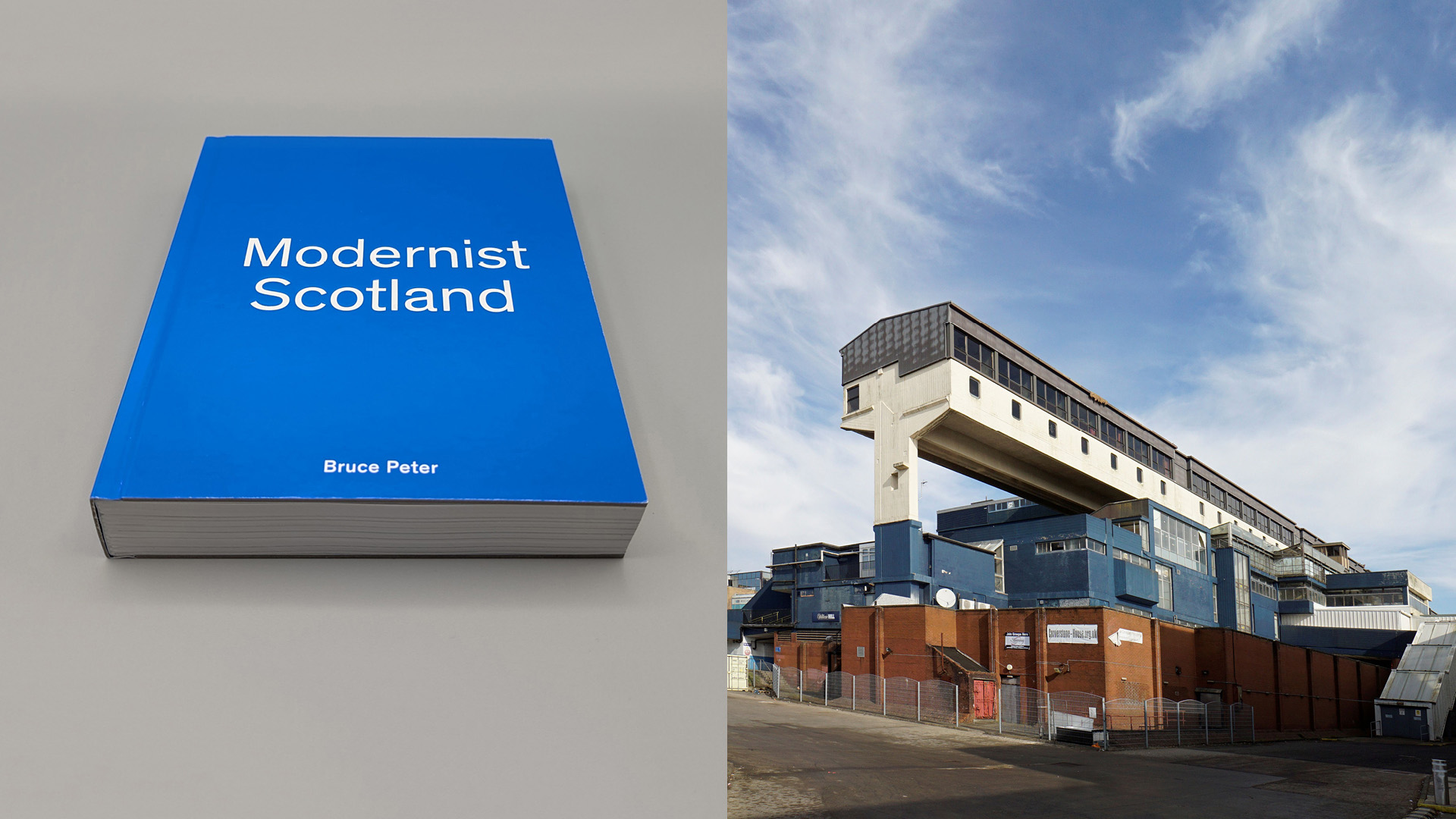
What does it mean to build something that lasts in a culture that is exceedingly self-assured in its judgment of things worth preserving? Modernist Scotland does not answer that. It simply places you within that question, long enough, throwing equal bouts of joy and discomfort your way before it asks you to feel its full weight. The book by Glasgow-born, half-Danish writer and educator Bruce Peter does not begin with a building. It begins with an ending—a loud one. Peter recounts a late-summer afternoon in 1993, the year he was a 19-year-old architecture student, when he stood on Glasgow Green beside his grandmother, waiting for a spectacle to unfold. Across the River Clyde, the Queen Elizabeth Square flats revealed their gigantic selves. A pause occurs, the kind that stretches just long enough to register doubt, and in another moment, the charges go off.
Boom, boom, boom! The skyline fractures. Concrete becomes dust. Powerful urban silhouettes sink out of view. What had once been a confident gesture of the future collapses into a cloud that swallows its own outline before crashing, abruptly, out of sight. It is a scene staged as renewal, but it does not feel like one. This demolition does more than introduce a book; it establishes a way of seeing. “A couple of weeks before their dynamiting, I paid a valedictory visit to photograph them one last time. To me, even in their decayed final state and with the 1980s addition of postmodern corrugated metal roofing, they appeared majestic and sculptural. Destroying them felt completely wrong,” notes Peter in the introduction of the 416-page illustrated book.
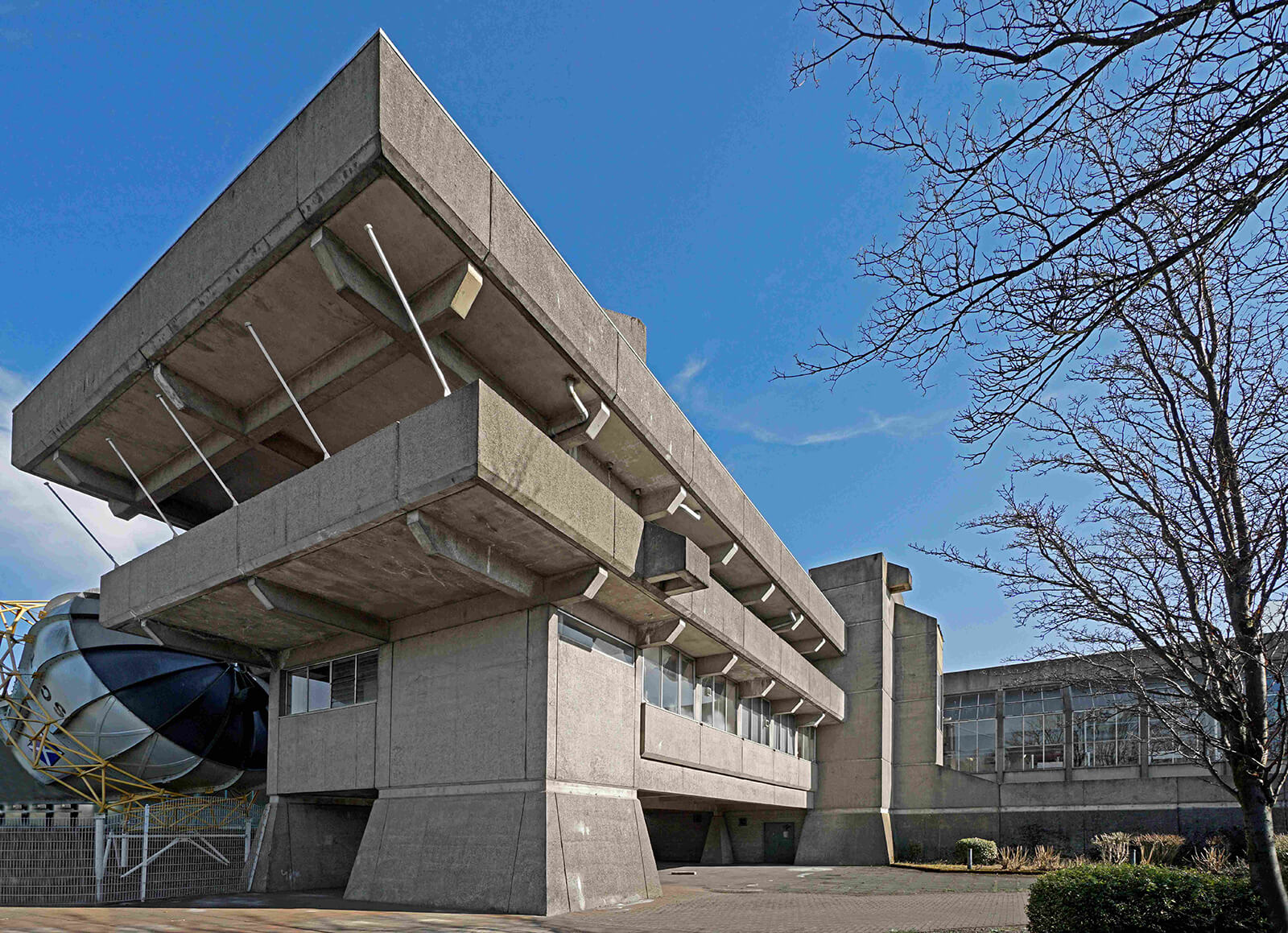
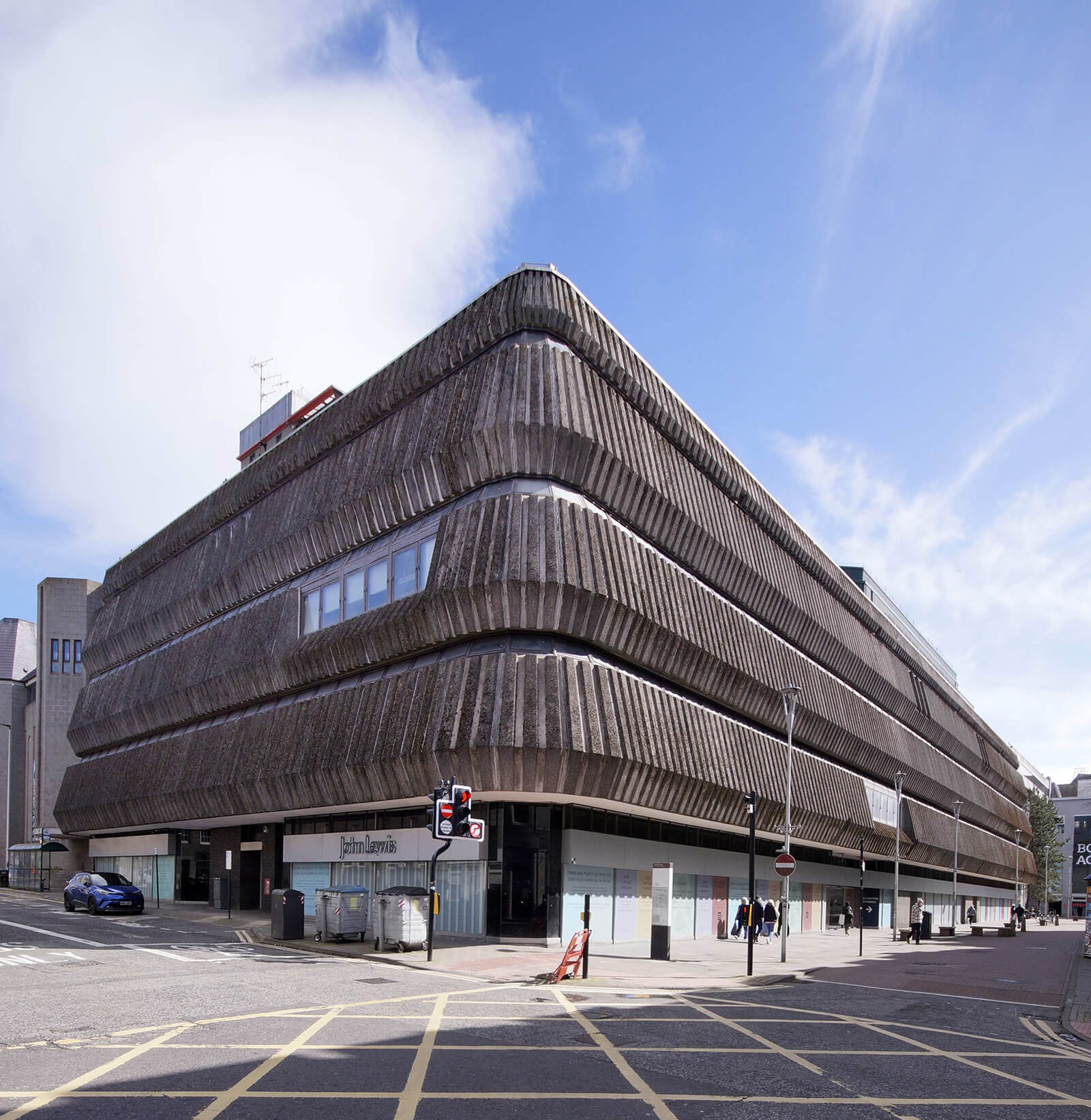
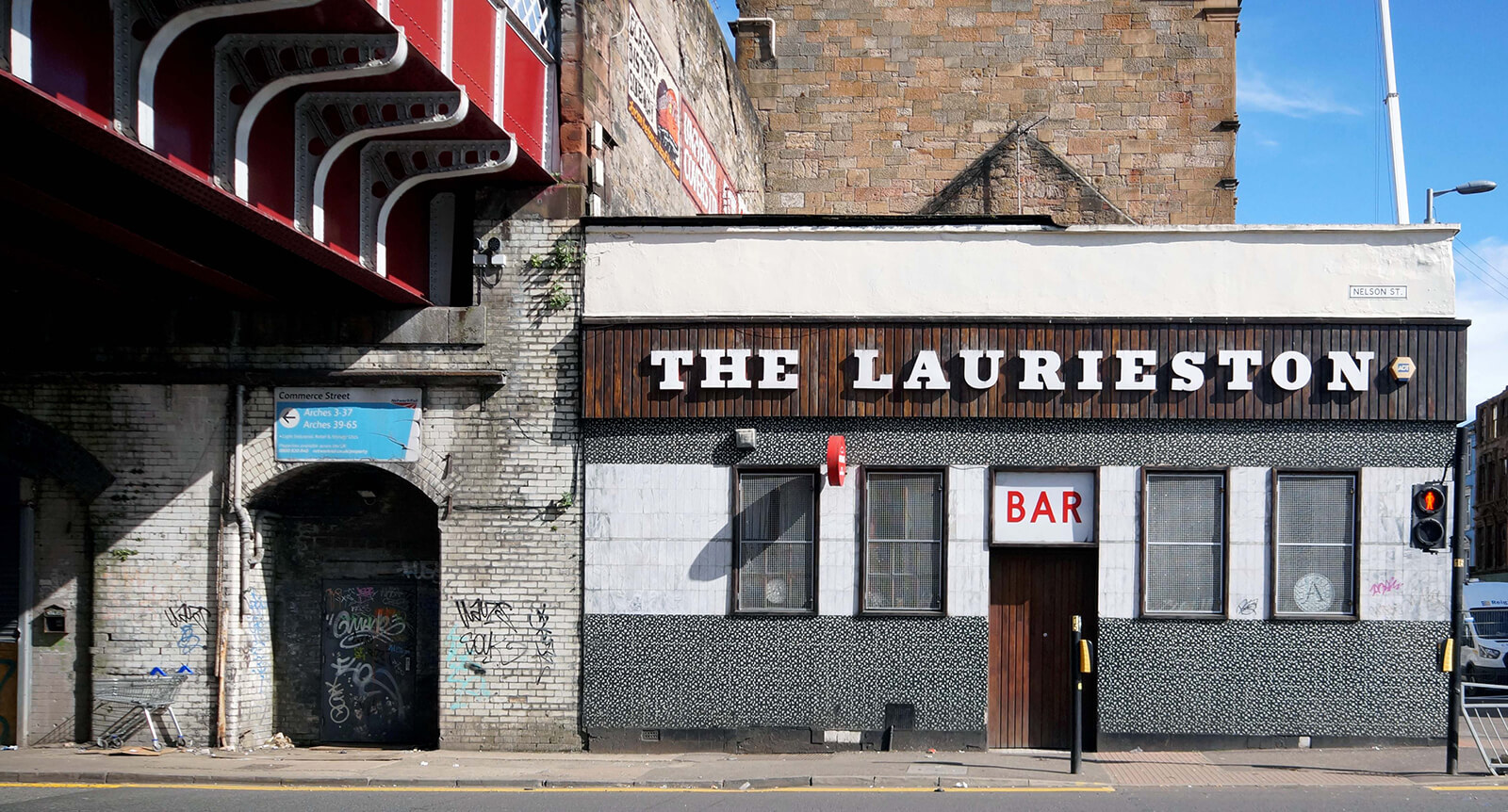
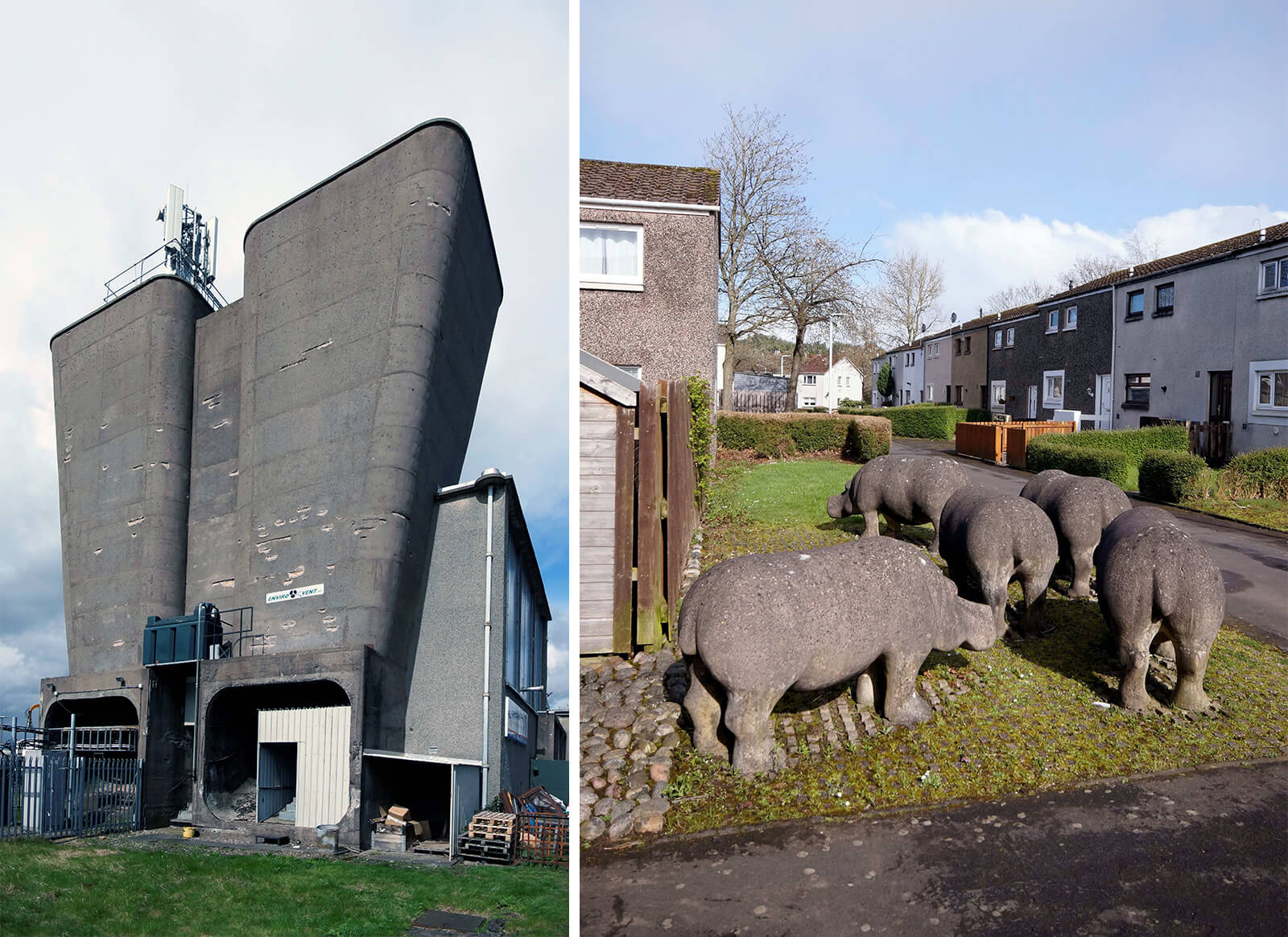
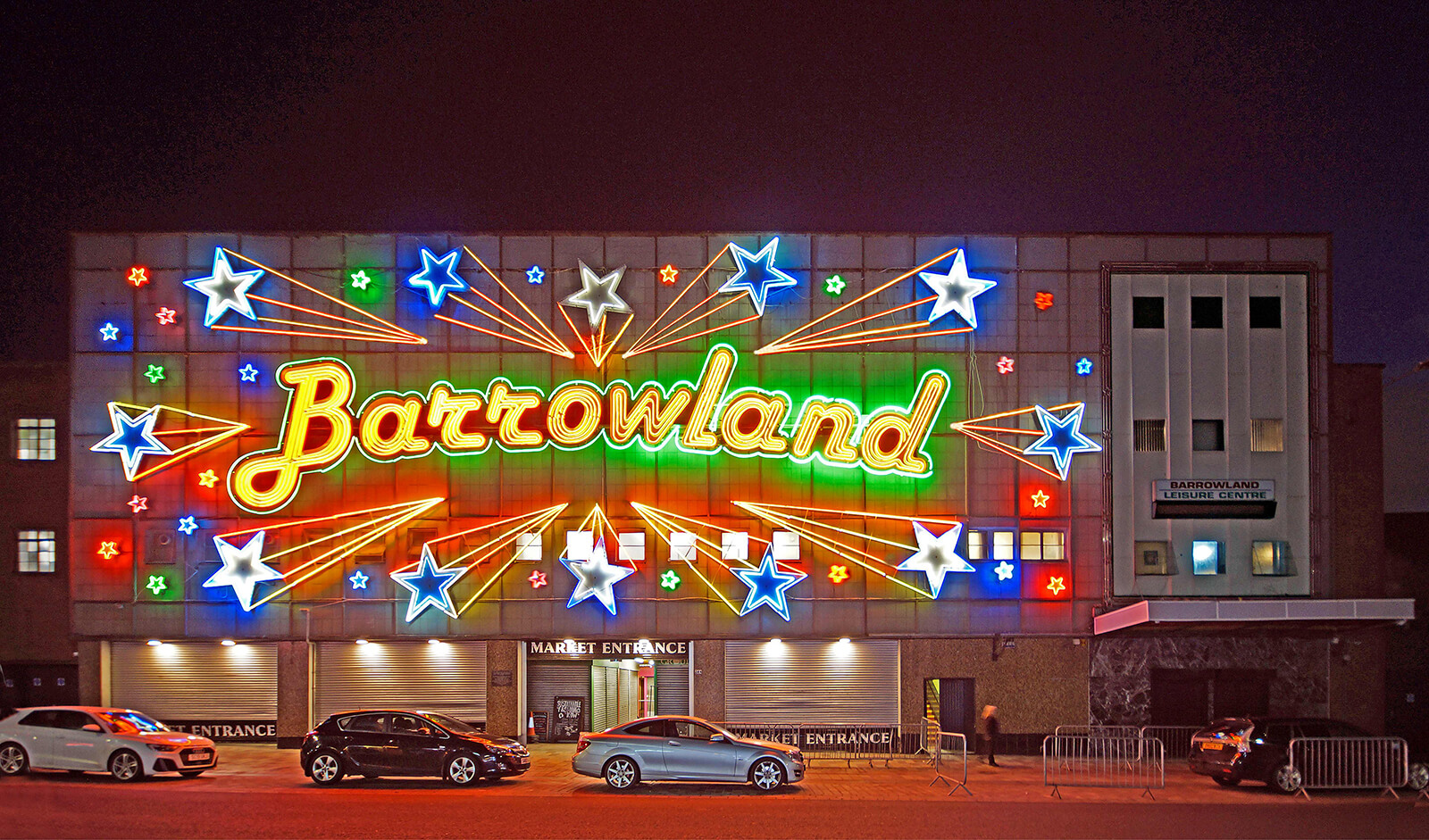
Through an in-depth exploration of Scotland’s modernist architecture, focusing primarily on the period from the mid-20th century when post-war reconstruction and welfare-state ideals reshaped the built environment, the book invites readers to reconsider the ordinary and the overlooked. It reveals how design, ideology and social ambition intertwined to shape Scotland’s modernist landscape while offering a refreshing lens through which to experience these architectural landmarks today. The pages feel like weather systems—low skies, damp surfaces, grey silhouettes and a cold brightness that reveals as much as it obscures. There is a physicality to it and a certain visual numbness, as though each image carries temperature, weight and exposure.
From the outset, one gets a sense that Peter is asking readers not just to interpret buildings intellectually, but to feel them spatially and historically. Page after page, photographs show up—some archival, others contemporary—inviting you into Scotland’s post-war built environment. The effect is almost cinematic. It feels like you are travelling across decades, watching optimism solidify into concrete and glass. Schools appear not merely as buildings but as promises of equal education. Social housing schemes are not just structures—they are attempts to reimagine dignity for working-class lives. Civic centres feel like bastions of democracy.
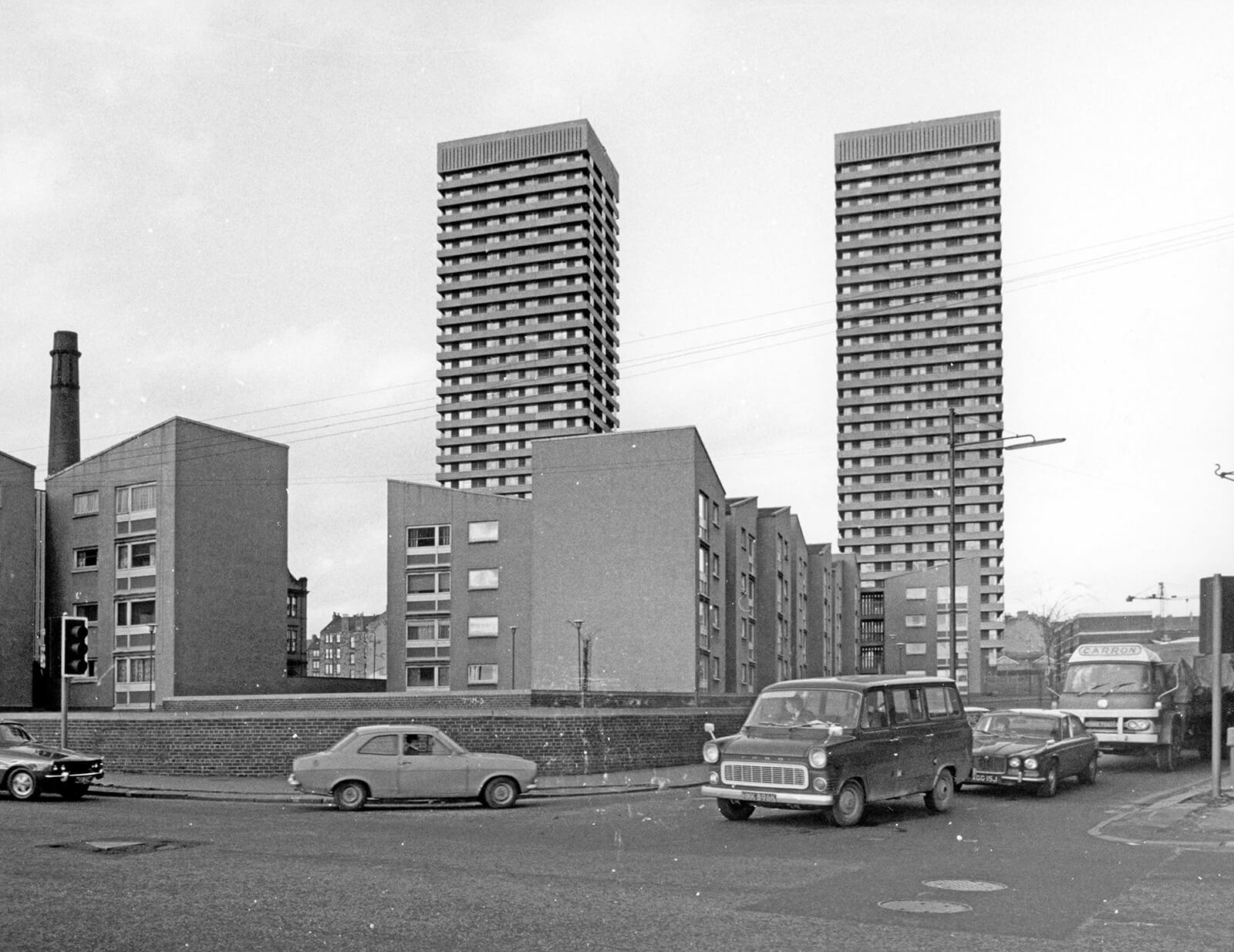
Modernist Scotland is spread across two key sections, and the experience of reading each is distinct (and equally devastating, somehow). The first is a 10,000-word illustrated essay in which Peter provides a sweeping overview of modernist developments in Scotland—contextualising architecture within politics, economics and cultural shifts. Engaging with this section feels like finding solid ground beneath shifting terrain. It offers context, but also a lens through which modernism emerges as both aftermath and ambition: a quiet response to war, a projection of state intent and a delicate dialogue between the universal language of form and the nuances of place.
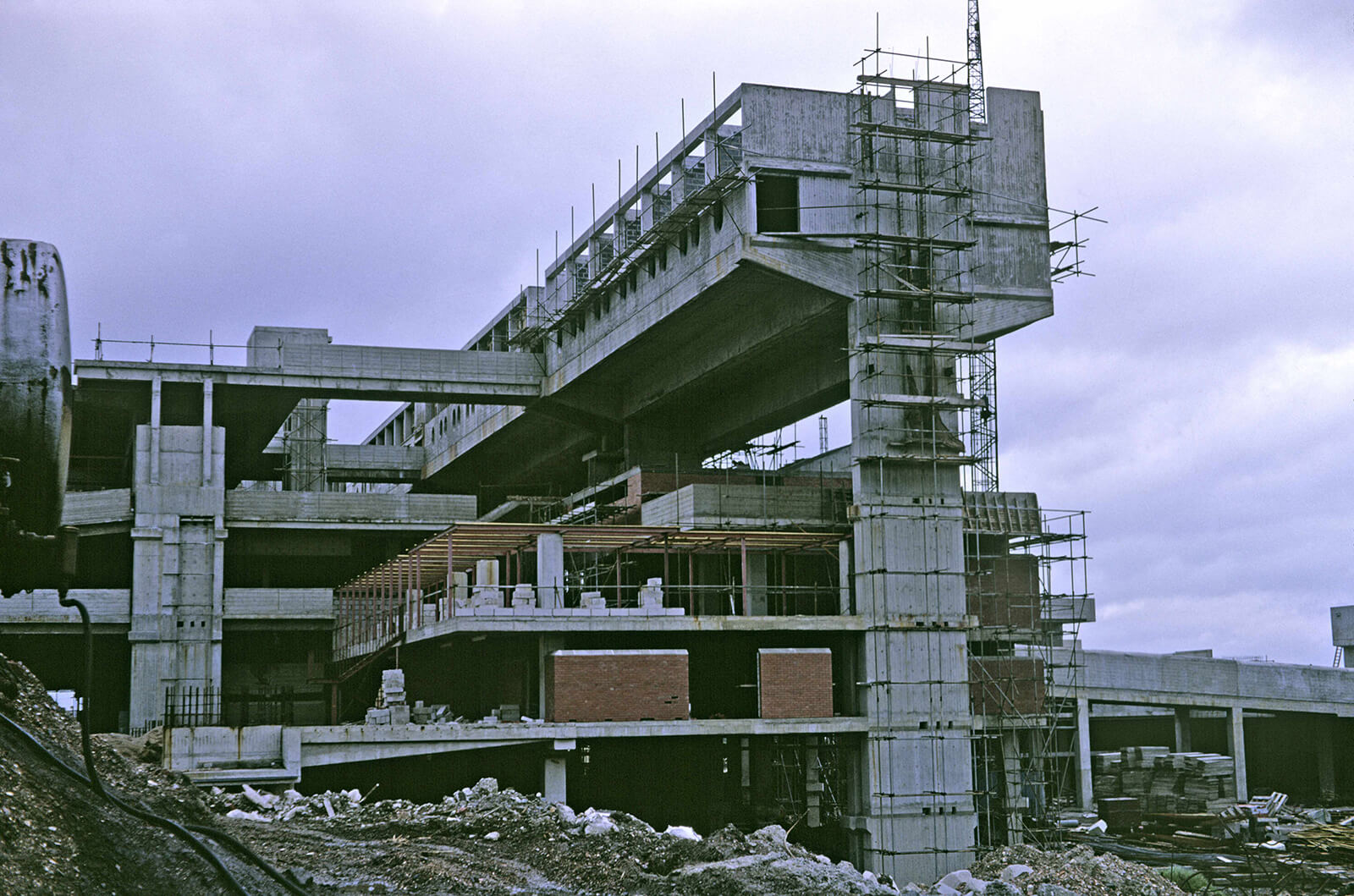
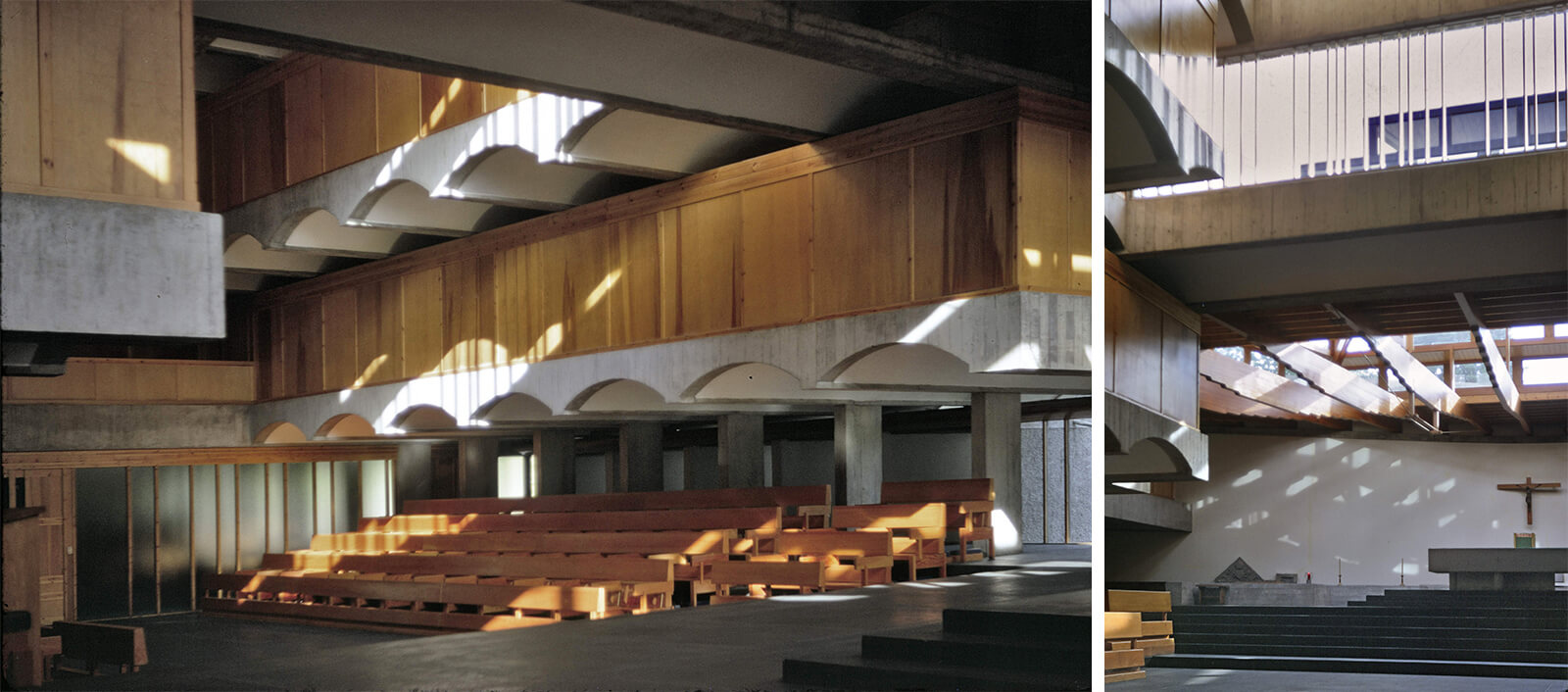
The book then segues into a section that appears less like reading and more like getting closer to the spectacle, a transition from hovering above to walking among the subjects in discussion. You begin to feel the roughness of concrete, the echo of footsteps in exposed corridors, the openness of elevated walkways against the Scottish weather. The architecture and its experience become much more sensory. The terraces of Cumbernauld Town Centre unfold like an inhabited megastructure, dense and labyrinthine, while the Red Road Flats rise with a stark, vertical composure that feels defiant and isolating. At St Peter’s Seminary, Cardross, the concrete opens into something almost sacred, ruined now, yet still charged with a strange, lingering intensity, while the David Hume Tower in Edinburgh asserts itself with a more austere, intellectual severity. The Anderston Centre stretches laterally, merging infrastructure and habitation into a contiguous urban surface, while smaller civic and religious buildings punctuate the Scottish landscape with moments of quiet sculptural clarity. Moving between them in the book is not just a shift in form but in atmosphere: from enclosure to exposure.
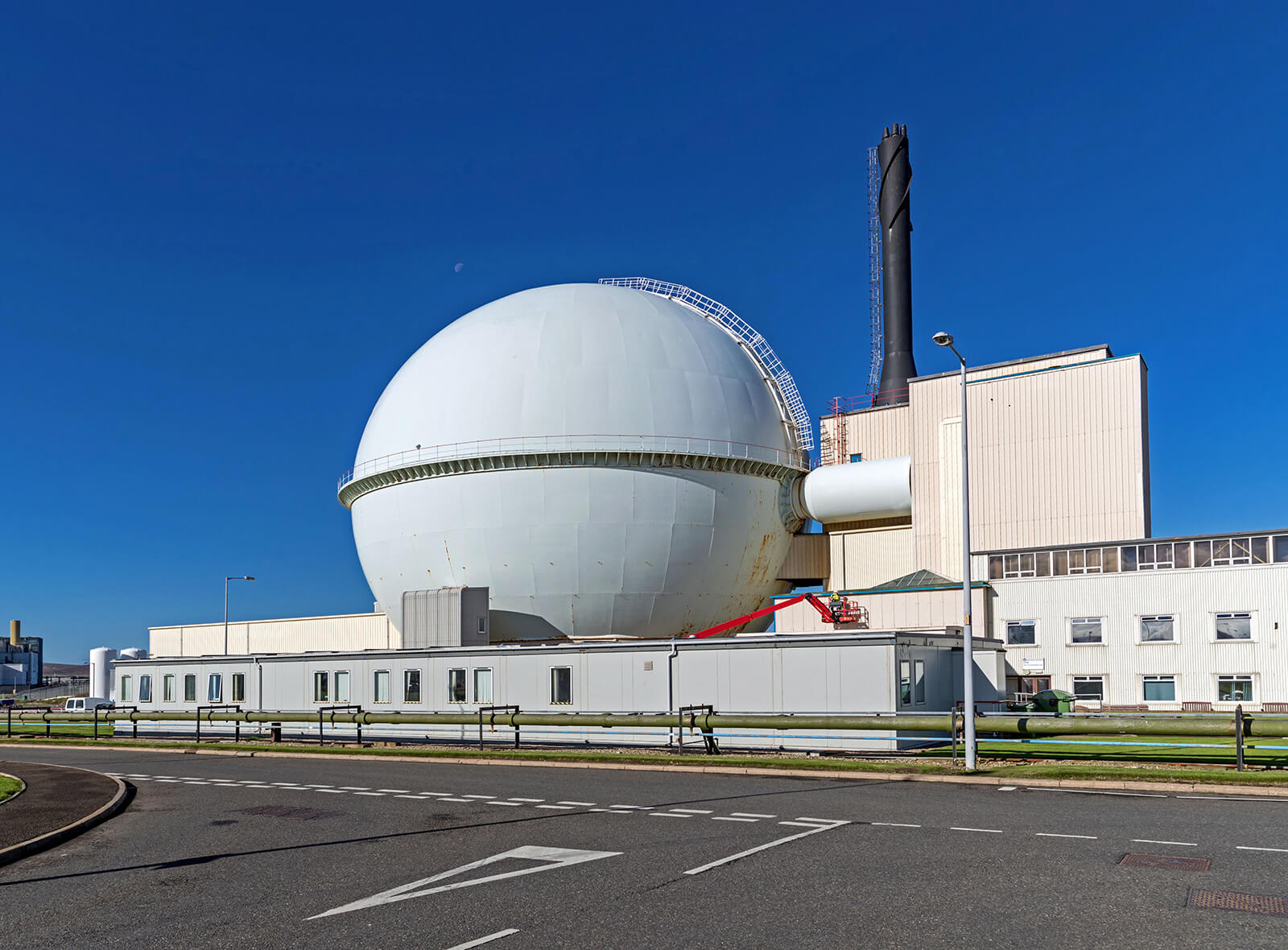
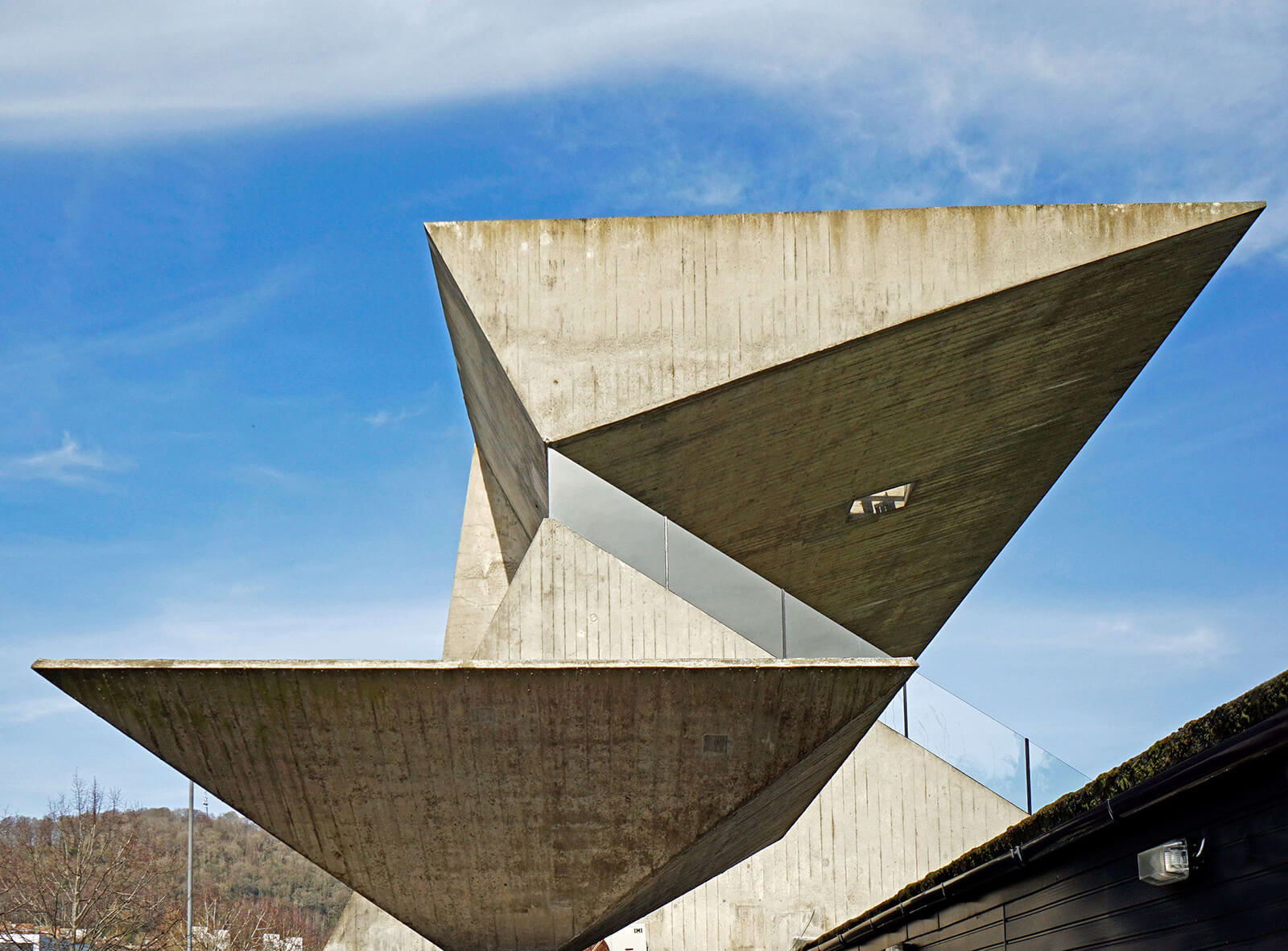
What makes Modernist Scotland particularly compelling is the balance between academic rigour and emotional resonance. On one level, it is a deeply researched study; on another level, it is an aesthetic and emotional journey. One might begin reading it with analytical curiosity, but one is likely to end it with lingering feelings of nostalgia, melancholy or even frustration. Another experiential layer comes from the book’s refusal to resolve a central question: What are the notions of beauty in modernist architecture? Even with those in tow, can modernist architecture be termed conventionally beautiful? Often, the answer feels like yes, even if quite provocatively, especially in buildings where light, proportion and innovation align harmoniously. At other times, the structures feel imposing, oppressive. Peter does not force a conclusion. Instead, he allows the reader to oscillate between admiration and discomfort. This ambiguity is crucial. It mirrors the broader cultural debate around modernism itself.
The book, however, presents limited engagement with lived experience. While it acknowledges social intentions behind modernist architectural projects, it doesn’t consistently centre the voices of residents who actually inhabited the spaces. One could also argue that the book leans toward a kind of retrospective romanticism. By framing modernism in Scotland through a lens of lost ambition and faded optimism, it risks smoothing over contradictions, presenting the era as more unified or idealistic than it may actually have been. None of these points undermines the book’s value, but they do open up space for a more balanced reading: one that appreciates its documentation and visual richness while also bringing to light what is left unsaid.
Overall, Modernist Scotland draws you in without engulfing you, thinks deeply without hardening into dryness and questions without closing the door on what it critiques. And when it loosens its grip, it does not quite let you go. Instead, it leaves behind a quiet, insistent murmur: What do we choose to preserve, and in that choosing, what do we reveal of ourselves?

by Pranjal Maheshwari Oct 19, 2026
The Mumbai-based architects integrate courtyards, mesh screens and north light trusses to create a dining space that doubles up as a community hub at SR University, Warangal.
by Mrinmayee Bhoot Oct 17, 2026
The Rotterdam-based institute centres the Indian Ocean as a network for exploring material histories and transnational links shaping coastal cultures, positing them as future models.
by Pranjal Maheshwari Oct 16, 2026
At the 2026 Stirling Prize ceremony, Mary Duggan with RUFF Architects, MAKER Architecten and Nakshabid Architects were felicitated for proffering quality housing and social equity.
by Mrinmayee Bhoot Oct 12, 2026
The new Centre for Contemporary Arts, fostering public engagement with art in Uzbekistan, is housed in a tram depot refurbished by the French studio, emulating local craftsmanship.

make your fridays matter with a well-read weekend
Enter your details to sign in
Don’t have an account?
Sign upOr you can sign in with
a single account for all
STIR platforms
All your bookmarks will be available across all your devices.
Stay STIRred
Already have an account?
Sign inOr you can sign up with
Verification link sent to check your inbox or spam folder to complete sign up process
Tap on things that interests you.
Select the Conversation Category you would like to watch
Please enter your details and click submit.
Enter the 6-digit code sent at


Modernist Scotland straddles academic rigour and emotional resonance
by Zohra Khan | Published on : Apr 10, 2026


 Sign in with Google
 Sign in with email
What do you think?