Art08 mins. read
At Colomboscope 2026 in Sri Lanka, a score for many people
by Ranjana DaveJan 30, 2026



by Ranjana DavePublished on : Jan 27, 2026
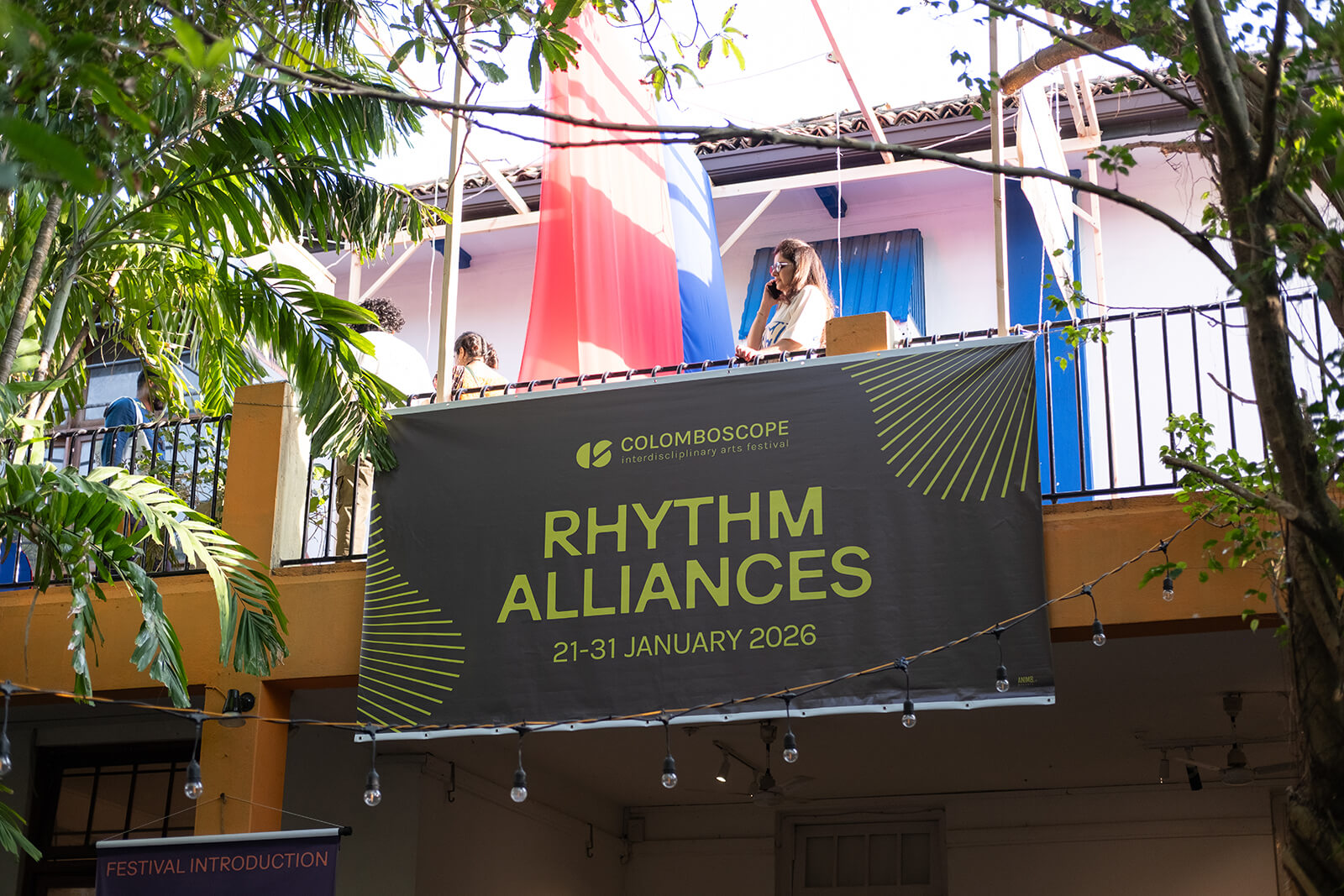
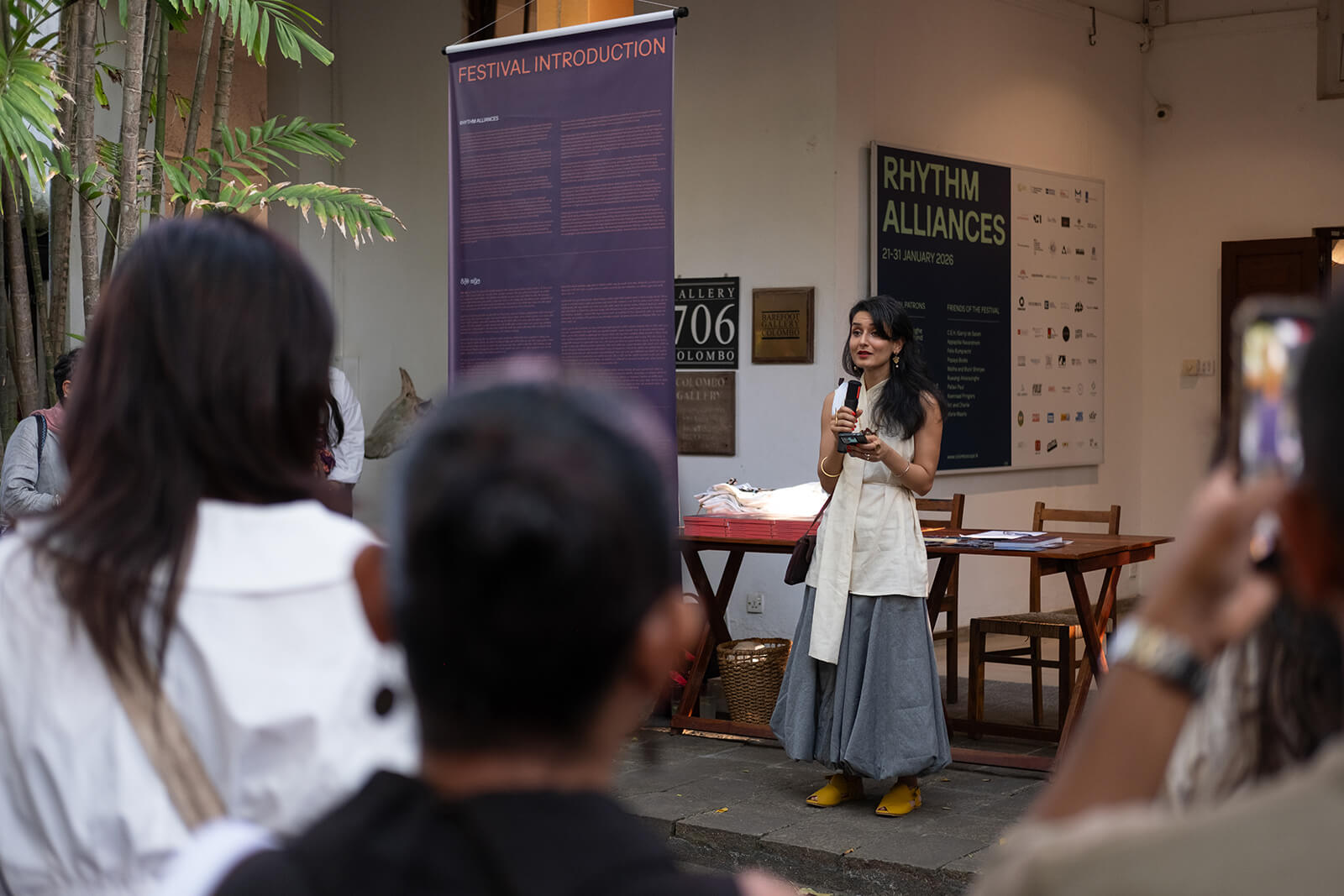
Rhythm Alliances, the ninth edition of Colomboscope, unfolds in Colombo, Sri Lanka, from January 21 – 31, 2026. With Hajra Haider Karrar as guest curator and Natasha Ginwala as artistic director, the festival spans exhibitions, performances, talks and workshops across several venues in Colombo, from local galleries and music schools to a boat docked in a contentious new special economic zone. Excerpts from a conversation with STIR.
Ranjana Dave: ‘Rhythm’ in this edition seems to function as both metaphor and method. What were some of the shared urgencies and questions that shaped this year’s curatorial framework and programme?
Natasha Ginwala: This festival edition is dedicated to the pulse of time and rhythm-keeping, to the frequencies and reverberations that unfold as sonic worlds and remind us that this universe commenced as vibration and rupture. …It centralises modes of alliance-building through the passing on of knowledge, crosscurrents of movement, living pursuits of defiance and generosity and dwelling with music as the most primary form of communication, ritual, resistance and dreaming. To go back to this edition’s festival premise: ‘From the noise of a global order where hyperconsumption and war are rife, how may sonic counter-currents transmit the ingredients of struggles today, make paradoxical realities audible,’ Rhythm Alliances is a vortex of ideas and a cartography of emotion where grief and joy, loss and tenacious hope mingle. We compose this shared dream with over 100 artists, musicians, filmmakers, choreographers, poets, technicians, designers, translators, cleaners and cultural organisers because to quote poet Aja Monet: "We cherish the groove and the ground that we walk upon." And together to build a cause to take joy in, refusing the malice of destruction; creative refuge is not something to be taken for granted in a global climate that is pushing for dehumanisation and mechanisation of our gifts to uniquely create, witness, sense and converge.
Ranjana: How does curating from South Asia’s particular geography challenge or expand global art discourse?
Natasha: In terms of the methodology of what regionality holds for us, Sri Lanka is not a unified political geography due to the strife and systemic division it has endured. The island has yet again been vulnerable to climate emergency – even today, there is toxic air flowing through from India into the North and circling across the island.
Amidst these paradoxes, we have endeavoured to build constellations and bridges. It has been refreshing to deepen global majority camaraderie and artistic solidarity through the making of Rhythm Alliances. The regionality is really one that is grounded in relationships, with cultural producers and networks, whether that is in Pakistan, Nepal, Thailand, Myanmar or Bangladesh, cultural organisers who move instinctively and want to make [things] possible despite current geopolitical frictions.
Given the art market and cultural currents – people want more South Asian artistic voices and curatorial voices to be platformed – we have to be really conscious to not neglect the diversity that's there. Who can speak for South Asia? If you have more resources, for instance, in Dubai or London, are you speaking for South Asia in a certain way that may not necessarily bring these direct resources to the cultural context in these major locations of South Asia? And I think that's something we're very conscious about.
Ranjana: How did you hold space for difference, of thought, background and rhythm, in your programming for Colomboscope, while shaping a festival that still feels coherent to audiences and communities?
Natasha: Across this island geography and many corners of the world, ancient rituals invite communal labour to produce elements of beauty, devotional power, sovereignty and transformation – to gather in making and then dispersal. This is also the concrete yet ephemeral nature of a festival such as Colomboscope. Like a spider web: whole and tensile, spinning and disappearing. Each time we feel it will be the last edition we are able to put together, as a miraculous happening against heavy odds. We do this as a higher summoning and life duty because over 13 years it has been abundantly evident how the unfolding of artistic imagination, the gathering of numerous energies and intuitions, is revitalising and essential - to be with the transmissions of unleashing and receiving stories is a continuous path of learning ‘otherwise’ (against the tides of erasure and despair).
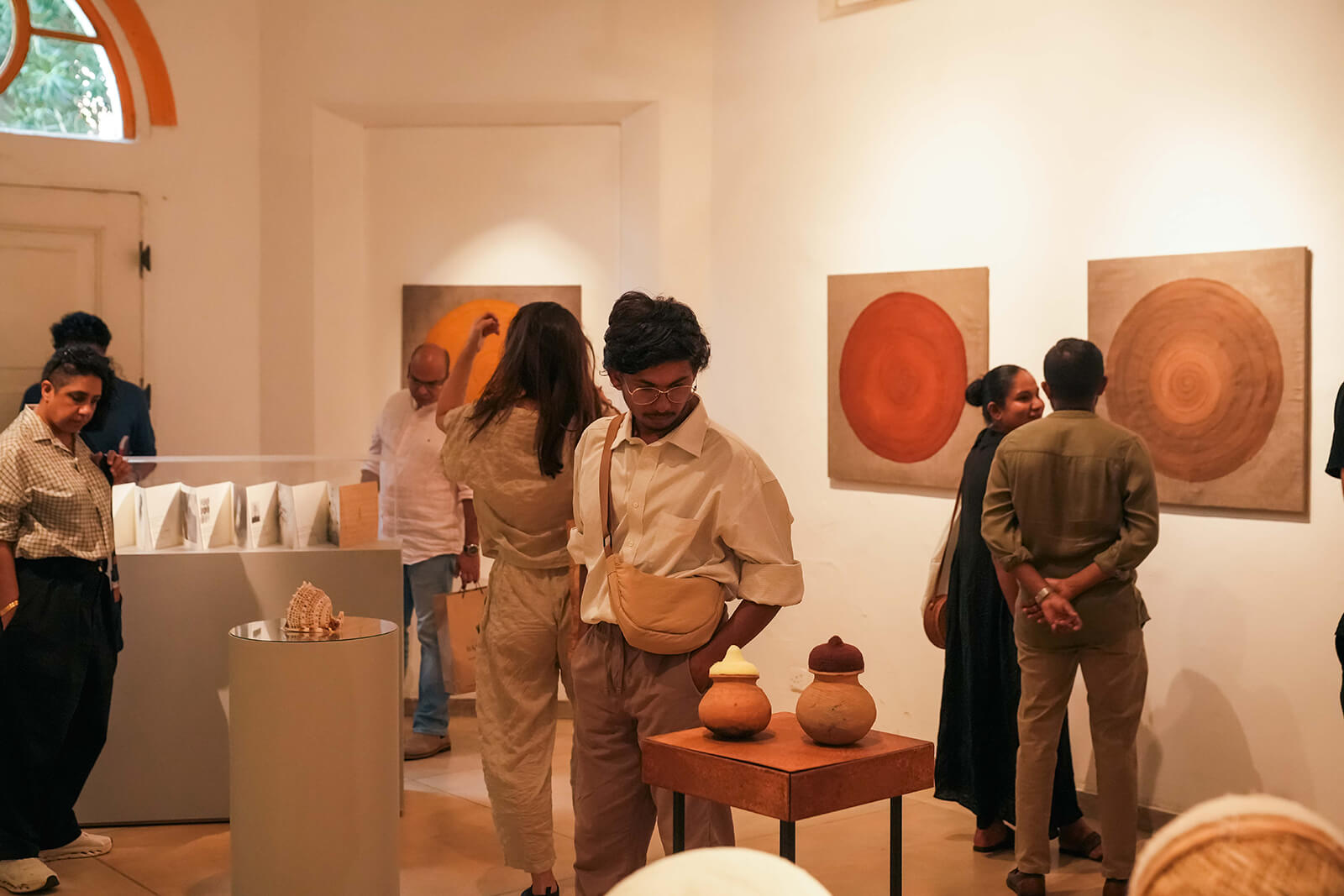
We've constantly re-evaluated and reshaped the model over time – we’re not following the vocabulary of major biennials – of working with a certain grammar around artistic commissions, and separating that from, say, a cinema program or recitals or concerts. We’ve been creating an integrated model in which the exhibition is a living organism. It feels more true to how people engage in very traditional festival atmospheres in this part of the world. Knowledge production is crucial, in terms of the curatorial language and [how] we tend to write and publish. There are lots of local organisations involved. They’re not collateral events; it's just a larger collaboration circle of the festival itself.
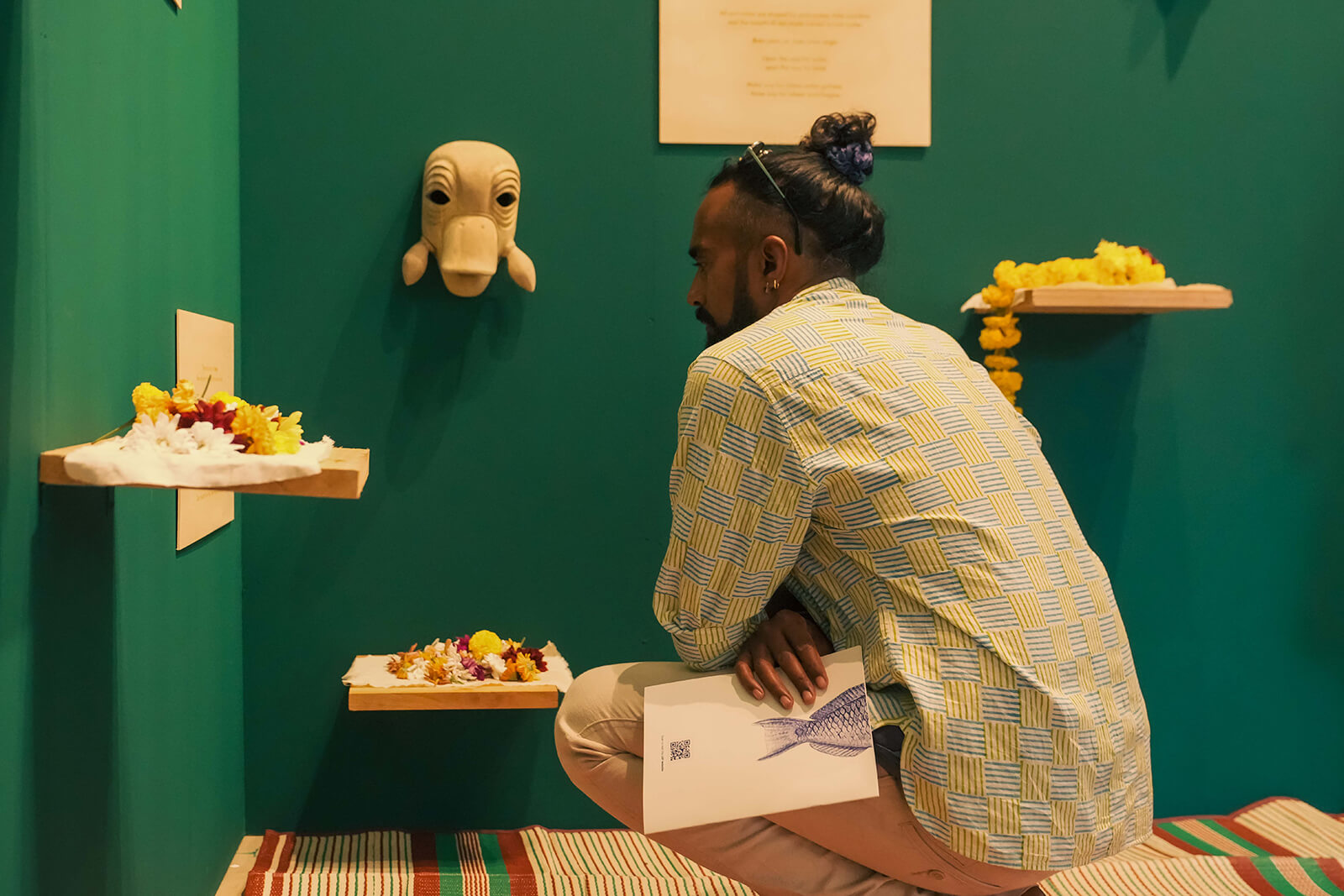
Ranjana: You were speaking of Sri Lanka as one of the places where people from South Asia can meet without the geopolitical constraints that then begin to frame that sort of meeting. Acknowledging all these links, the geopolitical ones and the cultural and emotional ties between these regions, what has the model of inviting a guest curator from the region, alongside the longstanding local team brought to the festival?
Natasha: In terms of my own history as a South Asian curator working in Europe for many years, I realised what a precious opportunity it is to be able to shape a platform collectively, ground up, without corporate nor any government support – especially from 2018 onwards. There are patrons, but there's no ownership by a single individual as a philanthropist. We’re inviting cultural organisers; we’re not choosing from institutional curators who would like to have a side gig in Sri Lanka. This category of ‘cultural organisers’ is very close to my heart because I know the struggle that entails, to hold the mountain up so that others can get the shade and the nourishment. I realised that a lot of opportunities do go out to major global curators and institutional voices, and not necessarily to those in our region who are anyway determined to do the work of collectivity and shaping new models and risky collaborations. That was the basis upon which we started to make these invitations. Because it was about cultural organisers, we didn't make this distinction between artists and curators per se.
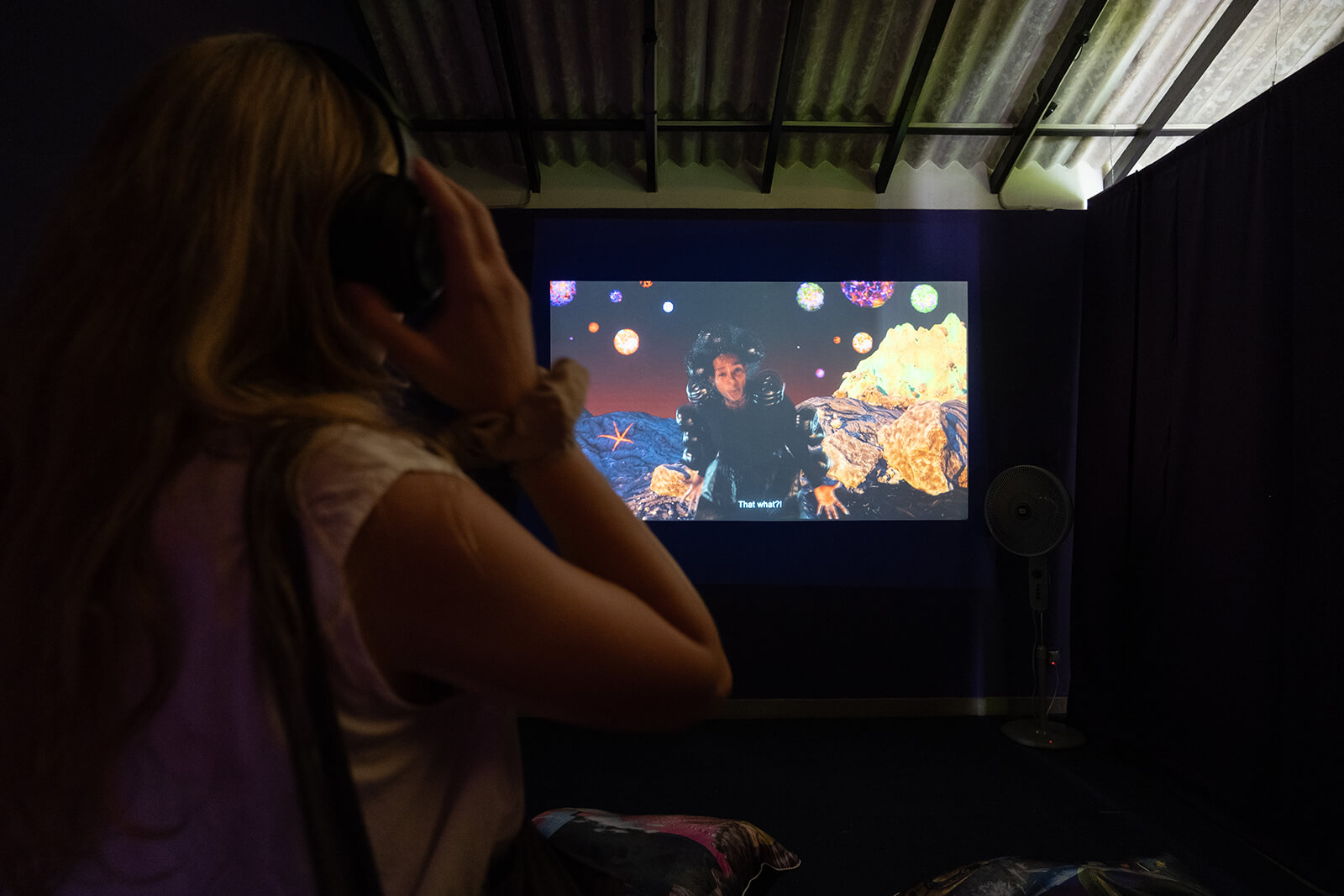
It has been such a pleasure to collaborate with Karrar as festival curator and trusted ally. She has devoted poetic sensitivity and exercised great care towards artistic dialogues and exchanges throughout. Given the geopolitical schisms of our subcontinent and the belligerence of violence which continues to swell, there is much to conserve and repair in the cultural affinities that mark continuous relationalities, generational belonging and shared ecologies.
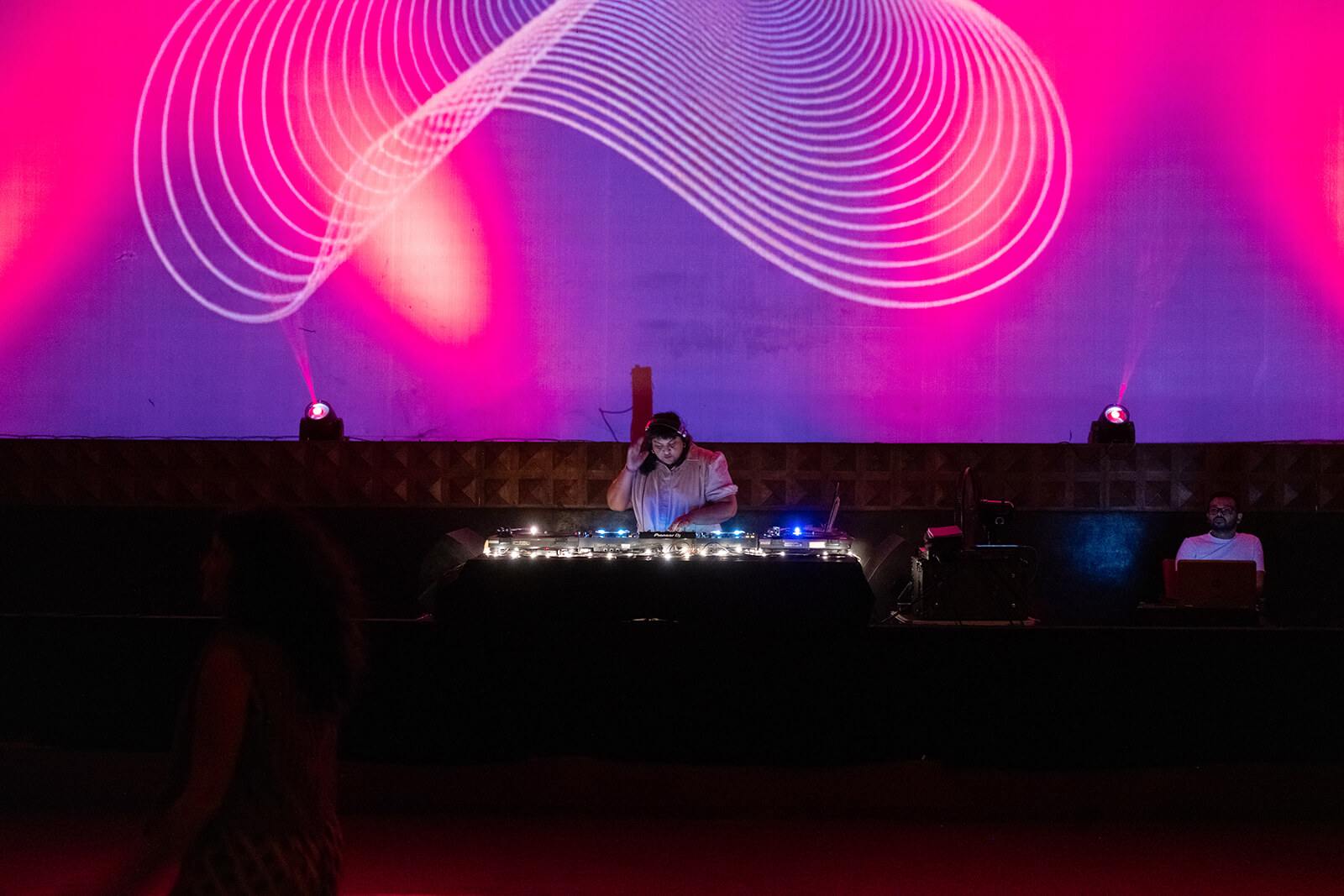
Ranjana: The labour of it is important to acknowledge, especially with the art market, because sometimes we go along with assuming that everything's funded by some invisible source of endless money. But it takes a lot to keep a festival together, which also brings me to my next question – what does it take to make a festival? You're working between institutional partners, between different kinds of temporary formations. You’re having to take on multiple roles, sometimes in the absence of a broader infrastructure.
Natasha: Within the cultural industry, it is only getting harder to maintain a festival space that is ‘anti-disciplinary' in spirit, free-to-access, and which seeks to make more room for mutual growth, process-led artistic synergies and vibrant forms of assembly than cater to a globalised spectacle economy where ‘bigger is better.’ We have an octopus-like structure; we’re committed to being nimble and to [not using up] resources to run as an organisation. We don’t know how long we’ll exist for. It’s not a fatalist mentality; it is one that is immersed in a sense of urgency and responsiveness. We are often asked: Who is your board? Who are your trustees? If we go bankrupt, there's no one to bail us out. It really gets you to be in that place of playful and ethical exhibition making, surrendering to faulty mechanisms. Instead of competing with organisations, the idea has always been to build collaborations with foundations and museums and really small collectives and initiatives that we respect greatly. It reduces the hierarchy of who can give and how they will be shown.
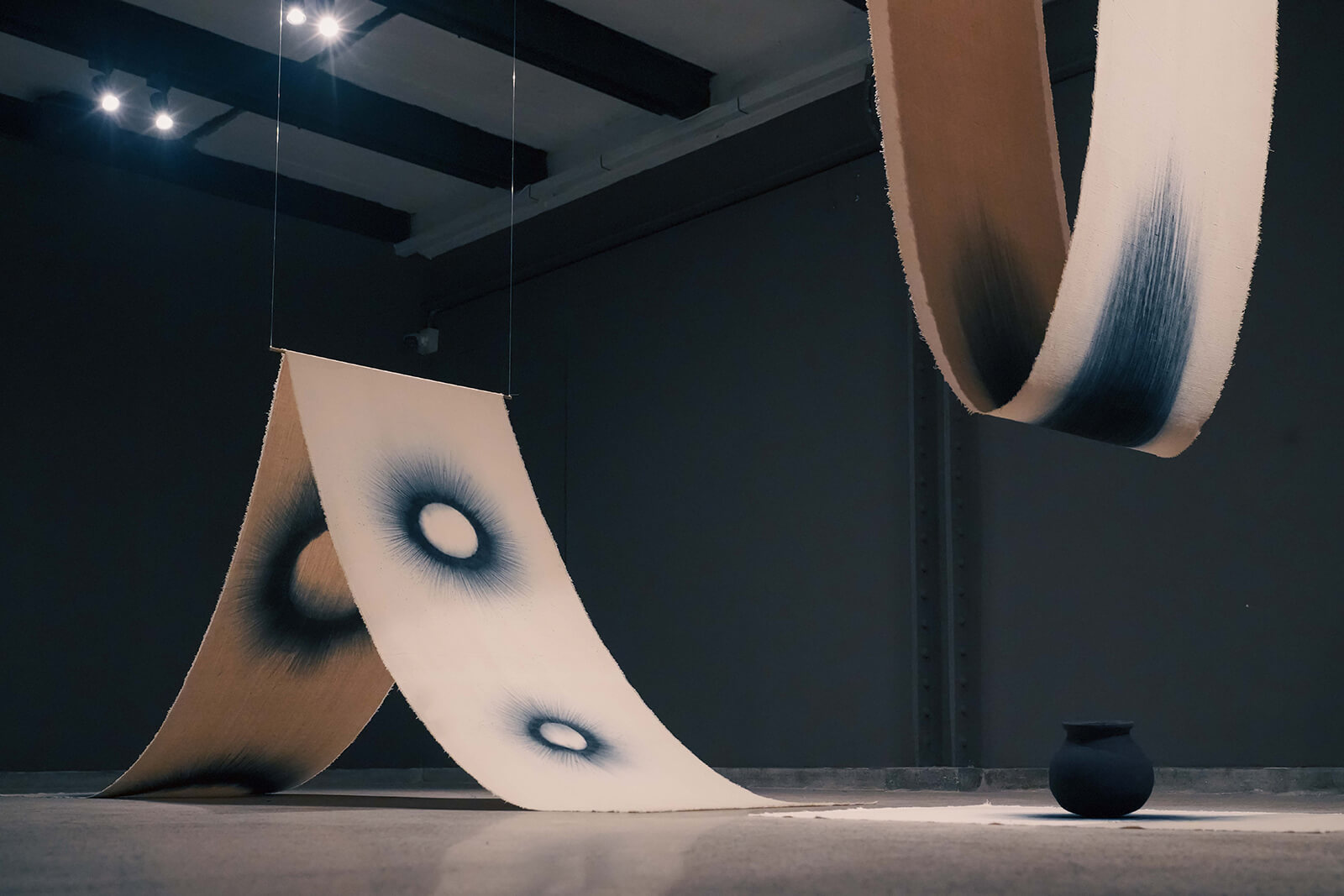
As the Sri Lankan arts community and scene grow in different ways – there’s more mobility – for artists to be represented commercially, go to residencies, [get] production grants that allow them to show their work internationally in major institutions. Mentorship and production are what sustain the principles on which we're running Colomboscope.
Ranjana: After a decade of Colomboscope, what transformations in Sri Lanka’s artistic and political climate feel most palpable to you?
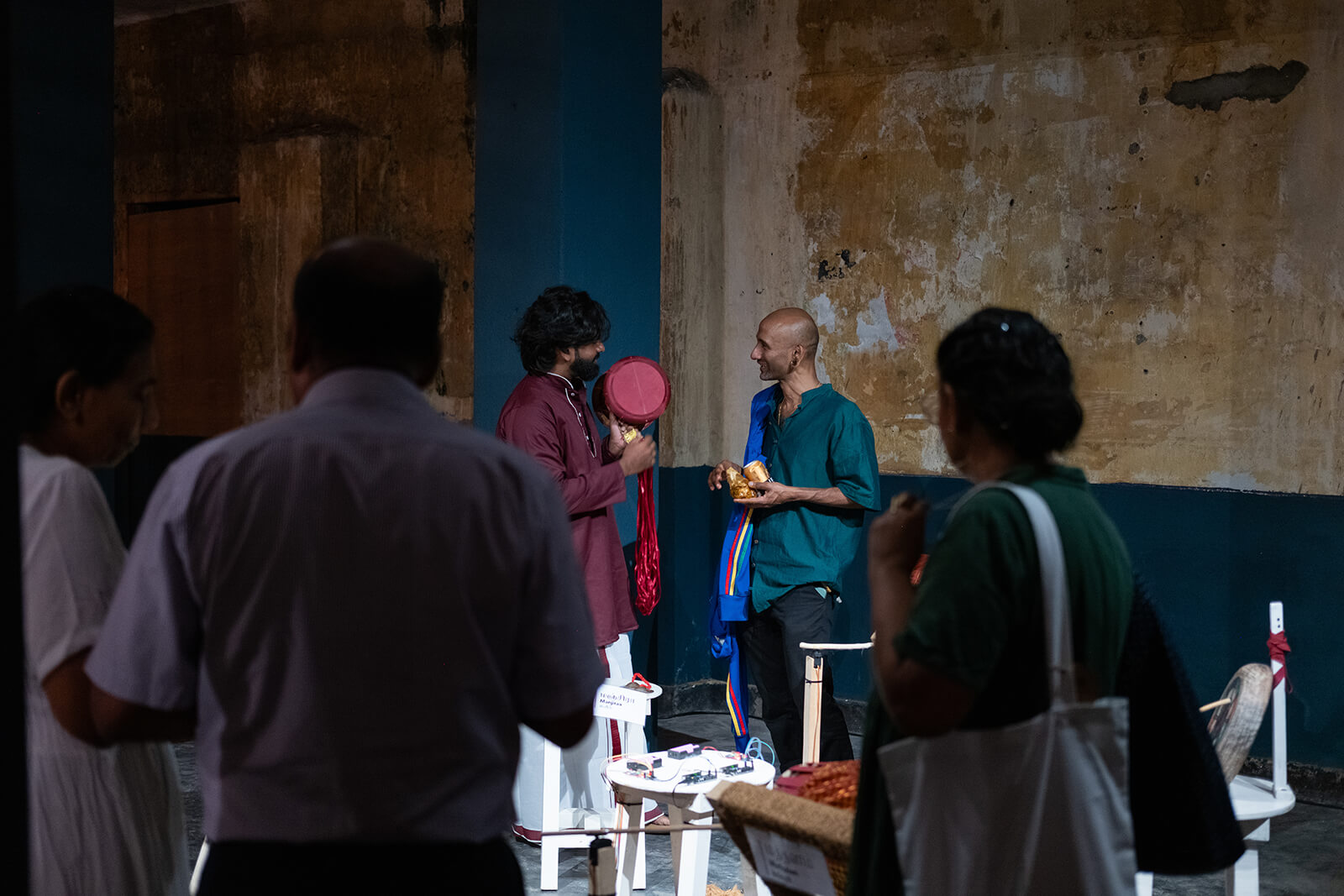
Natasha: This festival is a kind of epic score and procession without a fixed address, as it shapes itself around and inside, old and new corners of Colombo and its suburbs. Colomboscope was initiated in 2013. In 2015, when Menika van der Poorten, Radhika Hettiarachchi and I were working on Colomboscope, I remember how grounded dialogues and unprecedented collaborations led to compelling inaugural projects by artists from all parts of the island who were working in site-responsive ways, narrating from their experience of war and displacement, while also generating accounts of pluralism, reciprocity and friendship by working among others.
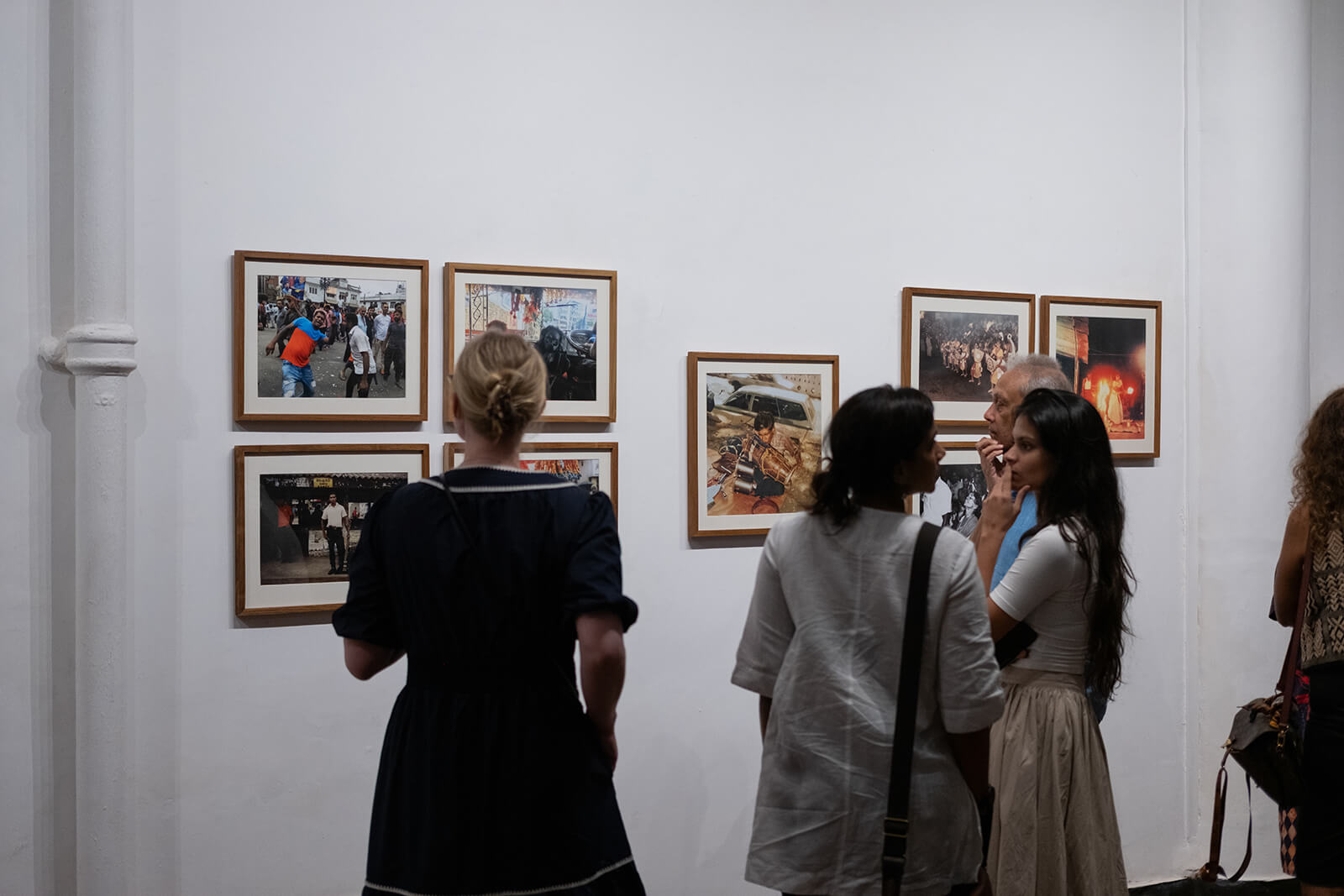
This dedication to material expressivity while honing in on subjective experience, truth-telling and mutual respect for diverse identities has been crucial to the sustenance of a platform like Colomboscope. Among state failures and systemic precarities especially impacting Tamil communities and minorities of the country, producing contemporary culture that is unifying, reflective and reparative feels ever more revitalising in a deeply polarised present.
STIR is a Media Partner with Colomboscope for its ninth edition, Rhythm Alliances', which runs from January 21 – 31, 2026, in Colombo, Sri Lanka
by Srishti Ojha Oct 21, 2026
Increasingly, artists, filmmakers and activists are turning to VR to create more personal, tangible accounts of the climate emergency and its impact on vulnerable communities.
by Mirra Lynn Oct 20, 2026
The Indian artist paints the old wadas of central Pune, capturing the traces of everyday life that cling to these structures, battered by time but unbowed.
by Anmol Ahuja Oct 15, 2026
How do heaps of souvenirs and relics with racist Aboriginal motifs and features become art? MCA Sydney’s winter showcase—the artist’s largest to date—beckons a possibility.
by Vandana Kalra Oct 14, 2026
With his latest exhibition as a point of departure, the modernist discusses his decades-long practice, the spontaneity of drawing and the social responsibility of artists.

make your fridays matter with a well-read weekend
Enter your details to sign in
Don’t have an account?
Sign upOr you can sign in with
a single account for all
STIR platforms
All your bookmarks will be available across all your devices.
Stay STIRred
Already have an account?
Sign inOr you can sign up with
Verification link sent to check your inbox or spam folder to complete sign up process
Tap on things that interests you.
Select the Conversation Category you would like to watch
Please enter your details and click submit.
Enter the 6-digit code sent at


Rhythmic entanglements: Colomboscope enters its ninth edition
by Ranjana Dave | Published on : Jan 27, 2026


 Sign in with Google
 Sign in with email
What do you think?