Architecture04 mins. read
Studio Sangath's Mangrove Pavilion evokes knotty ecologies at ADFF:STIR Mumbai 2026
by Mrinmayee BhootDec 26, 2025



by Samta Nadeem, Zohra KhanPublished on : Oct 26, 2025
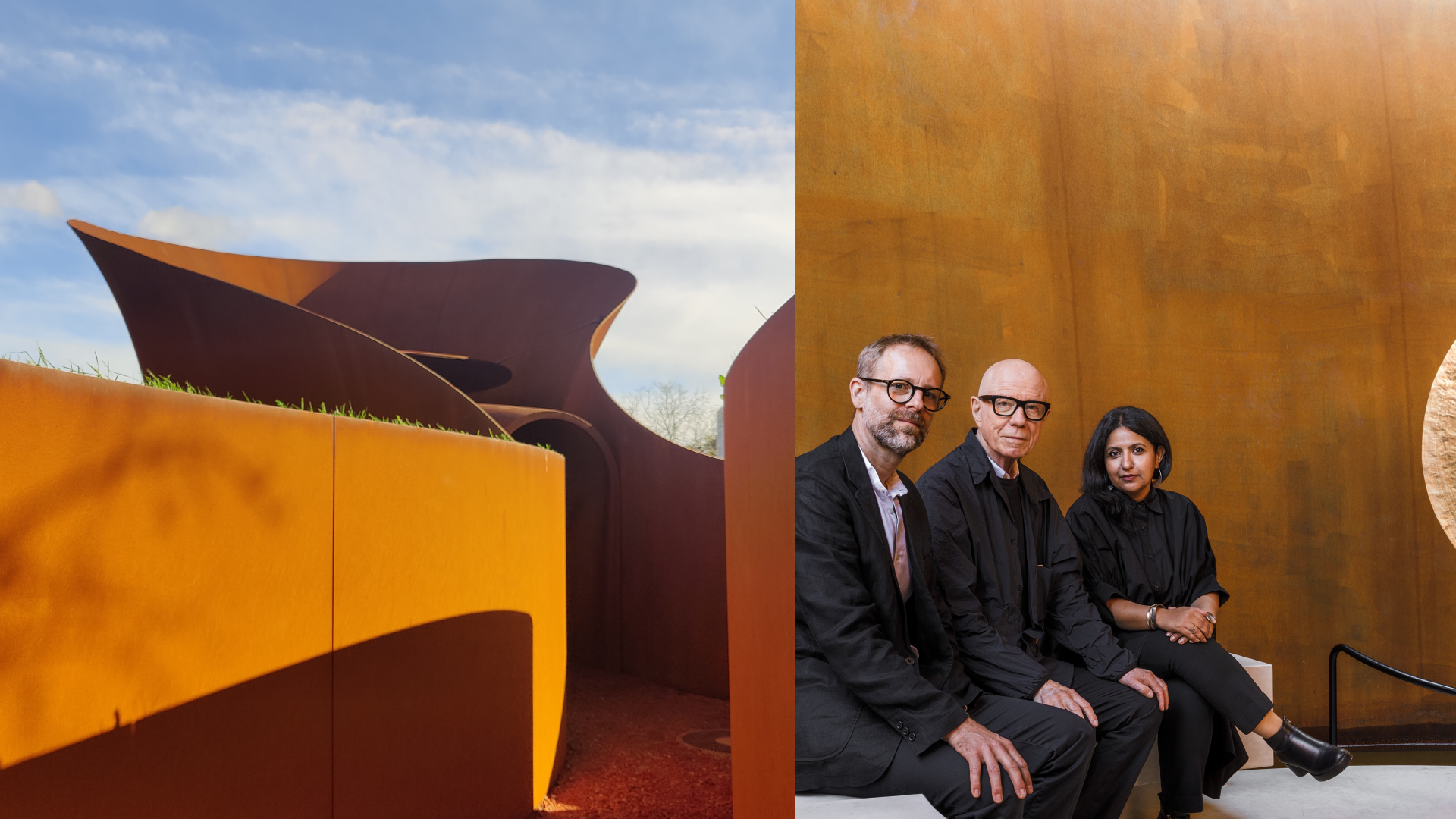
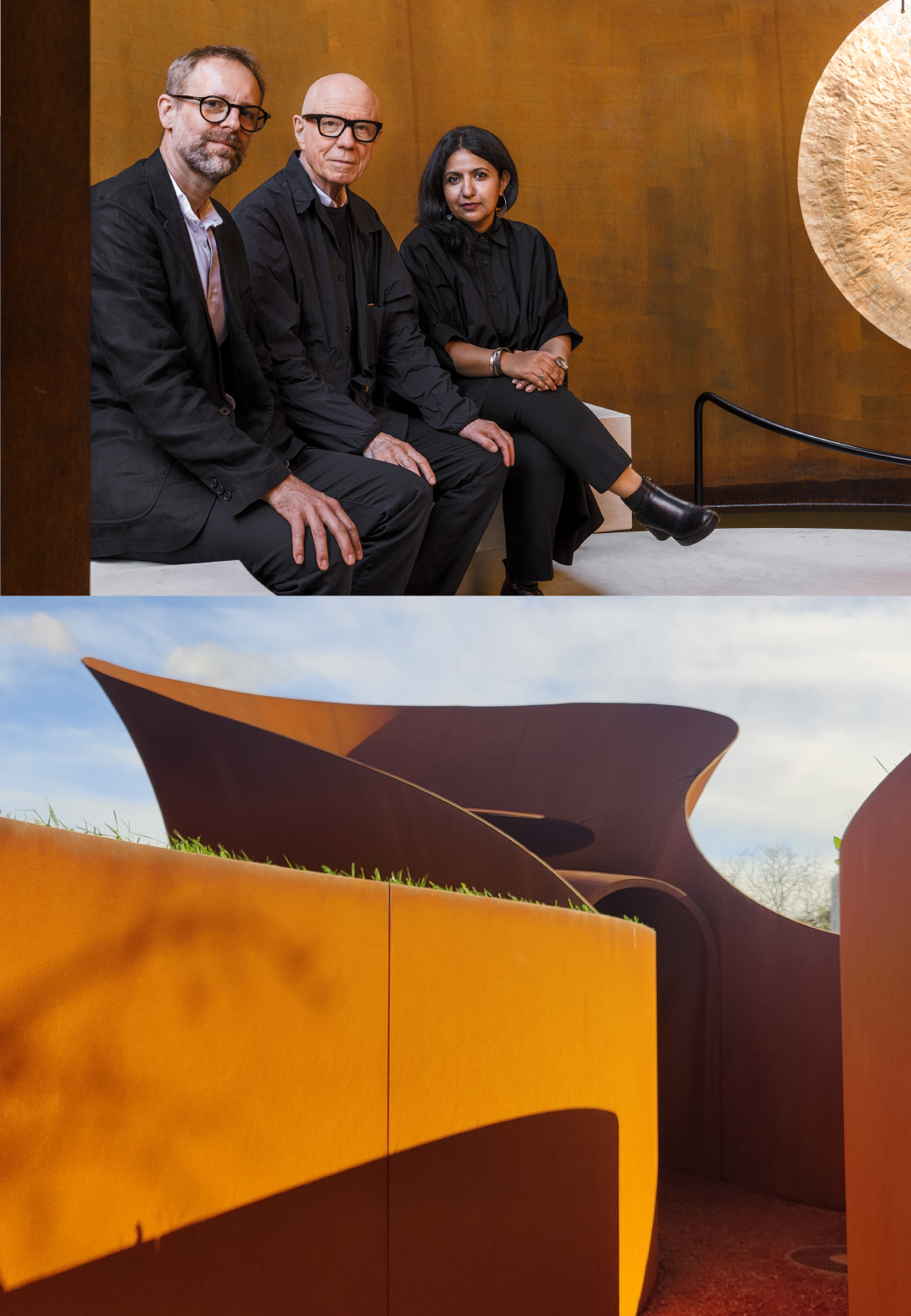
When Rolf Fehlbaum, Chairman Emeritus of Vitra, visited the Modhera Sun Temple in India, the memory of a small shrine that he had seen there gave way to a dream—of creating a place of contemplation on the grounds of the Vitra Campus in Weil am Rhein, Germany. “It was more of a personal project,” he says in a conversation with Samta Nadeem (curatorial director, STIR), adding, “It was something I felt only Doshi could do.” This is how the Doshi Retreat was born. The latest addition to a site that already boasts works by the likes of Tadao Ando, Zaha Hadid, Frank Gehry and Herzog & de Meuron and now the late Pritzker laureate Balkrishna Doshi’s first built project outside of India and the last design he worked on before his passing in 2023. His granddaughter Khushnu Panthaki Hoof and her partner Sönke Hoof—the duo who helm Ahmedabad-based Studio Sangath—led the baton to realise a vision originally flamed by friendship, memory and meditation. STIR was invited to the preview of the retreat and had the opportunity to speak to the design leads alongside Fehlbaum to peek into the journey of the project.


“It's a journey, really, and in that journey, the idea of a slight disorientation was important,” Panthaki Hoof says, pointing to a key design aspect that shaped the public space. “It was also about a gradual transition into the ground and then a sense of arrival—a place of being.”

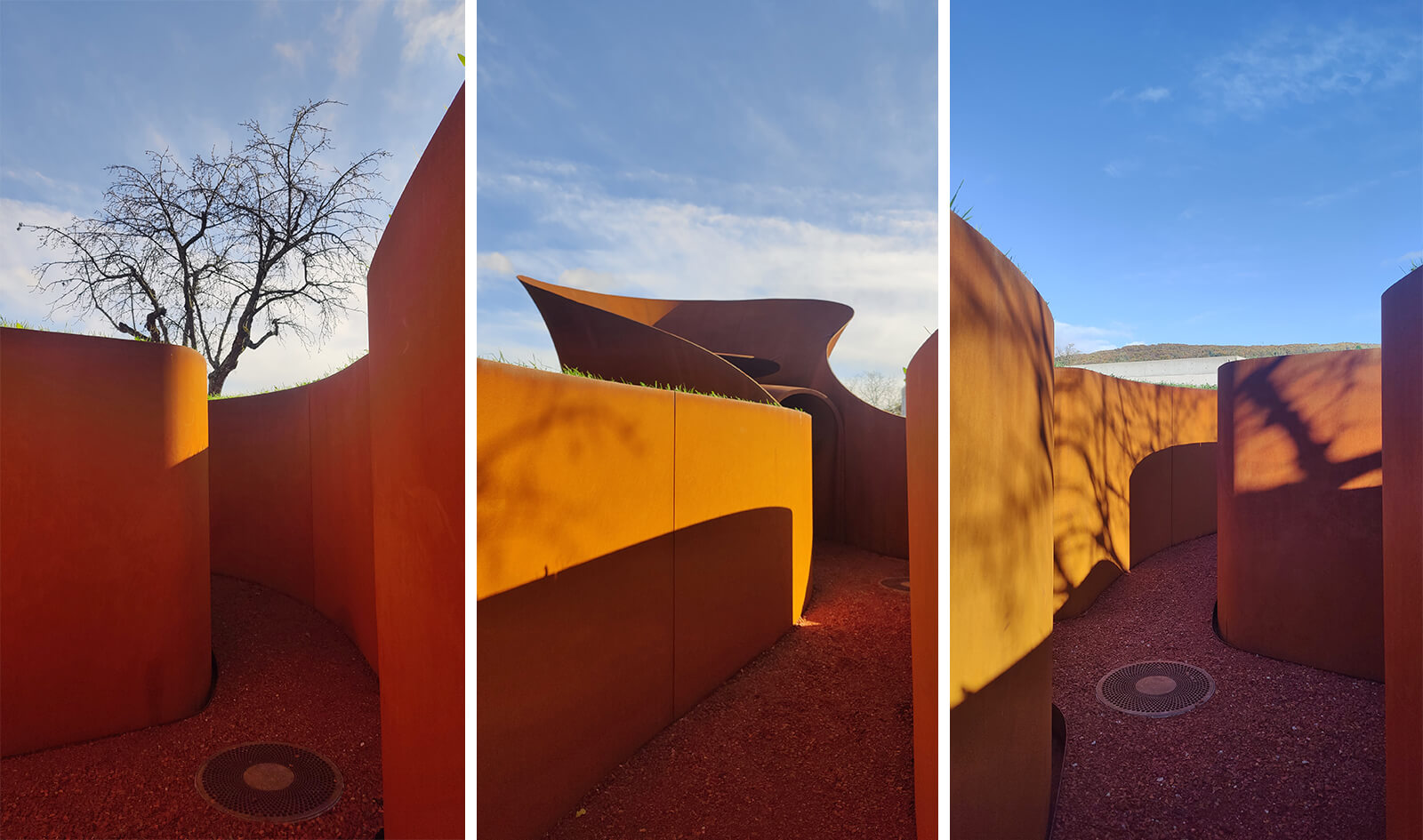
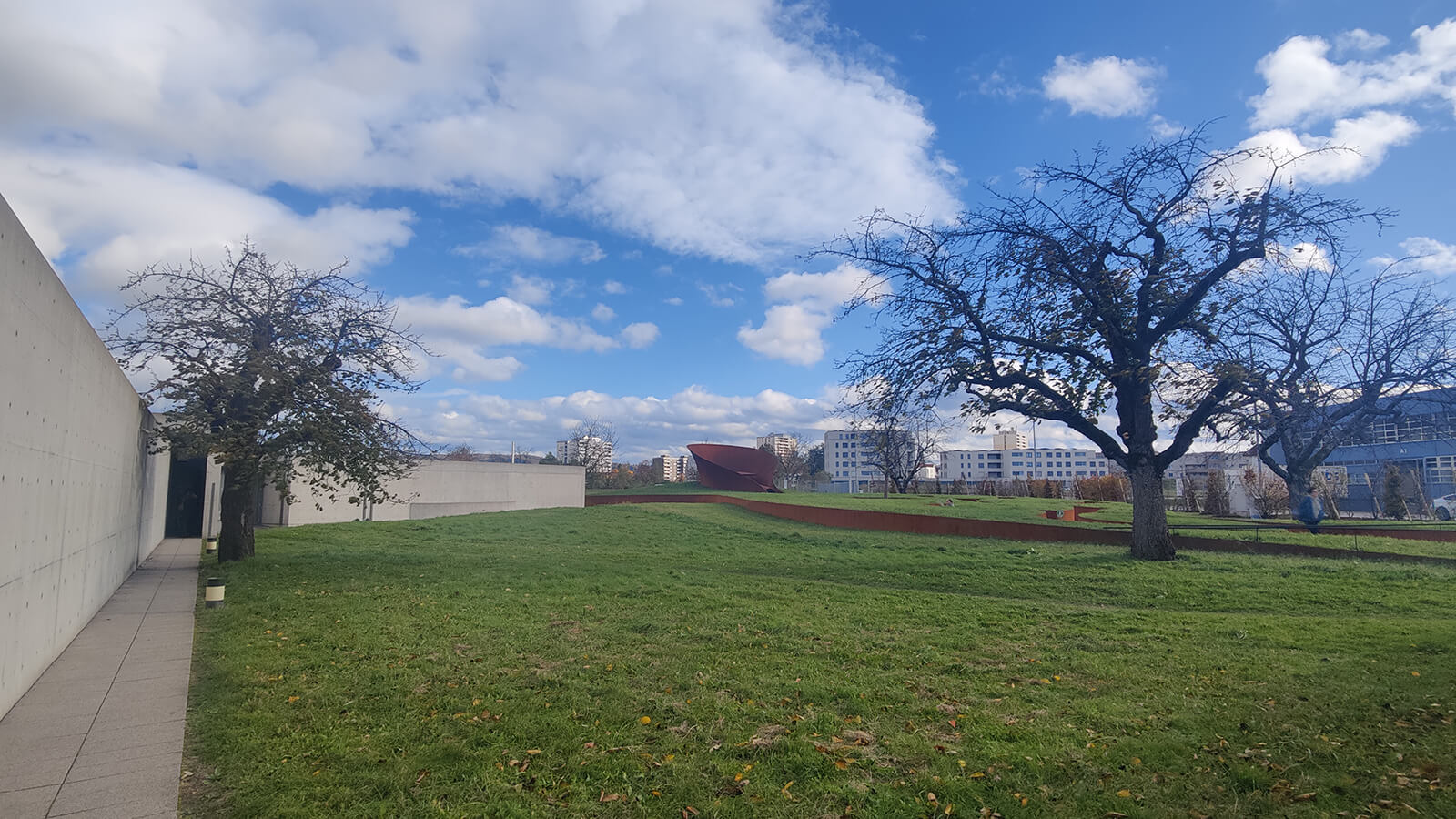
The retreat is defined by a series of sinuous corten steel walls giving shape to a winding path that throws in its unexpected twists and turns before it gently descends into the ground. The physical experience of navigating the route is further elevated by the rhythmic notes of gong and flute that engulf the space in a poignant serenity and an arched tunnel that culminates the journey into a contemplative chamber.
“It was really about the brief of a feeling. How do you express that feeling, that emotional memory, into a space? I think that [it] is very rare that a project comes across which is asking you to think about that,” Panthaki Hoof tells STIR, reminiscing about the starting point of the project. The coiled design, as she shares in an official press statement shared by Vitra, was born from a dream Doshi had of two interweaving cobras. The ‘subconscious vision’ translated into a written narrative before it took the form of a ‘sketched concept composed of notes and evocations’ and eventually ‘an invitation to embark on a journey of discovery’.


The retreat's patinated surface, in its homogeneous materiality and pared-back appeal, ties the spiritual to the architectural. The materiality used to shape the structure is raw XCarb® steel—a low-carbon-emission steel generously donated by ArcelorMittal, the largest steel producer in Europe. The material forms a natural protective layer through controlled corrosion, transitioning in harmony with the landscape—from dark greys to an ember orange hue appearing within weeks, the steel gradually deepens into a rich dark brown over several years.

As one walks through the retreat, the path narrows, rises and falls, and the surrounding green lawns and mature trees lean in. Descending one’s way towards the circular chamber in the centre, a rhythmic sequence of sound—coming from a subtle audio system embedded within the concave recesses in the ground—dissolves the boundary between the self and structure. The chamber features a domed-shaped brass ceiling, a rainwater basin encircling its base, and other offerings which include two wide semicircular stone benches and the gong in the centre. Discussing how sound amplifies the experience of the retreat, Panthaki Hoof continues: “The material plays a very important role and also the way the path is, how the rounded edges are, in the way the sound disperses into the space and, in the end, holds it. The retreat also becomes an instrument of that sound which is being played in it because of the way it reacts and reflects it back and carries it through the space.”
“I expected the building as a shrine, but Doshi, Khushnu and Sönke thought about the meaning and what is it that we wanted on the campus, its feeling and experience,” Fehlbaum notes. “It’s a project different from building a factory or an office building. It’s a much more personal exchange in a way.”


In conjunction with the opening of the retreat, an exhibition at the Vitra Campus Gallery presents an array of artefacts—architectural models, drawings, sketches, films and material prototypes—that trace the evolution of the project. Among the highlights are formative sketches of the space by Doshi himself, a Mata Ni Pachedi artwork depicting the plan of the retreat and a visual schematic showing the making of the steel roof. The display extends into a collection of collectible Indian design at the Vitra Design Museum Shop, which includes special tea blends in gift boxes designed by Studio Sangath in collaboration with New Delhi-based tea company No. 3 Clive Road, Eeshaan Kashyap’s marbled Modern Matka vase and Gunjan Gupta’s sculptural Matka Tiffin bowls—each a tactile echo of craft and contemporary culture.
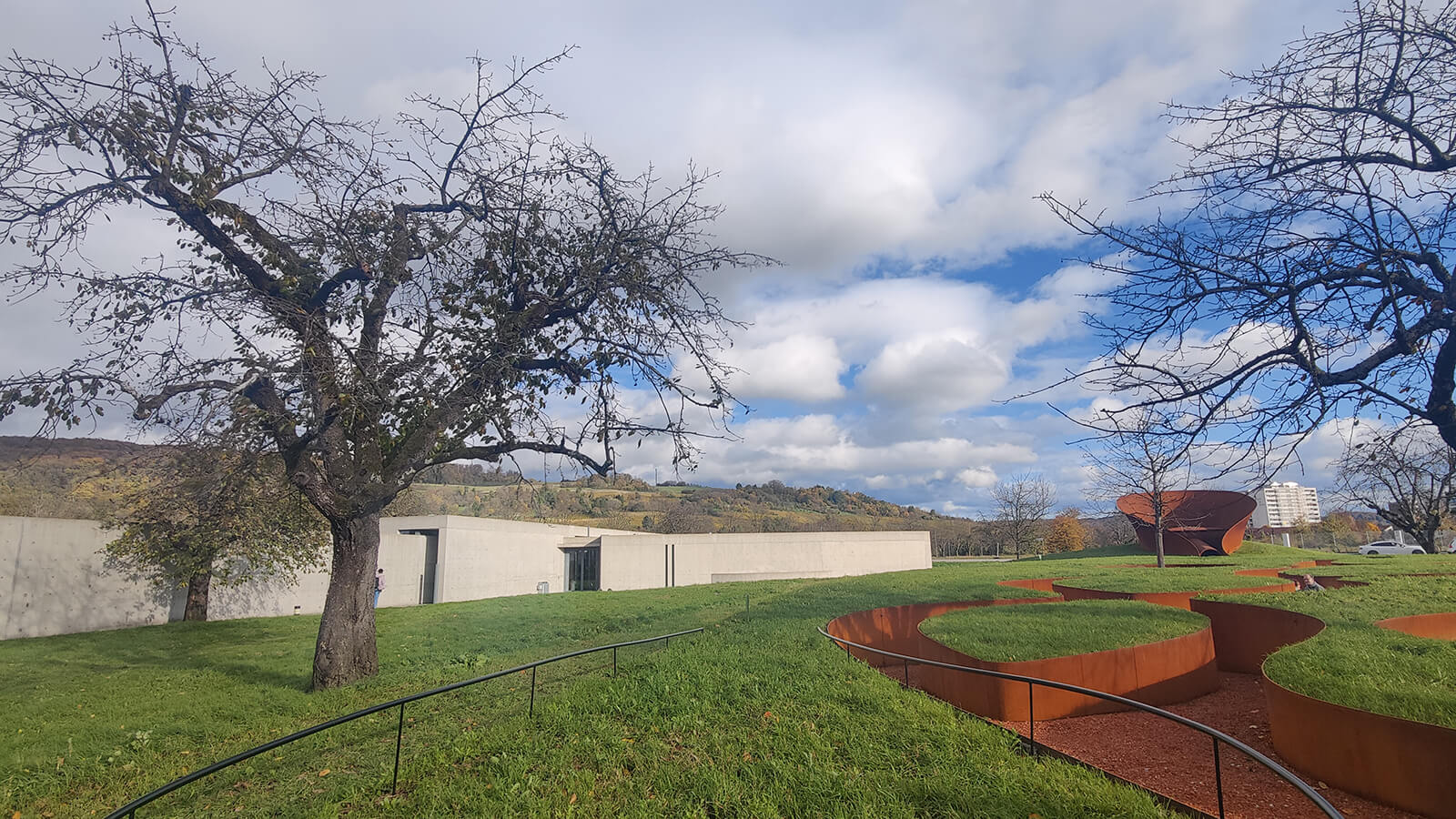
Plenty of chance encounters and distant similarities—and above all, a relentless desire to give shape to a memory—dotted the journey of the project, as the design leads share in the interview. STIR asks: What does a project of this nature mean for them, a piece of work that will always evoke the presence of Doshi, who shaped it in his final years? Tap on the cover banner to watch the edited conversation.


by Pranjal Maheshwari Oct 19, 2026
The Mumbai-based architects integrate courtyards, mesh screens and north light trusses to create a dining space that doubles up as a community hub at SR University, Warangal.
by Mrinmayee Bhoot Oct 17, 2026
The Rotterdam-based institute centres the Indian Ocean as a network for exploring material histories and transnational links shaping coastal cultures, positing them as future models.
by Pranjal Maheshwari Oct 16, 2026
At the 2026 Stirling Prize ceremony, Mary Duggan with RUFF Architects, MAKER Architecten and Nakshabid Architects were felicitated for proffering quality housing and social equity.
by Mrinmayee Bhoot Oct 12, 2026
The new Centre for Contemporary Arts, fostering public engagement with art in Uzbekistan, is housed in a tram depot refurbished by the French studio, emulating local craftsmanship.

make your fridays matter with a well-read weekend
Enter your details to sign in
Don’t have an account?
Sign upOr you can sign in with
a single account for all
STIR platforms
All your bookmarks will be available across all your devices.
Stay STIRred
Already have an account?
Sign inOr you can sign up with
Verification link sent to check your inbox or spam folder to complete sign up process
Tap on things that interests you.
Select the Conversation Category you would like to watch
Please enter your details and click submit.
Enter the 6-digit code sent at


Balkrishna Doshi’s final work finds its home on the Vitra Campus
by Samta Nadeem, Zohra Khan | Published on : Oct 26, 2025


 Sign in with Google
 Sign in with email
What do you think?