Design08 mins. read
From forest to furniture: six designers, six unique transformations of A Tree
by Pranjal MaheshwariAug 22, 2026



by Pranjal MaheshwariPublished on : Mar 31, 2026
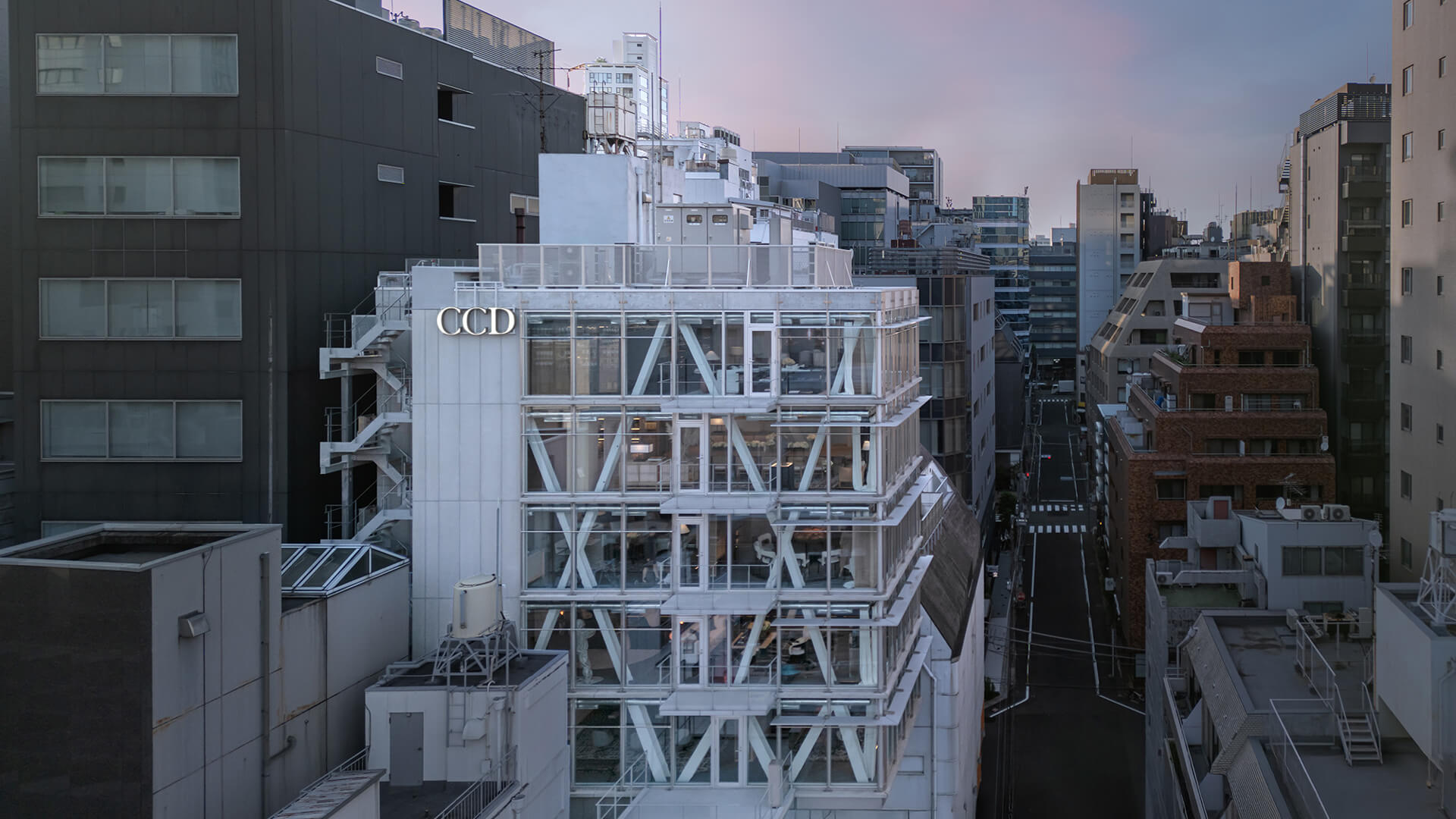
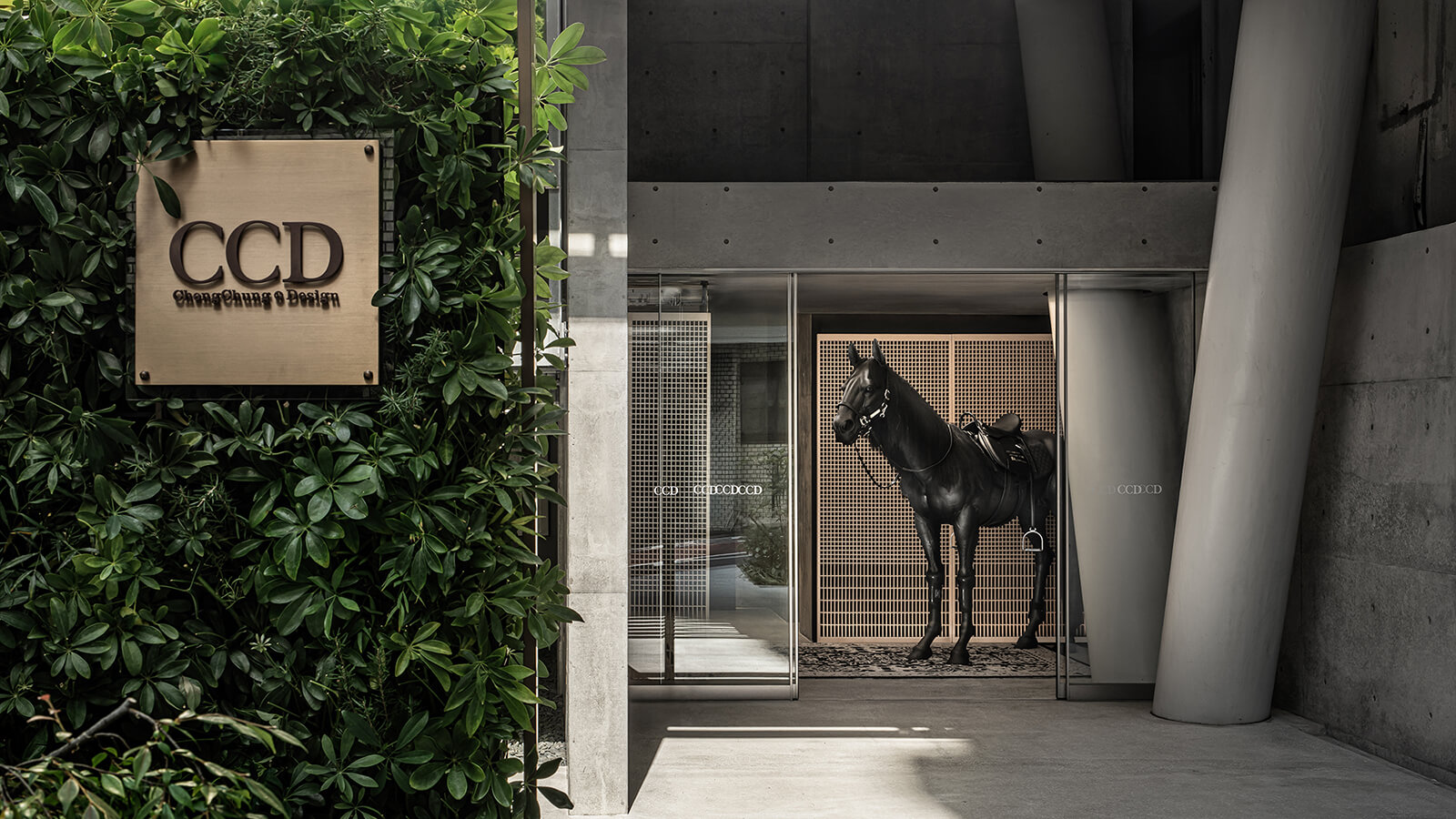
A high-rise, structurally expressive building, wrapped in glass and distinct for its giant steel cross-bracing, makes its presence known while walking down Chiyoda City in Tokyo. To some, it might even appear to be floating at a distance when looking up from the street. The approach to the structure's entrance at the ground level is framed rather unassumingly—a part of the urban rhythm—if not for the black stallion peeking from behind the glass doors of the building. It is this moment of subtle pause and close inspection provoked by the sudden sighting that renders the sight of a sturdy beast into a soft sculpture—If I Were You by Huang Cheng—now part of the private collection of Chinese designer Joe Cheng, founder and CEO of Cheng Chung Design (CCD). The steady gaze and poise of the dark figure is an invitation into the CCD Tokyo Creative Center, a multifaceted branch office of the interior design group globally renowned for its work in luxury hospitality interiors.
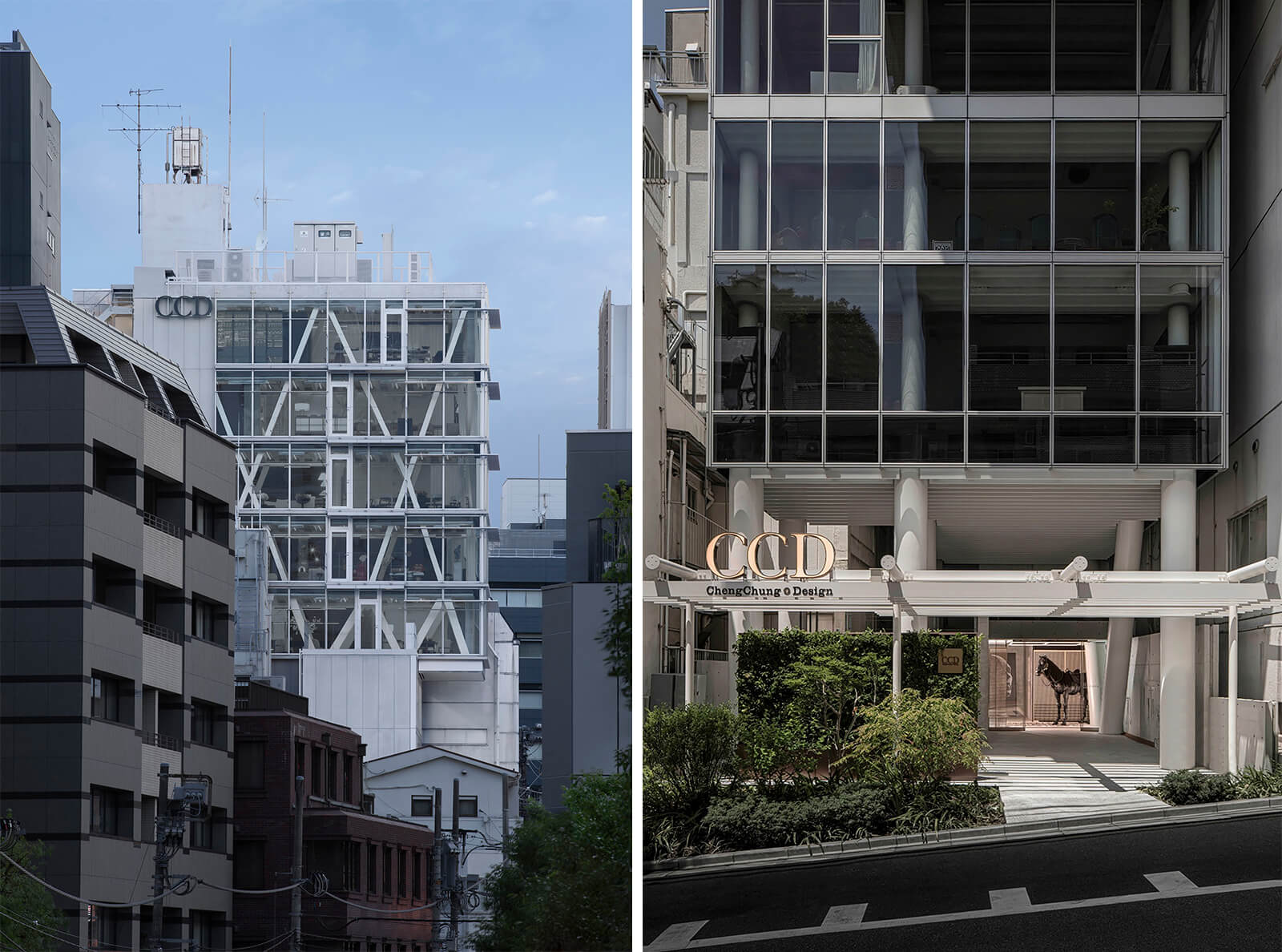
As a bustling urban metropolis at the centre of Japan's spiritual ethos, Tokyo remains at the forefront of global design developments. Deriving from the ethos of the city and their own experience of refining global hospitality design sensibilities with their projects, CCD, originally headquartered in Hong Kong, decided to extend their presence to Japan through a globally perceivable design language that still retained the traditional essence of Japanese spatial design. Their intervention took the form of a nine-storey commercial establishment in the Hirakawacho district of Chiyoda, bearing a distinct ‘skin-and-bones’ architectural aesthetic, with visible nods to the High-Tech architecture movement from late 20th century Britain.
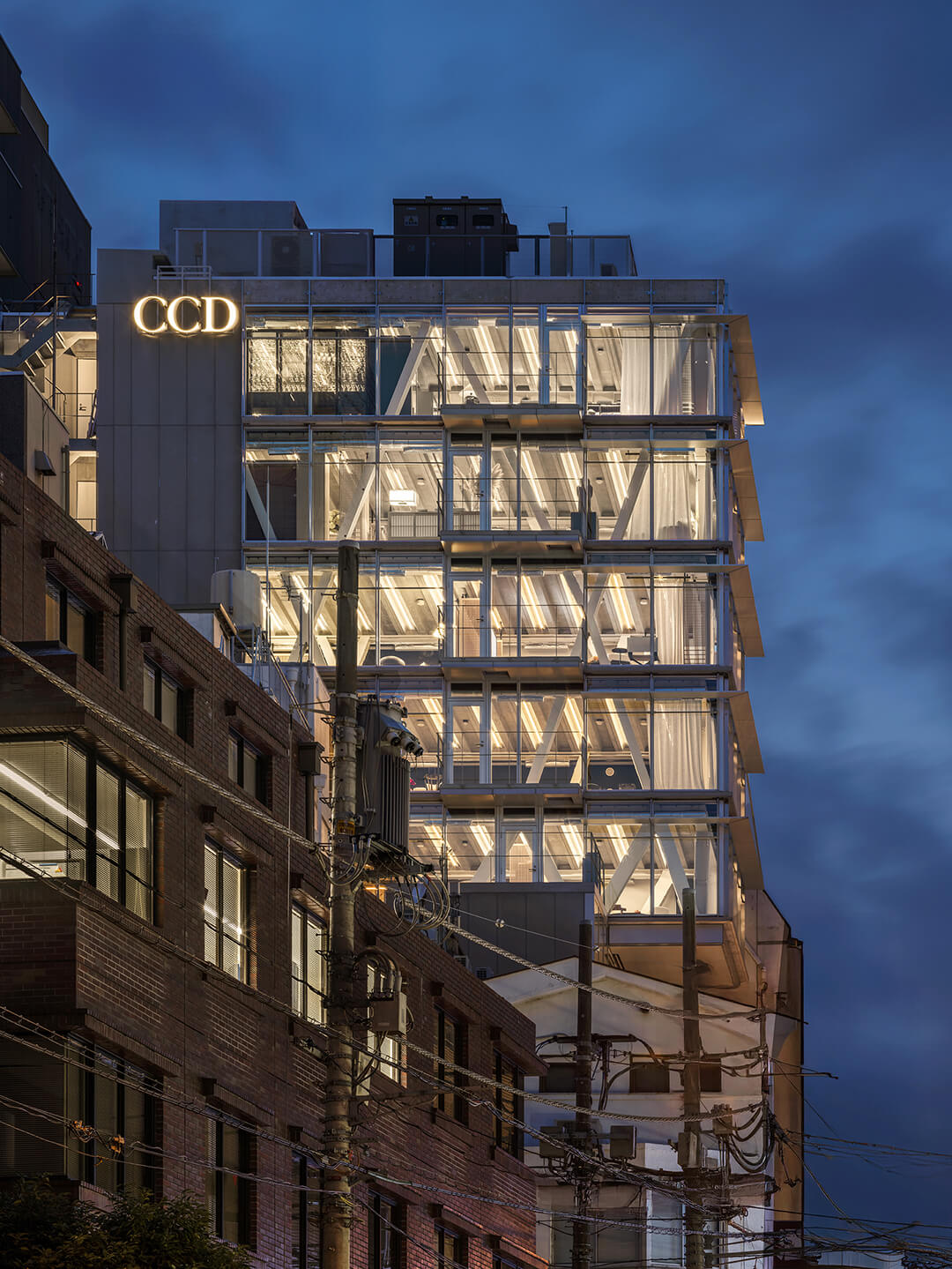
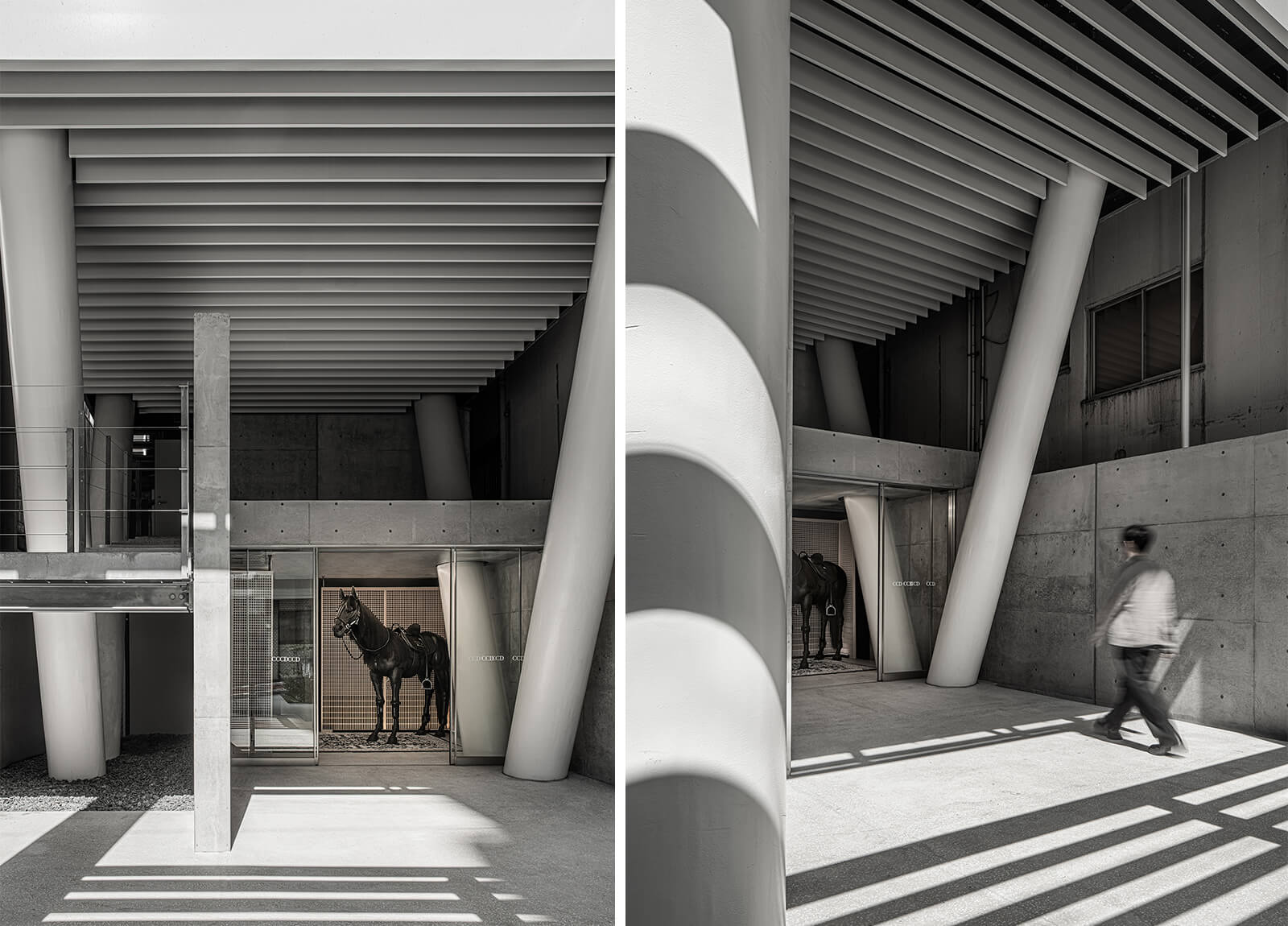
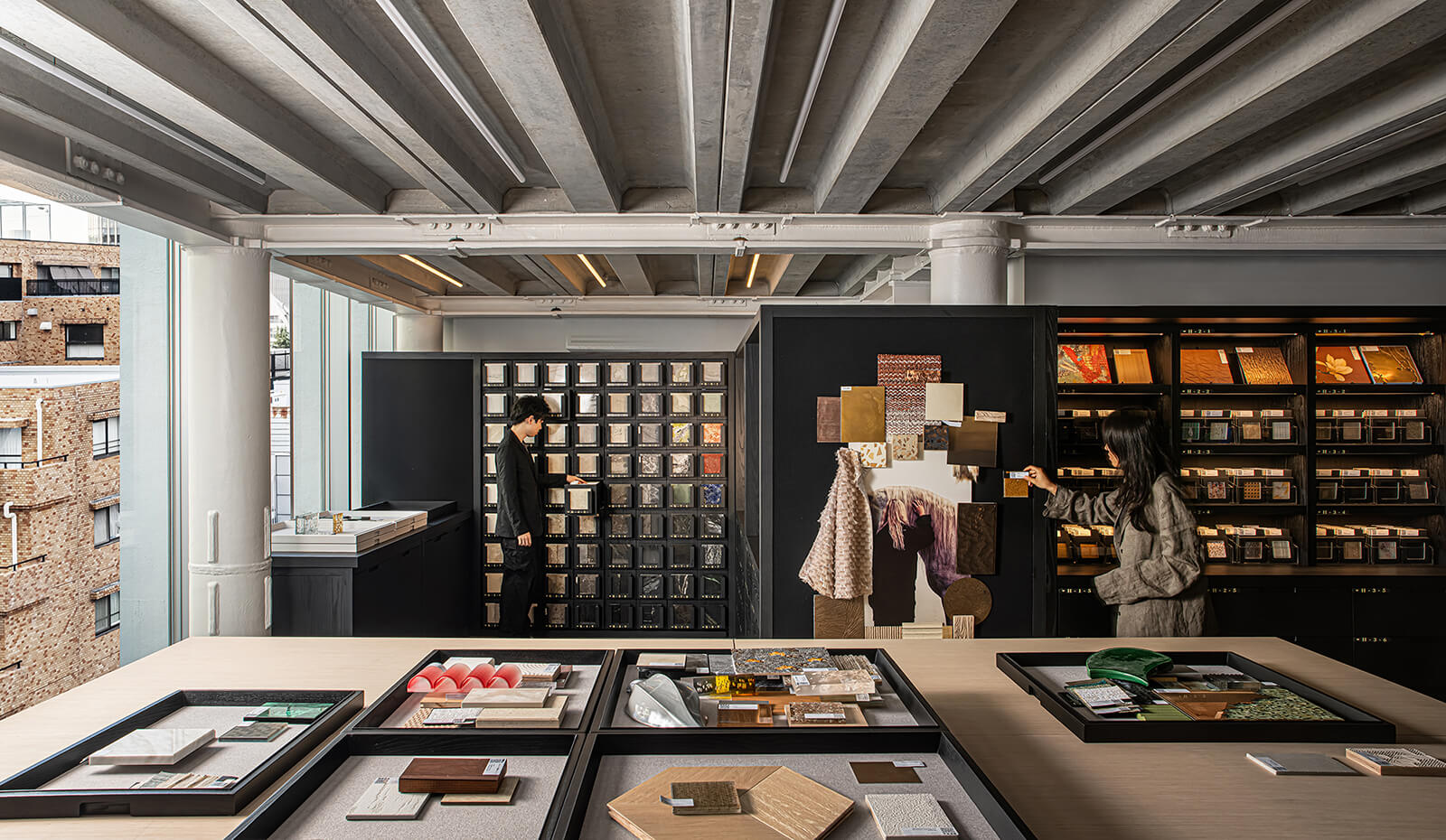
The industrial-style metal framework, paired with a contiguous plain glass facade, serves as a provision for large open volumes and flexible spatial planning, resonating with the efficiency-first focus of Japanese workplace design. The team at CCD utilise this spatial freedom through a programme that integrates formal working areas with a material lab, a cafe, an art gallery and informal seating spaces to create, as the firm describes it, a 'living laboratory' and 'micro-urban lounge'.
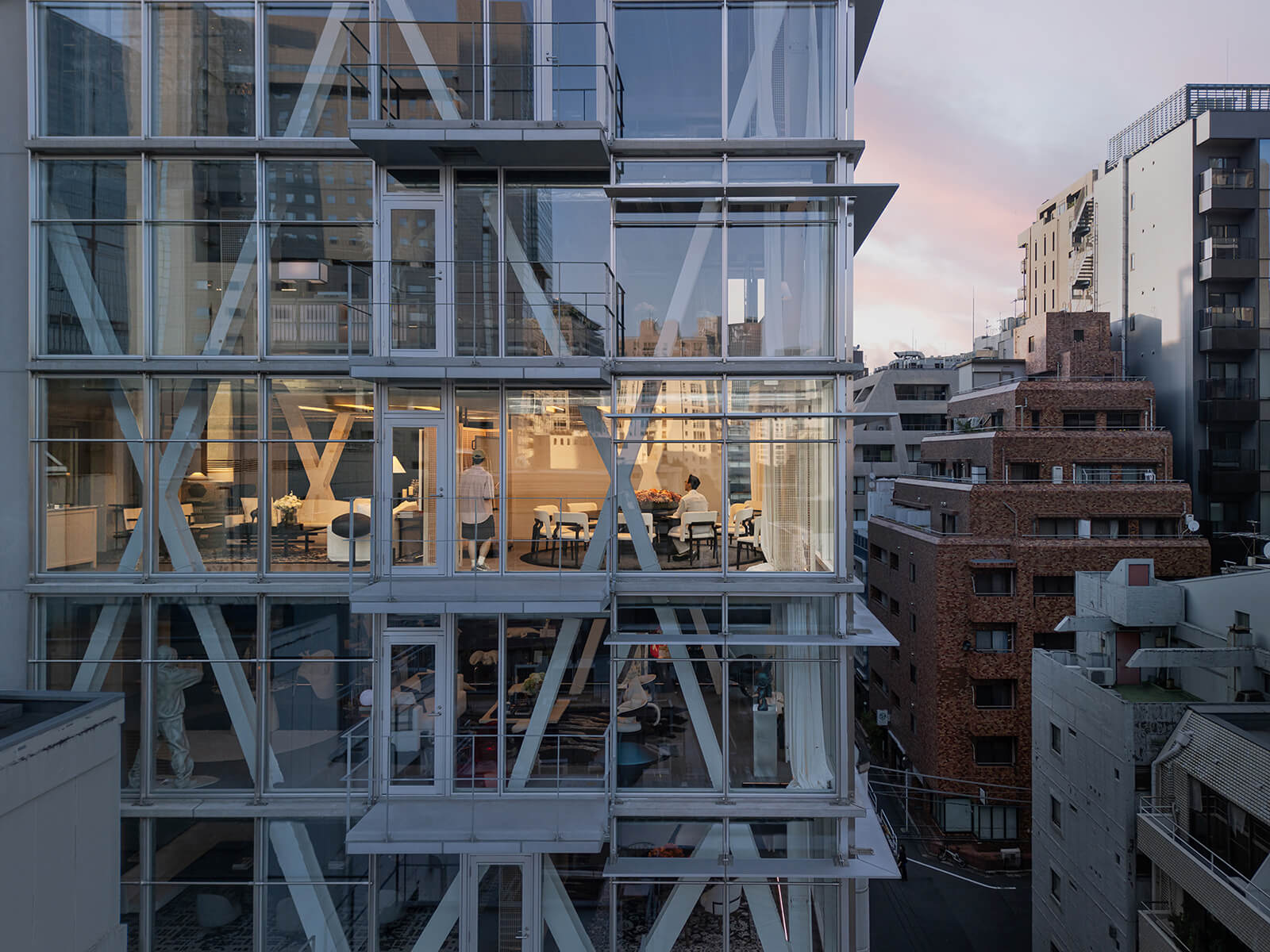
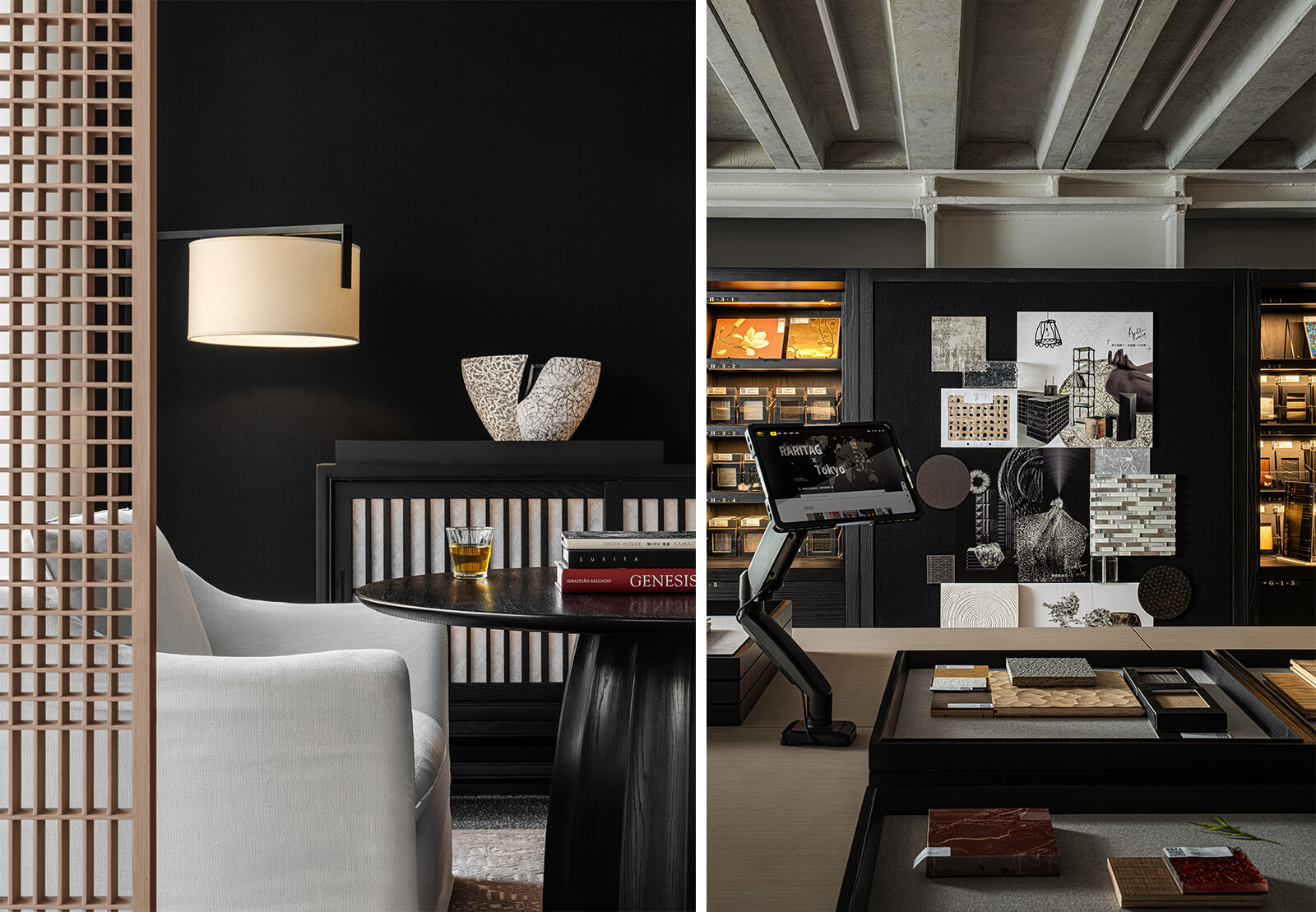
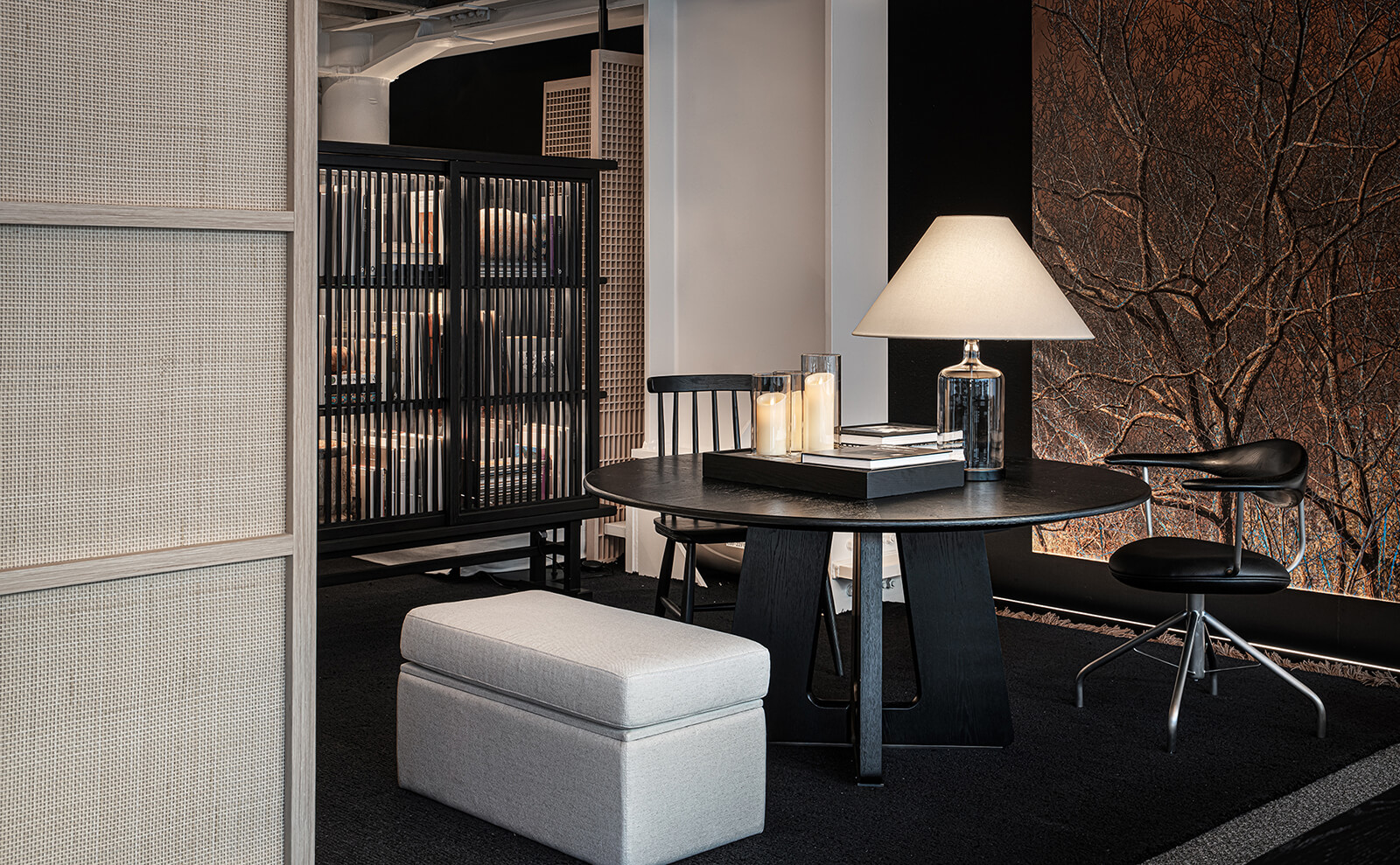
Despite a mixed-use programme that usually warrants rigid divisions, the spatial progression here invokes the Japanese organisational principle of Engawa by creating natural transitions between the private and collaborative spaces. Soft, unfixed boundaries are rendered along asymmetrical movement patterns through open zones and flexible partitions. True to CCD’s hallmark of creating immersive experiences through interior design, the Creative Center further defines its spatial identity through a carefully curated collection of handcrafted artworks and artefacts, with wooden lattice screens and furniture lending a warm tonality to balance the contrast created by dark, black interior finishes in several places and the white ‘engineered’ skeleton of the building.
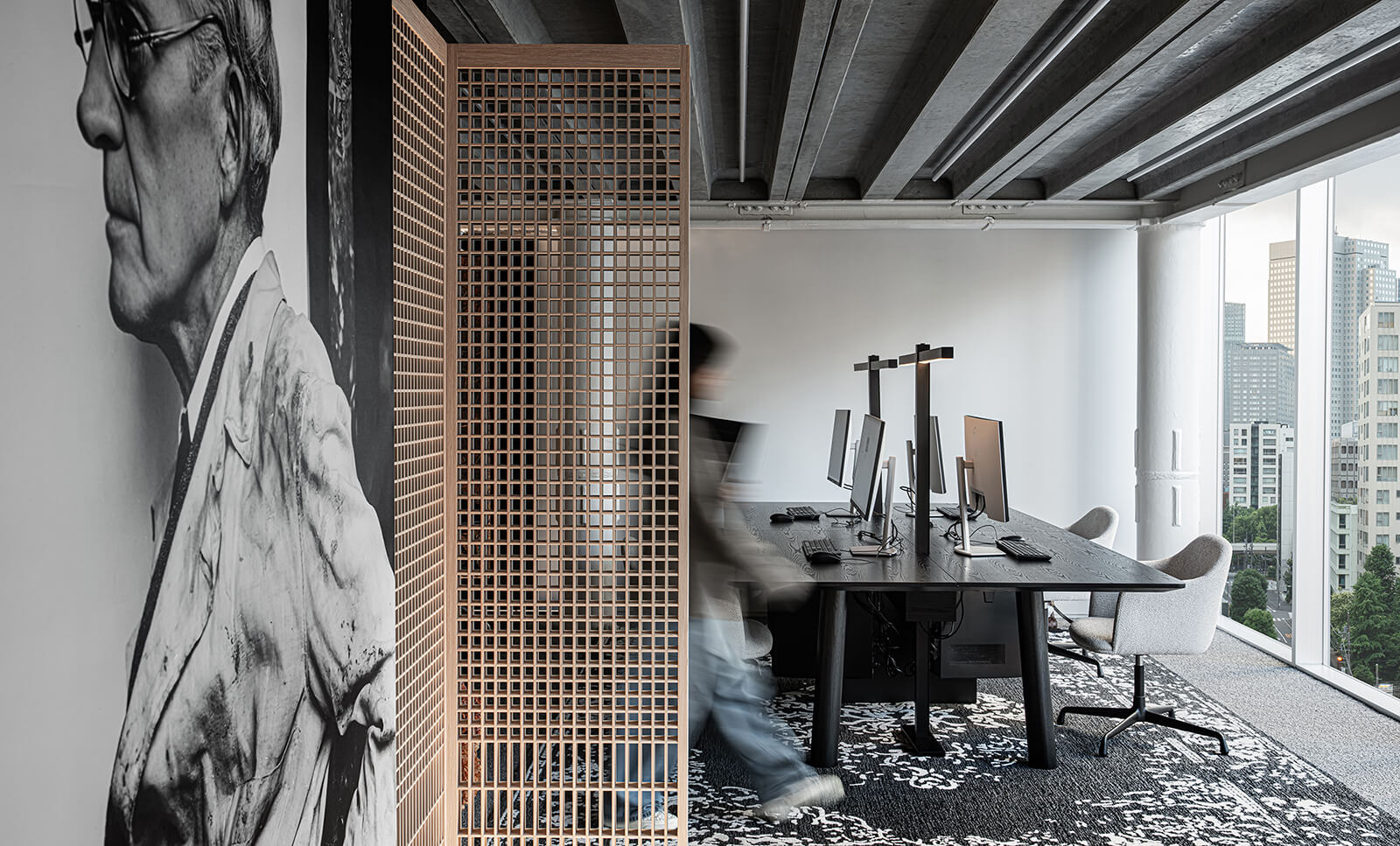
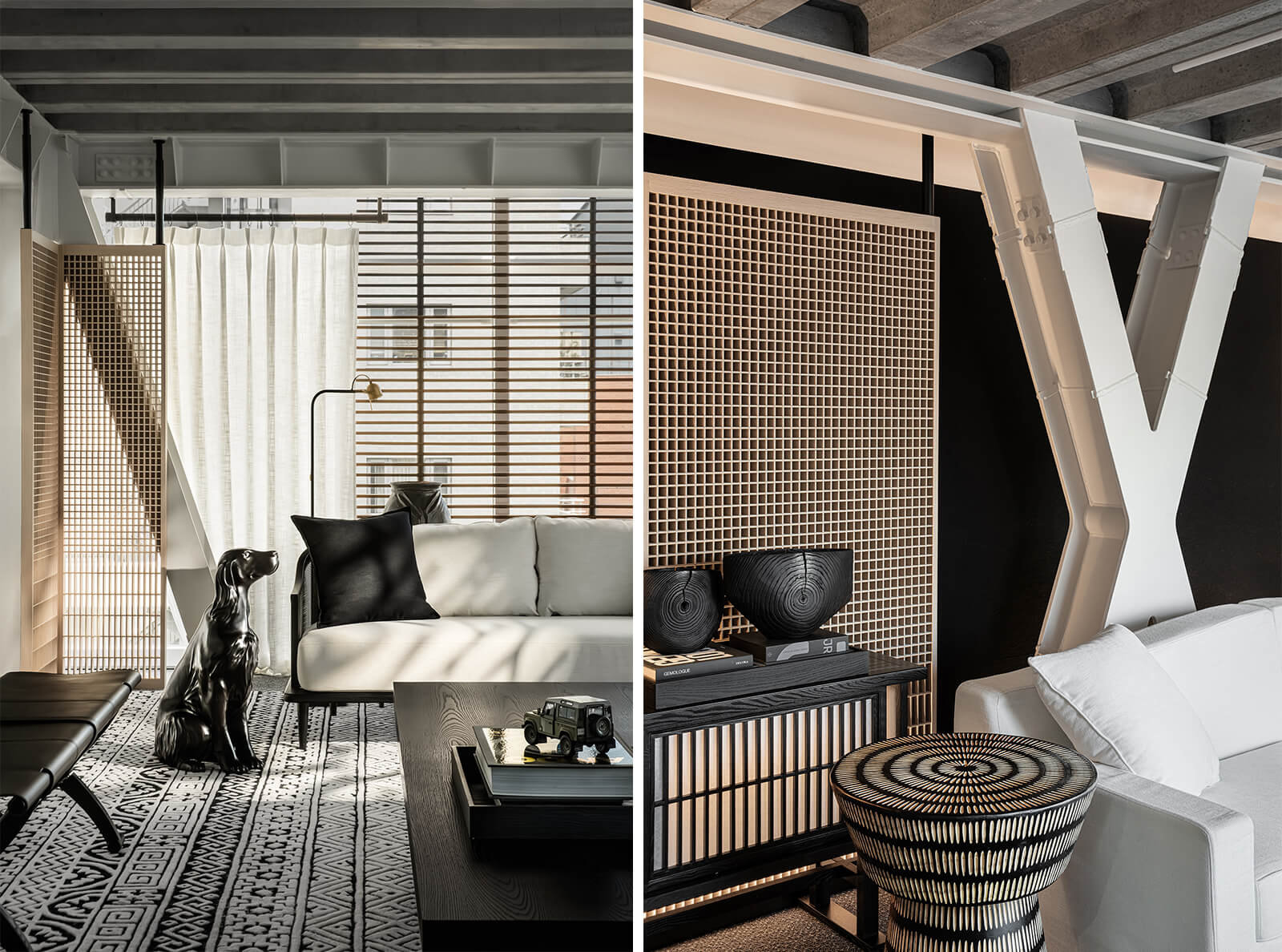
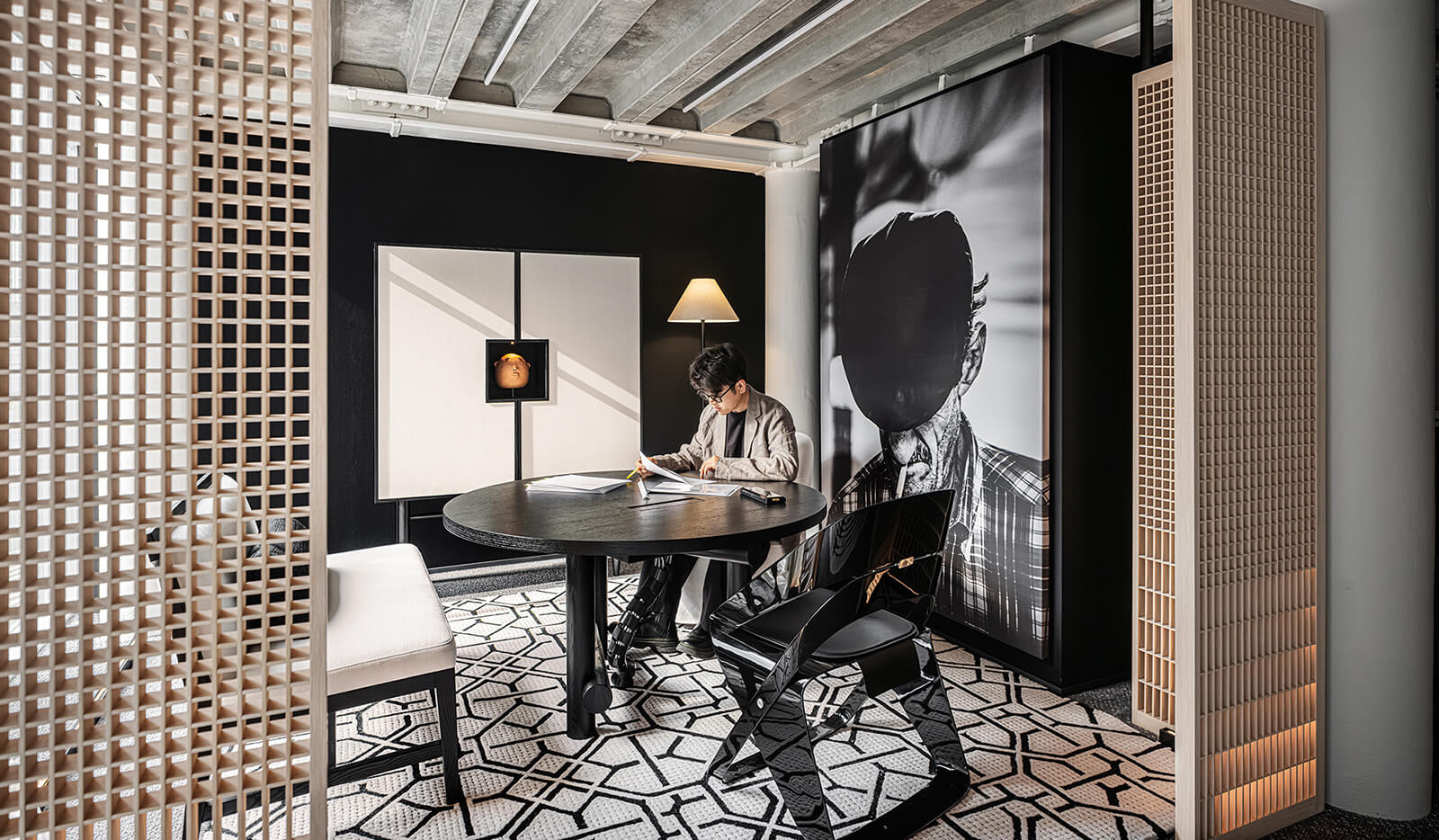
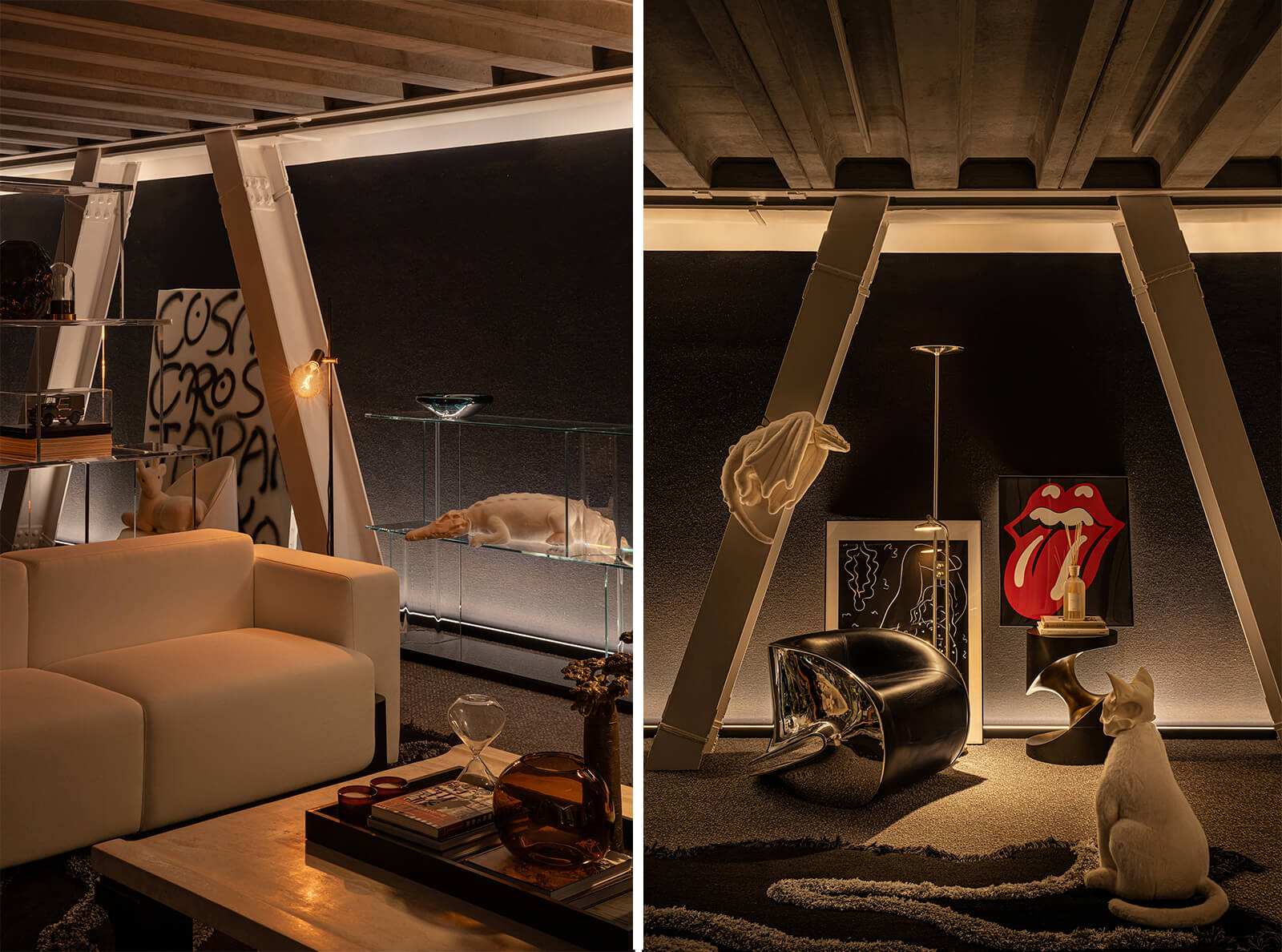
As a 'living laboratory', the Creative Center offers showroom spaces as active archives of culture and knowledge. The material lab on the second floor uses IDEAFUSION, a smart platform developed by RARITAG—the technology brand arm of CCD—that infuses material knowledge with advanced innovation for functional extensibility. An art gallery on the sixth floor, curated by CCD’s lifestyle brand COSMO CROSS through a 'global collector’s lens', brings together multiple original works from both local and international artists and styles.
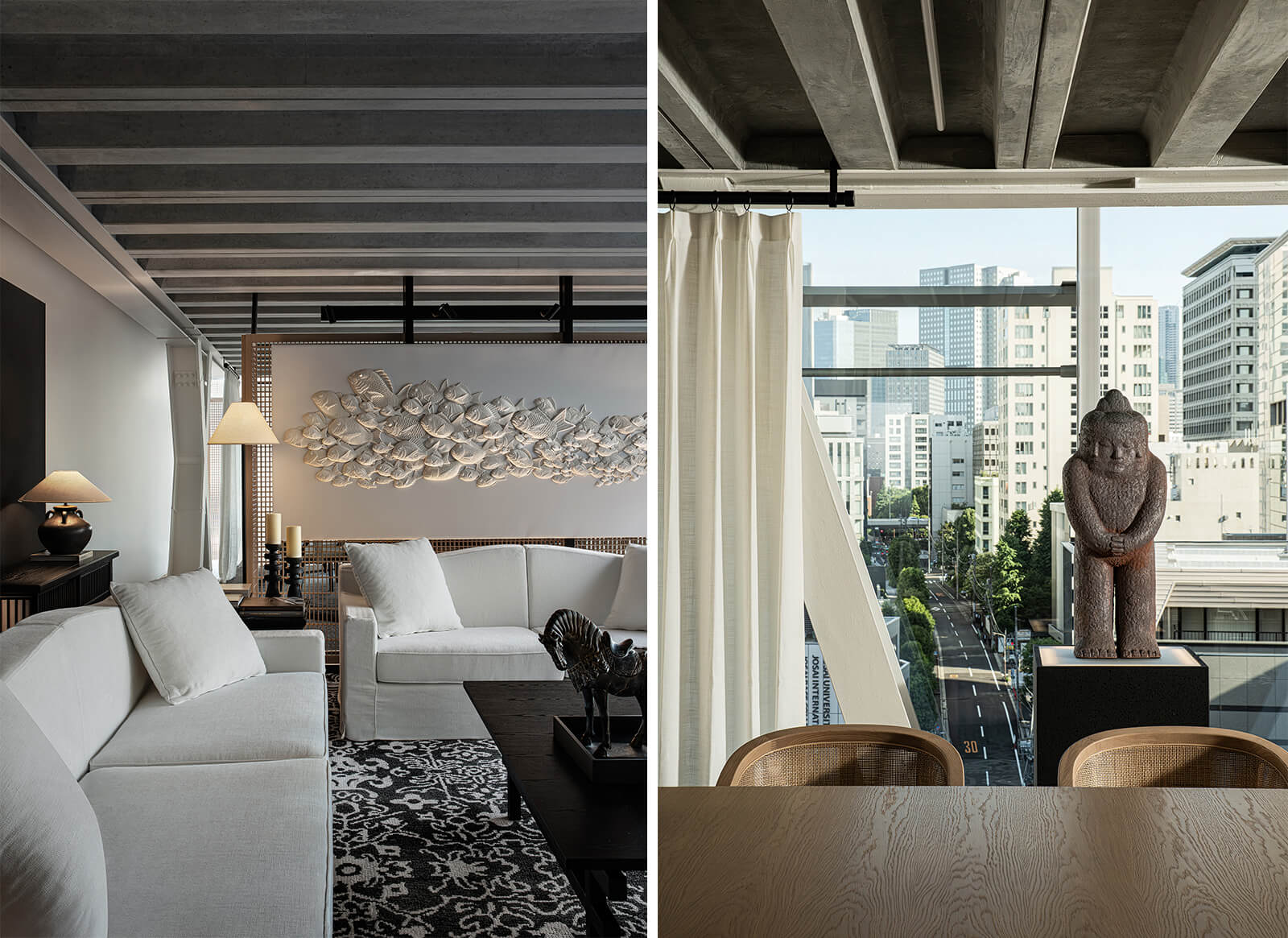
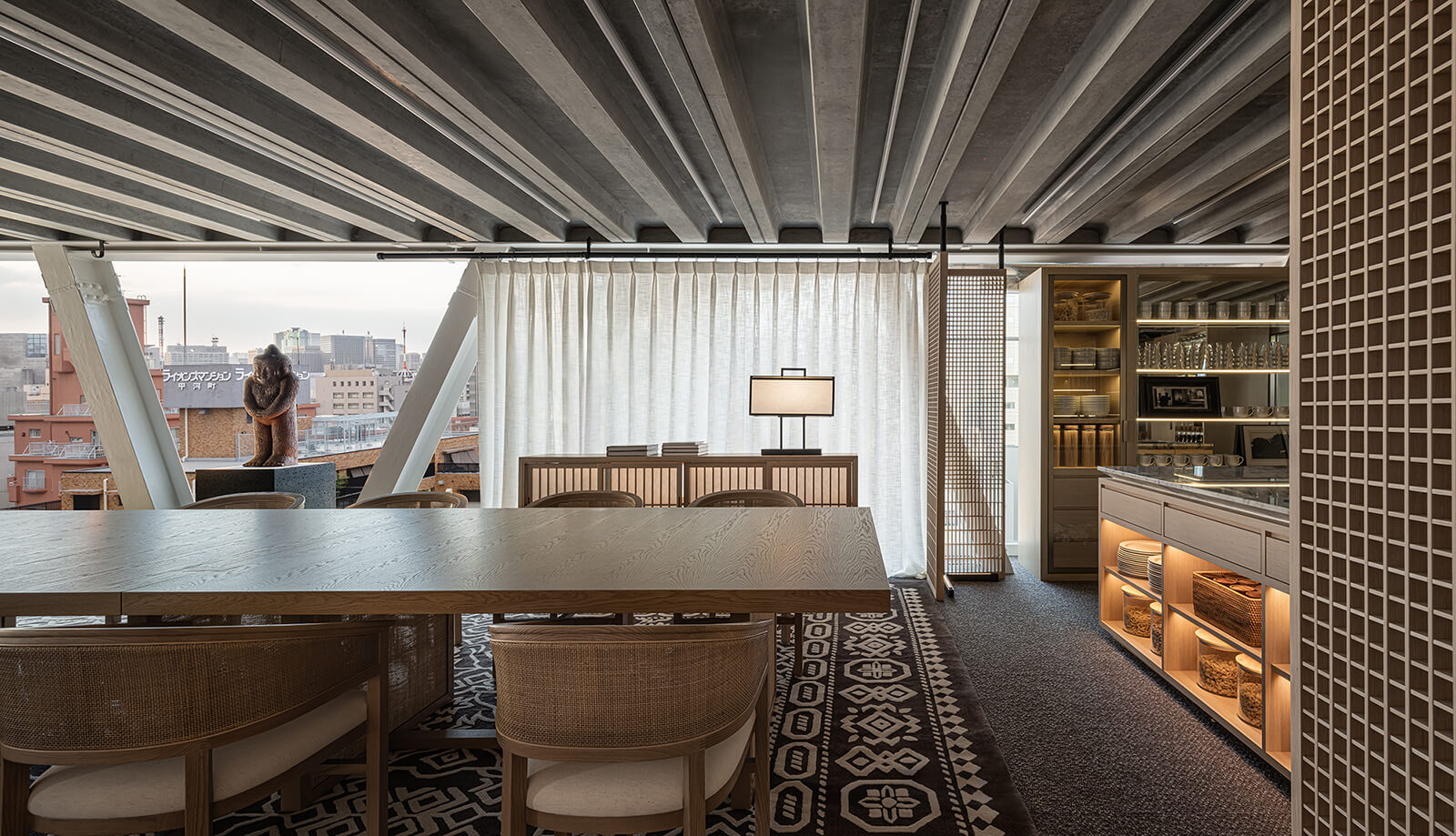
As a 'micro-urban lounge', the top floors of the building comprise multiple spaces for casual conversation and leisure. A sofa-lounge on the seventh floor is set against the backdrop of Japanese artist Tetsuya Negata’s three-dimensional paper relief rendering of the marine world. The artwork uses the concept of Wagashi Zanmai, or 'Memory Paper', to capture the fluid motion of a school of fish, with their scales shimmering from the warm light, emulating the illumination in the sea. A long central table on the eighth floor offers a versatile stage catering for casual drinks and social gatherings while Zhao Lin’s contemplative clay sculpture, Formless, foregrounds the expansive view of the surrounding urban district.
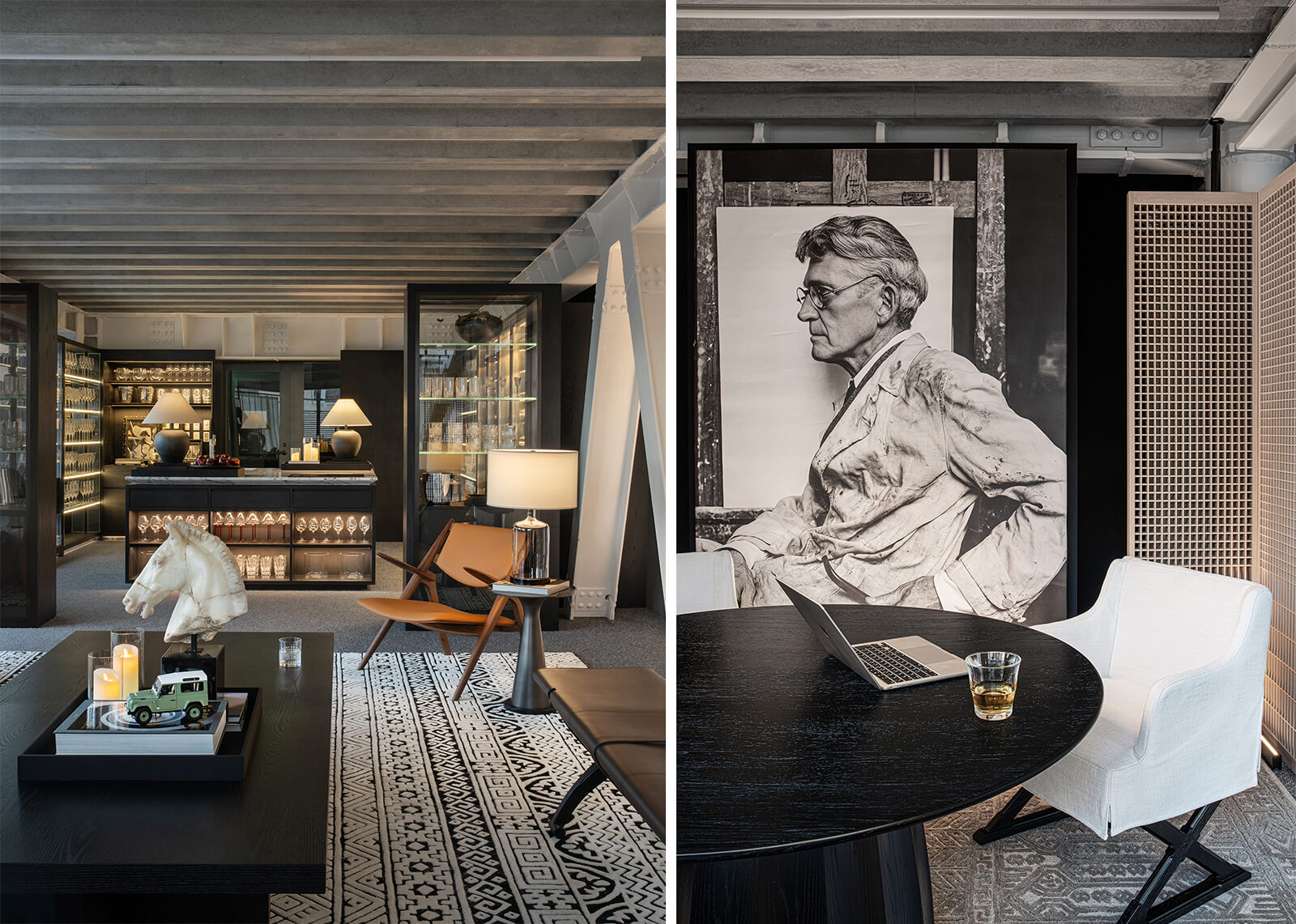
With their new Creative Center, CCD attempts to unite the site’s unique regional context with their global portfolio, using it as an opportunity to materialise a dialogue between two distinct, seemingly exclusive design paradigms: those of the east and the west. “Design is, at its essence, a form of communication—between people and objects, past and future,” Cheng states in an official release for the project. The central enquiry for the project then stands to reframe the role of design as not simply bridging cultural sensibilities, but perhaps synthesising new, hybrid ones. A global language in design and architecture is then perhaps best recognised as a hybrid of influences—cultural and personal—as opposed to blasé homogenisation.
Name: CCD Tokyo Creative Center
Location: Hirakawachō, Chiyoda-ku, Tokyo, Japan
Typology: Design Studio
Interior Design: Cheng Chung Design (HK)
Collaborators: WOWU Art Consultancy (Art),
Area: 735 sq m
Year of Completion: 2025
by Pranjal Maheshwari Oct 19, 2026
The Mumbai-based architects integrate courtyards, mesh screens and north light trusses to create a dining space that doubles up as a community hub at SR University, Warangal.
by Mrinmayee Bhoot Oct 17, 2026
The Rotterdam-based institute centres the Indian Ocean as a network for exploring material histories and transnational links shaping coastal cultures, positing them as future models.
by Pranjal Maheshwari Oct 16, 2026
At the 2026 Stirling Prize ceremony, Mary Duggan with RUFF Architects, MAKER Architecten and Nakshabid Architects were felicitated for proffering quality housing and social equity.
by Mrinmayee Bhoot Oct 12, 2026
The new Centre for Contemporary Arts, fostering public engagement with art in Uzbekistan, is housed in a tram depot refurbished by the French studio, emulating local craftsmanship.

make your fridays matter with a well-read weekend
Enter your details to sign in
Don’t have an account?
Sign upOr you can sign in with
a single account for all
STIR platforms
All your bookmarks will be available across all your devices.
Stay STIRred
Already have an account?
Sign inOr you can sign up with
Verification link sent to check your inbox or spam folder to complete sign up process
Tap on things that interests you.
Select the Conversation Category you would like to watch
Please enter your details and click submit.
Enter the 6-digit code sent at


CCD Tokyo Creative Center wraps Japanese spatial logic in a high-tech shell
by Pranjal Maheshwari | Published on : Mar 31, 2026


 Sign in with Google
 Sign in with email
What do you think?