Design12 mins. read
Isola Design Festival 2025 energises Milan with 'Conscious Objects' at Isola
by Almas SadiqueApr 12, 2025



by Mrinmayee BhootPublished on : May 20, 2026
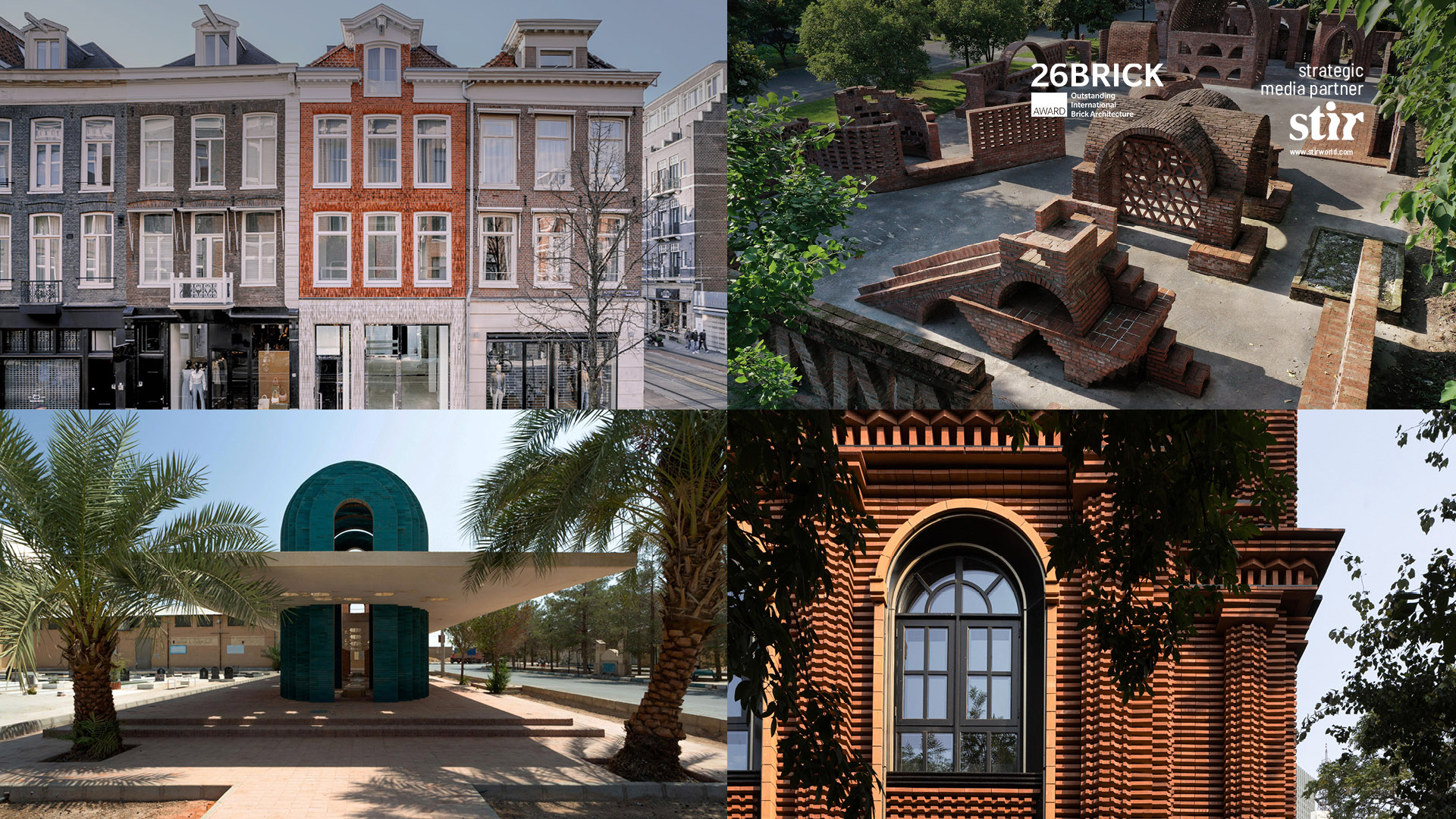
When we say an architecture feels of its place, we often mean that it responds to its surroundings through legibility, proportionality, atmosphere and a sense of balance—all of these being qualities fostered by the choice of material. STIR’s discursive coverage of the shortlisted projects for the BRICK AWARD 26 has underscored this very feeling of brick in the pursuit of cultivating spatial experiences that are intimate but at the same time open, private, as well as inclusive. The perennial question of architecture’s relationship with material, as was evident in the first BRICK AWARD category, rests on contextuality. However, if architecture is a sign of the times, the most pressing question—how do we carry on building despite resource shortages, climate crises and growing populations—is the one that perhaps does not present a ready, singular solution.
What this concern has engendered, hence, is a slew of experiments that seek to do away with the conventional and look toward notions of innovation that presume a tabula rasa. That ‘innovation’ not only looks at scrutinising how we build, but more crucially, what we build with. It’s that line of enquiry which has in the past heralded new ways of being, as with modernism in the 20th century, which only ‘arrived’ after the widespread adoption of novel materials: glass and steel. So too is contemporary architecture charged—given the world we face, our new materials must be biodegradable, regenerative and above all, harmless and unexploitative. One can see this anxiety manifest at every design and architecture showcase where designers and studios are iteratively showcasing the building block of the future: made with recycled jeans, biocrete created from plant waste and perhaps the most ingenious and rampant, mycelium. ‘Innovation’ has thus focused on that very primary element, the brick, asking what it can be replaced with, without fully considering the scale of production, cost of manufacture or the question we began with: that of context.
If the material of the future is indeed mycelium, are the ways we have built and designed thus far to become redundant, along with the scaled adoption of this material of the future? What becomes of the humble brick?
The question for architects, vested with the burden of building responsibly, is not how we can replace brick or what it will be replaced by, but if we can—or should—continue to use what we have and what that looks like. As we have seen thus far in the shortlisted projects of the BRICK AWARD 26, it’s precisely the flexibility in how we use brick that has allowed it to stay relevant and evolve with evolving needs. The question, what else can we imagine, or what else can be done with the brick, is one that is further explored by the shortlisted projects in the Building outside the box category of the awards. The shortlisted designers play with the possibility of what we think of as brick—extruding it, twisting it and customising it—breaking the standard mould. For some, this ‘innovation’ is a means to reference history while projecting their schemes towards the future. For other projects, the desire to experiment is simply that, a desire to set the structure apart: an architecture for architecture’s sake.
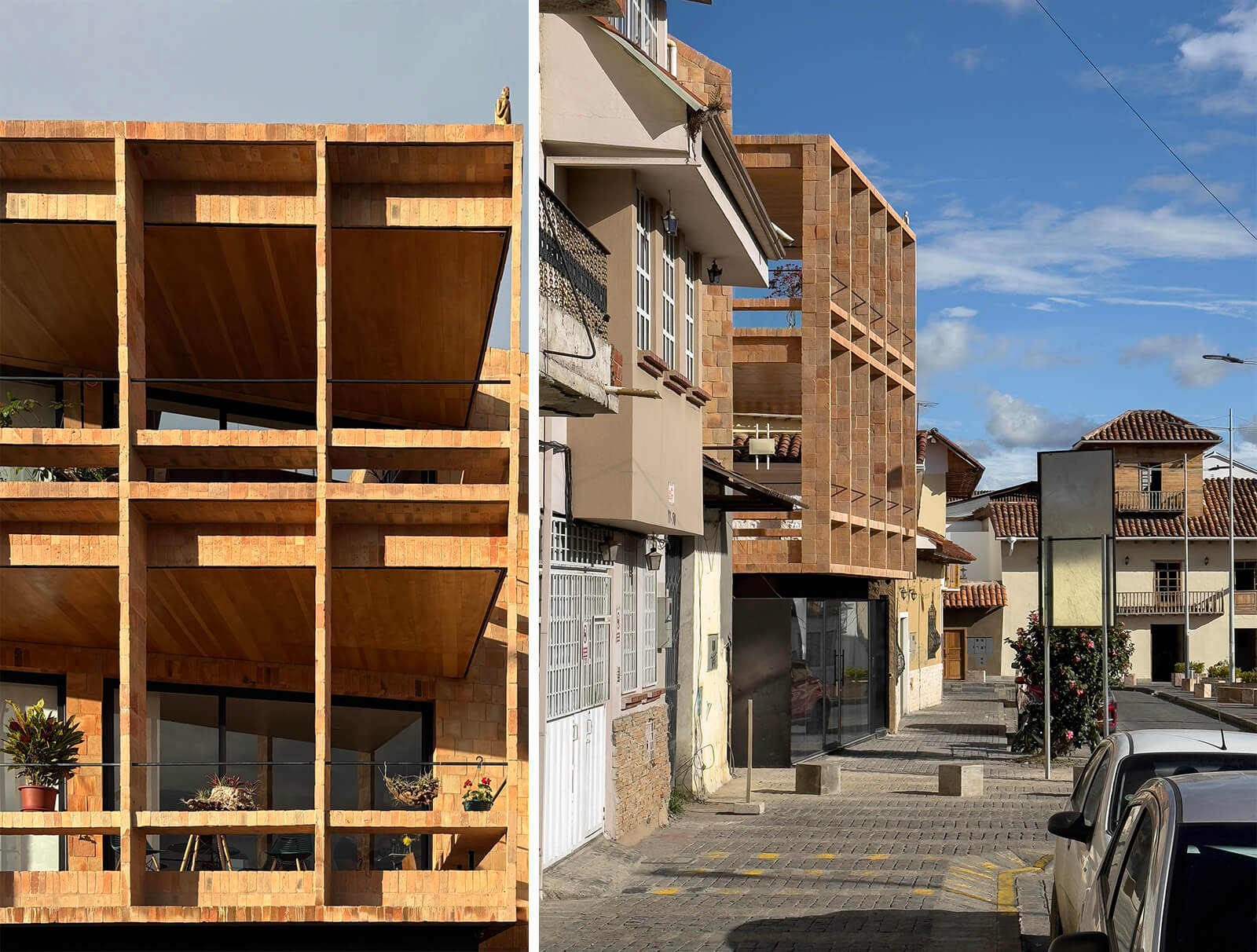
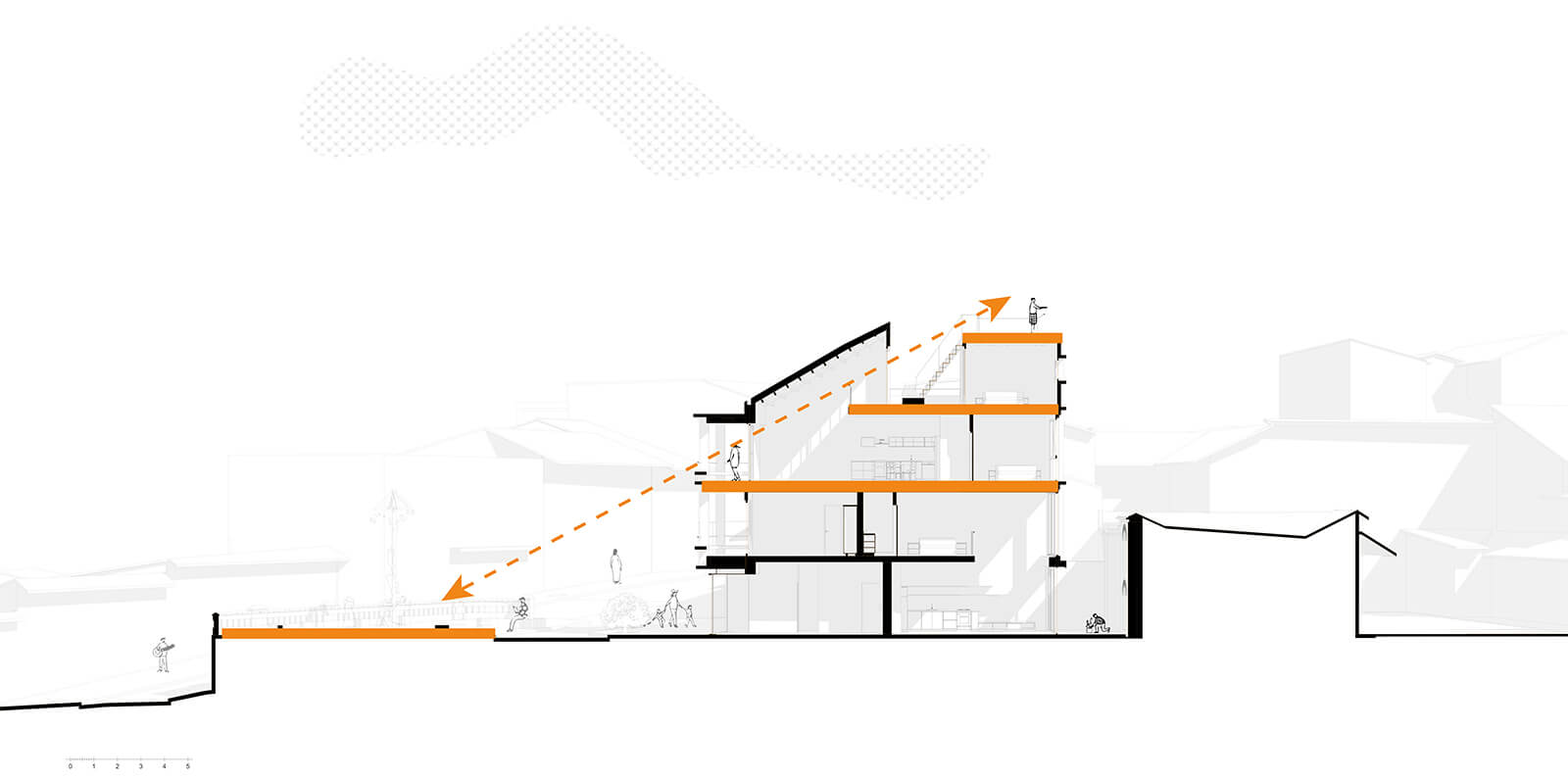
For instance, Taller Alexis Schulman & Surreal Estudio’s project La Cruz 13-40 in Ecuador is an urban housing project. For the residential architecture, the architects note that every brick was cut on-site from locally sourced mother pieces only seven kilometres away. The brickwork, the Ecuadorian architects note, is laid with interlocking configurations with minimal joints, as a nod to pre-Hispanic Andean masonry. Further, brick powder was reused in the mortar. Radicality for the architects here meant an emphasis on craftsmanship, on the contextual nature of architecture.
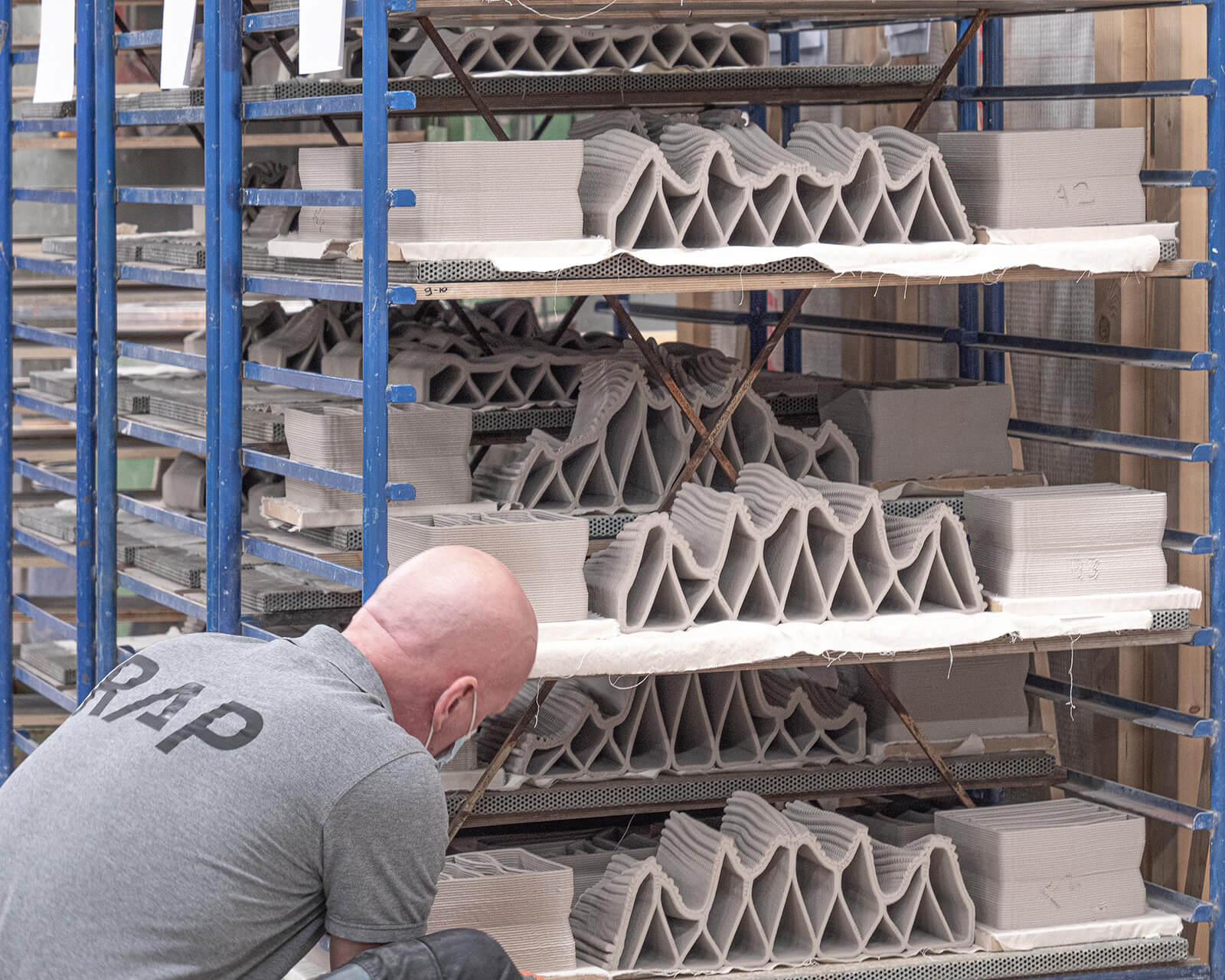
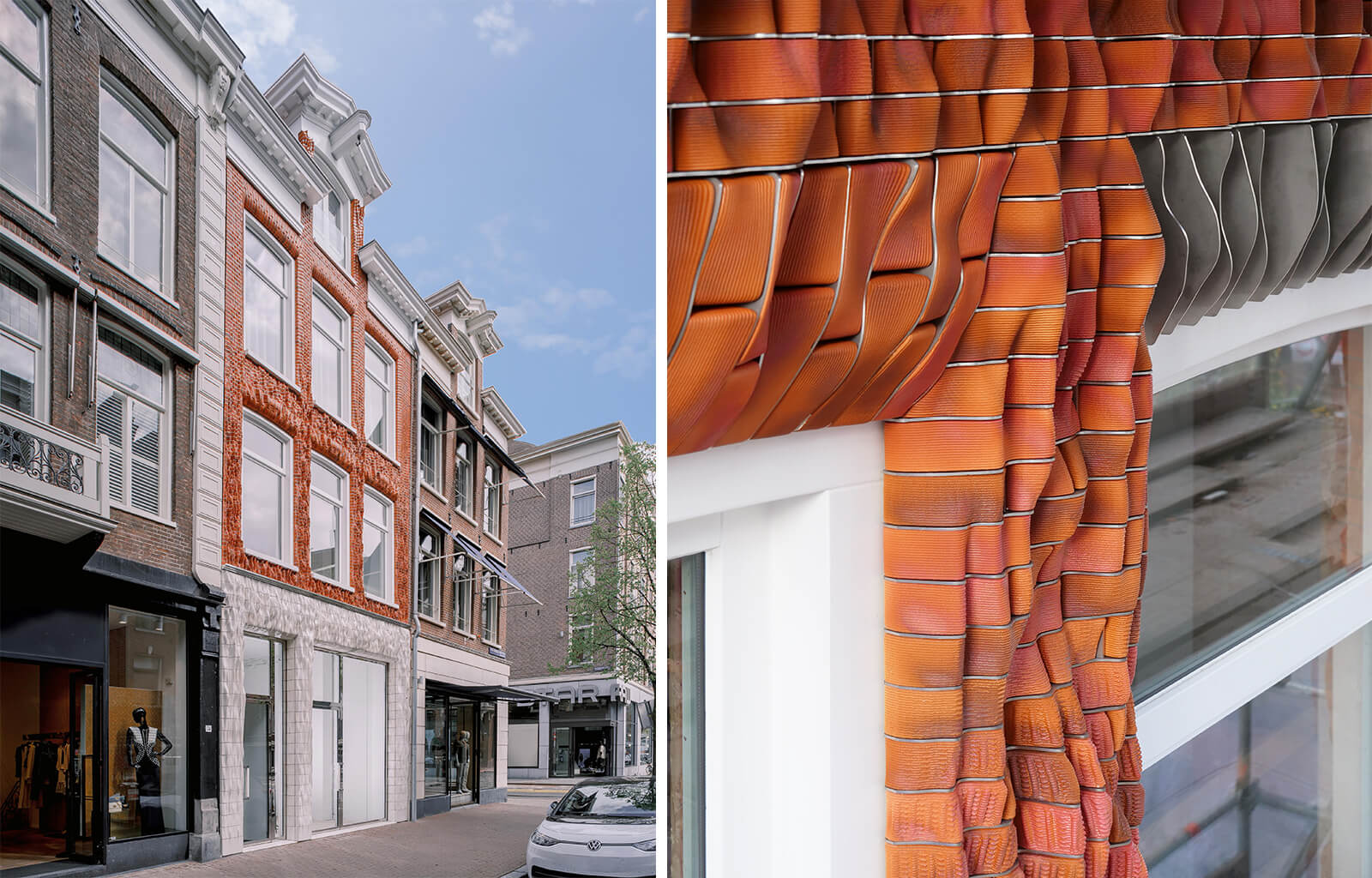
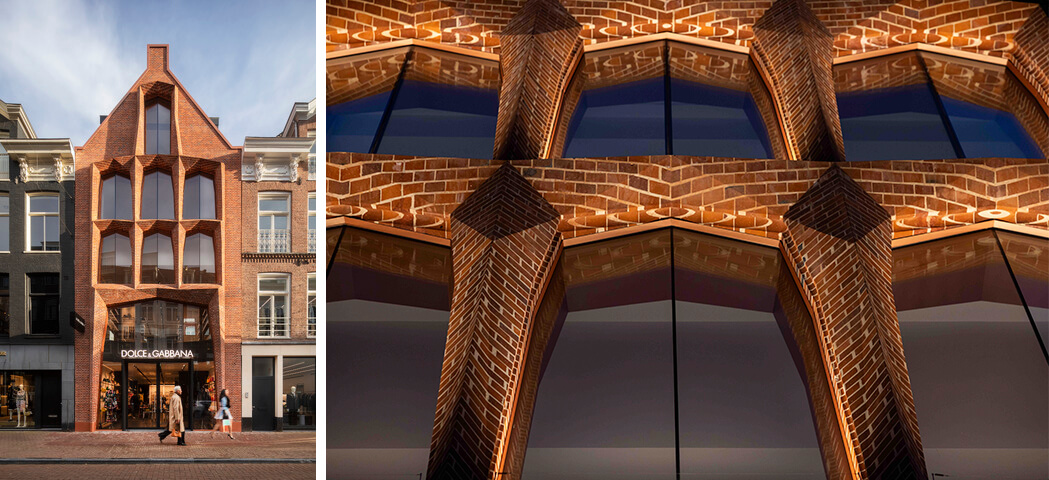
In contrast to this slow process of making, one might consider Studio RAP’s Ceramic House, where form takes precedence over the retail store design. The Dutch architects, well known for their use of 3D printing technologies, introduce carefully crafted ceramic modules to the storefront facade to create a sinuous surface inspired by knit fabric. The modules are created using in-house digital design algorithms, with the team reinterpreting the decorative qualities and design vocabulary of glazed ceramics within the historical context of Amsterdam. Another project from the Netherlands, The Lady by Dok Architecten and Gietermans & Van Dijk Architekten, proceeds along a similar vein. Located in the same shopping district in Amsterdam, the retail store’s facade is defined by sculptural projections inspired by the brickwork of the artist Hildo Krop. Traditional handmade bricks were used for the brickwork, but to set this formwork apart from its context, a 3D milling machine ‘sculpted’ the blocks into their final form.
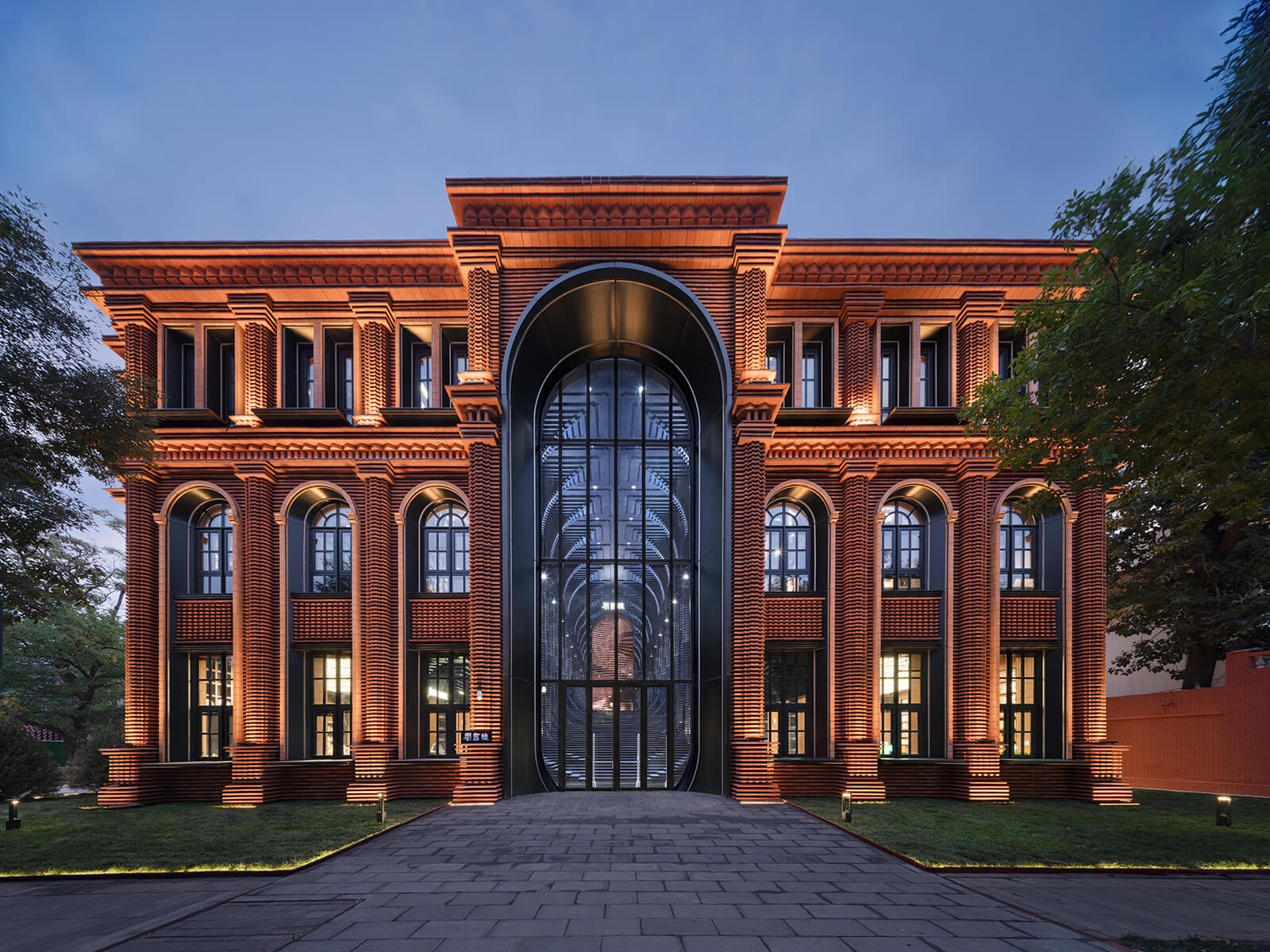
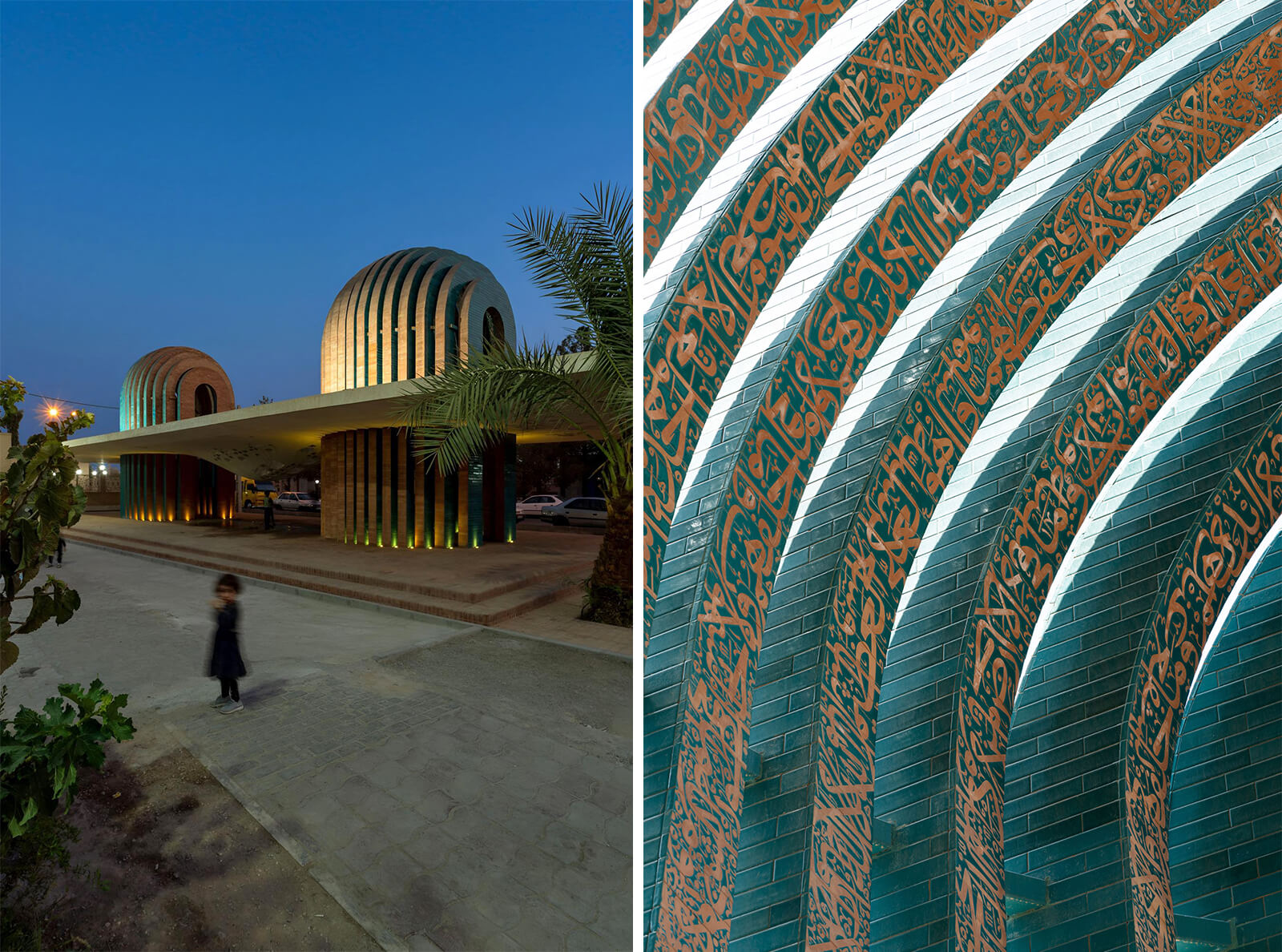
A dialogue here, between the handmade and the machinic, between tradition and novelty (one that is very much symbolised by brick as we have seen so far in previous categories), is palpable. It is mined even further by X+Living Architecture and Interior Design’s Tianjin Zhongshuge. The project for a bookshop and library in Tianjin, China, draws inspiration from its ‘Italian-style’ district, characterised by a distinct materiality of red bricks. For their reconstruction of the original site, the Chinese architects adopt the same visual language, alchemising it into undulating forms. The entire project, save for detailing in steel, uses bricks—hundreds of them customised specifically for the library design—as benches, as shelves, even as stair risers and treads. Demonstrating a similar concern with historical continuity, the design for Shafagh Tomb by 35-51 Architecture Office updates the traditional language of tombs in Iran by defamiliarising the symbols and concepts of Iranian mausoleum-pilgrimage architecture. As the architects note, the dome is remodelled to be legible at human scale and the traditional inscription, typically located beneath the dome, is liberated from its confined space and redesigned as a modern calligraphic painting. For a country historically renowned for its brickwork, the simple yet poetic gestures point to how a commemorative space becomes part of the larger public domain, all while using a material that, for the most part, remains unchanged.
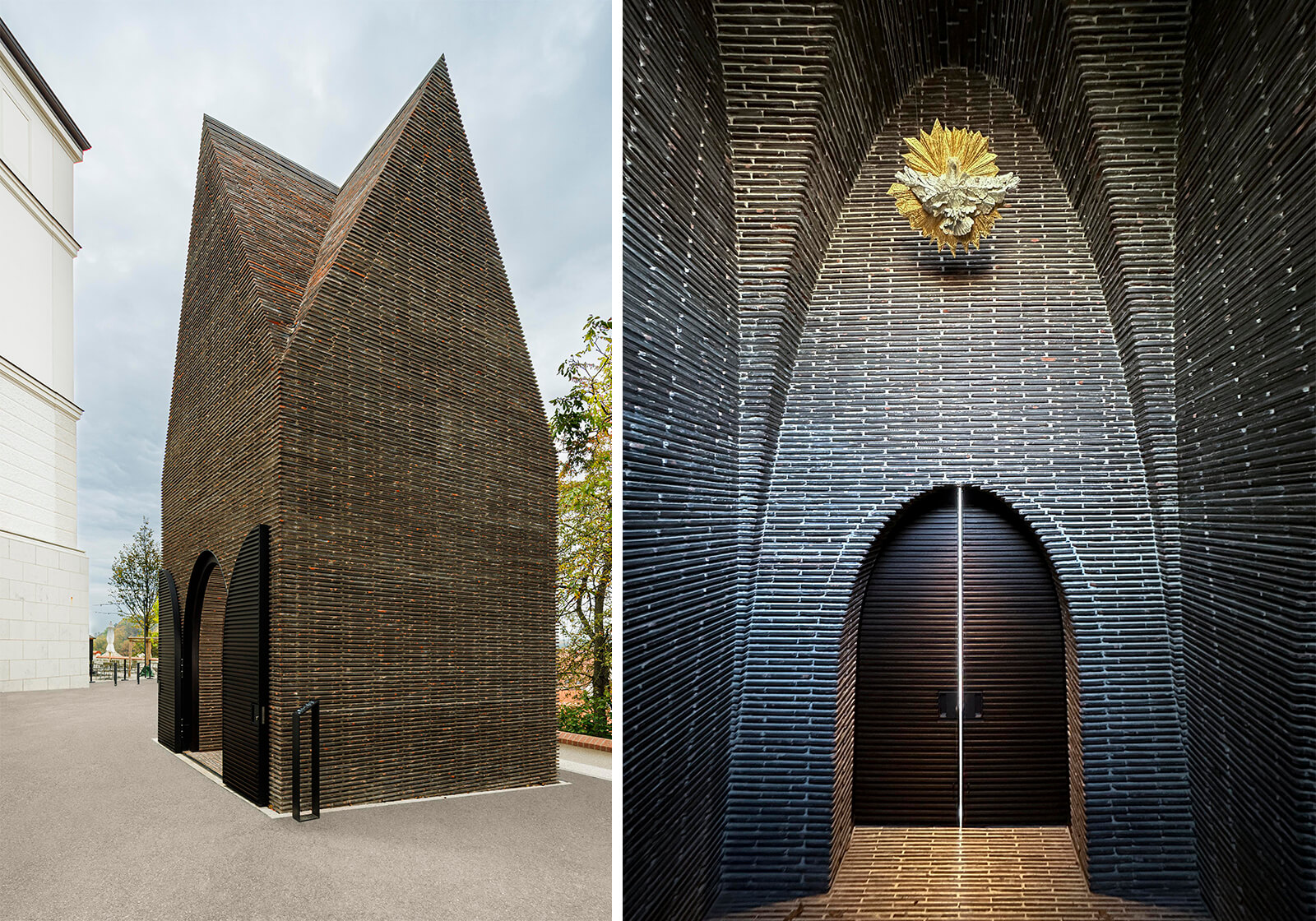
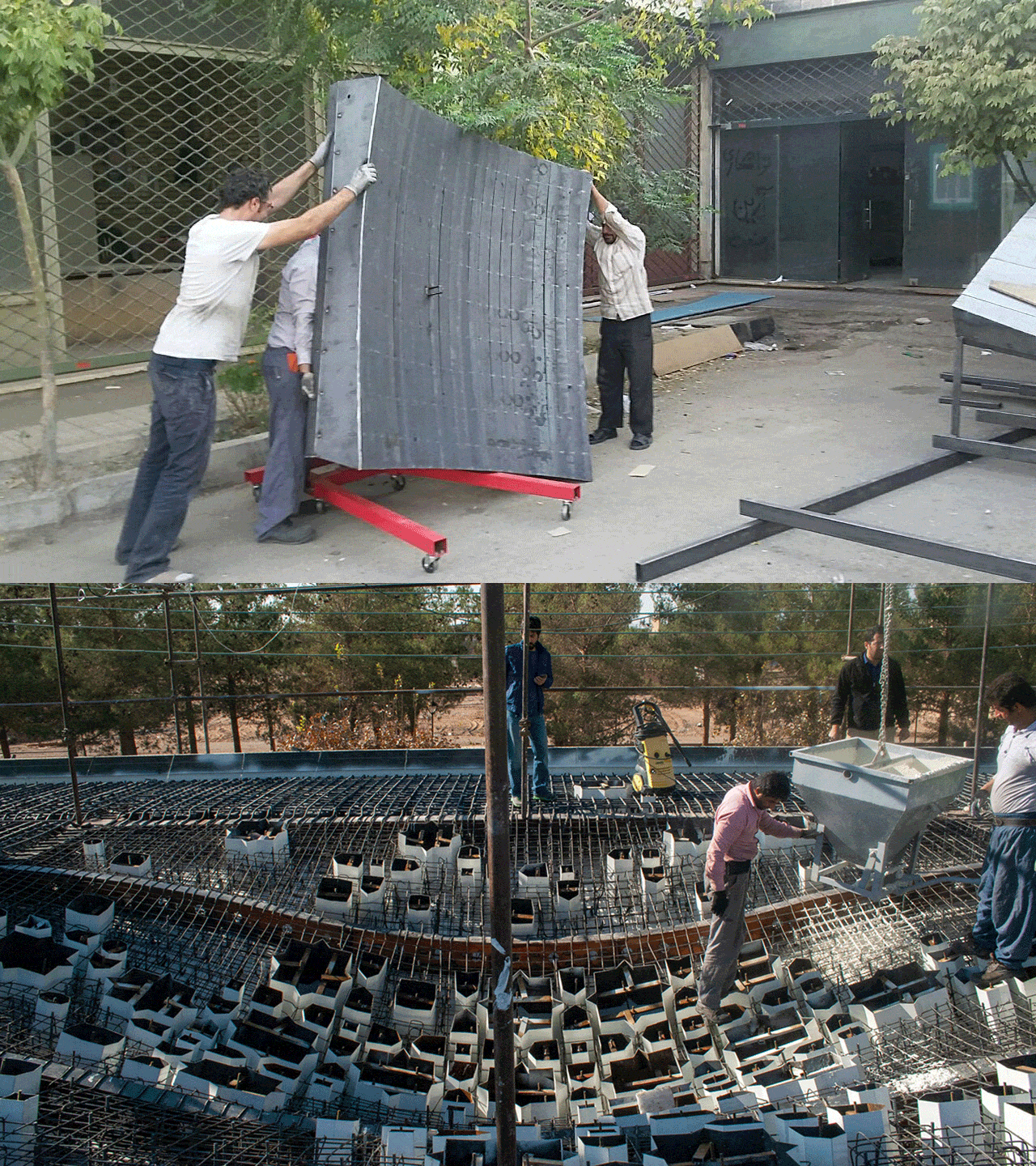
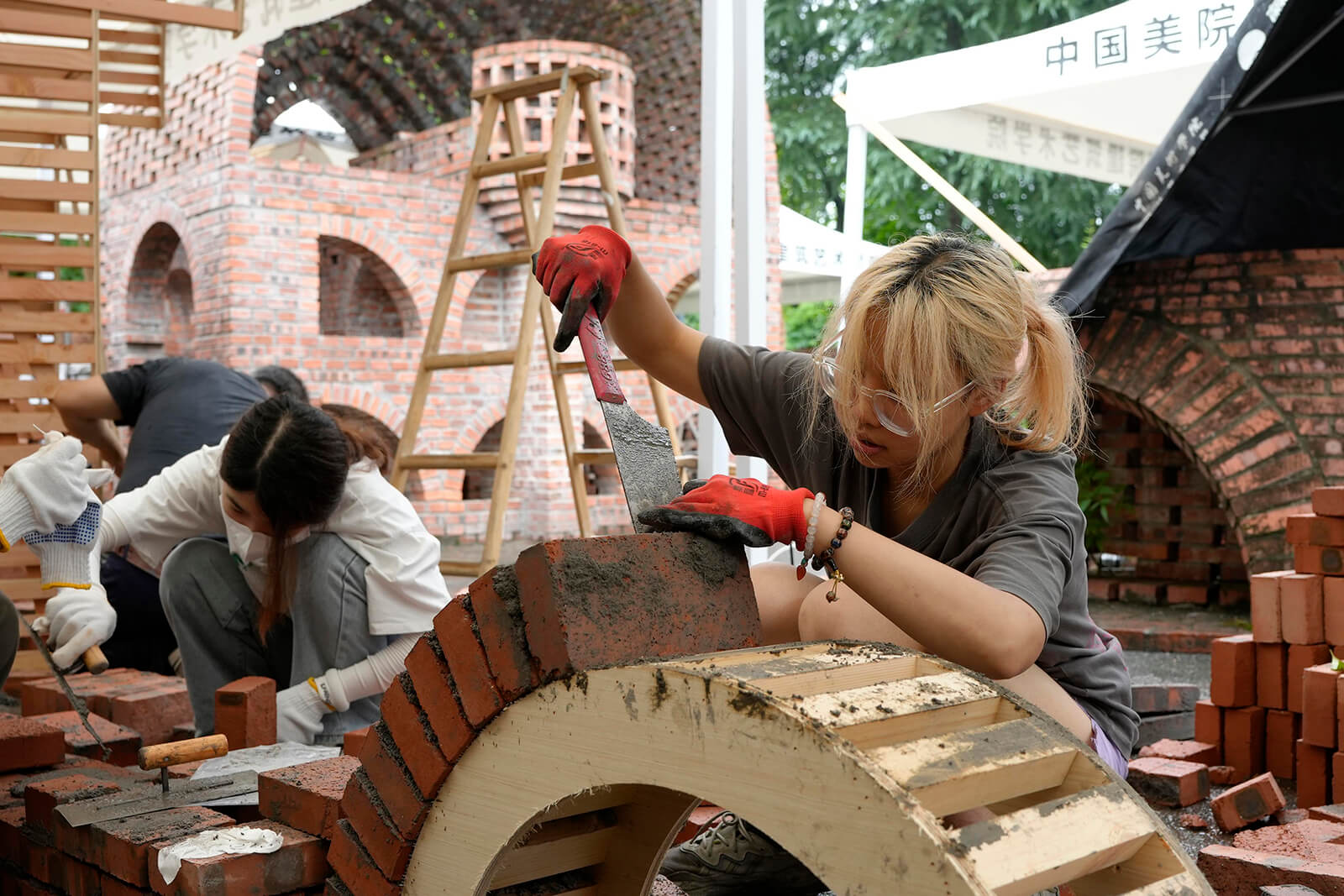
A similar threshold between the spiritual and the public is probed by Brückner & Brückner Architekten’s design for Mary’s Mantle Chapel, Freising, Germany. Innovation here stems from the German architects’ clever and sublime use of a small space. Within only 16 metres, the design team manages to create something uniquely tactile with the construction employing worn-out roof tiles, and in this sense, suggesting what we think of as ‘invention’ doesn’t necessarily mean creating something out of thin air. Instead, the world that we live in demands resourcefulness, a perspective that is decidedly different, even if only slightly, from dominant narratives around innovation. It’s with this idea that the last project on the shortlist shapes how we might think about brick in the future that is to come. Initiated by the China Academy of Art, Endless Brick Playground is an ongoing, mutable and ever-changing field of inquiry into architectural form. 80 students from the school build new structures every year as part of their architectural education for the Fundamentals of Masonry course. Given limited resources and space, old projects must be dismantled to make room for new ones—coalescing a sense of renewal with an appreciation of labour and material didactically.
It is perhaps the most worthy example of innovation in the discipline that we must do with what we have only when we need to; that innovation or even critique of the current state of the world does not have to mean doing away with what has not worked so far. It’s looking at what has indeed worked, and what the context demands. It is acknowledging that innovation implies fluidity rather than imposition. That all that there may be to work with is indeed a brick in a wall.
(The views and opinions expressed here are those of the author(s) and do not necessarily reflect the official position of STIR.)
STIR is a strategic media partner for BRICK AWARD 26. Read more thought pieces on the shortlisted buildings, exclusive interviews with jury members and updates on the awards and winners here.

by Mrinmayee Bhoot Oct 17, 2026
The Rotterdam-based institute centres the Indian Ocean as a network for exploring material histories and transnational links shaping coastal cultures, positing them as future models.
by Pranjal Maheshwari Oct 16, 2026
At the 2026 Stirling Prize ceremony, Mary Duggan with RUFF Architects, MAKER Architecten and Nakshabid Architects were felicitated for proffering quality housing and social equity.
by Mrinmayee Bhoot Oct 12, 2026
The new Centre for Contemporary Arts, fostering public engagement with art in Uzbekistan, is housed in a tram depot refurbished by the French studio, emulating local craftsmanship.
by Mirra Lynn Oct 10, 2026
The Shanghai-based architecture practice’s intervention in Suzhou transforms three abandoned houses into a bookstore, café, library and homestay.

make your fridays matter with a well-read weekend
Enter your details to sign in
Don’t have an account?
Sign upOr you can sign in with
a single account for all
STIR platforms
All your bookmarks will be available across all your devices.
Stay STIRred
Already have an account?
Sign inOr you can sign up with
Verification link sent to check your inbox or spam folder to complete sign up process
Tap on things that interests you.
Select the Conversation Category you would like to watch
Please enter your details and click submit.
Enter the 6-digit code sent at


Just another brick in the wall: The search for a radical architecture
by Mrinmayee Bhoot | Published on : May 20, 2026


 Sign in with Google
 Sign in with email
What do you think?