Design08 mins. read
5VIE centres perception through the Qualia of Things at Milan Design Week 2026
by Bansari PaghdarApr 07, 2026



by Aarthi MohanPublished on : Jan 19, 2026
A city does not announce when it begins to change. It shifts quietly, through small acts of making, through objects placed with care, through conversations that happen alongside work rather than claiming authority over it. DesignTO’s 16th edition unfolds across Toronto from January 23 – February 1, 2026 with a measured sensibility. Rather than staging design as an event or a spectacle, the festival unfolds as a dispersed field of attention across materials, memories, labour and lived experience, where design becomes a way of staying with questions instead of resolving them too quickly.
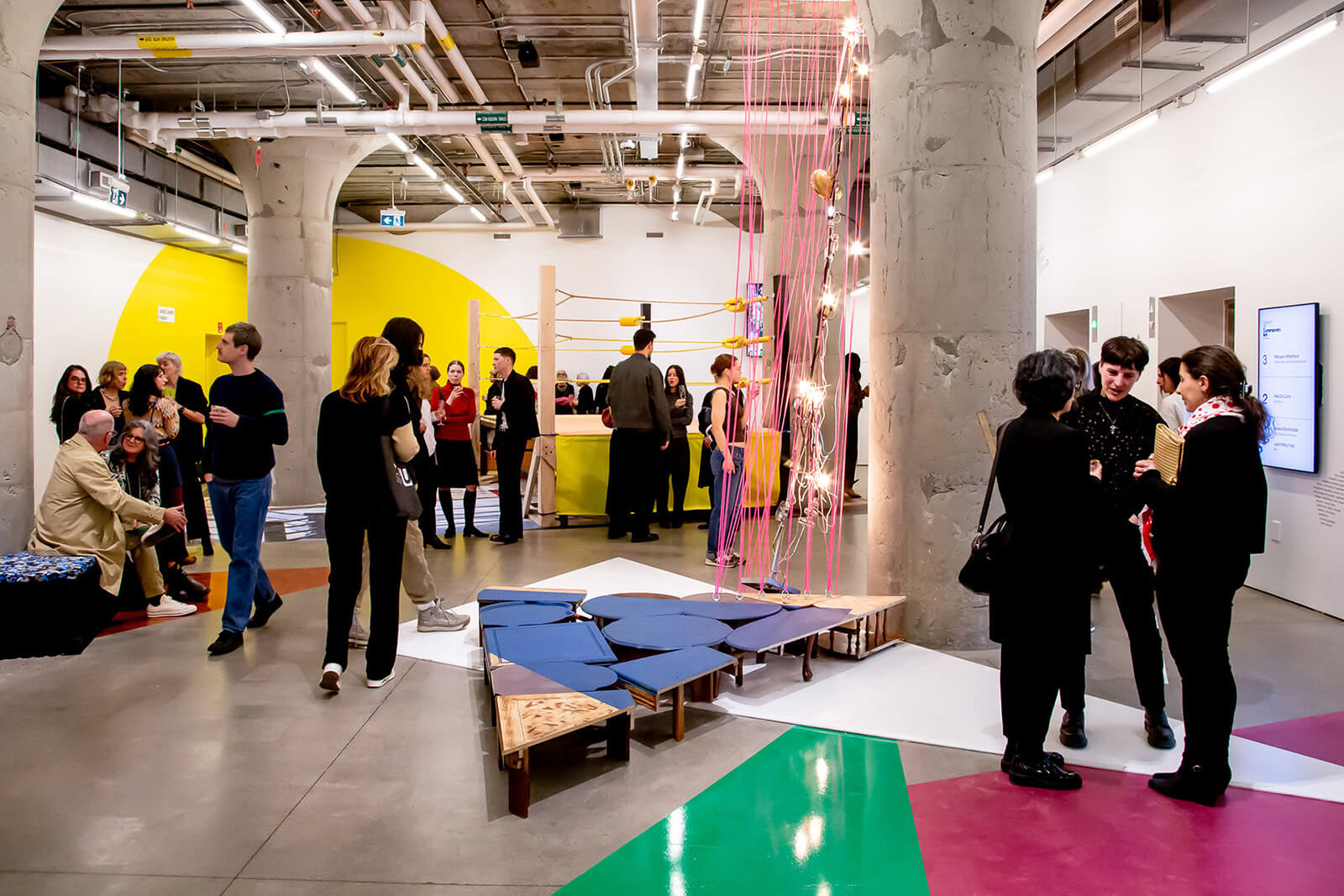
What distinguishes DesignTO 2026 is not scale alone, though it remains Canada’s largest annual design festival. Across recent editions, the festival’s curation has consistently returned to a set of shared concerns. In 2024, the event was explicitly guided by the principles of justice, sustainability and joy framing design as a collective tool for inclusion, environmental responsibility and public good. The 2025 edition extended this emphasis, foregrounding climate crisis, social justice and technological advancement while positioning the festival as a platform for accessibility, community building and what co-founder Christina Zeidler described as an antidote to urban isolation. Rather than introducing a singular overarching theme this year, DesignTO 2026 continues this trajectory through a deliberately plural programme. Across exhibitions, immersive installations, talks and participatory formats, design is positioned less as a solution and more as a process: something shaped by time, community and constraint.
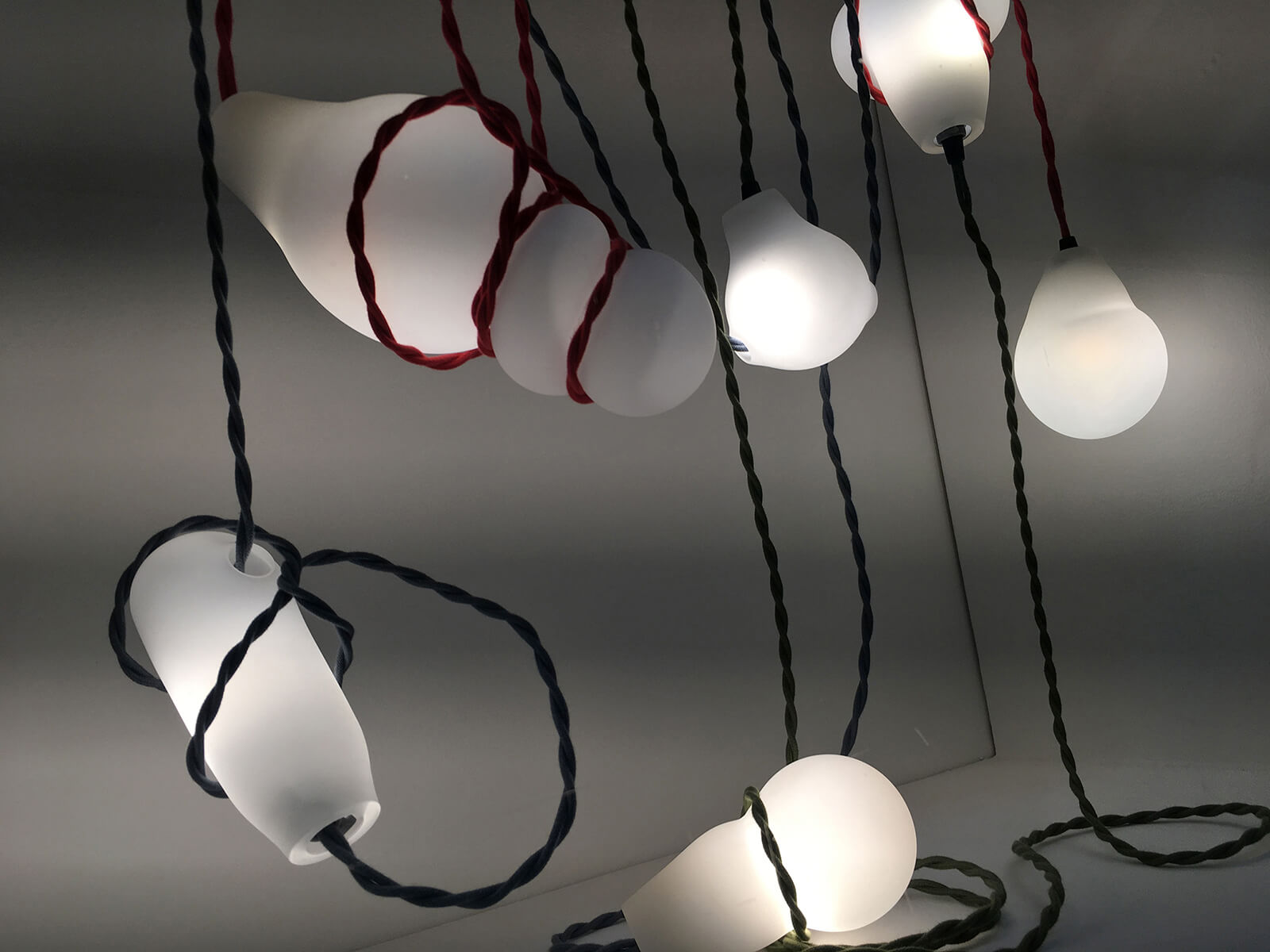
Light, for instance, appears repeatedly this year, not as a metaphor but as a material presence. In ALL LIGHT, Ontario-based designers Kilowatt Kate and Kristian Spreen approach illumination as both utility and expression. The works operate at the threshold between the technical and the sculptural, asking how light structures how we move, work and gather while also shaping emotional and spatial perception. Rather than offering a unified aesthetic, the exhibition holds differences between disciplines, approaches and intentions, allowing light to remain unstable, responsive and human.
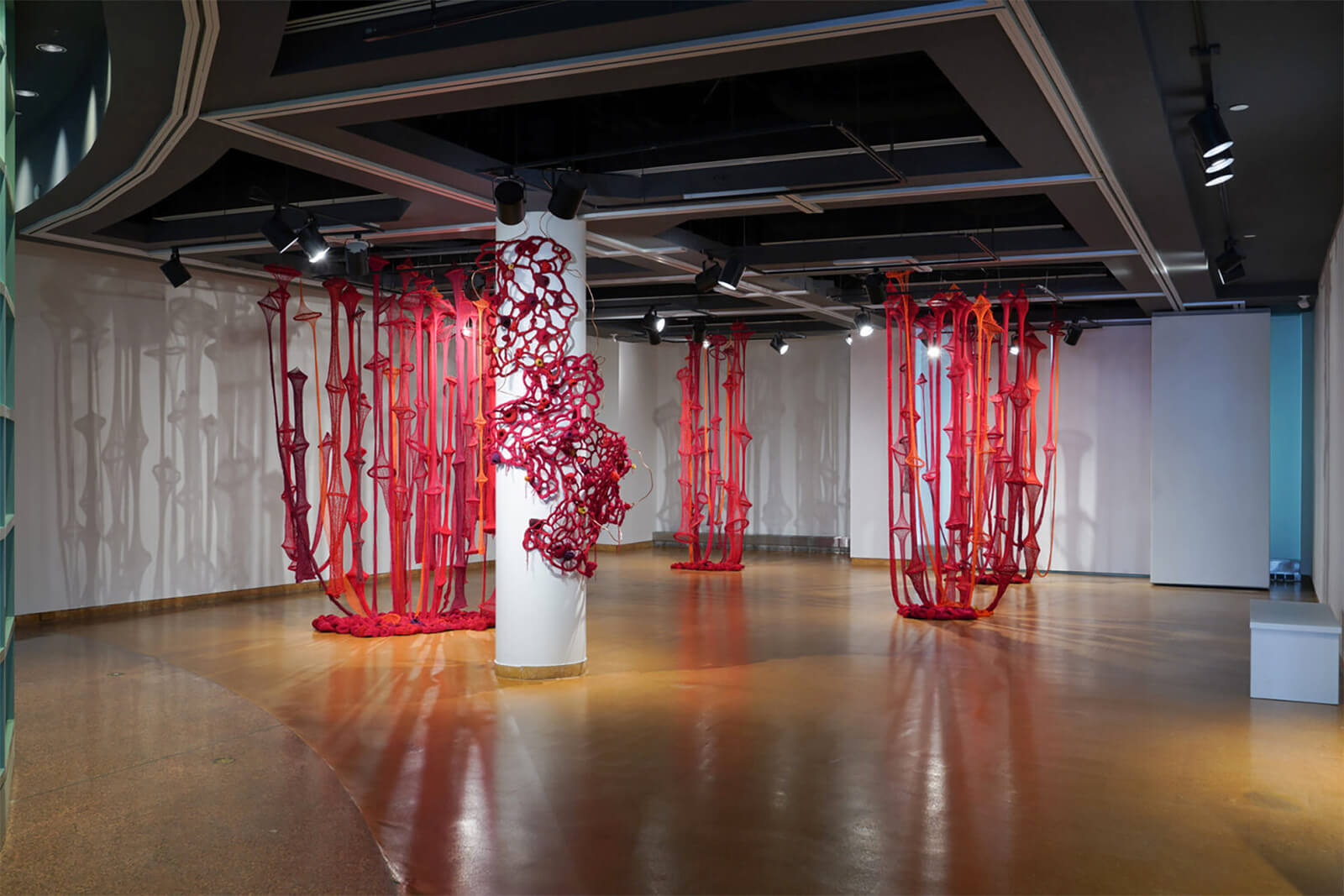
Material memory becomes another recurring thread, most directly addressed through projects that consider how objects are embedded in time. Material Memory, a walking tour format, traces relationships between artist, object and environment, foregrounding how works accumulate meaning through layering, repair and reuse. This concern with accumulation also surfaces in Within the Weave, a conversation that brings together artists working with fragments—personal, environmental, historical—and reassembling them into new forms. In Remnants for the Future, textile artist Yana Rzayeva reflects on diasporic hybridity and ancestral knowledge, allowing fabric to absorb fragments of migration and inheritance. Threads hold what cannot always be spoken. A similar attentiveness shapes Knot: Holding On, in which Palestinian-born artist Alanoud Emaish weaves memory and nostalgia felt through touch, texture and the physical intimacy of familiar materials into personal archives. Everyday materials become acts of continuity, shaped by longing, care and persistence.
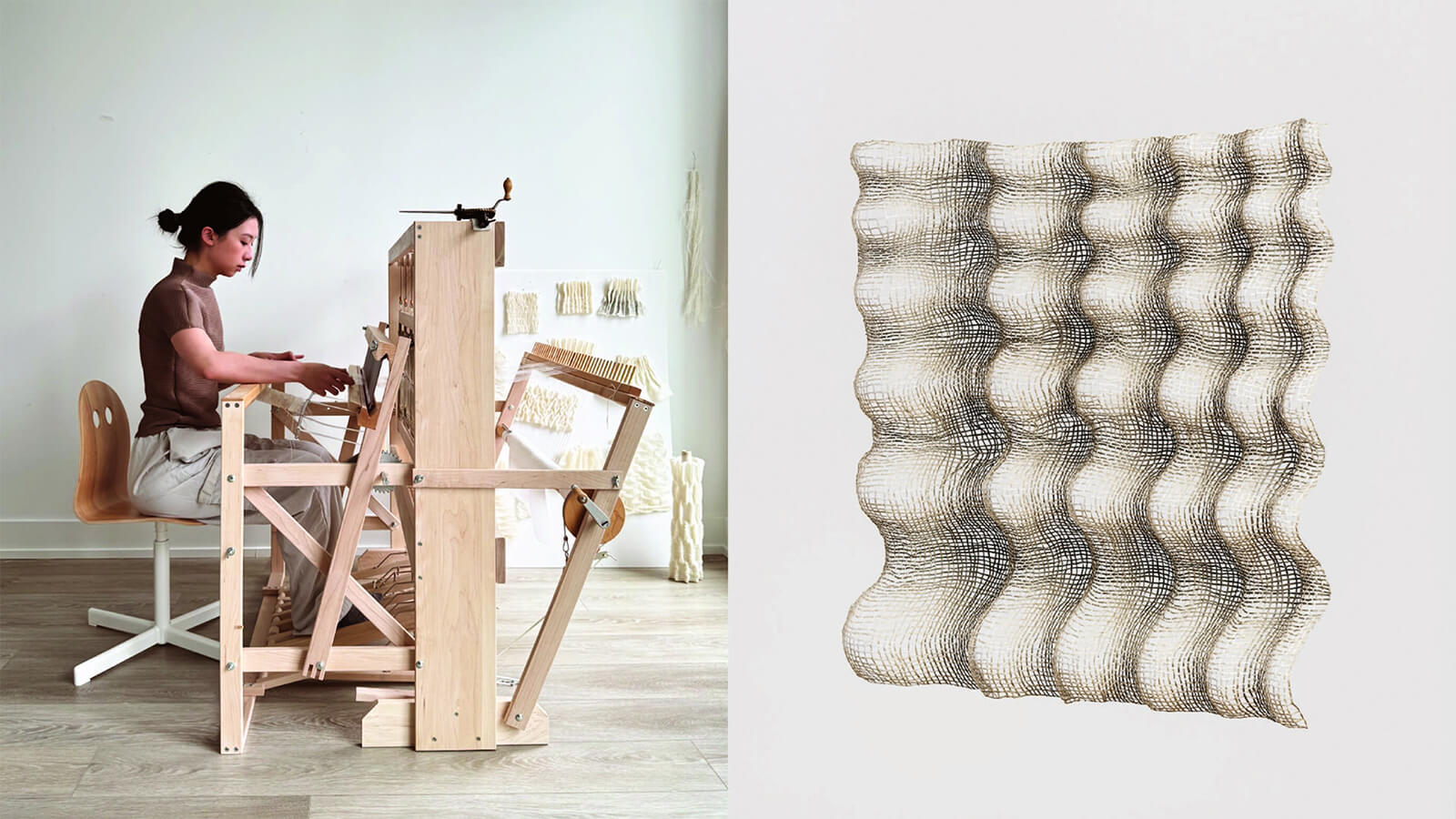
Clay, fibre, tape and wood recur across the programme, not as neutral substances but as collaborators. Kensington Unearthed and (Re)formed centre ceramics made from wild clay sourced locally, each piece shaped by the conditions of its origin and the community it reflects. The work resists polish, allowing irregularity to speak to place. Similarly, Soft Grid, a textile installation by Shao-Chi Lin, reflects on time spent in residence, translating lived experience into fibre structures that hold softness and order in tension.
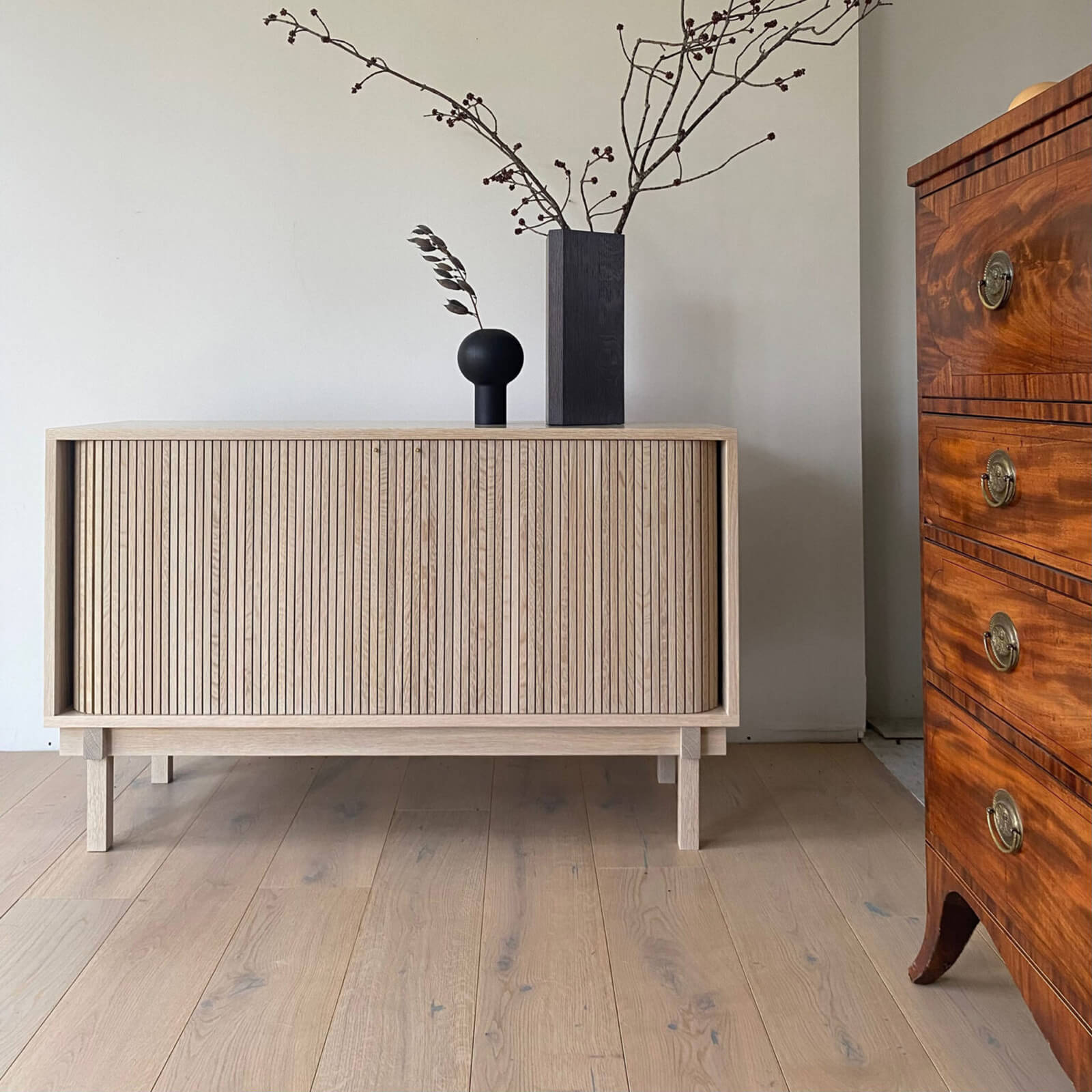
Furniture, too, is presented with restraint this year. Canadian furniture designer Heidi Earnshaw’s solo presentation emphasises restraint, sustainability and attentiveness to everyday rituals. The pieces invite bodily awareness rather than visual dominance, reinforcing the idea that design can support living without demanding constant engagement. A similar ethic underpins hollis+morris studio tours, where visitors encounter design not as a finished object but as an evolving process of prototyping, fabrication and iteration.
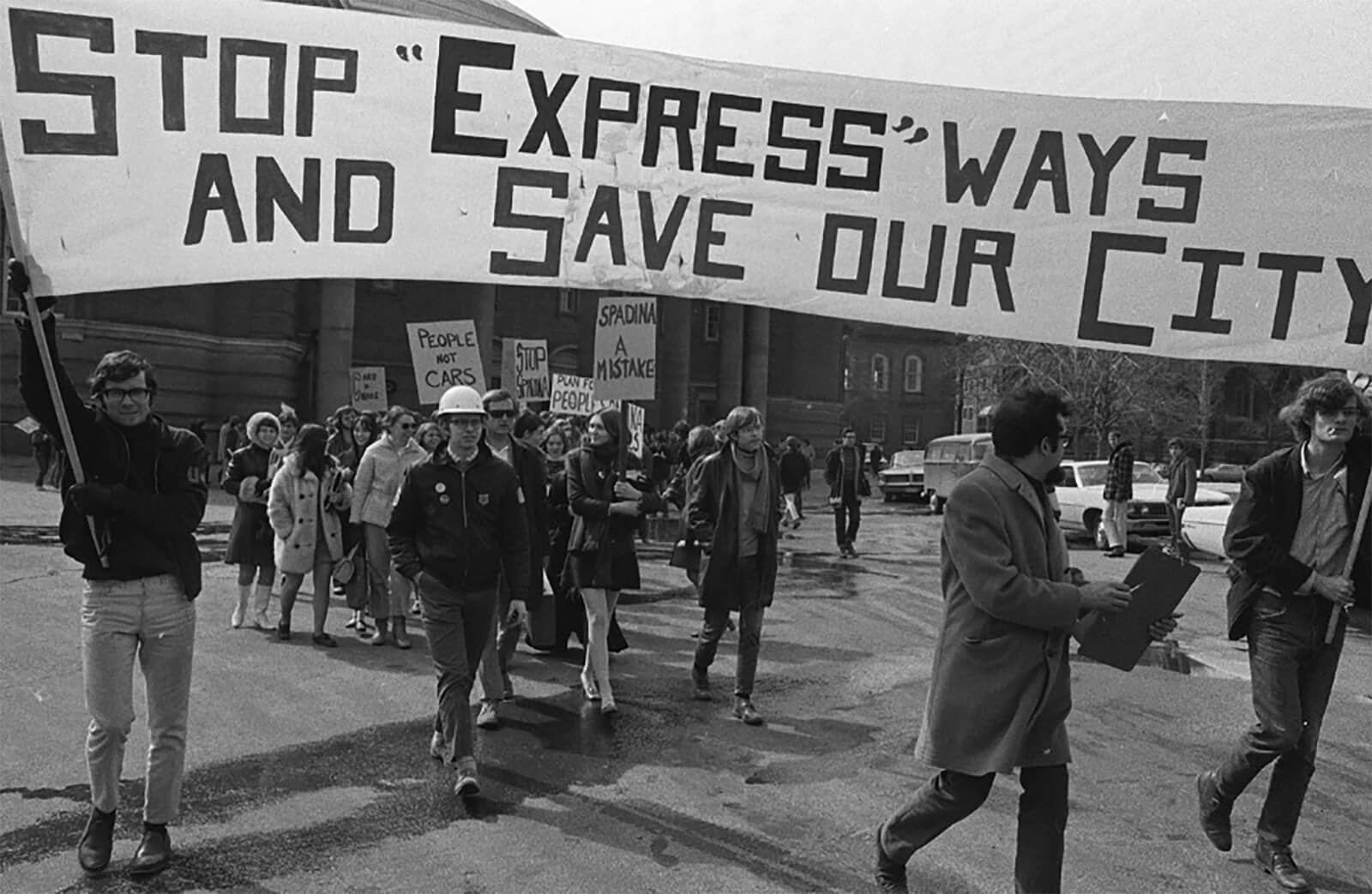
Architecture and the built environment are examined beyond form and surface. How Heavy is a Building?, a film created by Ha/f Climate Design, specialists in low-carbon architecture, and Make Good Projects, a studio exploring design, research and storytelling, shifts attention to architecture’s unseen weight by tracing the embodied carbon of cultural institutions. The project reframes buildings as accumulations of material, energy and decision-making over time. This sense of responsibility continues in Signs of Change: Pedaal, which invites reflection on how cycling infrastructure and urban landscapes might evolve in response to climate pressures, technological shifts and public policy, opening space for speculation grounded in lived urban conditions.
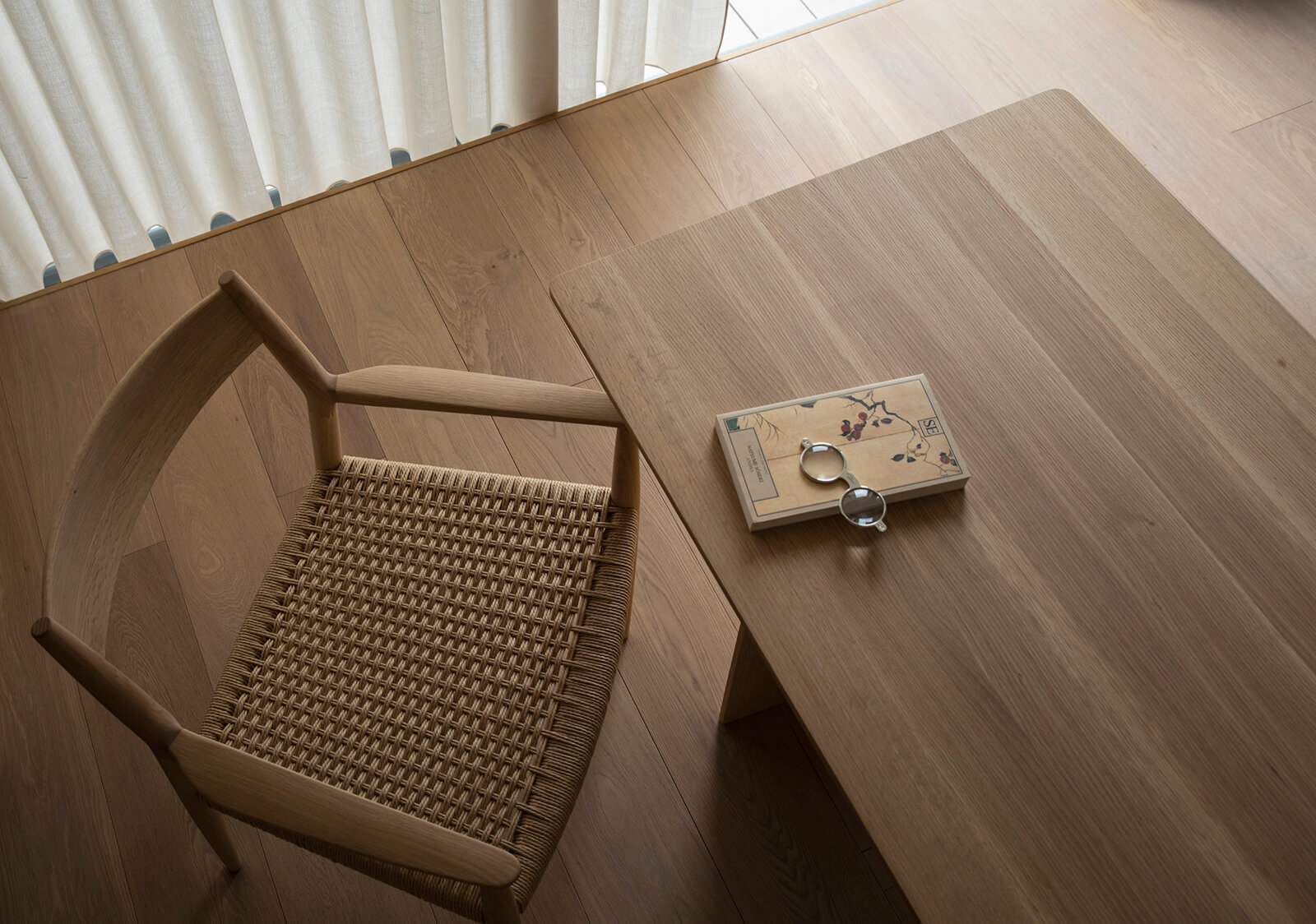
Questions of belonging and domesticity surface powerfully in TO ·BE·LONGING: Portraits of Queer Living. Drawing on community-submitted artefacts, the exhibition challenges normative ideas of home by centring queer experience as complex, intimate and self-defined. Rather than presenting a single vision of queer space, it allows contradiction and plurality to coexist through objects speaking across difference, memory and desire.
Migration and displacement are addressed with equal care in Traces, a multidisciplinary group exhibition that brings together artists and designers working across sculpture, installation, furniture design, textiles and mapping. The works ask what it means to carry culture across borders, what is lost, and what is reassembled in the process.
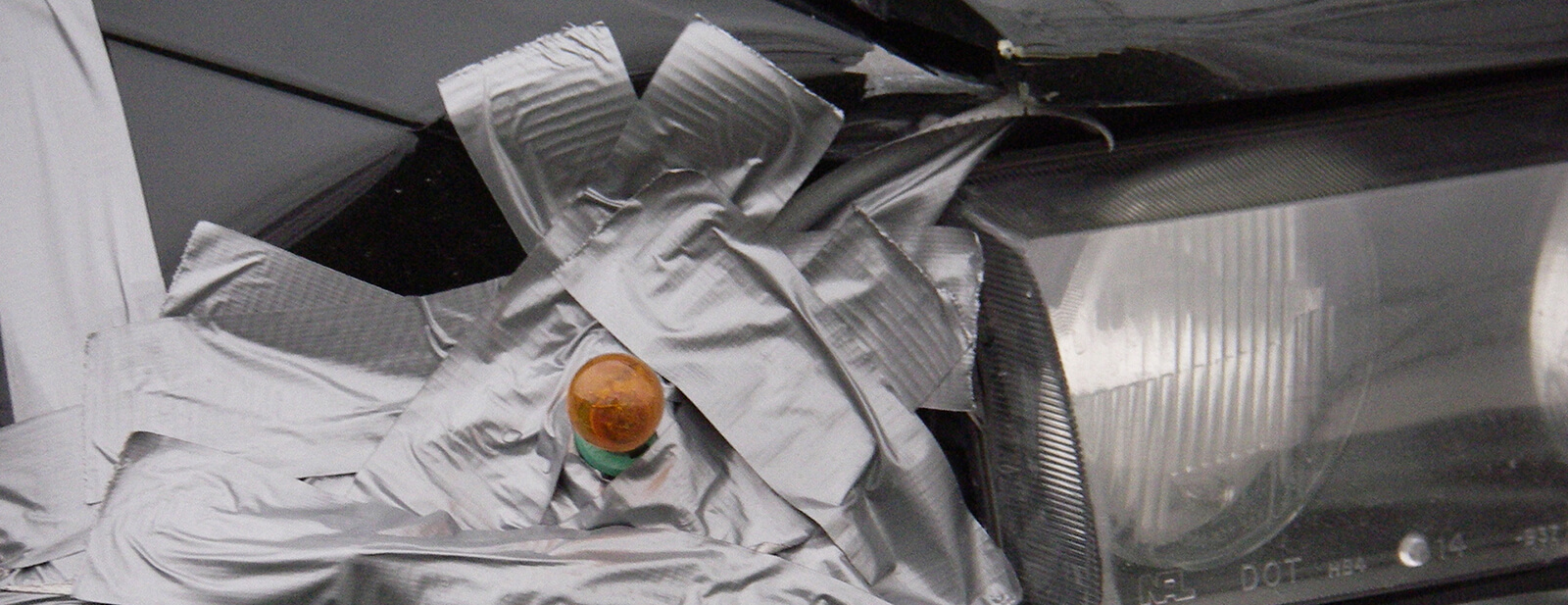
Photography, architecture and geometry intersect in Tracing Symmetries, where Safoura Zahedi explores Islamic geometry as both historical language and living system. The work traces how patterns migrate across time and geography, adapting to new contexts while retaining their underlying logic. Elsewhere, design is approached playfully but no less critically. TAPE brings together seven designers exploring adhesive tape through pragmatic, poetic and personal lenses. The resulting installation reflects on the connection itself: what is held temporarily, what becomes permanent and how improvisation shapes design decisions. The modesty of the material sharpens the inquiry, reminding viewers that design often begins with what is already at hand.
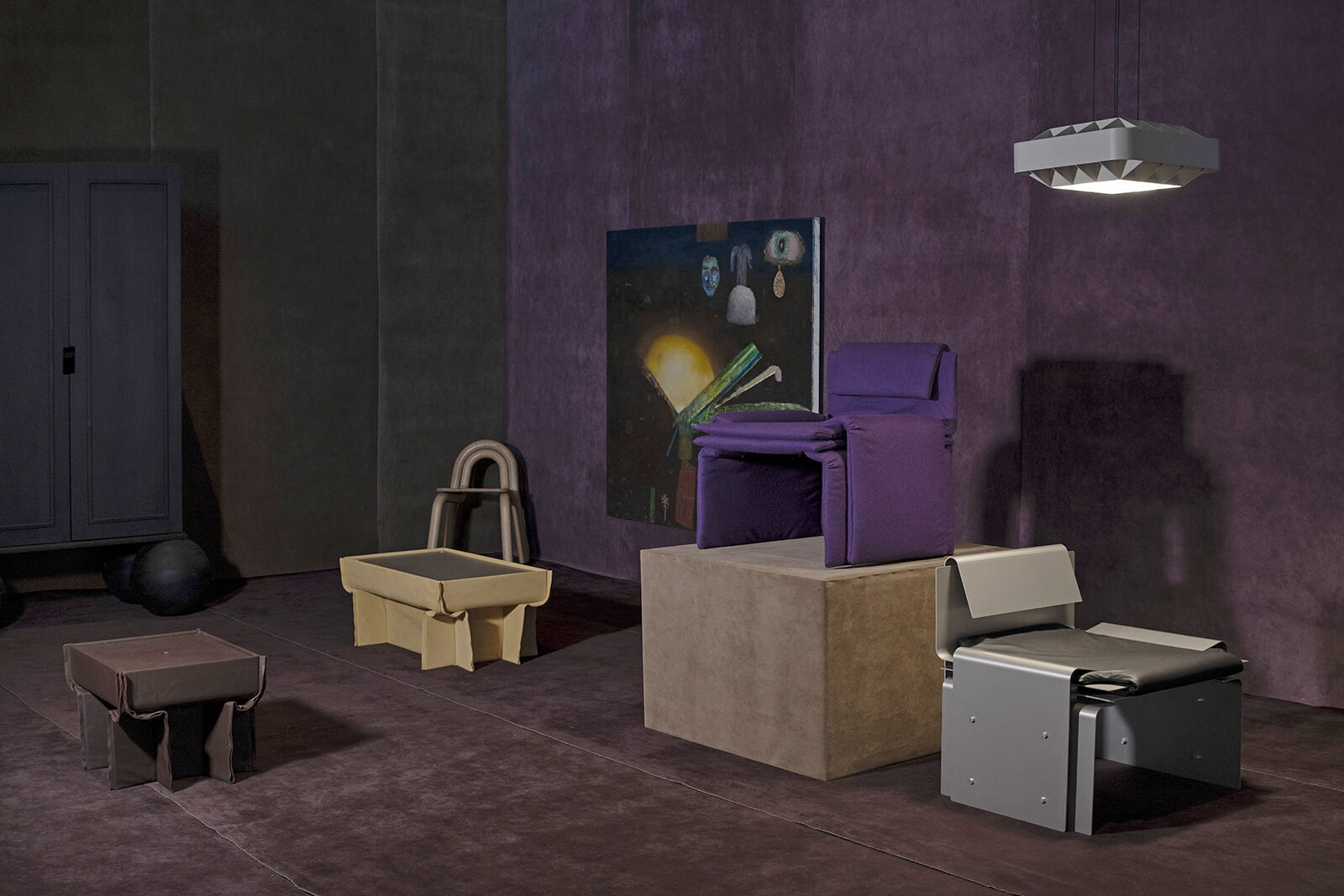
Food and gathering appear as design strategies in Pot-au-feu, the latest edition of Ensemble, an ongoing initiative that brings together emerging and established Quebec designers to foster collaboration, dialogue and experimentation. The project treats the shared meal as a site of exchange, where design operates through conversation, proximity and care rather than display.
Youth voices are foregrounded in Otherworld, a showcase that invites young designers to imagine futures beyond current constraints. The work resists cynicism, offering speculative gestures grounded in collaboration and shared imagination. It positions youth not as future designers, but as present contributors shaping the discourse now.
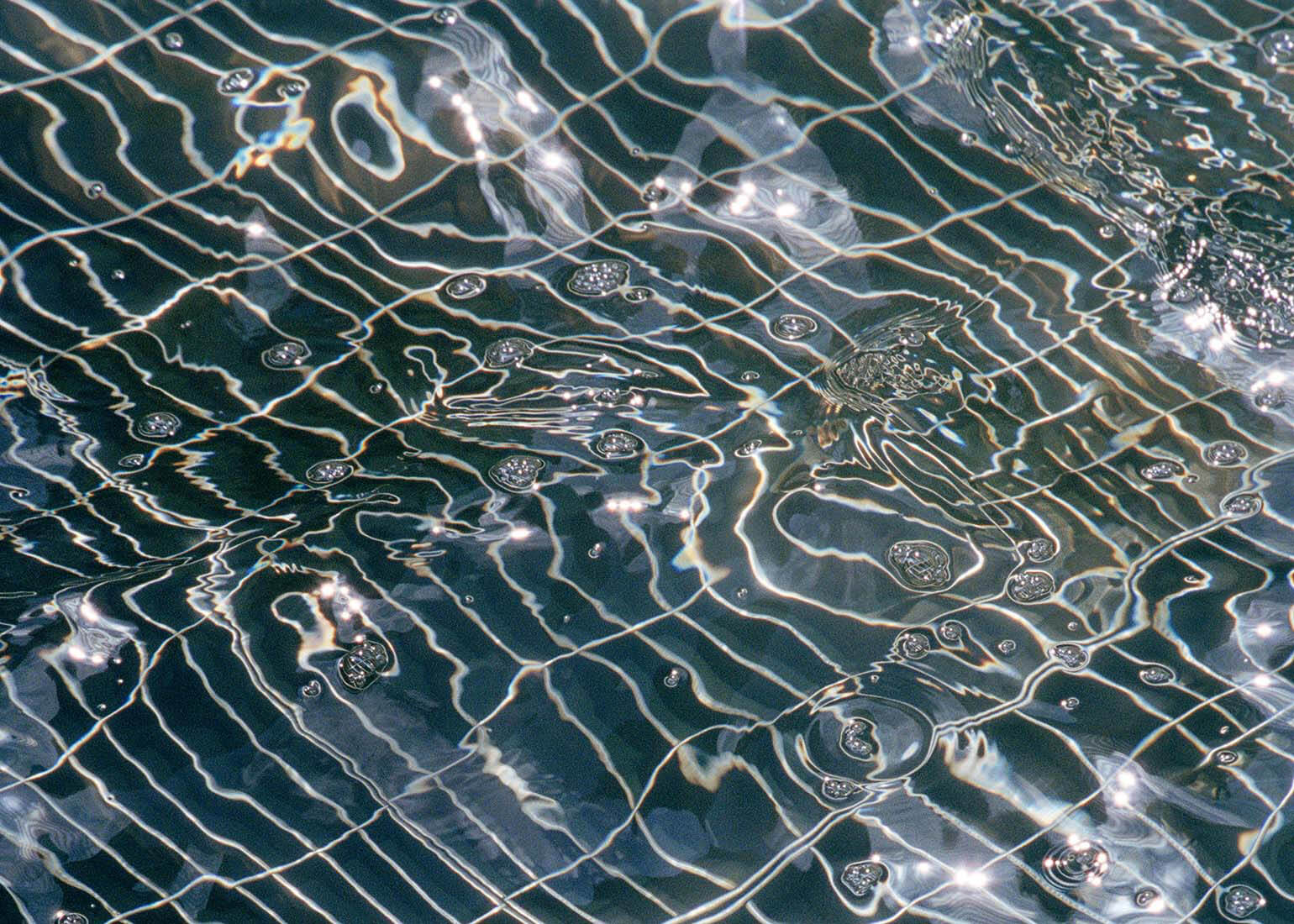
Public space is also activated through S.A.D., a series of images by Chinese-Canadian artist and photographer Steven Beckly, inspired by metaphors of light. Presented digitally, the work inhabits the rhythms of the city, encountering viewers in moments of pause rather than demand. Advocacy and urban change are addressed more directly through the Ideas Forum, where designers, researchers and organisers share strategies for shaping Toronto’s built environment through persistence and collaboration.
While the design fair includes moments of celebration and play, such as the art and architecture trivia night, these sit lightly within the broader programme and function as connective tissue rather than a centrepiece, reinforcing the festival’s role as a meeting ground for a community already engaged in making, thinking and questioning.
As DesignTO 2026 approaches, what becomes clear is that its strength lies not in cohesion but in care. The festival does not attempt to resolve the tensions it presents. Instead, it holds them between tradition and experimentation, urgency and slowness, visibility and intimacy. In doing so, it offers a portrait of design not as an answer but as an ongoing practice; attentive, imperfect and deeply human.

by Mrinmayee Bhoot Oct 12, 2026
The new Centre for Contemporary Arts, fostering public engagement with art in Uzbekistan, is housed in a tram depot refurbished by the French studio, emulating local craftsmanship.
by Mirra Lynn Oct 10, 2026
The Shanghai-based architecture practice’s intervention in Suzhou transforms three abandoned houses into a bookstore, café, library and homestay.
by Pranjal Maheshwari Oct 09, 2026
The eighth edition of the international architecture and urban design showcase, themed How Much?, explores diverse implications of social, ecological and economic ‘cheapness’.
by Pranjal Maheshwari Oct 06, 2026
With a programme focused on biodiversity, accessibility and safety, the Rotterdam-based architects help the neighbourhood reclaim a barren landscape as an integral social node.

make your fridays matter with a well-read weekend
Enter your details to sign in
Don’t have an account?
Sign upOr you can sign in with
a single account for all
STIR platforms
All your bookmarks will be available across all your devices.
Stay STIRred
Already have an account?
Sign inOr you can sign up with
Verification link sent to check your inbox or spam folder to complete sign up process
Tap on things that interests you.
Select the Conversation Category you would like to watch
Please enter your details and click submit.
Enter the 6-digit code sent at


DesignTO 2026 and the practice of belonging in contemporary design
by Aarthi Mohan | Published on : Jan 19, 2026


 Sign in with Google
 Sign in with email
What do you think?