Design06 mins. read
Experiential chronicling: STIR reflects on impactful visits that widened perspectives
by Jincy IypeDec 31, 2024




by Aarthi MohanPublished on : Nov 18, 2025
In its eleventh edition, Dubai Design Week unfolded across the Dubai Design District (d3) with the sense of a city thinking through design, exploring how materials, spaces and gestures might connect people and cultures in new ways. What began as a regional platform a decade ago has, by now, become a meeting ground for over a thousand designers, architects and creative practitioners from more than fifty countries, each bringing their own interpretation of what design could mean in a shared urban and cultural landscape. The programme for the 2025 edition of the design week reflected a city that uses design to negotiate its own complexity—between heritage and innovation, between the local and the global, between a fast-changing built environment and the need for grounded forms of care.
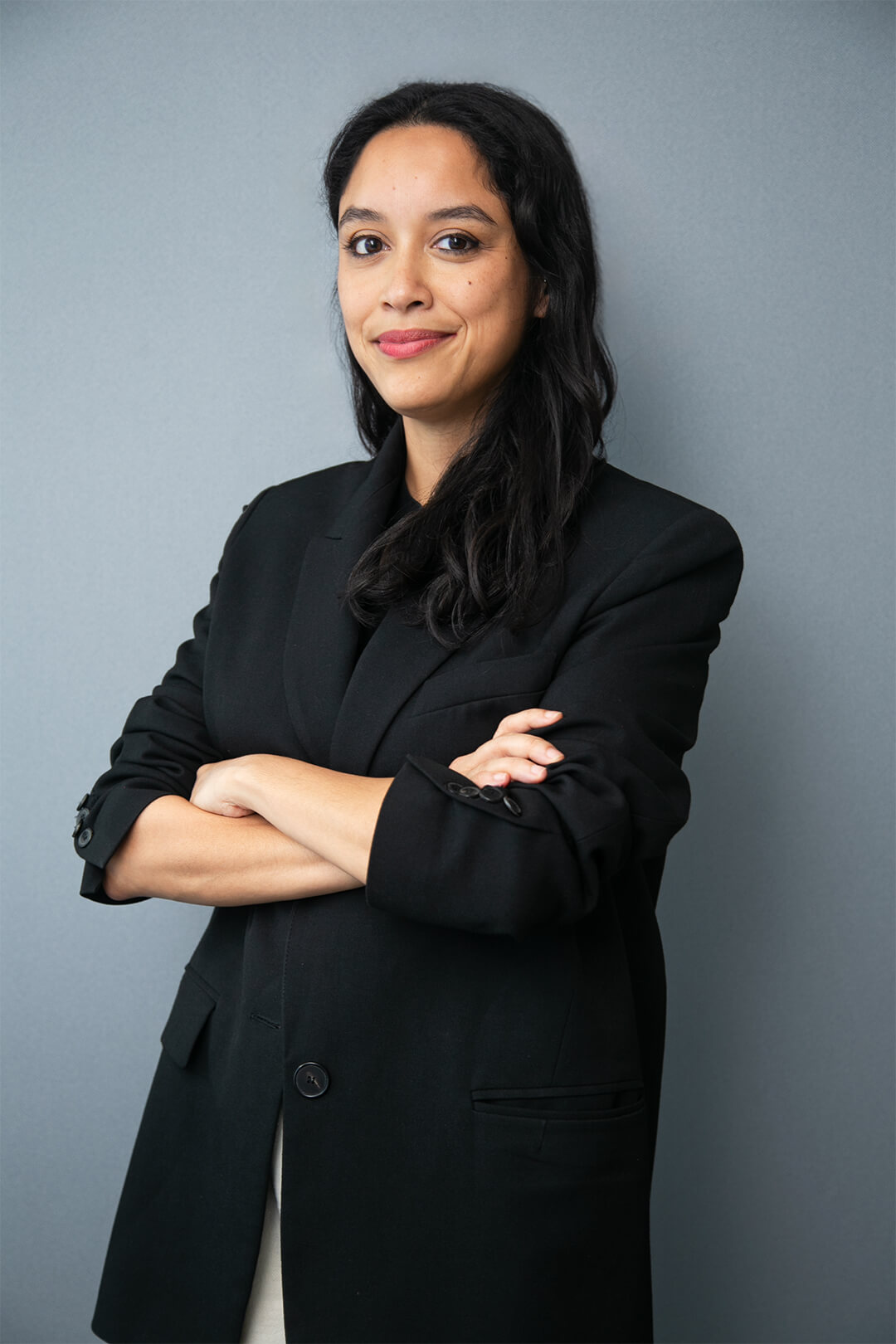
Presented under the patronage of Her Highness Sheikha Latifa bint Mohammed bin Rashid Al Maktoum, chairperson of the Dubai Culture & Arts Authority, and in strategic partnership with d3, part of TECOM Group PJSC, this edition carried a curatorial depth that emphasised design as a social connector. Natasha Carella, director of Dubai Design Week, described it in the press release as “strongly reflecting the aim to platform culturally rooted work while fostering cross-cultural exchange on a global level”. She further said, “The curatorial direction builds on a more reflective and human-centred approach that we have been nurturing in recent years, championing collaborations that transcend borders and disciplines, exploring design not only as a practice of innovation but also as a social connector, a civic and cultural force that shapes how we live together, communicate and build systems of care.” Her observation framed the spirit of the week, where design was not celebrated for novelty alone, but for its capacity to speak to shared realities.
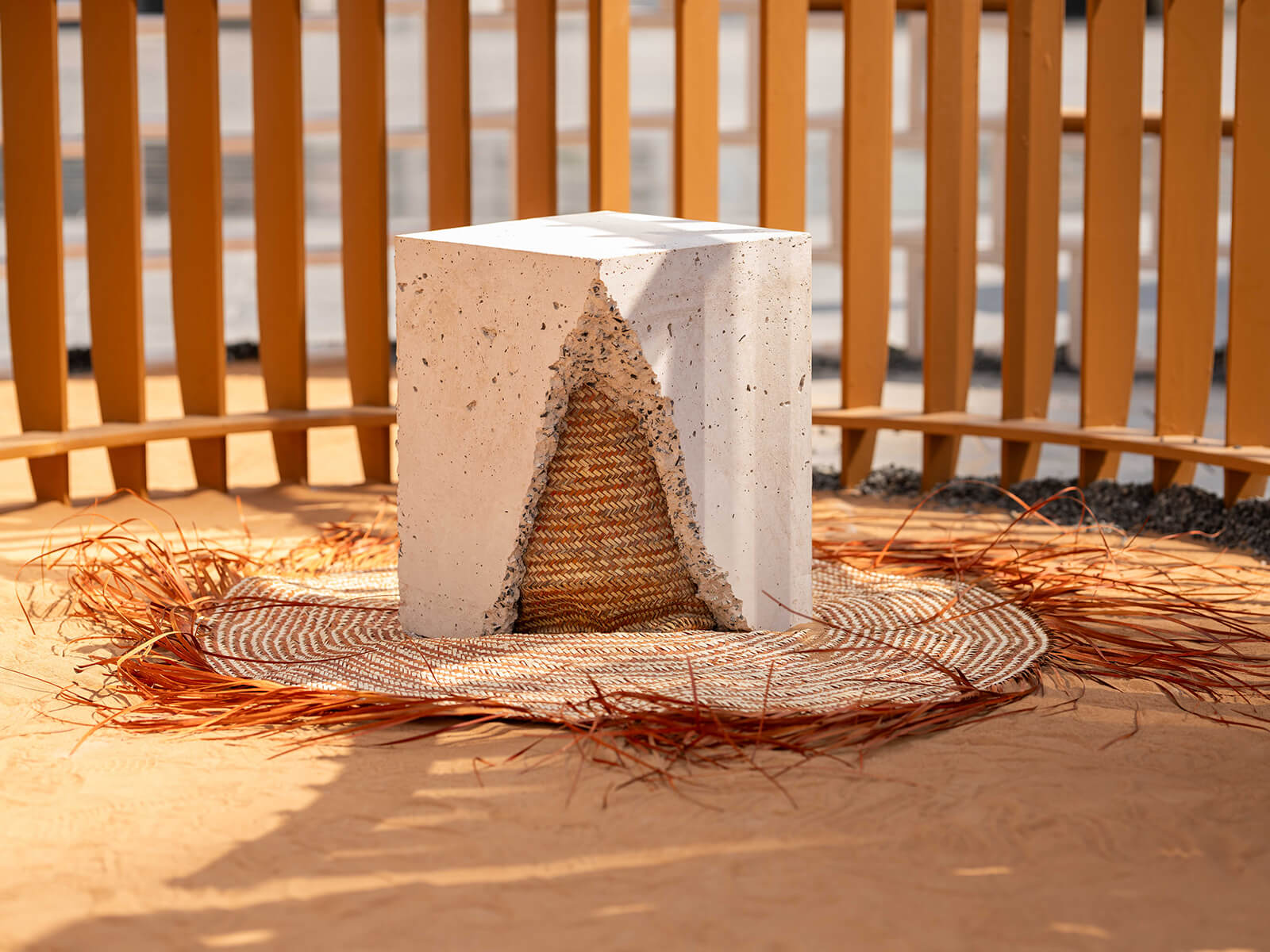
Across d3, over thirty large-scale installations turned the public realm into a walkable field of ideas. Local and regional studios shaped the city’s design landscape into tactile and participatory avenues. Jeddah-based architecture studio Bricklab, collaborating with BMW Middle East, created a pavilion whose sleek metallic exterior opened into a serene sculpted interior; a spatial sequence echoing the refinement of the BMW 7 series and offering visitors a layered journey through comfort, craftsmanship and contrast. UAE-based material manufacturer ARDH Collective presented structures made from their low-carbon materials DuneCrete and DateForm, while Emirati studio AJZAL reimagined the majlis through Sharjah stone and locally crafted leather. Professors Tania Ursomarzo and Iman Ibrahim, with their students from the American University of Sharjah and the University of Sharjah, worked with recycled plastics and crushed seashells to create modular assemblies that felt both handmade and methodical.
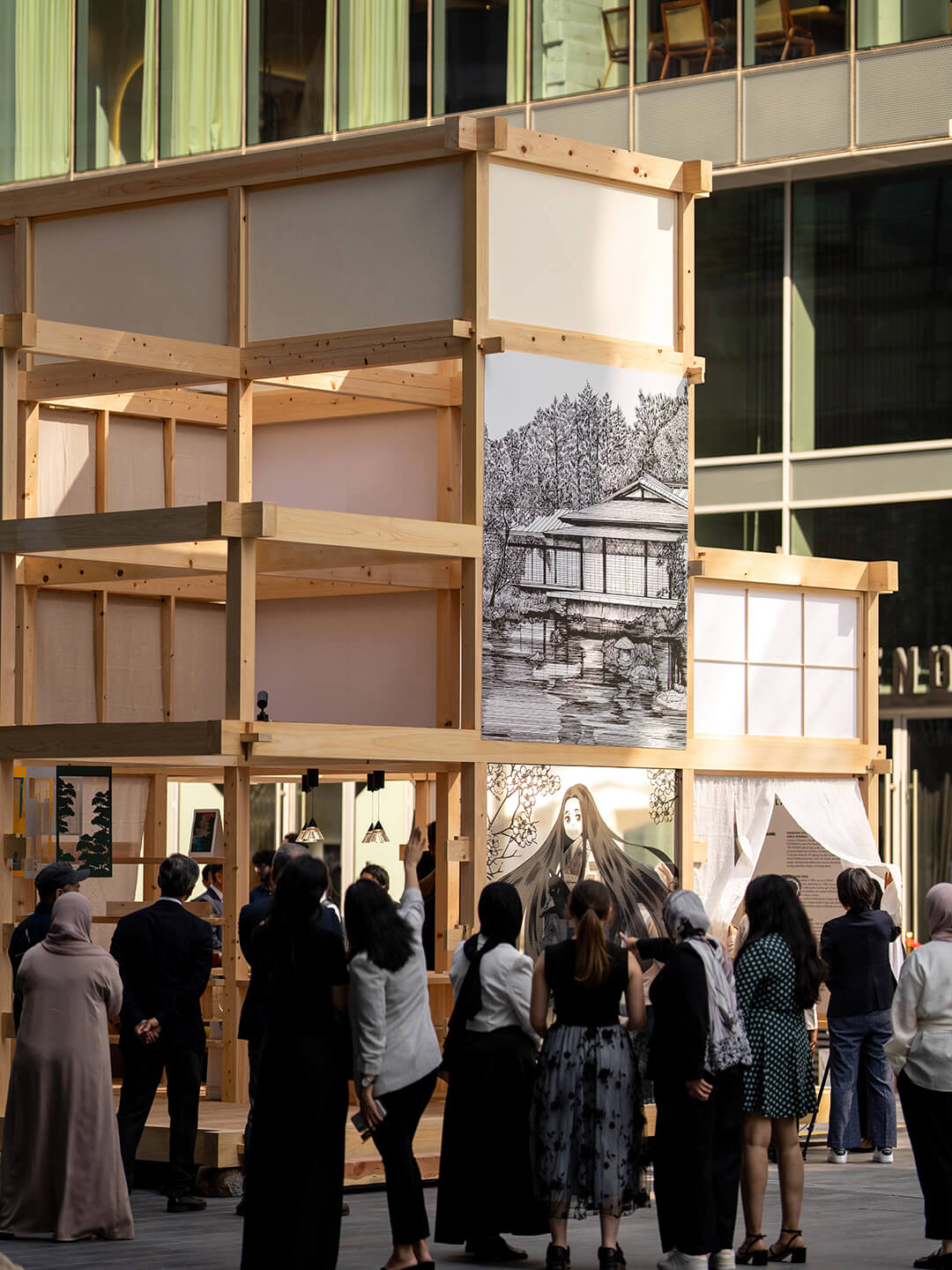
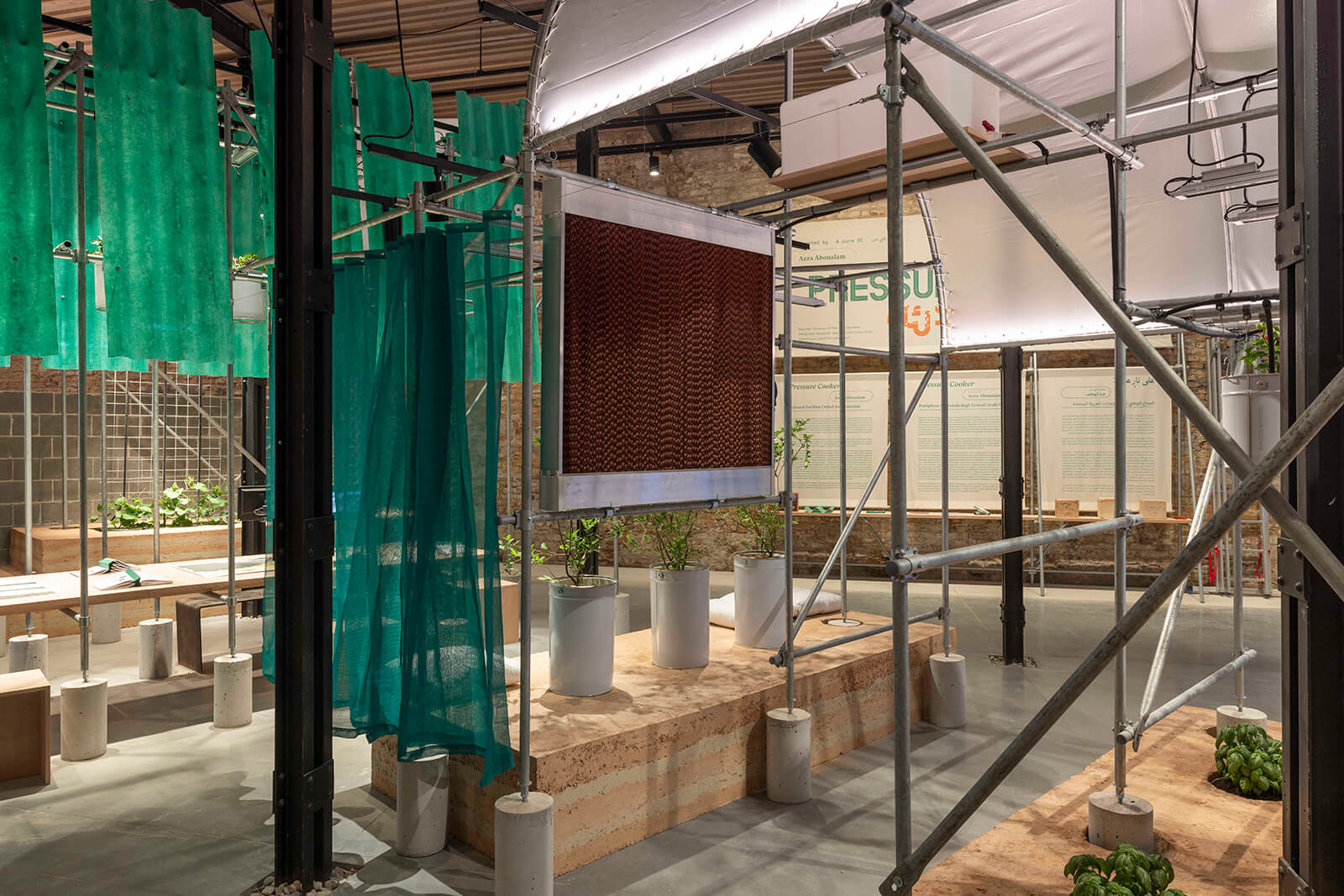
As the week unfolded, contributions from international studios broadened the conversation, extending the event’s interest in material intelligence, cultural continuity and immersive spatial experience. Japanese architectural firm Nikken Sekkei along with craft specialists Sobokuya unveiled Chyatai—a meticulous timber structure employing traditional sashimono joinery which involves a nail-less carpentry technique in which precisely cut interlocking components are slotted together. Creative studio Designlab Experience showcased a sculpture of intricately woven baskets, paying homage to the region’s weaving traditions while multidisciplinary studio DEOND presented a geometric pavilion in recycled polymer panels that shifted with the light. The National Pavilion UAE revisited Pressure Cooker—a project first shown at the Venice Architecture Biennale earlier this year—reflecting on the connection between food production and architecture in dry regions. Extending this attention to atmosphere and emotional resonance, other highlights examined wellness and transience through distinct experiential modes. New York-based experience designer Annabelle Schneider and ArtKōrero’s Interlude: In Between Is Now shaped multi-sensory wellness environments attuned to visitors’ emotional and physical states whereas ANA Design Consultants’ Traces of Musafir, offered a circular, earth-like enclosure that invited quiet reflection on impermanence and the traces travellers leave behind.
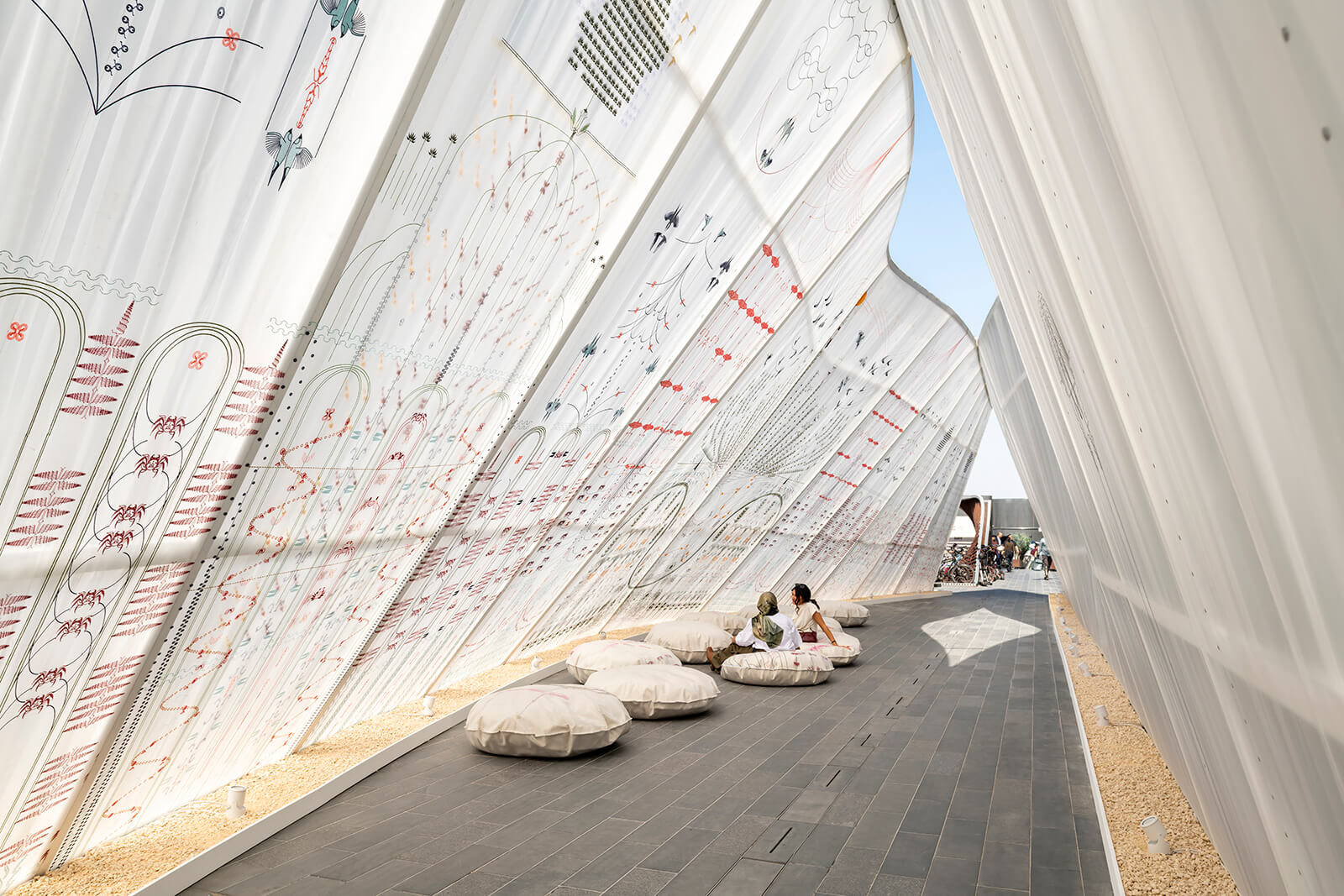
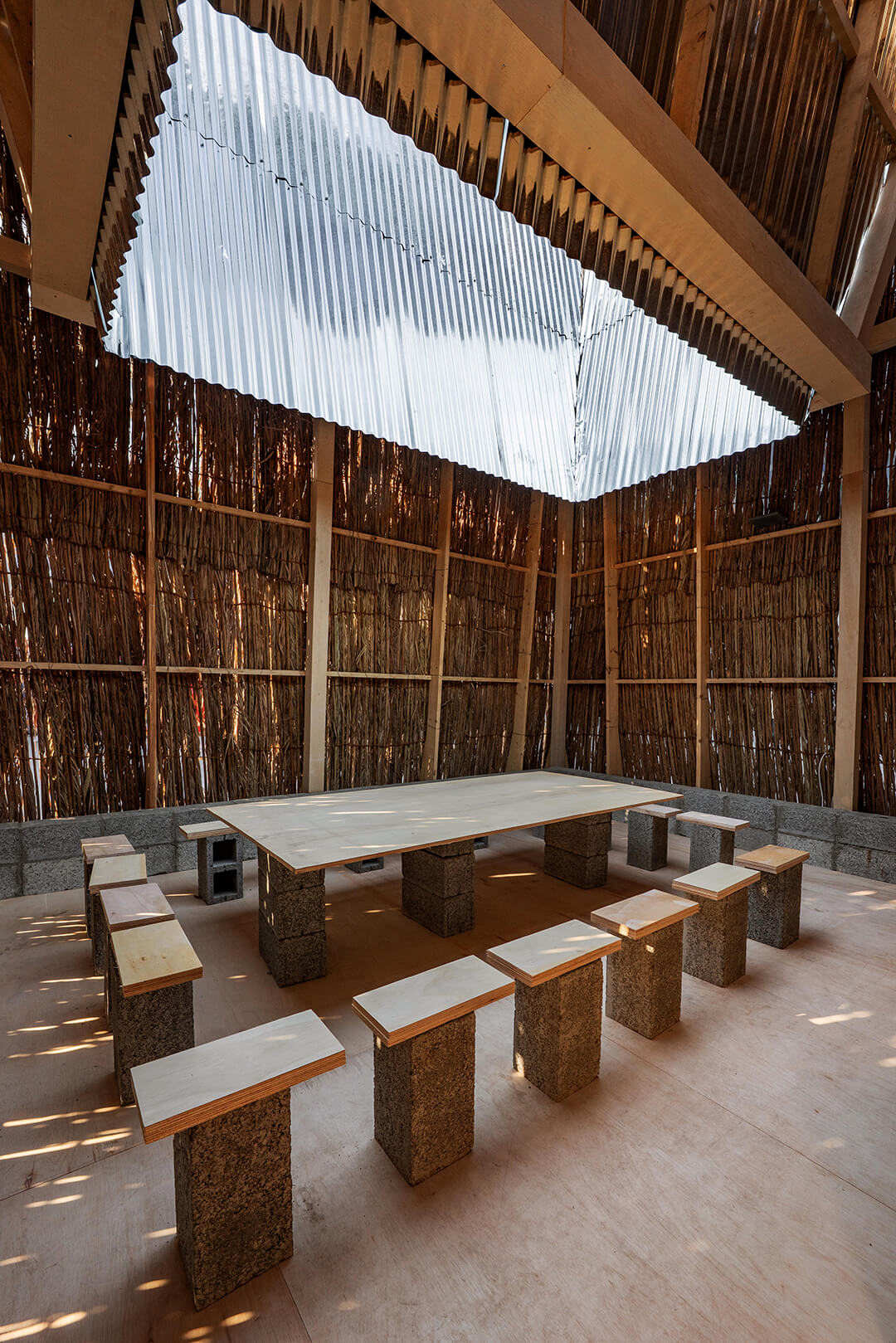
At the heart of the design week’s commissions were two of its most thoughtful platforms, Abwab and Urban Commissions—one foregrounding regionally rooted storytelling, the other rethinking how communal space can be shaped and inhabited. The 2025 Abwab pavilion Stories of the Isle and the Inlet by Bahrain-based studio Maraj, traced the fragile ecology of Nabih Saleh Island through embroidered mesh textiles inspired by the traditional thob al nashil, a handwoven Bahraini garment characterised by its delicate metallic threadwork. The installation’s layered surfaces, crafted in collaboration with local artisans, transformed cultural memory and environmental awareness into architectural ornament. Nearby, the Urban Commission winner, When Does a Threshold Become a Courtyard? by UAE-based research studio, Some Kind of Practice, reinterpreted the Emirati housh as a communal infrastructure. Built with adaptable modules and local materials such as palm, the project embodied a reflection on how courtyards evolve from thresholds and gestures rather than fixed typologies—a fitting metaphor for the city itself.
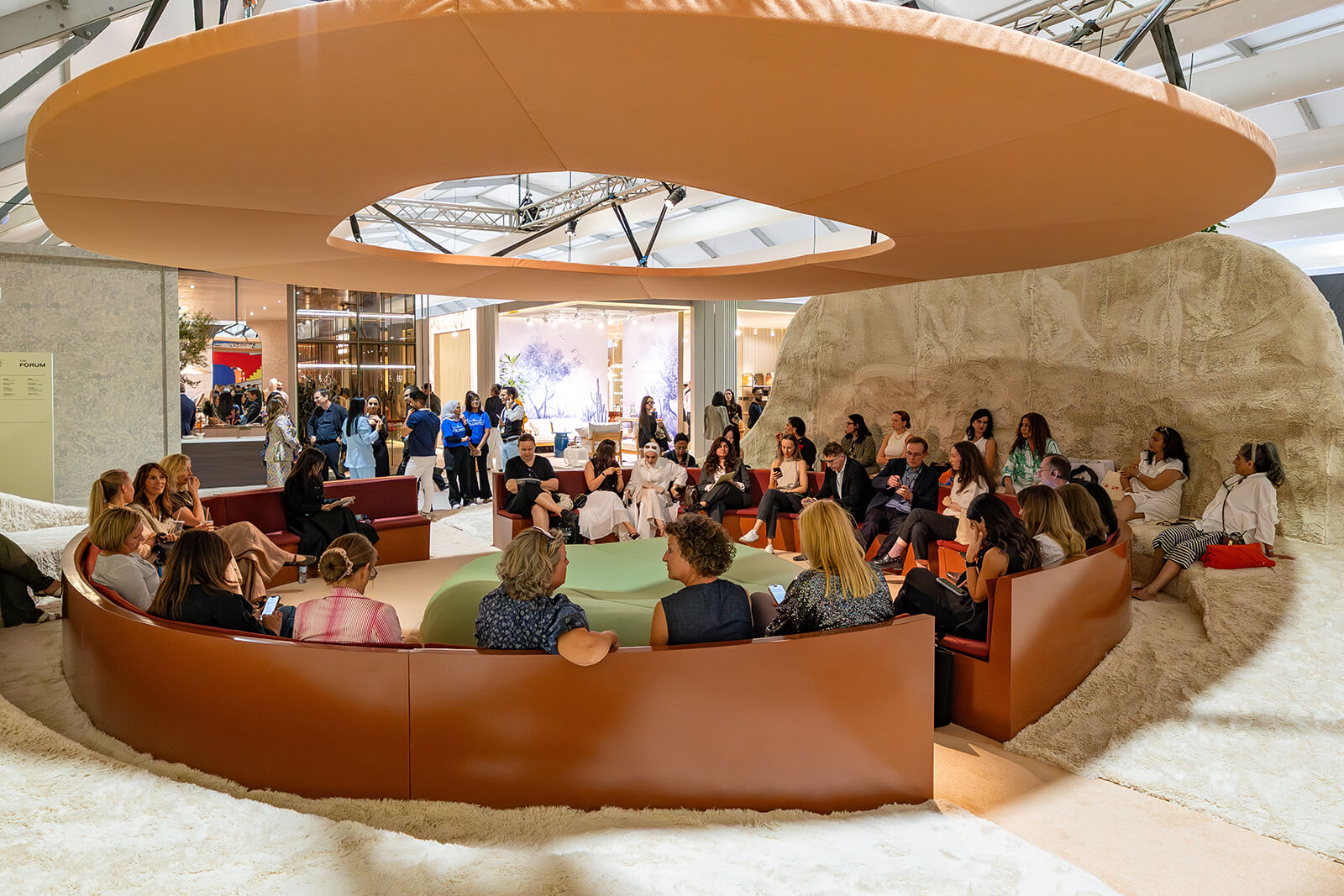
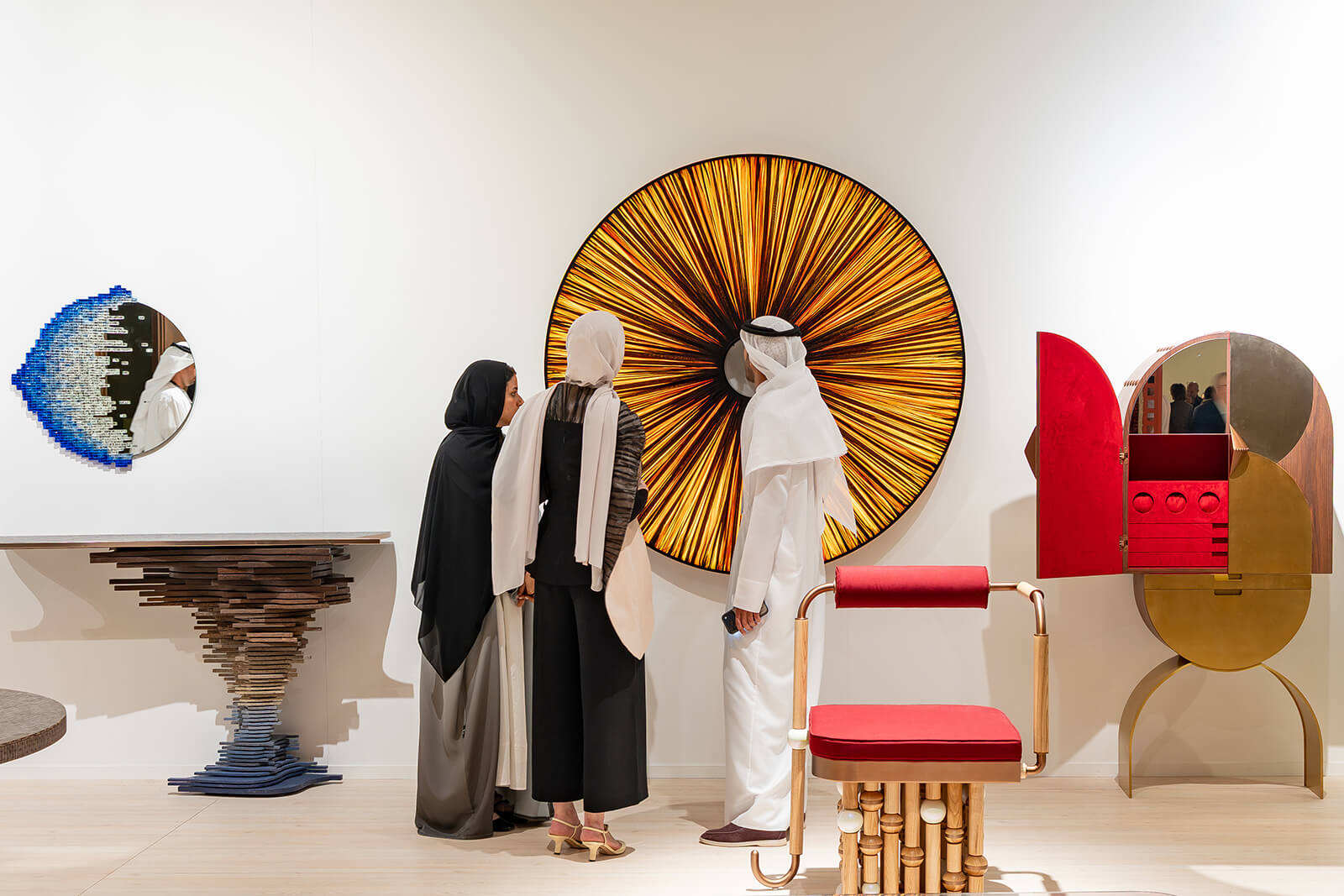
The newly launched d3 Awards introduced a moment of recognition for emerging voices across the Middle East and North Africa. The inaugural architecture prize went to Dubai-based Nigerian designer Ohireme Uanzekin for Abora - The Urban Earthscape, a visionary proposal that imagines a network of spaces carved into the ground such as trails, adaptive pavilions and thresholds to form a living terrain that fosters ecological balance, public life and community connection. At the district’s waterfront terrace, Downtown Design—the region’s anchor fair for contemporary design— showcased the best of regional and global craftsmanship, innovation and narrative-driven objects. Global brands like Kartell, Poltrona Frau, Kohler, Roche Bobois and Stellar Works shared the floor with regional voices such as BEIT Collective from Lebanon and 1971 Design Space from Sharjah, in addition to the platform spotlighting the debut of Pakistani designer Yousaf Shabaz and the Saudi Ministry of Culture’s Designed in Saudi showcase. The fair also presented the latest cohort of Tanween by Tashkeel, the annual design programme that supports emerging designers in translating research and experimentation into production-ready pieces. This year’s designers which include Hessa Alghandi, Jasim Alnaqbi and Nasser Al Gawi, among others, demonstrated how local materials and narratives can evolve into new forms of function and aesthetic, reflecting on the nurturing ecosystem of independent design in the Emirates.
Lebanese architect and designer Roula Salamoun conceived The Forum space, whose organic, landscape-inspired form housed talks by figures including Tom Dixon, Marcel Wanders, Lee Broom and David Hicks alongside regional designers Pallavi Dean, Rabah Saeid and Omar Al Gurg. The discussions framed material innovation and design evolution within a broader conversation about the region’s creative agency.
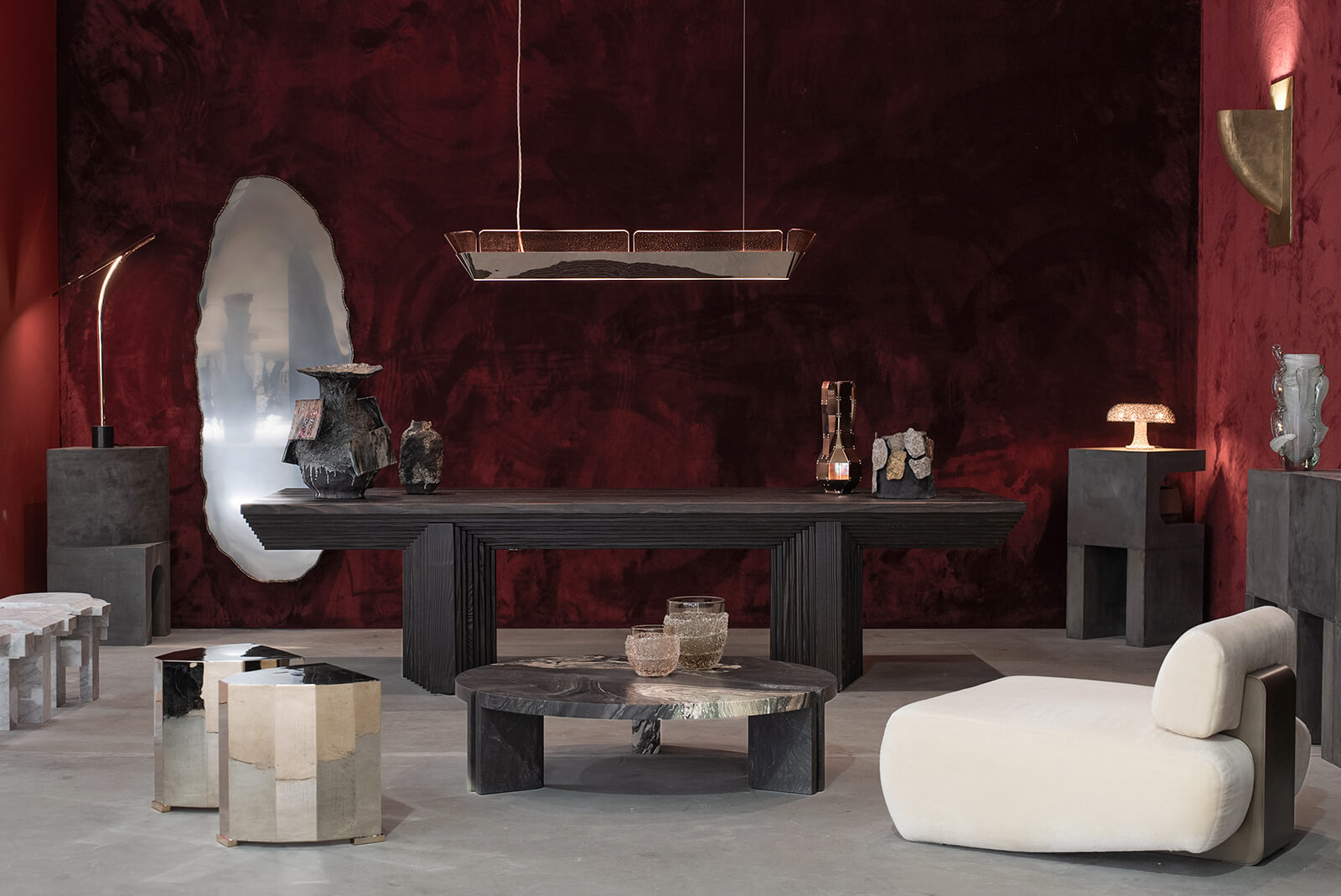
Editions Art & Design, meanwhile, explored design as a collectible practice. The Bureau of Innovation, a hybrid gallery-meets-digital-curator platform founded by Holly Lucas and Sam Henley, made its global debut at Editions, introducing limited-edition furniture by designers such as Corpus Studio and Tom Fereday. Their presentation included pieces like Fereday’s sleek speaker designs, benches and lounges, crafted to blend innovation and collectibility. Elsewhere, Lebanese and French architect Badih Ghanem’s Remember Love? used raw concrete blocks and metallic surfaces to evoke a dialogue between structure and emotion. Regional galleries such as Asateer, AASSTTIINN and Wadi Finan Art Gallery underscored how craftsmanship continues to adapt within contemporary idioms. Interactive moments, such as Swiss artist Tobias Gutmann’s Sai Bot—an AI-driven twin trained on thousands of hand-drawn portraits—drew live algorithmic sketches of visitors; a reflection on presence, absence and what happens when human connection meets machine logic. Meanwhile, Maseer Collective’s jewellery workshops in Arabic Sign Language, connected technology, community and care with an understated sense of participation.
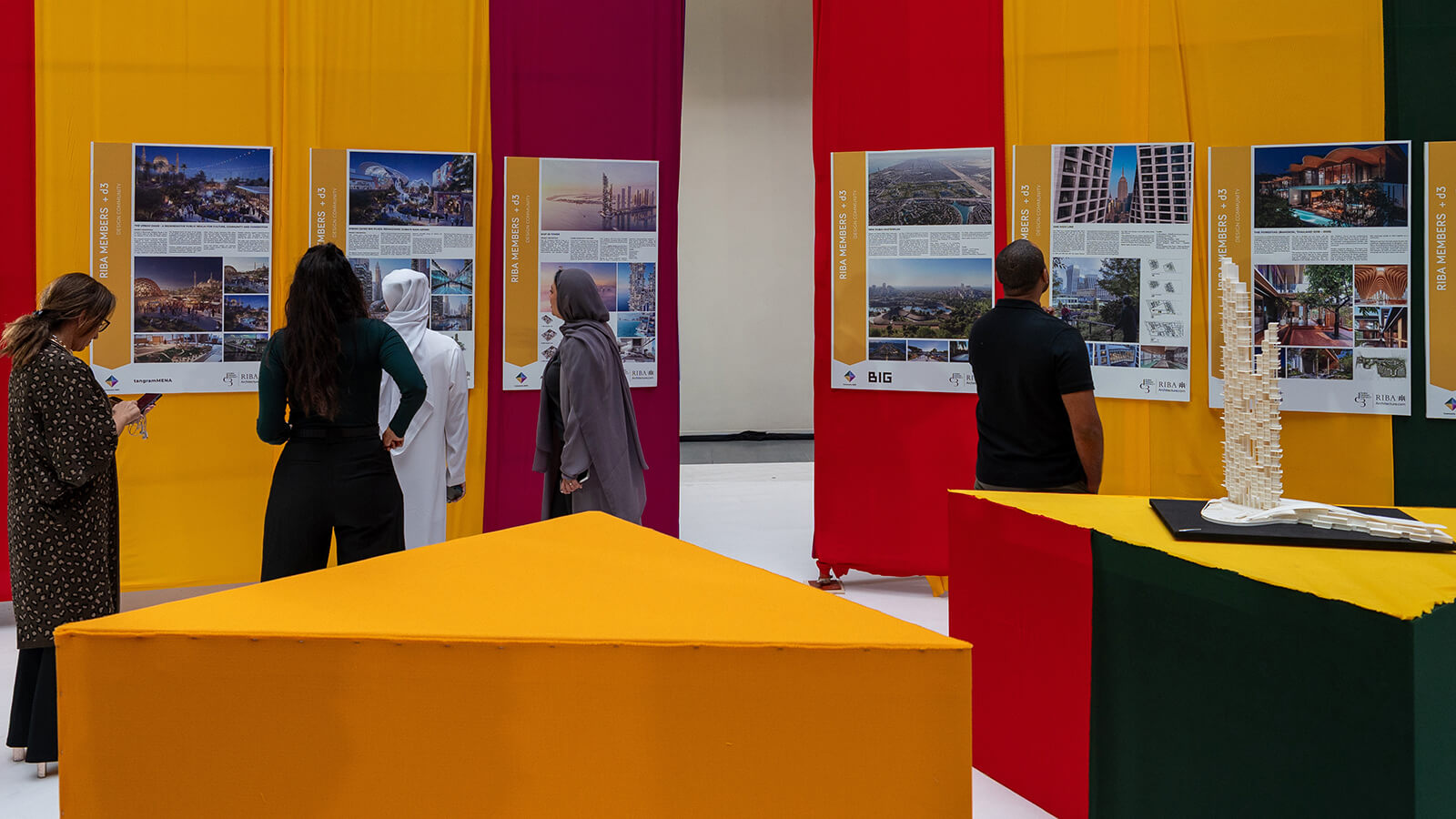
Exhibitions across the district linked academia, practice and public space. The Royal Institute of British Architects (RIBA) Gulf Chapter collaborated with d3 on an architecture exhibition, featuring works that foregrounded community and spatial belonging. Academic partners, including New York University Abu Dhabi, the American University of Sharjah and the Dubai Institute of Design and Innovation, presented research-led projects that merged pedagogy with experimentation. L’ÉCOLE Middle East, supported by Van Cleef & Arpels, offered a cross-cultural reflection on the art of jewellery through museum artefacts and contemporary pieces, while Al Jalila Cultural Centre for Children exhibited ceramics that evolved from initial sketches into finished forms offering young makers a space to explore material expression.
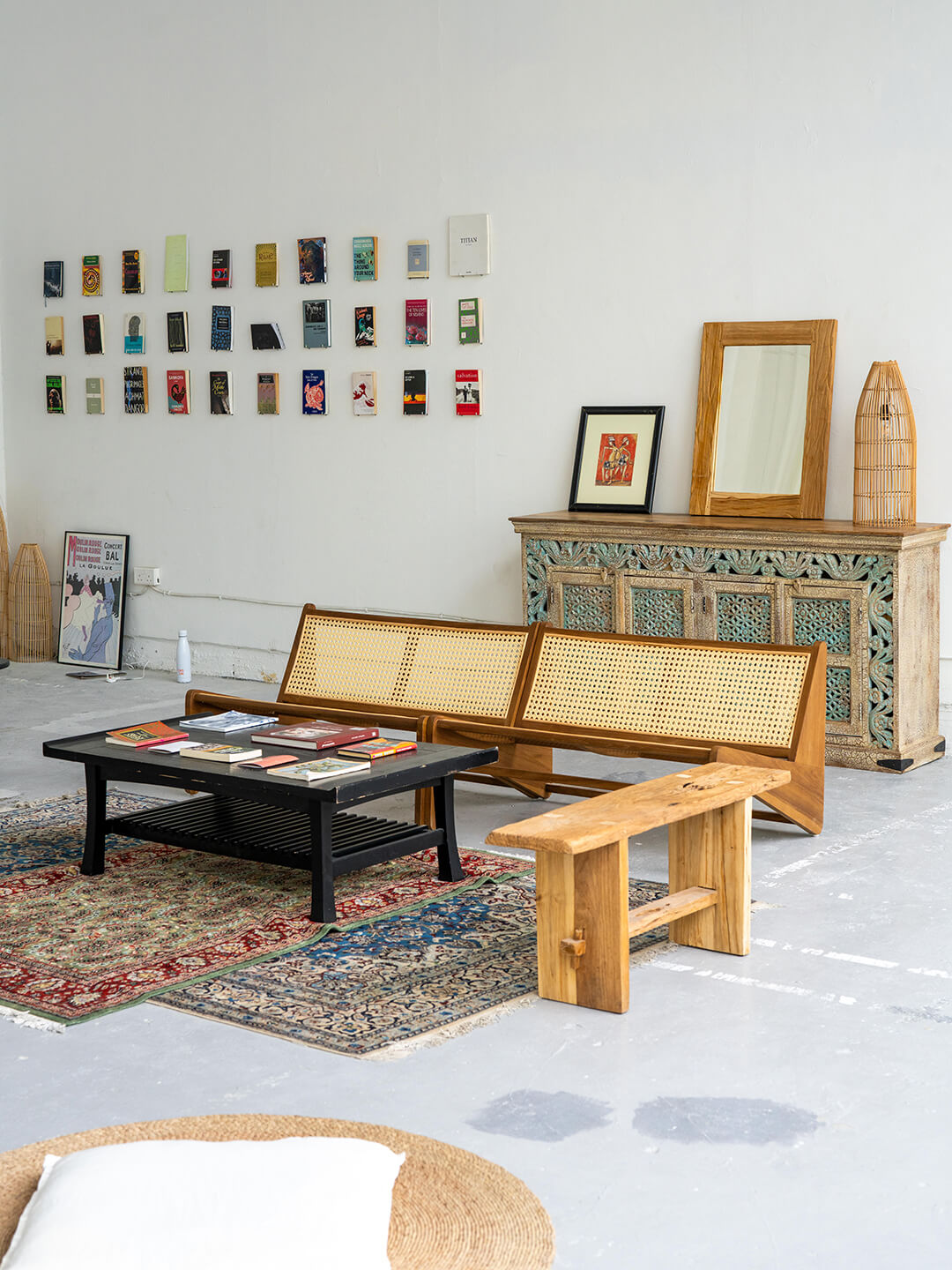
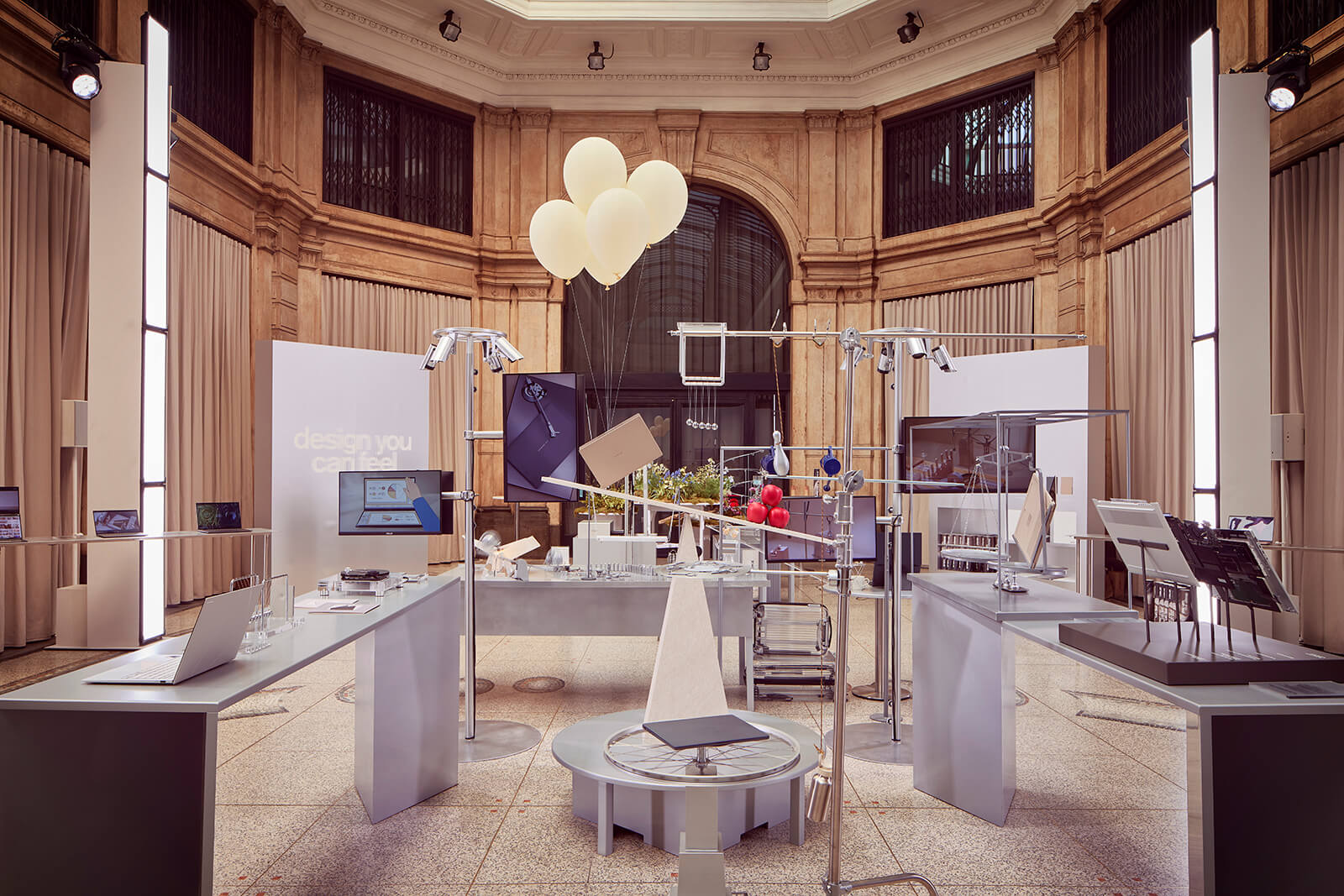
Beyond the exhibitions, smaller activations and brand-led installations lent rhythm to the week. Technology brands, watchmakers and fragrance houses such as ASUS, Jaeger-LeCoultre, Le Labo and Occhio interpreted design through materiality, scent and light. Independent projects like Bootleg Griot celebrated diasporic creative archives while A Design Wish invited public interaction through playful modular structures. The variety of scales—from luxury collaborations to student prototypes—mirrored the city’s own range of voices and ambitions.
Workshops in the Maker Space extended the week’s energy into learning and participation. Sessions spanned analogue photography, zine-making, ceramics and digital storytelling, with guidance from institutions like MIT, Northeastern University and the University of the Arts London.
What endured beyond the installations and fairs was a clearer sense of purpose. Dubai Design Week 2025 showed how the region’s designers are beginning to speak from their own ground, balancing experimentation with a sensitivity to place and community. It was a week that looked forward without losing sight of what anchors design in the present—care, curiosity and a shared experience.

by Pranjal Maheshwari Oct 23, 2026
Co-authored by Jareh Das, Chairman traces the British designer’s fixation on chairs as symbols of power and identity and as mediums of expression and community building.
by Chahna Tank Oct 22, 2026
STIR speaks with the Mumbai-based type designer about her practice, type walks and why she wants more people to have stronger opinions about Indian-script fonts.
by Mirra Lynn Oct 22, 2026
The curators behind Palestine Design Week 2026 reflect on its intent, considering how design holds memory, makes space for loss and imagines a future in Palestine.
by Jincy Iype Oct 15, 2026
STIR explores craft, material intelligence and people shaping Indian design through dialogues with Design Democracy’s co-founders and the curators of its special exhibitions.

make your fridays matter with a well-read weekend
Enter your details to sign in
Don’t have an account?
Sign upOr you can sign in with
a single account for all
STIR platforms
All your bookmarks will be available across all your devices.
Stay STIRred
Already have an account?
Sign inOr you can sign up with
Verification link sent to check your inbox or spam folder to complete sign up process
Tap on things that interests you.
Select the Conversation Category you would like to watch
Please enter your details and click submit.
Enter the 6-digit code sent at


Dubai Design Week 2025 exemplified how design can forge common ground
by Aarthi Mohan | Published on : Nov 18, 2025


 Sign in with Google
 Sign in with email
What do you think?