Architecture04 mins. read
Concrete and shipping containers stack up in lego-like forms in Agrosemillas Offices
by Bansari PaghdarAug 04, 2026



by Bansari PaghdarPublished on : Feb 23, 2026
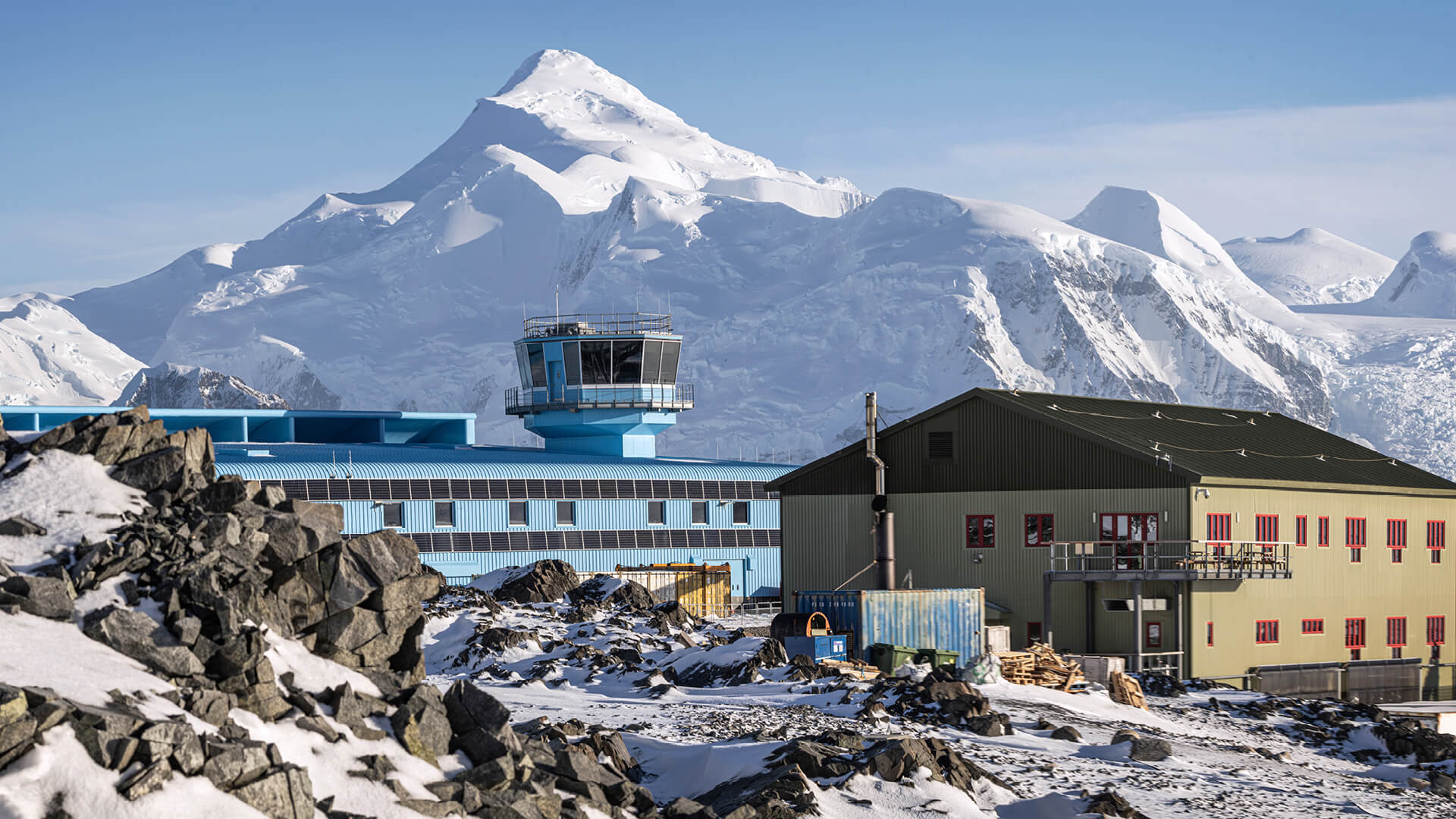
From timber huts to modern containerised research modules, Antarctica’s sparse landscape has been witness to a variety of architectural interventions that could be defined as insulated envelopes of endurance, even if rather simplistically so. In recent decades, however, these buildings have begun to be seen as complex social, operational and psychological environments, dotting a harsh terrain, rather than merely functional outposts for collecting data. Within this gamut of structures—a specialised, highly skilled kind of architecture itself—the Discovery Building at the Rothera Research Station, which is the UK’s largest research facility in Antarctica, emerges as a decisive piece of environmental, spatial and institutional infrastructure. Designed by British architecture practice Hugh Broughton Architects (HBA), the building is a result of their collaboration with the British Antarctic Survey (BAS) as part of the UK government-funded Antarctic Infrastructure Modernisation Programme, along with BAM, Sweco, Ramboll and their partners NORR and Turner and Townsend as technical advisers. Part of a multi-year expansion of Rothera’s wharf, which began in 2018, the building positions Rothera Research Station as a centre for international research and collaboration and forwards the UK’s pursuits in the field of polar science.
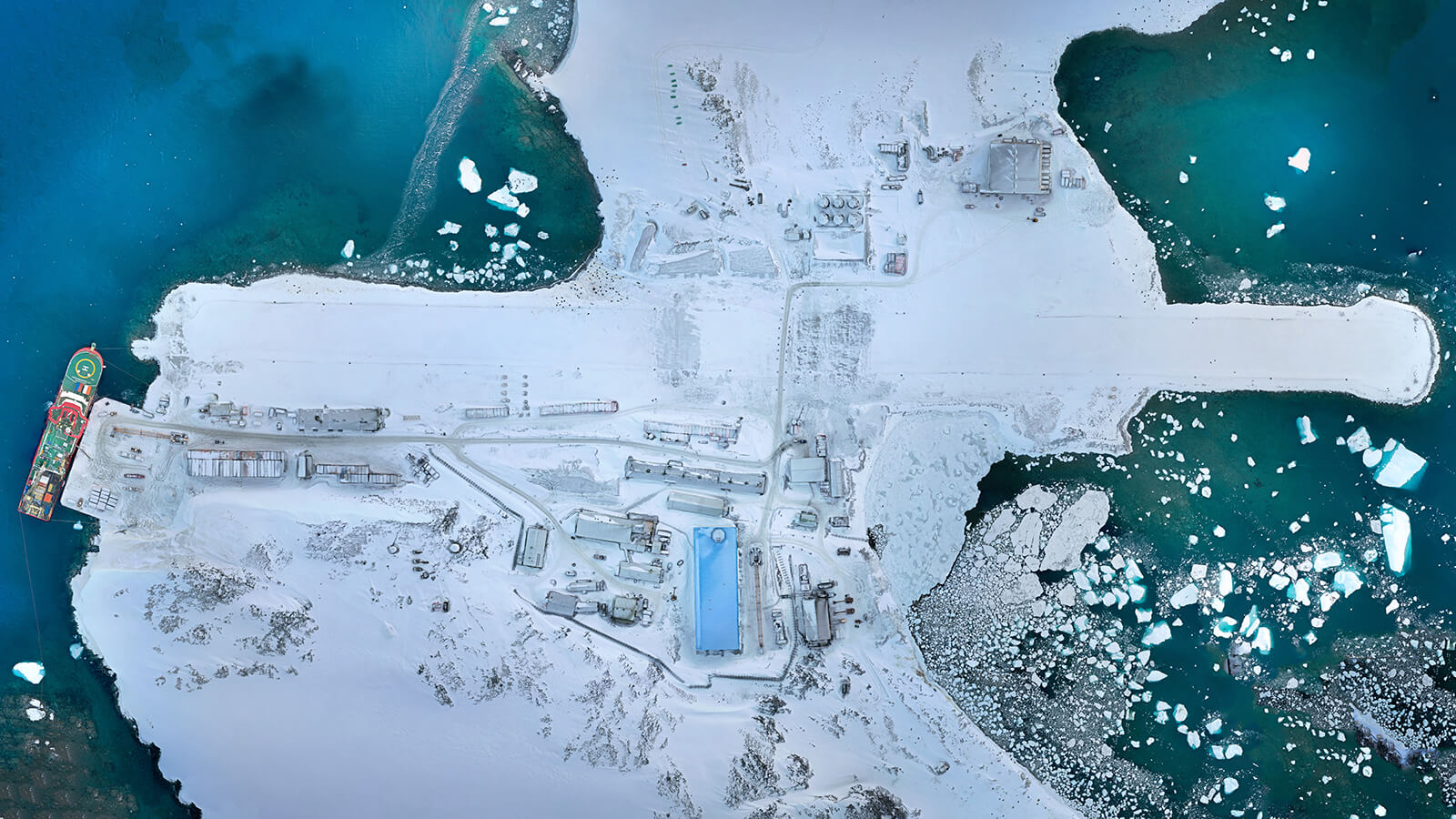
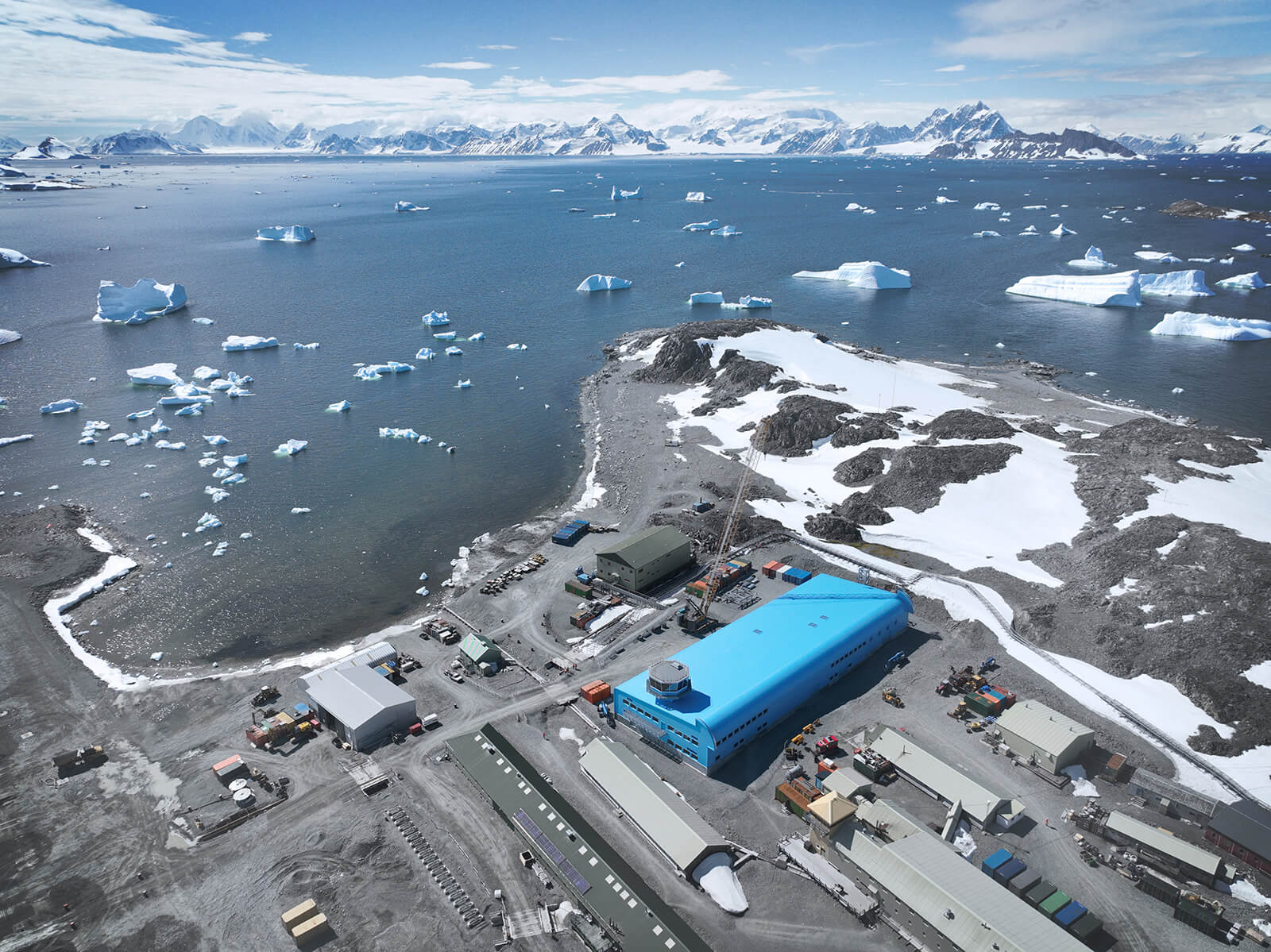
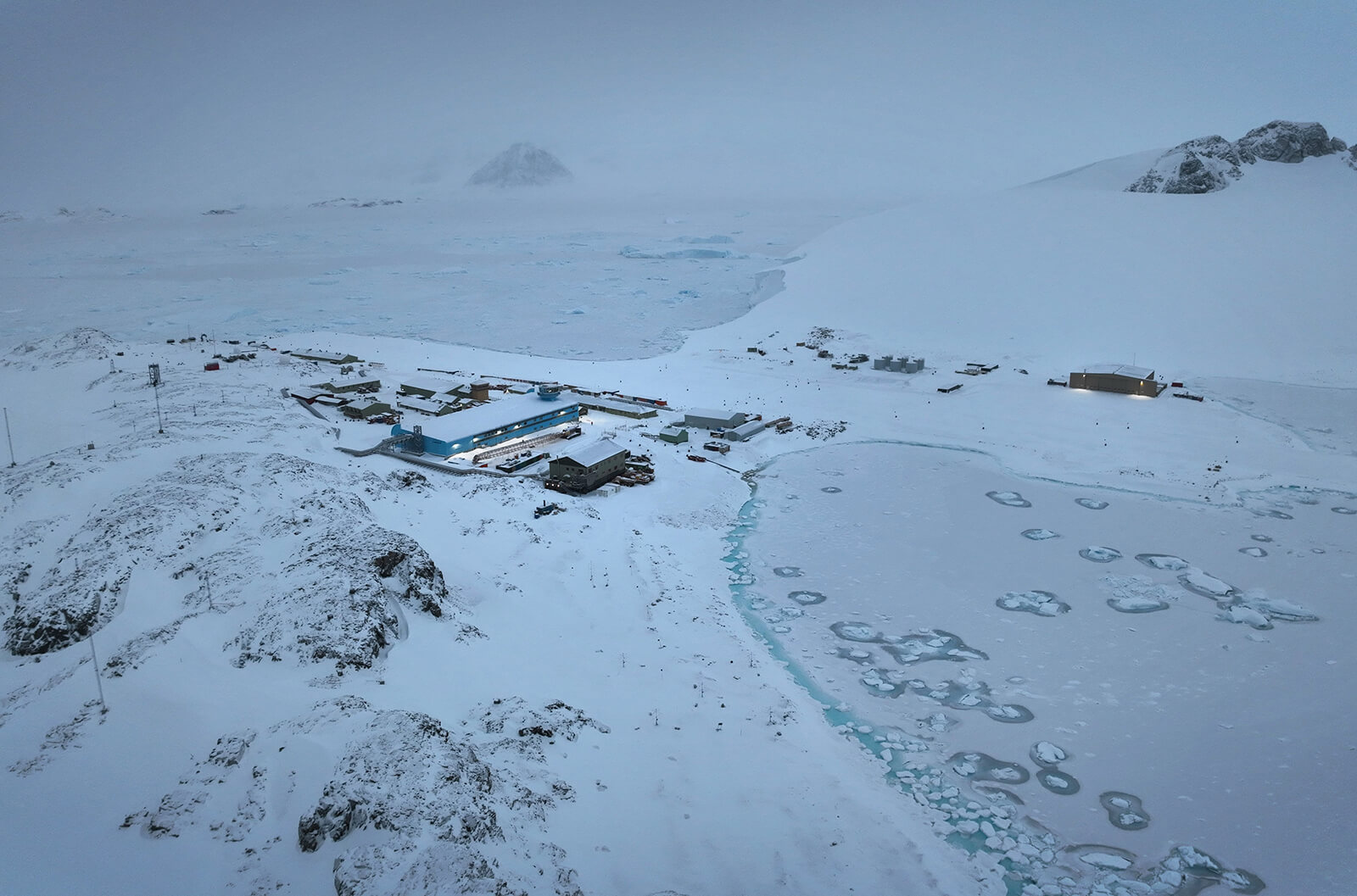
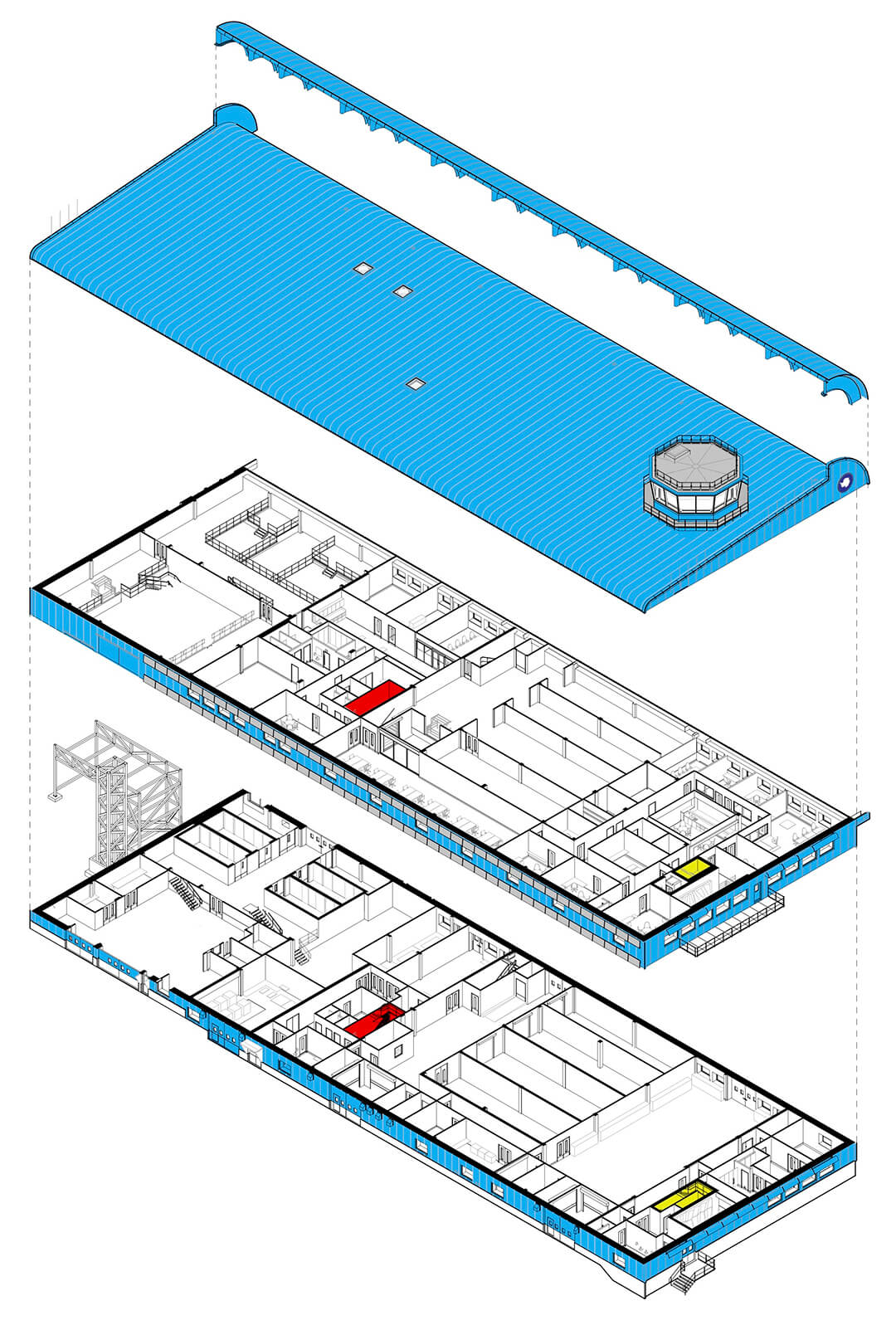
Known for their innovative designs for a number of such facilities in extreme climates, including the Halley IV for the BAS and the new Scott Base, Hugh Broughton Architects creates a two-storey, 4,500 sq m facility which consolidates a wide range of scientific, operational, welfare and recreational functions under a single roof, replacing several ageing structures whose fragmented layouts had become increasingly inefficient and expensive to maintain. The building hints at an emerging language of contemporary design that is functionally and technically sound yet psychologically considerate and inherently civic in character.
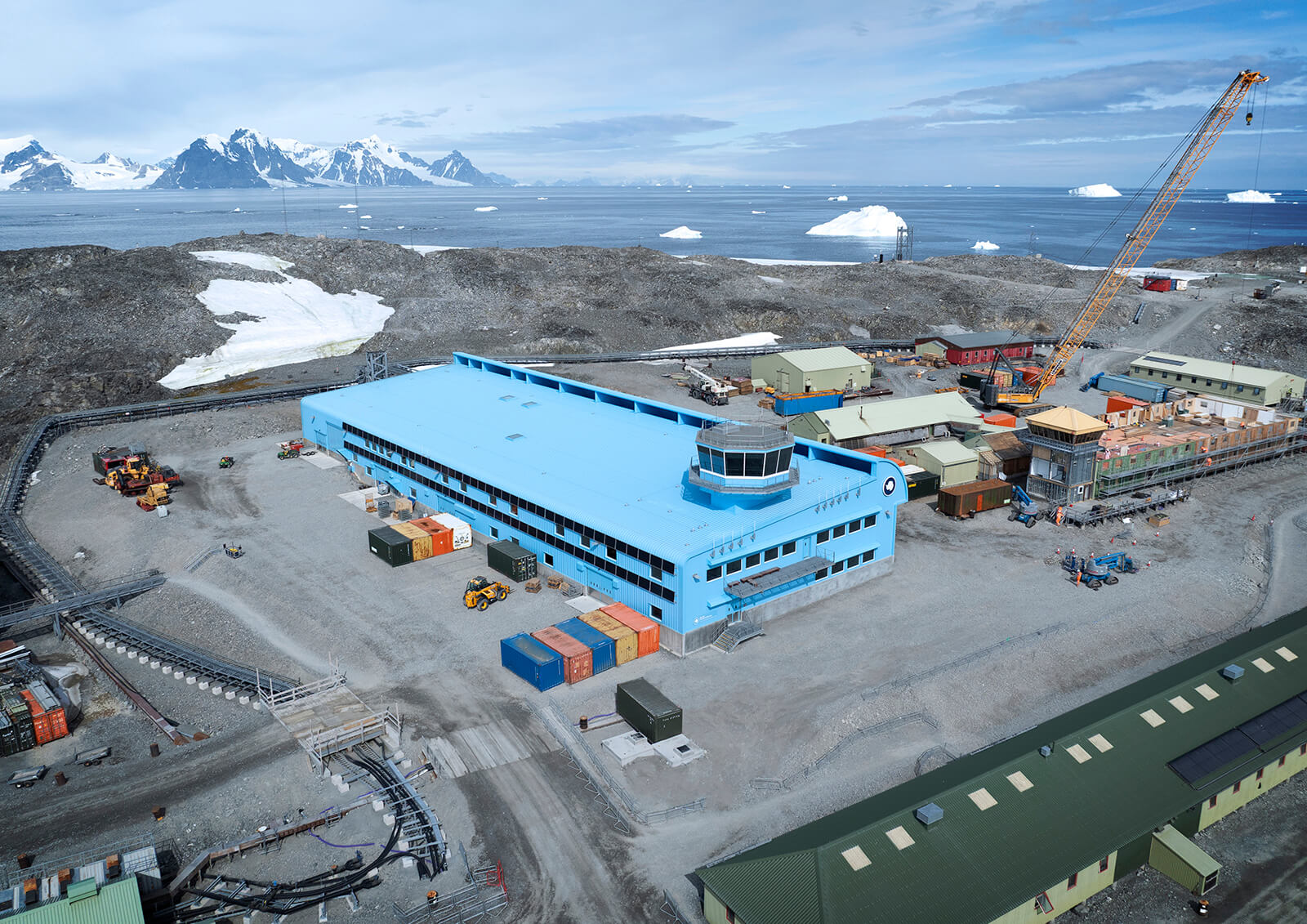
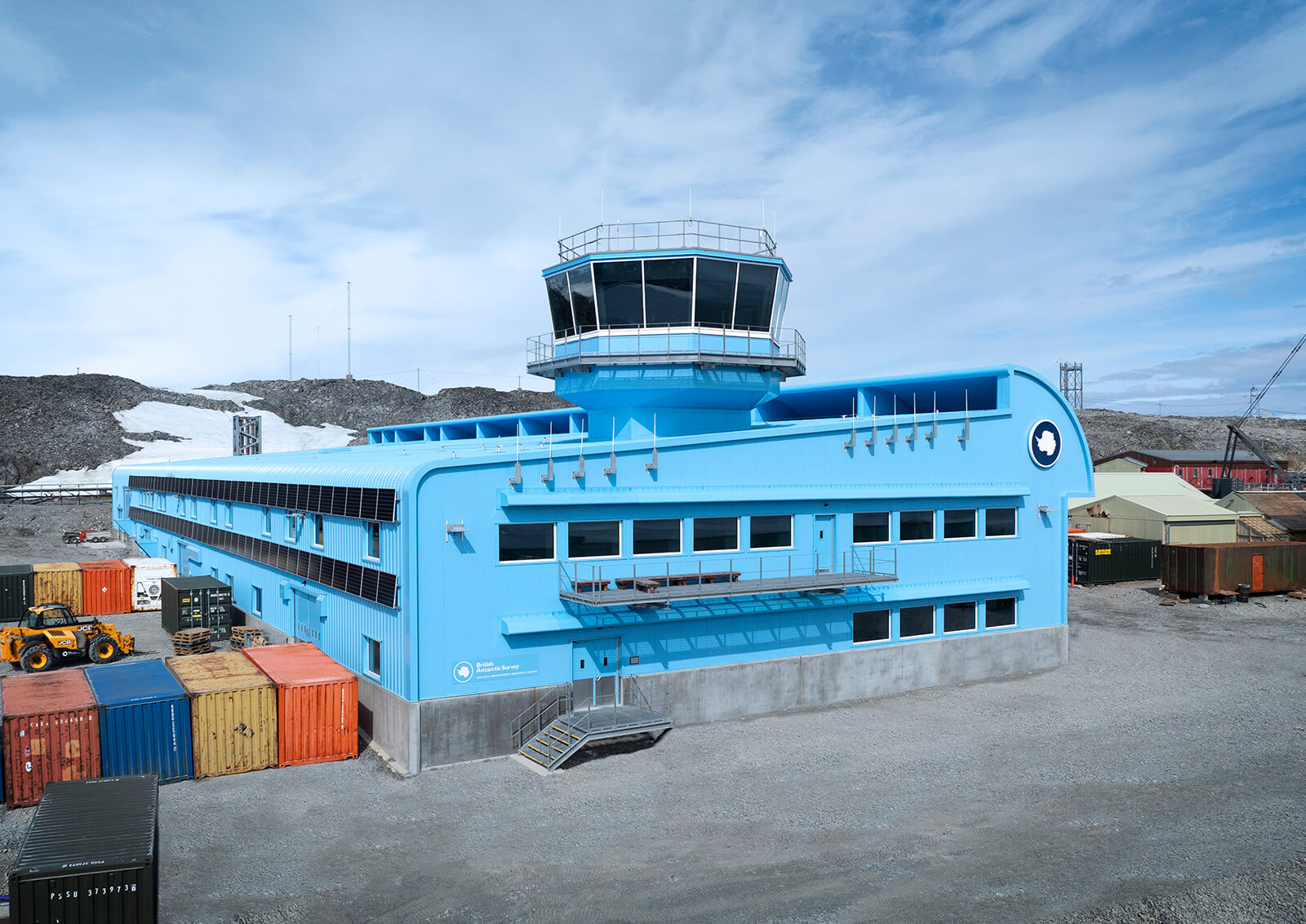
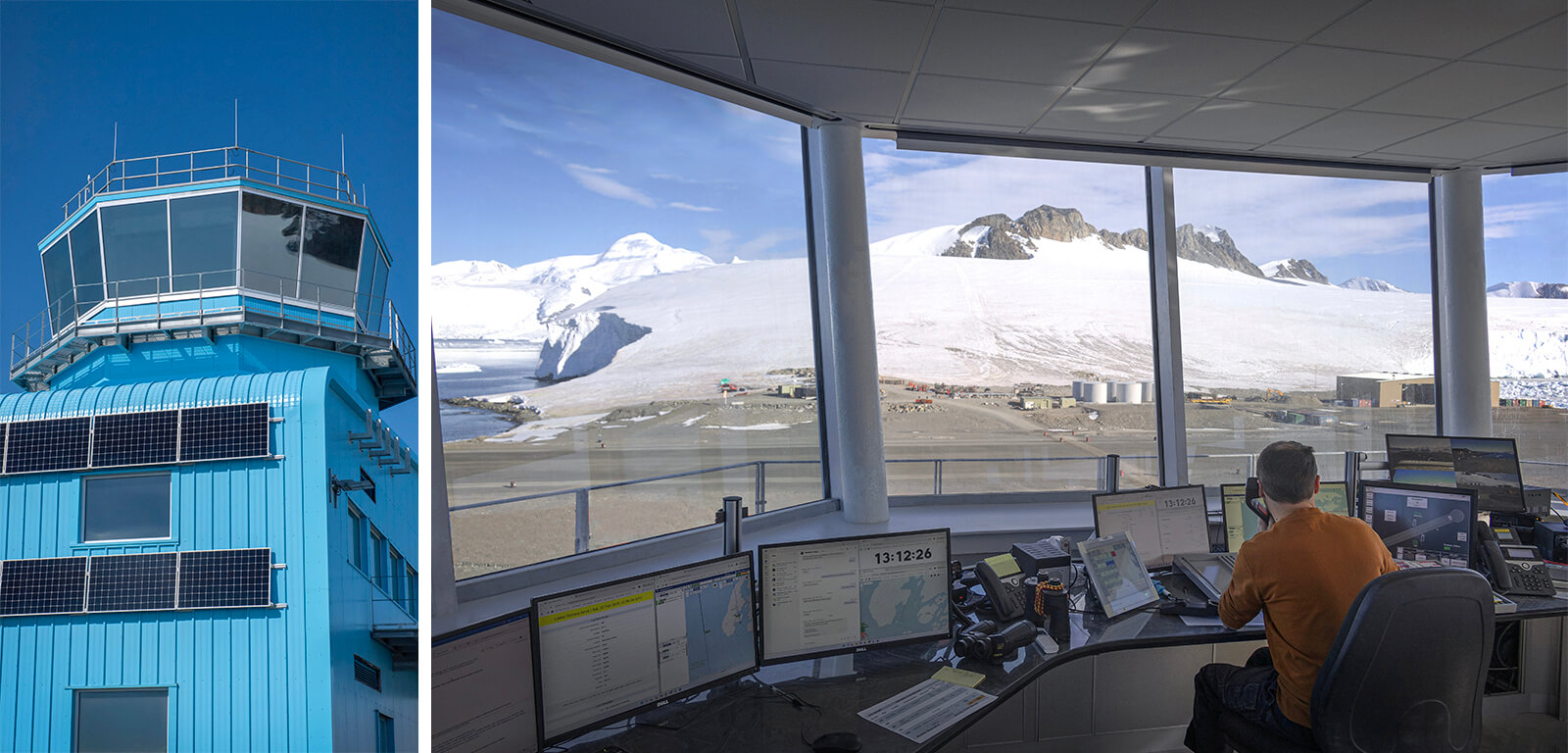
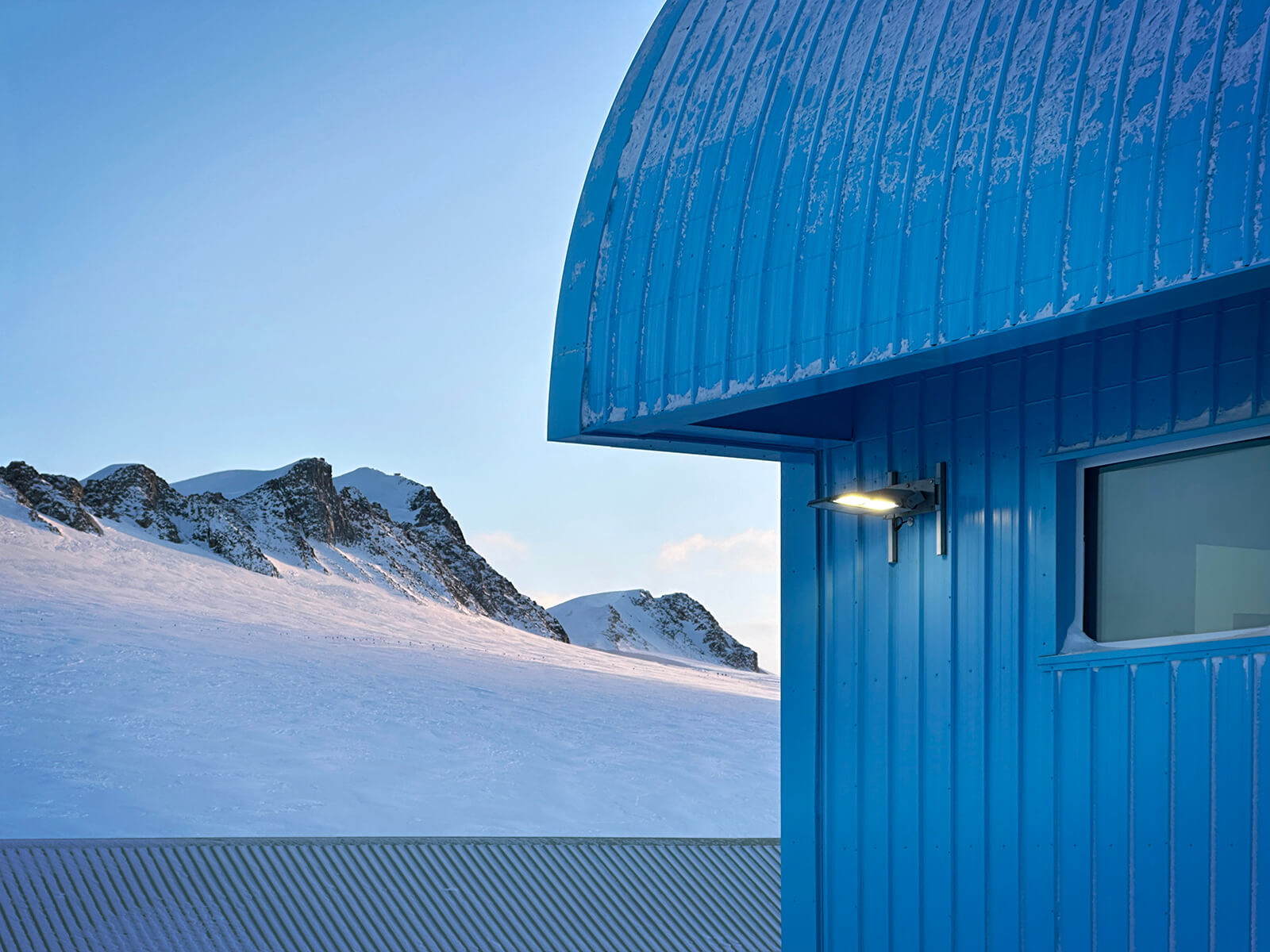
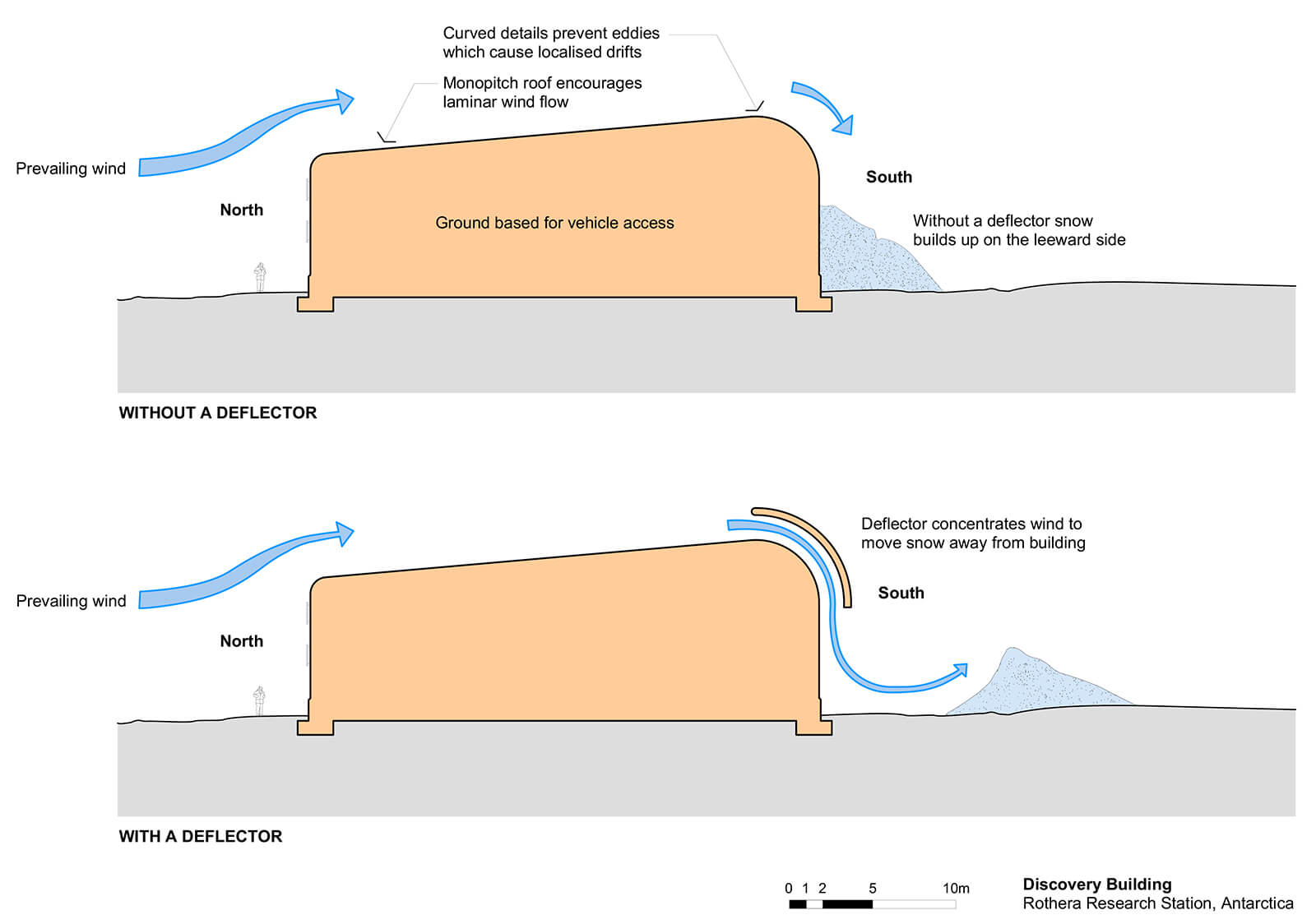
Located on Adelaide Island in the Antarctic Peninsula, the blue-faced building reflects the colour of the sky, crafted from highly insulated composite panels and is triple glazed for an air-tight envelope and an energy-efficient design. The aerodynamic form features a full-building wind deflector, the first of its scale deployed in Antarctica, according to an official release, accelerating the airflow down the leeward side of the building to reduce the accumulation of snow. The Operations Tower rises high above to capture the panoramic views of the natural landscape, Rothera’s wharf, runway and station.
In a conversation with STIR, British architect Hugh Broughton, founder of HBA, expands on the design of the Discovery Building and reflects on contemporary architecture and its expeditionary nature in Antarctica.
Bansari Paghdar: How would you say the new Discovery Building reflects the state of architecture in a built environment as sparse as Antarctica?
Hugh Broughton: In just 125 years, architecture in Antarctica has developed from rudimentary timber huts to space-age structures utilising the latest technologies and modern methods of construction. It is the only continent where you can see the first building erected by humankind, Carsten Borchgrevink's British Antarctic Expedition Huts of 1899, which were two 5 x 5 metre pitch-roof timber structures, and the most recent examples of modern design, such as the 4500 sq m Discovery Building.
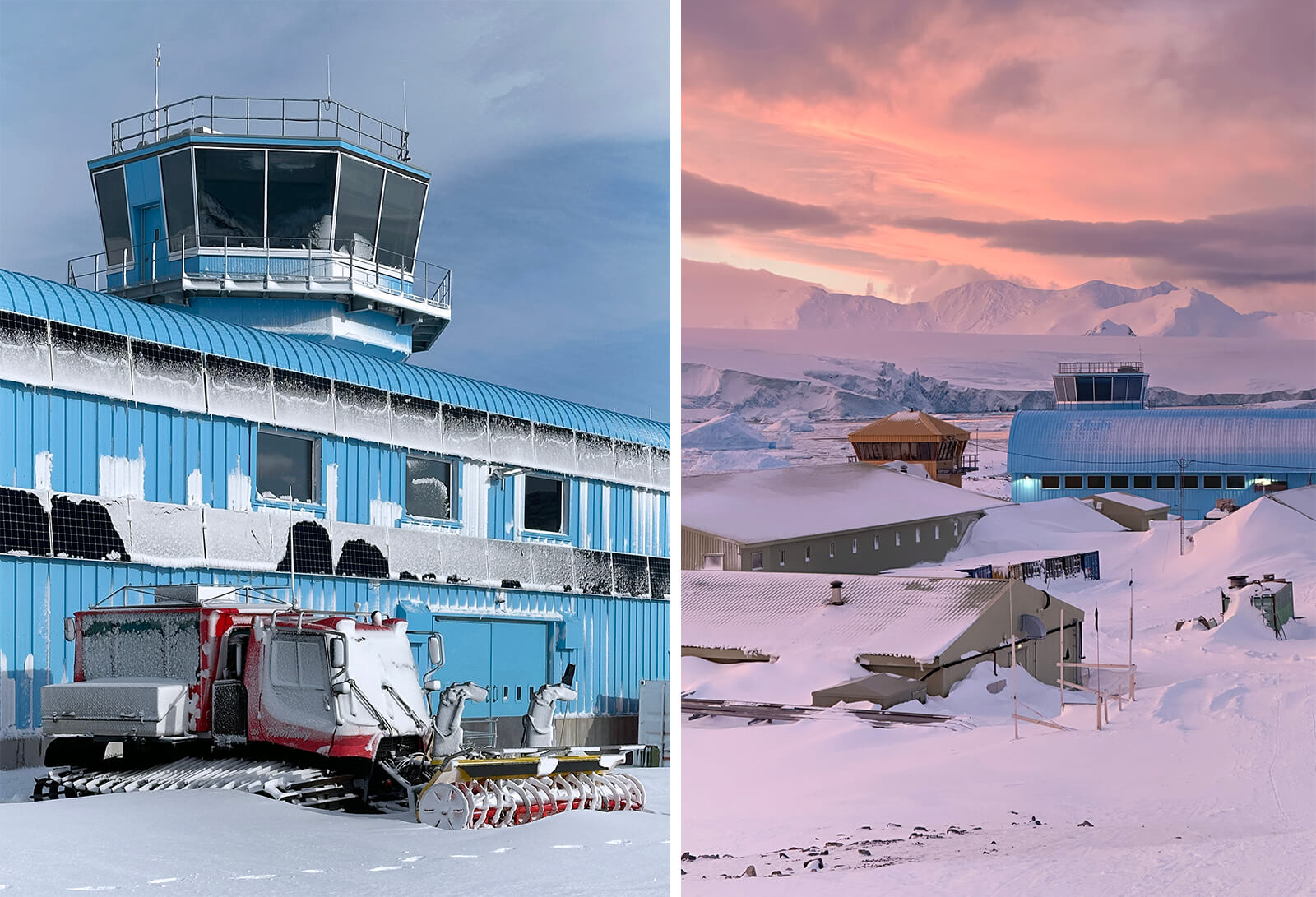
The latest buildings are highly contextual. They are designed to respond to the extreme climate with aerodynamic forms, high levels of insulation and careful orientation to prevailing winds. They minimise impact on the fragile environment through multifunctionality, which reduces footprint and energy demand. And they are carefully designed to support the crew through long dark winters with the application of daylight simulation, colour psychology, careful placement of glazing and space planning to support the individual and community alike. The Discovery Building has all these characteristics and exemplifies the very latest thinking in design for extreme environments.
Bansari: You have worked on a number of other remarkable projects in Antarctica, including the Halley VI Research Station and at Davis Station, for instance. How would you say these influence or inform the design for the Discovery Building?
Hugh: We learn lessons from all of our projects and apply these to the next commission. Design in Antarctica is not a cookie-cutter process. The climate, environment and context of all the buildings are very different. Halley is located on a dynamic freezing floating ice shelf, while the Discovery Building is built on rock and serviced by a wharf and a gravel runway. At Davis, in East Antarctica, there is no snow through the summer, but the site is whipped by strong winds carrying fine particles of grit from the Vestfold Hills, which sandblast building facades. So, while we can apply lessons learned from past projects, we also need to develop site-specific responses for new ones.
I think a consistent architectural language, developed in this extreme environment over 20 years, is evident in all the buildings we have designed, but each project is also the product of intense research, stakeholder engagement and collaboration with our clients, other consultants and contractors, all of whom introduce their own ideas to improve designs and make them well equipped for the Antarctic context. The Discovery Building is a brilliant example of collaboration between subject matter experts, project managers, architects, engineers and contractors all pulling together for the common good of polar science.
Bansari: The building is also NERC's (Natural Environment Research Council) first BREEAM-certified project in Antarctica. What different notions do sustainability and energy efficiency have in harsh environments such as this?
Hugh: The principles are the same as in a temperate climate—reducing carbon, minimising impact on the natural environment and making pleasant places where people can thrive. However, the climate is certainly more extreme and special measures are needed to cope with the high winds, low temperatures and prolonged winter isolation and darkness. An example of a special feature to improve sustainability is the wind deflector on the Discovery Building, which diverts the wind down the leeward facade to clear snow away at ground level. This reduces the effort needed for snow management and the consequential fuel required to power snow-clearing vehicles. Other measures include the monopitch roof facing into the prevailing wind, which ensures air flows easily towards the deflector and the curved eaves, which prevent localised eddies and resulting localised snow drift. These are all measures to help build performance, reducing pressure on the structure and the amount of carbon needed to maintain the building.
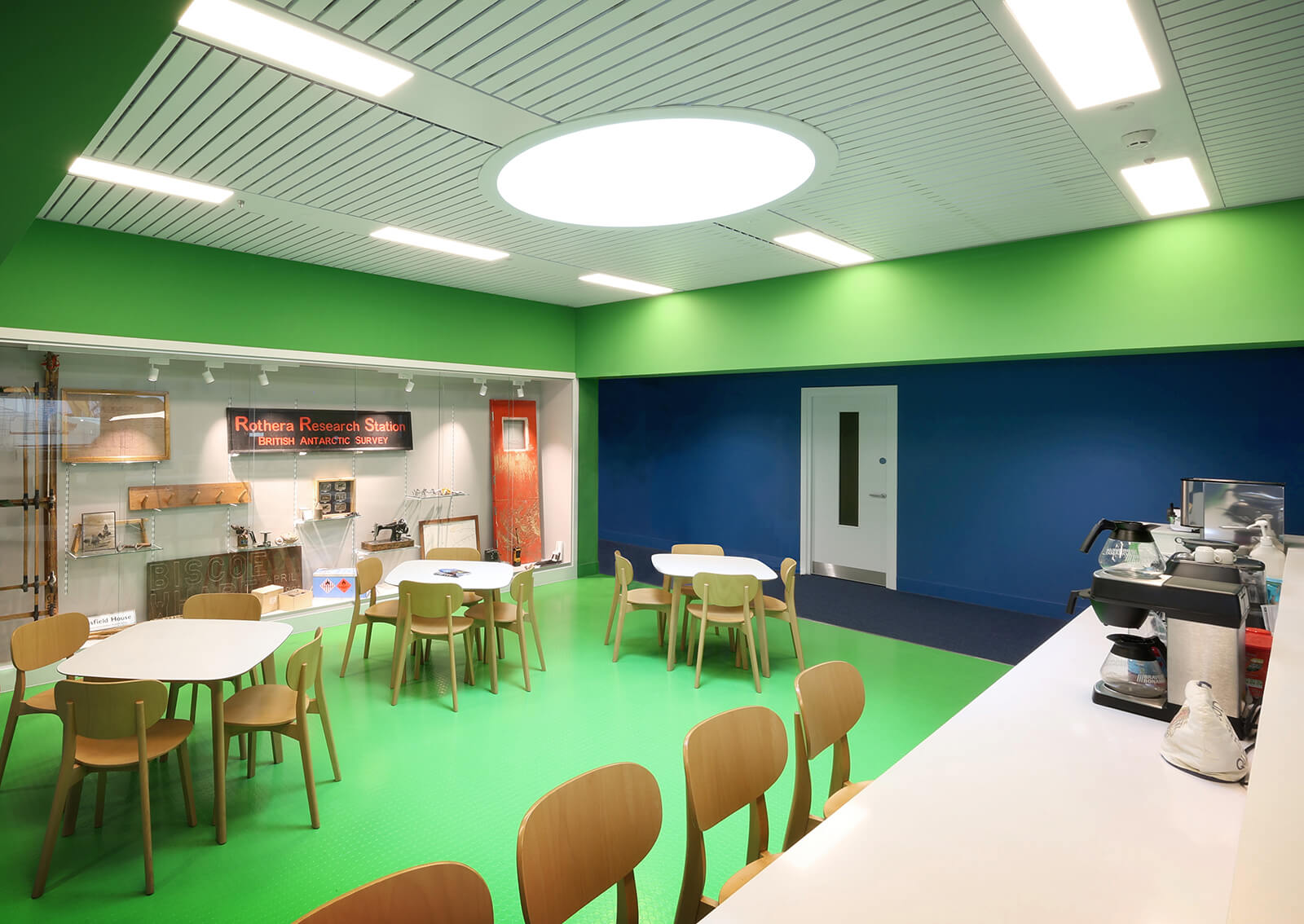
Other sustainable features include photovoltaic panels on the north facade (considering the structure is situated in the southern hemisphere), a heavily insulated envelope, low water use fittings and combined heat and power systems which capture excess heat from generators and use it to warm the interior of the building. Alongside technical measures, the design also includes, as Broughton stated, numerous features to support the well-being of the crew: collaborative workspaces, bright colours, areas for recreation (music room, arts and crafts space, gym, climbing wall), displays about the heritage of the research station and carefully placed windows to maximise views of the stunning surrounding landscape. Just like design for health, infrastructure or the arts demands specificity in architecture, especially factoring in a foreboding climate challenge, design for extreme environments too demands its own idiosyncratic responses to a special set of challenges—some entirely new, some as old as the conception of human shelters themselves.
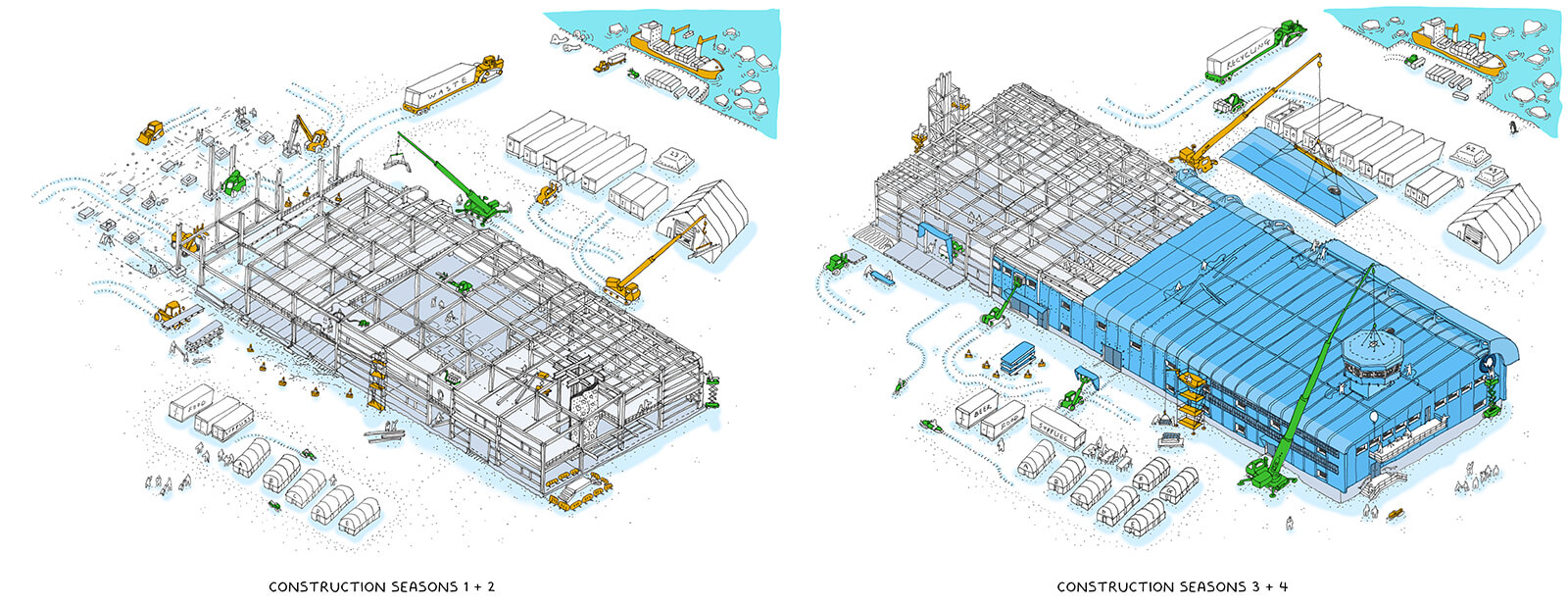
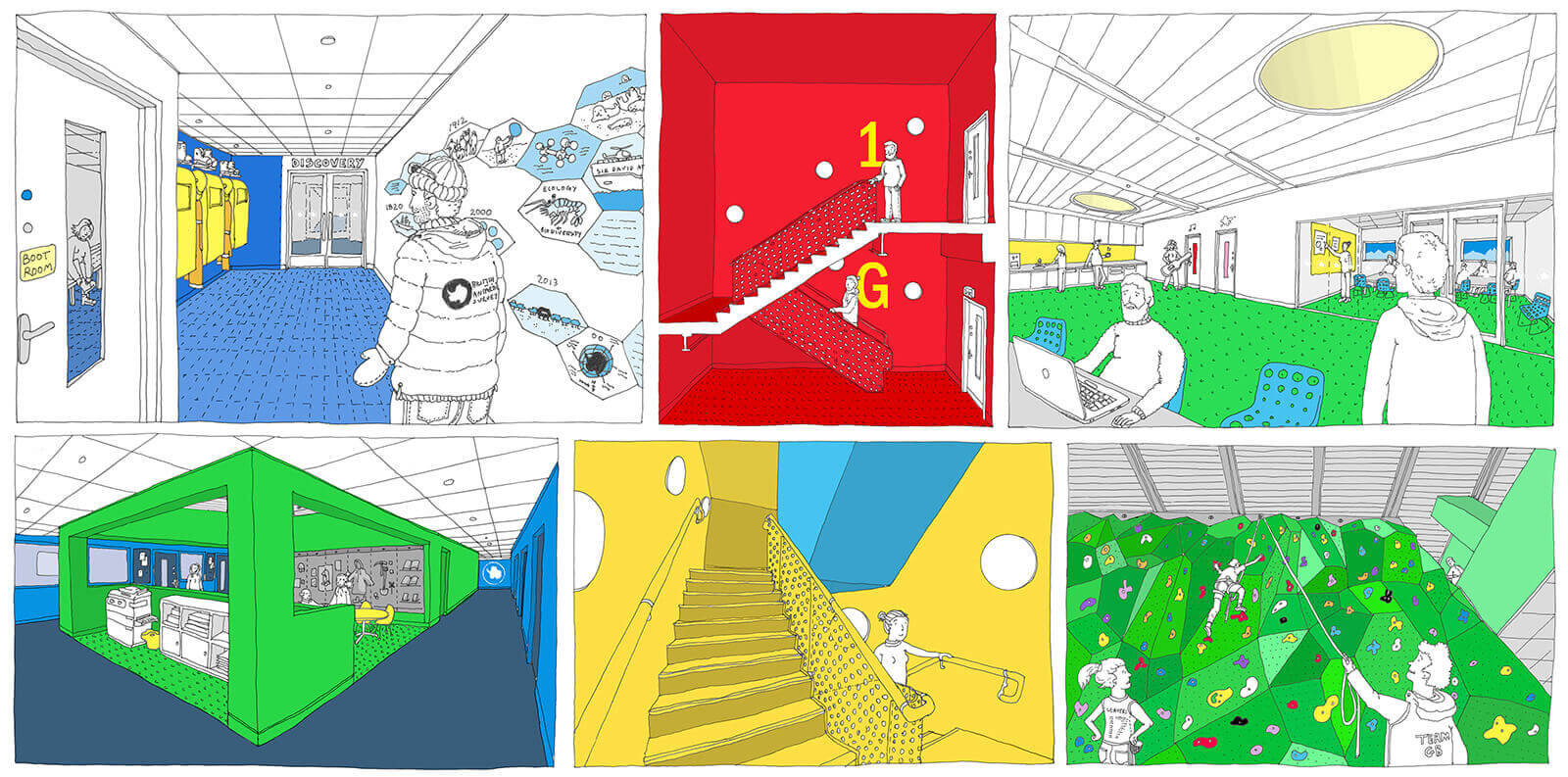
Designed in accordance with BAS sustainability practices, the project is NERC’s first BREEAM-certified project in Antarctica. The transparent internal glazing supports safe operation during the months of winter, while power is generated by combined heat and power generators. Additionally, the building also houses efficient water consumption measures such as a high-pressure water mist fire suppression system. Reducing energy consumption and meeting maintenance targets, the sustainable design ensures a more resilient future for the station. The new Discovery Building then, being a result of expert collaboration over multiple disciplines and streams of knowledge, posits modern Antarctic architecture as a cumulative effort rather than a singular product or a triumphant marker of an expedition.

by Pranjal Maheshwari Oct 24, 2026
A consortium of Copenhagen’s 3XN, Toronto’s B+H Architects and Shenzhen’s Zhubo Design has designed the museum to mimic the surrounding riverscape, topped with a public park.
by Pranjal Maheshwari Oct 19, 2026
The Mumbai-based architects integrate courtyards, mesh screens and north light trusses to create a dining space that doubles up as a community hub at SR University, Warangal.
by Mrinmayee Bhoot Oct 17, 2026
The Rotterdam-based institute centres the Indian Ocean as a network for exploring material histories and transnational links shaping coastal cultures, positing them as future models.
by Pranjal Maheshwari Oct 16, 2026
At the 2026 Stirling Prize ceremony, Mary Duggan with RUFF Architects, MAKER Architecten and Nakshabid Architects were felicitated for proffering quality housing and social equity.

make your fridays matter with a well-read weekend
Enter your details to sign in
Don’t have an account?
Sign upOr you can sign in with
a single account for all
STIR platforms
All your bookmarks will be available across all your devices.
Stay STIRred
Already have an account?
Sign inOr you can sign up with
Verification link sent to check your inbox or spam folder to complete sign up process
Tap on things that interests you.
Select the Conversation Category you would like to watch
Please enter your details and click submit.
Enter the 6-digit code sent at


Hugh Broughton's Discovery Building probes context, response and care in Antarctica
by Bansari Paghdar | Published on : Feb 23, 2026


 Sign in with Google
 Sign in with email
What do you think?