Architecture09 mins. read
Discovering the London Festival of Architecture 2022
by John JervisJul 07, 2022



by Pranjal MaheshwariPublished on : Oct 09, 2026
Between countless sleepless nights and passionate discussions about its lofty aspirations, architecture’s journey from drawing board to concrete invariably passes through the famed (or dreaded) ‘bill of quantities’: an estimate of the monetary implications of the design scheme. Despite its seemingly distant relationship to the creative parts of the process, this numerical abstraction forms the most critical factor for a project; indeed, it decides if an idea will ever come to life.
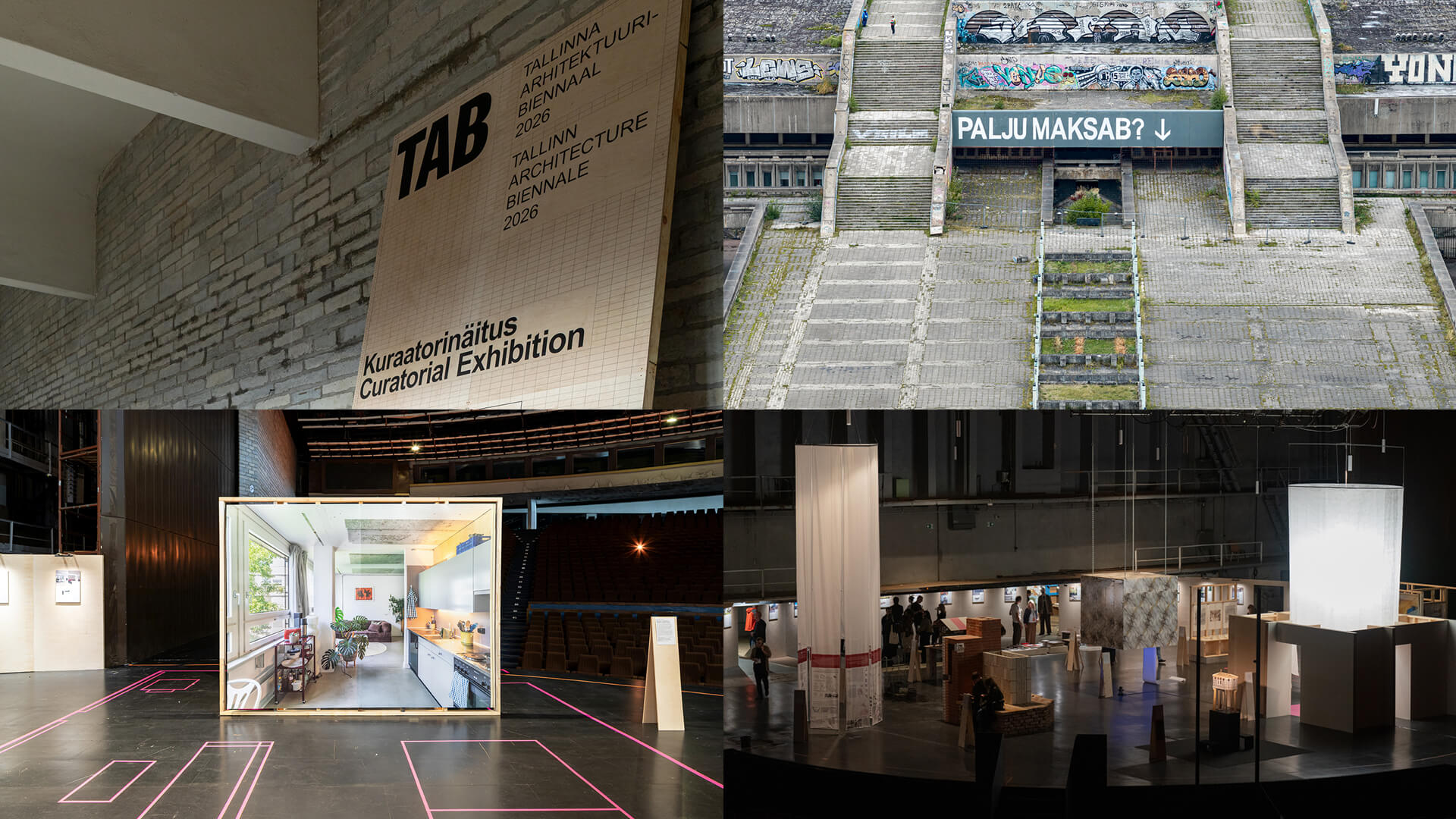
When weighed against prevalent capitalist value systems, however, architecture’s budgetary straitjacketing offers a dilemma: one that constrains its existence to its economic value, extrapolating the same as its social status. The exercise, then, becomes striving to be relatively inexpensive while evading the label of being (or looking) cheap. It is this financial transcription of architectural design—from plans and sections to spreadsheets—and its paradoxical implications that outline the theme of the Tallinn Architecture Biennale 2026 (TAB’26), being held from September 9 – November 30, 2026, in Estonia’s capital city.
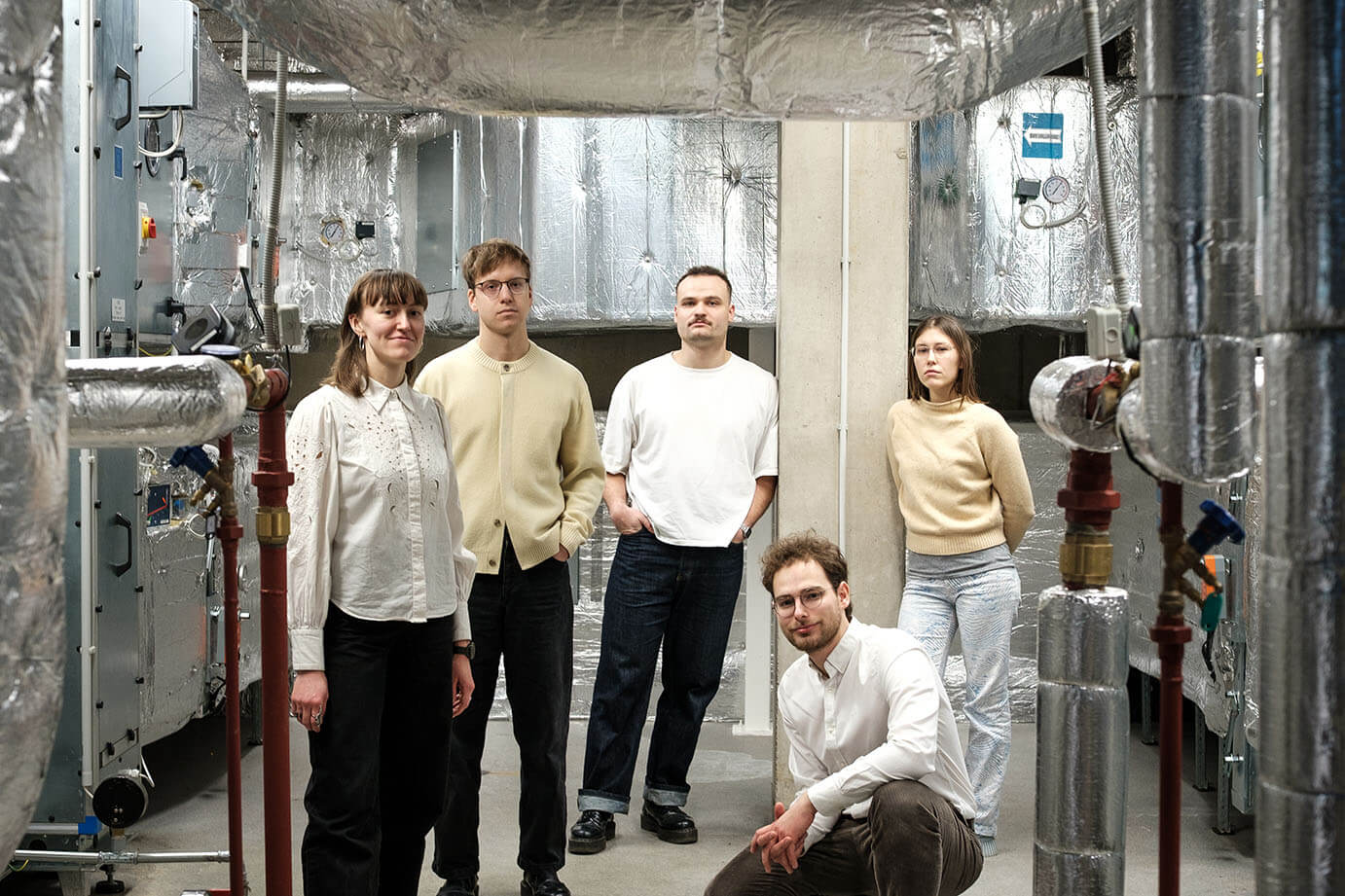
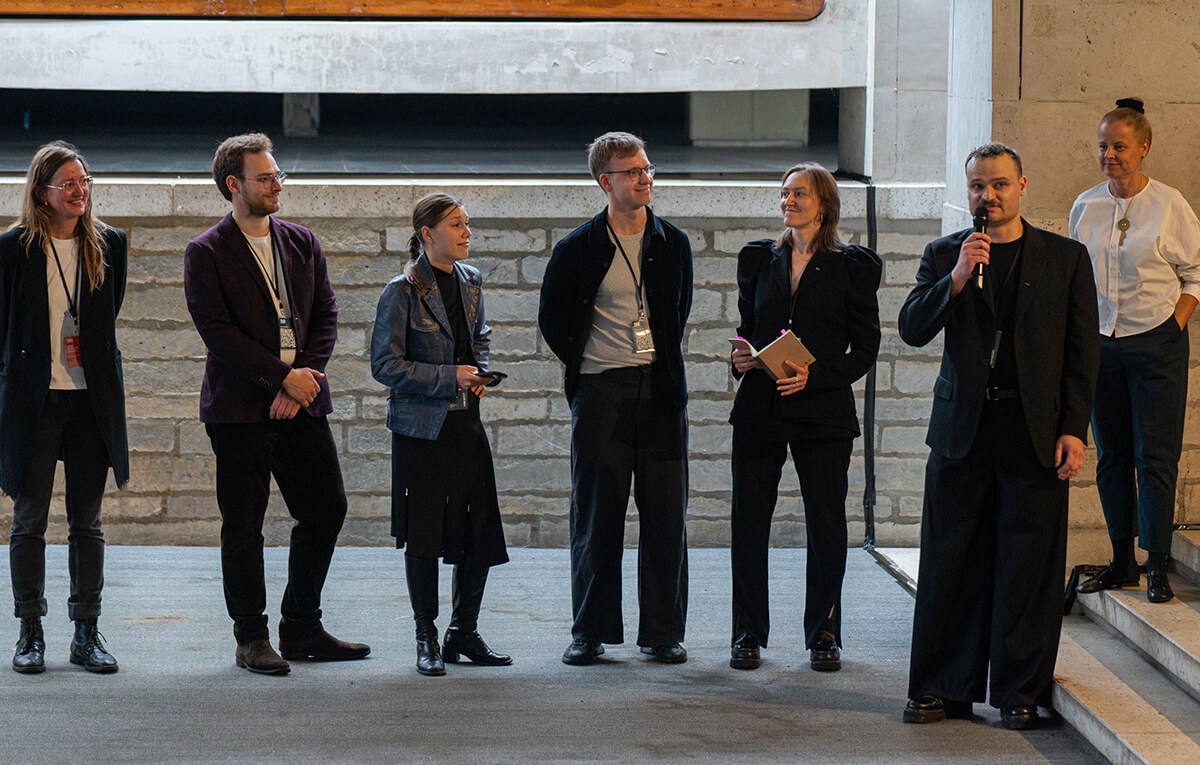
Returning for its eighth edition to the historic city, the international architecture and urban design festival proffers a global platform for architectural voices and contributions from the Baltic Northern European nation. Organised by the Estonian Centre for Architecture, the festival promotes interaction between regional and global ideas in architecture and design, and nurtures dialogue between the architectural fraternity and the general public. This year’s programme, curated by Kertu Johanna Jõeste, Siim Tanel Tõnissona and Ra Martin Puhkan from the Estonian architectural collective stuudio TÄNA, along with architect and researcher Mark Aleksander Fischer and academician Mira Samonig, is coalesced under the theme Palju maksab? (How much?). Beyond exploring the economics of architecture as the duality between necessity and constraint, the discourse expands to consider some of its crucial yet largely disregarded implications on the social, ecological and temporal dimensions of built environments.
The biennale theme's suitability is evident in the influence of economic factors on the historical development of its host city. The polarised urban fabric of Tallinn is the result of two opposing tensions that surfaced shortly after Estonia’s independence from the Soviet Union in 1991. On the one hand, free-market reforms in the newly sovereign nation invited globalisation to shape its architectural expression haphazardly; on the other hand, early economic struggles and constant pressure on local creatives to produce efficiently prompted the emergence of the region’s most characteristic residential typology: Tallinna Maja. Both the city and its resulting programme therefore carry different connotations of ‘affordability’ in architecture—especially in light of recent social and ecological calamities—initiating fundamental probes around ‘price’ and ‘value’, while analysing its true costs on the public and stakeholders.
The discussion takes different forms, including a curatorial exhibition, symposium, installation programme, public interventions and special showcases for the Tallinn Vision Competition and international architecture schools. While these key programmes are spread across various landmarks in the city, such as the Linnahall, Estonian Museum of Architecture, Estonian Academy of Arts (EKA) and Contemporary Art Museum of Estonia (EKKM), other neighbourhoods participate in the celebration through satellite events such as workshops, concerts, film screenings and family events organised during the architecture festival.
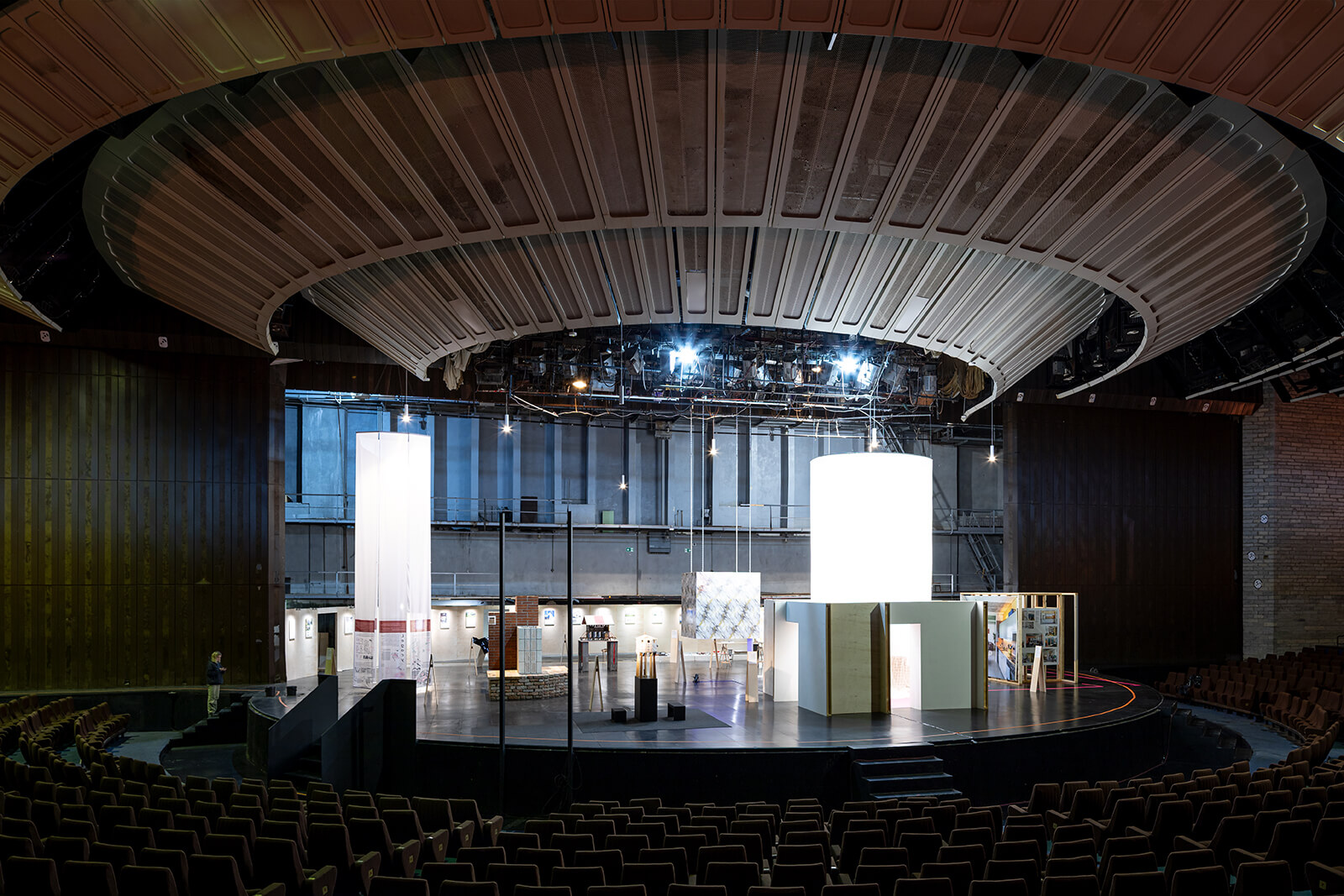
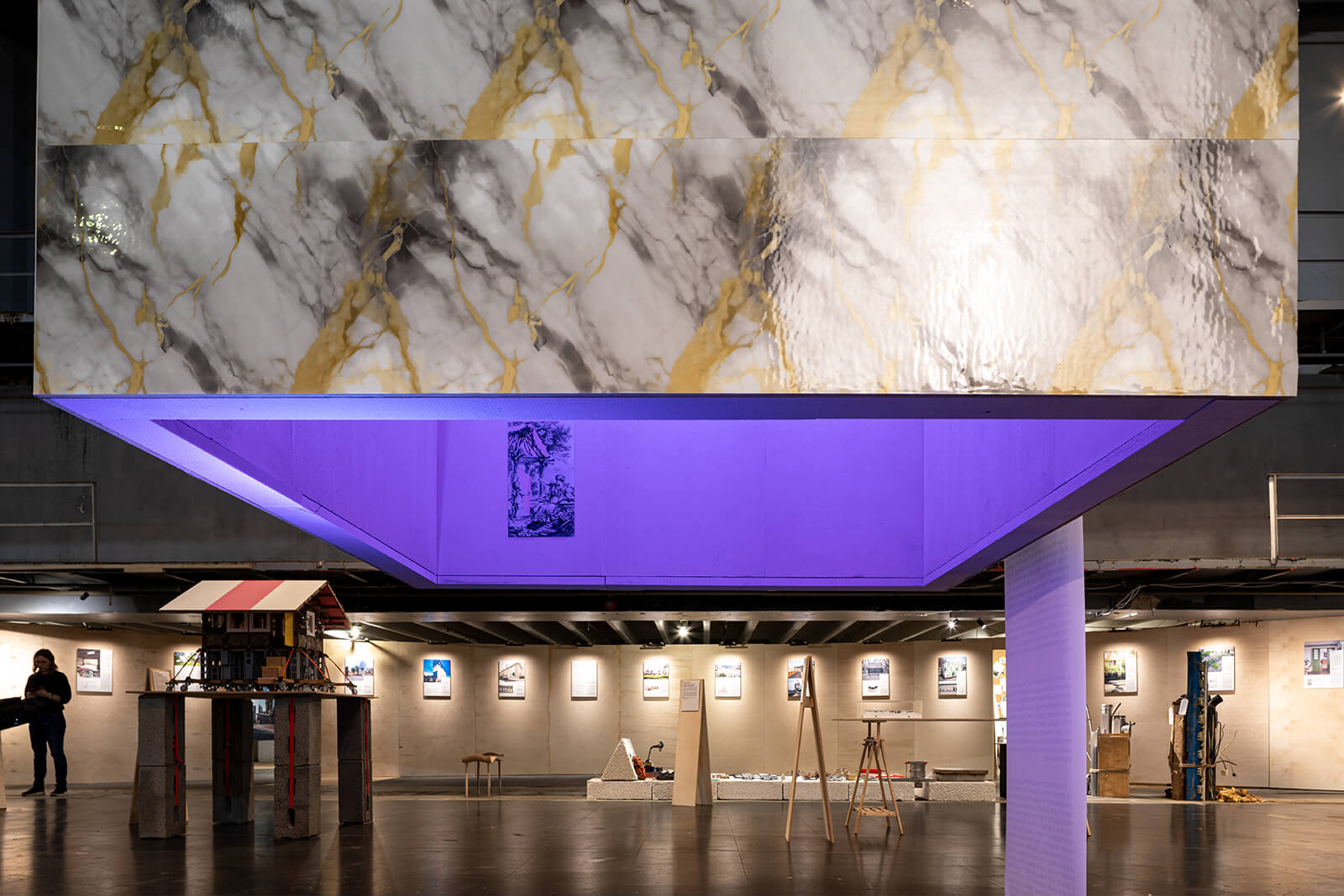
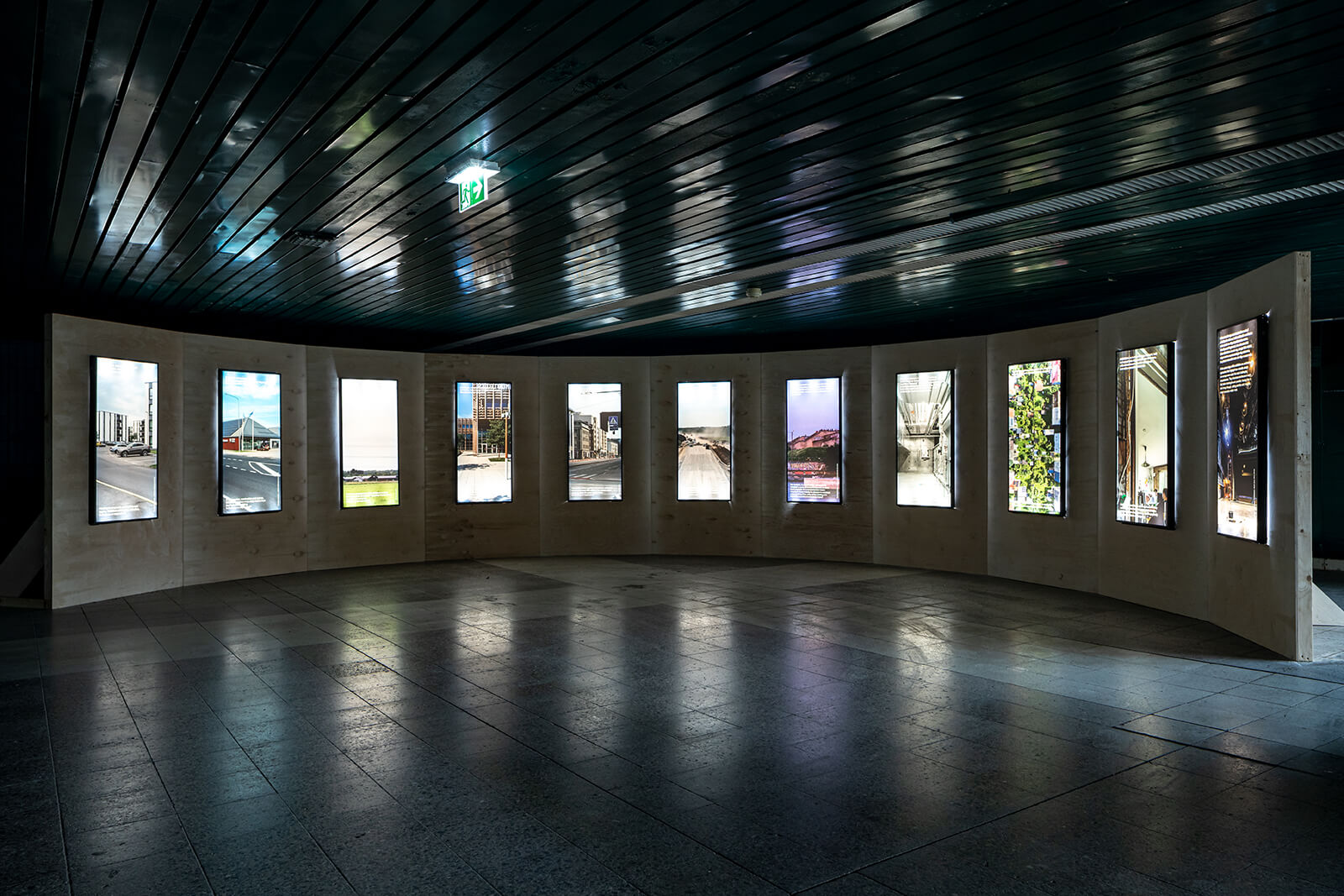
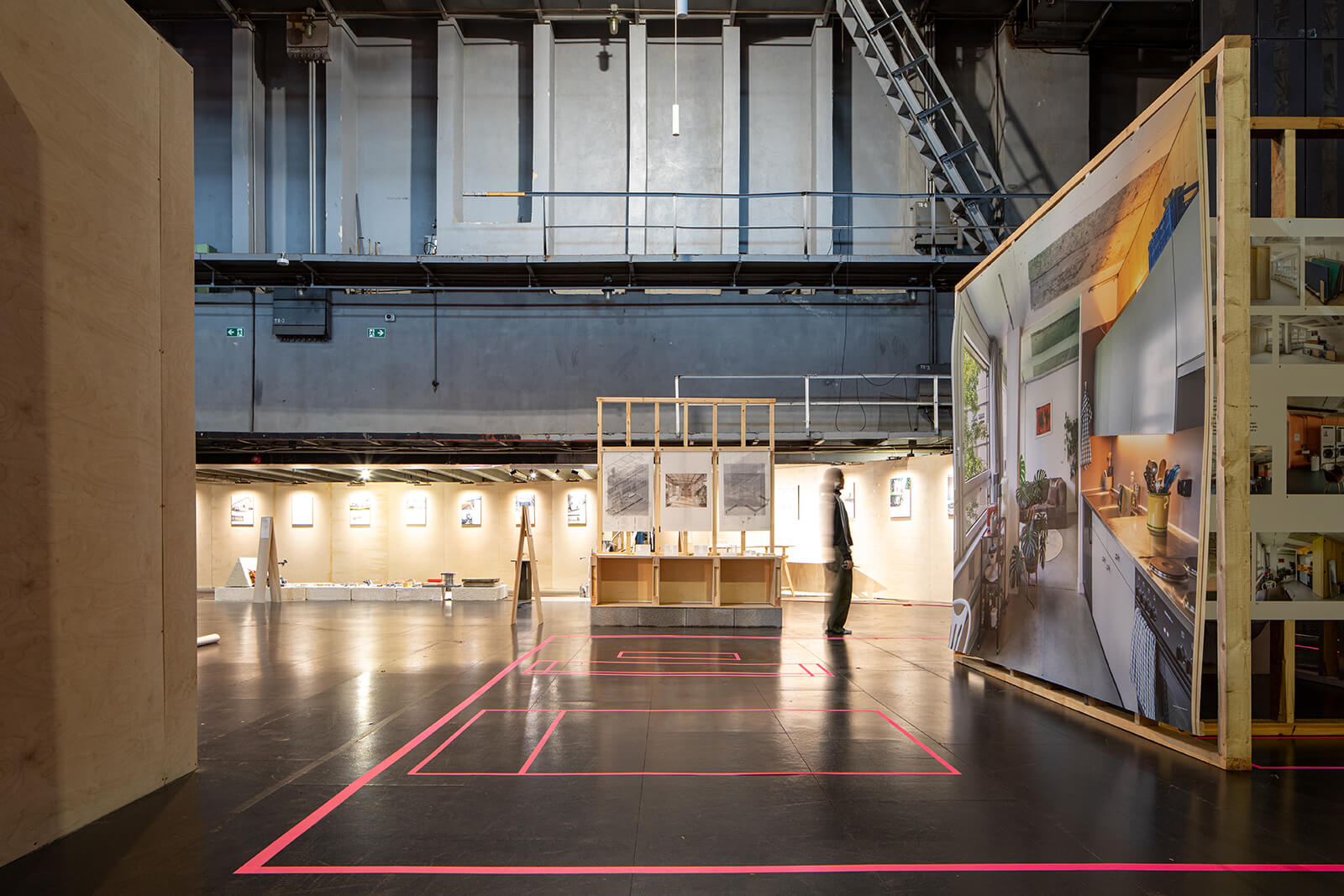
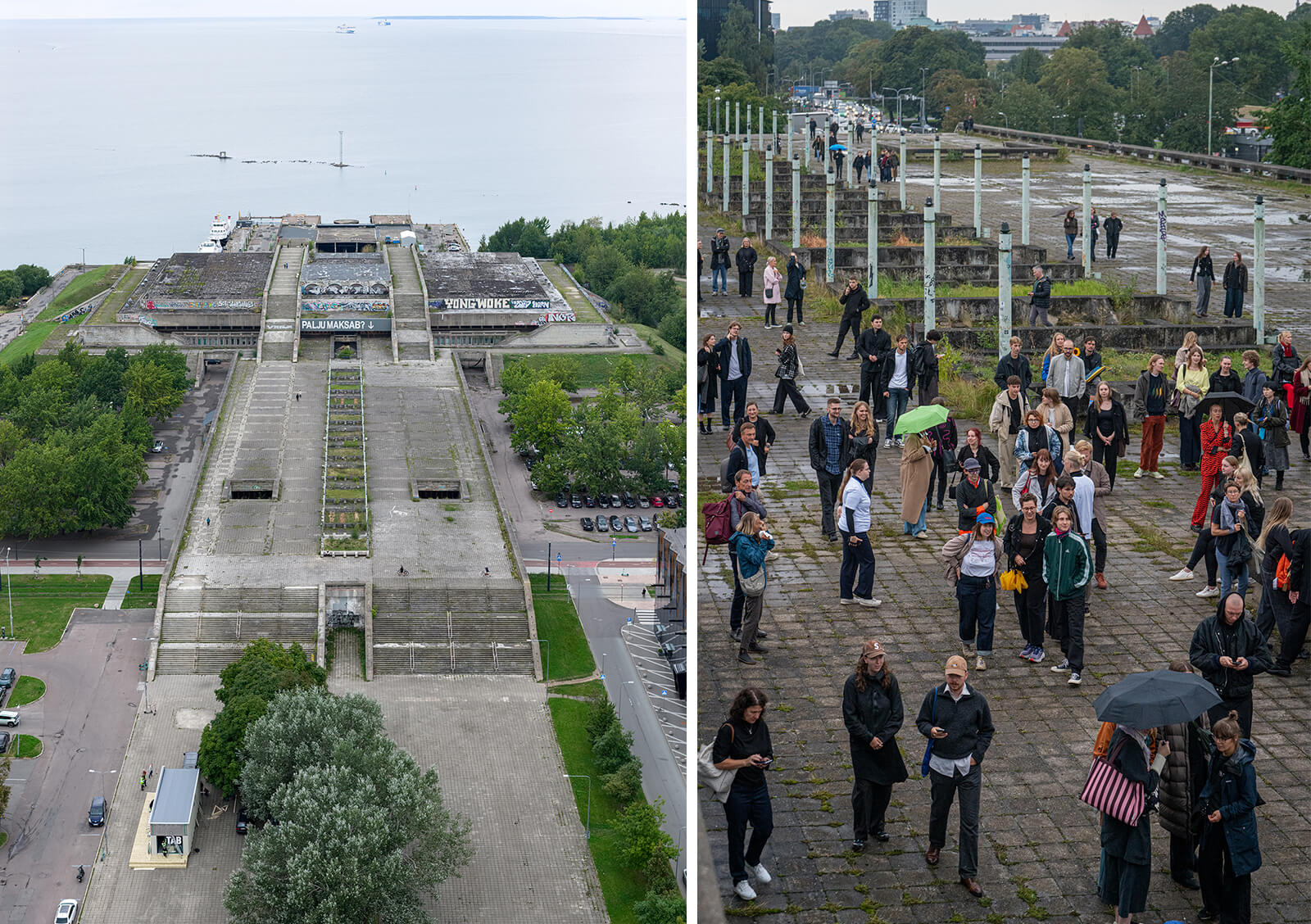
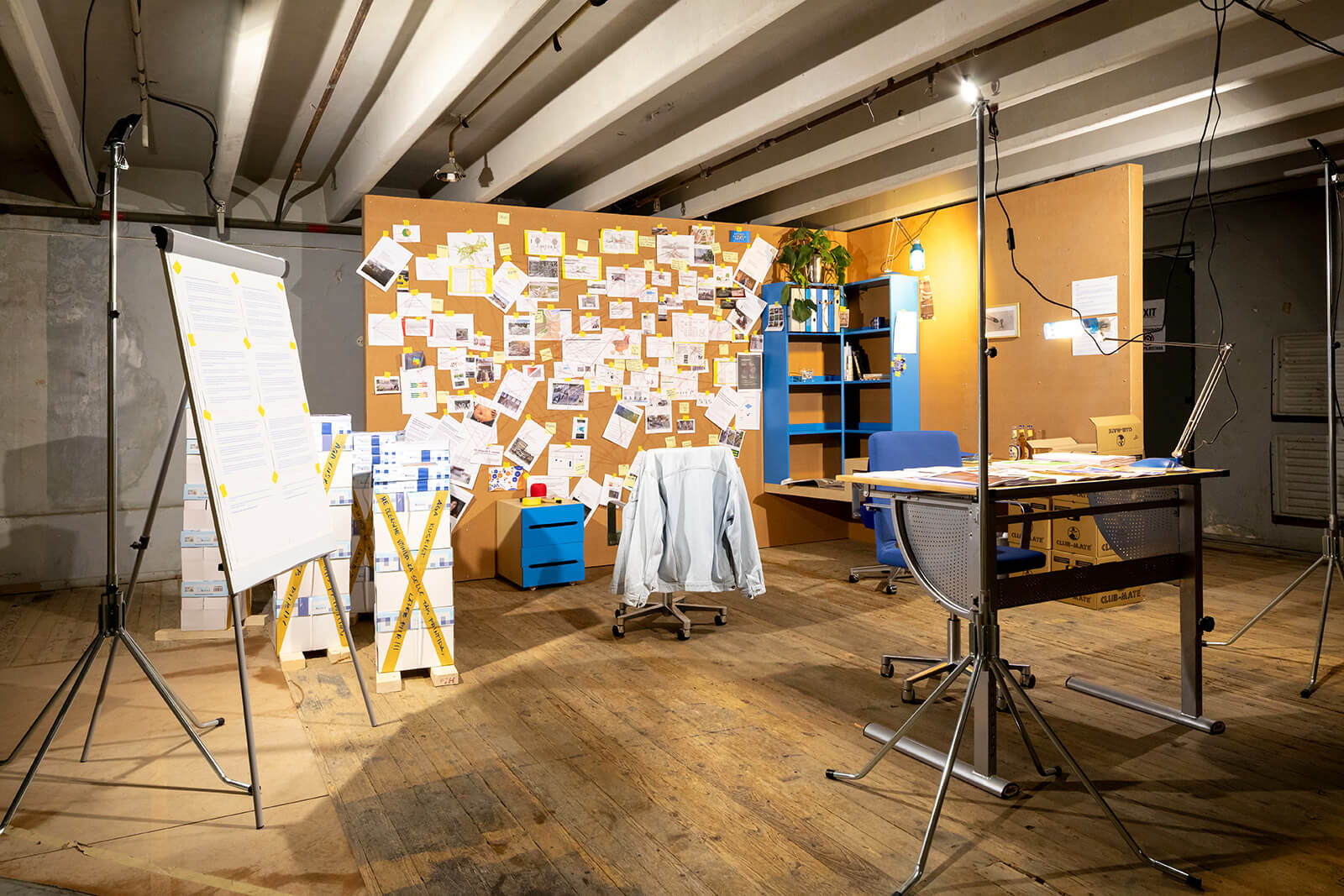
The venue for the curatorial exhibition of TAB’26, the iconic city landmark Linnahall, embodies the debate over value and authorship as a 1980s Summer Olympics building subject to consideration for reconstruction or demolition depending on the implied costs. “Linnahall acts as a curatorial agent demonstrating that ‘how much’ is not just numbers, but a spatial, political and cultural question of value,” Samonig states in an official release. Inside the showcase, A Roll of Marble by asphalt/Kollektiv für Architektur rebels against an ‘architecture of deception’, where material applications are based on face value, without necessarily imbibing their natural or cultural connotations. Belgium- and France-based Bimberg&Frenz look at the relationship between architecture and money through a divergent lens with Cash, a collection of the infrastructural marvels symbolic of Europe, in light of the recent redevelopment of Euro’s visual identity, which might be devoid of any architectural references.
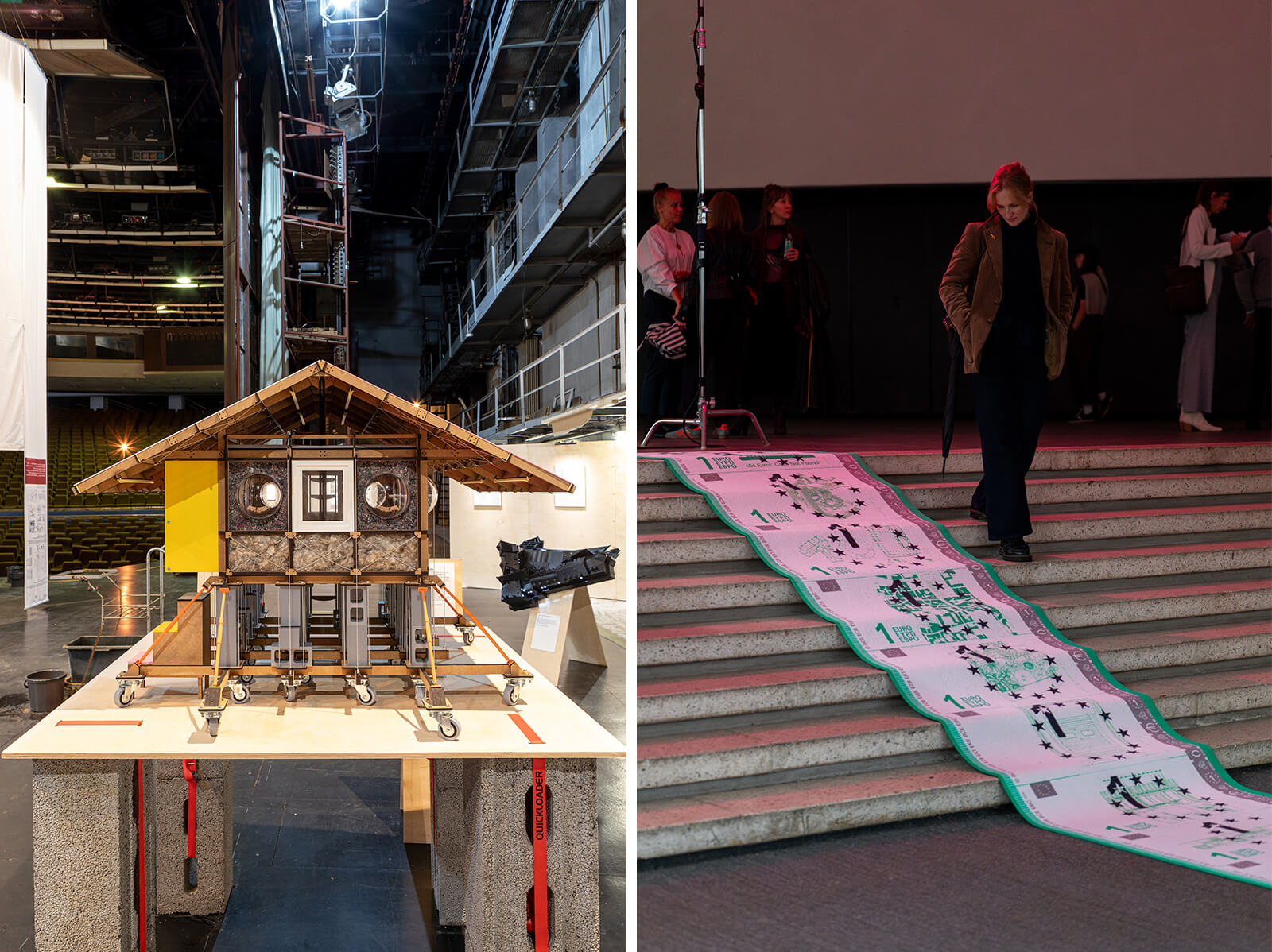
New York-based architectural practice O–P’s Ground Plane suggests an approach to housing development that reframes expenditure beyond affordability by sensationalising cost efficiency, modular adaptability and material consciousness. Mexico-based Max von Werz Arquitectos’ Under One Roof revamps a popular housing typology by expanding on the network of interconnected courtyards that form shared spaces while enhancing the quality of living for the apartments above. Local architect and interior design practice Anthony Clay Bureau’s installation There is Always a Bill traces the journey of street spaces through investments and stakeholders while debunking outdated rubrics of circulation efficiency and parking capacity; while SALTO Architects’ Untitled installation questions the valuation process for civic architecture. Studio TAKK, based in Barcelona and New York, presents a seasonal argument for designing a dwelling space with Roma’s Bedroom, focusing on resource efficiency through periodic shifts in the programme and functions of a domestic space.
The conversation was furthered through the Sounds Expensive symposium held during the festival’s opening week at the EKA. Through a series of keynotes, presentations and panel discussions, the programme platformed an exchange of knowledge systems around navigating economies and resource scarcity. Some key spokespeople included Canada-based academician Claire Zimmerman, who shared her insights on reinterpreting the impact of building and infrastructure costs on sociopolitical systems; and French architecture and research duo Thomas Flores and Mathias Palazzi, advocating for frugality as a practical and environmental necessity in architecture. The symposium also welcomed experience-driven insights on similar topics from the participating practices in the curatorial exhibition, such as Mantas Peteraitis, O–P, asphalt, Avarrus Architects, Max von Werz Arquitectos and SALTO Architects.
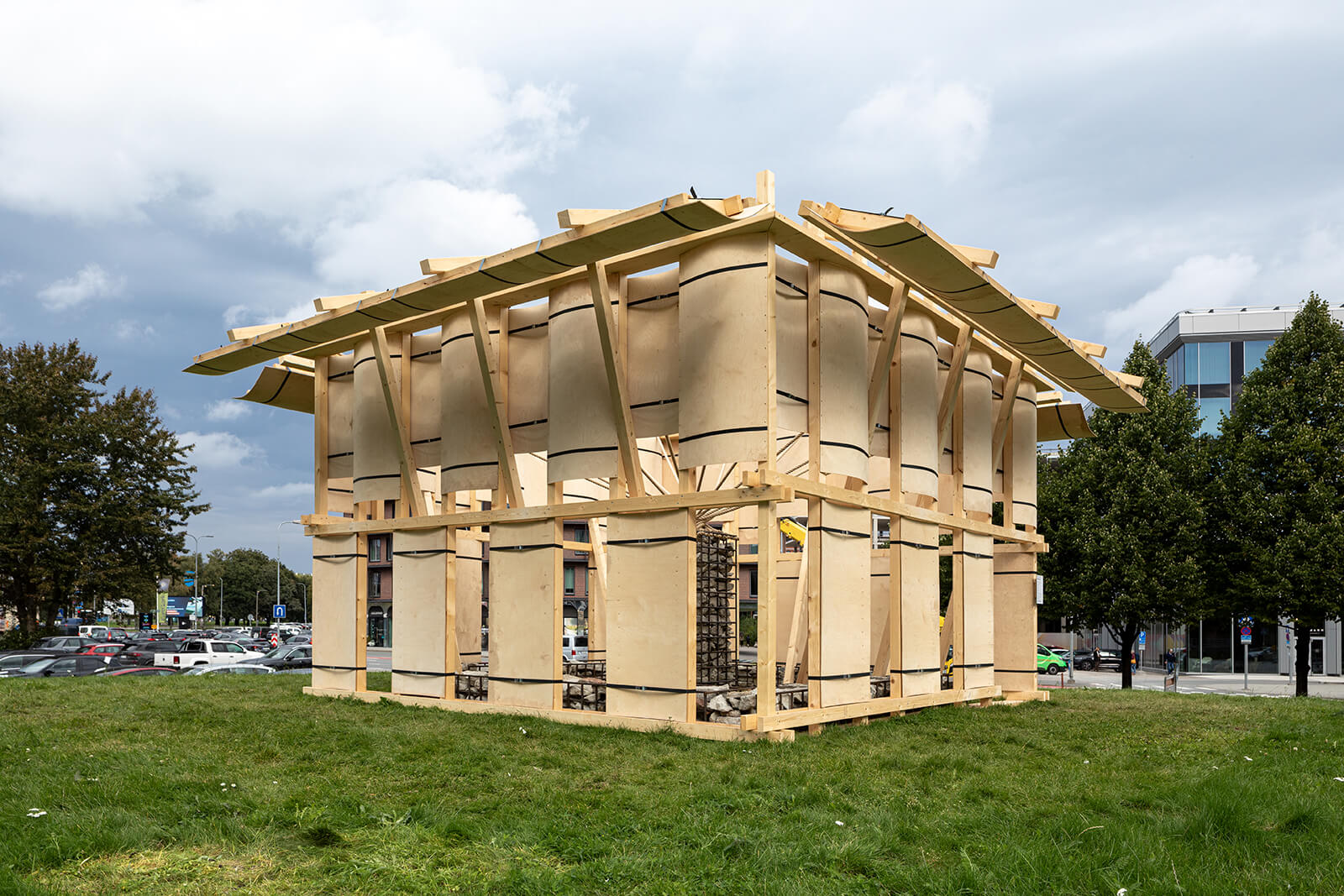
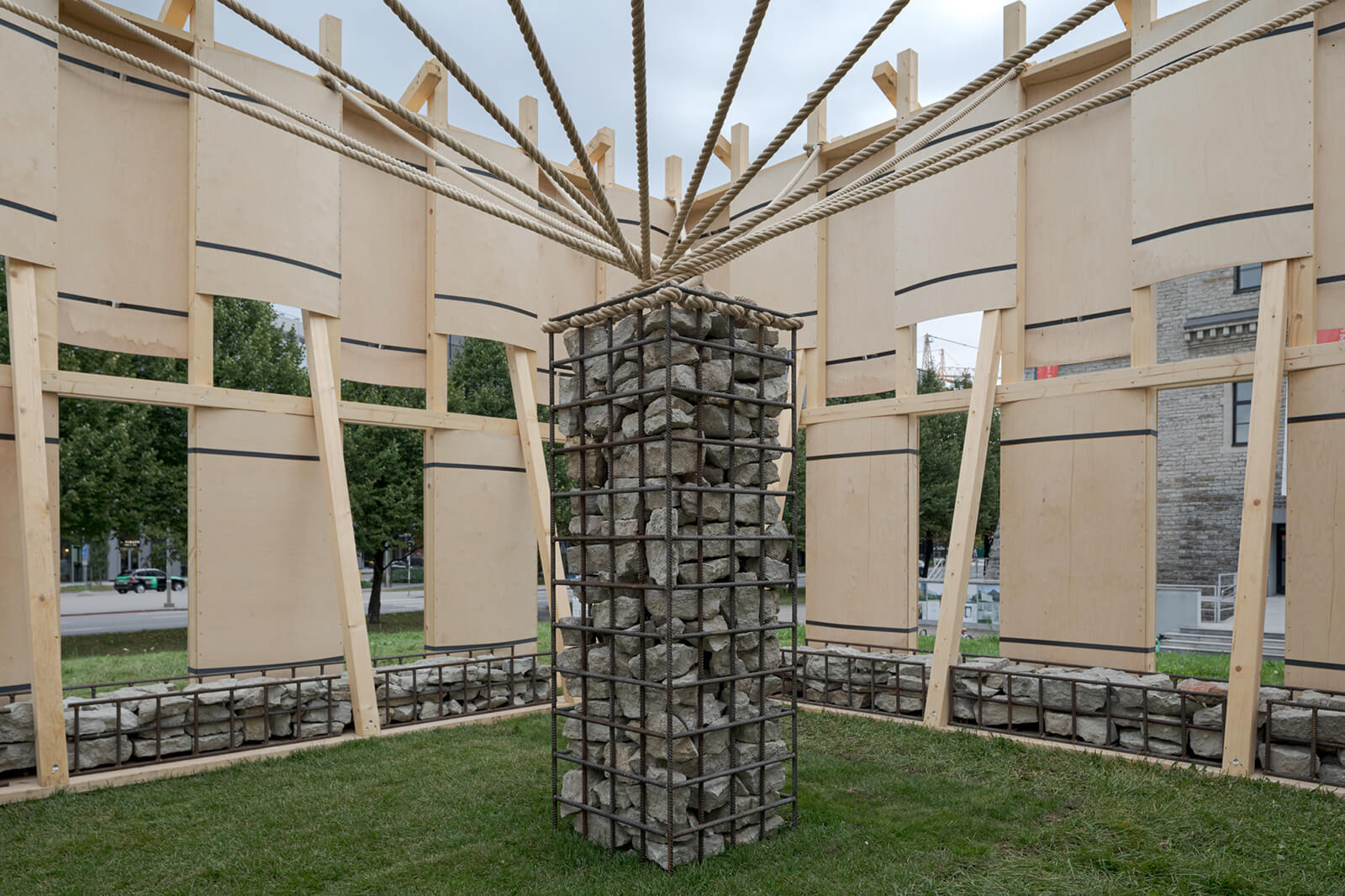
Fronting the Estonian Museum of Architecture in Rotermann district lies Resonance, Shanghai- and Tokyo-based Aru Ma- Architects’ winning entry for TAB’s Budget Bougie competition. The temporary public installation transforms typical architectural materials such as rebar, limestone and plywood into a courtyard structure resting on a compression-tension dynamic between stone and rope. The adjoining installation competition exhibit features the top 30 entries, each highlighting a distinct architectural quality emerging from deliberate constraint and resolved through simplicity.
Elsewhere, at the Tammsaare Park Outdoor Gallery, the Tallinn Vision Competition's winning entries and special mentions will be showcased in the exhibition From Void to Value: Revisioning Tallinn’s Old Town from October 16 – November 12, 2026. The brief prompts reinterpretation of an isolated urban pocket in the city’s UNESCO-listed historic centre through the lens of the competition theme. While mediating heritage preservation with social sustainability and urban resilience, the proposed concepts attempt to enhance interaction among the residents.
Student voices also find a stage at the Estonian Museum of Architecture with the international architecture school’s exhibition Capital-A Affordable architecture, which dives into the application of the economic dimension as a marker for social importance beyond actual monetary value. Participating institutions include the University of Applied Arts Vienna, UMPRUM Prague, Royal College of Art in London, Kharkiv School of Architecture and Estonian Academy of Arts.
Once driven by singular influences, the rapidly transforming urban fabric of contemporary cities, such as Tallinn, is now compelled to reflect on a continually intensifying and largely unresolved climate crisis, lingering post-pandemic debts and ongoing geopolitical conflicts, among others. A reevaluation of ‘cost’ from constraint to a condition that nurtures innovation is thus instrumental for progressing towards future-first building practices. Against these revelations, TAB’26 holds promise as a global event that can assist in expanding the conversation from concepts and material choices to also integrate utility, labour, adaptability and perhaps most importantly, support for social infrastructures.
The ‘Tallinn Architecture Biennale’ runs from September 9 – November 30, 2026, in Tallinn, Estonia.

by Pranjal Maheshwari Oct 06, 2026
With a programme focused on biodiversity, accessibility and safety, the Rotterdam-based architects help the neighbourhood reclaim a barren landscape as an integral social node.
by Pia Bhatia Oct 02, 2026
Located in the Al Bridi Reserve in Sharjah, the project didactically projects its purpose of studying African ecosystems through local structures marked as ‘sculptural presences’.
by Pranjal Maheshwari Sep 30, 2026
The new cultural centre by Blight Rayner Architecture and Snøhetta envelopes world-class facilities in a sinuous glass facade, alluding to the theatrical rhythms of the performing arts.
by Pranjal Maheshwari Sep 29, 2026
The one-of-its-kind music centre in Apple’s six-storey Battersea Station space in London houses world-class facilities for live performance and worldwide broadcast.

make your fridays matter with a well-read weekend
Enter your details to sign in
Don’t have an account?
Sign upOr you can sign in with
a single account for all
STIR platforms
All your bookmarks will be available across all your devices.
Stay STIRred
Already have an account?
Sign inOr you can sign up with
Verification link sent to check your inbox or spam folder to complete sign up process
Tap on things that interests you.
Select the Conversation Category you would like to watch
Please enter your details and click submit.
Enter the 6-digit code sent at


Tallinn Architecture Biennale 2026 weighs architecture’s cost against its aspirations
by Pranjal Maheshwari | Published on : Oct 09, 2026


 Sign in with Google
 Sign in with email
What do you think?