Architecture07 mins. read
The House in Ribeira dos Moinhos bargains between context, contrast and camouflage
by Akash SinghOct 30, 2024




by Bansari PaghdarPublished on : Nov 25, 2025
In 1939, Nordic archaeologists excavated an 11th-century cluster of 20 settlements in southern Iceland, where over 600 inhabitants once lived. Located in the volcanic landscape of Þjórsárdalur, amidst the Búrfell mountains, the site of Stöng became one of Iceland’s earliest designated public heritage sites after well-preserved farmsteads were revealed in the dig in 1939 following which a shelter was constructed over the ruins in 1957. Even globally, the site became one of the most prominent examples of preserved Viking Age domestic architecture, especially being so complete of its kind, as several such structures over the globe aren’t preserved so well in their entirety. Decades later, in 2012, the Cultural Heritage Agency of Iceland (CHAI), in collaboration with the Association of Icelandic Architects, held a design competition for the construction of the structure covering the Stöng Ruins. The design of Reykjavík-based architecture practice SP(R)INT STUDIO emerged as the winner, their vision—centred on adaptive reuse—took strong references from structural and design language of the original 1957 shelter.
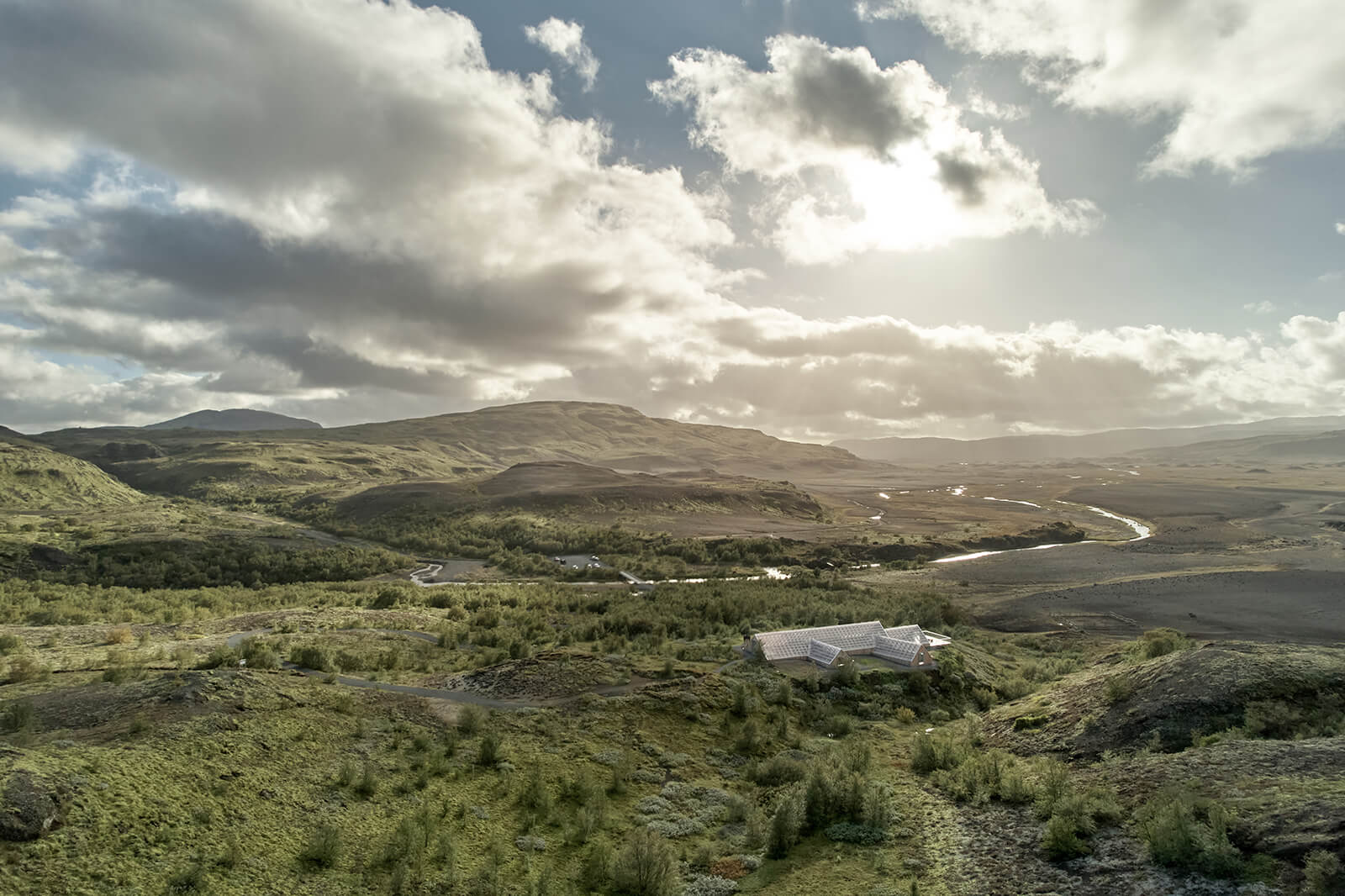
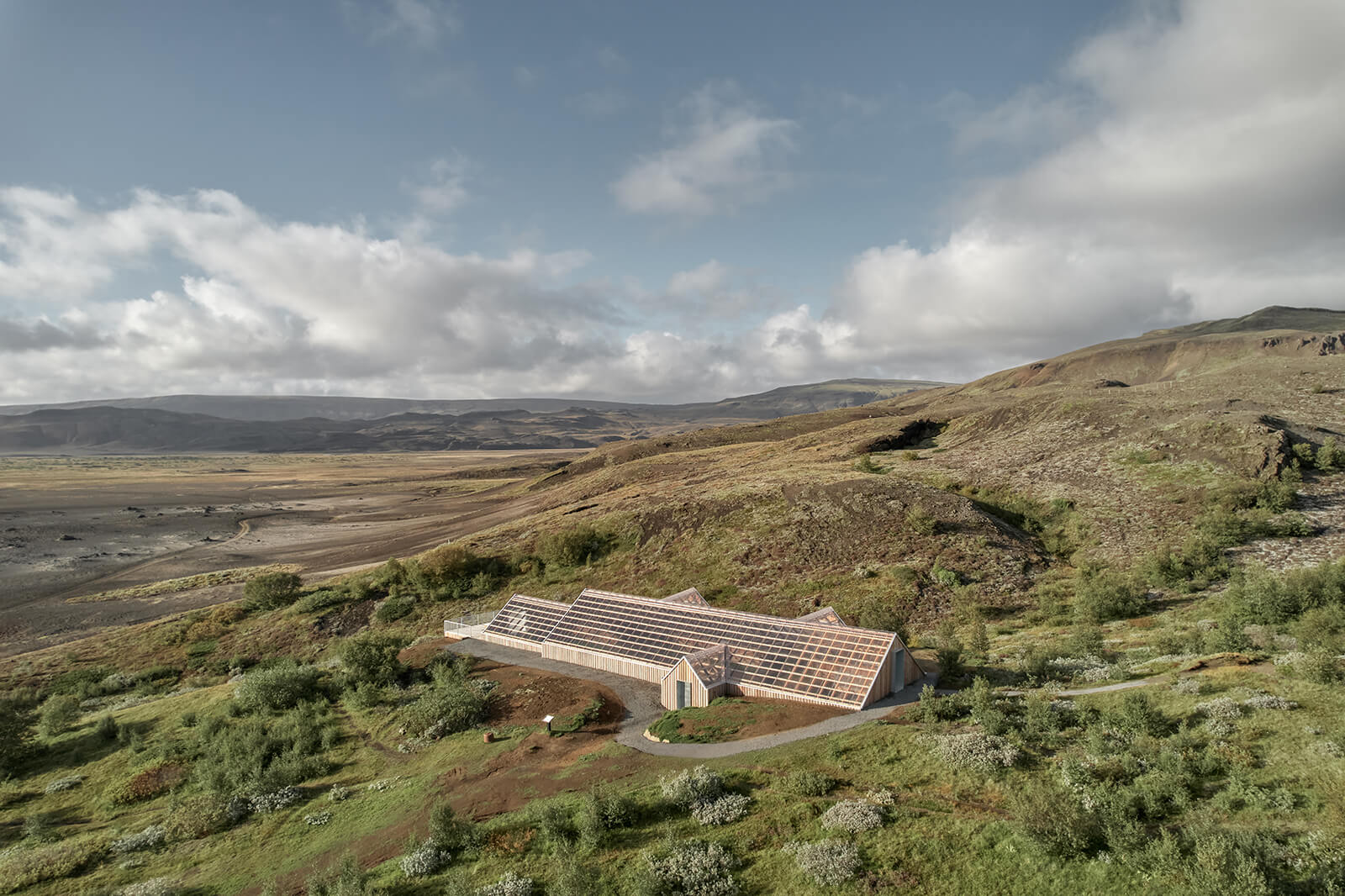
Founded in 2011 in Paris, SP(R)INT STUDIO—represented by Karl Kvaran and Sahar Ghaderi—focuses on space (re)interpretation and a working system that continuously evolves through a hybrid design approach in which landscape architecture and human perception are woven into contemporary architecture. Discussing the driving approach to intervening in the Stöng, Kvaran told STIR, “The restoration demanded a careful balance between architectural intervention and archaeological stewardship. Our approach was guided by a commitment to preservation through reinterpretation, seeking not only to safeguard the site’s material integrity but also to deepen its cultural resonance.” The French-Icelandic architect emphasised on the studio’s role of architecture as a mediator between the past and the evolving present.
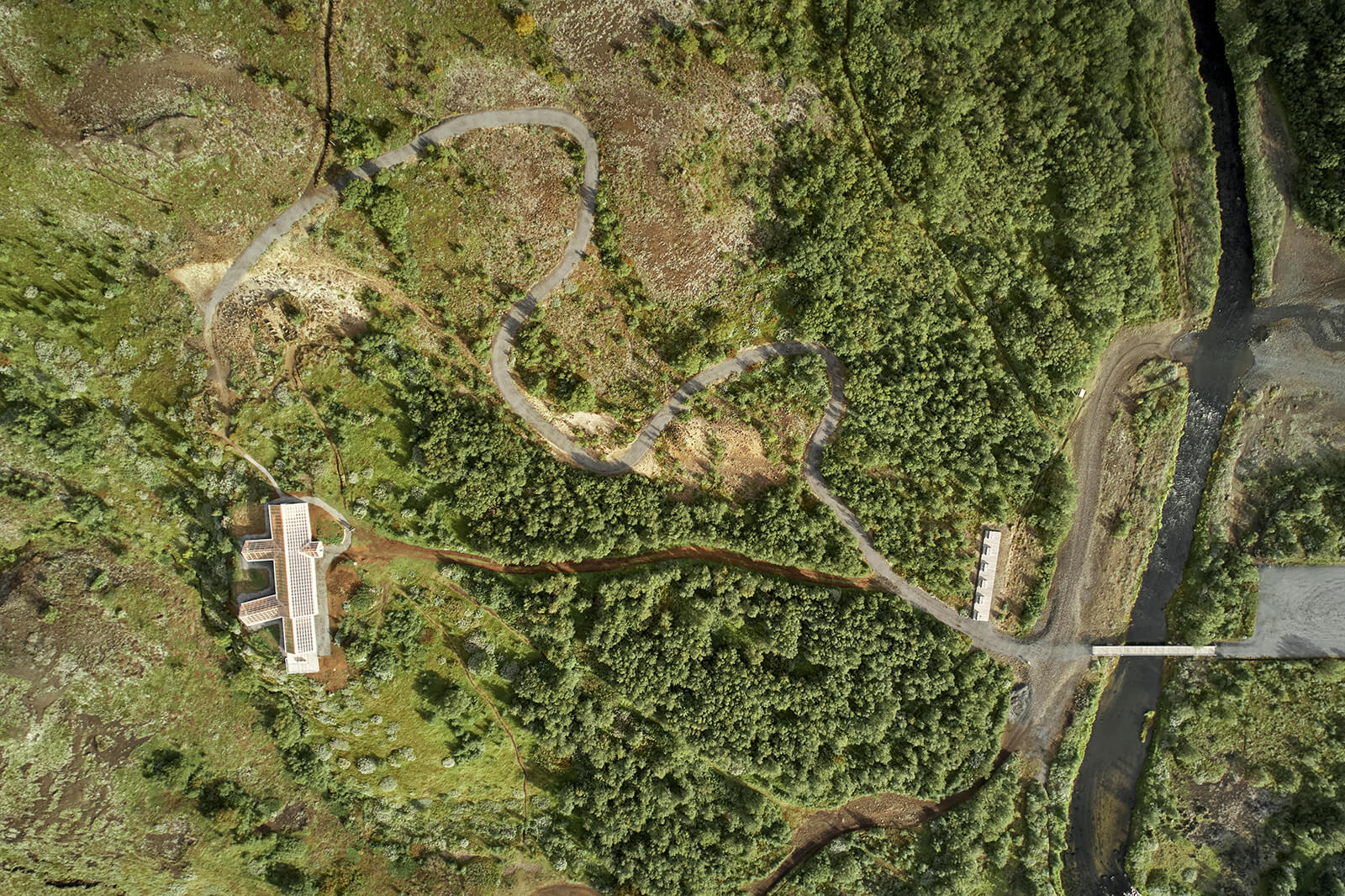
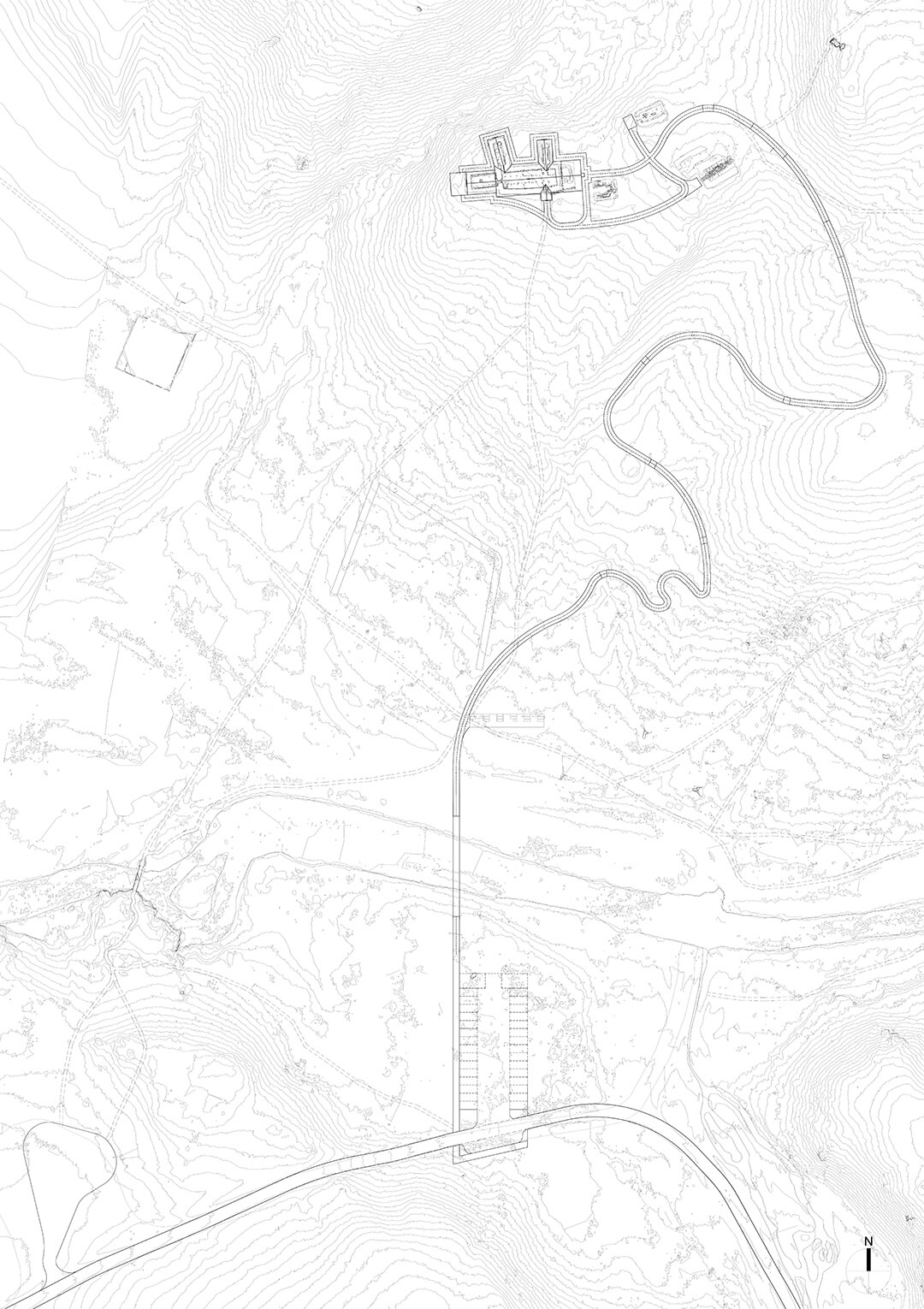
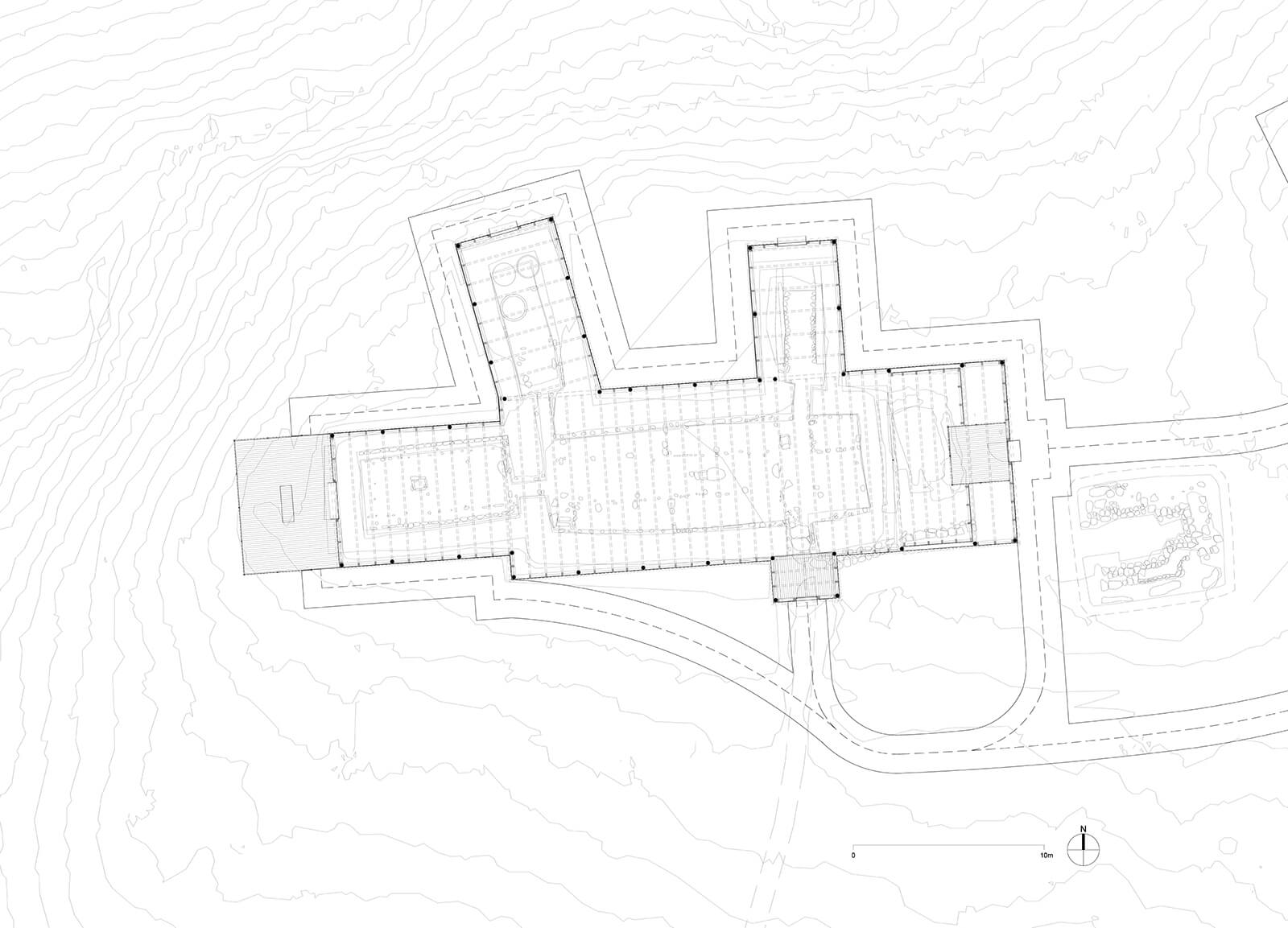
The project ensures minimal impact on the historically and environmentally sensitive site, demanding a design strategy that embraces the natural landscape as a part of the built environment. A dispersed cluster of interventions which include parking, open recreational spaces and the building sheltering the ruins allows the visitors to experience the heritage while preserving its archaeological integrity. The parking area sits at a distance from the site, screened by the topography and native vegetation to minimise visual intrusion and ecological disruption. The washrooms and rest areas, as well as the bridge are specifically designed to recede visually and materially into the site, using subdued volumes, natural materials such as wood, and muted colours and finishes.
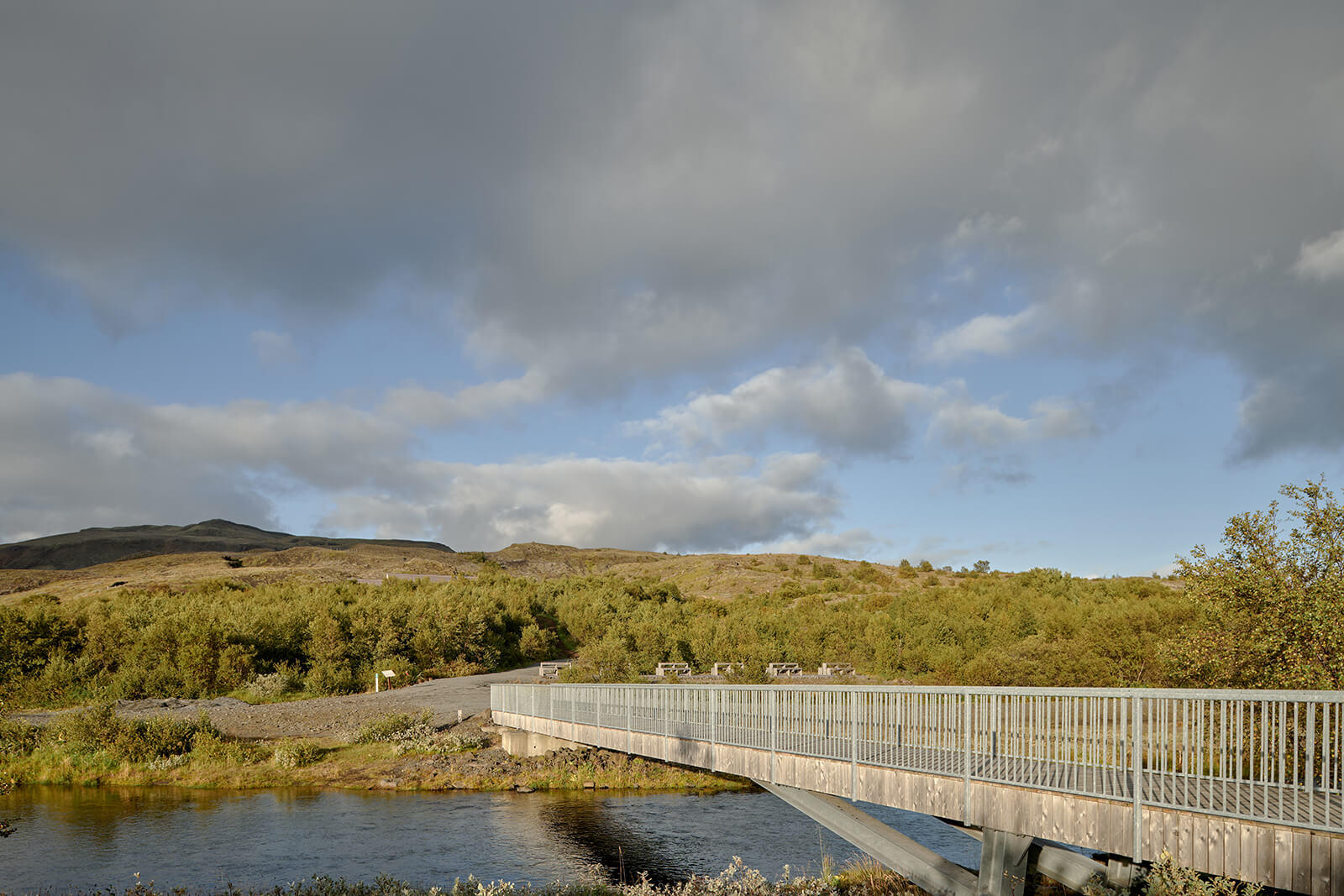
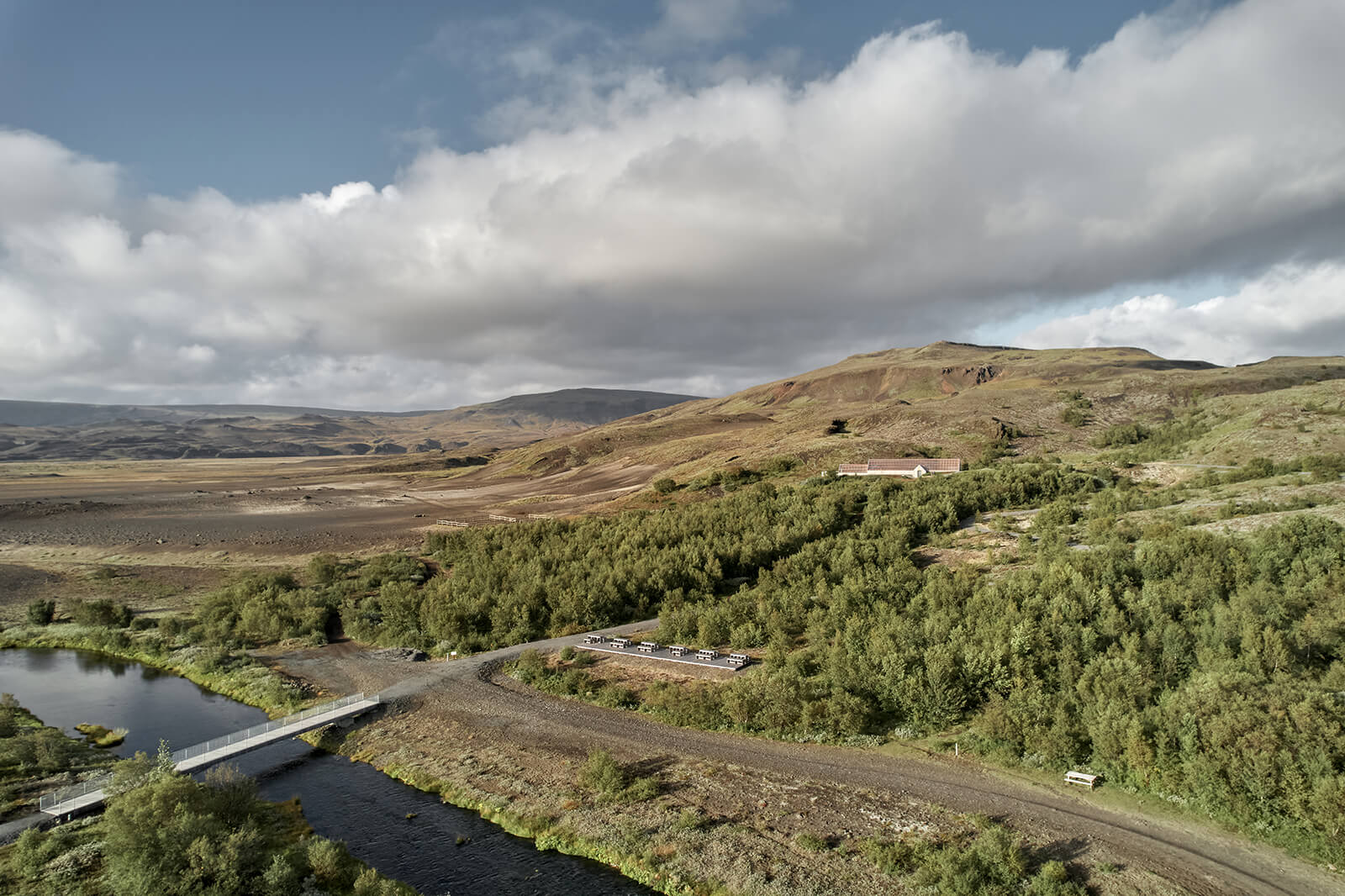
SP(R)INT STUDIO engaged architecture as a mediator between the historical remnants and the landscape by introducing a sensitively layered spatial design scheme. The pedestrian bridge, with its slender and lightweight form, acts as a transitional space between the natural landscape and the architectural intervention, offering an elevated view of the valley and the ruins. ‘Interpretive pathways’, as termed by the studio, unfold gently across the site, deliberately avoiding sensitive subsurface areas, and their use of locally sourced materials complement the surroundings. “Through this distributed, landscape-oriented strategy, the project maintains the integrity of the ruins not by isolating them, but by recontextualising them within a broader ecological and experiential framework. The design invites visitors to inhabit the site with attentiveness and care, ensuring that access and interpretation enhance rather than dilute its significance,” the studio explains in conversation with STIR.
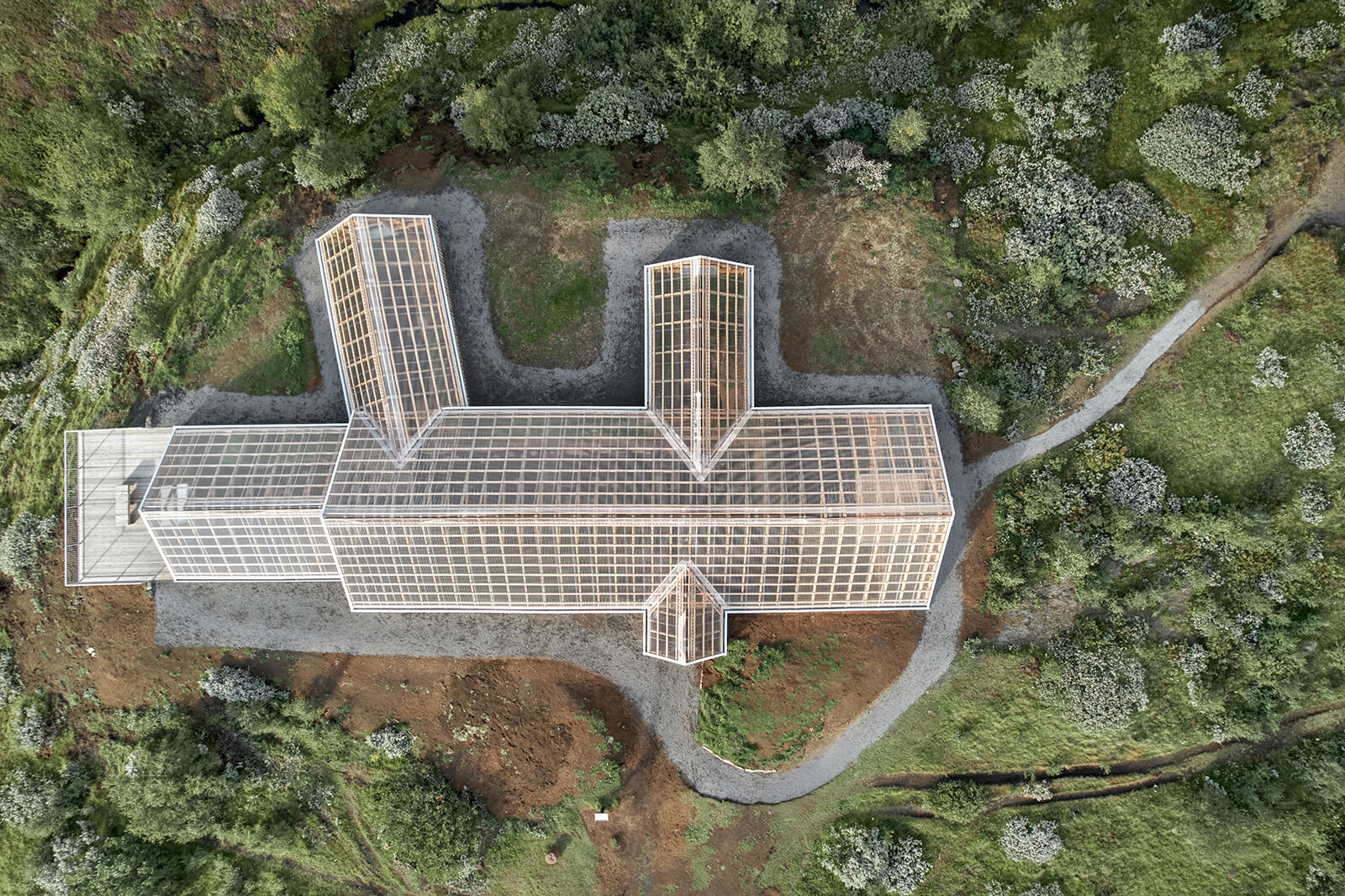
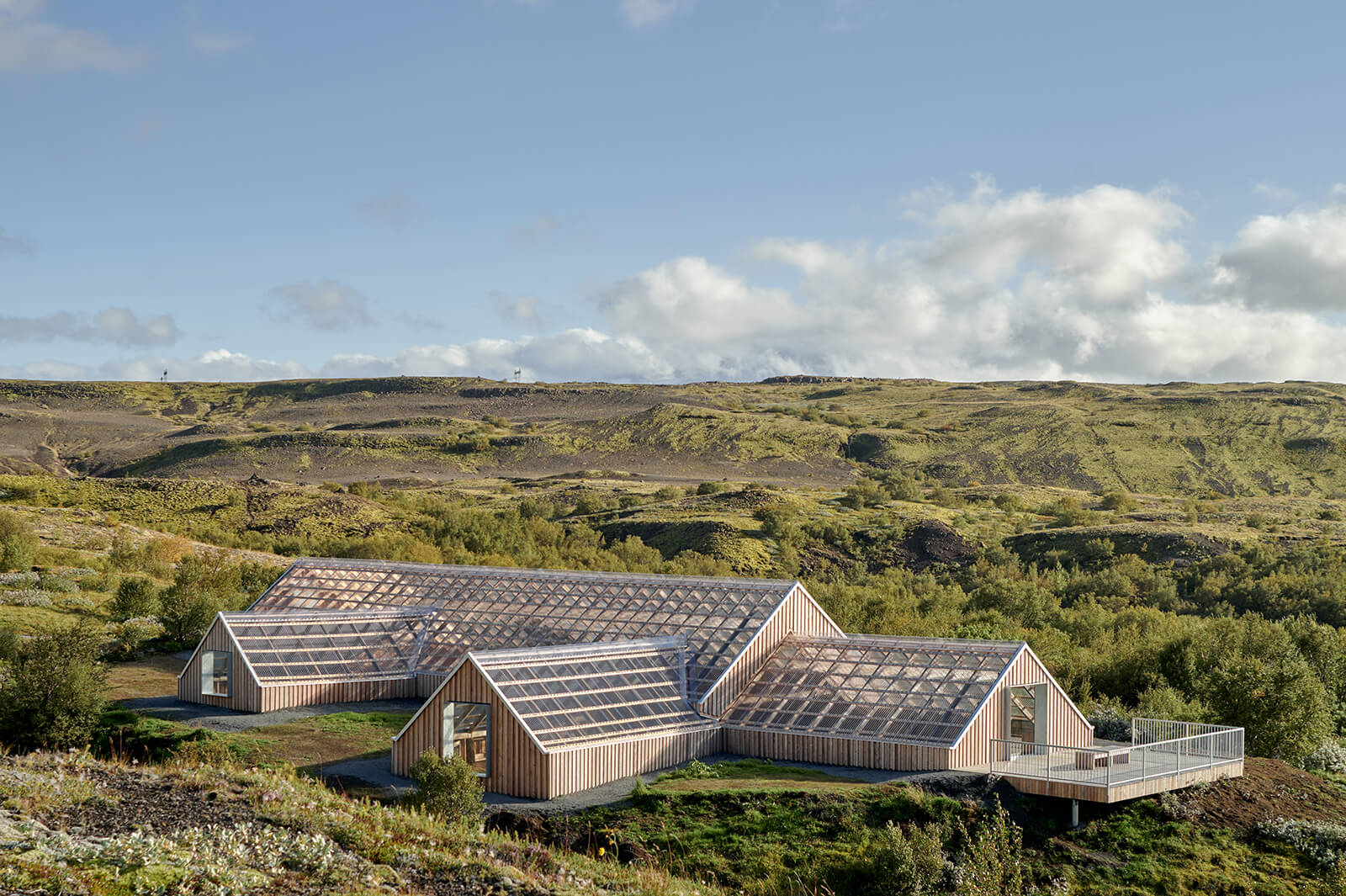
Instead of a dominant structure that competes with the ruins, SP(R)INT STUDIO closely attuned the orientation and layout of the architecture with the valley’s gentle slopes and the ruins themselves. “Openings and apertures are positioned not for formal effect, but to frame significant views—both of the ruins and the surrounding pseudo craters—thereby drawing the eye outward as much as inward,” the design team notes. Such a layered spatial and formal hierarchy allows the history of the ruins to unfold gradually, while placing its context in a constant dialogue through the structure’s translucent surfaces. In this light, the facade design acts as a permeable skin, modulating natural light, ventilation and visual connections.
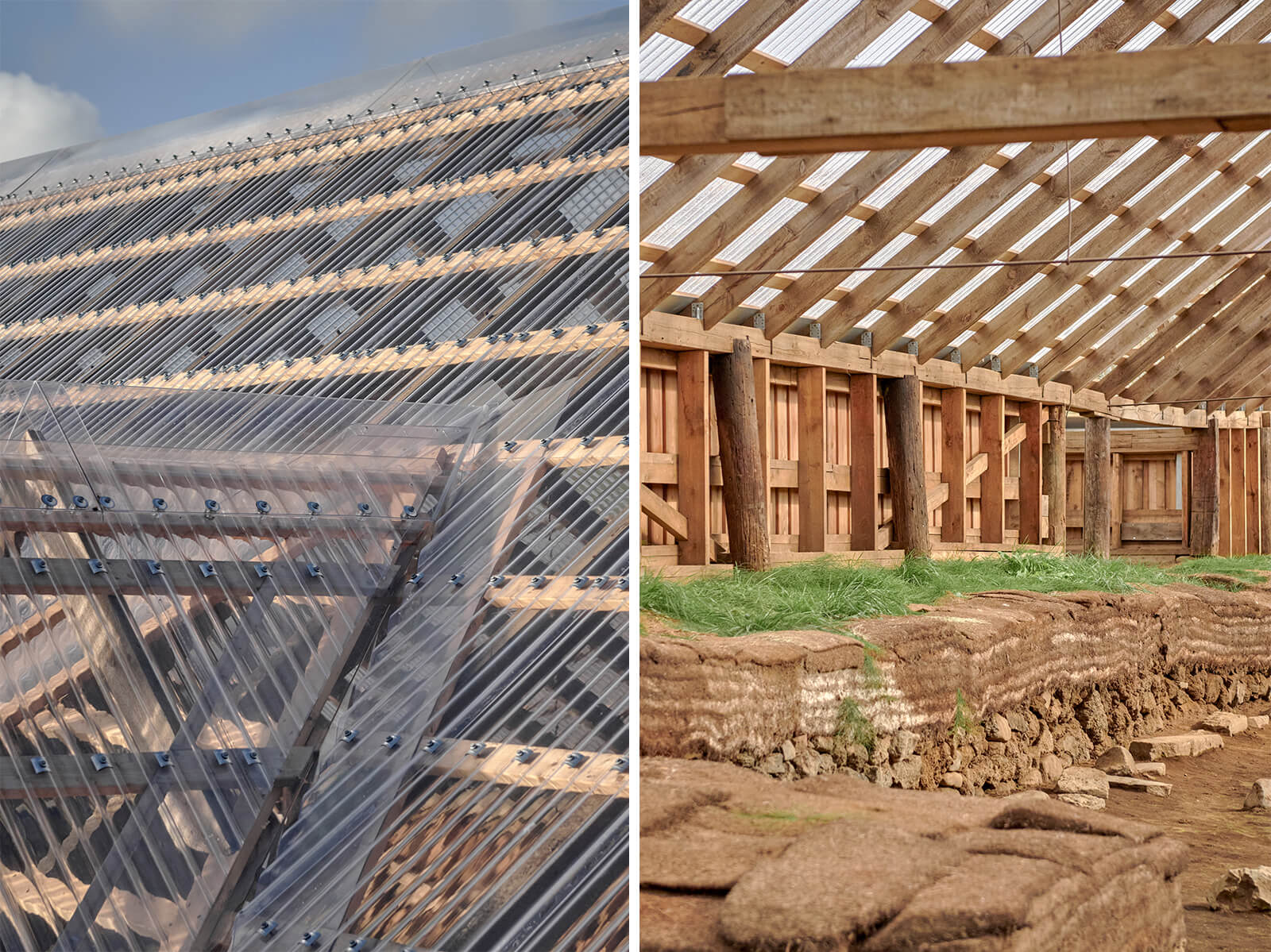
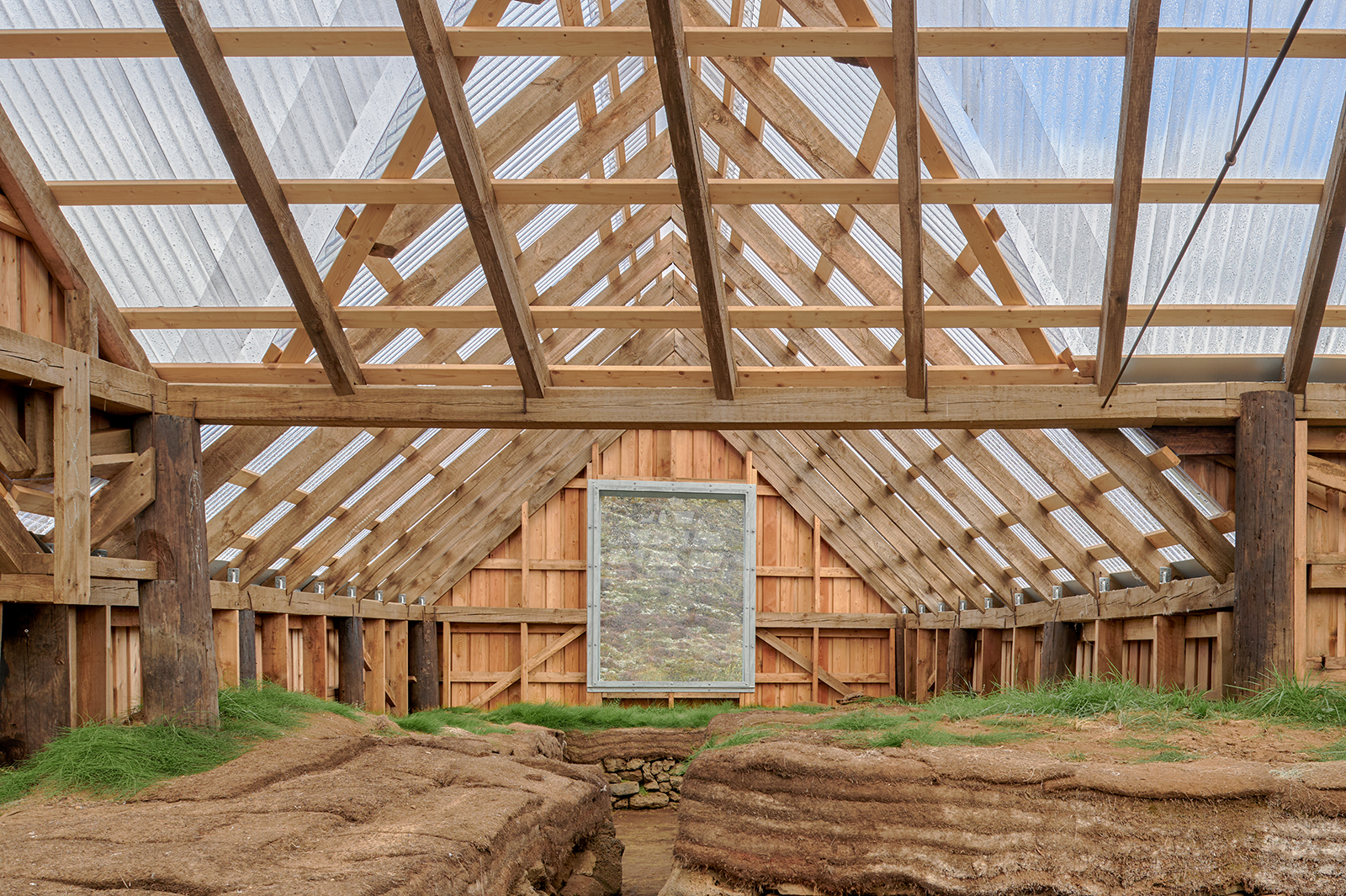
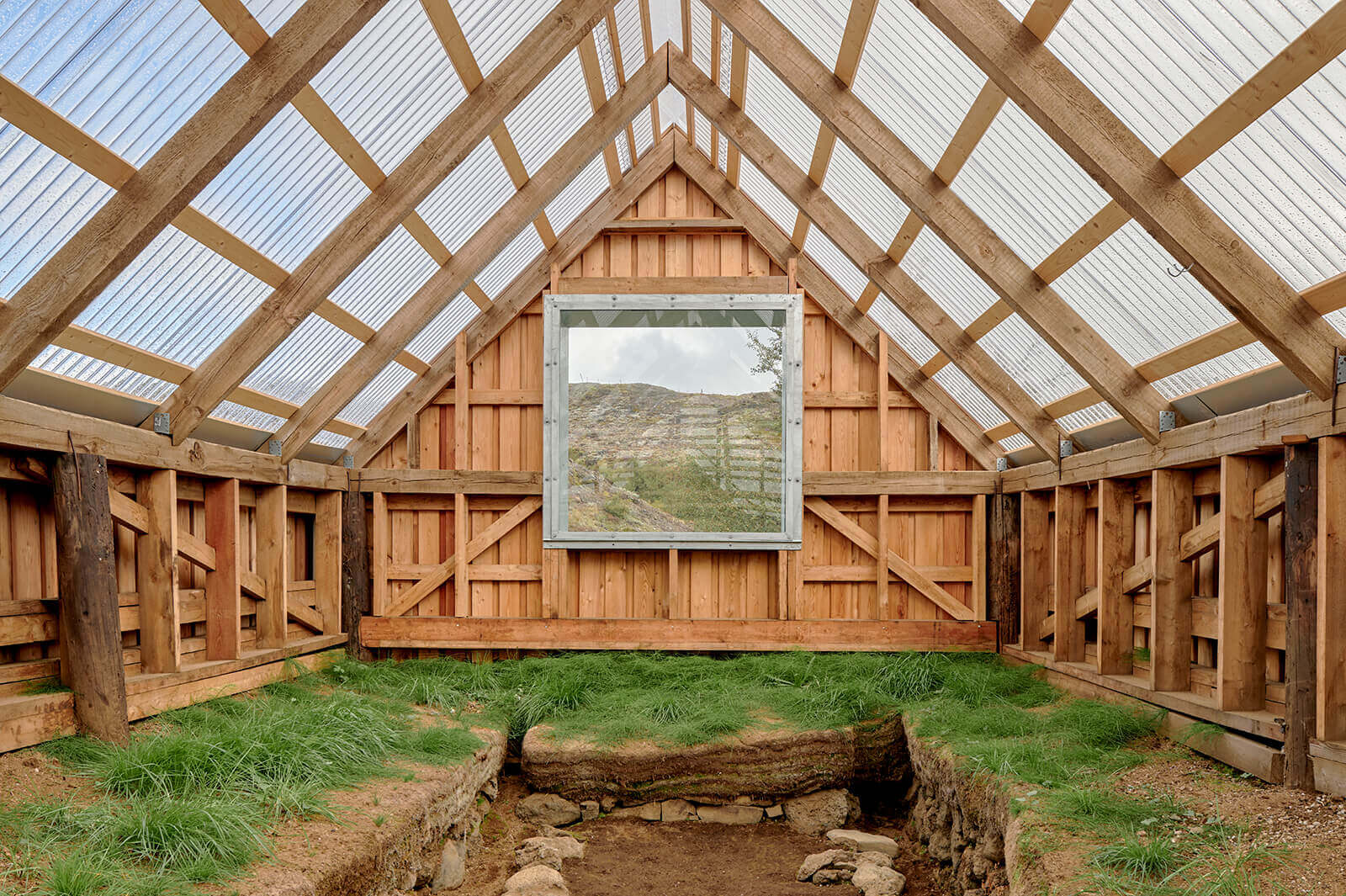
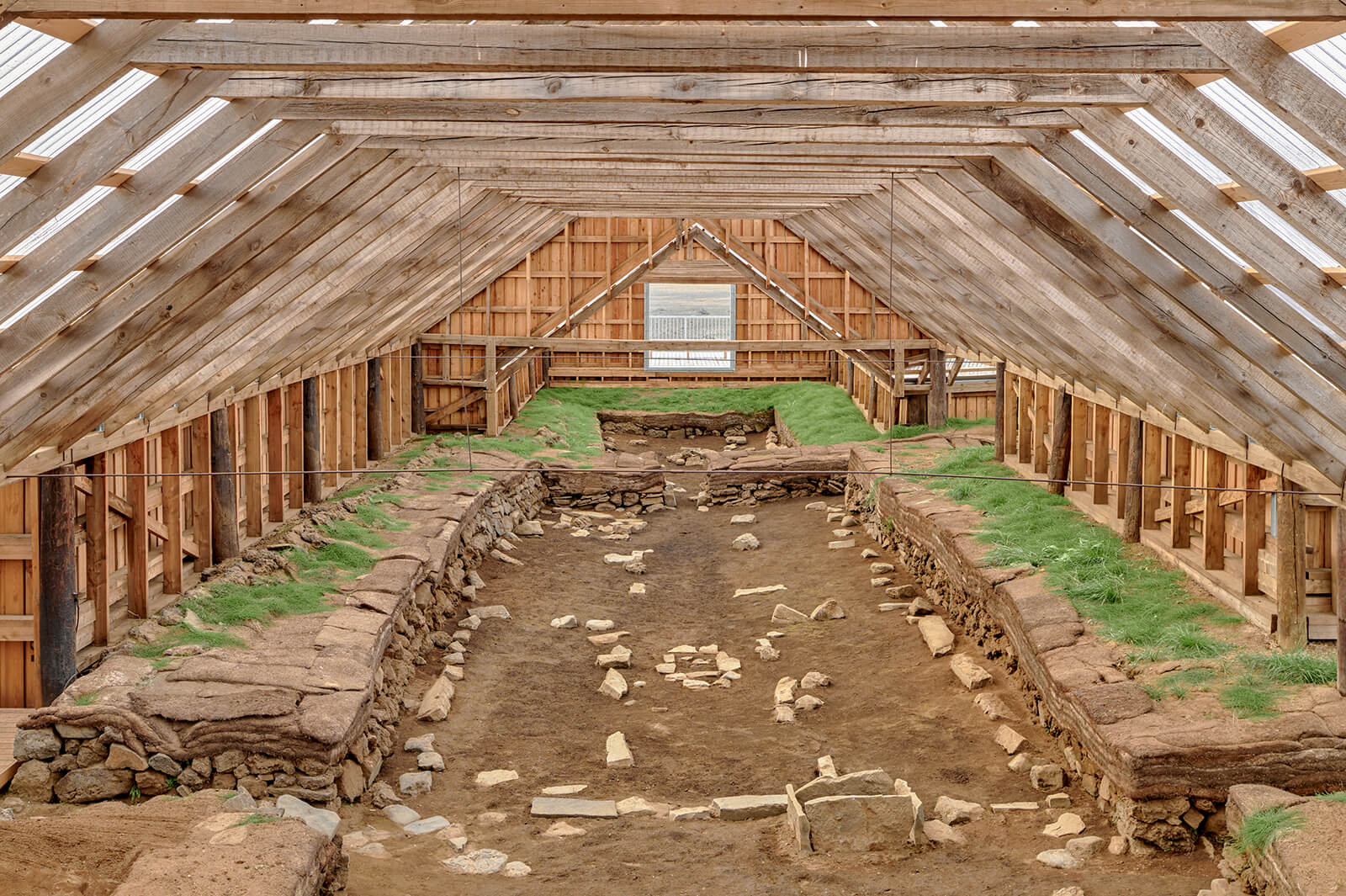
Apart from sustainability, material identity and restraint are other ways the architects evoke a ‘temporal permeability’, forming the core tenets of the project. “The translucent polycarbonate roof and the vertical larch wood cladding were selected not only for their ecological credentials and durability, but for their capacity to express lightness, impermanence and continuity with the surrounding landscape,” the studio relays. The weathering of the materials, especially the untreated larch wood facades, is expected and embraced in an attempt to slowly weave the built fabric into the context. Hence, the building becomes an agent of change and a confluence of ages, rather than a monument stuck in a given time.
The roof—casting soft, gentle shadows—creates an ever-changing contemplative spatial atmosphere across weathers and seasons, subtly hinting at the transient nature of time. This temporal phenomenon further enhances the experiential design, allowing the visual and metaphorical narratives of the (Re)interpretation of Stöng to evoke speculative memory. In the play between material and time, the building doesn’t just protect the archaeological site but reflects it, offering a thoughtful yet approachable reminder that the stories we inherit are never static, but continuously changing, unfolding.
Name: The (Re)interpretation of Stöng
Location: Þjórsárdalur, Iceland
Architects: SP(R)INT STUDIO
Client: The Cultural Heritage Agency of Iceland
Site area: 40,000 sq m
Built-up area: 2000 sq m
Year of Completion: 2024

by Pranjal Maheshwari Oct 24, 2026
A consortium of Copenhagen’s 3XN, Toronto’s B+H Architects and Shenzhen’s Zhubo Design has designed the museum to mimic the surrounding riverscape, topped with a public park.
by Pranjal Maheshwari Oct 19, 2026
The Mumbai-based architects integrate courtyards, mesh screens and north light trusses to create a dining space that doubles up as a community hub at SR University, Warangal.
by Mrinmayee Bhoot Oct 17, 2026
The Rotterdam-based institute centres the Indian Ocean as a network for exploring material histories and transnational links shaping coastal cultures, positing them as future models.
by Pranjal Maheshwari Oct 16, 2026
At the 2026 Stirling Prize ceremony, Mary Duggan with RUFF Architects, MAKER Architecten and Nakshabid Architects were felicitated for proffering quality housing and social equity.

make your fridays matter with a well-read weekend
Enter your details to sign in
Don’t have an account?
Sign upOr you can sign in with
a single account for all
STIR platforms
All your bookmarks will be available across all your devices.
Stay STIRred
Already have an account?
Sign inOr you can sign up with
Verification link sent to check your inbox or spam folder to complete sign up process
Tap on things that interests you.
Select the Conversation Category you would like to watch
Please enter your details and click submit.
Enter the 6-digit code sent at


The adaptive reuse of Stöng echoes the endurance of what it seeks to preserve
by Bansari Paghdar | Published on : Nov 25, 2025


 Sign in with Google
 Sign in with email
What do you think?