Architecture04 mins. read
10 things you must know about Pritzker laureate Alejandro Aravena
by Meghna MehtaJun 22, 2020



by Bansari PaghdarPublished on : Mar 13, 2026
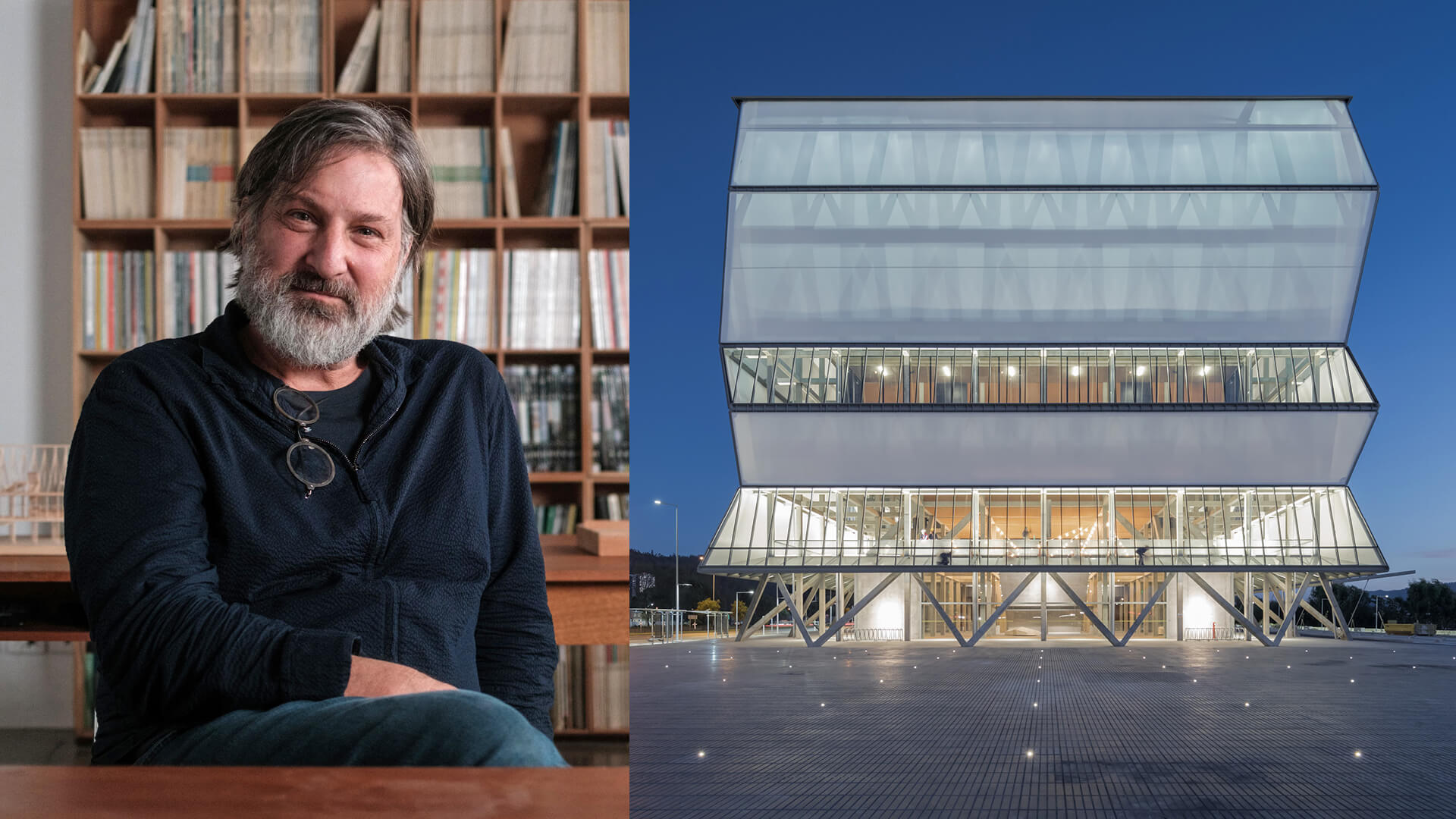
The 55th Pritzker Architecture Prize has been awarded to Smiljan Radić Clarke, recognising his practice as a convergence of noncontinuous history, social inquiry and political circumstance. The 2026 Pritzker Laureate was born in Santiago, Chile, where he later established a practice in his name in 1995. Prioritising context, function and anthropological awareness, his work deters from a set architectural language and every project with the practice is individually approached.
“Architecture exists between large, massive and enduring forms—structures that stand under the sun for centuries, waiting for our visit—and smaller, fragile constructions—fleeting as the life of a fly, often without a clear destiny under conventional light. Within this tension of disparate times, we strive to create experiences that carry emotional presence, encouraging people to pause and reconsider a world that so often passes them by with indifference,” states Radić in an official release.

While 2016 Pritzker Laureate Alejandro Aravena served as Jury chair, the rest of the jury included renowned personalities such as architecture historian Barry Bergdoll, Yale School of Architecture’s dean Deborah Berke, 2021 Pritzker Laureate Anne Lacaton and 2010 Pritzker Laureate Kazuyo Sejima. “A first fundamental paradox of Smiljan Radić’s architecture is in that it establishes a personal, almost introspective point of entry, without culminating in withdrawal. On the contrary, what begins as an individual encounter expands into a broader, collective resonance,” the jury cited, especially lauding his choice and employment of materials, staging of spatial experiences and the ability to dismantle established hierarchies.
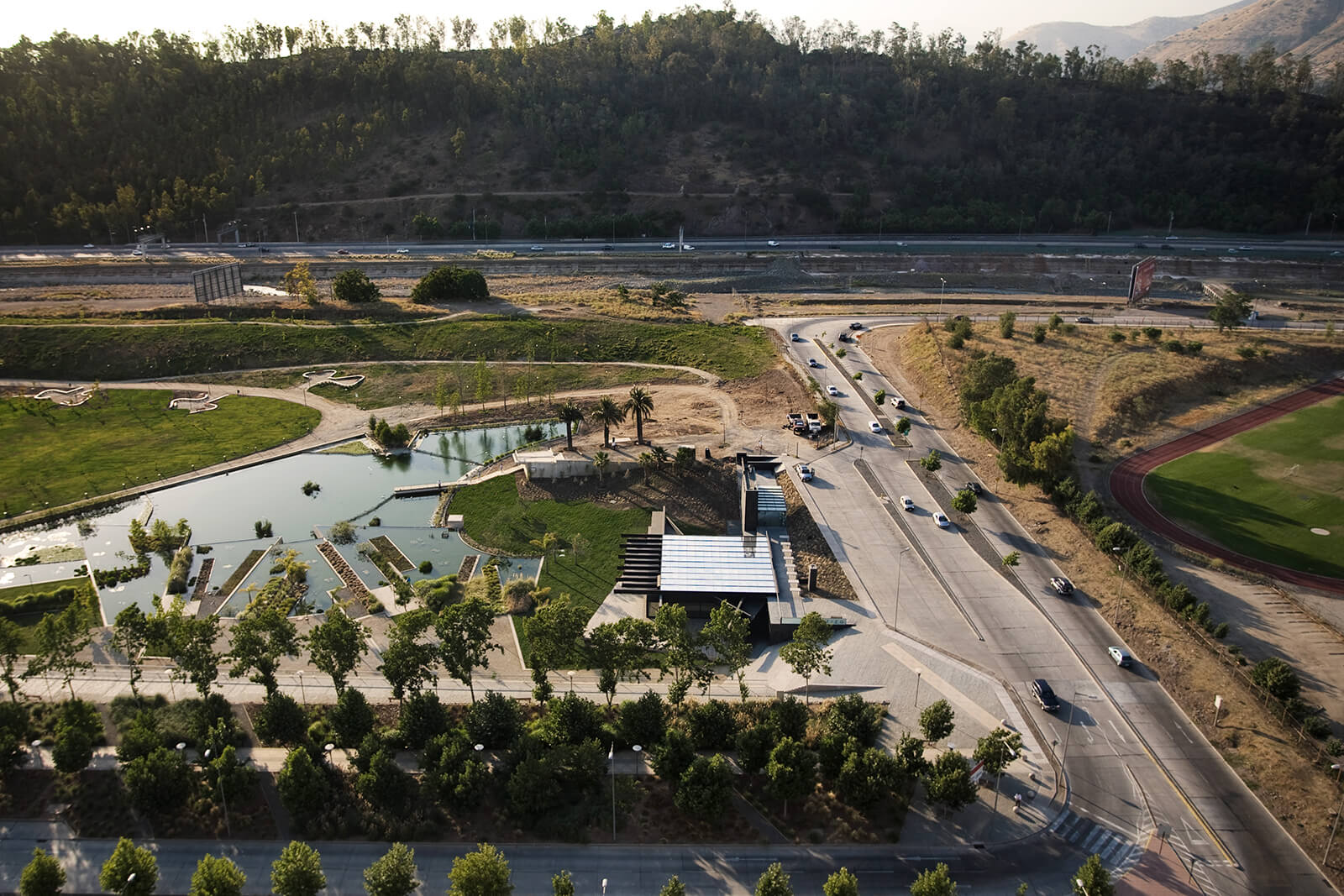
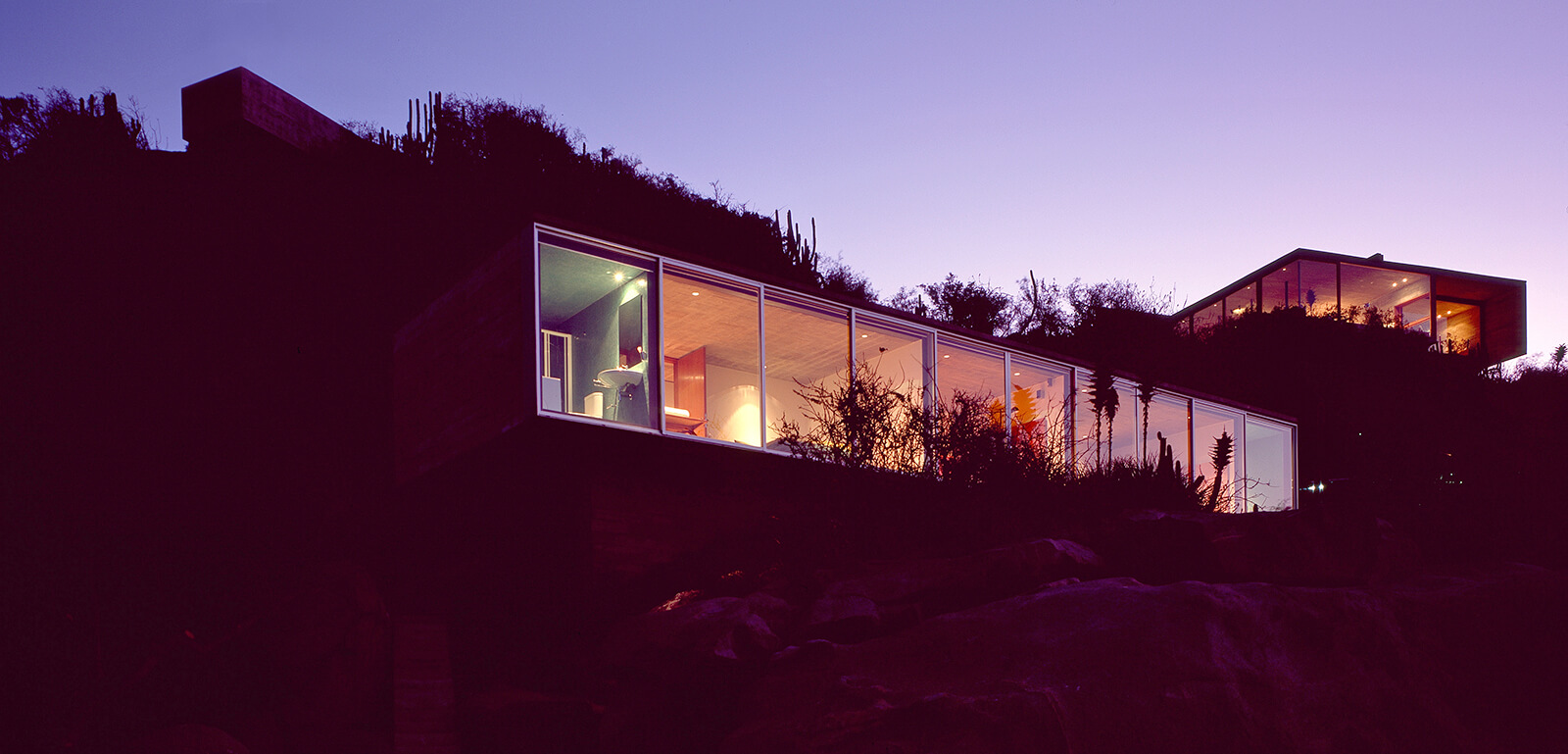
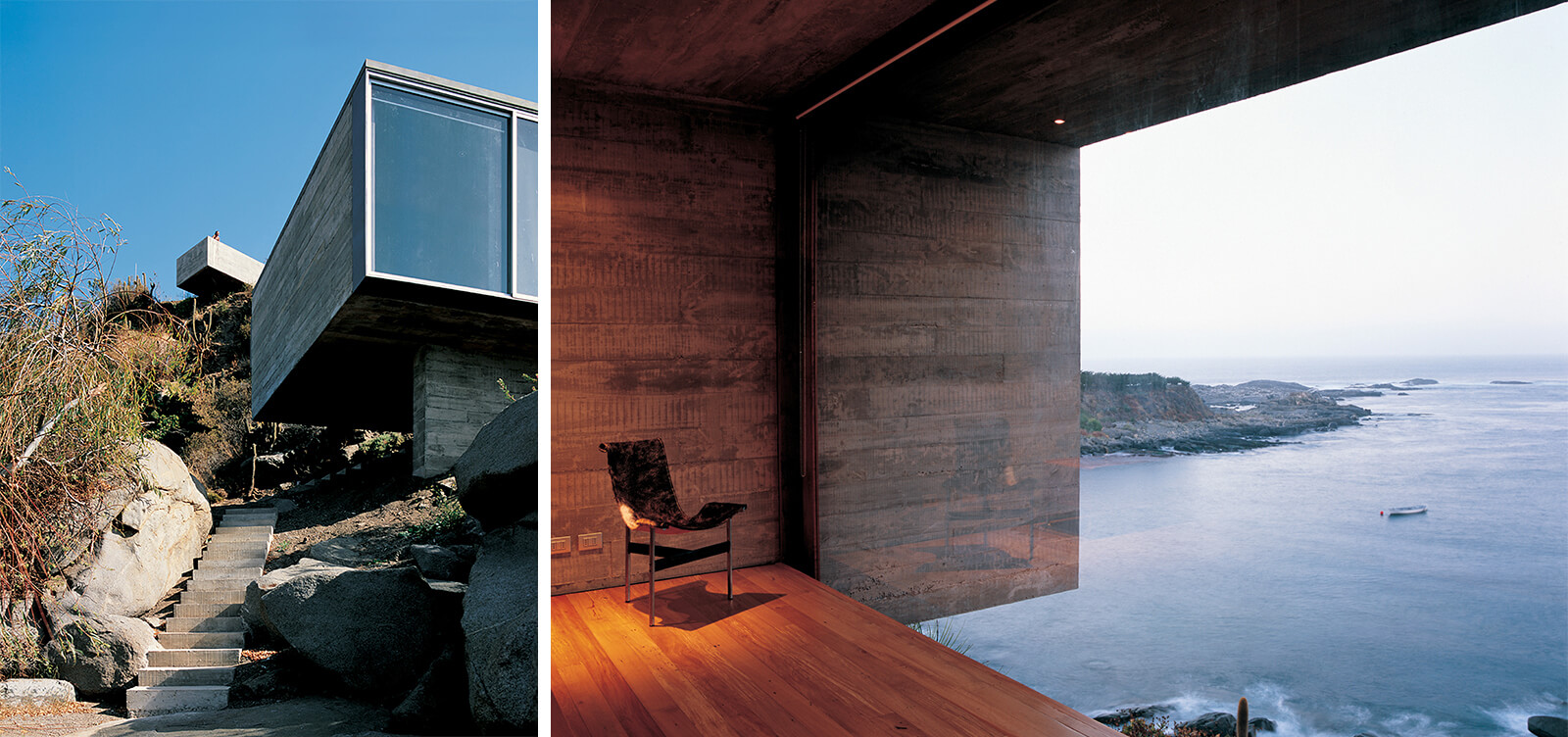
His body of work entails variations of site-specific strategies that in turn shape built environments by drawing from their own contextual and socio-cultural conditions. For instance, the Restaurant Mestizo (2006) in Santiago is partially submerged in the ground in response to the site conditions, while the Pite House (2005) in Papudo places emphasis on the orientation to deal with prevailing winds and harsh natural light. The extension of the Chilean Museum of Pre-Columbian Art, Chile Antes de Chile (2013), is a project that chooses adaptive reuse over a complete replacement of the structure.

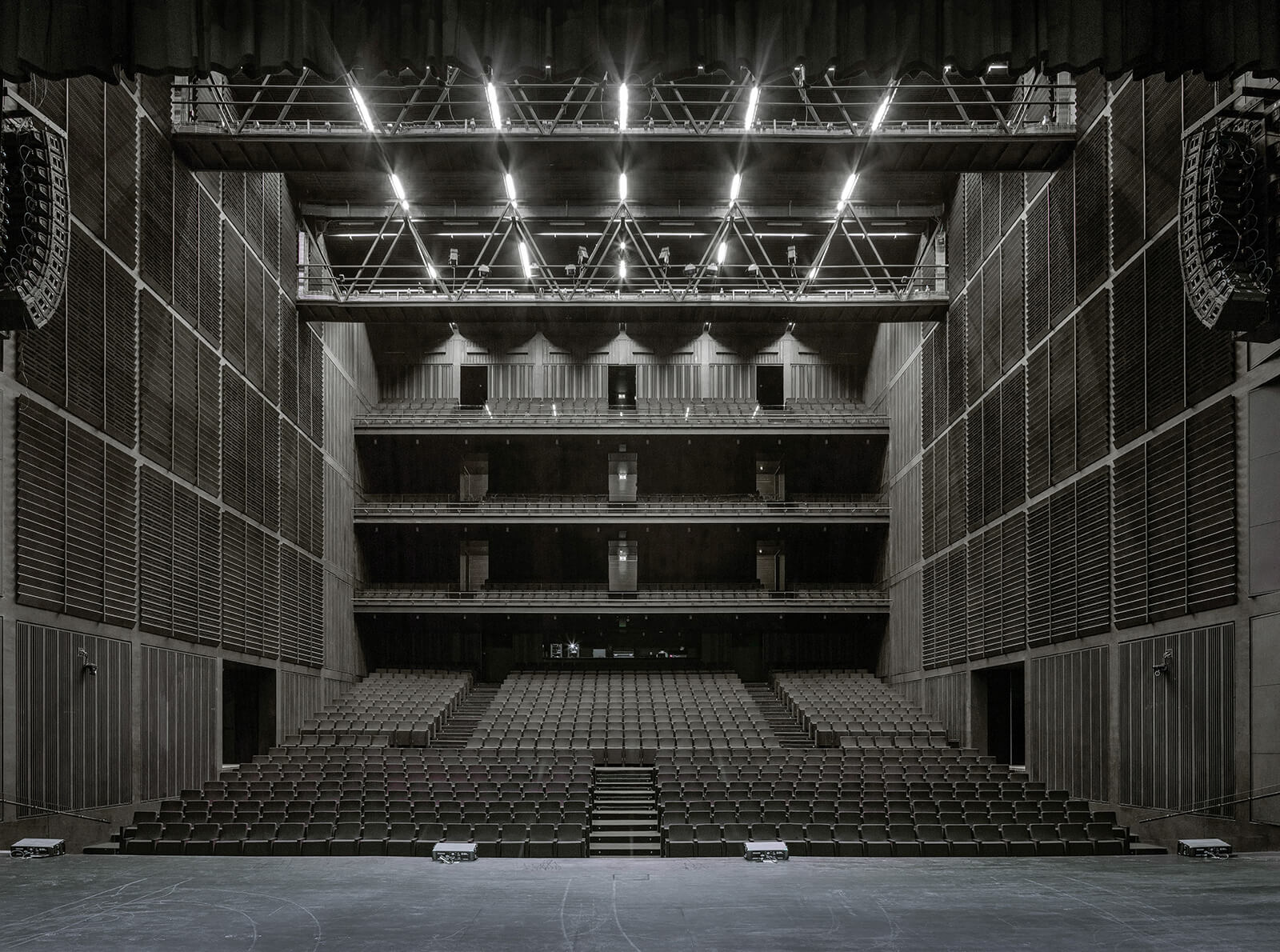
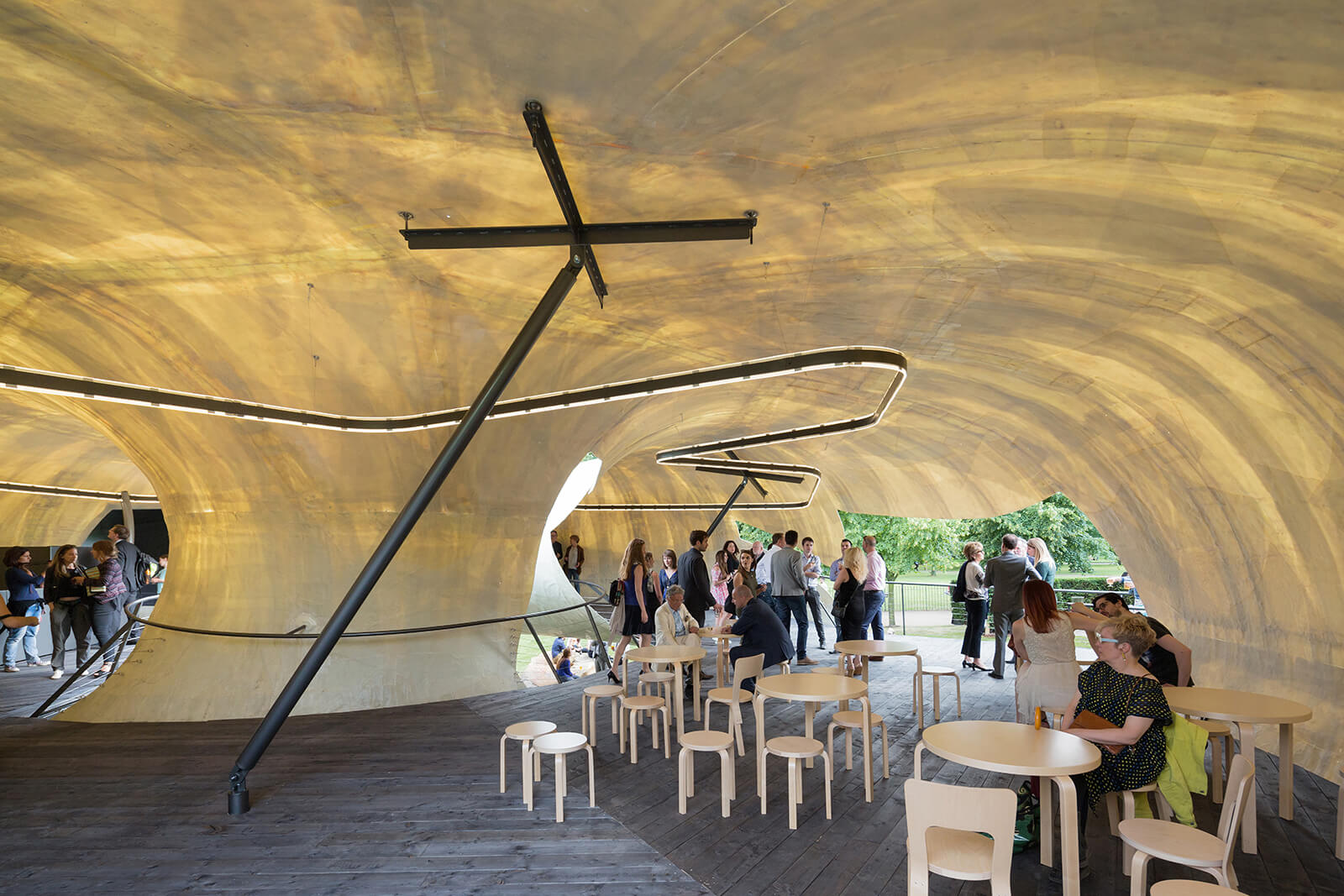
Radić Clarke also places a particular emphasis on materiality, proposing a radical originality in that approach. Materials such as stone, concrete, timber and glass are assembled together after a thorough analysis of their weight and texture along with their impact on the quality of light, sound and the spaces they would enclose. The design for the 2014 Serpentine Pavilion in London, for instance, uses a translucent fibreglass shell, resting on top of locally sourced, load-bearing stones. Through filtered light and only a partial enclosure, the visitors experience the feeling of a shelter without being visually or physically separated from the park. Teatro Regional del Biobío (2018) in Concepción, on the other hand, uses a similar semi-translucent envelope to support acoustic performance through restraint. The construction itself becomes a part of the spatial storytelling, since the volumes erected carry as much meaning as the spaces they form and the functions they house.
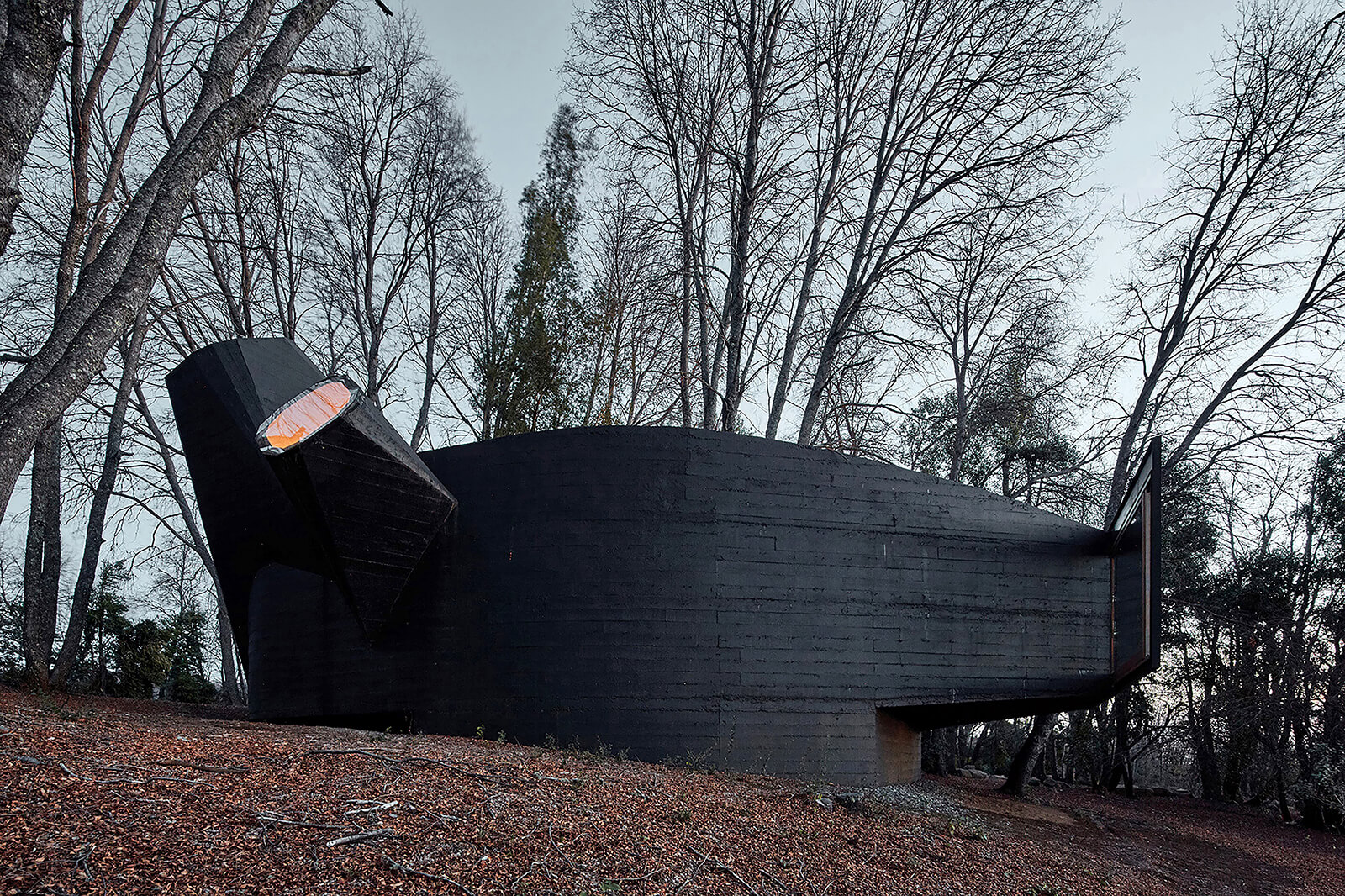
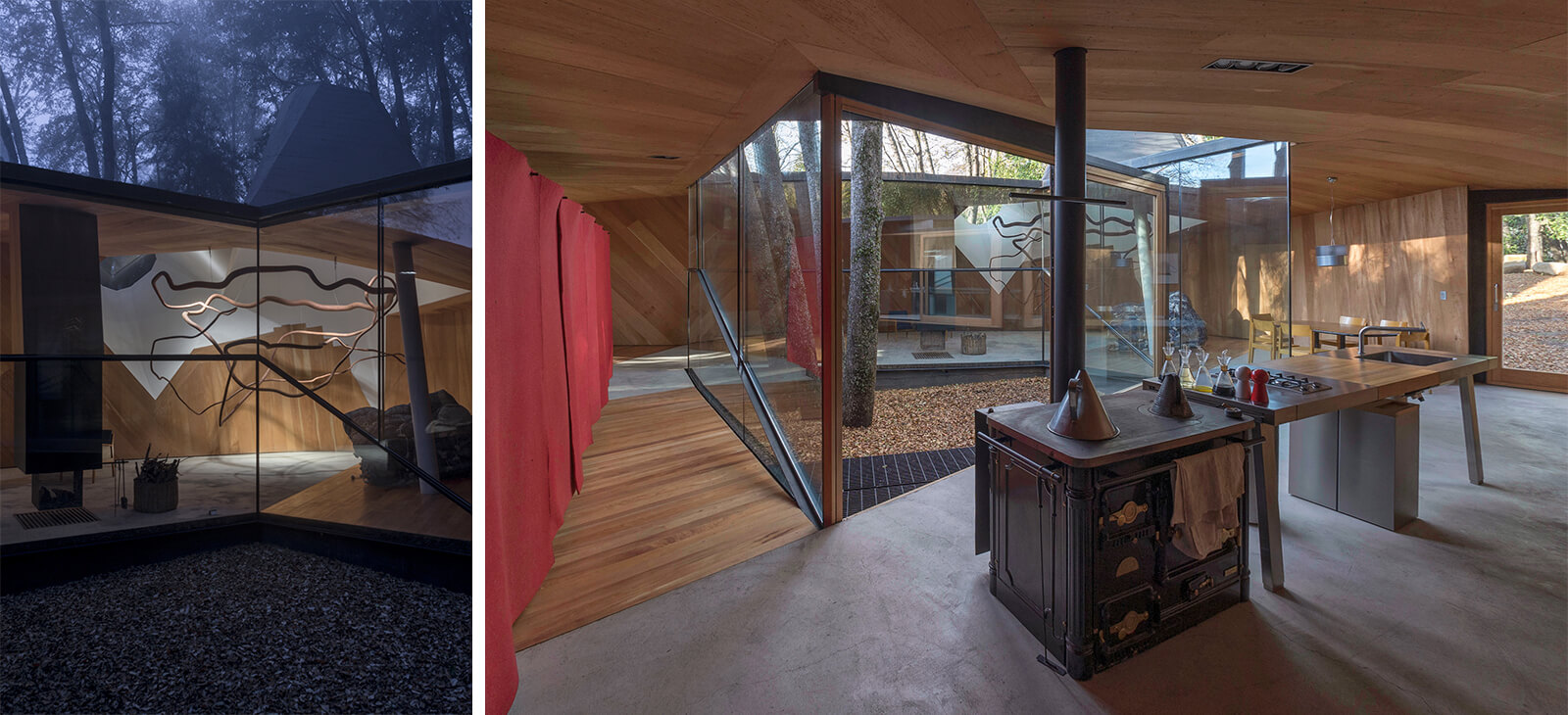
“In every work, he is able to answer with radical originality, making the unobvious obvious. He reverts back to the most irreducible basic foundations of architecture, exploring at the same time, limits that have not yet been touched. Developed in a context of unforgiving circumstances, from the edge of the world, with a practice of just a few collaborators, he is capable of bringing us to the innermost core of the built environment and the human condition,” stated Aravena, commending Radić Clarke’s architecture as elevated by oft-perceived constraints in building.
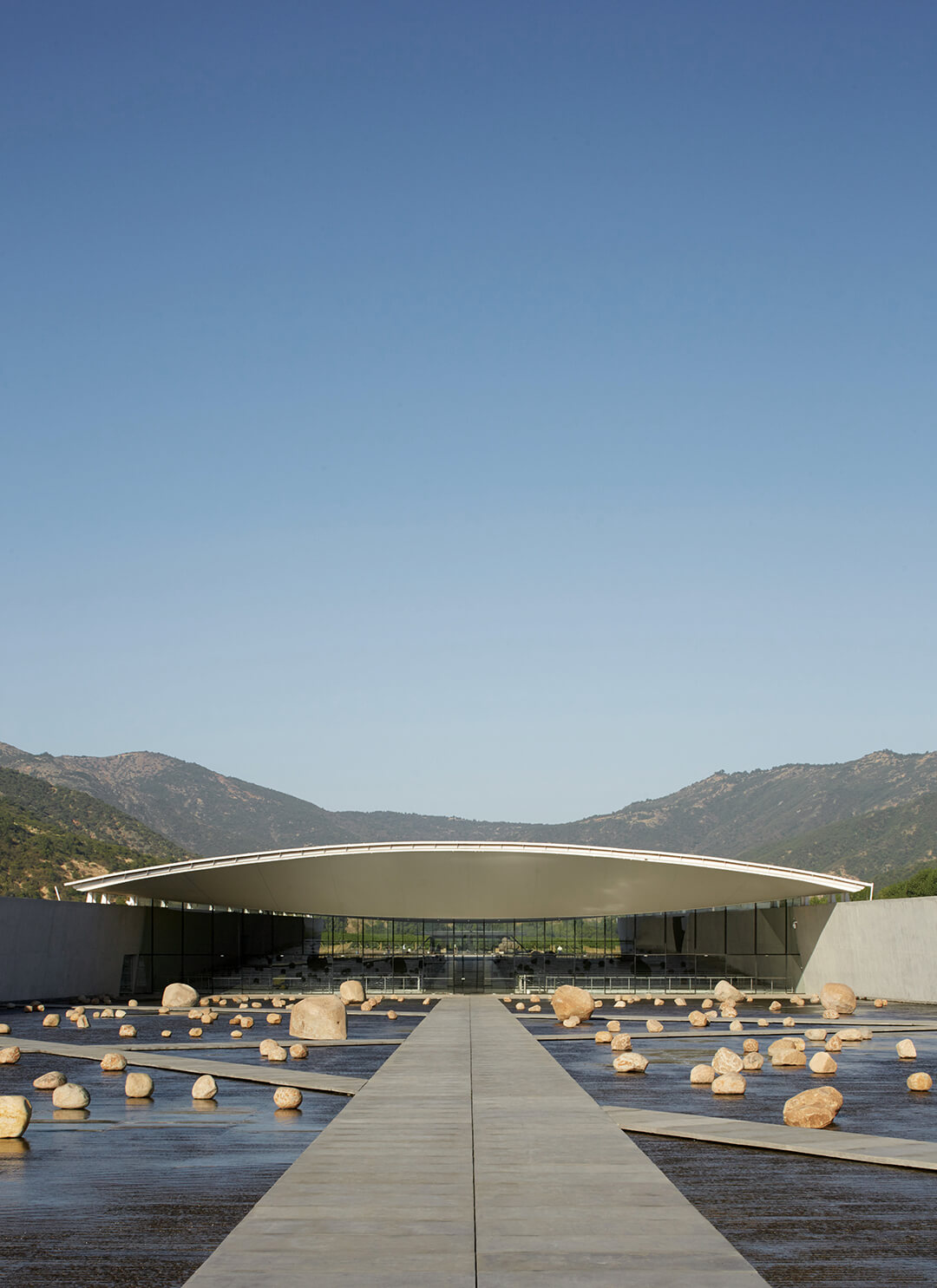
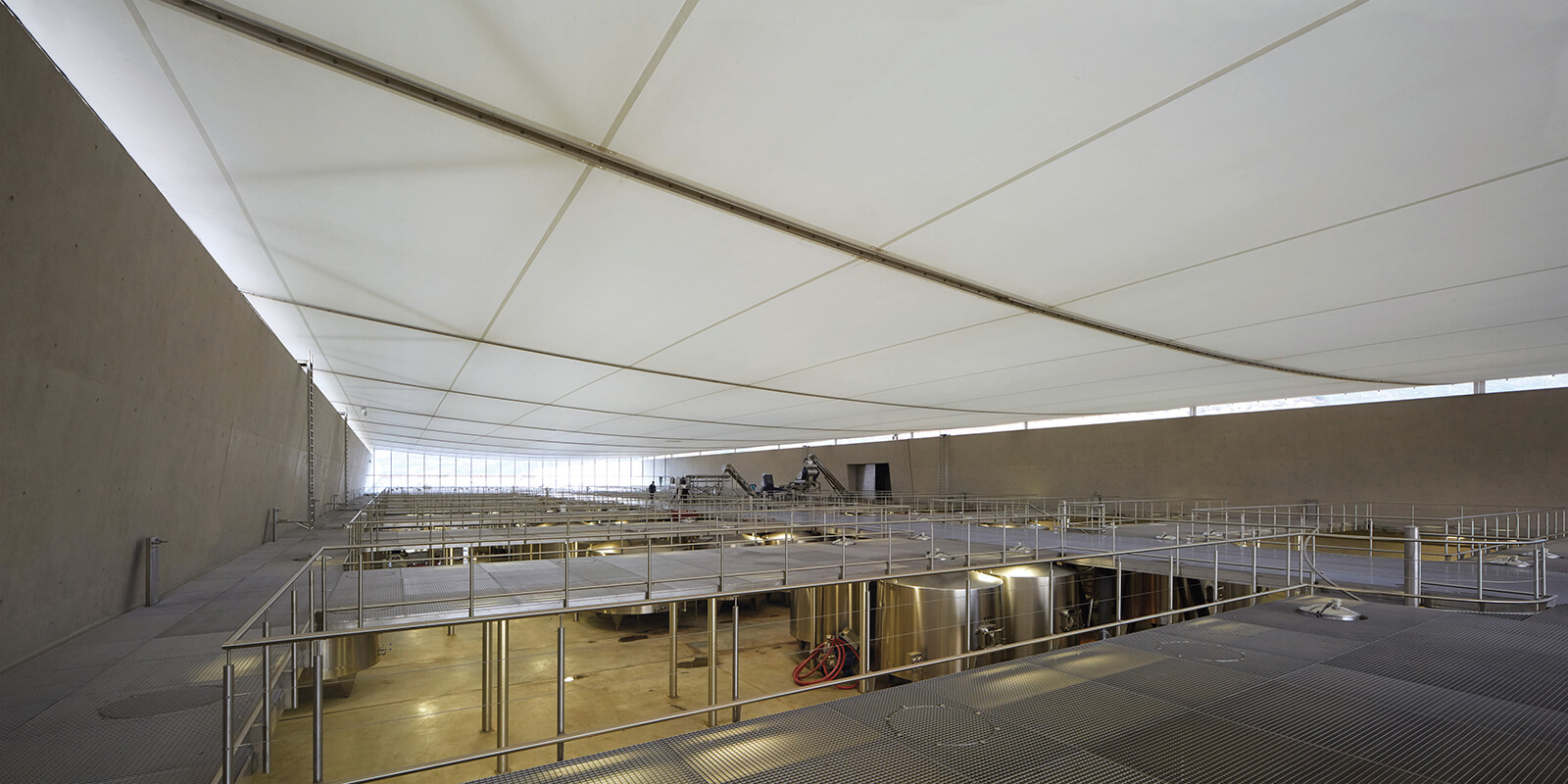
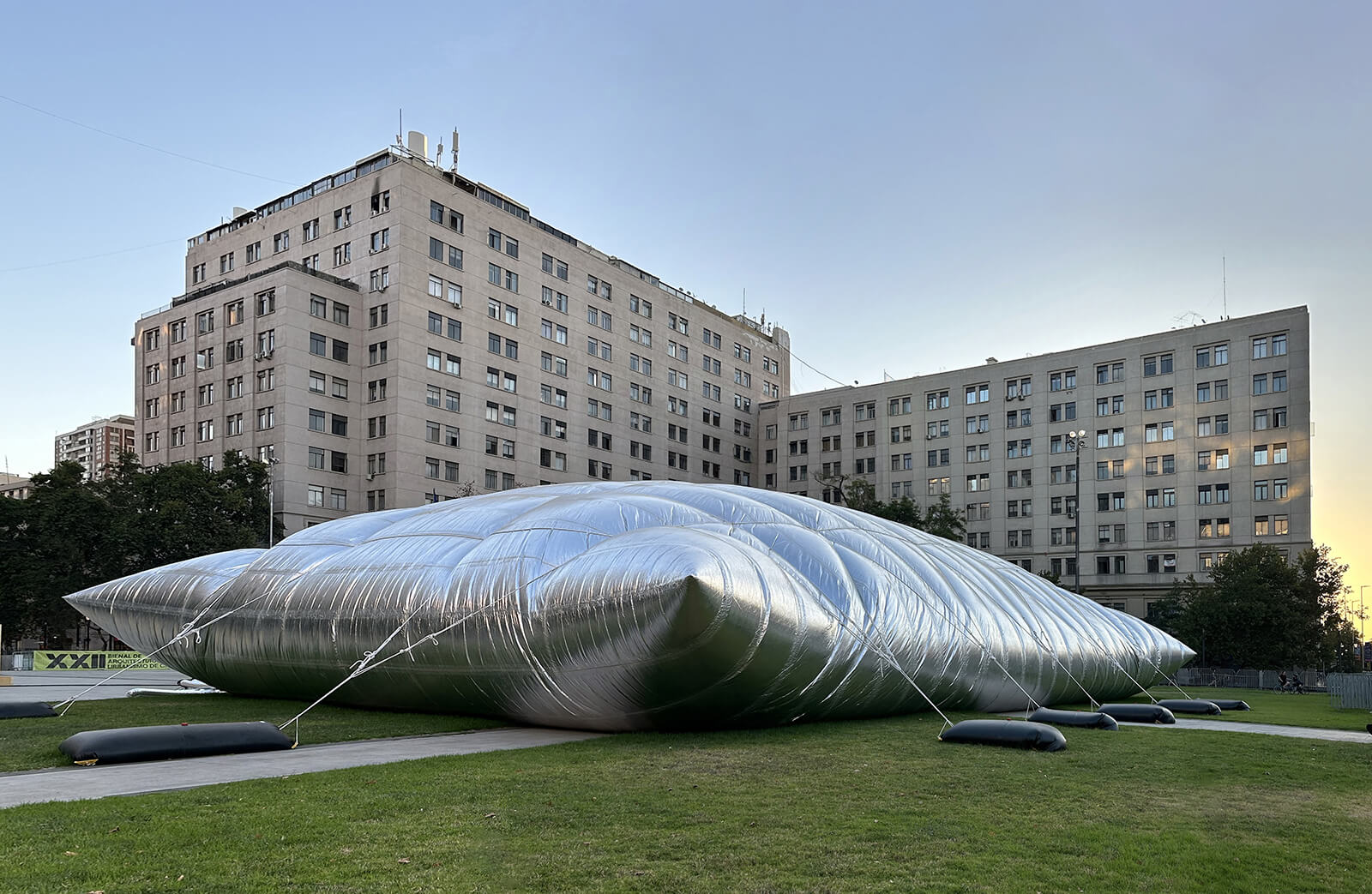
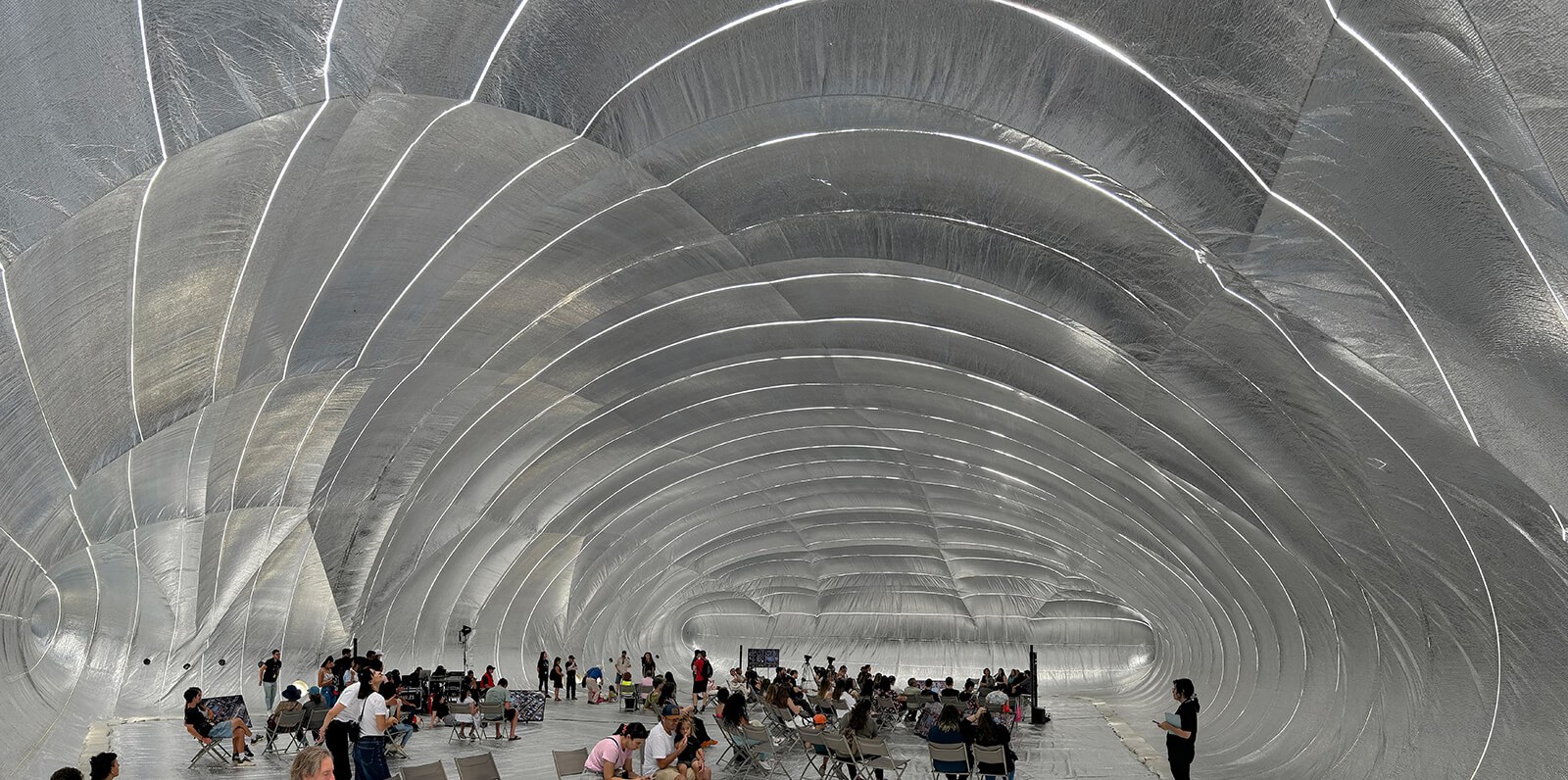
Other noteworthy works by the practice include The Boy Hidden in a Fish (2010) with Marcela Correa for the 12th International Venice Architecture Biennale, the Vik Millahue Winery (2013), the Prism House (2020) in Conguillío, the London Sky Bubble (2021), the Chanchera House (2022) in Puerto Octay and Guatero (2023) for the XXII Chilean Architecture Biennial in Santiago. From civic, institutional and commercial architecture to private residences and installations, the Chilean practice activates urban spaces throughout the world, in countries including the UK, Italy, Spain, France, Switzerland, Croatia and Austria. The Chilean architect naturally favours fragility over certainty, with his buildings often appearing austere and ageing with their surroundings, embracing vulnerable circumstance as a condition of a shared living experience.

by Pranjal Maheshwari Oct 24, 2026
A consortium of Copenhagen’s 3XN, Toronto’s B+H Architects and Shenzhen’s Zhubo Design has designed the museum to mimic the surrounding riverscape, topped with a public park.
by Pranjal Maheshwari Oct 19, 2026
The Mumbai-based architects integrate courtyards, mesh screens and north light trusses to create a dining space that doubles up as a community hub at SR University, Warangal.
by Mrinmayee Bhoot Oct 17, 2026
The Rotterdam-based institute centres the Indian Ocean as a network for exploring material histories and transnational links shaping coastal cultures, positing them as future models.
by Pranjal Maheshwari Oct 16, 2026
At the 2026 Stirling Prize ceremony, Mary Duggan with RUFF Architects, MAKER Architecten and Nakshabid Architects were felicitated for proffering quality housing and social equity.

make your fridays matter with a well-read weekend
Enter your details to sign in
Don’t have an account?
Sign upOr you can sign in with
a single account for all
STIR platforms
All your bookmarks will be available across all your devices.
Stay STIRred
Already have an account?
Sign inOr you can sign up with
Verification link sent to check your inbox or spam folder to complete sign up process
Tap on things that interests you.
Select the Conversation Category you would like to watch
Please enter your details and click submit.
Enter the 6-digit code sent at


2026 Pritzker Laureate Smiljan Radić Clarke carries the tensions of our times in his work
by Bansari Paghdar | Published on : Mar 13, 2026


 Sign in with Google
 Sign in with email
What do you think?